When You Had To Pay Before You Took It Home
Long before one-click checkout and buy now, pay later, families had another way to spread out a big purchase: layaway. It wasn't glamorous, and you didn't get the merchandise until the final payment cleared. But for generations of shoppers, that inconvenience was actually the feature that kept many families from turning one purchase into months of debt.
Layaway Was Basically Shopping In Reverse
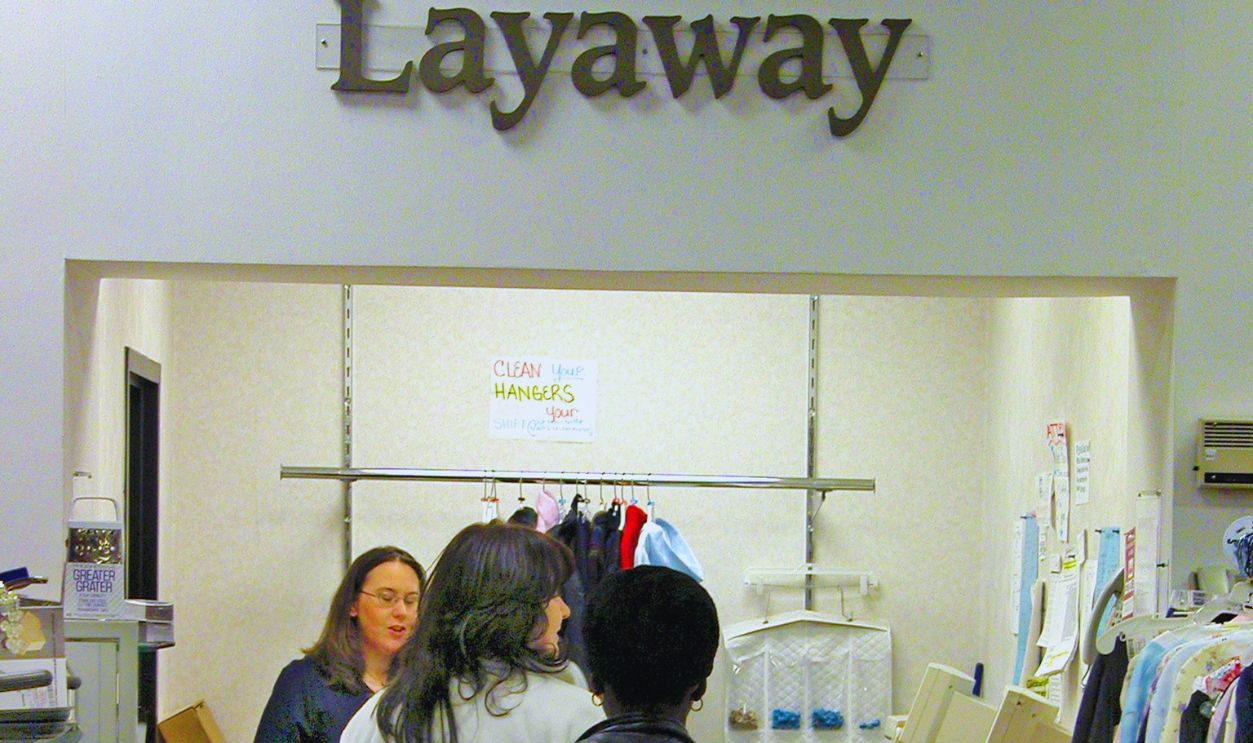
Traditional layaway worked differently from almost every modern financing option. A shopper chose an item, paid a deposit, and the store physically set the merchandise aside. The customer returned over the following weeks or months to make additional payments and finally took the item home once the balance reached zero. Unlike modern credit, there was usually no loan involved because the shopper wasn't borrowing money. That distinction sounds simple, but it's why layaway could act as a budgeting tool rather than just another way to finance spending.
Its Roots Go Back To An Era Before Easy Consumer Credit
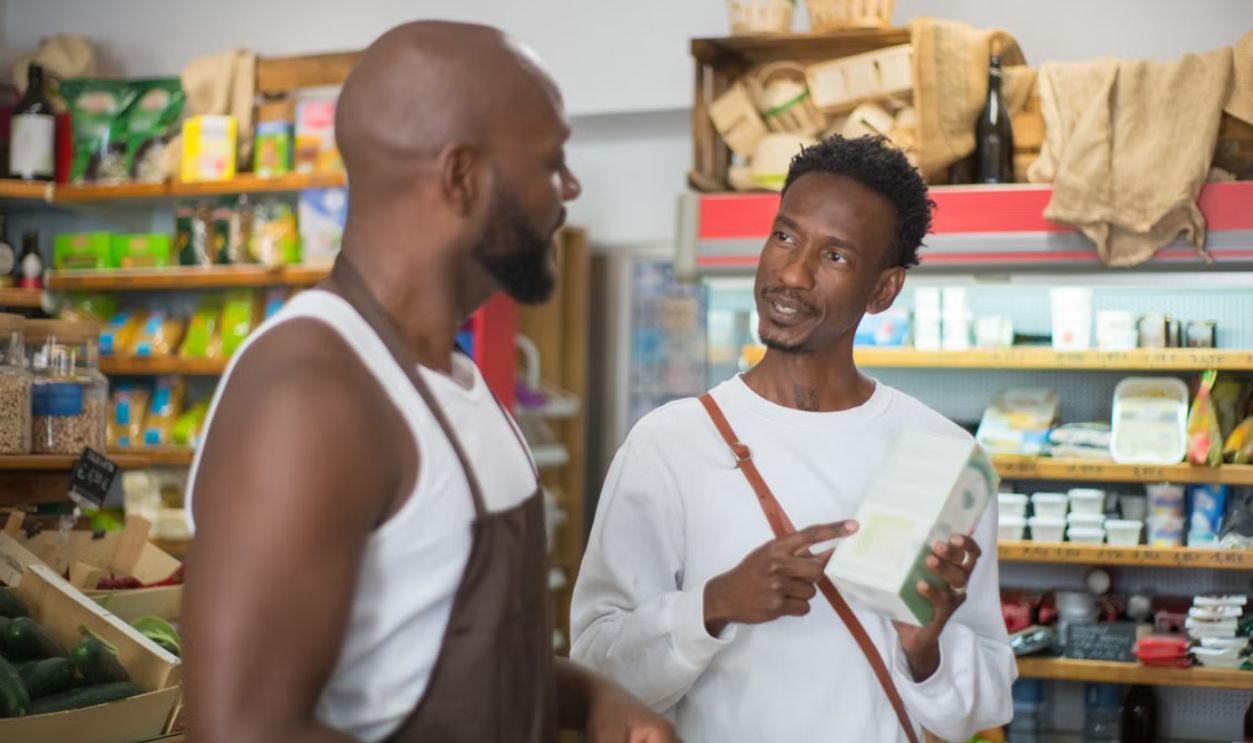
Installment buying existed well before the Great Depression, particularly for expensive purchases such as sewing machines, furniture, and automobiles. Layaway became especially widespread during the 1920s and 1930s, when retailers needed ways to serve households that couldn't simply hand over the full purchase price. During the Depression, consumer spending collapsed and families became understandably wary of debt. Reserving merchandise and paying toward it gradually offered a middle ground between buying immediately and going without.
 Balabinrm, Wikimedia Commons, Modified
The Great Depression Made Layaway Make Sense
For a cash-strapped family, the system solved a very practical problem. A winter coat might cost too much to buy from one paycheck, but waiting until the family had saved the entire amount created another risk: the coat might be gone. Layaway allowed shoppers to claim an item while still paying at a pace their household budget could handle. The store got a committed customer. The shopper got time. Neither side needed a bank to make the arrangement work.

It Was Especially Useful For Families Without Access To Credit
Modern shoppers can forget how uneven access to consumer credit once was. Stores were far more willing to extend charge accounts to affluent customers than to families they considered risky. Layaway offered another route. A household didn't necessarily need a strong credit history, a bank relationship, or enough income to qualify for a sizable revolving credit line. If the family could make the required payments, it could gradually work toward the purchase without first persuading a lender that it deserved to borrow.

There Was Usually No Interest Meter Running
One of layaway's biggest financial advantages was simple: the unpaid balance usually wasn't accumulating credit-card interest. Stores sometimes imposed service, cancellation, or storage fees, so layaway wasn't automatically free. But a family that successfully finished the plan generally knew approximately what the purchase would cost from the beginning. Compare that with revolving credit, where a $300 holiday purchase can remain on a balance for months while interest continues adding to the real price.
 Dennis MacDonald, Shutterstock
Layaway Created A Hard Spending Limit
The old system had an underrated budgeting feature: you couldn't keep spending the same money. If a shopper committed $10 or $20 from every paycheck to Christmas gifts on layaway, those dollars were visibly assigned to something. The customer couldn't casually tell themselves they'd “figure it out next month” while continuing to add more purchases to the same revolving balance. In financial-planning language, layaway created a form of mental accounting. In everyday language, the money already had a job.
It Forced Delayed Gratification
Layaway also inserted something modern retail increasingly tries to eliminate: waiting. Customers didn't leave the store with the television, bicycle, coat, or toy on the day they selected it. They had to keep paying until it was theirs. That wasn't as convenient as credit, but inconvenience can sometimes protect a budget. The weeks between wanting something and actually receiving it gave shoppers less opportunity to confuse immediate desire with an emergency purchase.
 U.S. Navy NEXCOM by Kristine Sturkie, Wikimedia Commons
It Could Lock Down A Hard-To-Find Christmas Gift
The system was especially appealing around the holidays. Parents could start selecting toys months before Christmas and know those specific items were being held for them while they finished paying. That mattered more in an era when inventory systems and supply chains were less sophisticated and a sold-out product might not reappear quickly. Layaway wasn't merely financing. It combined gradual saving with a reservation system, which made it particularly useful for predictable seasonal spending.
 U.S. Navy NEXCOM by Kristine Sturkie, Wikimedia Commons
Christmas Became A Payment Schedule Instead Of A January Bill
For many families, this was the real attraction. Start shopping early enough, make payments through the fall, and finish before Christmas. By the time gifts appeared under the tree, they were already paid for. There was no large holiday balance waiting on the other side of New Year's Day. That didn't make Christmas inexpensive, but it moved the financial pressure before the purchase rather than after it—a subtle difference that could make household budgeting much easier.
 Chris Olszewski, Wikimedia Commons
Department Stores Turned It Into A Routine
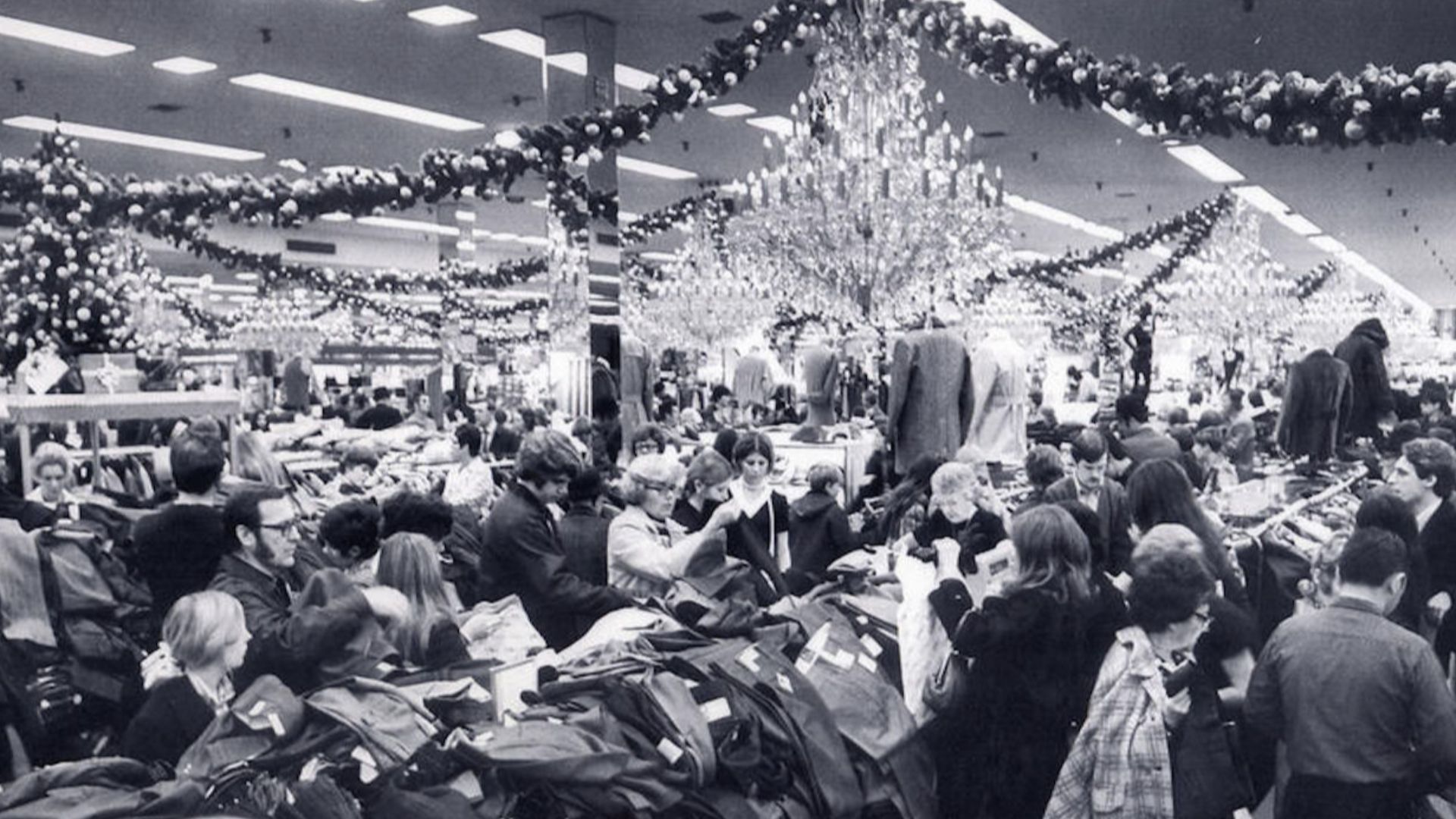
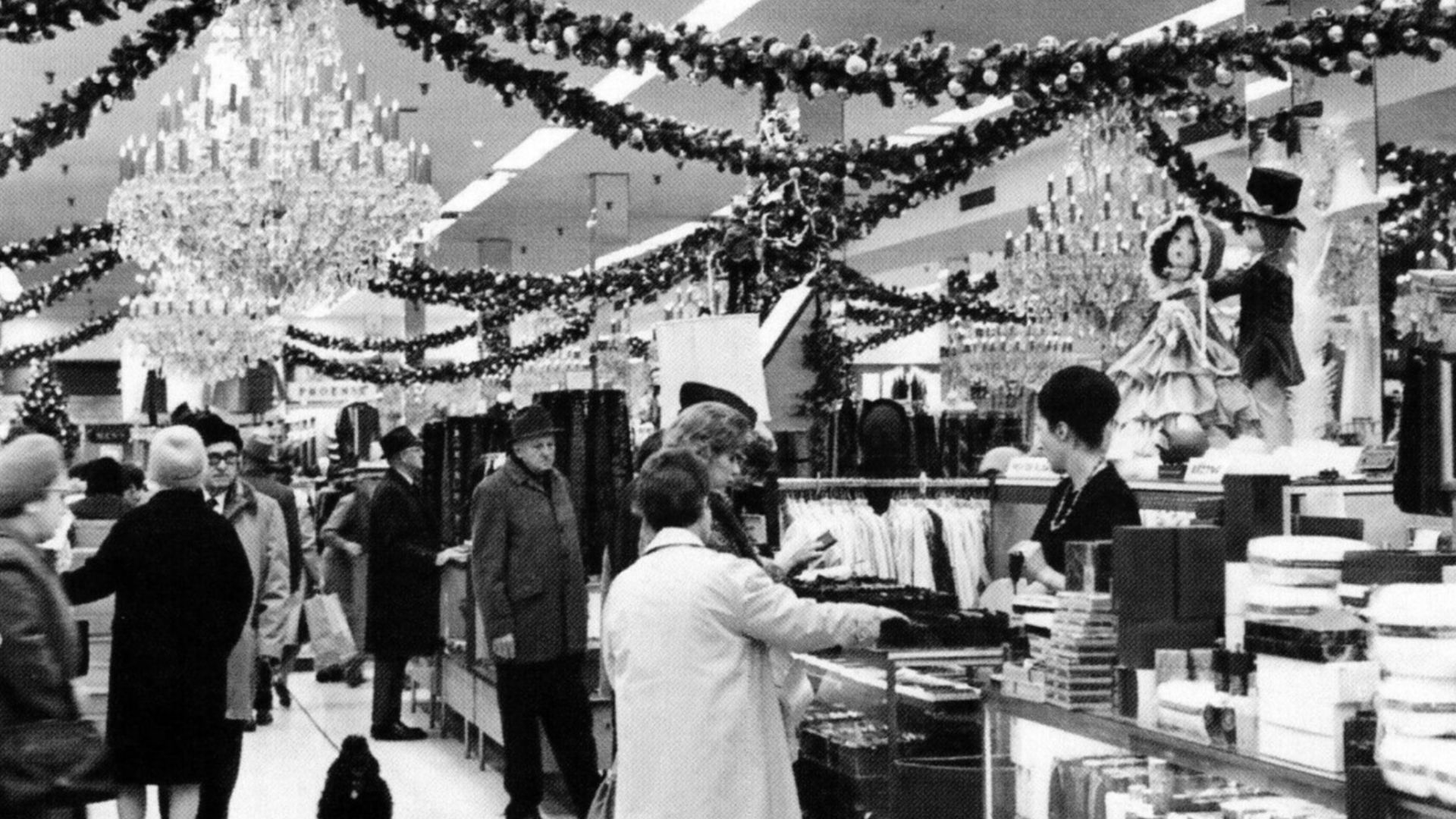
Layaway counters became familiar features in department and discount stores. Shoppers would make deposits, return with payments, and eventually collect bags or boxes that had spent weeks sitting in a stockroom with their names attached. For families using the program repeatedly, layaway became part of the calendar. Back-to-school clothing might go on one plan. Christmas toys might go on another. The system transformed large but predictable expenses into smaller obligations distributed across several paychecks.
 Unknown authorUnknown author Self-scanned, Wikimedia Commons
It Wasn't Always A Great Deal
Nostalgia can make old-fashioned layaway sound more consumer-friendly than it always was. Some plans charged setup fees, cancellation penalties, or other costs. Missing a deadline could cause the merchandise to be returned to inventory. Refund policies varied, and customers could lose fees even when they received most of their money back. Consumer Reports has long warned that those flat charges can be substantial when the underlying purchase is relatively small. Layaway avoided interest, but “interest-free” never meant “cost-free”.
 AnonymousUnknown author, Wikimedia Commons
You Also Couldn't Use What You Were Paying For
That was the trade-off credit cards eventually exploited. Imagine making six payments on a washing machine while continuing to use the broken one at home. Layaway worked beautifully for purchases that could wait, such as Christmas presents, clothing bought ahead of a season, or nonessential household goods. It was far less helpful when someone needed the product immediately. Credit offered something layaway couldn't: take the merchandise home tonight and worry about paying for it afterward.
 Marcos Mesa Sam Wordley, Shutterstock
Department Store Credit Changed The Equation
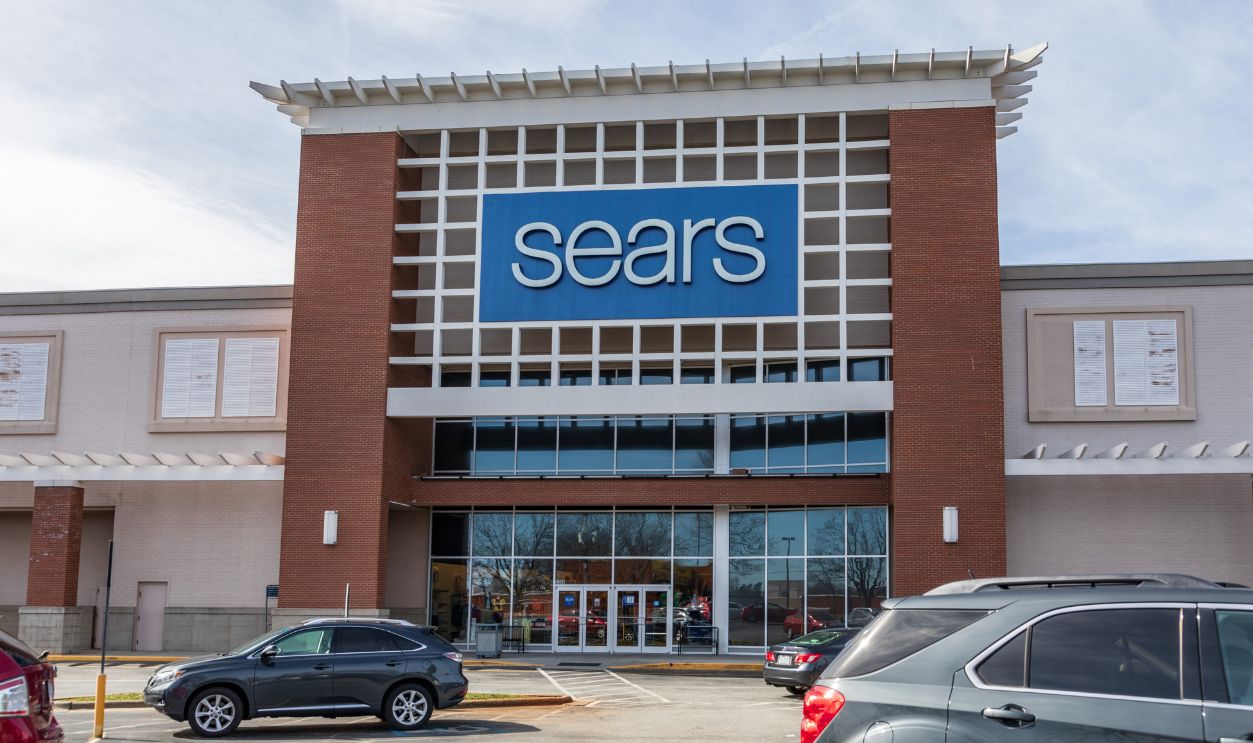
Major department-store chains expanded revolving credit during the mid-20th century. Instead of paying everything before receiving an item, customers with approved accounts could make the purchase immediately and repay the store later. Federal Reserve records show revolving credit plans spreading rapidly through department stores and mail-order houses during the 1950s. The convenience was enormously attractive, particularly as American consumer culture expanded after World War II.
 J. Michael Jones, Shutterstock
General-Purpose Credit Cards Made Layaway Feel Old-Fashioned
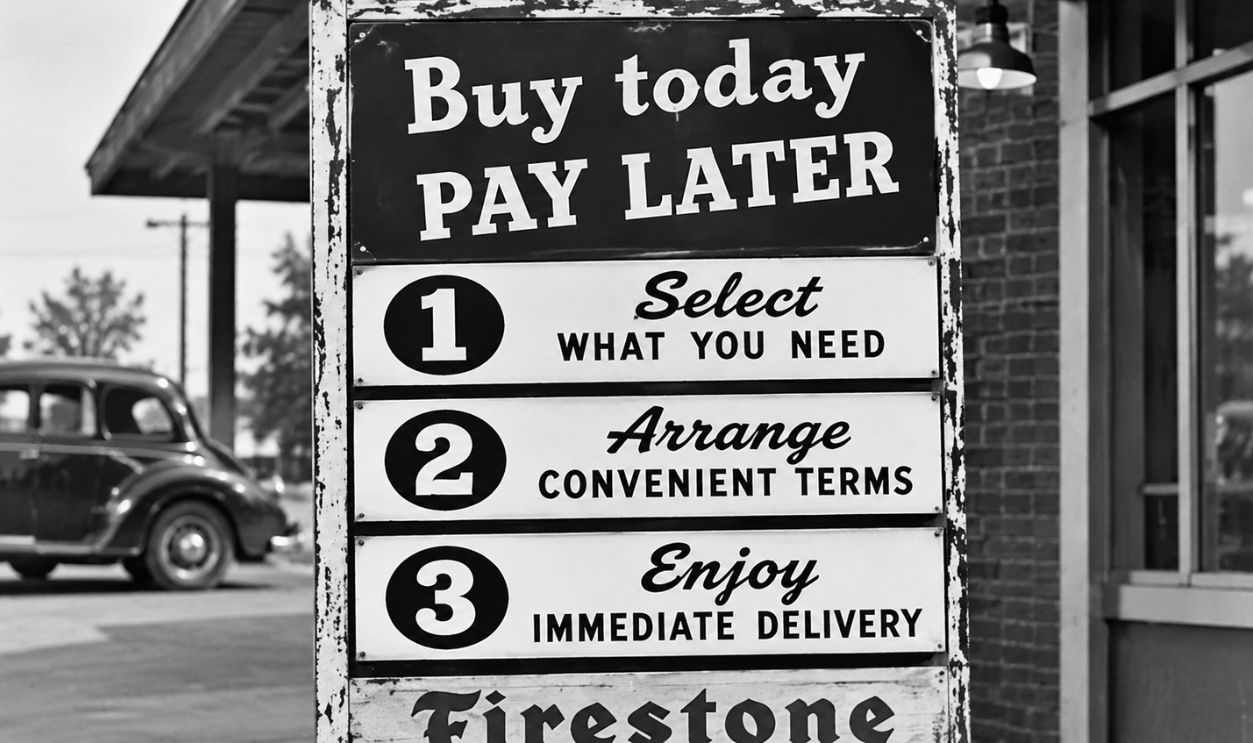
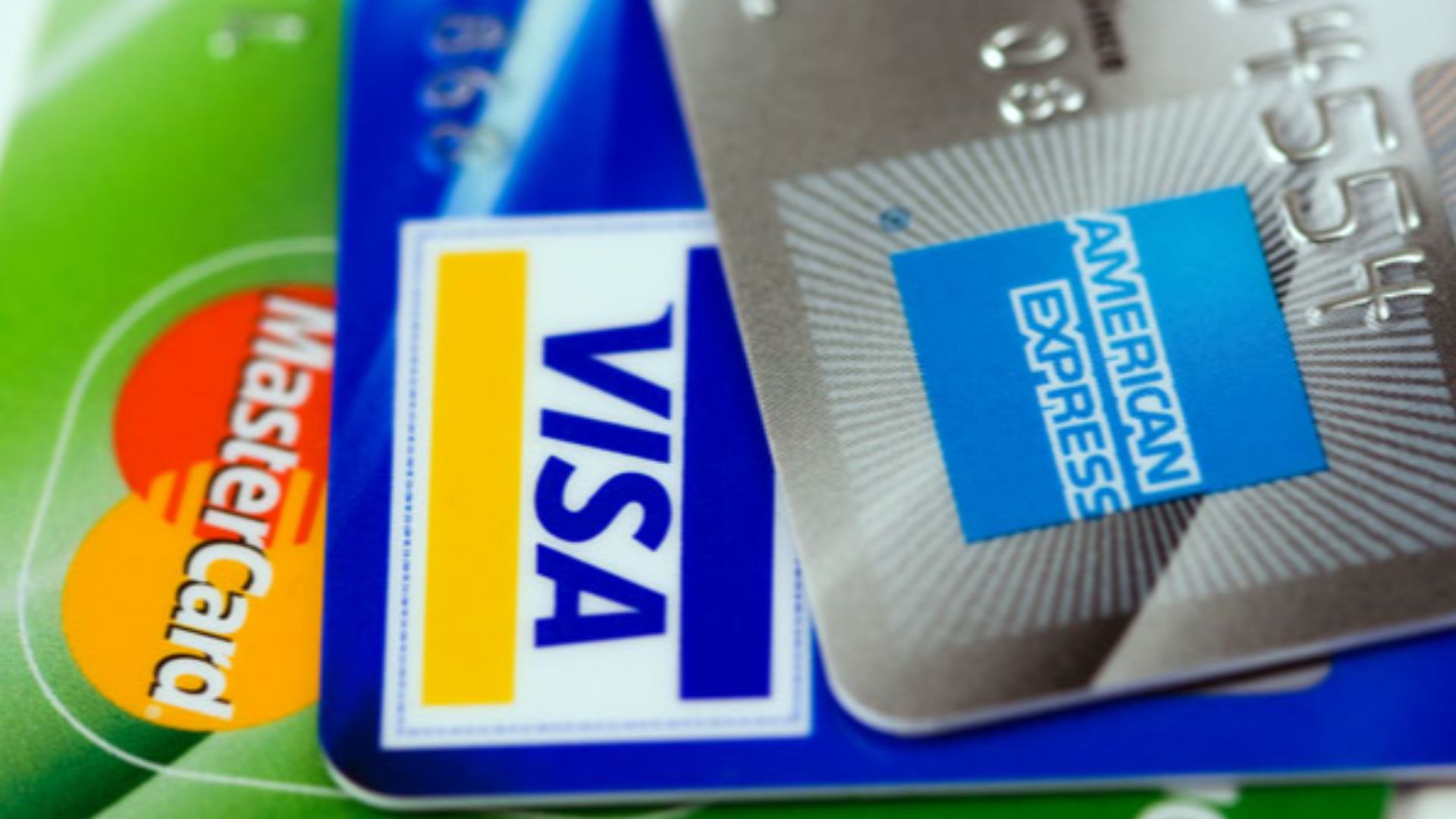
Once bank-issued credit cards became commonplace, consumers no longer needed a separate payment arrangement with every department store. A card could follow the shopper from one retailer to another. It also solved layaway's biggest annoyance: the buyer immediately received the purchase. By the 1980s, layaway was declining sharply as revolving credit became a normal part of household spending. The cultural expectation changed from “save now, receive later” toward “receive now, pay later”.
 Petr Kratochvil, Wikimedia Commons
Retailers Had Reasons To Prefer Credit Too
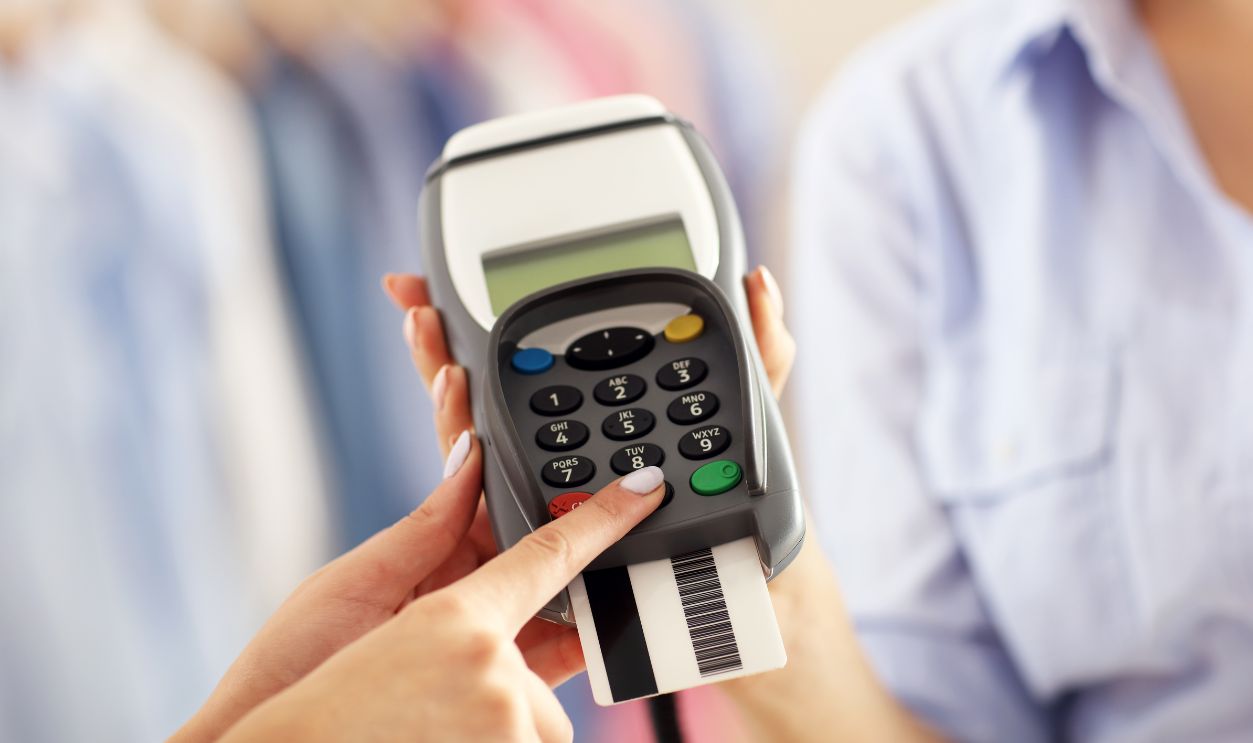
Layaway created work behind the scenes. Stores had to document contracts, process repeated payments, reserve merchandise, store it somewhere, deal with cancellations, and keep track of inventory that wasn't technically sold yet. Credit transferred much of that problem elsewhere. The retailer could complete a transaction immediately while banks or other lenders handled repayment and collection. Merchandise left the building instead of occupying valuable storage space for weeks. As shopping became faster and more automated, the old layaway counter increasingly looked expensive to operate.
By The 1990s, Layaway Looked Like A Relic
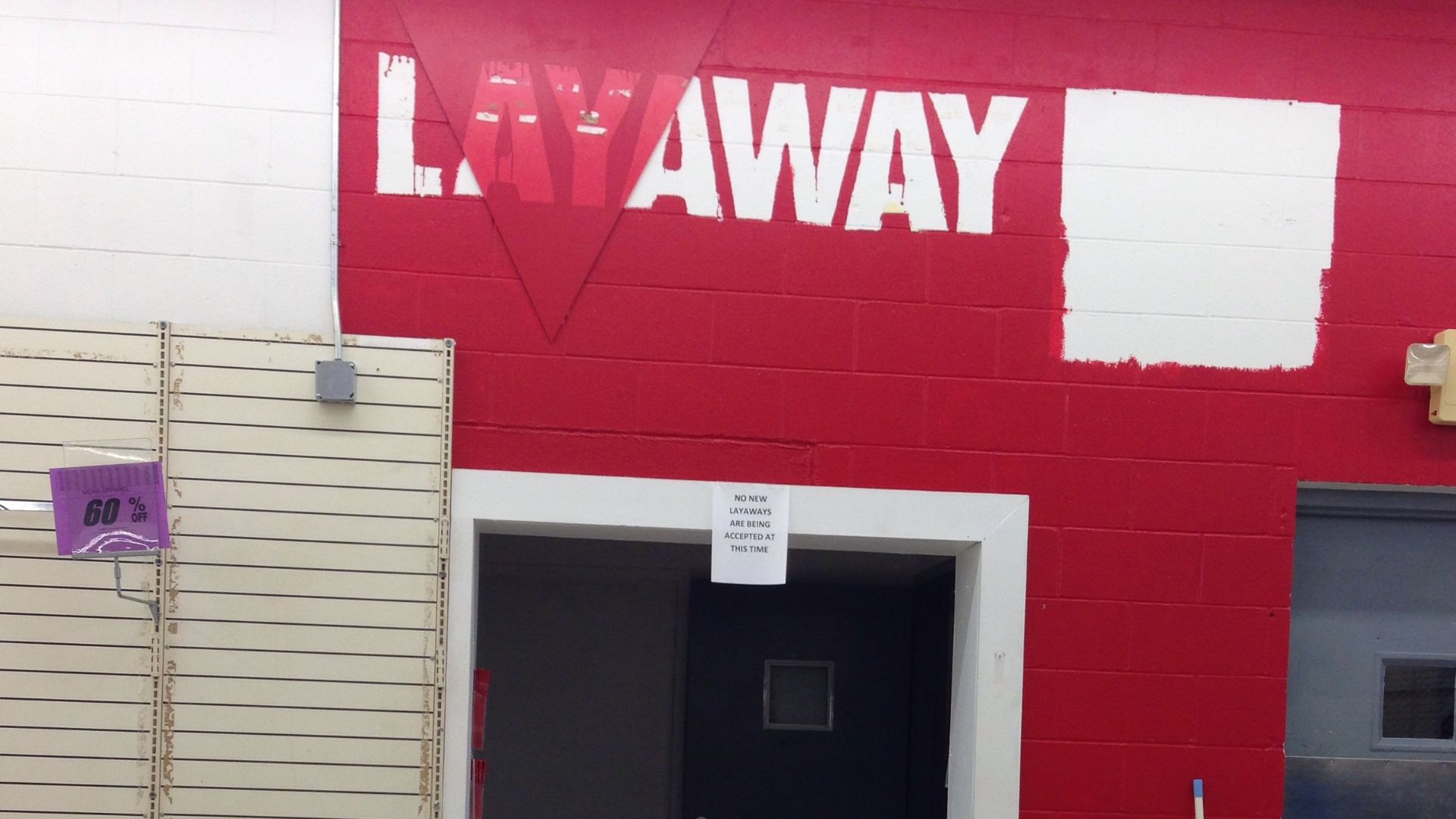
Many major retailers gradually eliminated programs as customer demand fell. Credit cards were widely available, consumers expected instant possession, and stores had fewer reasons to dedicate employees and stockroom space to long-term holds. The disappearance wasn't complete—Kmart famously remained associated with layaway—but the service stopped being a standard expectation at large American retailers. For younger shoppers, the word itself increasingly sounded like something their parents or grandparents used.
Then The Great Recession Brought It Back
The 2008 financial crisis briefly made old-fashioned layaway look remarkably modern again. Credit tightened, unemployment rose, families became more cautious about borrowing, and retailers needed ways to convince nervous shoppers to keep spending. Sears restored a broad layaway program in 2008 after having discontinued it years earlier, while Kmart promoted its existing program heavily. Consumer Reports surveys at the time found growing interest among holiday shoppers trying to avoid expensive card balances.
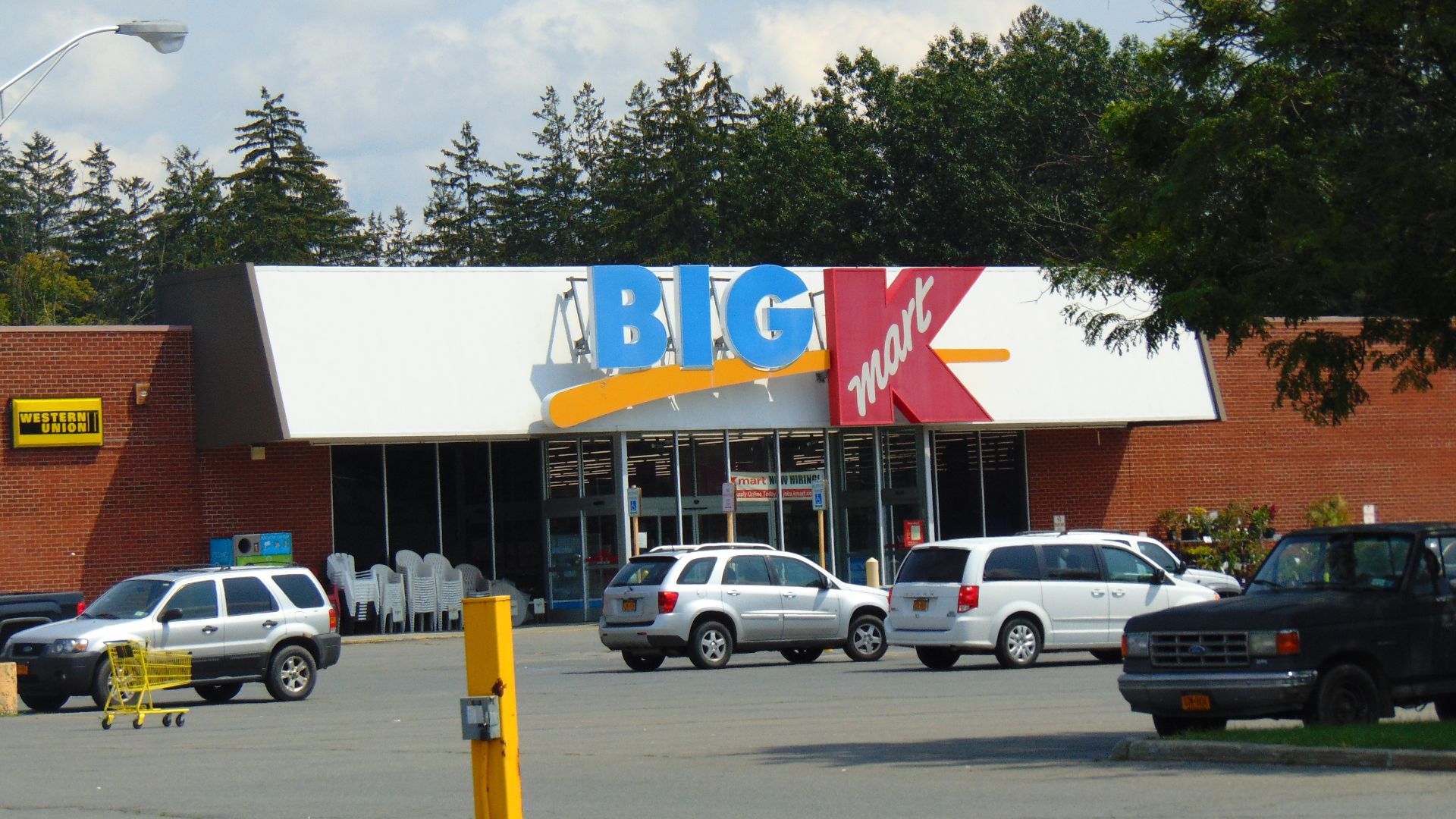 JJBers Public, Wikimedia Commons
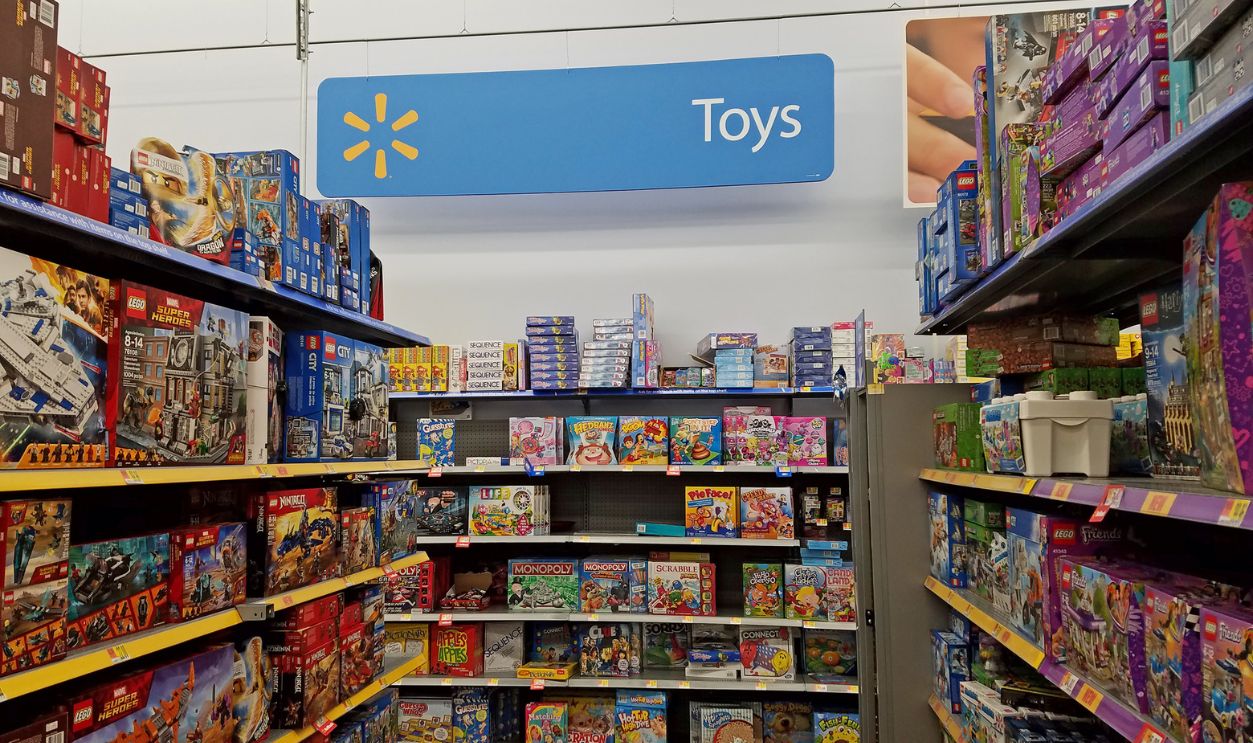
Walmart Even Revived Its Holiday Program
Walmart had ended most traditional layaway in 2006 as demand declined, then brought holiday layaway back during the post-recession period after customers asked for it. Company statements from that era explicitly described the program as a tool for families managing tight Christmas budgets. Toys, electronics, bicycles, and other gift-oriented products became popular layaway items. For a few years, it looked as though delayed gratification had made an unlikely comeback against easy credit.
The Comeback Didn't Last
Layaway's return was tied partly to an unusual economic moment. Once credit availability improved and shopping shifted increasingly online, the weaknesses of the old system resurfaced. Consumers still preferred receiving products immediately. Retailers wanted transactions completed quickly. Physical stores were losing traffic to websites and apps that could approve financing almost instantly. The old model required the merchant to hold both the merchandise and the responsibility for administering the payment plan. New financial technology offered retailers a much cleaner alternative.

Online Shopping Was Never A Natural Fit For Old-School Layaway
Traditional layaway made perfect sense when merchandise physically sat in a department-store stockroom. E-commerce operates differently. Inventory moves through warehouses and fulfillment centers designed to ship orders quickly, not hold individual purchases for months while customers make small payments. Shoppers also expect online orders to arrive within days. A checkout button promising “pay several times, receive this sometime later” is competing against a button promising “receive this tomorrow and pay several times later”. Convenience gave the newer option an obvious advantage.

Buy Now, Pay Later Took The Same Idea And Flipped It
BNPL services borrowed layaway's appealing part—breaking one purchase into predictable installments—while removing the waiting. A common pay-in-four plan divides a purchase into four payments over roughly six weeks, often without interest when payments are made as agreed. The shopper receives the product immediately, while a financing company handles the installment arrangement. The CFPB says BNPL expanded rapidly beginning in 2019, becoming a common option both online and in stores.
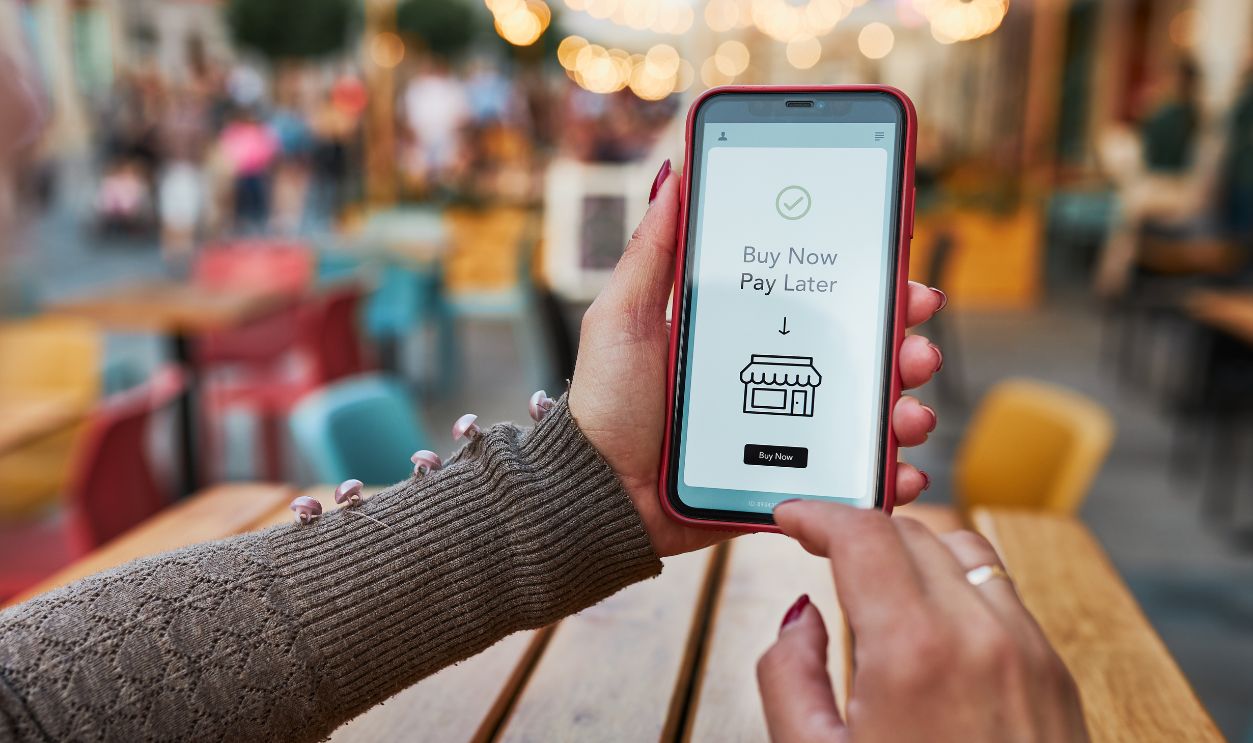
But BNPL Isn't Just Digital Layaway
The distinction matters financially. Layaway was essentially a savings-and-reservation arrangement: you paid toward merchandise you didn't yet own. BNPL is credit. You receive the item before you've paid the full price and owe money afterward. That reverses layaway's strongest budgeting protection. Under layaway, failing to finish the plan generally meant losing the purchase and perhaps some fees. With BNPL, the merchandise is already yours and the remaining payments are still obligations.
 Ahmet Misirligul, Shutterstock
Small Installments Can Make Large Spending Look Harmless
The modern checkout screen rarely emphasizes a product's full price as dramatically as the installment. A $240 purchase can suddenly look like “four payments of $60”. That may genuinely help with cash flow, but it can also encourage shoppers to focus on the payment rather than the total cost. The risk grows when several purchases overlap. CFPB research found that 63% of BNPL borrowers in its 2021–2022 data had multiple simultaneous loans at some point, with roughly one-third borrowing across multiple providers.
 Jutharat Jaroenwong, Shutterstock
Credit Cards Are King
Traditional revolving credit remains enormous. As of the second quarter of 2026, US credit-card balances stood at approximately $1.26 trillion, according to the Federal Reserve Bank of New York. That doesn't mean credit cards are inherently a bad budgeting tool; paying the statement balance in full can provide convenience, protections, and rewards without interest. But carrying balances turns today's purchases into claims on future income. The old layaway shopper confronted the opposite problem: the purchase couldn't come home until the money already existed.
Traditional Layaway Isn't Completely Dead
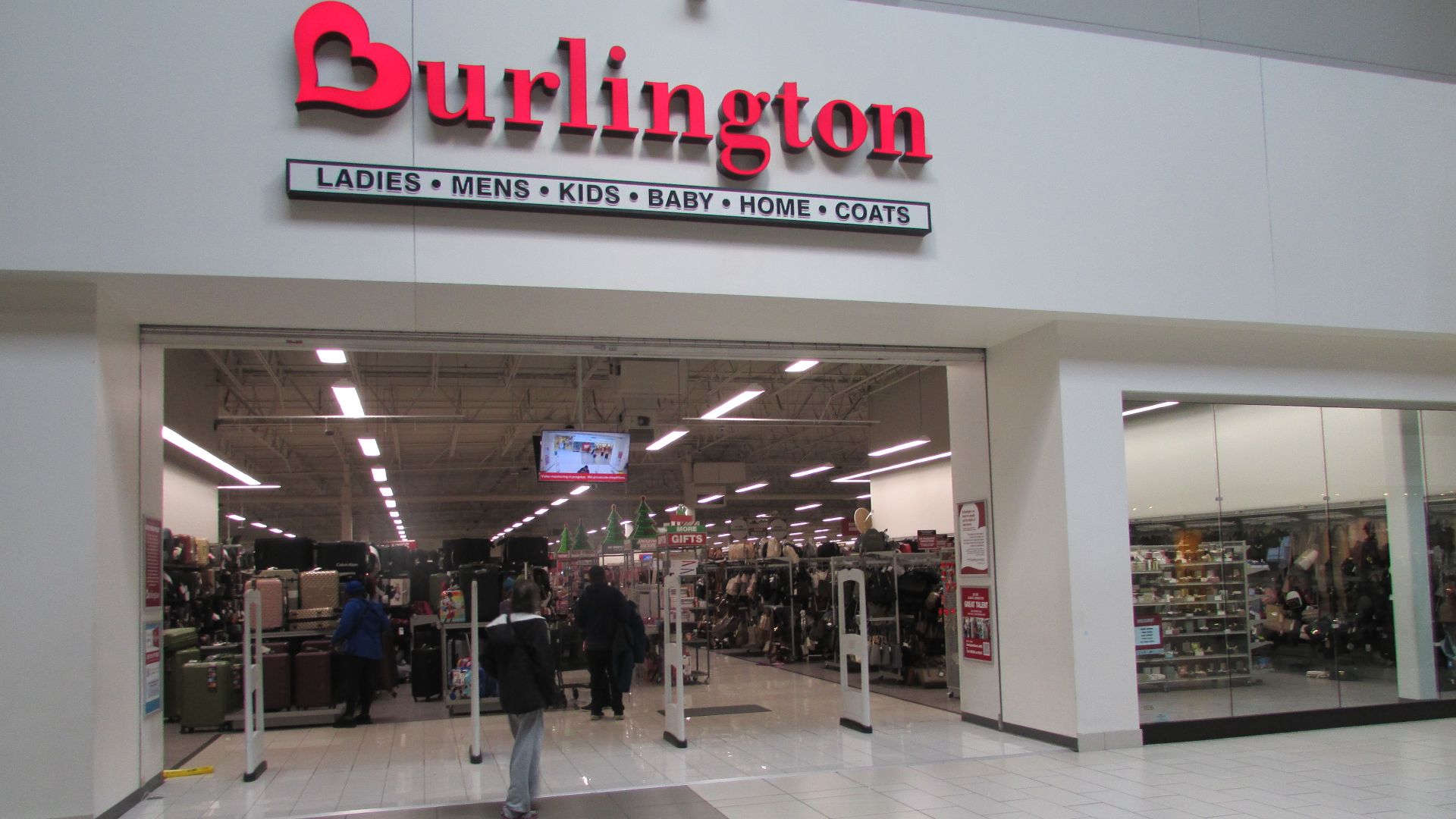
A few retailers still keep the old model alive. Burlington, for example, currently advertises layaway at select locations. Its policy generally requires a minimum deposit of $10 or 20%, whichever is greater, plus a $5 service fee, and the merchandise is held for 30 days. Cancellation can bring an additional fee, and exclusions apply. The details are a reminder that anyone finding a surviving layaway program should read the terms rather than assuming it works like the one their grandparents remember.
 Chris Light, Wikimedia Commons
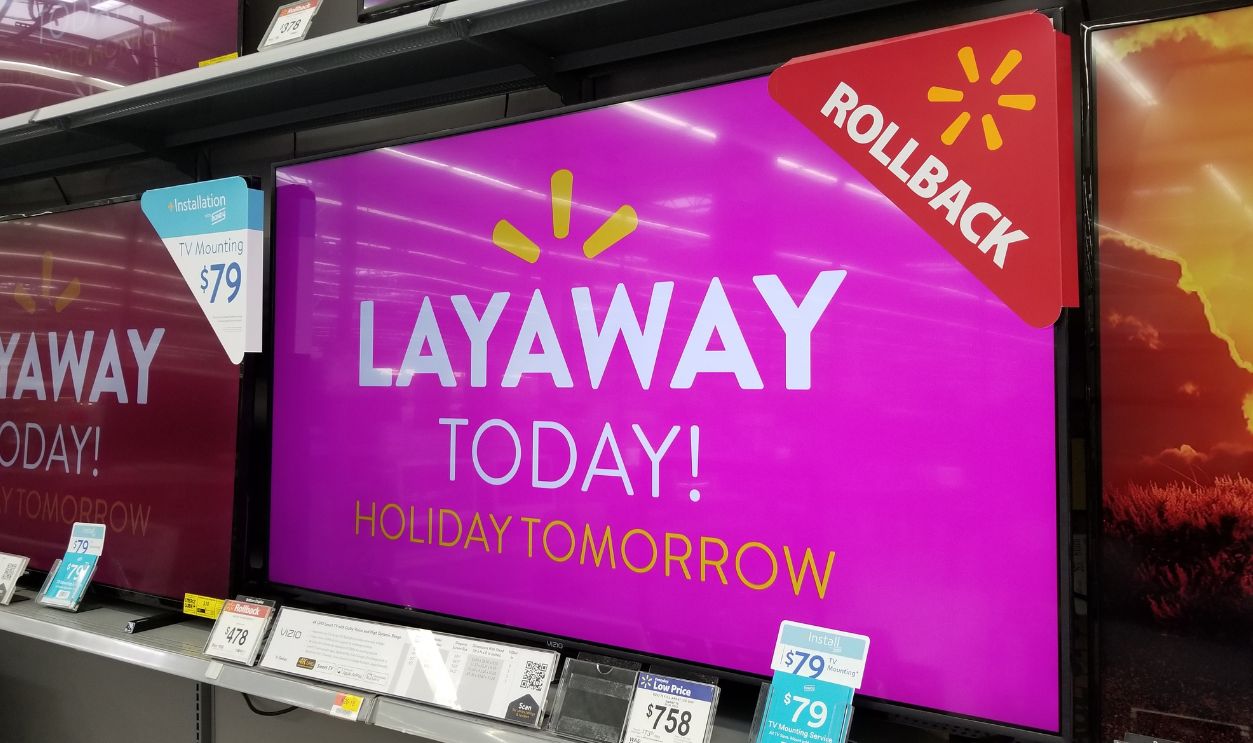
Walmart Now Points Shoppers Toward Pay-Over-Time Instead
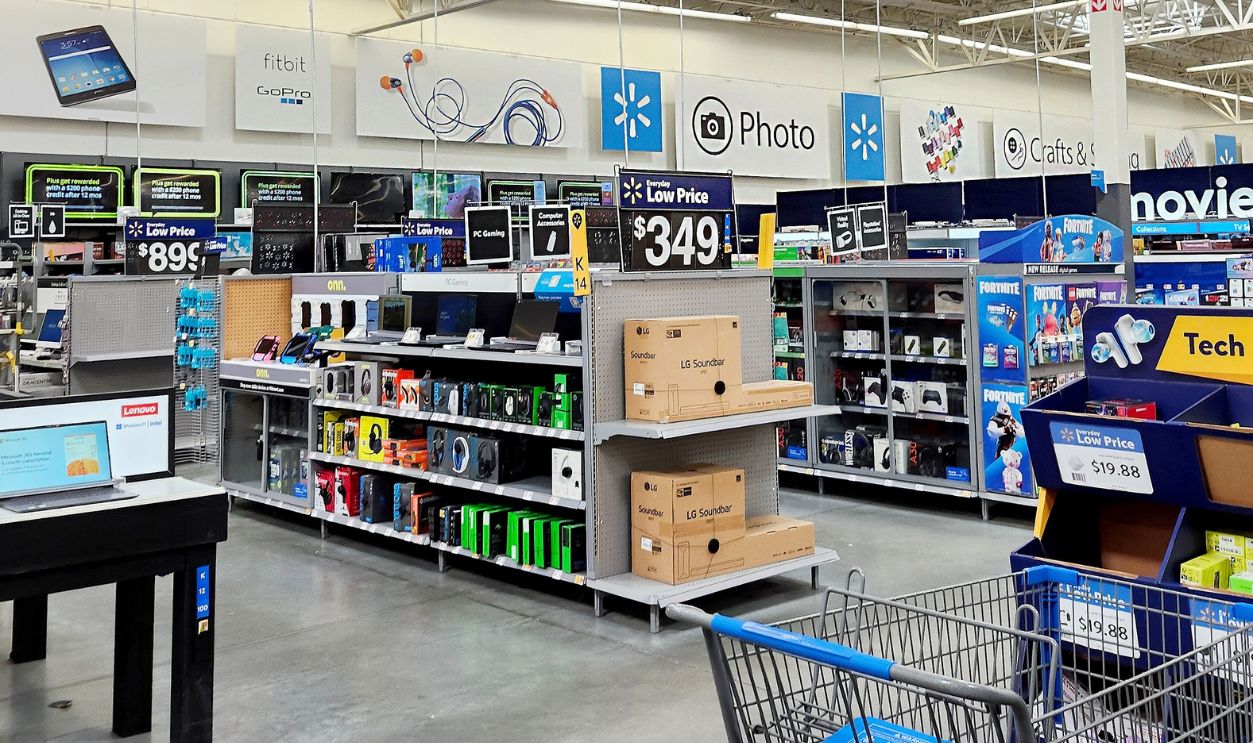
The contrast is easy to see at one of America's biggest retailers. Walmart's current layaway information says it no longer offers traditional layaway and instead directs customers toward pay-over-time financing for eligible purchases. The product comes home immediately, while repayment happens afterward through a financing provider. That's essentially the broader retail story in miniature: the merchant no longer has to store your television while you save for it, and the consumer no longer has to wait.
You Can Build Your Own Layaway Account
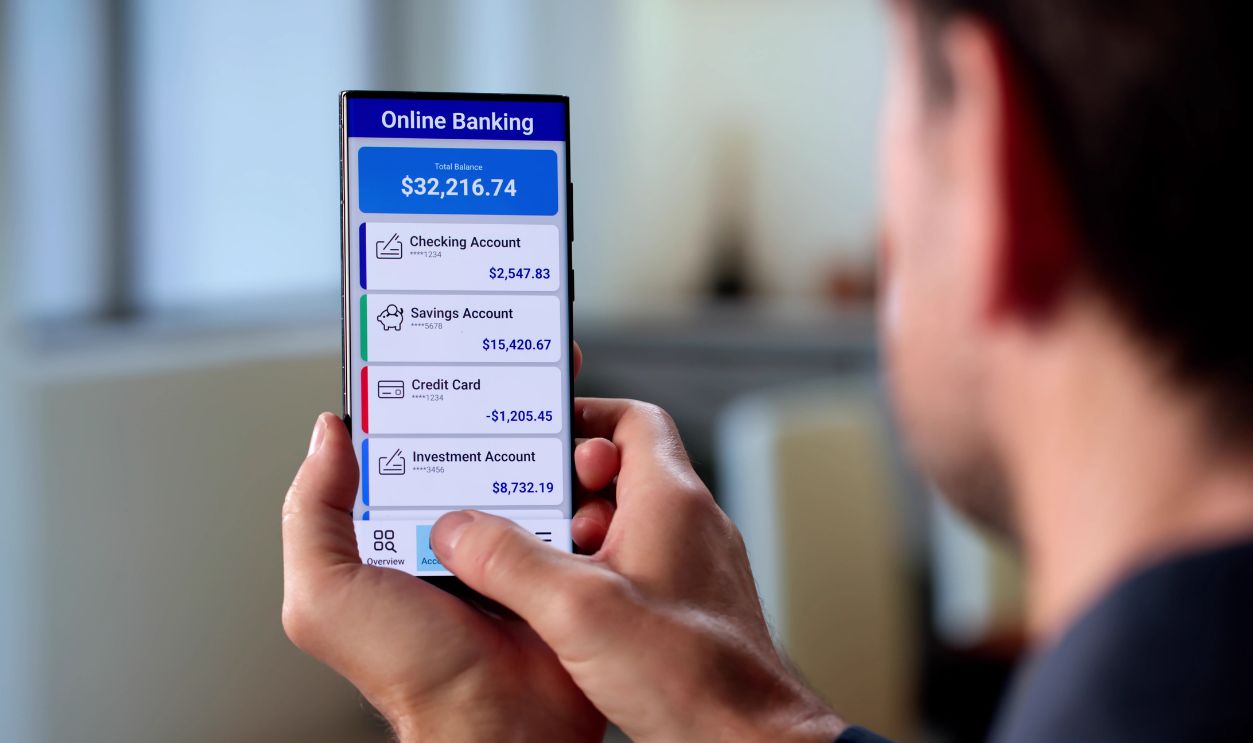
For shoppers who liked layaway because it enforced discipline, the simplest replacement doesn't require a retailer at all. Create a separate savings bucket for predictable purchases—Christmas, school clothes, a new appliance, or next year's vacation. Estimate the total cost, divide it by the number of paychecks before the purchase date, and move that amount into savings each payday. The CFPB recommends consistent automatic transfers as one of the easiest ways to build savings over time.
Automatic Saving Recreates The Best Part Of The Old System
Suppose you want $900 available for holiday shopping by December and have nine months to prepare. Saving $100 per month gets you there without depending on a December paycheck or January credit-card bill. Automatic transfers make the process even closer to layaway because the money disappears from everyday spending before you can casually repurpose it. CFPB research has found that guaranteed saving rules, such as saving every payday, are associated with stronger savings accumulation than rules dependent on spending behavior.
Holiday Clubs Still Use The Same Philosophy
Layaway wasn't the only old-fashioned budgeting system built around Christmas. “Christmas clubs” or holiday savings accounts encouraged customers to deposit small amounts throughout the year so the money would be available near the holidays. Versions still exist at some banks and credit unions. The Library of Congress traces one early Christmas savings club to Pennsylvania in 1909, while the FDIC still points to holiday-club accounts as one way of separating money for a short-term goal.
Give Every Major Purchase Its Own Deadline
A useful layaway habit was working backward from a date. Modern shoppers can do the same thing. If a laptop costs $800 and you want it in four months, saving $200 per month tells you immediately whether the purchase fits your current finances. If $200 isn't realistic, the answer isn't necessarily another financing app. It may be a cheaper laptop, a longer timeline, or postponing the purchase. A budget is useful precisely because it makes those trade-offs visible before checkout.

Shop From A List, Not From A Payment Amount
Retail financing encourages shoppers to ask, “Can I afford $40 every two weeks?” A stronger question is, “Is this item worth $240 of my money?” Start with a total spending limit and list what needs to fit inside it. The FDIC recommends creating a gift list, assigning intended purchases and amounts, and comparison shopping rather than allowing sales to determine the budget. Discounts save money only when they reduce the cost of something you already planned to buy.

If You Use BNPL, Treat Every Installment As Already Spent
BNPL can be useful when cash flow timing is the problem rather than affordability, but it works best when the full purchase already fits the budget. Before accepting a plan, add every future payment to your calendar and include any other active installment plans. Check fees, interest, autopay terms, and return procedures. Most importantly, don't count the same future paycheck several times. Four manageable installment plans can quietly become one unmanageable collection of withdrawals.
The Old Lesson Still Works Without The Layaway Counter
Layaway disappeared because credit cards, e-commerce, and BNPL offered something shoppers usually prefer: immediate possession. But the old system contained a financial lesson worth keeping. It forced households to decide what they wanted, reserve money for it, and finish paying before enjoying it. You don't need a department store stockroom to do that. A separate savings account, a clear deadline, and automatic deposits can reproduce the best part of layaway while leaving the fees and fluorescent customer-service counter in the past.
You May Also Like: