
The Products That Could Disappear With Baby Boomers
Remember when buying a newspaper, renting a movie, or picking up a new phone book was perfectly normal? For millions of Baby Boomers, some of these products are still worth every penny. But younger generations have other ideas. As shopping habits change, these once-essential purchases could become increasingly difficult to find. How many are still in your home?
Printed Newspapers
There was something wonderful about opening the newspaper over breakfast, especially on a Sunday morning. Plenty of Boomers still appreciate that ritual, but younger readers increasingly get their headlines online. With print circulation under pressure, the daily paper could eventually become a luxury rather than an everyday purchase.

Paper Road Atlases
Before GPS, a Rand McNally road atlas was practically a requirement for any American road trip. Boomers still appreciate being able to unfold a map without worrying about cellphone reception. Younger drivers, however, generally prefer free navigation apps. That makes the traditional road atlas an increasingly specialized purchase.

Landline Telephones
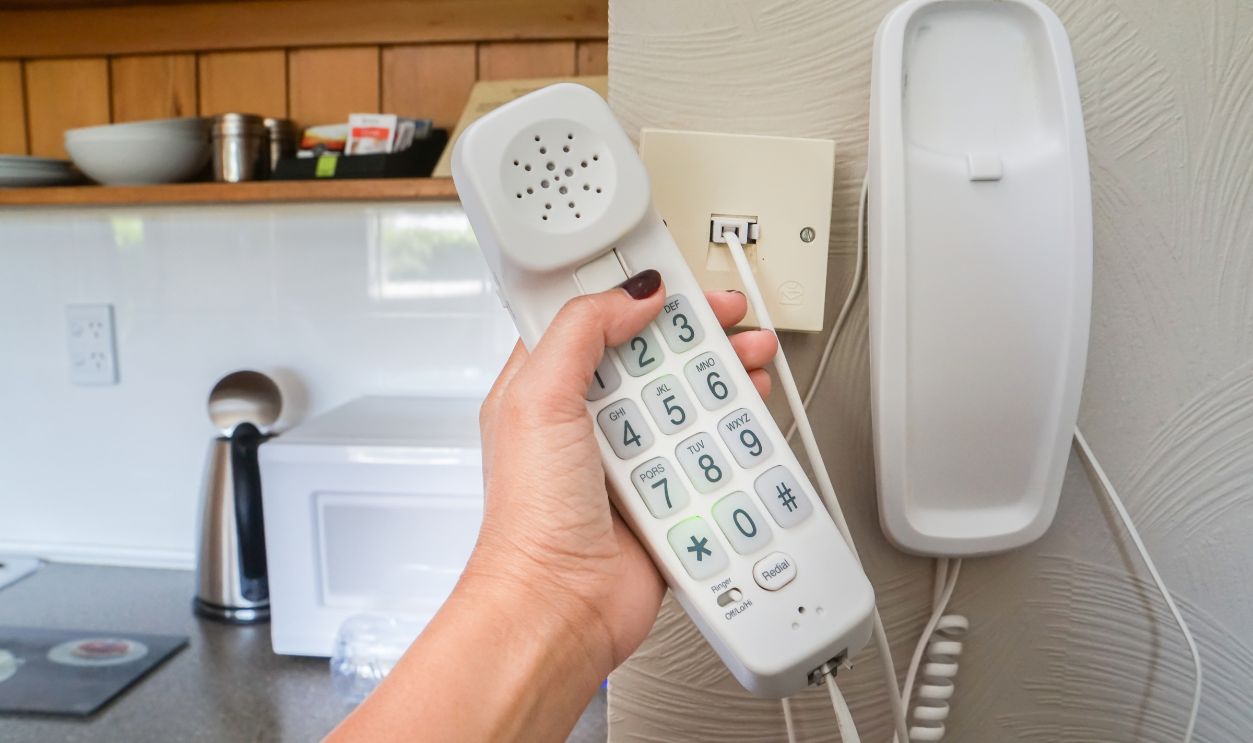
Remember stretching the telephone cord across the kitchen for a little privacy? Plenty of Boomers still maintain landlines, especially after decades of reliable service. But younger households increasingly skip them altogether. With cellphone plans replacing home telephone service, traditional landline equipment faces an uncertain future.
 Mayuree Moonhirun, Shutterstock
Personal Checkbooks
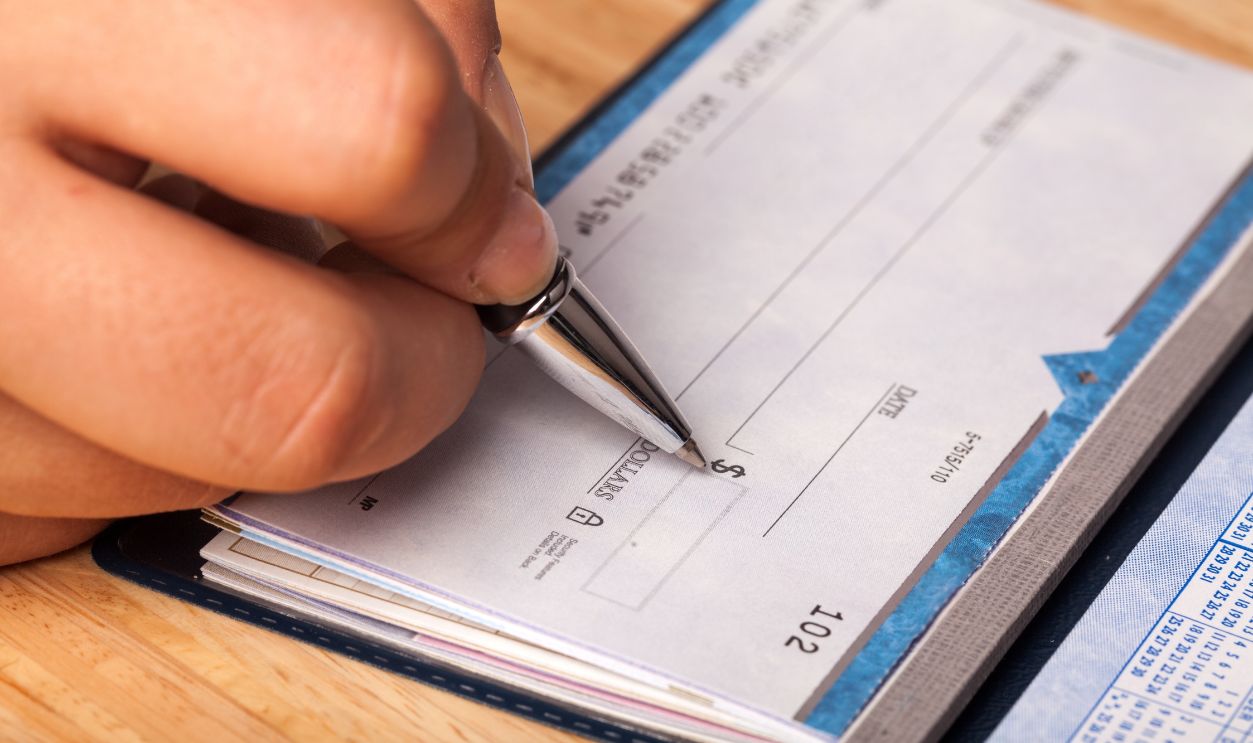
For many Boomers, writing a check is still a perfectly sensible way to pay the plumber or settle a bill. Millennials are more accustomed to electronic transfers and banking apps. As check usage continues declining, those familiar books of numbered paper checks could become increasingly uncommon.
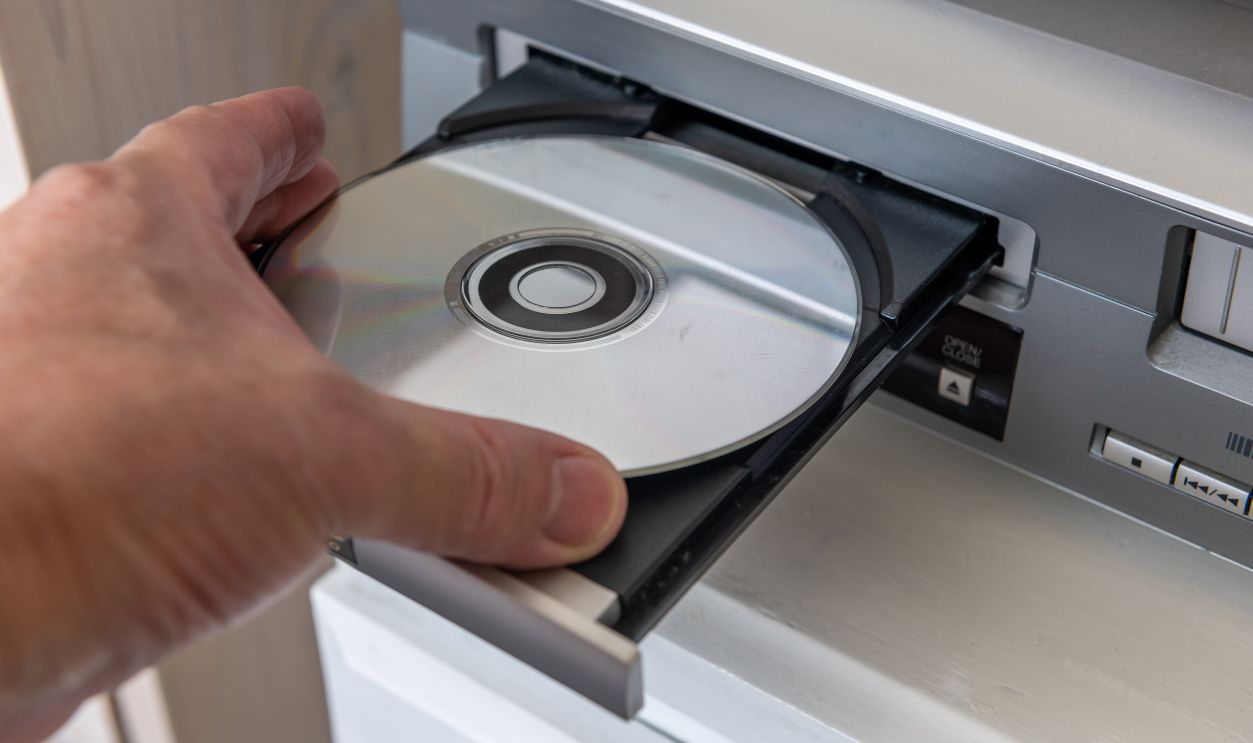
DVD Players
There's something reassuring about owning a movie instead of hoping your streaming service keeps it available. Boomers who spent years building DVD collections understand that feeling. Younger viewers often prefer watching movies online, leaving basic DVD players facing shrinking mainstream demand, despite continued interest among collectors.
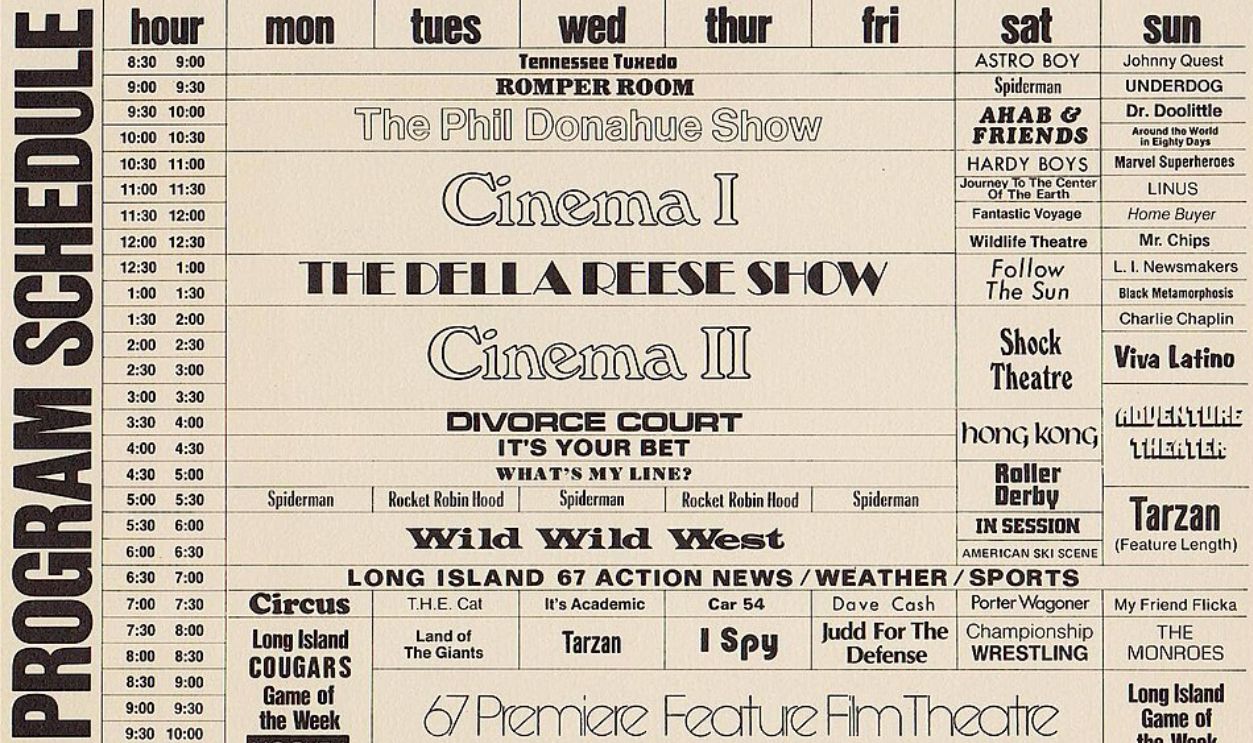
Printed TV Guides
Remember circling your favorite programs in the television listings? Printed television guides helped families organize entire evenings before cable menus and streaming existed. Some older viewers still prefer seeing the week's schedule on paper. Younger audiences, meanwhile, expect their televisions to recommend what to watch automatically.
 noid2001 from USA, Wikimedia Commons
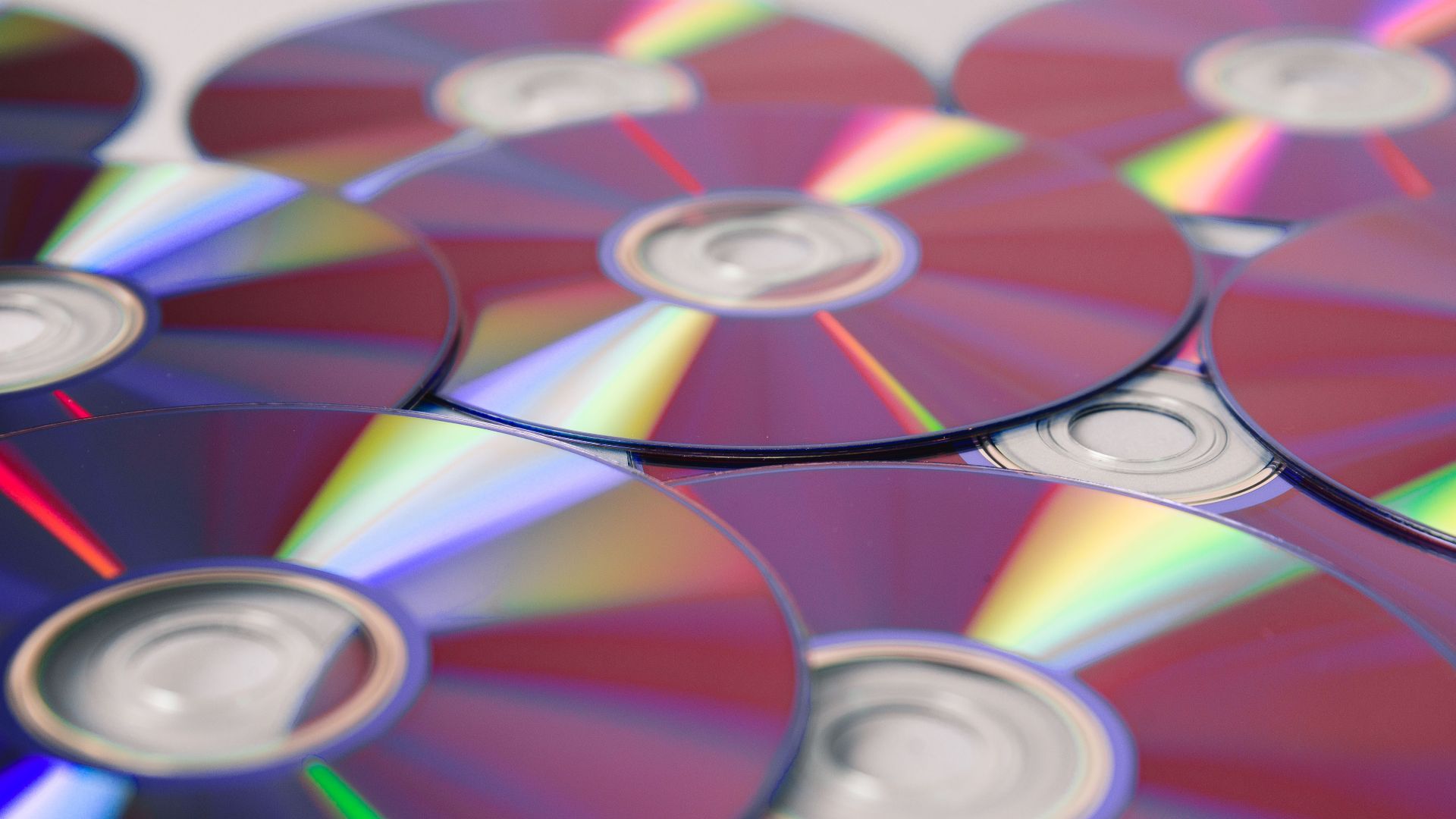
Blank CDs And DVDs
Burning a family photo collection onto a disc once seemed like the height of technological convenience. Some Boomers still purchase blank discs to preserve music, photographs, and important files. Younger consumers generally rely on cloud storage or flash drives, making recordable discs a much smaller market than they once were.
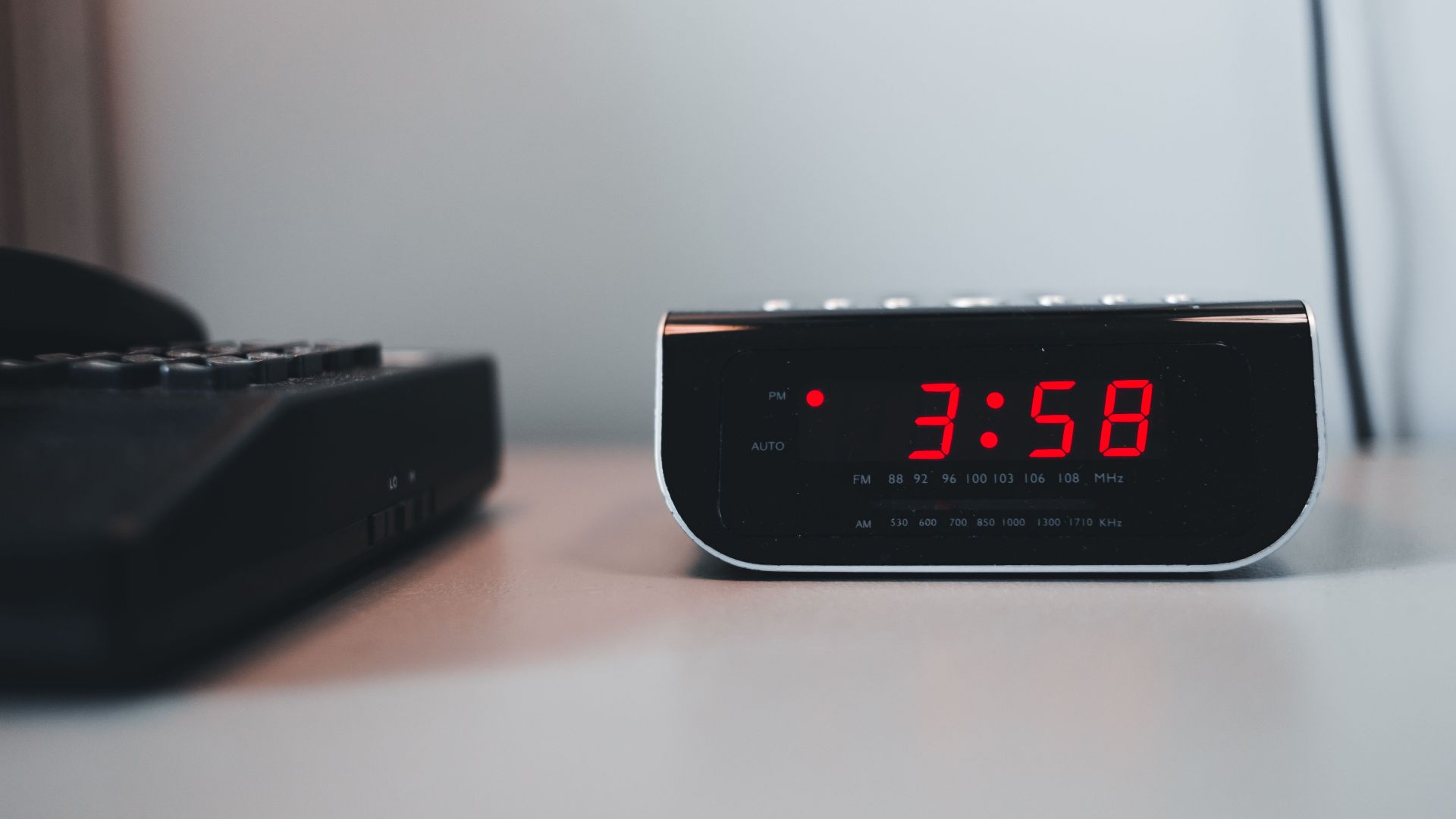
Traditional Alarm Clocks
A proper alarm clock used to sit beside practically every bed, usually with glowing red numbers. Boomers still appreciate having a dedicated clock that doesn't involve a smartphone. Many younger people simply set an alarm on their phones. Basic bedside alarm clocks could increasingly become specialty products.
Paper Wall Calendars
The kitchen calendar was once the command center of the American household. Doctor's appointments, birthdays, and family gatherings were carefully written into those little squares. Boomers still purchase plenty of traditional calendars, but younger households often prefer shared digital schedules. The humble paper calendar faces increasing competition from free alternatives.

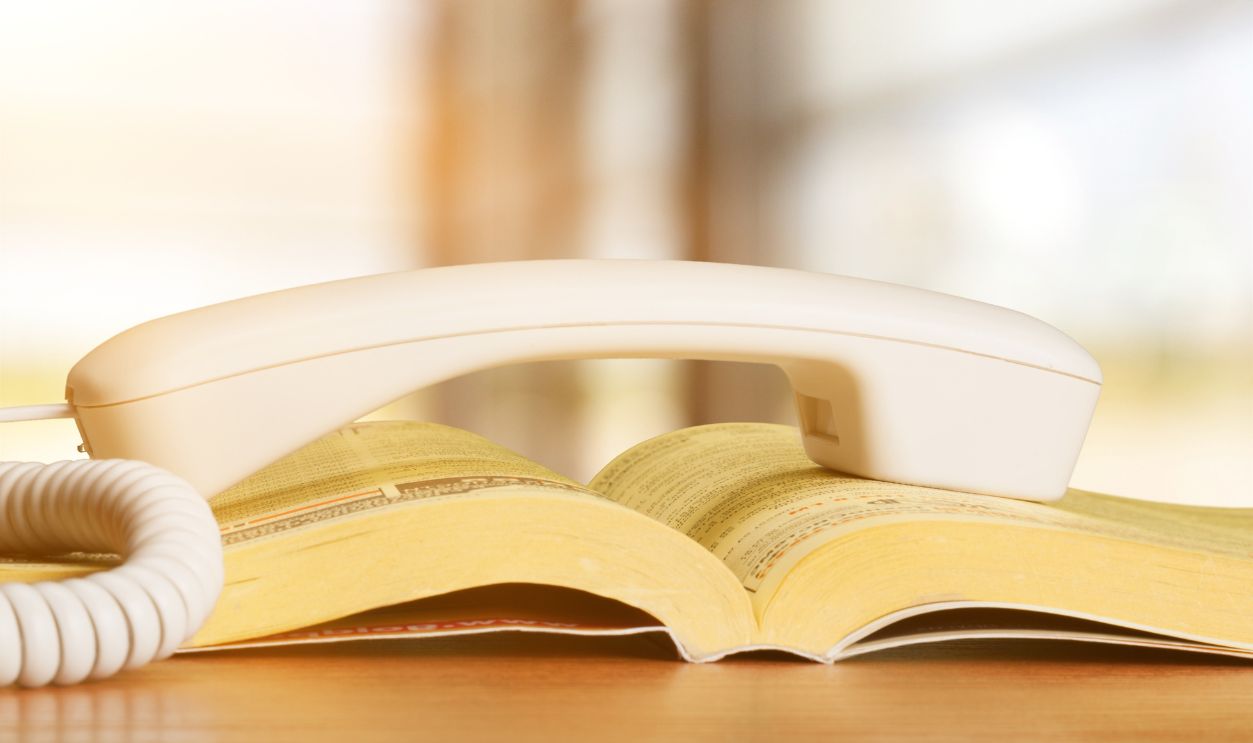
Printed Telephone Directories
Remember when practically everyone had a giant telephone directory tucked beneath the kitchen counter? Some older Americans still appreciate physical business listings, particularly where internet access is unreliable. Younger consumers generally search online, and widespread printed directory distribution has already declined dramatically. The remaining editions face a difficult future.
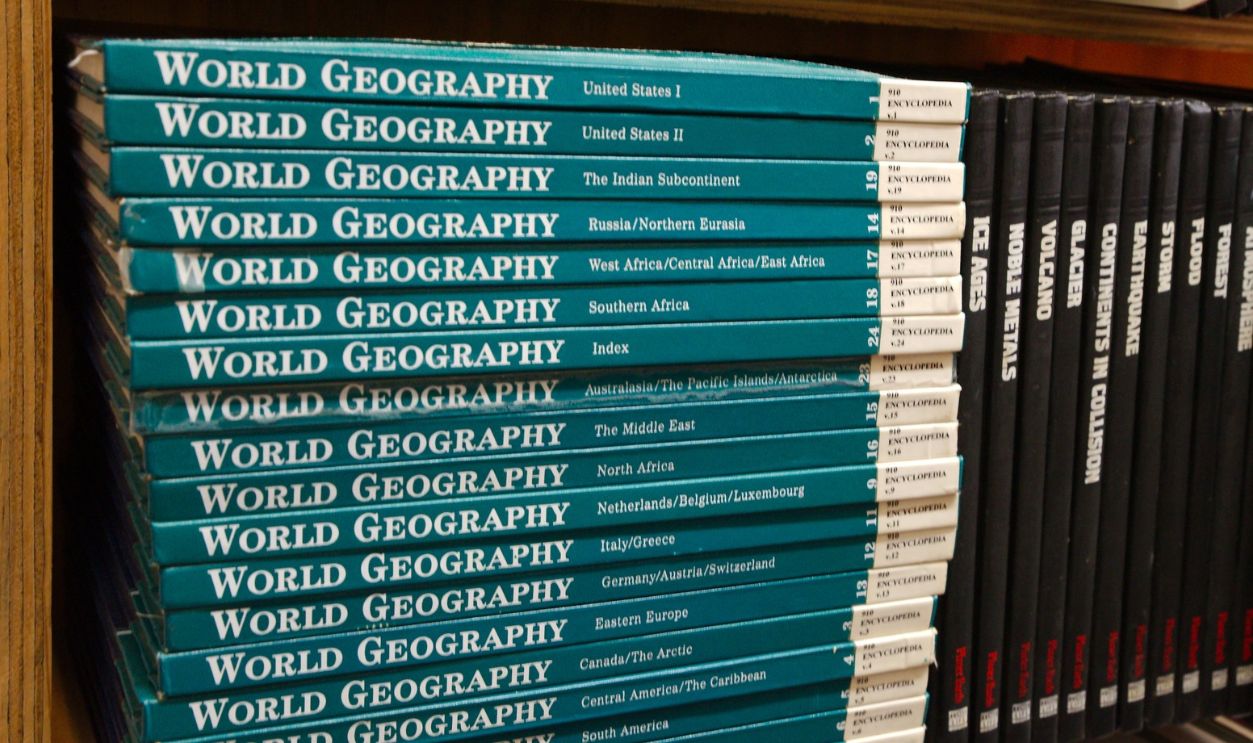
Physical Encyclopedias
Owning an encyclopedia collection once represented a serious investment in your children's education. Those heavy volumes looked impressive on the family bookshelf. Some Boomers still purchase older sets or specialty reference books. Younger generations, however, can access enormous amounts of updated information online without surrendering half their living room.
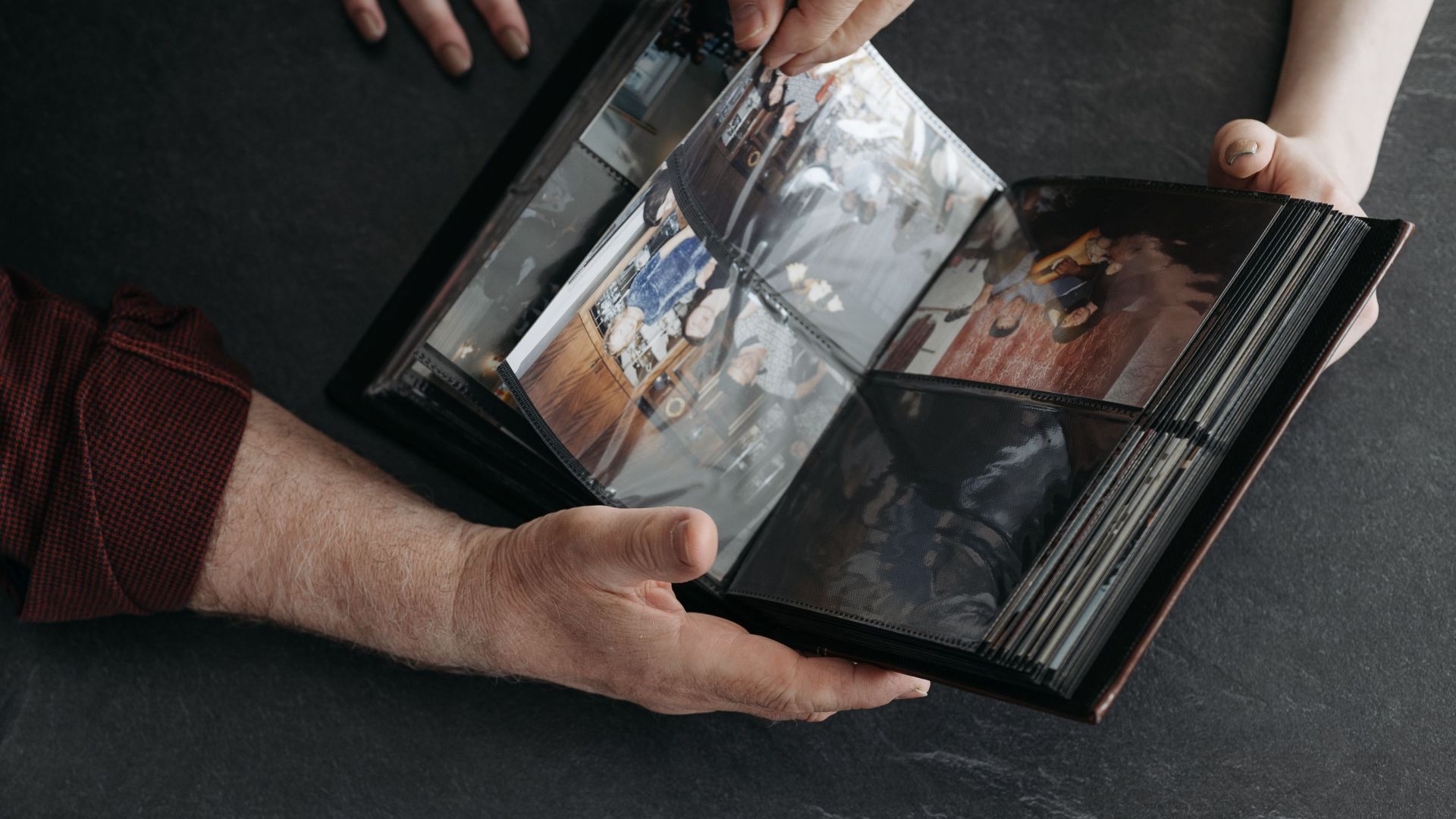
Physical Photo Albums
Boomers remember dropping off film, collecting developed photographs, and carefully arranging pictures inside albums. Many still buy traditional albums to preserve family memories. Younger generations often store thousands of photographs on their phones instead. Physical albums probably won't vanish, but everyday demand may increasingly depend on special occasions.
Printed Magazine Subscriptions
For decades, magazines covering cars, gardening, cooking, and celebrity gossip arrived faithfully in American mailboxes. Plenty of Boomers still enjoy flipping through glossy pages. Younger readers increasingly consume similar material through websites, videos, and social media. Traditional print subscriptions face pressure as publishers follow those changing habits.

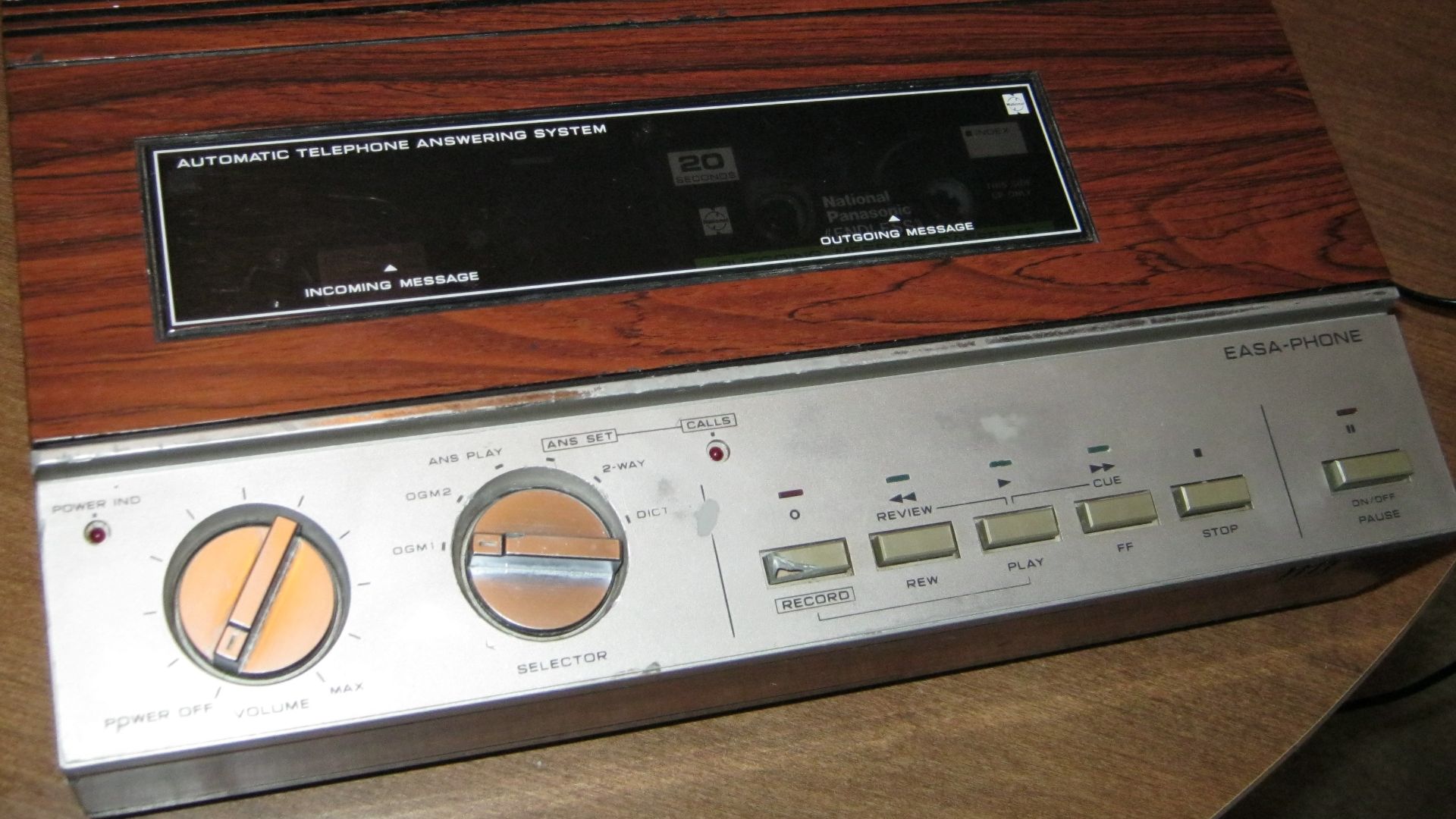
Standalone Answering Machines
Remember rushing home and pressing the flashing button to hear who called? Some people still own answering machines, particularly those connected to traditional landline phones. But voicemail and smartphones have made separate machines unnecessary for most households. Finding replacement equipment could become increasingly challenging as demand shrinks.
 phreakindee, Wikimedia Commons
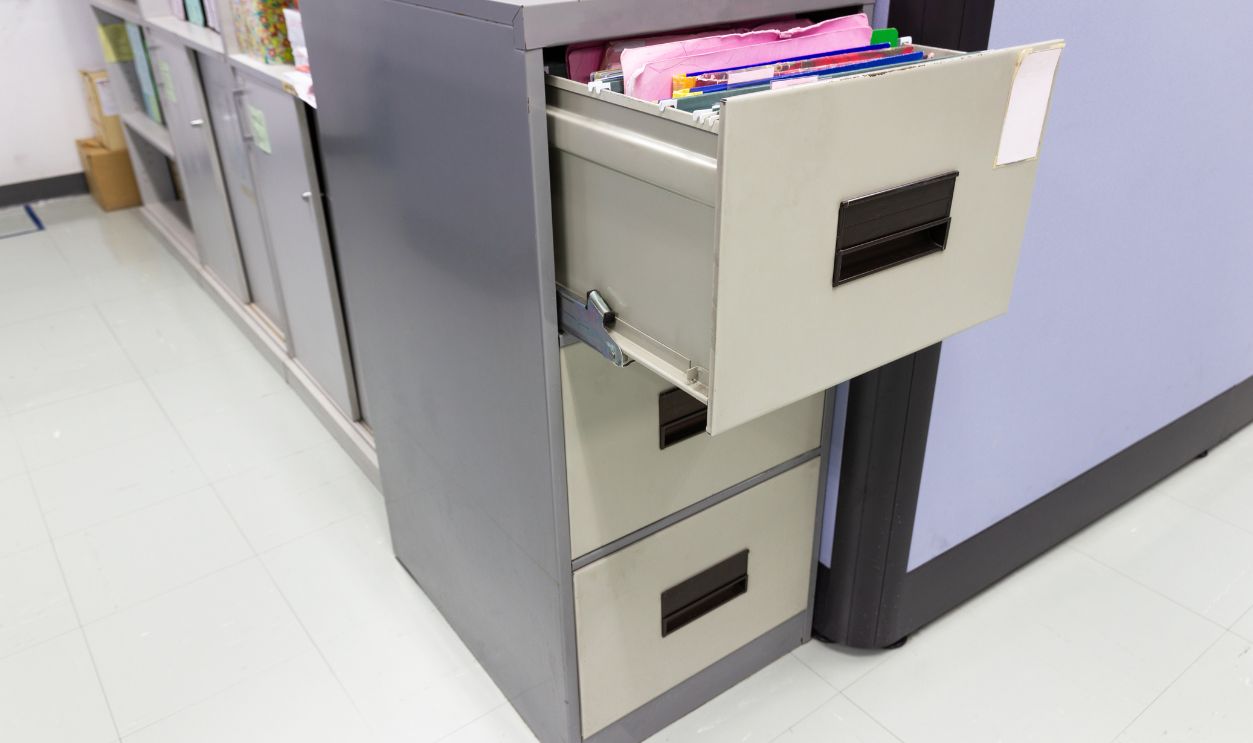
Traditional Filing Cabinets
A sturdy metal filing cabinet was once essential for organizing household paperwork. Boomers still buy folders and cabinets to store tax returns, insurance documents, and financial statements. Younger consumers increasingly save records electronically. Filing cabinets aren't disappearing from offices, but their role in ordinary homes is becoming less essential.
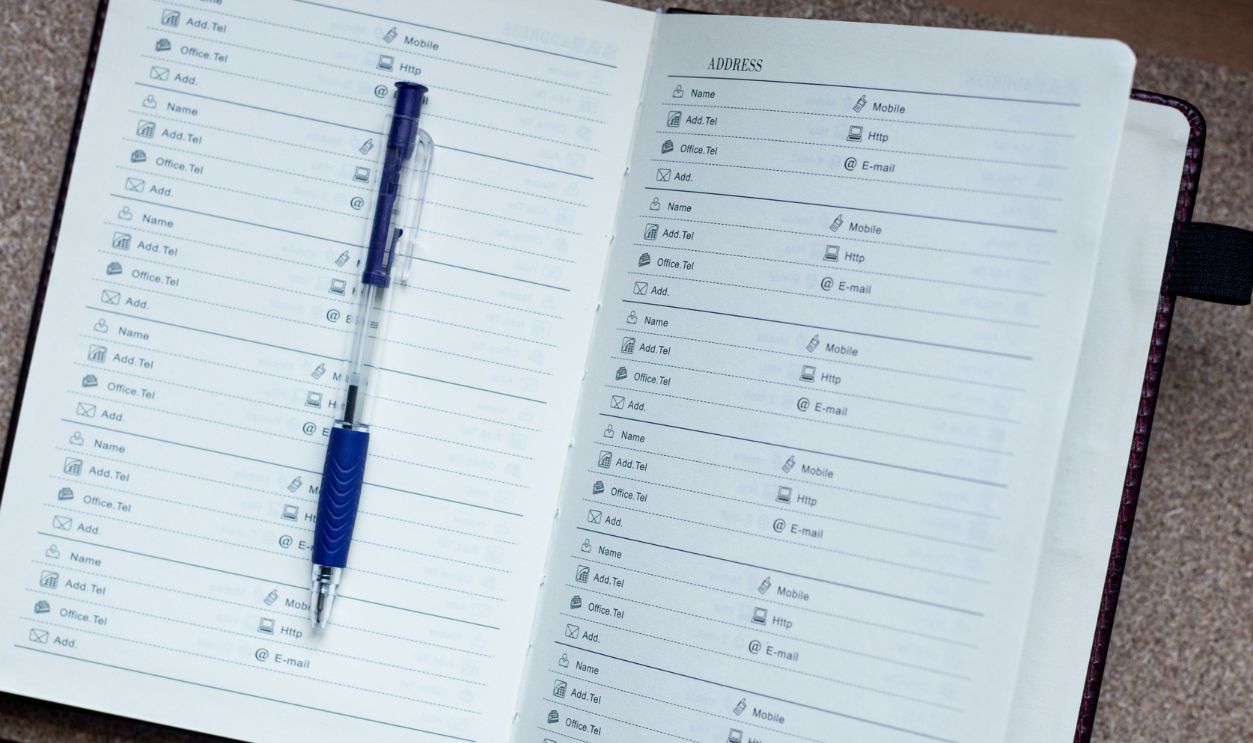
Paper Address Books
Before smartphones, everyone needed a little book filled with addresses, telephone numbers, and birthdays. Some Boomers still maintain them, complete with crossed-out numbers and handwritten corrections. Younger generations generally store everything digitally. Traditional address books may survive as sentimental gifts, but they're becoming less necessary for everyday life.
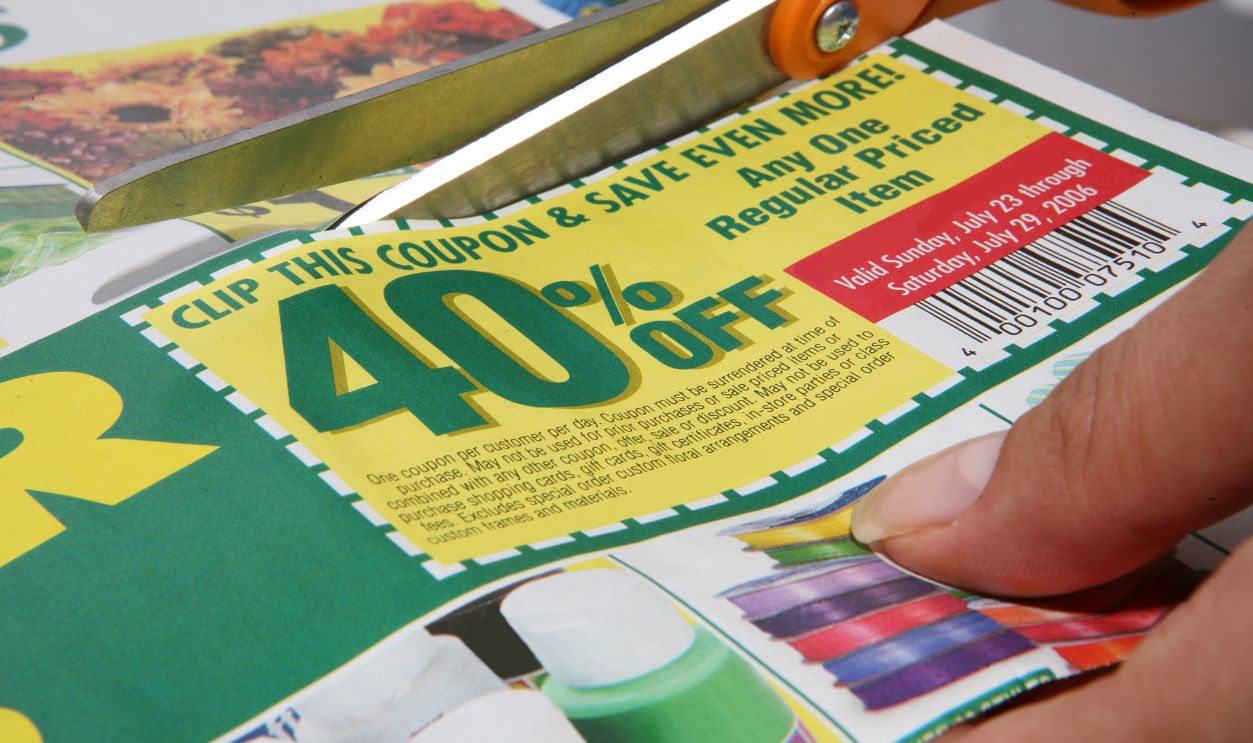
Printed Coupon Books
Remember clipping coupons from newspapers and carefully organizing them before grocery shopping? Plenty of Boomers still enjoy hunting for paper discounts. Younger consumers increasingly find deals through store apps, digital loyalty programs, and online promotional codes. Printed coupon booklets could become harder to justify as retailers invest in digital offers.
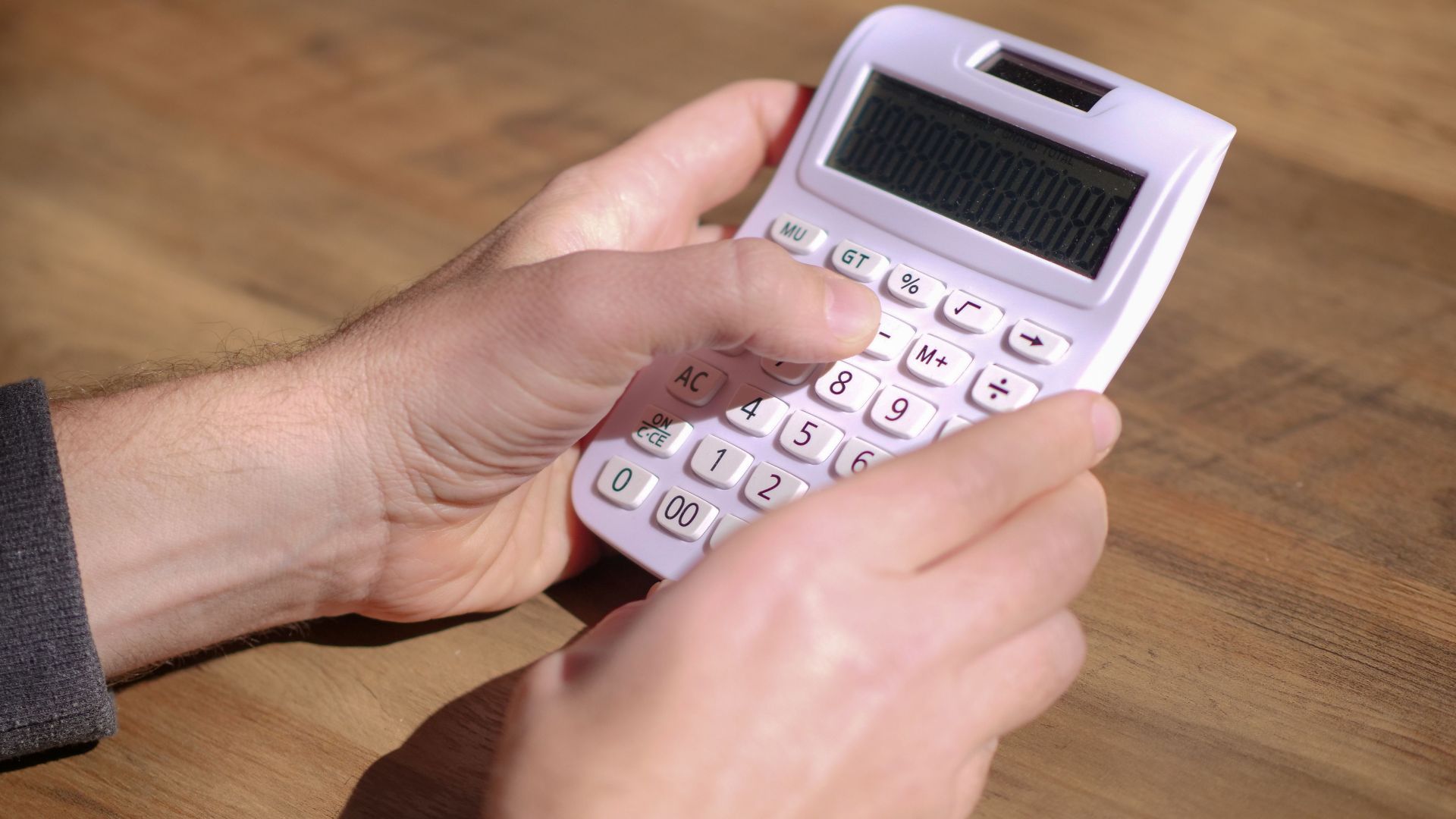
Desktop Calculators
There was a time when every household desk featured a chunky calculator, sometimes with a little paper roll attached. Many Boomers still appreciate having physical buttons for balancing household expenses. Younger consumers often use their phones or computers. Dedicated desktop calculators could become increasingly specialized office supplies rather than household staples.
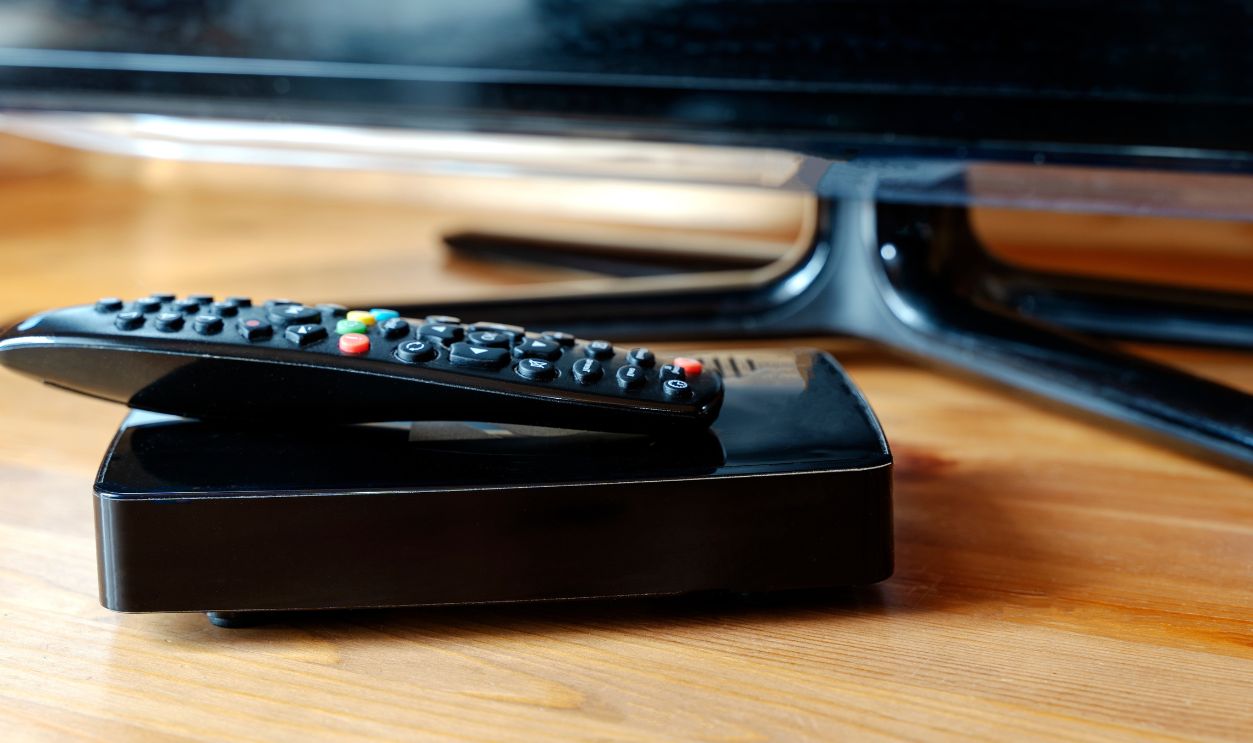
Traditional Cable TV Equipment
Boomers who grew up with only a handful of television channels remember how exciting cable television once seemed. Many still pay for traditional cable packages and the equipment that comes with them. Younger households increasingly choose streaming services instead. Conventional cable boxes face growing pressure as television delivery moves online.
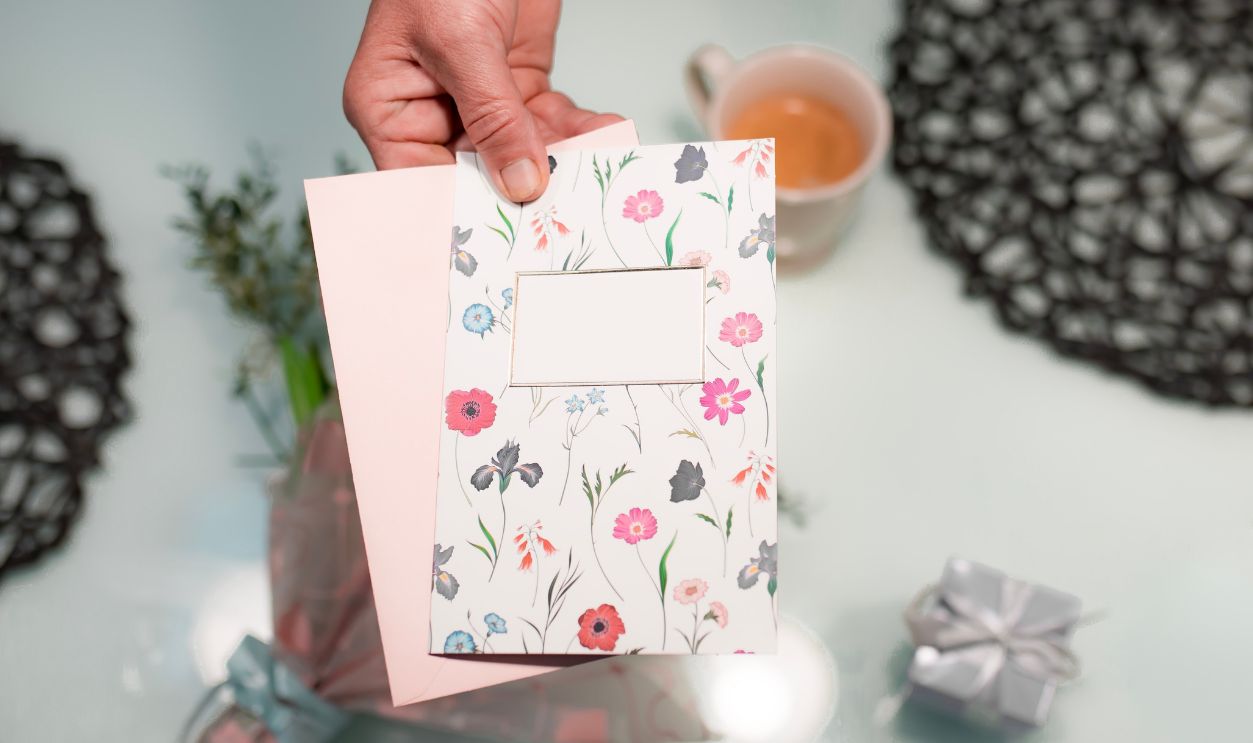
Printed Greeting Card Assortments
Keeping a box of birthday, anniversary, and sympathy cards at home was once standard practice. Many Boomers still appreciate being prepared for every occasion. Younger people often send digital greetings or messages, although physical cards remain popular across generations. Traditional boxed assortments could become a smaller corner of the greeting-card business.
 Dominika Wawryniewicz, Shutterstock
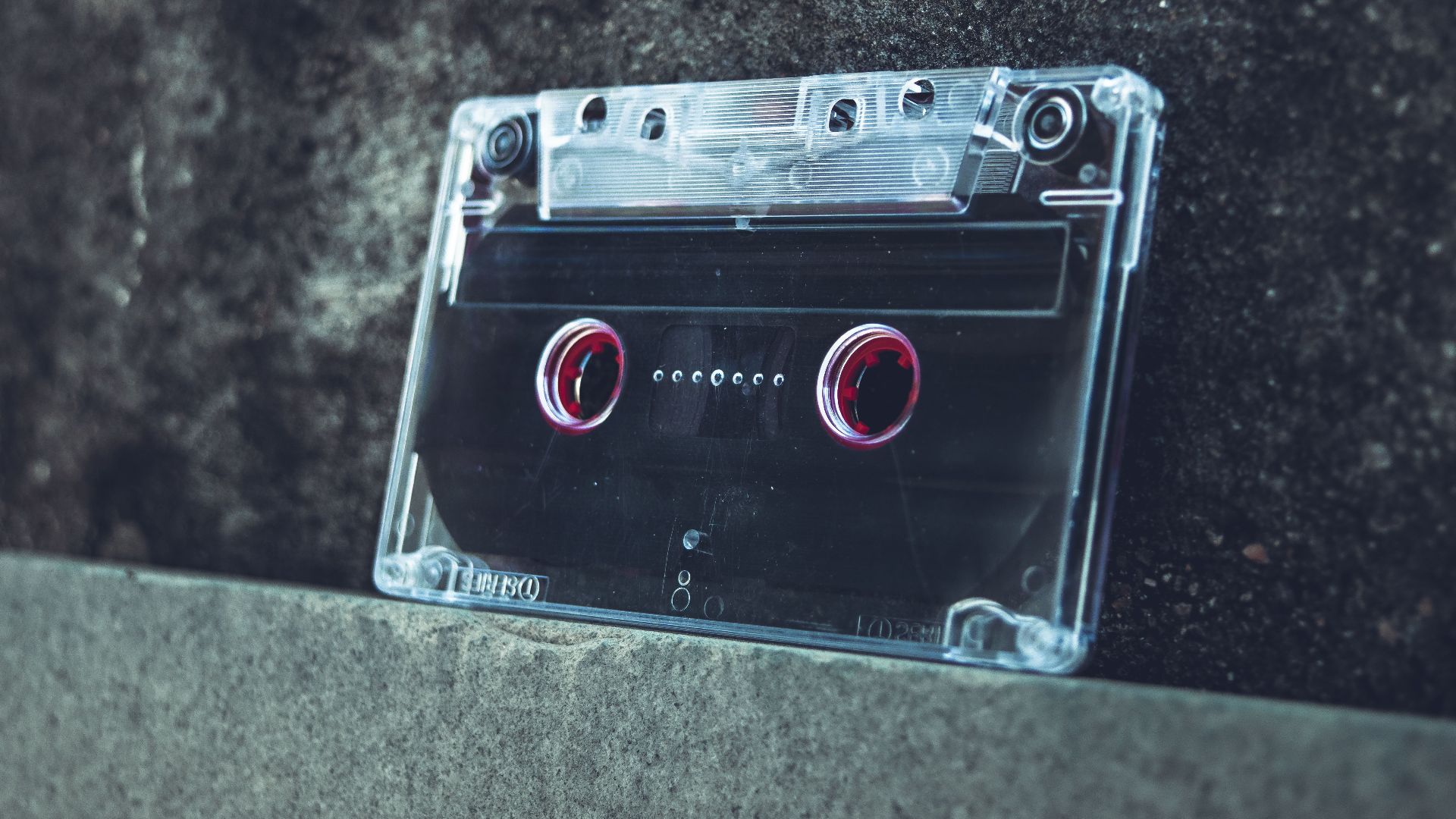
Blank Cassette Tapes
Remember recording favorite songs from the radio and hoping the DJ wouldn't interrupt? Some Boomers still purchase blank cassette tapes for older recording equipment. Younger music fans occasionally embrace cassettes as collectibles, but everyday recording has moved elsewhere. Blank tapes are increasingly a niche product rather than a household essential.
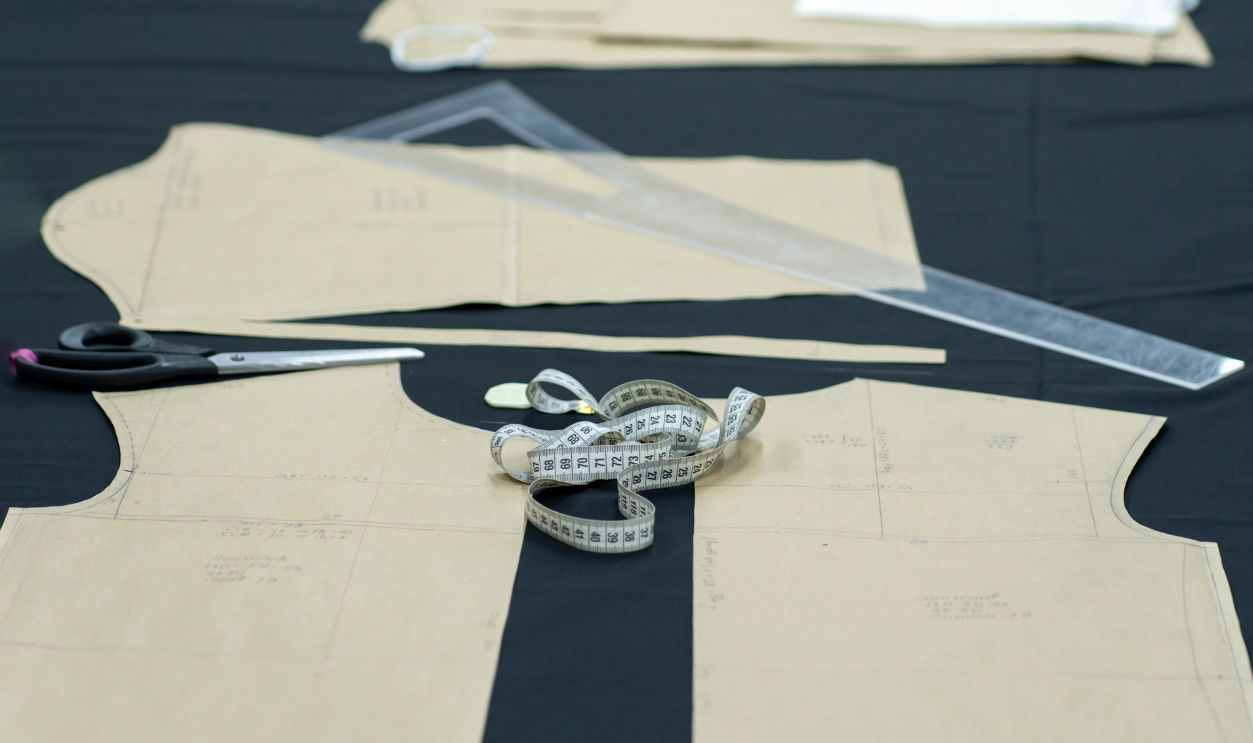
Traditional Sewing Patterns
For generations, home sewing meant purchasing paper patterns from familiar companies such as Simplicity, McCall's, or Butterick. Some Boomers still prefer those folded instructions and carefully marked tissue sheets. Younger hobbyists increasingly explore downloadable patterns and online tutorials. Physical patterns may survive, but their traditional retail presence could keep shrinking.
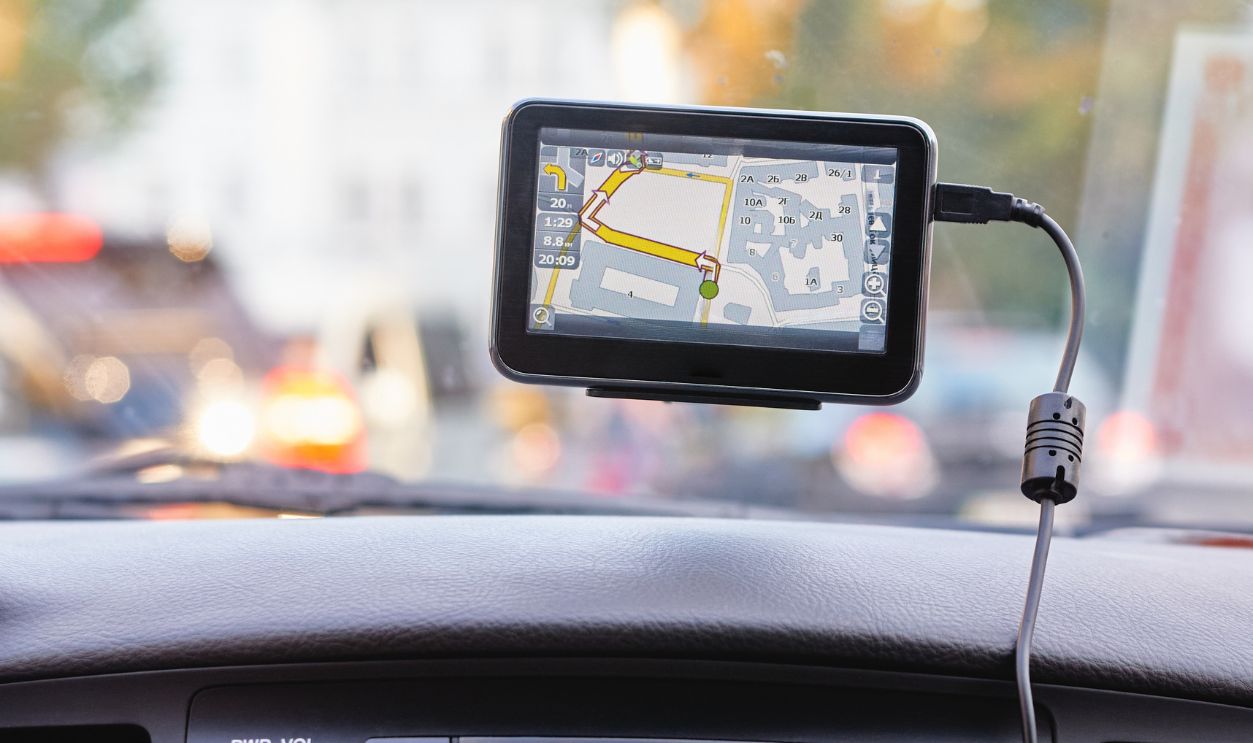
Standalone GPS Navigation Devices
When portable Garmin and TomTom devices became popular, they seemed revolutionary. Boomers who invested in them may still appreciate dedicated navigation equipment. But most younger drivers already have mapping apps built into their phones. Standalone GPS units still serve specialized purposes, although their role in everyday driving has diminished.
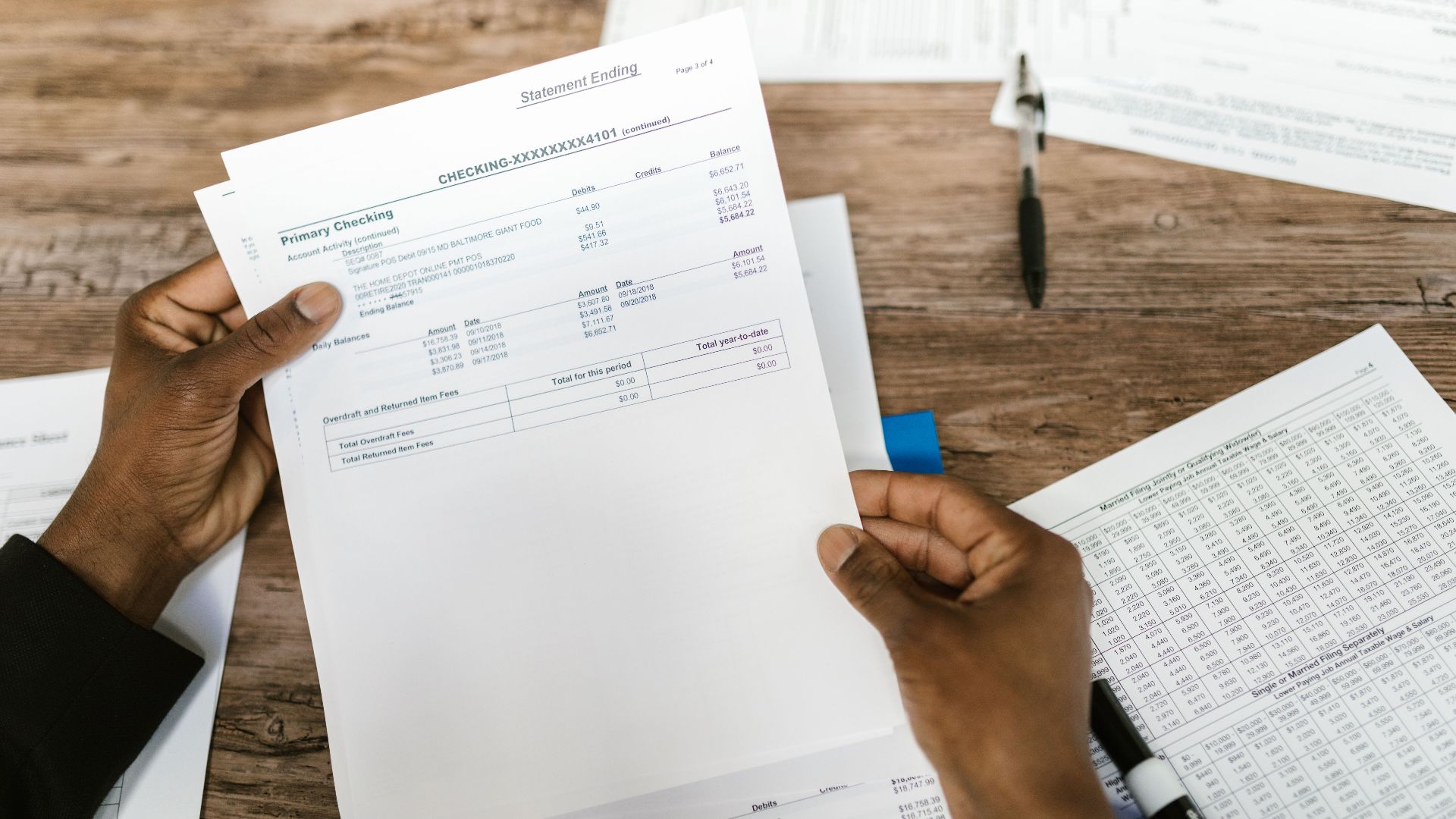
Paper Bank Statements
There was once something reassuring about receiving a monthly bank statement, sitting at the kitchen table, and checking every transaction. Some Boomers still prefer printed financial records. Younger customers generally access statements through banking apps. As financial institutions encourage paperless accounts, mailed statements may become increasingly uncommon or carry additional fees.
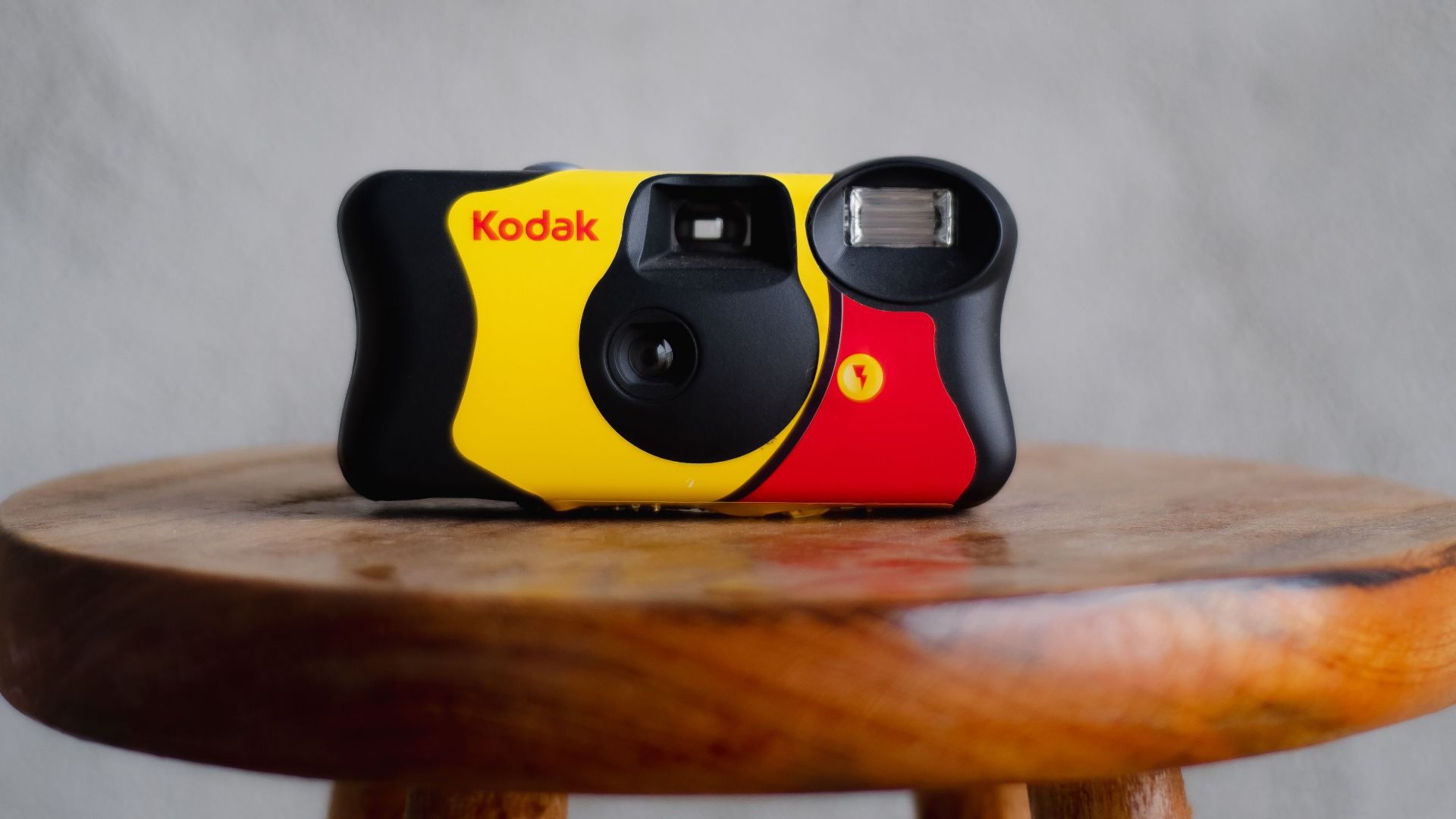
Disposable Film Cameras
Remember dropping a disposable Kodak or Fujifilm camera into your shopping cart before vacation? Boomers remember when these inexpensive cameras were convenient alternatives to larger equipment. Smartphones largely eliminated that practical advantage. Film photography has attracted renewed interest among younger enthusiasts, but disposable cameras may remain a nostalgic specialty purchase.
Are We Losing More Than Just Products?
It's easy to dismiss these purchases as outdated, especially when a smartphone can replace so many of them. But Boomers remember when these products made everyday life easier, and sometimes simpler. Not everything on this list will disappear. Some could even enjoy a comeback. Still, as younger shoppers make different choices, a familiar part of American consumer culture is changing. Which of these products would you hate to lose?