That Giant Sale Sign Doesn’t Tell The Whole Story
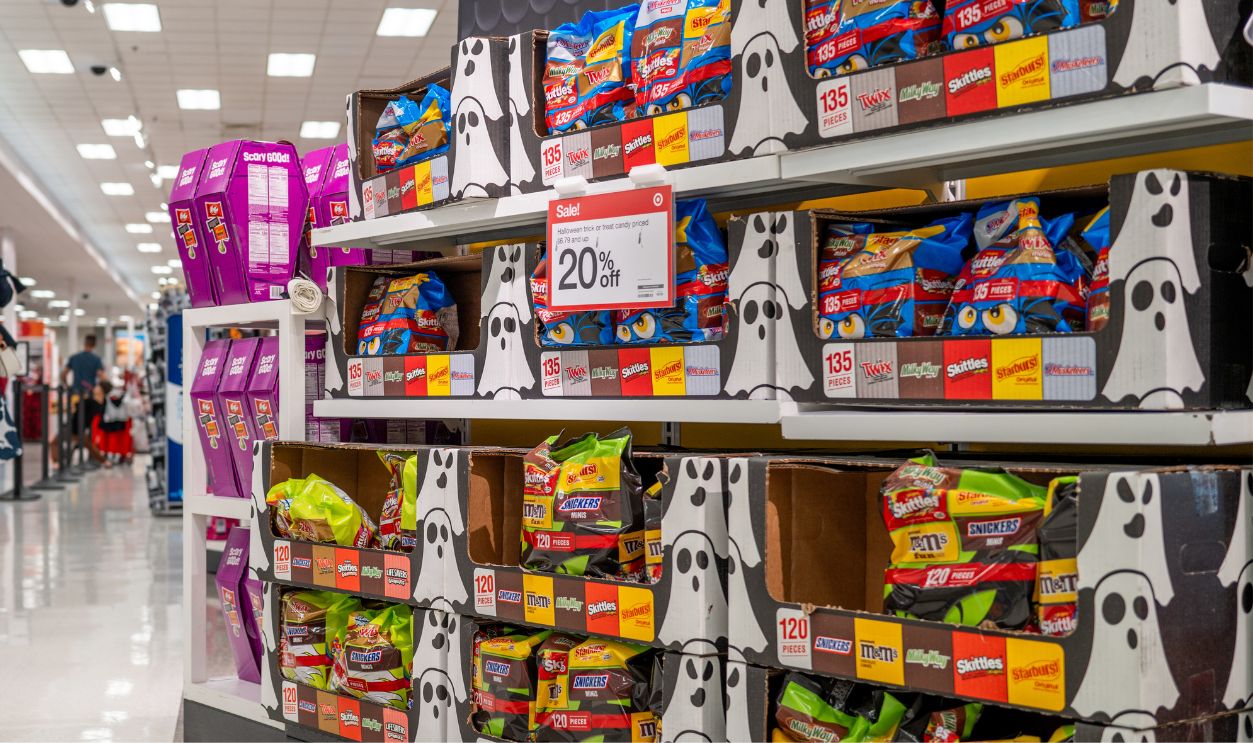
Halloween candy aisles are built to make a discount look irresistible. There are bright sale tags, limited-time promotions, variety packs, and loyalty offers all competing for attention. But a package that’s “40% off” can still cost more for the candy inside than an ordinary bag sitting a few shelves away. The easiest way to cut through the noise is to stop comparing package prices and start comparing what each ounce actually costs.
Ignore The Sticker Price For A Moment
A $4.99 bag naturally looks cheaper than one priced at $7.49. But if the first bag contains only 8 ounces while the second contains 16, the supposedly expensive option gives you twice as much candy for only a few dollars more. Shelf price tells you what leaves your wallet today. Unit price tells you what you’re actually getting for that money.
 Smith Collection/Gado, Getty Images
Find The Price Per Ounce
For most bagged Halloween candy, price per ounce is the easiest comparison. Divide the final price by the package’s net weight. An 8-ounce bag costing $4 works out to 50 cents per ounce, while a 16-ounce bag costing $6 costs 37.5 cents per ounce. Suddenly the more expensive bag is clearly the better value, assuming you’ll actually use all of it.
Make Sure You’re Comparing The Same Unit
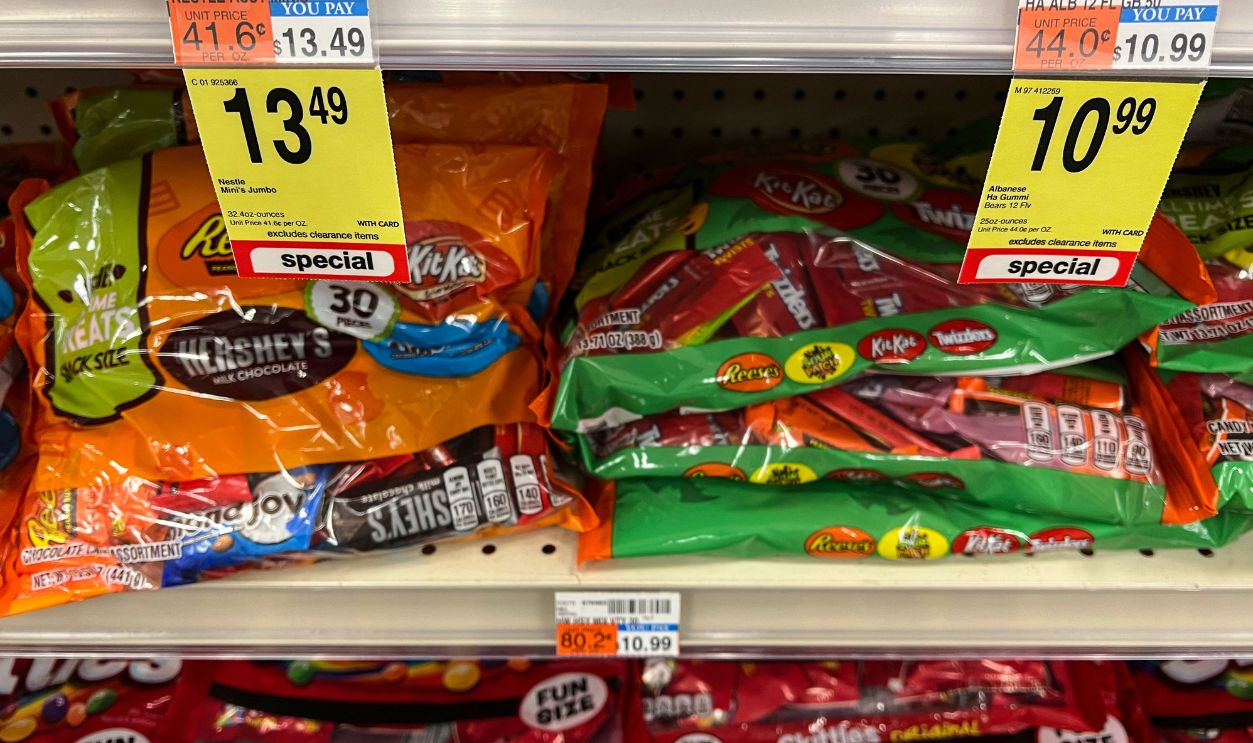
Shelf labels can make comparison harder by displaying one product per ounce, another per pound, and occasionally another per count. Convert them to the same measurement before deciding. Sixteen ounces equals one pound, so a $6.40-per-pound candy works out to 40 cents per ounce. A quick phone-calculator check can prevent a surprisingly bad purchase.
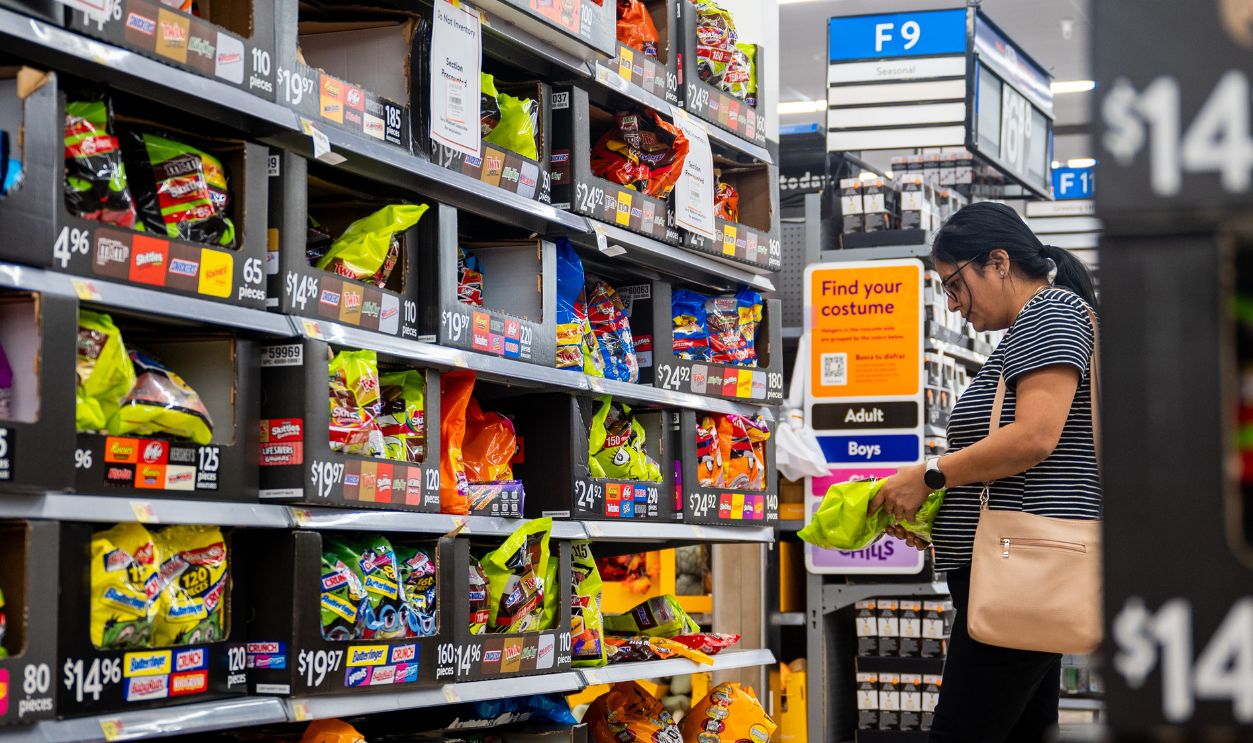
Unit Pricing Exists For Exactly This Problem
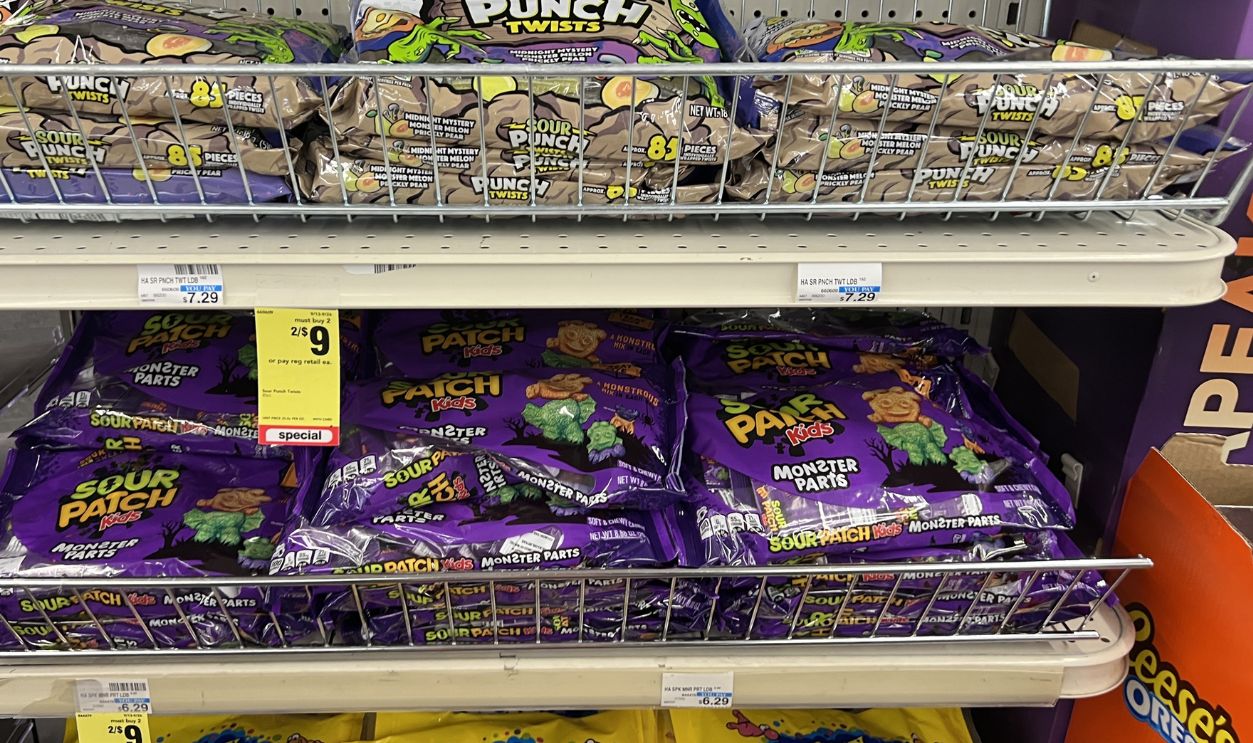
Unit prices are designed to help shoppers compare differently sized packages. They’re often printed in smaller type on the shelf tag near the regular selling price. NIST has promoted unit pricing as a useful tool for comparing value, particularly as package sizes change. It’s worth looking for that tiny number before being distracted by the much larger SALE printed beside it.
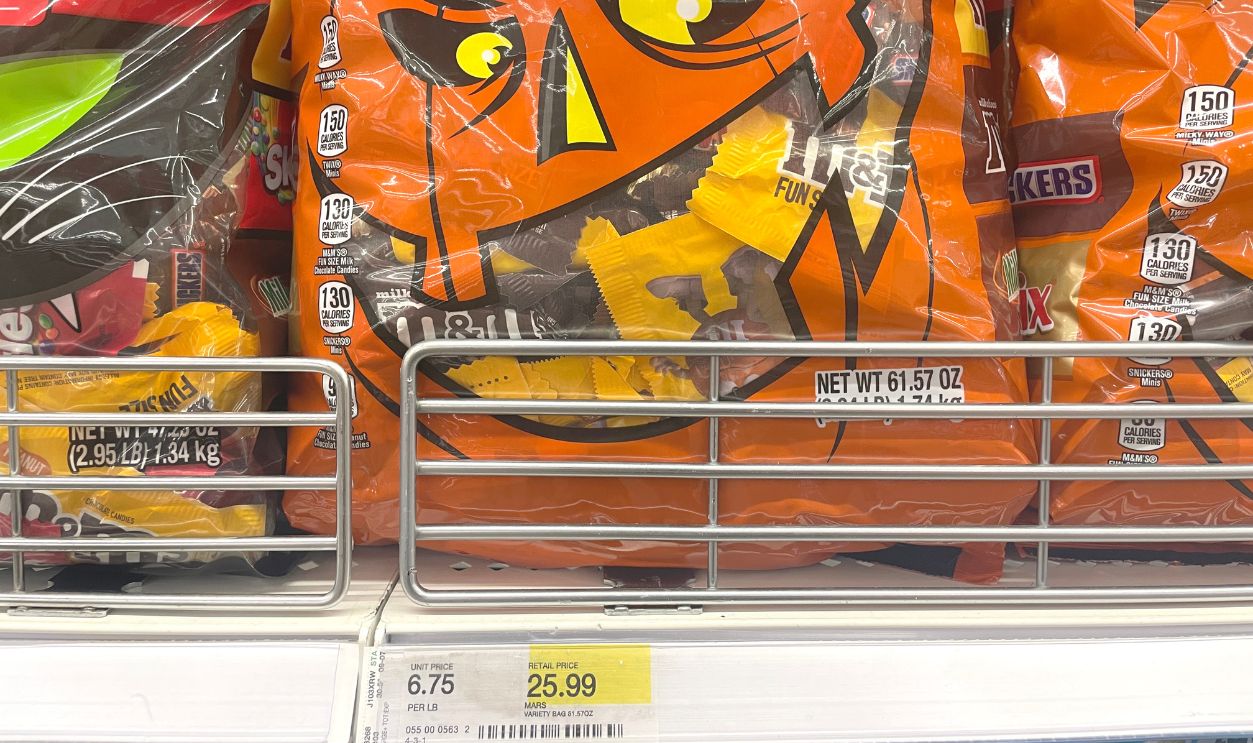
Bigger Isn’t Automatically Cheaper Either
The opposite assumption can get you too. Shoppers often expect the biggest bag to have the lowest per-ounce cost, but retailers and manufacturers don’t have to price packages that way. Promotions can make a medium bag cheaper per ounce than the family size, or a large package can simply carry a convenience premium. Always calculate rather than assuming bulk equals bargain.
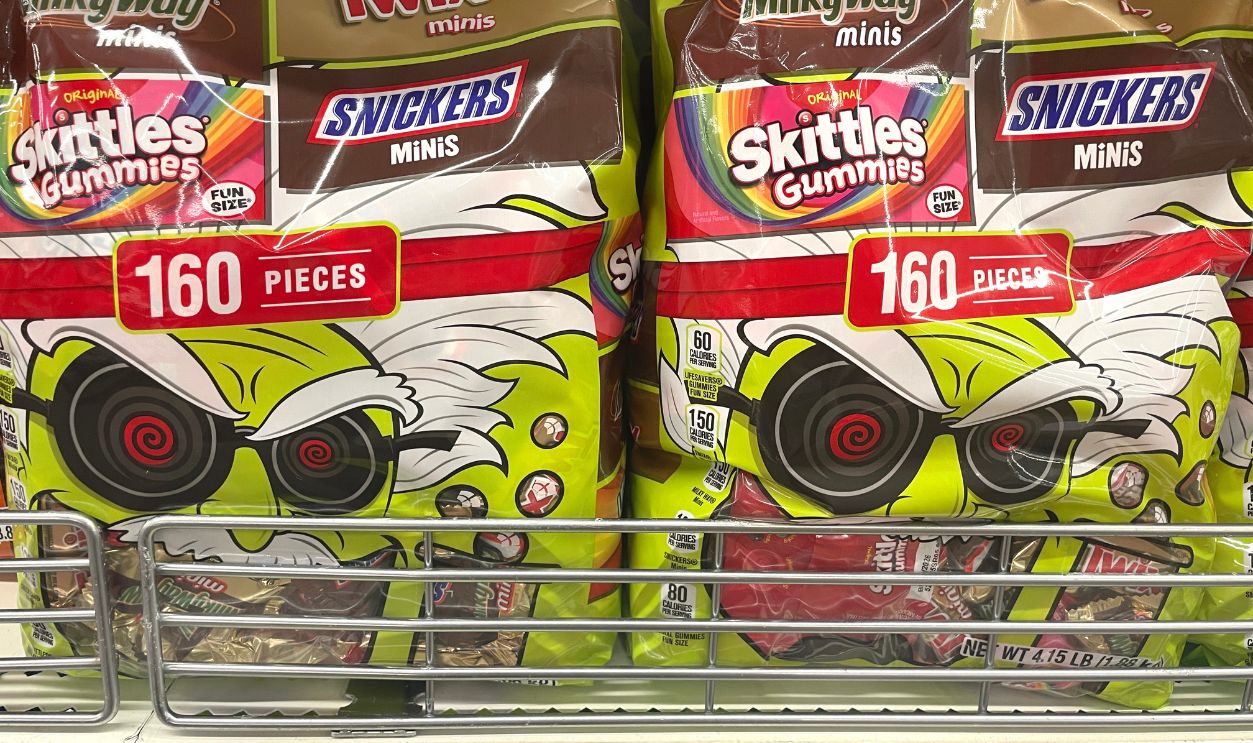
Seasonal Packaging Can Hide A Smaller Quantity
Halloween packages can look enormous because manufacturers have plenty of room for graphics, handles, air, and individually wrapped pieces. What matters is the net weight printed on the package. Two bags that look almost identical on the shelf might contain noticeably different amounts of candy, making the lighter one far more expensive on a unit basis.
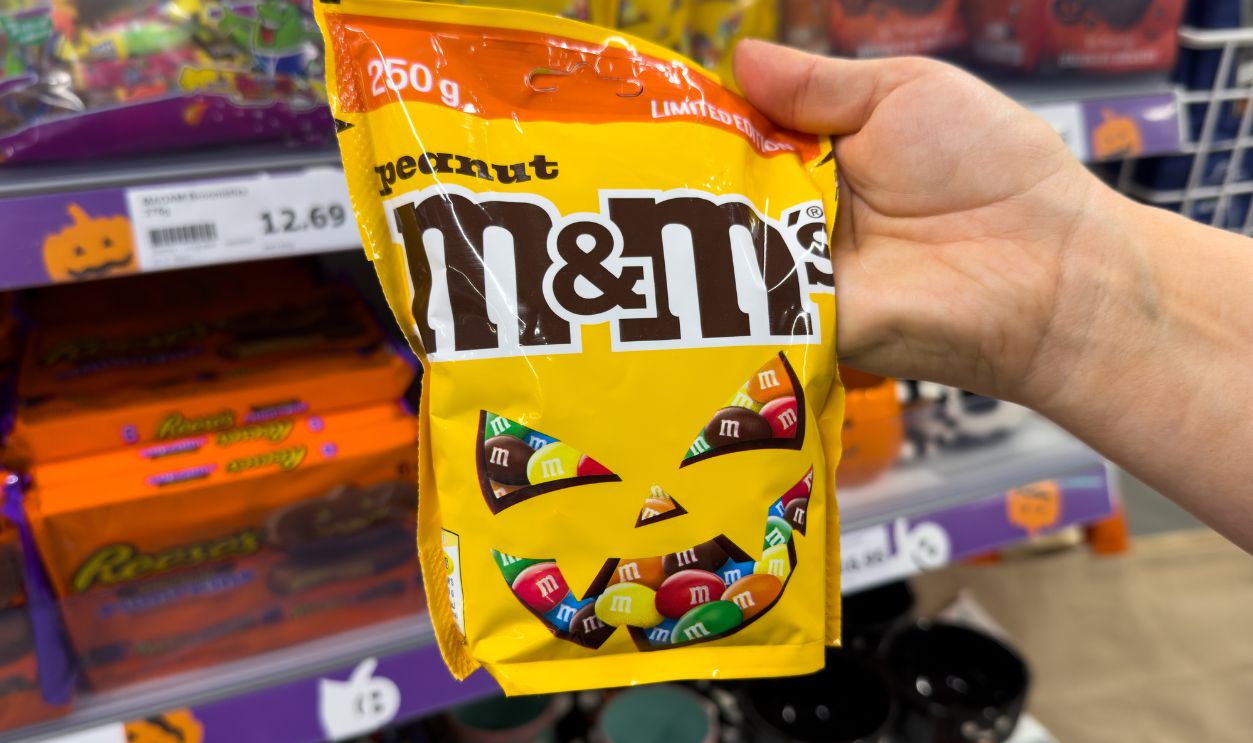
Shrinkflation Makes Old Price Memories Less Useful
Remembering that a certain bag “always costs about $5” doesn’t help much if the manufacturer quietly reduced the amount inside. The FTC recommends checking net quantity and unit price when package sizes change. If a familiar-looking Halloween bag has gone from 12 ounces to 10 while staying around the same price, the true cost has risen even if the shelf tag looks familiar.
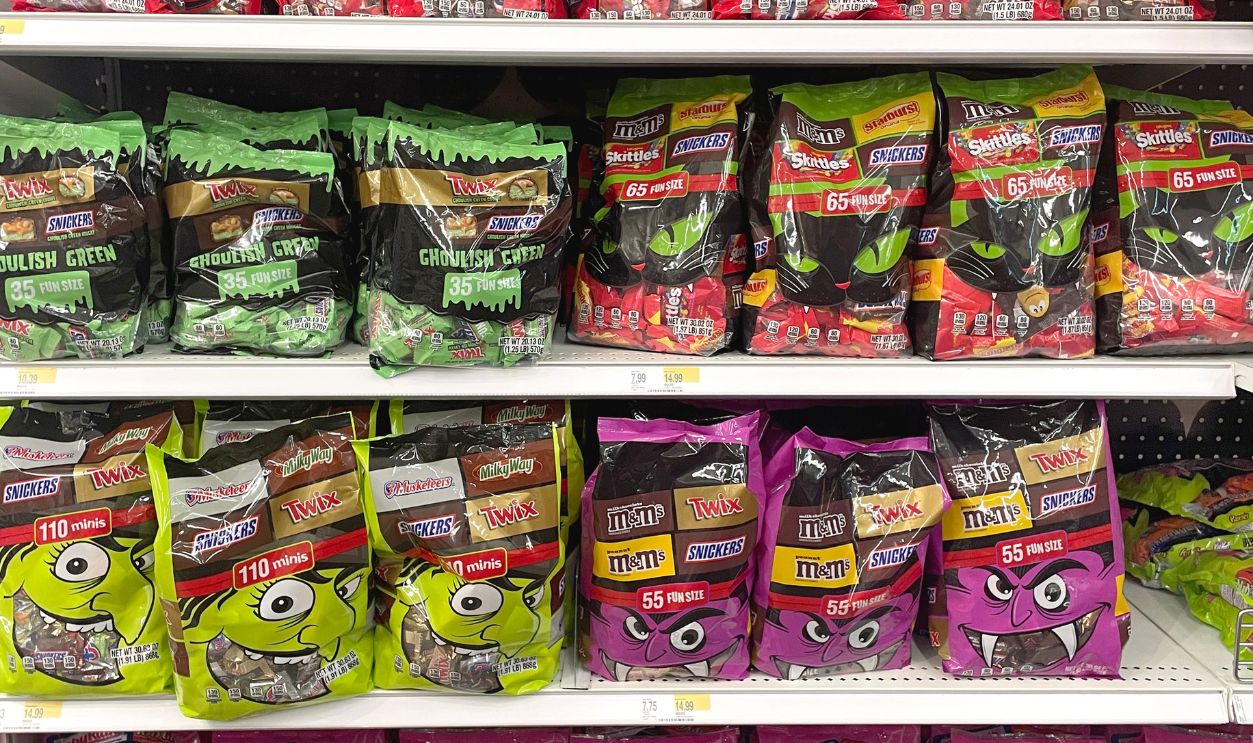
Don’t Use The Number Of Pieces Unless The Pieces Match
A bag advertising “approximately 50 pieces” may sound like a better deal than another containing 40, but pieces can vary considerably in size. One assortment might contain lots of tiny candies while another includes larger bars. Weight provides a more consistent comparison when the products are broadly similar. Piece count becomes more useful when you’re comparing two bags containing exactly the same candy.
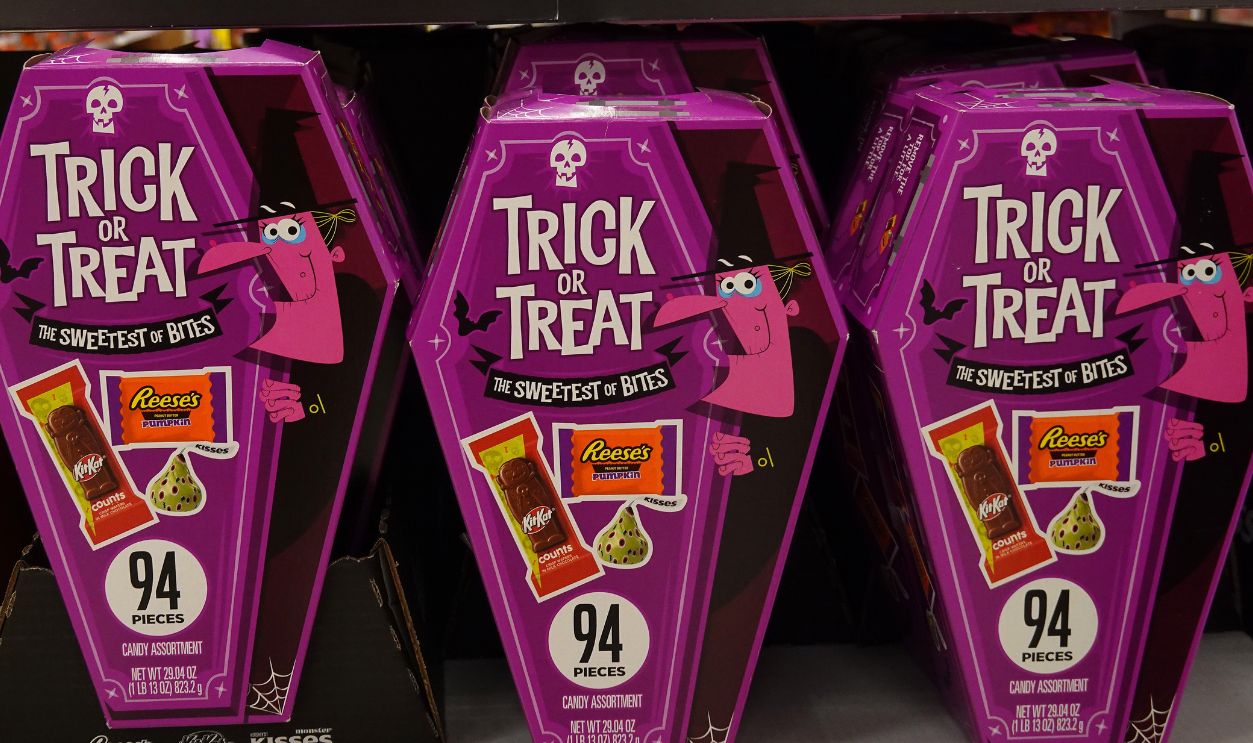
Variety Packs Create Another Complication
A giant assorted bag may have a competitive per-ounce price but still be poor value for your household if half the candy isn’t wanted. If everyone eats the peanut butter cups while the unpopular hard candy sits around until Christmas, you didn’t really get full value from that cheap package. Look through the assortment and consider how much of it will realistically be eaten or handed out.
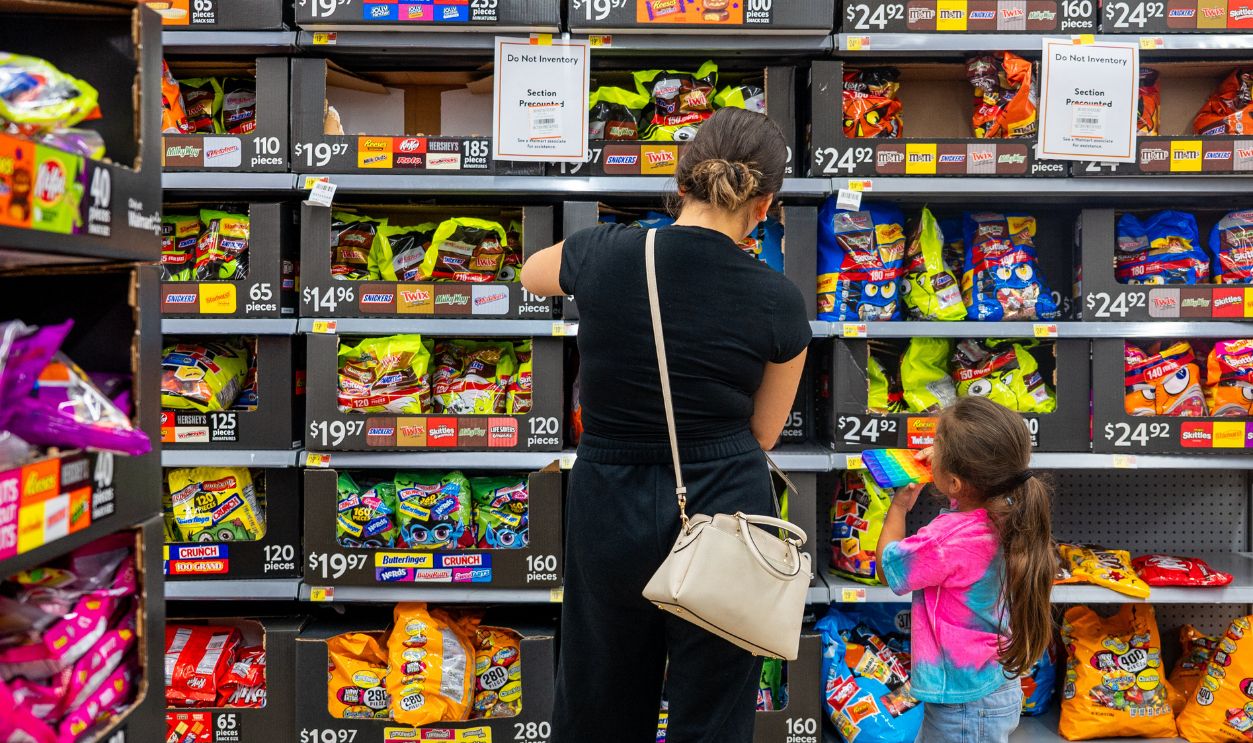
Compare Halloween Bags With Ordinary Candy Bags
Seasonal candy doesn’t always deserve its own shopping category. Walk over to the regular candy aisle and check the same brands in their normal packaging. A standard sharing-size bag may have a lower price per ounce than the Halloween-branded package, especially when the seasonal product is being promoted primarily on its sale percentage rather than its final unit cost.
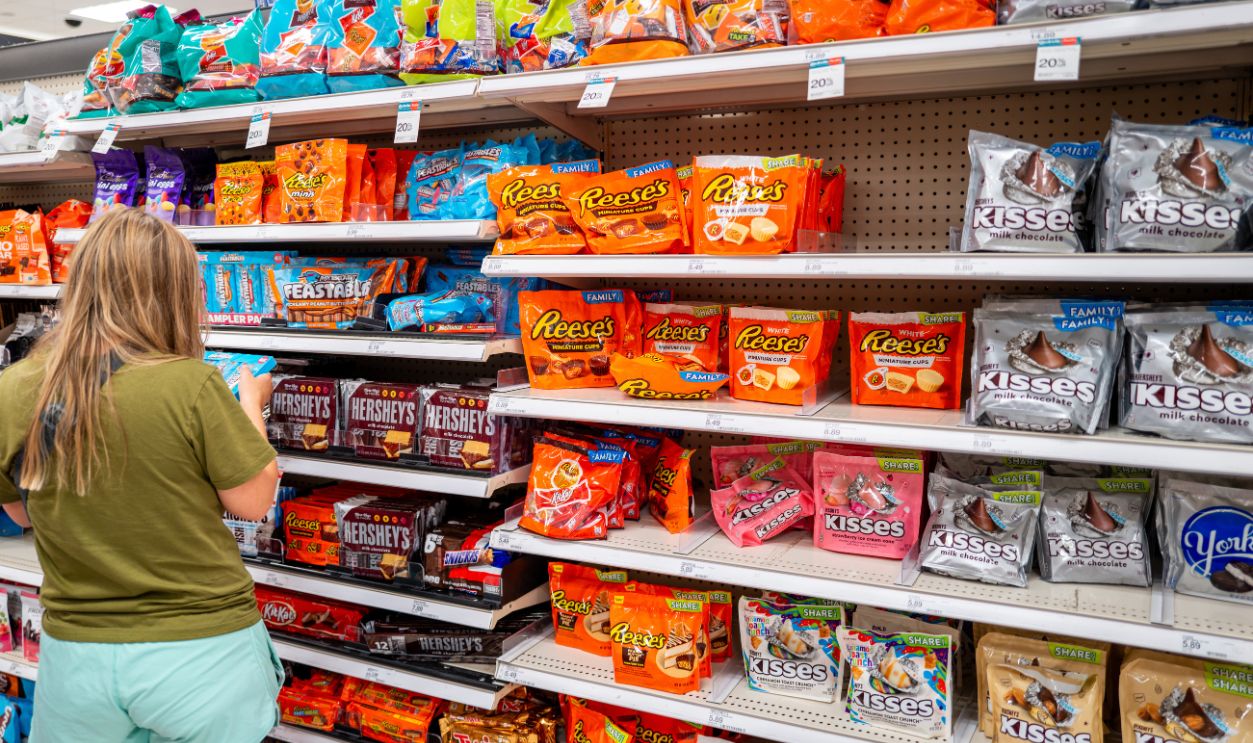
The “Sale” May Be Discounted From A High Starting Price
A dramatic percentage discount only tells you how far the price fell from whatever regular price the store is displaying. It doesn’t tell you whether the final price is competitive. A bag marked down from $8.99 to $5.99 can still be worse value than another bag that quietly sells for $4.99 every day. Compare final prices per ounce, not the emotional impact of the markdown.
Multi-Buy Deals Need A Little Math
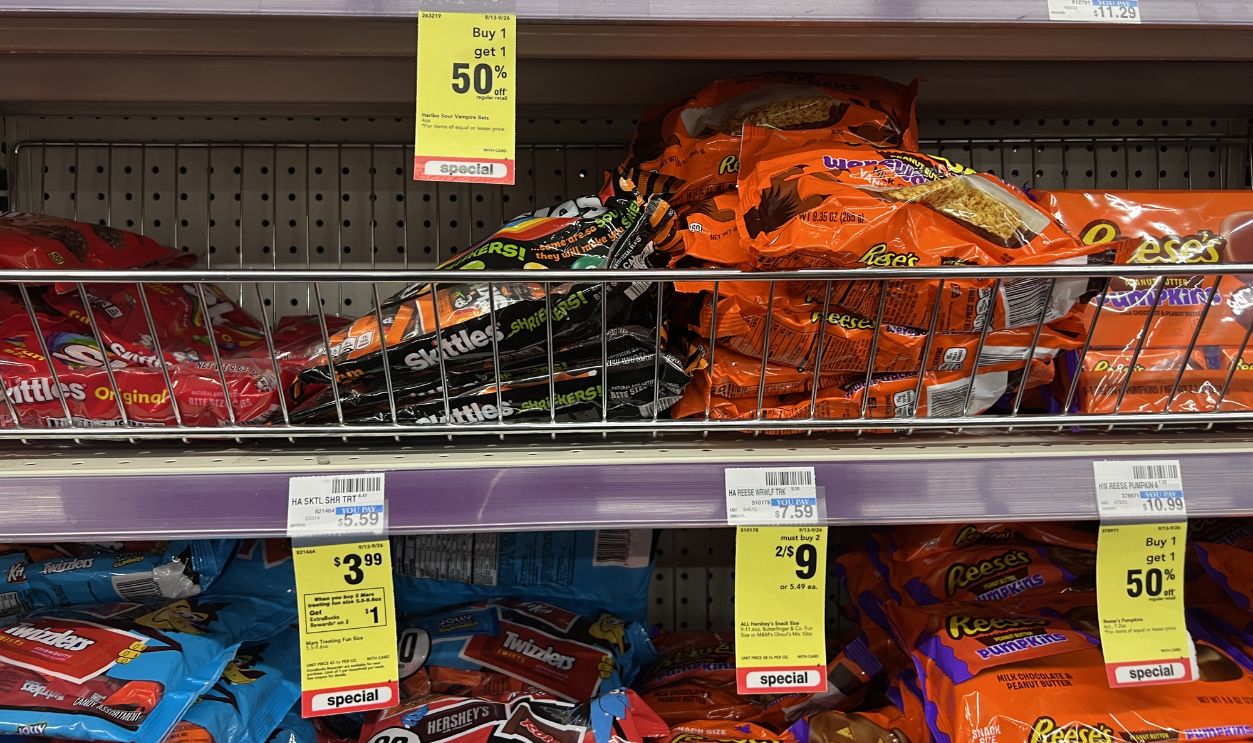
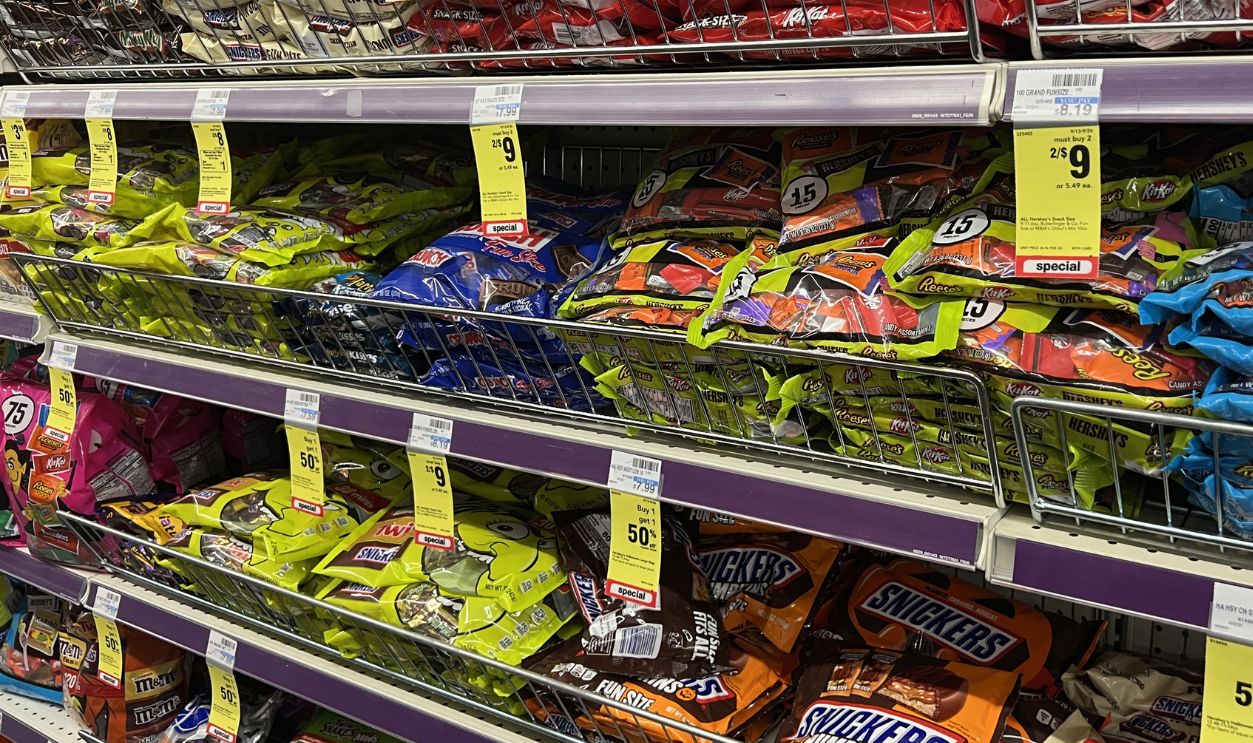
“Two for $10” sounds more exciting than “$5 each,” but it may amount to exactly the same thing. First determine whether you actually have to buy two to receive the promotional price. Then calculate the combined ounces and total cost. If two 10-ounce bags cost $10, you’re paying 50 cents per ounce regardless of how impressive the promotional sign looks.
 Smith Collection/Gado, Getty Images
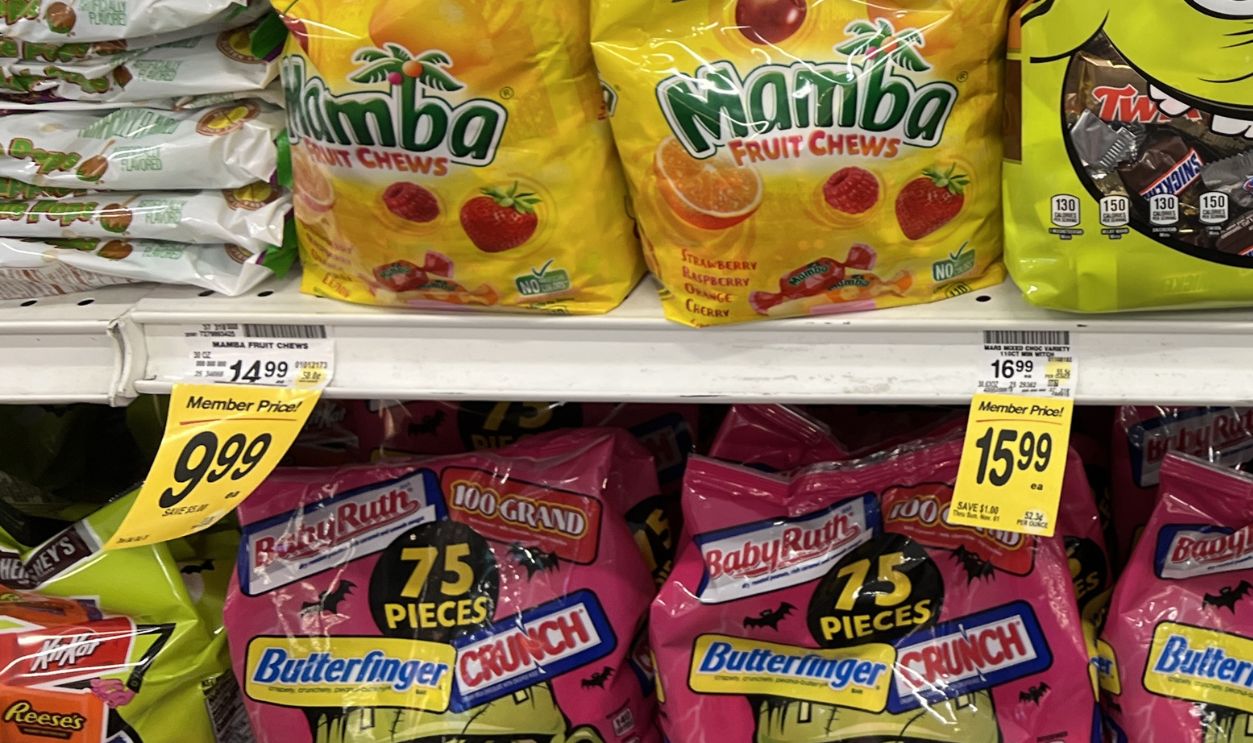
Loyalty Prices Can Change The Winner Completely
Some of the lowest advertised grocery prices now require a store loyalty account. A bag might be $7.99 normally but $4.99 for members, which can completely change the unit-price comparison. Make sure you’re comparing the price you personally qualify to receive rather than the largest number printed on the sign.
 Smith Collection/Gado, Getty Images
Digital Coupons Can Be Even Easier To Miss
A shelf tag may advertise an unusually low Halloween price that only applies after a digital coupon is loaded through the retailer’s app or website. If you don’t activate it, the register may charge considerably more. Read the small print before filling the cart, especially when a deal seems much better than every competing package nearby.

Check Whether There’s A Purchase Limit
Holiday promotions frequently cap how many discounted packages one customer can purchase. Maybe the first two bags are $3.99 each and every additional bag costs $6.99. If you need candy for 150 trick-or-treaters, calculate the average cost of the entire purchase rather than multiplying the best promotional price across every bag you plan to buy.
 Smith Collection/Gado, Getty Images
Serving Size Isn’t The Same Thing As Value
Nutrition labels show serving information, but servings aren’t a particularly good way to compare candy prices. Manufacturers can define serving sizes differently, and a “serving” has little connection to how much you’ll actually distribute on Halloween. Net weight and price per ounce give you a much cleaner comparison when the goal is simply finding more candy for the money.
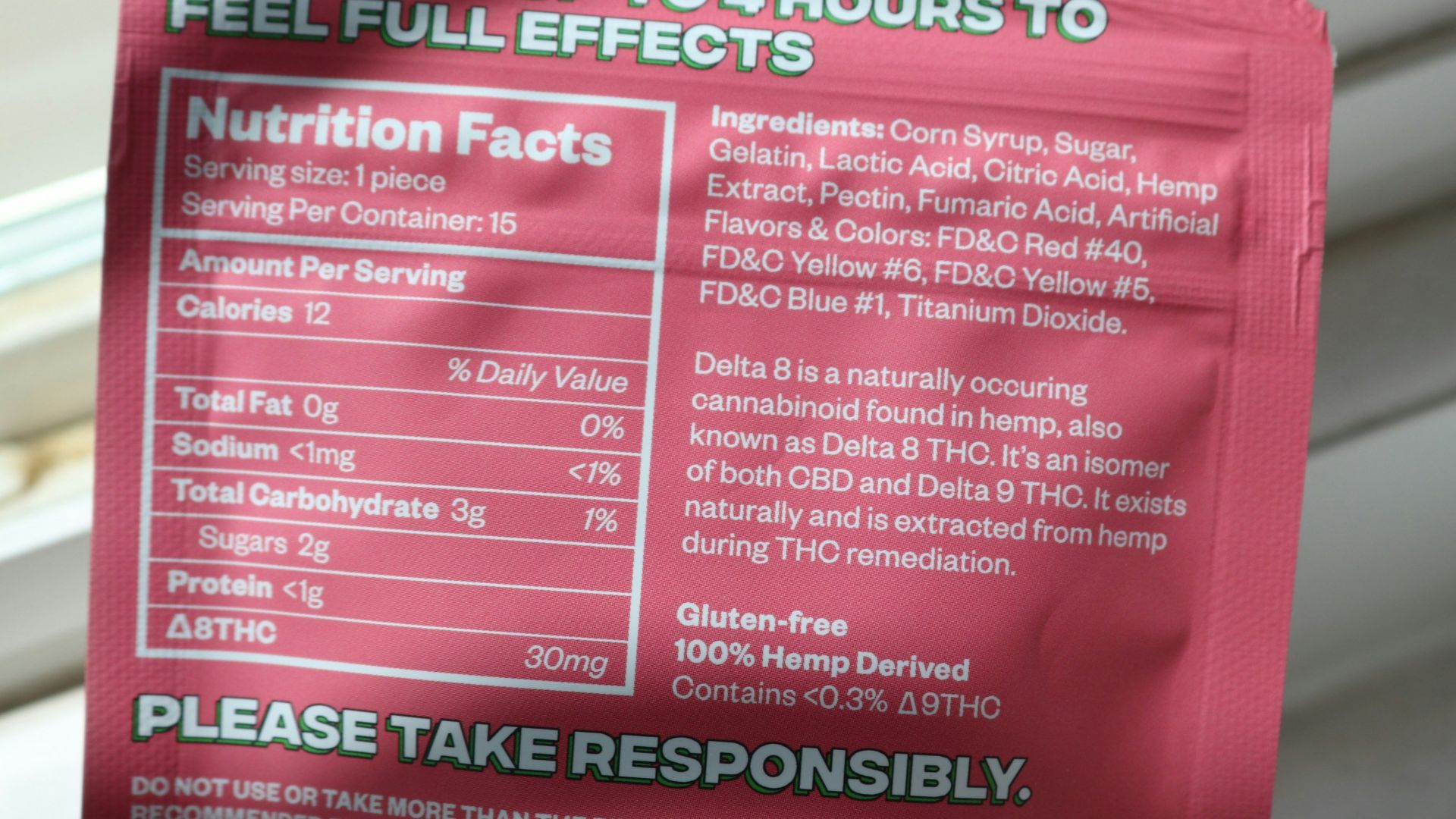
Read The Net Weight, Not The Bag Dimensions
Packaging can play tricks on the eye. A wide bag may be shallow, while a compact package may be packed much more densely. Turn the bag over and find the net weight in ounces. That small number usually reveals far more about value than the physical size of the packaging.
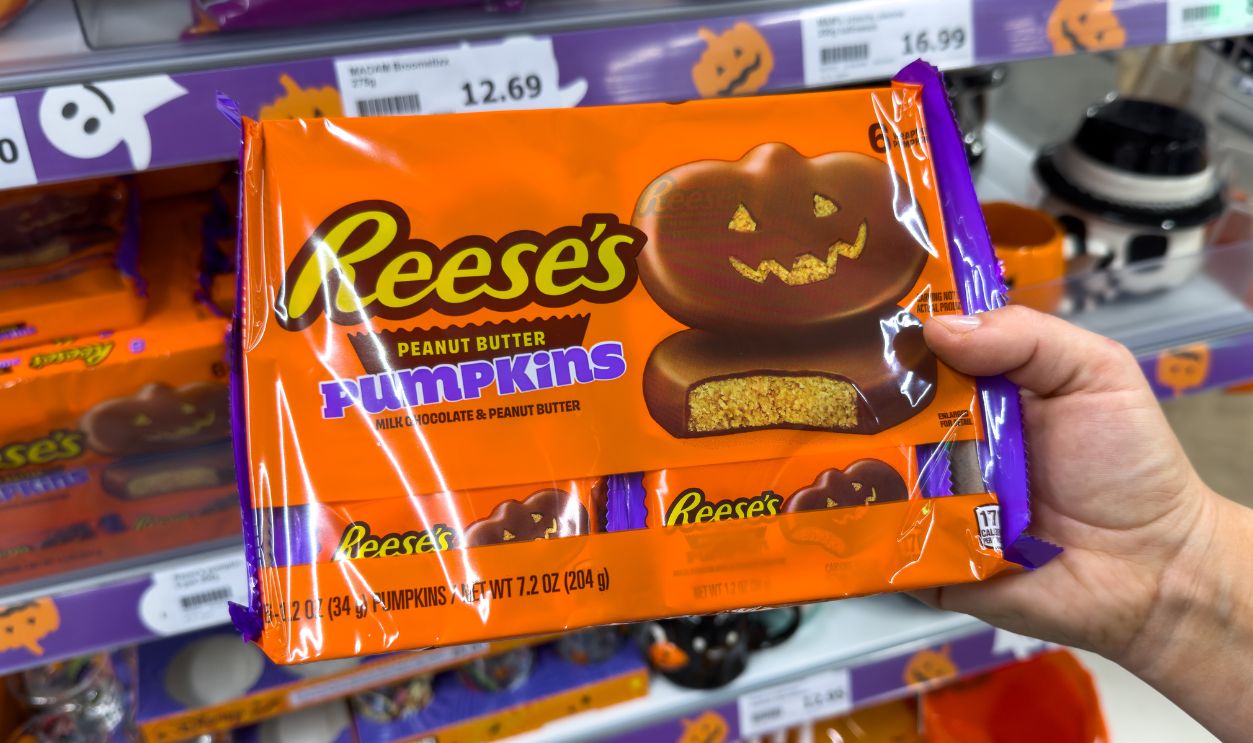
Shelf Unit Prices Aren’t Always Easy To Use
Depending on where you live and where you shop, unit pricing may not always be displayed consistently. Consumer Reports notes that unit-pricing requirements vary across the country, while NIST publishes recommended standards intended to make those labels more useful. If the store doesn’t provide a clear comparison, the calculation is simple enough to do yourself.
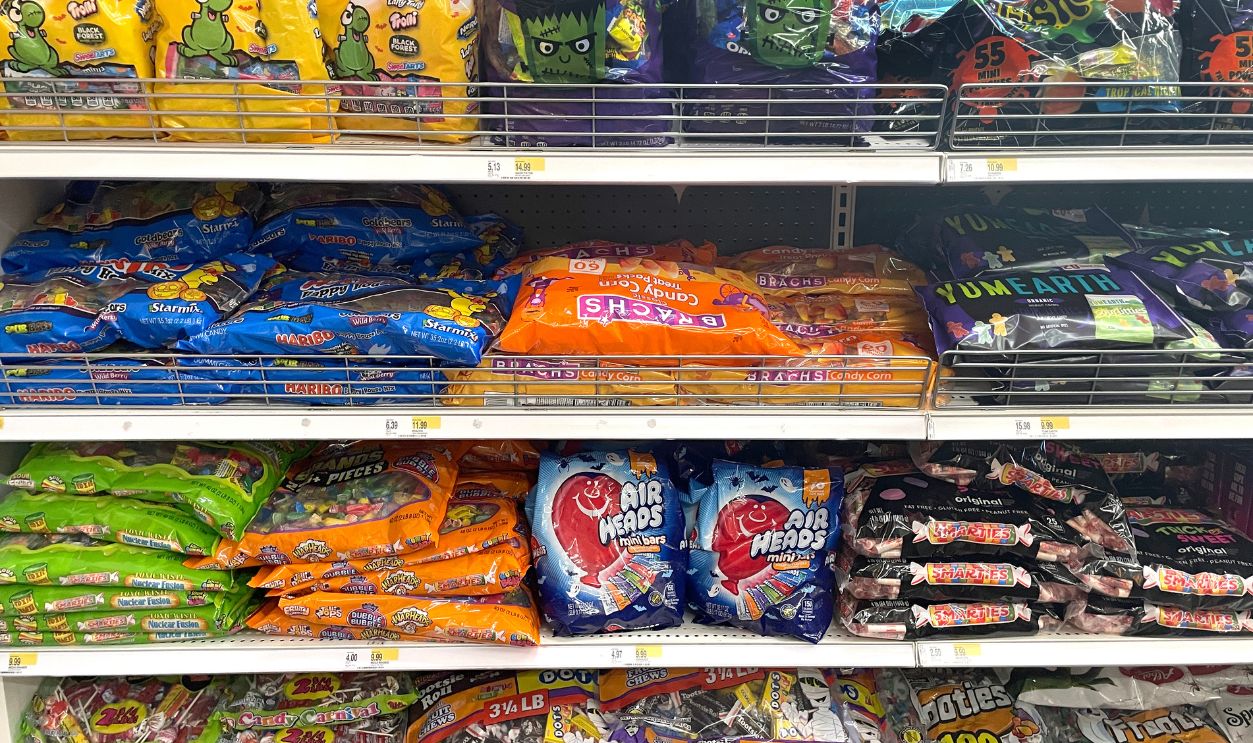
Your Phone Calculator Is The Best Halloween Shopping Tool
There’s no need to do long division in the candy aisle. Type the price into your phone, divide it by the number of ounces, and repeat for the competing package. The result gives you price per ounce. After checking three or four bags, the supposed bargains usually become much easier to rank.

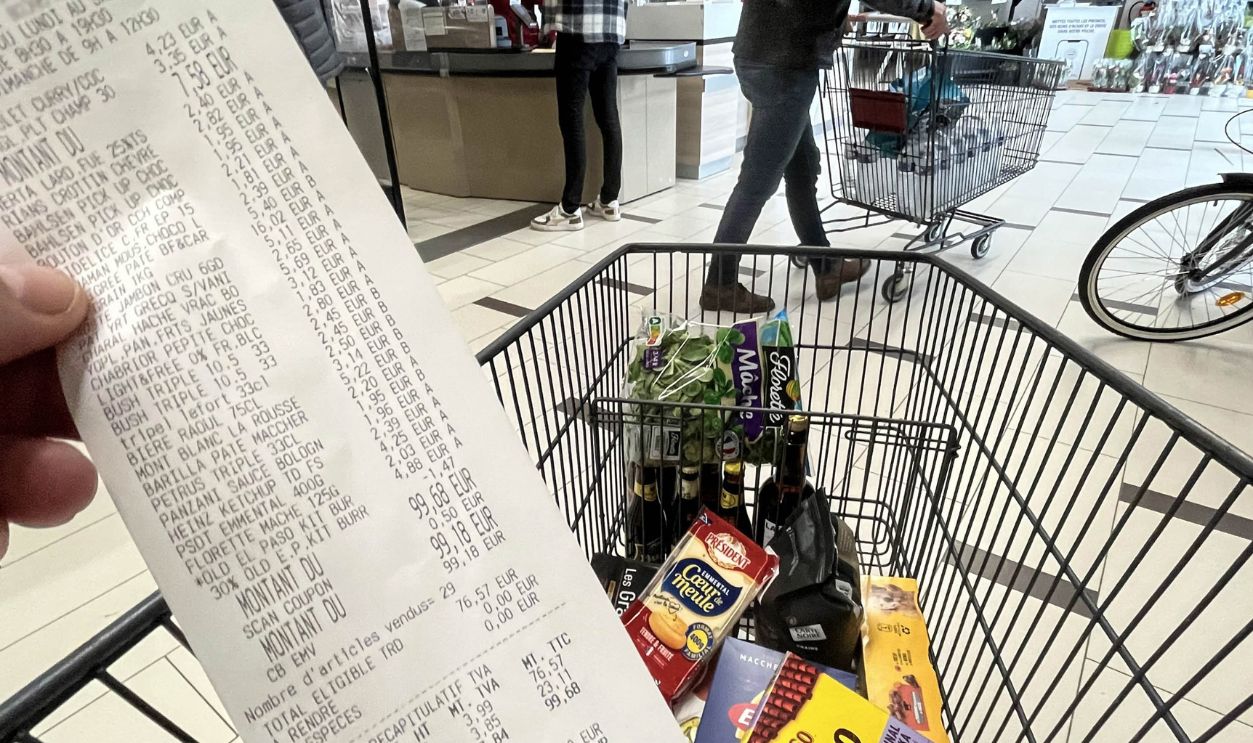
Check The Receipt Before You Leave
Sale prices, loyalty discounts, and digital coupons create more opportunities for the price at checkout to differ from what you expected. Scan the receipt before leaving the store, particularly if you bought several identical bags. If a promotion didn’t apply, dealing with it at the customer-service desk is much easier than discovering the problem at home.
Decide How Much Candy You Actually Need
The lowest unit price isn’t automatically the lowest total cost. Buying a gigantic warehouse-size package only saves money if you needed most of that candy anyway. Estimate how many trick-or-treaters you expect, decide how many pieces each person gets, and add a reasonable buffer. Saving three cents per ounce doesn’t help if you spend another $20 buying candy nobody needed.
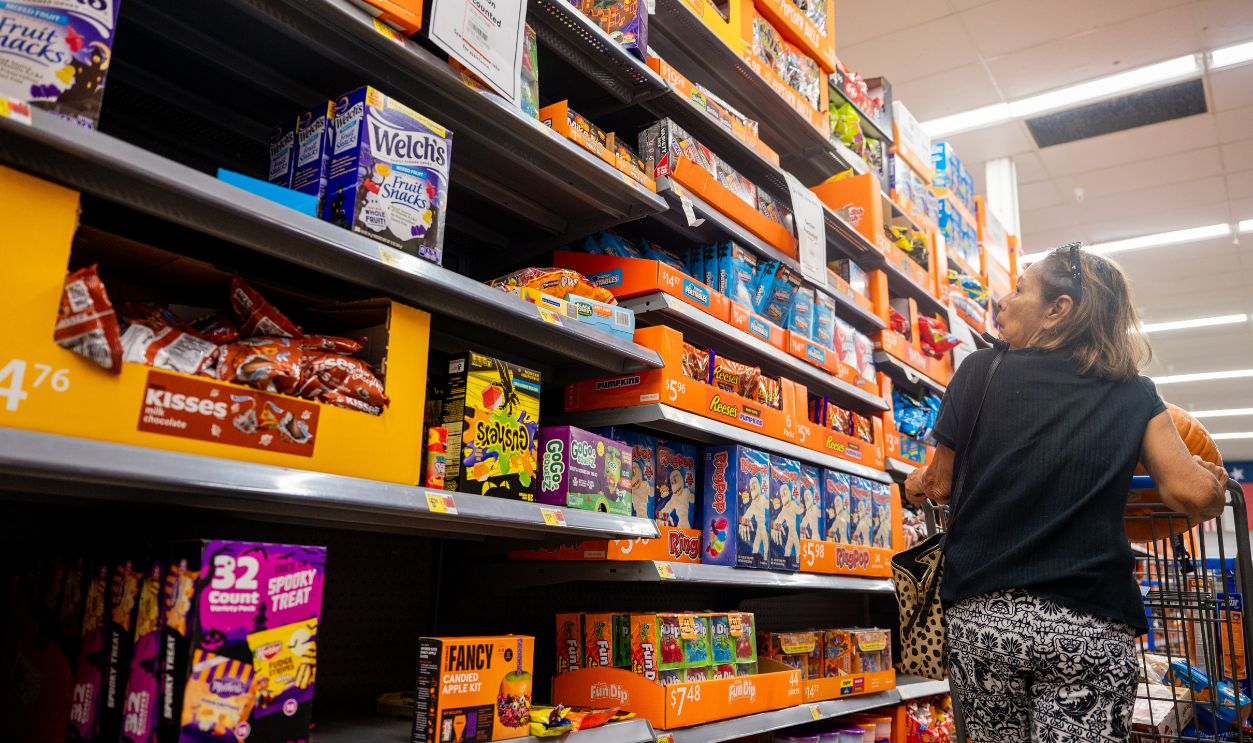
Leftovers Should Factor Into The Decision
If your household happily eats leftover chocolate, buying a little extra at a strong unit price isn’t much of a problem. If nobody wants candy hanging around afterward, the smaller package may be smarter even with a slightly higher per-ounce price. The “best deal” is the lowest cost for the amount you’ll realistically use, not necessarily the lowest mathematical unit price in the store.
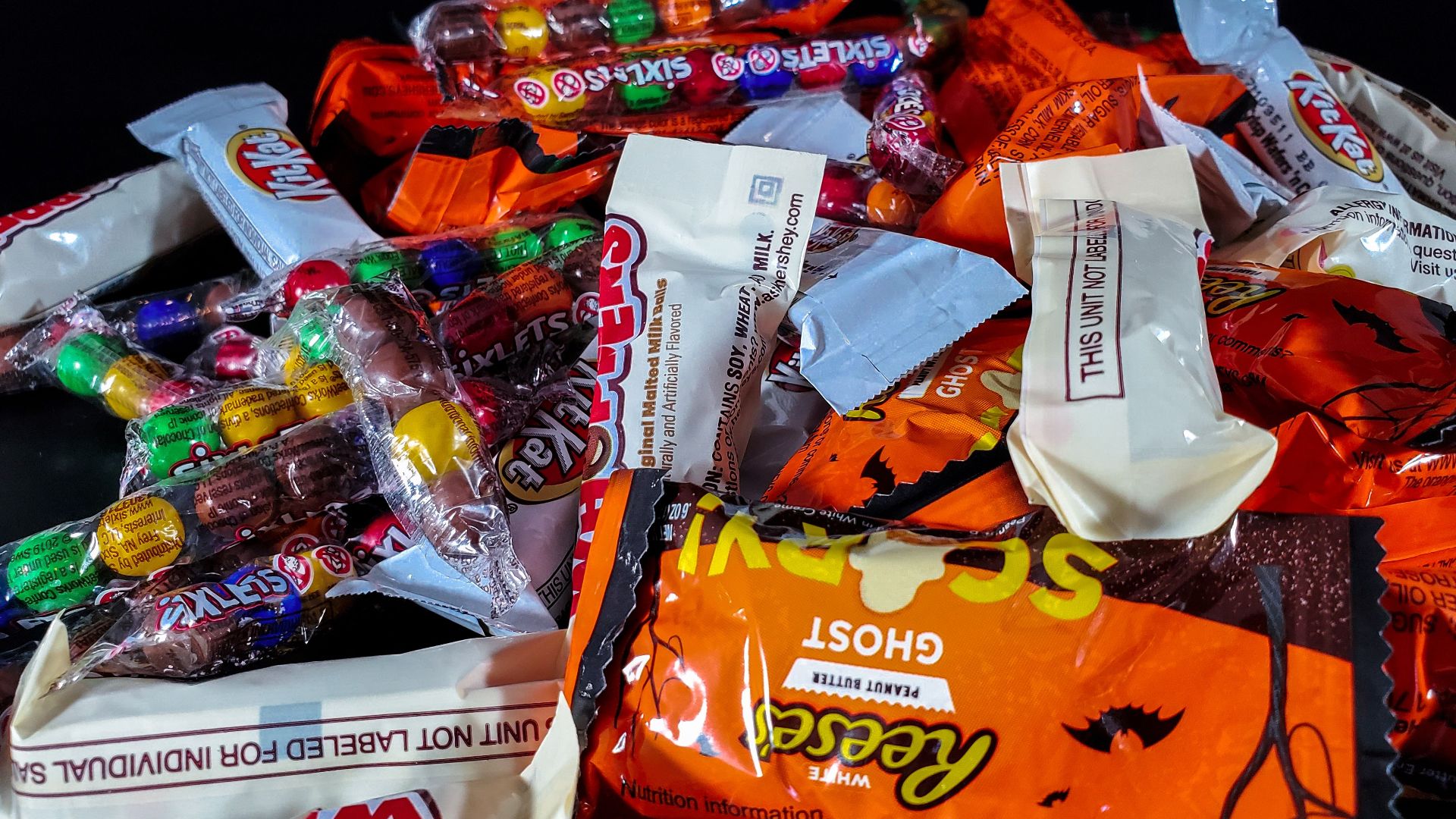
Waiting Until After Halloween Changes The Game
If you’re buying candy for yourself rather than trick-or-treaters, November 1 can completely change the calculation. Stores often want seasonal inventory gone quickly once Halloween ends, so clearance discounts may overwhelm normal unit-price differences. The trade-off is selection: the best varieties may disappear before the deepest markdowns arrive.
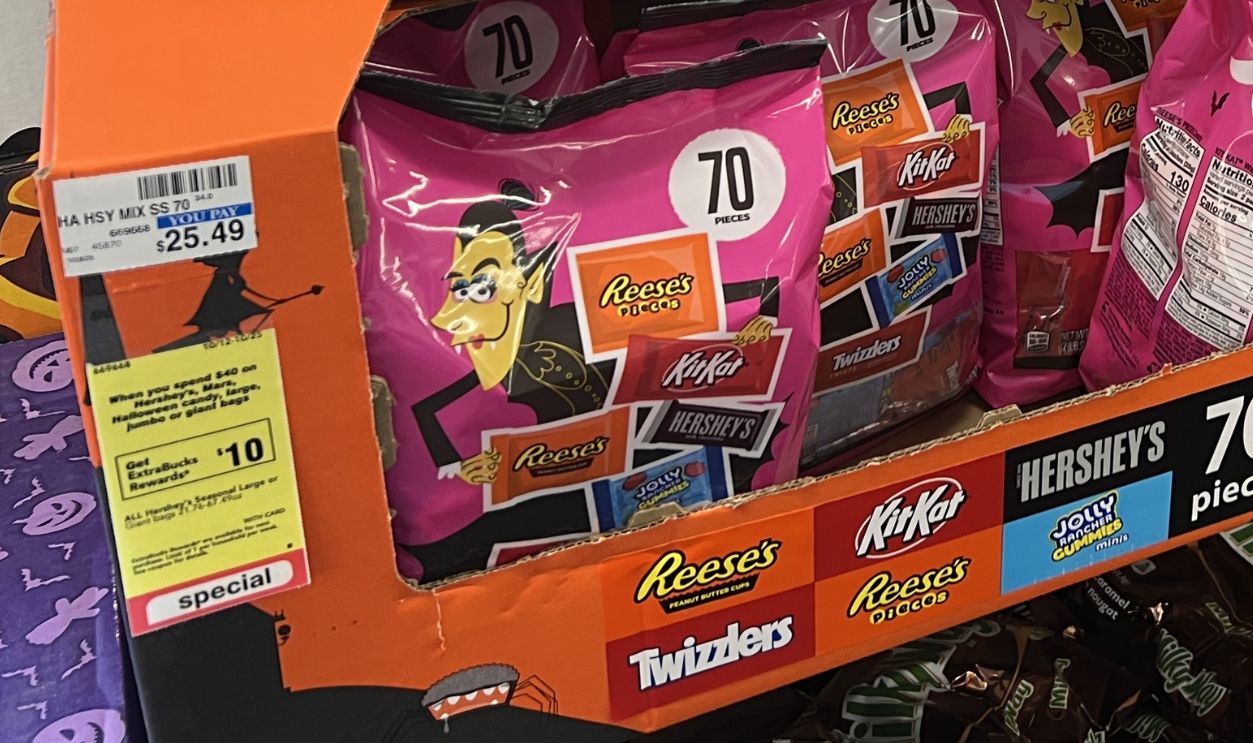 Smith Collection/Gado, Getty Images
Give Yourself A Target Price Per Ounce
After comparing a few packages, establish a rough benchmark for the candy you want. If the decent deals are hovering around 35 cents per ounce, a flashy 55-cent-per-ounce “sale” becomes much easier to dismiss. You don’t need to memorize every grocery price. You just need enough comparison shopping to recognize when the sign and the mathematics are telling different stories.
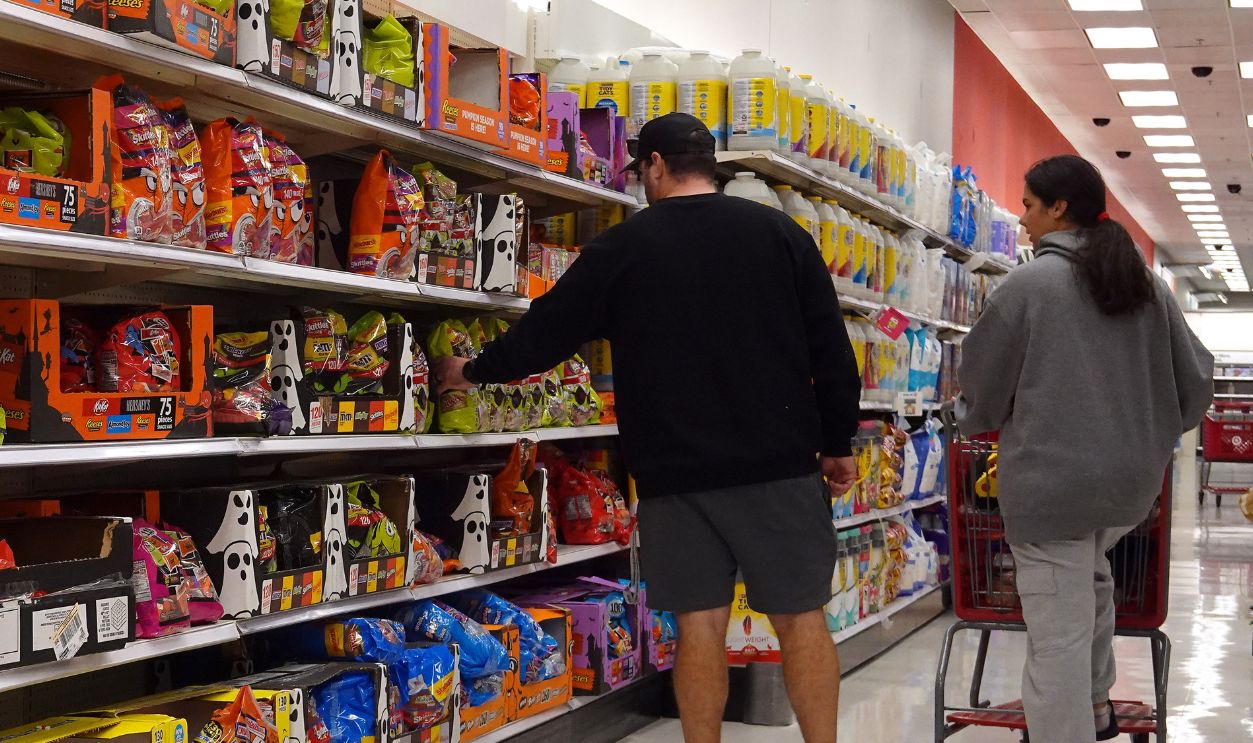
The Better Deal Is Hiding In The Small Print
Halloween candy marketing encourages shoppers to notice the sale percentage, giant package, or bright promotional sign first. Flip that habit around. Check the final price, net weight, unit price, loyalty requirements, purchase limits, and whether you’ll actually use everything inside. Once you start comparing cents per ounce instead of dollars per bag, a lot of supposedly enormous Halloween bargains suddenly don’t look so enormous.
You May Also Like: