
Grocery Delivery Tips Can Sneak Up On You
Ordering groceries online is convenient, but the extra costs can add up quickly. Between delivery fees, service charges, memberships, and tips, many Americans are wondering whether tipping grocery delivery workers is really expected—or if it's simply become another expense that's hard to avoid.

Grocery Delivery Isn't Quite Like Restaurant Service
Although grocery delivery and restaurant delivery both involve bringing food to your door, the work is different. A grocery shopper often spends time walking the aisles, selecting produce, finding replacements, checking expiration dates, and delivering everything to your home.
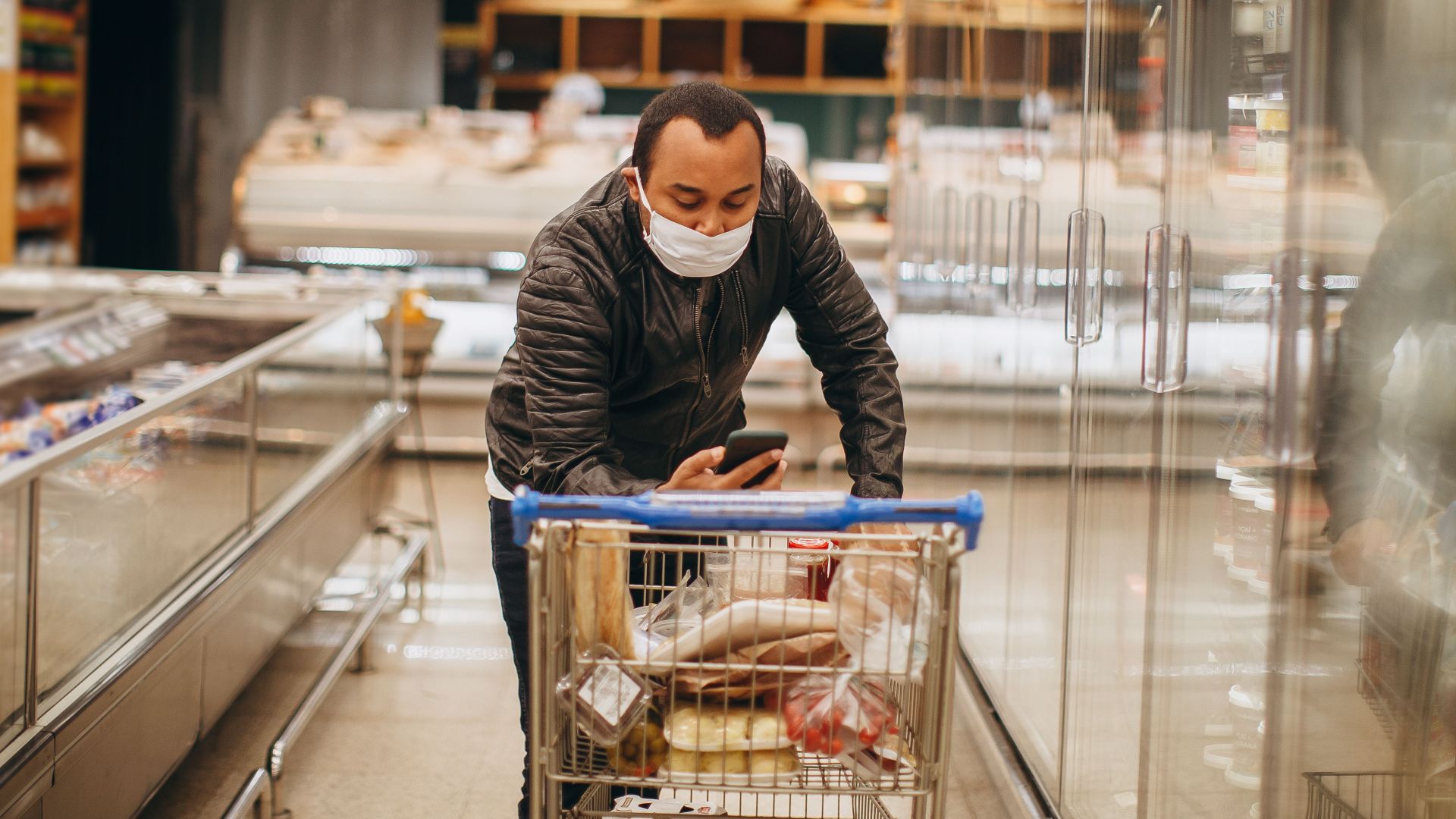
Tipping Isn't Required By Law
No US state requires customers to tip grocery delivery workers. However, tipping has become a common expectation for app-based grocery delivery services, especially when independent contractors shop and deliver the order.
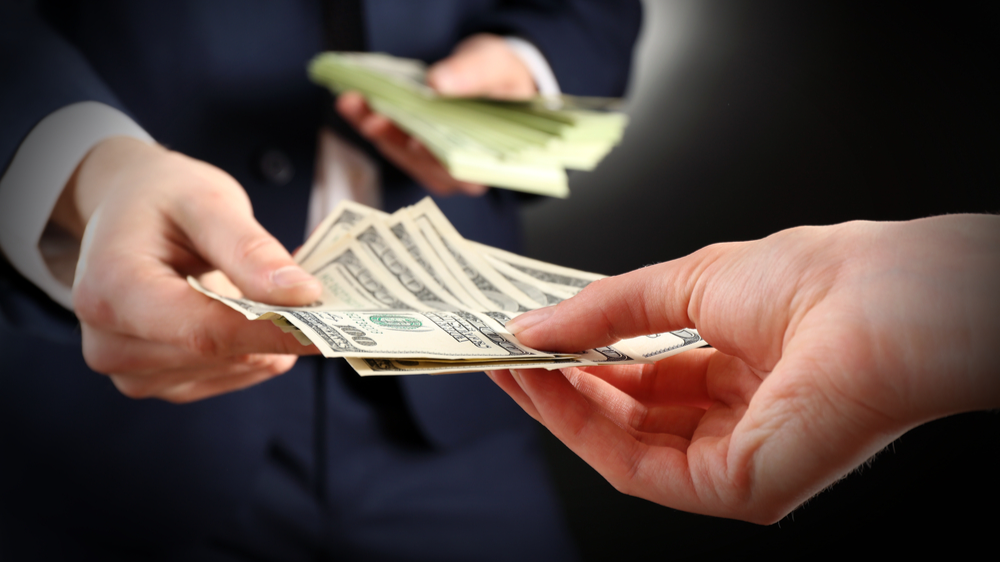
So... How Much Do People Usually Tip?
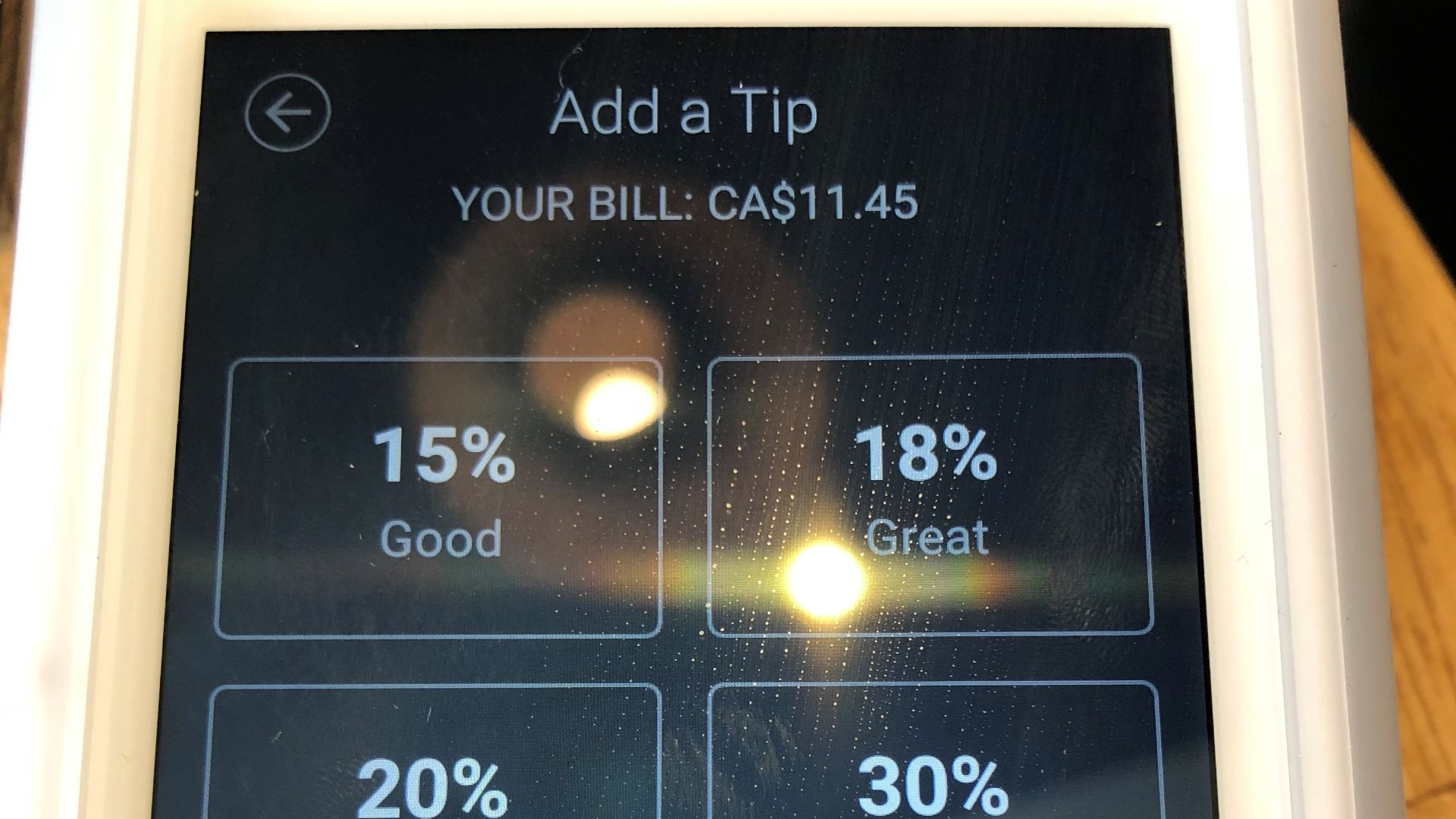
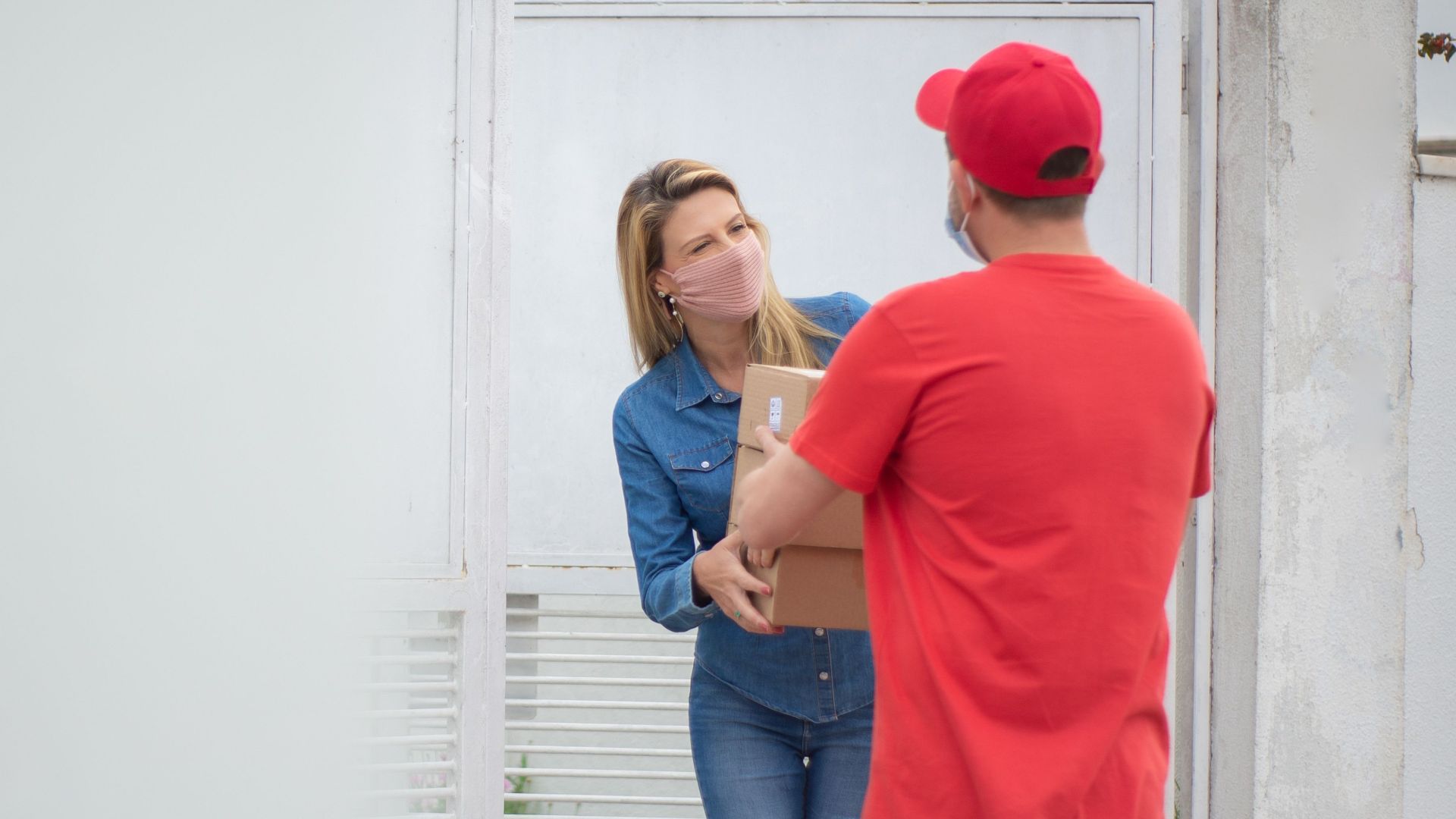
Many etiquette experts recommend 10% to 20% for grocery delivery. For smaller orders, about $5 is often considered a reasonable minimum, while larger or more difficult orders may justify a higher tip.
 John Guccione www.advergroup.com, Pexels
Flat Dollar Tips Often Make More Sense
Unlike restaurant meals, grocery orders may include expensive items that don't require extra work. Many households simply tip $5–$10 for a modest order and $10–$20 or more for larger deliveries.

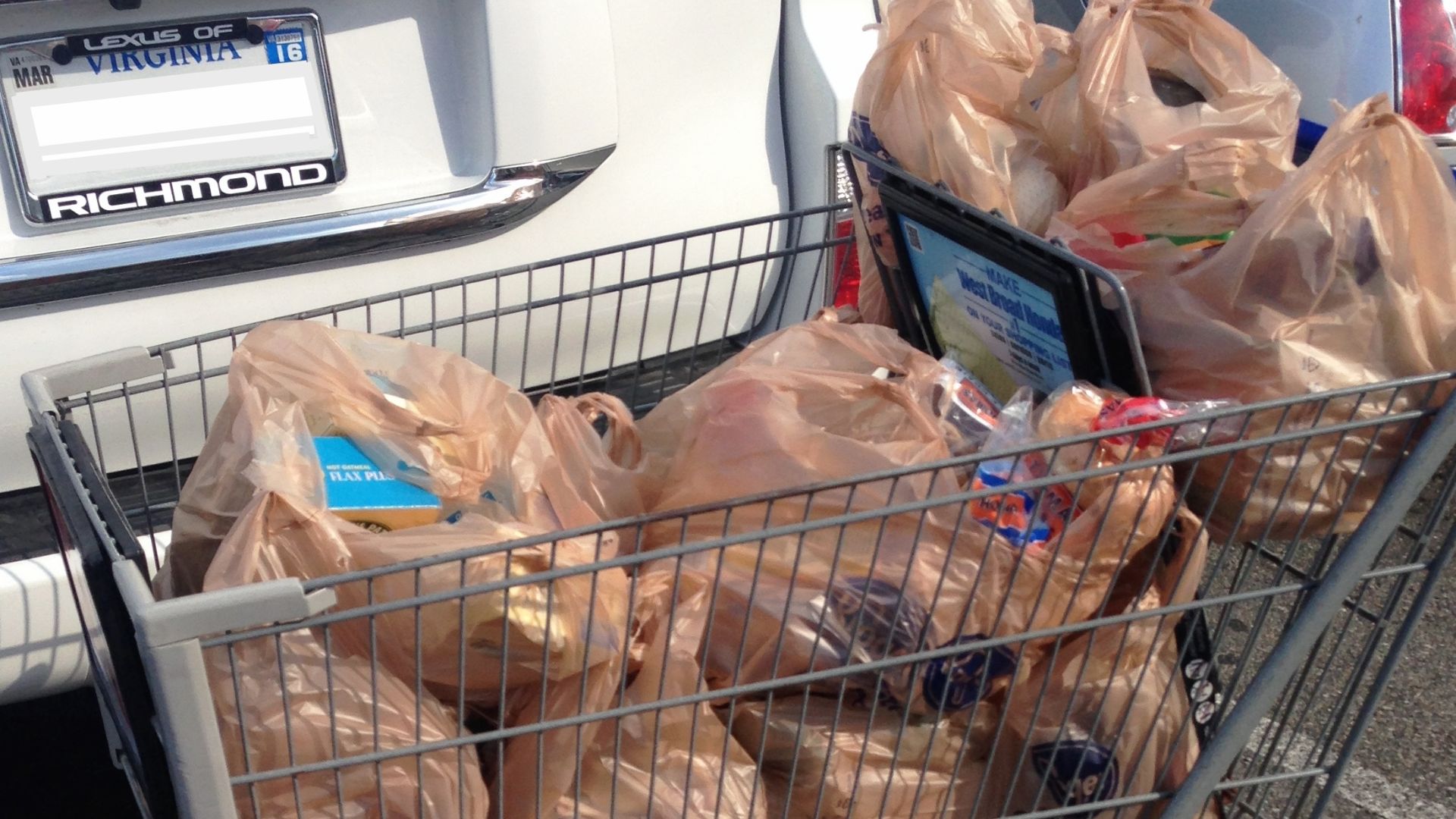
Heavy Bags Deserve Extra Consideration
Cases of bottled water, pet food, or several flights of apartment stairs require much more effort than a few grocery bags. Many customers voluntarily increase their tip for especially demanding deliveries.
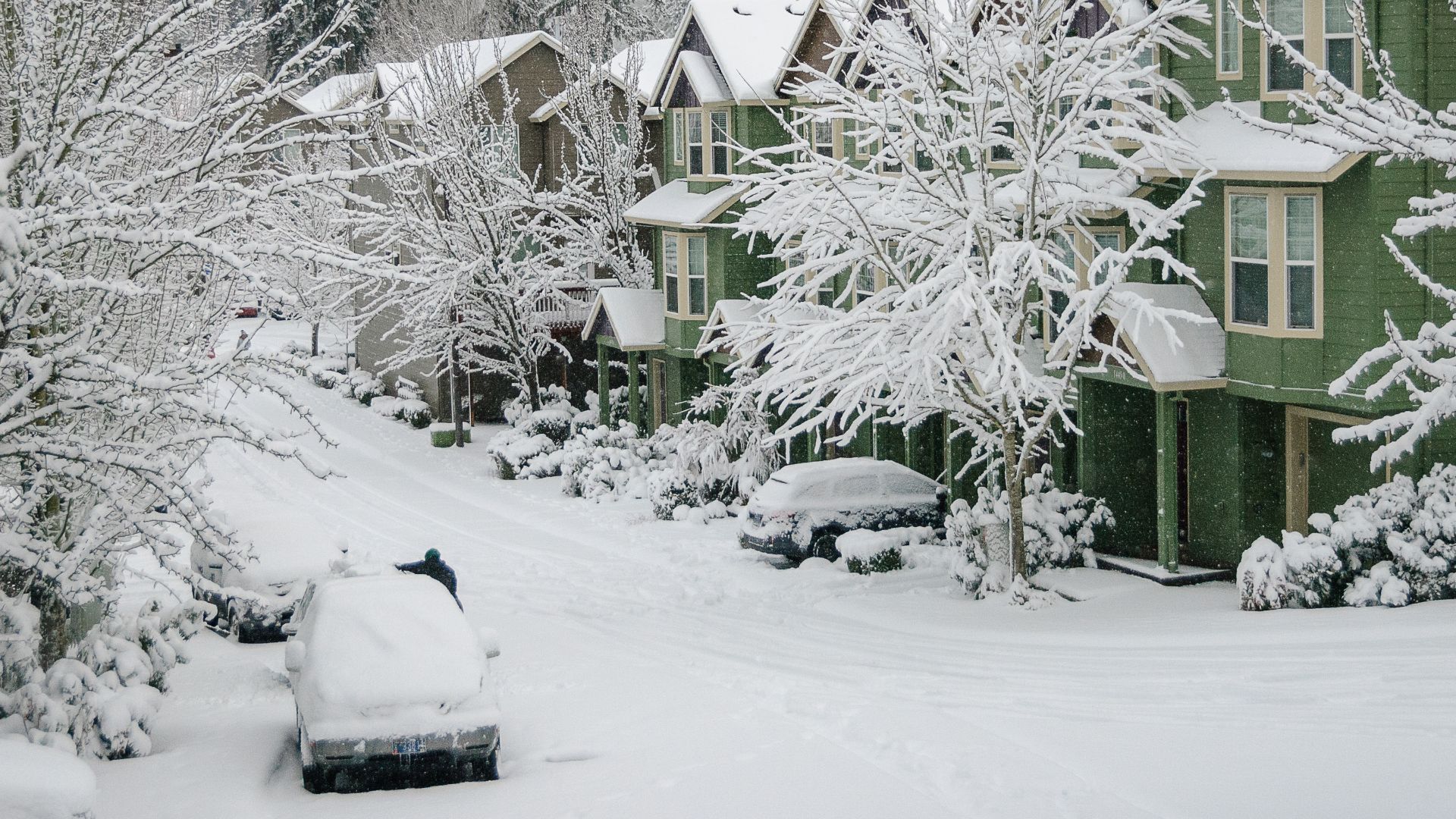
Weather Can Matter Too
Snow, heavy rain, extreme heat, or icy conditions often lead customers to leave a little extra. While not required, it's widely viewed as good etiquette.
 Loren Kerns from Tigard, Oregon, USA, Wikimedia Commons
State Wage Laws Add Another Layer
Some states require many tipped workers to receive the full state minimum wage before tips, while others allow employers to count tips toward minimum wage requirements. Independent contractors may be paid differently depending on the delivery platform.
 Canadian2006, Wikimedia Commons
Don't Confuse Service Fees With Tips
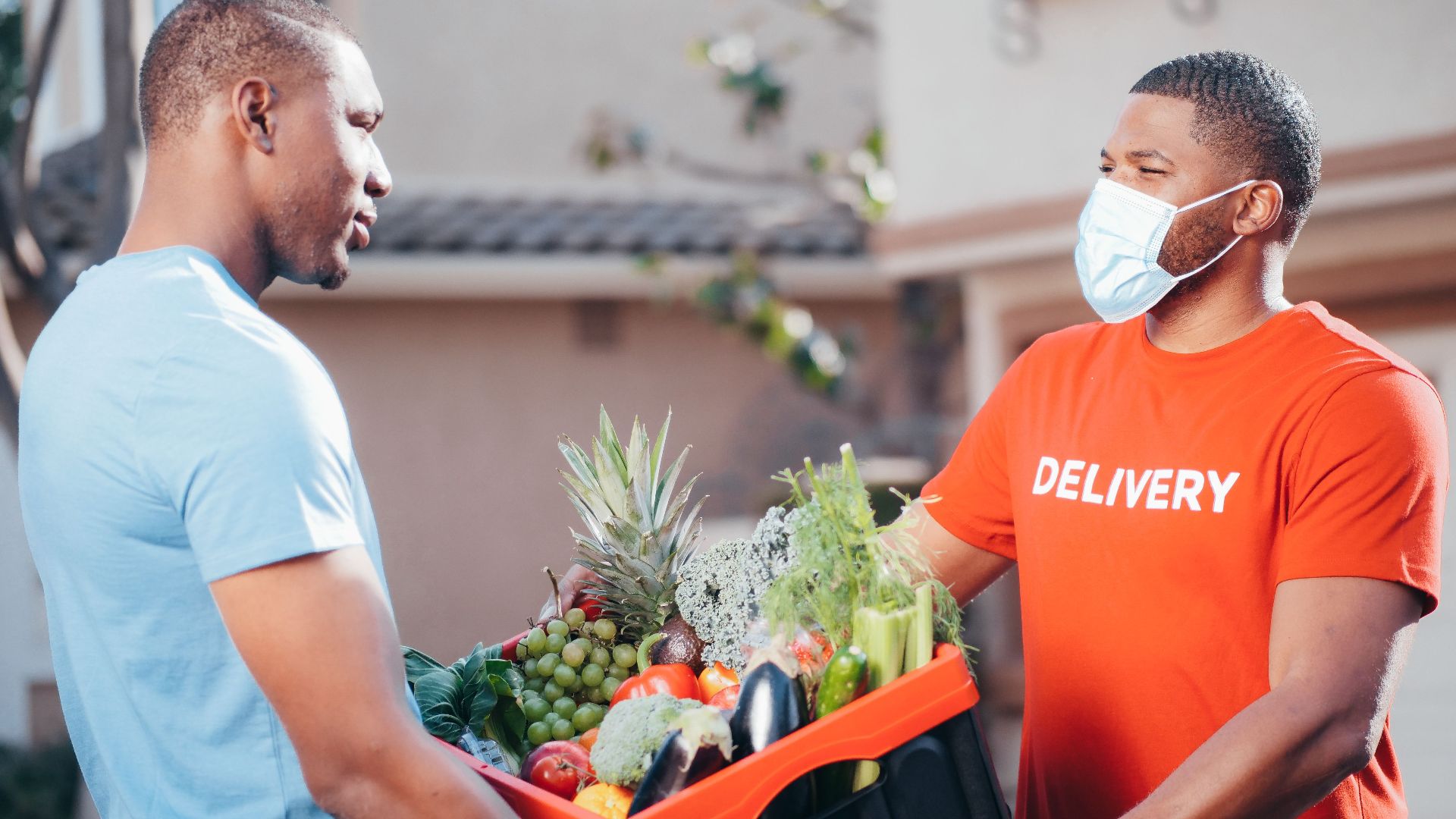
Many delivery services charge service or delivery fees that don't go directly to the shopper. Tips are usually separate and often go directly to the person shopping or delivering your groceries.
Curbside Pickup Is Different
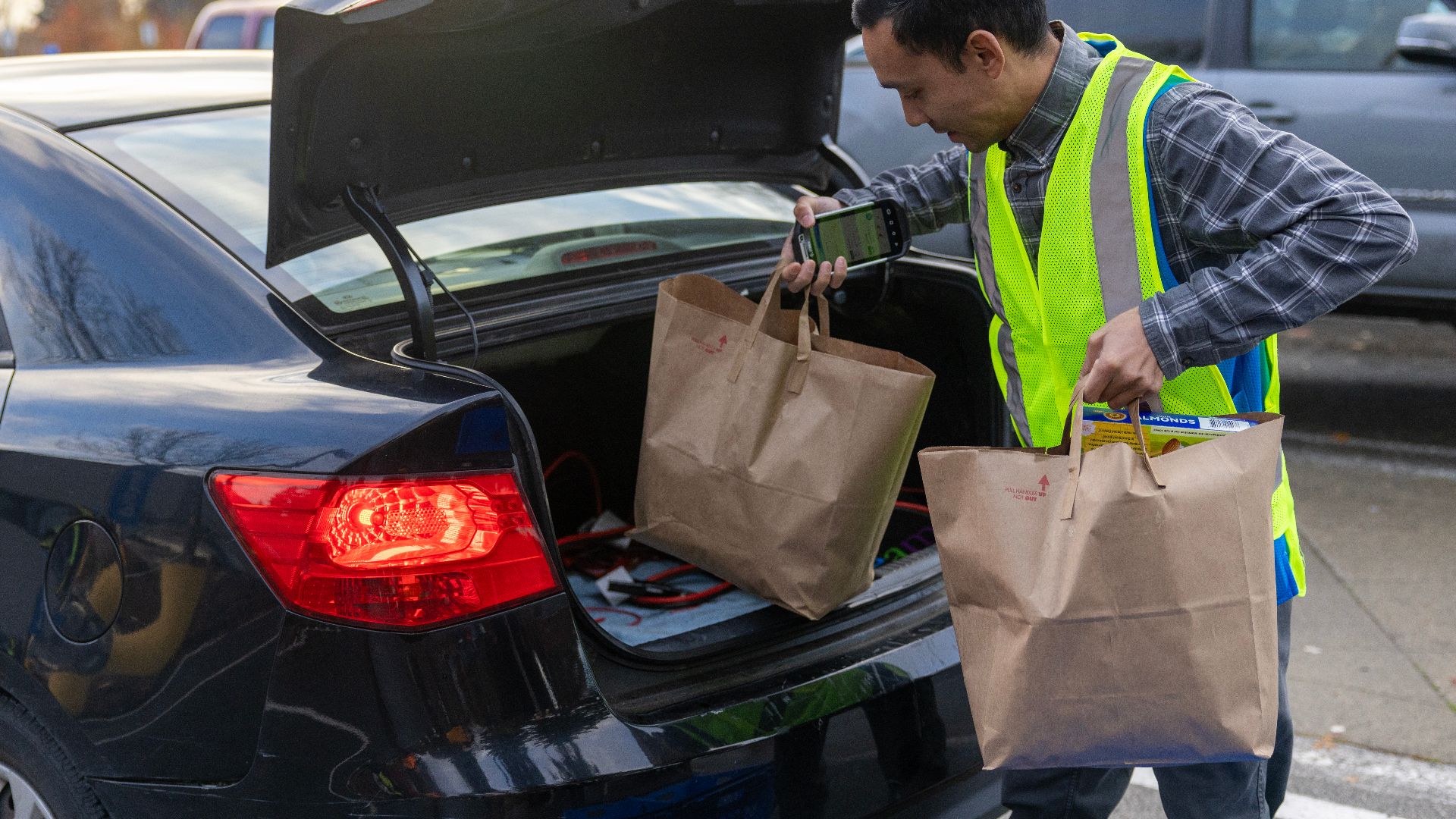
If a store employee simply loads groceries into your vehicle, tipping usually isn't expected. Some grocery chains don't even allow employees to accept tips.
Membership Fees Don't Replace Tips
Memberships like Walmart+ or Instacart+ may reduce delivery fees, but they don't replace gratuities for the person shopping and delivering your groceries.
 Glenn Samonte - Own Work, Wikimedia Commons
Budgeting For Tips Is Part Of The Cost
If you use grocery delivery regularly, include tips in your grocery budget so you know the true cost of using the service instead of shopping yourself.
 https://kaboompics.com/, Pexels
It's Okay To Adjust Your Tip
Most delivery platforms allow you to change your tip after delivery. Excellent service can deserve more, while poor service may justify leaving less.

You Shouldn't Feel Guilty For Shopping Yourself
If tips and fees are stretching your budget, shopping in person is a perfectly reasonable way to save money.
Here's The Question That Really Matters
Are you paying for convenience—or paying out of habit? That answer often determines whether grocery delivery still makes financial sense.

So... Is Tipping Grocery Delivery Necessary?
Legally, no. Socially, usually yes. In the US, tipping grocery delivery workers has become standard etiquette. Around 10–20%, or at least about $5 for small orders, is commonly recommended.
When Should You Tip—And When Can You Skip It?
Restaurant servers (15–20%), food delivery drivers, grocery delivery shoppers, bartenders ($1–$2 per drink or 15–20%), rideshare drivers (10–20%), hair stylists (15–20%), bellhops ($2–$5 per bag), and valet attendants ($2–$5) are commonly tipped.
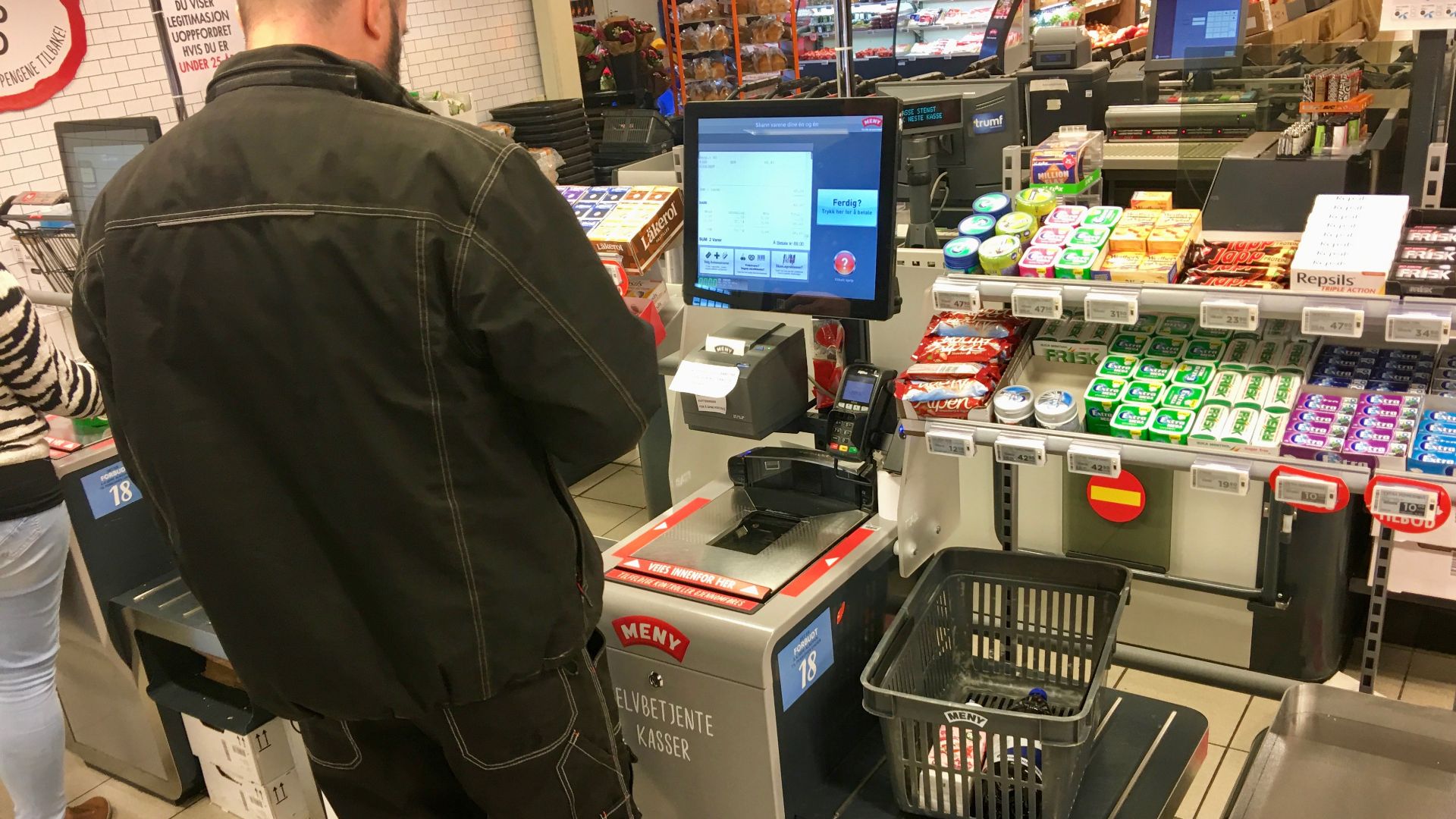
Tipping is generally not expected for self-checkout, retail cashiers, grocery checkout lanes, most curbside pickup, teachers, medical professionals, government employees, or most fast-food counters.

You May Also Like:
Workplace Habits Americans Think Are Normal—But The Rest Of The World Finds Bizarre
Financial Rights Most Americans Don’t Know They Have—And It’s Costing Them Money
These Strange Financial Rules Are Affecting Your Money—And You Don’t Even Know It