The Grocery Bargain That Might Not Be A Bargain
Your parents spot chicken for 60 cents less per pound across town and immediately grab the car keys. It feels thrifty, and decades ago it often was. But today, driving farther for a grocery deal can quietly cost more than it saves. The trick is showing them the math without starting a family debate.
Start With The Gas Math
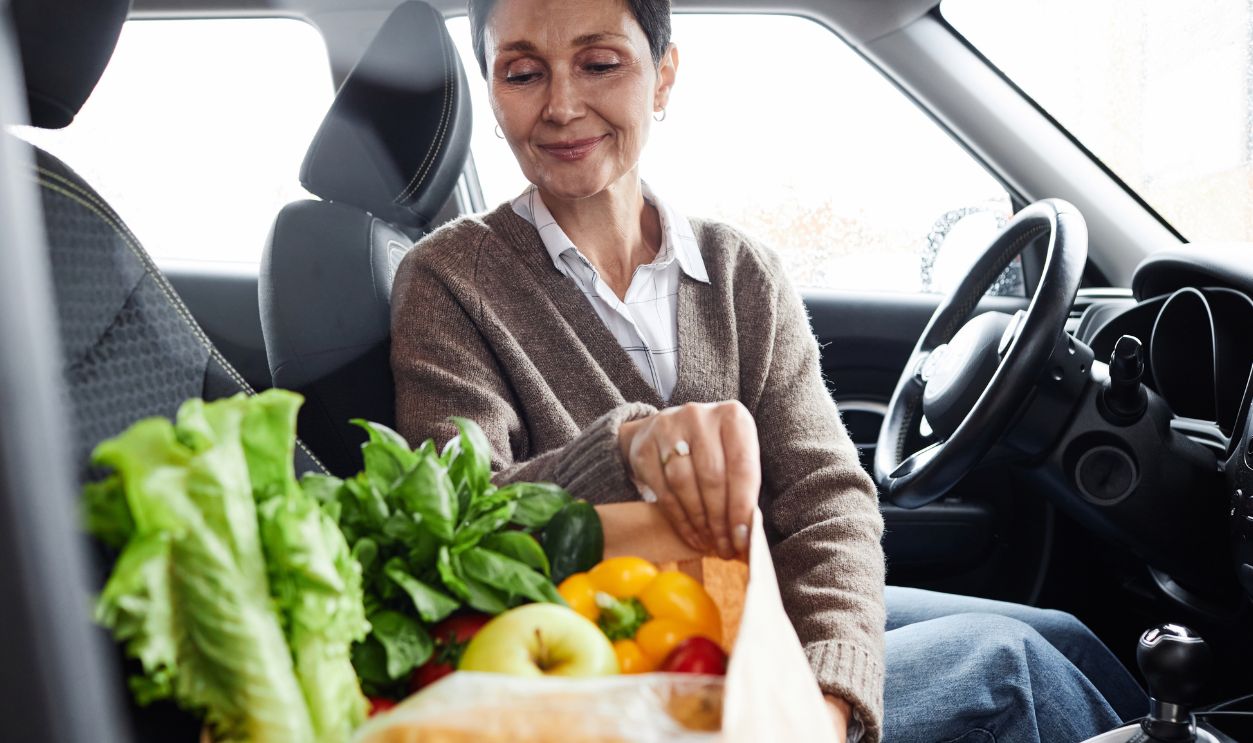
The simplest calculation is miles driven divided by your car’s miles per gallon, multiplied by the price of gas. A 20-mile round trip in a car getting 25 mpg uses 0.8 gallons. At $4 per gallon, that “cheap grocery run” already costs $3.20 before you buy anything.
Then Look At The Actual Savings
Now compare that driving cost with the grocery discount. If your parents save $6 on meat, produce, and canned goods but spend $3.20 on gas, their real savings are only $2.80. Suddenly, crossing town doesn’t look nearly as heroic as the grocery receipt makes it seem.

Gas Is Only Part Of The Cost
Gas is the easiest expense to see, but every extra mile also puts wear on tires, brakes, oil, and the vehicle itself. You don’t need to calculate every penny to make the point. The car is costing money whenever it moves, even after the tank is full.

Time Has A Price Too
Suppose the farther supermarket adds 35 minutes to the trip. Saving three bucks suddenly means spending more than half an hour chasing it. Your parents may not put a dollar value on their free time, but asking, “Would you drive for 35 minutes to earn $3?” can change the conversation.

Why This Made More Sense In The 1980s
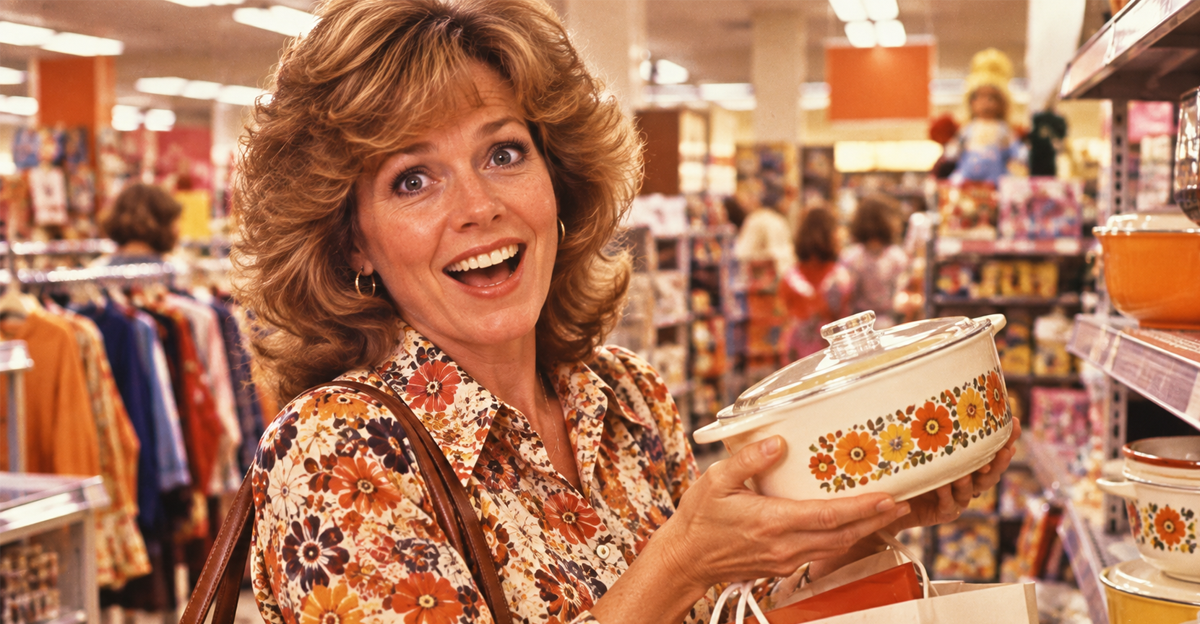
In the 1980s, shoppers had fewer ways to compare prices without physically visiting stores. There were no grocery apps, digital flyers, online ordering systems, or instant price searches. If another supermarket advertised a spectacular deal, getting into the station wagon and heading across town could genuinely be the easiest option.
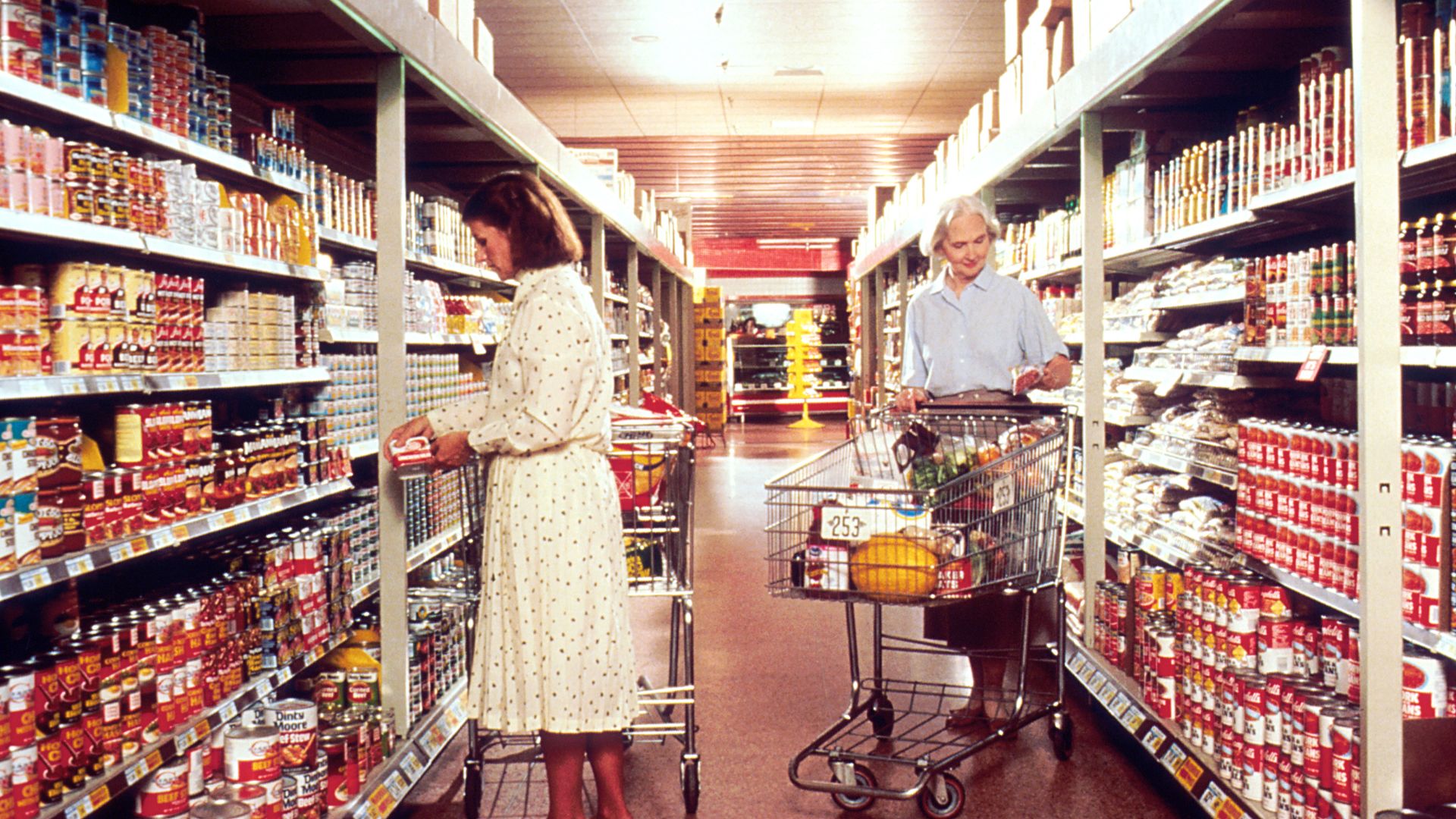 Bill Branson (Photographer), Wikimedia Commons
Newspaper Flyers Were Serious Business
Sunday newspapers once arrived stuffed with grocery circulars. Families could spread them across the kitchen table and plan an entire shopping route. Today, shoppers can compare many weekly specials on their phones within minutes. Driving store to store just to discover prices is becoming an unnecessary scavenger hunt.

Coupon Clipping Was Practically A Hobby
Coupon envelopes, accordion folders, and kitchen drawers overflowing with tiny pieces of paper were once normal. Dedicated shoppers could save significantly by matching coupons with sales. Modern consumers still use coupons, but digital offers and loyalty apps have largely replaced the Sunday-afternoon ritual involving scissors and newsprint.
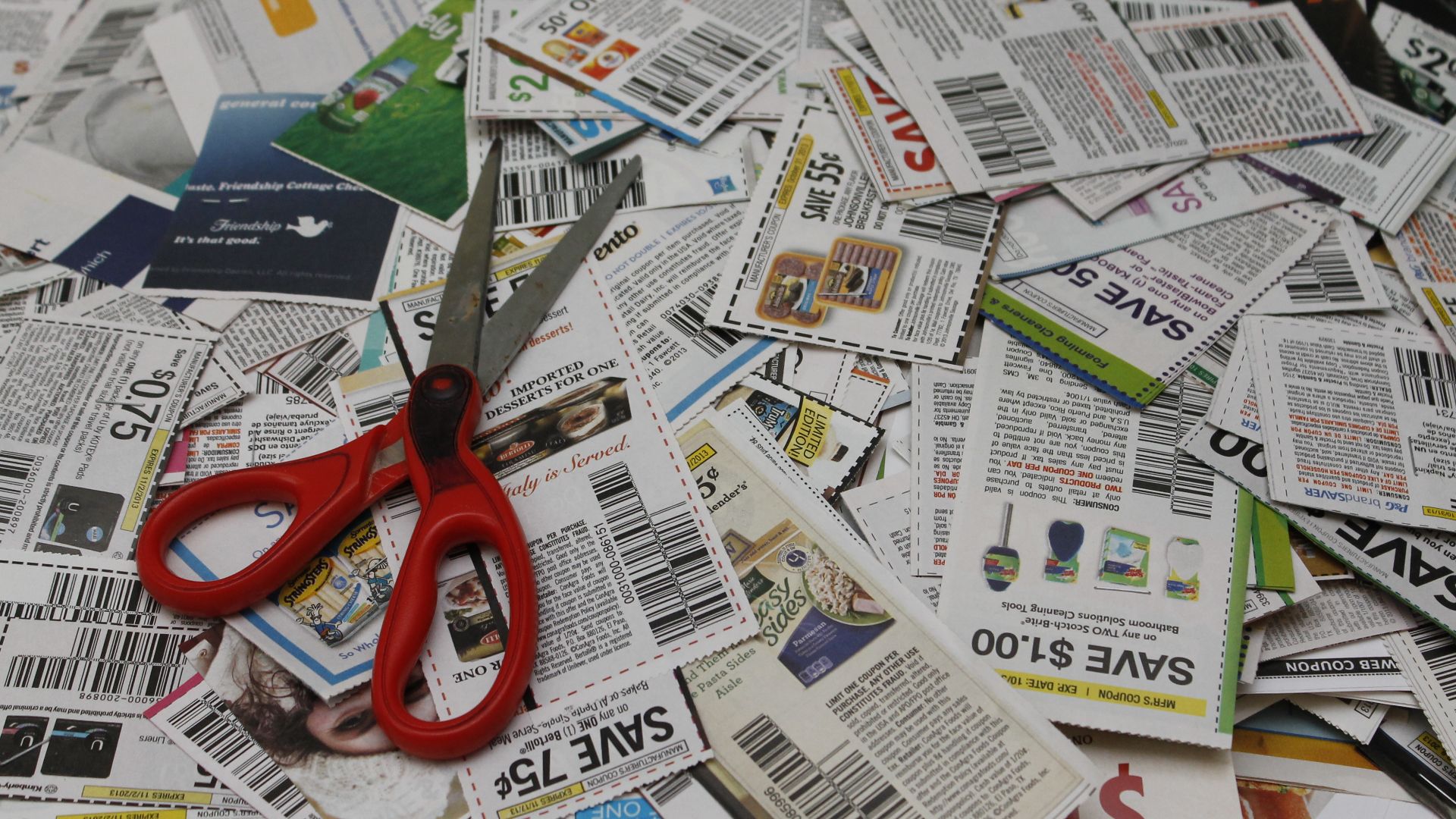 Carol Pyles from Winter Haven, FL, US, Wikimedia Commons
Double Coupon Days Drew Crowds
Some supermarkets once doubled the value of manufacturers’ coupons on specific days, giving determined bargain hunters a reason to travel. A 50-cent coupon could suddenly become a dollar. Today’s promotions tend to be more targeted and digital, so driving miles specifically for one coupon event feels increasingly outdated.
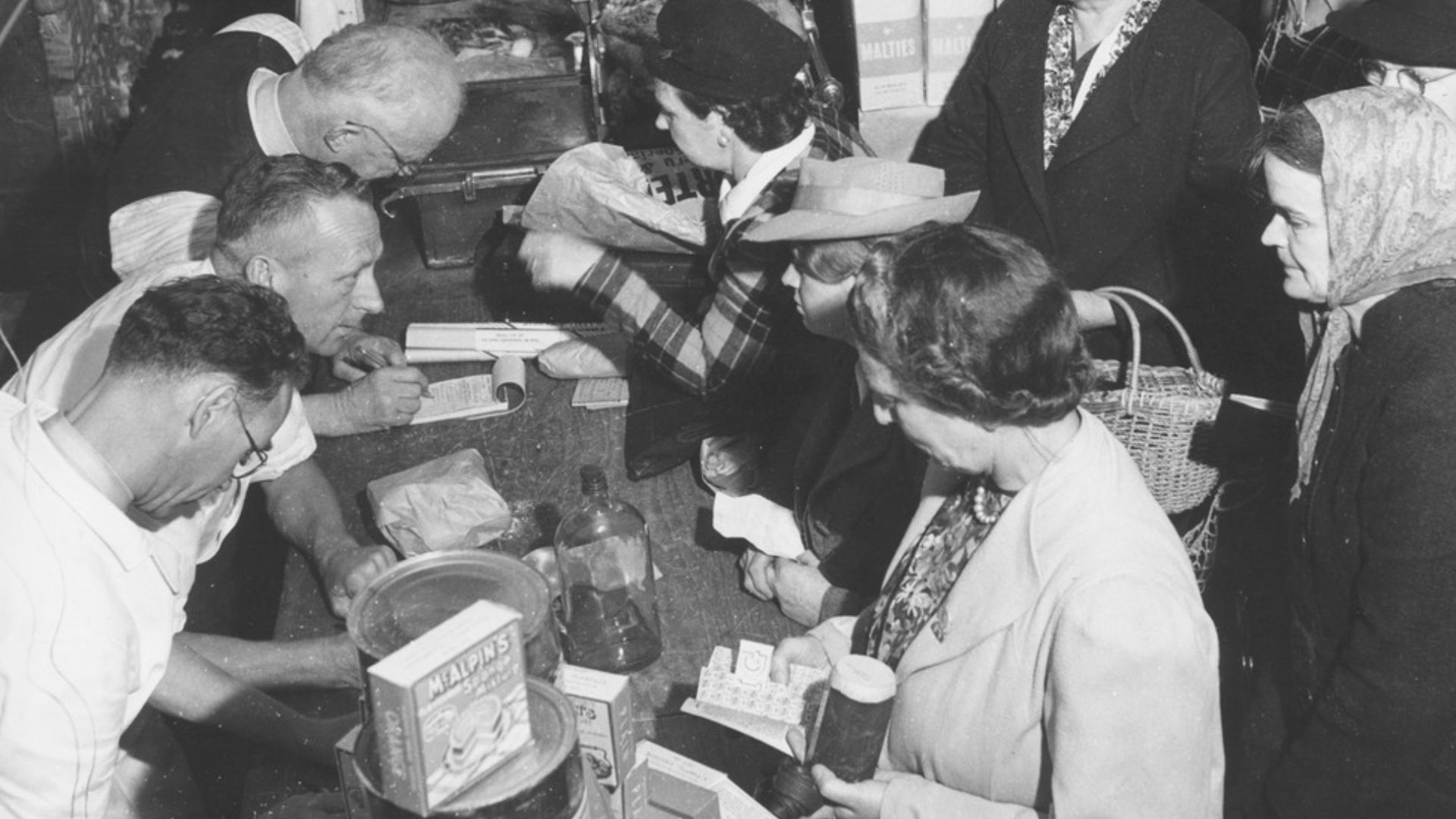 National Library of Australia from Canberra, Australia, Wikimedia Commons
Loss Leaders Were Worth Chasing
Supermarkets have long advertised unusually cheap staples to get customers through the door. In the 1980s, bargain hunters might visit several stores to collect each chain’s best deals. That strategy works only when the savings exceed transportation costs—and today, shoppers can often find comparable prices without making three separate trips.
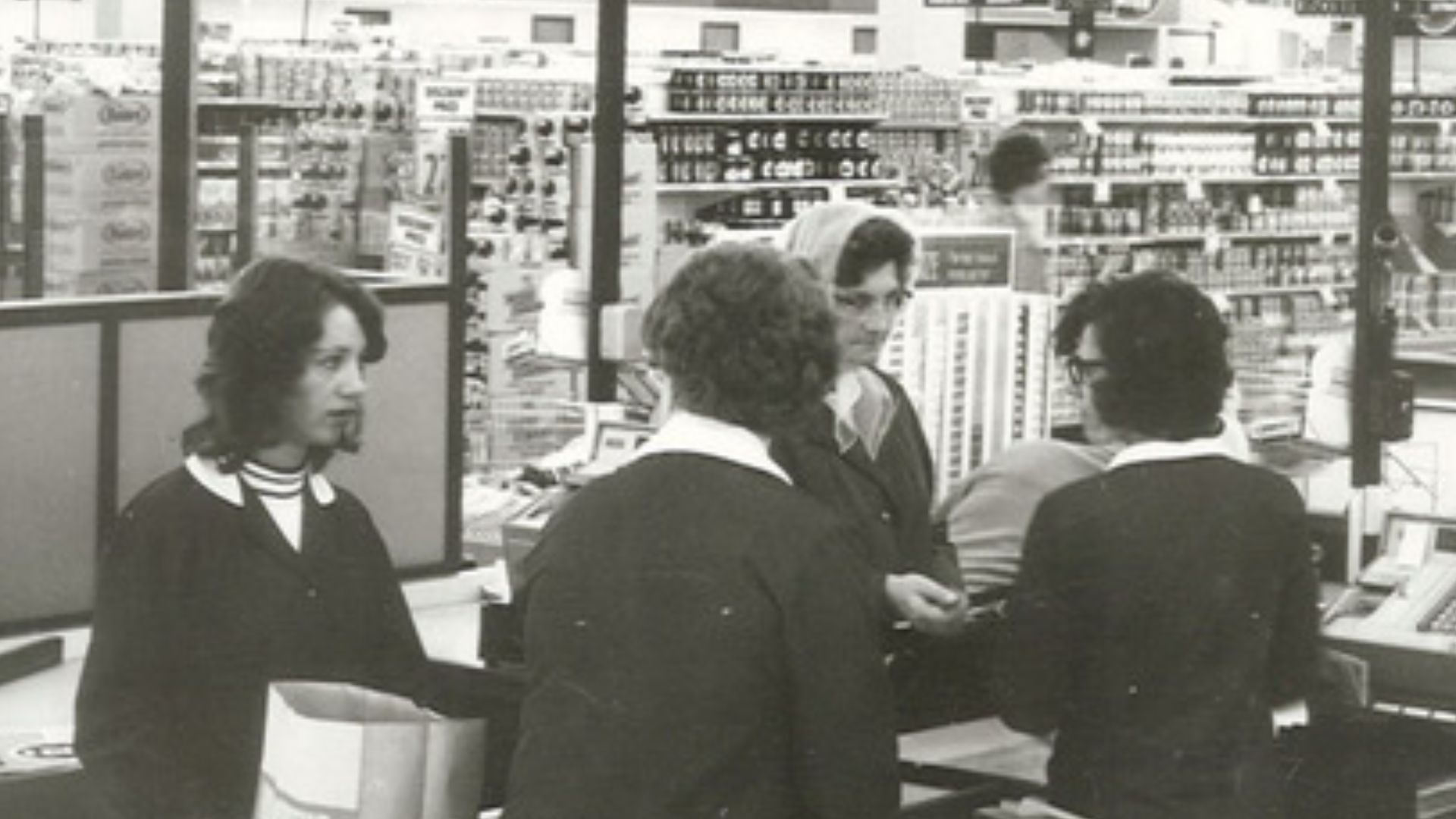 Archives New Zealand from New Zealand, Wikimedia Commons
Brand Loyalty Was Easier To Exploit
Decades ago, many families bought the same cereal, detergent, or coffee for years. Stores could advertise a familiar national brand at a slight discount and practically guarantee attention. Today’s shoppers can instantly compare store brands, warehouse sizes, online prices, and competing products, making brand-based bargains less persuasive.

Bigger Packages Looked Like Better Deals
The giant box once screamed “value.” But modern shoppers increasingly understand that bigger doesn’t automatically mean cheaper. The useful number is the unit price. A family-size package can actually cost more per ounce than a smaller sale item, especially when manufacturers use odd package sizes to make comparisons difficult.

Endcaps Still Try To Tempt Us
That dramatic display at the end of the aisle looks important for a reason. Shoppers often assume an endcap item must be discounted. It might be—but not always. Modern consumers equipped with smartphones and price labels can check rather than automatically toss the “special” into the cart.

Eye-Level Products Aren’t Necessarily Best
Prime shelf space has always been valuable. The products sitting directly in front of your face are often the easiest ones to notice, not necessarily the cheapest. Savvy modern shoppers know to look high, low, and at store brands before deciding that the most visible box is the best deal.

The Ten-For-$10 Trick Has Lost Some Magic
“10 for $10” feels like an invitation to fill the cart. Often, however, shoppers don’t actually need ten items to receive the advertised per-item price. Today’s consumers are more likely to check the fine print instead of buying six unnecessary cans of soup because the sign made ten sound mandatory.
Cash-Only Budgeting Had An Advantage
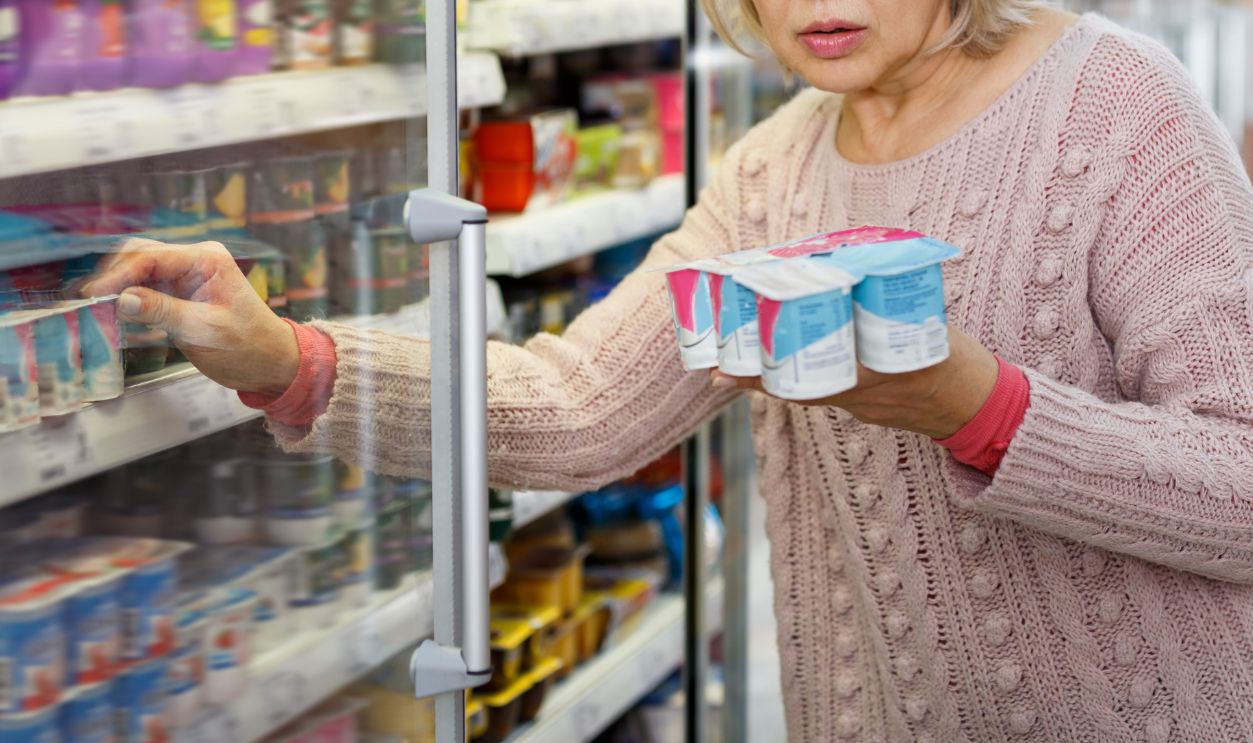
Before debit cards, phone payments, and banking apps became commonplace, grocery shoppers frequently carried a set amount of cash. When the money was gone, shopping was over. That old system imposed useful discipline, although modern consumers can recreate it more conveniently with budgeting apps, spending alerts, and separate grocery accounts.
 https://kaboompics.com/, Pexels
Stockpiling Could Backfire
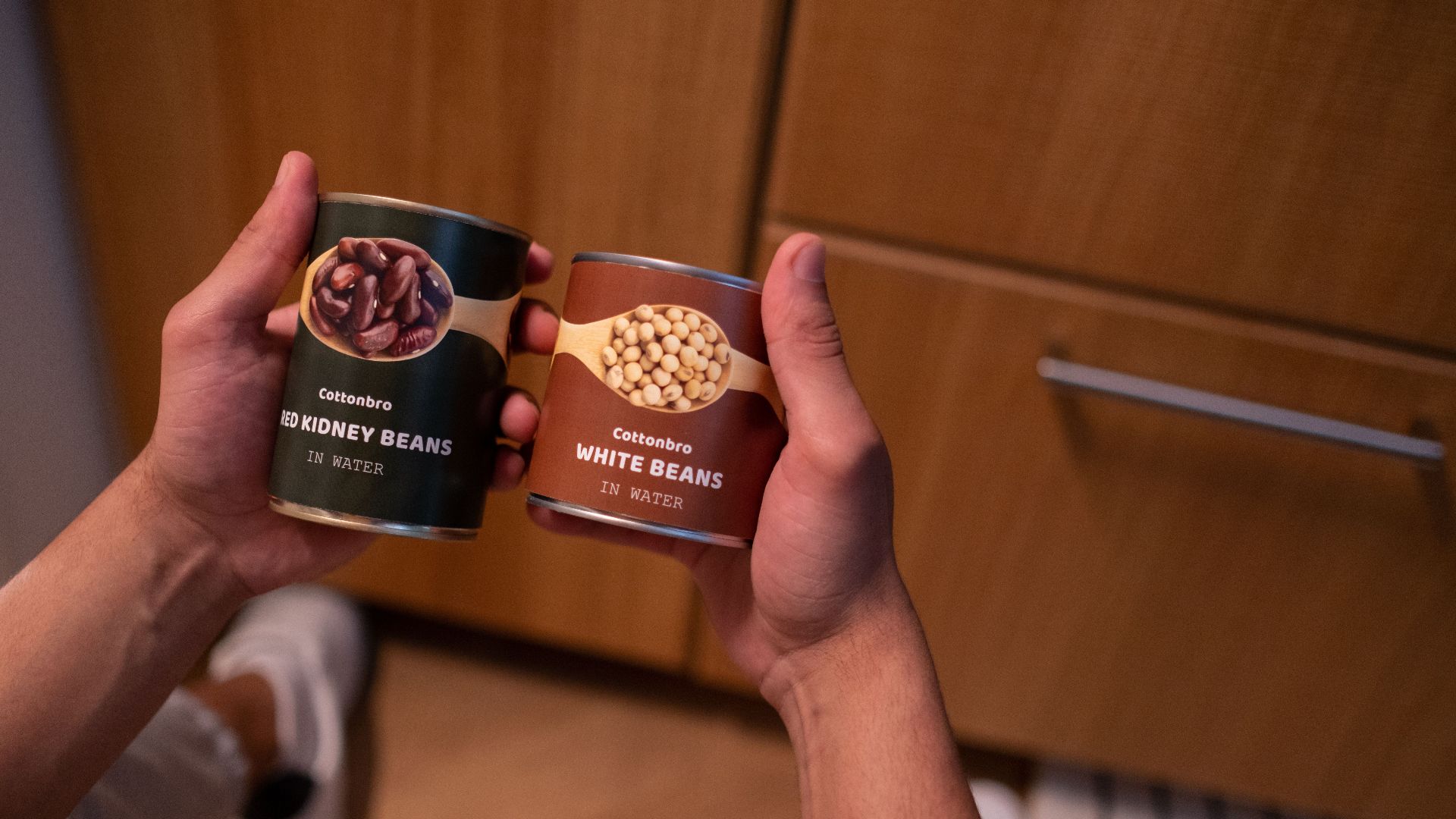
Your parents may remember buying 20 cans of something because the price was unbeatable. Stocking up can still work, but only for food you’ll actually use. A discounted product that expires in the basement isn’t a bargain. Modern shoppers also have easier ways to monitor sales and replenish supplies later.
Warehouse Thinking Changed The Game
The idea that buying more automatically means spending less became deeply rooted in bargain-shopping culture. But quantity can encourage waste, overeating, or forgotten pantry items. Modern consumers increasingly compare cost per use, not merely package size. A massive bargain isn’t useful if half of it eventually lands in the garbage.
 sari dennise from Mexico, D.F., Mexico, Wikimedia Commons
Loyalty Programs Became Much Smarter
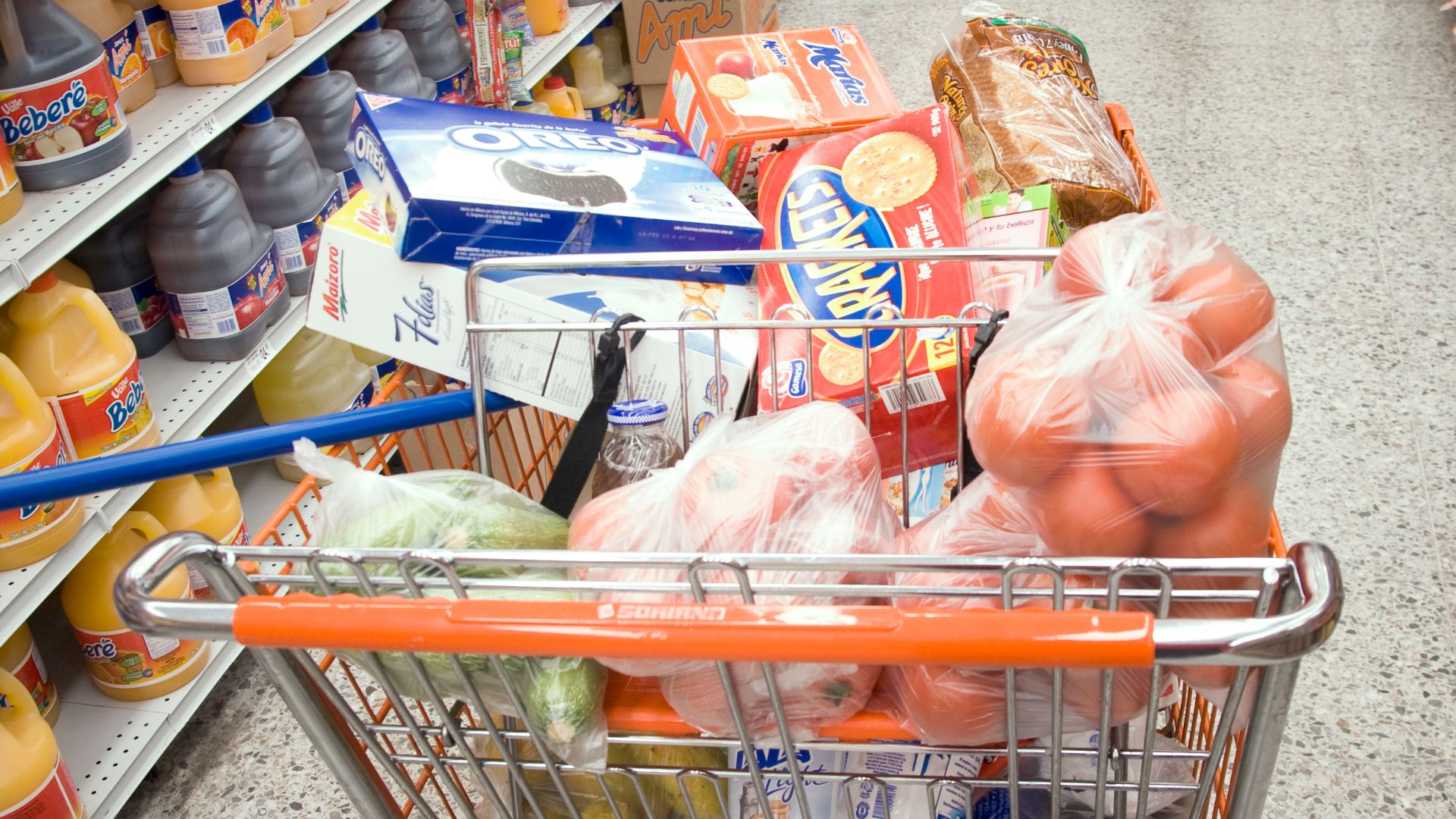
Old loyalty programs might have involved stamps, punch cards, or simple member discounts. Modern supermarket programs can deliver personalized discounts based on shopping habits. That means your parents may be able to get a competitive price at the closest store without driving across town just to save on three advertised items.
Store Brands Are Better Than They Used To Be
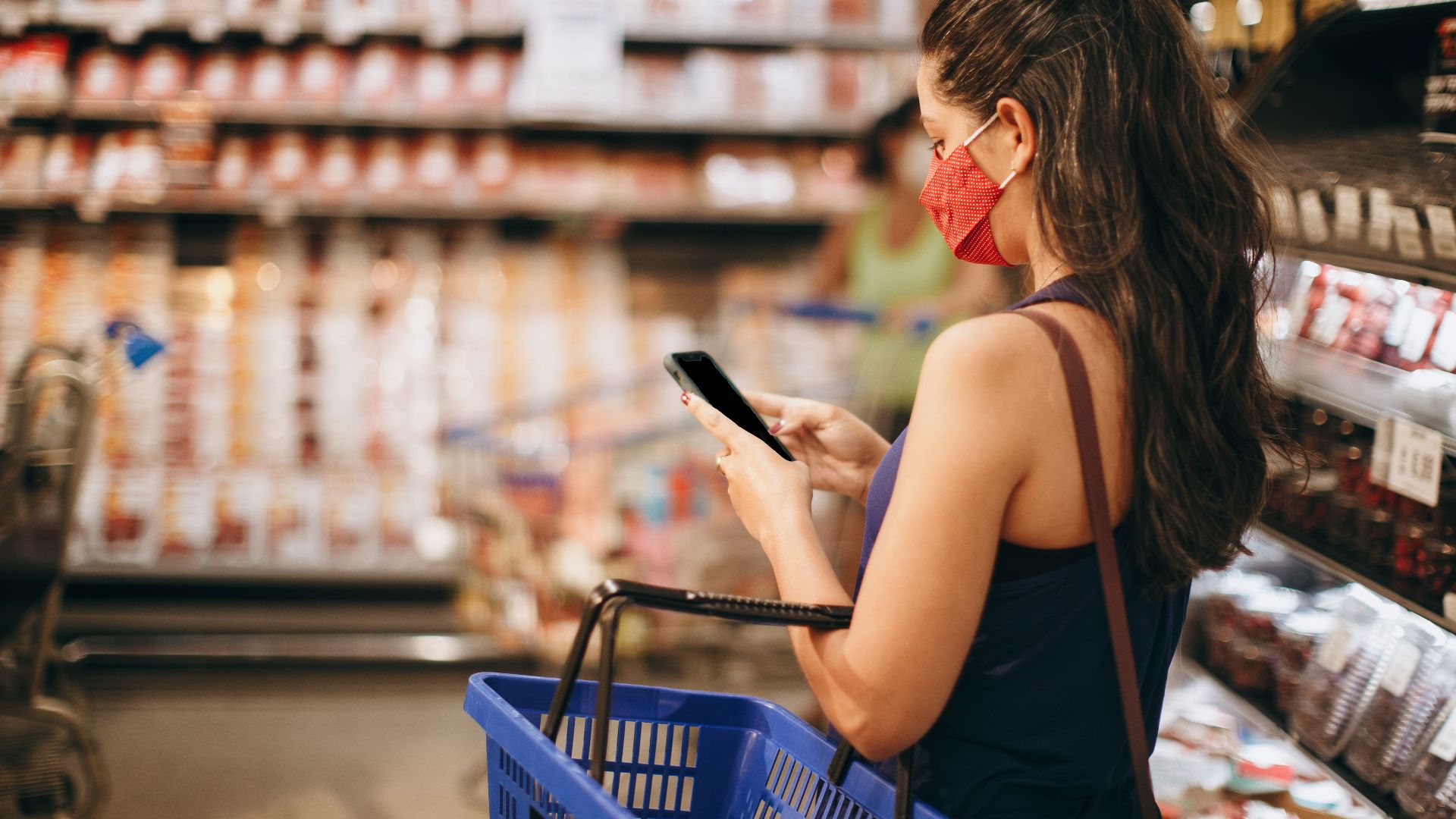
There was a time when generic groceries often came in painfully plain packaging and carried a reputation for questionable quality. Today, private-label products can compete closely with major brands. Switching to a nearby store’s house brand may save more money than burning gas to chase a national-brand sale elsewhere.

Online Ordering Changes The Comparison
Even shoppers who prefer buying groceries in person can use online ordering sites as research tools. A few searches can reveal whether the “cheap” store is actually cheaper across the whole basket. That beats judging a supermarket by the two spectacular bargains printed in large type on its weekly flyer.

Build A Real Grocery Basket
To prove your point, create a typical 15- or 20-item shopping list and price it at both stores. Don’t compare only the advertised specials. Include milk, eggs, bread, produce, meat, snacks, and household basics. The cheaper store may lose its advantage once you compare what your parents actually purchase.
Calculate The Break-Even Point
Here’s the question that makes everything click: “How much do we need to save before the drive becomes worthwhile?” If the extra trip costs $5 in fuel, then $2 in grocery discounts clearly isn’t enough. Give the driving cost a break-even number, and every future sale becomes easier to judge.
 Centre for Ageing Better, Unsplash
Combine Trips When Possible
A distant grocery store becomes more attractive if your parents already need to visit the same area for a doctor’s appointment, hardware store, or family visit. The mistake isn’t necessarily shopping across town. It’s making a special trip across town solely to save a few dollars on groceries.
 Barthelemy de Mazenod, Unsplash
Set A Minimum Savings Rule
Families love simple rules. Try agreeing that an extra grocery trip must save at least $10 or $15 after estimated gas costs to be worthwhile. Choose whatever threshold fits their driving habits. This turns the argument from “You’re wasting gas” into a neutral household rule everyone can follow.
 Hans Jurgen Eisenmann, Unsplash
Let Their Receipts Settle The Argument
Rather than telling your parents their shopping strategy is outdated, run a small experiment. Keep receipts from several trips, note the mileage, estimate fuel used, and record the savings. After a month, total everything. Real numbers are far more convincing than telling lifelong bargain hunters they’re doing groceries wrong.

Keep The Smart Parts Of Old-School Shopping
Your parents’ instincts aren’t useless. Comparing prices, watching sales, avoiding waste, using coupons, and stocking up strategically are still excellent habits. The part worth updating is the driving. Technology makes it possible to practice old-fashioned thrift without recreating an eight-stop Saturday grocery tour from 1987.
The Cheapest Groceries May Be The Ones Nearby
The goal isn’t to convince your parents to stop looking for bargains. It’s to redefine what a bargain means. A grocery price is only one part of the cost; fuel, mileage, time, and extra purchases matter too. Once everything is counted, the boring supermarket five minutes away may quietly be the real money-saver.
You May Also Like: