The Down Payment Catch
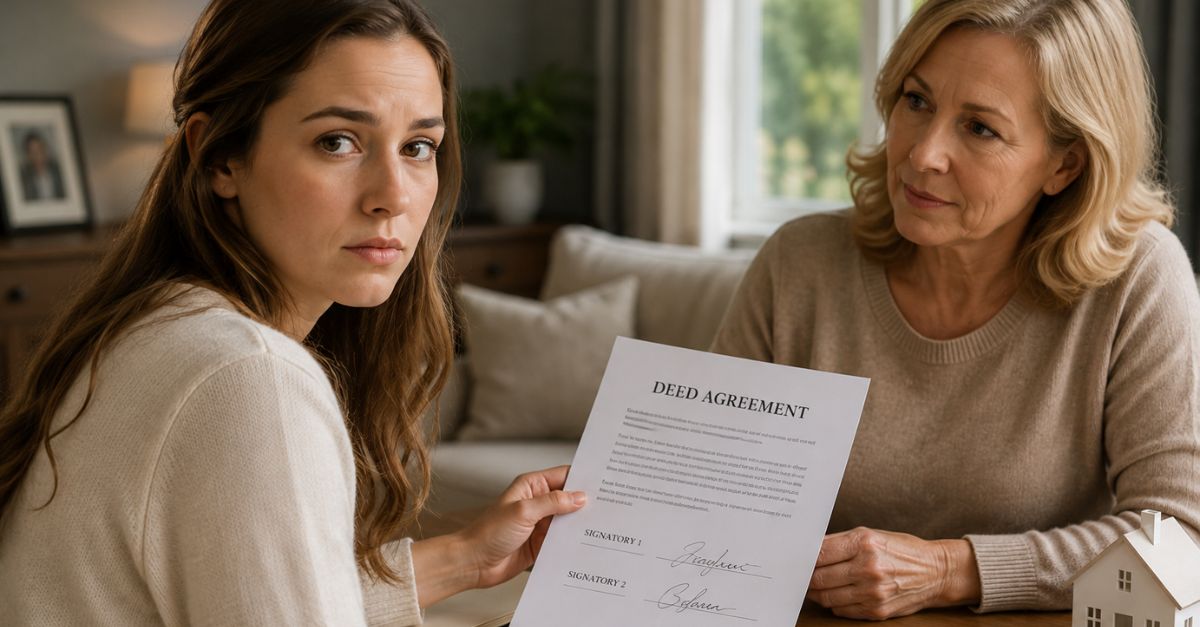
Your mom offers to help you buy a home, but there is one condition. She wants her name on the deed. That may sound generous at first, but it can also create serious long-term legal and financial complications. So you have to ask yourself: Are you prepared for what might happen?

Why This Question Matters
A down payment is often the biggest hurdle for first-time buyers. The National Association of Realtors reported in 2024 that 25% of first-time buyers used a gift or loan from relatives or friends for the down payment. Family money is common, but how that money is structured matters a lot.

Gift Money And Ownership Are Not The Same
If your mother gives you money and expects nothing back, that is usually treated as a gift. If she gets her name on the deed, she is no longer just helping. She may become a legal owner of the property, which can affect your rights, your mortgage, and your ability to sell later.

What A Deed Actually Does
A deed is the legal document that transfers ownership of real estate. If your mother is added to it, she may own part of the home even if she never makes a mortgage payment. That is very different from simply giving you cash for the purchase.

Why Lenders Care
Mortgage lenders are strict about where down payment money comes from. Fannie Mae says gift funds are allowed in many transactions if they come from an acceptable donor and are properly documented. But if the person giving the money also expects an ownership interest, the arrangement may no longer fit the normal definition of a gift.

The Gift Letter Matters
When gift money is used, lenders often require a gift letter. Fannie Mae says the document must show the donor, the amount, the date of transfer, and a statement that no repayment is expected. If your mother says she wants her name on the deed, that can clash with the idea that nothing is being given in return.

The Deed And The Mortgage Are Different
Many buyers mix up being on the deed with being on the mortgage. The deed shows who owns the property. The mortgage note shows who is responsible for repaying the loan. Your mother may be on one without being on the other, depending on the lender and how the deal is set up.
Adding Her To The Deed Can Make Her A Co-Owner
If her name is on the deed at closing, she may be a co-owner from day one. That means she could have a say in selling the property or refinancing later. In many cases, you cannot simply remove her without her cooperation and a new deed.

Where Family Tension Can Get Expensive
Everything may seem fine while everyone gets along. Problems can start when relationships change, a sibling objects, a parent remarries, or someone suddenly needs money. A co-owner's share of the property can quickly turn into a source of conflict.

Taxes Can Enter The Picture
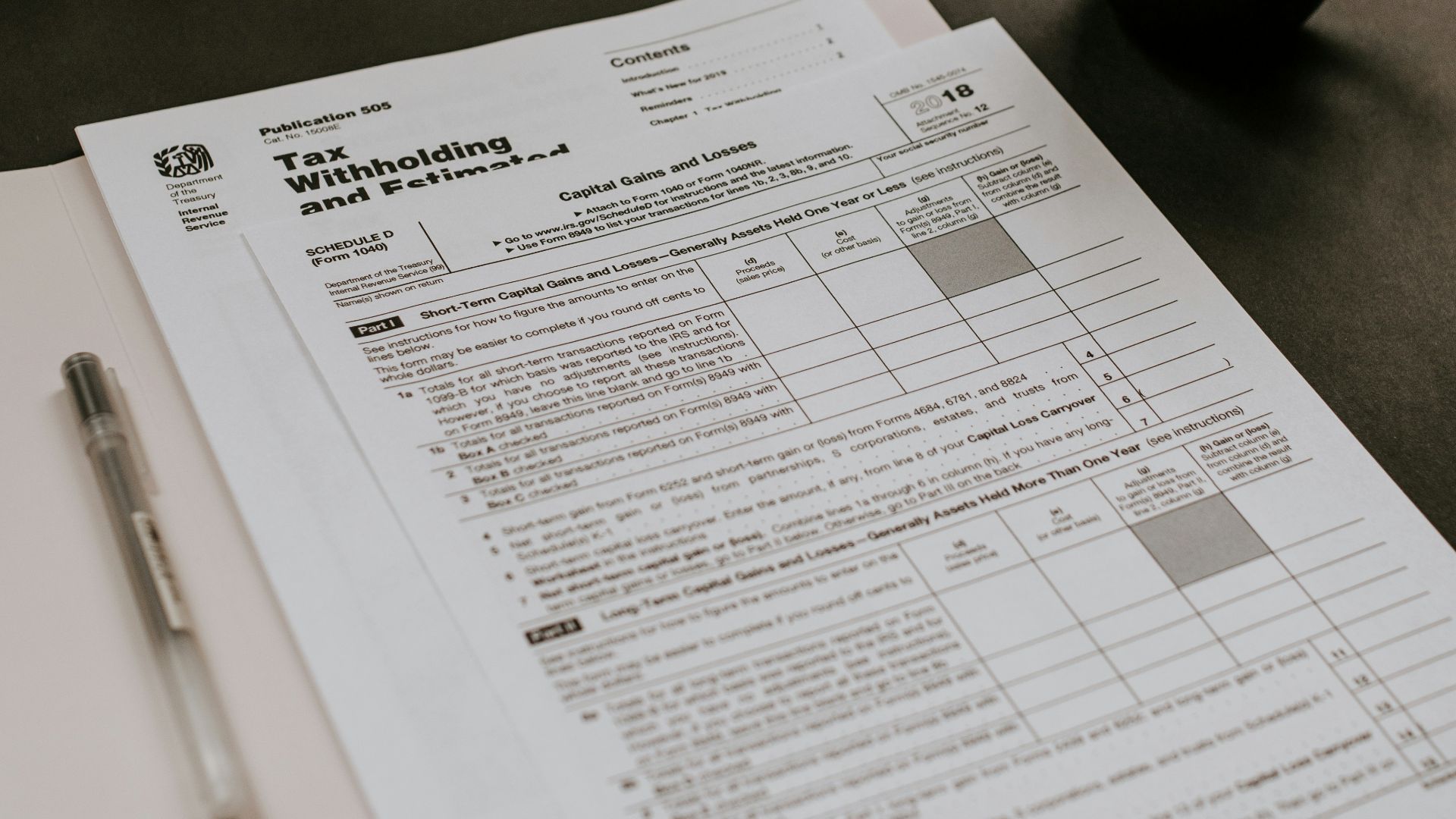
The IRS says a gift is generally any transfer where full value is not received in return. If your mother gives you money, gift tax rules may affect her reporting obligations depending on the amount, even though most people will not owe tax because of the lifetime exemption. But if she receives ownership in exchange, the deal starts to look less like a pure gift and more like a purchase or partial purchase.
The Annual Gift Tax Exclusion Matters
The IRS says the annual exclusion is $18,000 per recipient for 2024 and $19,000 for 2025. Going over that amount does not automatically mean tax is due, but it can mean a gift tax return must be filed. That is another reason to clearly document what is happening instead of relying on a loose family understanding.

If She Is Buying In With You, Call It That
There is nothing wrong with shared ownership by itself. Parents and adult children sometimes buy together for affordability or estate planning reasons. The problem starts when everyone calls it a gift even though the parent is really buying an ownership stake.

The Mortgage Approval Could Get Complicated
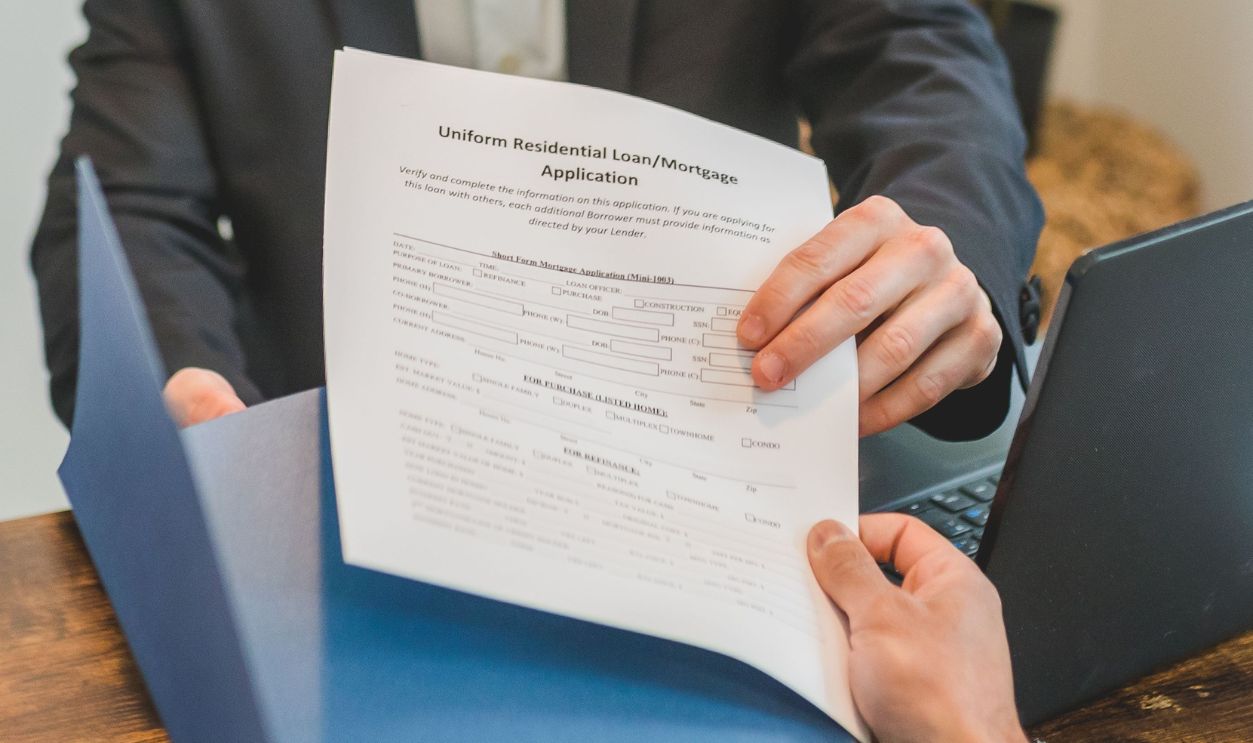
If your mother will be on the deed but not on the loan, your lender needs to know early. Lenders have rules about interested parties, occupants, non-occupant co-borrowers, and title vesting. Surprises during underwriting can delay closing or even kill the deal.

Occupancy Rules Can Matter Too
If you are applying for an owner-occupied mortgage, the lender wants to know who will actually live in the home. A parent on title who does not live there may not always be a problem, but it can raise extra underwriting questions, especially if the deal is not clearly structured.

Refinancing Later May Not Be Easy
If rates fall or you want to tap your equity later, your mother's ownership can complicate things. A refinance usually requires all owners to sign title-related documents. If she changes her mind or wants compensation to come off title, your options can shrink fast.

Selling The Home Could Require Her Signature
Co-owners generally need to agree to a sale. If your mother is on the deed, you may not be able to list the property or close the sale without her. That matters even if you paid the mortgage, taxes, insurance, and upkeep for years.

Her Creditors Could Create Problems
This is one of the less obvious risks of family co-ownership. If your mother has creditor issues, tax liens, or legal judgments, her ownership interest may cause trouble. The exact risk depends on the state and the facts, but it is not something to shrug off.

Her Estate Plan Could Affect Your House
If she dies while still on the deed, her share may pass based on the type of ownership and state law. That could mean probate issues or an ownership interest passing to heirs you never expected to share the home with. The wording on the deed matters more than many families realize.

The Type Of Ownership Changes Everything
Not all co-ownership works the same way. Joint tenancy with right of survivorship and tenancy in common can lead to very different results if one owner dies or wants to transfer an interest. State laws vary, so the exact wording on the deed is not just a technical detail. It shapes your rights down the road.

A Written Agreement Can Prevent Bigger Problems
If this is really a shared purchase, put the terms in writing. Spell out who pays the mortgage, taxes, insurance, repairs, and what happens if one person wants out. A co-ownership agreement may feel awkward now, but it is far better than a legal fight later.

There May Be Simpler Alternatives
If your mother wants to help without owning the home, a straight gift may be the cleanest option if your lender allows it. Another possibility is a documented loan, though that can affect your debt-to-income ratio. In some cases, it may make more sense for her to help with closing costs, reserves, or emergency savings instead of taking title.

Also Ask Why She Wants Her Name On The Deed
This question can tell you a lot. Is she worried you might sell the house and cut her out after she helps? Does she want protection because she cannot afford to lose the money? Or does she see this as a way to stay involved in a major life decision? The answer can reveal whether this is support, control, or an investment.

When It Probably Is A Gift
If she provides the money, signs a proper gift letter, expects no repayment, and does not take title, that usually looks like a real gift. Lenders are used to this setup. It is common, simple, and much easier to deal with later because there is nothing to unwind.

When It Probably Is Not A Gift
If she insists on being on the deed, expects a share of future appreciation, wants repayment from a later sale, or plans to use the home as leverage in family disputes, this is not a clean gift. It is a transaction. It may still work, but it should be treated like a business arrangement, not a casual family favor.

How To Protect Yourself Before Closing
Talk to your loan officer first and explain the arrangement in plain terms. Then speak with a real estate attorney in your state before anyone signs documents or wires money. A short conversation now can help you avoid a title problem, a tax misunderstanding, or a family blowup later.

Questions To Ask Before You Agree
Ask whether she expects to share in profits if the home's value rises. Ask whether she will contribute to repairs, property taxes, insurance, or future mortgage payments. Ask what happens if you want to refinance, move, marry, divorce, or sell before she is ready.
 https://kaboompics.com/, Pexels
The Practical Bottom Line
If your mother's money comes with her name on the deed, it usually is not a simple gift. It is either shared ownership or an arrangement that needs to be structured very carefully with lender approval and legal advice. The money may help you buy the house, but the real question is whether the cost of that help is more ownership drama than you want.