When A Cheap Grocery Run Really Felt Cheap
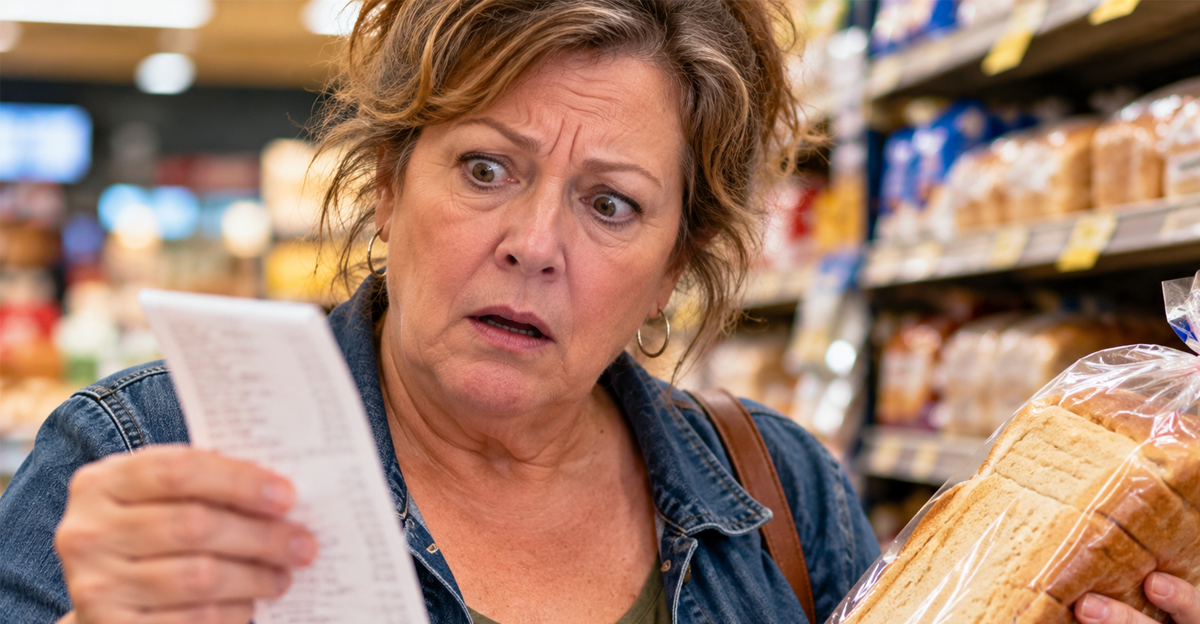
For families who remember grocery shopping in the 1970s, certain foods still carry a powerful association with thrift. Bread, eggs, canned soup, peanut butter, and potatoes were the things you reached for when the household budget needed stretching. Seeing their modern price tags can make an old grocery receipt look like it came from another planet. But some of these humble staples have had a much rougher journey to today's supermarket than others.
Those Tiny Price Tags Need A Little Context
The numbers on a 1970s grocery receipt can look almost unbelievable today. Of course, incomes were lower too, and the decade itself suffered some nasty food inflation. USDA data show that food prices rose an average of about 8% a year during the 1970s. Still, that does not make today's sticker shock any less surprising, especially when it hits foods Americans still think of as the cheapest things in the cart.
White Bread Was The Ultimate Kitchen Basic
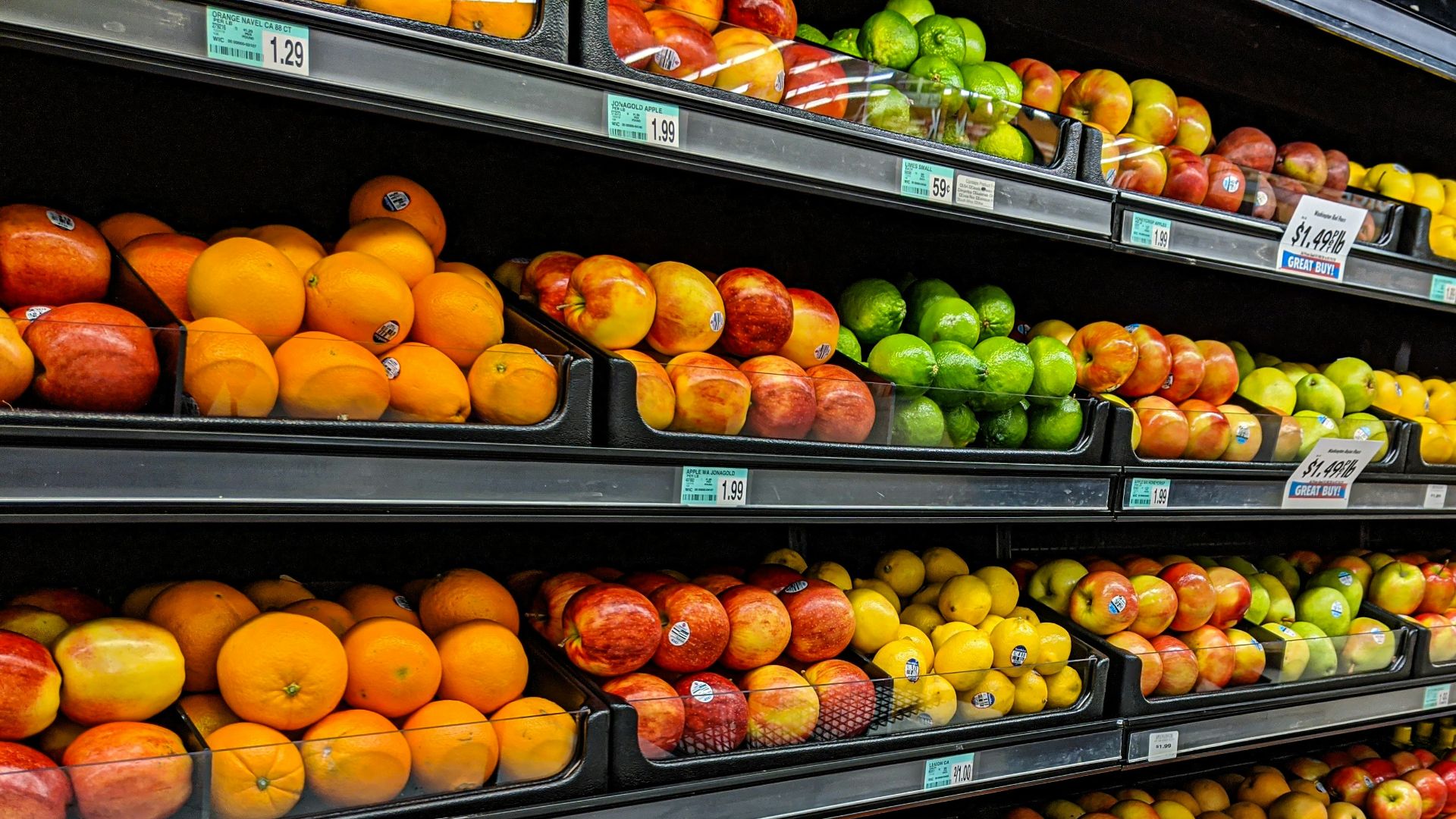
A loaf of sliced white bread was the backbone of countless 1970s lunches. It meant peanut butter sandwiches, grilled cheese, toast in the morning, and something to put beside a bowl of soup. Bread remains relatively inexpensive, but even this most basic of basics has been getting pricier, with white bread prices rising again over the past year. When the food you bought specifically because it was cheap starts attracting attention at checkout, people notice.
Milk Was Practically A Household Utility
Milk was not a specialty purchase. If you had several kids, it was something you seemed to be buying constantly for cereal, baking, mashed potatoes, or simply drinking by the glass. Whole milk prices were nearly 5% higher in August 2026 than a year earlier, according to the Bureau of Labor Statistics. For families who remember gallon after gallon disappearing from the refrigerator, today's dairy aisle can deliver a particularly strong dose of sticker shock.
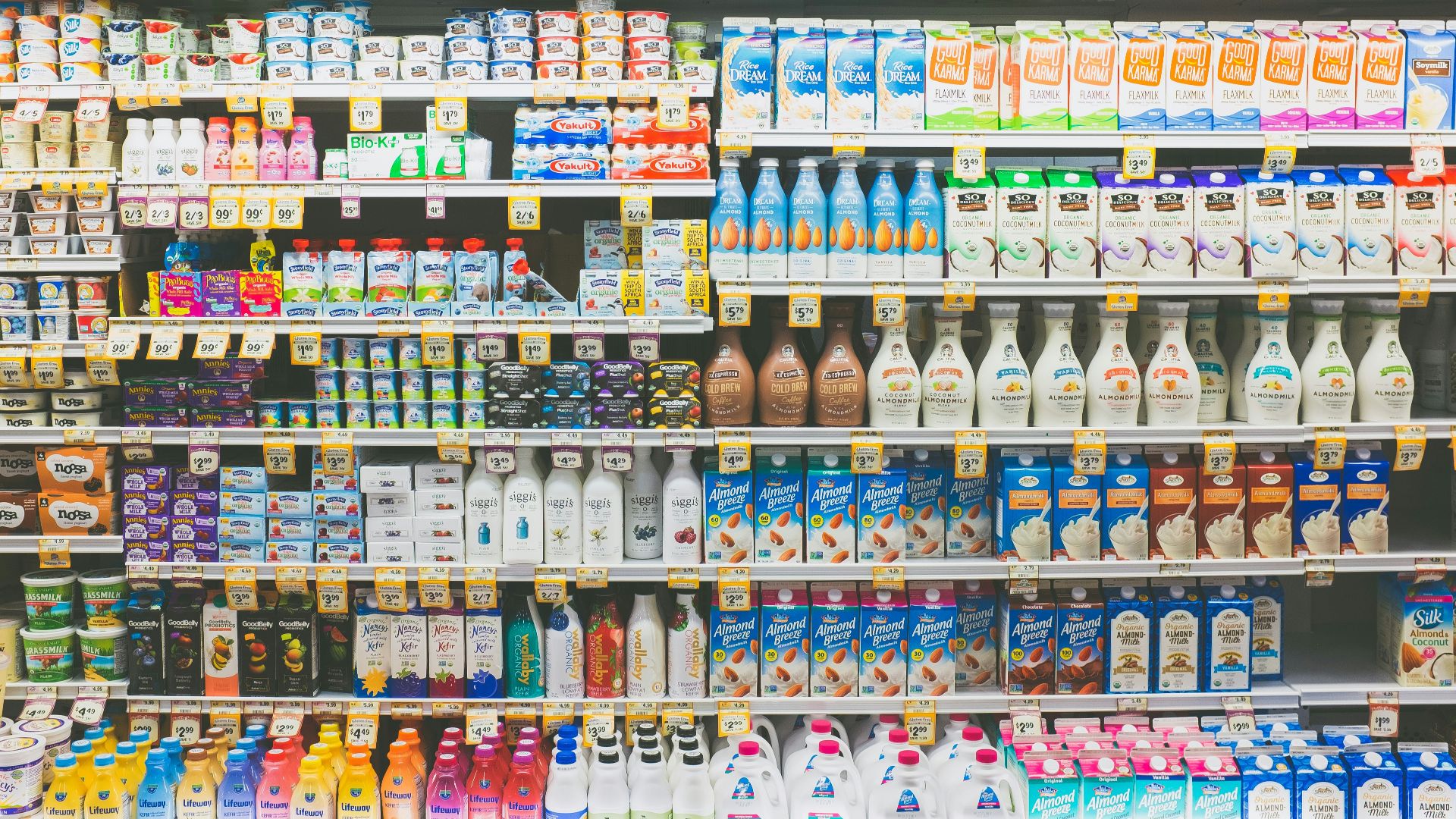
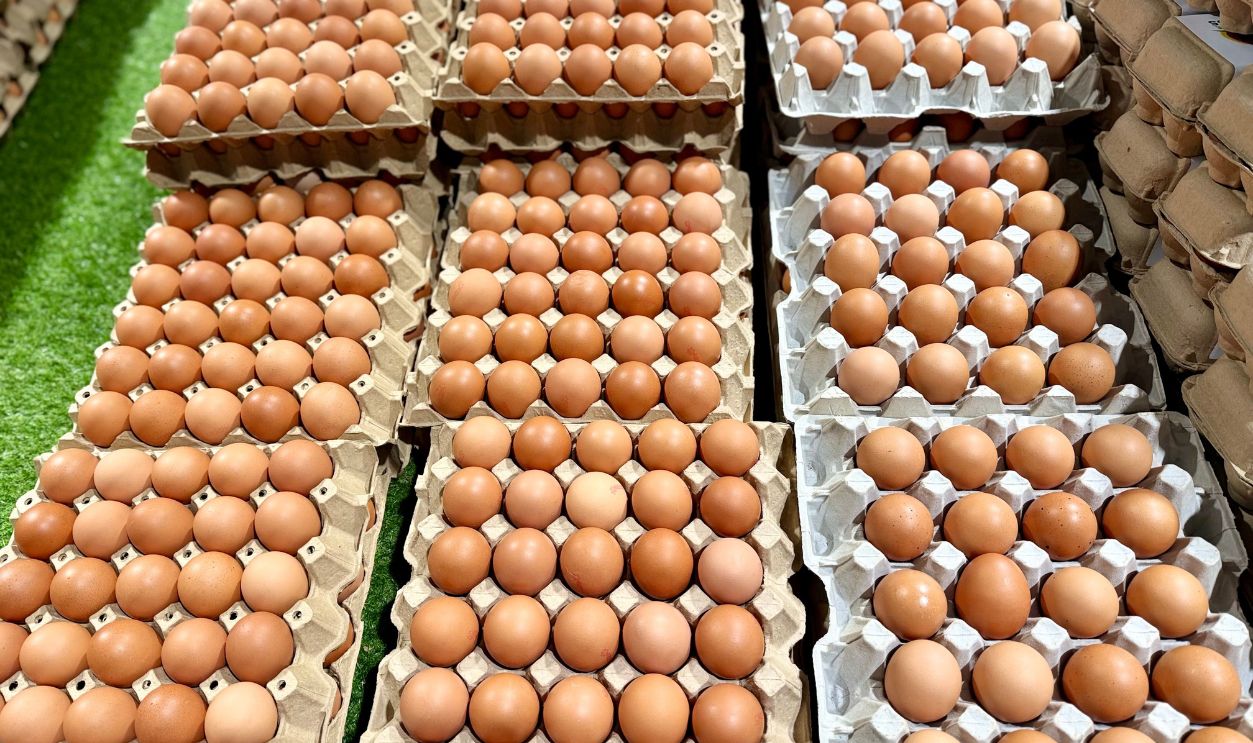
Eggs Went From Humble To Headline-Making
Few foods represented economical cooking better than eggs. They could become breakfast, sandwiches, casseroles, baked goods, or a quick dinner when there was not much else in the refrigerator. Then avian influenza repeatedly devastated laying flocks, helping send egg prices soaring during the first half of the 2020s. Prices have since fallen dramatically from their peak, but anyone who watched a basic dozen temporarily become a major purchase understands why eggs no longer feel quite so ordinary.
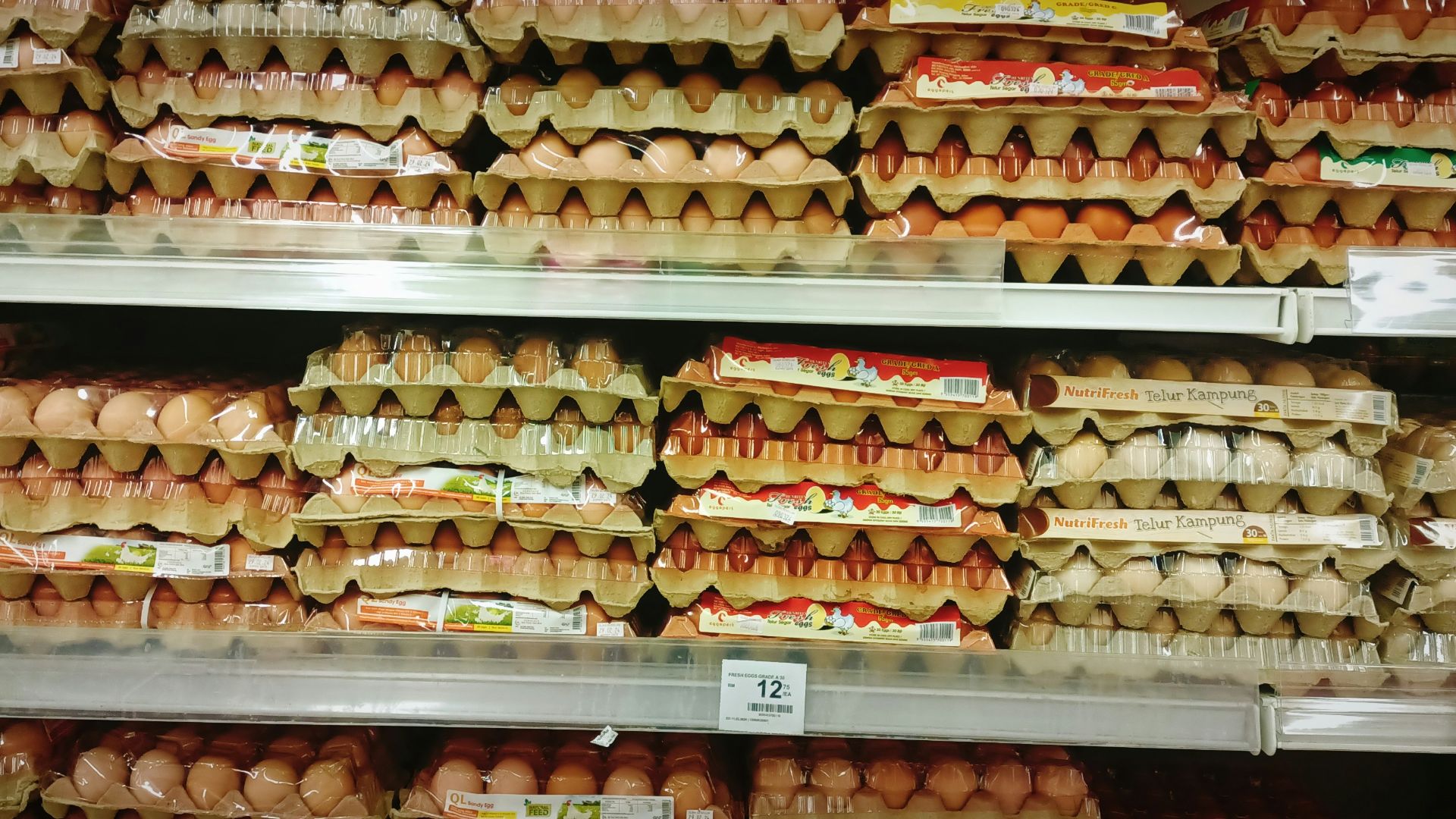
Ground Beef Was Weeknight Gold
Hamburgers, meatloaf, tacos, casseroles, and spaghetti sauce helped make ground beef a workhorse of the family kitchen. Nobody was pretending it was steak. The appeal was getting several familiar meals out of one relatively inexpensive package of meat. Today, tight cattle supplies have helped keep beef prices painfully high, with ground beef prices still rising in 2026.
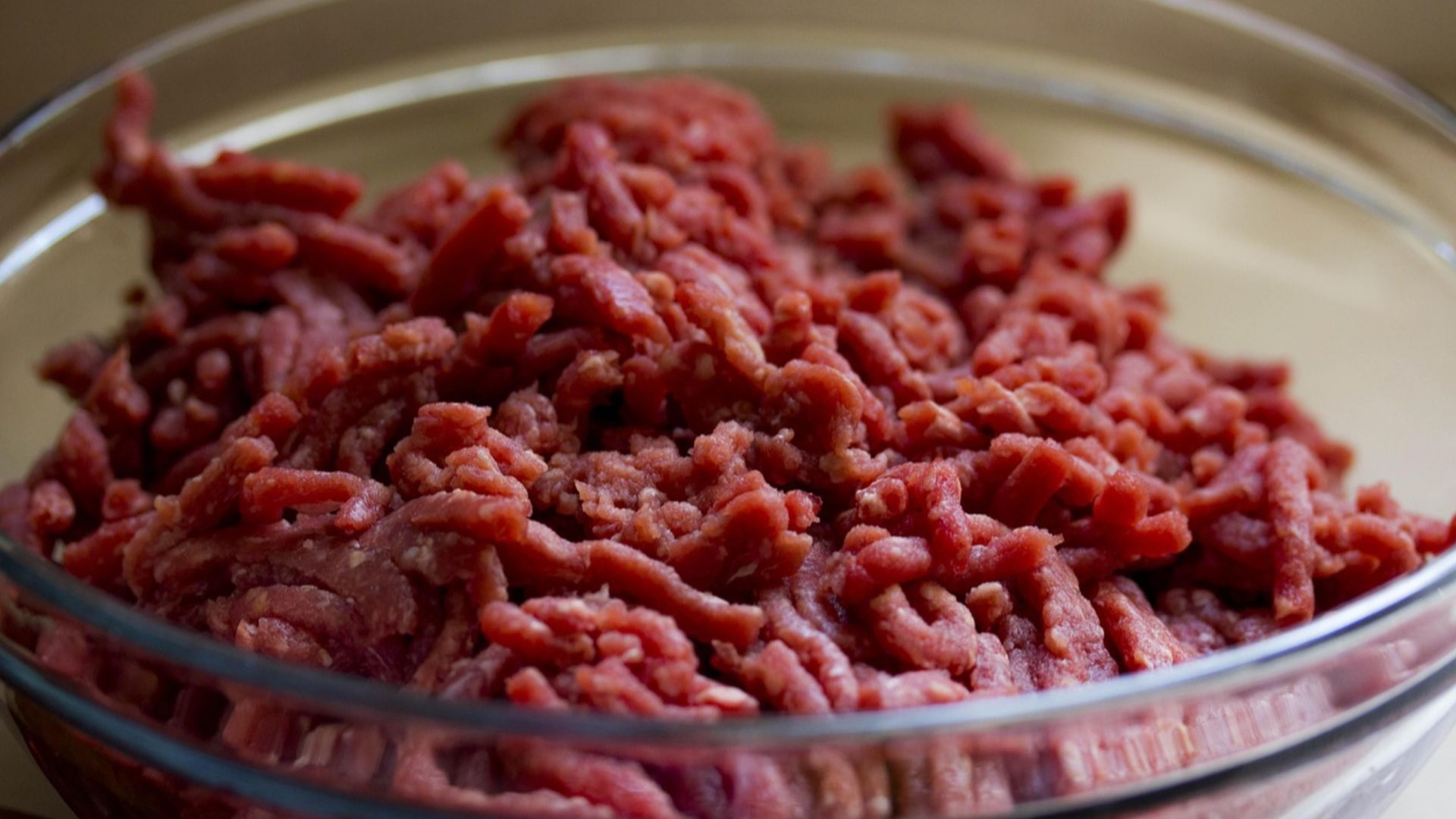
Hot Dogs Were The Budget Cookout Hero
Hot dogs belonged at backyard cookouts, camping trips, ball games, and quick dinners when nobody wanted to cook much. More importantly, they were the sort of thing families bought when they were trying not to spend much money. Even that old fallback has become more expensive, with frankfurter prices rising more than 5% over the year ending in August 2026. Somehow, one of America's simplest meals can now make shoppers hesitate.
Bacon Was An Affordable Breakfast Upgrade
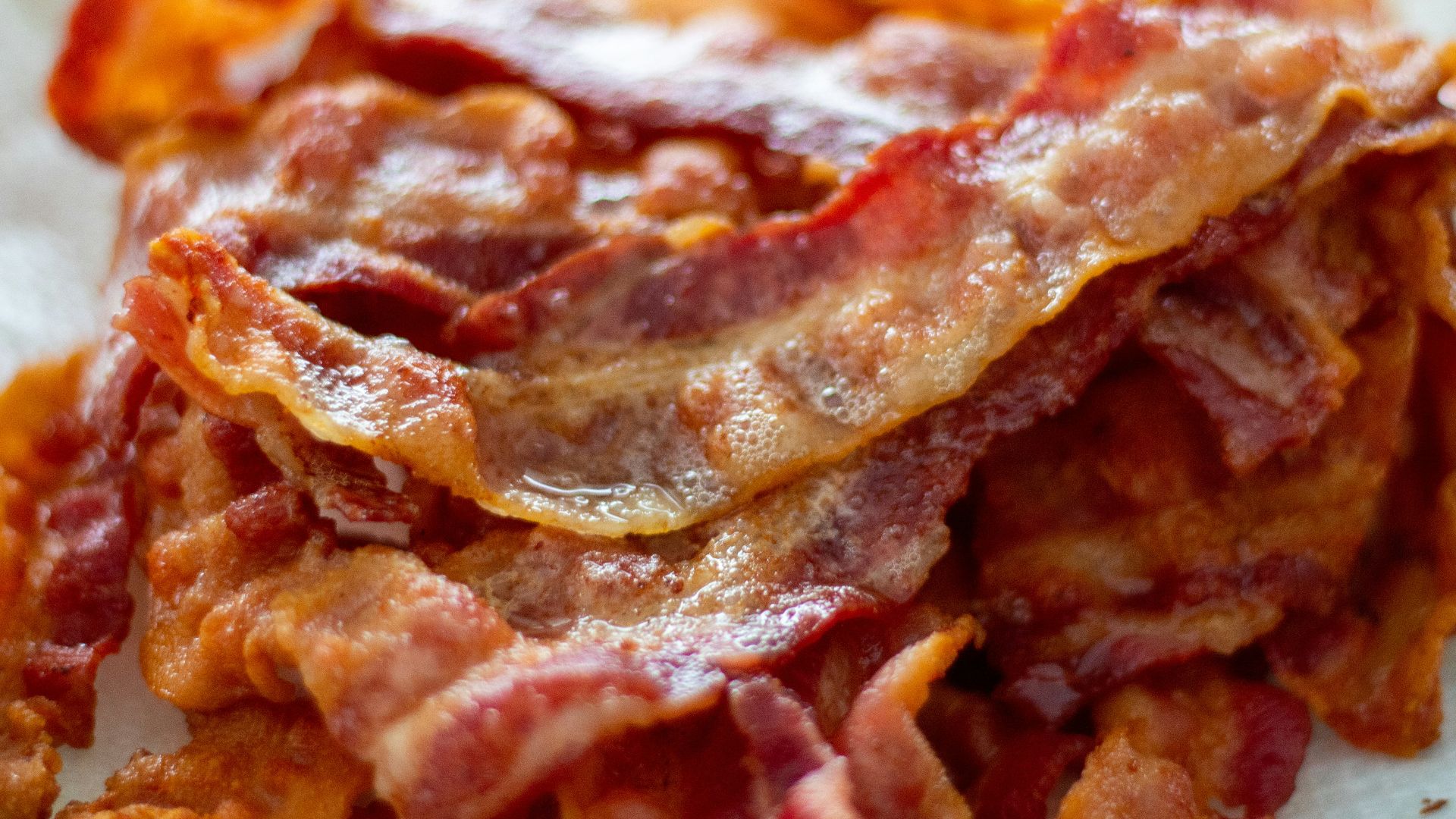
A few strips of bacon could make an ordinary breakfast feel special without turning it into restaurant food. Today's bacon aisle can produce a very different reaction when shoppers see the price on a package. Interestingly, bacon prices have actually eased recently, falling from August 2025 to August 2026. So while the modern sticker can look outrageous compared with someone's 1970s memories, bacon is not currently one of the biggest drivers of grocery inflation.
Chicken Is Still Fighting For The Budget Crown
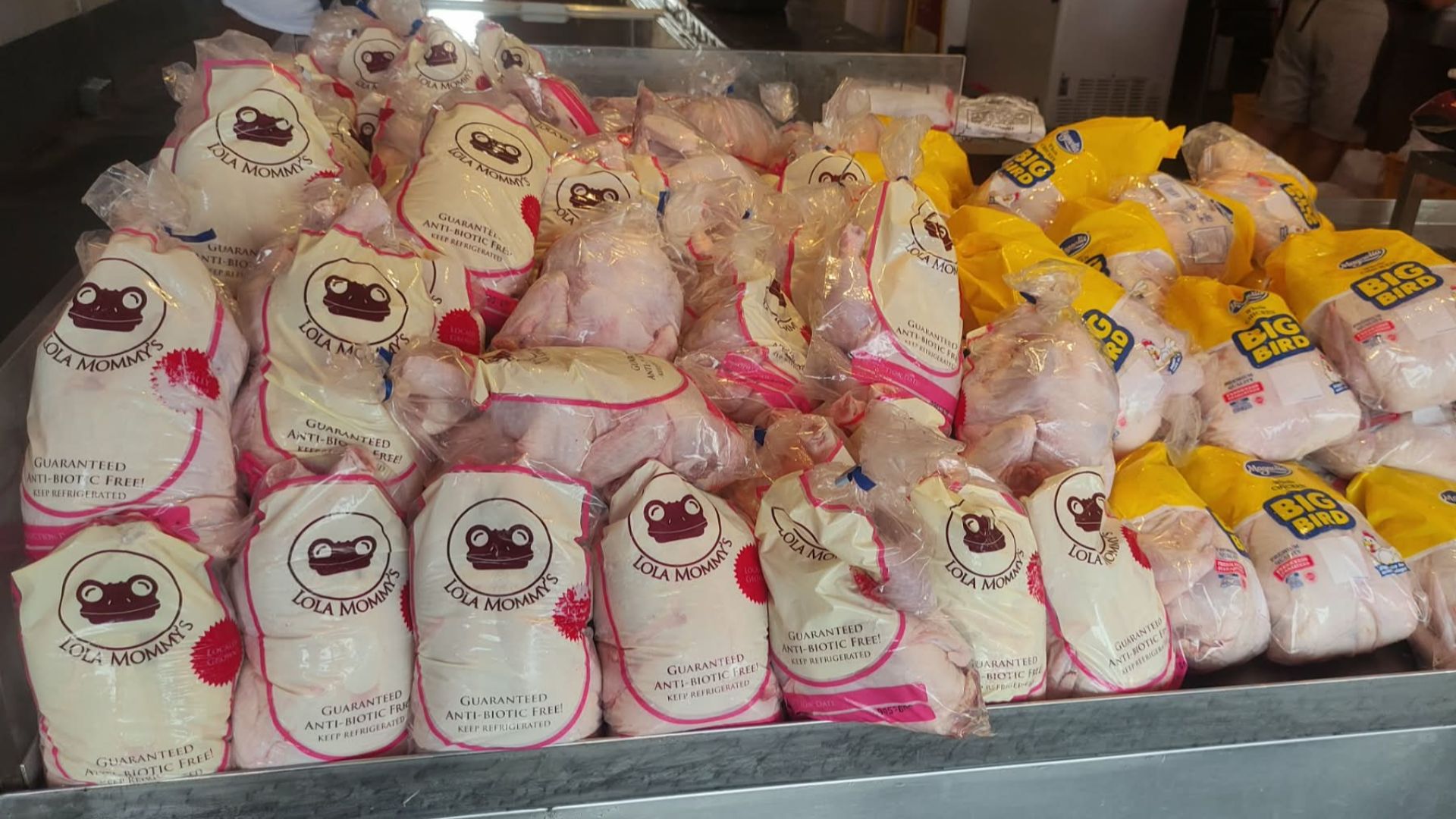
Whole chickens earned their reputation because one bird could become dinner, sandwiches, and perhaps soup afterward. That basic economics has not entirely disappeared. Fresh whole chicken prices actually fell over the year ending in August 2026, making chicken a welcome exception to some of the uglier increases elsewhere in the meat case. Compared with beef, this old-fashioned budget staple is still putting up a fight.
Canned Tuna Was Lunch In A Metal Tin
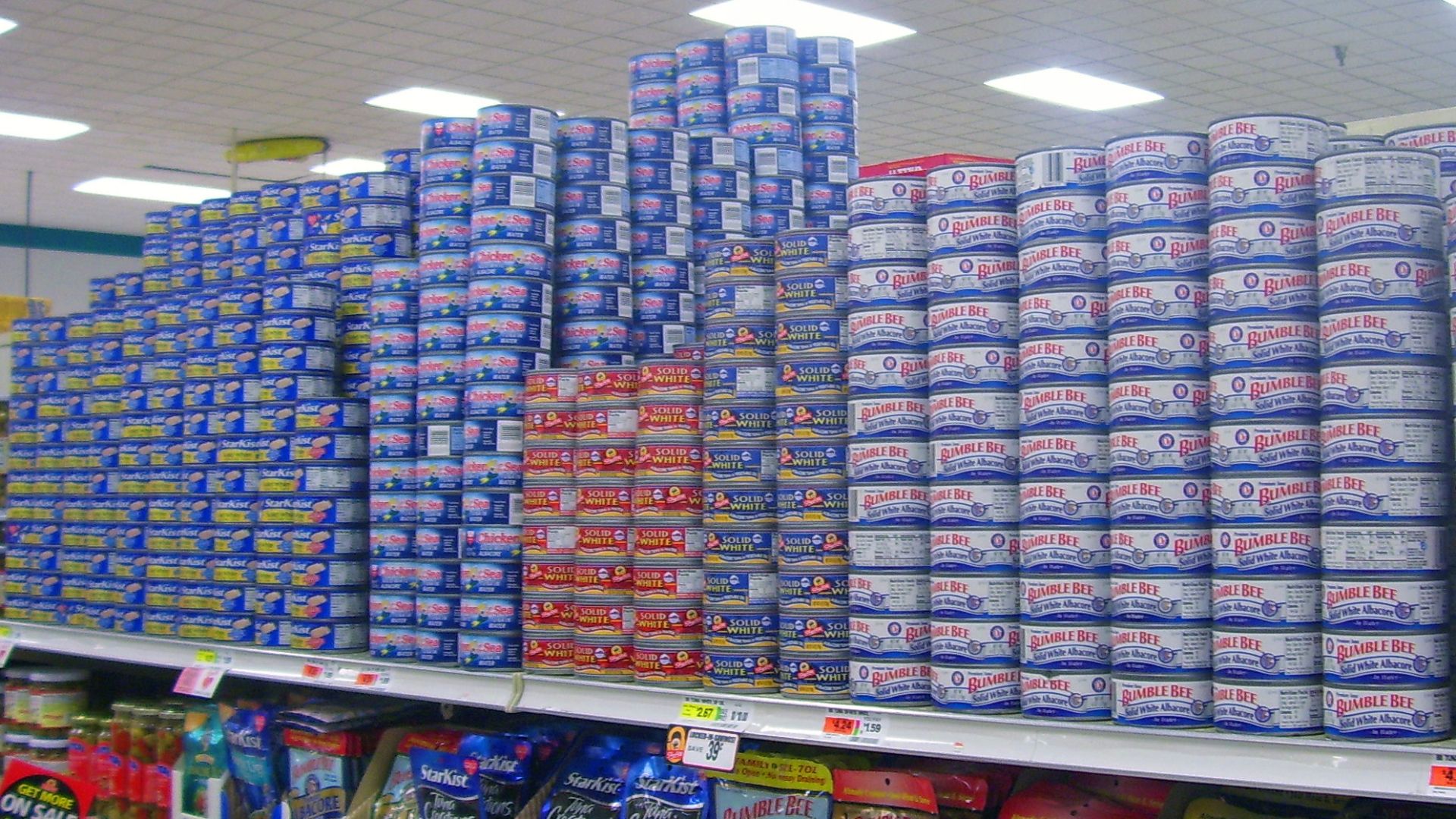
A can of tuna could become sandwiches, tuna melts, casseroles, or cold salad without asking much from the family budget. Its long shelf life also made it perfect pantry insurance. Shelf-stable fish and seafood prices were more than 6% higher in August 2026 than a year earlier. The humble tuna sandwich is still affordable, but it is harder to think of the aisle as completely immune to rising grocery costs.
 Daniel Case, Wikimedia Commons
Peanut Butter Could Rescue Almost Any Lunch
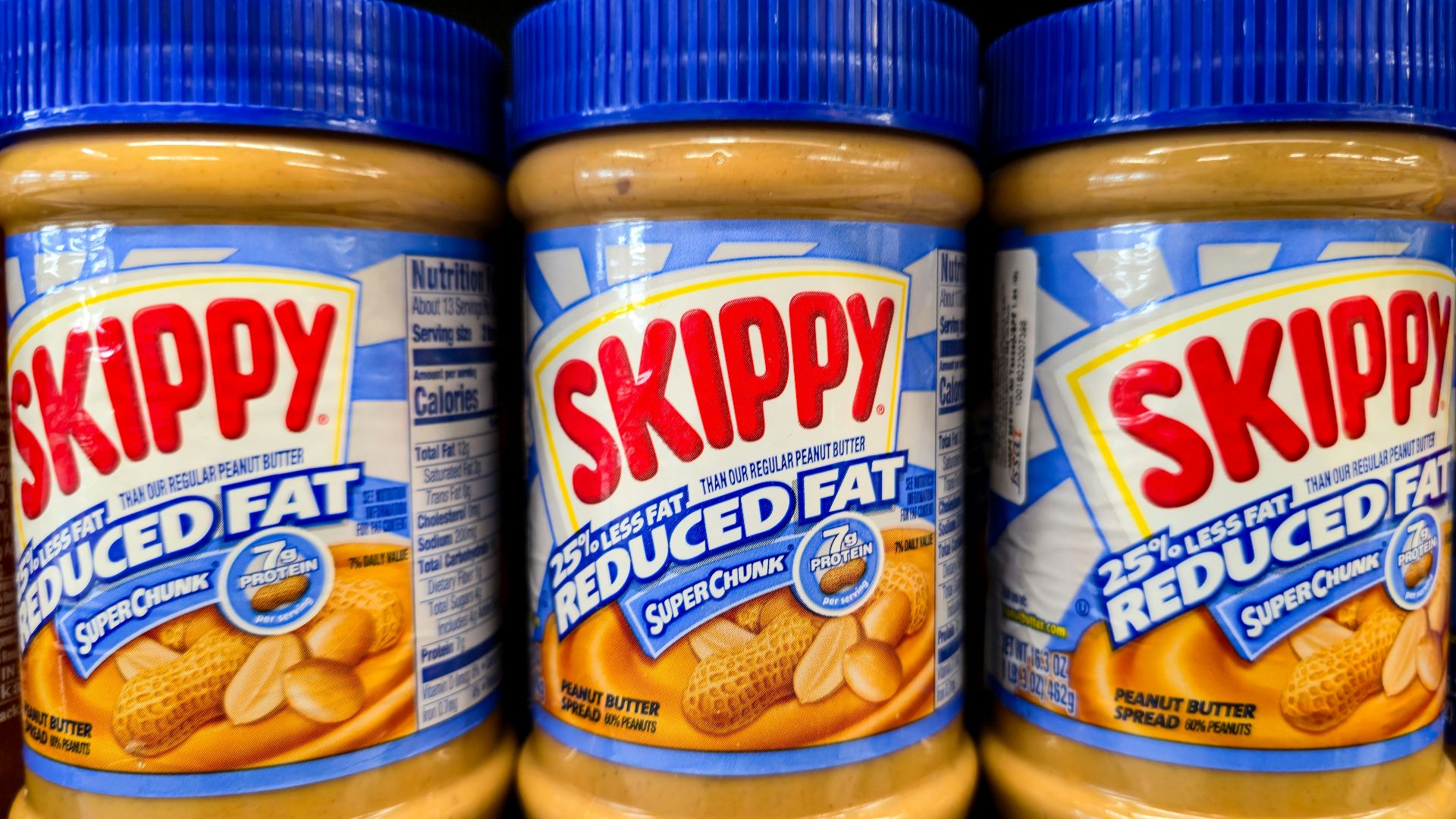
Peanut butter was practically designed for the 1970s lunchbox. It kept well, required no cooking, and could make sandwich after sandwich from a single jar. It remains one of the better values in the supermarket, but peanut butter prices were nearly 5% higher in August 2026 than one year earlier. When paired with pricier bread, even the classic emergency lunch is feeling the squeeze.
Canned Soup Was A Meal Before “Meal Prep” Existed
Opening a can of soup was about as uncomplicated as dinner could get. Tomato soup with grilled cheese was practically a cultural institution, while condensed soups also found their way into casseroles across America. Soup prices have been relatively calm lately, rising only modestly over the past year. Still, today's shelf tags show just how far even the most basic pantry foods have traveled from the prices families remember.
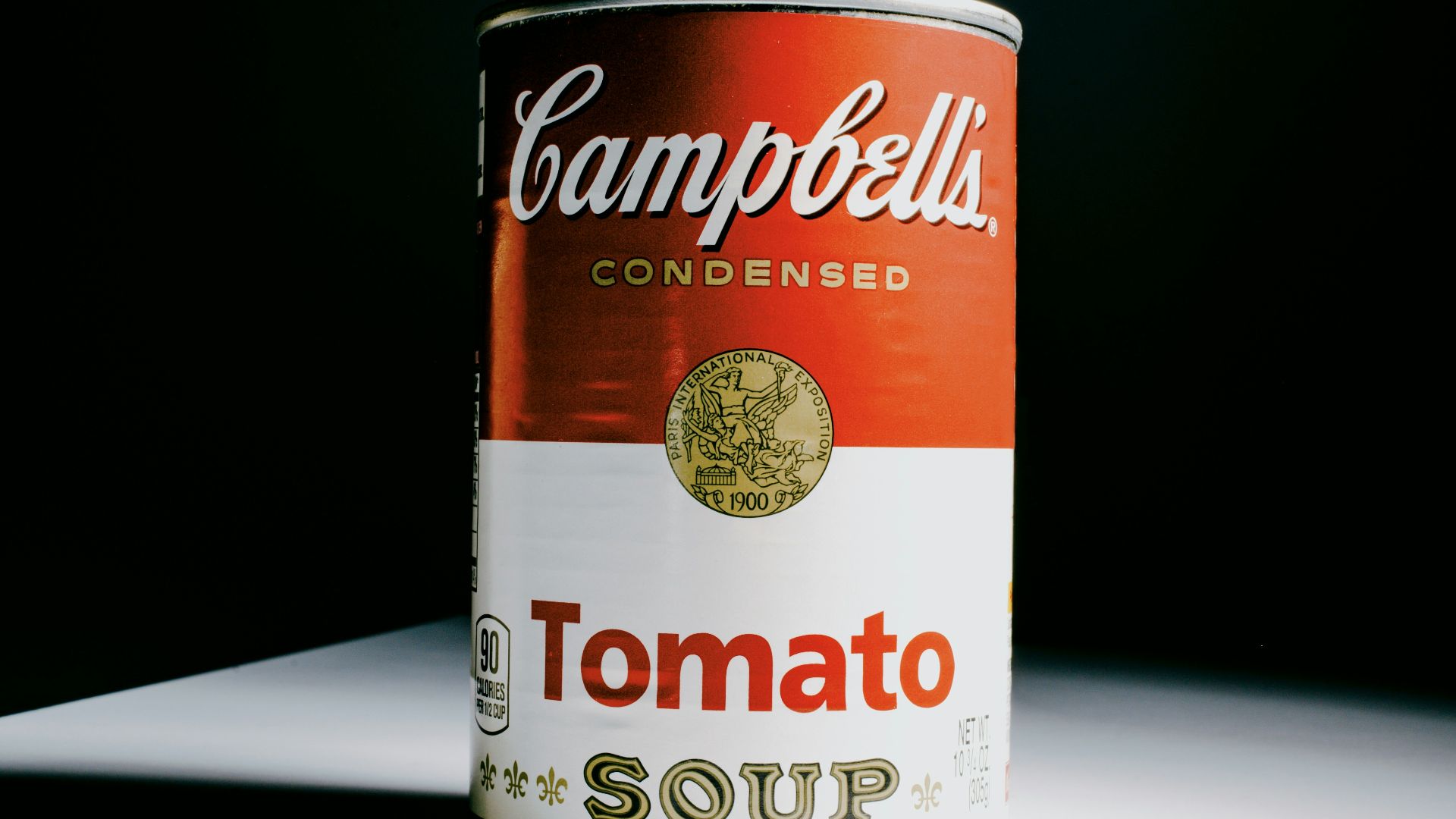
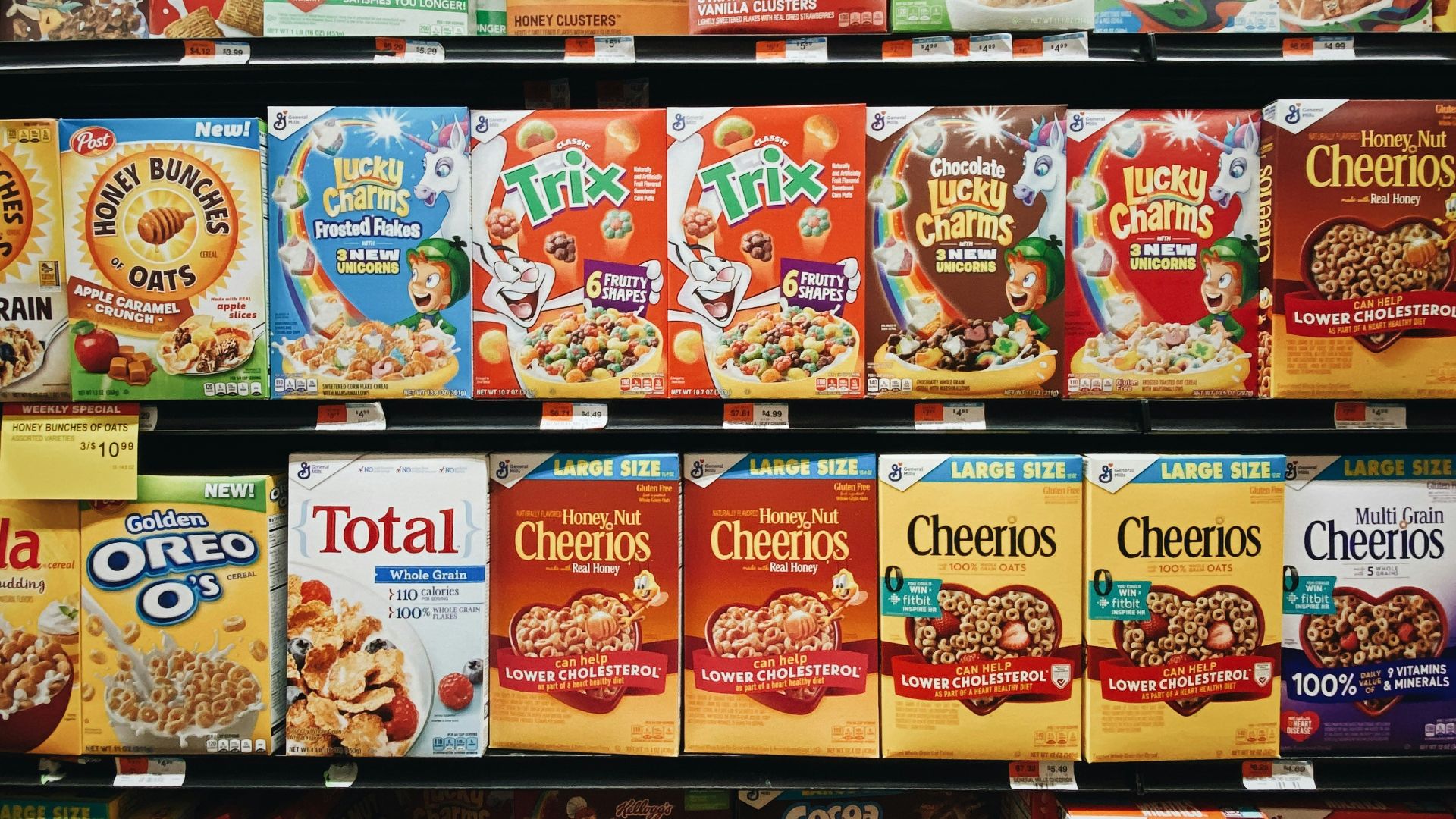
Breakfast Cereal Once Felt Like An Easy Yes
A brightly colored cereal box on the breakfast table is one of the most unmistakable grocery memories of the era. For parents, it offered speed, convenience, and enough breakfasts to get several kids through the week. Cereal prices were another 3% higher in August 2026 than a year earlier. And there is another modern wrinkle shoppers have learned to watch for: sometimes the box itself gets smaller.
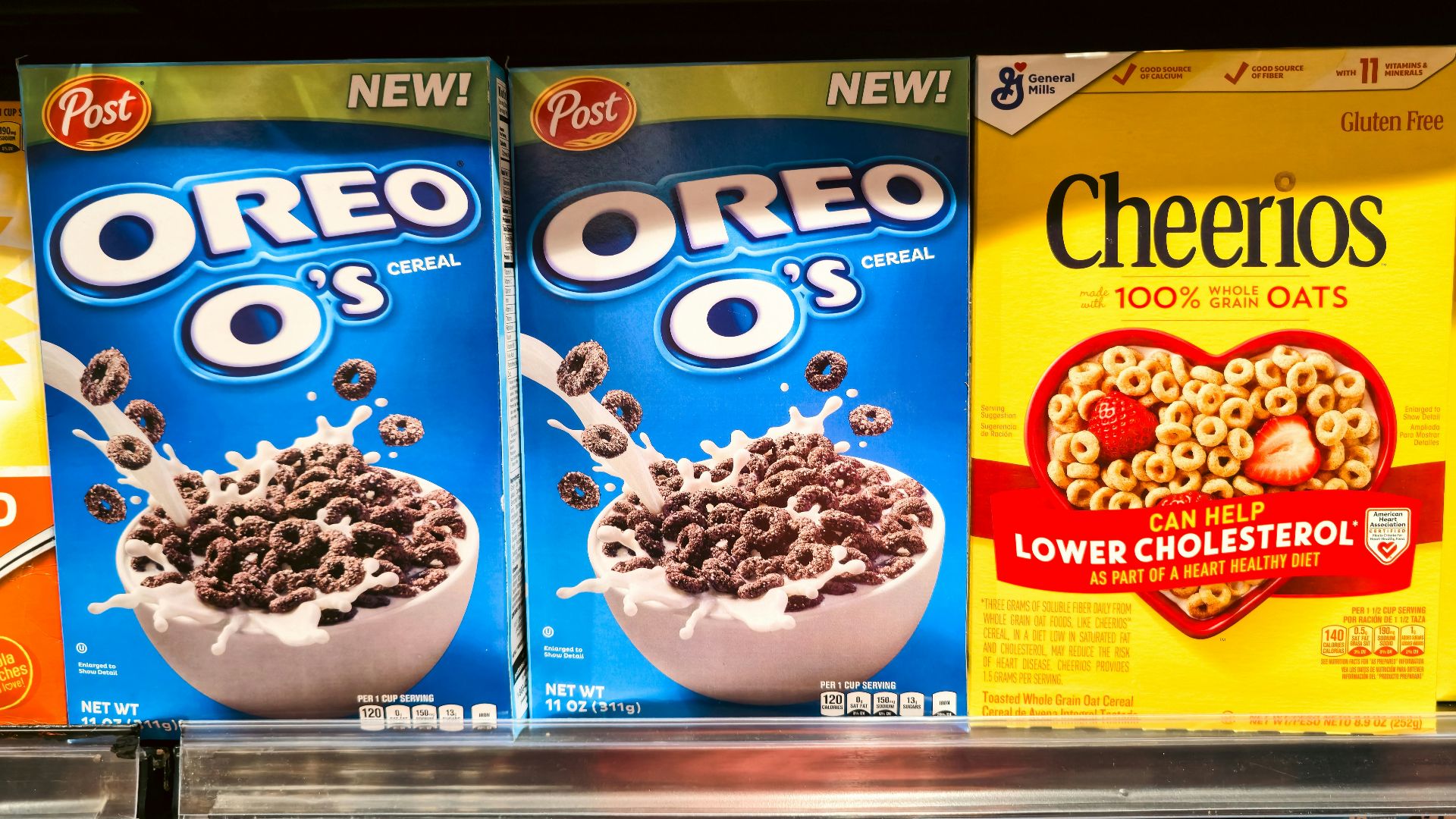
Rice Could Stretch Almost Anything
Rice earned its place in budget kitchens because it could make a little meat, vegetables, or leftovers feed more people. That trick still works, which is why rice remains one of the first foods people recommend when money is tight. But rice prices were nearly 5% higher in August 2026 than a year earlier. A few extra cents here and there may not sound dramatic until the same staples keep showing up on every grocery receipt.
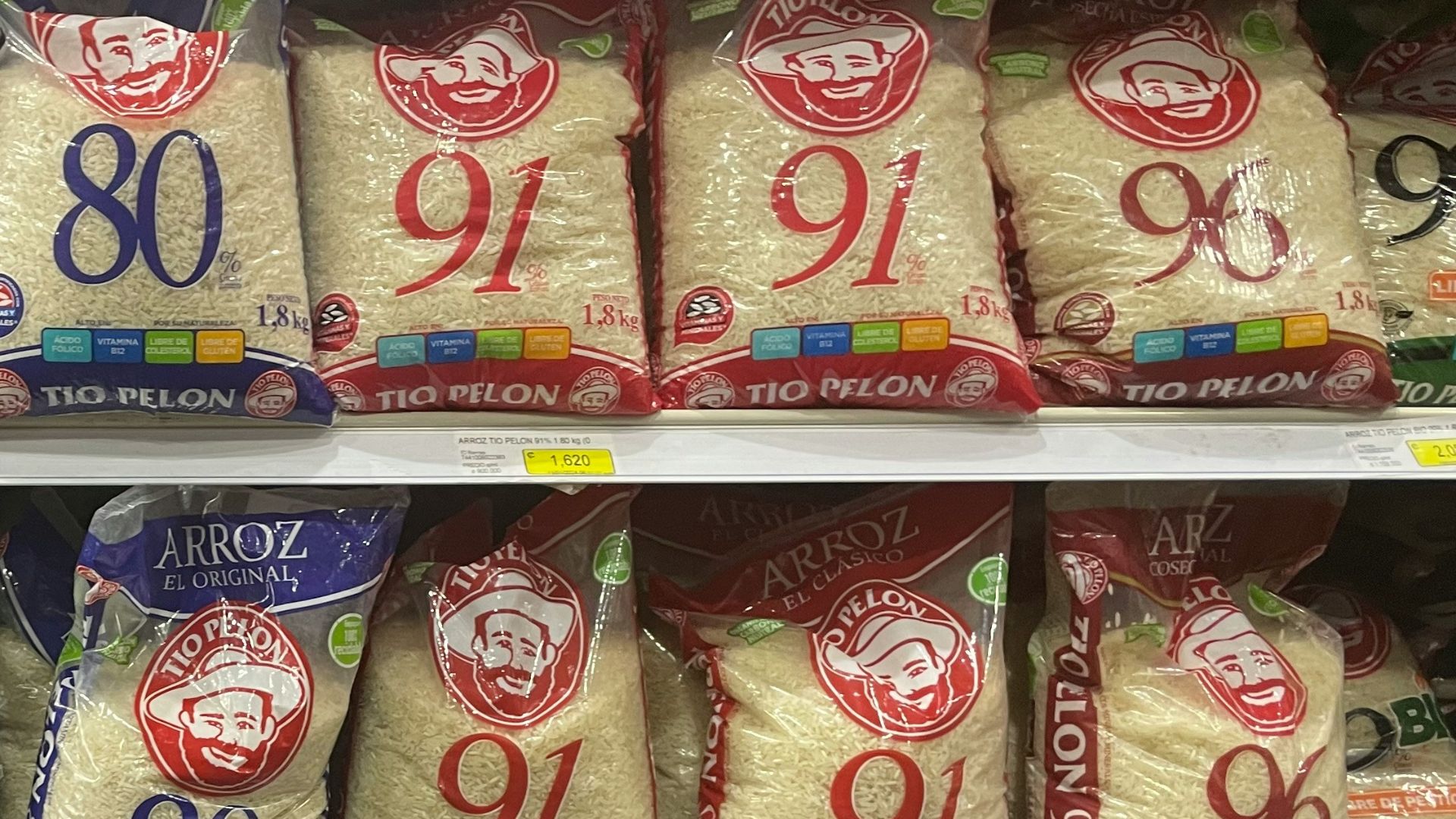
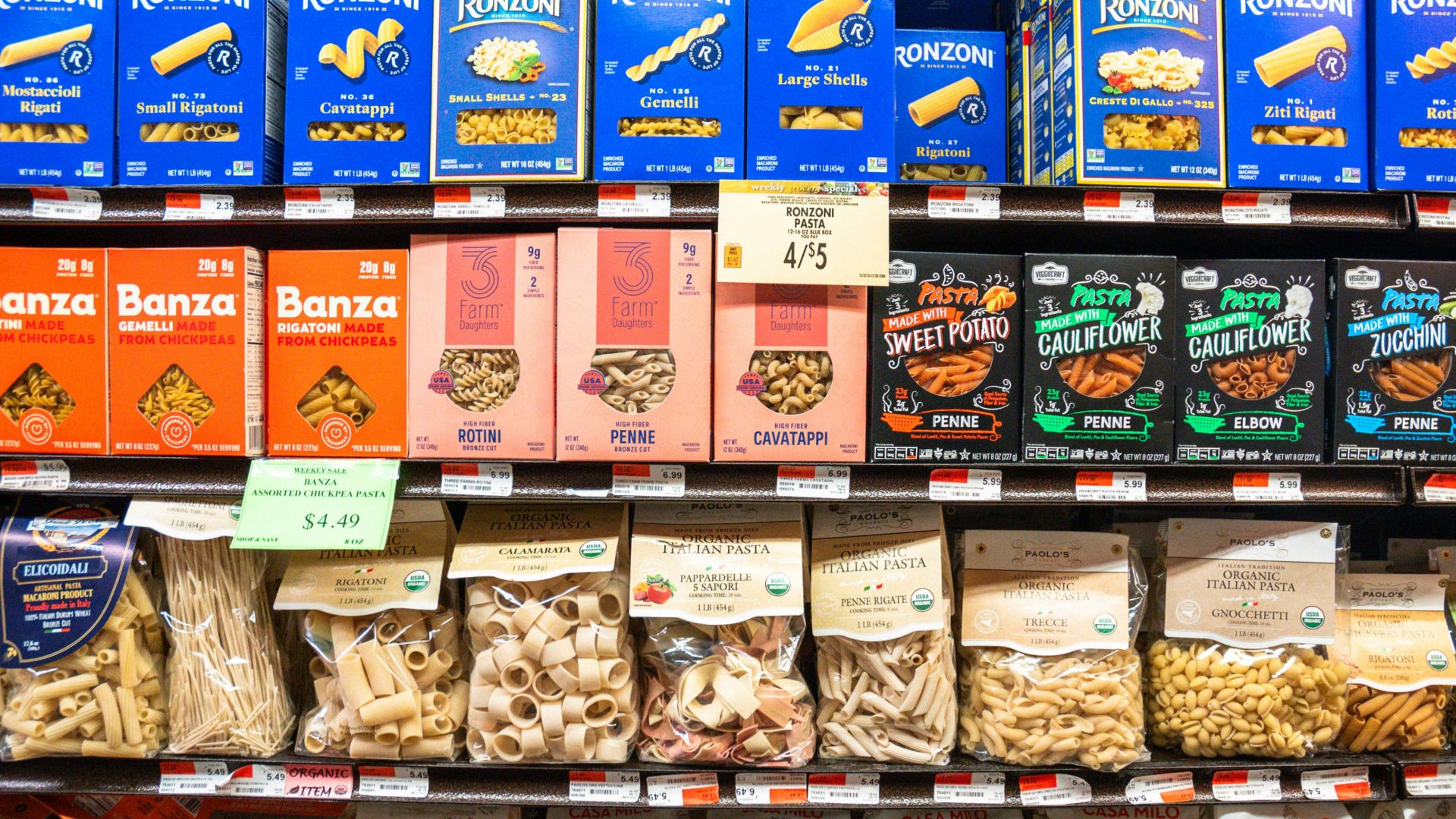
Pasta Was The Original Emergency Dinner
Long before anyone could order dinner from an app, a box of spaghetti could rescue a busy night. Pasta was filling, shelf-stable, kid-friendly, and forgiving enough for almost any home cook. It is still one of the better ways to feed several people cheaply, but the broader rice, pasta, and cornmeal category has continued to get more expensive. The old budget dinner survives, even if its superpower has weakened a little.
Flour Used To Do Half The Work In The Kitchen
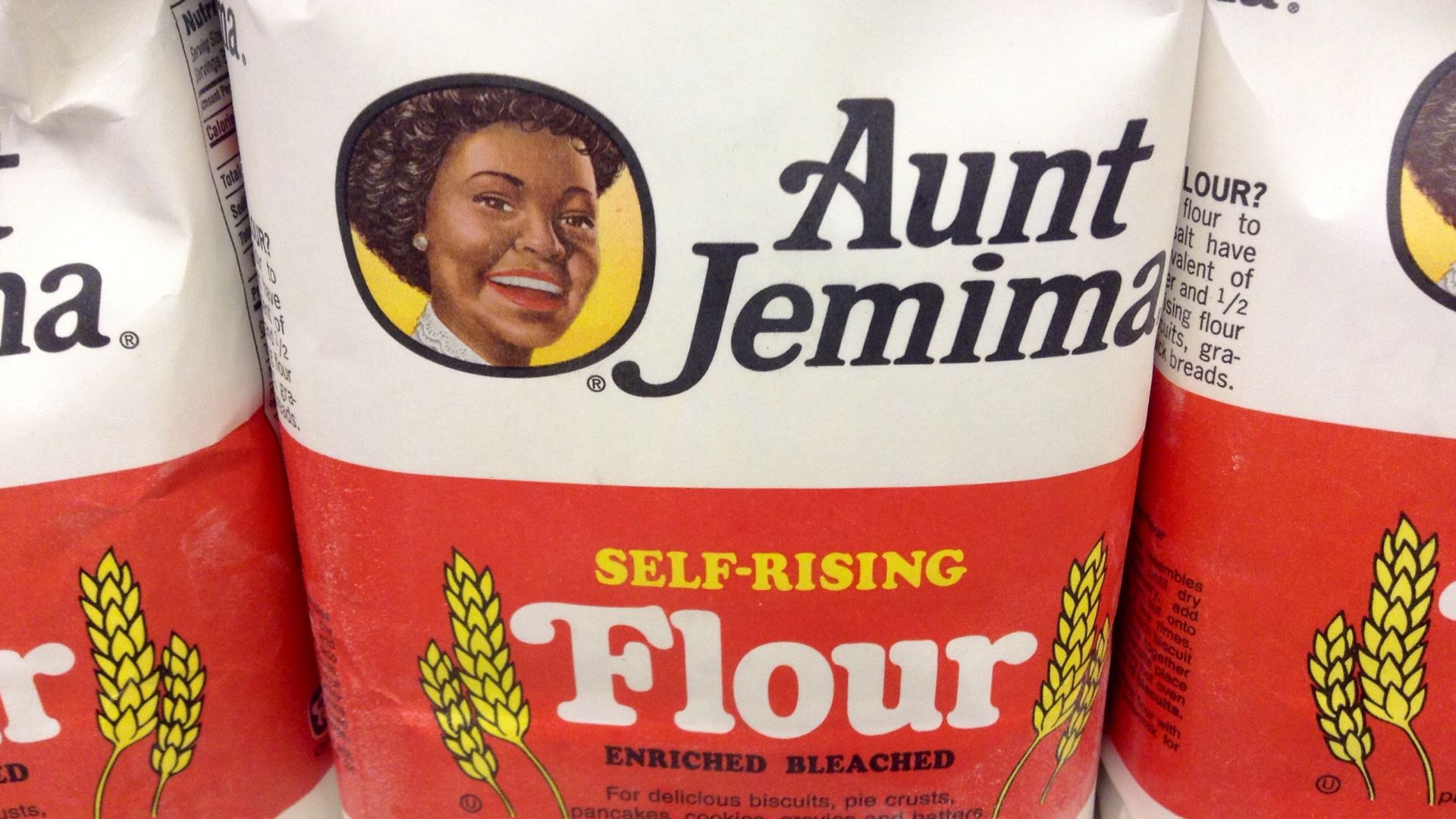
Flour had an almost ridiculous number of jobs in a 1970s household. It meant cookies, cakes, biscuits, breading, gravy, pancakes, pie crusts, and anything else a home cook could make from scratch. Flour prices have actually been relatively restrained lately, rising less than 1% over the year ending in August 2026. That makes the plain old bag of flour one of the better bargains still hiding in the grocery aisle.
 Mike Mozart, Wikimedia Commons
Sugar Was Always Waiting In The Cupboard
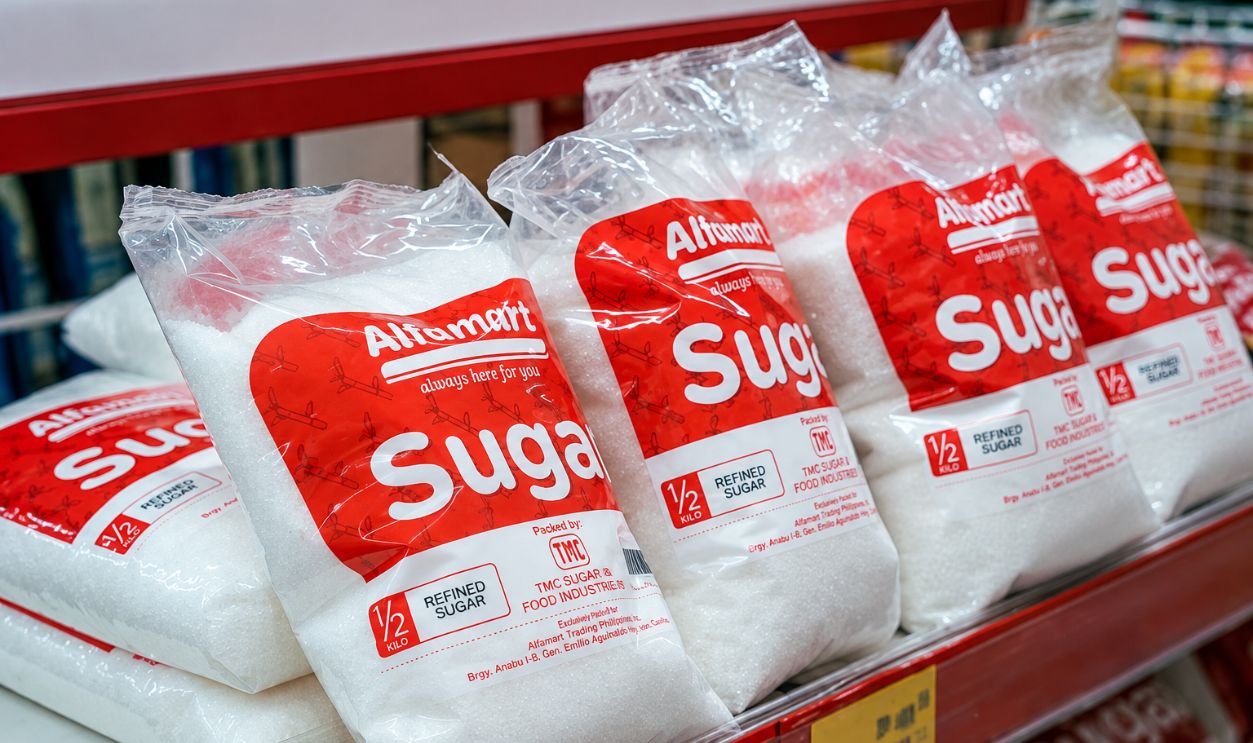
A big bag of sugar was another multipurpose pantry fixture. It sweetened coffee and iced tea, went into homemade desserts, and helped turn inexpensive ingredients into something the kids actually wanted. Plain sugar prices have recently eased slightly, even as candy and other sweets became considerably more expensive. For anyone trying to save money, baking the treat yourself can still make the old pantry staple look pretty smart.
 Kenneth Surillo, Pexels, Modified
Butter And Margarine Had A Kitchen Rivalry
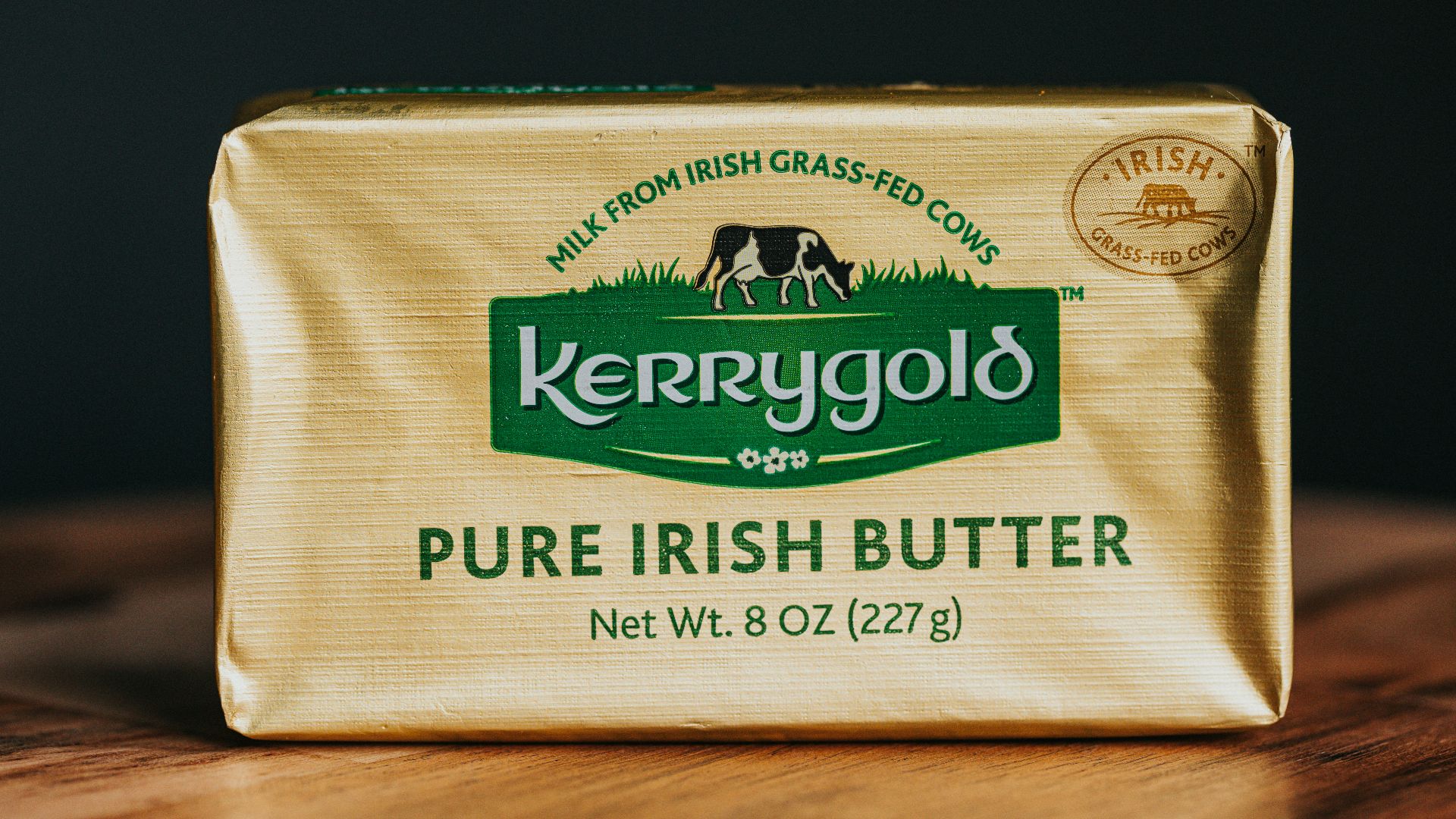
Many families treated margarine as the economical alternative to butter, and both were fixtures of the 1970s refrigerator. They went on toast, potatoes, vegetables, and into countless homemade desserts. Interestingly, butter prices fell noticeably over the year ending in August 2026, while margarine prices also edged lower. Not every nostalgic staple is currently racing upward, even if today's shelf tags would still look enormous to a shopper from 1975.
Cheese Made Cheap Food Better
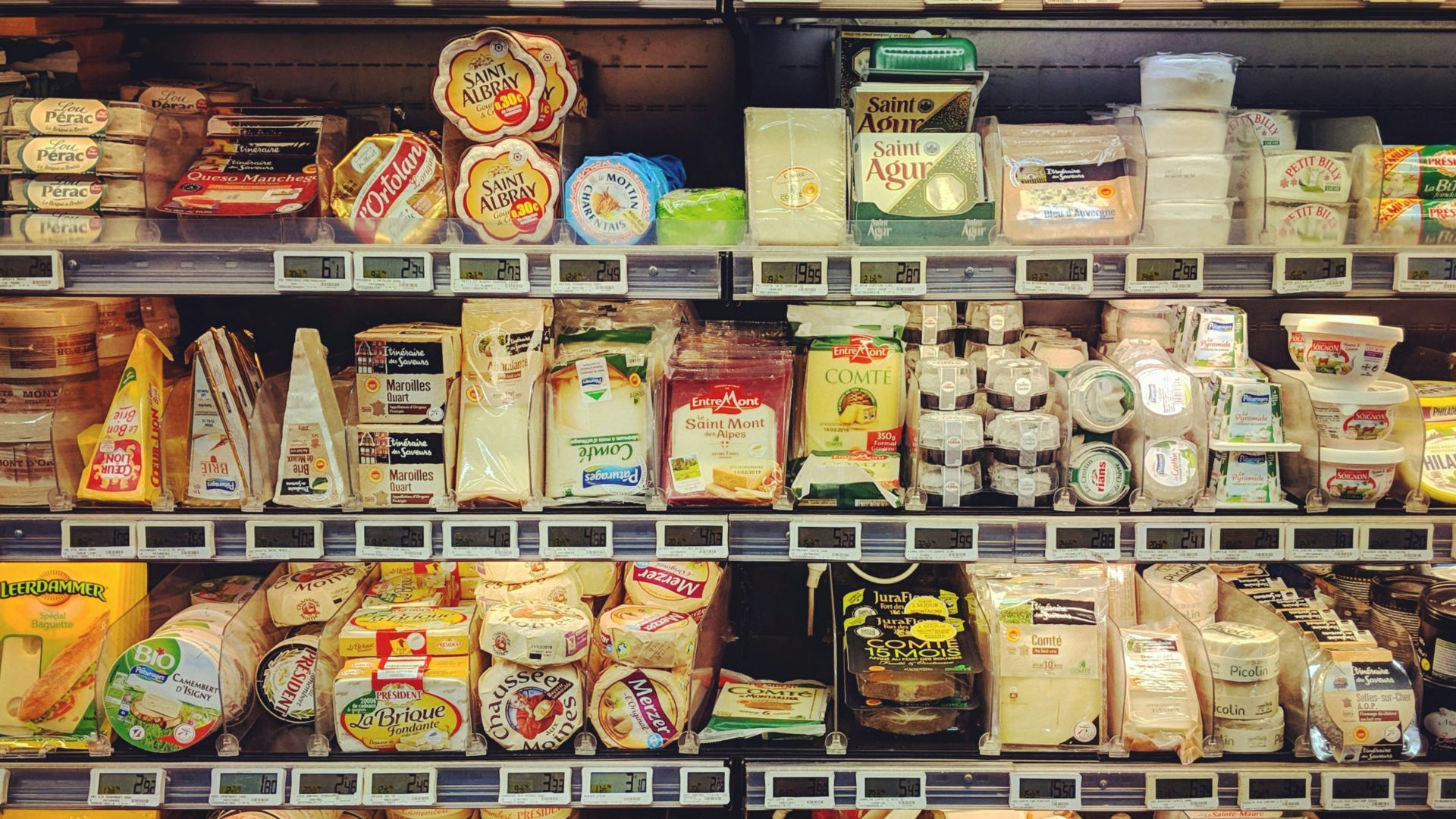
A package of American slices or a block of cheddar could transform sandwiches, burgers, casseroles, and macaroni. Cheese was not necessarily the cheapest item in the cart, but a little could make inexpensive ingredients feel like an actual meal. Cheese prices have also fallen recently rather than risen, giving shoppers some relief. After eggs, beef, and other painful increases, the dairy case at least has a few pleasant surprises.
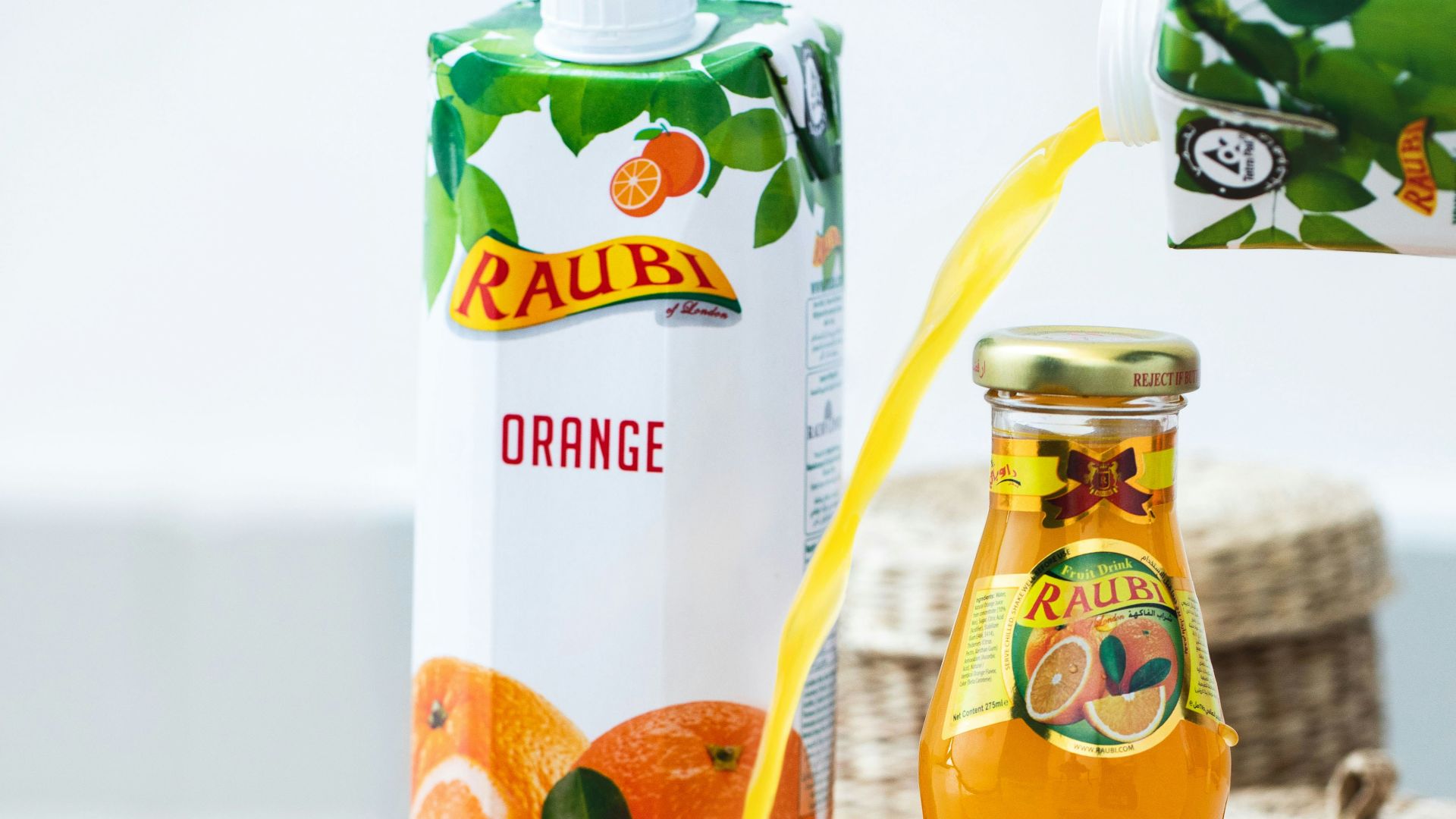
Orange Juice Took A Particularly Rough Road
A carton of orange juice once seemed almost mandatory on the American breakfast table. What happened afterward is one of the clearest examples of a grocery staple facing something much more specific than ordinary inflation. Florida's citrus industry has been battered by citrus greening disease, hurricanes, declining acreage, and shrinking production. USDA estimates show Florida orange production has fallen by roughly 90% from its early-2000s levels, helping turn that familiar breakfast glass into a surprisingly complicated commodity.
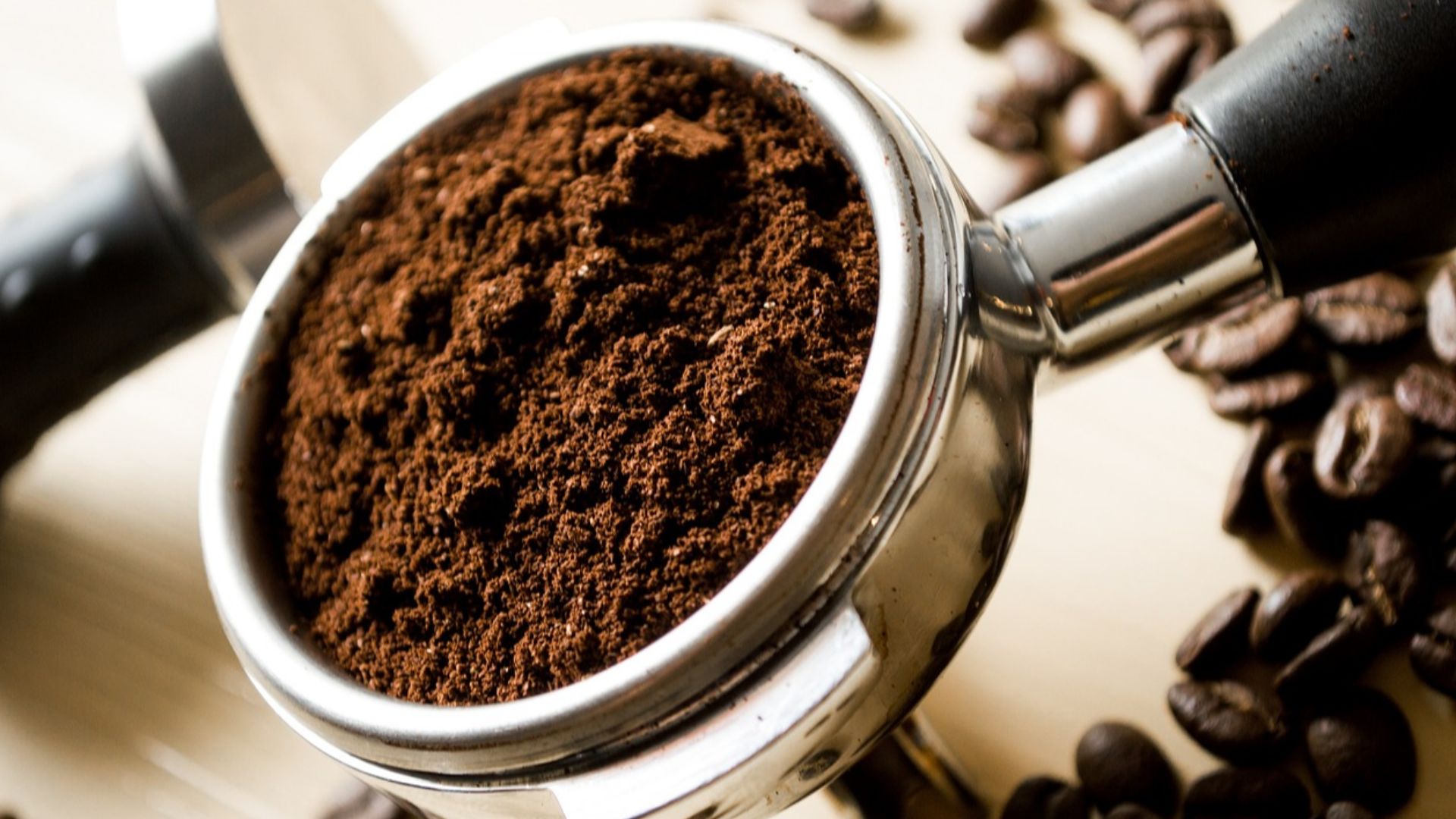
Coffee Became A Painful Morning Habit
The familiar can of ground coffee was part of countless American kitchens long before coffee shops became an everyday ritual. Even making it at home has become noticeably more expensive. Coffee prices were about 6% higher in August 2026 than a year earlier, after weather problems hurt production in major growing regions such as Brazil and Vietnam. Unfortunately, telling millions of Americans to simply skip their morning coffee is probably not much of a savings strategy.
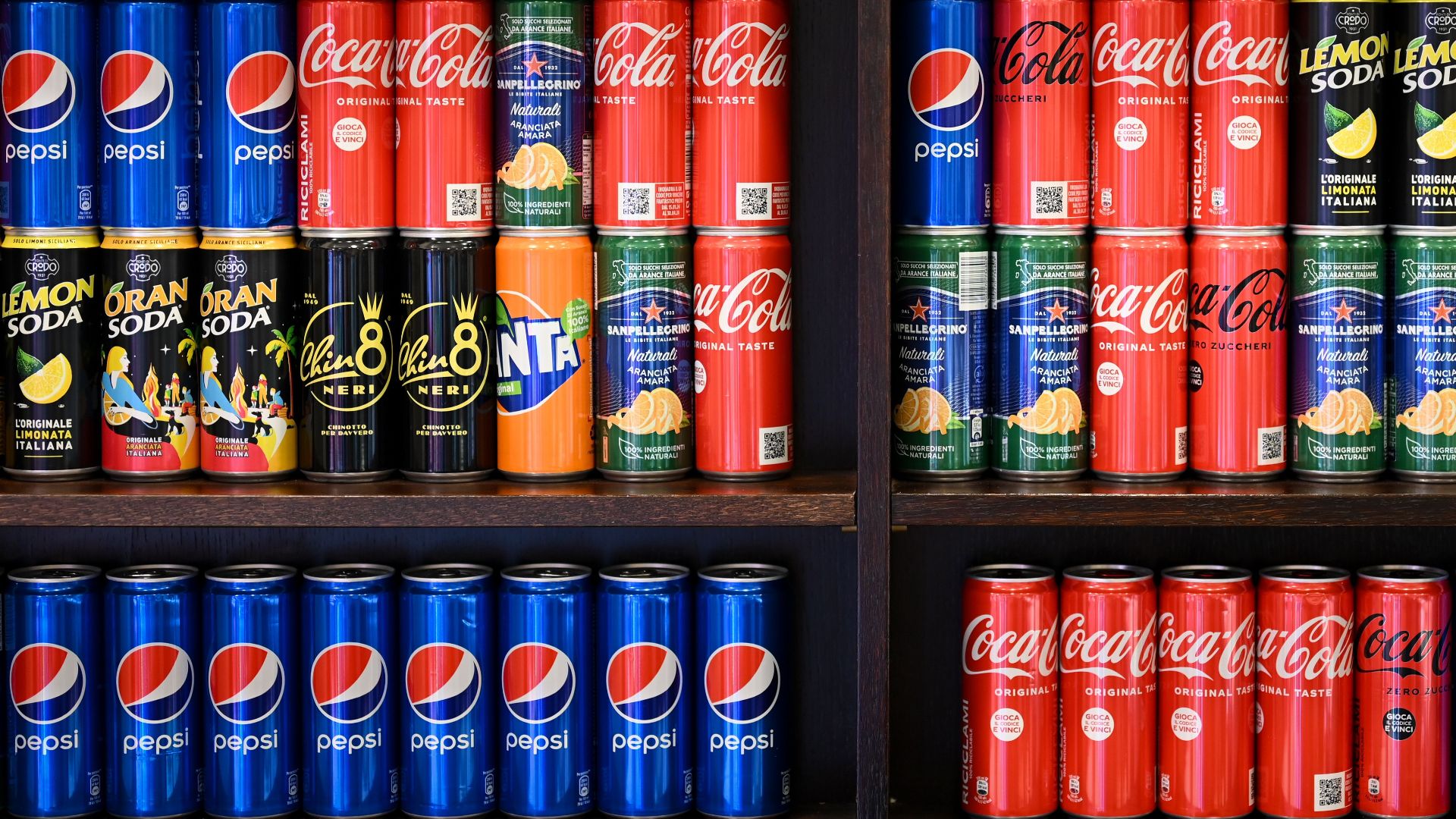
Soda Went From Cheap Treat To Pricey Extra
Large bottles and stacks of cans became increasingly familiar sights in American refrigerators during the 1970s. Soda was cheap enough to feel like an easy addition for parties, cookouts, and family dinners. Carbonated drink prices were more than 4% higher in August 2026 than a year earlier. For something made mostly of water, sweetener, and flavoring, the modern price is a reminder that shoppers are also paying for the bottle or can, manufacturing, shipping, and everything else required to put it on the shelf.
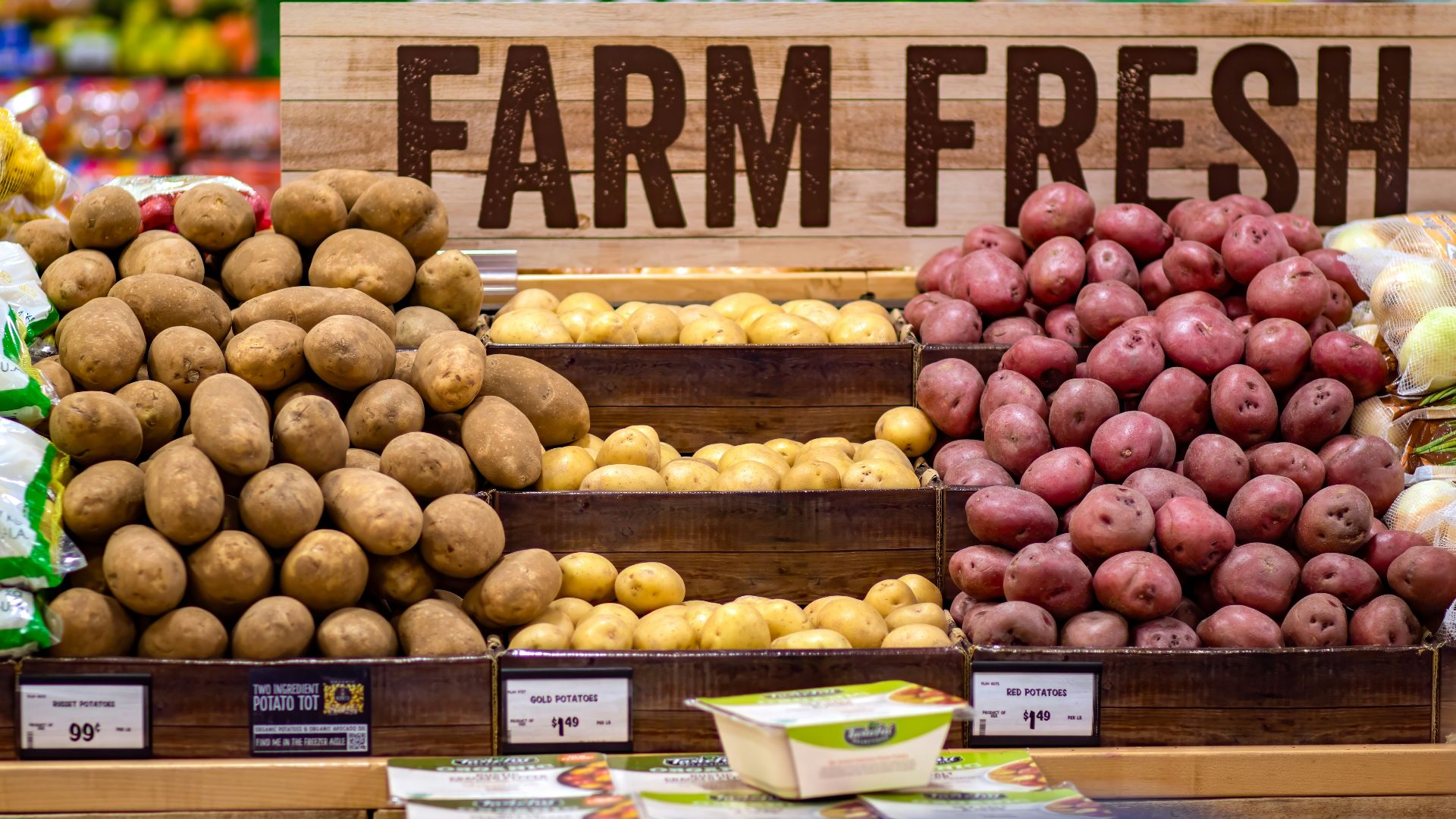
Potatoes Were The King Of Stretching Dinner
A bag of potatoes could become fries, mashed potatoes, baked potatoes, hash browns, soup, or a side dish for almost anything. Few ingredients offered that much mileage for the money. Potatoes remain economical, but their prices were about 4% higher in August 2026 than a year earlier. When the point of an ingredient is that you can buy a lot of it cheaply, even a modest increase gets noticed.
Canned Vegetables Waited Patiently In The Pantry
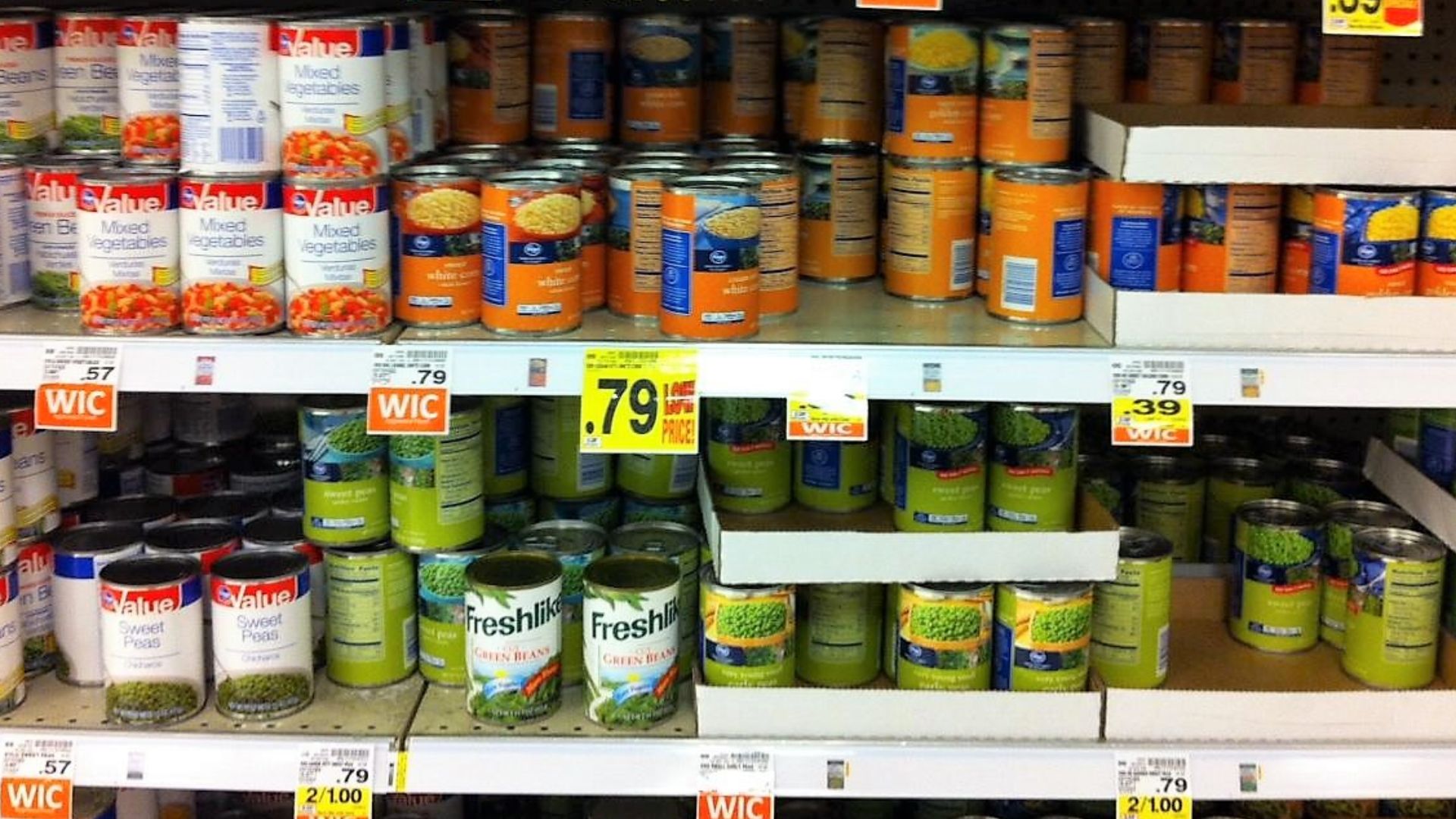
Green beans, peas, corn, and carrots in metal cans were fixtures of the 1970s cupboard. They lasted far longer than fresh produce and meant there was almost always something available to put beside dinner. Canned vegetable prices were about 4% higher in August 2026 than a year earlier. They are still budget-friendly, but the days when canned vegetables felt almost like spare change purchases are increasingly distant.
 ParentingPatch, Wikimedia Commons
Bananas Are The Rare Throwback Bargain
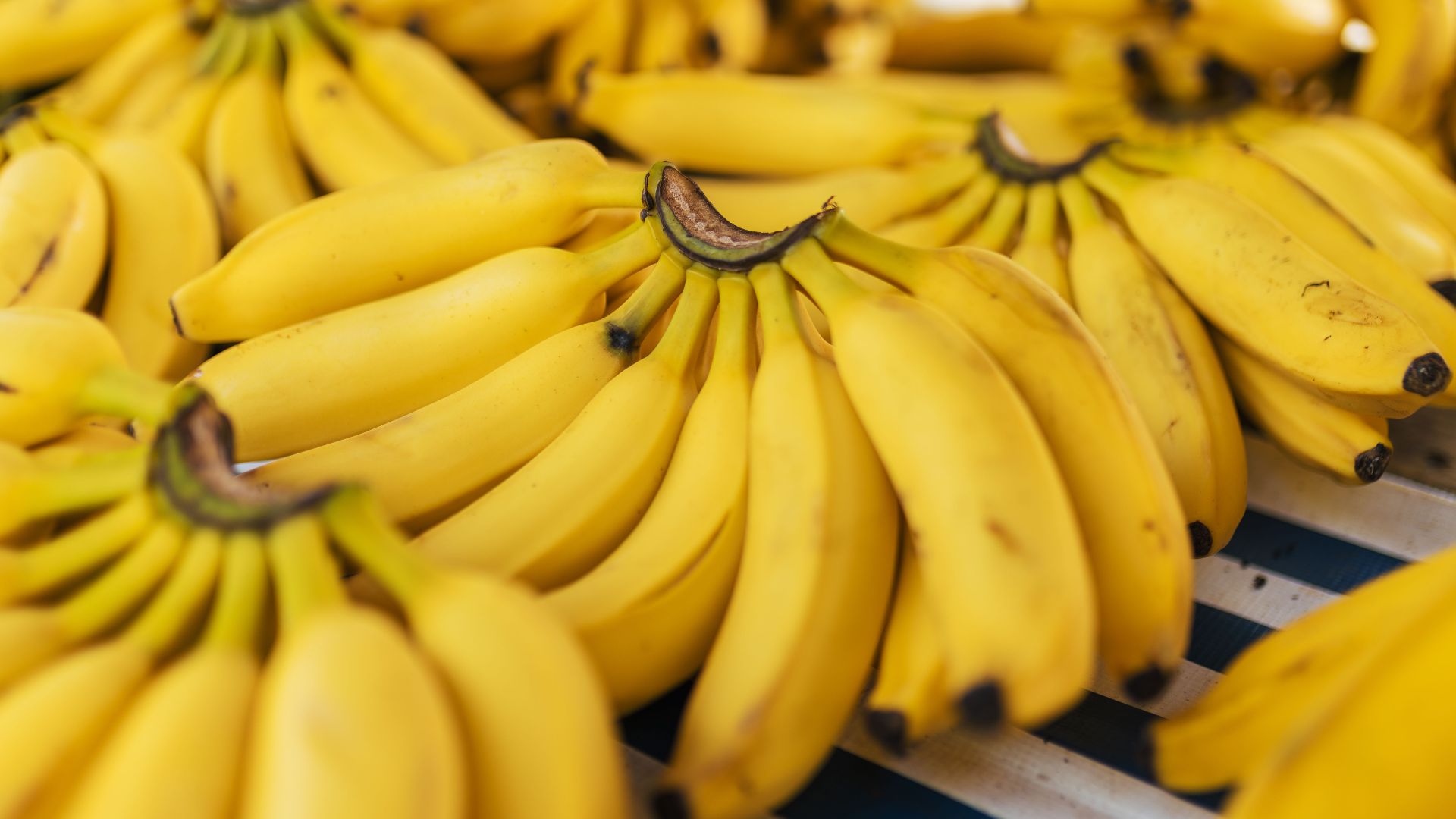
Bananas almost seem to have missed the memo. They remain one of the least intimidating items in the produce department despite traveling long distances to reach most American supermarkets. Banana prices actually fell slightly over the year ending in August 2026. After so many old staples that have become surprisingly expensive, that yellow bunch in the fruit bowl remains a remarkably stubborn bargain.
Apples Have Not Been Quite So Kind
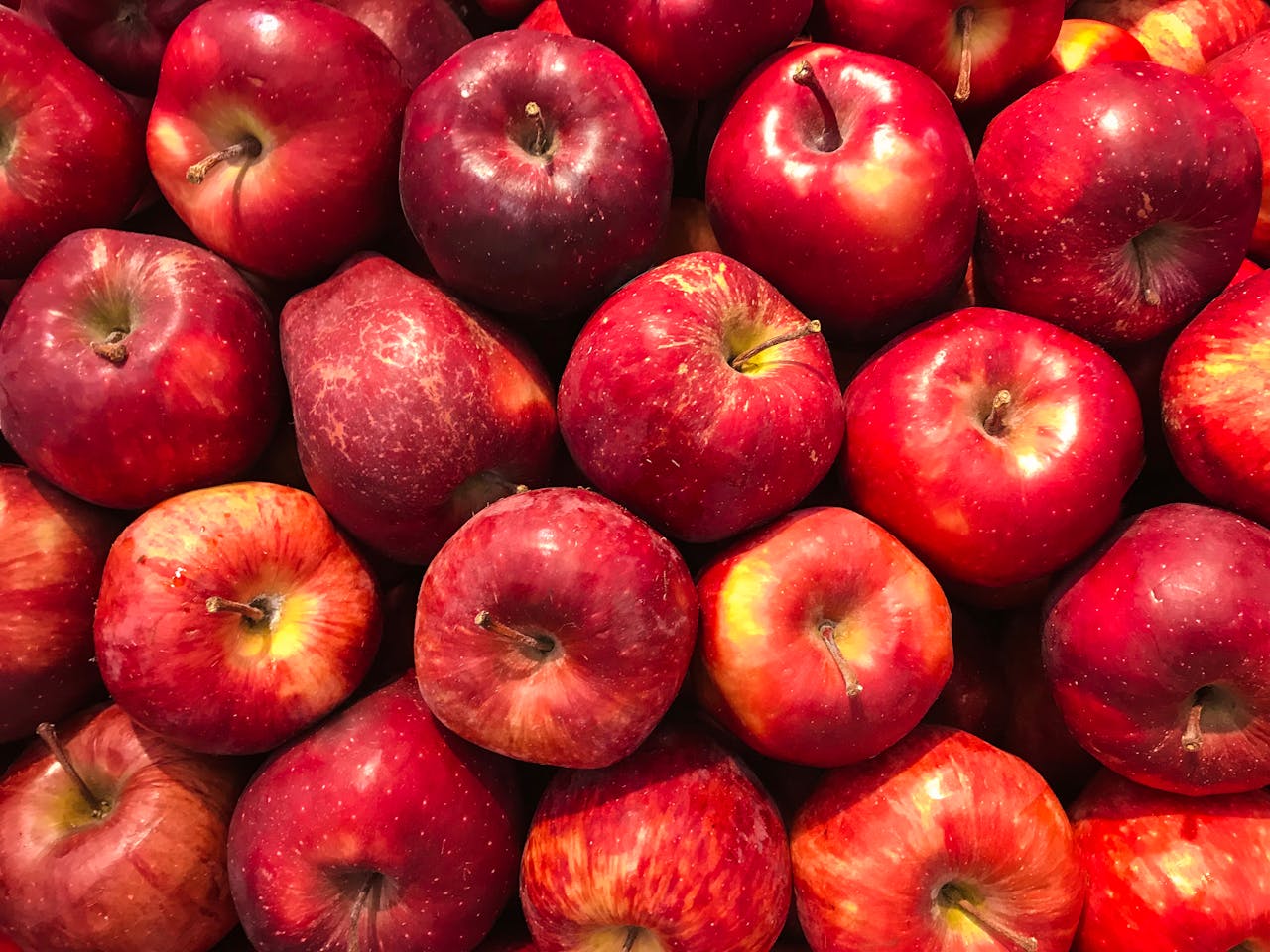
Apples carried their own old-fashioned thriftiness. They lasted longer than many fruits, slipped easily into school lunchboxes, and required no preparation beyond a rinse. Apple prices were more than 5% higher in August 2026 than a year earlier. Even one of America's most familiar lunchbox fruits can suddenly make shoppers reconsider how many they toss into the bag.
Ice Cream Was An Affordable Little Luxury
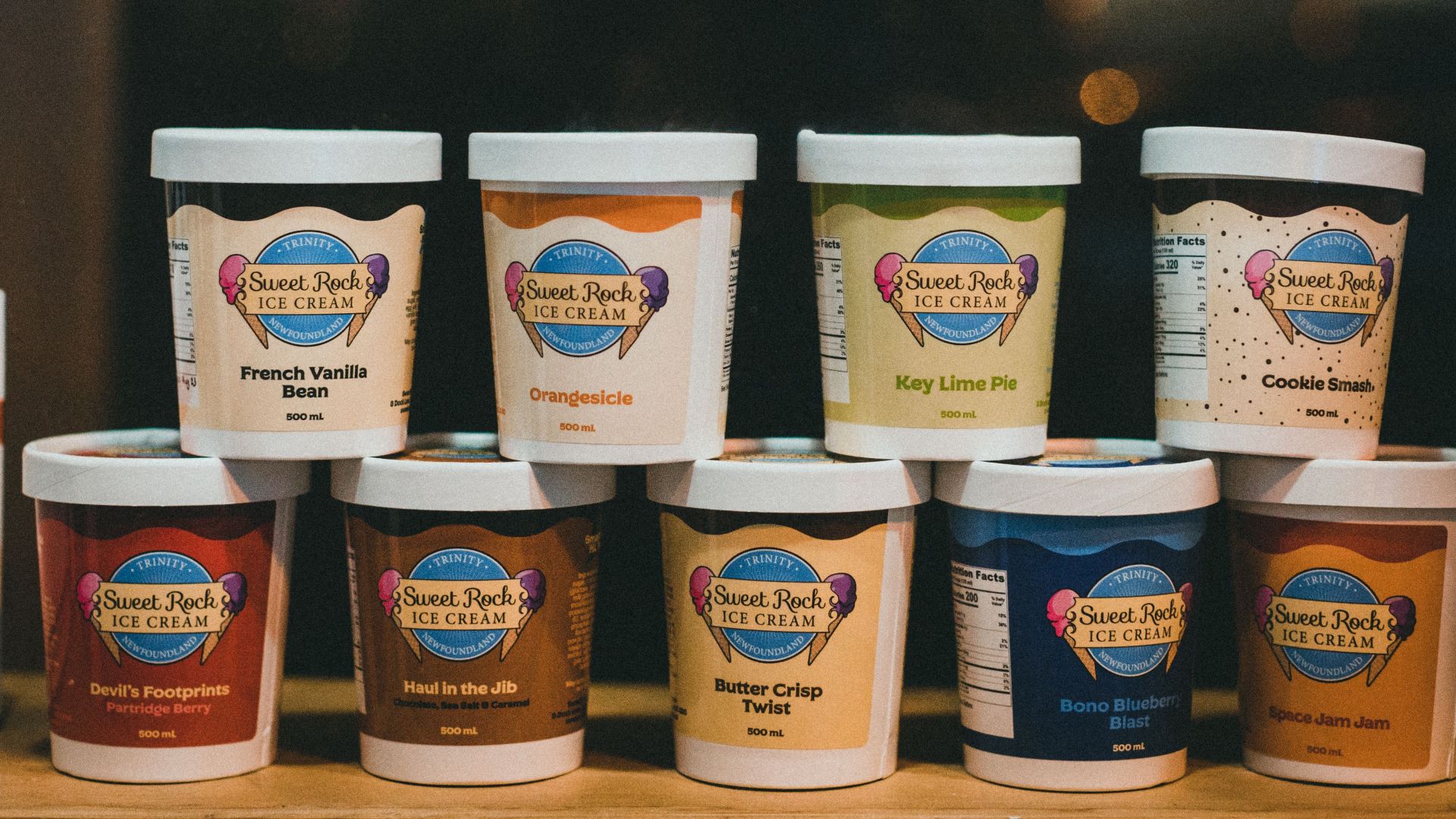
A carton of ice cream could turn an ordinary night into dessert night without a trip to a restaurant. That made it exactly the kind of inexpensive indulgence families could keep tucked in the freezer. Ice cream prices have actually fallen slightly over the past year, making this another welcome exception to the broader story. Today's carton may look expensive beside a remembered 1970s price tag, but at least it has recently been moving in shoppers' favor.
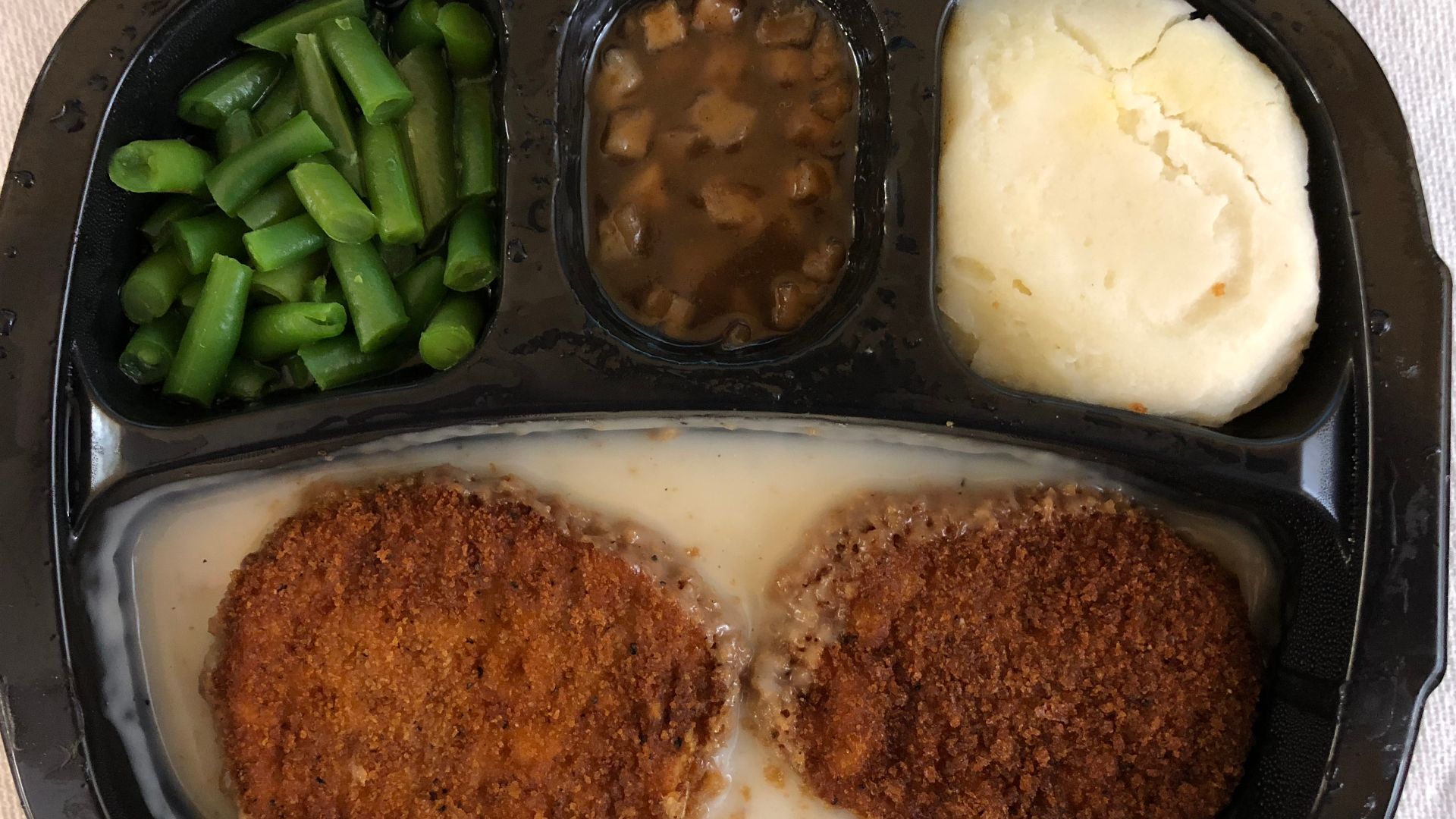
Frozen Dinners Made Convenience Affordable
TV dinners had become icons of American convenience by the 1970s. They promised a complete meal with almost no preparation, usually at a price ordinary families could justify. Prices for frozen prepared foods have been relatively stable recently, although the freezer aisle itself has changed beyond recognition. What was once a simple tray of meat, potatoes, and dessert now shares space with an enormous range of increasingly elaborate convenience meals.
Sometimes The Package Shrinks Instead
Not every grocery price increase announces itself on the shelf tag. Manufacturers can reduce the amount of food inside a package while leaving its price unchanged, a practice commonly called shrinkflation. The Bureau of Labor Statistics has documented downsizing in categories including snacks, cereal, baked goods, tea, and coffee. So comparing today's cereal box or snack bag with the one you remember sometimes requires looking at the ounces as well as the dollars.
Most Of Your Grocery Dollar Never Reaches The Farm
It is tempting to assume that an expensive potato, loaf of bread, or gallon of milk means the farmer is suddenly making a fortune. Usually, it is much more complicated. USDA estimates that farms received about 18.5 cents of each dollar Americans spent on domestically produced food eaten at home in 2024. Processing, packaging, trucking, warehousing, wholesaling, and the supermarket itself all help turn a cheap raw ingredient into a more expensive finished product.
The Cheap Staples Have Not Completely Disappeared
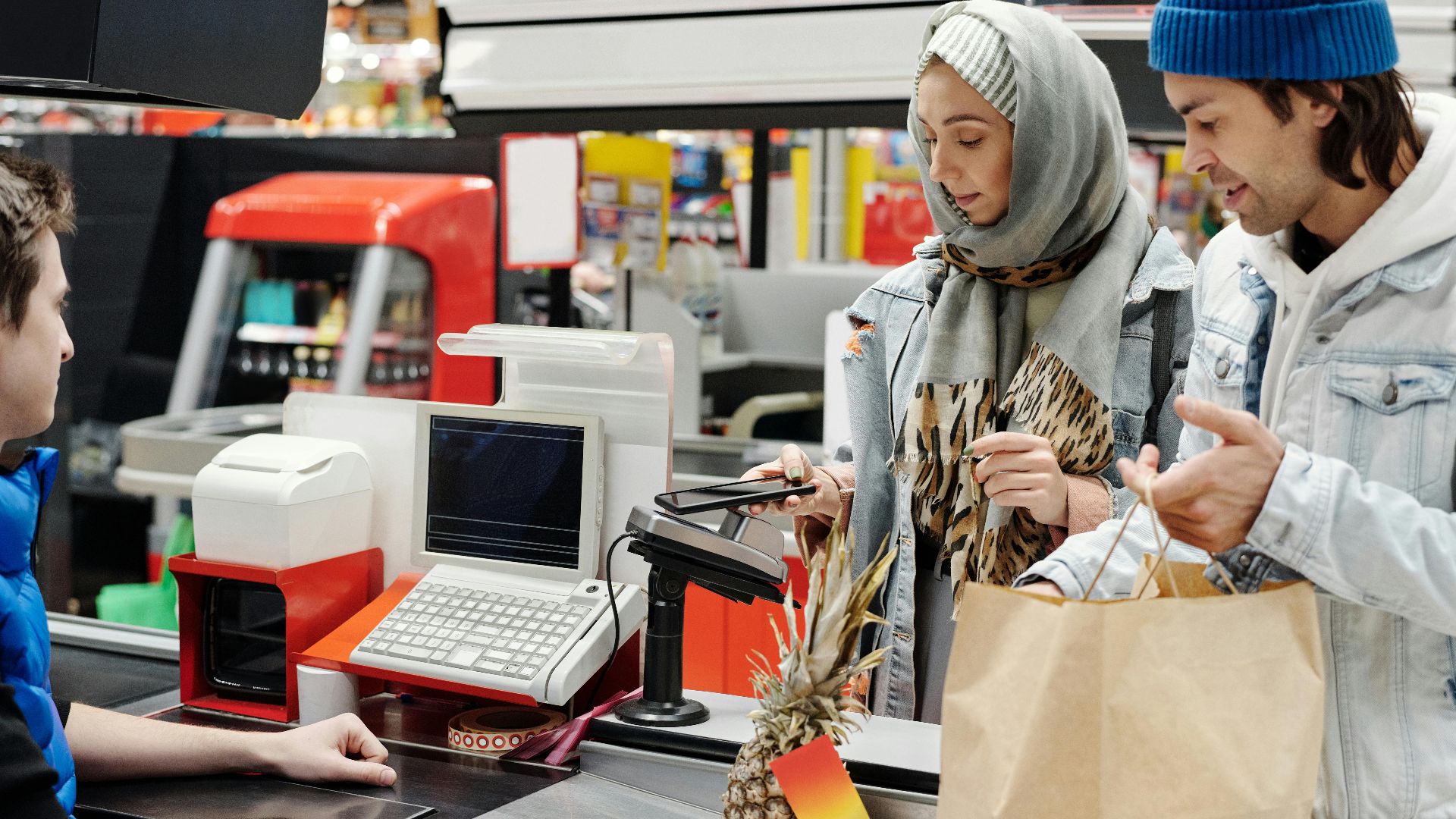
The strange thing about looking back at 1970s groceries is that the memories can be both right and misleading. Today's prices look enormous, but wages and the value of money have changed too, and some foods have actually become cheaper over long periods after adjusting for inflation. What has not disappeared is the emotional expectation that bread, eggs, cereal, potatoes, canned goods, and peanut butter are supposed to be the safe corner of the grocery store. When even those basics start making families check the price twice, that is when grocery inflation really hits home.
You May Also Like:
Grocery Staples That Look Cheap Until Shrinkflation Gives Them Away
Old Grocery Brands That Lost Shelf Space When Families Started Cutting Costs
Sources: 1, 2, 3, 4, 5, 6, 7, 8, 9, 10, 11, 12, 13, 14, 15, 16, 17, 18