
The Shelf Price Can Fool You
A $3 package feels cheaper than a $6 package, but that tells you almost nothing about value when the quantities are different. With U.S. grocery prices still 2.2% higher in August 2026 than a year earlier, small comparison mistakes can add up quickly.
The Tiny Number Matters Most
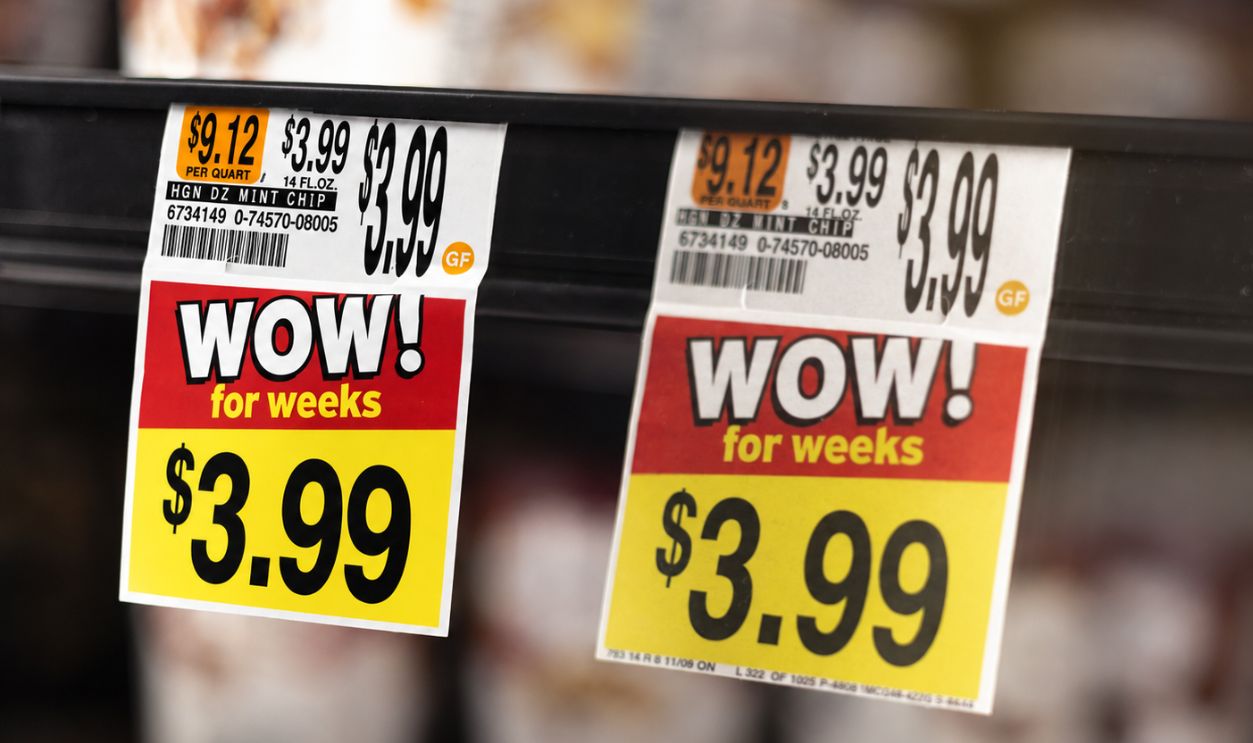
The unit price is usually the less-prominent number on a supermarket shelf label. It allows shoppers to compare packages without being distracted by different box shapes, quantities, or total prices. NIST calls unit pricing one of the best tools consumers have for making value comparisons.
 Tessa Bury, Wikimedia Commons, Modified
Bigger Packages Are Not Guaranteed Bargains
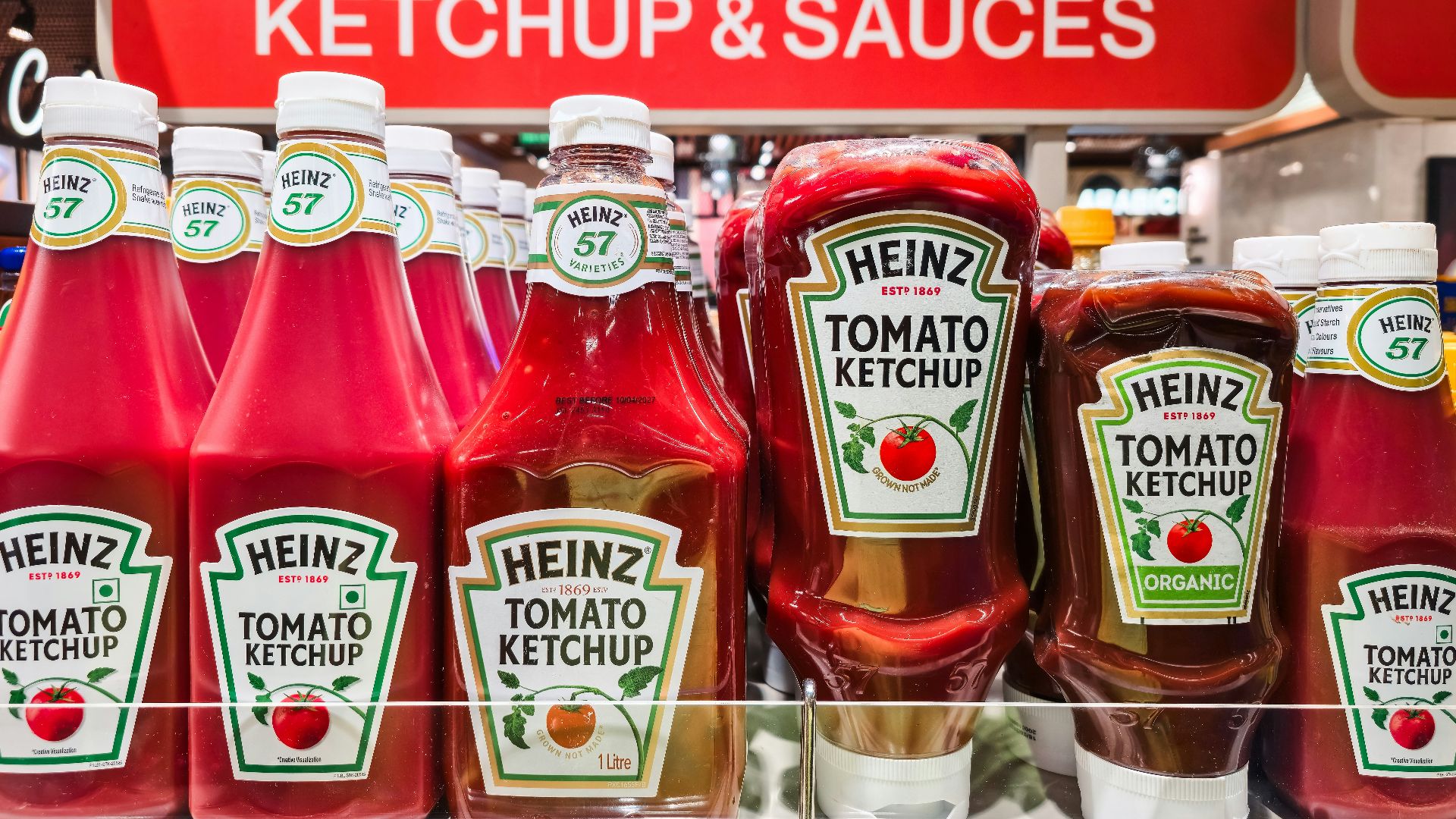
Many shoppers assume the largest container automatically has the lowest unit cost. NIST gives an example in which a 64-ounce bottle of ketchup at $4.49 cost about 7 cents per ounce, while a 38-ounce bottle at $2.29 cost about 6 cents per ounce. In that example, buying more ketchup actually meant paying more for every ounce.
Cereal Boxes Can Hide The Real Difference
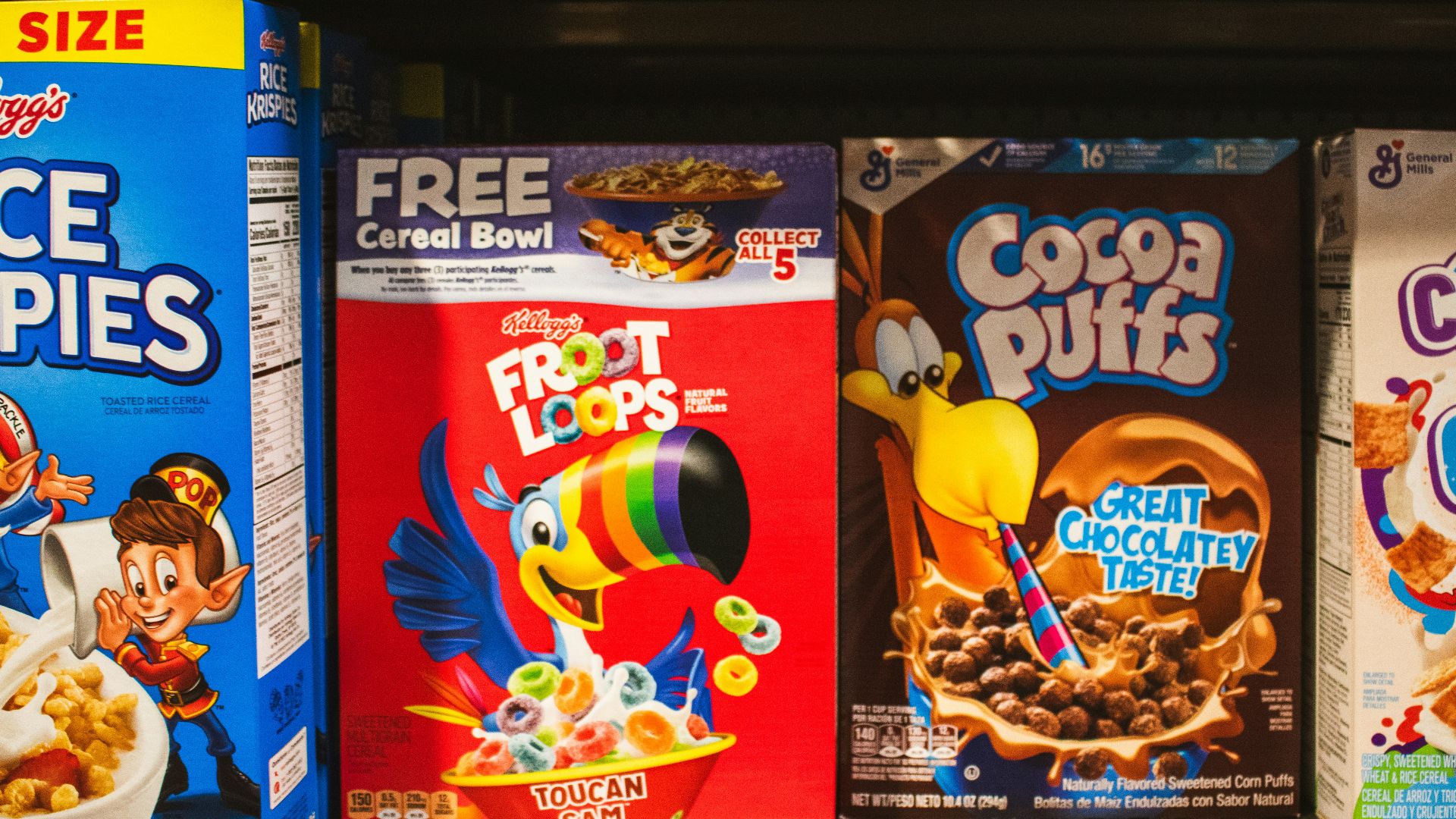
Breakfast cereal prices are especially difficult to judge because brands sell boxes in many weights and shapes. The FTC recommends looking at the unit price rather than relying on familiar packaging, particularly when manufacturers reduce the amount inside. That matters because breakfast cereal prices were 3.1% higher in August 2026 than a year earlier.
Instant Oatmeal Packets Charge For Convenience
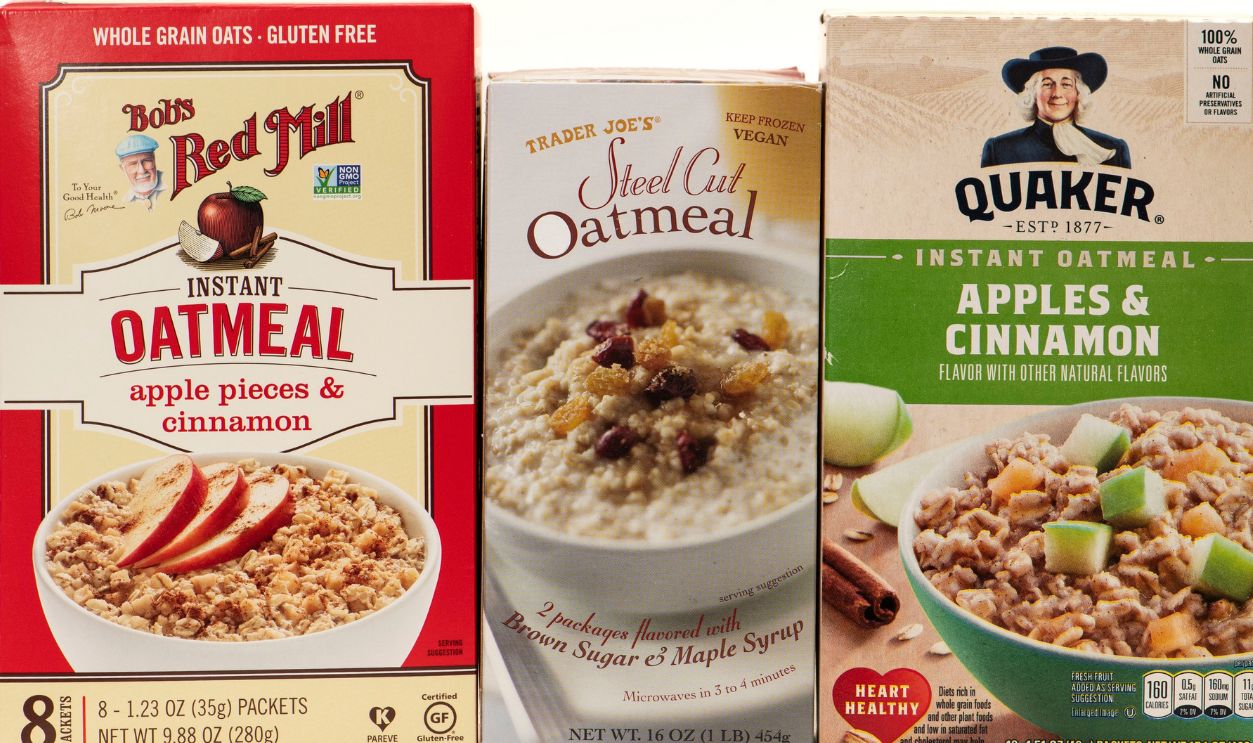
A box of individual oatmeal packets can look inexpensive because its checkout price is modest. USDA budget guidance specifically identifies oatmeal as a lower-cost grain and recommends buying foods such as oats from bulk sections when available. Compare the cost per ounce of those little packets with a canister of plain oats before deciding which is actually cheaper.
Ready-To-Eat Rice Deserves A Second Look
Microwaveable rice cups save time, but they package relatively small portions individually. USDA encourages budget-conscious shoppers to keep staples such as brown rice on hand and even recommends buying rice in bulk when appropriate. The useful comparison is not cup versus bag price, but what each option costs per ounce of edible rice.
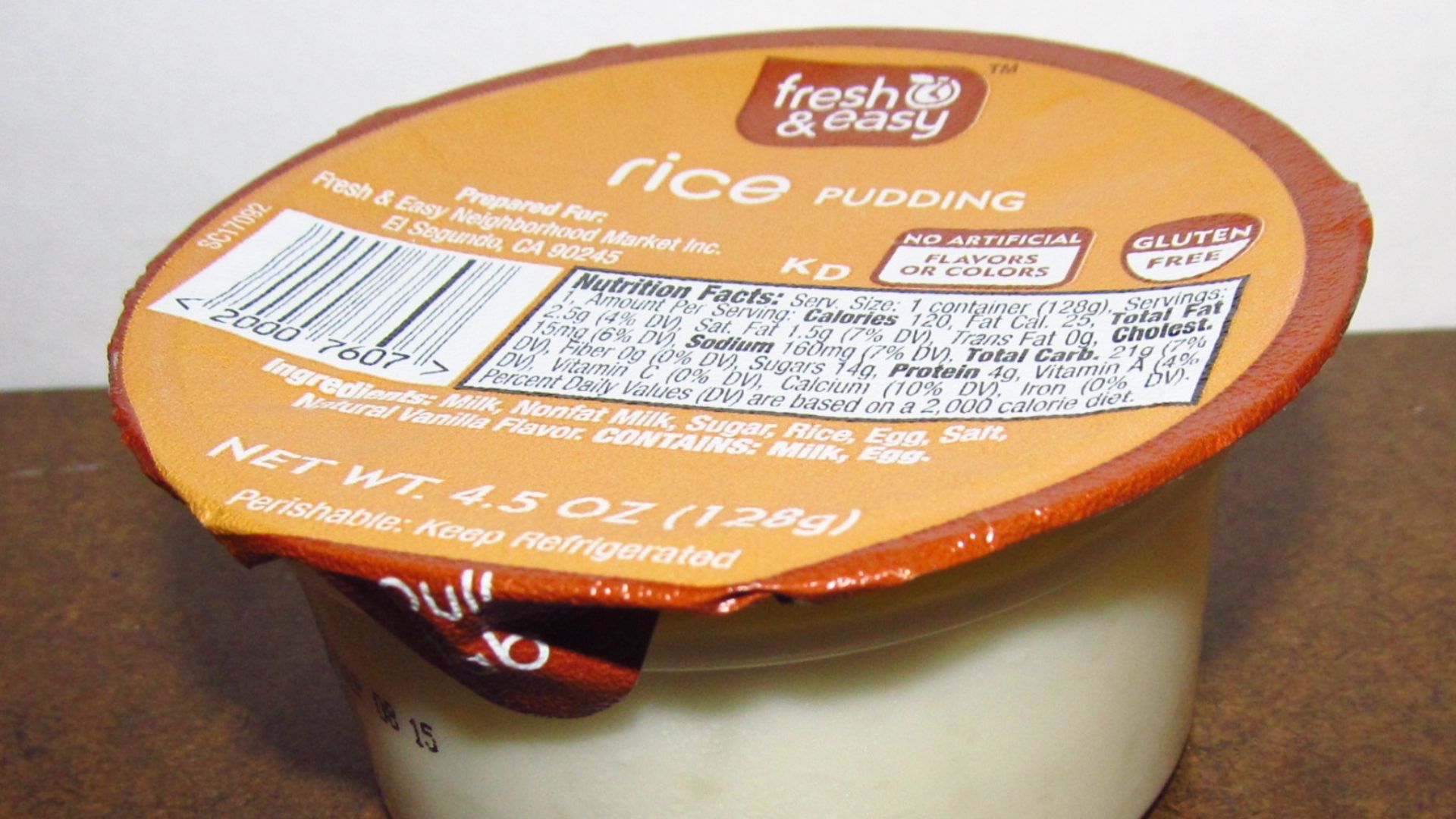
Bottled Drinks Can Look Cheaper Than They Are
A low-priced single bottle or small multipack can feel inexpensive because the total at checkout stays low. NIST’s updated unit-pricing guide uses beverages as an example of why prices should be compared by volume, including promotional multipacks. Divide the price by total fluid ounces before assuming the smallest case is the bargain.
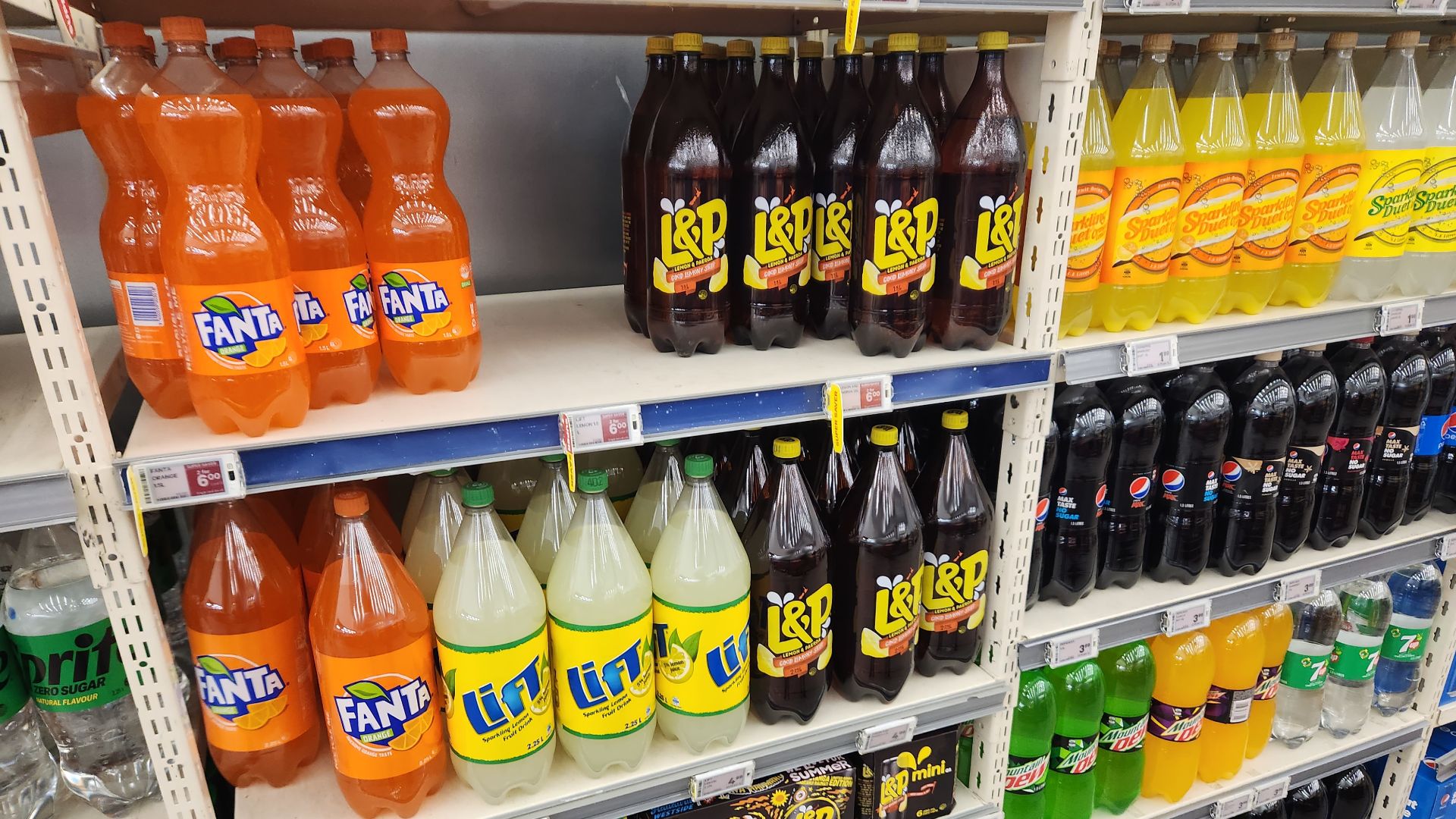
Yogurt Cups Trade Price For Portioning
Single-serving yogurt cups are convenient for lunches and portion control, but they should be compared with larger tubs by price per ounce. FDA labeling rules require packaged foods to state their net contents and serving information, giving shoppers the information needed to make that comparison. If your household regularly eats yogurt at home, the larger container may deserve a closer look.
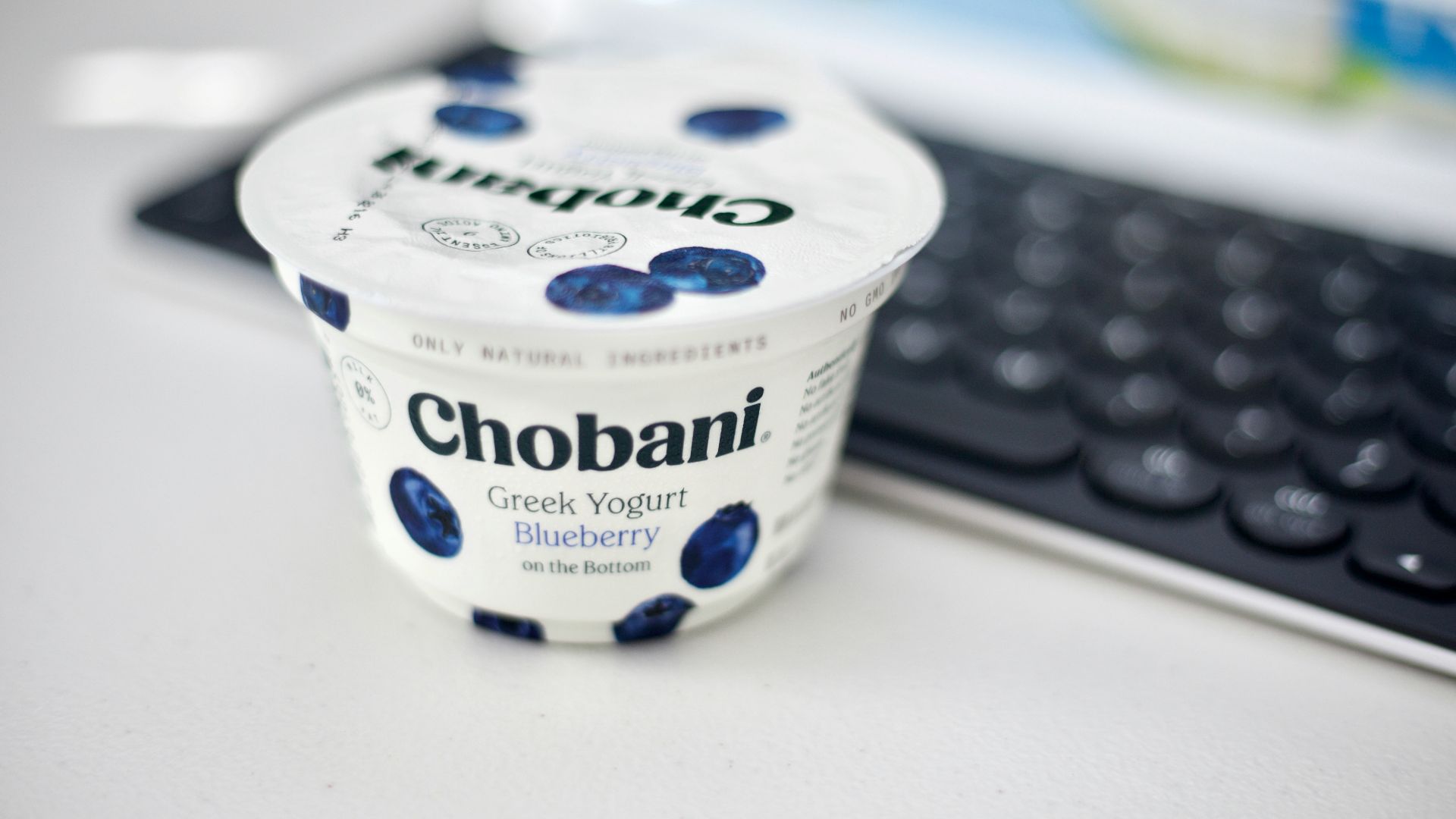
Cheese Sticks Can Carry A Convenience Premium
Individually wrapped cheese portions eliminate slicing and packing work. That convenience can also make it difficult to compare them with a block of cheese by simply looking at shelf prices. Check the total net weight and calculate what each ounce costs before paying extra for individual wrapping.

Coffee Pods Make A Cheap Cup Look Complicated
A box of coffee capsules can have a manageable shelf price while containing surprisingly little coffee overall. Comparing pod counts is useful only when the products deliver similar amounts and serving sizes. For a fuller picture, compare the cost per serving with ground coffee you would realistically brew and consume.

Snack Packs Shrink The Package, Not Necessarily The Bill
Boxes containing dozens of little chip, cracker, or cookie bags are convenient for lunchboxes. The total price may look reasonable, but each bag contains a small quantity, so the price per ounce can be much higher than a conventional bag. Unit pricing strips away the colorful multipack presentation and lets you compare the food itself.
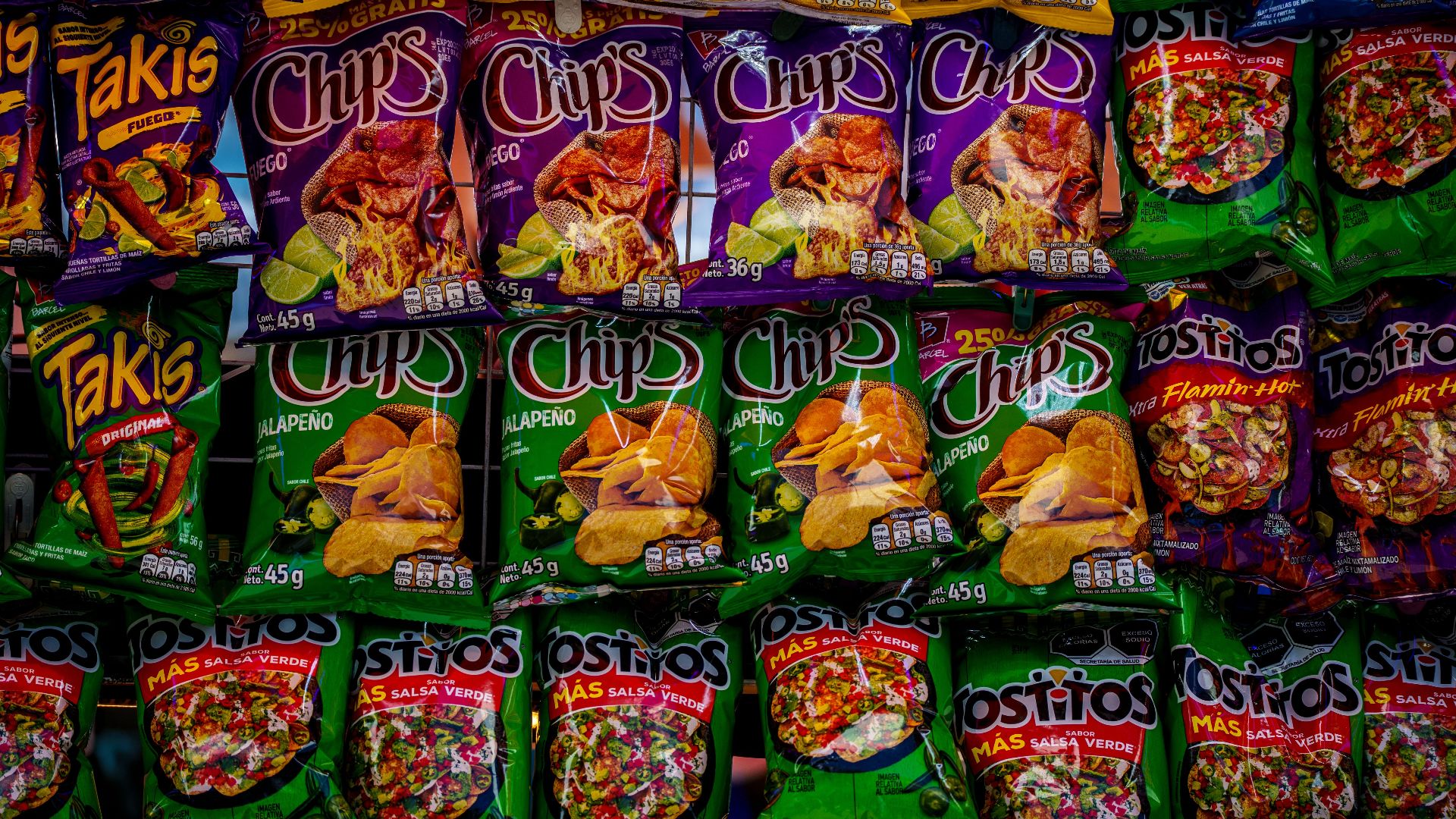
Single-Serve Soup Can Be A Price Trap
Microwaveable soup cups and bowls are designed around convenience rather than maximum quantity. A traditional can may contain substantially more food, so comparing the two by shelf price alone can be misleading. Check the net weight and number of servings before assuming the smaller package is cheaper.

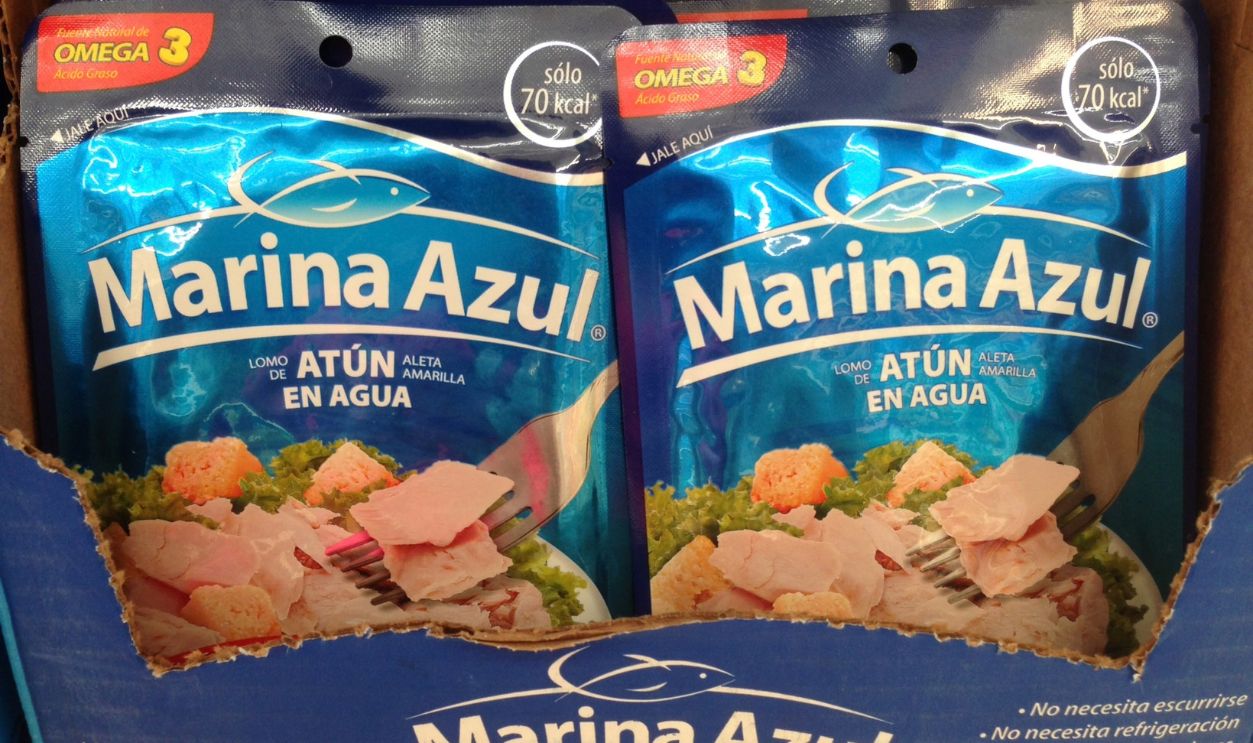
Tuna Pouches Need An Ounce-For-Ounce Check
Pouches are easy to open, drain, and pack for lunch, which gives them real practical value. But a pouch, can, and multipack can contain very different quantities even when they appear to serve the same purpose. USDA lists canned fish such as tuna among useful lower-cost pantry staples, so comparing the various formats by edible weight makes sense.
Tiny Spice Jars Add Up
A little jar of seasoning has a low checkout price because there simply is not much product inside it. Families that repeatedly use the same basic herbs and spices should compare the price per ounce with larger containers or refill packages. USDA includes dried spices and herbs among useful pantry staples for economical meal planning.

Pre-Cut Produce Charges For Saved Time
A tray of sliced fruit or chopped vegetables may look affordable compared with an expensive restaurant snack. Against the uncut produce beside it, however, the numbers can tell another story. USDA budget guidance says pre-rinsed and pre-cut fresh produce will almost always cost more, reflecting the extra preparation and packaging.

Bagged Salad Has A Documented Convenience Premium
Prewashed greens save several minutes of sorting, washing, drying, and chopping. USDA research has found that packaged leafy greens historically cost considerably more than conventional versions, identifying convenience as part of what shoppers pay for. The exact prices have changed, but the lesson remains useful: compare cost by weight before automatically reaching for the bag.

Loose Produce Is Not Always The Winner
Unit pricing can overturn assumptions in both directions. AARP reported finding bagged russet potatoes 67% cheaper per unit than loose potatoes during one supermarket comparison. The correct lesson is not “always buy loose” or “always buy bagged,” but to check the unit price each time.
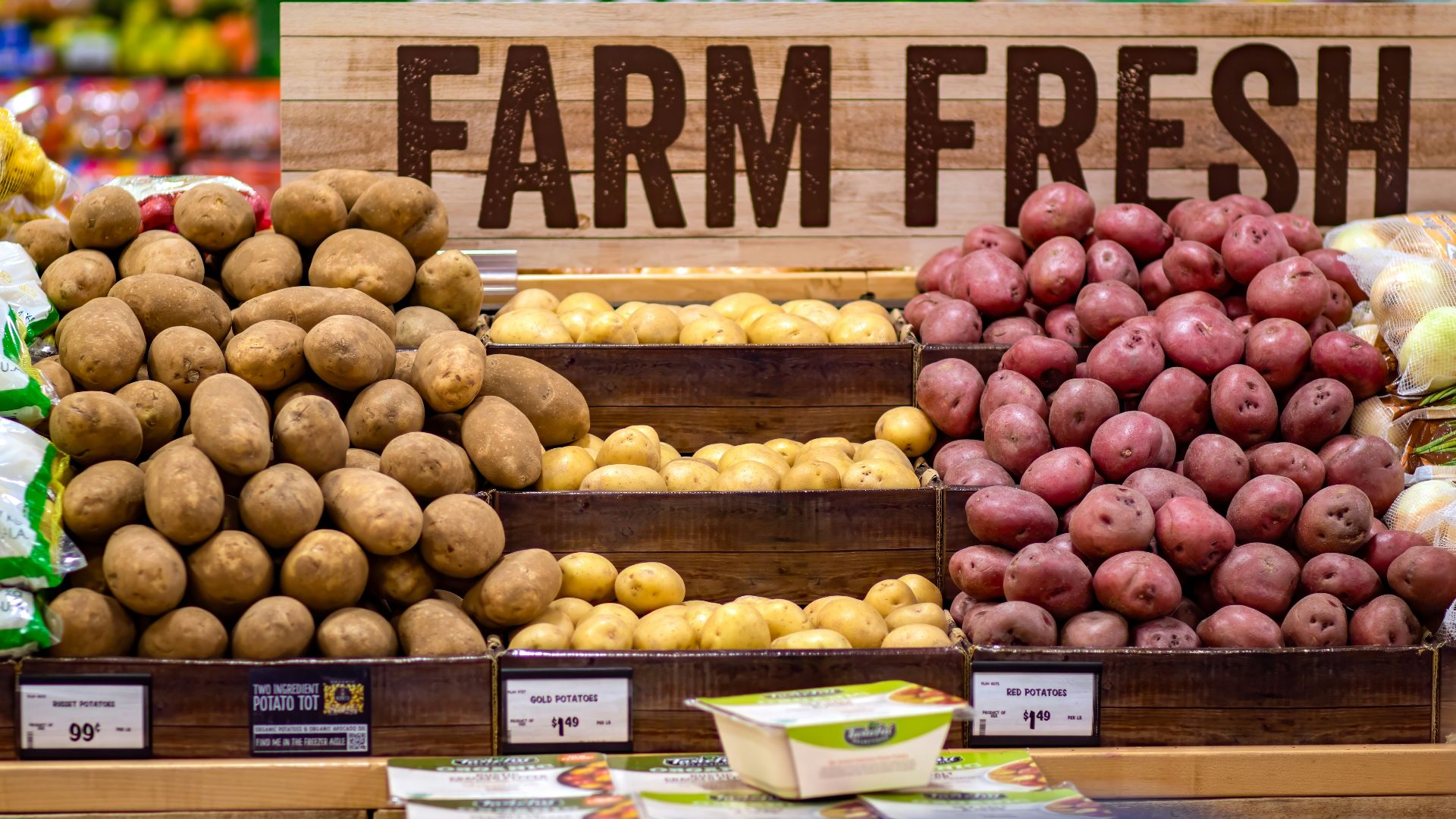
Fresh Is Not Always The Cheapest Form
Fresh produce sometimes looks like the default bargain compared with processed alternatives. USDA found that in 2022 fresh corn averaged $1.50 per cup equivalent while frozen corn averaged $0.64, and fresh spinach averaged $1.77 versus $1.10 for frozen spinach. Other foods showed the opposite pattern, proving that form matters and no single rule works across the produce section.

Olive Oil Can Punish The Bigger-Bottle Assumption
Shoppers often grab the largest bottle of a pantry staple expecting the best unit price. In one AARP supermarket comparison, the smaller size of store-brand extra-virgin olive oil actually carried the better unit price. Promotions, package strategies, and retailer pricing can make “family size” an unreliable shortcut.

Sugar Can Pull The Same Trick
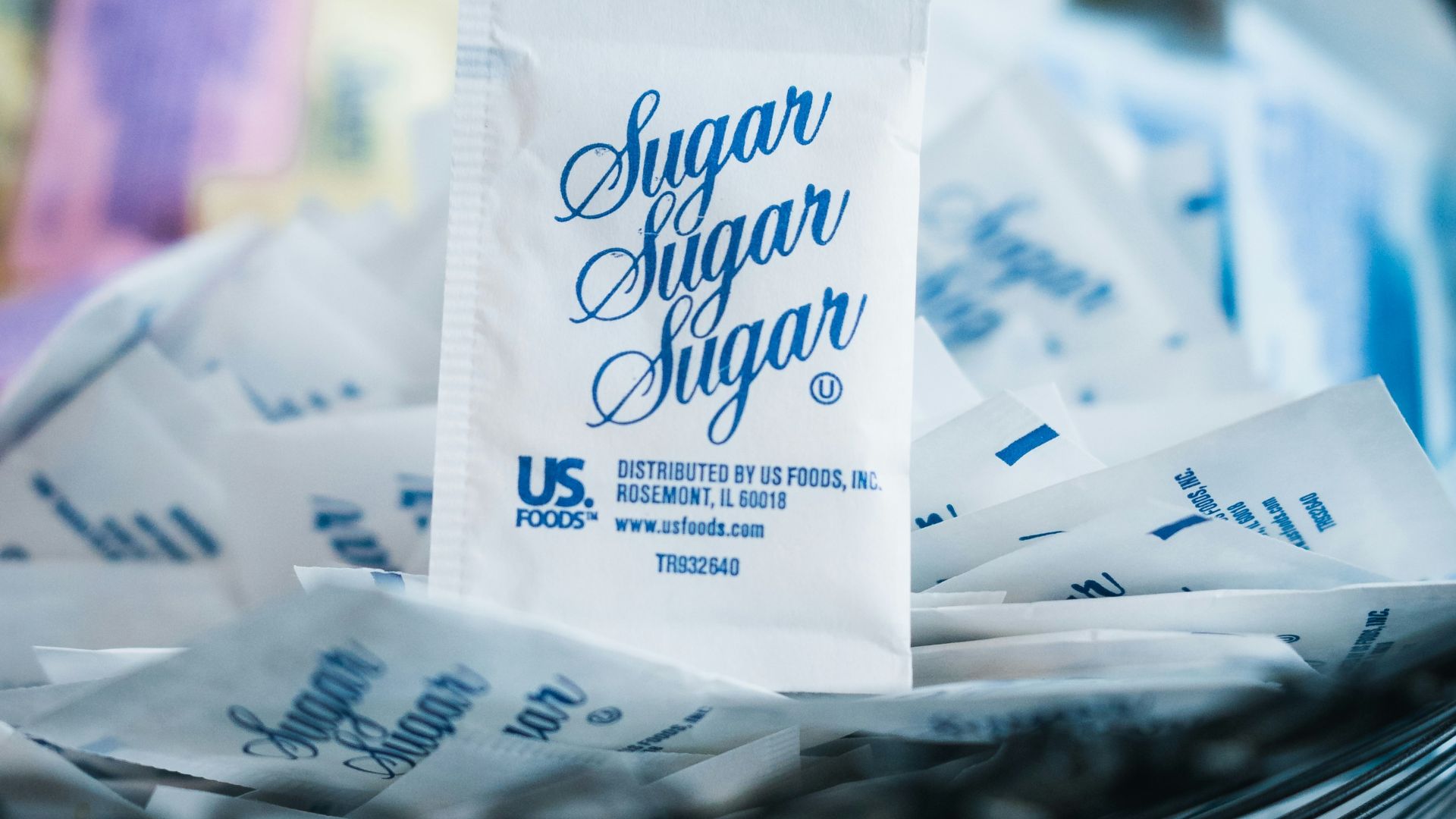
Sugar seems like the classic product where buying a bigger bag should automatically save money. AARP’s unit-price comparison found an example where a smaller package of name-brand sugar was cheaper per unit than the larger one. Even basic baking staples deserve a glance at the shelf mathematics.
Detergent Offers A Perfect Warning
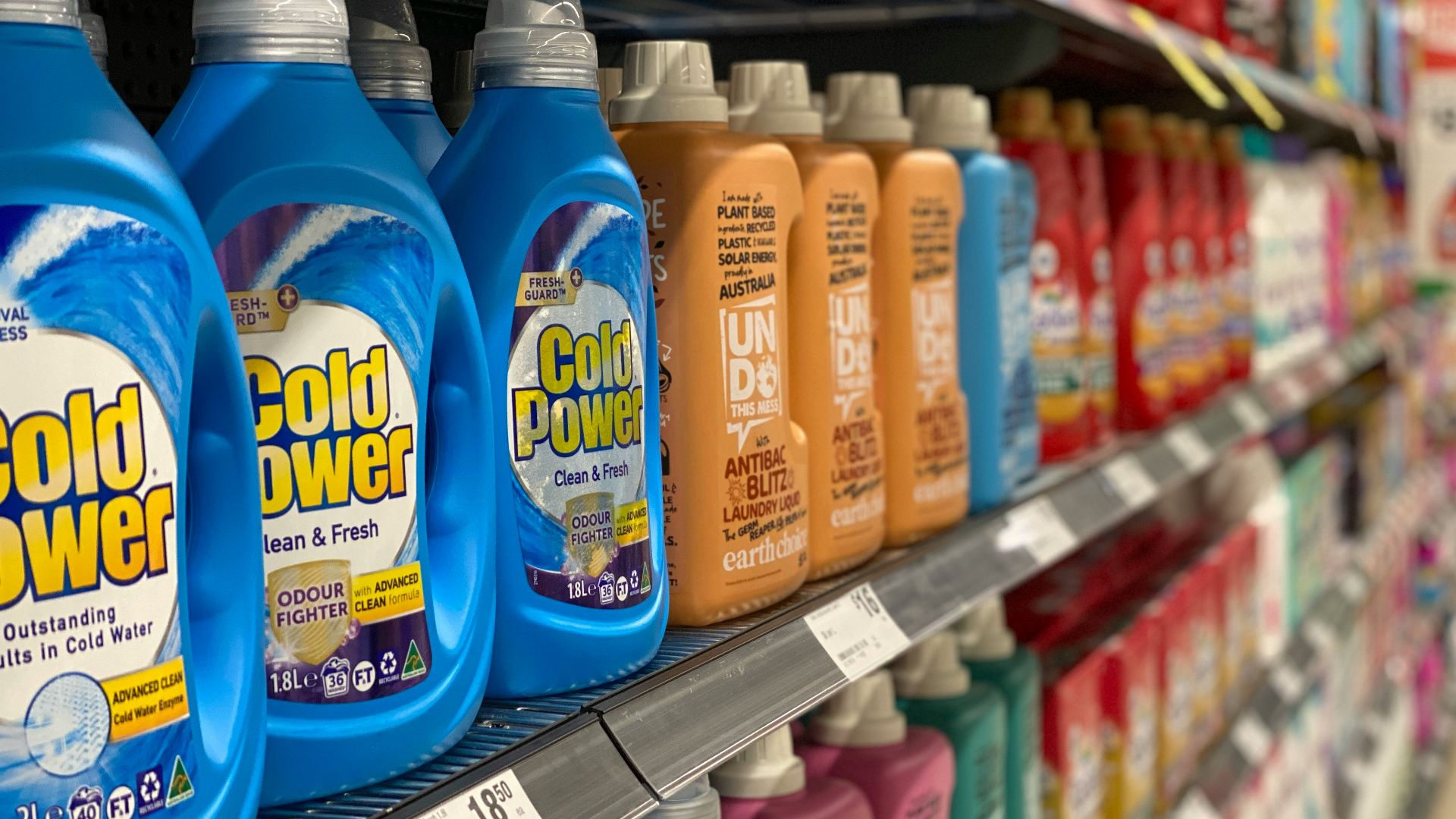
AARP documented one particularly striking detergent comparison. A 92-fluid-ounce container priced at $12.97 worked out to about 14 cents per ounce, while a 146-ounce container at $24.49 cost roughly 16.7 cents per ounce. The supposedly economical larger bottle was about 19% more expensive per ounce in that example.
Paper Products Make Comparison Harder
Paper towels and toilet paper can be sold by rolls, sheets, square footage, or package count. Comparing only the number of rolls is unreliable because roll sizes vary. Look for a consistent measure on the shelf tag and compare like with like rather than assuming twelve rolls from two brands represent the same amount of product.

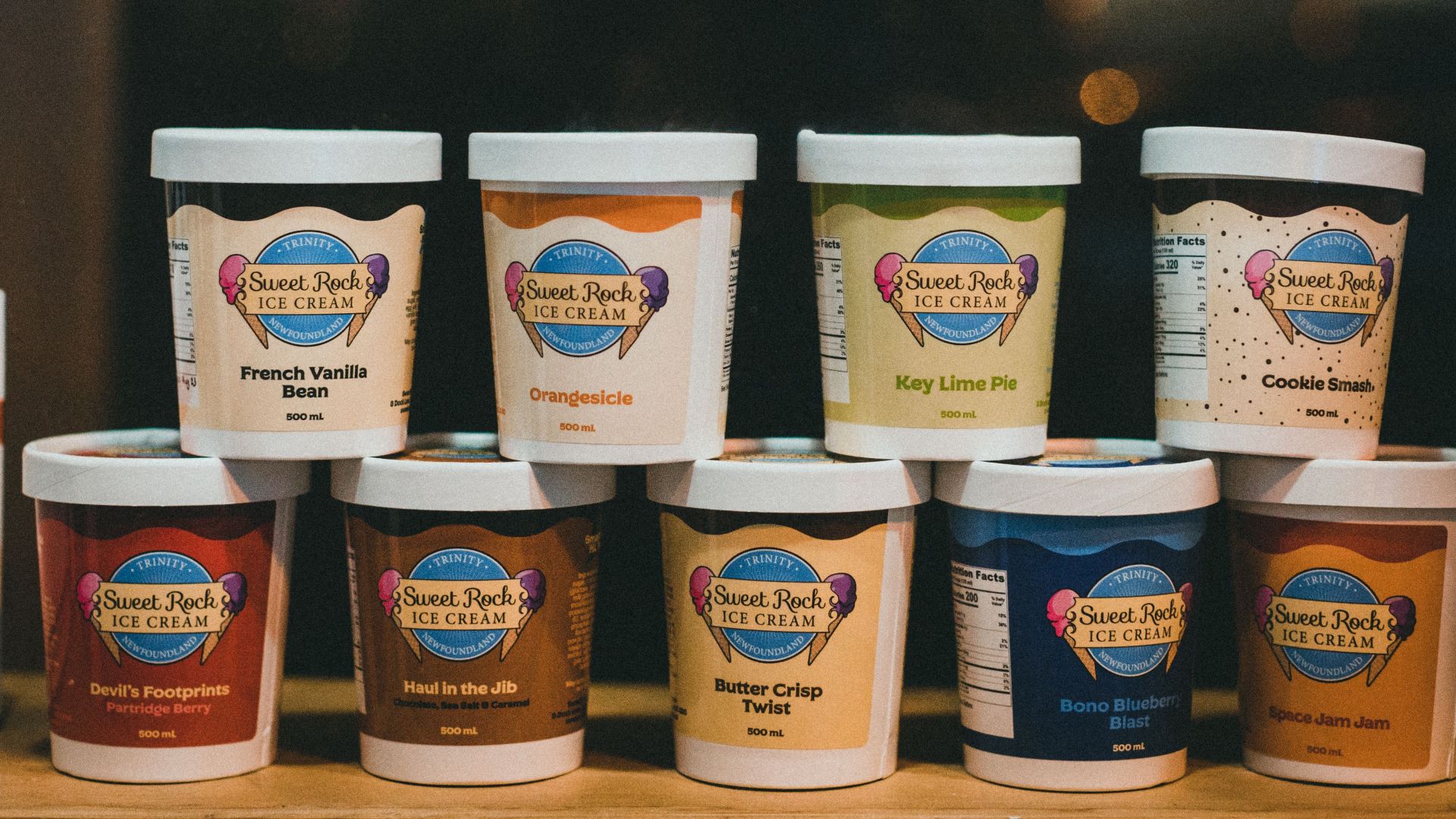
Ice Cream Shows Shrinkflation In Action
A familiar-looking carton may no longer contain the amount shoppers remember. NIST notes that 1.44-quart ice cream containers have become common where 1.5-quart containers were previously more familiar, while the old half-gallon was larger still. Unit pricing makes those quantity changes visible even when the package design remains familiar.
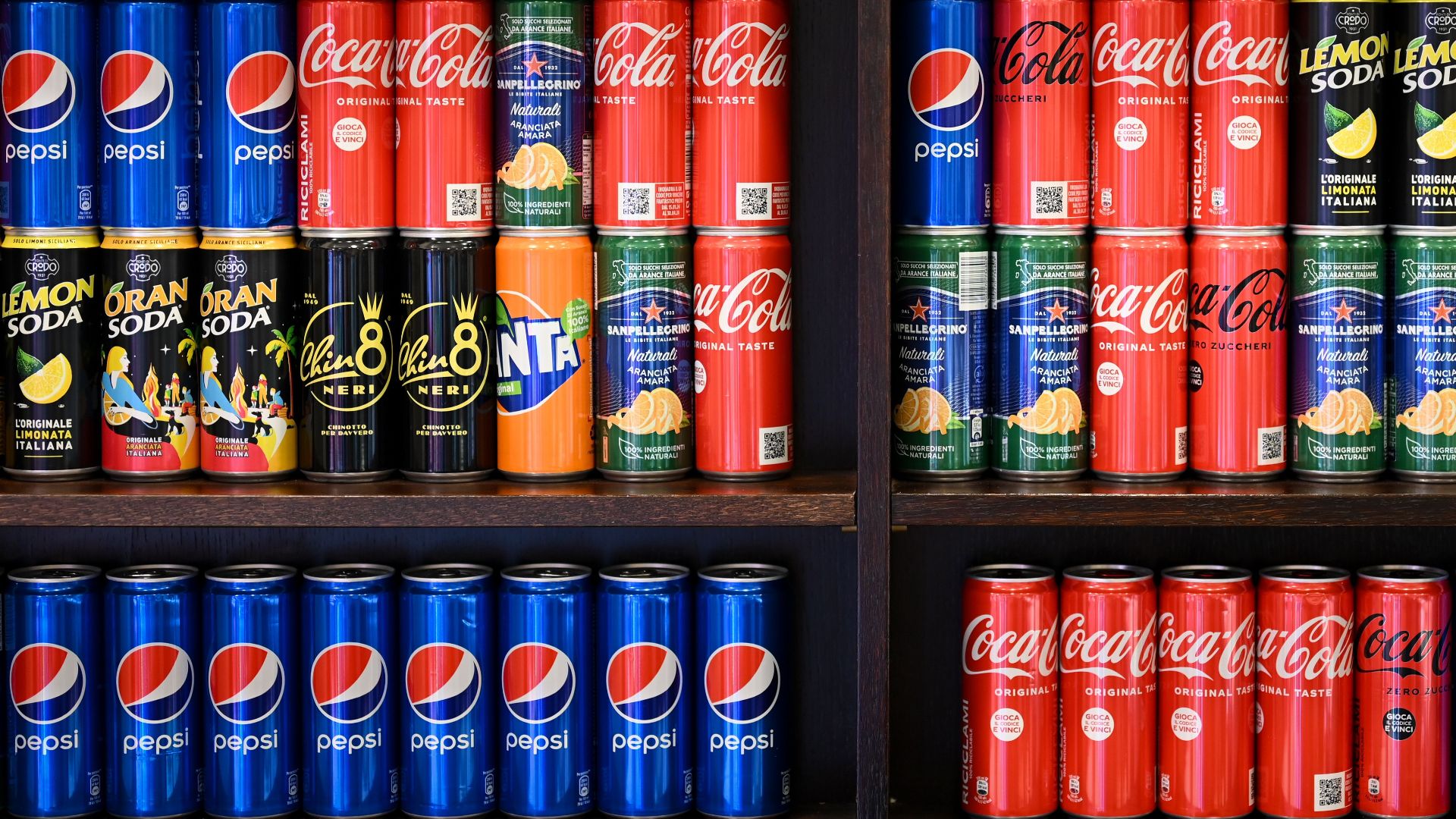
Soda Promotions Need Fresh Math
A “buy more, save more” promotion can lower the unit cost, but the discount has to be included in the calculation. NIST’s 2025 unit-pricing guide shows how a beverage multipack’s promotional unit price can differ from its ordinary unit price. Compare the price after the promotion rather than the big number printed on the sale sign.
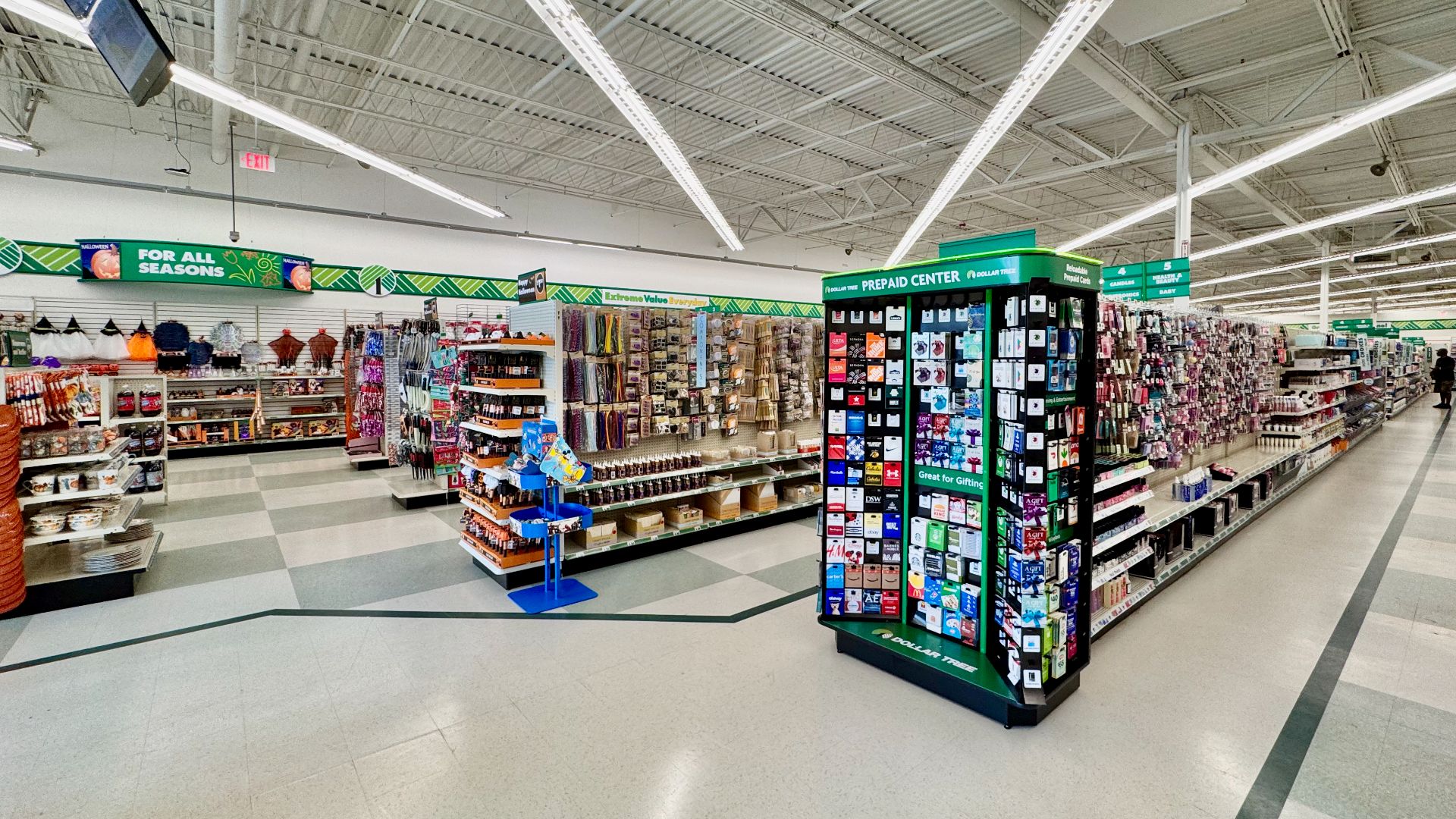
Dollar-Store Groceries Can Be Deceptively Small
A dollar-store package can win on total price because it contains much less product. AARP warns that dollar stores often sell familiar brands in smaller package sizes, making the lowest shelf price different from the lowest unit cost. Paying several dollars more at another retailer can sometimes buy substantially more product for each dollar spent.
 Harrison Keely, Wikimedia Commons
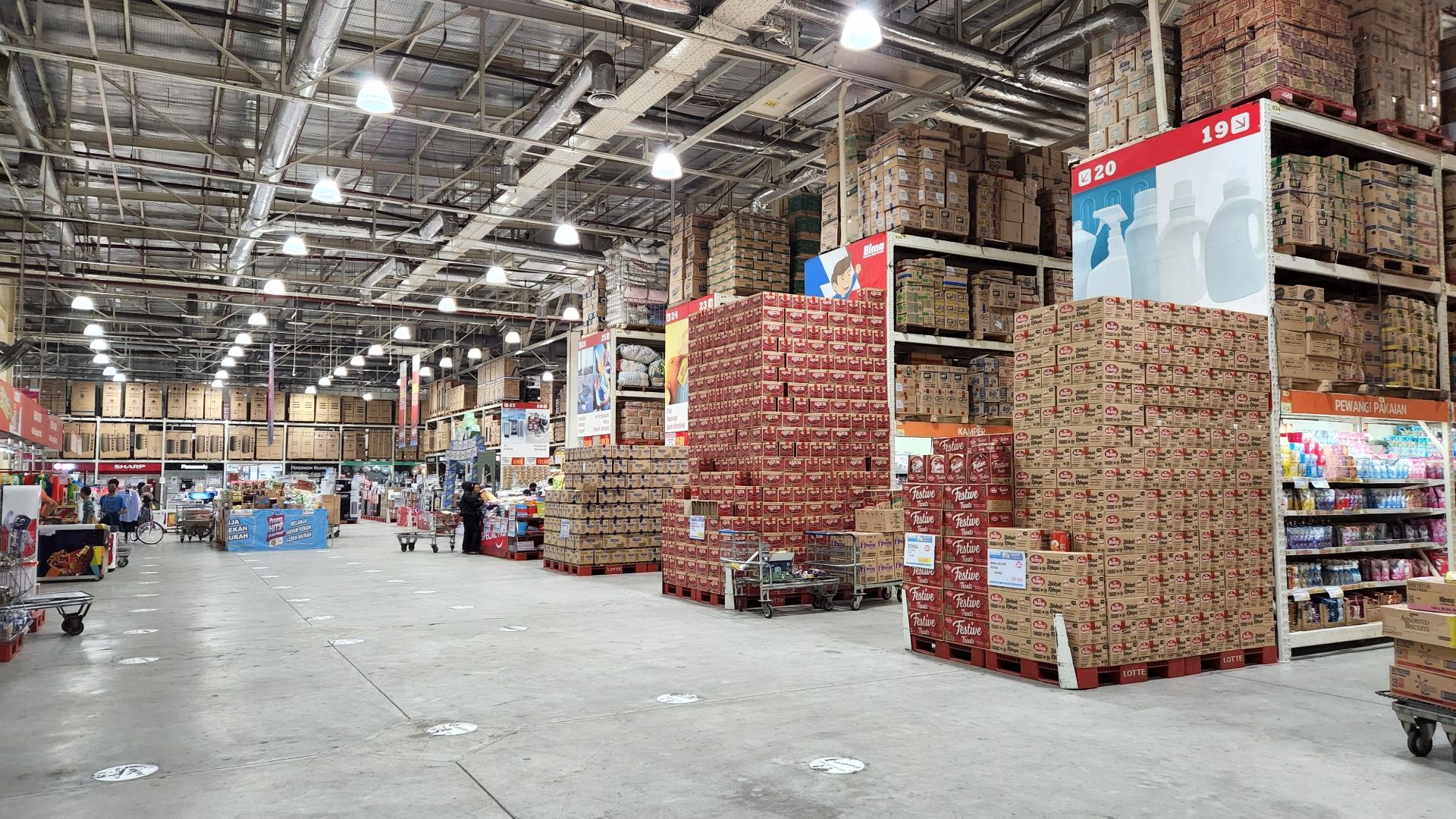
Warehouse Sizes Still Need Verification
Bulk packages often do deliver a lower cost per unit, but they do not deserve an automatic pass. NerdWallet recommends comparing unit prices even at warehouse clubs because a bigger box is not always the better deal. Bulk purchasing also fails financially when part of the product goes unused.
Store Brands Deserve A Fair Comparison
National brands and private labels often use different package sizes, which can make their shelf prices difficult to compare directly. NIST notes that unit pricing makes it easier for shoppers to compare similar products independent of container size and branding. That is more useful than assuming either the famous brand or the plain label always wins.

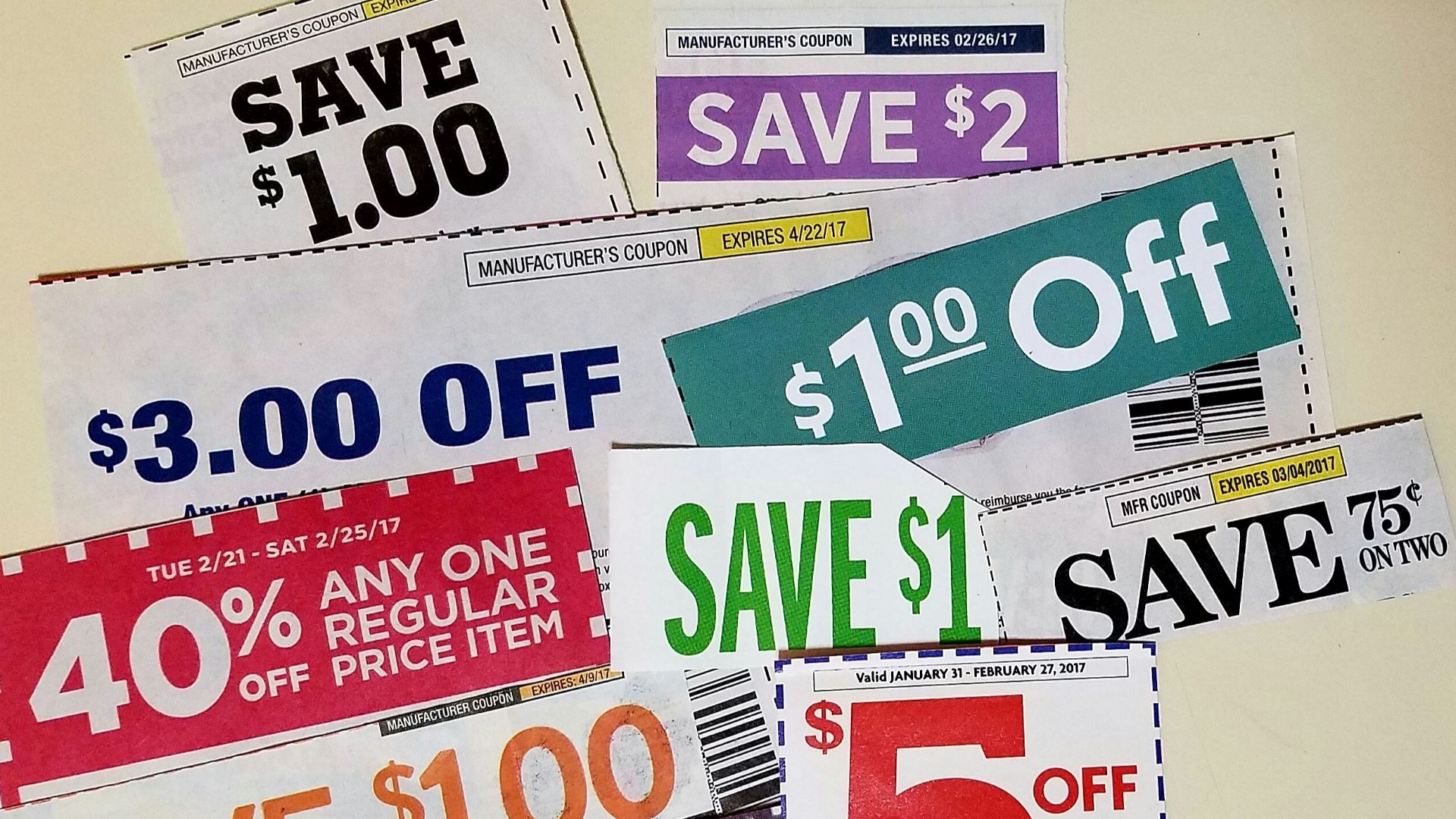
Coupons Change The Unit Price
The unit price printed on the shelf may no longer be accurate for your purchase once a coupon or loyalty discount is applied. AARP recommends subtracting the discount from the purchase price and recalculating the cost per ounce, pound, or other common unit. Sometimes a sale can make the smaller package cheaper than the economy size.
 Beverly A Joyner, Wikimedia Commons
Watch For Mismatched Measurements
Unit pricing is less helpful when one shelf tag uses ounces and another uses pounds, liters, or counts. NIST has spent years promoting more uniform unit-price labeling precisely because inconsistent measures make comparison harder for shoppers. When labels do not match, convert them to the same measure before choosing.
Make Unit Price Your Default Habit
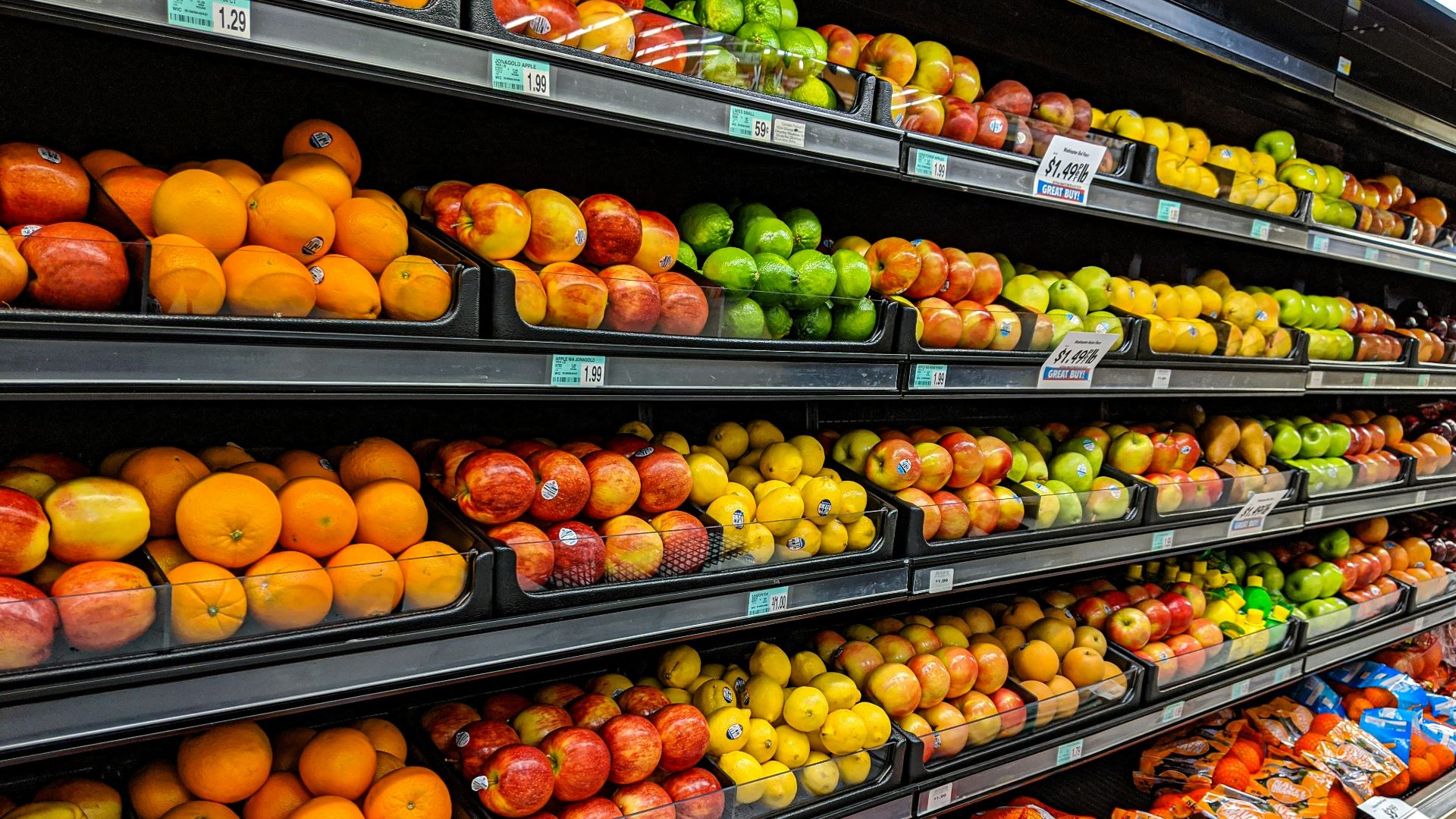
The lesson is not that small packages are cheaper or that large packages are a ripoff. It is that neither shelf price, package size, sale signage, nor familiar branding reliably tells you which purchase delivers the most product for your money. Checking one small number on the shelf, or doing a quick division yourself, turns grocery shopping from guesswork into a real price comparison.

You May Also Like:
A Guide To Building Your Emergency Fund
How To Save Money Without Sacrificing Your Social Life
Most people make these mistakes with their money.
Sources: 1, 2, 3, 4, 5, 6, 7, 8, 9, 10, 11, 12, 13, 14, 15, 16, 17, 18, 19, 20