The Price Tag Is Only Half The Story
A $3 grocery item still feels cheap enough to toss into the cart without much thought. But that number tells you almost nothing about how much food you are actually getting, especially when package sizes keep changing. Start comparing the price per ounce, pound, or individual item, and some seemingly harmless purchases suddenly look surprisingly expensive.
 Hryshchyshen Serhii, Shutterstock
The Tiny Number That Matters More
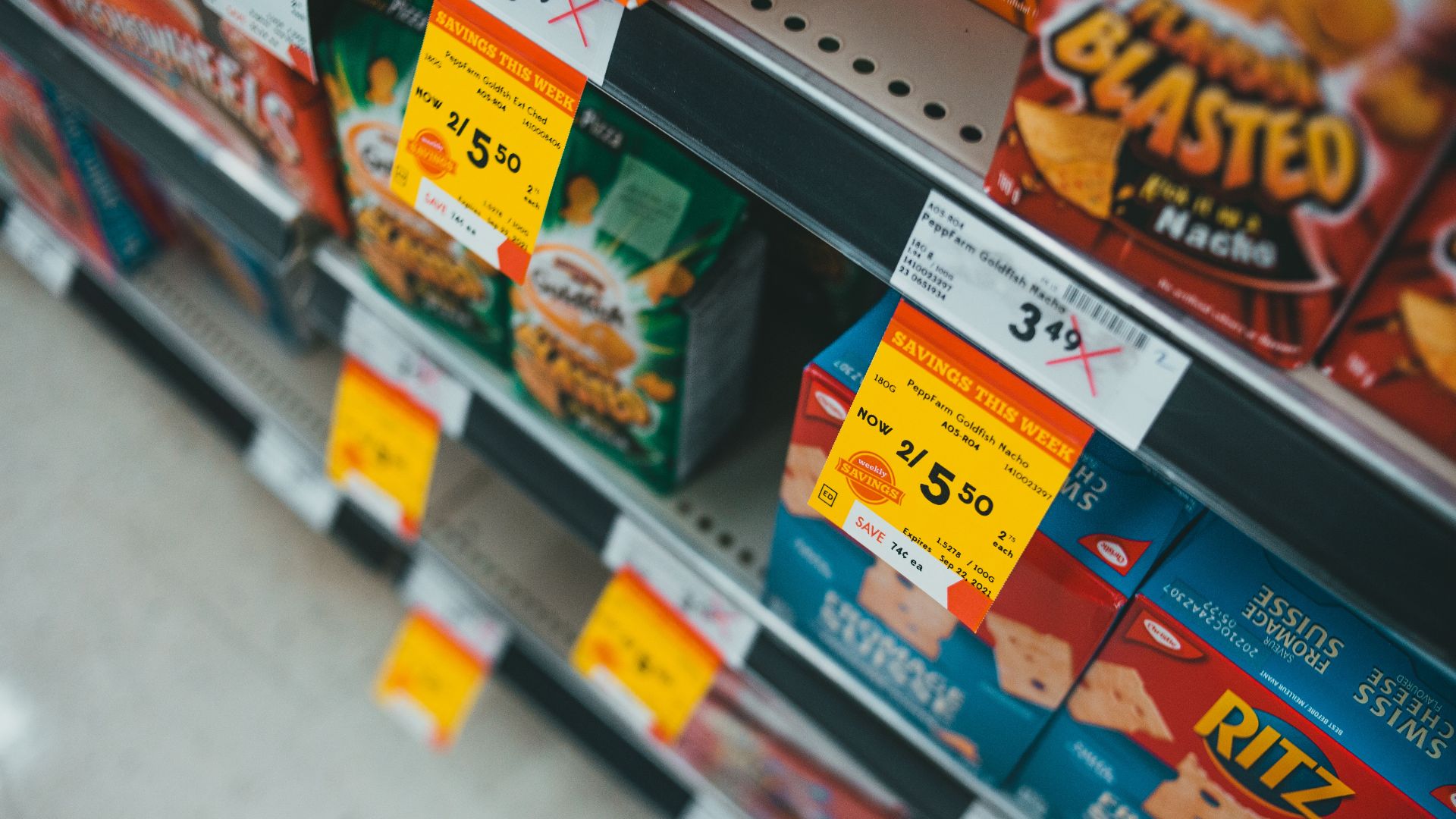
Unit pricing converts packages of different sizes into the same measurement, such as cents per ounce or dollars per pound. NIST recommends unit pricing specifically because it makes value comparisons between brands and package sizes easier. It is usually the smaller number on the shelf label, but it can tell you more than the big sale price beside it.
Shrinkflation Makes It Even Trickier
A familiar box or bag can contain less product even when its appearance and shelf price barely change. The Federal Trade Commission recommends checking the package weight and unit price when shoppers suspect a product has shrunk. That matters because an unchanged $4 price becomes more expensive per ounce when there is less inside.
 ajay_suresh, Wikimedia Commons
Individual Snack Packs
A multipack of tiny cracker, cookie, or nut bags may have a perfectly reasonable total price. The trouble is that you are paying for all that individual packaging and convenience, and Utah State University Extension specifically advises shoppers to avoid individual snack servings when trying to save money. Compare the price per ounce with one larger bag before assuming the multipack is the bargain.
Single-Serve Chips
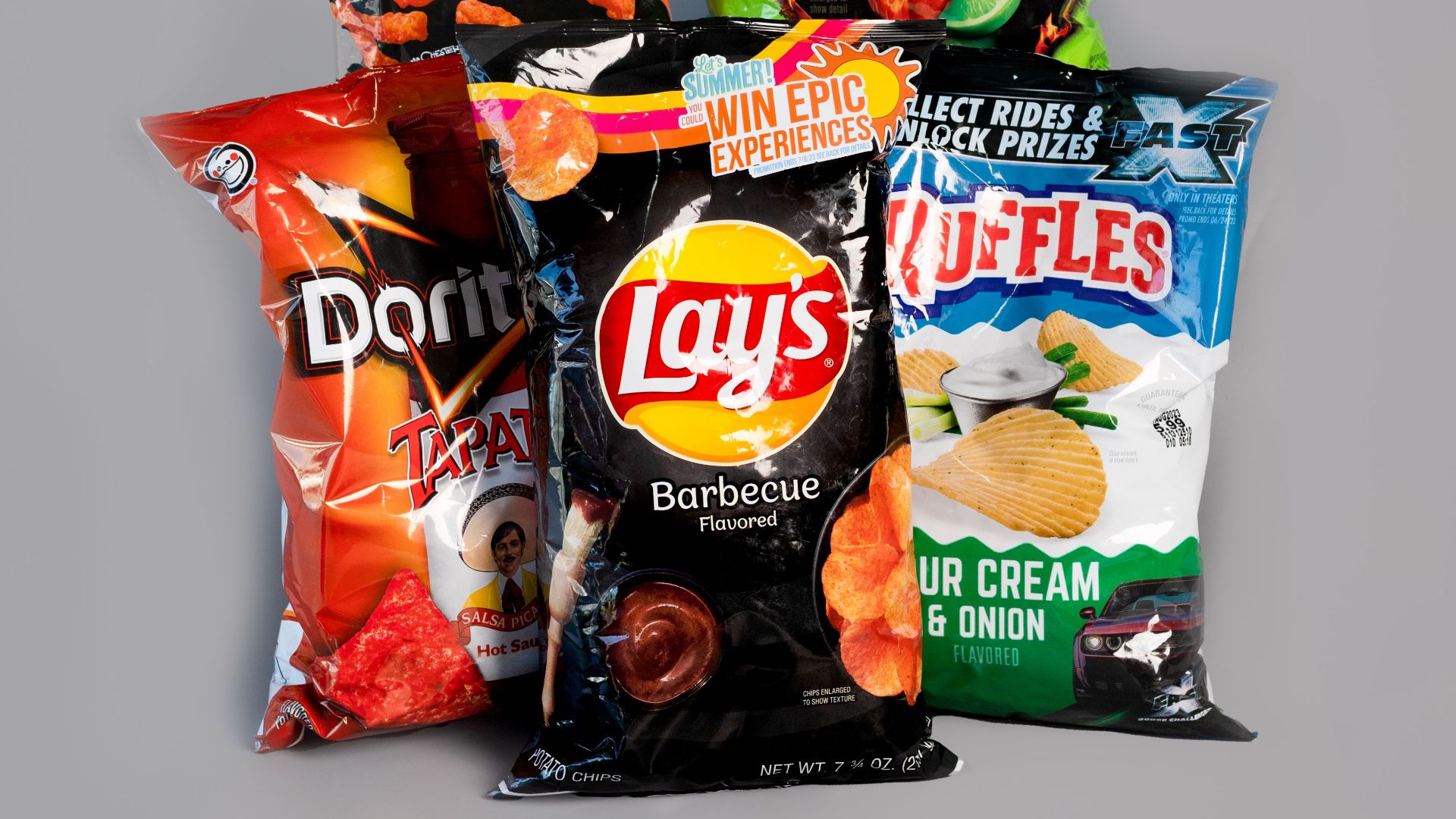
The same principle can turn a small bag of chips into a surprisingly pricey pantry staple. A package that costs only a dollar or two can still carry a much higher per-ounce price than a larger bag of the same type of snack. If portion control is the goal, dividing a larger package into reusable containers can preserve the convenience without automatically paying the single-serve premium.
 Rainer Zenz, Wikimedia Commons
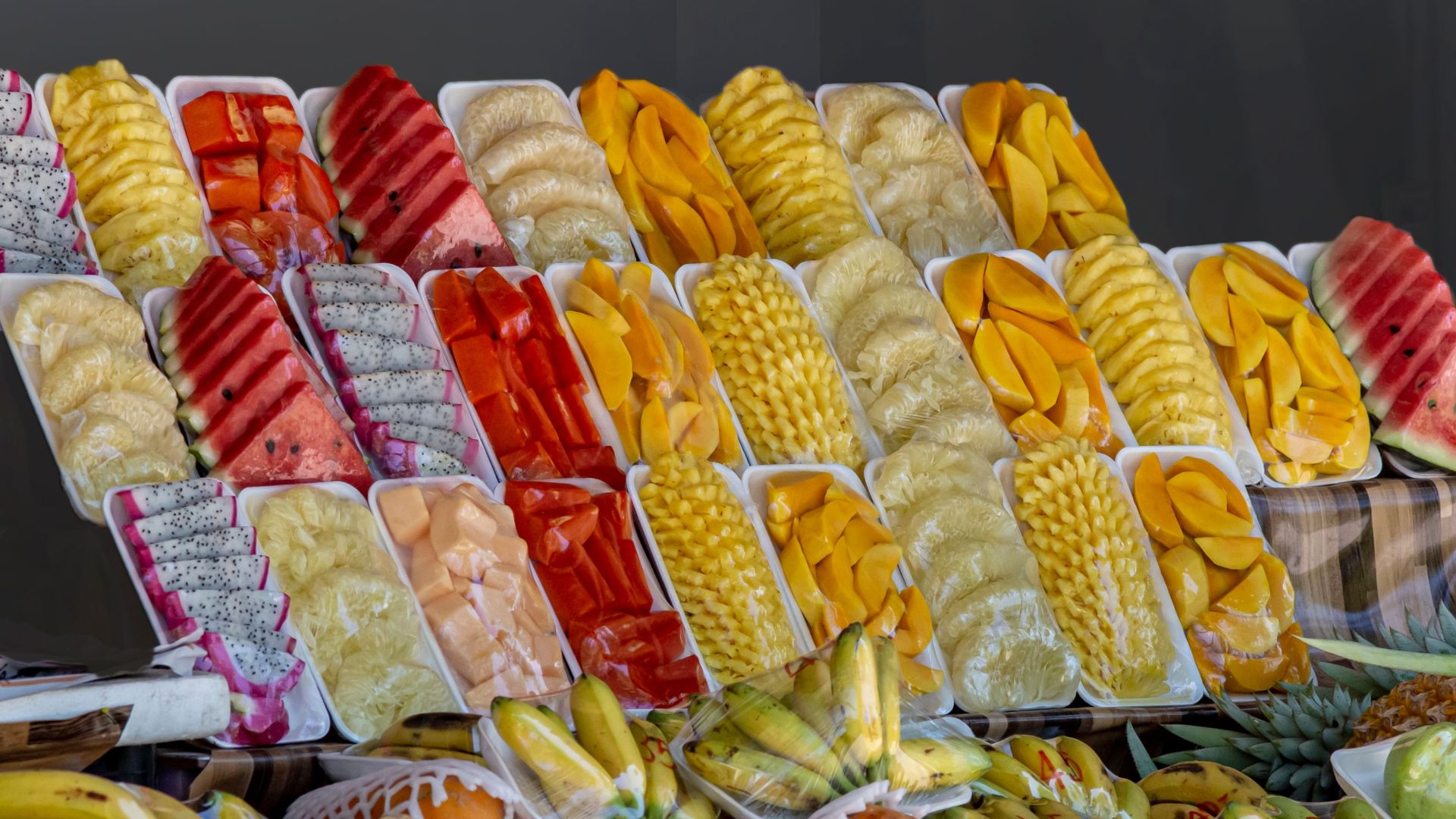
Pre-Cut Fruit
A container of sliced melon or pineapple looks inexpensive because you may only be spending a few dollars at once. Iowa State University Extension notes that prewashed and precut produce is generally priced higher, since some of the preparation has already been done for you. Whole fruit can therefore deserve a second look whenever the unit prices are far apart.
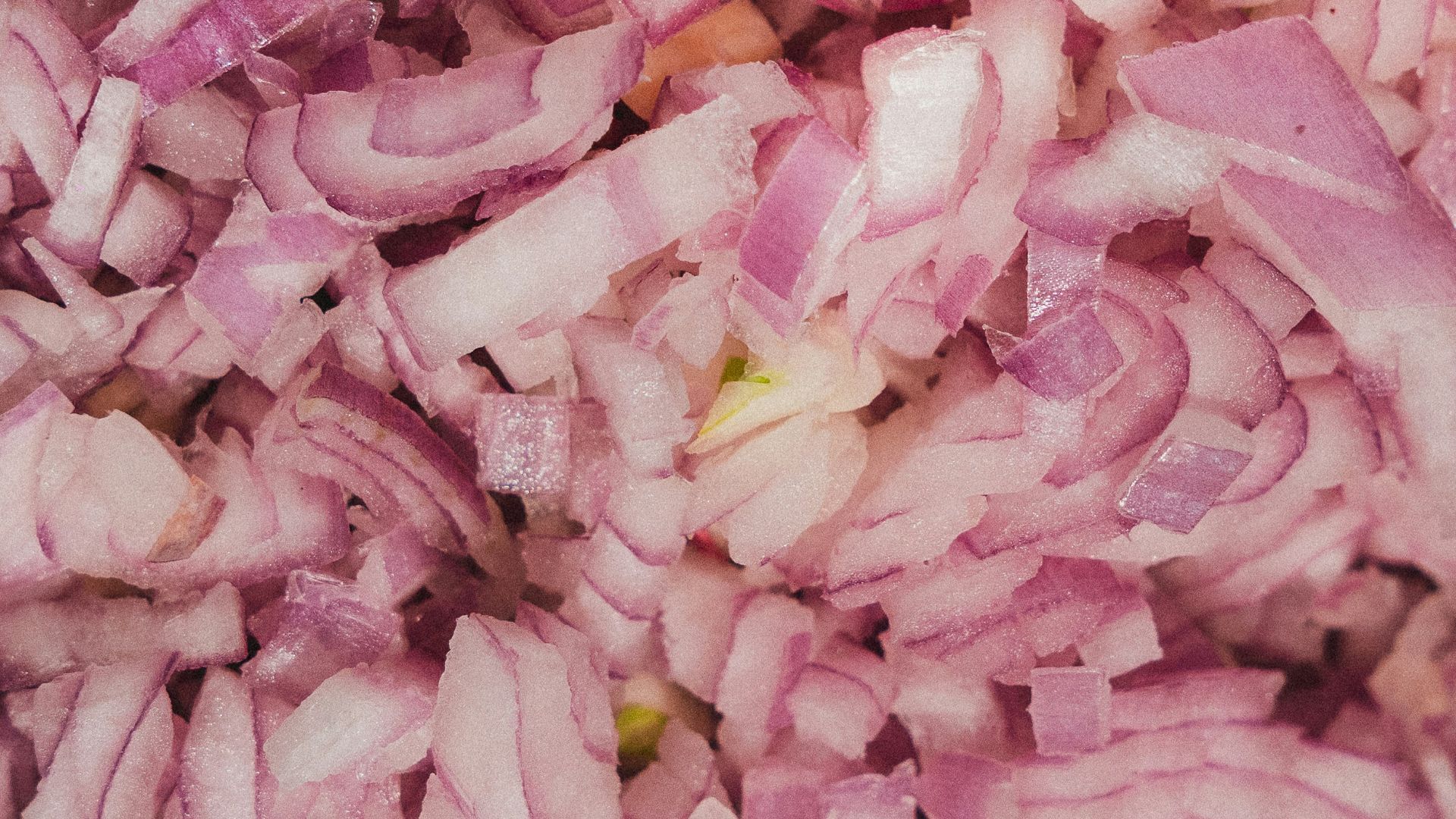
Chopped Onions
Pre-chopped onions are one of the clearest examples of paying for convenience. In one Iowa State Extension store comparison, a whole yellow onion yielded roughly one and a half to two cups, while the pre-chopped option worked out to several times the price for the same usable amount. Chopping a few onions at once and freezing the extras can capture much of the convenience for less.
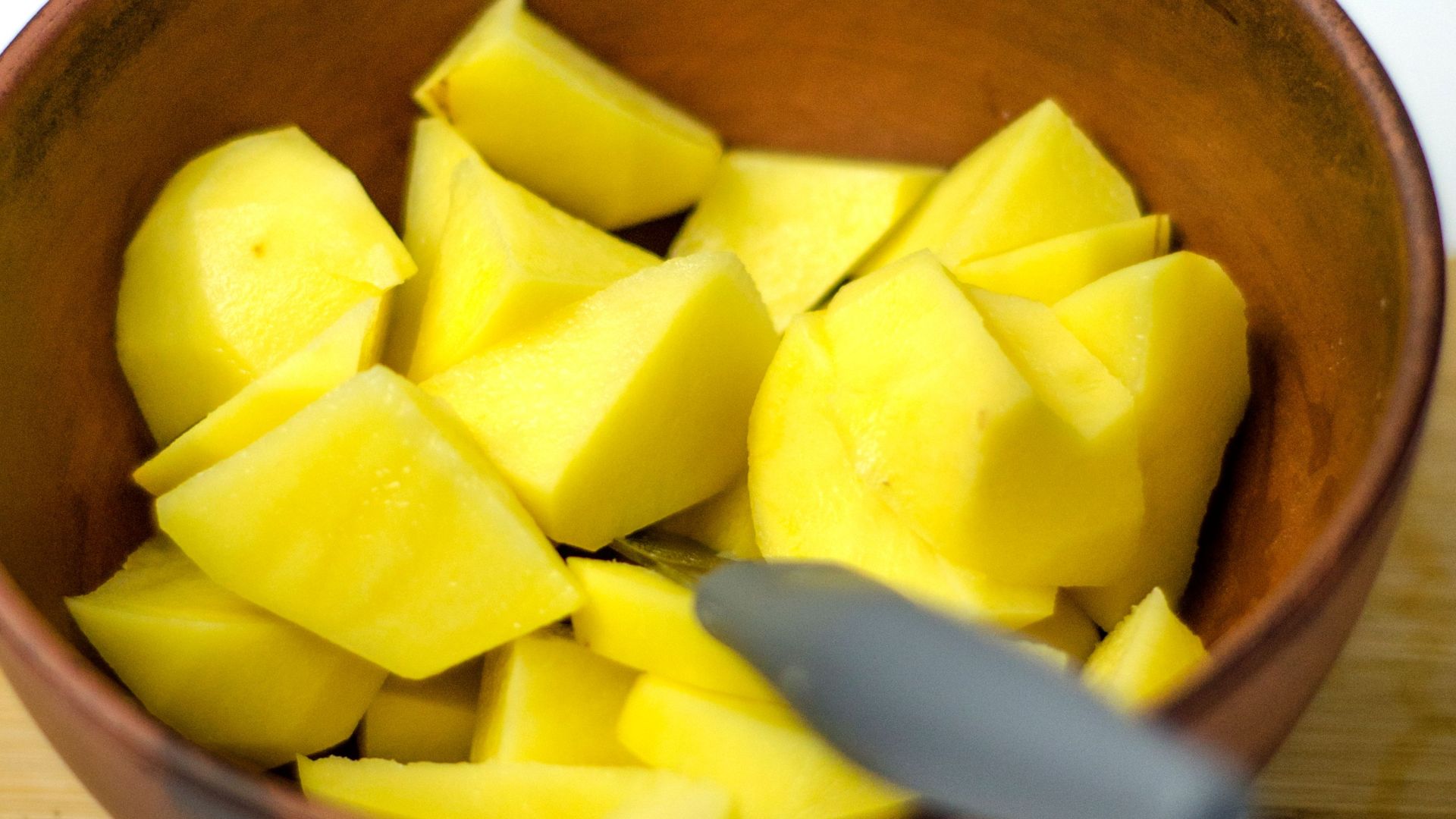
Pre-Cut Potatoes
Potatoes are cheap enough that paying a couple of extra dollars for prepared ones may not seem important. Yet Iowa State Extension found pre-chopped raw potatoes costing more than twice as much per pound as whole yellow potatoes in one comparison. The difference becomes much more noticeable if potatoes are a weekly purchase.
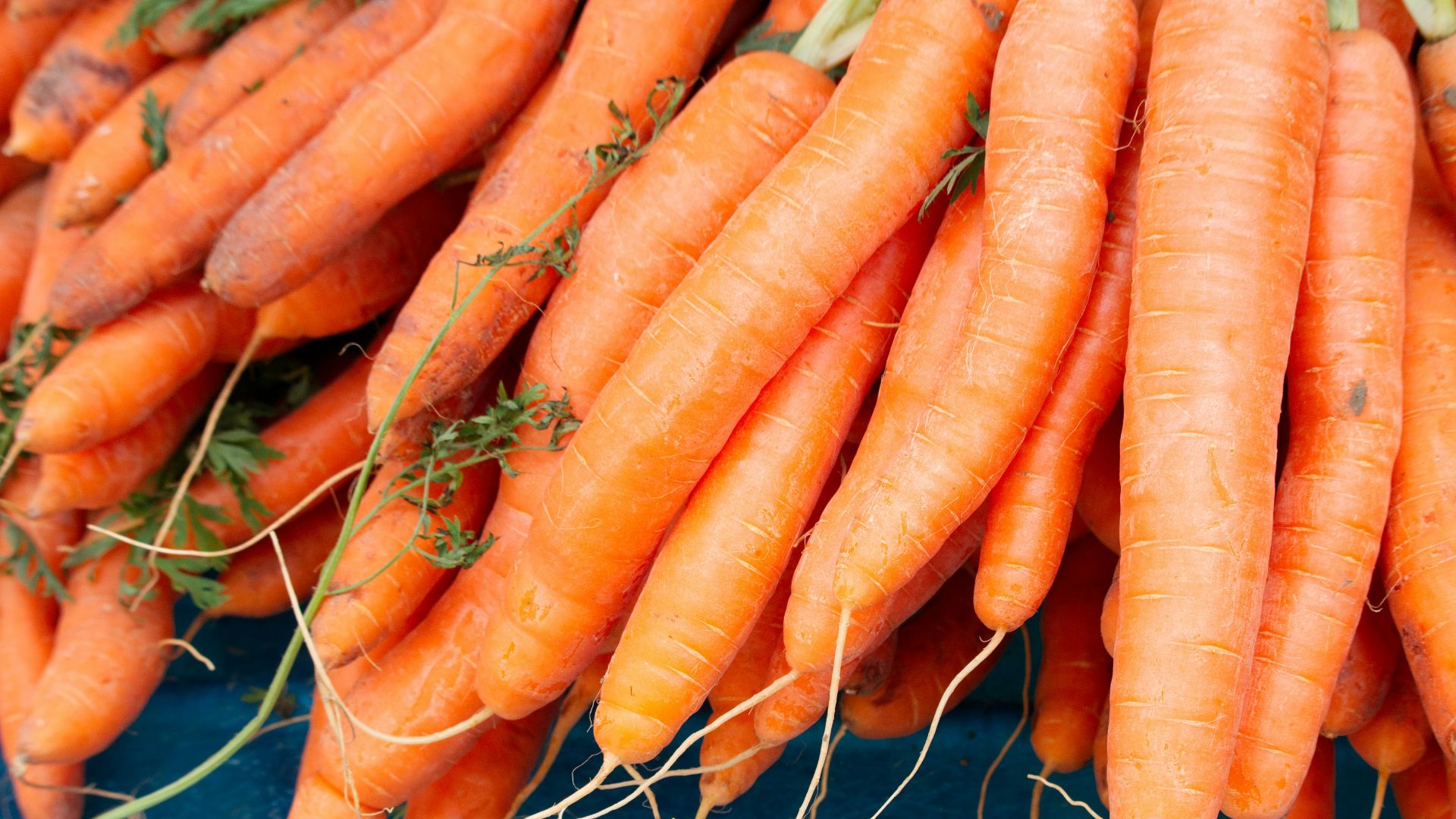
Baby Carrots Versus Whole Carrots
Baby-cut carrots can be wonderfully convenient, and convenience may be worth paying for on a busy week. Still, shoppers focused purely on price should compare their cost per pound against ordinary carrots sitting nearby. The cheapest package on the shelf is not necessarily the cheapest way to buy the vegetable.
Bagged Salad Kits
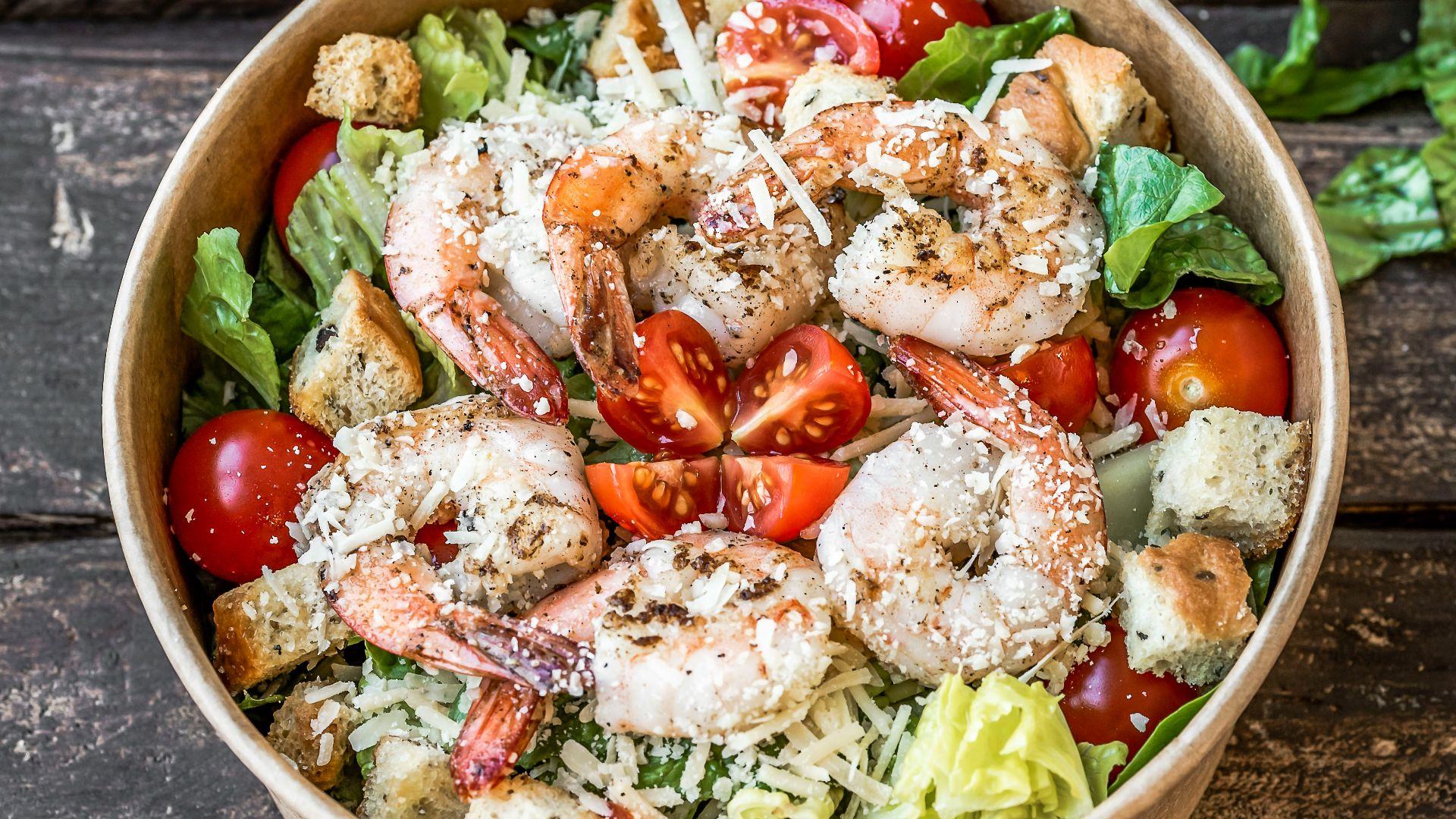
A bagged salad kit can look like an inexpensive dinner shortcut, especially compared with restaurant food. But the package includes washed and cut vegetables plus toppings, dressing, and portioned packaging, so comparing its unit price with whole lettuce or plain greens can be revealing. Convenience has real value, but it helps to know how much you are paying for it.
Shredded Cheese
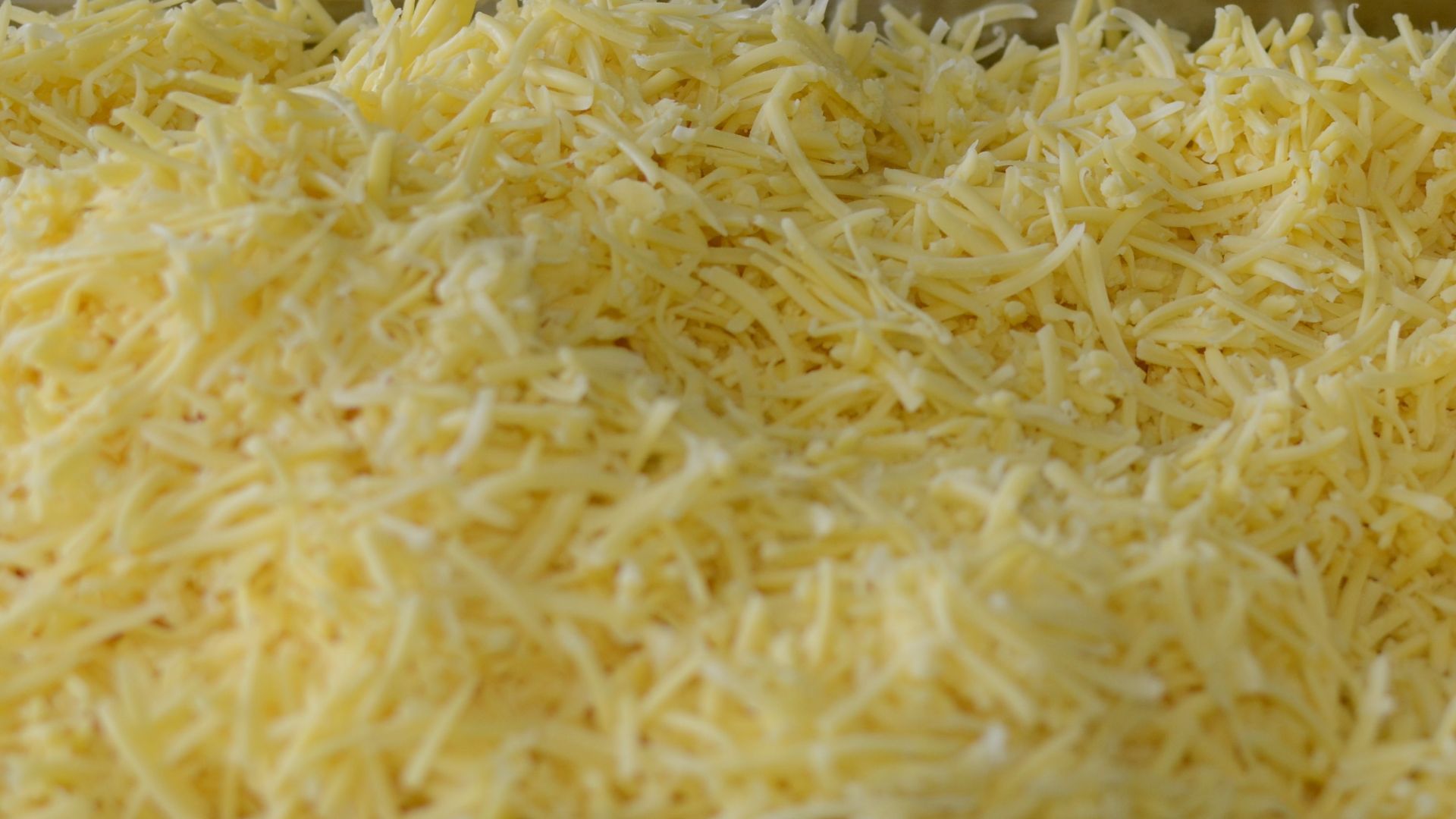
A bag of shredded cheese and a block can be close enough in shelf price that the easier option wins automatically. Look at the price per ounce before deciding, because package size and promotions can change which one actually costs less. When the block wins by a wide margin, shredding several days' worth at once reduces the extra work.
 Cheap Gear Photography, Pexels
Cheese Sticks And Mini Cheeses
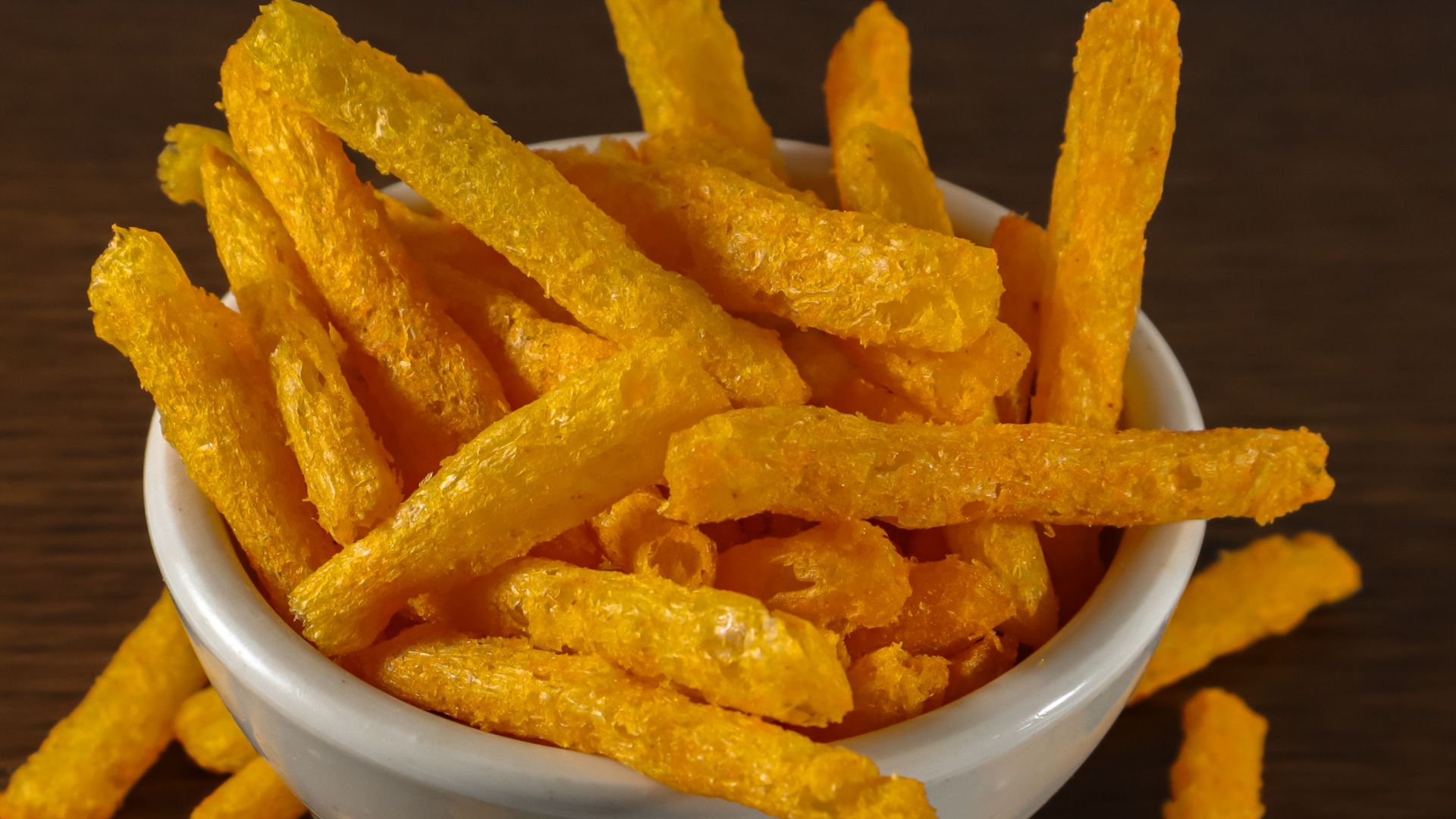
Individually wrapped cheeses make packing lunches extremely easy. That does not mean they are necessarily the cheapest way to buy cheese, particularly when compared with larger blocks on a per-ounce basis. Sometimes convenience is worth the difference, but the unit price lets you see the tradeoff clearly.
Yogurt Cups
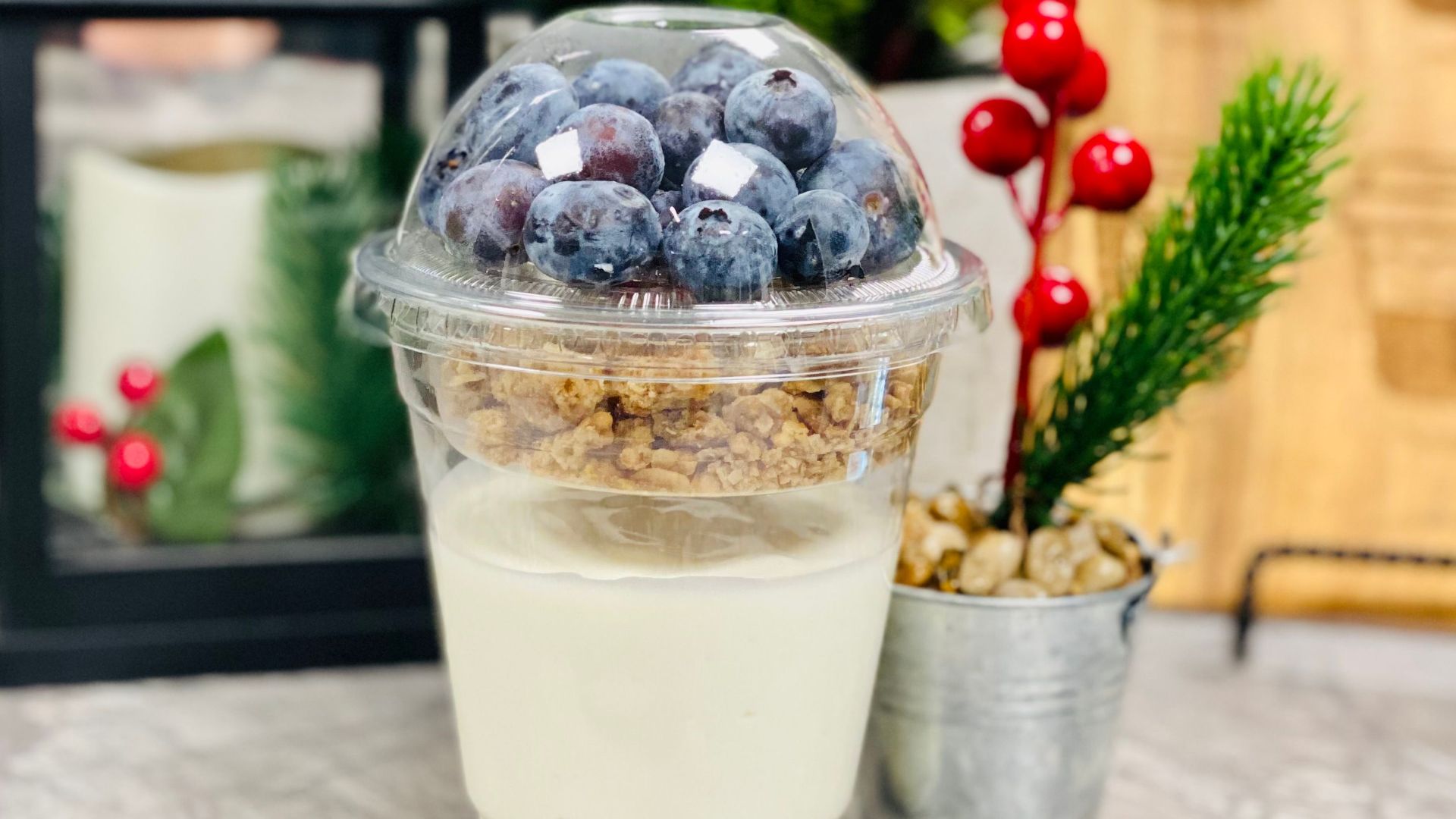
A single yogurt cup usually carries such a small dollar price that it hardly feels worth comparing. Buying several of them each week, however, can make the per-ounce difference between small cups and larger tubs matter. Check both prices, then decide whether portioning the larger container yourself would actually fit your routine.
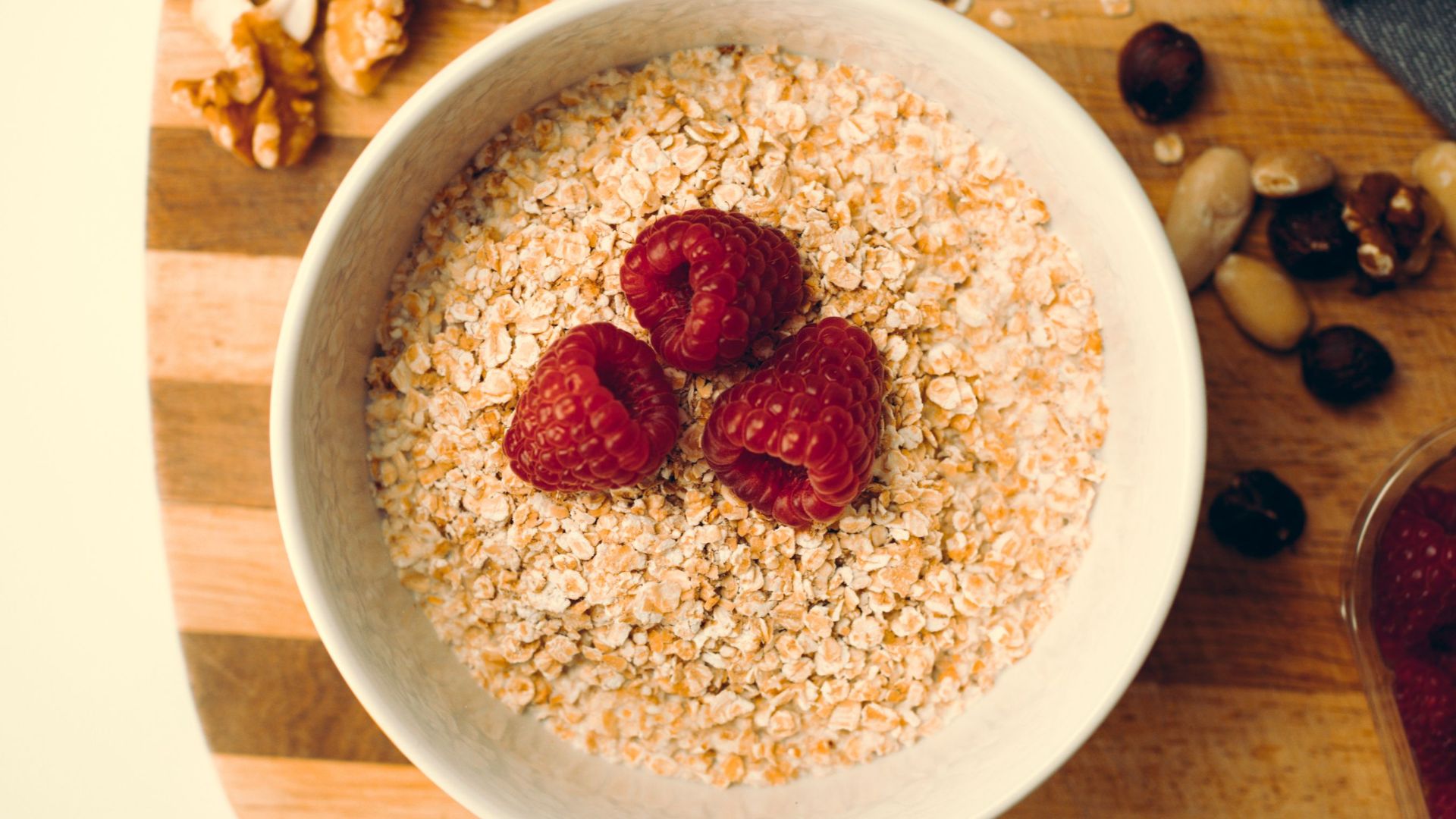
Instant Oatmeal Packets
A box of oatmeal packets can appear inexpensive while containing surprisingly little oatmeal. Plain oats sold in larger canisters may offer a very different cost per ounce, particularly if the packets contain flavoring and individual wrappers. The packets can still be useful for speed, but they should be compared as a convenience product rather than automatically assumed to be cheap food.
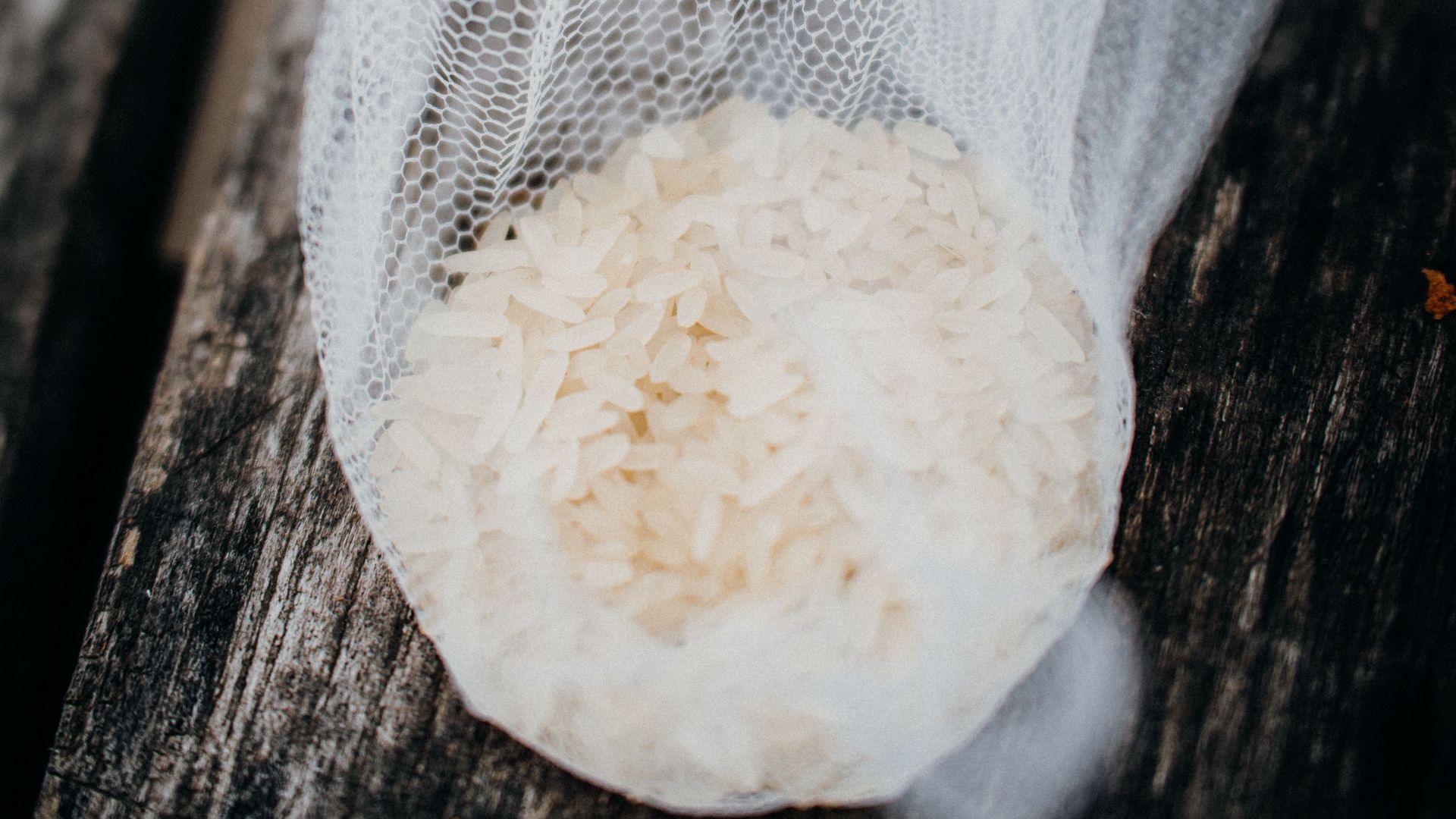
Microwave Rice Pouches
Ready-to-heat rice can rescue dinner when nobody wants another pot to wash. The shelf price may seem low because each pouch contains only a few servings. Comparing its cost per ounce with dry rice shows exactly what you are paying to skip the cooking step.
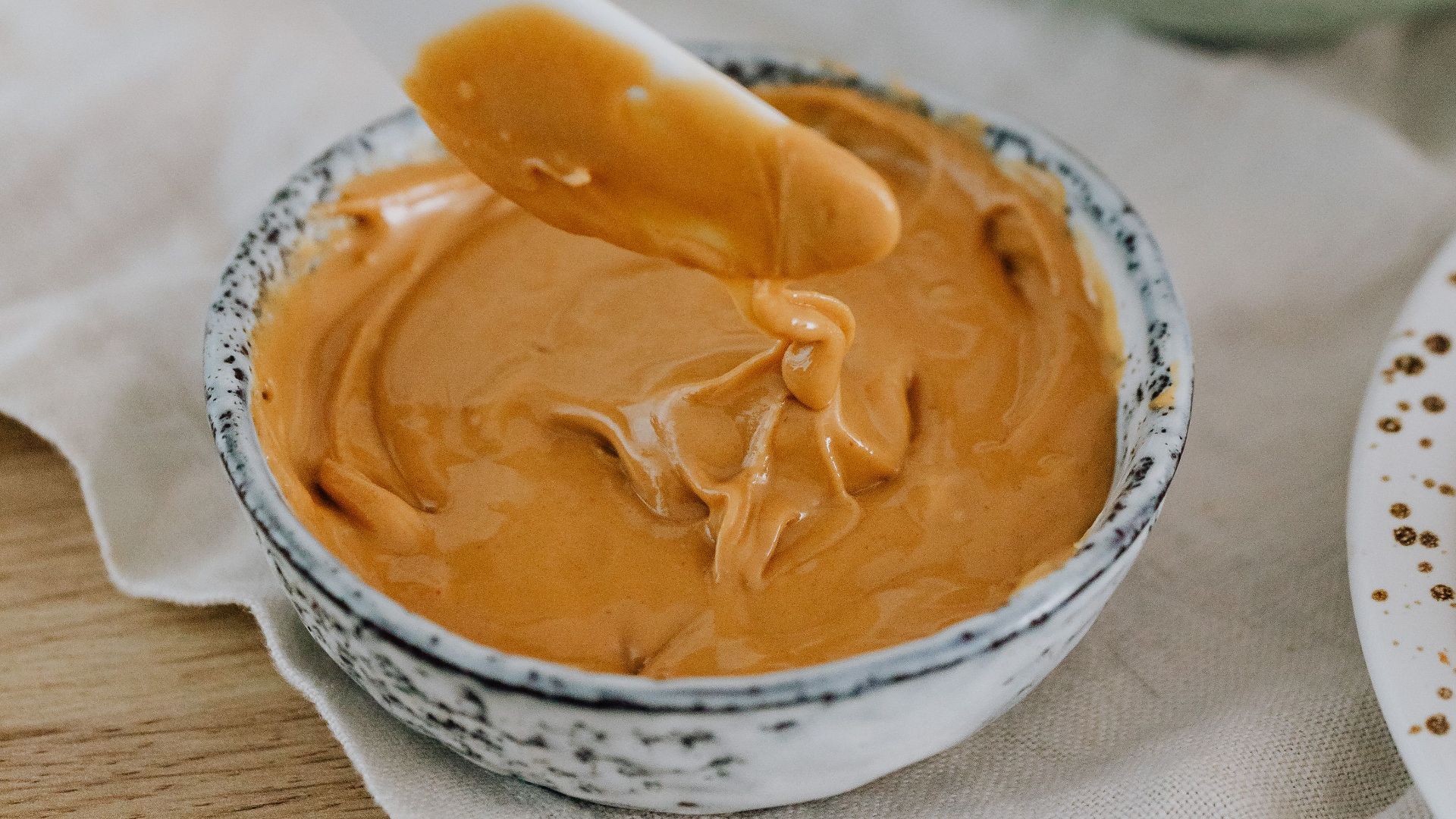
Single-Serve Peanut Butter
Small peanut butter cups and squeeze packs are handy for lunches, travel, and portion control. A full jar, however, spreads its packaging cost across much more food, which can make a major difference in unit price. Utah State Extension even uses peanut butter as an example when teaching consumers how to calculate price per ounce themselves.
 https://kaboompics.com/, Pexels
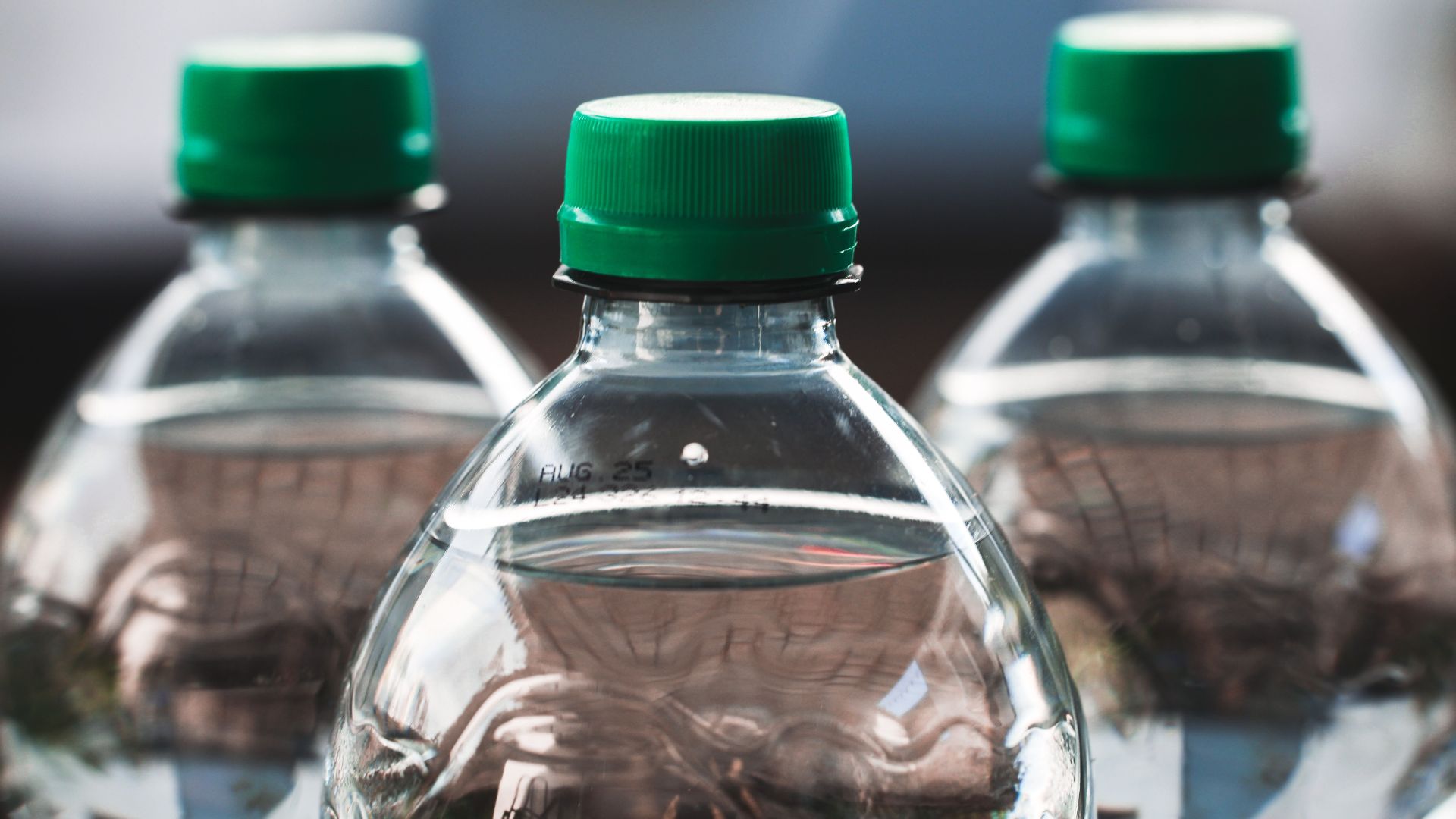
Bottled Water
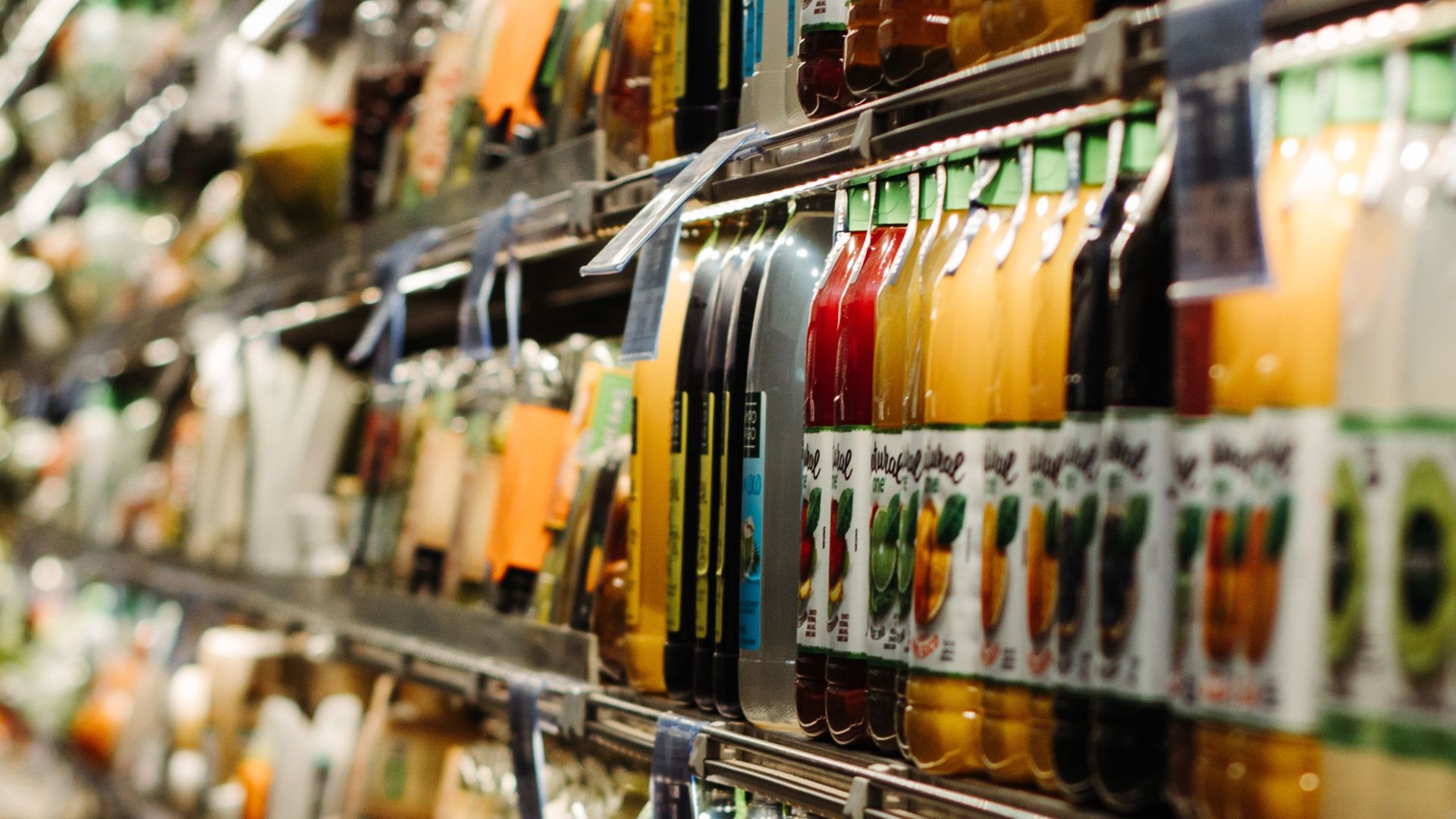
A single bottle of water can feel practically free when the register total only rises by a dollar or two. Buying beverages one at a time, however, makes the price per fluid ounce more important than the tiny transaction itself. For households that routinely buy bottled water, comparing multipacks and bottle sizes can expose a big gap in what the same beverage costs.
Individual Juice Bottles
Small juice bottles create the same illusion. Their total price stays low because the container is small, while larger bottles may provide considerably more liquid for each dollar. Comparing cost per fluid ounce takes the package shape and serving size out of the decision.
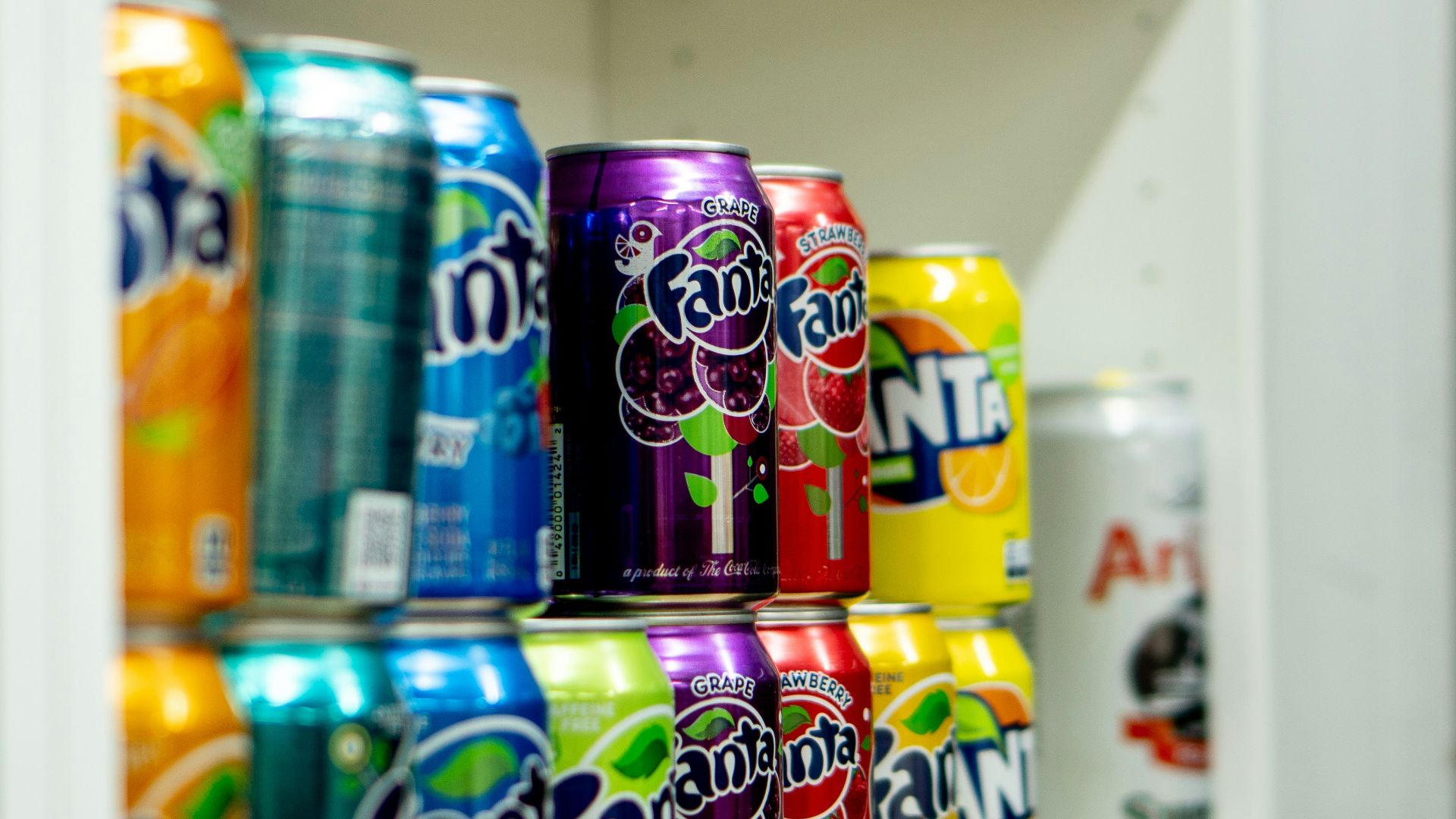
Mini Soda Cans
Mini cans are useful for anyone who genuinely wants a smaller serving, so the higher unit cost may be perfectly acceptable. They can nevertheless look cheaper simply because the package contains less soda. Price per fluid ounce makes it obvious whether the lower checkout price represents savings or just a smaller quantity.
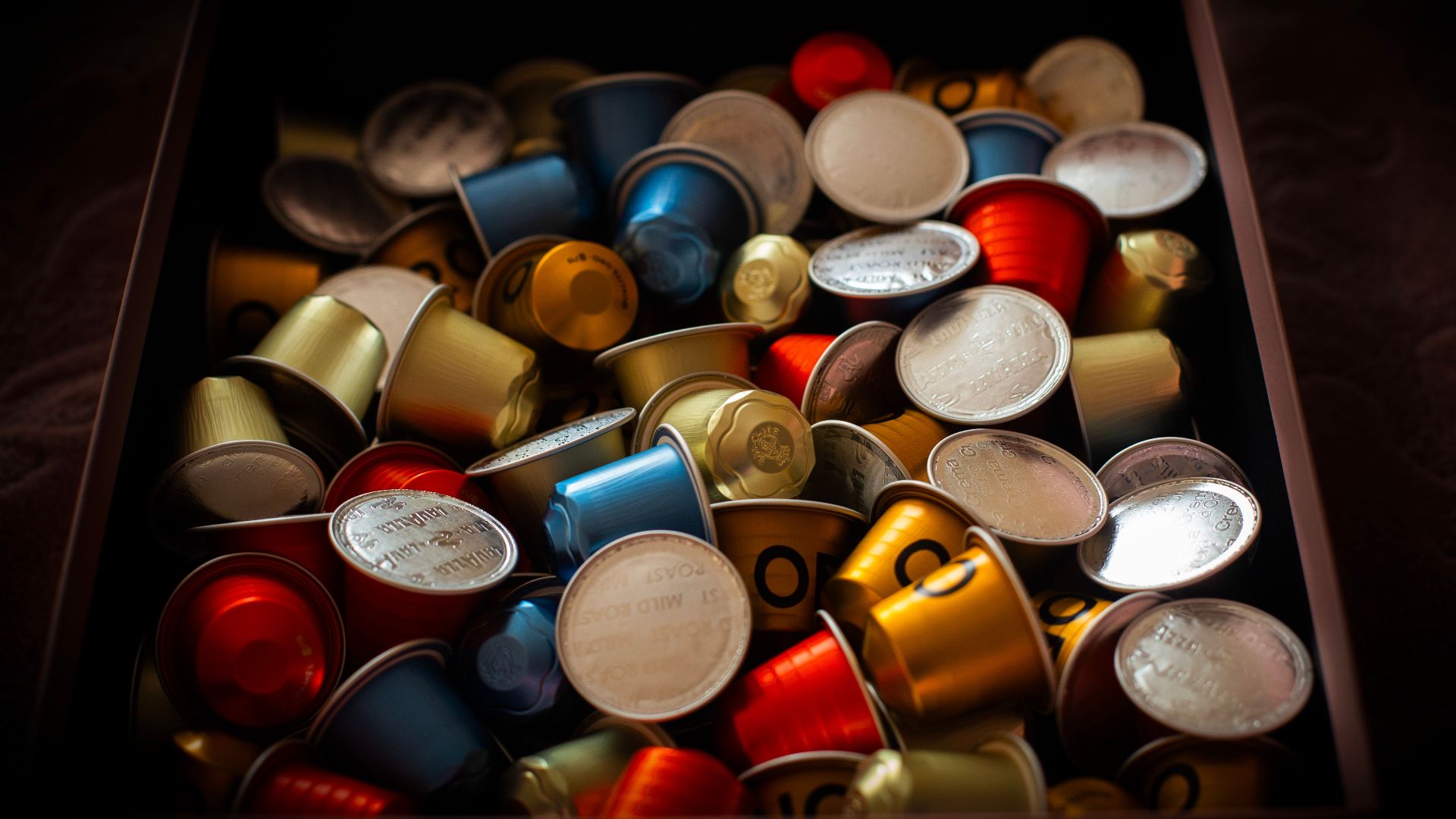
Coffee Pods
Coffee pods turn brewing into a one-button job, but comparing packages by box price can hide how little coffee each one contains. A useful second comparison is the cost per serving, especially against ground coffee that you scoop yourself. When coffee is consumed every morning, even a modest difference per cup compounds quickly.
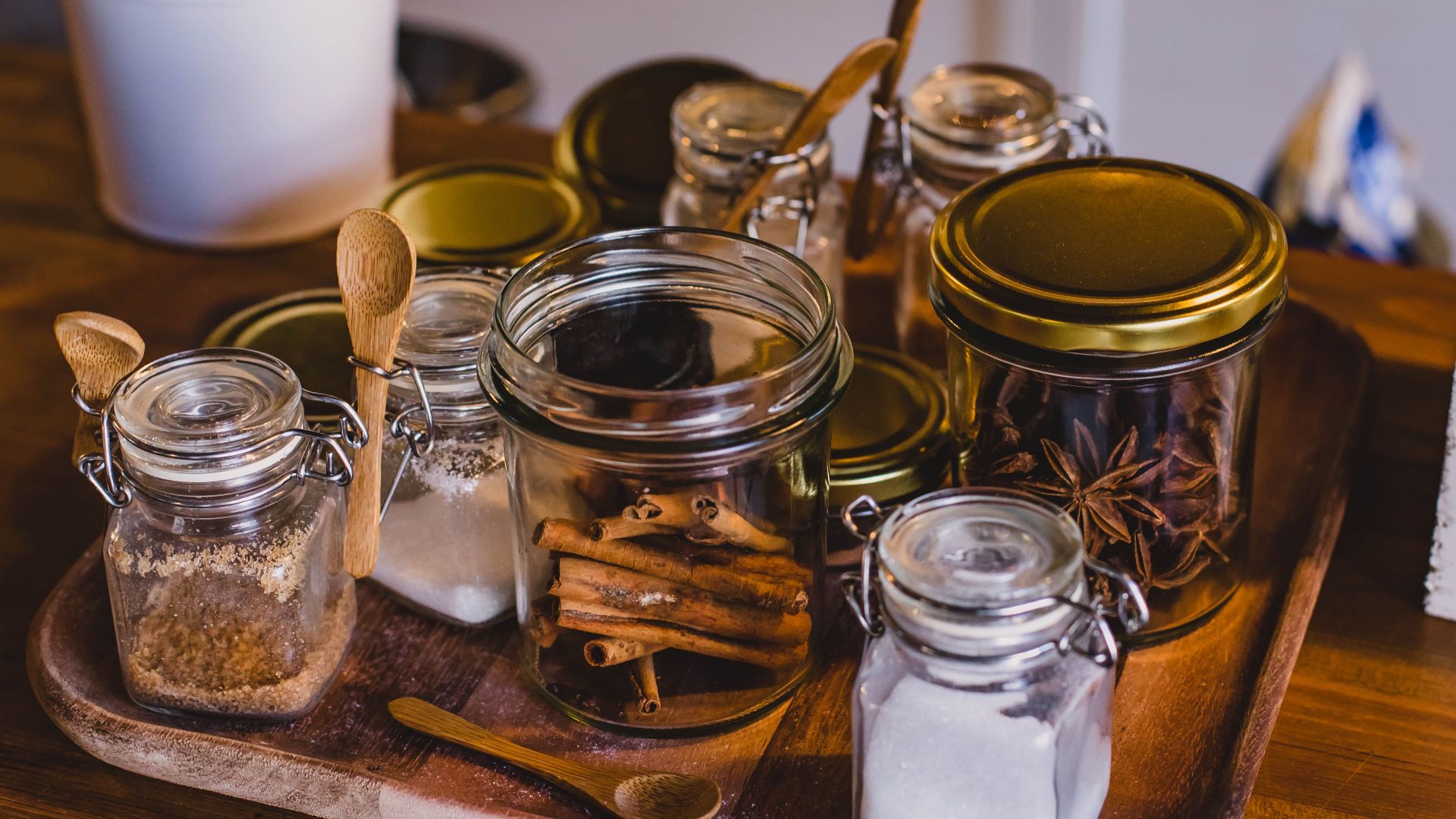
Spices In Tiny Jars
Spices are easy to overlook because most jars cost only a few dollars and may last for months. Their small size can produce a very high price per ounce, which is why larger containers or bulk sections are worth comparing for spices you use frequently. Buying a giant container that goes stale is not a bargain, so expected use still matters.
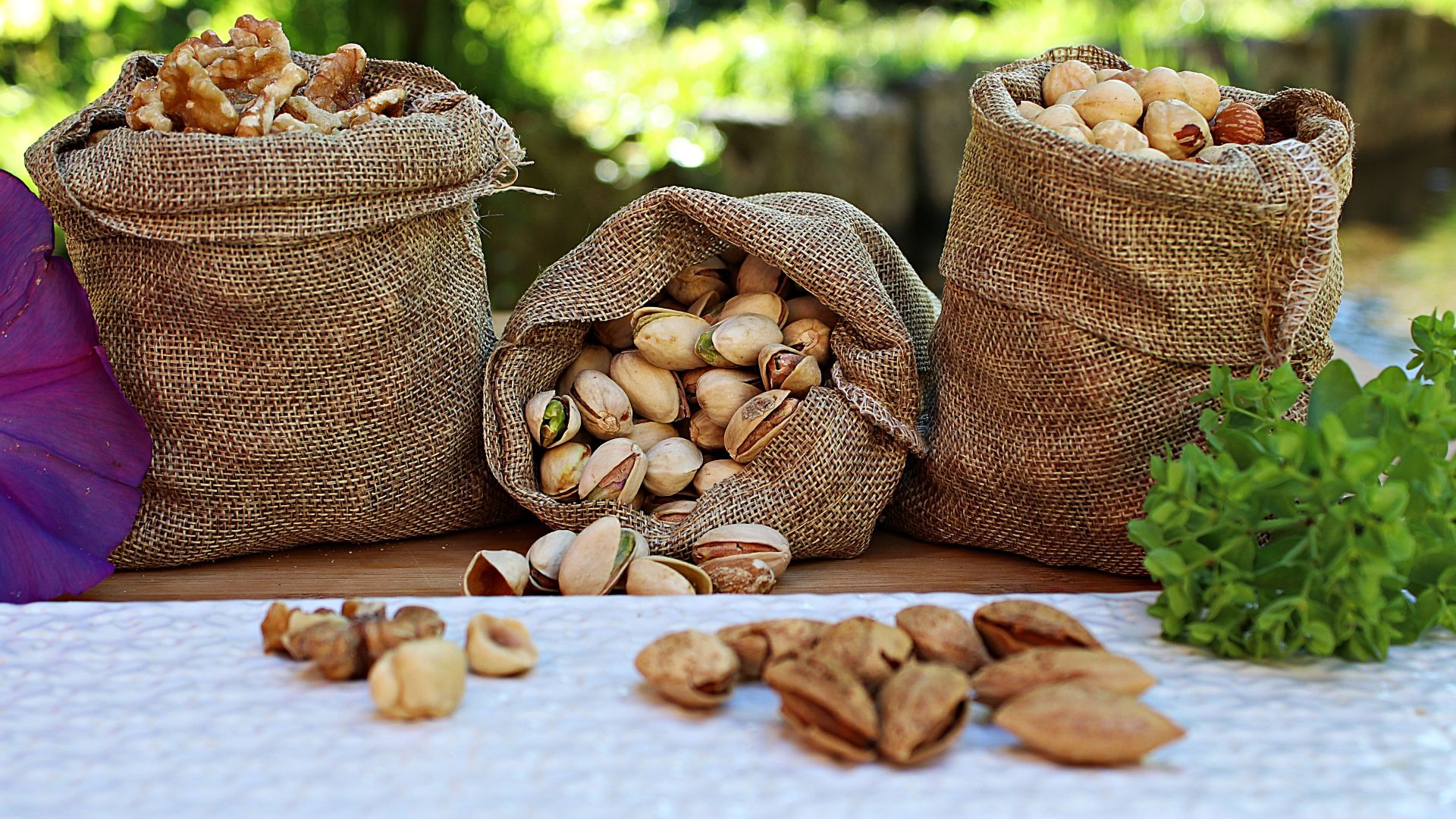
Nuts In Grab-And-Go Bags
Nuts are another food where the package price can disguise the real cost. A little bag may cost only a few dollars, while a larger package gives you far more ounces for each dollar spent. Utah State Extension specifically recommends avoiding individual snack servings as a money-saving strategy.
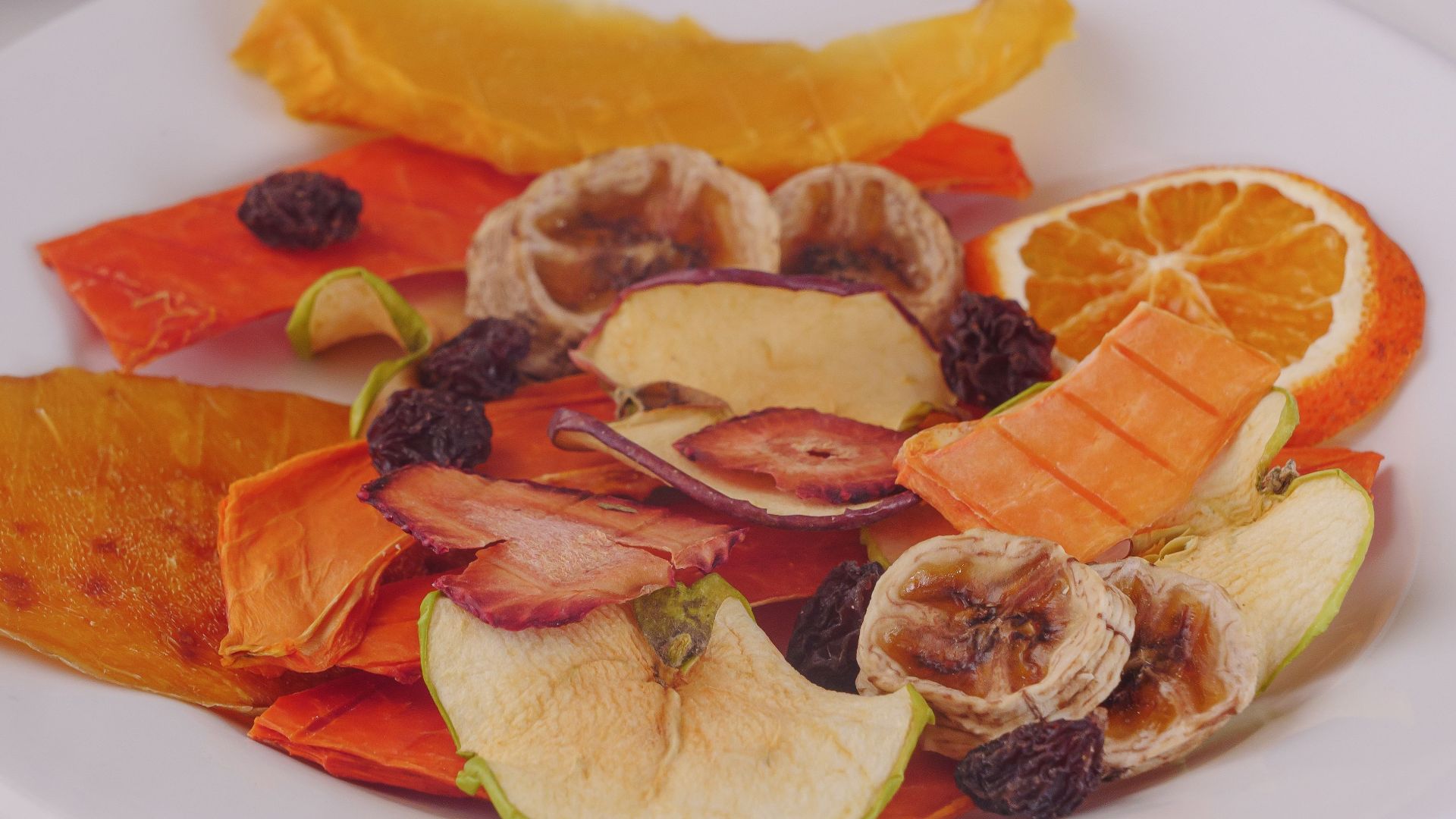
Dried Fruit Snack Packs
Raisins, cranberries, and other dried fruits often appear in lunch-sized boxes or pouches that make serving simple. Those packages deserve the same per-ounce check as nuts and crackers because small portions can make a low shelf price misleading. A larger bag can be divided at home when that produces meaningful savings.
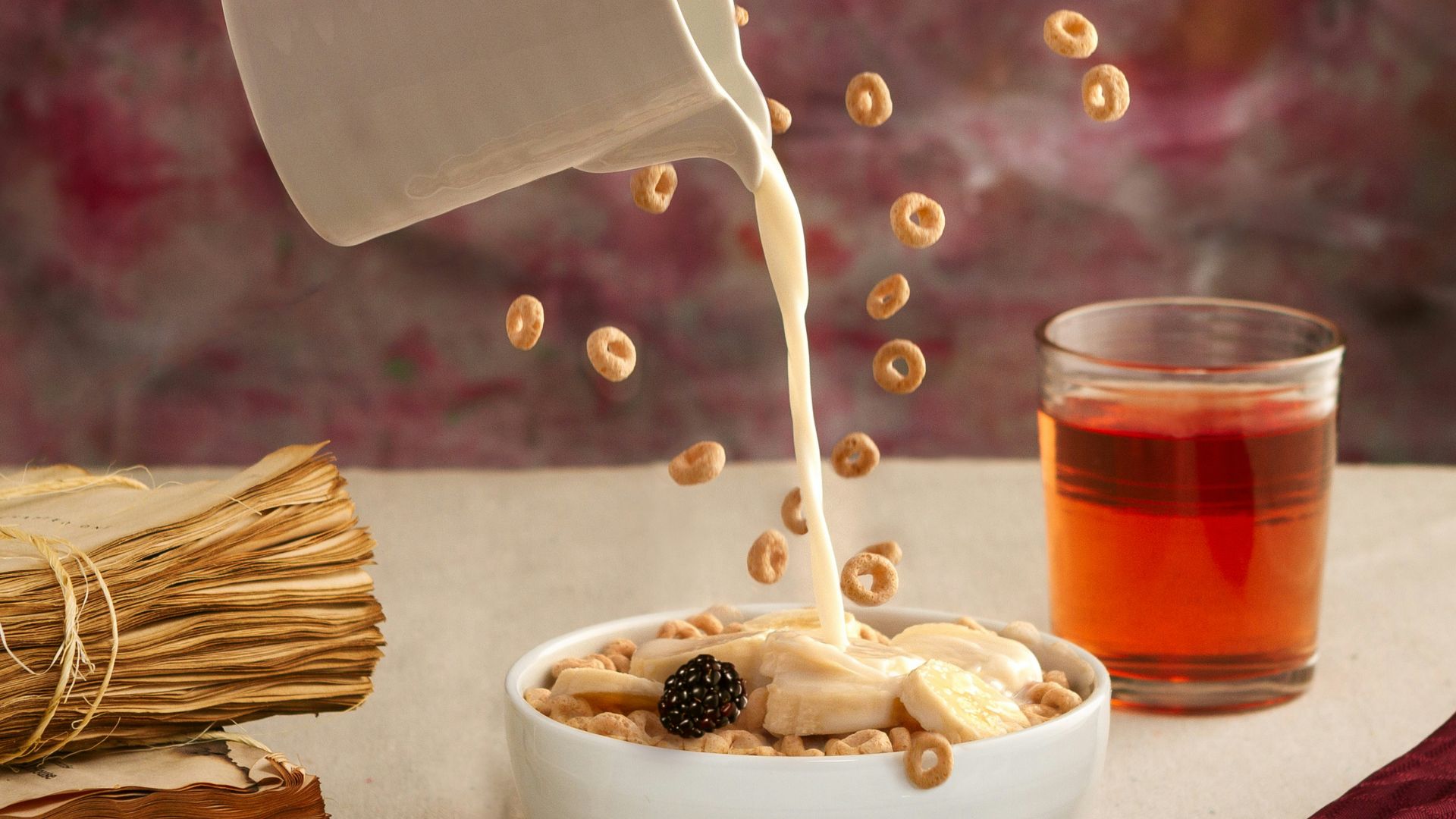
Single-Serve Cereal Cups
Cereal cups are essentially selling speed, portability, and a bowl in the same package. Their shelf price looks harmless because each cup contains such a small amount of cereal. Comparing the cost per ounce with an ordinary box shows how much that portability is costing you.
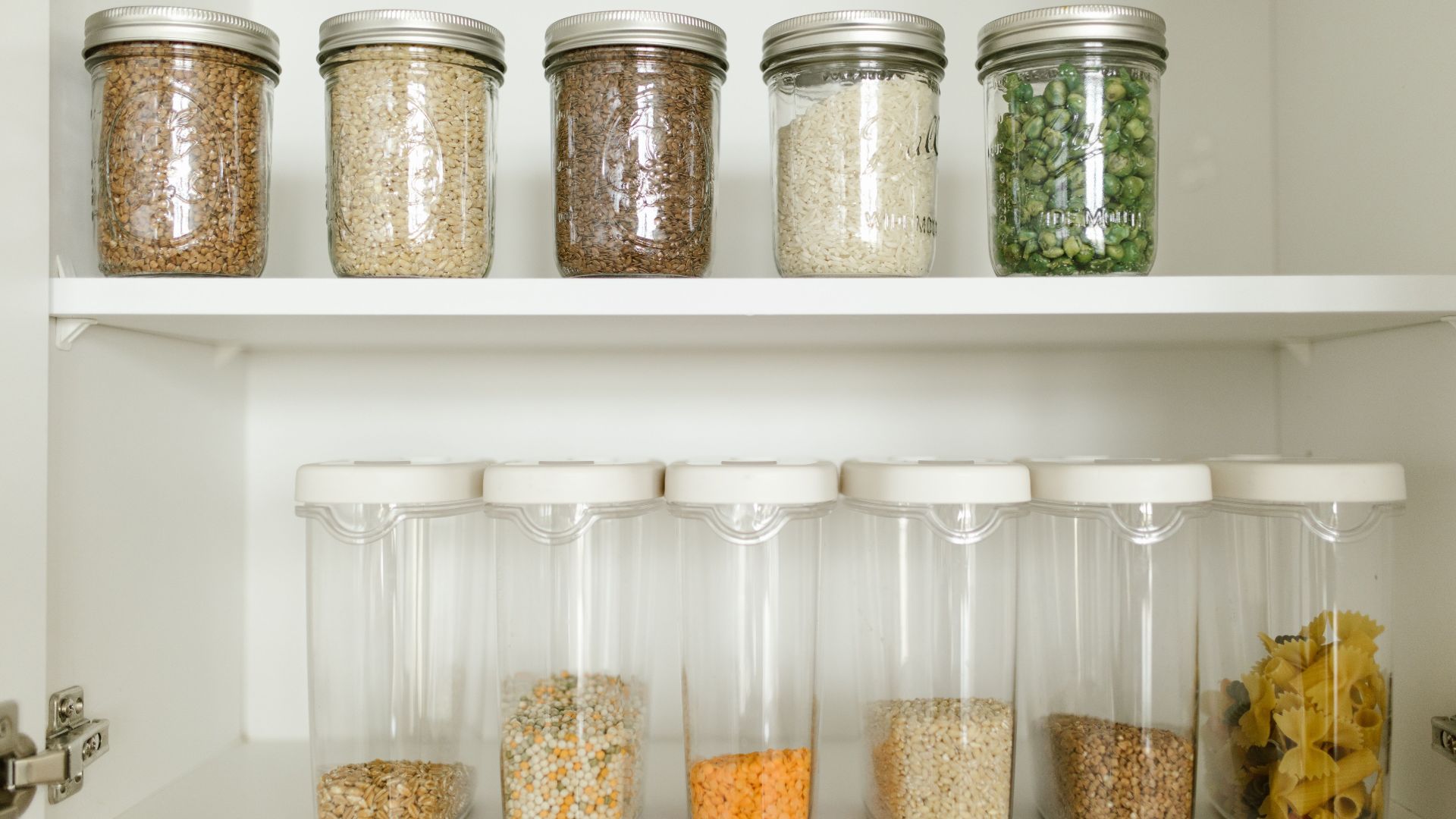
Small Containers Of Pantry Staples
Flour, sugar, rice, and other shelf-stable basics can be particularly deceptive in small packages. Utah State University Extension recommends buying some long-lasting baking staples in larger quantities because they keep well. Unit pricing helps identify where buying a little more produces meaningful savings without jumping all the way to an impractically huge package.
The Biggest Package Is Not Automatically Best
Unit price is powerful, but it does not mean you should always buy the largest container in the building. University of Illinois Extension advises shoppers to consider whether they will actually use a product before it spoils, even when a sale or larger package looks attractive. A lower price per ounce saves nothing if part of the food ends up in the trash.
Compare Like With Like
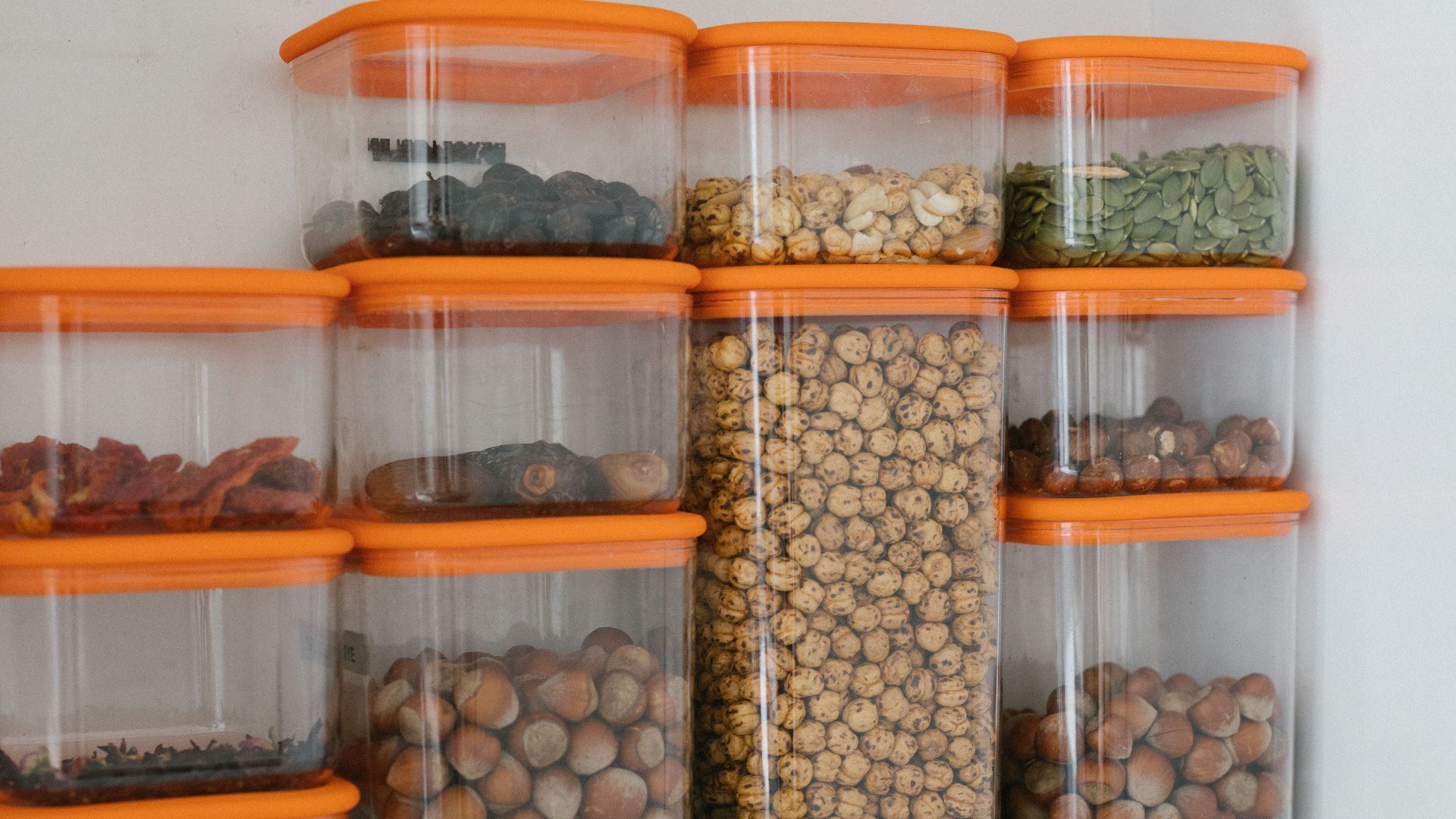
Unit prices work best when the measurements match. Compare ounces with ounces, pounds with pounds, or price per item with price per item rather than trying to judge two unrelated numbers at a glance. NIST recommends consistent units within product categories specifically because consistency makes comparisons easier for shoppers.
A Ten-Second Habit Can Change The Cart
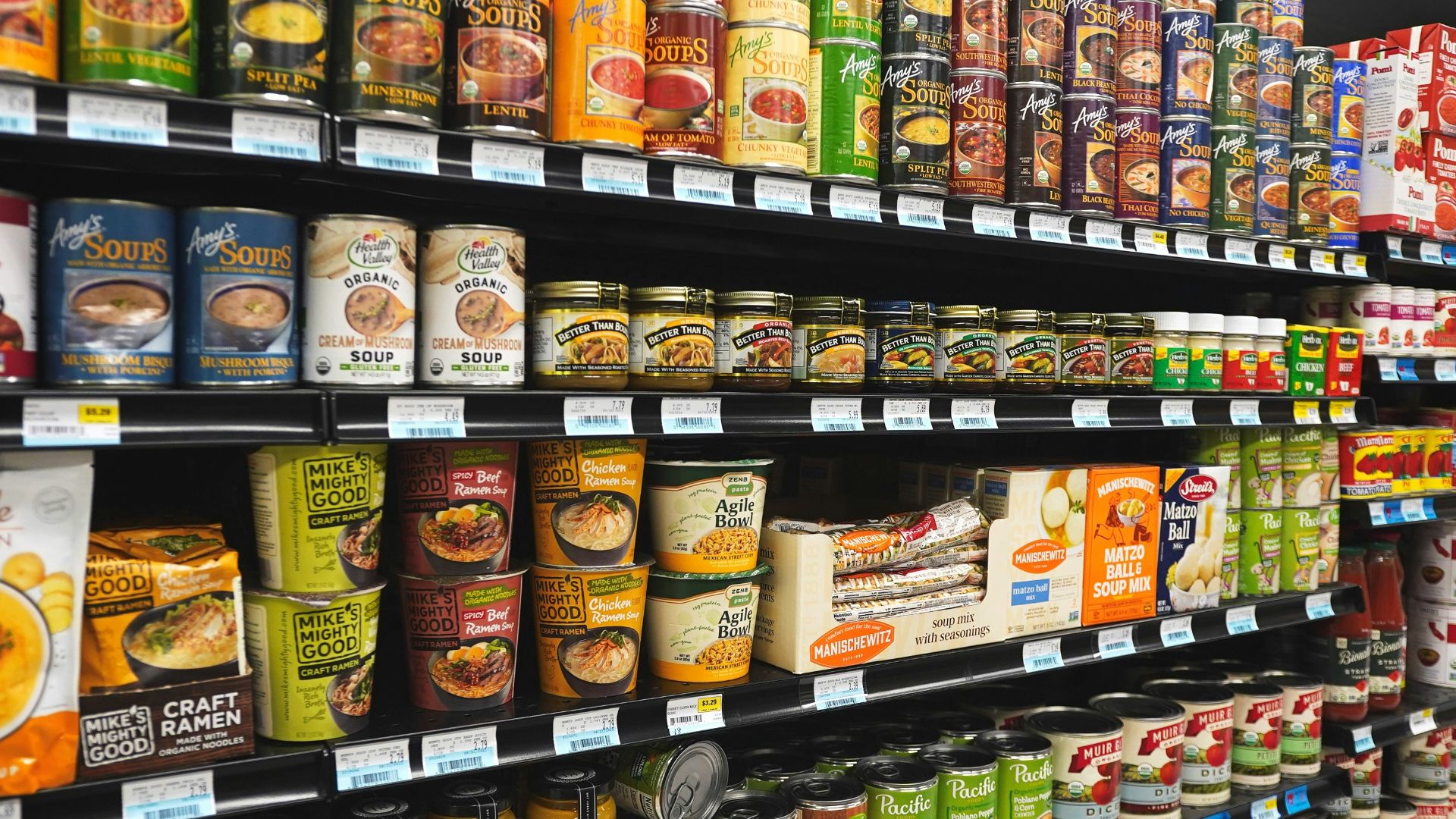
You do not need to turn grocery shopping into a math exam. Glance at the shelf price, find the unit price underneath it, and compare two or three realistic options before reaching for the one that merely looks cheapest. Once you start doing that, those innocent $2, $3, and $4 purchases can look very different.
The Cheapest-Looking Cart Can Be Expensive
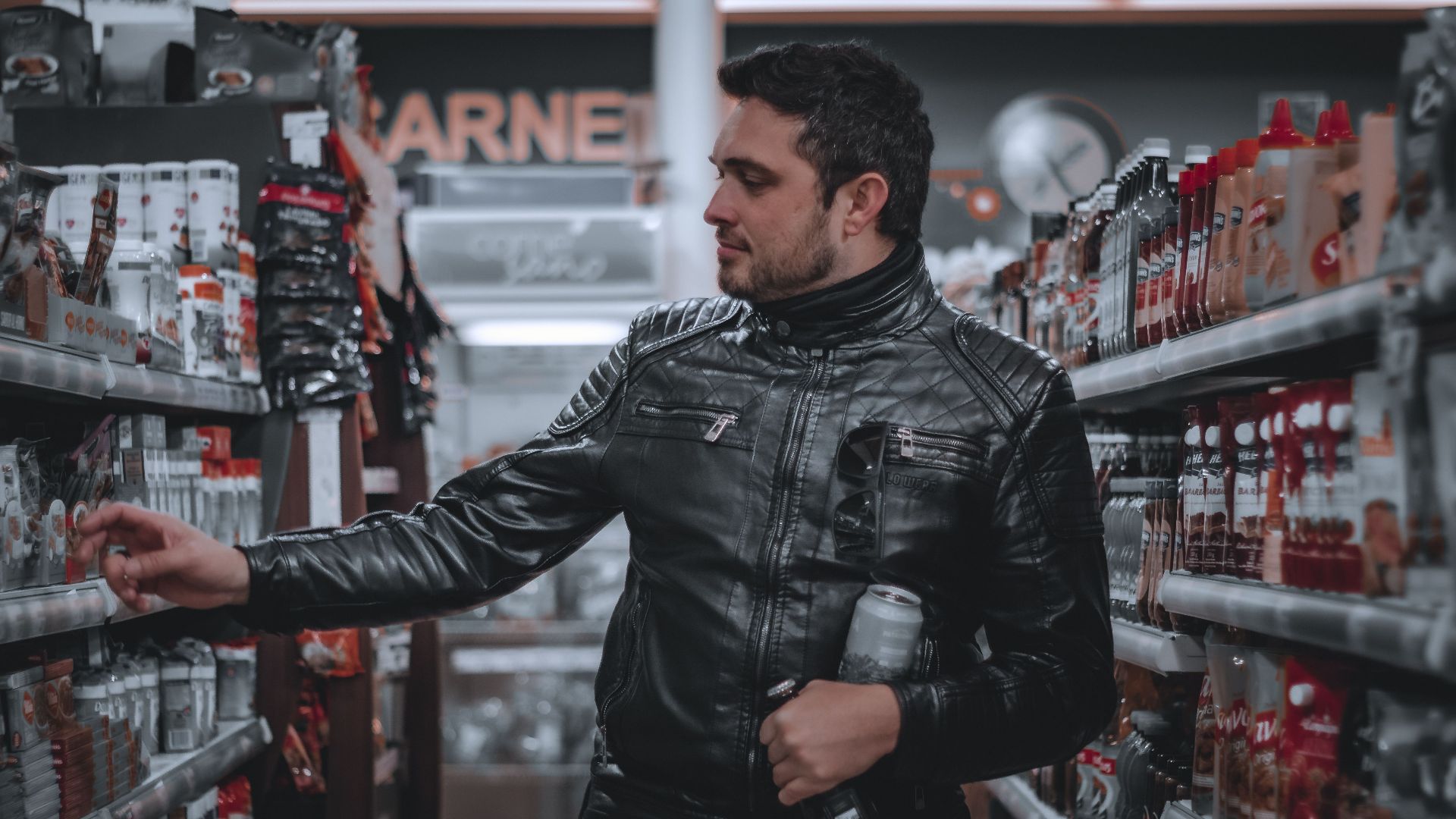
Grocery spending is often shaped by dozens of small decisions rather than one spectacularly expensive purchase. Unit pricing exposes the foods that stay psychologically “cheap” because their packages and sticker prices are small, even when the actual amount of food is smaller still. The goal is not to reject convenience, but to know what it costs before you pay for it.
You May Also Like:
Things Grocery Stores Once Did For Free That Now Feel Like Paid Luxury Services
Bulk Purchases That Will Save Families The Money In 2026—And Ones That Usually Don’t