The Stores That Once Seemed Unstoppable
They were everywhere. For millions of families, these discount stores were once fixtures of everyday life, until a changing retail economy turned some of America's most familiar names into memories.
When Bargain Shopping Looked Very Different
During the 1970s and 1980s, American bargain shopping was spread among dozens of national and regional operators. Walmart, Target, and Kmart were growing, but shoppers also had chains such as Zayre, Caldor, Bradlees, Ames, Woolco, Hills, and many others. By the 1990s, bankruptcies and consolidation were rapidly narrowing the field.
 Click Americana, Wikimedia Commons
Walmart Changed The Scale Of Competition
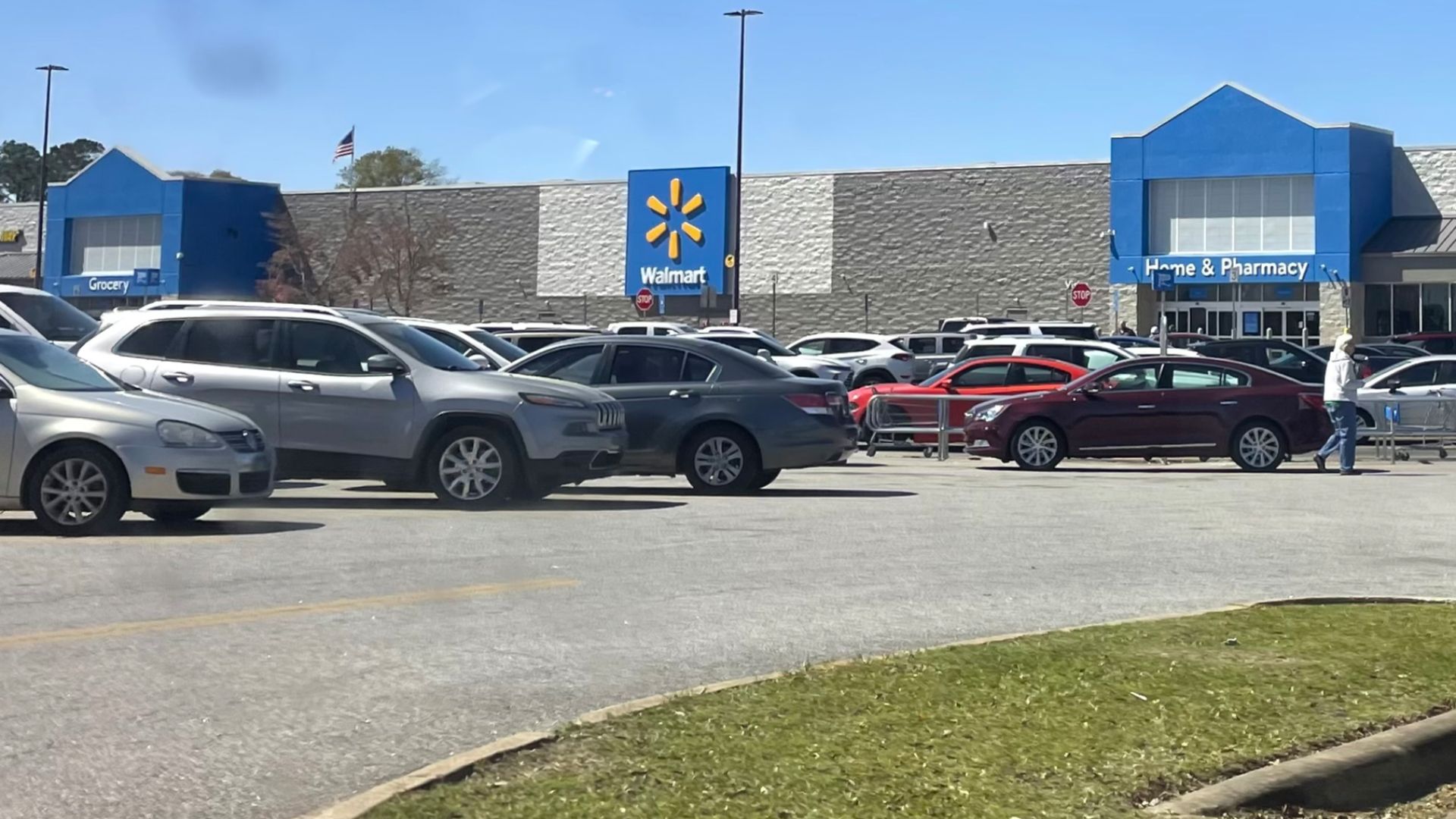
Walmart's expansion transformed the economics of discount retail. By 1990, it had become the country's largest retailer by revenue, while its growing scale gave it enormous purchasing and distribution advantages. Regional chains suddenly had to compete with a company that could spread costs across a much larger network.
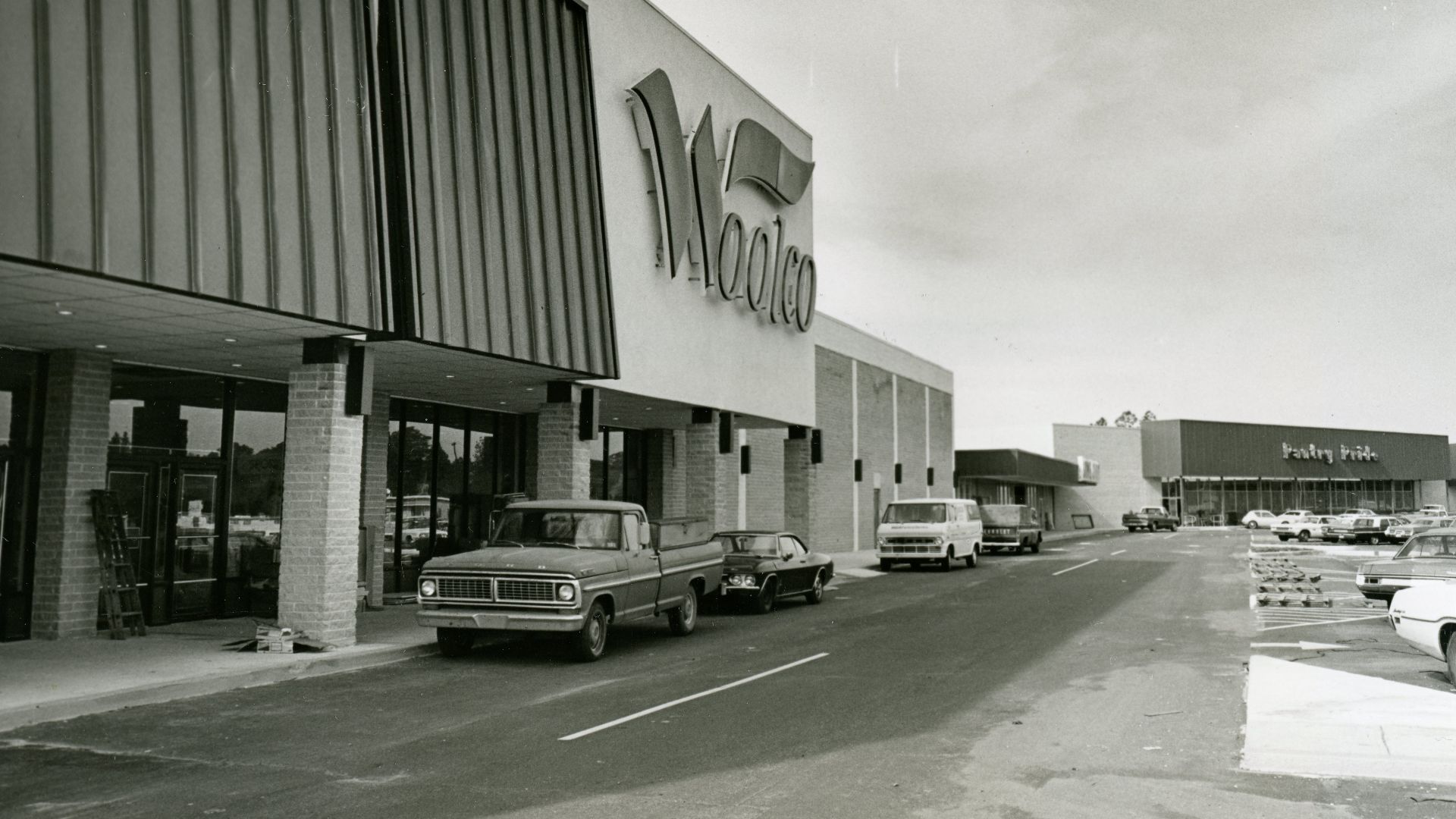
Woolco Looked Like A Giant
Woolworth created Woolco to compete in the booming discount-store business, and the chain became a familiar destination for everything from clothing to household goods. It grew into one of the more recognizable names in American discount retail. Yet mounting competitive pressure eventually made the U.S. operation difficult to justify.
 Phillip Pessar, Wikimedia Commons
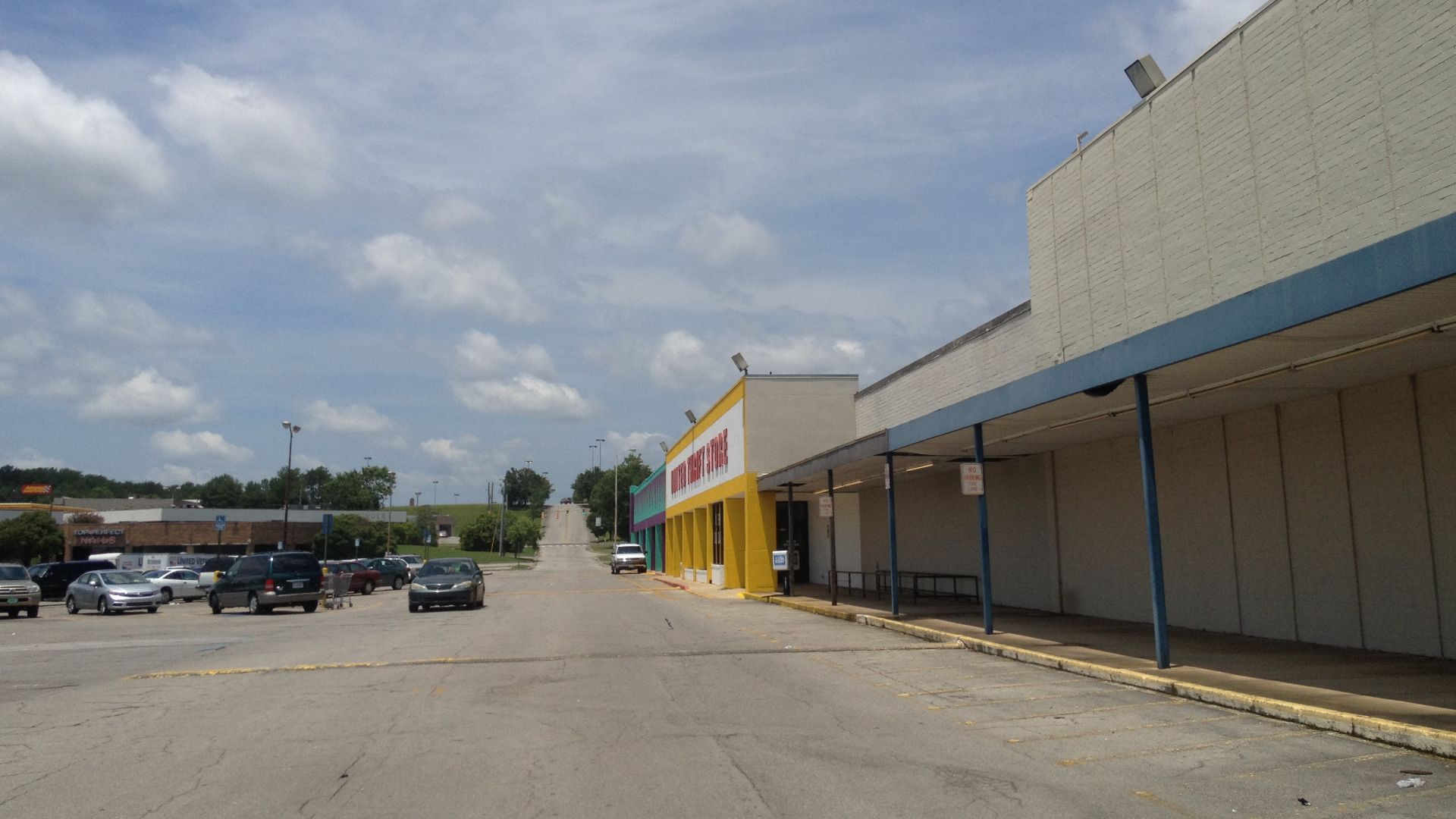
Woolco's U.S. Exit Came Fast
In September 1982, Woolworth announced that it would close all of its U.S. Woolco stores. By early 1983, more than 300 locations had been shuttered in a massive liquidation. Canadian Woolco survived longer, but the American chain was finished.
 Mike Kalasnik from Fort Mill, USA, Wikimedia Commons
FedMart Was A Western Powerhouse
FedMart became an important discount retailer in California, Arizona, and Texas. Its stores combined food with general merchandise, a format that looks surprisingly modern today. By the early 1980s, however, the company was losing money and facing mounting competitive pressure.
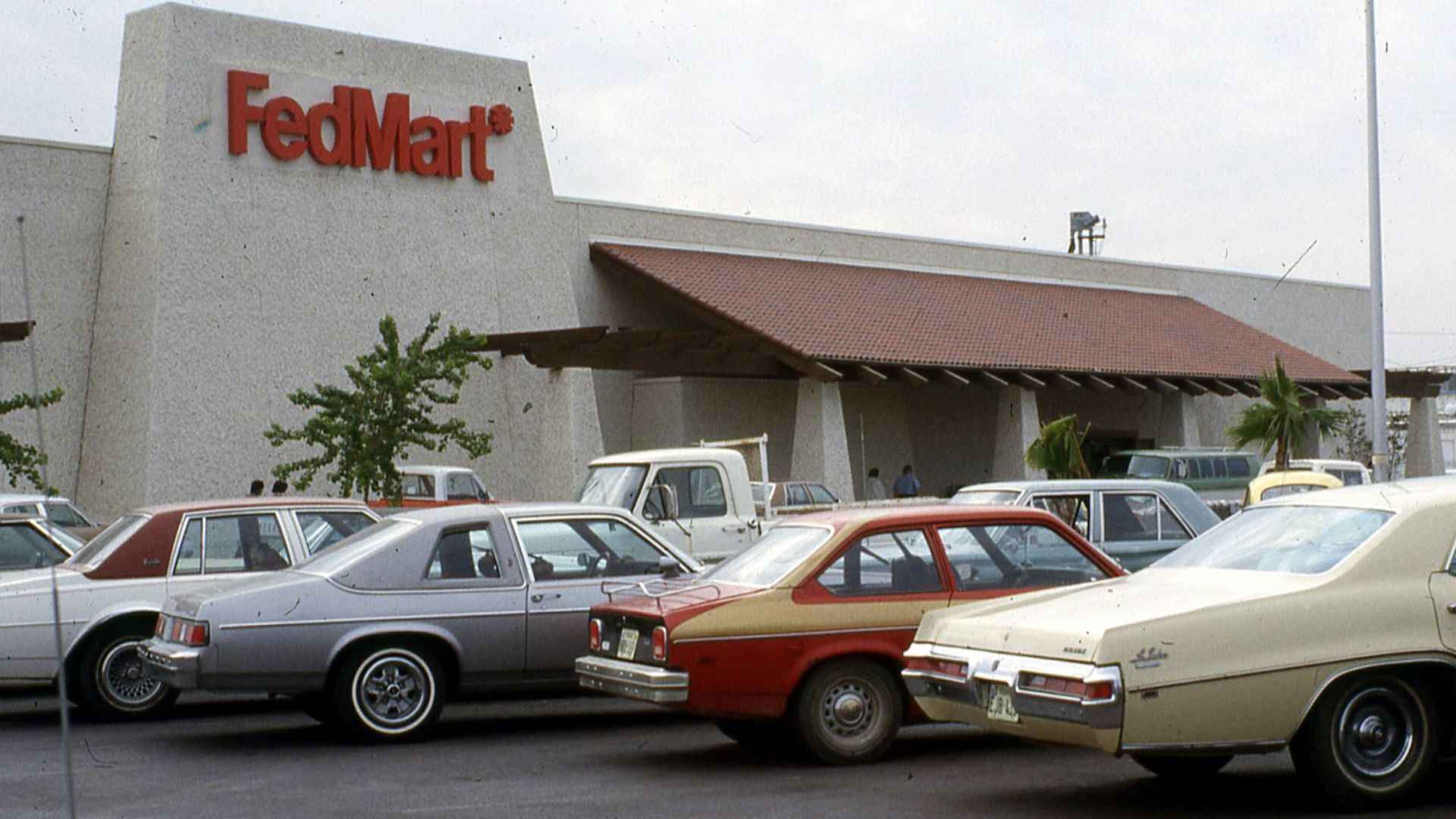
FedMart Liquidated In 1982
FedMart announced in April 1982 that it would liquidate its remaining retail stores. Company leadership said prevailing economic conditions left it with no realistic alternative. Some former FedMart locations later became valuable footholds for expanding competitors.
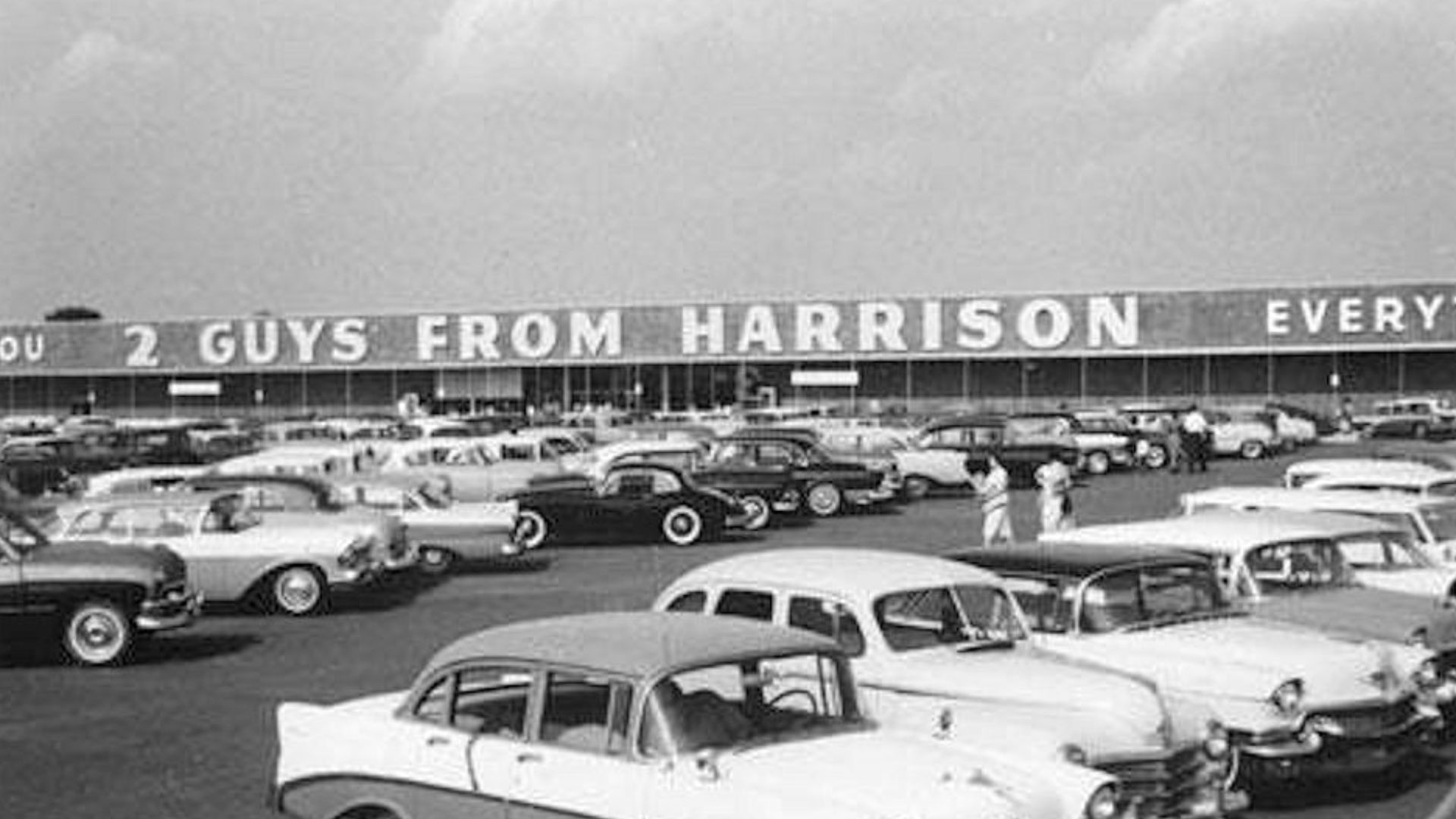
Two Guys Faded At The Start Of The Decade
Two Guys grew from a New Jersey appliance business into a discount chain with stores across several states. By the beginning of the 1980s, its parent company was struggling and closing locations. The chain disappeared in 1982, making it one of the early casualties of the decade's retail upheaval.
 Unknown authorUnknown author, Wikimedia Commons
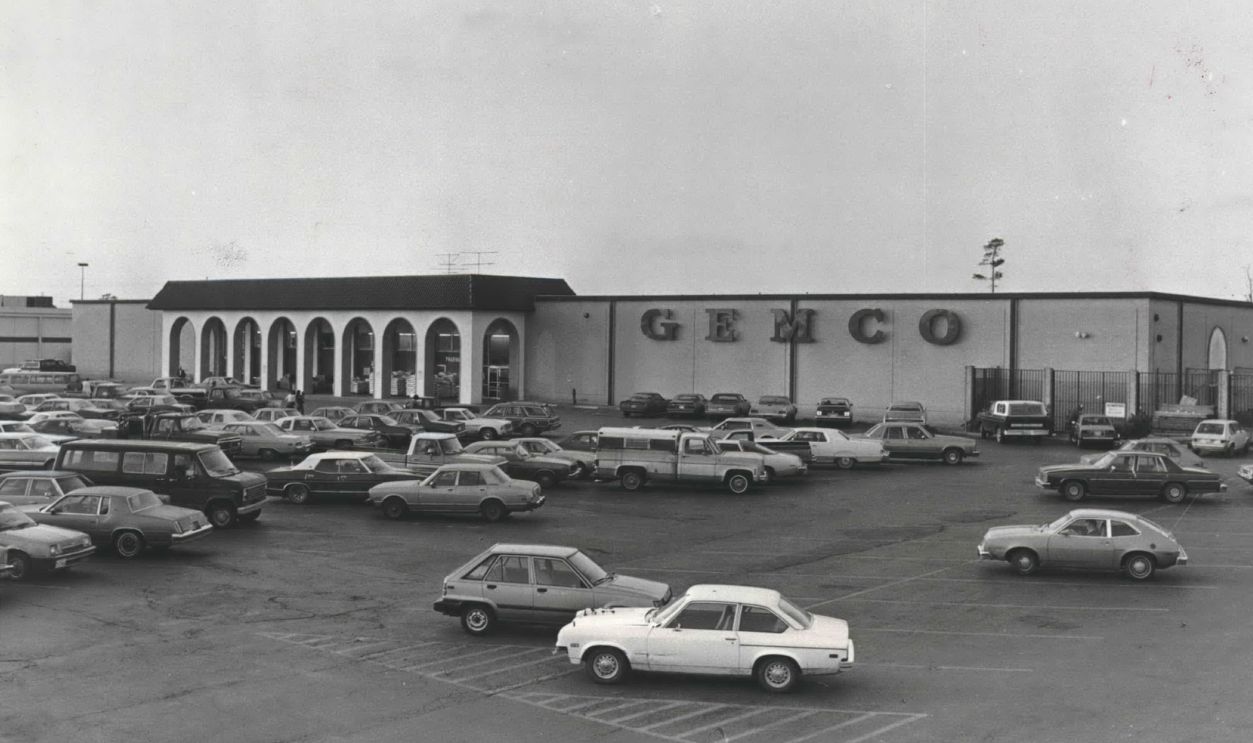
Gemco Had A Devoted Following
Gemco operated membership-based discount stores across California and other Western markets. For a modest membership fee, families could shop for groceries, electronics, clothing, and household necessities in one place. By 1986, parent company Lucky Stores had decided to shut the chain down.
 Houston Chronicle/Hearst Newspapers, Getty Images
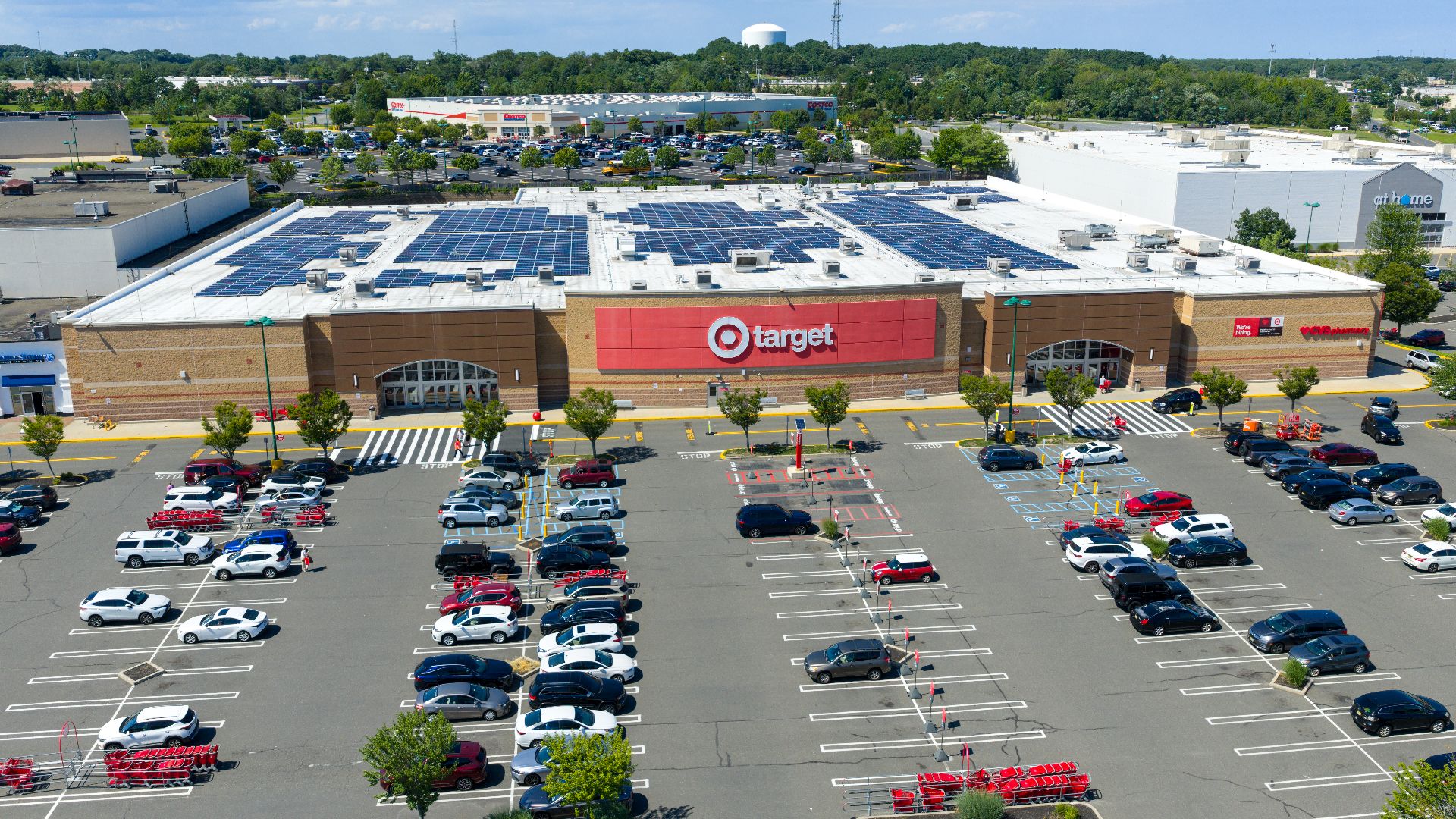
Target Inherited Gemco Territory
Lucky announced that all 80 Gemco stores would close by the end of 1986. Dayton-Hudson, Target's parent company, acquired dozens of the properties and converted many into Target stores. For Western shoppers, the disappearance of one familiar chain directly helped another become much bigger.
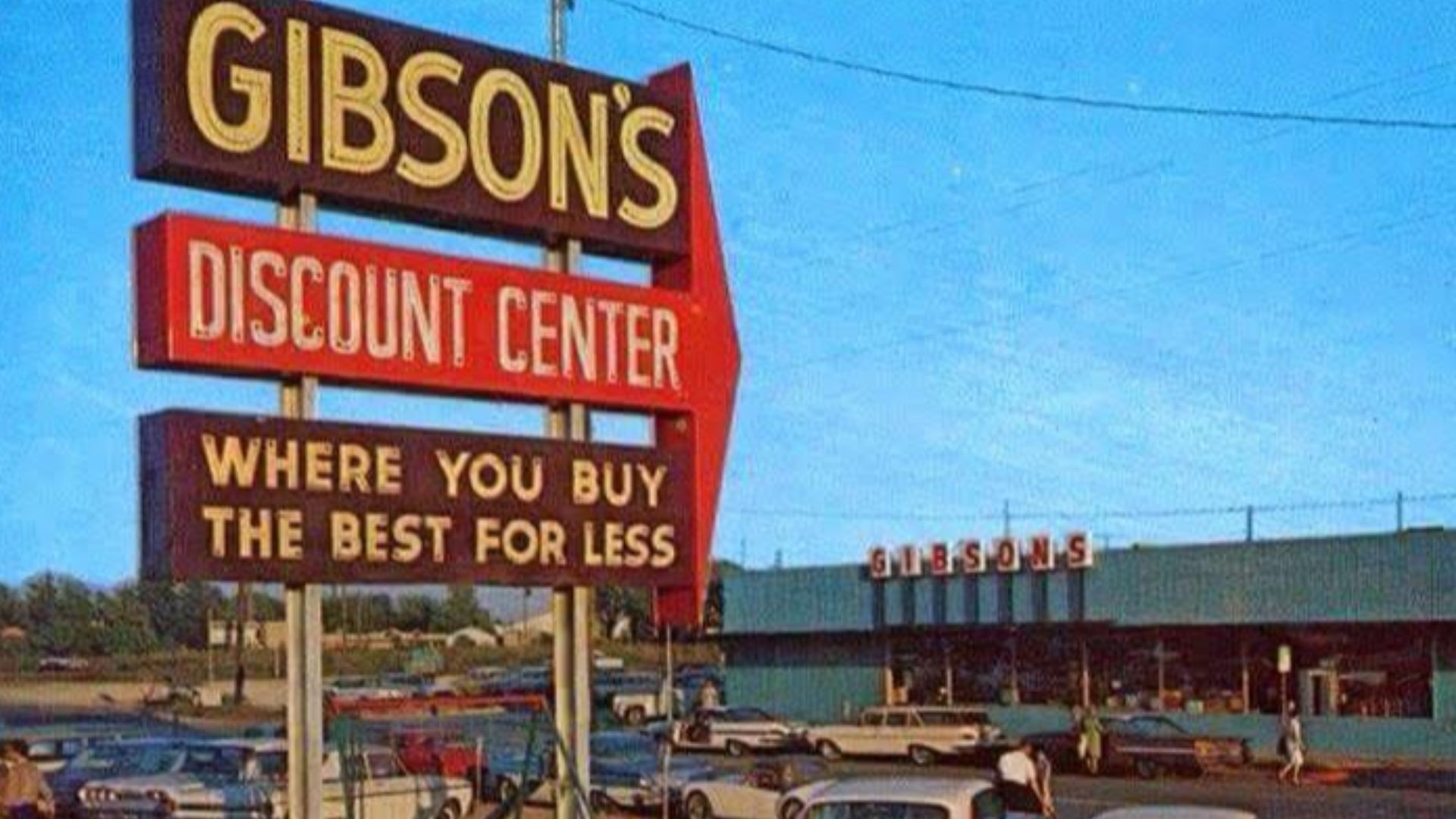
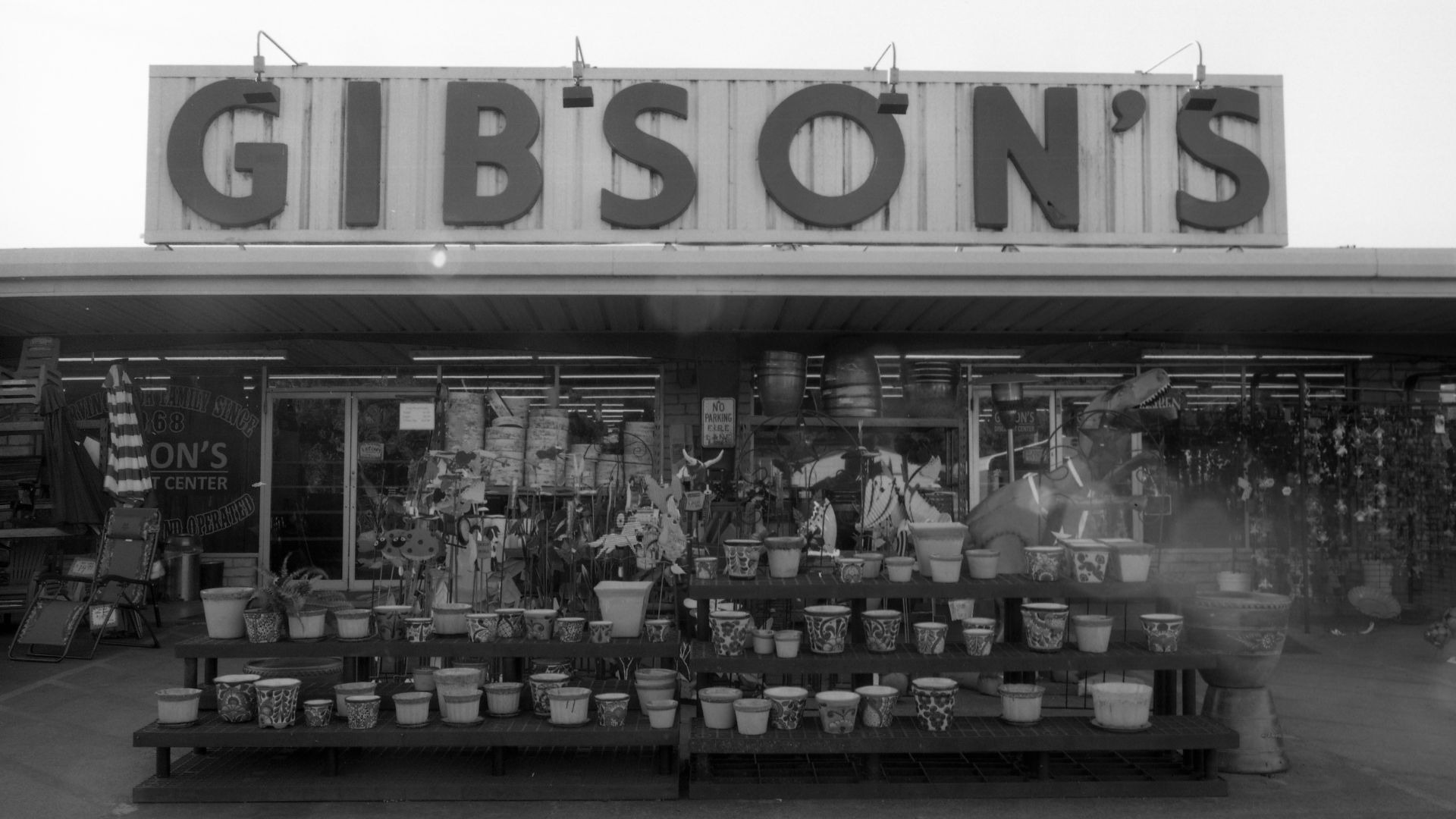
Gibson's Grew Through Franchising
Gibson's Discount Center expanded dramatically through a franchise-heavy strategy. By the late 1970s, hundreds of locations operated across the United States. Its decentralized approach once fueled extraordinary growth, but the retail environment became much tougher as national competitors expanded.
 Lindell Dillon, Wikimedia Commons
Gibson's Lost Ground To Bigger Rivals
Historical accounts describe Gibson's losing ground as competition from Walmart and other larger chains intensified. Franchisees also began leaving the system, weakening the model that had once helped Gibson's spread quickly. The main corporate operation eventually collapsed, although a small number of independently operated stores using the Gibson's name survived.
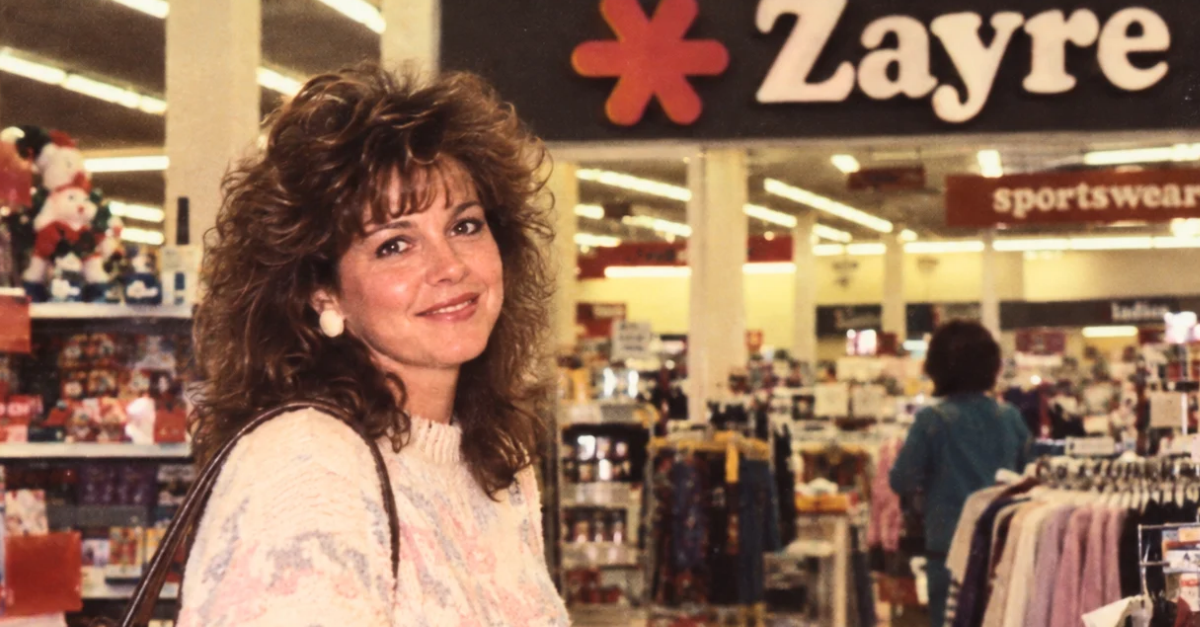
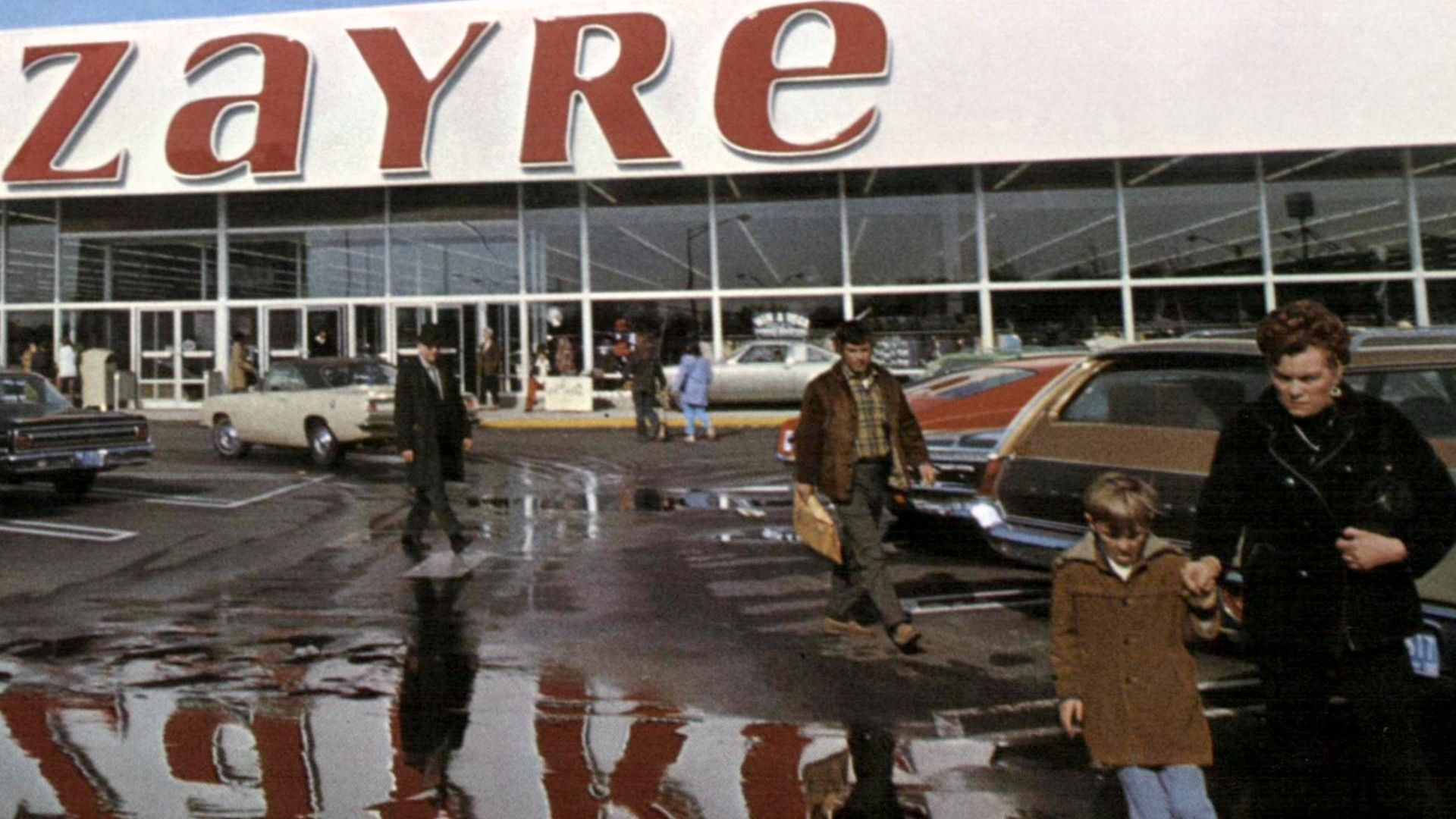
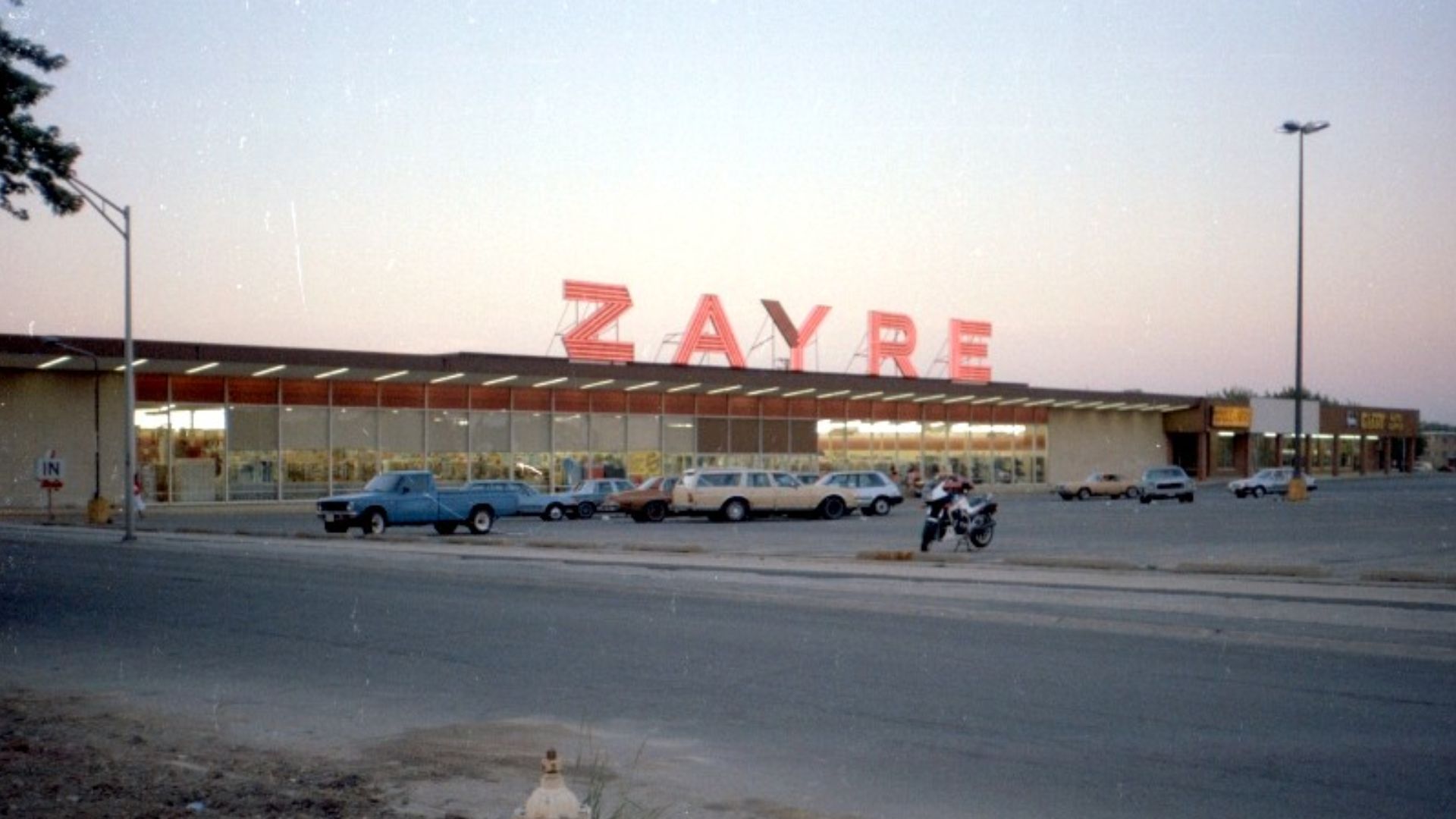
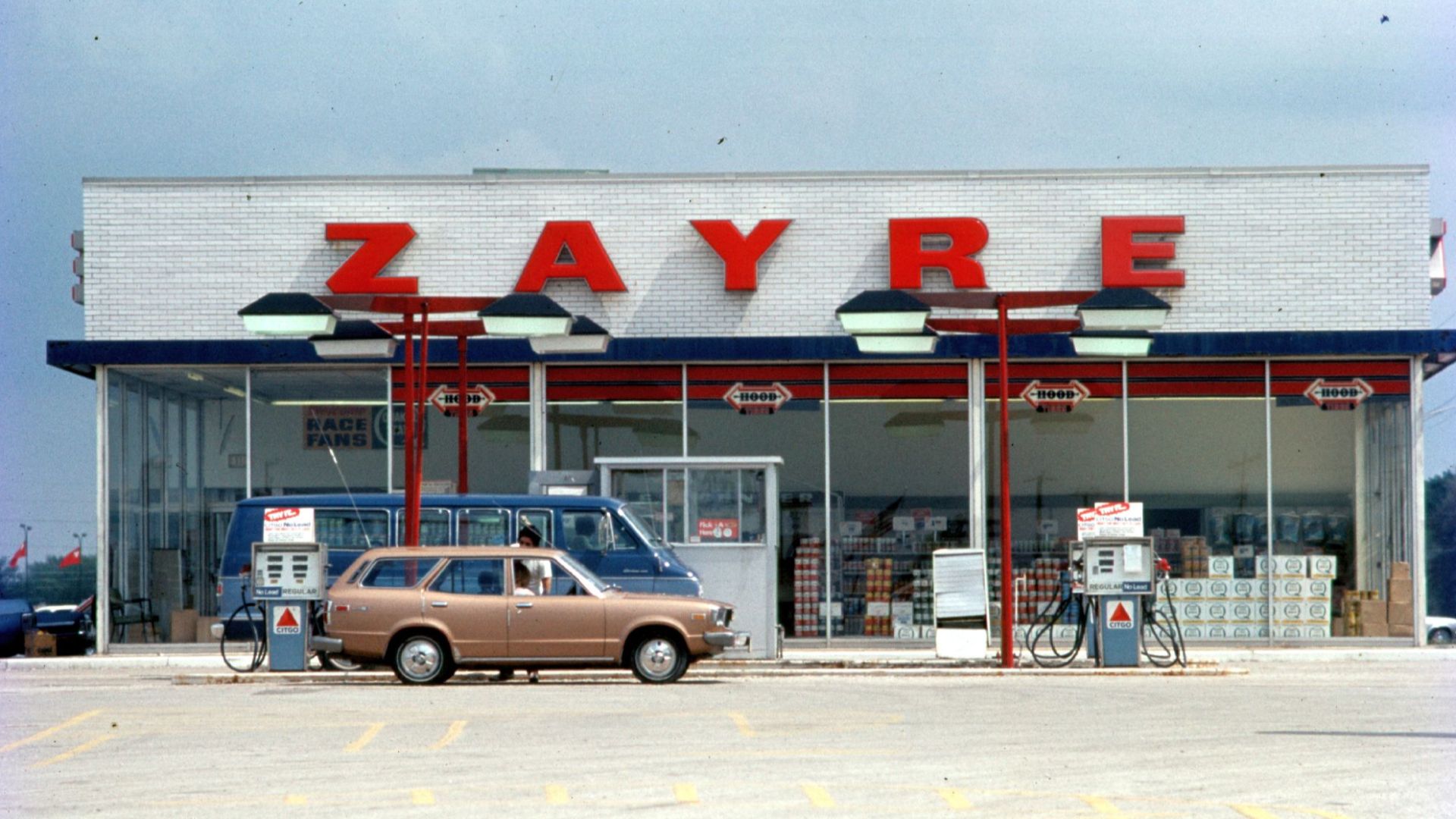
Zayre Was A New England Institution
Zayre became one of the best-known discount chains in the eastern United States. Its stores sold everyday merchandise to families looking for value long before modern big-box retail became standardized. By the late 1980s, however, the discount-store business had become financially troubled even as other parts of the company performed better.
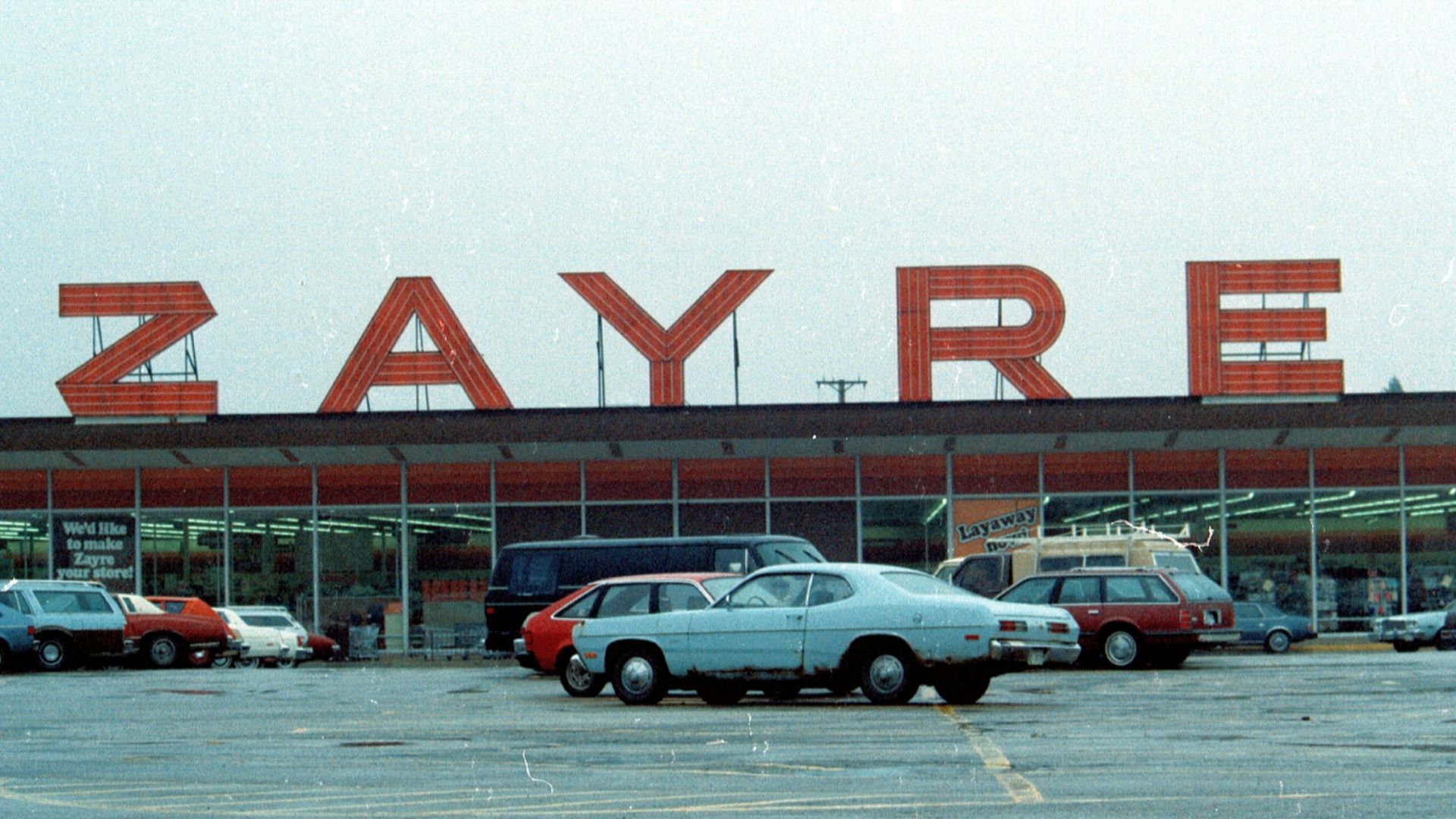
Zayre Sold Its Core Chain
In 1988, Zayre agreed to sell 388 discount stores to Ames in a deal valued at roughly $800 million. The acquisition nearly doubled Ames' store count and suddenly made it one of America's largest discount retailers. The remaining Zayre corporate businesses eventually evolved into TJX.
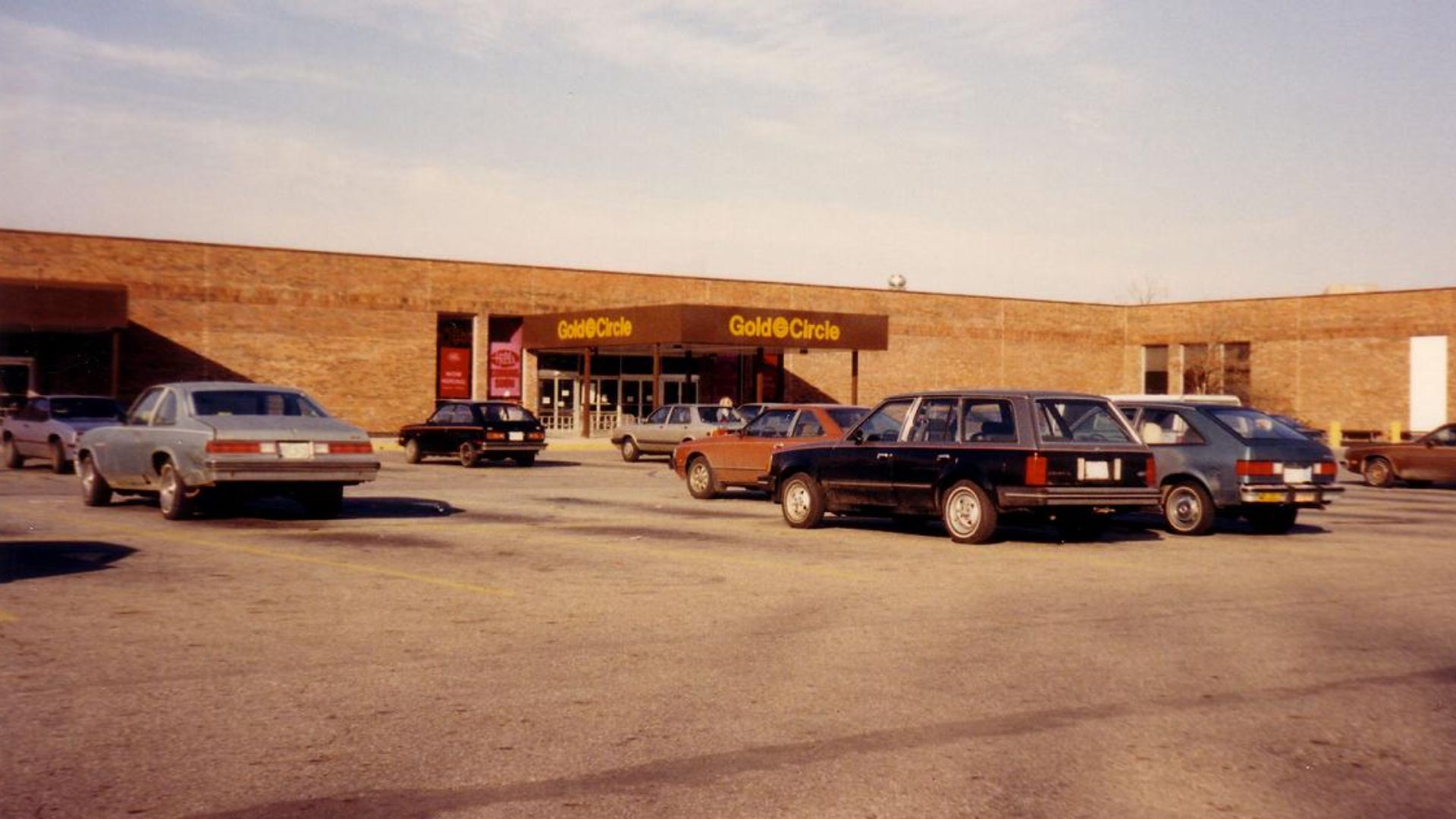
Gold Circle Disappeared In Another 1988 Deal
Gold Circle was another familiar discount name caught in the wave of late-1980s consolidation. In 1988, dozens of Gold Circle and Richway locations were sold in a major transaction. The properties were divided among expanding chains including Target, Hills, and Kmart.
 Dirtyharry667, Wikimedia Commons
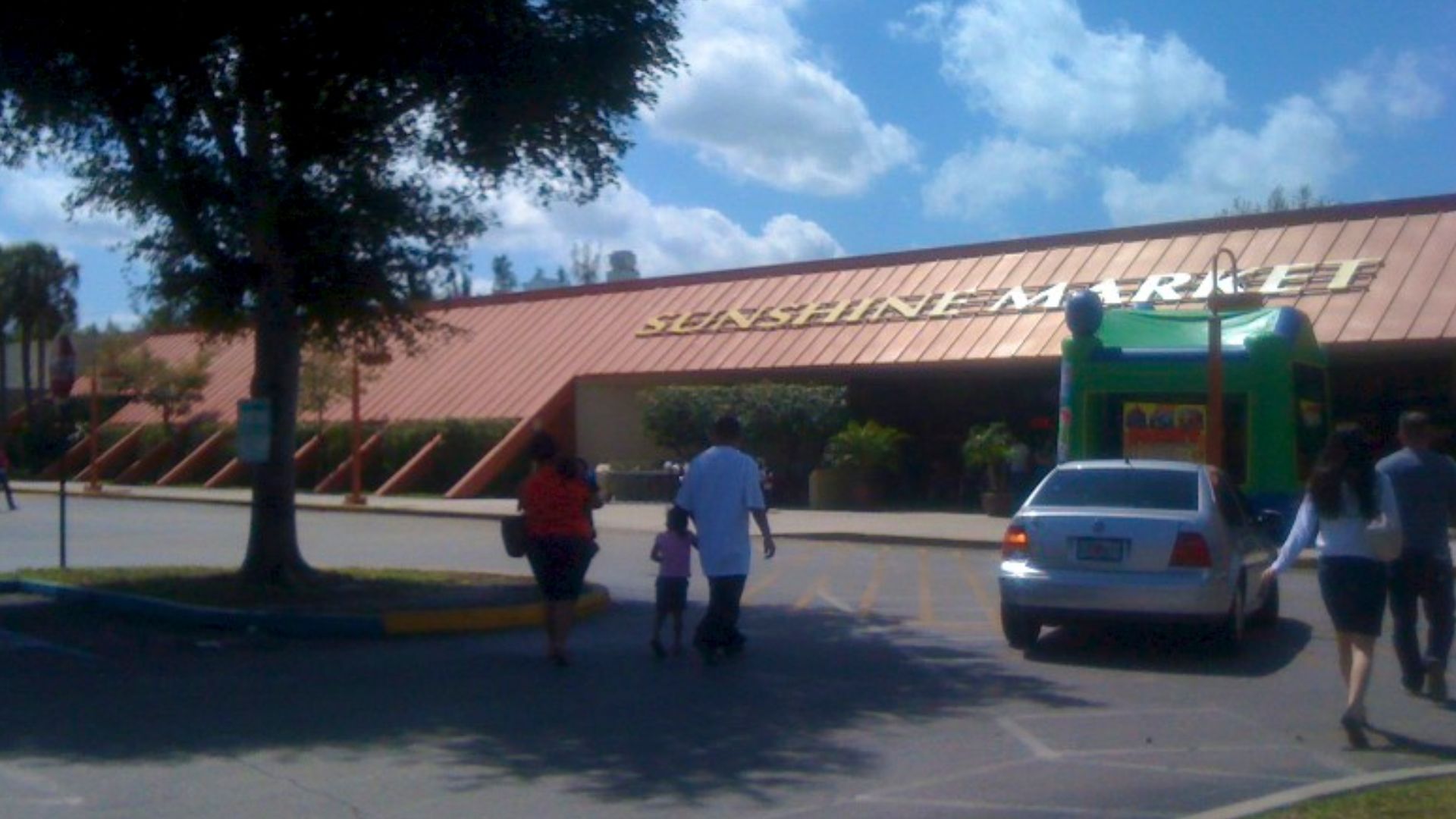
Richway Went With It
Richway operated mainly in the Southeast and had developed its own loyal customer base. When the chain's locations were sold, many of its best properties were absorbed by larger competitors. Some ultimately became Target stores, helping the surviving retailer move into markets where older discounters had already built customer demand.
 Graham Brunk, Wikimedia Commons
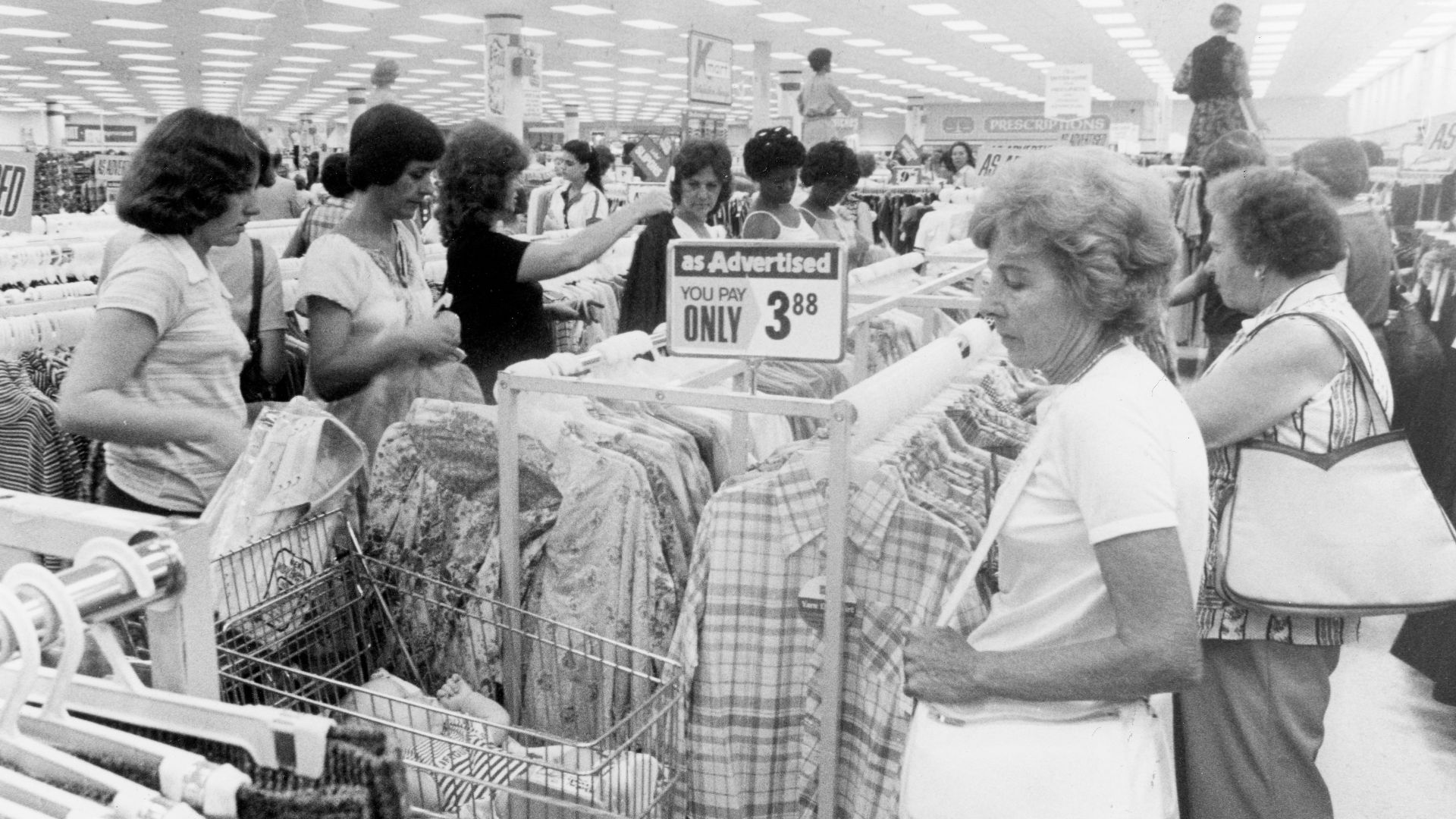
TG&Y Was A Small-Town Favorite
TG&Y did not need to be glamorous to become a fixture of American shopping. The Oklahoma-based chain grew to more than 900 stores and became particularly familiar in smaller communities. By the mid-1980s, however, its days as an independent retail force were ending.
 Phillip Pessar, Wikimedia Commons
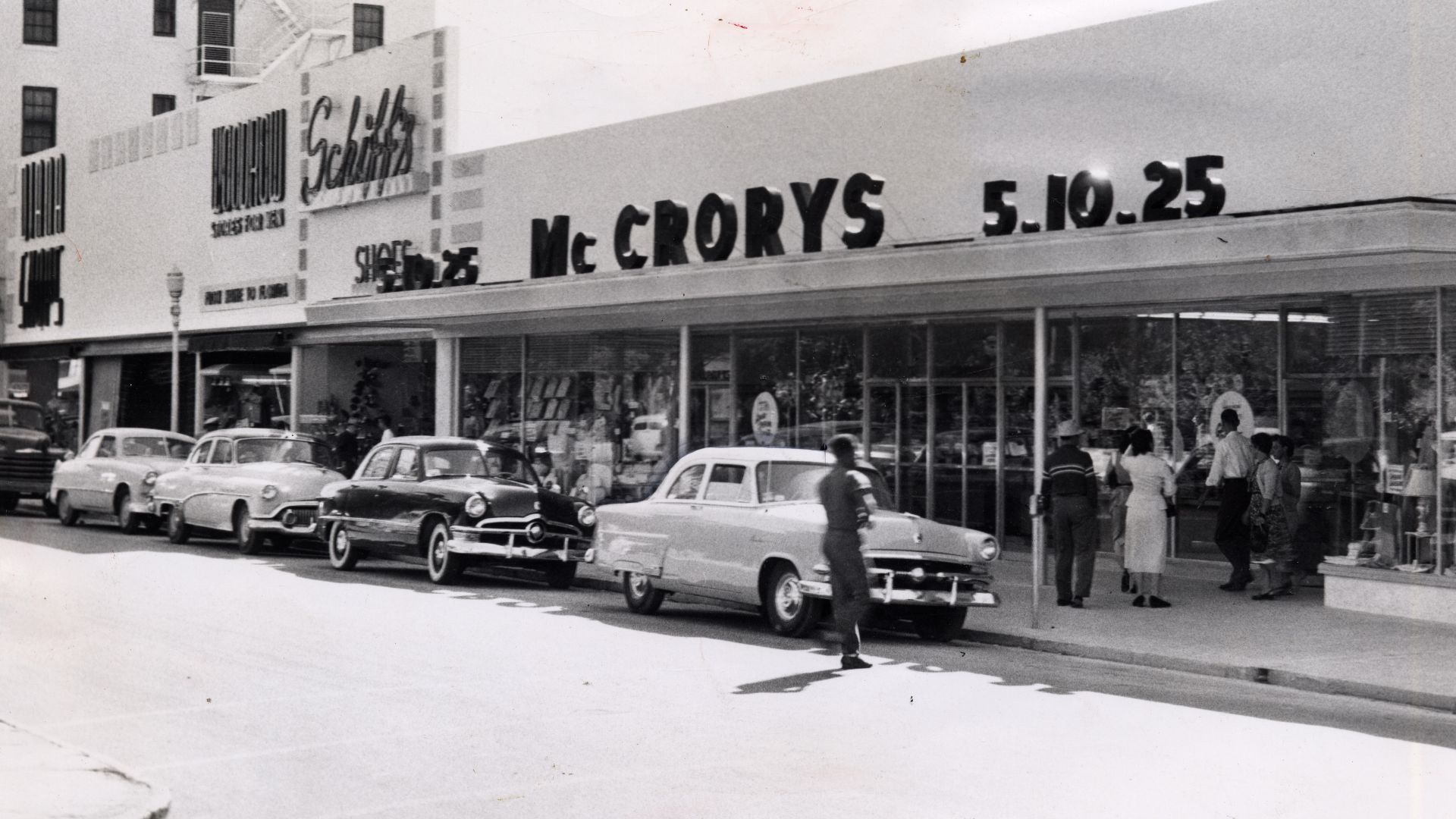
TG&Y Became Part Of McCrory
McCrory acquired TG&Y in 1986 and folded it into a larger collection of variety-store brands. McCrory later faced its own financial troubles as consumers increasingly favored larger superstores and newer retail formats. The remaining stores under McCrory and related names were eventually liquidated around the turn of the century.
 Florida Keys--Public Libraries, Wikimedia Commons
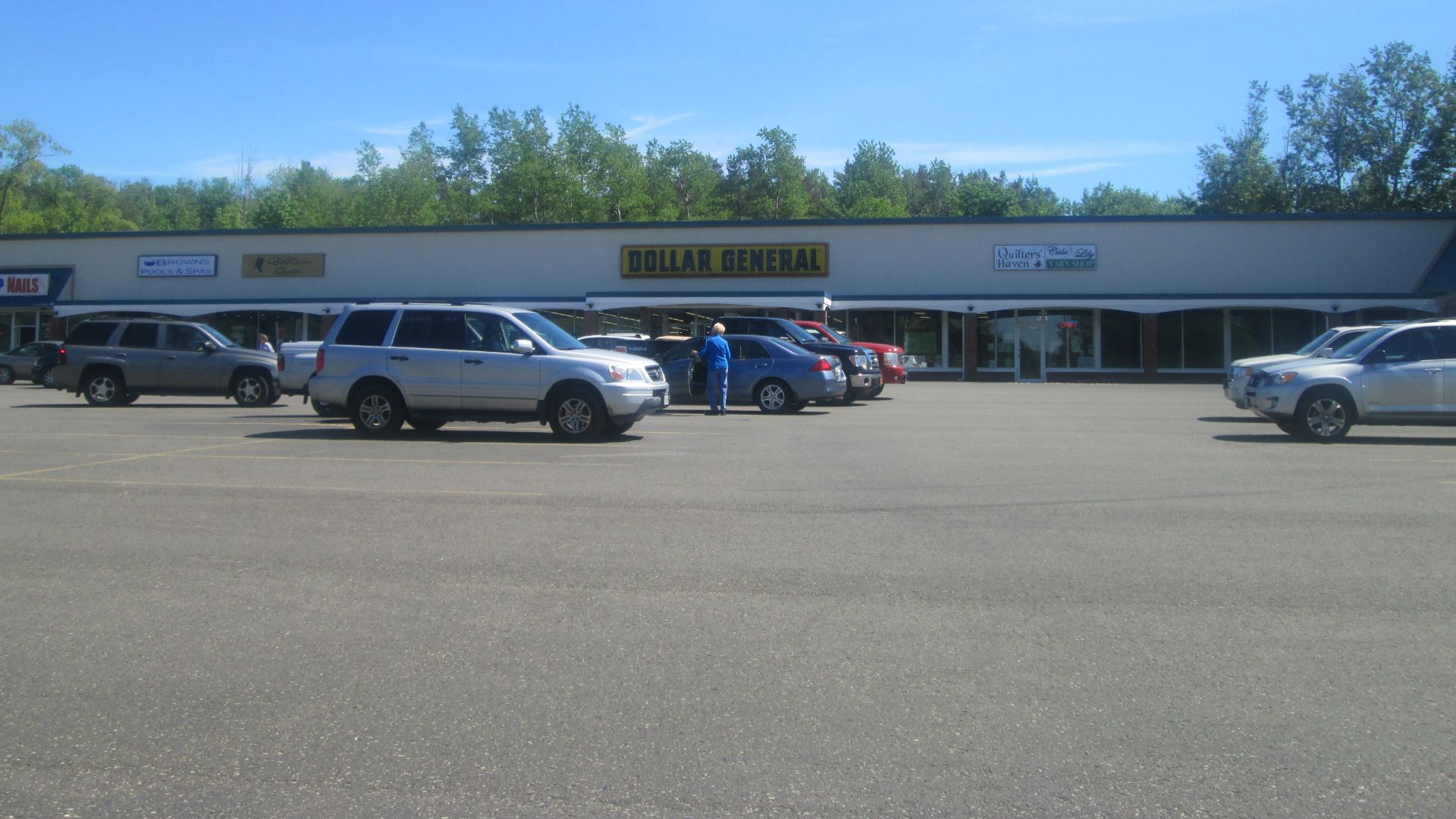
Jamesway Held On Into The 1990s
Jamesway became particularly familiar to shoppers in the Mid-Atlantic and Northeast. The chain survived into the 1990s even as larger discount retailers expanded deeper into its territory. It entered Chapter 11 bankruptcy in 1993 but initially hoped restructuring could save the business.

Jamesway Could Not Escape Bankruptcy
Jamesway emerged from bankruptcy in early 1995, only to return to Chapter 11 that October. Weak sales, continuing losses, and reduced borrowing capacity left the company considering closure of all its remaining stores. The attempted revival had lasted less than a year.
 Random Retail from PA, United States, Wikimedia Commons
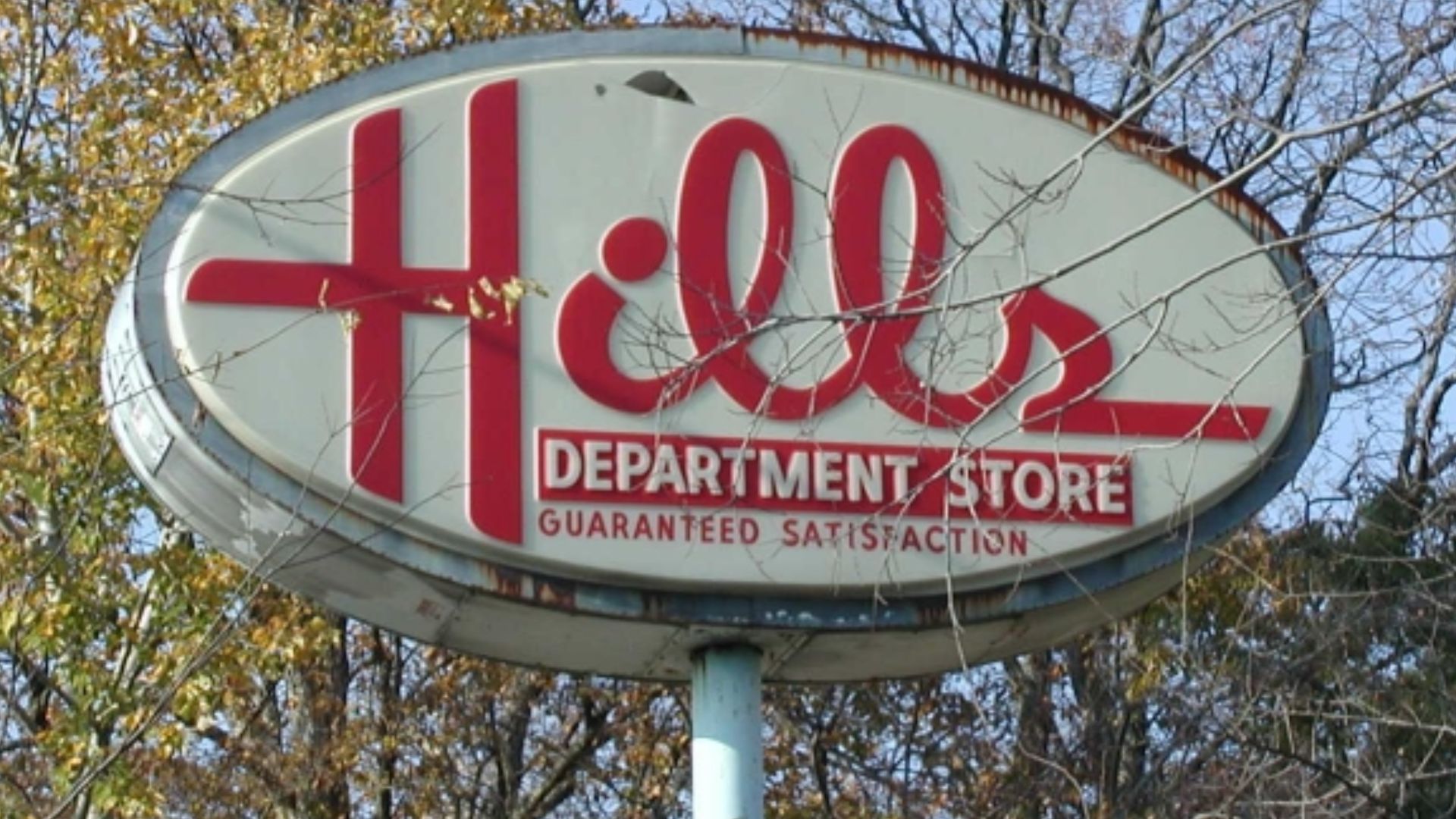
Hills Was A Regional Favorite
Hills developed a strong following across parts of the Midwest, Northeast, and Mid-Atlantic. Its stores offered the familiar combination of clothing, household goods, seasonal merchandise, and everyday bargains that defined the era. By the late 1990s, however, independent regional chains were becoming increasingly vulnerable to consolidation.
 Ichabod at en.wikipedia, Wikimedia Commons
Ames Bought Hills In A Huge Expansion
Ames agreed in 1998 to acquire Hills for approximately $330 million in cash and assumed debt. The transaction expanded Ames from roughly 300 stores to more than 450. Most Hills locations subsequently became Ames stores, ending another recognizable regional brand.
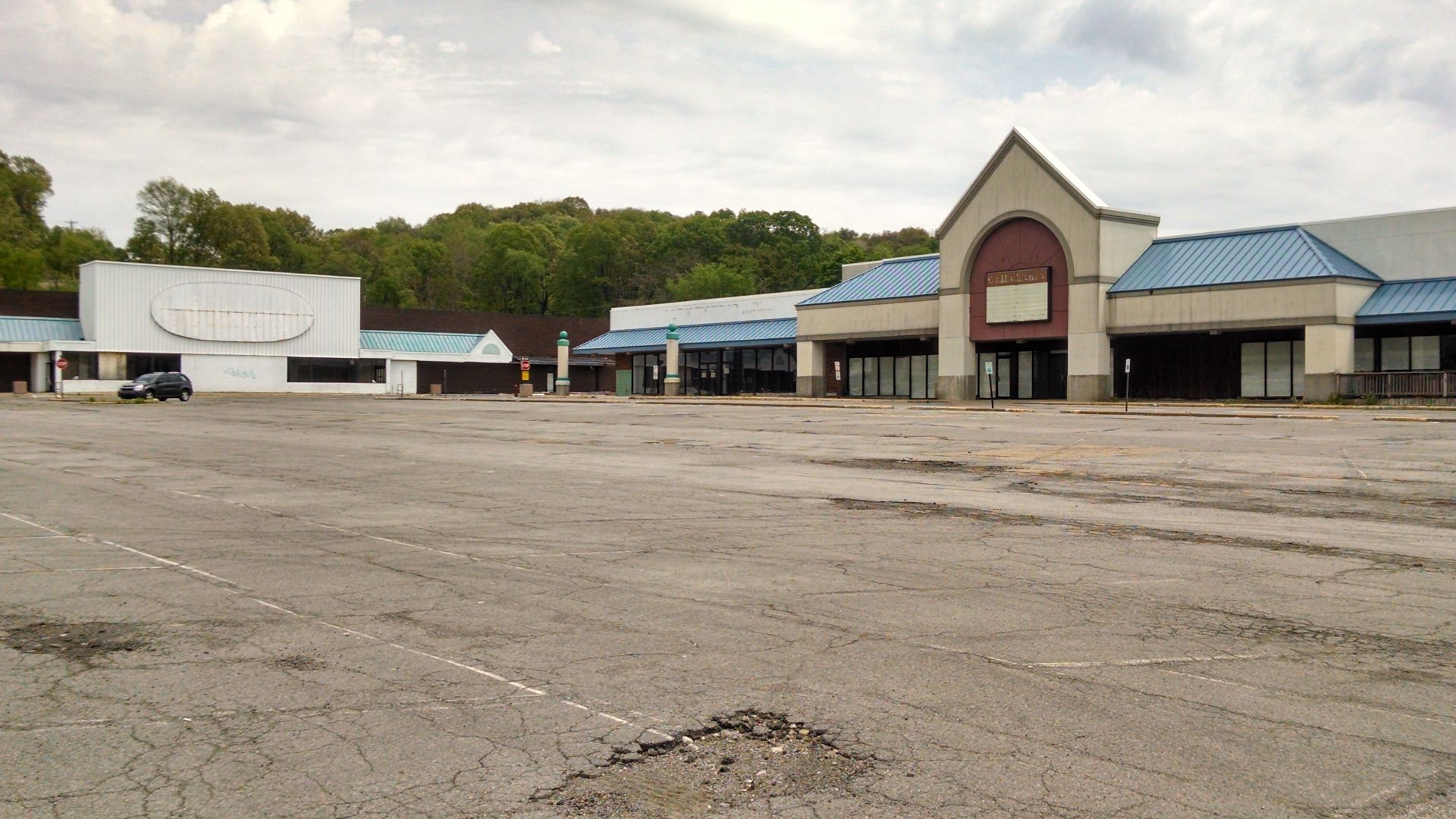
Caldor Was A Northeast Staple
Caldor was a familiar shopping destination for generations of Northeastern families. The company entered bankruptcy protection in 1995 but continued operating while attempting to reorganize. That prolonged restructuring effort ultimately failed.
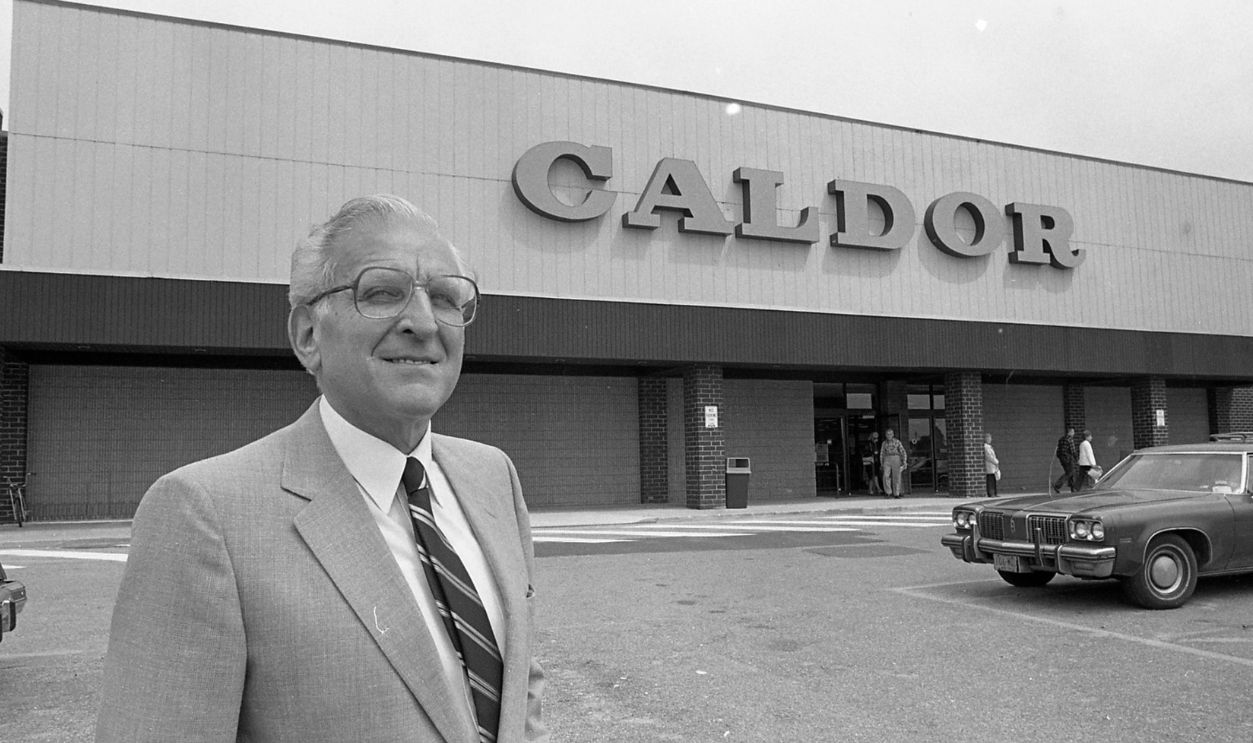
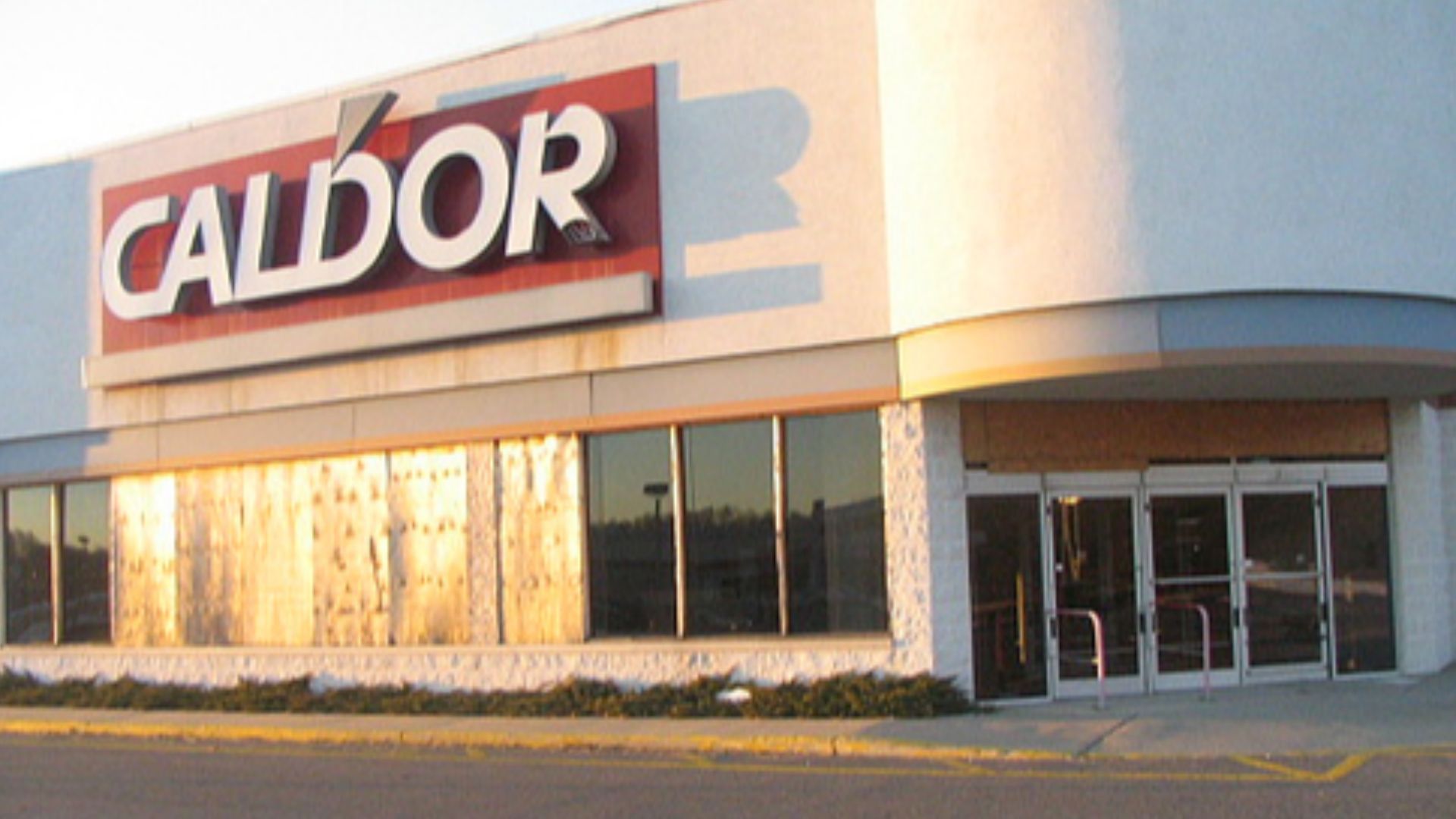
Caldor's Bankruptcy Became Final
In January 1999, Caldor announced that all 145 remaining stores would close. The company employed roughly 20,000 people across nine Eastern states when liquidation was announced. A retailer that had once seemed deeply embedded in suburban shopping culture disappeared within months.
 Charmedone9806, Wikimedia Commons
Bradlees Survived One Bankruptcy
Bradlees had been a familiar Northeastern discount chain since the late 1950s. It filed for Chapter 11 bankruptcy in 1995 and eventually emerged in 1999. For a brief period, the company appeared to have escaped the fate that had already claimed several competitors.
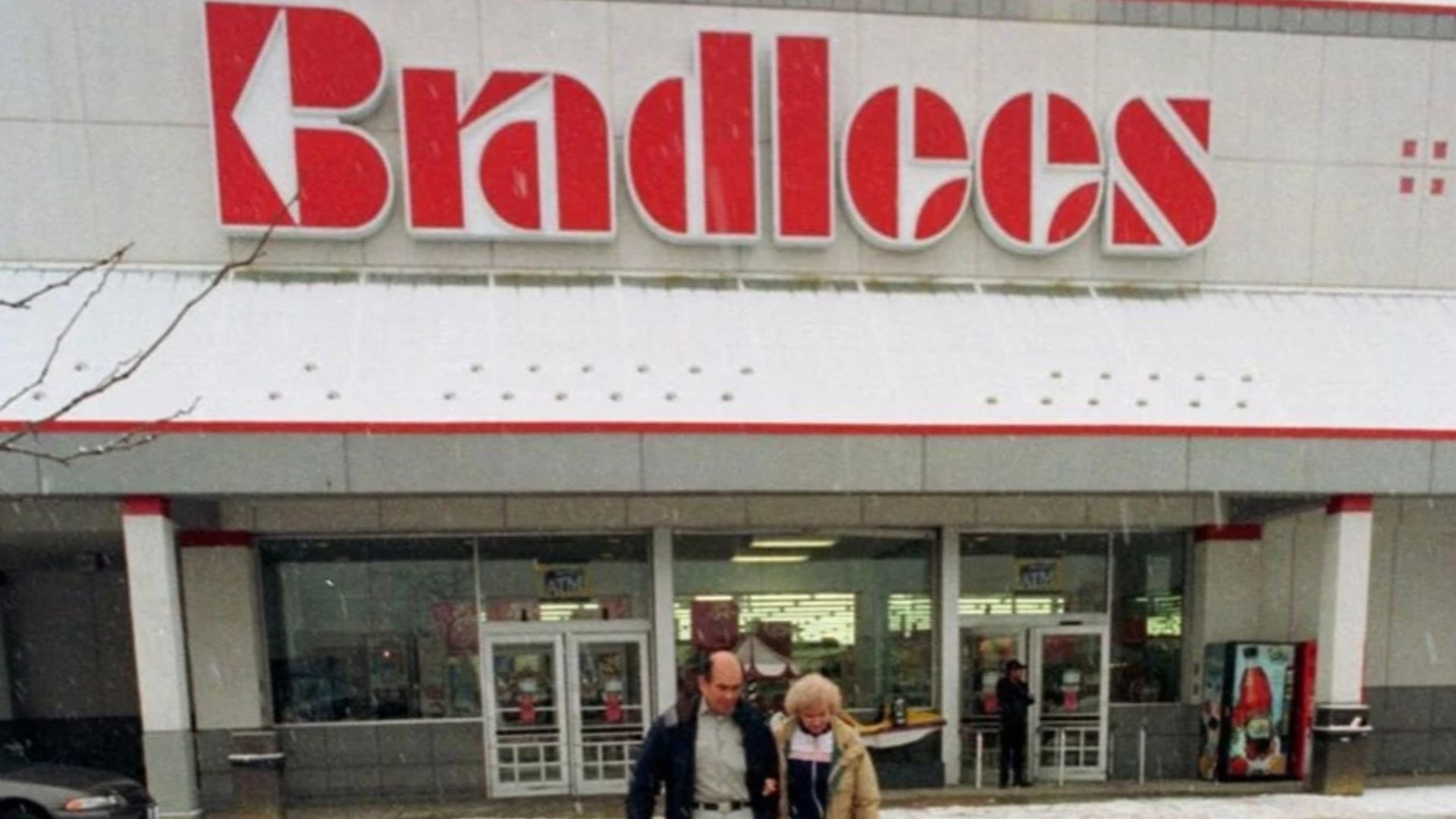 Byron A. Nash from USA, Wikimedia Commons
Bradlees Could Not Survive The Next Downturn
Bradlees filed for bankruptcy again in December 2000 and announced plans to liquidate its 105 stores. The company cited factors including a weakening economy, higher interest rates and energy costs, increased competition, and tighter trade credit. Nearly 10,000 jobs were tied to the business at the time.
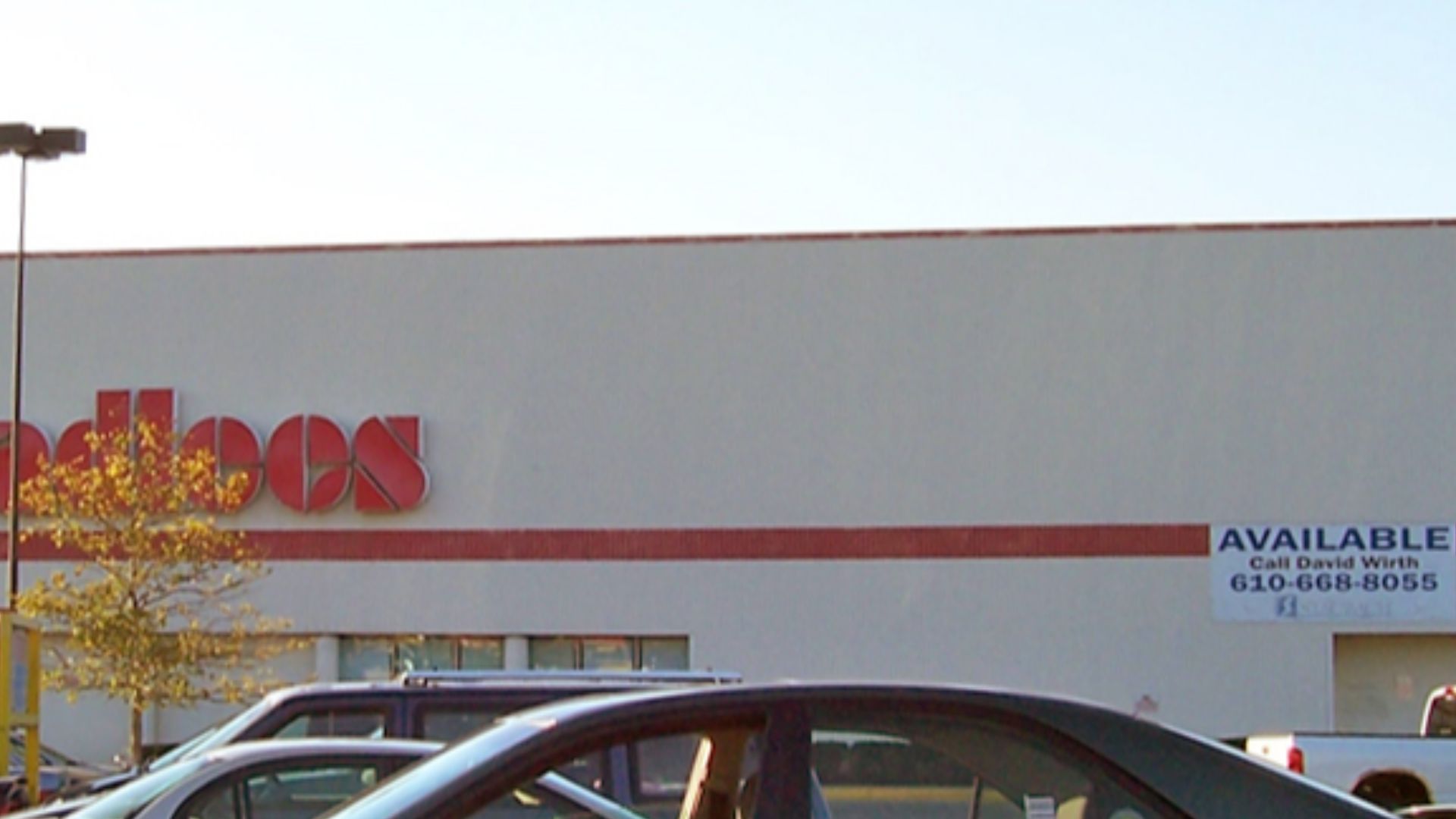 Richjenkins (talk) (Uploads), Wikimedia Commons
Service Merchandise Had A Different Model
Service Merchandise was not quite a conventional discount department store. Its catalog-showroom format let customers choose products before merchandise was retrieved through a distinctive fulfillment system. During its peak years, the company grew into the country's leading catalog-showroom retailer and generated billions of dollars in annual sales.
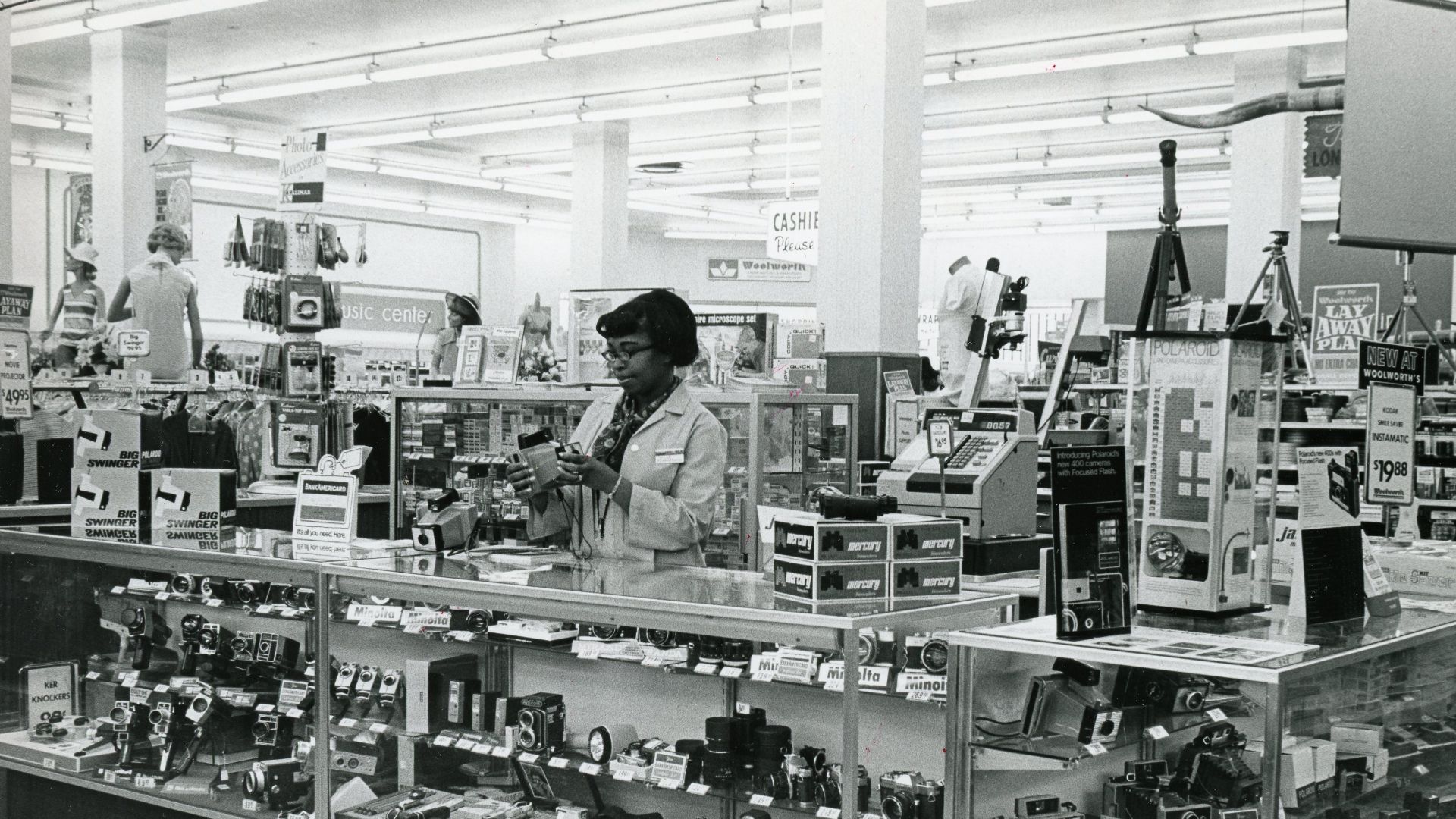 Phillip Pessar from Miami, USA, Wikimedia Commons
Its Showrooms Could Not Keep Up
Traditional big-box retailers became faster, larger, and easier for shoppers to navigate. Service Merchandise filed for bankruptcy in 1999 and attempted to reinvent itself by narrowing its merchandise assortment. In 2002, the company announced that more than 200 remaining stores would close after its reorganization effort failed.
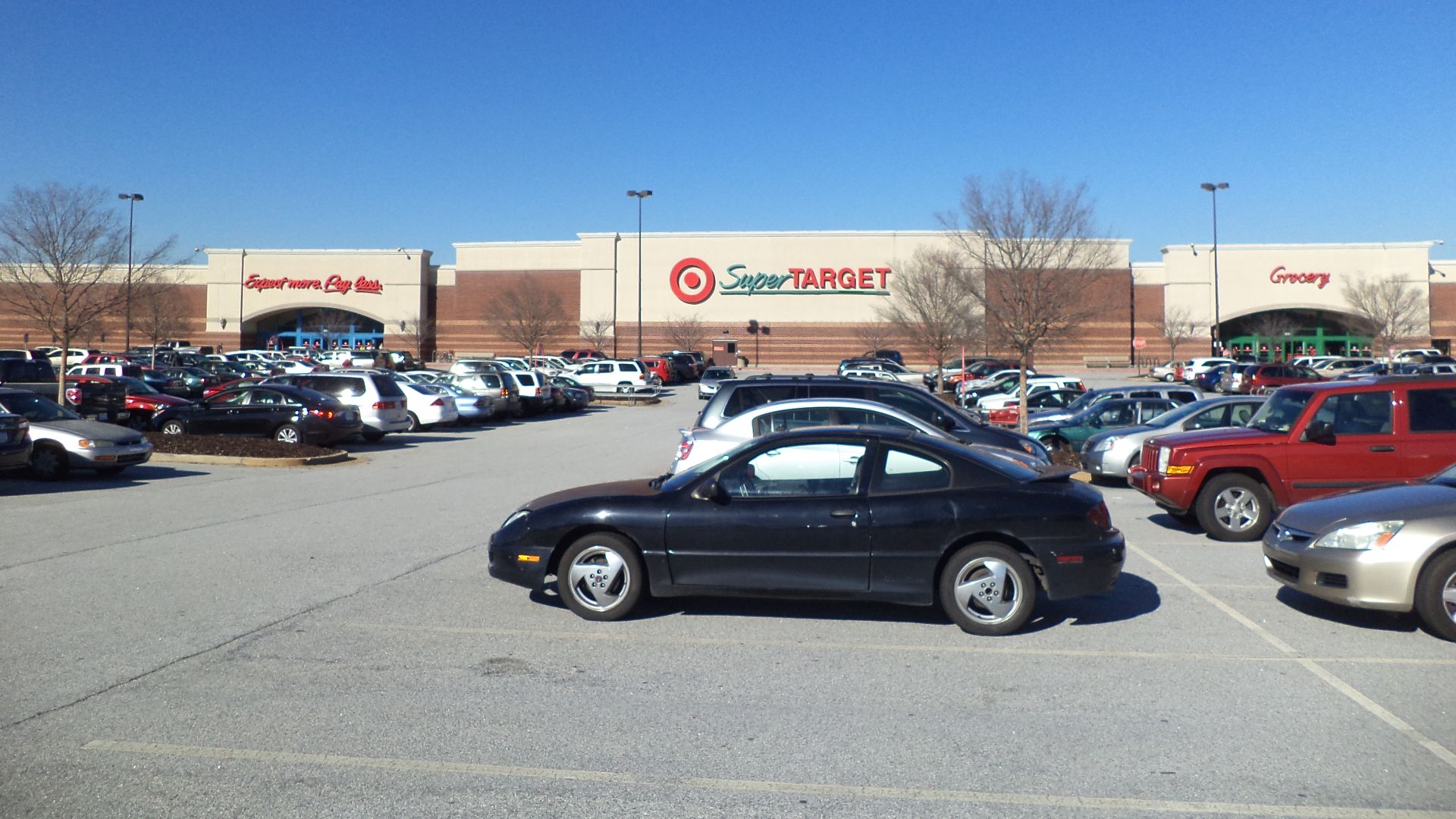 Michael Rivera, Wikimedia Commons
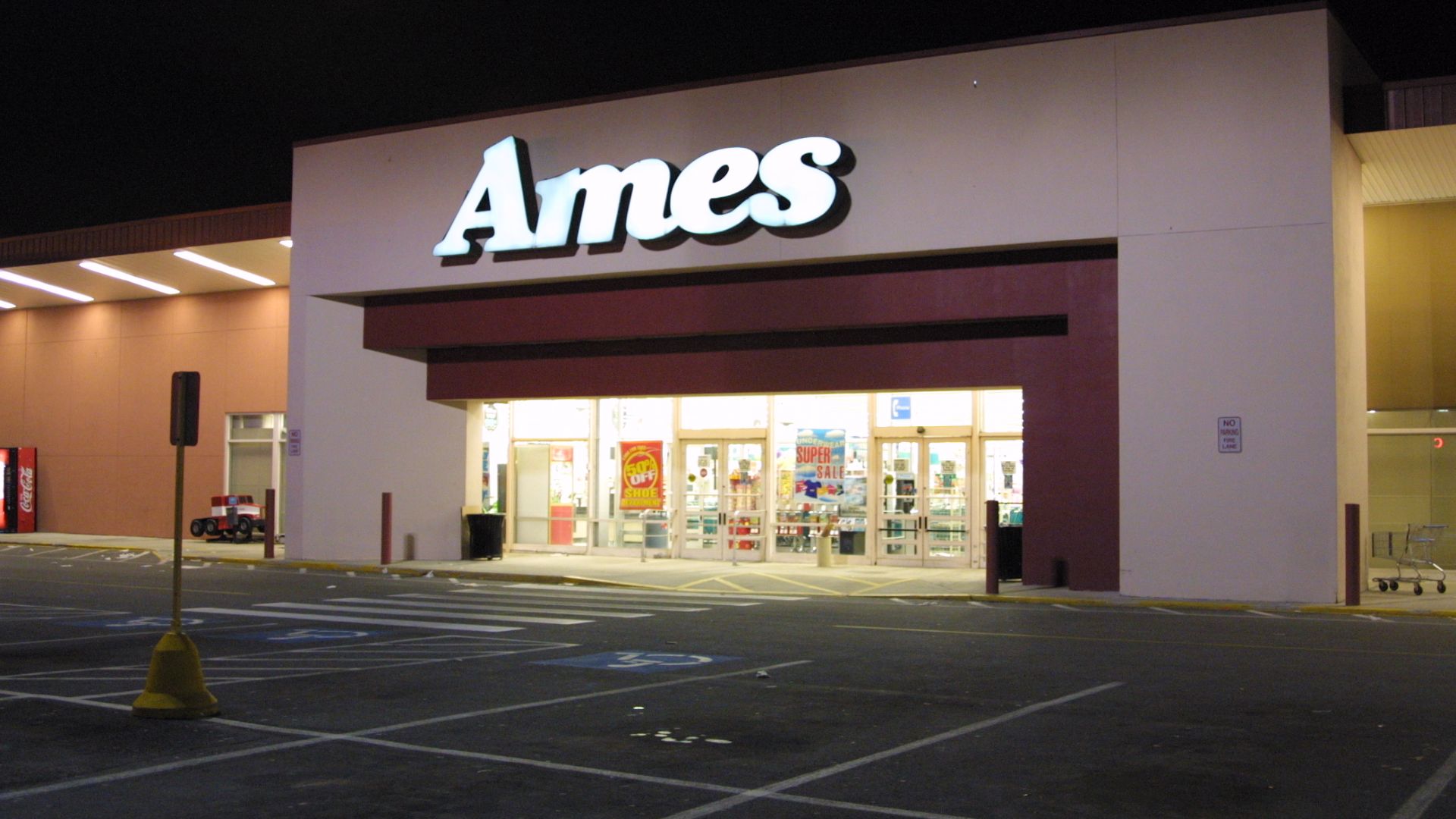
Ames Tried To Become A Giant
Ames once appeared positioned to become one of America's major surviving discount chains. Its acquisition of hundreds of Zayre locations in 1988 transformed it almost overnight from a regional operator into a national retail force. Unfortunately, the enormous leap in size came with serious financial and operational complications.
 Anthony92931, Wikimedia Commons
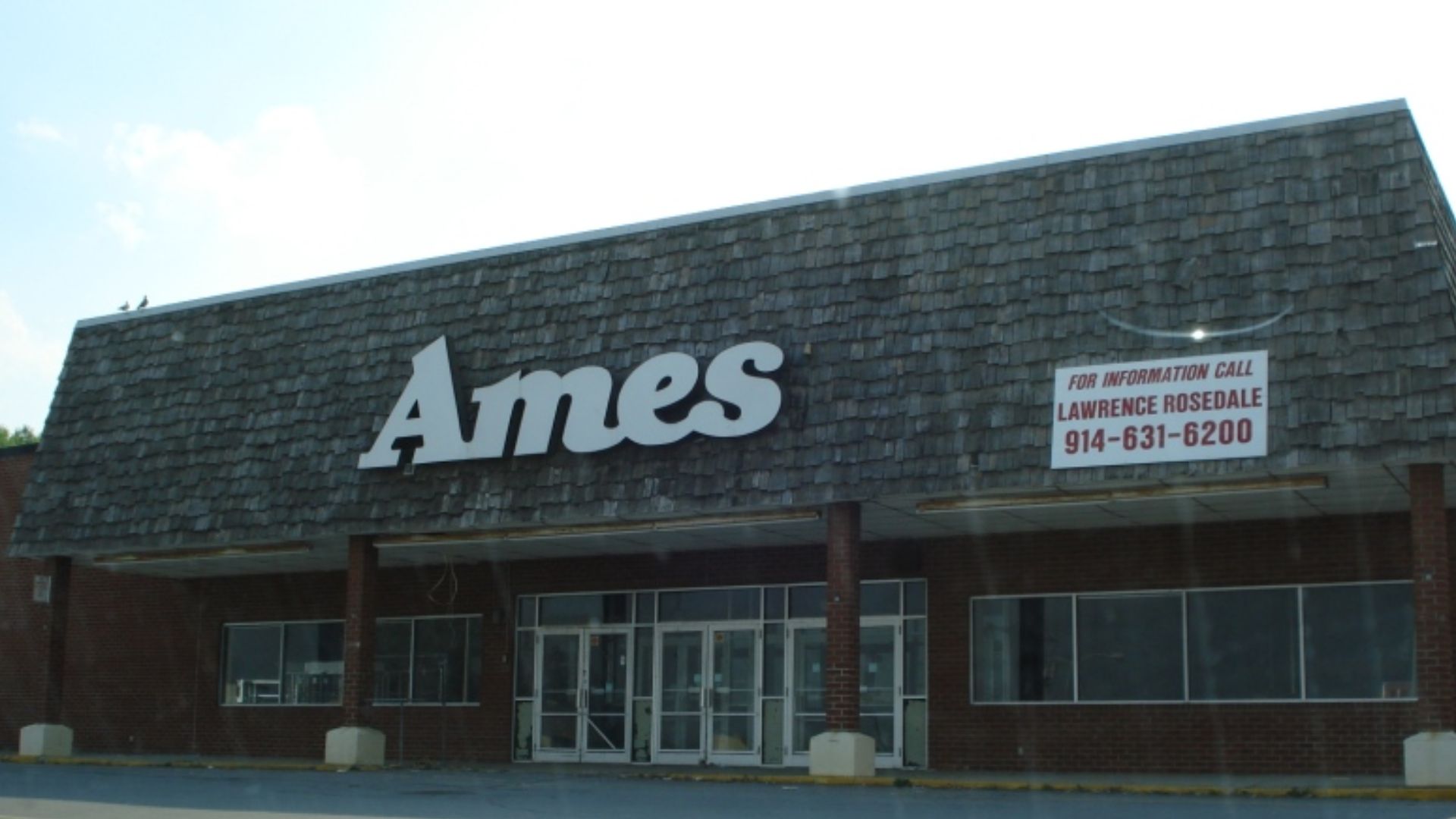
The Zayre Deal Nearly Sank Ames
Ames took on substantial obligations when it acquired the Zayre stores. Sales at many of the acquired locations failed to meet expectations, while the debt burden became increasingly difficult to manage. In 1990, Ames filed for Chapter 11 bankruptcy protection.
 Bluemarvel at en.wikipedia, Wikimedia Commons
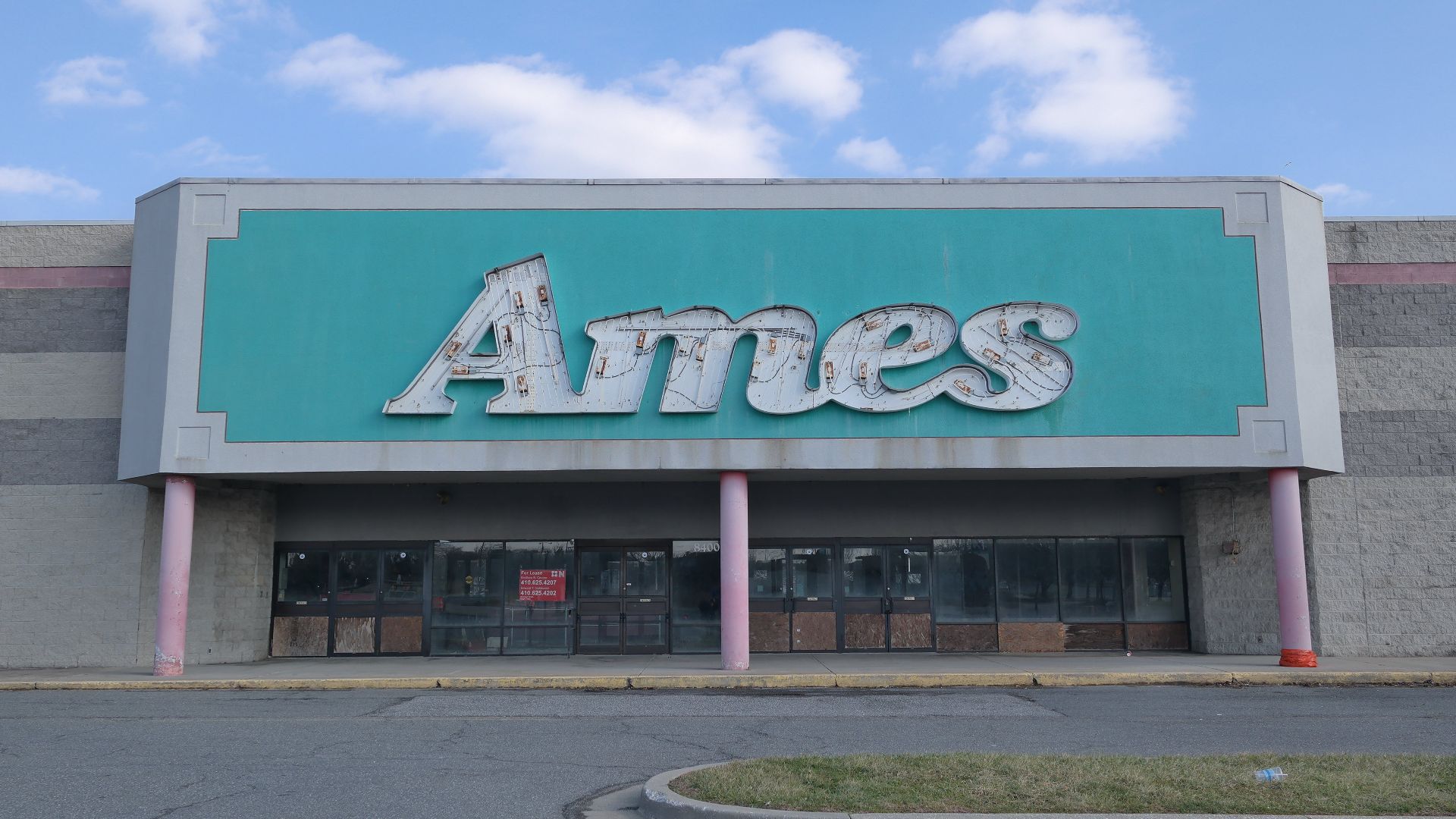
The Hills Deal Added Another Burden
Ames eventually recovered and tried another major expansion with the 1998 Hills acquisition. Within a few years, it was again closing stores as financial pressure mounted. In 2002, Ames announced that all 327 remaining locations would close.
 Aaron F. Stone, Wikimedia Commons
Bigger Rivals Changed What Shoppers Expected
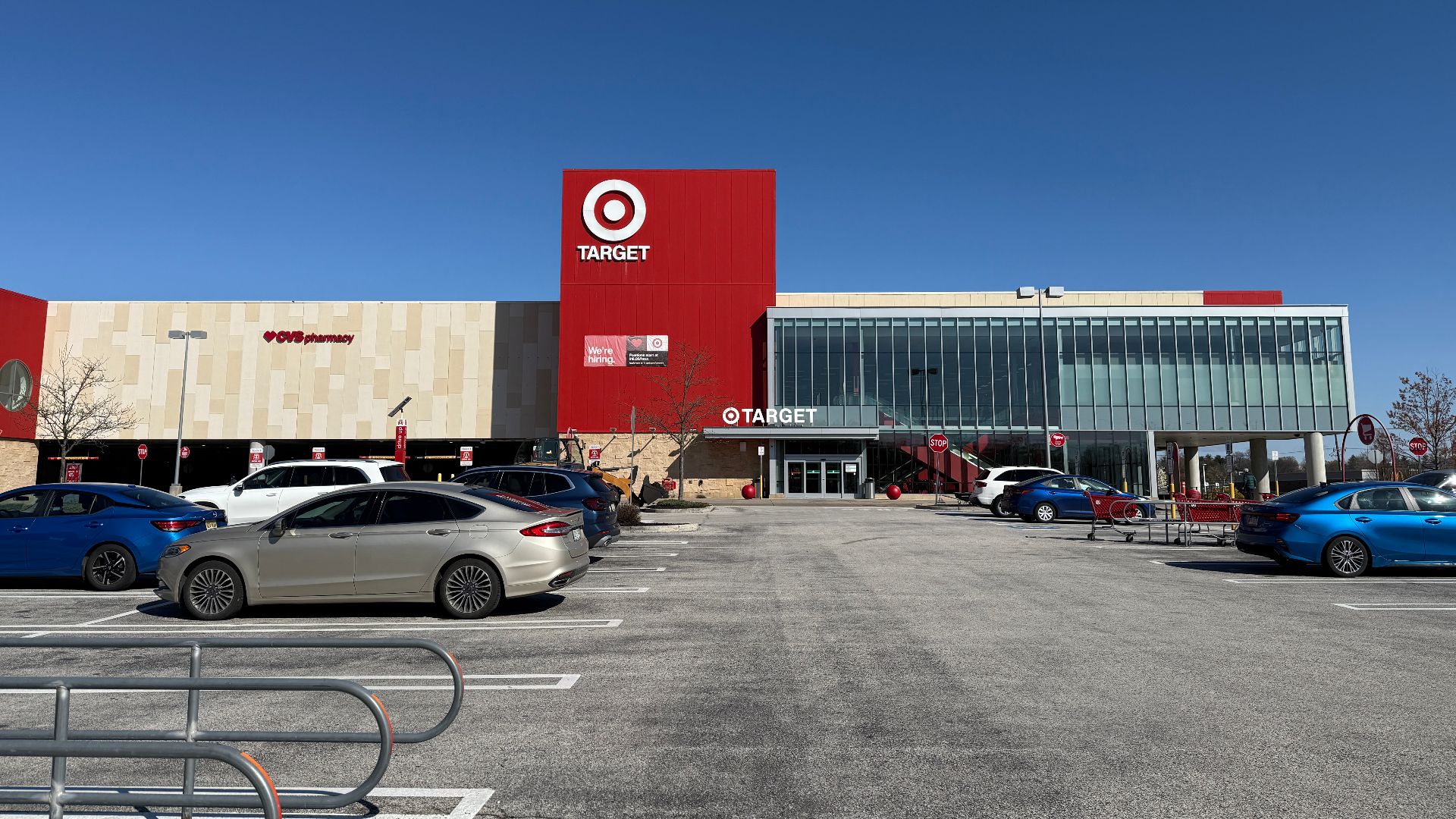
The disappearance of these chains cannot be blamed on one recession or one management mistake. Walmart expanded aggressively, Target entered new regions, warehouse clubs became more important, and specialized big-box chains captured categories that traditional discounters once sold under one roof. By the turn of the century, American discount retail had consolidated around far fewer major players.
The Names Disappeared, But The Shopping Habit Survived
Families never stopped wanting bargains, convenience, and stores where they could buy a little of everything. What changed was which companies could provide those things cheaply and efficiently enough to survive. Woolco, Zayre, Ames, Caldor, Bradlees, Hills, and their peers became reminders that even a beloved retail institution can disappear when the economics of shopping change.
You May Also Like:
The Four-Day Work Week: Is It Worth It?
How To Achieve Financial Freedom
Wellness Tips That Save You Money in the Long Run
Sources: 1, 2, 3, 4, 5, 6, 7, 8, 9, 10, 11, 12, 13, 14, 15, 16, 17, 18, 19, 20, 21