Grocery Shopping Used To Feel More Personal
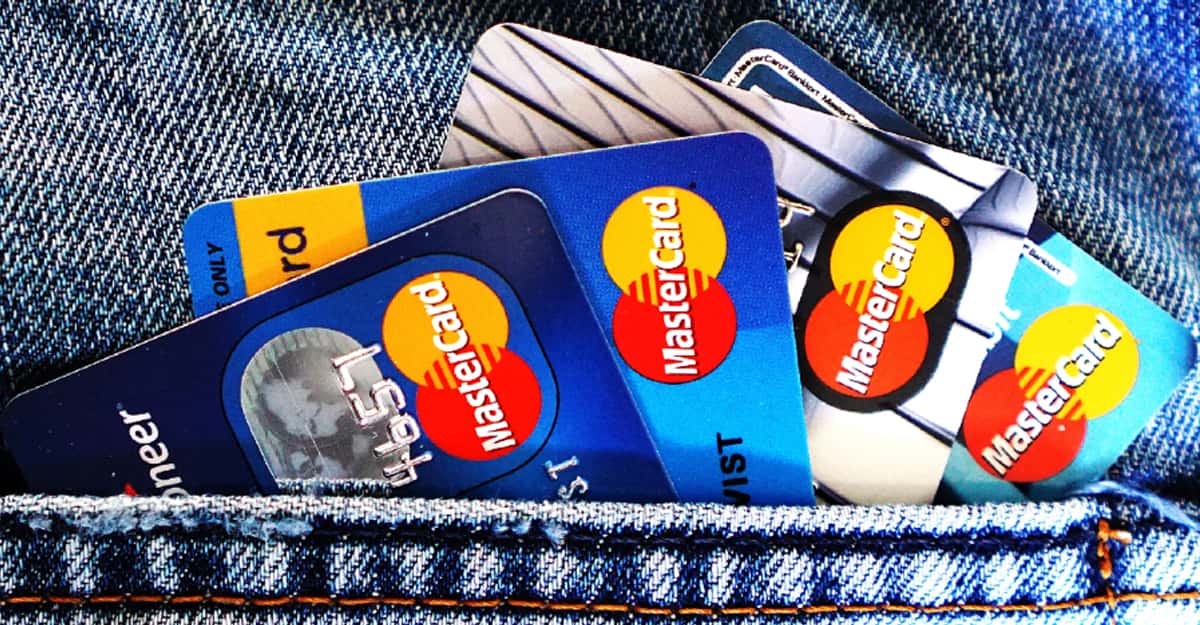
A trip to the supermarket once came with perks shoppers now rarely see. Employees packed bags, answered questions, and even carried purchases to the car. Today, many of those everyday services have disappeared, become automated, or returned with a price tag.
The Hidden Cost Of Convenience
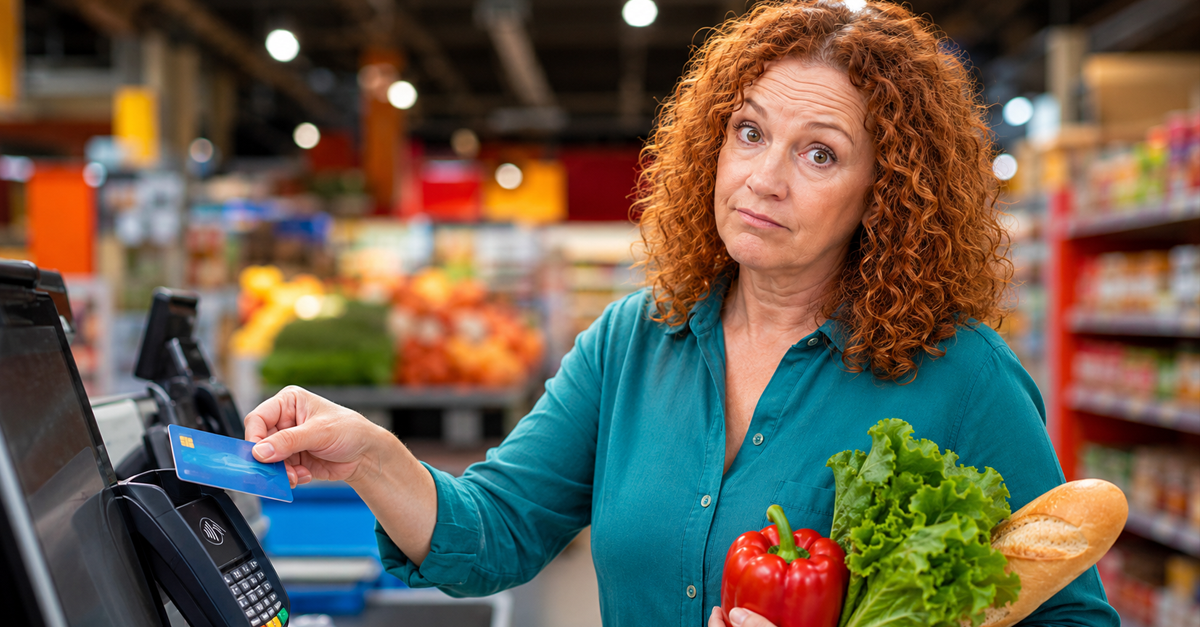
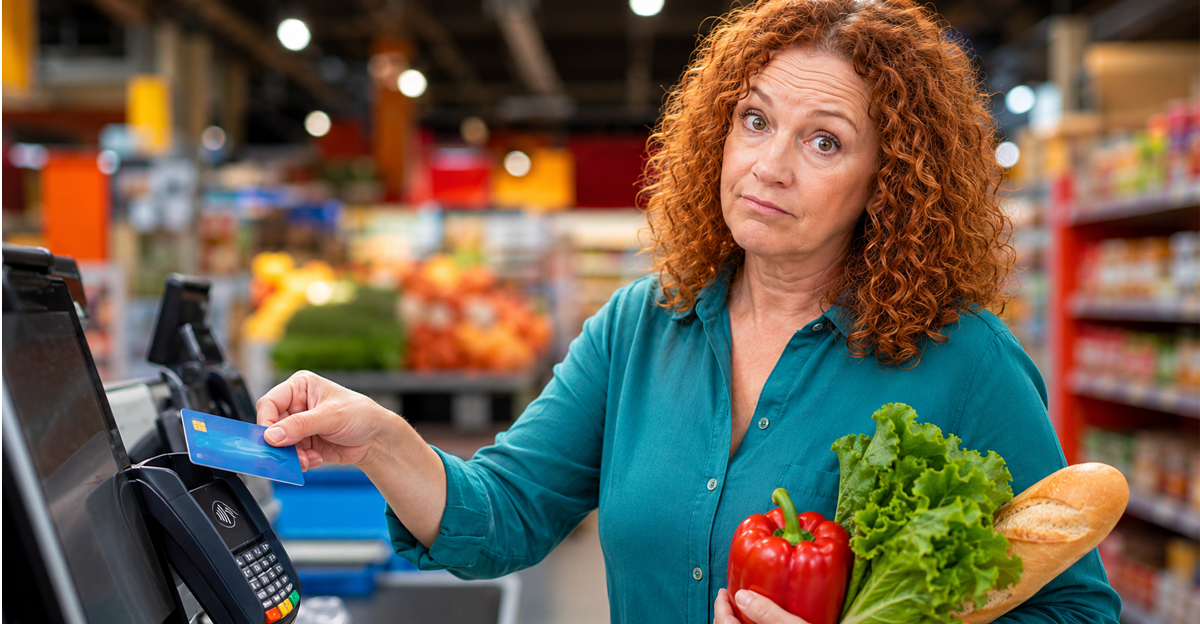
Many grocery services were never truly free because their costs were built into store prices and varied by chain, region, and era. Today, automation and self-service shift more work to shoppers, who increasingly pay with their time, data, or separate fees.
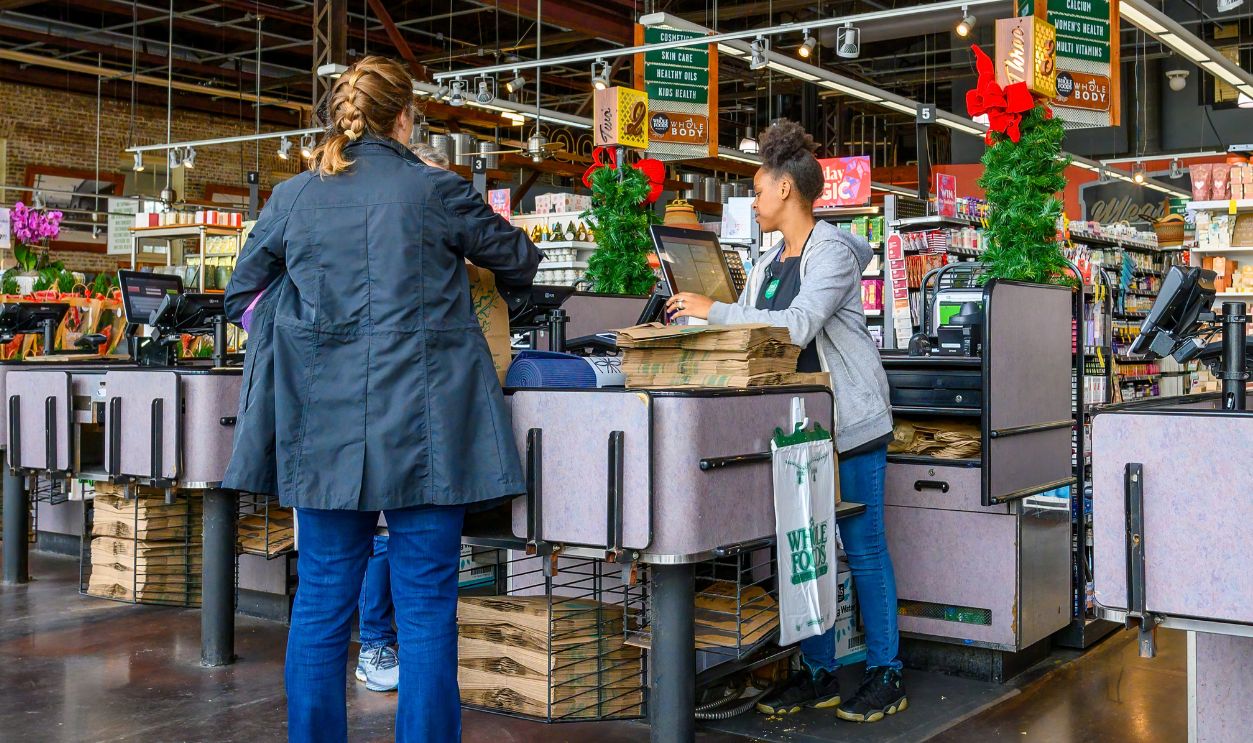
A Cashier Who Handles Everything
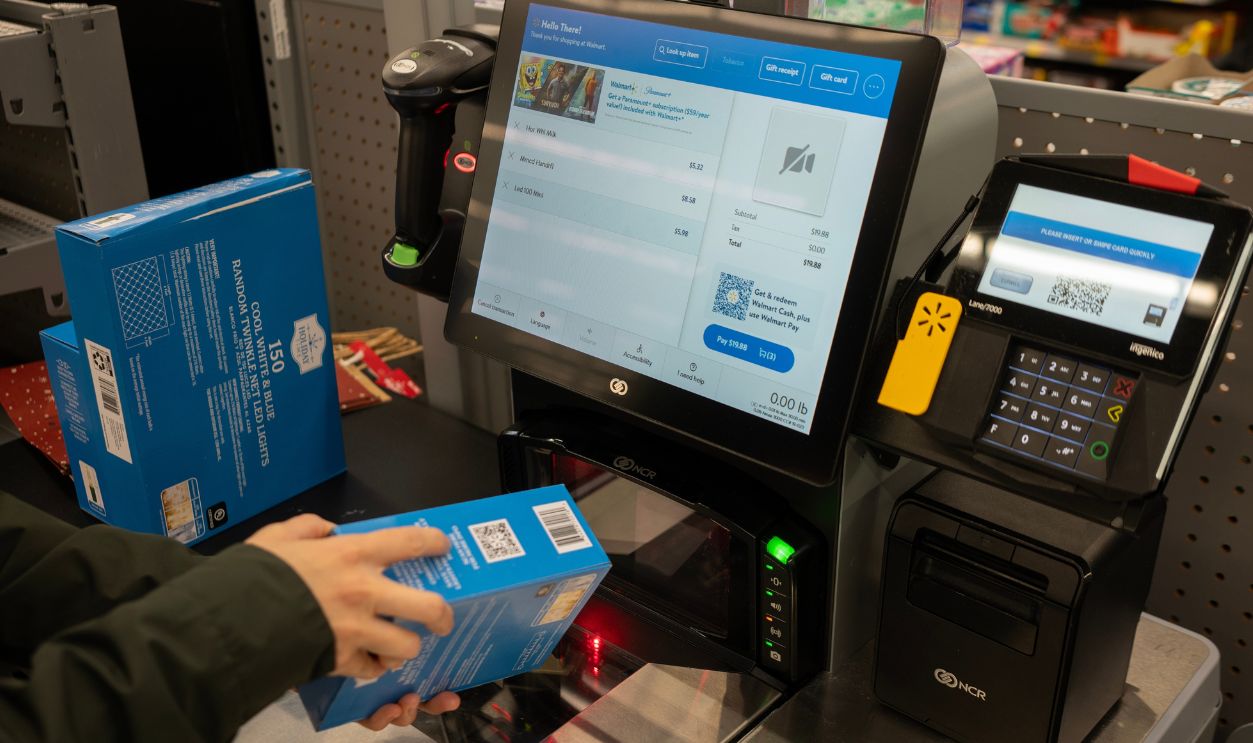
A staffed checkout once meant that an employee scanned the order, accepted payment, and handled routine problems. Self-checkout now asks customers to scan merchandise and summon an attendant when the machine rejects a coupon or questions an item’s weight.
 William A. Morgan, Shutterstock
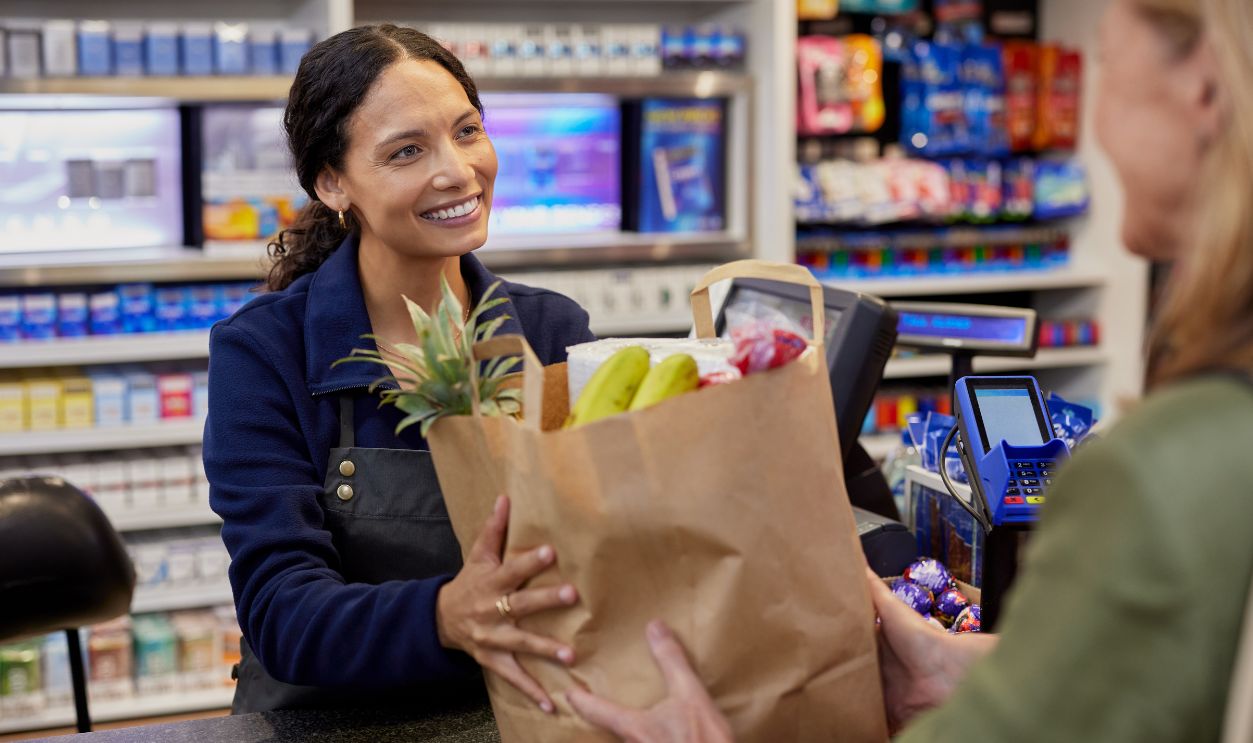
Someone To Bag The Groceries
Dedicated baggers were once a familiar part of the supermarket checkout experience. At many stores, customers now pack their own purchases while the next order moves down the belt. Strategic self-bagging can prevent damage, but it is still unpaid work that stores previously assigned to employees.
Help Carrying Purchases To The Car
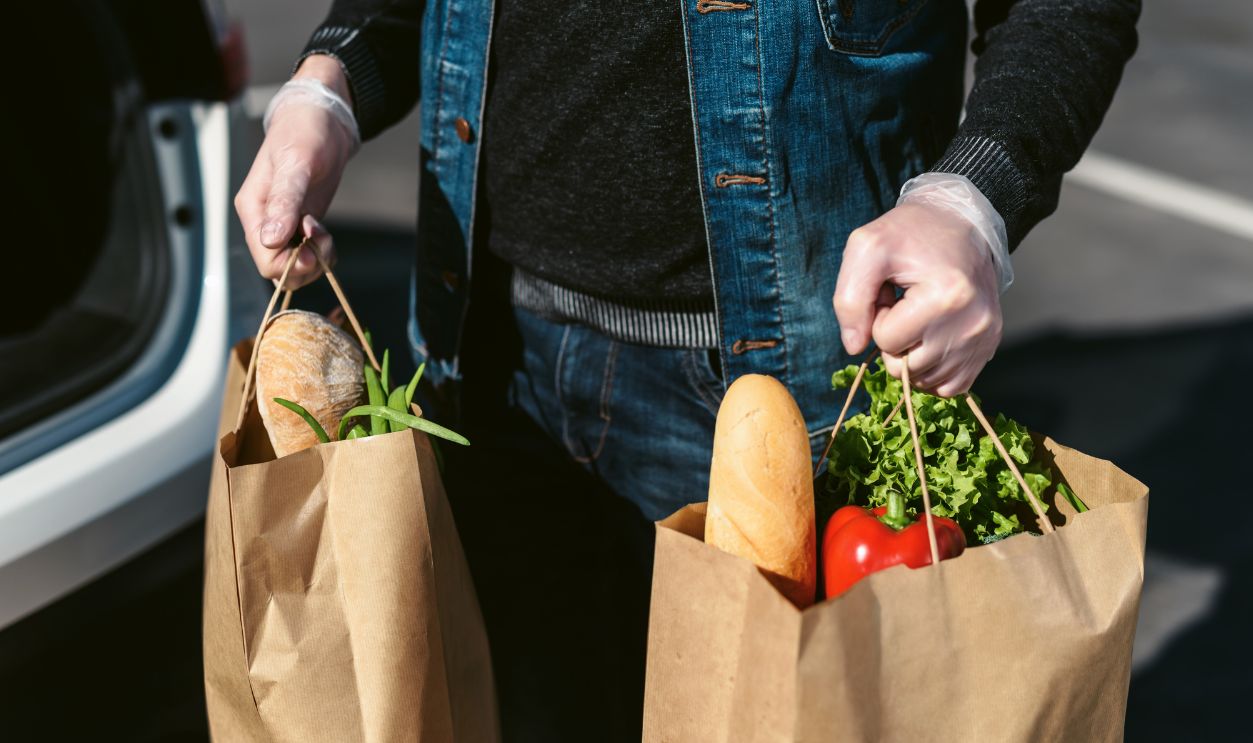
Courtesy clerks traditionally bagged purchases and helped customers load them into their vehicles. That assistance still exists at some chains, but it can be difficult to find when stores are understaffed. Shoppers with mobility limitations should ask before assuming the service has disappeared because some locations provide it upon request.
Complimentary Grocery Bags
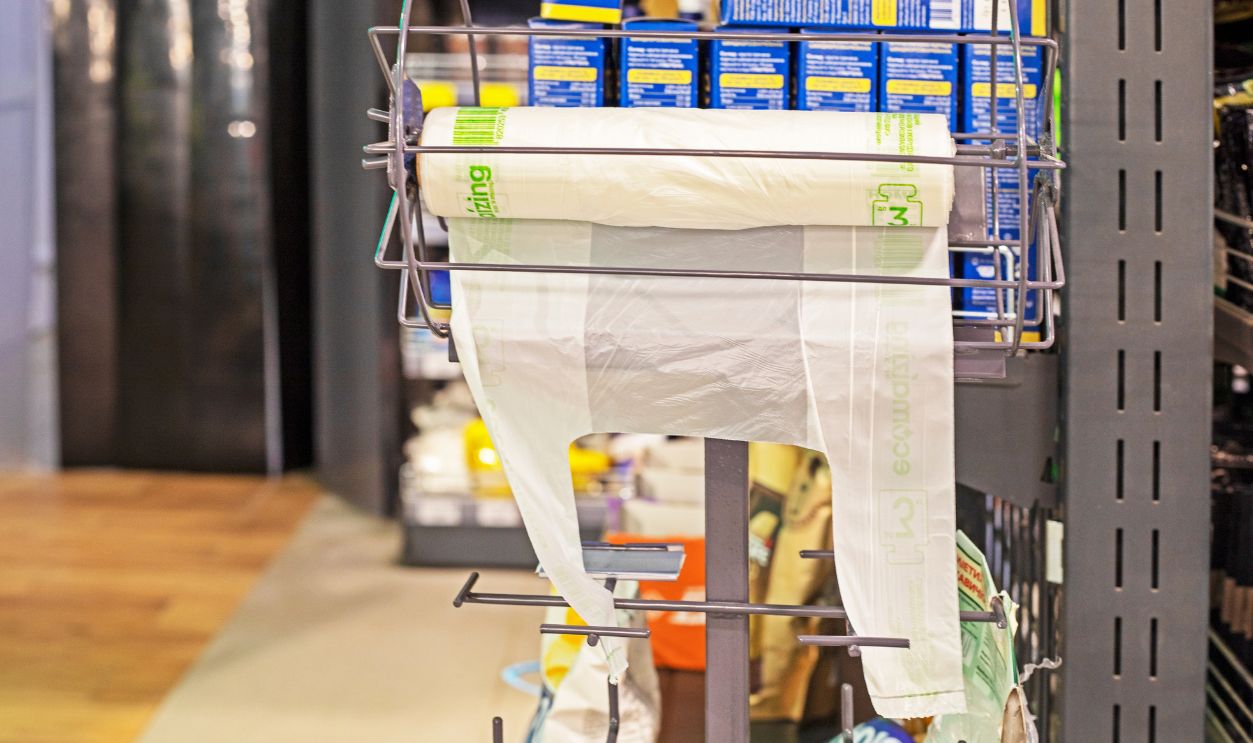
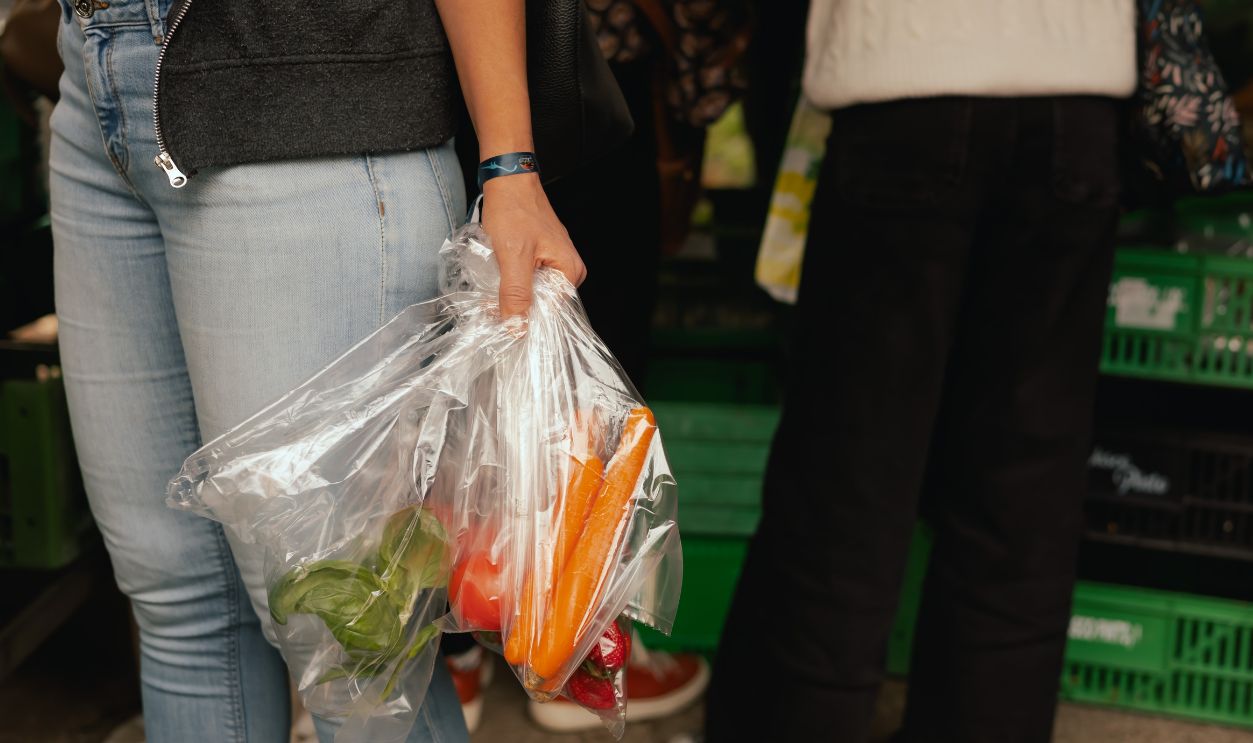
Disposable bags were once routinely handed out at checkout without a separate charge. Environmental rules and low-cost retail models have made paid paper or reusable bags increasingly common. Keeping washable bags in the car can prevent recurring fees, although shoppers should clean them regularly to reduce cross-contamination.
A Cart Without A Deposit
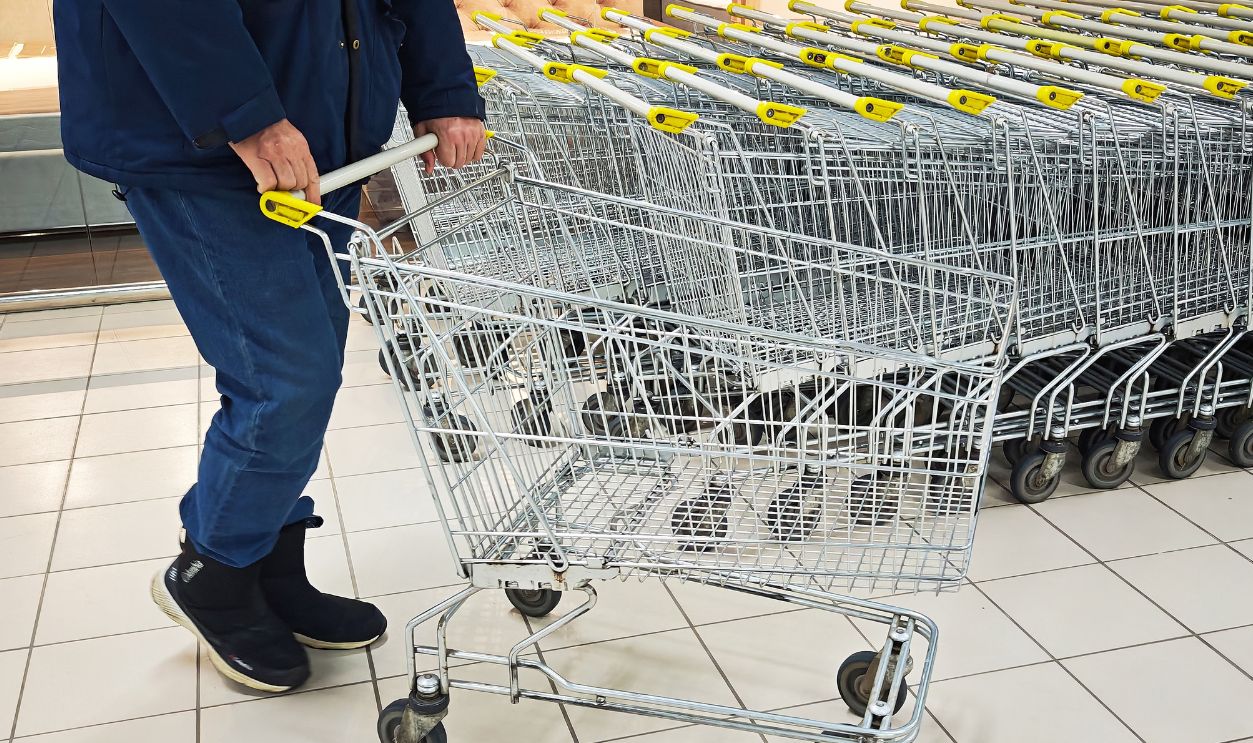
Most American supermarkets still provide carts freely, but some chains require a refundable deposit. Aldi, for example, asks shoppers to insert a quarter and returns it when the cart is properly docked. The system reduces cart-collection labor, so carry a quarter or reusable cart token if you shop there.
A Clerk Who Collected Your Order
Before self-service grocery stores became dominant, customers commonly gave a list to a clerk who retrieved the merchandise. Piggly Wiggly helped popularize the opposite approach by letting customers walk the aisles and select products themselves. Today, having another person gather an order has returned as a pickup or delivery convenience, sometimes with fees, minimums, or membership requirements.
Groceries Delivered By The Store
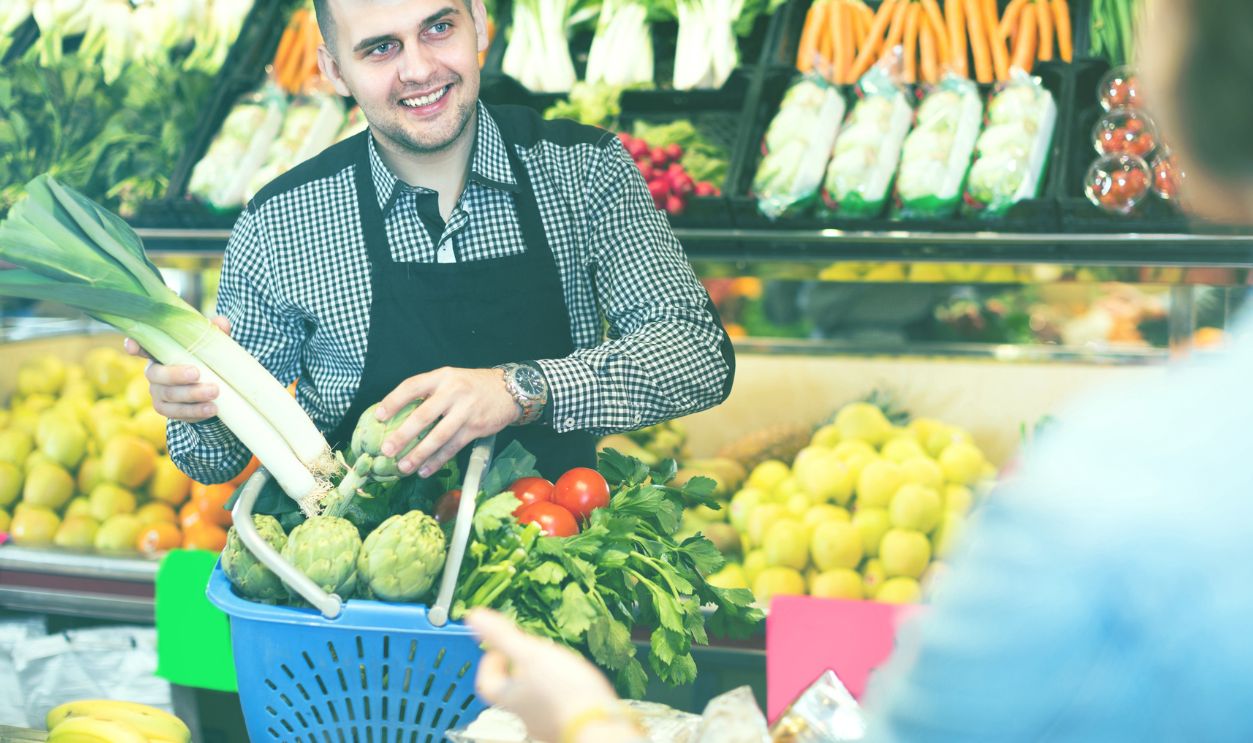
Neighborhood grocers once offered home delivery as a relationship-building service, particularly when orders were assembled by clerks. Modern delivery is more scalable, but platforms may impose delivery charges, service fees, minimum orders, tips, or subscriptions. Compare the final online total with the shelf-price total before deciding that delivery is worth the premium.
 Dmytro Zinkevych, Shutterstock
Personal Shopping Without A Subscription
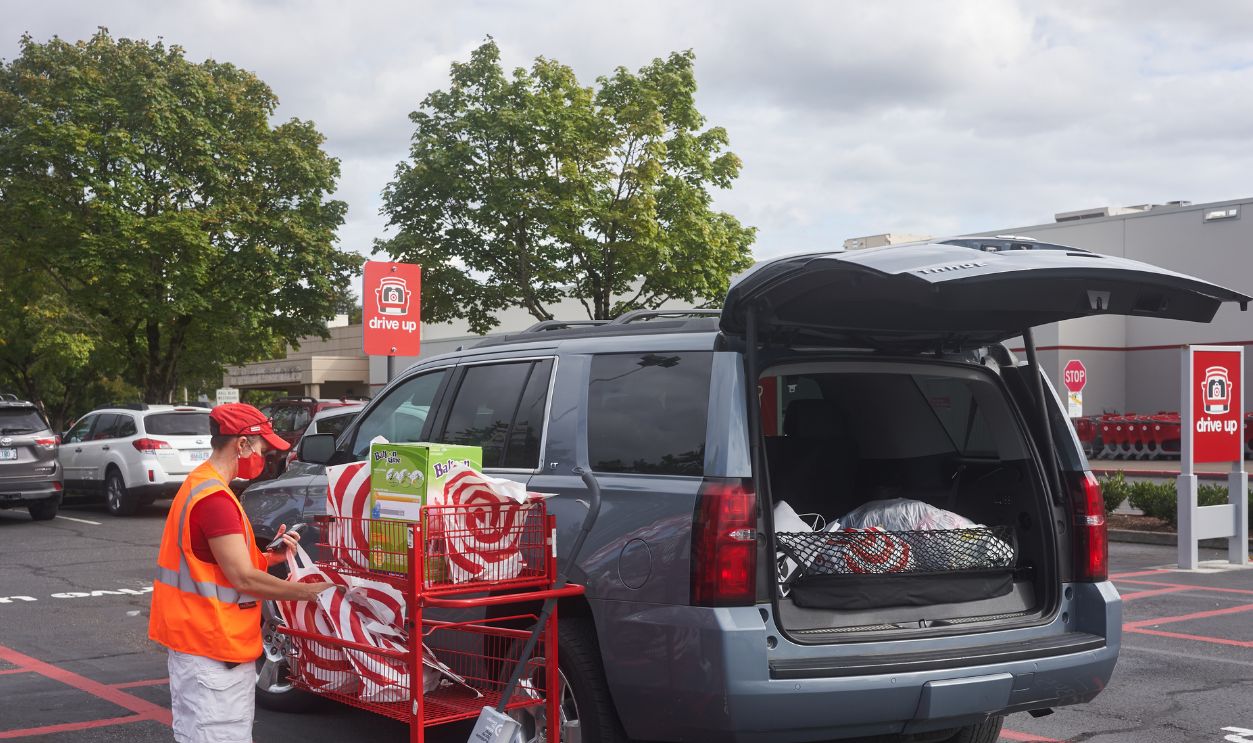
Curbside pickup and personal shopping feel modern, but the underlying service resembles the old practice of employees filling customer orders. Depending on the retailer or platform, shoppers may face pickup charges, markups, minimum purchases, or priority fees. Free pickup can remain a good deal when product prices match the store and it prevents impulse buying.
Coupons That Did Not Need An App
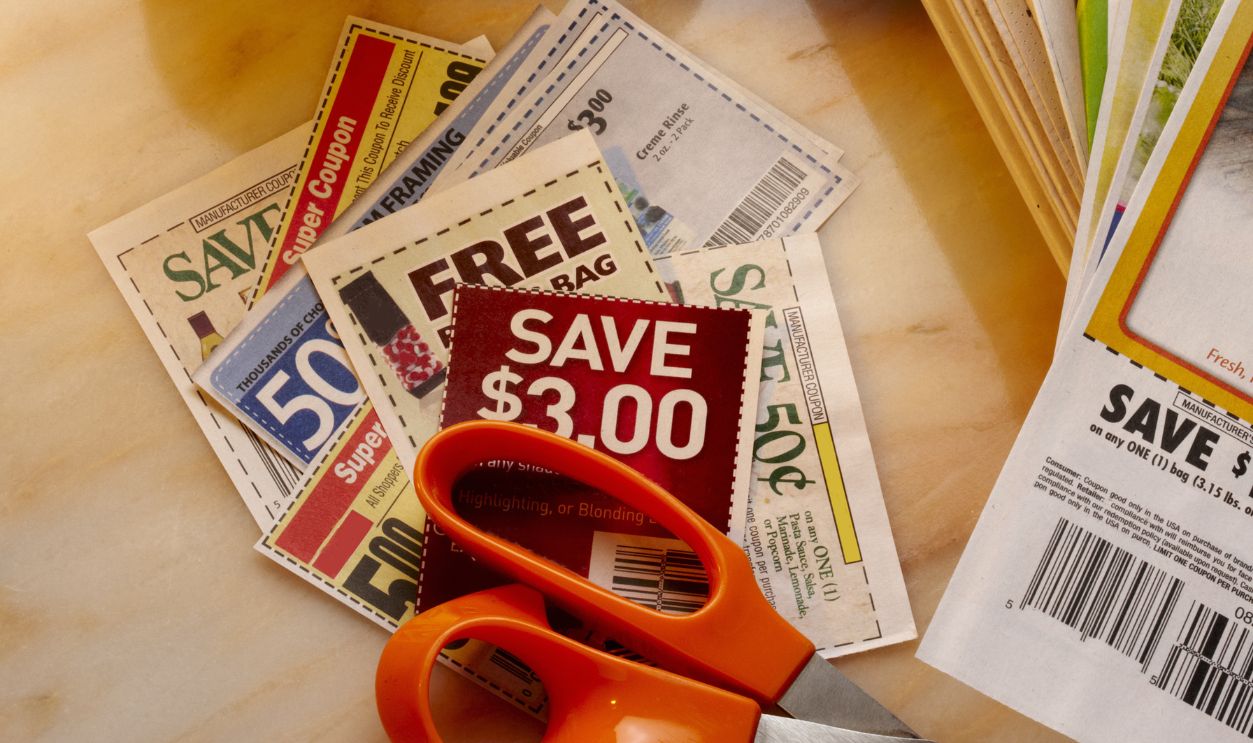
Paper coupons could once be clipped from a newspaper, flyer, or magazine and handed directly to a cashier. Many supermarket promotions now require customers to create an account and load offers through a website or smartphone app. Check whether your store has a service-desk workaround or in-store coupon kiosk before paying the higher price.
A Printed Weekly Ad
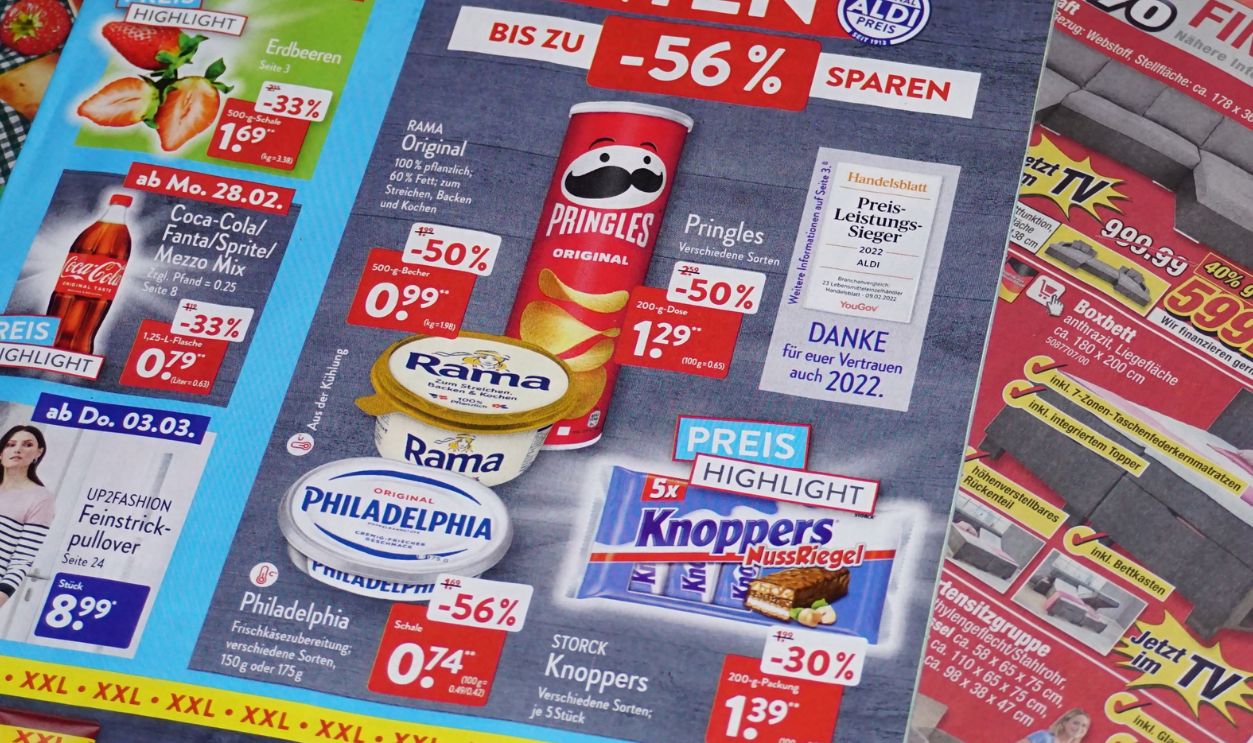
Printed weekly ads once made it easy to compare grocery deals without a phone, password, or internet connection. Many stores have moved these promotions to websites, emails, and mobile apps. If your newspaper no longer includes them, check the retailer’s website for a digital version.
Sale Prices Without Digital Hoops
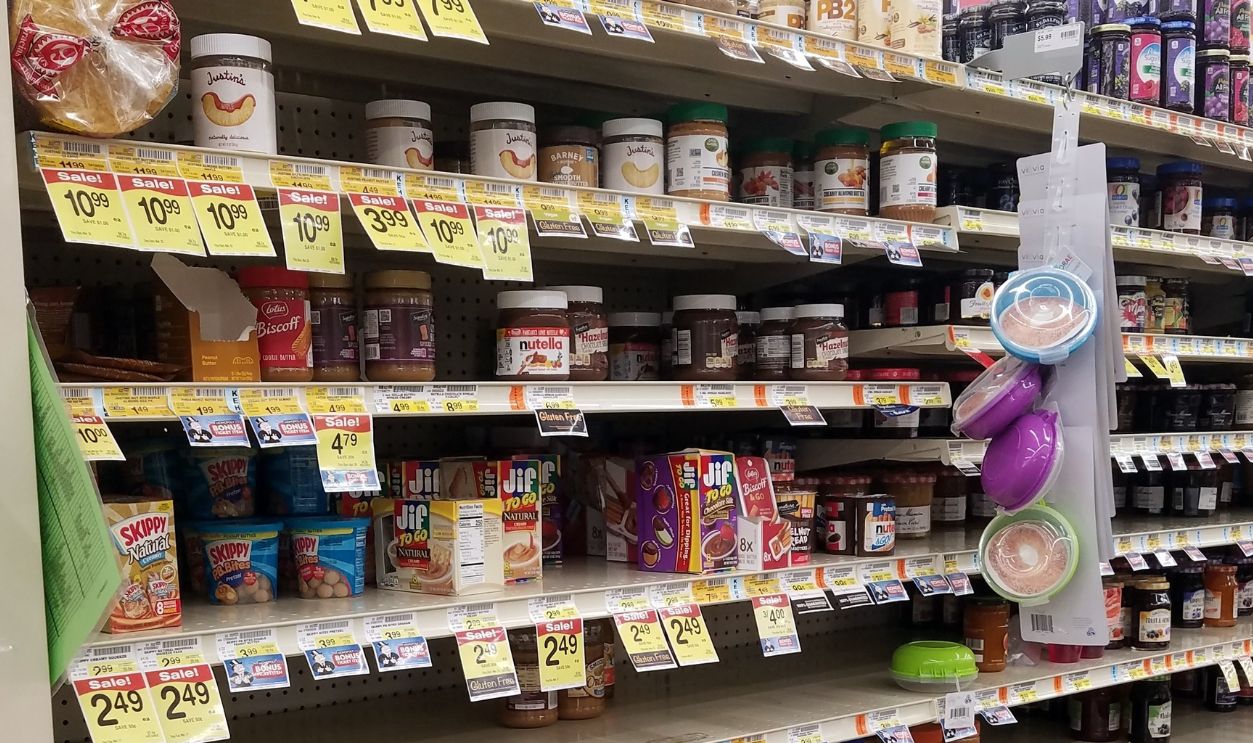
A sale price once usually appeared on the shelf and applied when the item was scanned. Some of today’s lowest prices are reserved for loyalty members or customers who activate a digital coupon. Read the complete shelf label because the largest number may represent an app-only price rather than what every shopper will pay.
 ChicagoPhotographer, Shutterstock
Prices Printed On Individual Products
Early self-service stores marked prices directly on merchandise, making the cost visible before checkout. Barcode scanners improved speed and inventory management, but they also helped stores replace individual stickers with shelf labels. When a shelf tag is missing or ambiguous, photograph the display and verify the price before purchasing.
A Straightforward Rain Check
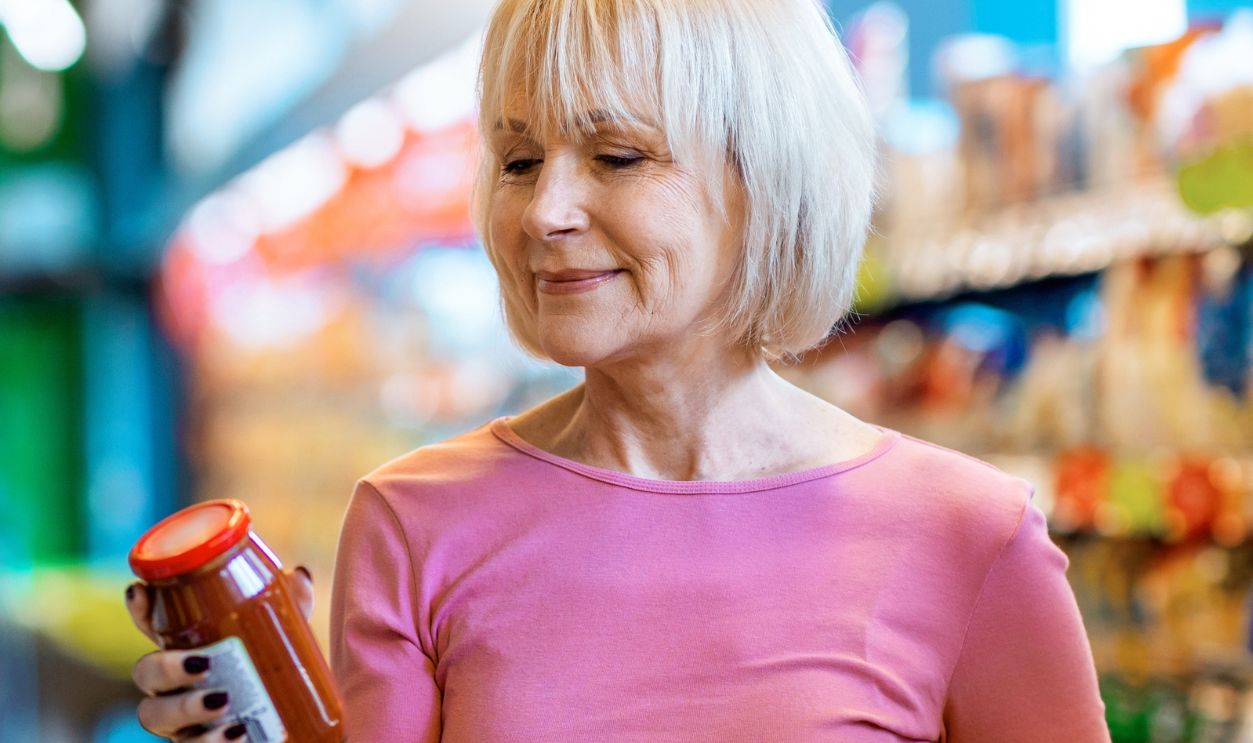
Rain checks let shoppers claim an advertised price after a sold-out product returned to stock. Federal rules still address unavailable advertised grocery products, but retailers may instead offer a comparable item or clearly disclose limited quantities. Ask about the store’s remedy immediately because exclusions and redemption periods can restrict the value of a rain check.
A Butcher Who Customized The Cut
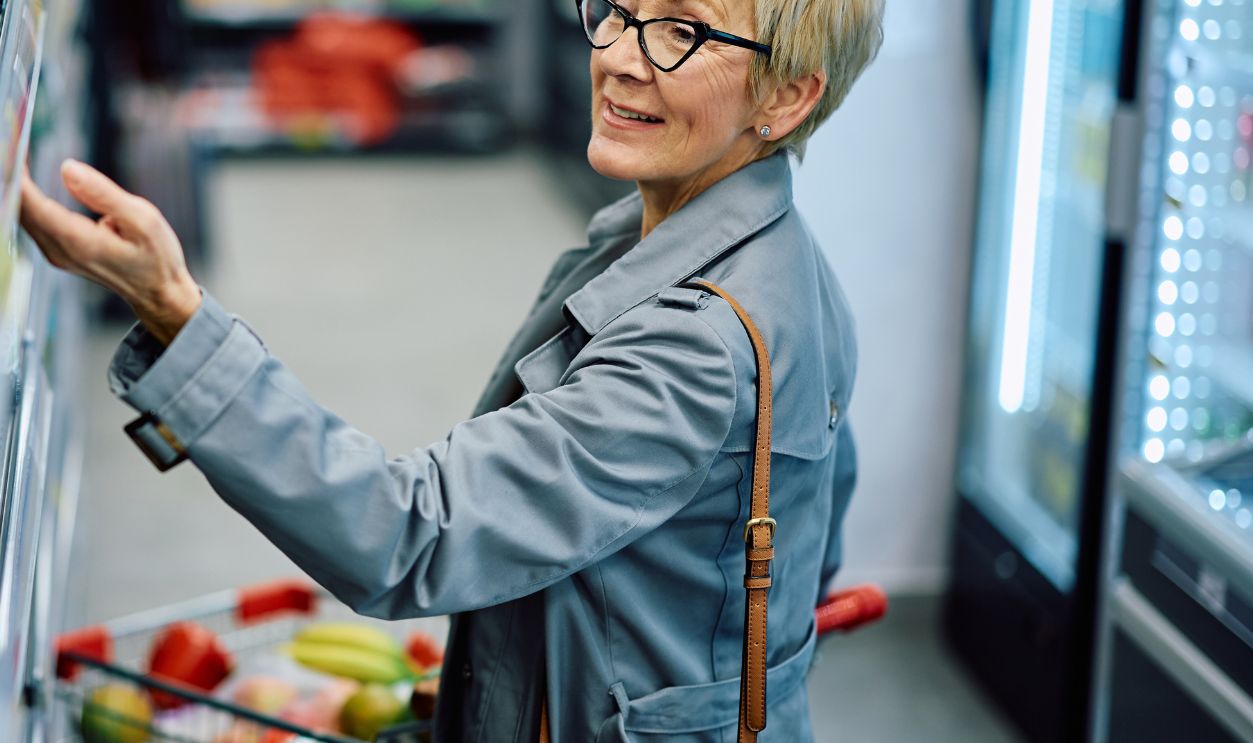
Full-service meat departments traditionally offered custom cutting, trimming, grinding, and cooking advice. The growth of case-ready meat processed away from the store has reduced the need for skilled retail butchers. Before buying a more expensive prepared package, ask whether an on-duty meat cutter can handle the request without an additional charge.
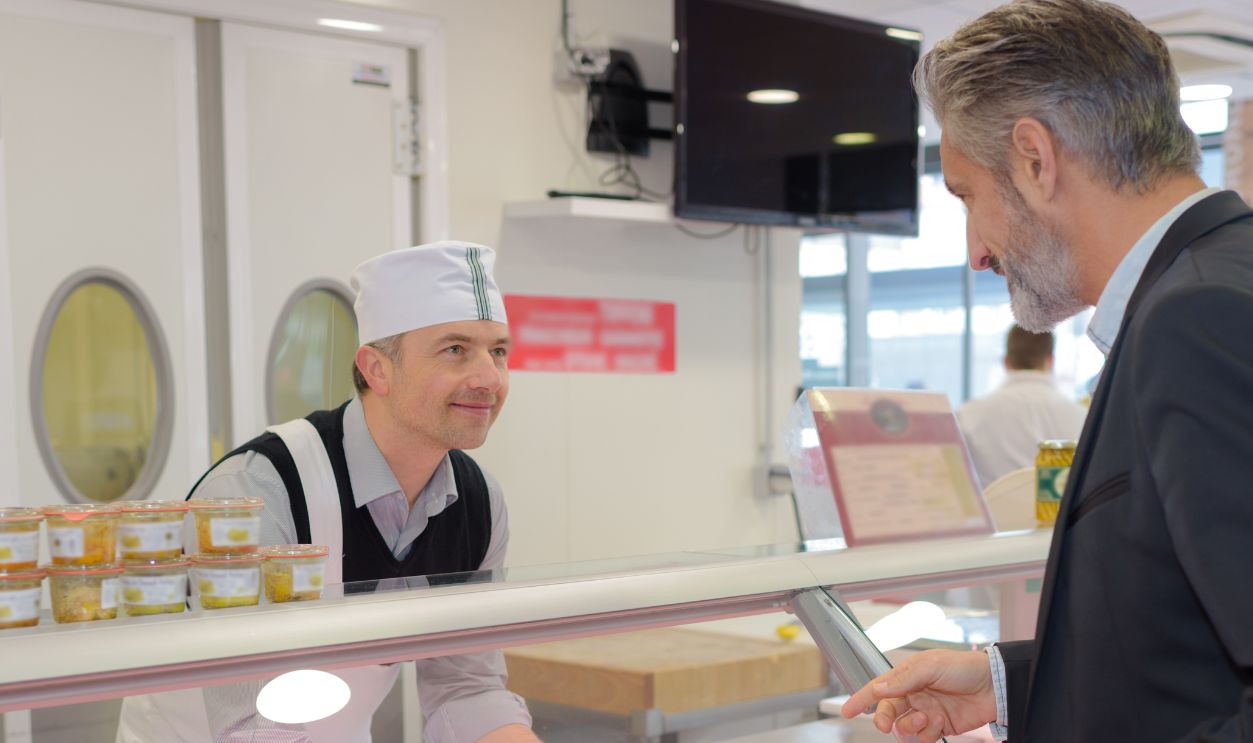
A Fishmonger Who Prepared Dinner
A staffed seafood counter may clean, debone, season, or otherwise prepare a purchase. Some stores even steam seafood without charging beyond the product price. However, many grocery stores no longer offer these preparation services, and availability varies by location. Call ahead to confirm before making a special trip.
 fotografia juan reig, Shutterstock
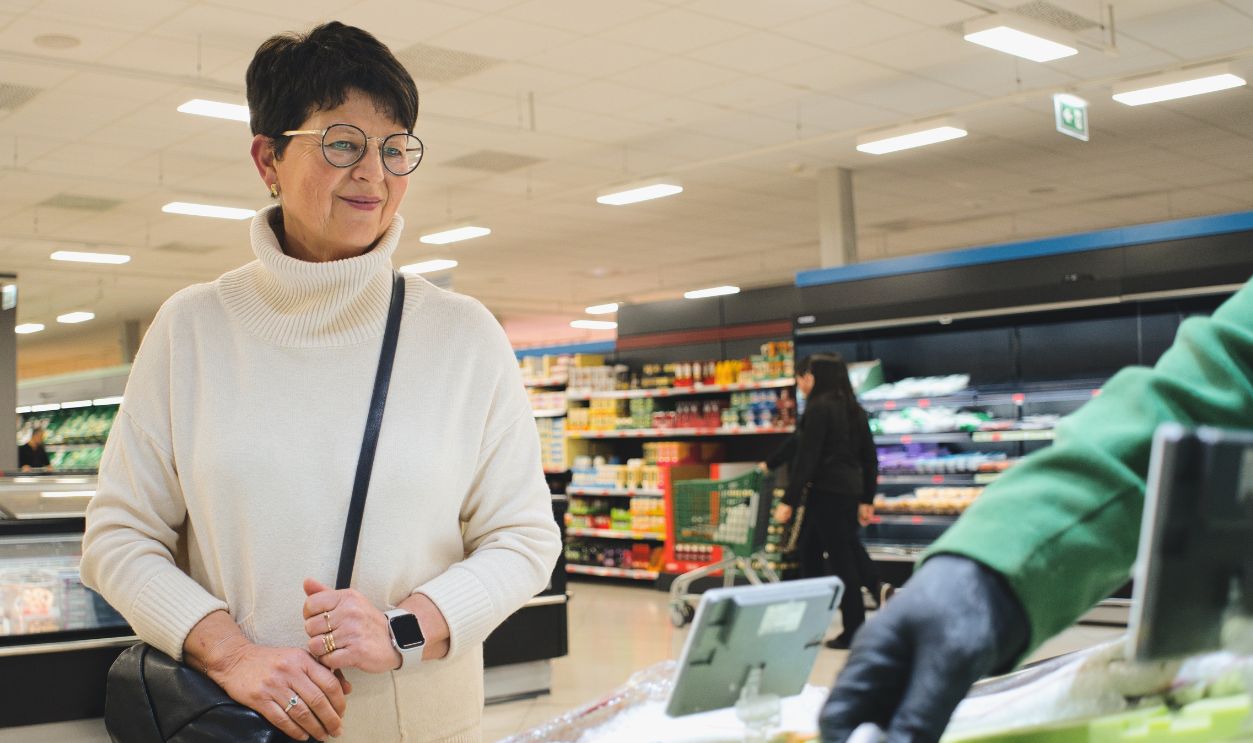
Deli Service Instead Of A Plastic Tub
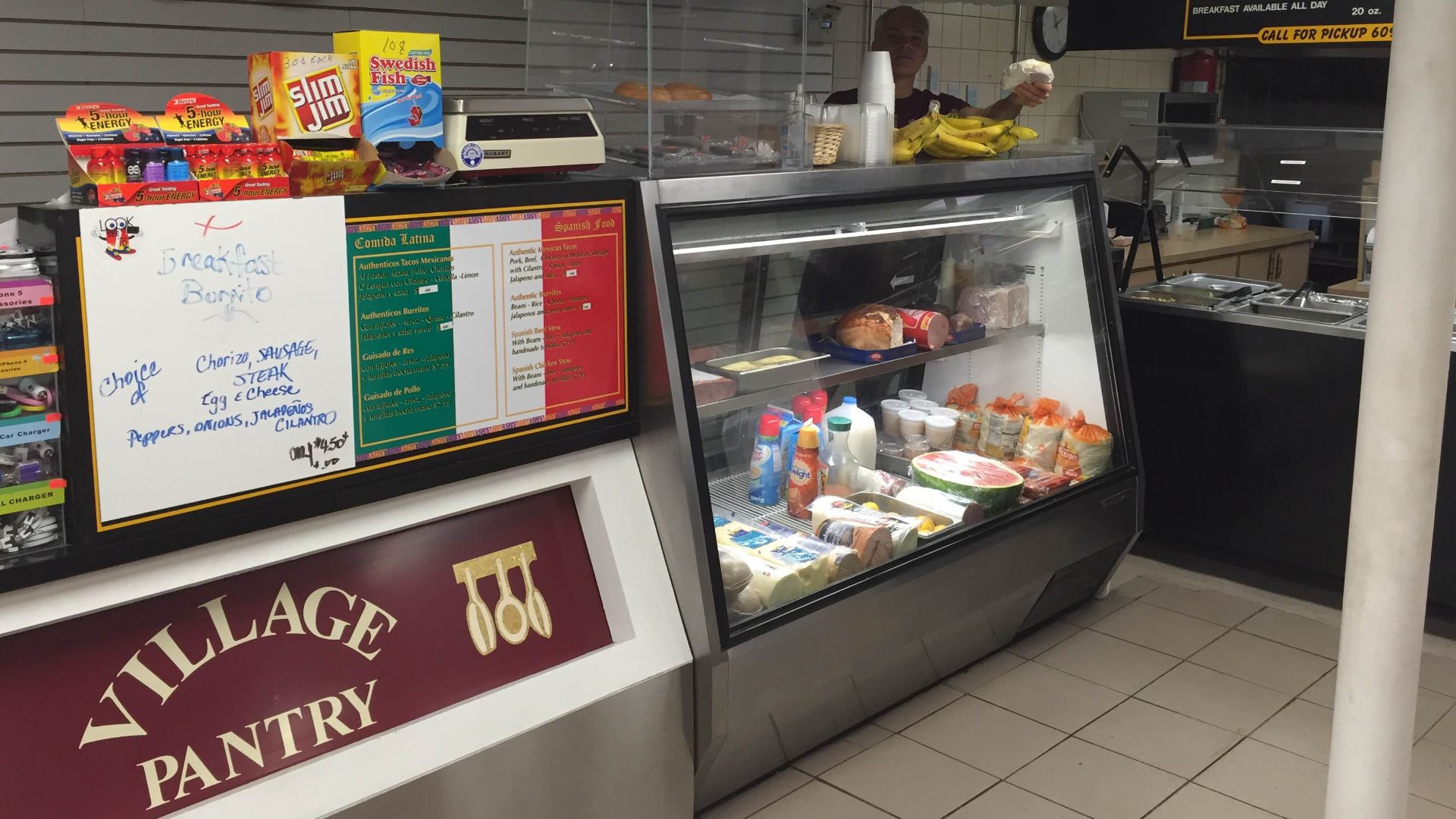
The traditional deli counter allowed shoppers to request a particular product, slice thickness, and quantity. Prepackaged meat and cheese reduce labor and waiting times, but they also remove much of that customization. Compare unit prices because a convenient grab-and-go package is not automatically cheaper than a counter order.
 Sanjev Rajaram, Wikimedia Commons
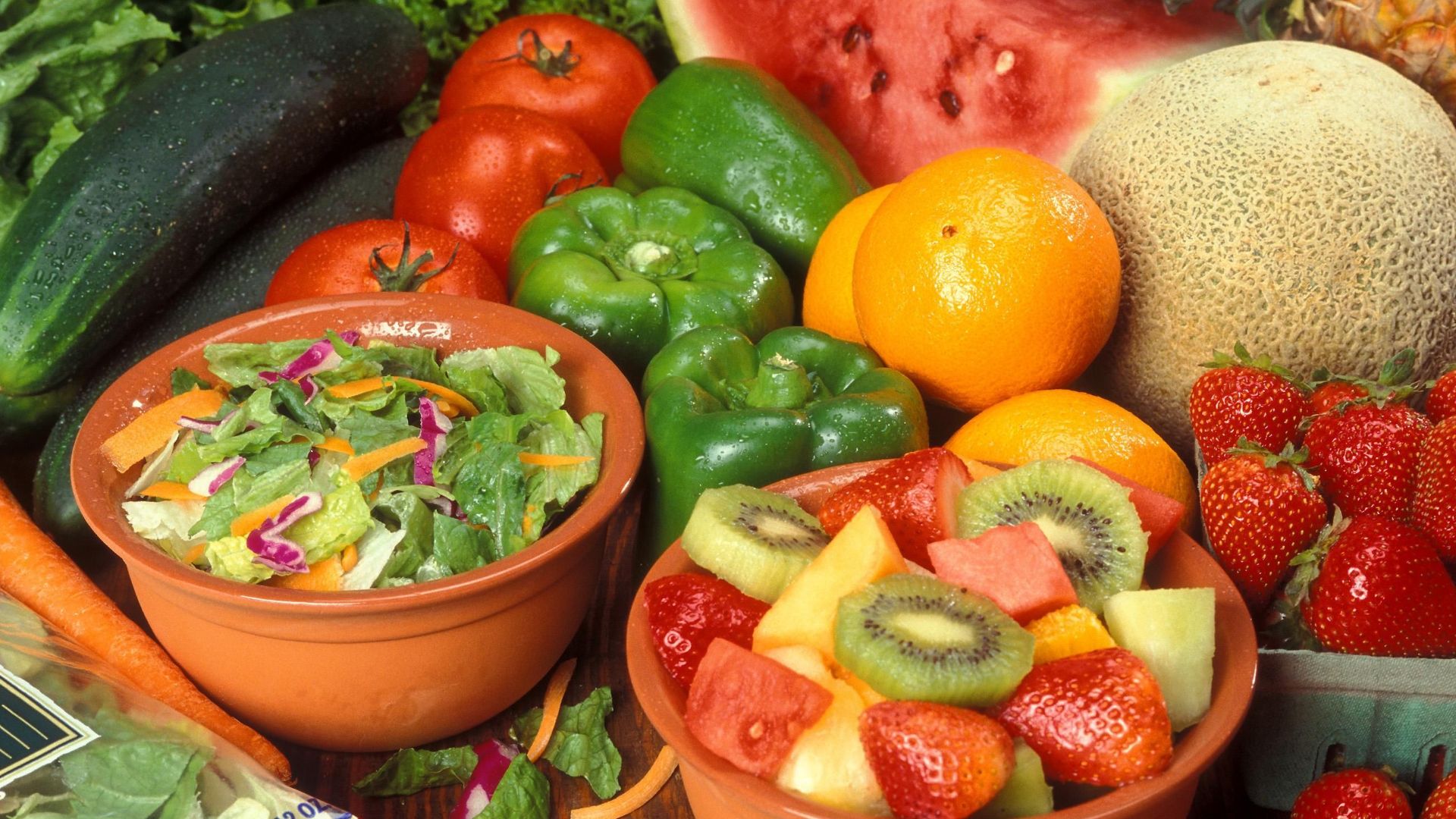
Produce Cut On Request
Fresh-cut produce has become a large convenience category, with prepared fruit and vegetables often priced above whole items. However, some produce departments may still cut certain purchases on request when staffing and store procedures allow it. Ask politely before buying the premium package, especially when dealing with a large melon, pineapple, or cabbage.
 Peggy Greb, U.S. Department of Agriculture, Wikimedia Commons
A Baker Who Personalized The Cake
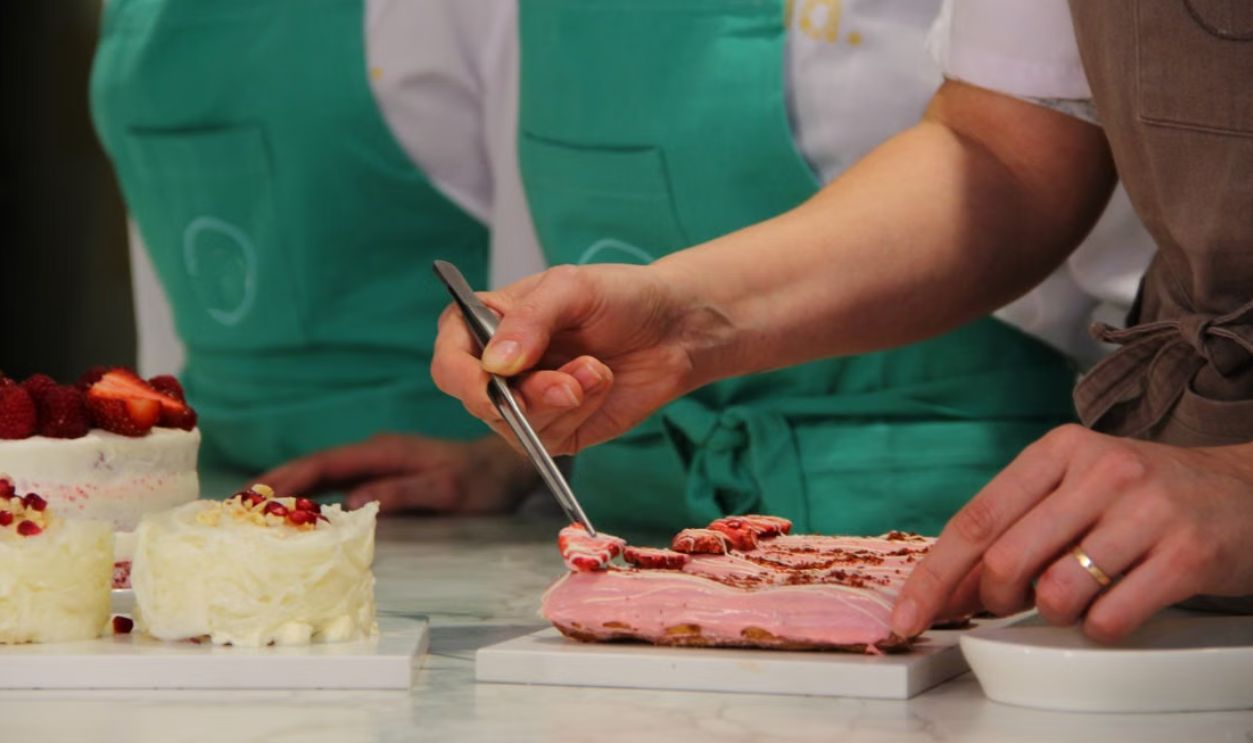
Supermarket bakeries once made simple inscriptions and basic decorations feel like an ordinary extension of buying a cake. Custom cakes are still widely available, but ordering systems increasingly separate designs, fillings, sizes, and decorative upgrades into a premium purchase. Request a written total before confirming because a basic cake and an elaborate custom order are financially different products.
Samples And Cooking Demonstrations
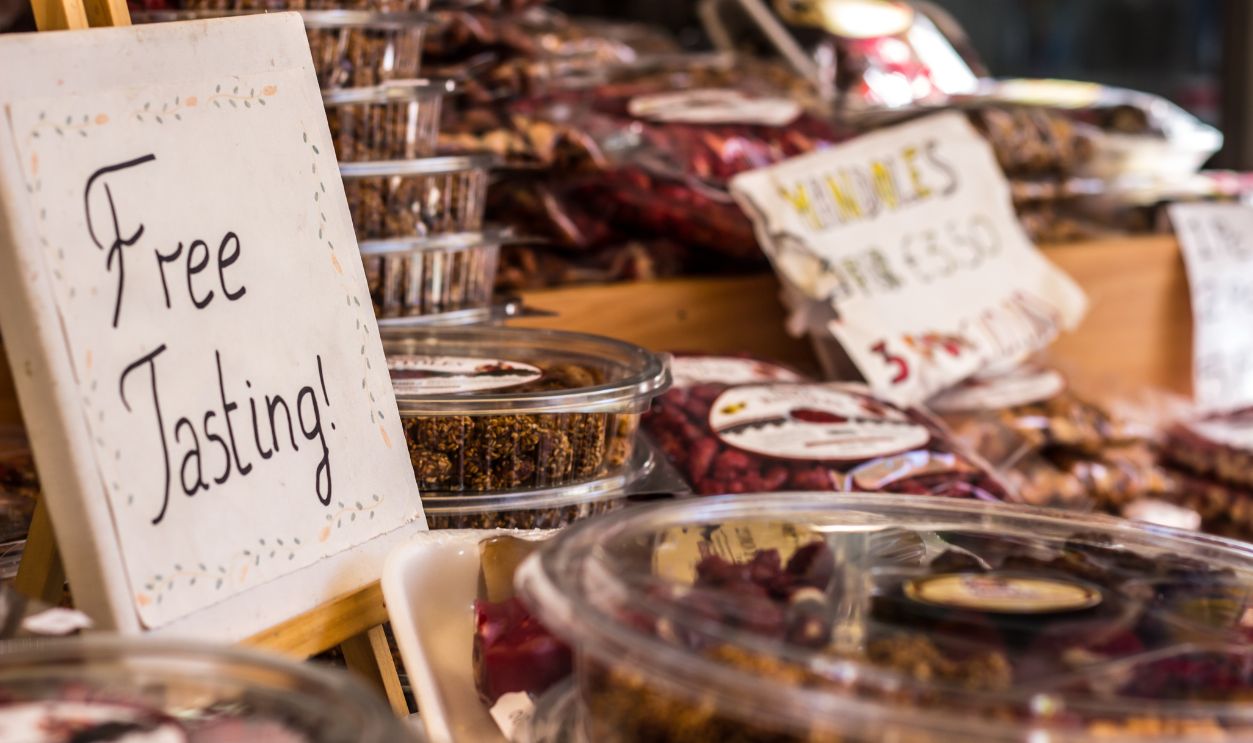
Free samples let shoppers taste an unfamiliar product before spending money on it. In-store sampling largely disappeared during the early pandemic, and its return has been uneven. Sampling remains common at certain warehouse clubs and promotional events, although it is less dependable as an everyday supermarket perk.
A Full-Service Customer Counter
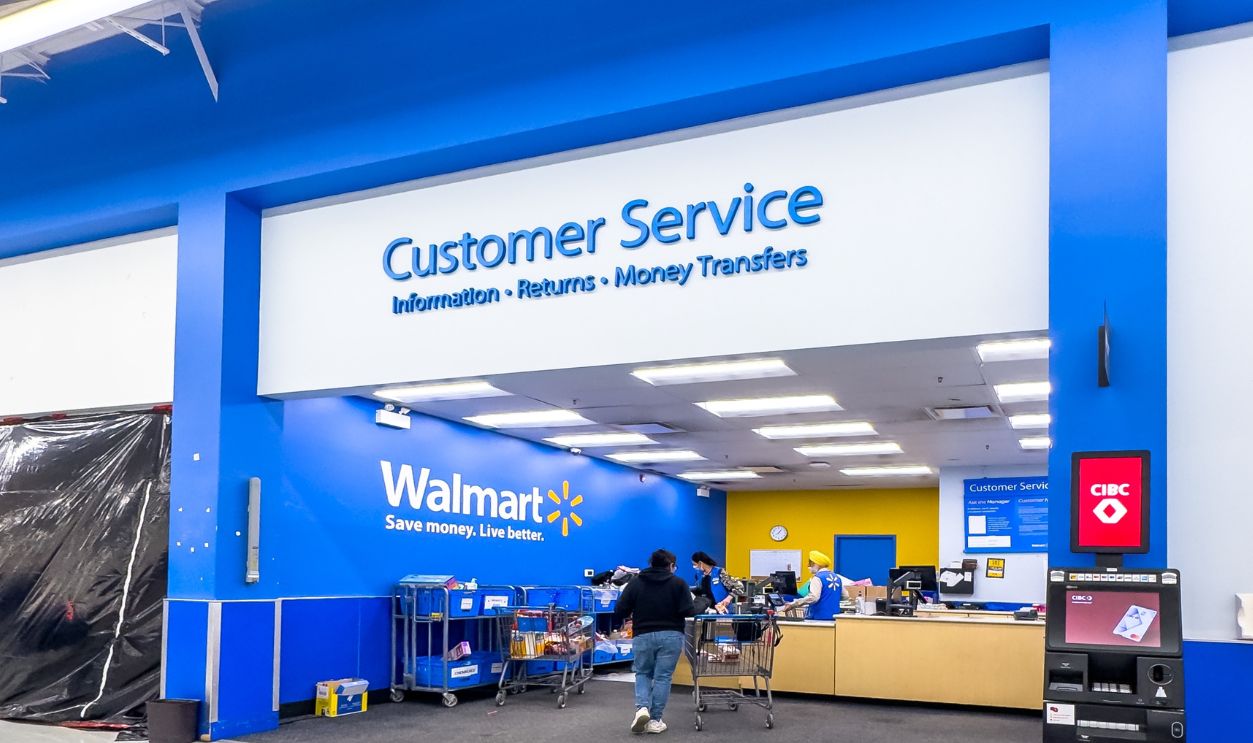
Grocery customer-service desks once handled a wide range of routine requests, including check cashing and money services. Some chains still provide these financial transactions, but check-cashing fees and eligibility rules apply. Compare the charge with a bank, credit union, or mobile deposit option before paying for quick access to your own money.
A Store That Never Closed
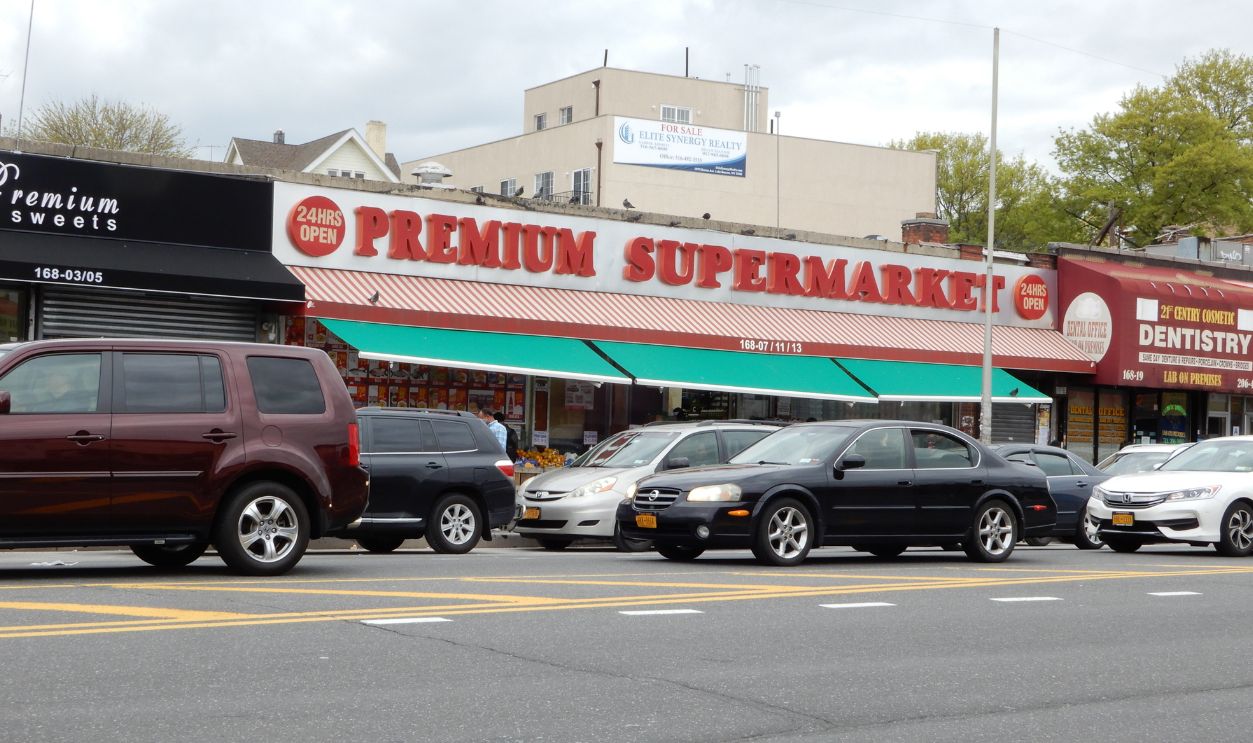
Around-the-clock supermarkets expanded during the 1970s and became valuable to shift workers, caregivers, and late-night shoppers. Many chains had already begun reducing overnight operations before the pandemic, and further cuts made 24-hour grocery stores harder to find. Convenience stores and delivery apps may fill the gap, but their prices and fees can turn an ordinary late-night purchase into an expensive one.
Some “Free” Services May Still Be Available
Many grocery services that now feel like luxuries have become less visible rather than disappearing completely. Stores may still offer custom meat cuts, seafood preparation, carryout help, or printed weekly ads upon request. Before paying for an upgraded option, ask what assistance is already included with your purchase.
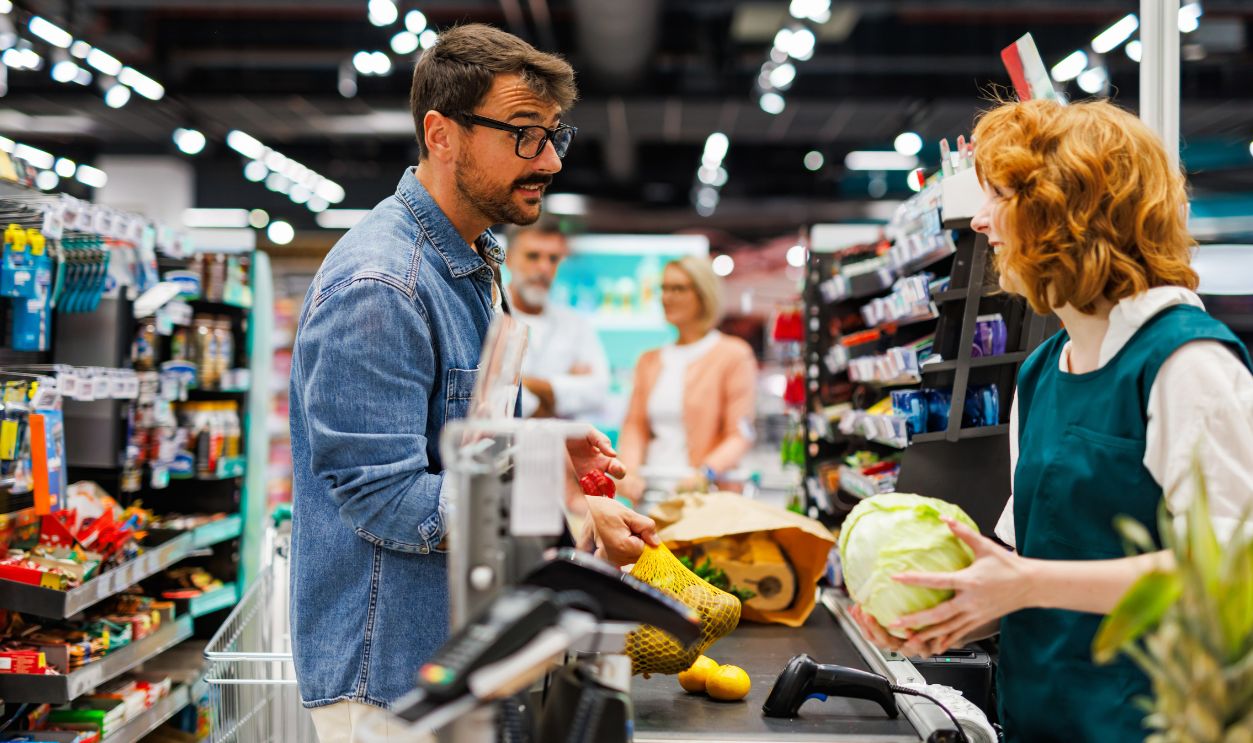 Zamrznuti tonovi, Shutterstock
Decide Which Luxuries Are Worth Paying For
Modern grocery shopping often trades personal service for speed, automation, and lower operating costs. When comparing stores, consider fees, markups, memberships, travel time, and the work shifted onto you. A slightly more expensive supermarket may provide better value when its once-standard services save you time and frustration.
You May Also Like:
Sources: 1, 2, 3, 4, 5, 6, 7, 8, 9, 10, 11, 12, 13, 14, 15, 16