They Were Just Part Of The Grocery List
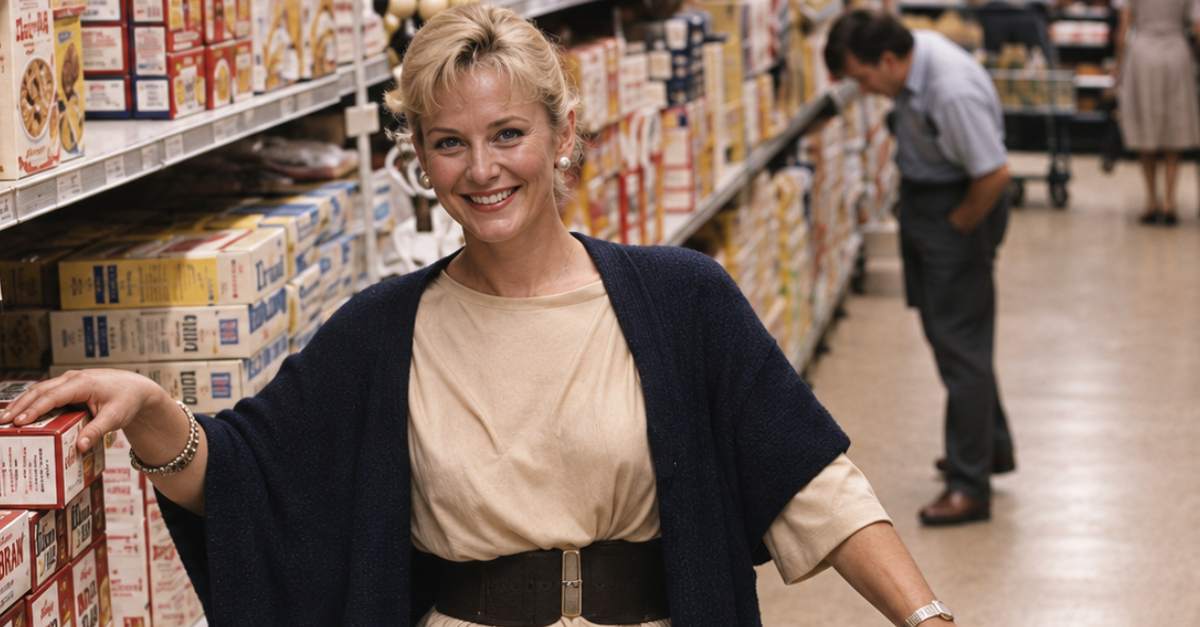
You didn’t have to think about these names. They were on the boxes in the cupboard, the packages in the freezer, and the commercials between your favorite shows. They seemed about as likely to disappear as the grocery store itself.
Well…when was the last time you heard anyone mention them?
 Fairfax Media Archives, Getty Images
Sunshine Biscuits
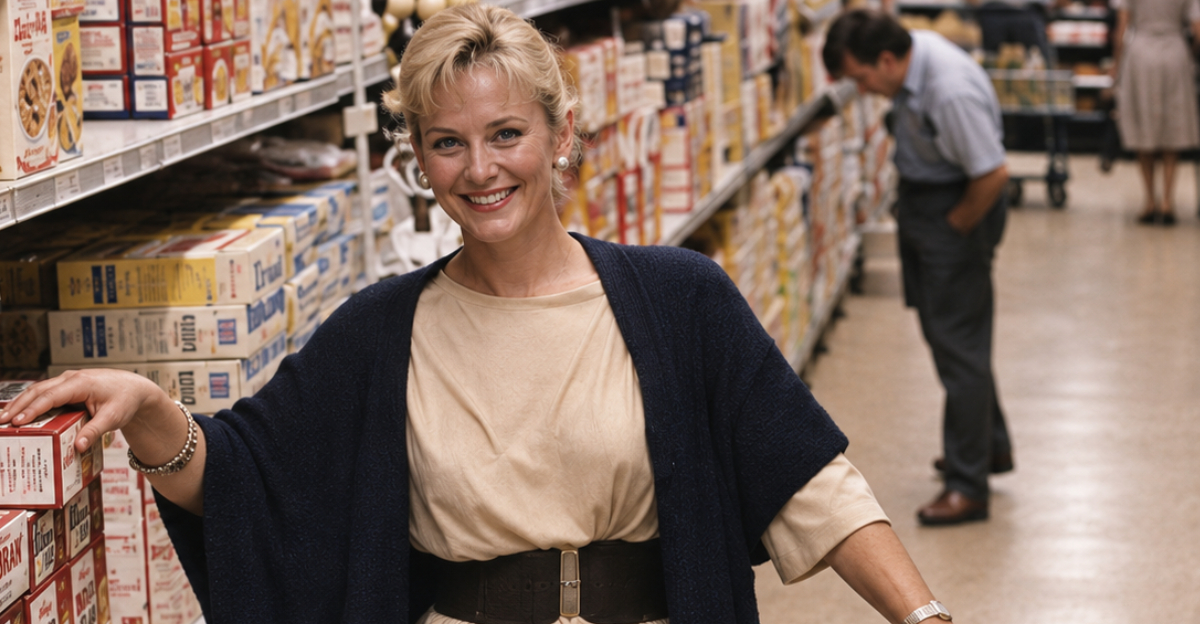
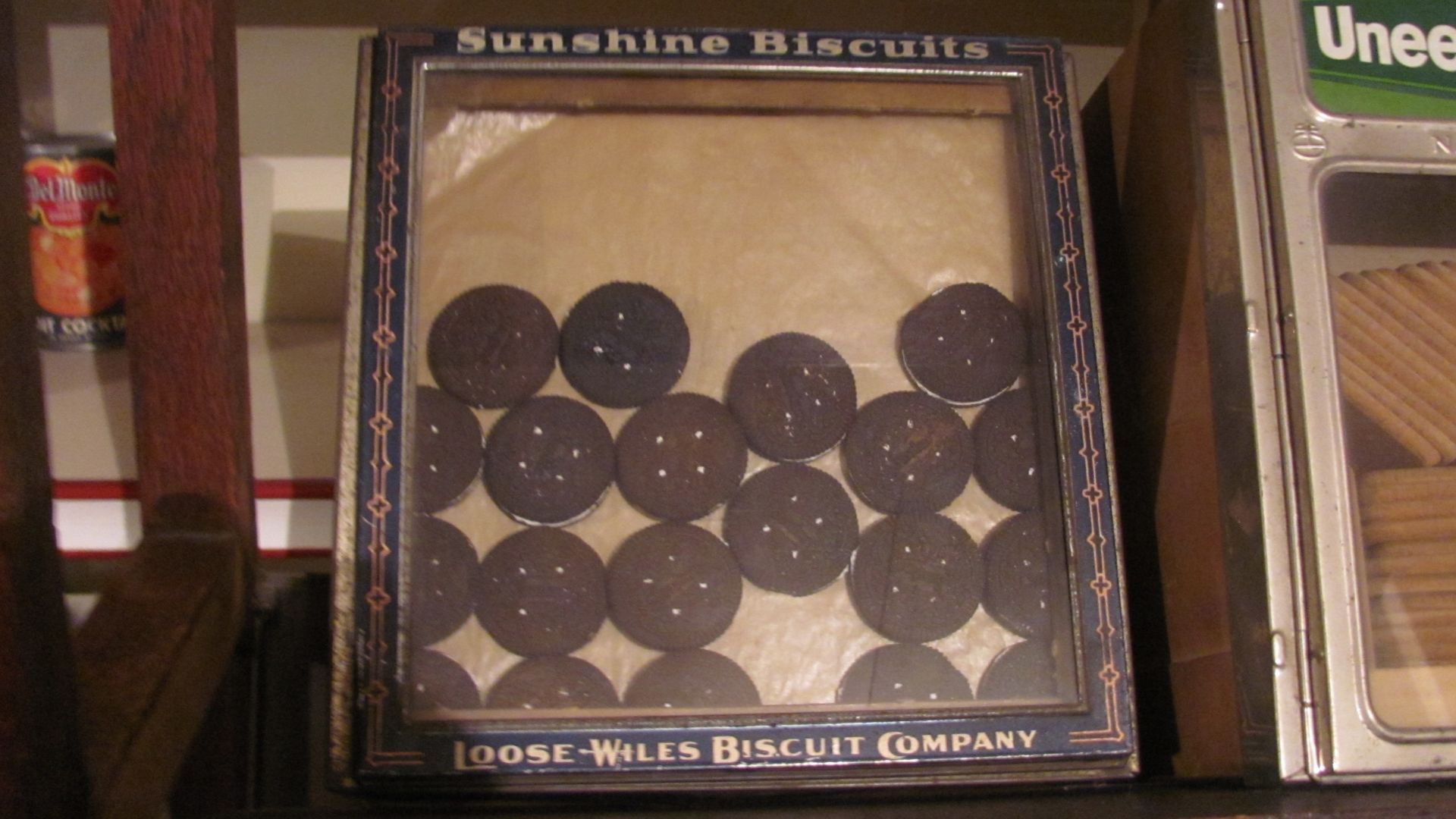
Sunshine once put its name on cookie and cracker boxes all over America, including Cheez-It and Hydrox. Keebler bought the company in 1996, ending its independence. The Sunshine name has survived on some products, but the old company is far less familiar. Remember its Lemon Coolers? That might depend on how old you are.
 John Phelan, Wikimedia Commons
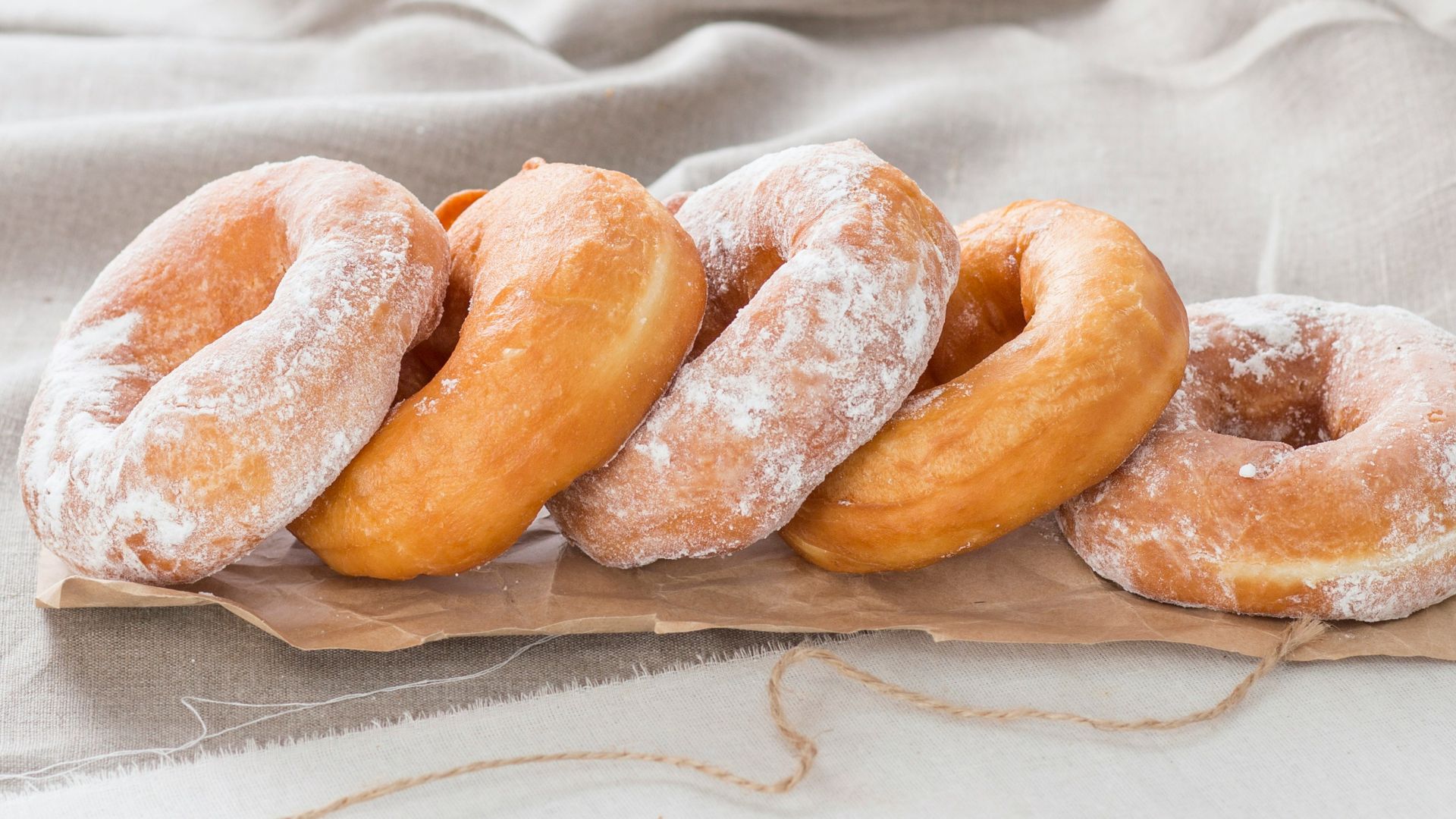
Morton Frozen Foods
Morton made pot pies, honey buns, and little frozen doughnuts that could turn an ordinary kitchen into a very popular place. It had the sort of freezer presence that made it feel permanent. However, ConAgra eventually phased out the brand after decades in business. And no, this wasn’t the company behind the salt container.
General Foods
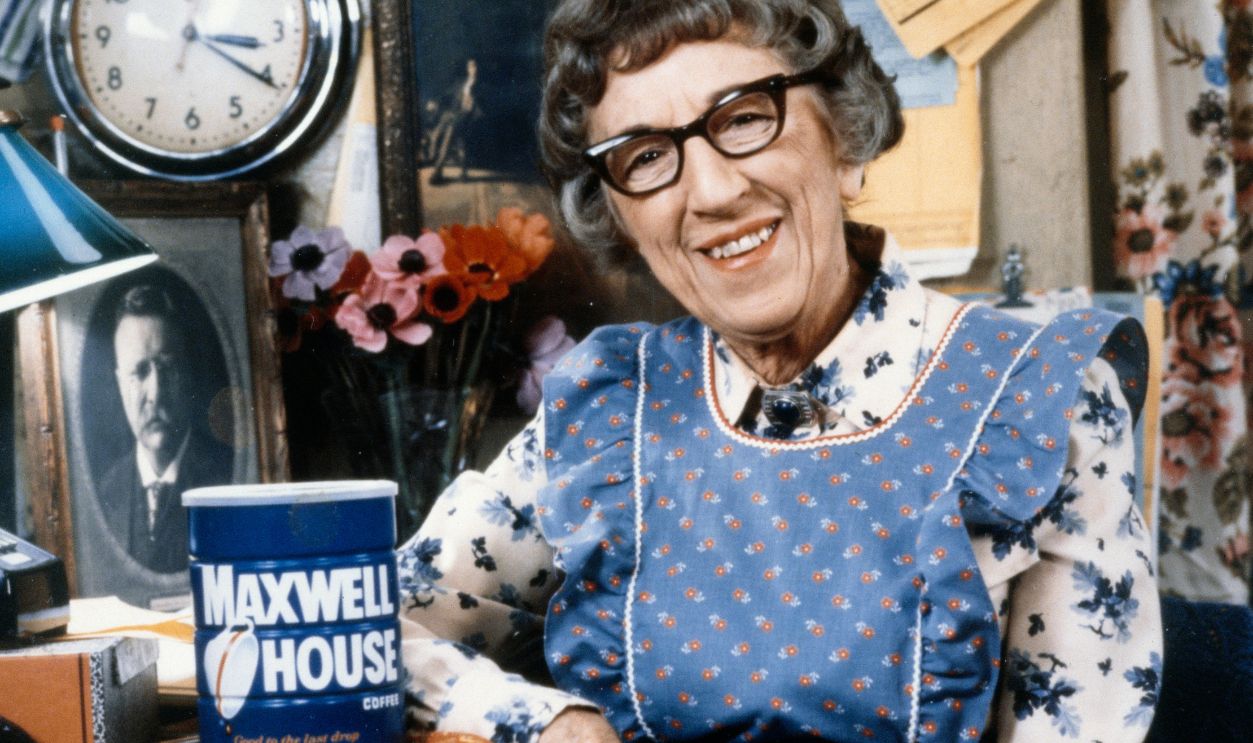
Jell-O. Maxwell House. Post cereals. Kool-Aid. General Foods had enough familiar products to follow a family from breakfast through dessert. Philip Morris bought the company in 1985, and it was combined with Kraft in 1989. The foods remained familiar, but the enormous company tying them together slowly became a name people stopped saying.
Bell Brand Snack Foods
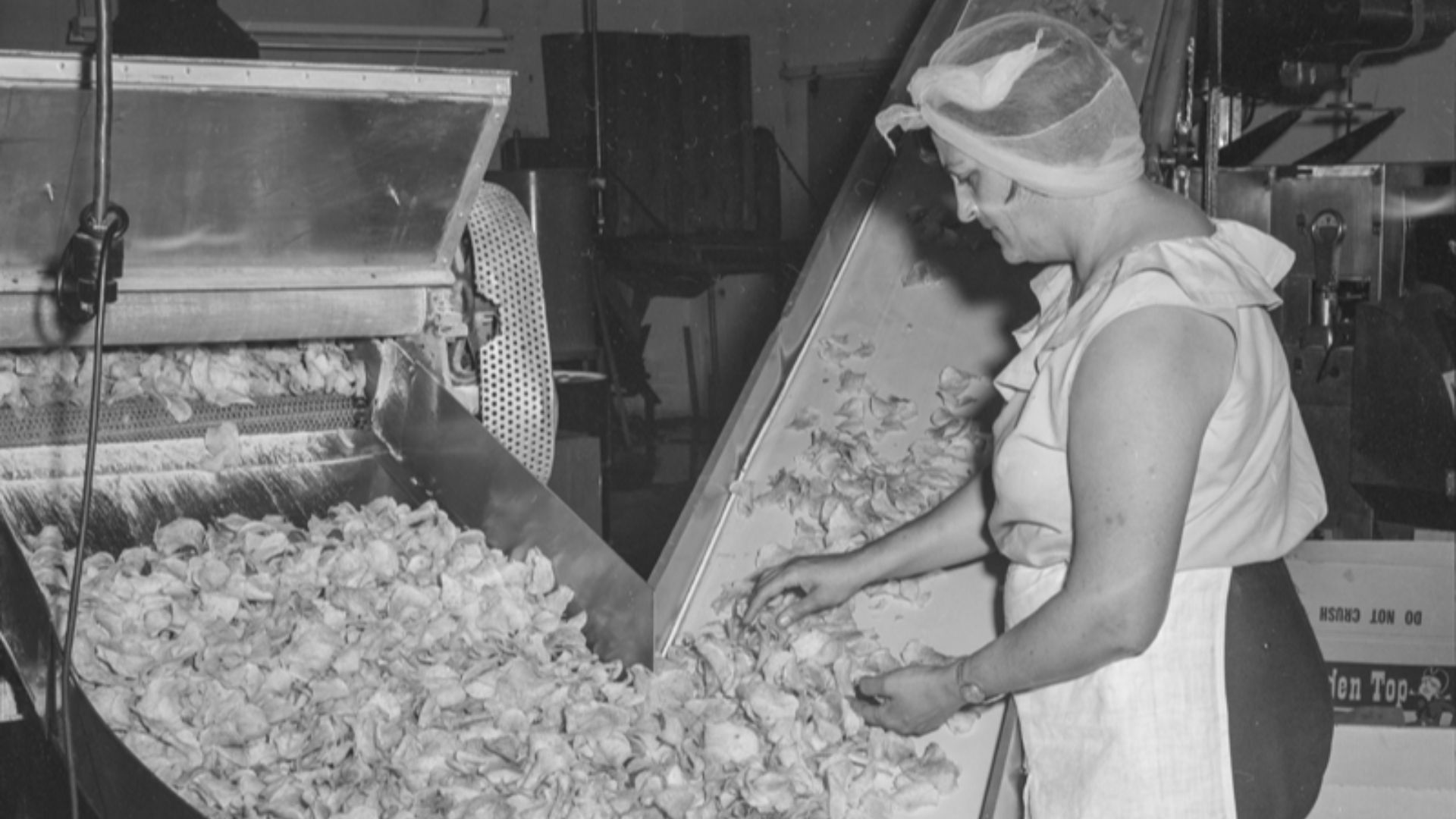
For Southern California families, Bell Brand meant potato chips, pretzels, and something to put out when company came over. The business lasted for decades before closing in 1995. Its dip mixes later returned through another company, but the original snack maker was gone. A familiar bag of chips could disappear just as easily as the last handful inside it.
 Provincial Archives of Alberta, Wikimedia Commons
Curtiss Candy Company
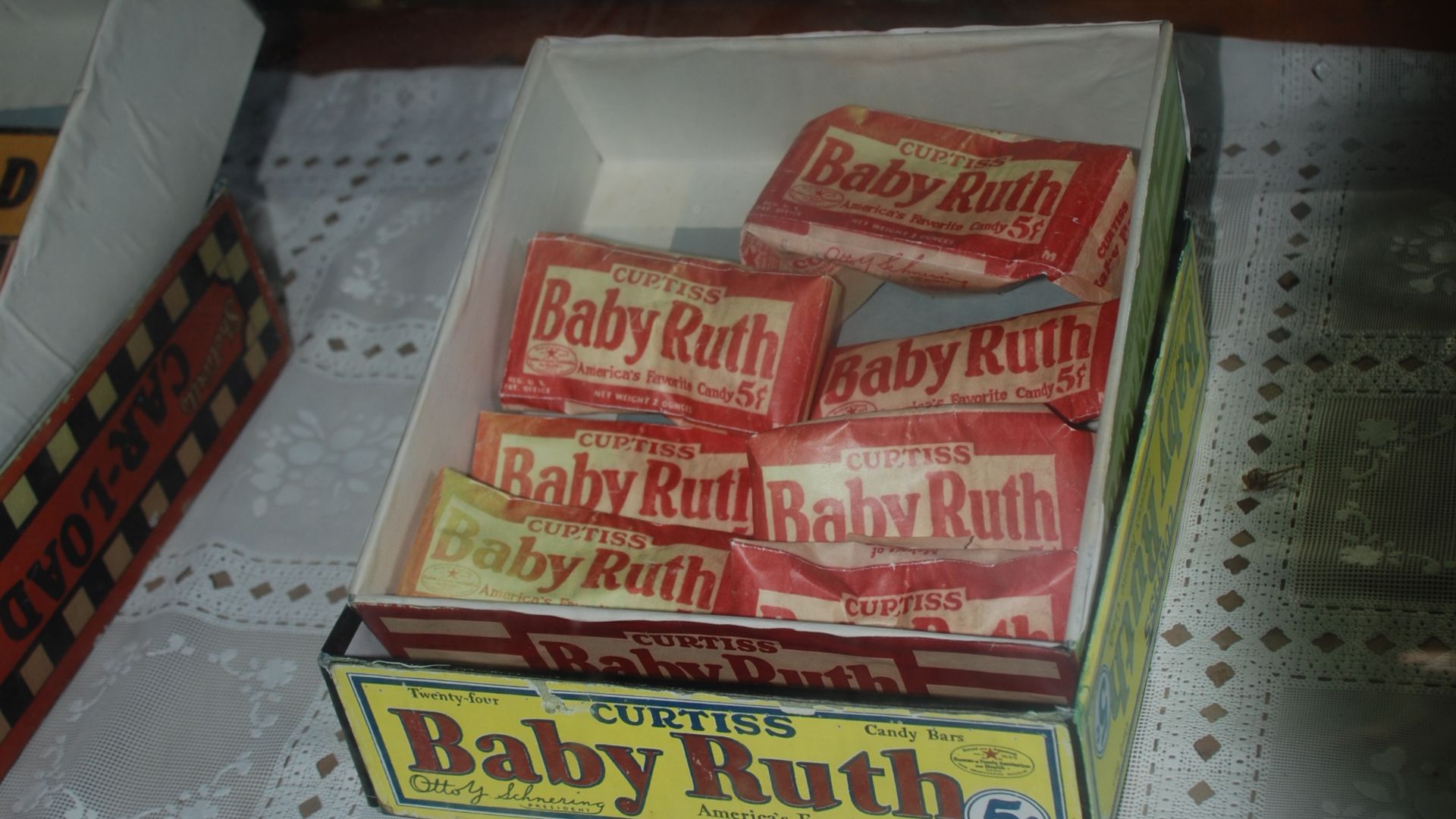
Someone born after 2000 could easily recognize Butterfinger and Baby Ruth without having the slightest idea what Curtiss was. Yet this Chicago company built its business around those very bars. Standard Brands bought Curtiss in 1964, beginning a series of ownership changes. The candy counter kept its familiar treats while the original maker slipped into the background.
 Jarek Tuszyński, Wikimedia Commons
Chun King
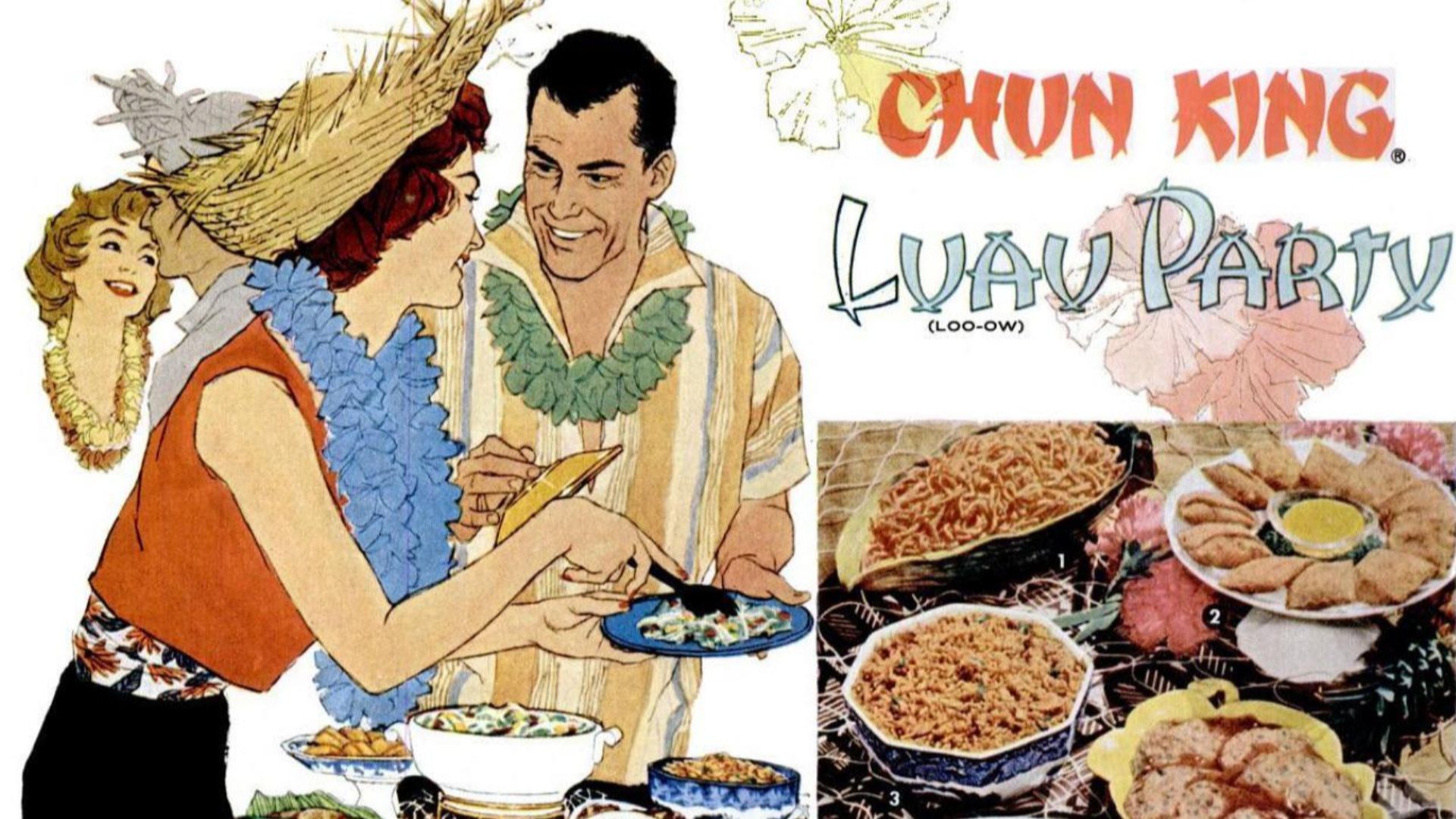
For plenty of American families, Chinese food at home once meant opening Chun King chow mein. Founded by Jeno Paulucci, the company built a business around bringing Chinese-American convenience foods into the supermarket. Ownership changed repeatedly, and the name eventually faded from shelves. Those stacked cans, though? Some shoppers would recognize them immediately.
 Chun King Co., Wikimedia Commons
Beatrice Foods
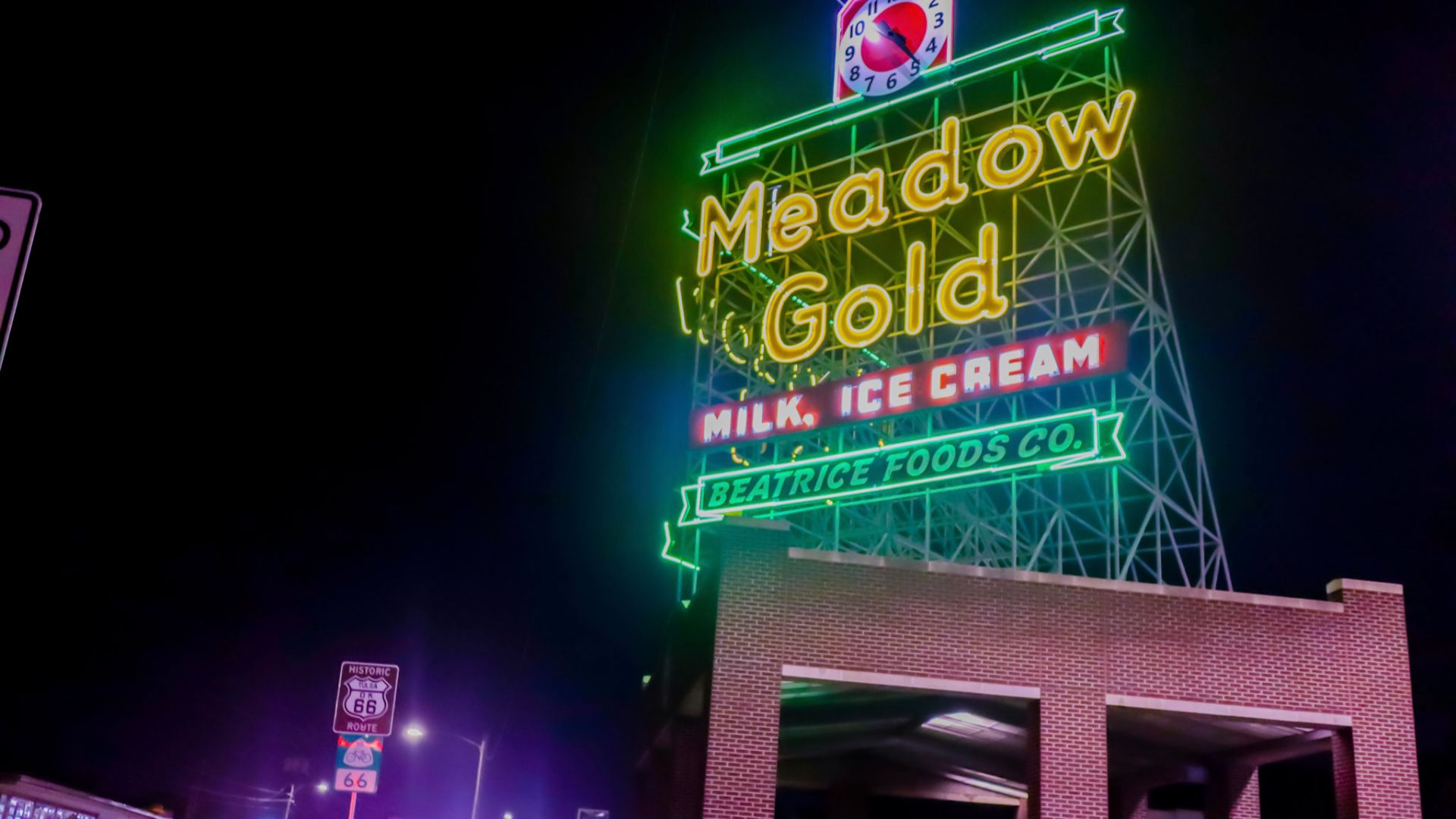
Beatrice built an enormous American food empire, with brands including Tropicana, Swiss Miss, and Orville Redenbacher’s passing through its hands. A 1986 buyout began its breakup, and ConAgra acquired the remaining domestic food business in 1990. Canadian readers are probably wondering what all the fuss is about. Fair enough. They can still find Beatrice in the dairy aisle.
 NevinThompson, Wikimedia Commons
Peter Paul
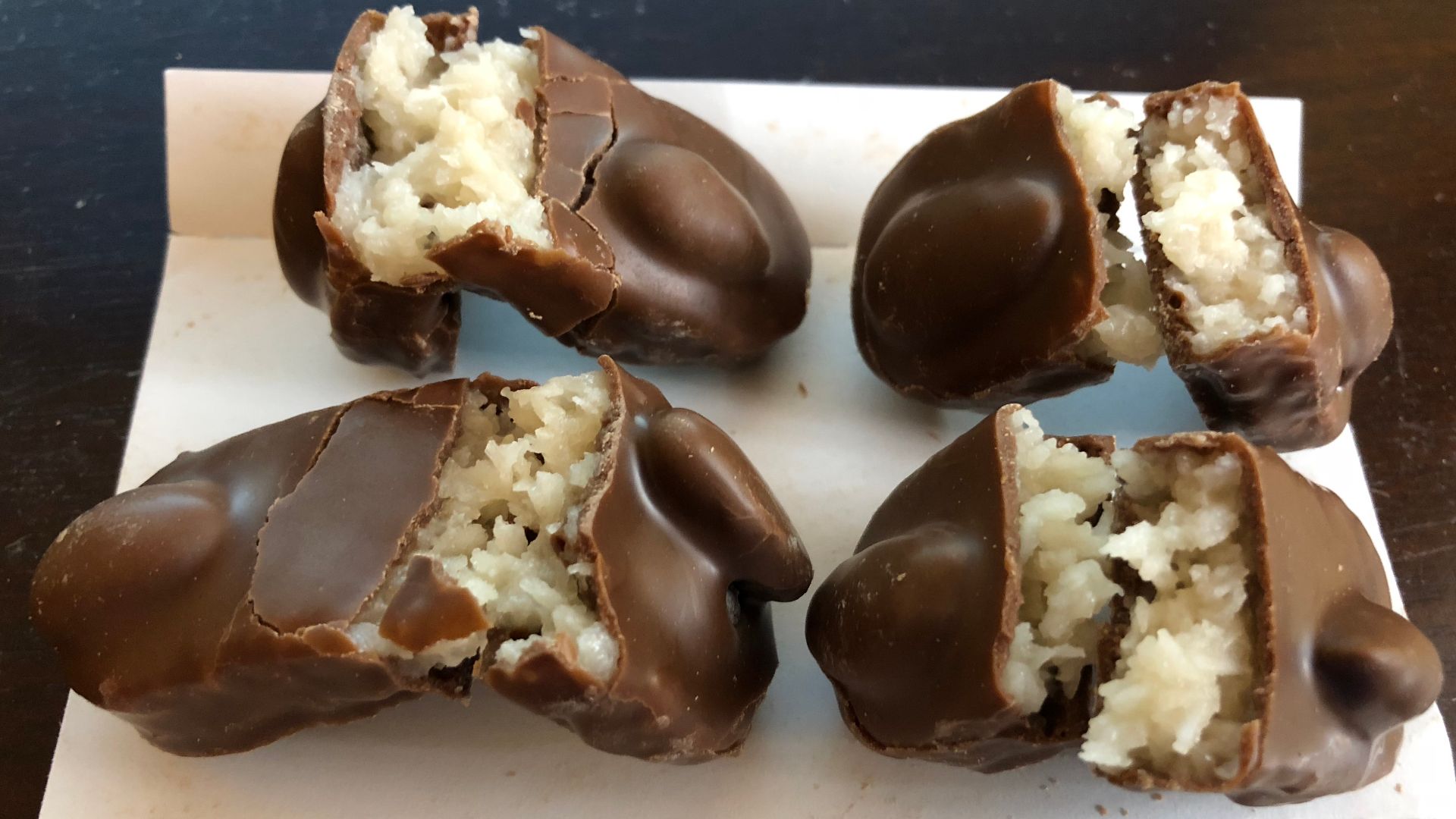
“Sometimes you feel like a nut…” If the rest of that line just played in your head, Peter Paul’s advertising did its job. This was the company behind Mounds and Almond Joy. It joined Cadbury in 1978, and Hershey acquired the U.S. business in 1988. The coconut bars outlasted the independent company that made them famous.
Colombo Yogurt
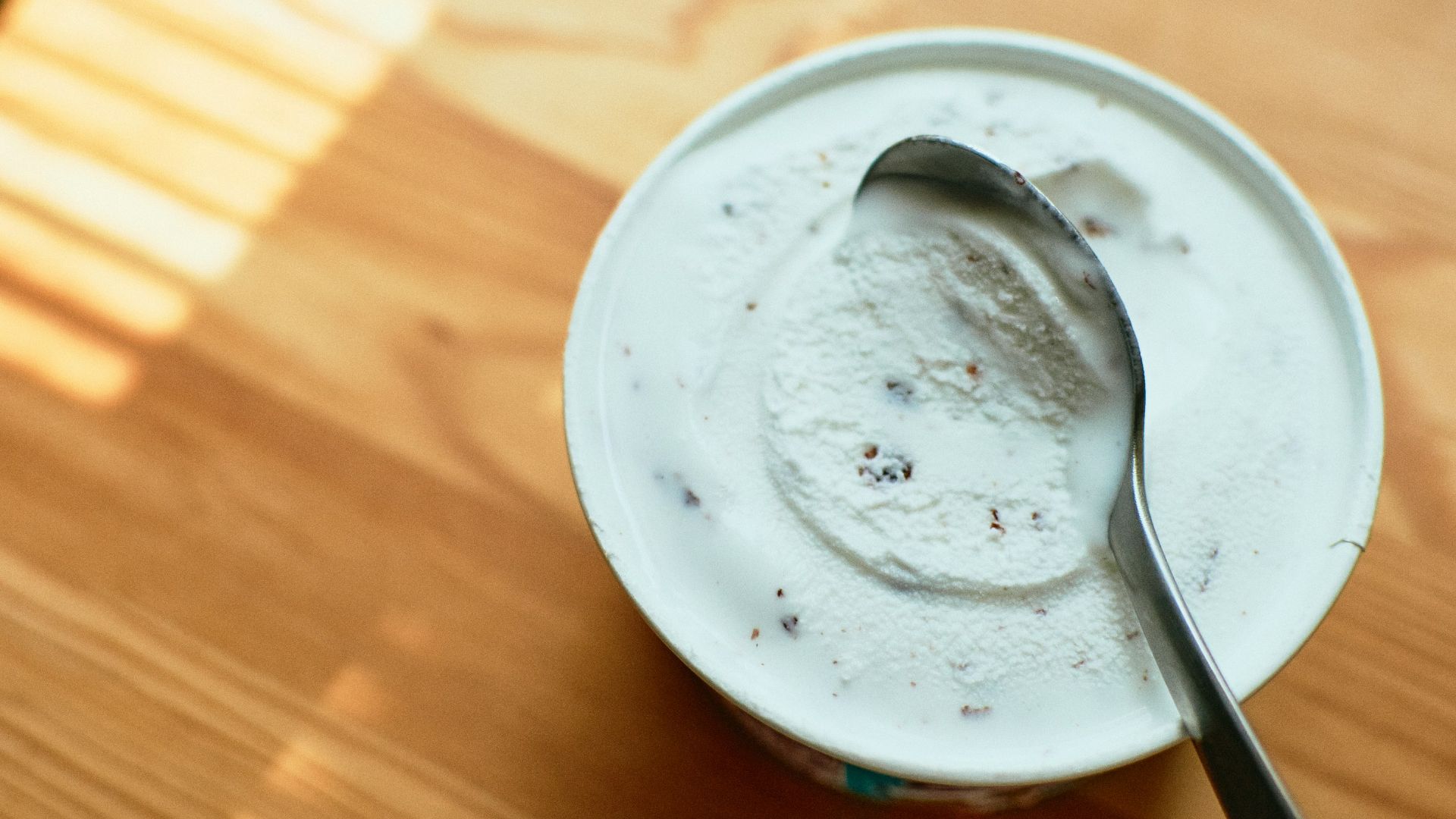
Before the yogurt section became a wall of Greek varieties, protein claims, and unfamiliar flavors, Colombo was a familiar choice for many shoppers. Its beginnings went back to a Massachusetts family kitchen in 1929. General Mills bought the business in 1993 and ended shipments in 2010. More than 80 years of history still didn’t guarantee another spot in the dairy case.
D. L. Clark Company
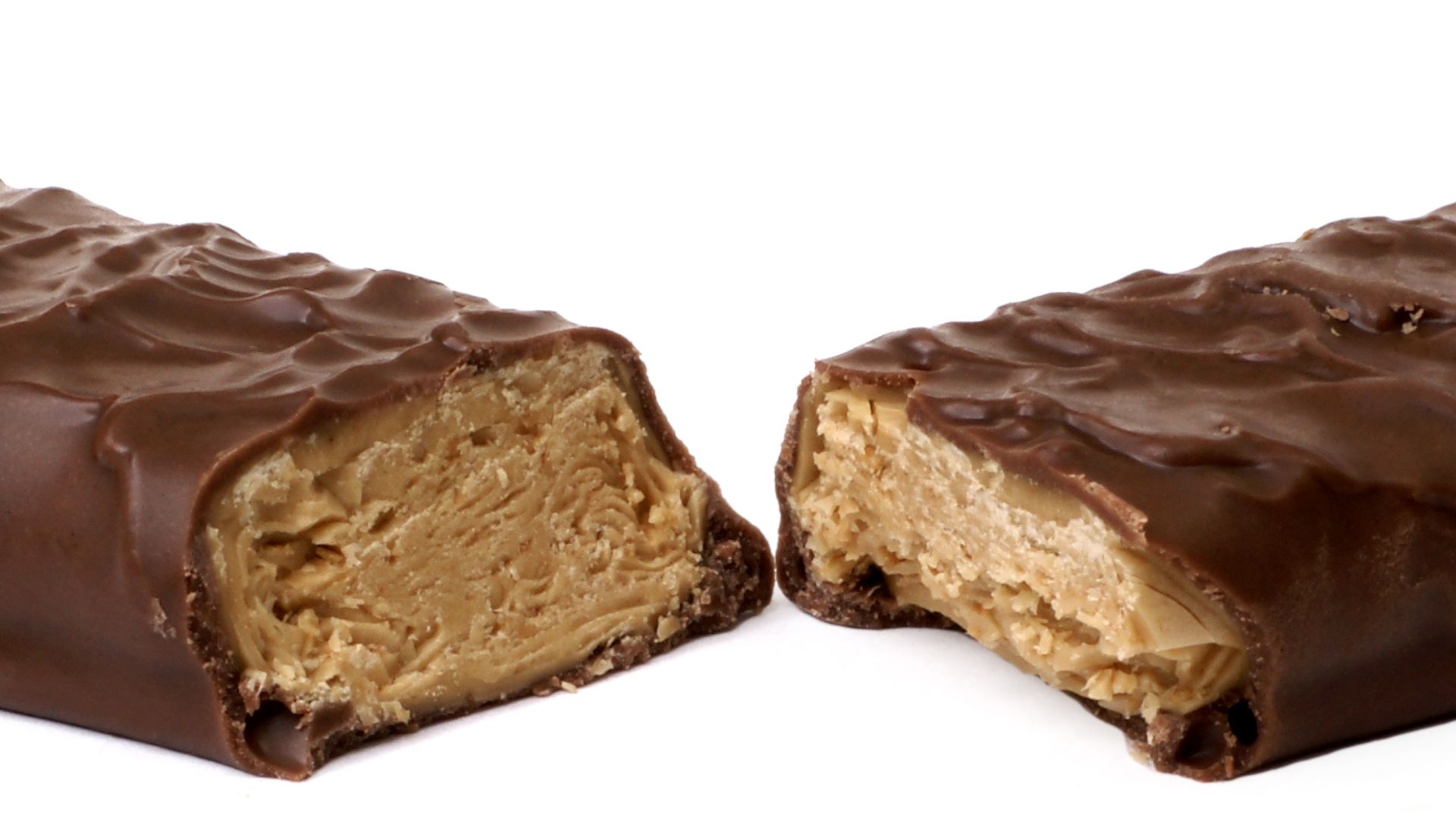
Clark bars and Zagnut came from a Pittsburgh company whose oversized factory sign became a local landmark. This wasn’t some little operation making sweets in the back of a shop. By 1920, it produced close to 150 kinds of candy. Leaf acquired the business in 1983, followed by more sales and reorganizations. The treats proved more durable than the original company.
Standard Brands
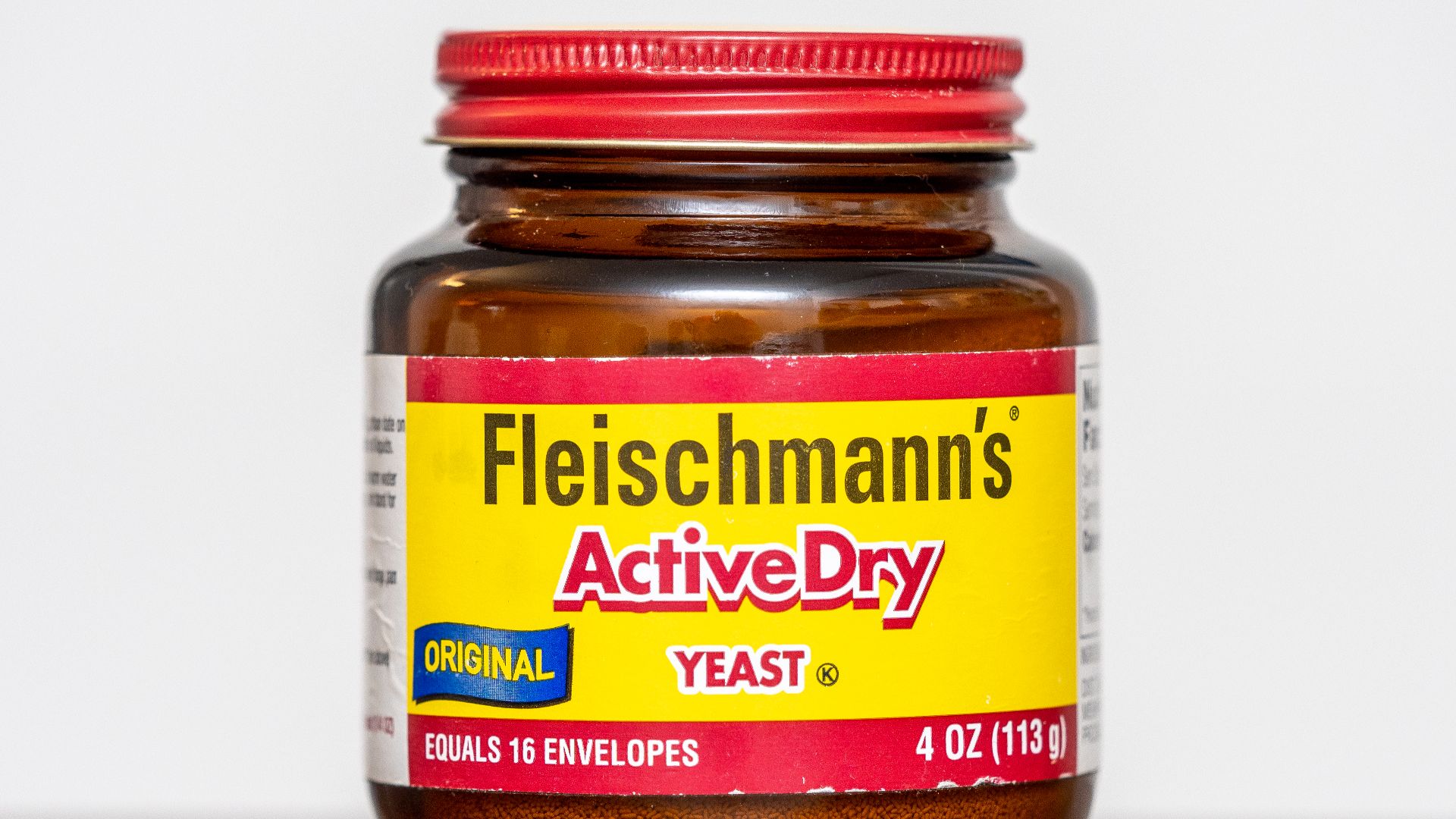
The name sounds like it belongs in the small print. Its products, however, belonged in millions of kitchens. Standard Brands brought together businesses behind Fleischmann’s yeast, Chase & Sanborn coffee, and Royal baking powder, then added Planters and Curtiss Candy. In 1981, it merged with Nabisco. Even a company with that grocery list could lose its own identity.
 ajay_suresh, Wikimedia Commons
Freezer Queen
Freezer Queen understood a very specific household problem: everyone wanted dinner, and someone had to make it. Its frozen offerings included family portions and meals heated in pouches. The business became part of Home Market Foods in 2004, with the brand continuing afterward. For anyone who remembers those packages, the name still brings back a particular kind of weeknight dinner.
Hollywood Candy Company
Hollywood Candy had a name that sounded ready for its close-up, but its real stars were at the candy counter. The business behind PayDay and Zero became part of Leaf in 1988, and those brands later joined Hershey. Plenty of people still know the bars. Ask them about Hollywood Candy, though, and they may assume it was a movie theater concession stand.
American Home Foods
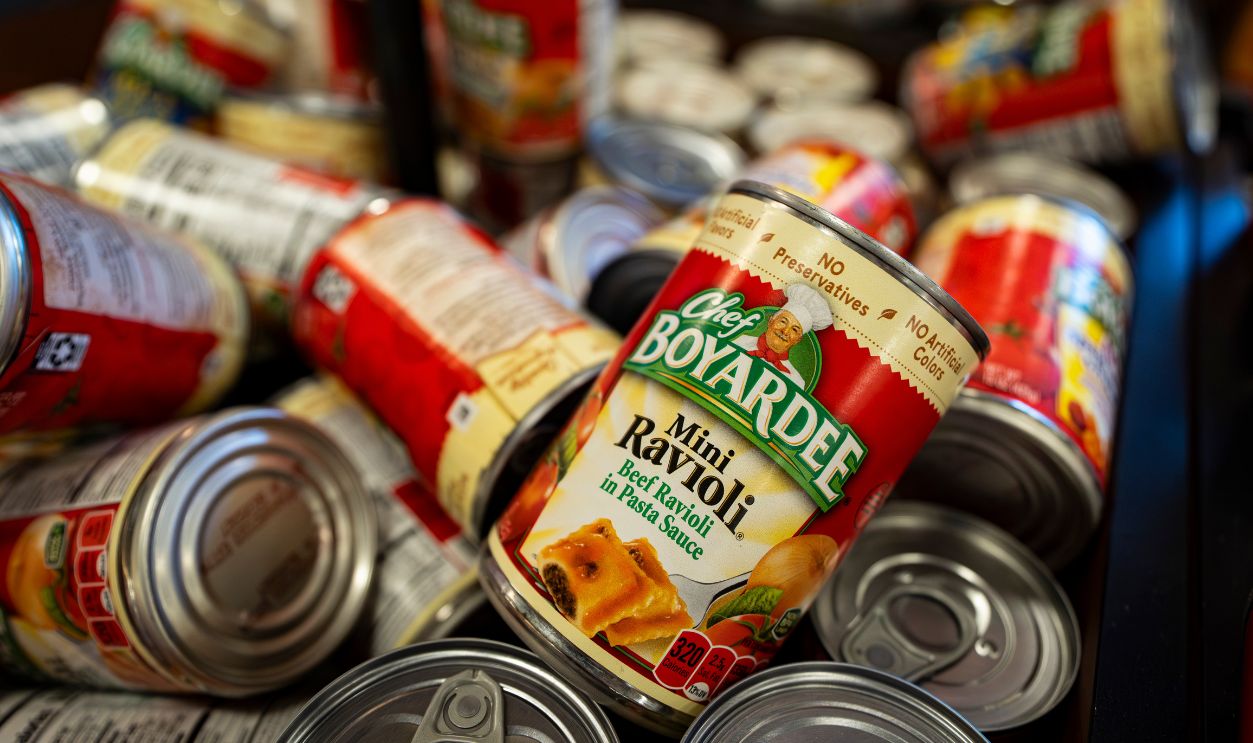
Chef Boyardee’s face was the one shoppers remembered, but American Home Foods was an important business behind the scenes. Its parent’s food operation also included PAM and Gulden’s. That operation was sold in 1996 to form International Home Foods, which ConAgra acquired in 2000. The familiar kitchen names moved on while the old American Home Foods identity stayed behind.
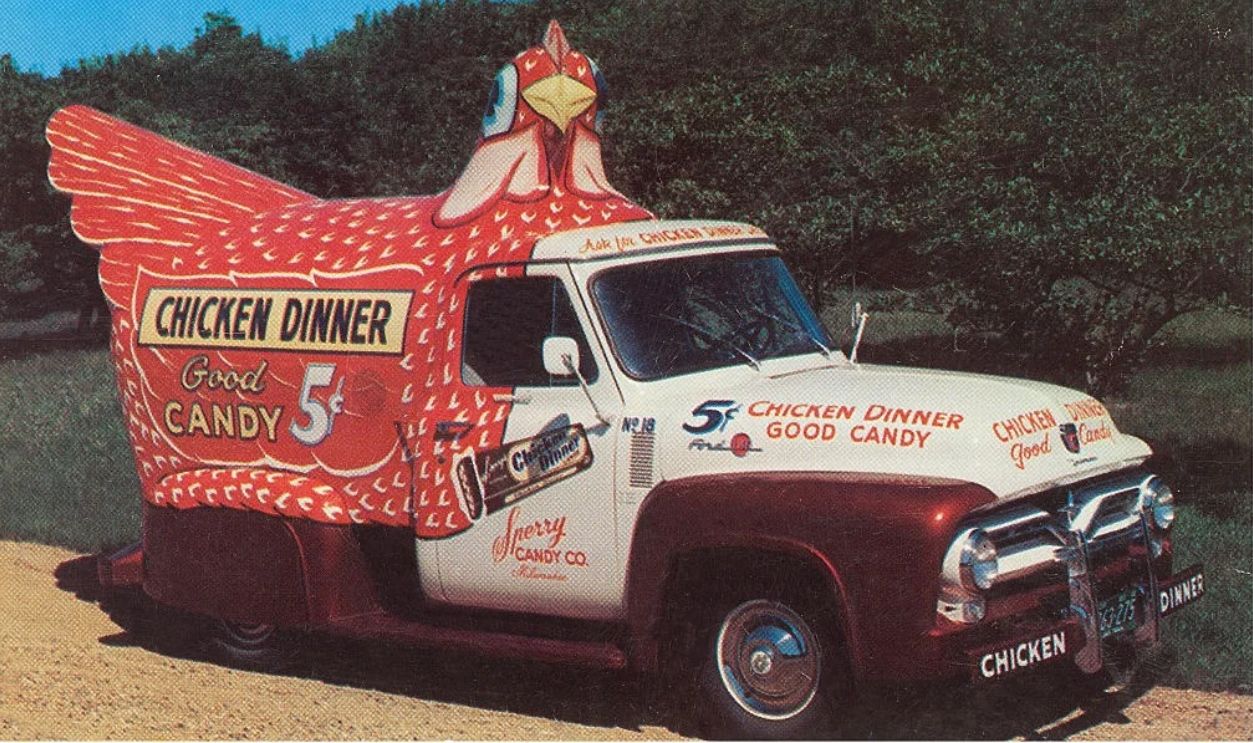
Sperry Candy Company
A candy bar called Chicken Dinner sounds like something someone invented for a joke. Sperry Candy Company actually sold one, and it contained no chicken. The company even promoted it with chicken-shaped delivery vehicles. Pearson’s acquired Sperry in 1962. Between Chicken Dinner and its Denver Sandwich bar, this was a candy maker that could make a snack purchase sound like ordering lunch.
 Found Image Holdings Inc, Getty Images
Continental Baking Company
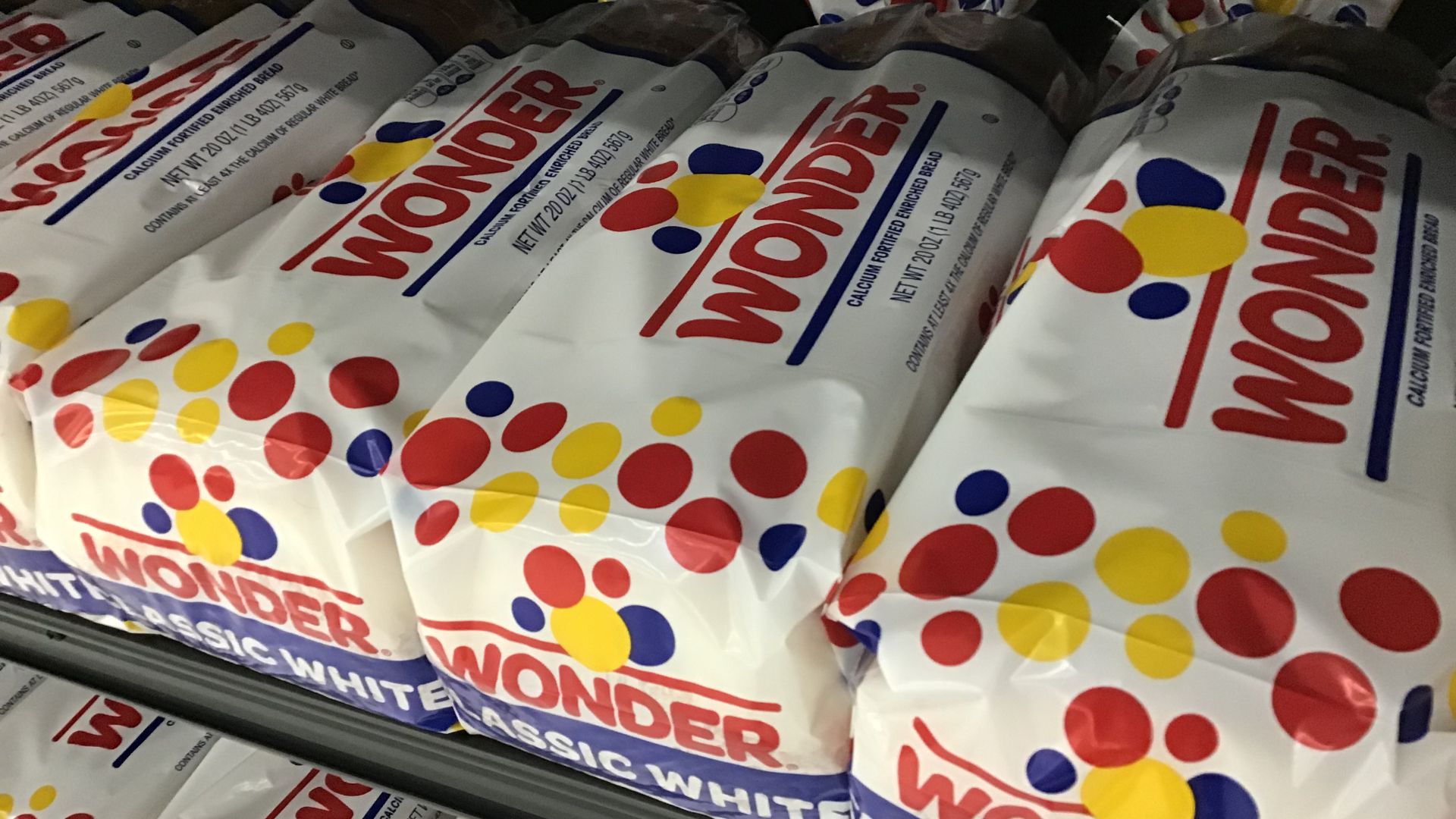
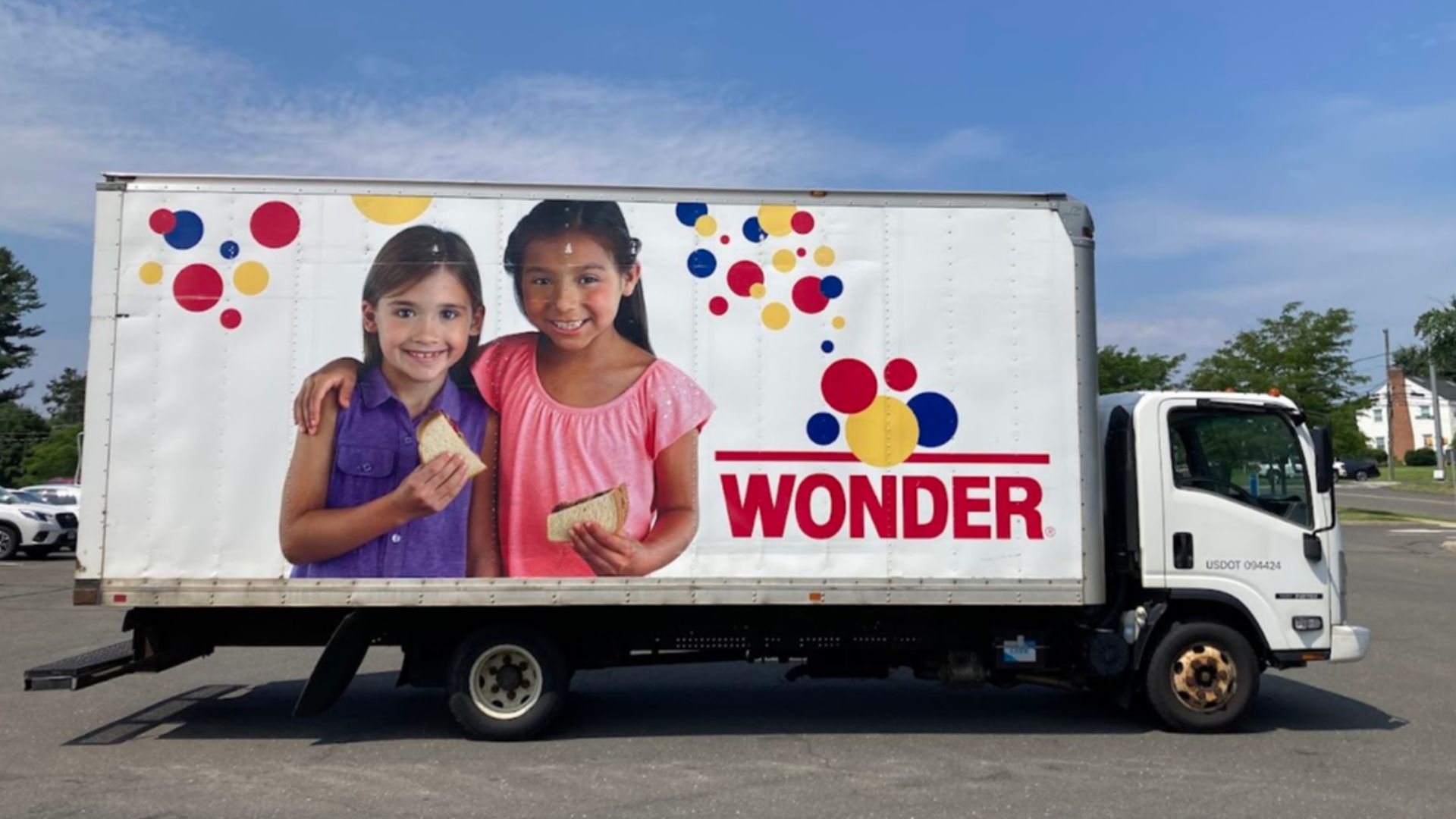
Wonder bread and Hostess snack cakes gave Continental Baking a place in lunchboxes all over America. Bread for the sandwich, something sweet beside it…that was a useful combination. Interstate Bakeries acquired Continental in 1995. Its famous products continued under later owners, but the company behind that lunchbox lineup became much less familiar than the food inside it.
 Mike Mozart from Funny YouTube, USA, Wikimedia Commons
American Chicle Company
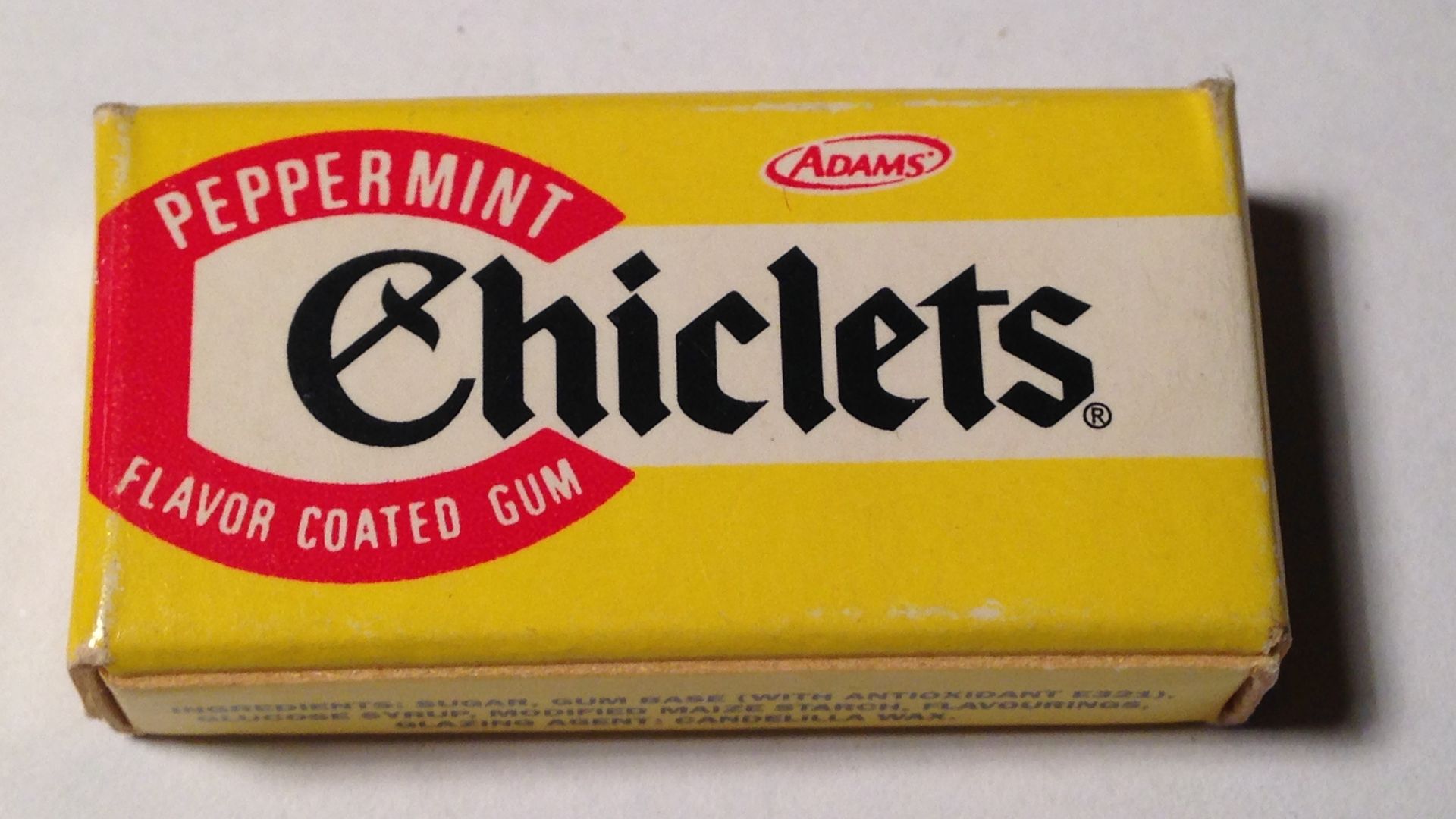
You might remember Chiclets, Dentyne, or those little Certs mints without remembering American Chicle. That was the company whose business included those familiar names. Warner-Lambert acquired it in 1962, bringing a major gum-and-mint operation into a much larger corporation. A whole piece of checkout-counter history sits behind a name younger shoppers could easily mistake for something entirely different.
Frusen Glädjé
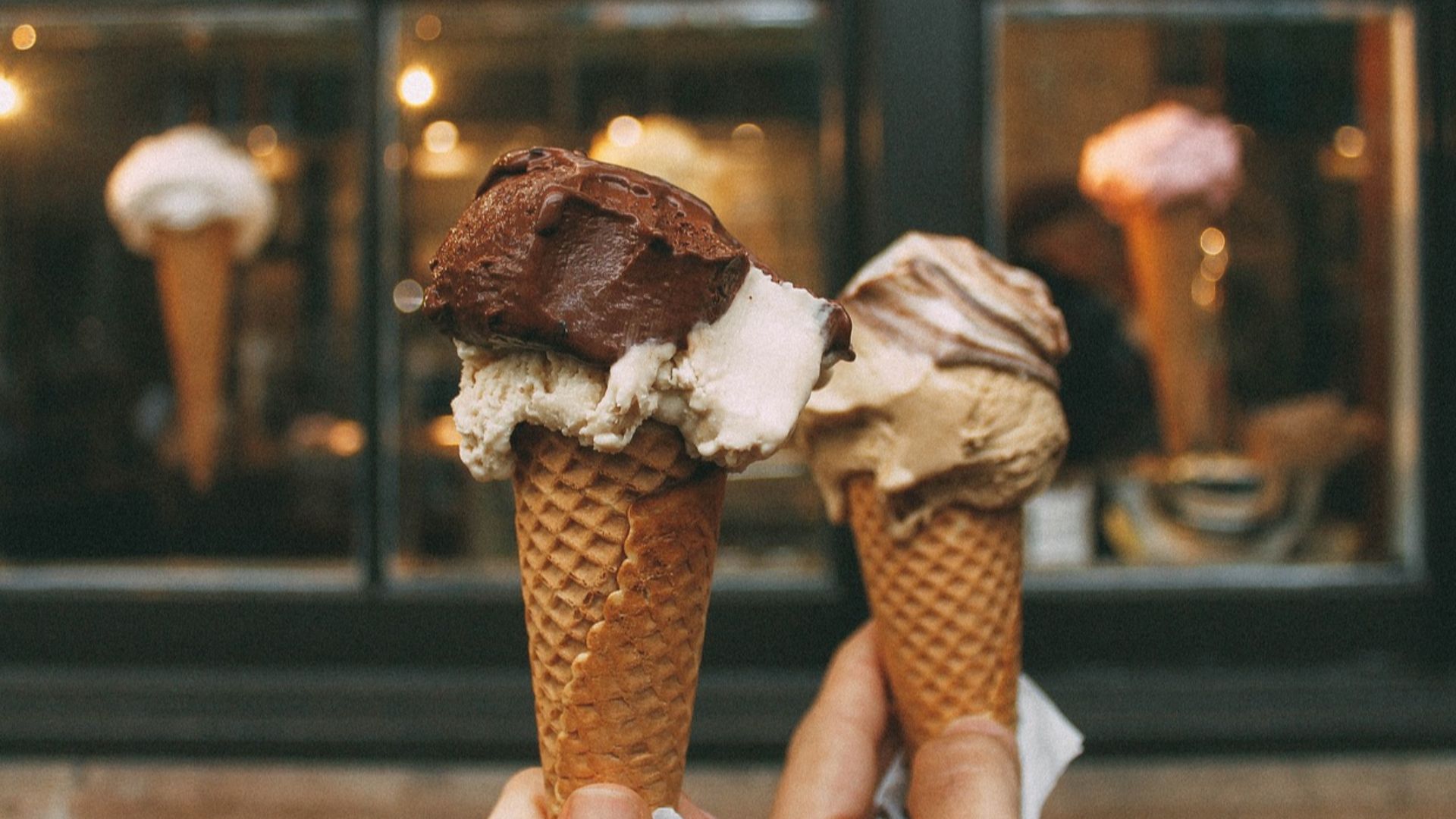
Frusen Glädjé had the fancy name, the premium ice cream, and the ambition to stand beside Häagen-Dazs. Launched in 1980, it sold its supermarket pint business to Kraft just a few years later. By 2000, reporting on its disappearance uncovered conflicting accounts about who had received the brand in a subsequent deal. That’s quite a way for an ice cream name to melt away.
Which Name Brings Back Your Kitchen?
So, tell us: Which name takes you straight back—and which one had you completely forgotten until now?
 Marty Aligata, Wikimedia Commons
You Might Also Like:
The Real Cost Of A Family Movie Night In The 1980s Compared With Today