When Movie Night Didn't Cost A Fortune
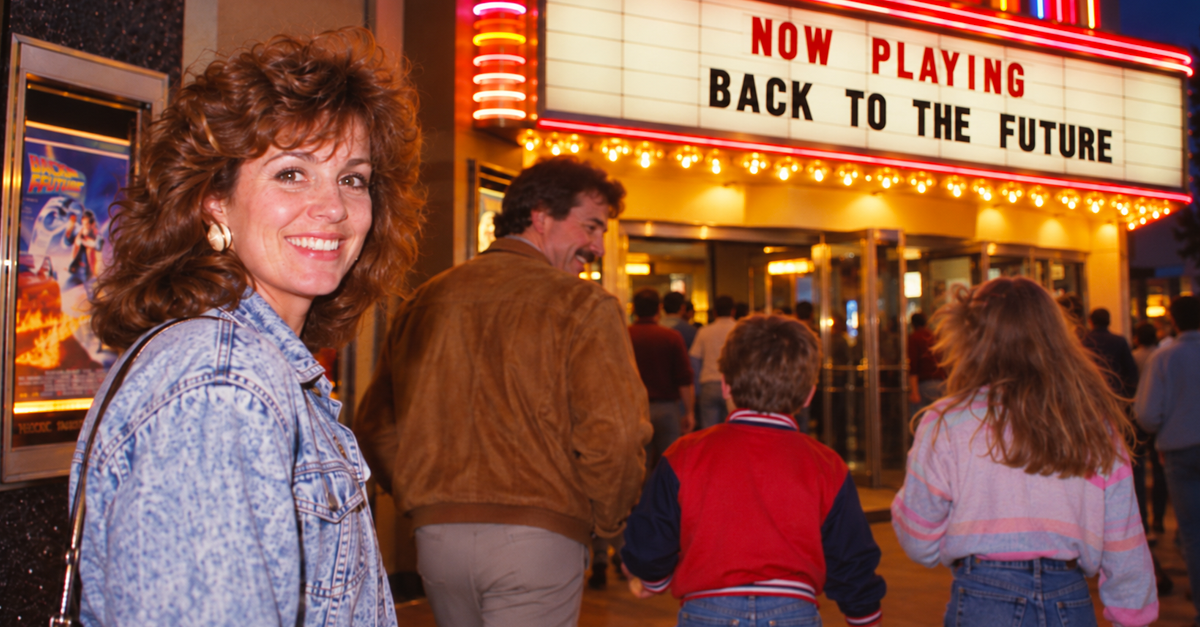
In 1985, a family of four could see a Hollywood blockbuster for just $14.20 in tickets. Today, that same outing can easily cost more than $84 once popcorn and drinks enter the picture. But here's the twist: movie tickets themselves haven't gotten dramatically more expensive when you account for inflation.
So what really happened to the cost of family movie night?
Let's Go Back To 1985
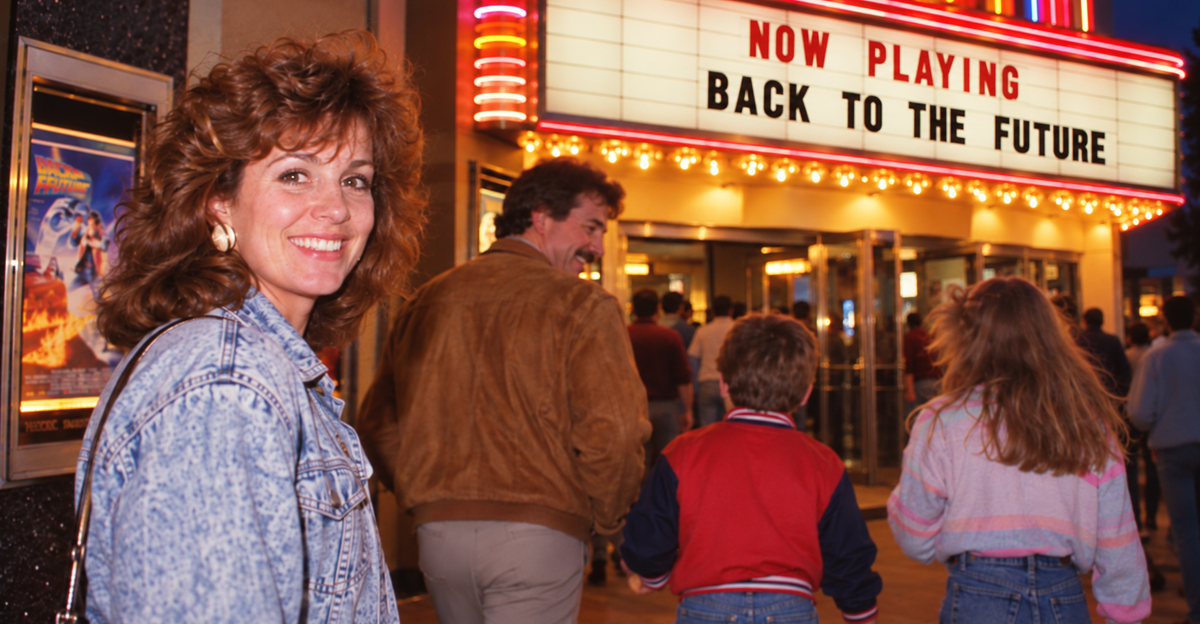
The year was 1985, and American families were flocking to theaters to watch Back to the Future, The Goonies, and other major releases. Movie night meant piling into the car, finding seats, and deciding whether to splurge on snacks. To see how the costs have changed, we'll compare a family of four in 1985 with a similar outing in 2026.
 Marjory Collins, Wikimedia Commons, Enhanced
A Movie Ticket Cost Just $3.55
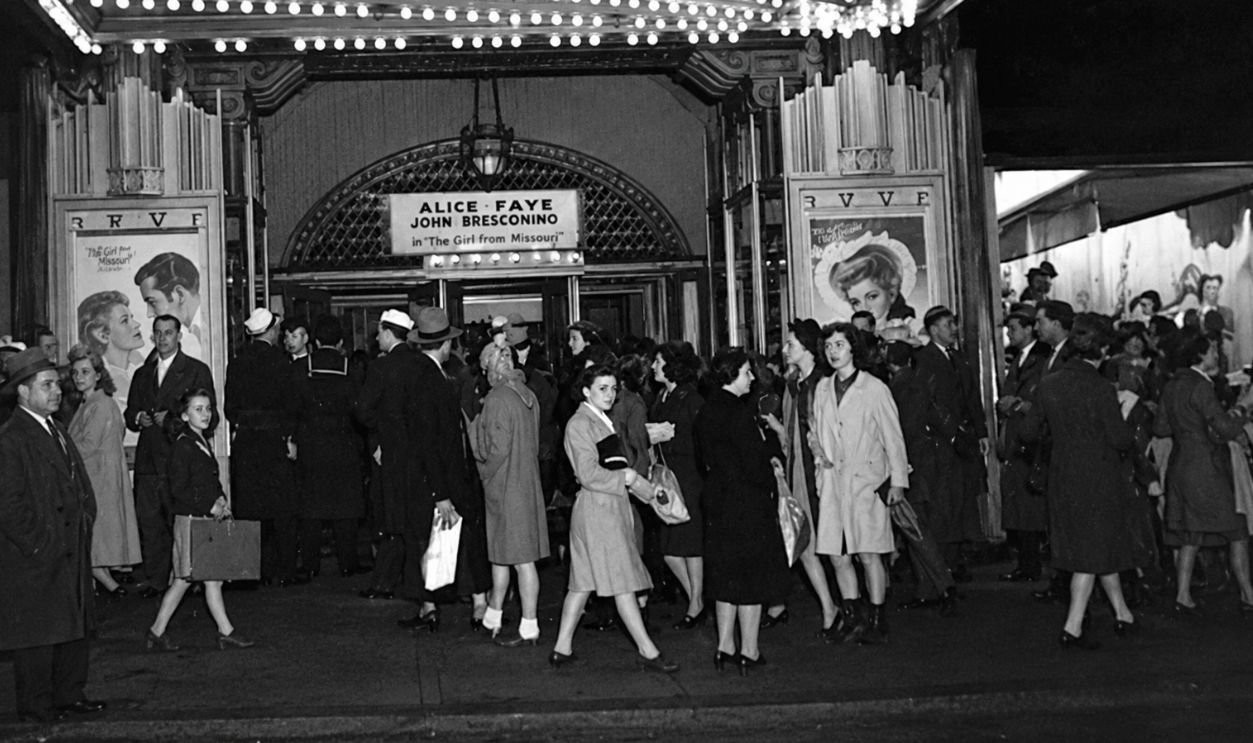
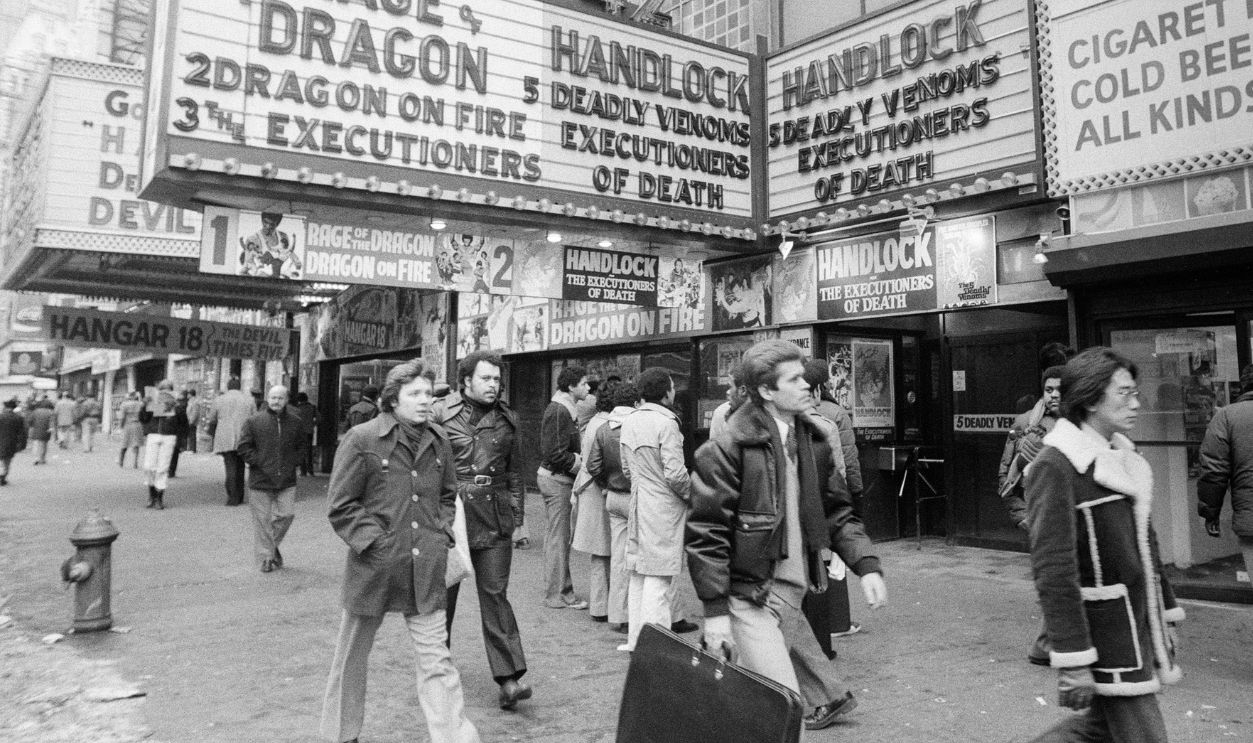
In 1985, the average American movie ticket cost $3.55, according to historical figures from the National Association of Theatre Owners. That sounds almost impossibly cheap when compared with modern ticket prices. But the average included different theaters, locations, and admission categories, so not every family paid exactly that amount.
Four Tickets Came To Just $14.20
For a family of four, buying tickets at the 1985 national average meant spending just $14.20. That's less than what some theaters now charge for a single premium-format admission. Of course, the price covered only admission, leaving popcorn, drinks, and other expenses to be paid separately.
The Price Difference Is Smaller Than You Think
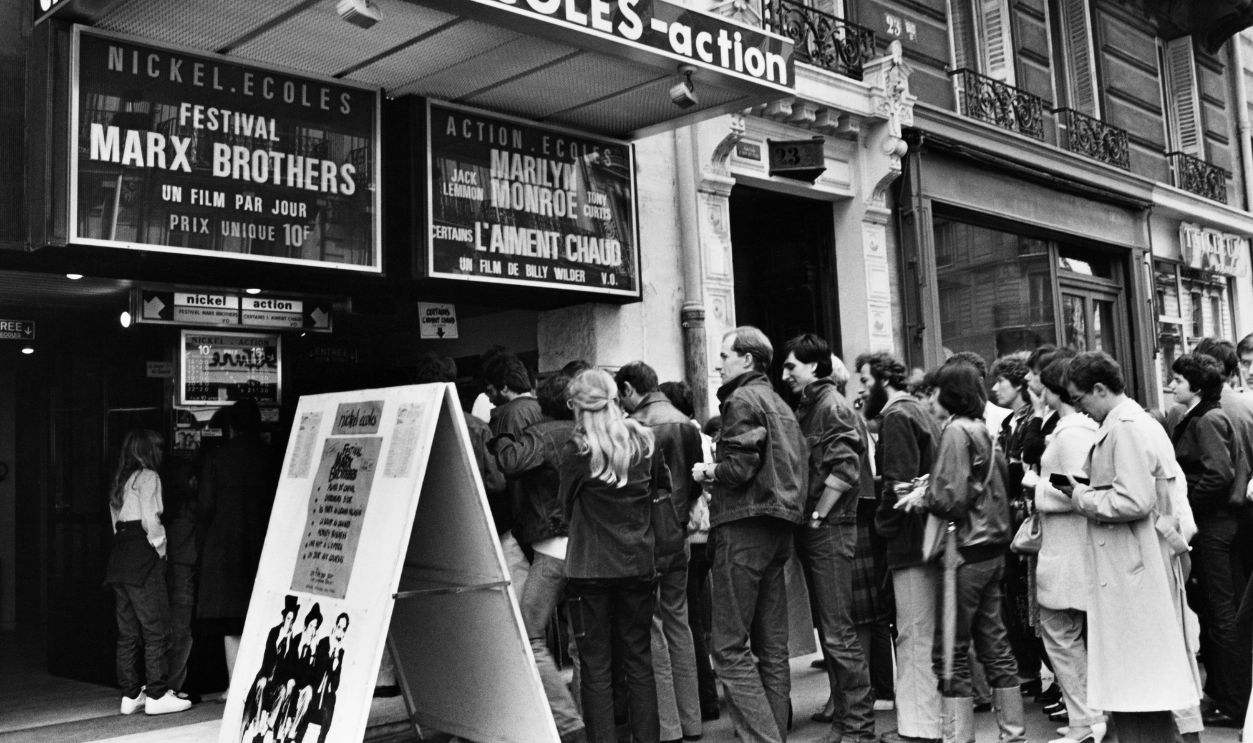
Here's where the comparison gets interesting. According to the Bureau of Labor Statistics' Consumer Price Index, $14.20 in 1985 had the purchasing power of roughly $44 in 2026. Suddenly, that supposedly dirt-cheap family outing looks considerably more expensive than its original price suggests.

Today's Tickets Tell A Different Story
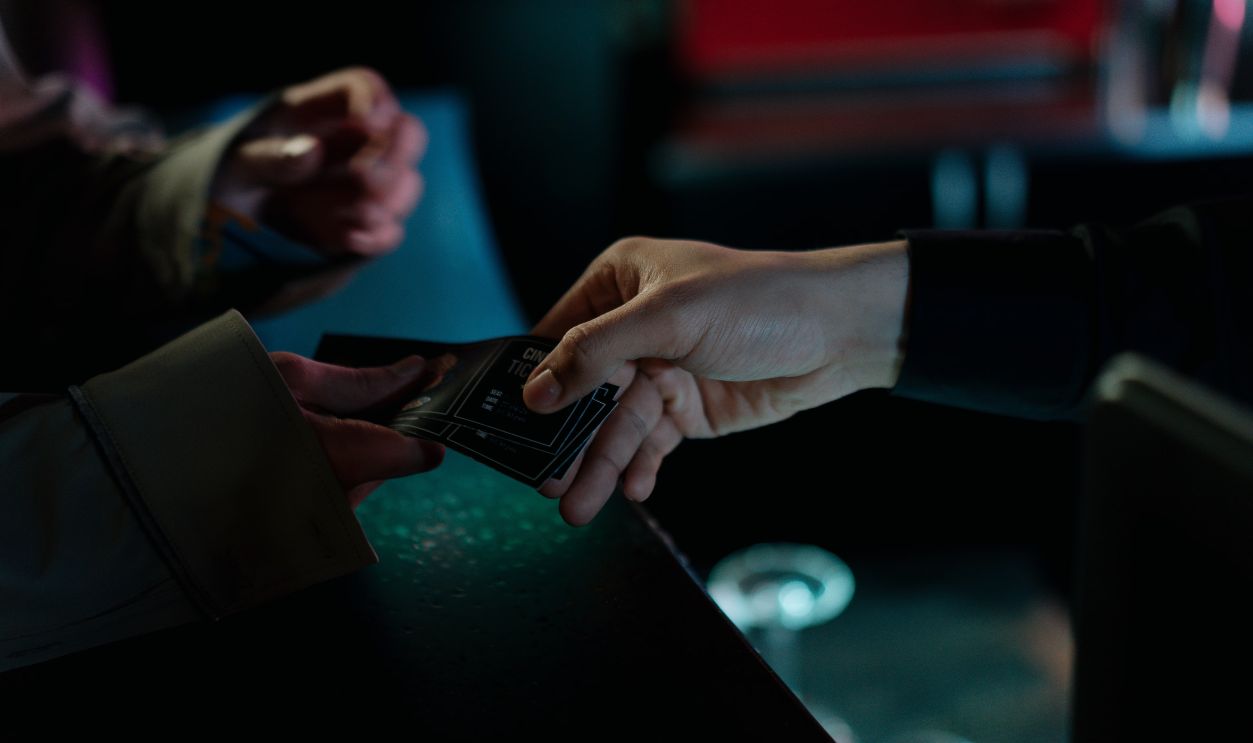
According to estimates published by The Numbers in September 2026, the average movie ticket cost $12.27. That means four admissions would cost approximately $49.08, before concessions and other charges. Compared with the inflation-adjusted 1985 total, the difference is still surprisingly small.
Premium Screens Can Push Prices Higher
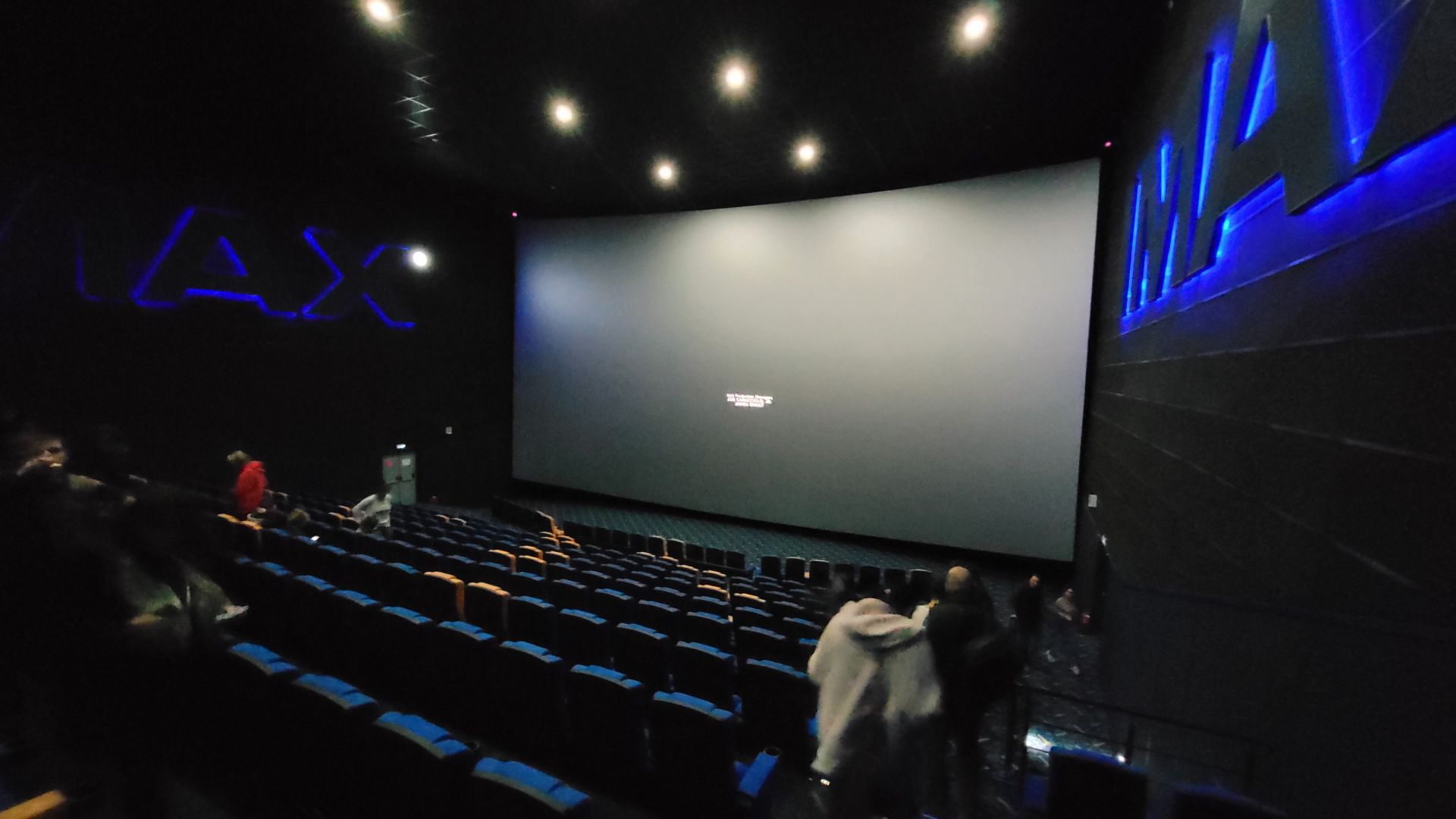
Modern moviegoers can choose premium experiences, including IMAX and other enhanced formats. These screenings can carry additional charges beyond regular admission, quickly increasing the cost of taking several people. The standard ticket comparison is more meaningful because premium upgrades weren't part of the typical 1985 moviegoing experience.
 Svetlov Artem, Wikimedia Commons
Popcorn Was Already A Major Expense
Even in the 1980s, the ticket counter wasn't necessarily where the spending stopped. In 1986, the Los Angeles Times reported that popcorn at the UA Warner Center 6 theater cost between $1.25 and $3.25, while beverages ranged from $1 to $2. Those prices show that concessions could add a surprising amount to a family movie night, even four decades ago.

Four Snacks Could Add Another $9
Using the lowest reported 1986 prices, four popcorn servings at $1.25 each and four drinks at $1 each would total $9. Choosing larger popcorn servings and more expensive beverages could push that figure considerably higher. These were prices at one Los Angeles-area theater, rather than national averages, but they demonstrate how quickly refreshments could increase the bill.
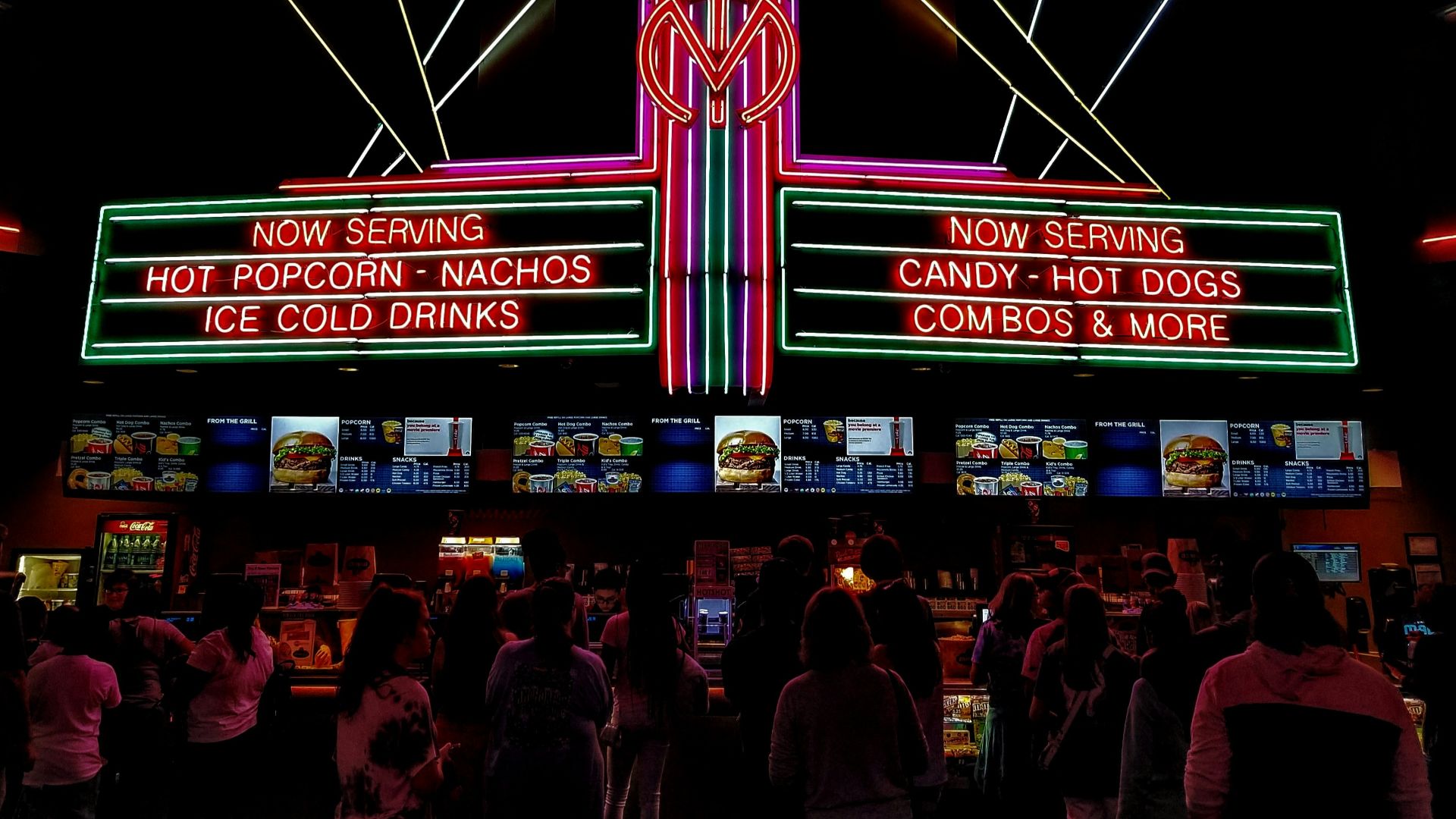
Movie Theater Candy Added Another Temptation
Popcorn and soda weren't the only refreshments available at the concession stand. In 1986, the Los Angeles Times reported that candy at the UA Warner Center 6 theater cost between $1 and $2. For a family of four, buying one candy each could add another $4 to $8 to the bill, making those little extras surprisingly expensive.
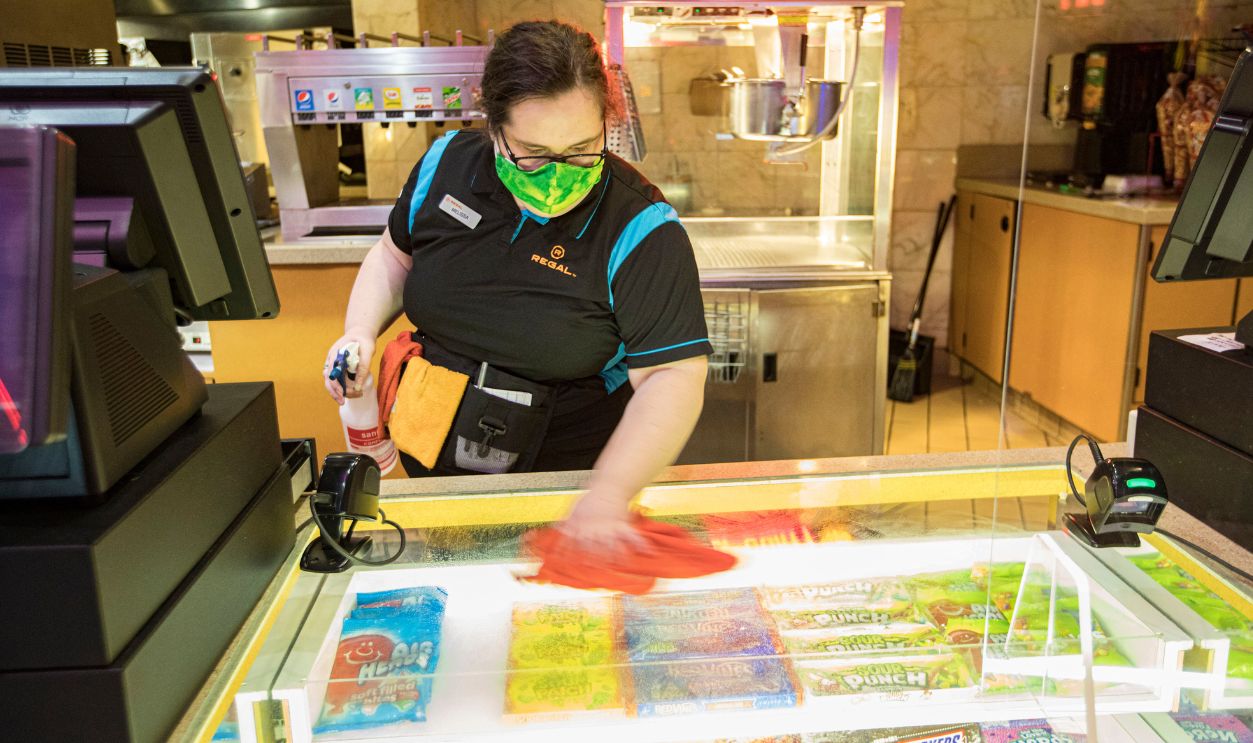
Today's Snack Counter Can Be Costly
Concessions remain a substantial expense, and current prices can add up quickly. AMC lists the regular price of its small-popcorn-and-drink combo between $8.88 and $15.58 at participating theaters, depending on location. Buying one for each member of a family of four would cost between $35.52 and $62.32, although sharing snacks could reduce that total.

A Modern Family Night Can Top $84
Combine four tickets at the estimated 2026 average with four AMC snack combos at the lowest listed regular price, and the total reaches $84.60. At the upper end of that concession range, the combined bill climbs to $111.40 before applicable taxes and fees. These are just example costs, not what every family pays, but they show how quickly extras can add up.
 Queensland, Australia, Unsplash
Discount Days Can Make A Big Difference
Fortunately, paying full price isn't always necessary. AMC offers eligible Stubs members 50% off the regular adult evening base ticket price on Tuesdays and Wednesdays at participating theaters. Since the membership has a free tier, a family with a flexible schedule could save substantially without paying a membership fee.
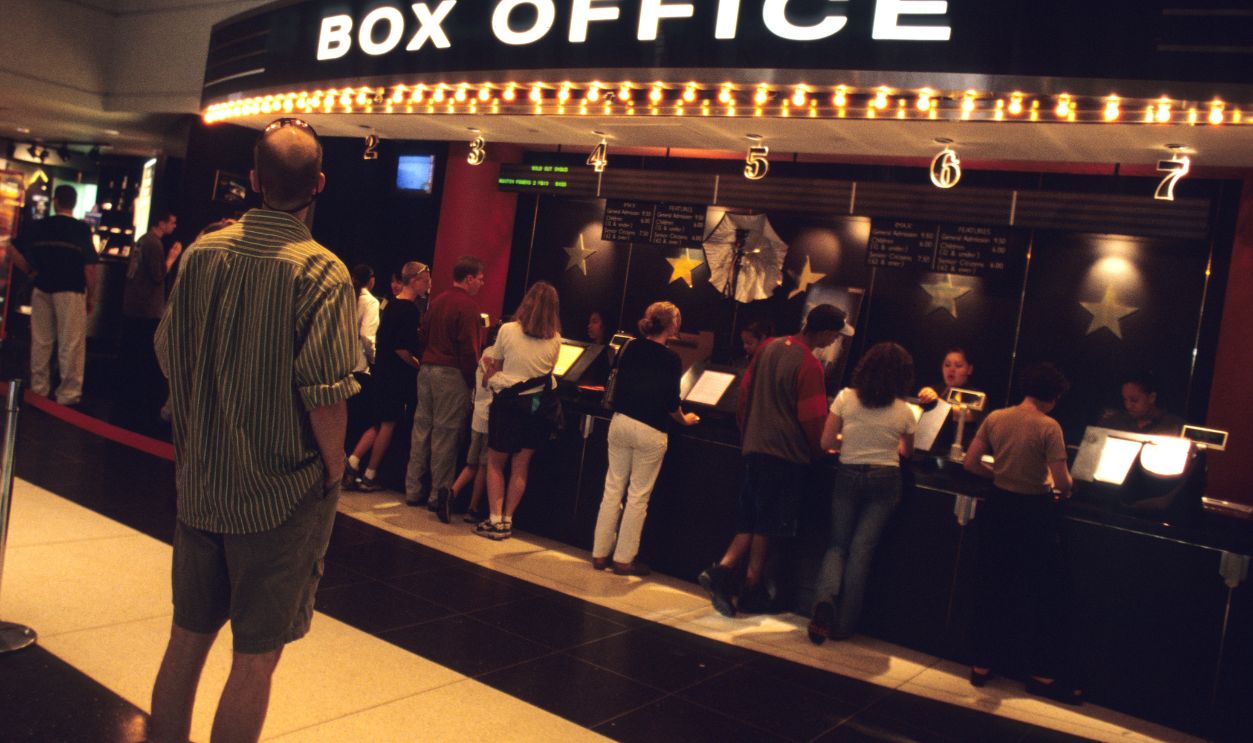
Even Popcorn Gets Discounted
AMC's midweek promotion also offers participating Stubs members 50% off qualifying small-popcorn-and-drink combos. At locations where the regular combo costs $8.88, that reduces the price to $4.44 before tax. Four discounted combos would therefore cost $17.76, showing just how much choosing the right day can change the expense.
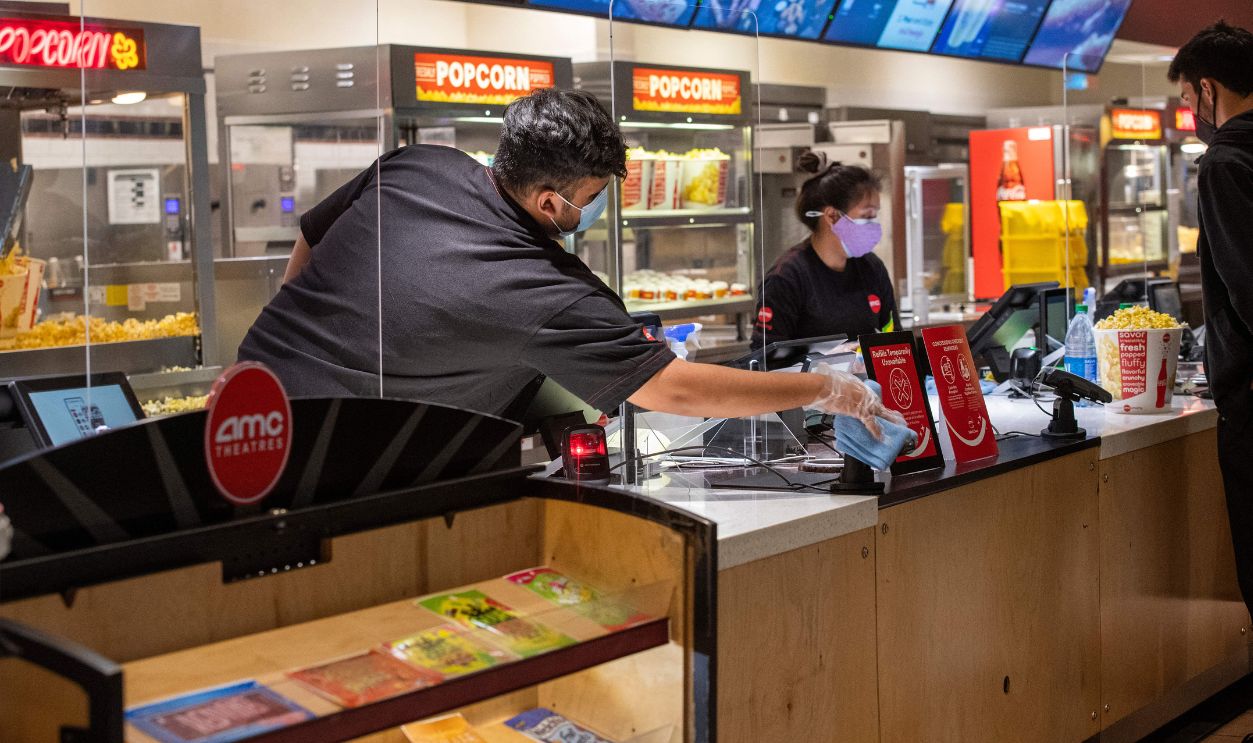
Online Booking Can Add Another Expense
In the 1980s, families generally purchased their tickets at the theater rather than through an app. Today, online bookings can include convenience fees, potentially increasing the final price beyond the advertised admission charge. AMC's published discount terms also make clear that its 50% midweek ticket offer doesn't cover applicable online fees.

Parking And Transportation Count Too
A theater outing can involve more than tickets and refreshments, especially when the cinema is far from home. In the 1980s, families also had to consider the cost of gas and any parking fees when heading out for a movie. Those expenses still matter today, although the total depends on how far a family travels and whether the theater charges for parking.

Americans Were Starting To Stay Home
By the mid-1980s, Americans were beginning to rethink their moviegoing habits. A 1985 survey found that 41% of VCR owners were going to theaters less often, while 57% preferred waiting for new movies to become available at home. And with VCRs becoming increasingly popular, it was easy to see why.

The VCR Made Staying Home Easier
Instead of heading to the theater, families could rent a Hollywood blockbuster and watch it in their own living rooms. They could pause the movie, enjoy their own snacks, and watch whenever they wanted. Better yet, everyone could enjoy the same movie without paying for separate tickets, making home viewing an increasingly attractive alternative.
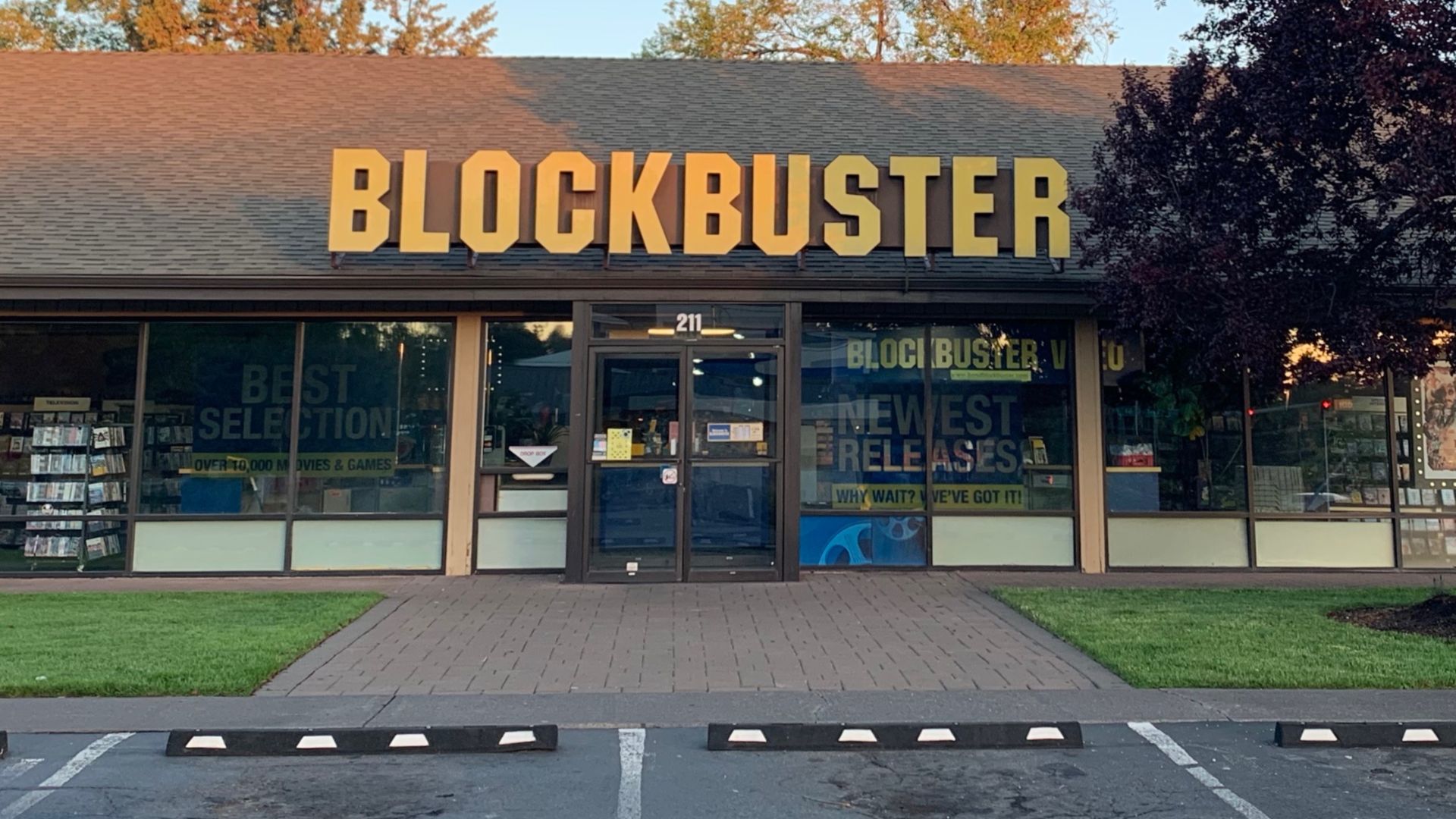
Renting A VHS Tape Could Save Money
In 1985, the Los Angeles Times reported that Wherehouse video stores charged between $1 and $2.50 per night to rent a movie. By comparison, four theater tickets cost $14.20 at that year's national average admission price. Renting could therefore save a family more than $11 on admission alone, although the advertised rental price didn't always tell the whole story.
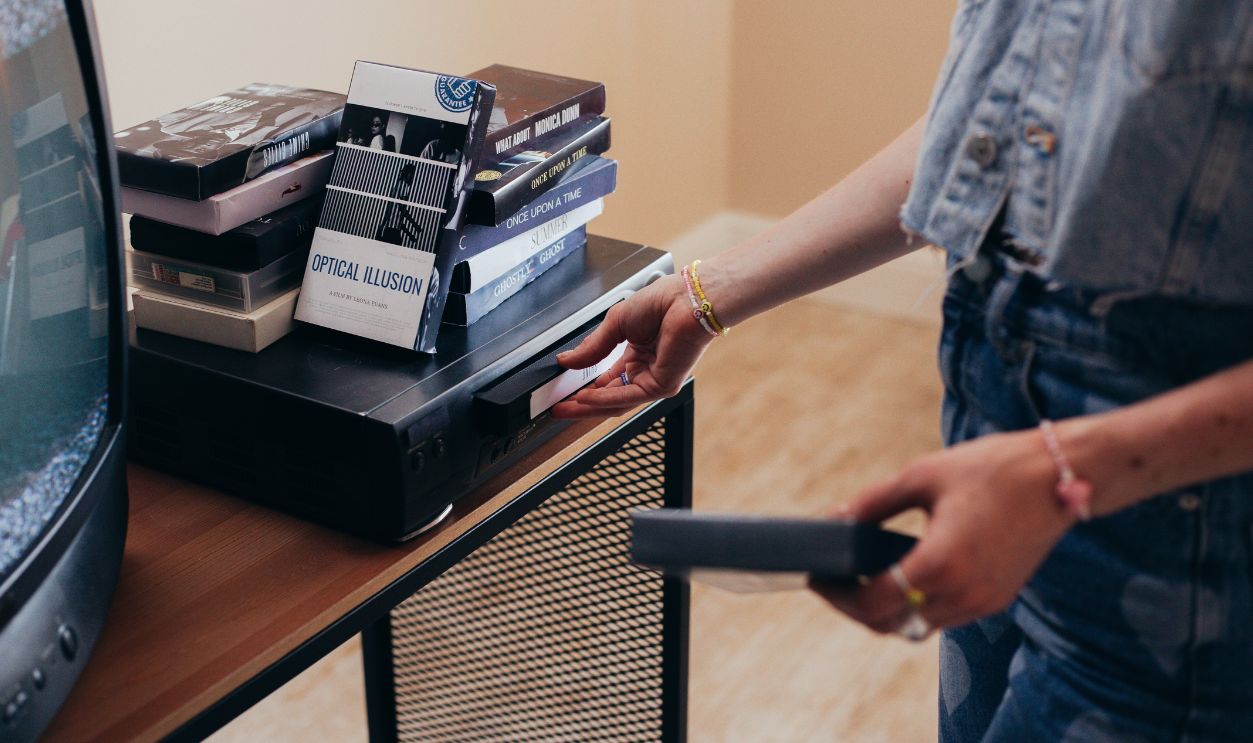
Video Rental Stores Had Hidden Costs Too
Some video stores charged annual membership fees, while others required deposits or credit card details to protect against lost tapes. Returning a movie late could also mean additional charges, turning an inexpensive rental into a more costly night of entertainment. And even if families avoided those extra fees, there was another major expense to consider before they could watch anything at home.
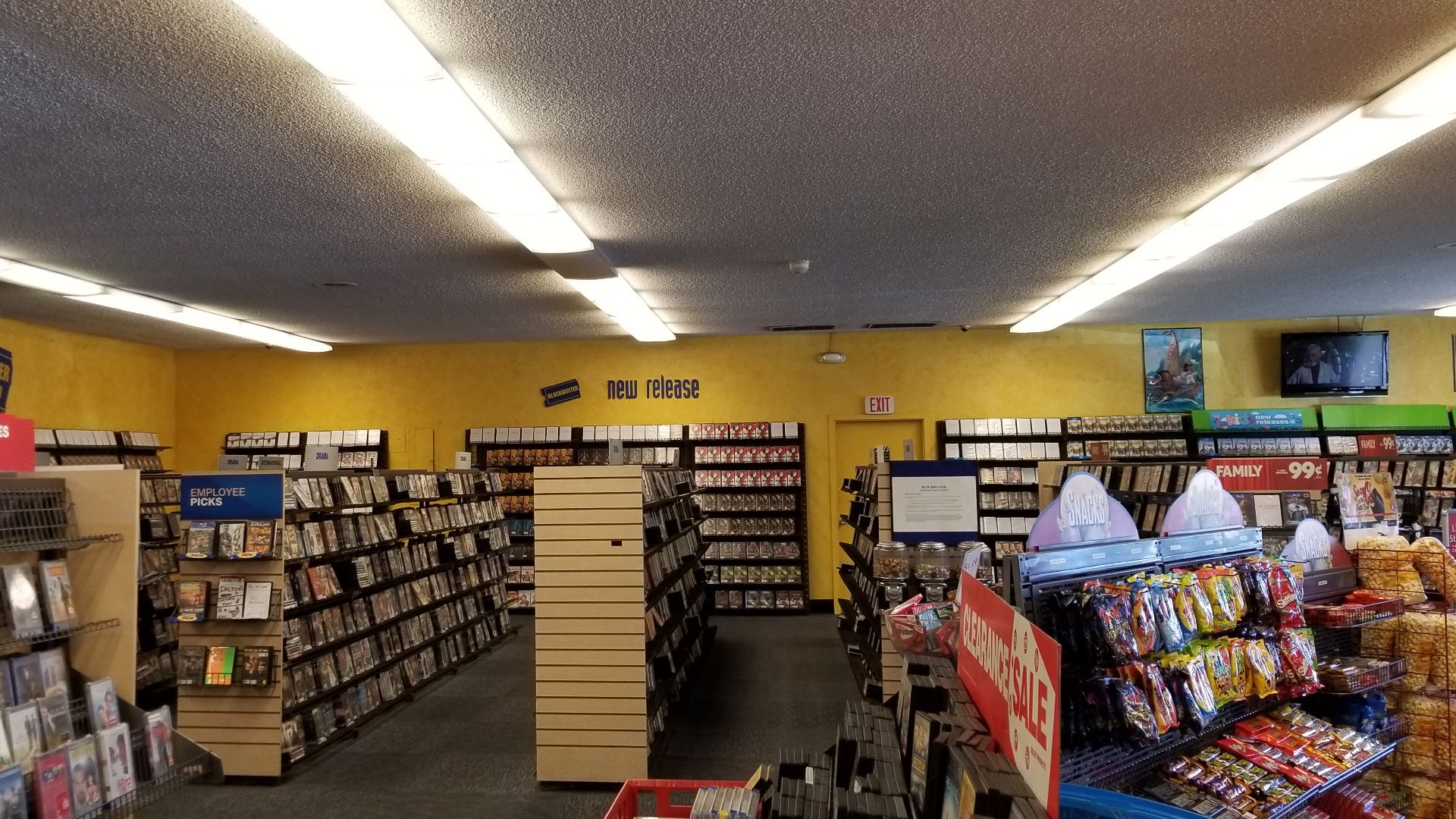 Coasterlover1994, Wikimedia Commons
The VCR Itself Was A Serious Investment
That expense was the VCR itself, which could cost hundreds of dollars during the 1980s. Buying one represented a substantial household investment, making home movie nights less economical for occasional viewers. However, the more frequently a family rented movies, the easier it became to spread that initial expense across many nights of entertainment.
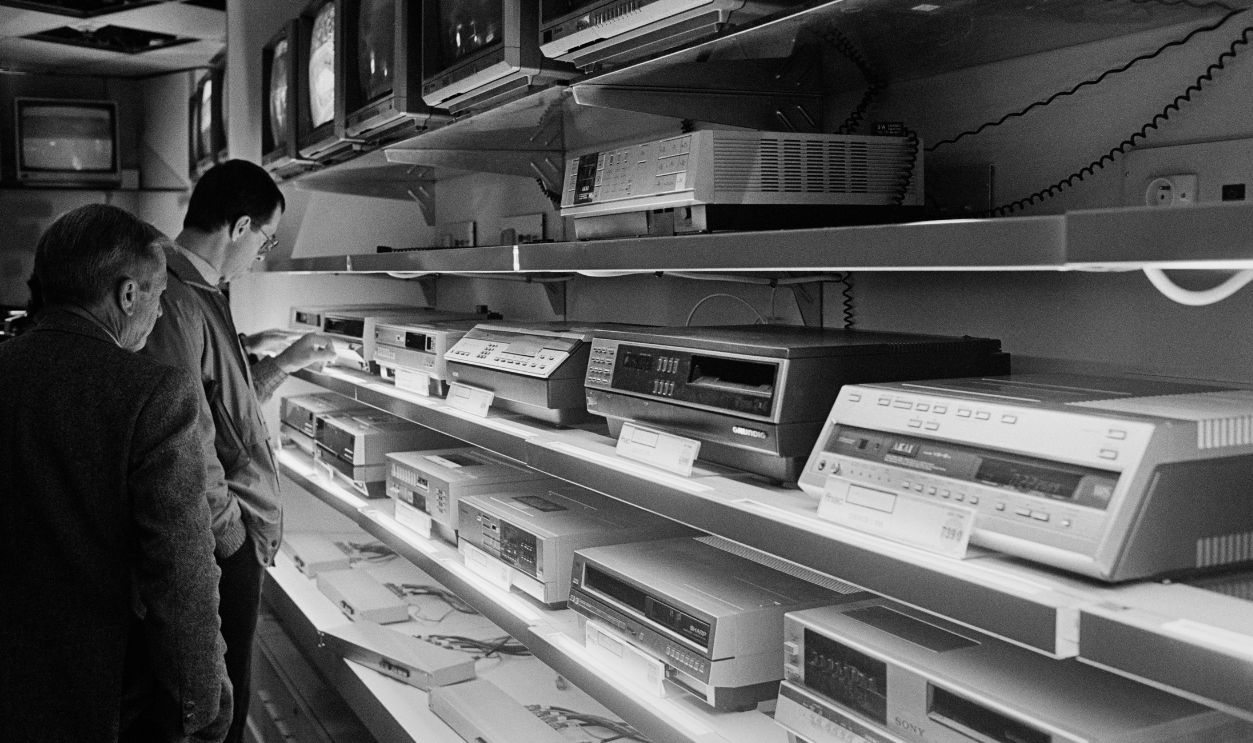
Owning Movies Wasn't Cheap Either
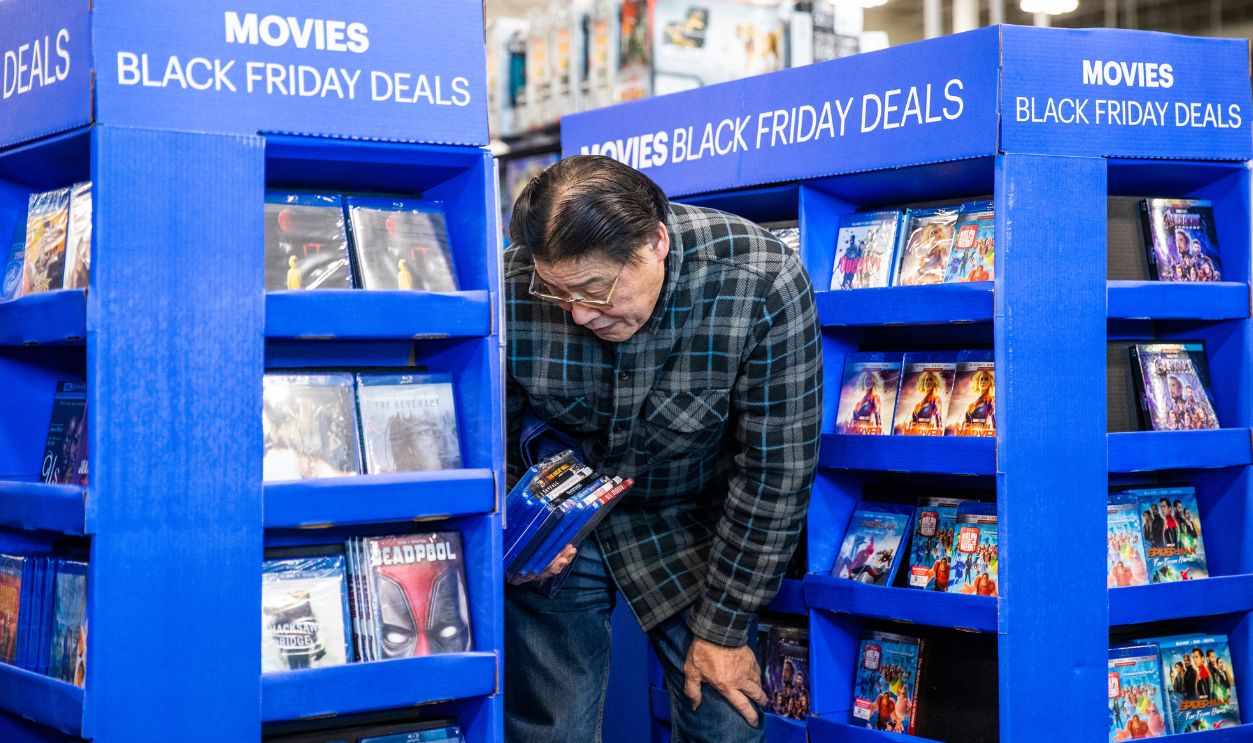
And buying a VCR wasn't the only major expense for families who wanted to watch movies at home. In 1985, Beverly Hills Cop was released on videocassette for $29.95, while a single copy of Ghostbusters carried a retail price of $79.95. With movies costing that much, it's easy to see why many families preferred renting tapes rather than building their own collections.
Streaming Has Rewritten The Rules
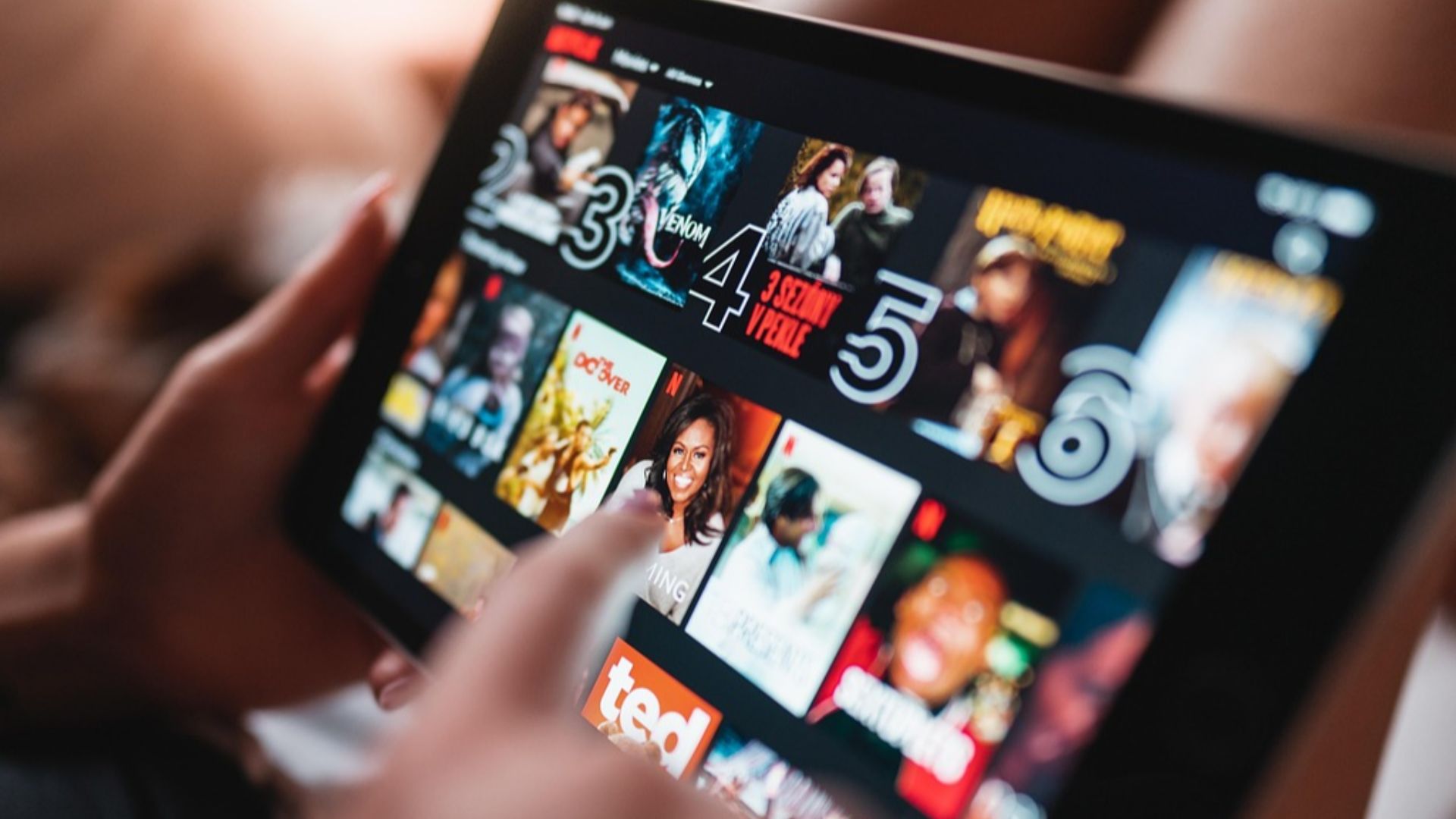
Today, families can watch an enormous selection of movies without visiting a rental store or paying separately for every viewing. Netflix's U.S. pricing lists its ad-supported Standard plan at $8.99 per month and its ad-free Standard plan at $19.99 per month. Both plans provide access to a changing catalog, although specific titles may not always be available.
One Subscription Can Cover Several Movie Nights
At $8.99 per month, an ad-supported Netflix subscription costs less than one ticket at the estimated 2026 average. If a family watches four included movies in a month, the subscription works out to approximately $2.25 per movie. That calculation excludes internet access, electricity, and other household expenses, but it demonstrates the financial appeal of watching at home.
But Streaming Has Its Own Hidden Costs
One streaming subscription may be affordable, but maintaining several can quickly increase the monthly entertainment budget. Families can also end up paying for services they rarely use or keeping subscriptions active between movie nights. Unlike a single VHS rental, these recurring charges continue until the subscription is canceled or changed.

A Little Planning Can Save A Lot
Before purchasing theater tickets, compare discount days, membership offers, and the total price after fees. Sharing concessions or skipping premium formats can also reduce spending without sacrificing the experience. For home viewing, checking existing subscriptions before renting a movie helps avoid paying twice for entertainment that's already available.

So Was Movie Night Actually Cheaper In The 1980s?
The 1980s offered much lower ticket prices, but those dollars were worth considerably more than they are today. Modern theater outings can become expensive once snacks and extras enter the picture, while streaming has made staying home more affordable for frequent viewers. Ultimately, the biggest change isn't necessarily the cost of a ticket, but how many ways families can now choose to spend their movie-night budget.

You May Also Like:
Electronics Americans Saved Up For In The 1980s That Are Practically Worthless Today
Fast-Food Value Menus From The 80s, When They Were Genuinely As Cheap As Eating At Home
Common Financial Advice From The 1980s That Will Almost Definitely Backfire In Today’s Economy