
Yesterday’s Luxuries, Today’s Clutter
In the 1980s, owning the latest electronics was a serious status symbol, and Americans spent hundreds, sometimes thousands, of dollars to keep up. From bulky VCRs to expensive car phones, these purchases were supposed to change everything. Four decades later, many are gathering dust and barely worth selling.
Here are some of the biggest 1980s must-haves that are practically worthless today.
 San Francisco Chronicle/Hearst Newspapers, Getty Images
VHS Video Cassette Recorders
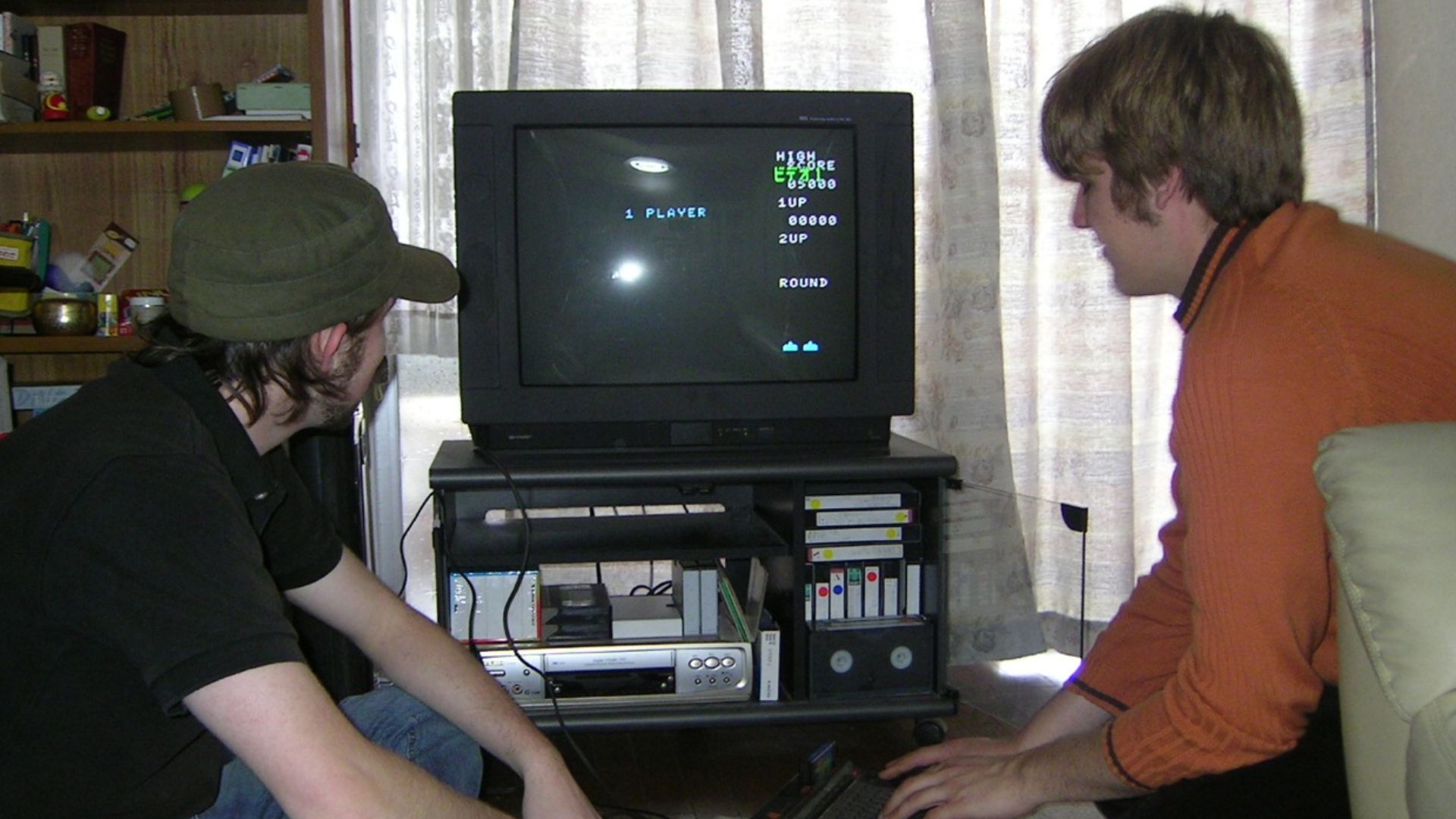
A VCR was one of the hottest household purchases of the early 1980s, with machines commonly costing $600 to $1,200 in 1981. Families could finally record their favorite programs and rent movies to watch at home. Today, ordinary VHS machines are often difficult to sell, although working models still appeal to people transferring or watching old tapes.
 davinelulinvega, Wikimedia Commons
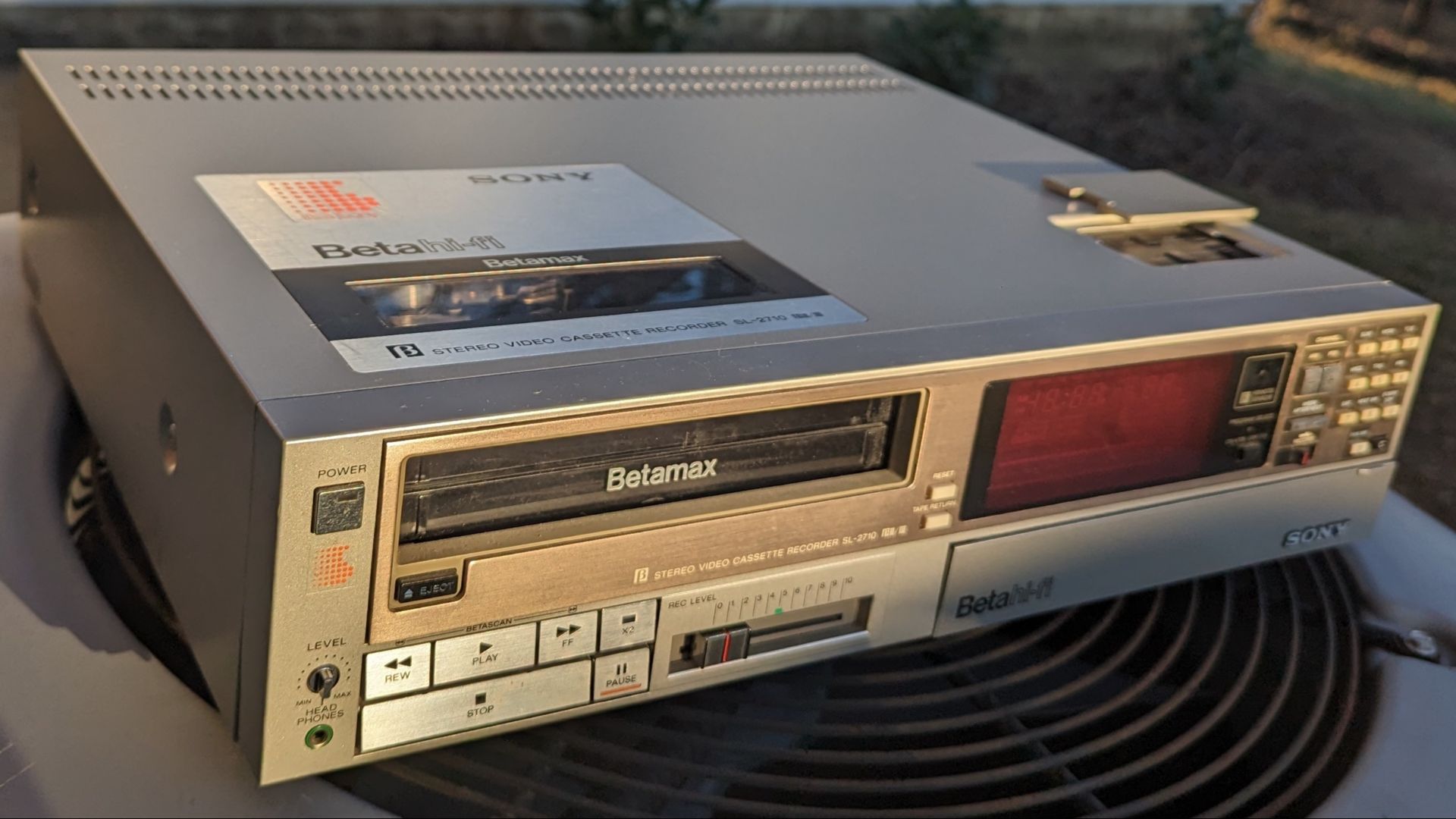
Betamax Players
Sony introduced Betamax in 1975, but Americans continued spending heavily on the machines throughout the early 1980s. Unfortunately for buyers, VHS became the dominant videotape format, leaving Betamax owners with fewer movie rentals to choose from. While collectors still seek certain models, ordinary Betamax players lost much of their practical appeal when the format fell out of favor.
 AndyHemmerCincinnati, Wikimedia Commons
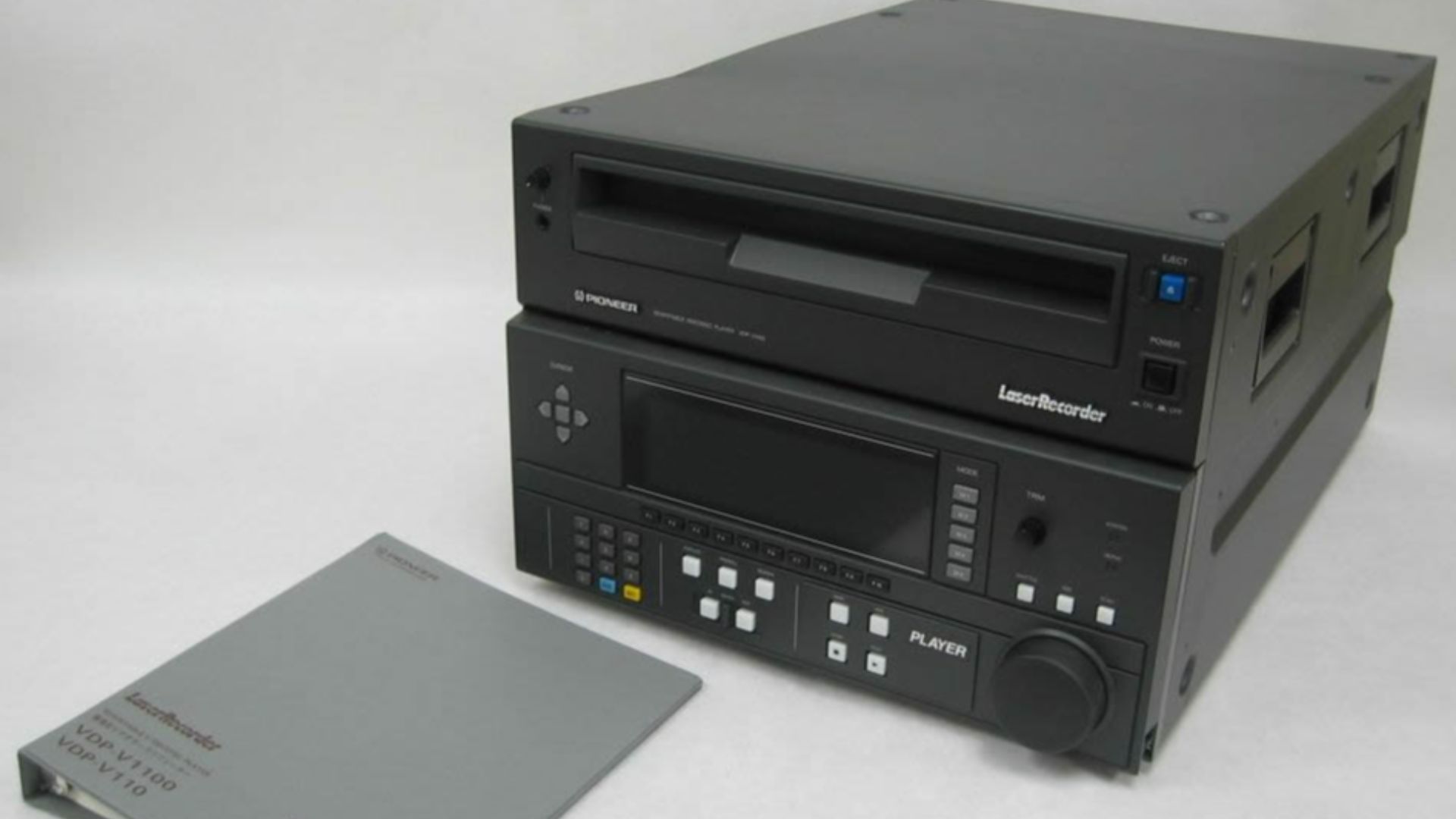
LaserDisc Players
LaserDisc promised movie lovers better picture and sound quality than VHS, but that premium experience came at a price. Early videodisc players could cost around $700, and their large discs were considerably less convenient than the DVDs that eventually replaced them. Collectors still prize certain players and releases, but ordinary equipment has little everyday usefulness in the streaming era.
 Zakruowrath, Wikimedia Commons
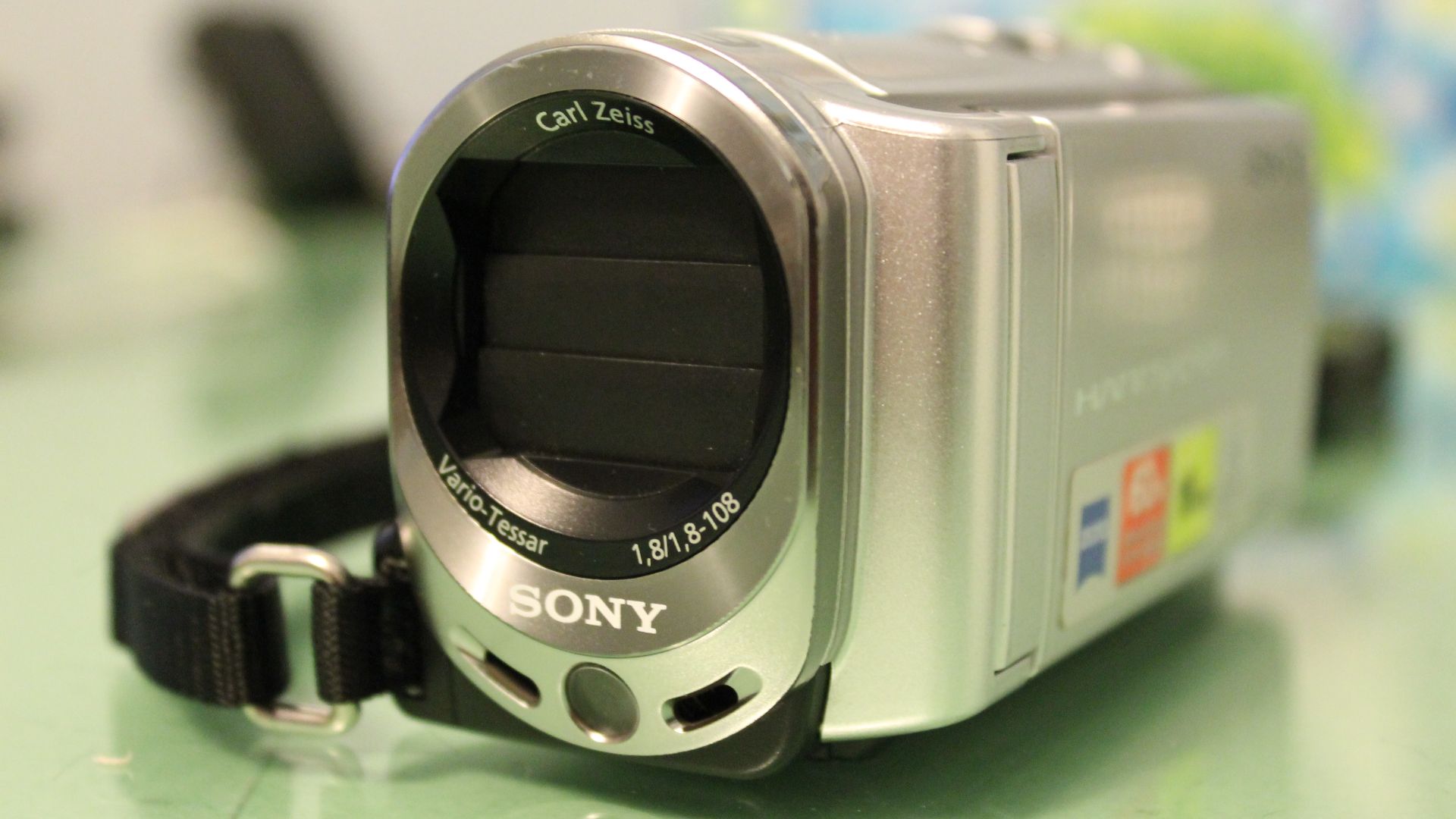
Early Handycam Camcorders
Sony's first 8mm video camcorder arrived in 1985, followed by the remarkably compact CCD-TR55 Handycam in 1989. These machines made recording family vacations and special occasions more convenient, but buyers were investing in costly technology that would eventually become outdated. Today, aging batteries, obsolete tapes, and complicated video transfers make ordinary analog camcorders less appealing than modern smartphones.
 ChadPerez49, Wikimedia Commons
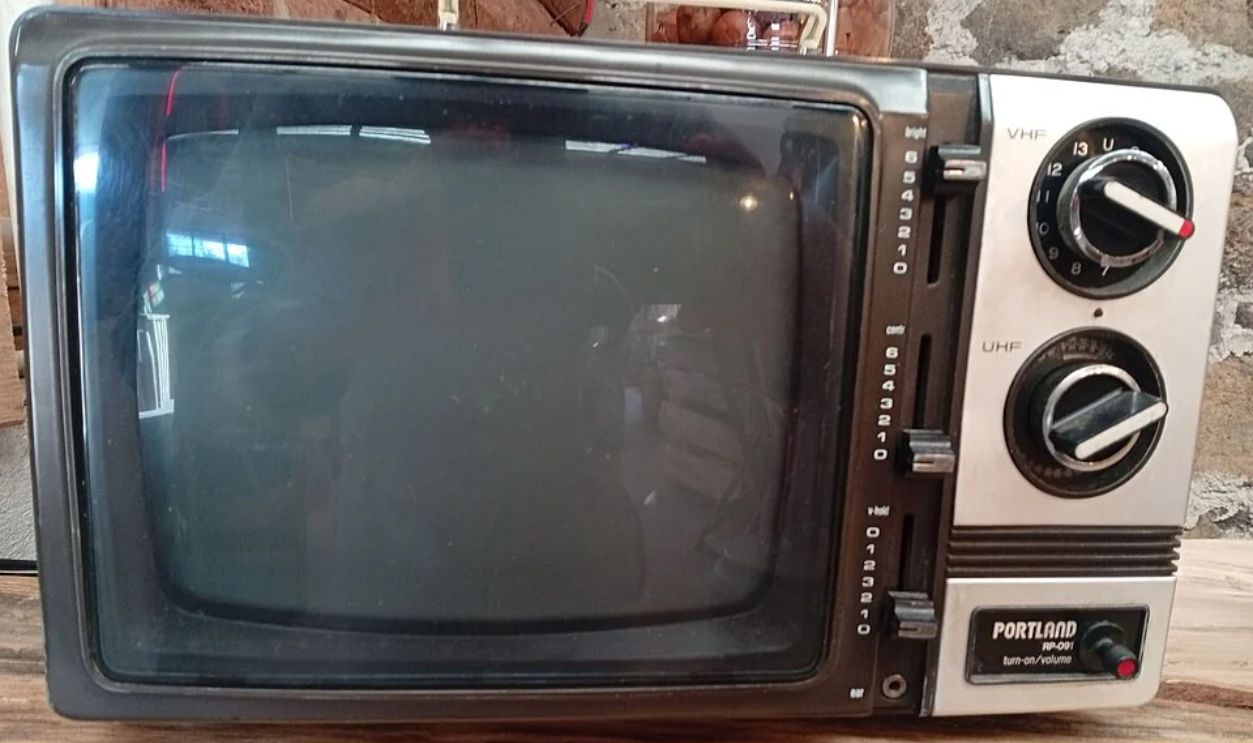
Portable Black-And-White Televisions
A portable television once meant you could watch your favorite programs practically anywhere with a decent signal. These miniature sets offered tiny screens, telescoping antennas, and battery-powered operation long before tablets existed. Most American analog-only models can't receive modern digital television broadcasts without additional equipment, leaving ordinary examples with little practical resale appeal.
 CDGJ965commons, Wikimedia Commons
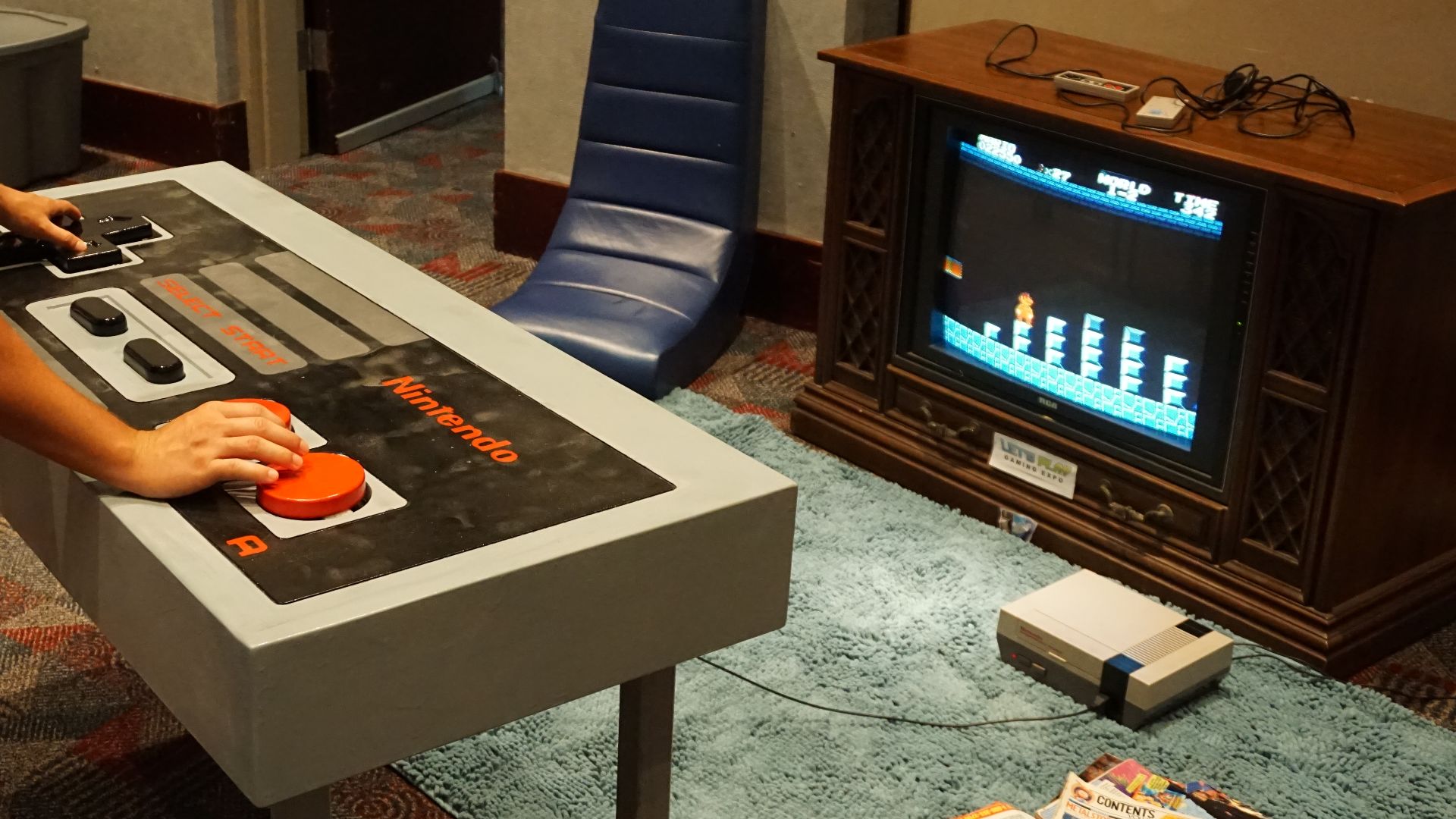
Giant Console Televisions
A massive television housed inside an elaborate wooden cabinet was once the centerpiece of an American living room. Families paid substantial sums for these impressive sets, which doubled as furniture and entertainment systems. Today, their enormous weight, outdated picture tubes, and transportation difficulties can make them challenging to sell, even when they still work.
 Nelo Hotsuma, Wikimedia Commons
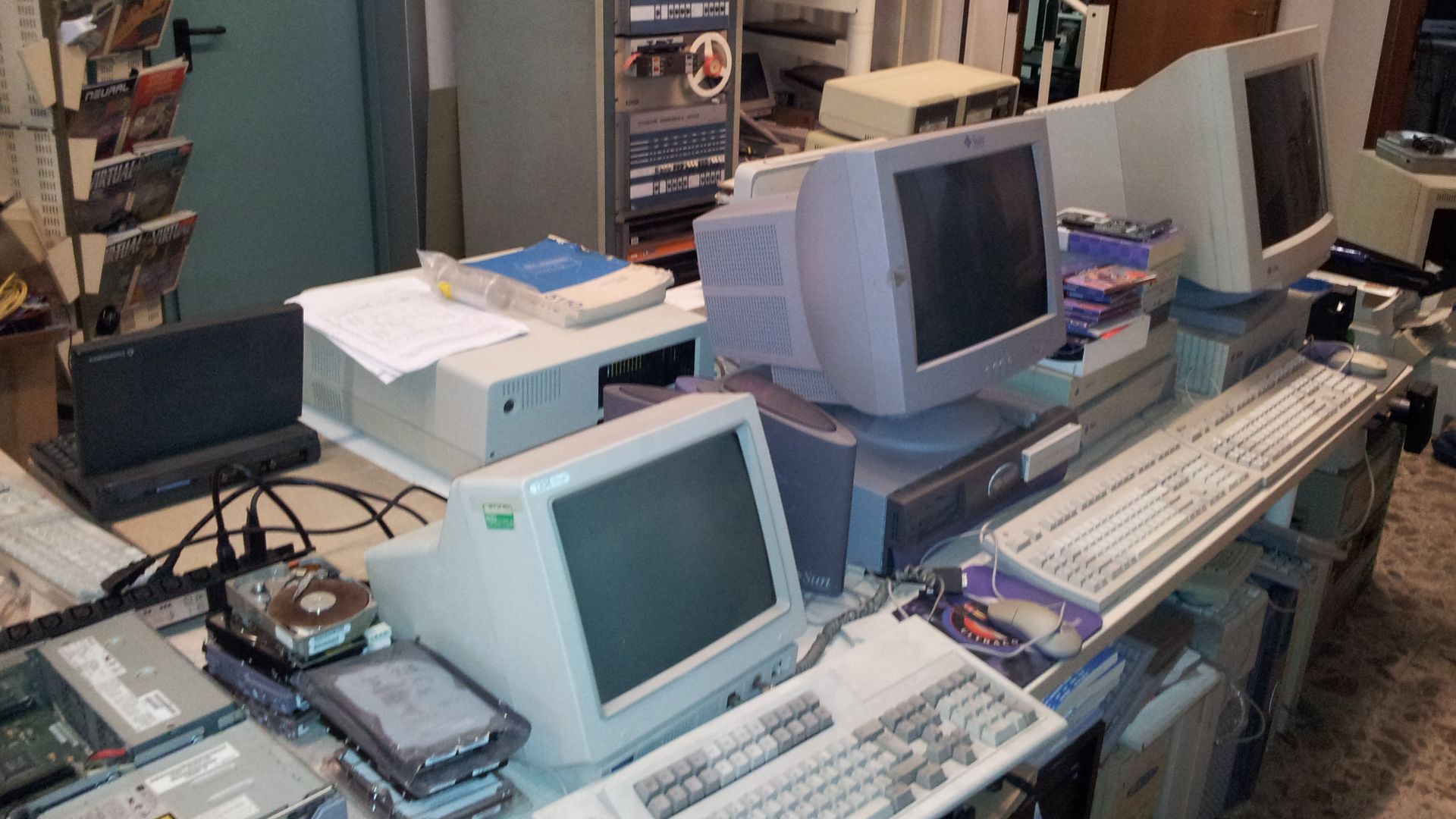
Old CRT Computer Monitors
Before flat screens took over, computer owners paid for bulky cathode-ray tube monitors that occupied a considerable amount of desk space. Color models were especially desirable as home computing became more sophisticated. Modern displays are thinner, lighter, and more energy-efficient, although certain high-performance CRTs remain popular with retro gaming enthusiasts.
 Mattruffoni, Wikimedia Commons
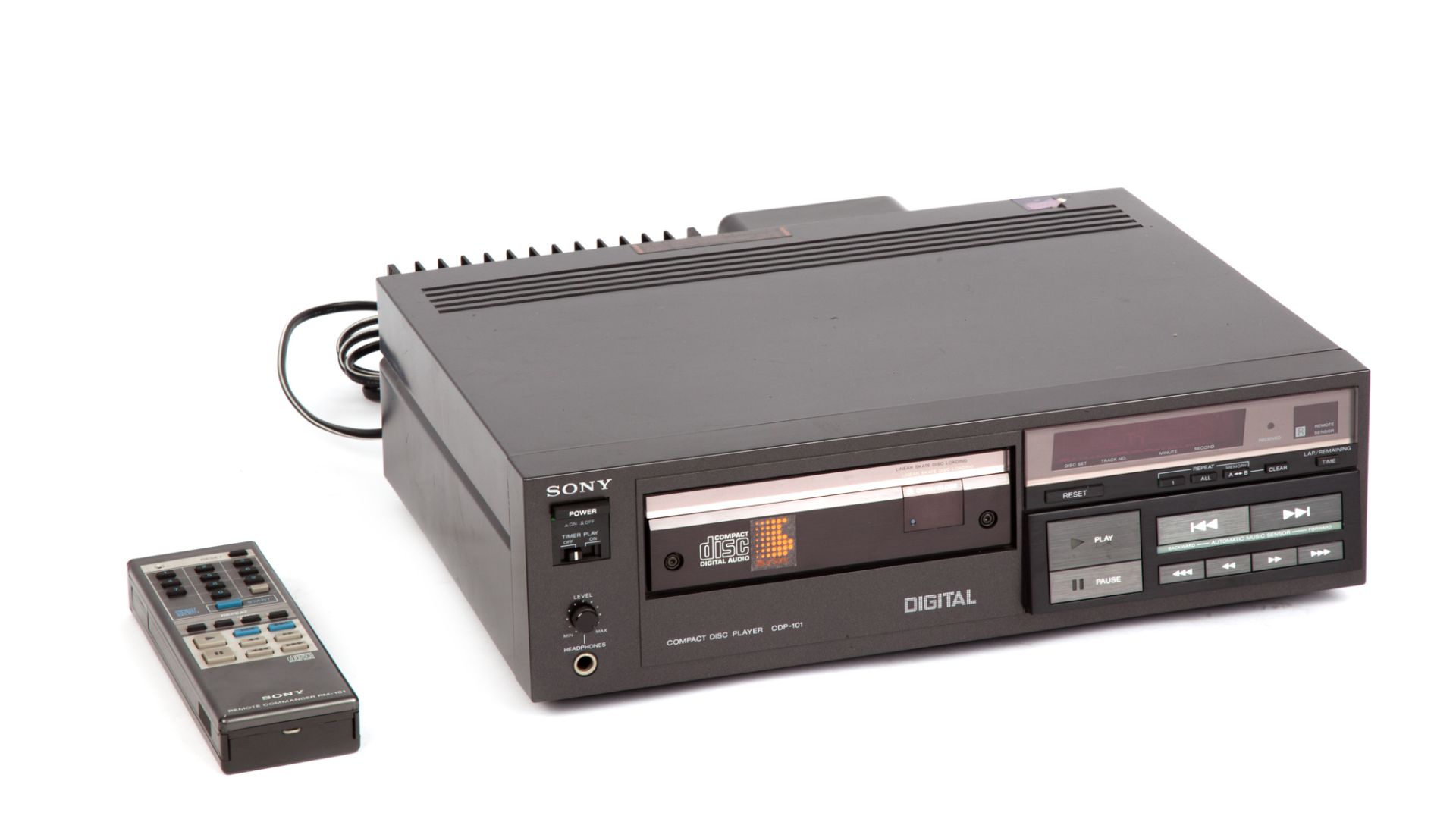
Early Home CD Players
Sony introduced the world's first commercially available CD player, the CDP-101, in 1982, helping usher in a new era of digital music. Early adopters invested in expensive equipment that promised convenient playback without the wear associated with conventional records. Today, basic CD players offer few advantages over streaming and modern digital equipment, although certain premium machines remain collectible.
 Alessandro Nassiri, Wikimedia Commons
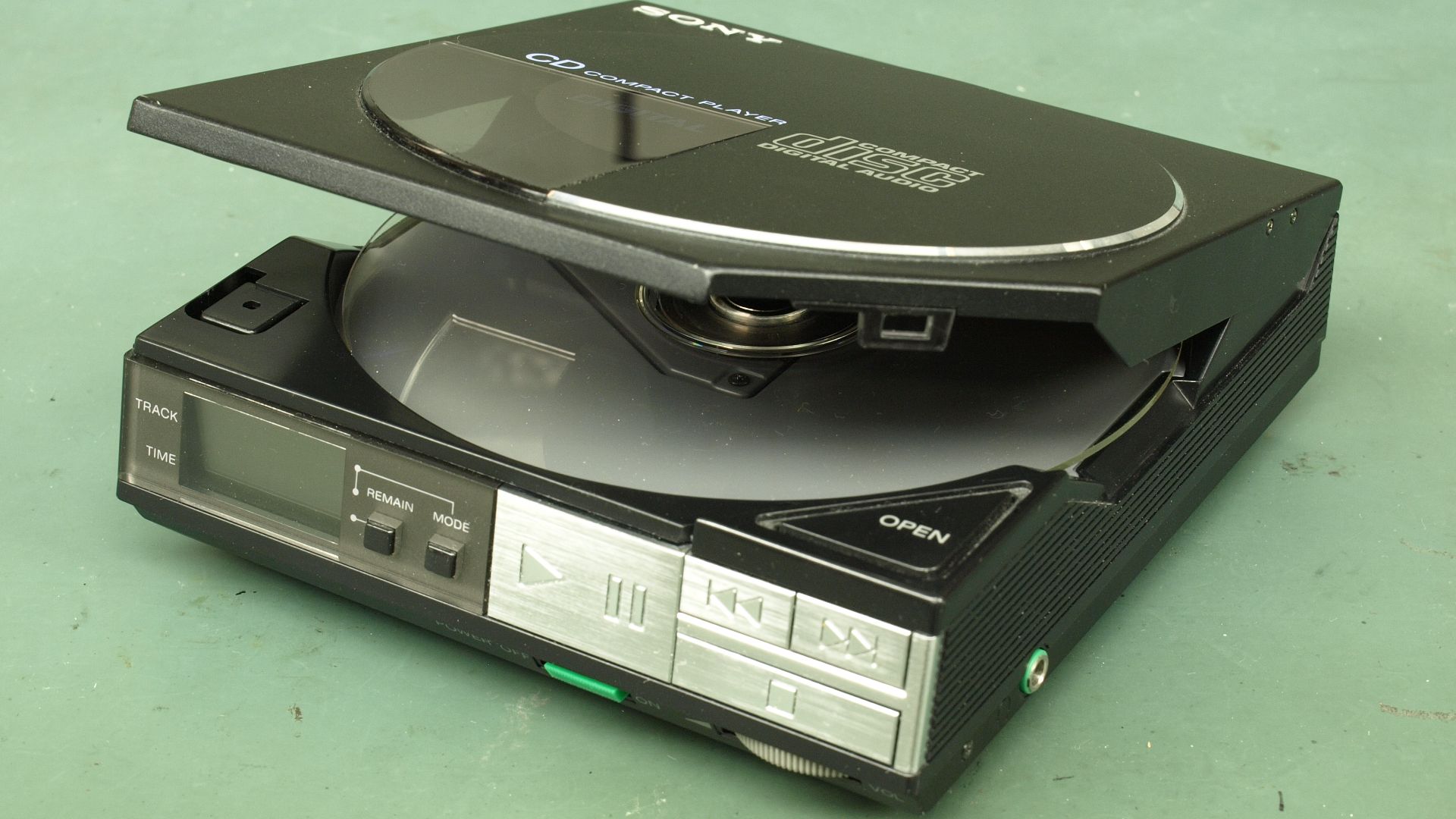
Portable Discman Players
Sony launched its first portable CD player, the D-50, in 1984, bringing digital music beyond the living room. The machine weighed about 590 grams and initially sold in Japan for slightly less than 50,000 yen, making it a significant purchase. Now, most people can carry thousands of songs on their phones without worrying about scratched discs or skipping playback, leaving ordinary portable CD players with limited everyday appeal.
 Binarysequence, Wikimedia Commons
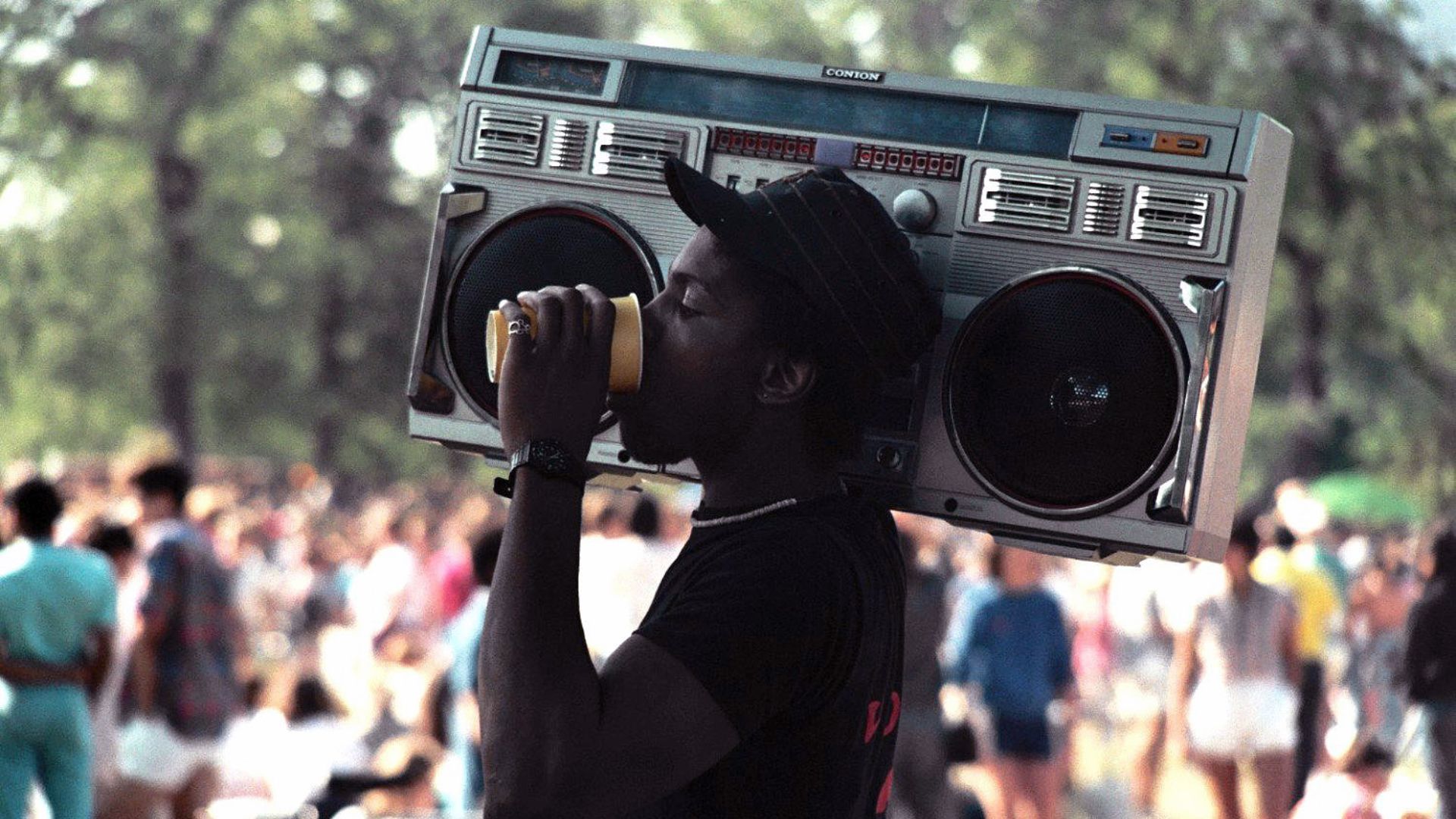
Oversized Portable Boomboxes
A powerful boombox with large speakers, a cassette deck, and a radio was an unmistakable symbol of 1980s music culture. Buyers could spend heavily on sophisticated models featuring multiple speakers, recording functions, and elaborate controls. Modern Bluetooth speakers offer a much more convenient alternative, although prized vintage boomboxes can still command substantial collector prices.
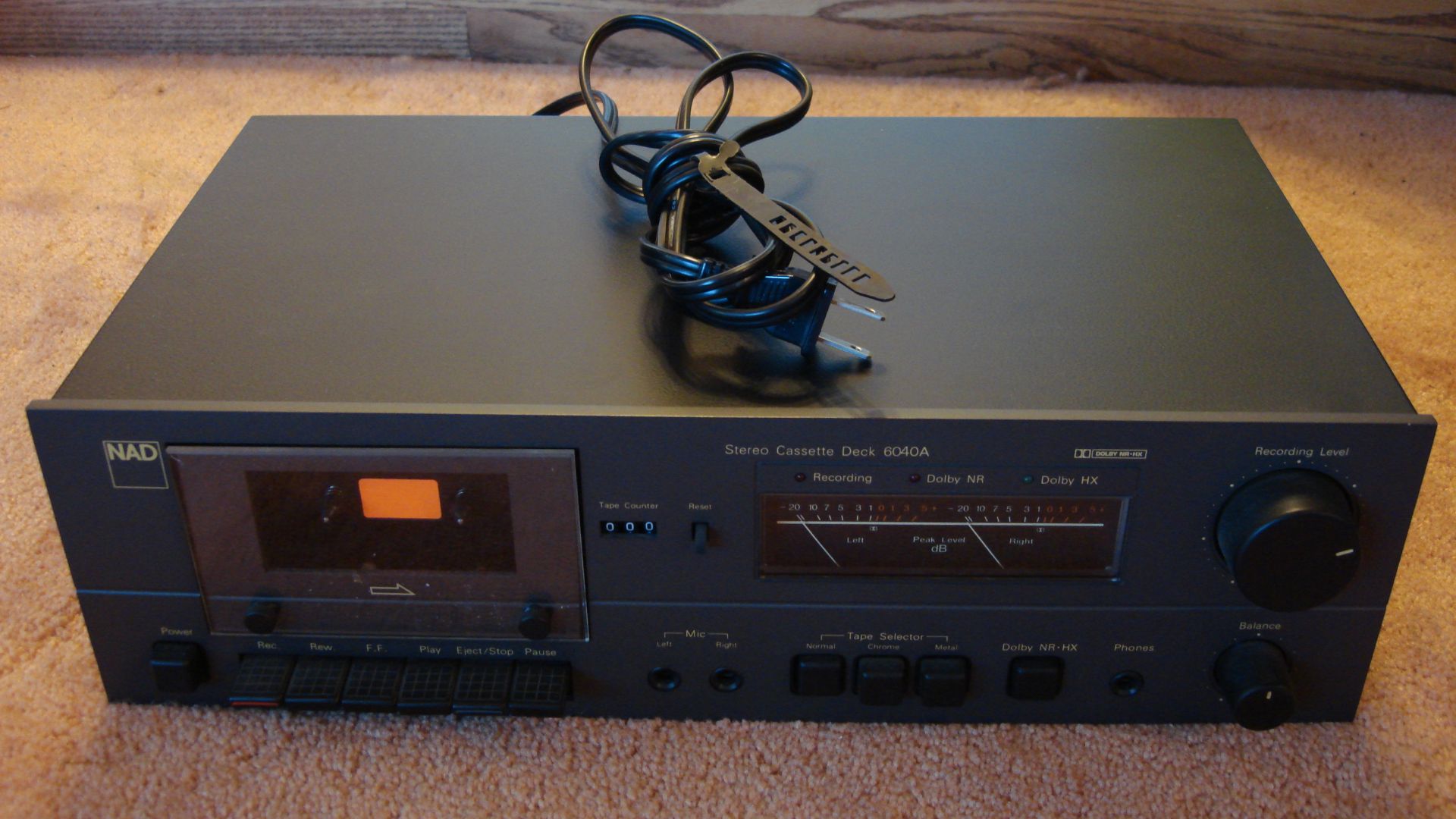
Dual-Cassette Stereo Decks
Having two cassette decks in one machine was a major convenience for music lovers who wanted to duplicate their favorite tapes. Higher-end models offered recording controls, noise reduction, and other features that helped justify their cost. Digital music eventually eliminated the need for tape copying, while worn belts and aging mechanical parts can make ordinary old decks costly to maintain.
 Everfalling, Wikimedia Commons
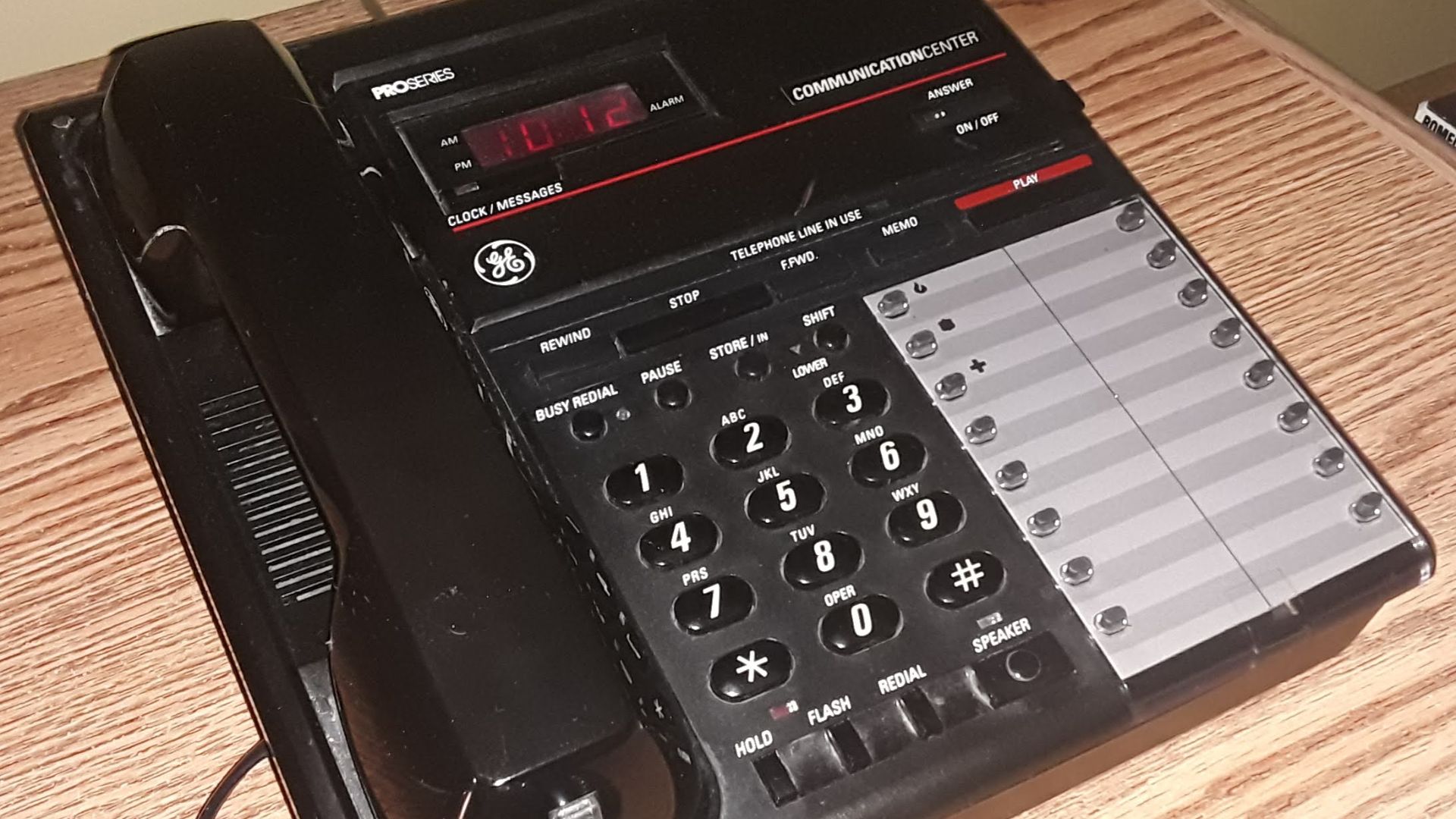
Telephone Answering Machines
Before voicemail became commonplace, an answering machine was an important investment for anyone who hated missing telephone calls. The Smithsonian records that PhoneMate's compact Model 5000 sold for approximately $120 in the late 1980s. Today, voicemail handles the same basic task without requiring a separate tape-recording device, leaving ordinary answering machines with little financial appeal.
 94-Nigel-Knightwalker, Wikimedia Commons
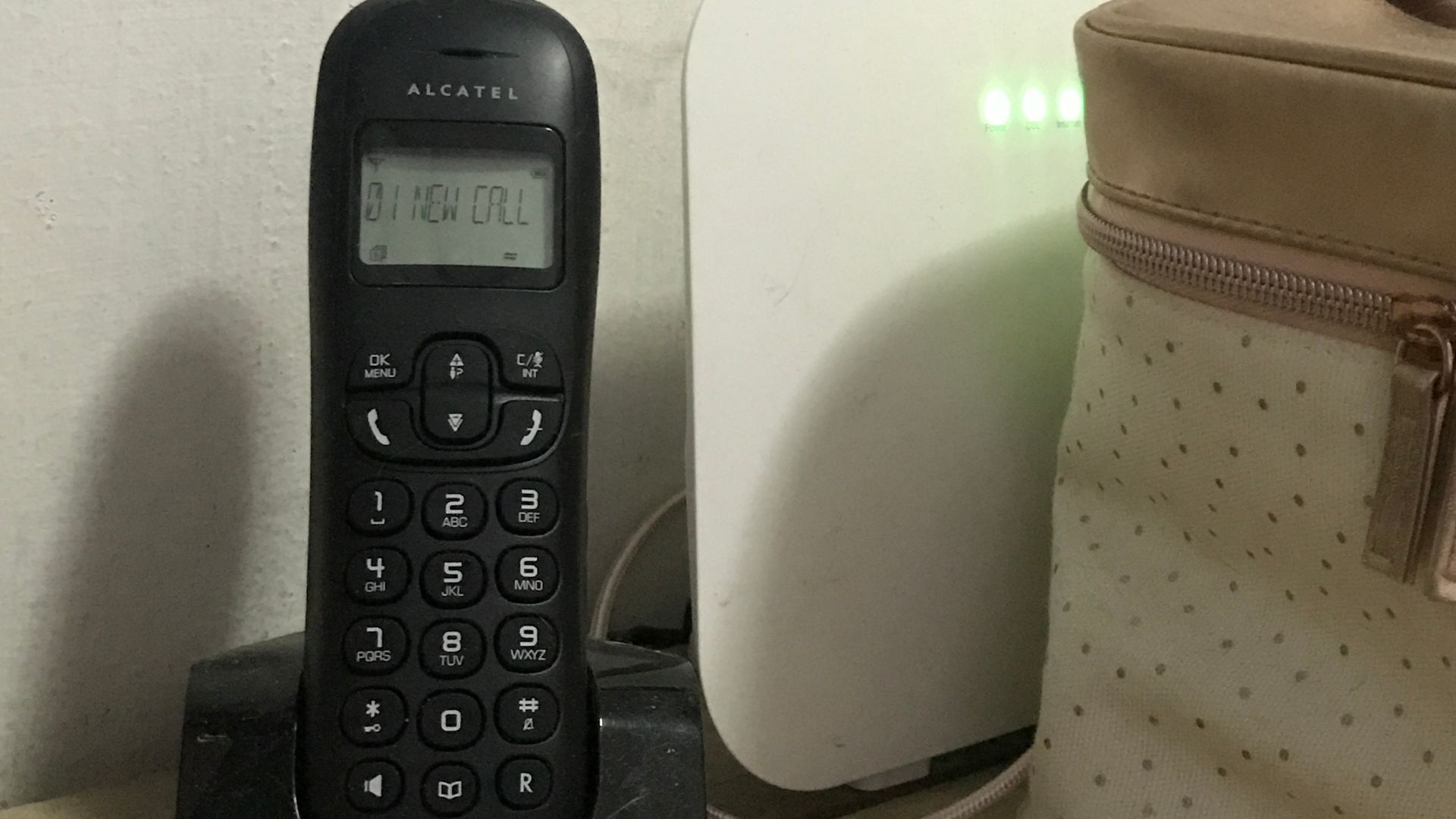
Early Cordless Home Phones
A cordless telephone was a welcome upgrade for Americans tired of being tethered to the kitchen wall. Families could finally move around their homes while talking, provided they remained within range of the base station. Smartphones have since made early cordless models largely unnecessary, while aging batteries and obsolete electronics further limit their resale potential.
 mycurrency.com, Wikimedia Commons
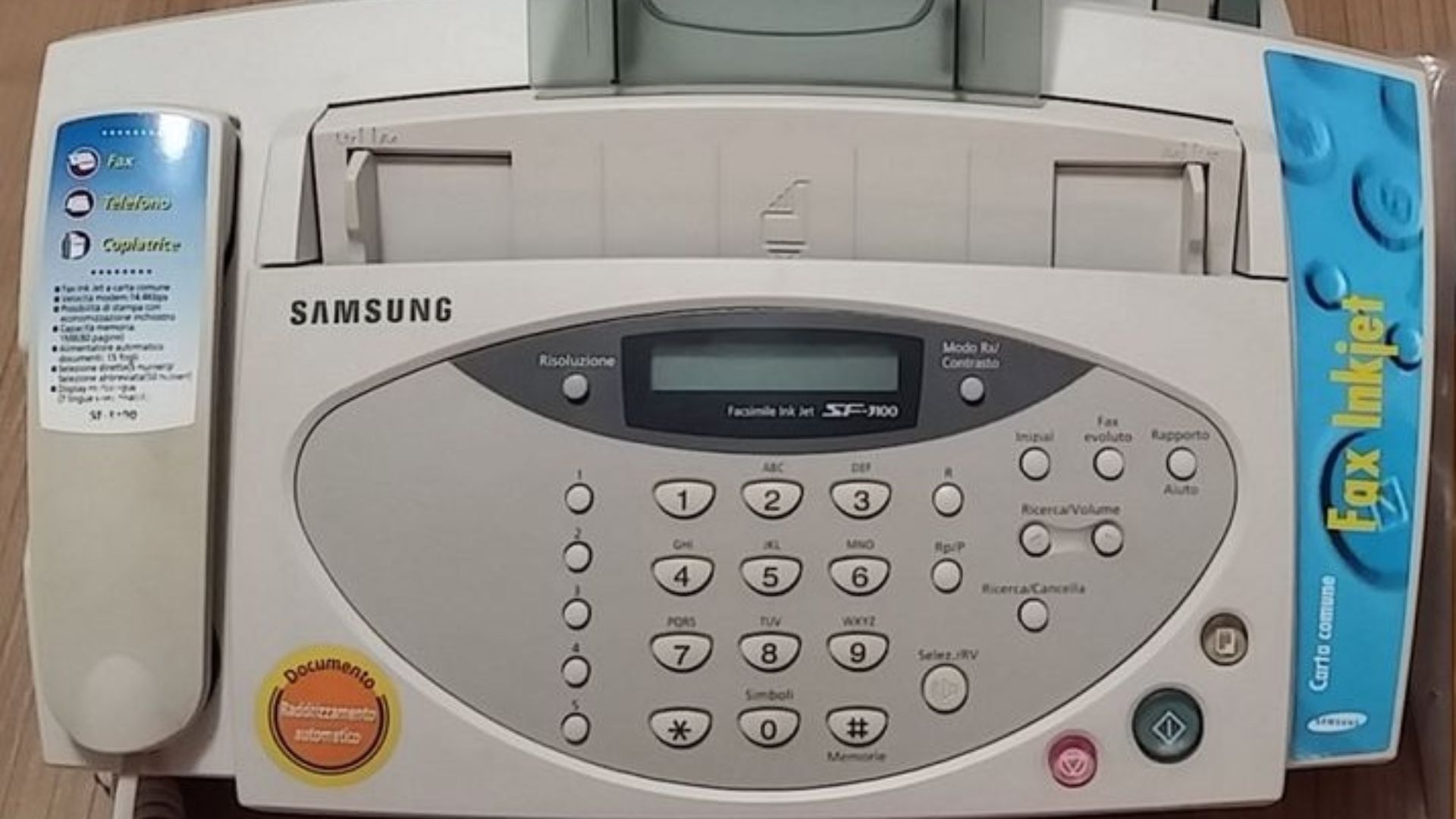
Personal Fax Machines
Having a fax machine at home once made you feel like you were running a sophisticated business. These devices allowed people to send printed documents over telephone lines without waiting for postal delivery. Email, document scanning, and electronic signatures now handle many of those tasks, leaving older consumer fax machines with limited demand and potentially troublesome supply requirements.
 Pittigrilli, Wikimedia Commons
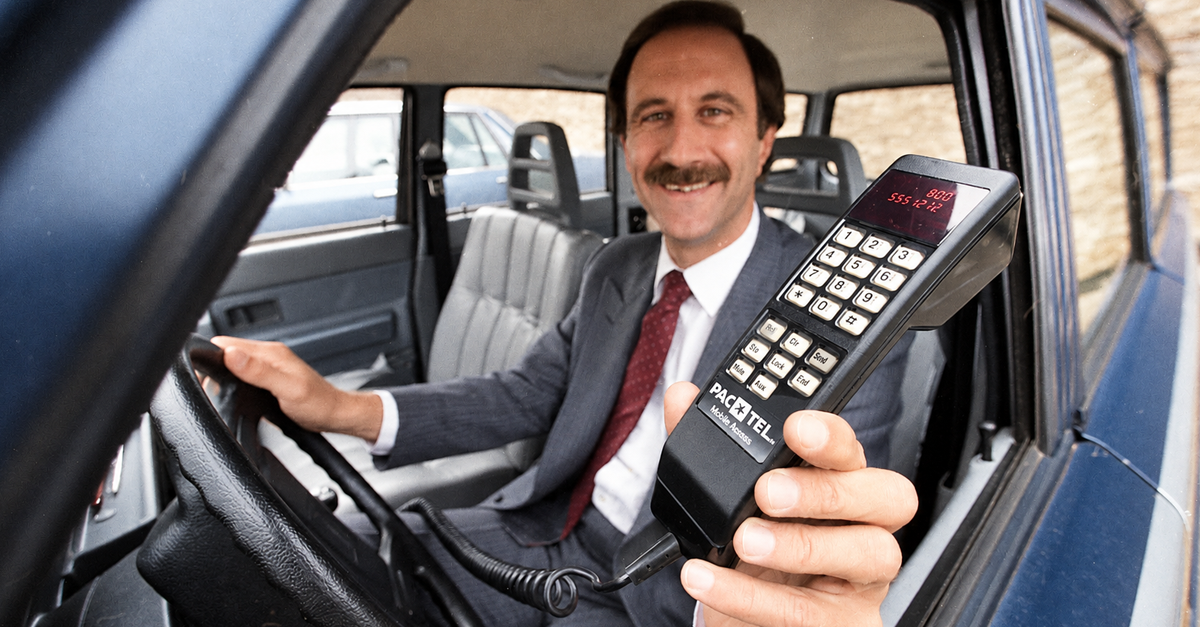
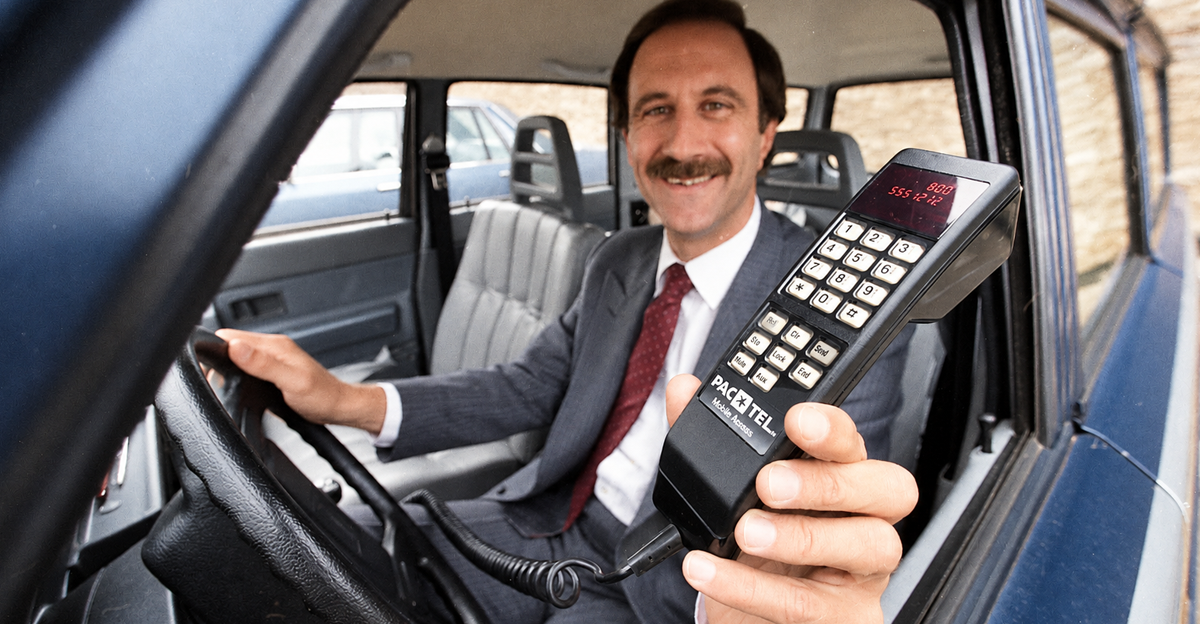
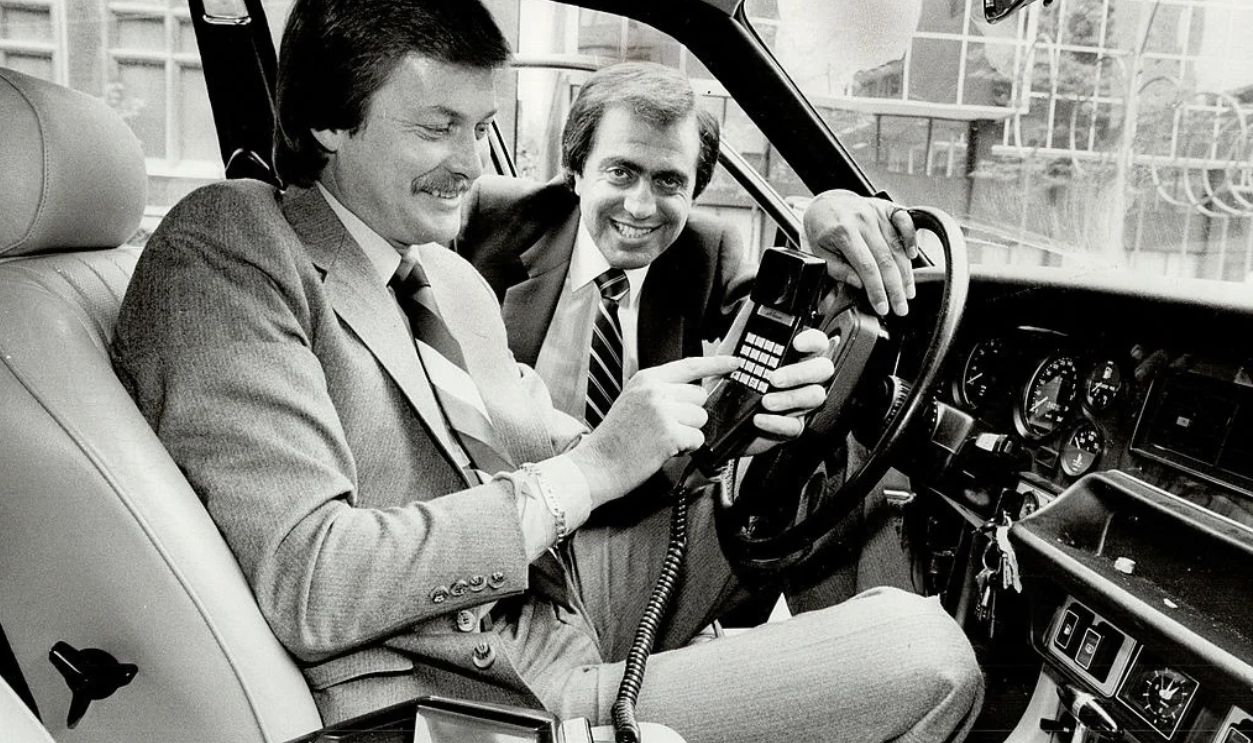
Bulky Car Telephone Systems
A telephone installed in your car was an unmistakable luxury during the early days of mobile communication. Buyers paid for specialized equipment that allowed them to make calls without finding a payphone, although service coverage was far more limited than today. Modern smartphones perform countless additional functions, while obsolete cellular-network compatibility means many old car-phone systems can no longer operate as originally intended.
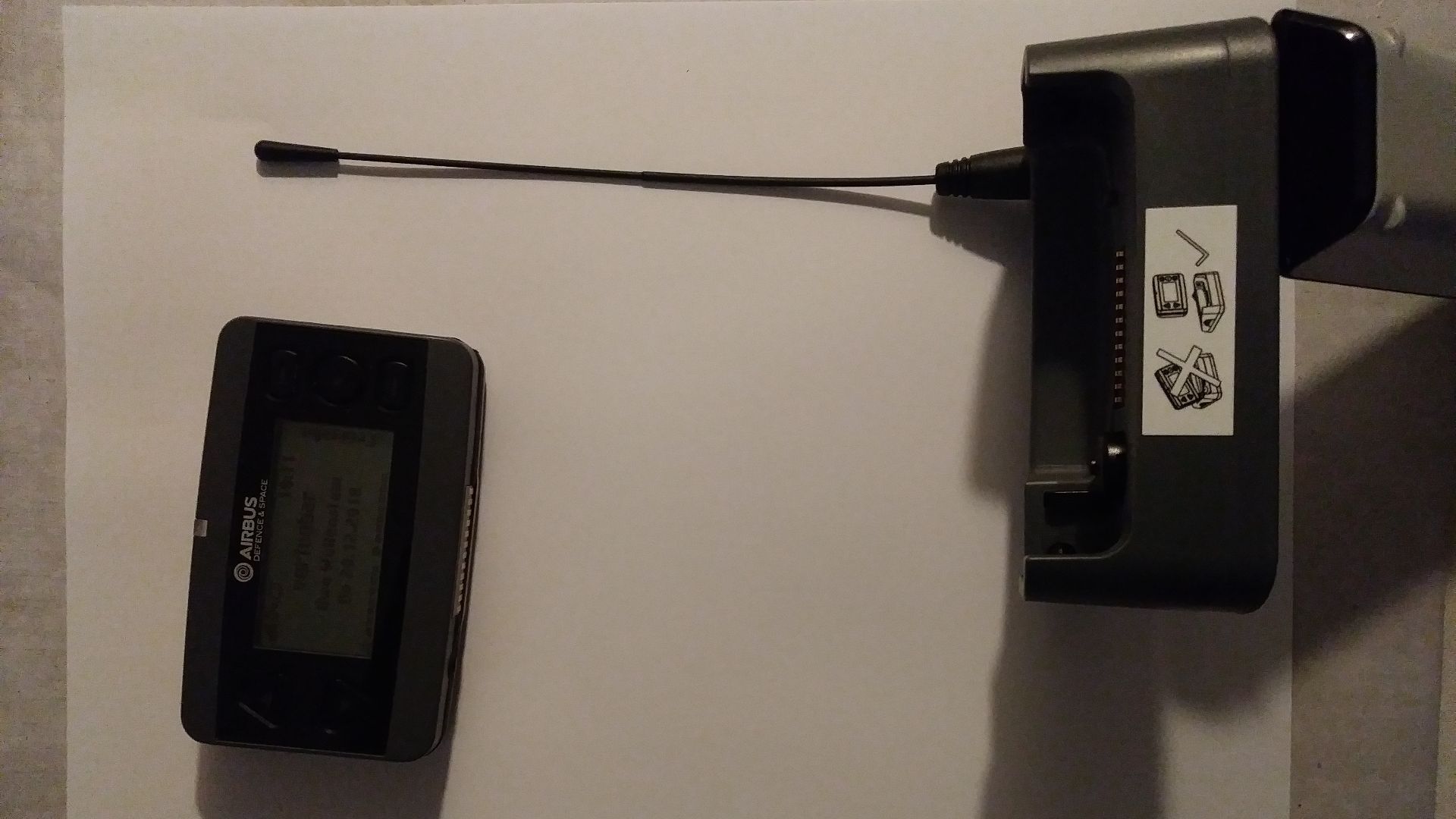
Electronic Pagers
Before cellphones became common, owning a pager was a convenient way to stay reachable while away from home or work. Doctors, executives, and other professionals used these devices to receive telephone numbers and brief messages without carrying a bulky mobile phone. Smartphones eventually made most personal paging unnecessary, leaving ordinary vintage pagers with limited practical value despite their continued use in some specialized settings.
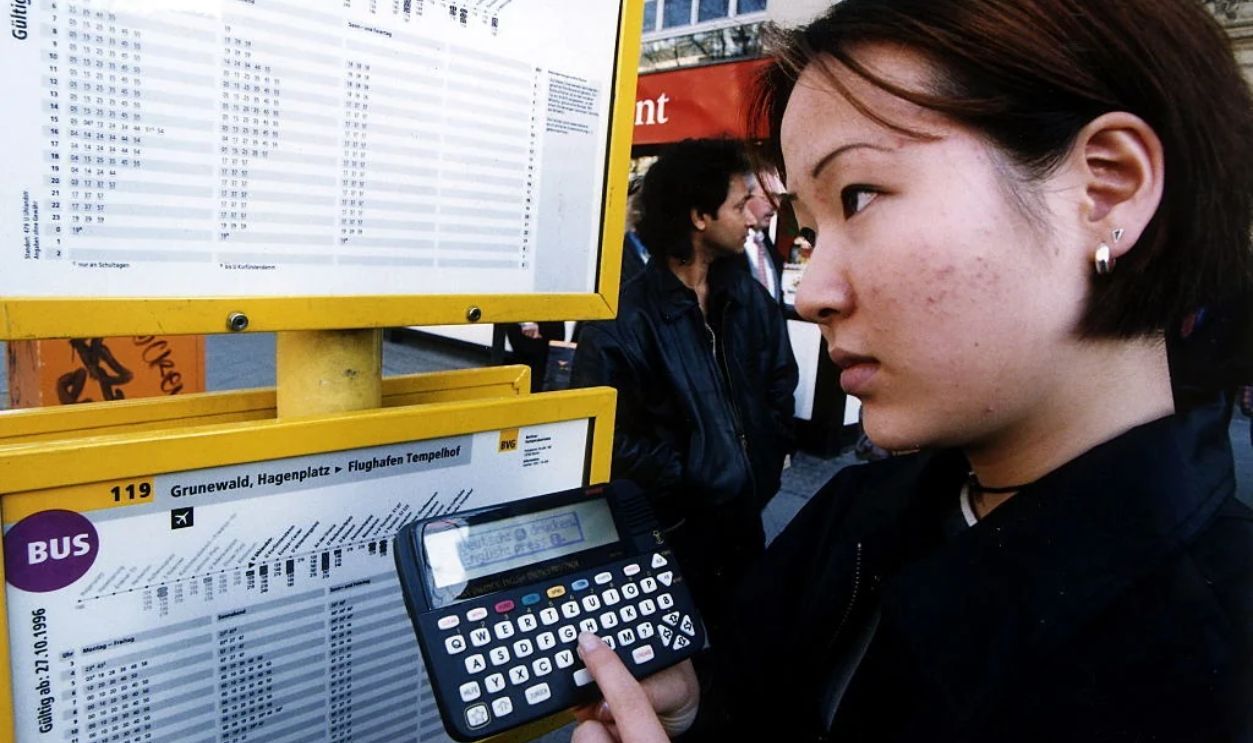
Handheld Electronic Translators
Portable electronic translators once seemed like something straight out of a science-fiction movie. Travelers and students could look up foreign words using dedicated devices with miniature screens and stored dictionaries. Modern smartphones now offer voice translation, extensive language databases, and camera-based translation, making most basic 1980s translators little more than nostalgic curiosities.
 ullstein bild Dtl., Getty Images
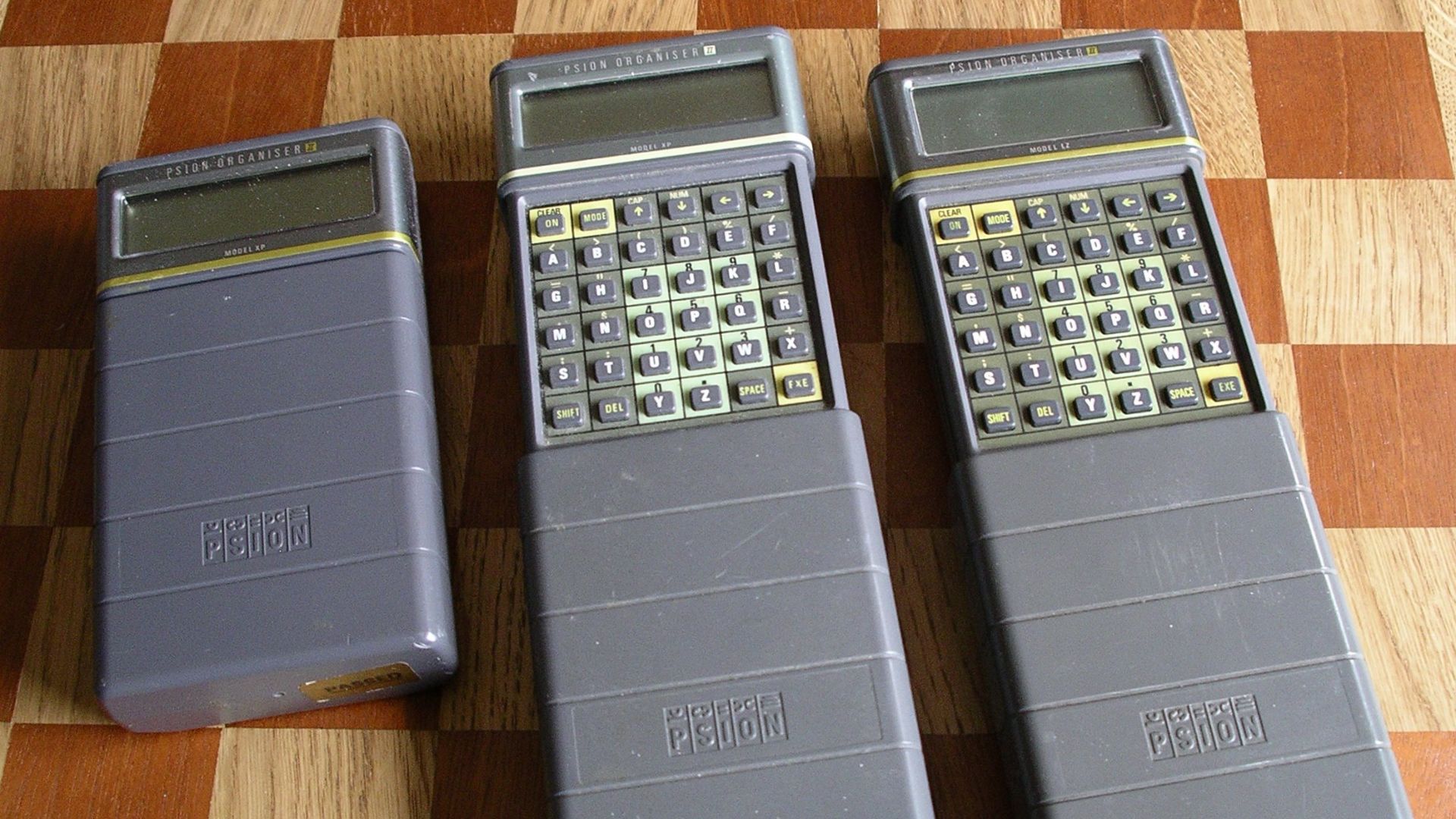
Electronic Personal Organizers
Electronic organizers promised to eliminate messy address books, appointment calendars, and handwritten reminders. The Psion Organiser arrived in 1984, helping establish a market for handheld computing devices that could store personal information. Today, smartphones handle those responsibilities while automatically synchronizing information across devices, leaving most basic vintage organizers with little everyday usefulness.
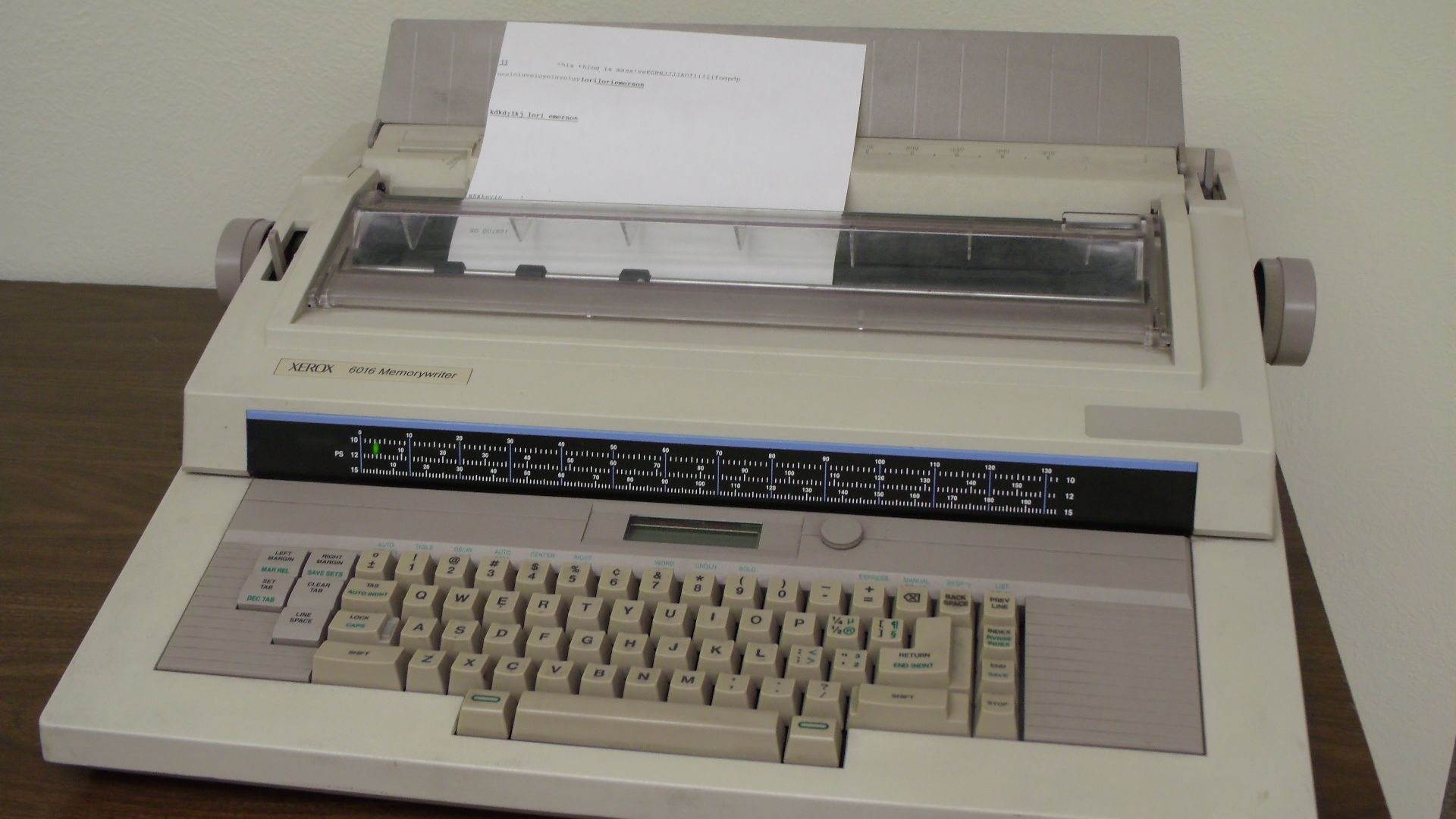
Dedicated Word Processing Machines
Before personal computers became widespread, dedicated word processors offered businesses an advanced but costly alternative to typewriters. In 1981, a Wangwriter system cost around $6,400, allowing employees to edit and save documents without retyping entire pages. As computer software improved, these expensive machines became obsolete, and limited compatibility now makes surviving systems difficult to use.
 Sina-fallen-nephilim, Wikimedia Commons
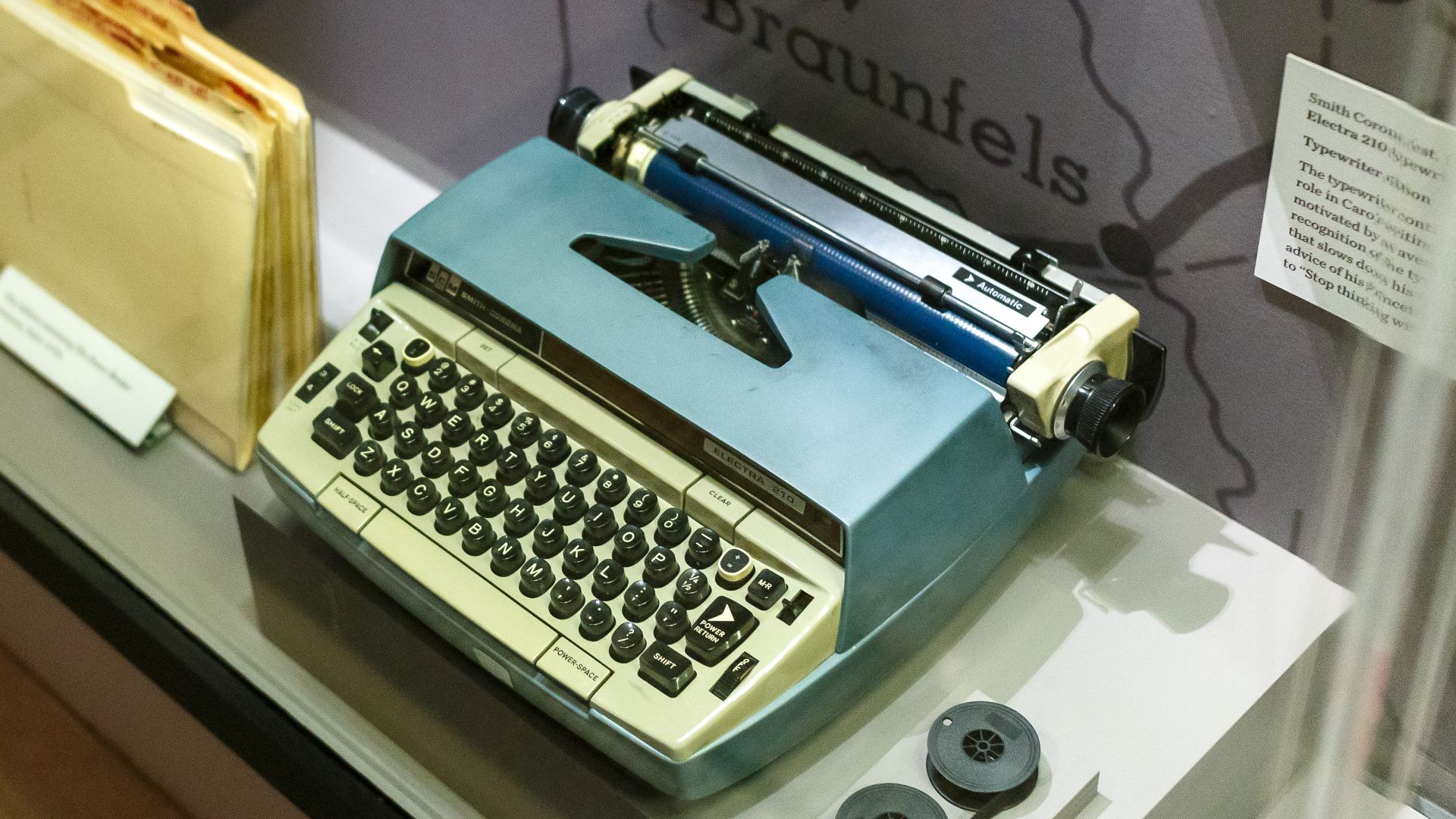
Electronic Typewriters
An electronic typewriter was a desirable upgrade for anyone regularly preparing letters, assignments, or business documents. In 1986, a Smith Corona model costing $199 offered correction memory that could erase entire words. Computers and modern printers eventually provided far greater flexibility, leaving ordinary electronic typewriters with limited resale appeal.
 Kenneth C. Zirkel, Wikimedia Commons
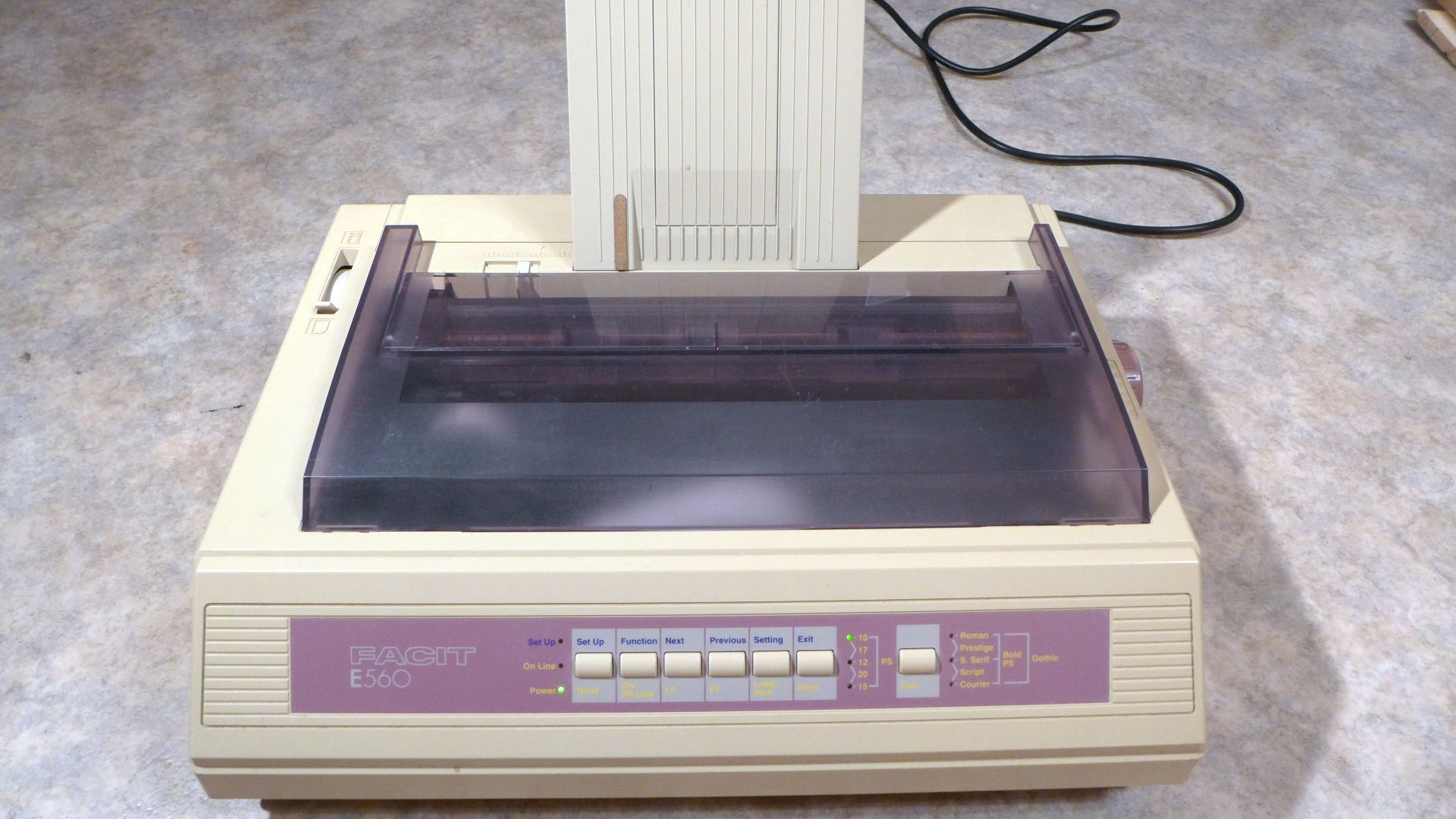
Dot-Matrix Printers
In 1984, basic dot-matrix printers started around $300. These noisy machines printed documents by striking pins against an ink ribbon, producing distinctive dotted letters. Modern inkjet and laser printers offer much better results, leaving dot-matrix technology useful mainly for specialized business applications.
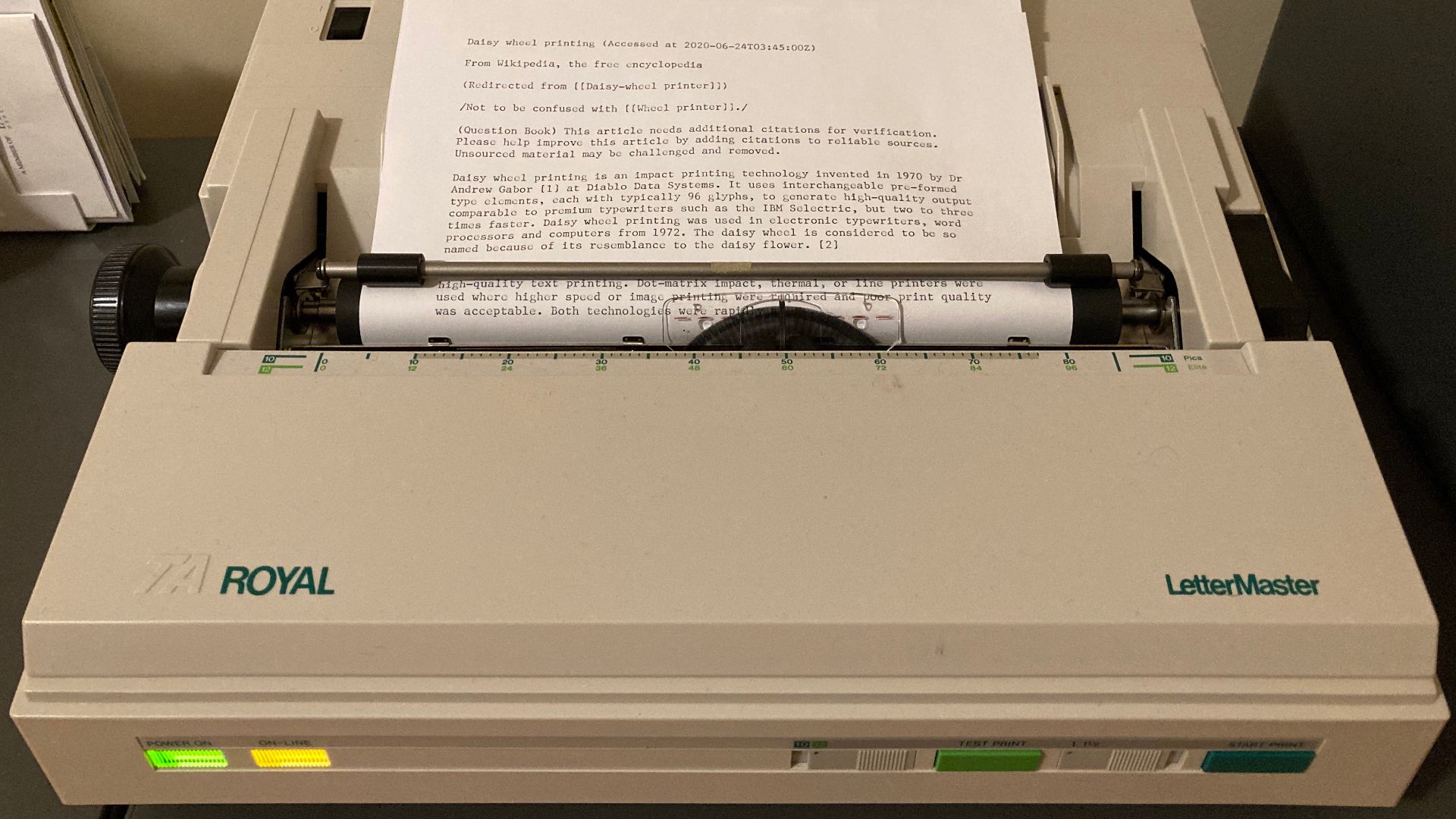
Daisy-Wheel Printers
If you wanted more professional-looking documents in 1984, a daisy-wheel printer could cost at least $700. Unlike dot-matrix machines, these printers struck fully formed characters against a ribbon, producing crisp, typewriter-like text. Modern printers handle multiple fonts, images, and complex layouts without changing character wheels, leaving ordinary daisy-wheel models with little resale value.
External Floppy Disk Drives
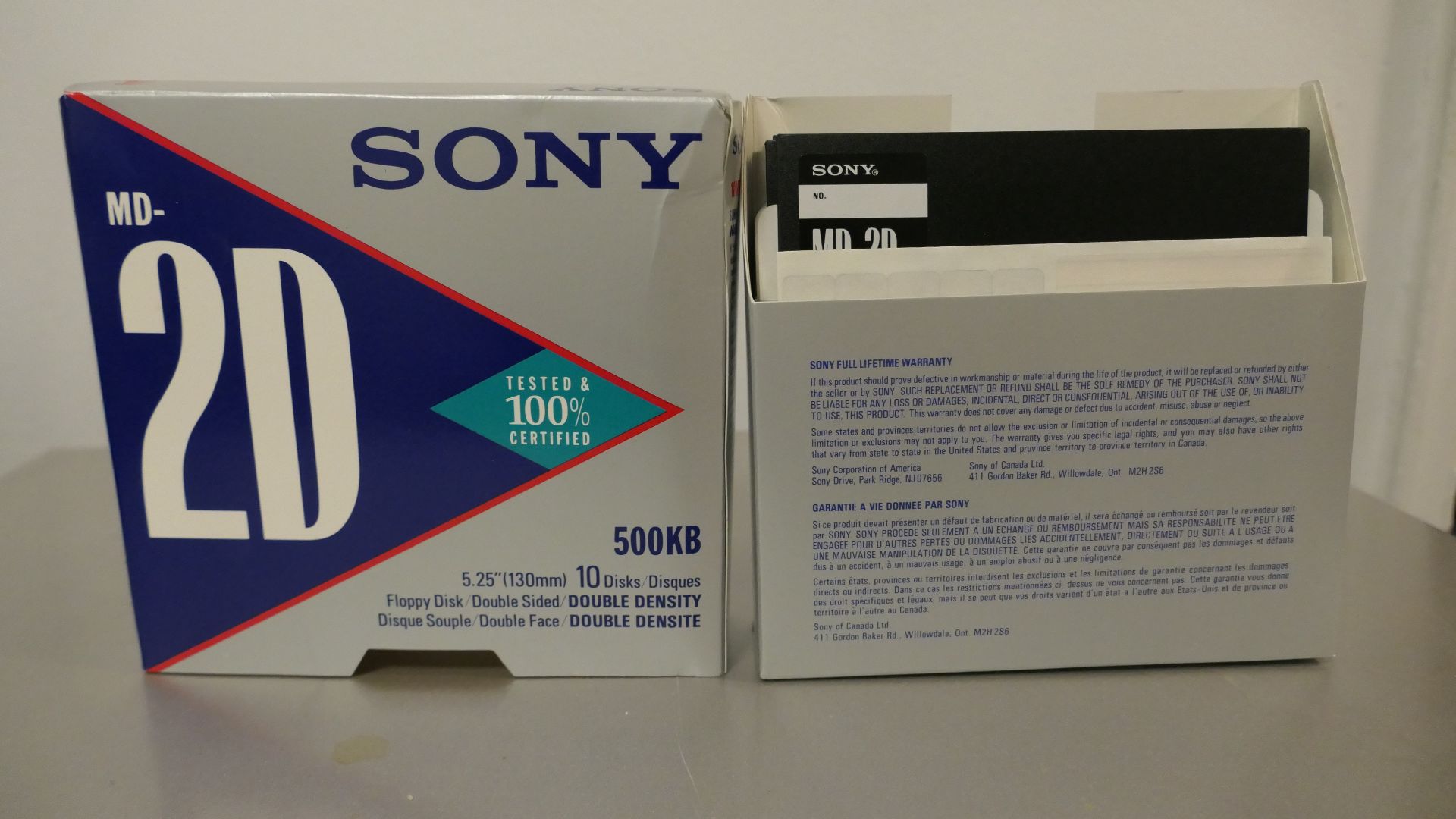
An extra floppy disk drive was once a valuable computer upgrade, especially when transferring files meant swapping disks between machines. These drives stored limited amounts of data on magnetic disks that could deteriorate over time. USB drives and cloud storage now offer far greater capacity and convenience, leaving floppy drives useful mainly to retro-computing enthusiasts.
 Alex Lozupone, Wikimedia Commons
Tiny-Capacity Hard Drives
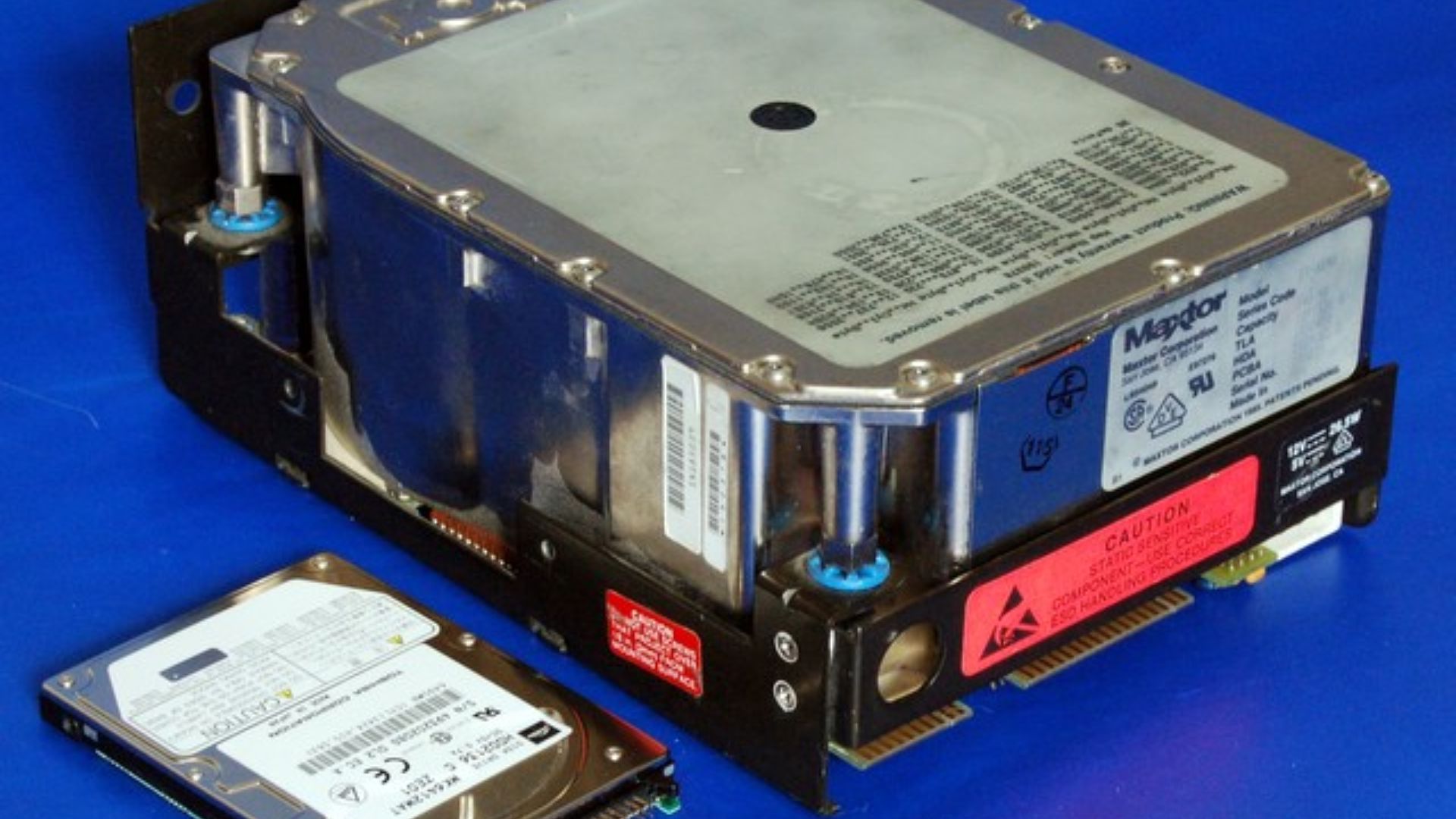
Seagate introduced its ST506 hard drive in 1980, offering five megabytes of storage in a package designed for microcomputers. The Computer History Museum reports that early units sold for $1,500 individually, an extraordinary expense for such limited capacity by modern standards. Today's storage devices hold vastly more information, although surviving early drives may still be valuable to technology collectors.
 User Redgrittybrick on en.wikipedia, Wikimedia Commons
Early IBM-Compatible Desktop Computers
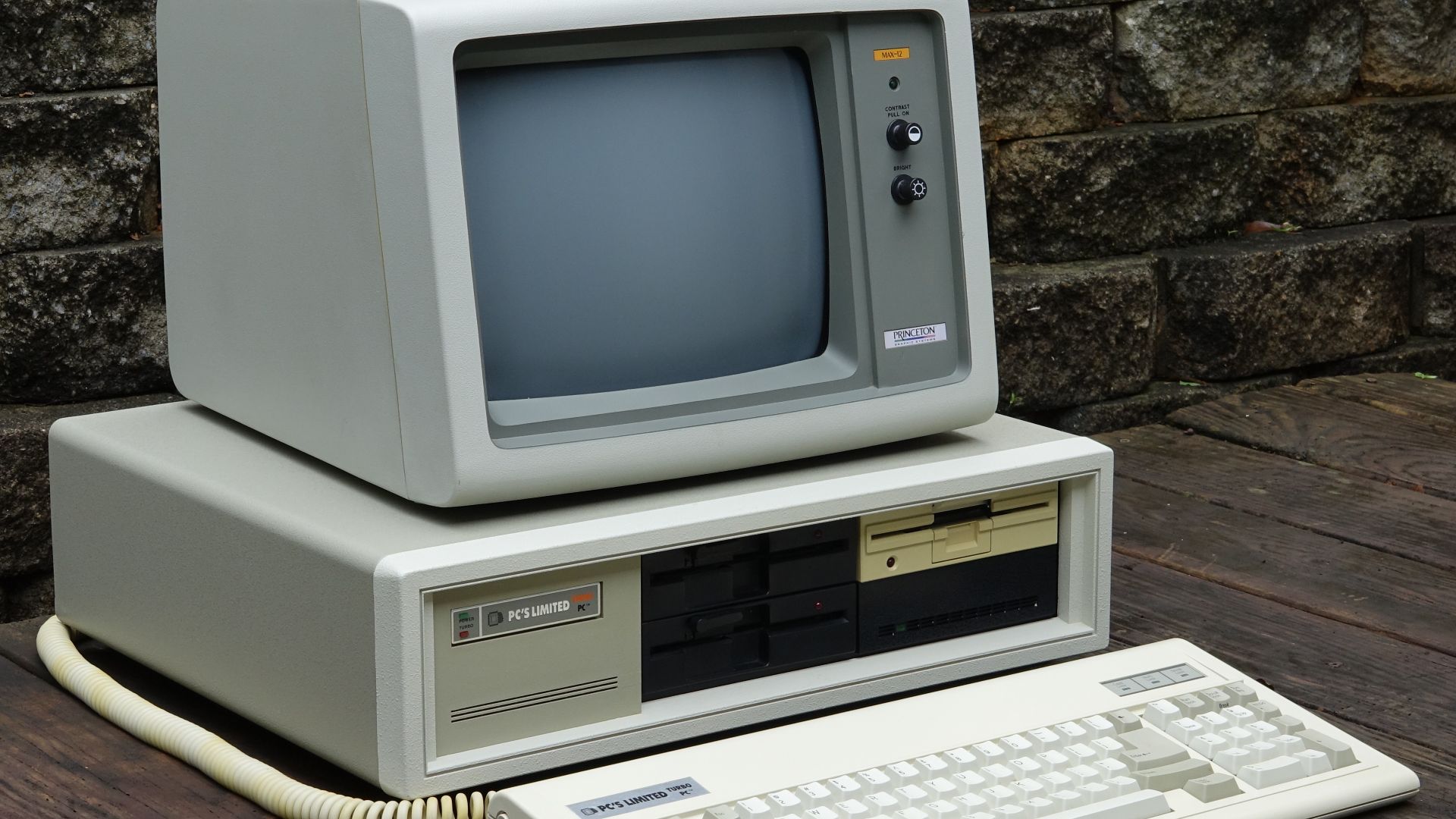
Americans spent serious money bringing computing into their homes and offices during the 1980s. In 1985, Dell's first Turbo PC sold for $795, while IBM's more powerful PC/AT systems had prices around $4,000. Modern budget computers outperform these early machines in almost every practical task, and generic incomplete systems may have little resale appeal compared with historically significant or collectible models.
 Ruben de Rijcke, Wikimedia Commons
Home Intercom Systems
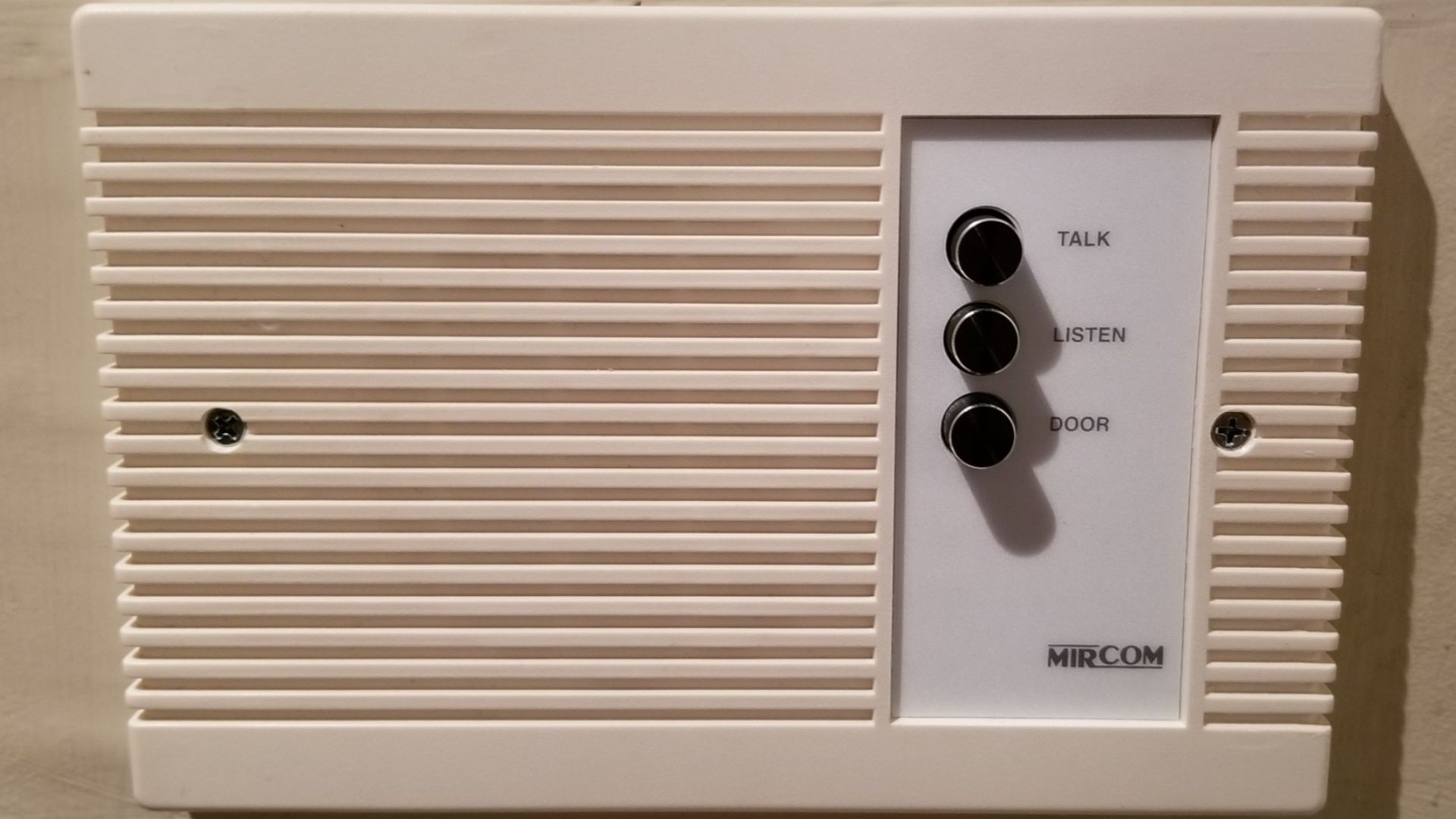
A home intercom once made it easy to communicate between rooms without shouting. Radio Shack's 1986 catalog advertised a four-station wired system for $24.95, while elaborate setups required additional equipment and wiring. Today, smartphones and smart-home devices offer more flexibility, leaving old wired intercoms with limited appeal outside homes already equipped for them.
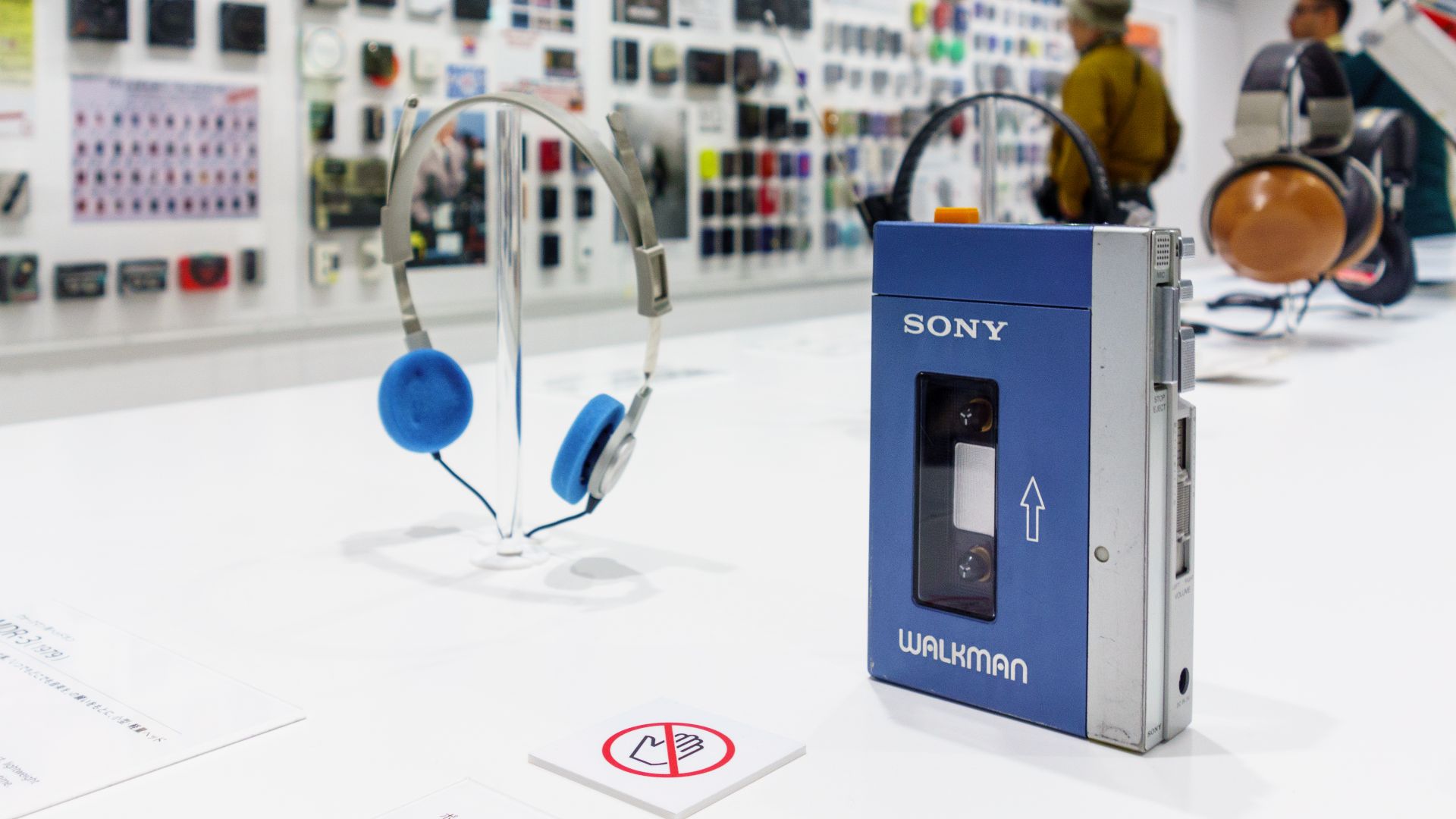
Everyday Cassette Walkman Players
Sony introduced the original Walkman in 1979, and portable cassette listening became one of the defining electronics trends of the 1980s. The ability to listen privately to your favorite music while traveling or exercising made these devices enormously appealing. Modern phones and wireless earbuds offer far greater convenience, although early and collectible Walkman models can still sell for significant sums.
 Yoshikazu TAKADA from Tokyo, Japan, Wikimedia Commons
The Biggest Lesson From Those 1980s Purchases
These gadgets show how quickly expensive technology can lose its practical value, even when it seemed revolutionary at the time. Before selling or discarding an old device, check completed resale listings for its exact model because rare versions can be worth considerably more than common ones. If nobody wants it, consider donating working equipment or using an approved electronics recycler, especially for older televisions and monitors containing hazardous materials.
You May Also Like:
Forgotten Buffet Chains That Americans Loved Because They Seemed Like A Deal—Even If They Weren't
Forgotten Frozen Foods From The 1970s And 1980s That Once Filled America's Freezers
Companies That Were Worth Billions In The 1990s—Then Everything Fell Apart