The All-You-Can-Eat Bargain That Vanished
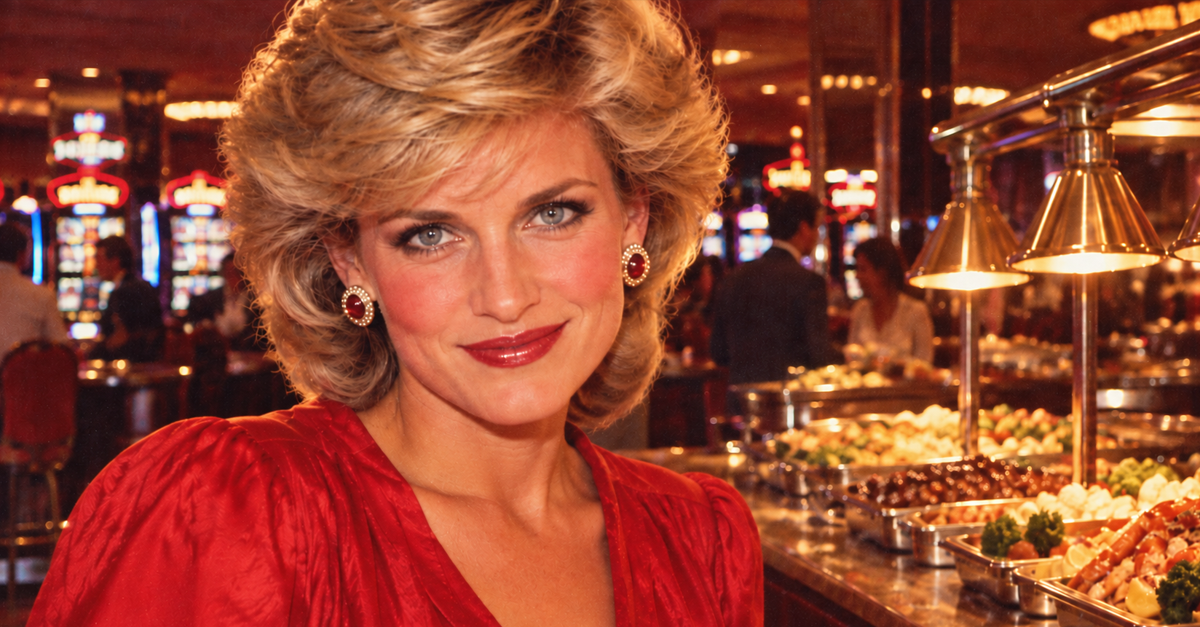
Remember when Las Vegas casinos practically gave food away? For just a few dollars, you could pile your plate with prime rib, shrimp, and desserts, then go back for seconds. Today, many of those legendary buffets are gone, while others charge $80 or more per person.
So how did casinos afford those ridiculously cheap meals, and why did the bargains disappear?
It All Started With A $1 Buffet
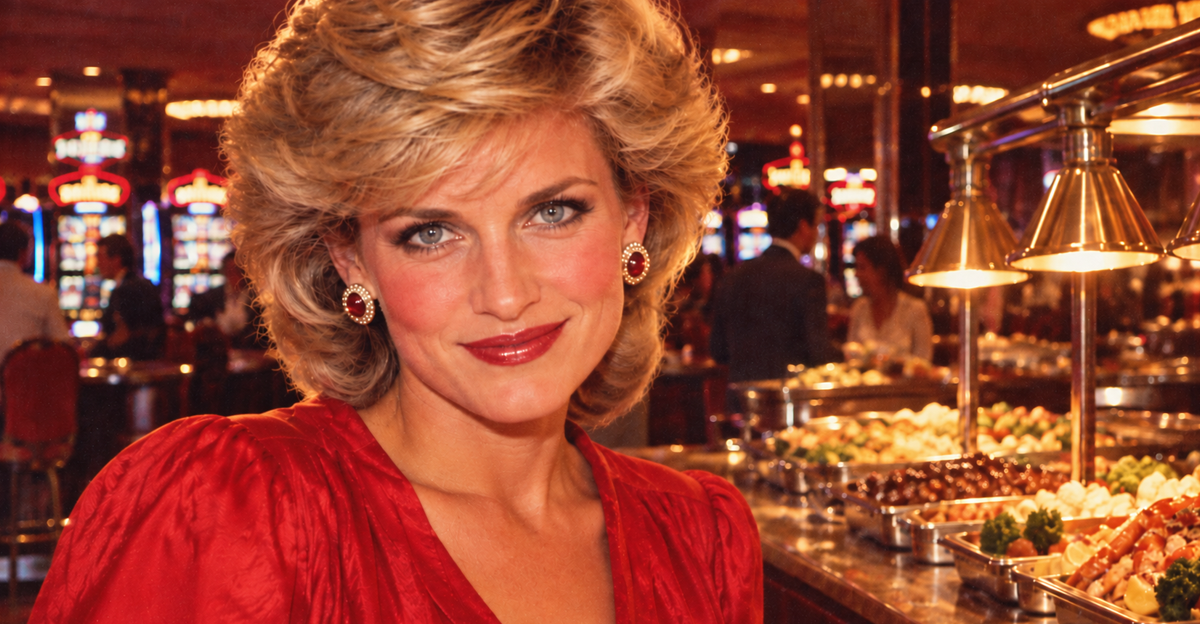
In 1946, El Rancho Vegas introduced a buffet that would help change Las Vegas dining forever. Originally called the Chuck Wagon and later the Buckaroo Buffet, it offered unlimited food for just $1. The selection included cold cuts and hot dishes, giving hungry gamblers an inexpensive meal without leaving the casino.
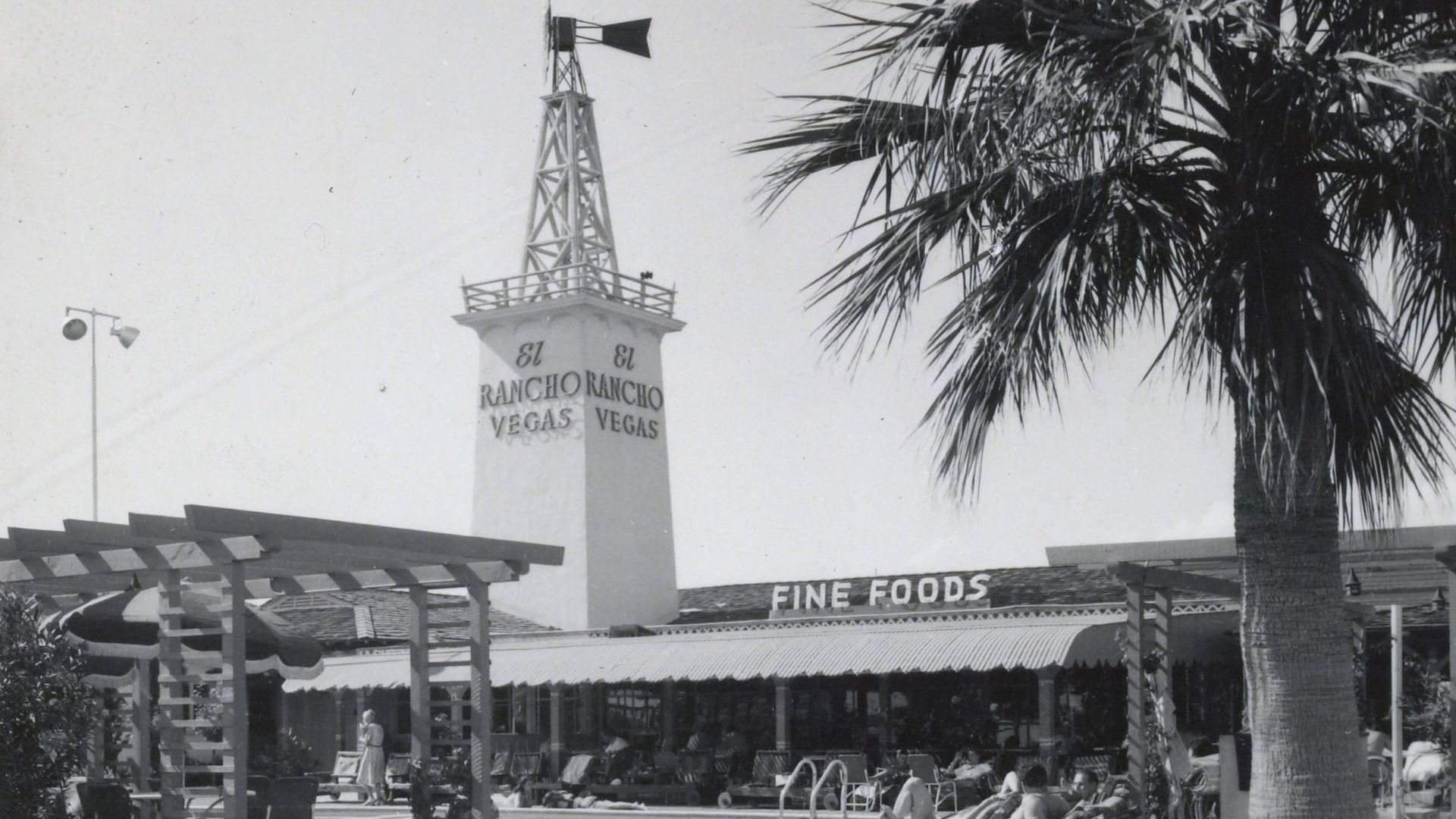 Frasher Foto, Wikimedia Commons
The Casino Had A Bigger Plan
Those cheap meals weren't simply an act of generosity. Casinos used buffets as loss leaders, offering inexpensive food in hopes that customers would spend more money gambling. Keeping visitors inside the property meant more opportunities to earn money at the slot machines and gaming tables. A customer who lost $50 gambling could easily offset the cost of a discounted dinner.

Other Casinos Quickly Copied The Idea
The Buckaroo Buffet proved so popular that competing casinos introduced similar offerings. By the 1950s, inexpensive chuck wagon buffets had become a familiar Las Vegas attraction. According to the University of Nevada, Las Vegas, $1.50 was a typical buffet price during that era. The competition helped establish cheap dining as part of the city's identity.
The Food Was Surprisingly Good
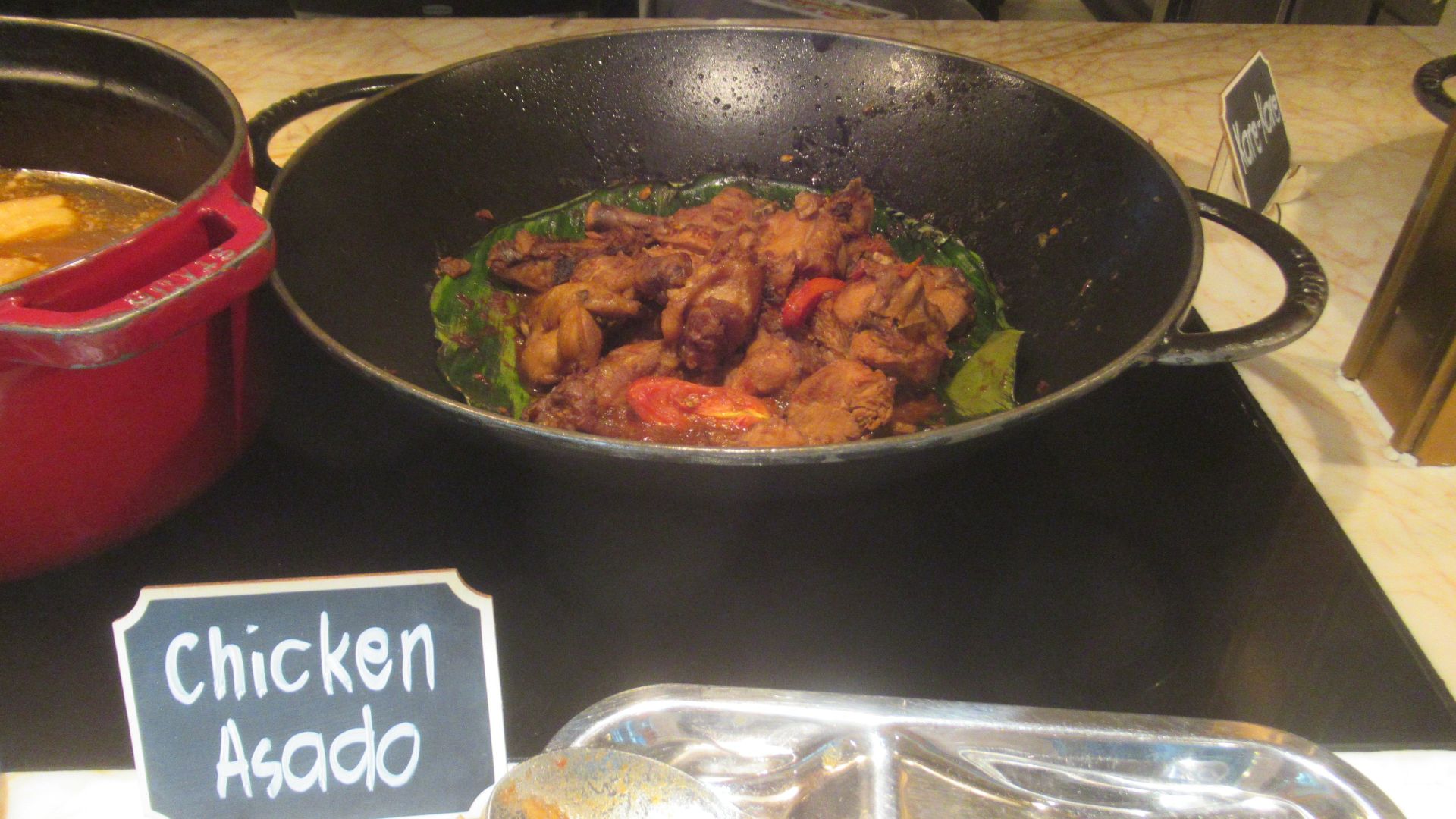
Early casino buffets weren't necessarily limited to sandwiches and inexpensive side dishes. Historical accounts describe spreads featuring fried chicken, shrimp, fresh fruit, cheeses, salads, and elaborate desserts. Customers could enjoy a remarkable variety of food for one low price. That sense of abundance became one of the buffet's biggest selling points.
 Valenzuela400, Wikimedia Commons
Midnight Buffets Became All-Day Attractions
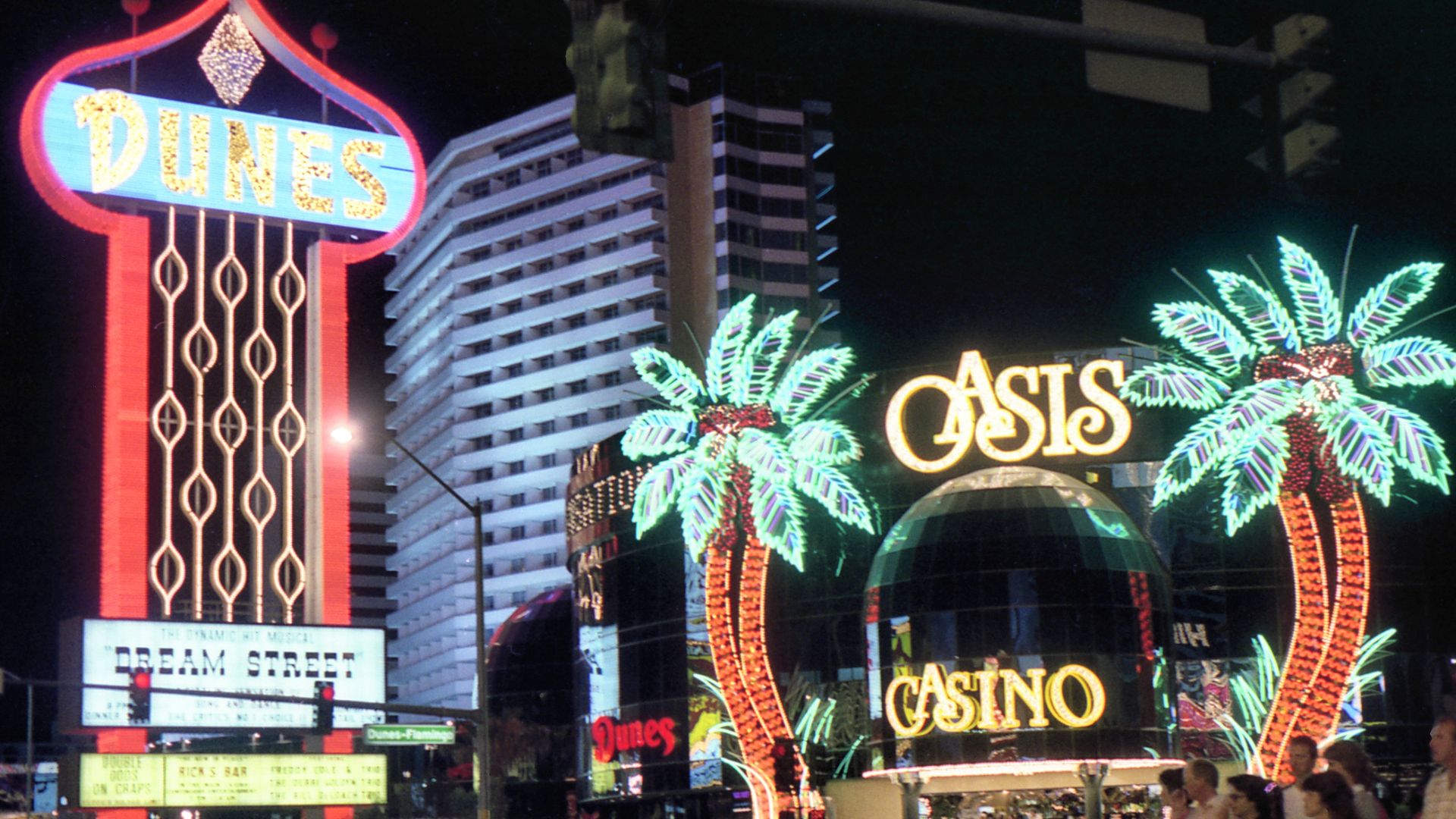
The earliest casino buffets catered largely to late-night gamblers, but their popularity soon expanded. During the 1950s, casinos such as the Last Frontier and Dunes introduced elaborate breakfast buffets. By the late 1960s, most major casinos served buffets for breakfast, lunch, and dinner. What began as a convenient midnight meal had become a full-day attraction.
 Larry D. Moore, Wikimedia Commons
The 1970s Prices Were Almost Unbelievable
Even during the 1970s, casino buffets remained remarkably inexpensive. The Silver Slipper offered a dinner buffet for just $1.98, while Caesars Palace featured a spread costing $2.75. The Dunes charged around $4 for one of the city's more elaborate buffets. Even by the standards of the time, these meals represented extraordinary value.
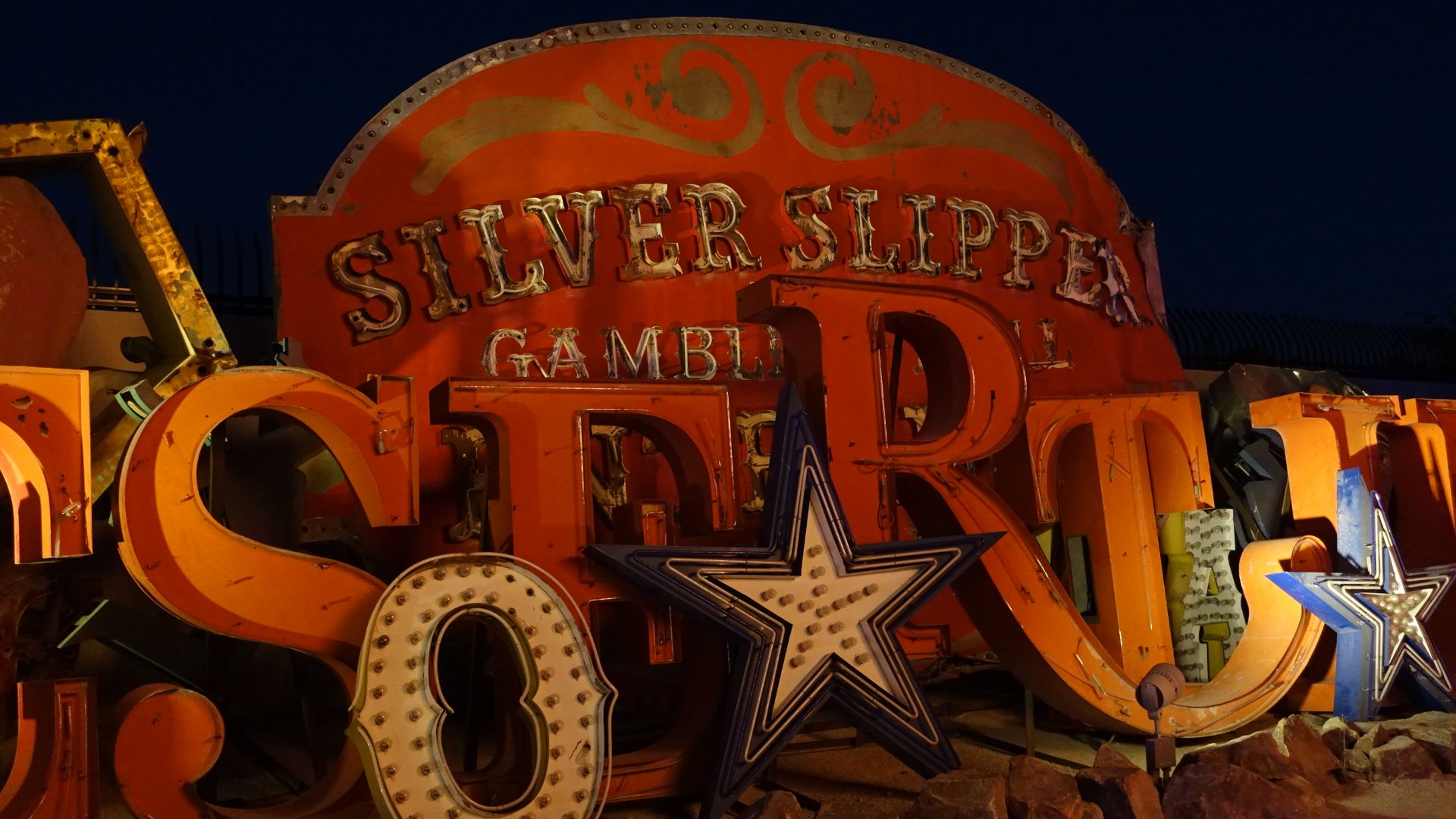 Jeremy Thompson from Los Angeles, California, Wikimedia Commons
The 1980s Started Changing The Formula
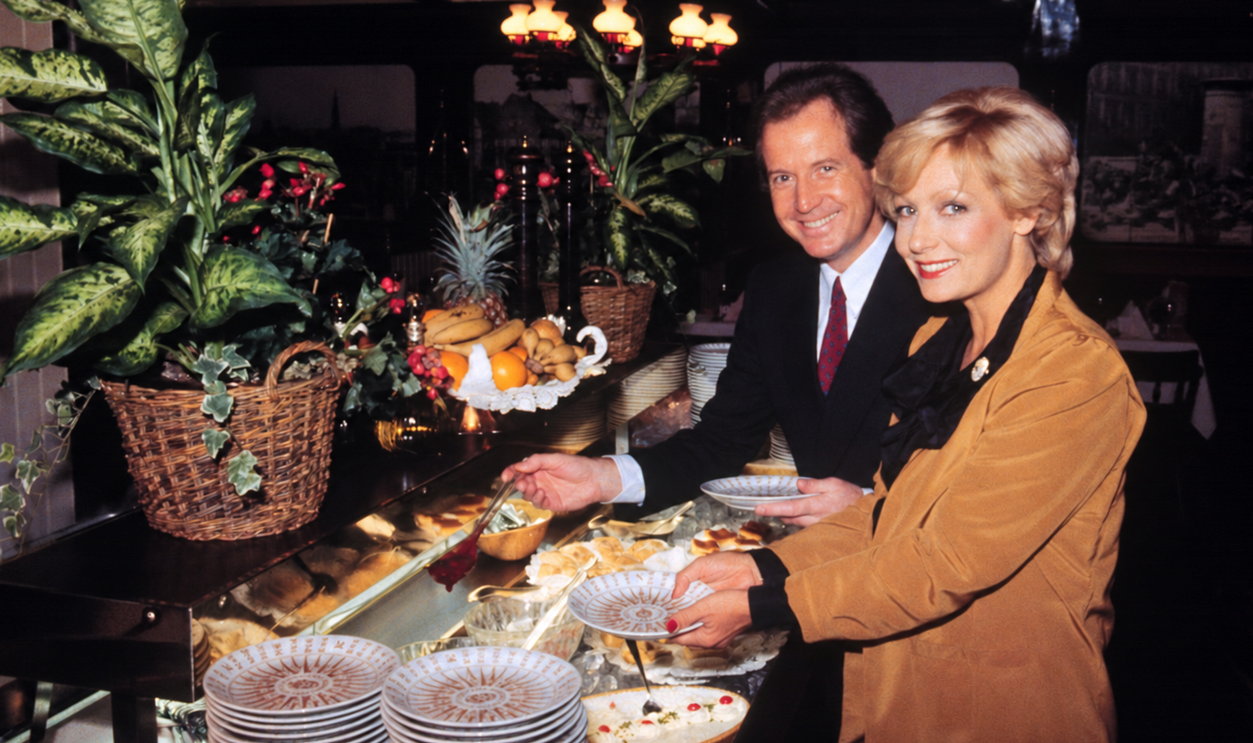
Those rock-bottom prices began disappearing during the 1980s as casinos experimented with better food and higher admission prices. Properties such as the Sands and Golden Nugget helped demonstrate that customers would pay more for improved quality. Older chuck wagon operations were gradually modernized into contemporary buffets. The emphasis was beginning to shift from the cheapest meal toward the most impressive selection.
Families Loved Knowing The Price Upfront
Buffets also appealed to travelers who weren't necessarily interested in gambling. Families could feed several people without worrying about the cost of individual entrées, and picky eaters had plenty of choices. The all-you-can-eat format made vacation meal planning easier. For budget-conscious visitors, the buffet became one of Las Vegas's most dependable attractions.
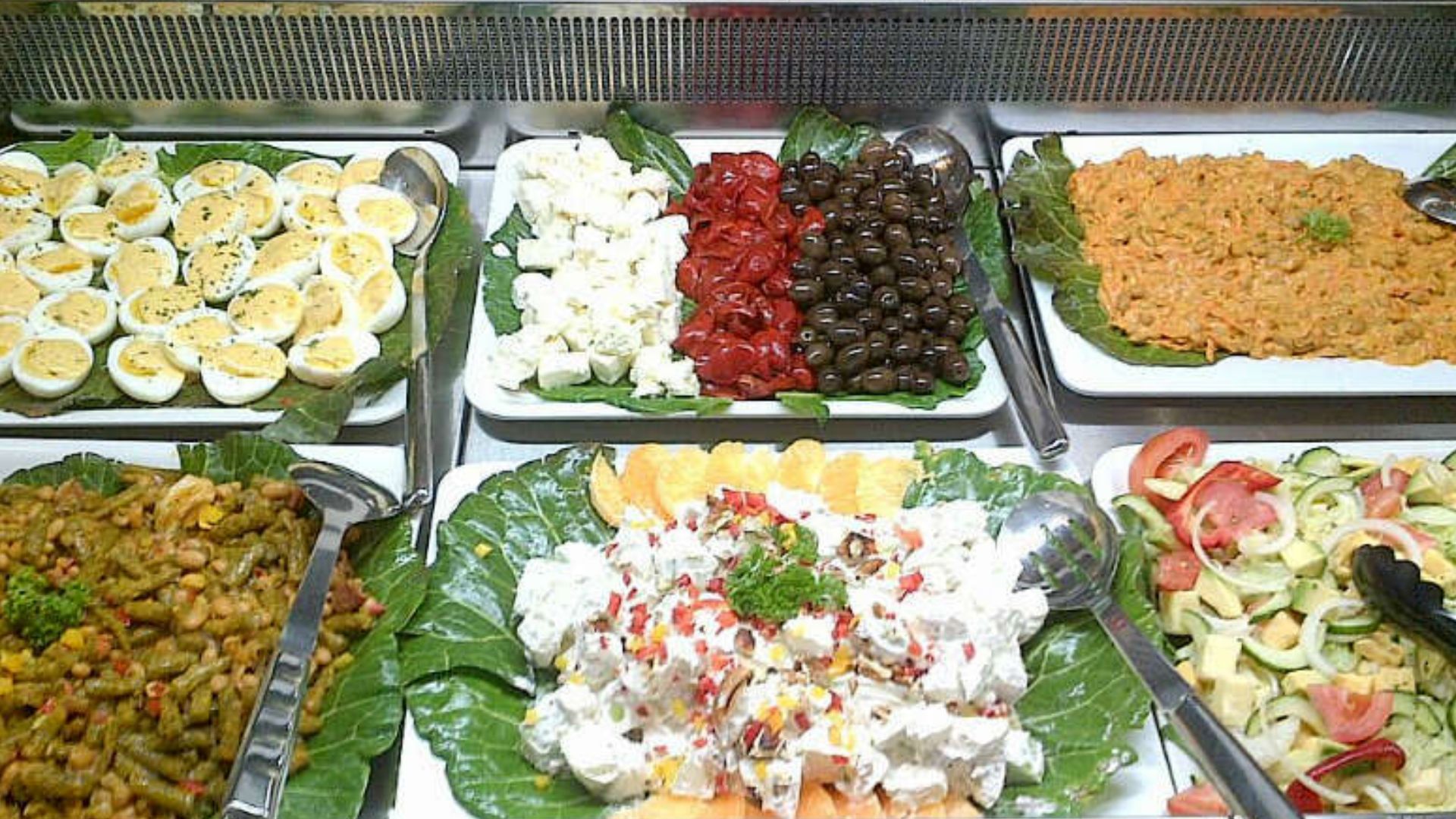 Morenawarona, Wikimedia Commons
Bigger Casinos Meant Bigger Buffets
The arrival of massive resorts during the late 1980s and 1990s transformed the buffet experience. Properties such as the Mirage helped usher in an era of increasingly elaborate dining and entertainment. Casinos competed over enormous food selections, impressive displays, and international cuisines. A buffet was no longer just a convenient place to eat.
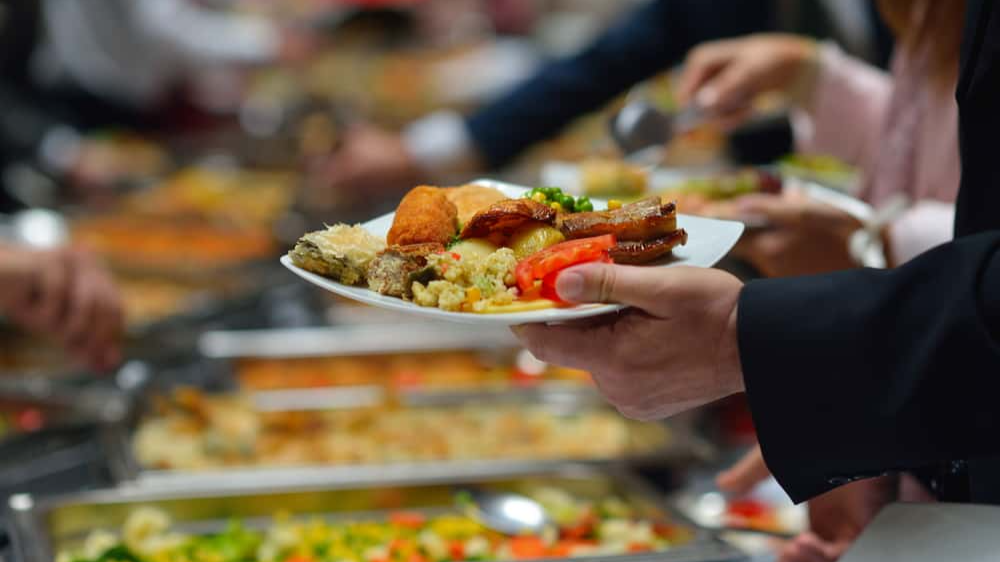
The Rio Took The Buffet To Another Level
When the Rio introduced Carnival World Buffet in 1993, it helped popularize the modern superbuffet. Instead of ordinary serving lines, guests encountered stations dedicated to different cuisines, including Mexican, Italian, Chinese, and American dishes. The buffet eventually became famous for offering more than 300 items. Its enormous variety helped establish a new standard for casino dining.
 Mark Miller, Wikimedia Commons
The 1990s Became A Buffet Golden Age
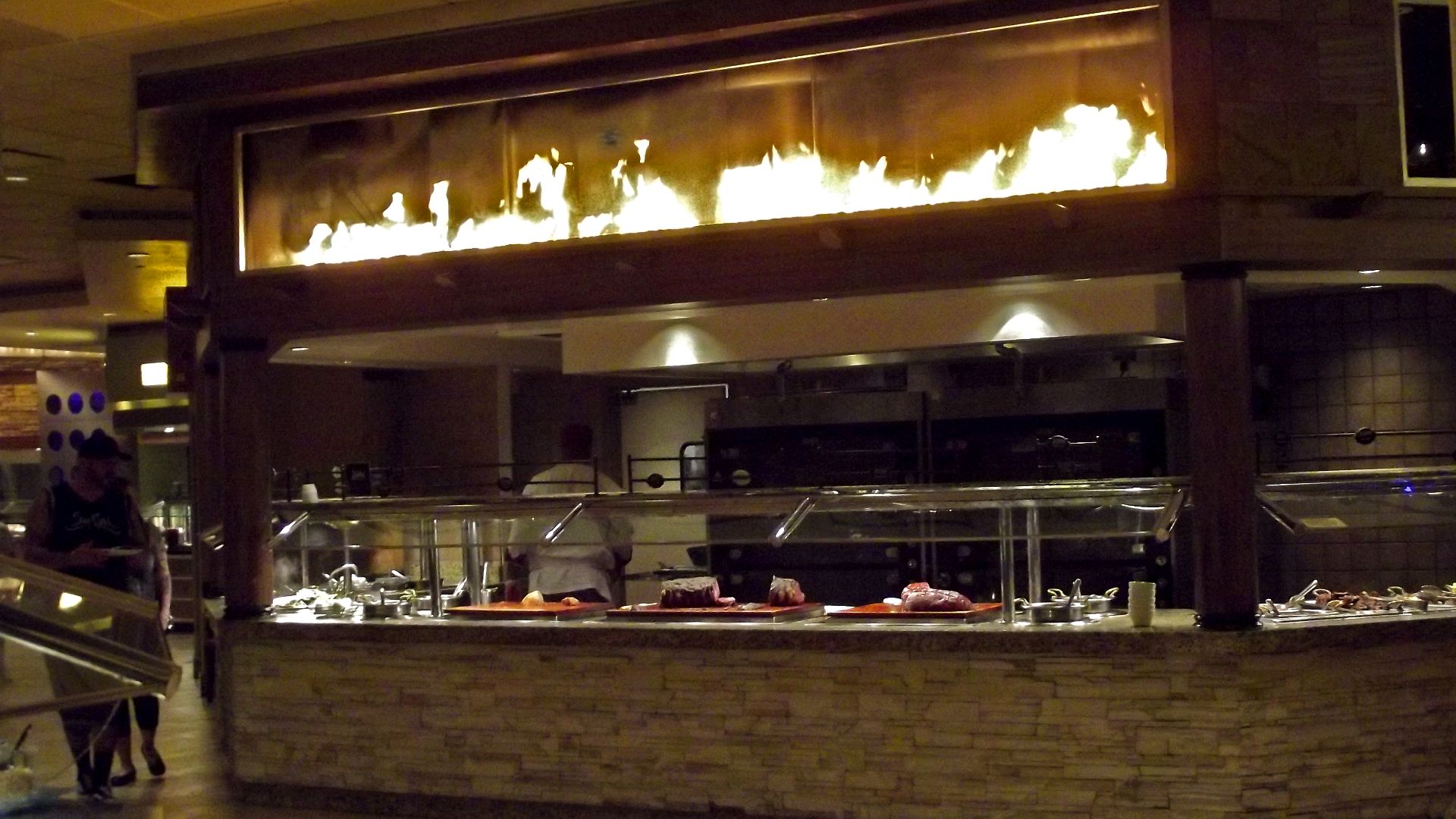
By the mid-1990s, Las Vegas buffets had become attractions in their own right. Resorts competed to offer more choices, larger dining rooms, and increasingly elaborate presentations. Visitors could enjoy everything from carved meats to international specialties under one roof. But the race to offer bigger and better meals was slowly changing the economics that had made buffets famous.
 Mark Miller, Wikimedia Commons
Bellagio Made The Buffet Feel Luxurious
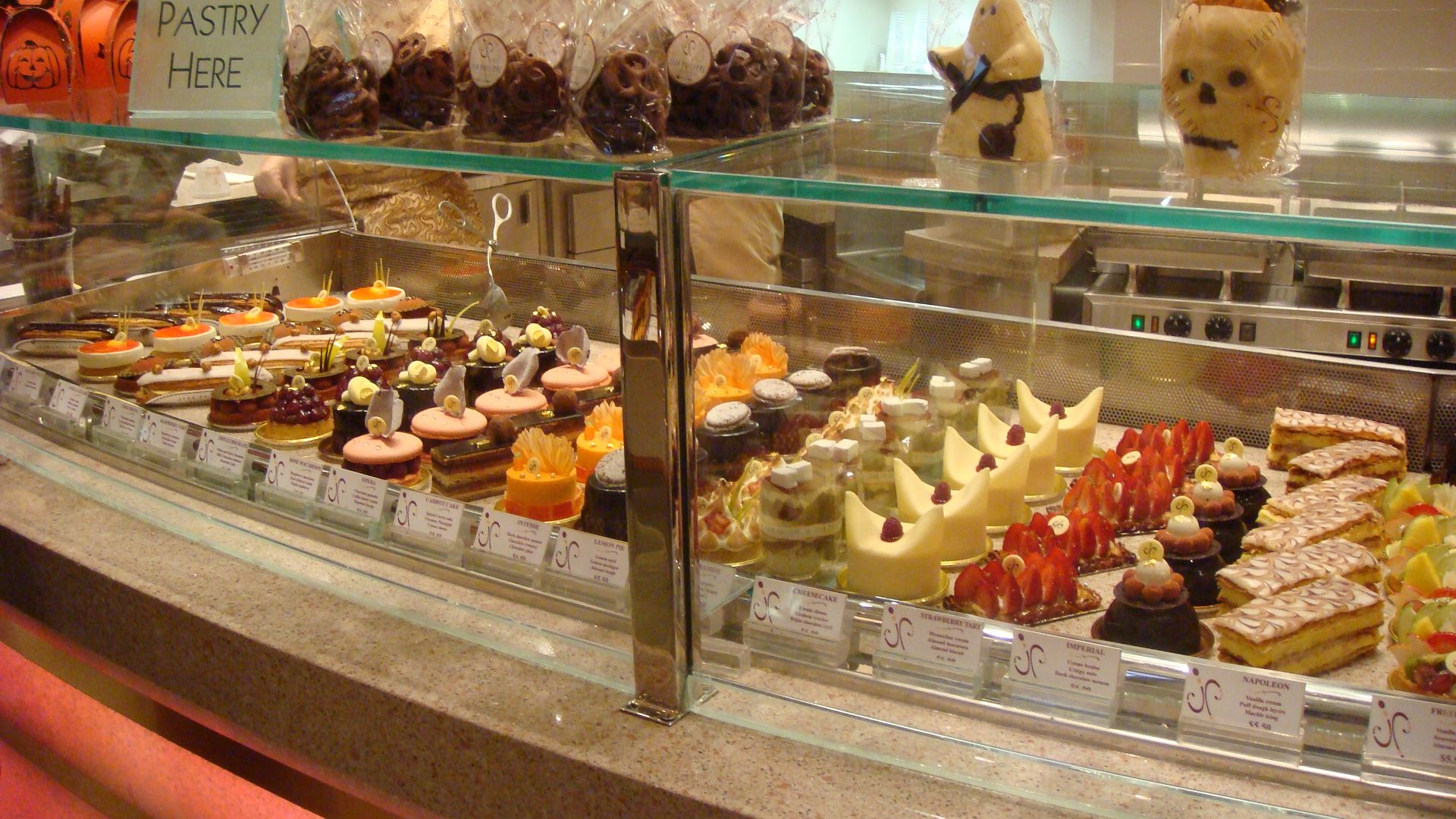
When Bellagio opened in 1998, it helped introduce a more upscale style of casino buffet. Instead of competing mainly on quantity, the resort emphasized premium ingredients, refined presentation, and higher prices. Other luxury properties followed with their own gourmet offerings. The buffet was evolving from a budget meal into an experience customers would pay considerably more to enjoy.
 Kat Kellner, Wikimedia Commons
Celebrity Chefs Changed The Competition
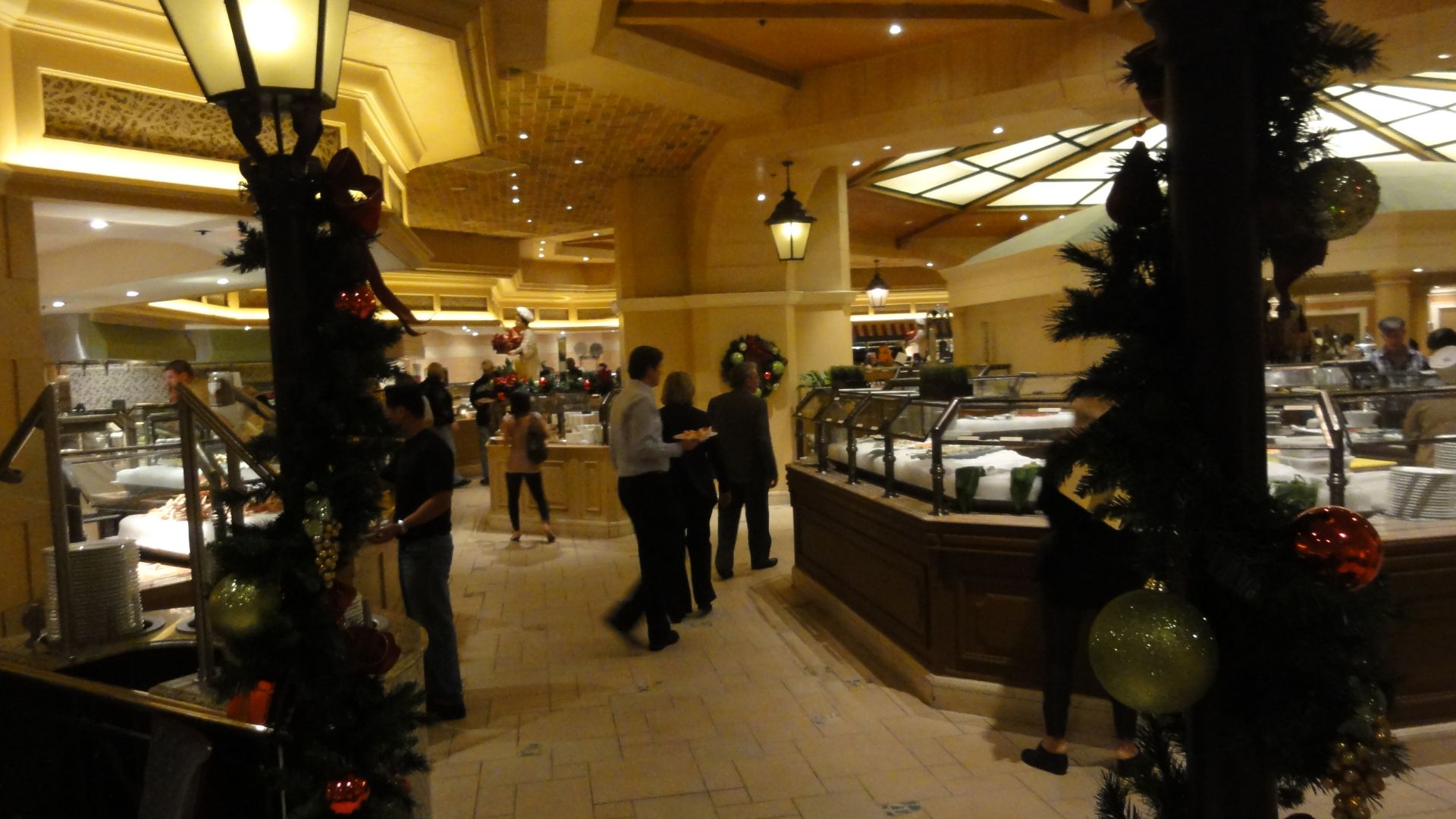
Las Vegas was also developing into a destination for fine dining and celebrity chefs. Visitors increasingly had access to sophisticated restaurants offering specialized menus and premium experiences. Casino operators recognized that food could attract customers and generate substantial revenue independently of gambling. Suddenly, inexpensive all-you-can-eat meals faced competition from an entirely different dining model.
Gambling Was No Longer The Biggest Money Maker
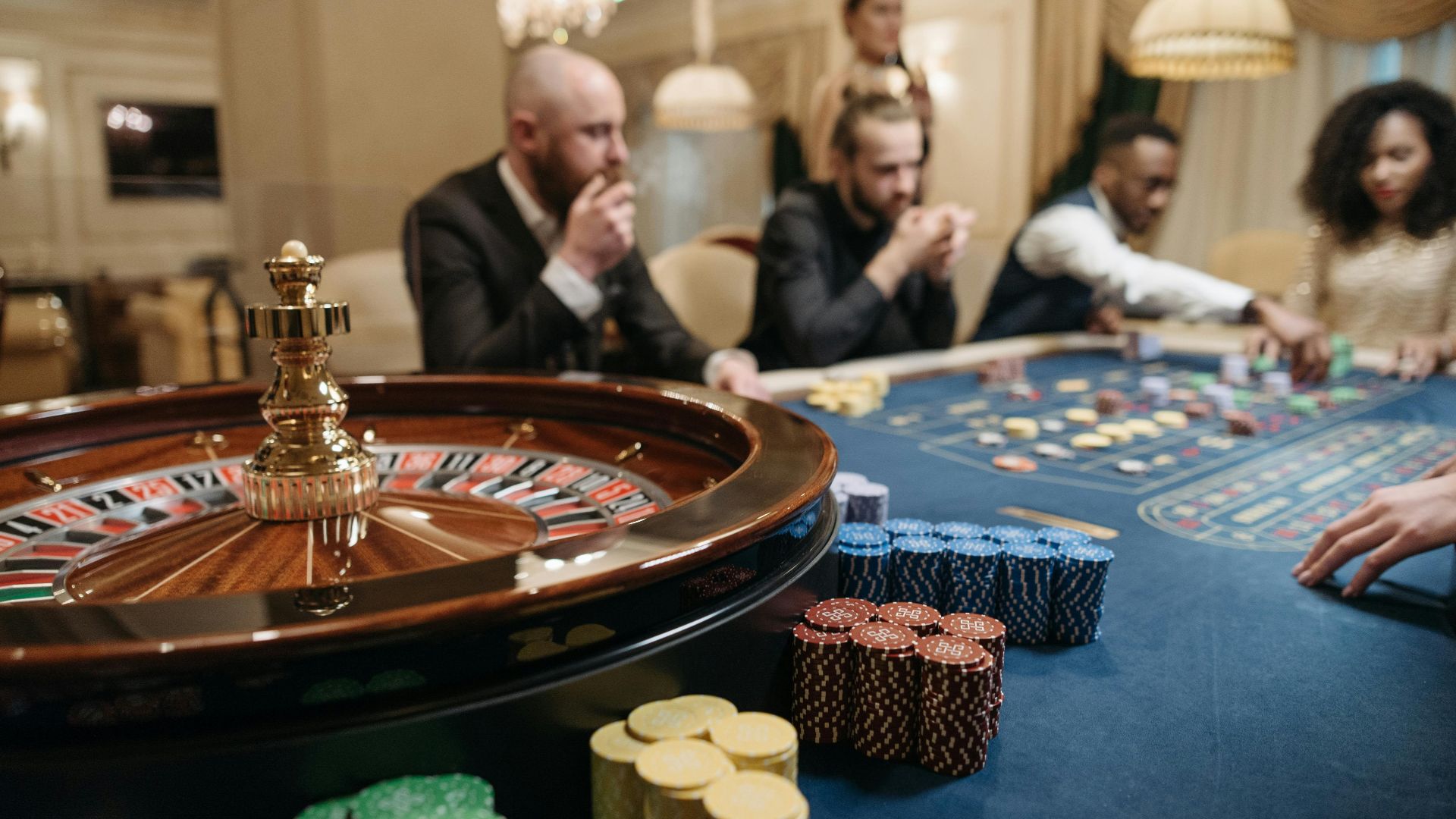
For decades, gambling supplied most of the money that supported inexpensive casino dining. But by 1999, nongaming revenue had overtaken gambling revenue at Las Vegas Strip casinos. In 2025, gambling accounted for just 26.1% of Strip casino revenue, while hotel rooms generated 33.5% and food contributed 18.9%. With dining becoming an increasingly important business, subsidizing cheap buffets was harder to justify.
 Antoine Taveneaux, Wikimedia Commons
Restaurants Had To Justify Their Space
As food became more valuable to casino finances, operators had stronger reasons to examine restaurant profitability. An inexpensive buffet might attract crowds without earning as much as another dining concept could. Casinos could instead dedicate space to upscale restaurants, food halls, or other attractions. The question was no longer simply how many gamblers a buffet attracted, but whether that space could earn more money another way.
Running A Buffet Was Expensive
An all-you-can-eat buffet requires large quantities of ingredients, extensive food preparation, and employees to replenish serving stations. Operators must maintain numerous dishes even when customers favor only a few selections. Labor, equipment, cleaning, and food-safety requirements add further expenses. Keeping prices low becomes difficult when so much work is required before customers even arrive.
Food Waste Created Another Problem
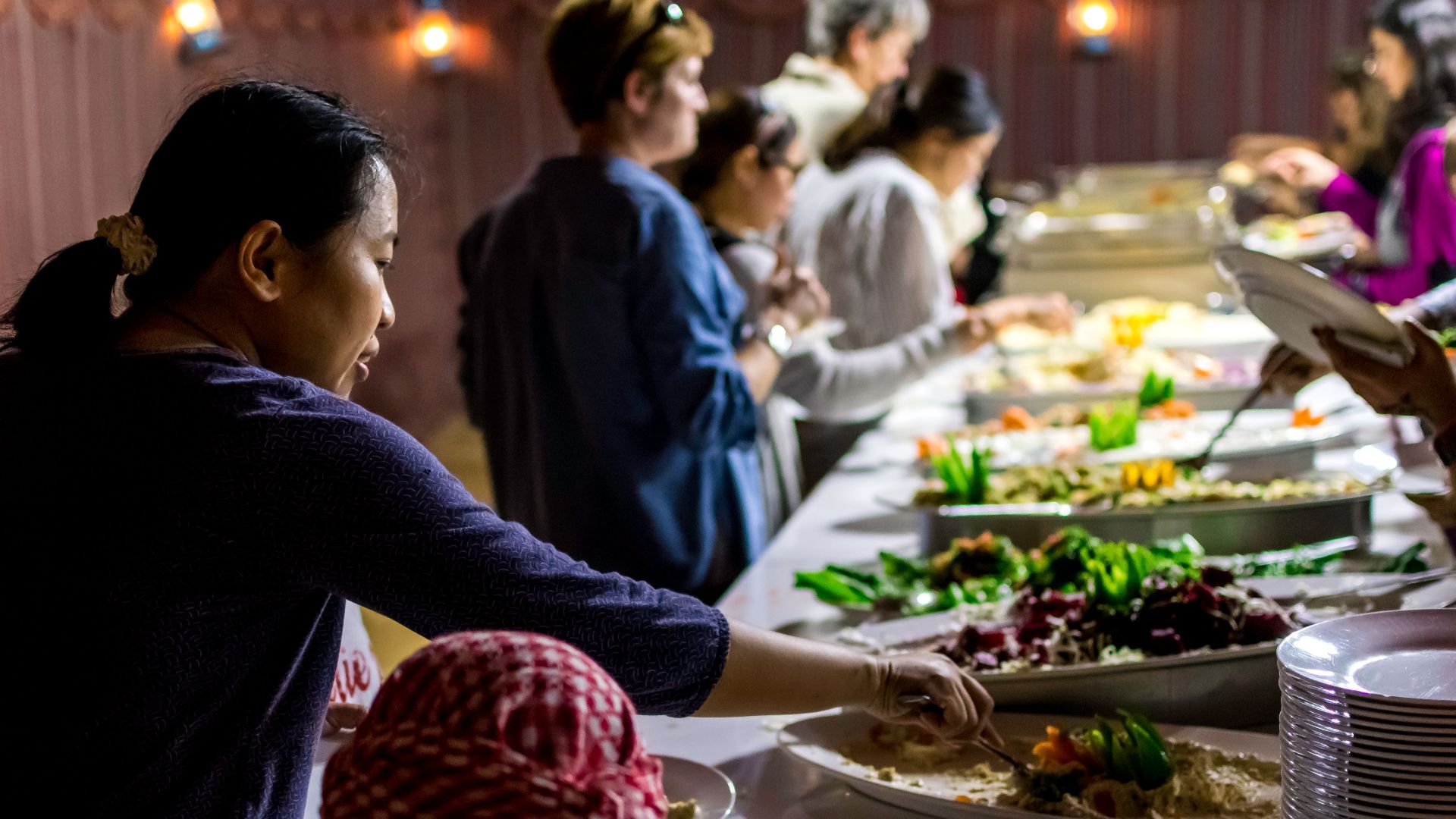
Buffets must prepare enough food to maintain their famous abundance, even when demand is unpredictable. That means plenty of leftovers and potential waste. Before the pandemic, FOX5 reported, one Las Vegas pig farm processed about 30 tons of food scraps daily, much of it supplied by casino hotels. Managing that excess food added another layer of expense.

Casino Real Estate Became Too Valuable
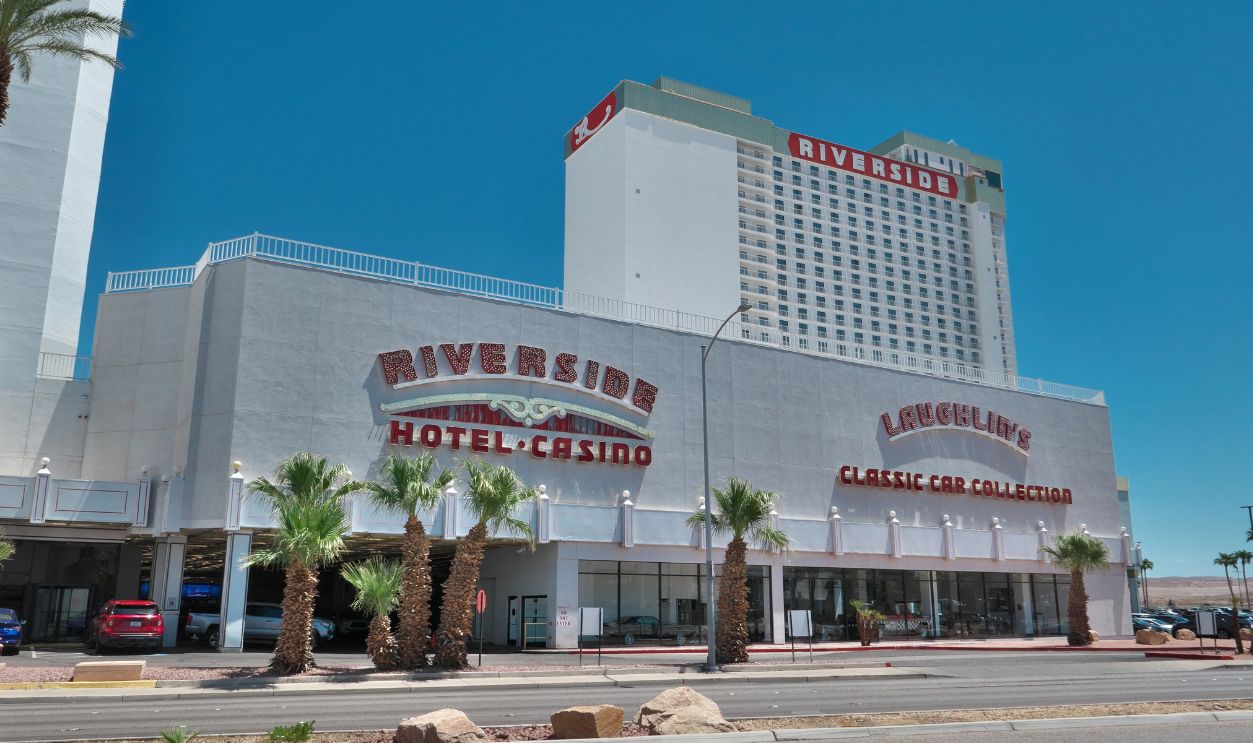
The financial pressure wasn't limited to food and labor costs. FOX5 reported in 2026 that some major Strip properties faced annual rent exceeding $100 million after casino operators sold their real estate and leased it back. Under those circumstances, every large dining area represents valuable commercial space. A sprawling buffet that produces limited returns becomes harder to defend when another restaurant concept might generate more revenue.
 Christophe KLEBERT, Shutterstock
Some Buffets Found A More Expensive Solution
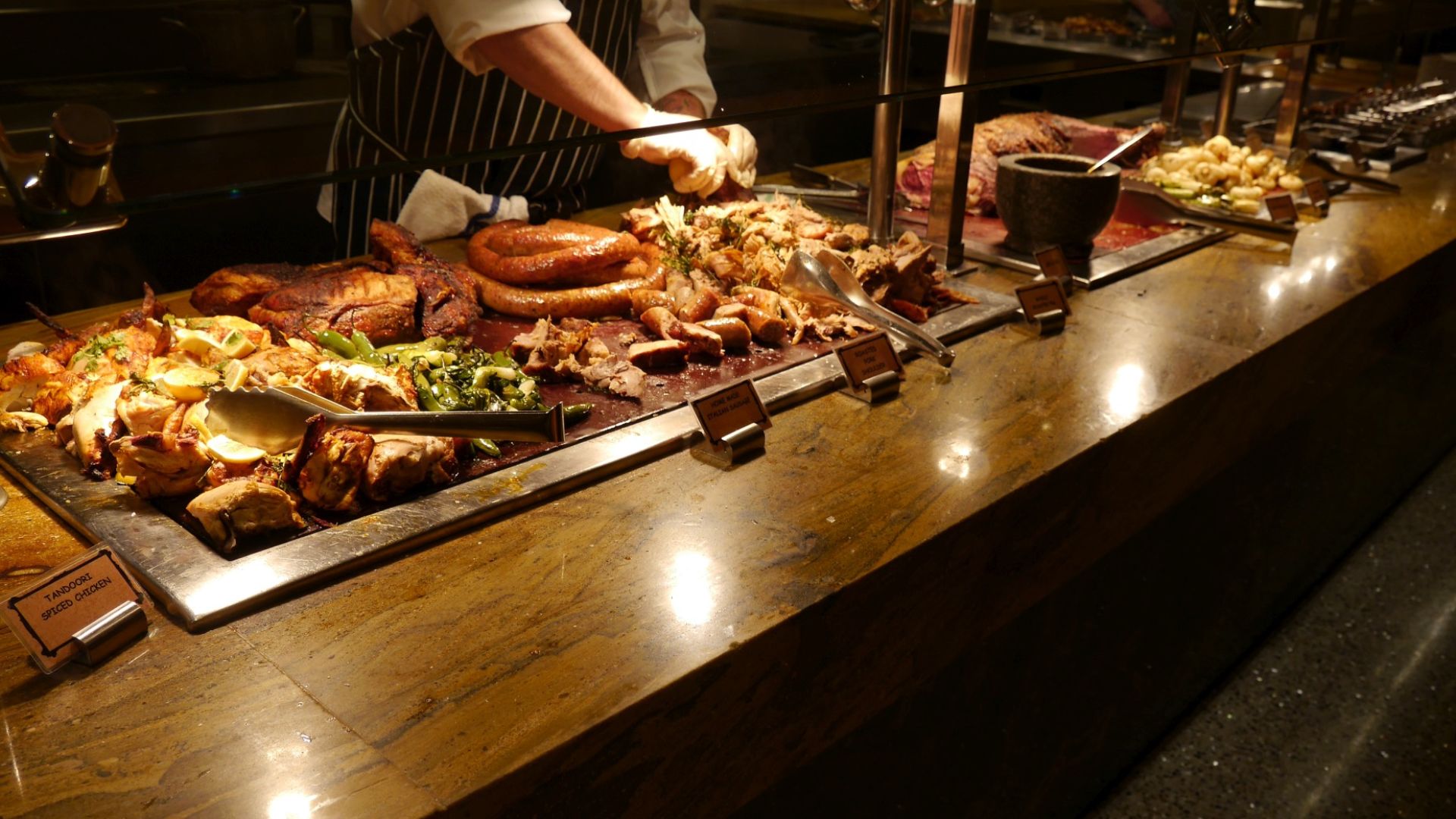
Rather than abandoning the format entirely, some resorts transformed buffets into premium attractions. Caesars Palace introduced its modern Bacchanal Buffet in 2012, emphasizing extensive selections and chef-operated stations. Customers paid substantially more for upscale ingredients and elaborate presentation. The buffet could now function as a profitable dining destination rather than simply a cheap way to attract gamblers.
Then The Pandemic Changed Everything
The COVID-19 pandemic delivered another major blow to casino buffets in 2020. Shared serving areas, crowded dining rooms, and public-health restrictions made traditional buffet operations difficult to maintain. Many Las Vegas properties temporarily closed their buffets alongside other resort operations. When casinos reopened, however, several of those dining rooms never returned.
 https://kaboompics.com/, Pexels
The Rio Lost Its Legendary Buffet
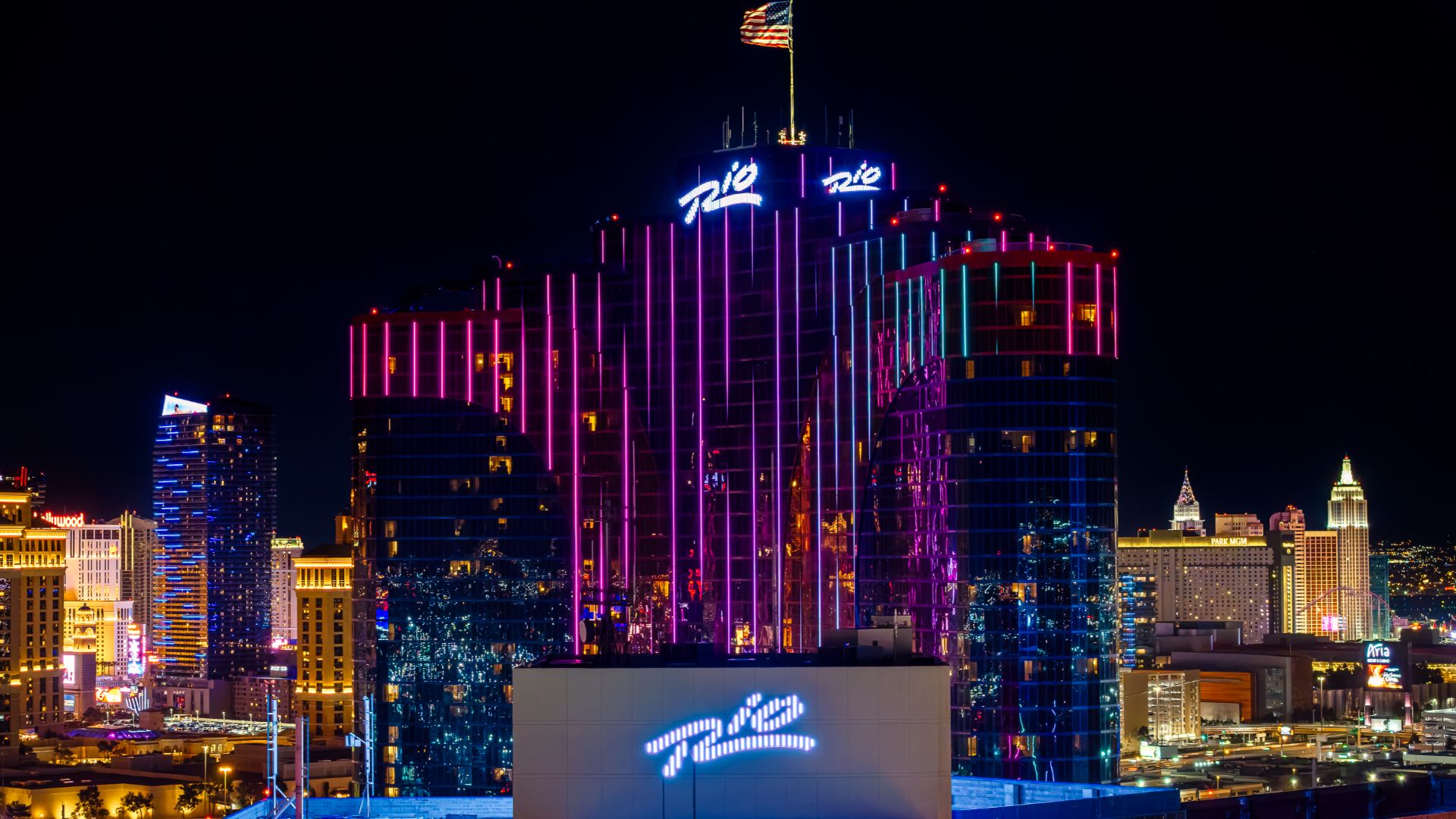
The Rio's Carnival World Buffet was among the most famous casualties. After closing in 2020, the resort eventually confirmed that the massive all-you-can-eat attraction would not reopen. The property subsequently introduced the Canteen Food Hall, featuring individual dining concepts instead. Although the Rio still offers a separate breakfast buffet, the legendary Carnival World experience is gone.
 Riolasvegasdigital, Wikimedia Commons
ARIA Replaced Its Buffet Too
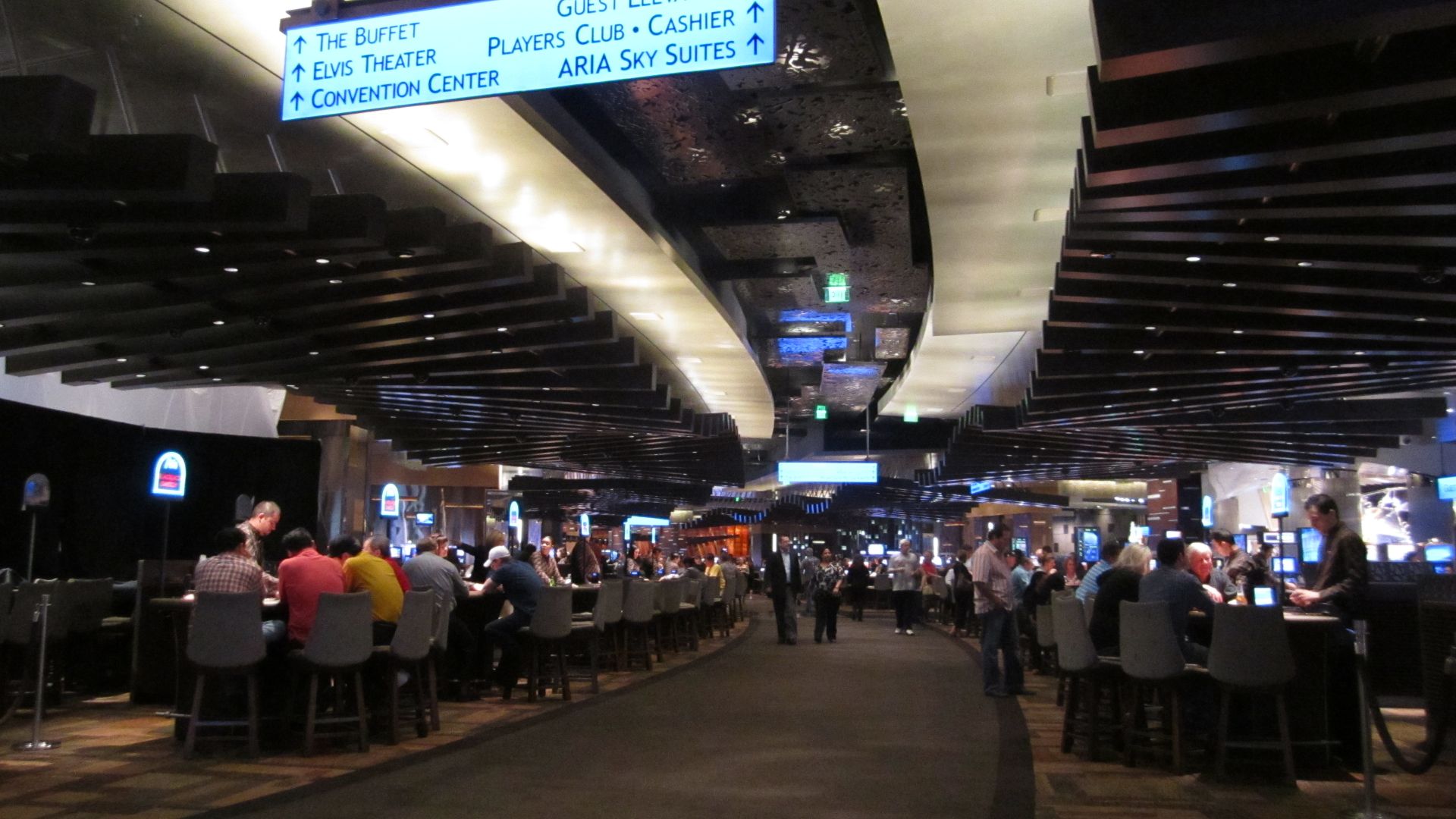
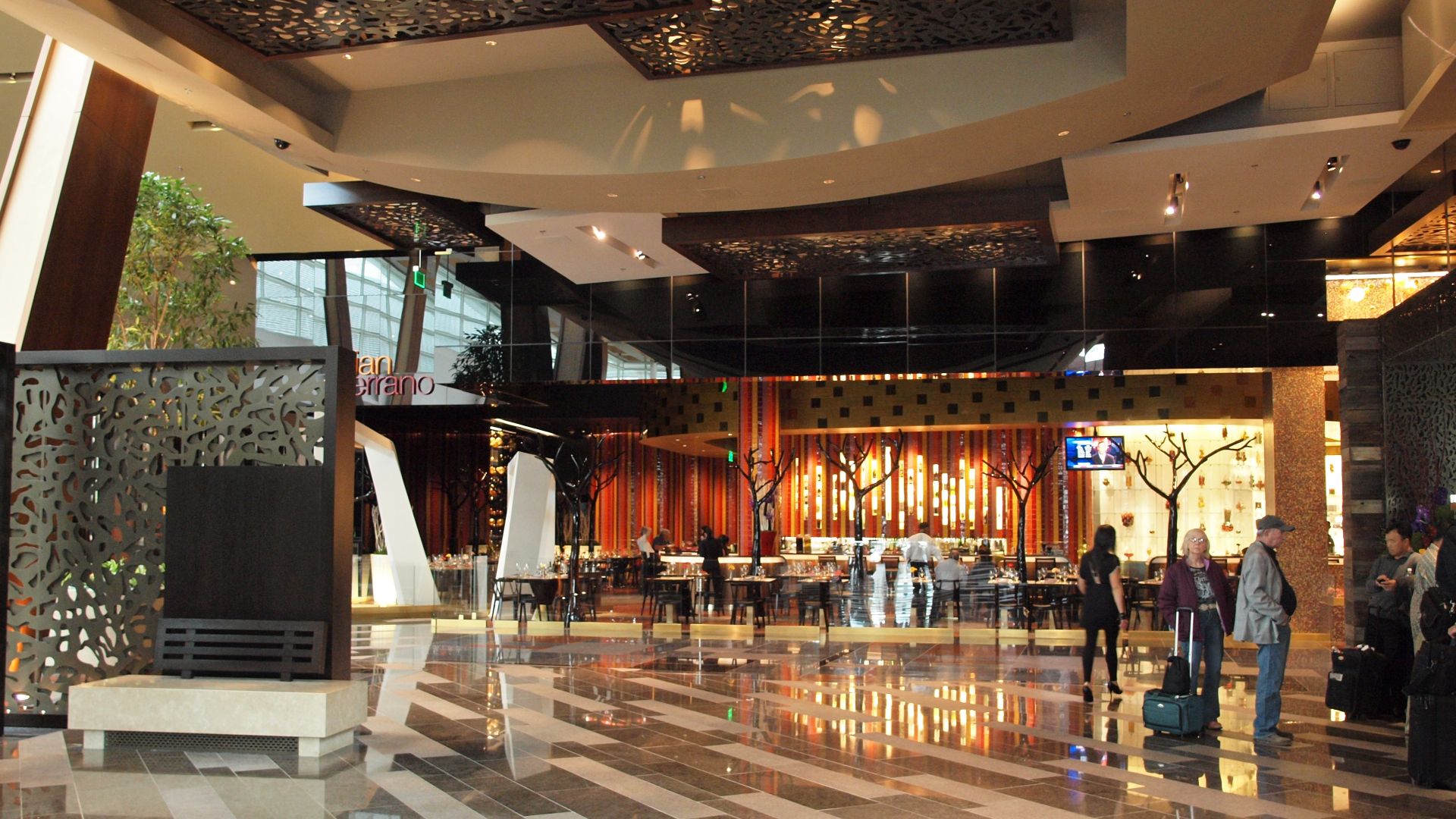
ARIA followed a similar path after its buffet closed in 2020. Rather than reopening the traditional all-you-can-eat operation, the resort introduced Proper Eats Food Hall. Visitors could purchase meals from separate vendors offering different cuisines. The change reflected growing interest in dining concepts that didn't require maintaining an enormous buffet.
 La Citta Vita, Wikimedia Commons
Food Halls Offered A Different Financial Model
Food halls allowed casino resorts to offer variety without relying on one sprawling all-you-can-eat operation. Customers purchase individual meals, while separate restaurant concepts can specialize in particular dishes. These spaces also give operators flexibility to change vendors as dining preferences evolve. For casinos reconsidering their restaurant investments, that model offered an attractive alternative.
Even The MGM Grand Buffet Disappeared
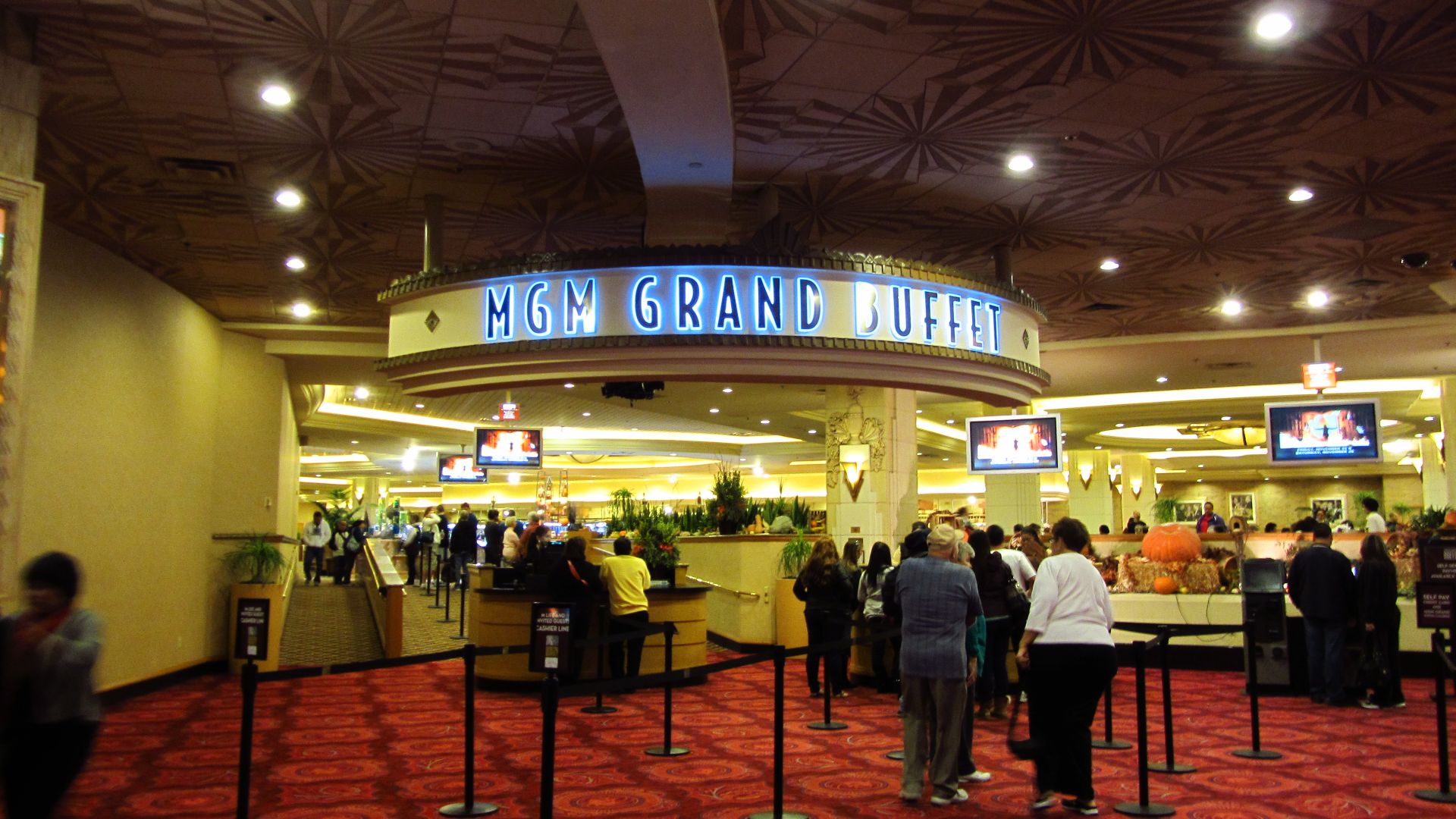
In May 2026, MGM Grand announced that its buffet would close at the end of the month. The decision followed years of similar closures throughout the Las Vegas Strip. Rising operating costs, changing dining preferences, and the shift toward nongaming revenue had transformed the business. Another familiar name was disappearing from the city's once-thriving buffet scene.
 Calgary Reviews, Wikimedia Commons
Only A Fraction Of The Buffets Remain
By October 1, 2026, Las Vegas Advisor listed just 11 operating traditional buffets across Las Vegas. The figure illustrates how dramatically the city's once-famous dining landscape has changed. Buffets remain available at properties such as Bellagio, Caesars Palace, Wynn, and several off-Strip casinos. But visitors can no longer assume that every major resort offers an enormous all-you-can-eat spread.
Some Buffets Now Cost More Than $90
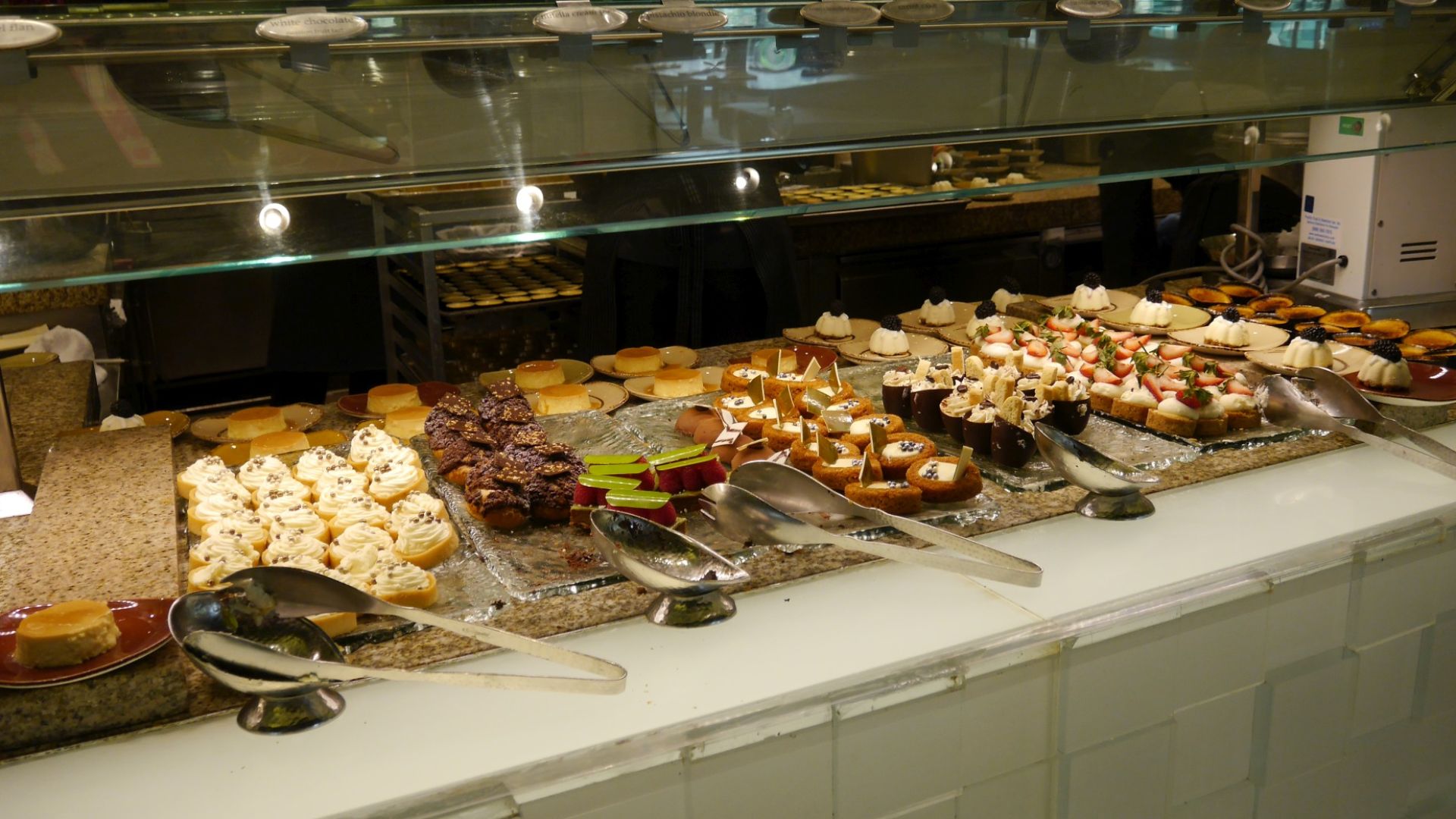
The remaining luxury buffets can charge prices that would have seemed unimaginable decades ago. As of October 2026, Las Vegas Advisor listed Caesars Palace's weekend dinner buffet at $91.99 and Wynn's gourmet brunch at $59.99. Premium seafood, elaborate cooking stations, and upscale dining experiences help explain the higher prices. The emphasis has shifted from feeding visitors cheaply to offering something special.
 Andrew Milligan sumo, Wikimedia Commons
Affordable Options Haven't Disappeared Completely
Not every remaining buffet requires a luxury-sized budget. In October 2026, Circus Circus listed Saturday dinner at $28.95, while South Point offered weekday breakfast for $19.95 before loyalty discounts. Downtown and off-Strip properties also provide alternatives to expensive Strip dining. Comparing locations and meal periods can still uncover meaningful savings.

How To Tell Whether A Buffet Is Worth It
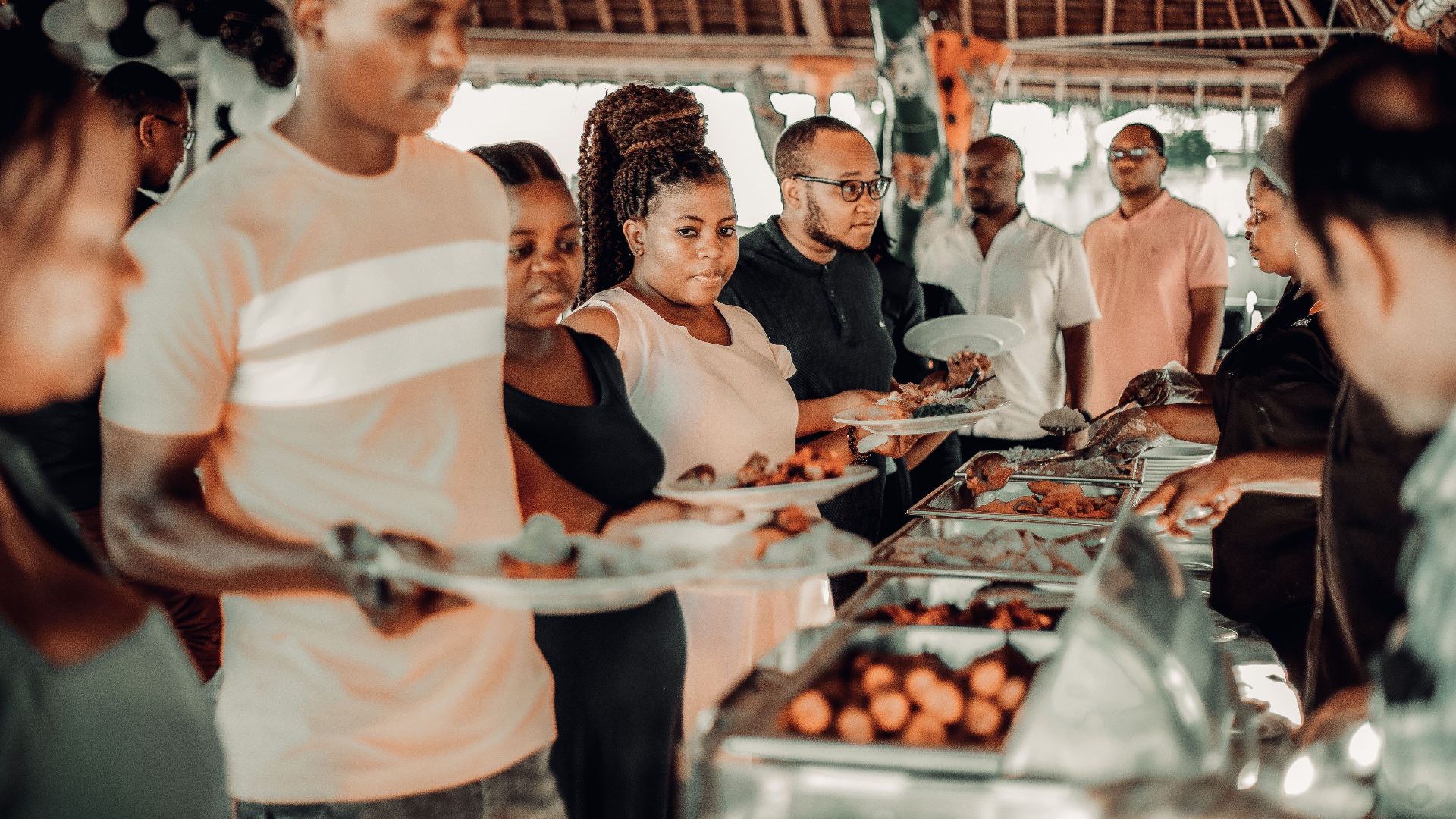
Before spending $85 per person on a buffet, consider what you would realistically eat at a regular restaurant. At that price, a couple pays $170 before taxes and tips, potentially more than a comparable sit-down dinner. Check whether brunch costs less than dinner and whether loyalty discounts are available. And never gamble beyond your planned budget just to earn a discounted or complimentary meal.
The Cheap Buffet Was Never Really Free
The disappearance of inexpensive casino buffets reveals how dramatically Las Vegas's business model has changed. Those legendary bargains existed largely because casinos expected to earn money from customers elsewhere, especially on the gambling floor. Today, resorts depend heavily on hotel rooms, restaurants, and entertainment, making discounted food less appealing as a business strategy. The old $1 buffet may be history, but its disappearance offers a revealing lesson about why some deals really are too good to last.

You May Also Like:
Restaurants From The 1980s That American Families Couldn't Get Enough Of—Then They Vanished
Forgotten Buffet Chains That Americans Loved Because They Seemed Like A Deal—Even If They Weren't