
A Small Win That Turned Into A Bigger Habit
Your sister hit a modest win on the slot machines and has now gotten comfortable treating casino visits like a harmless routine. She insists penny slots are low stakes, but you are noticing a pattern forming. You’re now wondering if this is just entertainment or something that could quietly turn into a financial or behavioral problem.

Why “Penny Slots” Can Be Misleading
Their name makes them sound cheap, but penny slots often involve multiple lines and bets per spin. That means players can easily spend a lot more than they planned to. What feels like low-risk entertainment can actually lead to a steady trickle of unnoticed losses over time.
 Tomasz Sienicki [user: tsca, mail: tomasz.sienicki at gmail.com], Wikimedia Commons
Slot Machines Are Set Up To Keep You Playing
Slot machines are engineered to encourage repeated play through lights, sounds, and near wins. These features can make losses feel unimportant and wins more exciting, and this low-key design feature keeps players engaged longer than they intended.

Small Wins Can Reinforce Risky Behavior
Winning early can bring with it a powerful psychological effect. It makes gambling feel easier and more controllable than it really is. This can lead to repeated visits in hopes of reliving that early feeling of euphoria, even when the odds aren’t in the player’s favor.

Frequency Matters More Than Amount
The real concern here isn’t just about how much your sister is spending, but how often she’s heading out to the casino. Weekly gambling can signal a developing habit, especially if it becomes an ingrained part of her routine or something she looks forward to consistently.

Slots Are Addictive
Research shows that slot machines in particular are linked to problem gambling behaviors. A large share of problem gamblers play slots regularly, making them one of the highest risk casino games despite their relatively low entry cost.
 William Holtkamp, Wikimedia Commons
Gambling Problems Often Start Gradually
Most people who develop gambling issues don’t start out making large bets. It usually begins with small, seemingly harmless habits that slowly escalate. But as time goes on, frequency and spending can increase without the person being fully aware of it.

Not Just A Financial Risk
Problem gambling can affect more than money. It can strain relationships, increase stress, and lead to secretive behavior or denial. These issues can often start to appear before any major financial damage becomes obvious.

Young Adults Can Be Especially Vulnerable
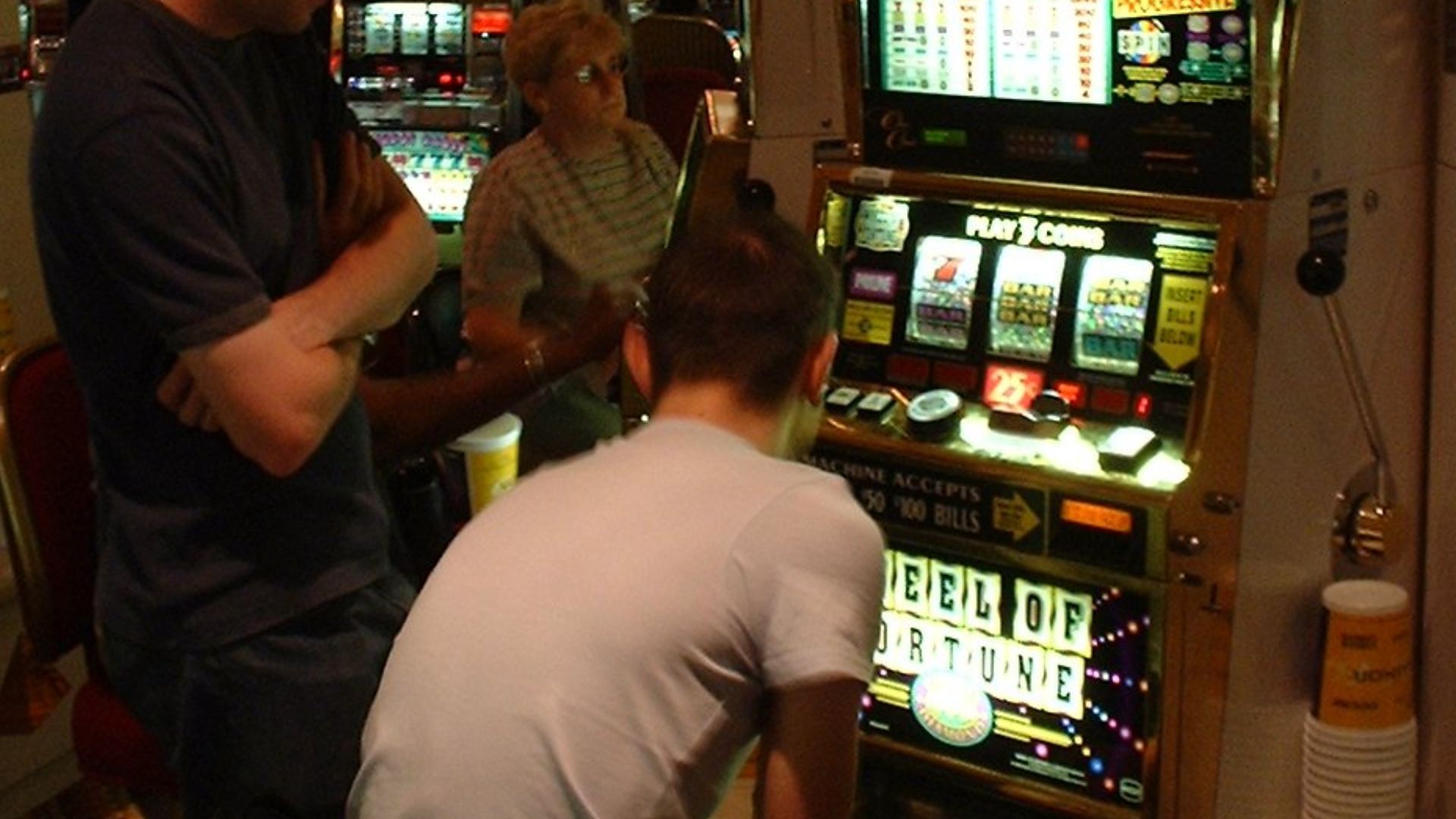
Studies show that younger adults are more likely to develop risky gambling habits compared to the general population. That risk grows with repeat exposure to games like slots, which are set up for fast, continuous play.
 Rob Young from United Kingdom, Wikimedia Commons
It May Still Be Completely Harmless
It’s also quite possible that your sister is doing nothing more than just enjoying herself responsibly. Many people gamble from time to time without any long-term issues. The key is whether her behavior is controlled, consistent, and within her financial means.

Warning Signs To Watch For
Look for signs like chasing losses, increasing frequency, hiding how often she goes, or spending more than planned. All of these can indicate that gambling is shifting from entertainment to something more concerning.

Why She Might Be Minimizing It
Calling it “just penny slots” may be her way of reassuring herself and others that she’s not spending too much money. People often downplay habits that feel harmless, even when those habits are starting to take up more time and attention than they should.
 Tristan Surtel, Wikimedia Commons
Bring It Up Without Causing Conflict
If you decide to say something, keep your tone calm and nonjudgmental. Focus on what you’ve been noticing rather than accusing her of a problem. For example, you might mention how often she has been going rather than criticizing gambling itself.

Timing Makes A Difference
Choose a moment when she is in a relaxed mood, and not defensive. Bringing it up right after an unsuccessful casino visit or during an argument can make her more likely to shut down instead of listening.

You Cannot Force Change
No matter how concerned you are, you cannot control her choices. People usually need to recognize the patterns themselves before they are willing to change them. Your role is to raise awareness, not to enforce behavior.

Set Your Own Boundaries
If her gambling starts to affect you directly, or interfere with your life, whether it’s borrowing money or involving you in financial decisions, it is important to set clear limits. Protecting your own finances and well being should come first.

Know When It Becomes A Serious Issue
If her gambling leads to debt, secrecy, or emotional distress, it may be time to suggest professional help. Gambling addiction is a recognized behavioral condition that needs structured support to address.

A Growing Problem
Gambling problems are more widespread than many people realize, and the numbers around addiction are striking. Studies in North America suggest that about one to three percent of adults meet the criteria for problem gambling, with another two to four percent considered at risk. Casino usage is even broader, with surveys showing that over half of adults have visited a casino at least once in their lives.

A Small Group Drives Revenue
One thing that’s especially notable is how concentrated the impact can be, as a relatively small group of frequent gamblers is estimated to generate a disproportionate share of casino revenue, highlighting the close link between heavy usage and addiction risk.

Help Resources Exist In The U.S.
Organizations like the National Council on Problem Gambling offer confidential help, hotlines, and support programs. Many states also provide self exclusion programs that allow individuals to restrict their own access to casinos.

What Should You Do Right Now
You probably don’t need to confront her immediately, but you should stay aware of what’s going on. If the pattern continues or escalates, a calm conversation can be helpful. Trust your instincts. If something doesn’t feel right, it’s worth addressing before it snowballs into a bigger issue.

You May Also Like: