No Longer A Fringe Activity
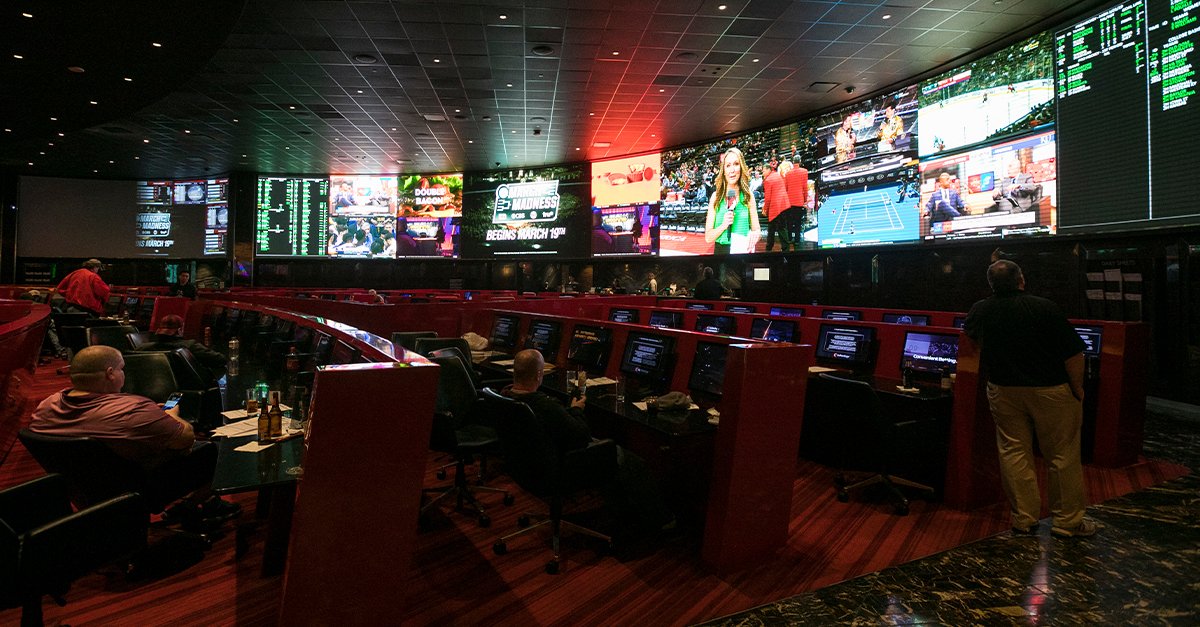
For decades sports betting was in the shadows, limited to Vegas sportsbooks, offshore websites, and the occasional shady neighborhood bookie. It wasn’t a mainstream activity, and the sports leagues pretended it didn’t exist. But an undercurrent of money flowed under the table, whetting American appetites for making big bets. The tension set the stage for a legal showdown that would overturn everything.
Murphy vs NCAA Shifts The Landscape
In 2018, the Supreme Court made a landmark ruling in Murphy v. NCAA (National Collegiate Athletic Association). The decision struck down the federal ban on sports gambling and gave states the power to legalize it. Overnight, the U.S. sports betting market detonated. The decision opened up the floodgates for mainstream acceptance, and the first wave of problems started flooding in.

States Rush To Legalize Sportsbooks
After the ruling, states fell all over each other in the race to approve betting. Casinos launched their own digital platforms. Sports leagues formed partnerships with major operators. With sports gambling now legal in almost 40 states, the taboo around sports betting faded into distant memory. But as money flooded in, a shift was happening. Fans weren’t just watching the games anymore. They were invested emotionally and financially.
Sports Betting: A Billion-Dollar Business
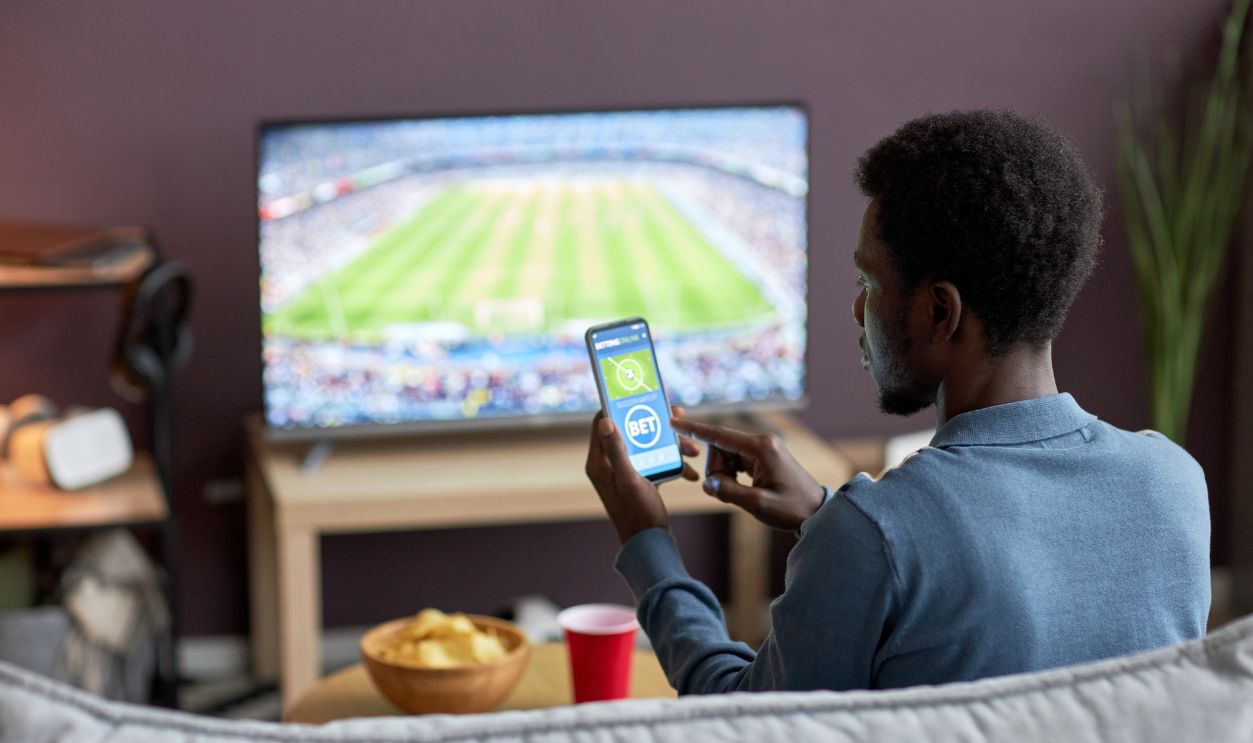
Within a few years, legal sports betting surged past billions of dollars in annual revenue. Marketing campaigns blanketed TV, social media, and stadium signage. Smartphones turned every game into a gambling opportunity. But the more money poured in, the more pressure built on athletes. Every missed shot and penalty has turned into a financial event.
 Eggjeezprata, Wikimedia Commons
Fans Treat Athletes Like Investments
Instead of rooting for their team to win for emotional reasons, fans started tracking spreads, parlays, and prop bets. Athletes were well aware of the shift as social media went toxic. Players were no longer just performers, but a source of profits for bettors. When their bets lost or fantasy points failed, fans were furious. They began to take their anger out on the players in the form of online harassment.

Threats And Harassment Against Athletes
Players now report daily harassment, from death threats to nonstop DMs after a bad game. A missed free throw or late turnover becomes “evidence” of sabotage. The emotional connection between fans and athletes is frayed to the breaking point. All this used to be strictly for entertainment. Now it’s personal rage tied to losing money. The pressure and fans' sense of entitlement fuels bigger problems.

Leagues Can’t Resist
The NCAA and the major pro sports leagues maintained for years that betting on sports threatened the integrity of the games, but when they saw the enormous amounts of money to be made, they hopped on the betting bandwagon. While the leagues have tried to impose limits, the pursuit of big money means that the leagues are fully onboard with the new online gambling environment.

Leagues Try To Build Guardrails
The big sports leagues warned players, banned certain bets, and tried to promote responsible gambling. But the ecosystem has gotten far too big to control. As leagues tried harder to regulate betting, more money flowed in around the rules. Then the first gambling scandals broke, and the crisis became undeniable.

Player Betting Scandals Begin To Erupt
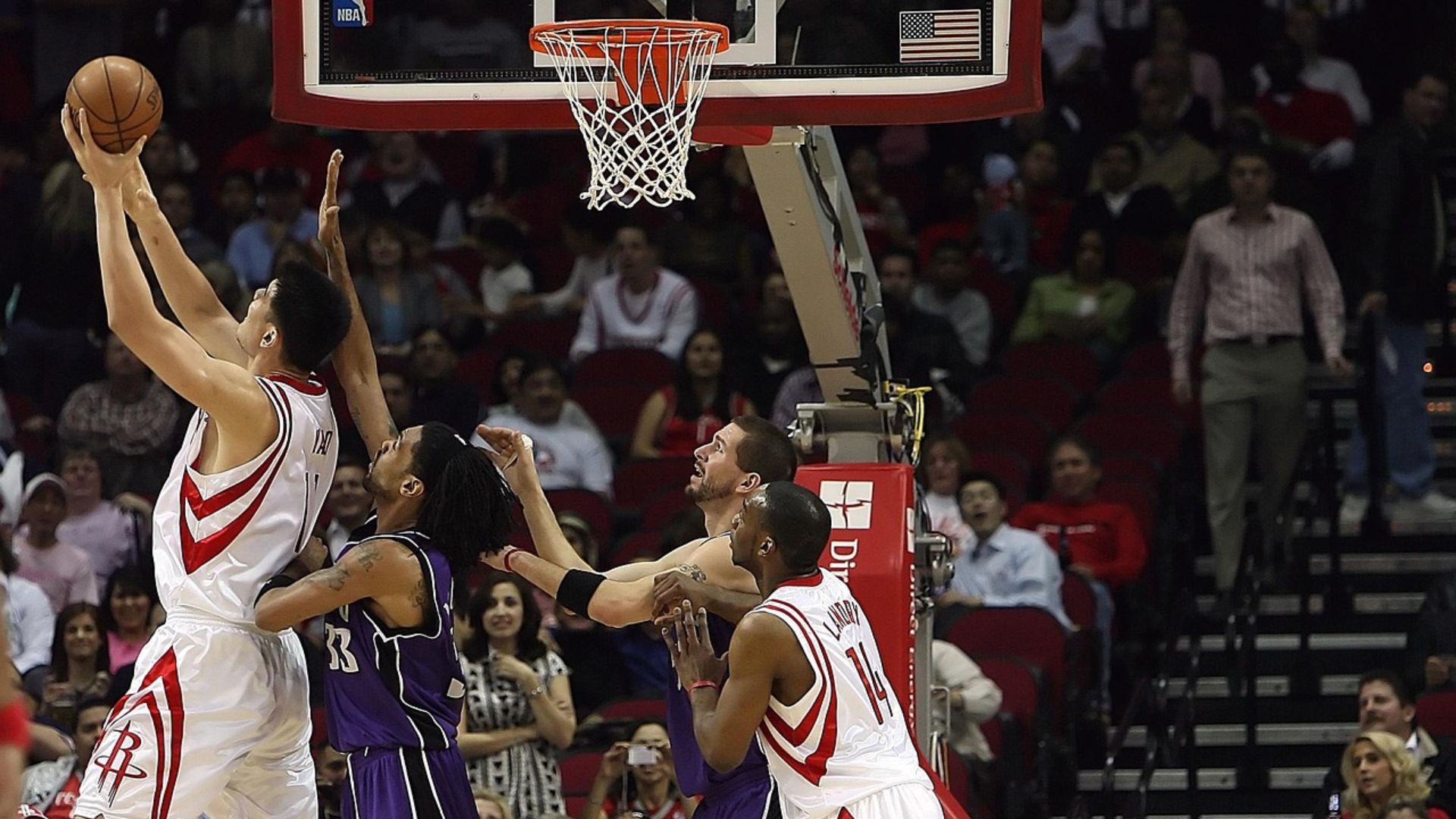
Several NBA players have either been caught or investigated for placing bets on games or sharing confidential team information with gamblers. Some used relatives or friends as proxies. Others hid gambling behind burner accounts. The Toronto Raptors’ Jontay Porter was even booted out of the league. Those scandals dented fan confidence and exposed just how fragile the system had become.
Referees And Officials Come Under Fire
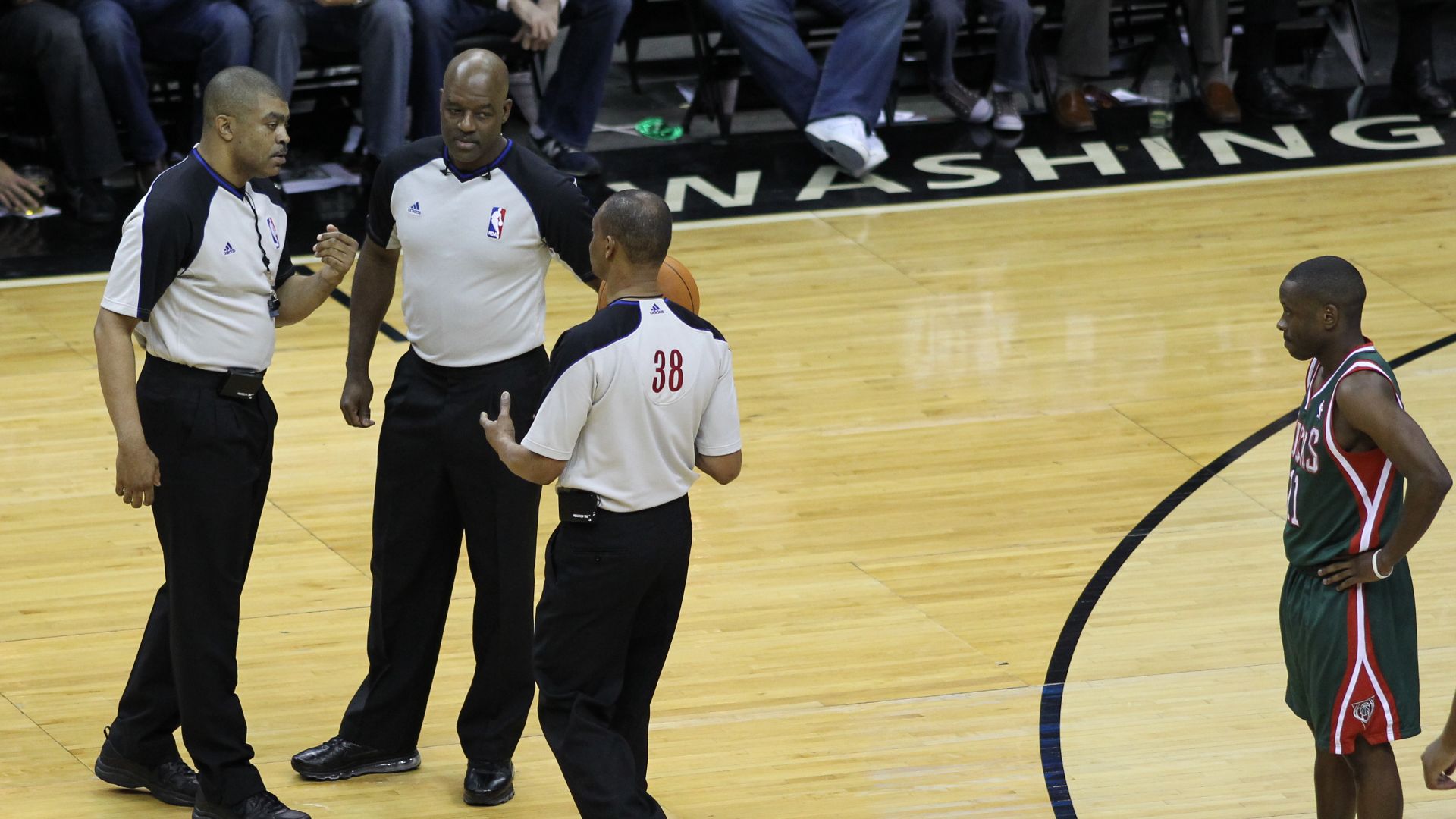
Fans and media couldn’t look past the possibility of compromised officiating. Accusations exploded online, especially during the 2025 NBA playoffs: rigged games, biased calls, phantom fouls, you name it. Even though the accusations were unproven, suspicion grew. Referees became symbols of corruption instead of impartiality. That blatant distrust pushed sports closer to another major turning point.
 Keith Allison, Wikimedia Commons
Athletes Facing Suspensions And Investigations
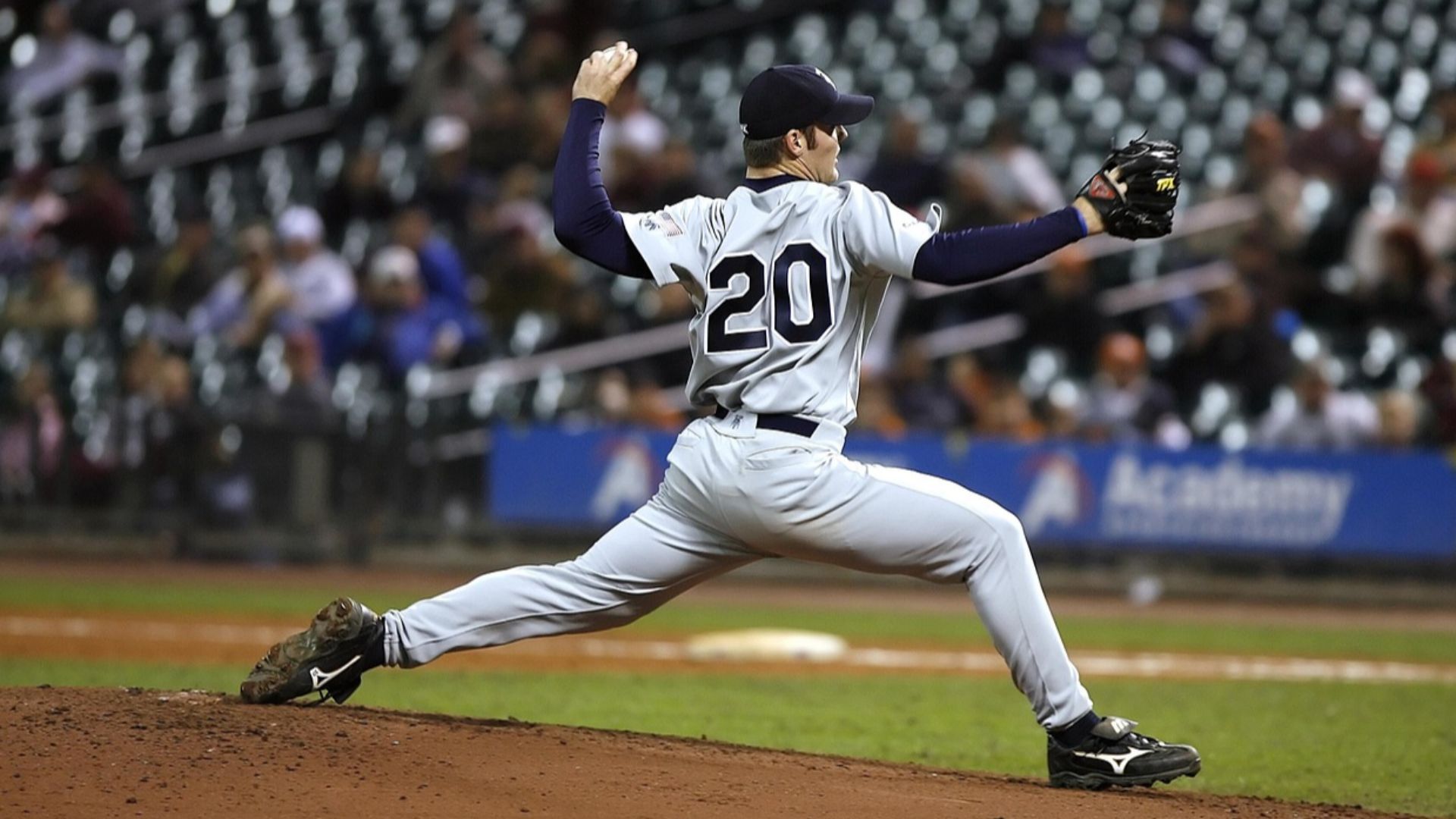
More athletes came under scrutiny for the abnormally large sums wagered while they were in the game. This was the case in Major League Baseball with two Cleveland Guardian pitchers suspended in 2025 under accusation of rigging games. The two are now under a federal indictment. Many other players have publicly admitted to gambling addictions. The line between fan fun and professional ethics blurred. But what about the integrity of the game itself?
Integrity Of The Game At Risk
Analysts and legal scholars now actually argue that the integrity of sports is threatened. The more money is at stake by bettors, the more it will influence the outcome of the games. The sports leagues are bringing in huge revenues from all this betting, but the smallest perception of bias damages credibility. Fans may love to bet; they love to win even more, but they also want fair play. When those values clash, money will be the determining factor.

Sportsbooks And Media Double Down
Networks and leagues have all signed massive sponsorship deals with sportsbooks. Broadcasters openly discuss odds during the game, something that would have been unheard of just a few years ago. Gambling is now a part of some big league sports broadcasts. To make matters worse, the more gambling gets normalized, the more invisible its risks appear, especially to first-time gamblers.

Problem Gambling Surges
Sports betting addictions have skyrocketed. Hotlines have reported record call volume. Young men in their twenties and thirties are now the fastest-growing demographic of gambling addicts. But a lot of these young gamblers never even saw it coming, because the product wasn’t sold as a risk, but packaged up as part of the entertainment.

Prop Bets Make Gambling Constant
Betting has evolved from simple game outcomes, like wins or losses, to propositional betting (prop bets) on events within the game: the next strikeout, the next three-pointer, the next punt, the next touchdown, and on and on. Incredibly, gambling was no longer an occasional wager on the outcome of one game, but continuous betting on the outcome of each play. Every second of a game has become a casino, drawing more fans into financial danger.

Social Media Fuels Outrage And Pressure
Blown bets now often wind up on social media. Fans vent online. Players clap back. One in three NCAA athletes now report that they’ve received at least one harassing message from a disgruntled bettor after a bad game. Sports is no longer a welcome distraction from the challenges of daily life, but a source of anxiety, obsession, and addiction. And now, the financial stakes are too big to ignore.

Athletes Are Speaking Out
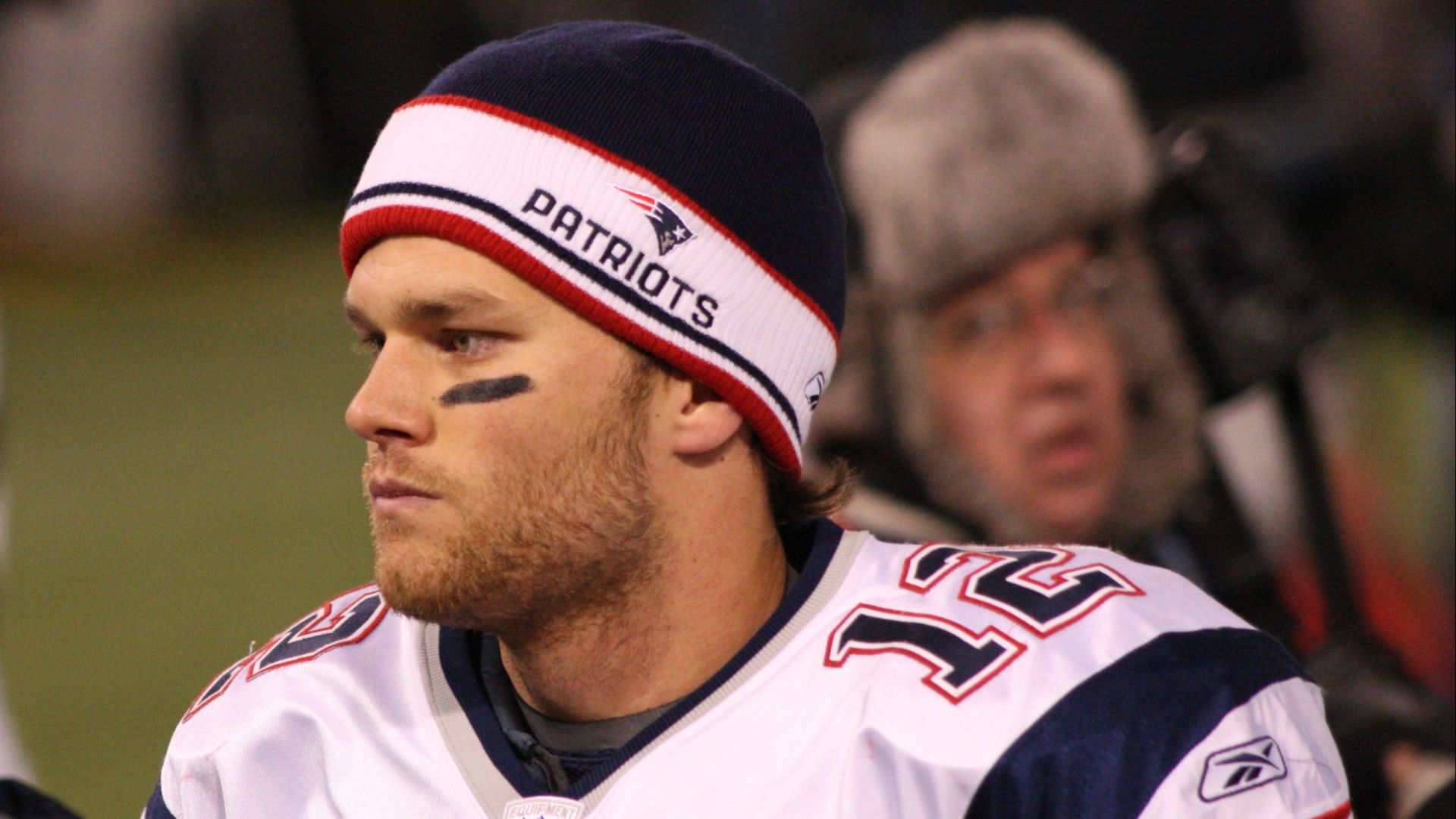
Some players have warned that fans treat them like stock portfolios. Others have admitted to struggling with gambling disorders of their own. Some athletes advocate for restrictions. Former all-star quarterback of the New England Patriots Tom Brady has been one such voice in the wilderness. The players' experiences reveal the growing tension between betting culture and professional sports. That tension leads to a new battleground: regulation.
 Keith Allison, Wikimedia Commons
Legal Experts Push For New Rules
Lawyers and policymakers call the situation unsustainable. They propose stronger restrictions, improved monitoring, and more transparency. Federal legislation has been introduced that would place limits on betting to protect consumers, but it didn’t pass. Meanwhile the profits keep rolling in and people keep placing bets, while states squabble about whether current rules go too far or not far enough.

Scandals Fuel Distrust
With betting so rampant, every slightly unusual incident turns fans a little more cynical. Suspicious calls, bizarre outcomes, and betting controversies keep surfacing. Even when innocent, the damage is real. Sports risks becoming a financial blood sport instead of a shared passion.
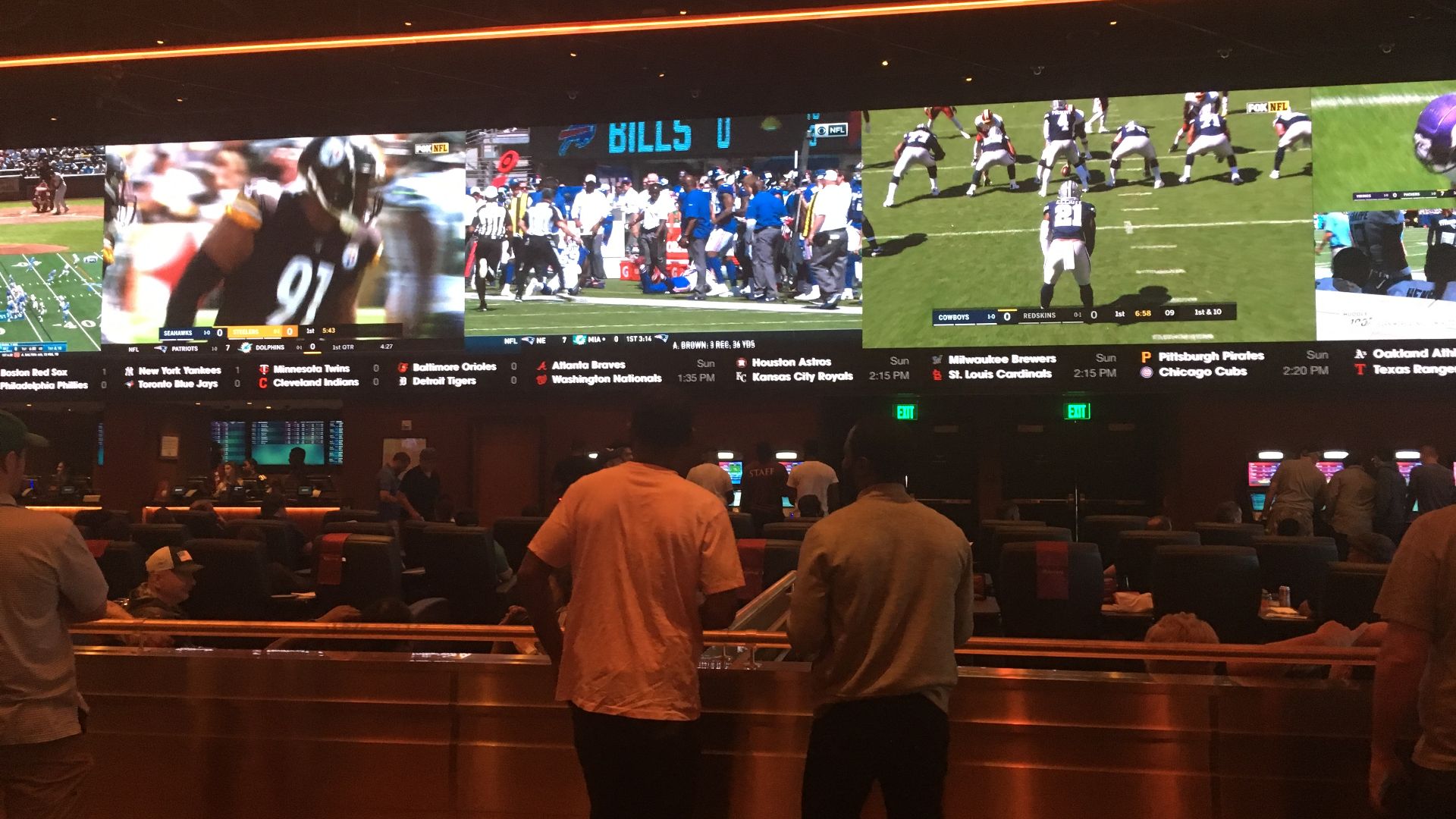
Leagues Are Forced To Rethink The Partnership
In light of recent controversies and increasing public attention, leagues now face a crossroads: embrace gambling and lose trust, or regulate it and trigger the wrath of the gaming industry. Owners want revenue. Fans want access. Players want protection. The system is increasingly unstable, which means that change of some kind is inevitable.

Running The Numbers
According to the Safe Bet Act information sheet, the data on sports betting is bleak. The odds of a bankruptcy filing in states with legal online betting has gone up up 30% since the 2018 Supreme Court decision. Americans bet $1.4 billion on the Super Bowl alone in 2025, up almost 10% from the previous year. An estimated 7 million people in the United States now have a gambling problem or disorder.
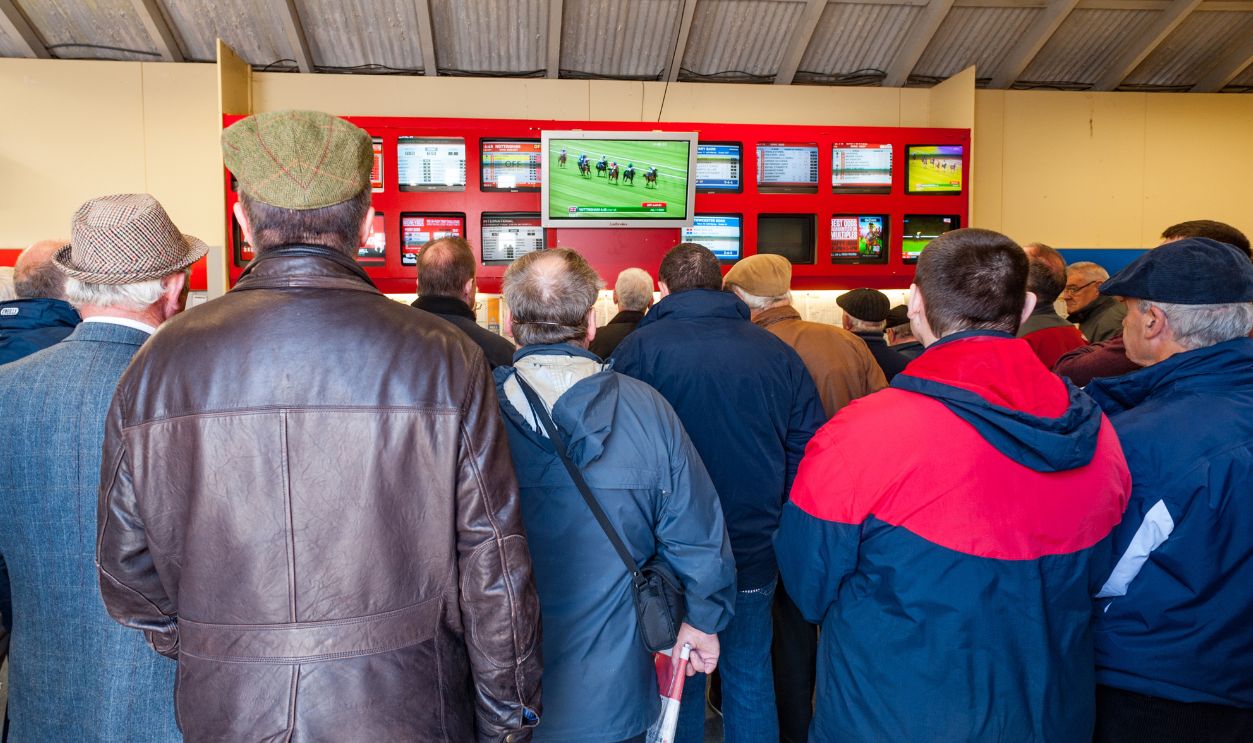
Running The Numbers II
Most sources estimate that of all those who bet on games over a long-term period, only about 3–5% of those people will come out ahead. Reasons for that include: sportsbooks charging a commission on bets; the more bets you make, the more the odds catch up to you, etc.

The Future Of Sports Betting
Sports betting will probably never disappear. There’s too much money in it, it’s too popular, and too entrenched. But the industry, sports leagues, and governments clearly have some decisions to make in terms of limiting problem gambling, policing corruption, and maintaining the games' integrity. The next chapter depends on whether they can solve the crisis before the fans walk away.
If you or someone you know is struggling with a gambling problem, reach out to the National Council on Problem Gambling online or at 1(800)522-4700.

You May Also Like:
Casino Workers Share The Saddest Gambling Moments They've Ever Witnessed
Grandma's Spending A Lot Of Time (And Money) At The Casino. Should I Intervene?