When Fast Food Really Felt Like A Bargain
There was a time when a few dollars could buy a surprisingly satisfying fast-food meal, and the 1980s helped make that experience unforgettable. Burger chains competed with discounted sandwiches, inexpensive sides, and increasingly attractive meal combinations. By the end of the decade, Wendy's had introduced a 99 cent menu that would influence the entire industry. Those prices look almost unbelievable today, although the dollars themselves were worth considerably more back then.
Before Dollar Menus Became A Big Deal
During much of the 1980s, fast food restaurants relied on inexpensive individual items, promotional discounts, and bundled meals rather than the standardized dollar menus familiar today. Customers could assemble a meal from the regular menu or take advantage of a temporary special. The distinction matters because the modern value-menu concept did not fully emerge until the decade was nearly over. Wendy's helped change that in October 1989 with a dedicated lineup of everyday 99-cent offerings.
 Alexander Motin, Wikimedia Commons
Wendy's Changed Everything In 1989
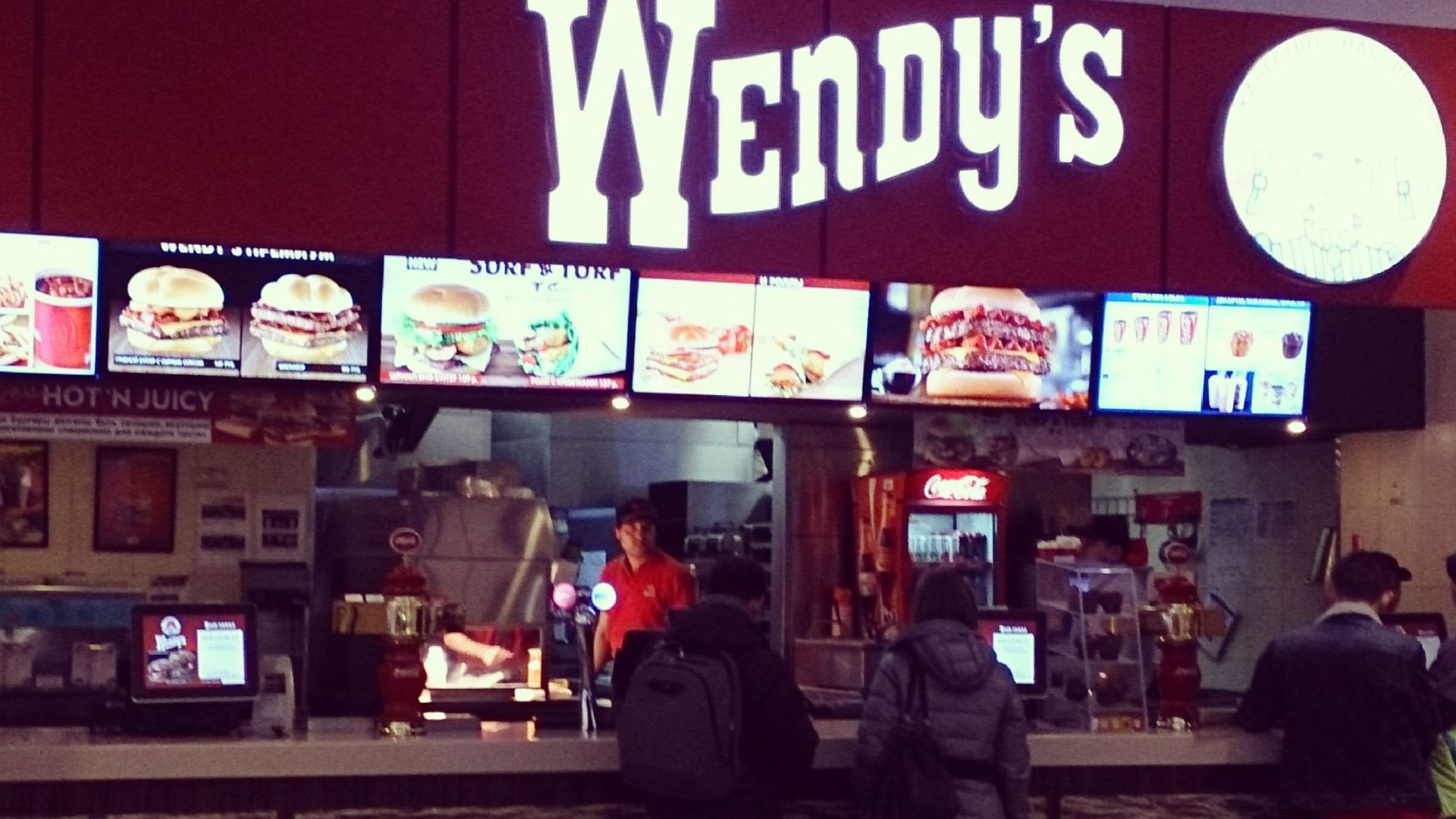
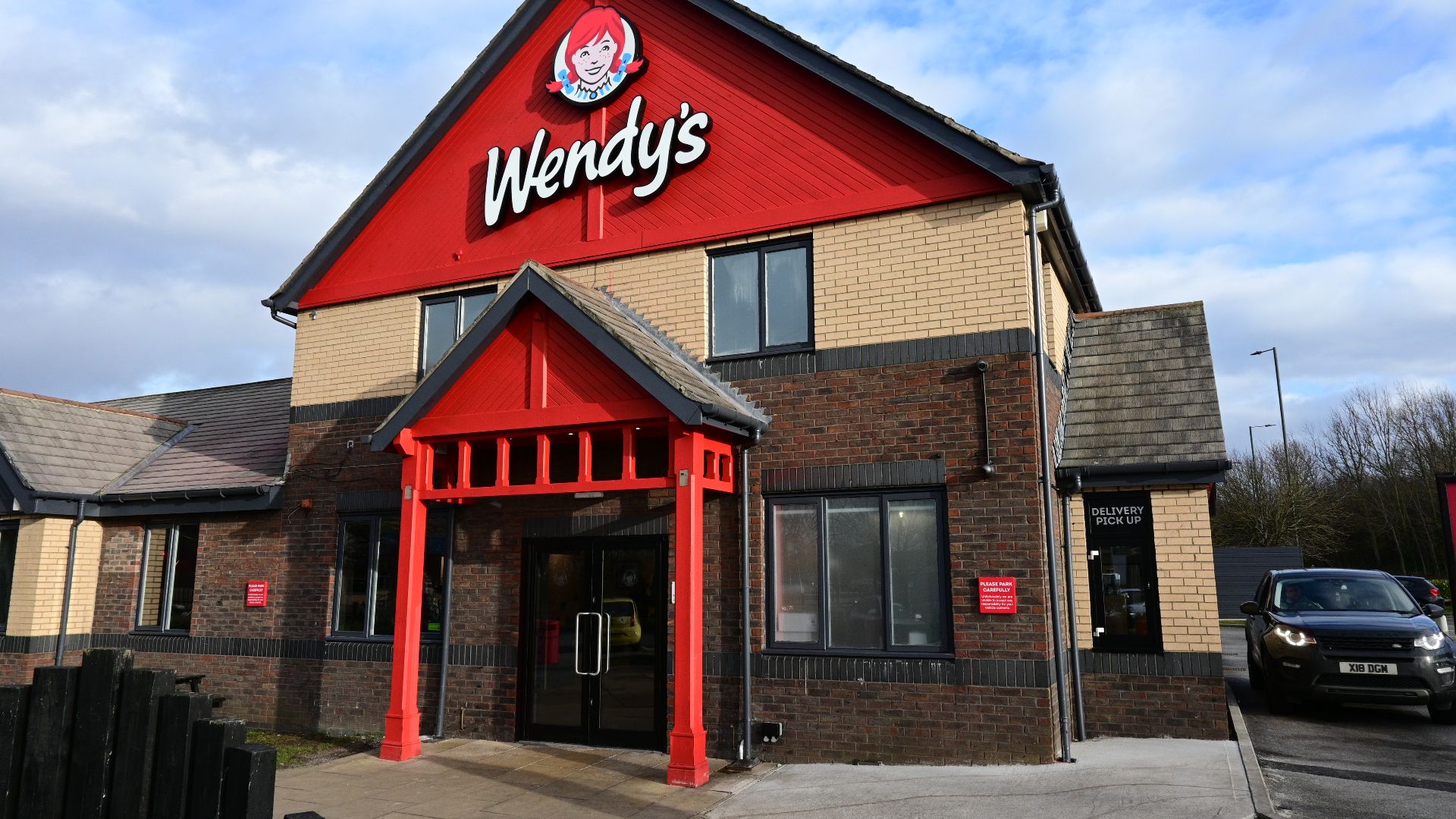
Wendy's introduced its Super Value Menu in October 1989, offering nine items priced at just 99 cents each. Unlike a temporary discount on one sandwich, the menu gave customers multiple inexpensive choices every day. Wendy's says the selection rotated according to customer preferences. It became an important turning point in the history of affordable fast-food dining.
Nine Choices For Less Than A Dollar Each
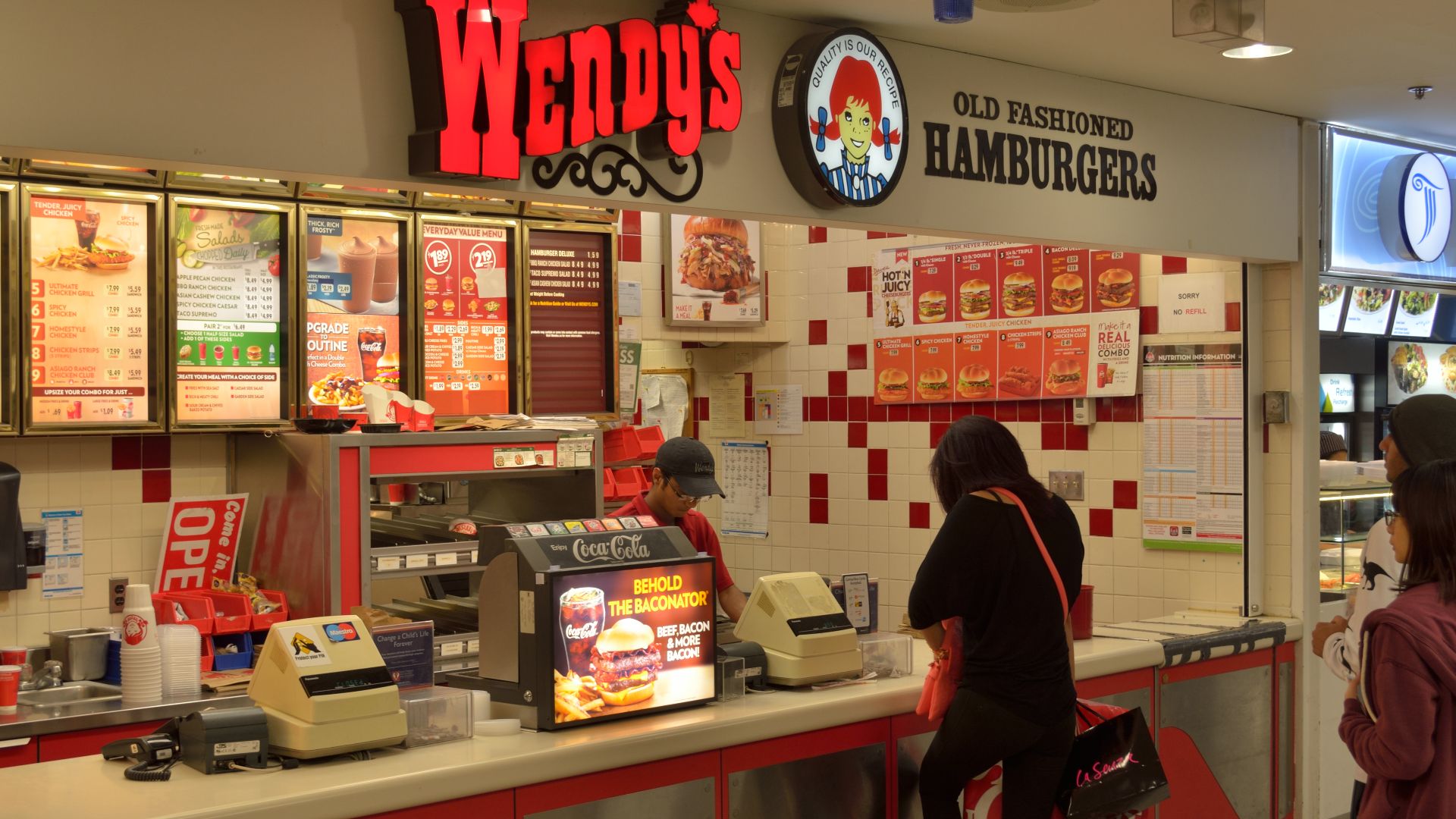
The original Wendy's concept was especially appealing because customers were not restricted to a single bargain sandwich. The 99 cent offerings covered different kinds of food, making it possible to mix smaller items into a more substantial meal. A customer buying three qualifying items would spend $2.97 before tax. That flexibility helped establish the idea that a budget menu could offer genuine variety instead of one heavily advertised special.
 Raysonho @ Open Grid Scheduler / Grid Engine, Wikimedia Commons
Wendy's Chili Made Cheap Meals More Interesting
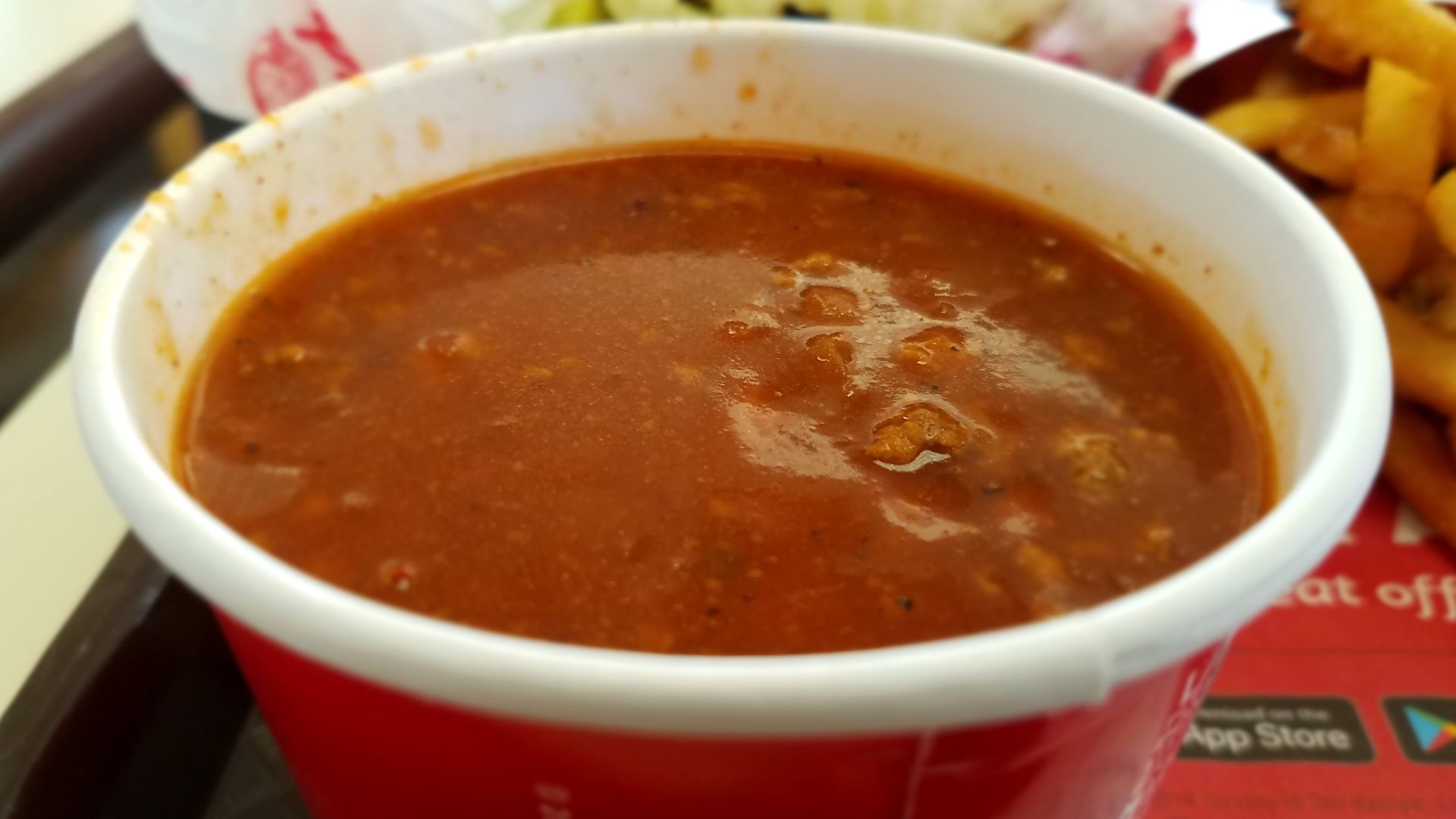
Wendy's chili was one of the foods associated with the chain's early value menu success. It offered a different kind of meal from the hamburgers and fries that dominated much of the competition. For customers seeking something warm and filling, chili made the inexpensive menu more versatile. It also demonstrated how established menu favorites could support a value strategy without requiring an entirely new product.
 RightCowLeftCoast, Wikimedia Commons
The Baked Potato Was A Surprising Bargain
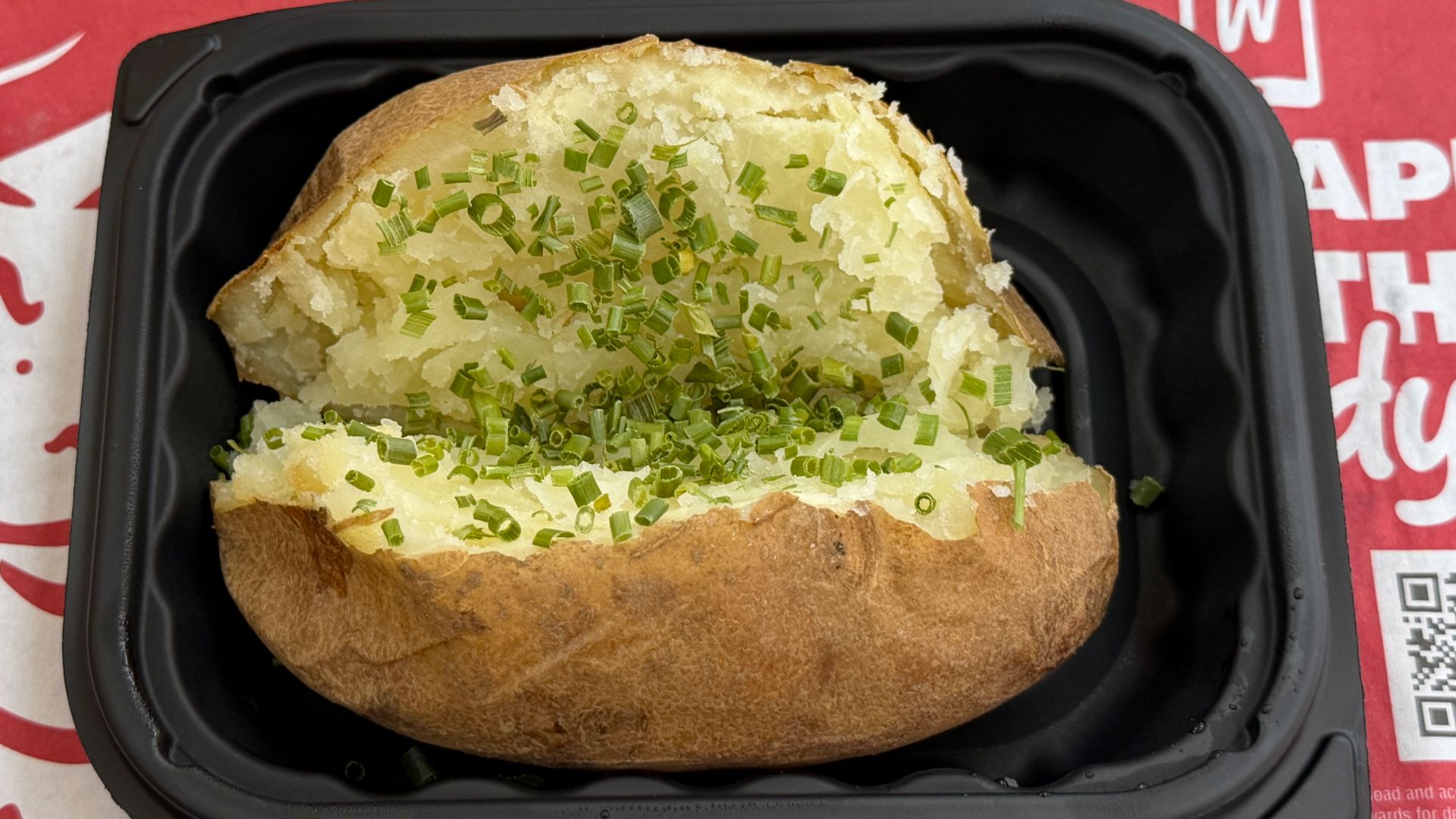
Wendy's added baked potatoes to its menu in October 1983, years before introducing the Super Value Menu. The chain promoted stuffed versions, offering customers a substantial alternative to conventional fast-food sides. Baked potatoes also paired naturally with Wendy's chili, creating another way to put together a meal. The combination showed that affordable fast food did not always have to revolve around a hamburger.
 Phillip Pessar, Wikimedia Commons
McDonald's Had Value Packs Before Dollar Menus
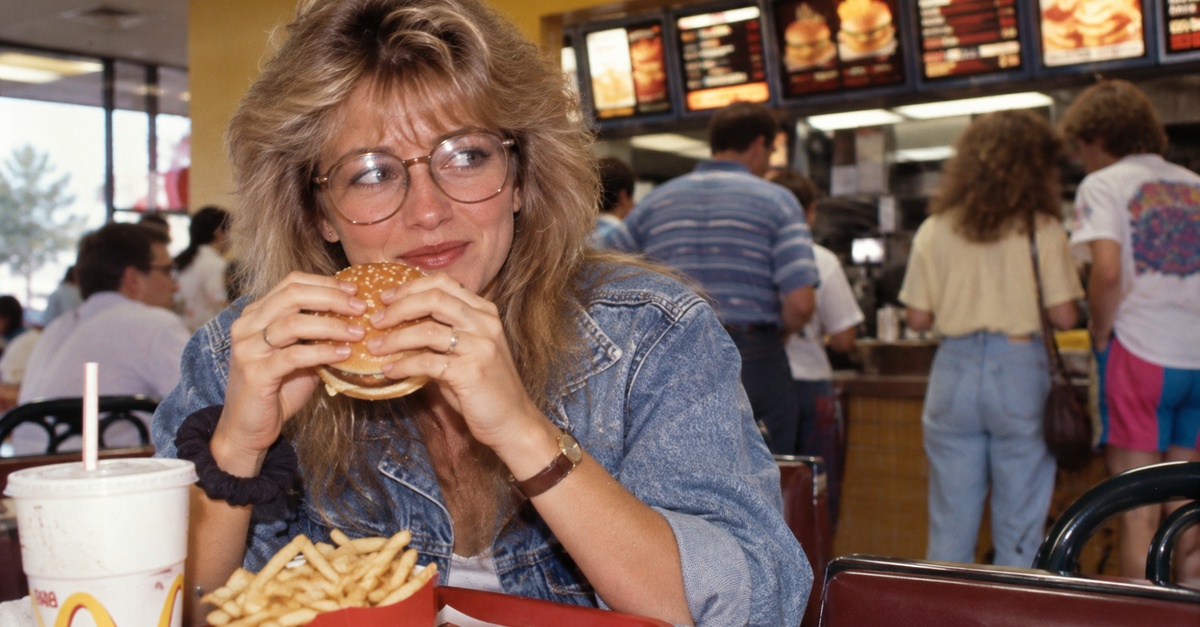
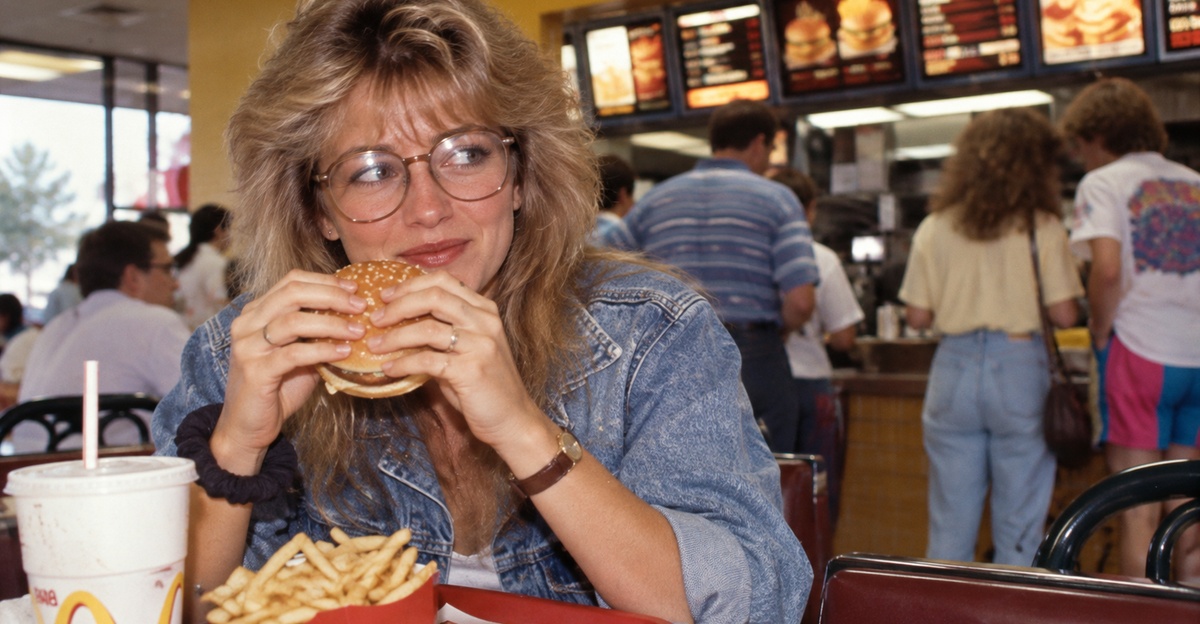
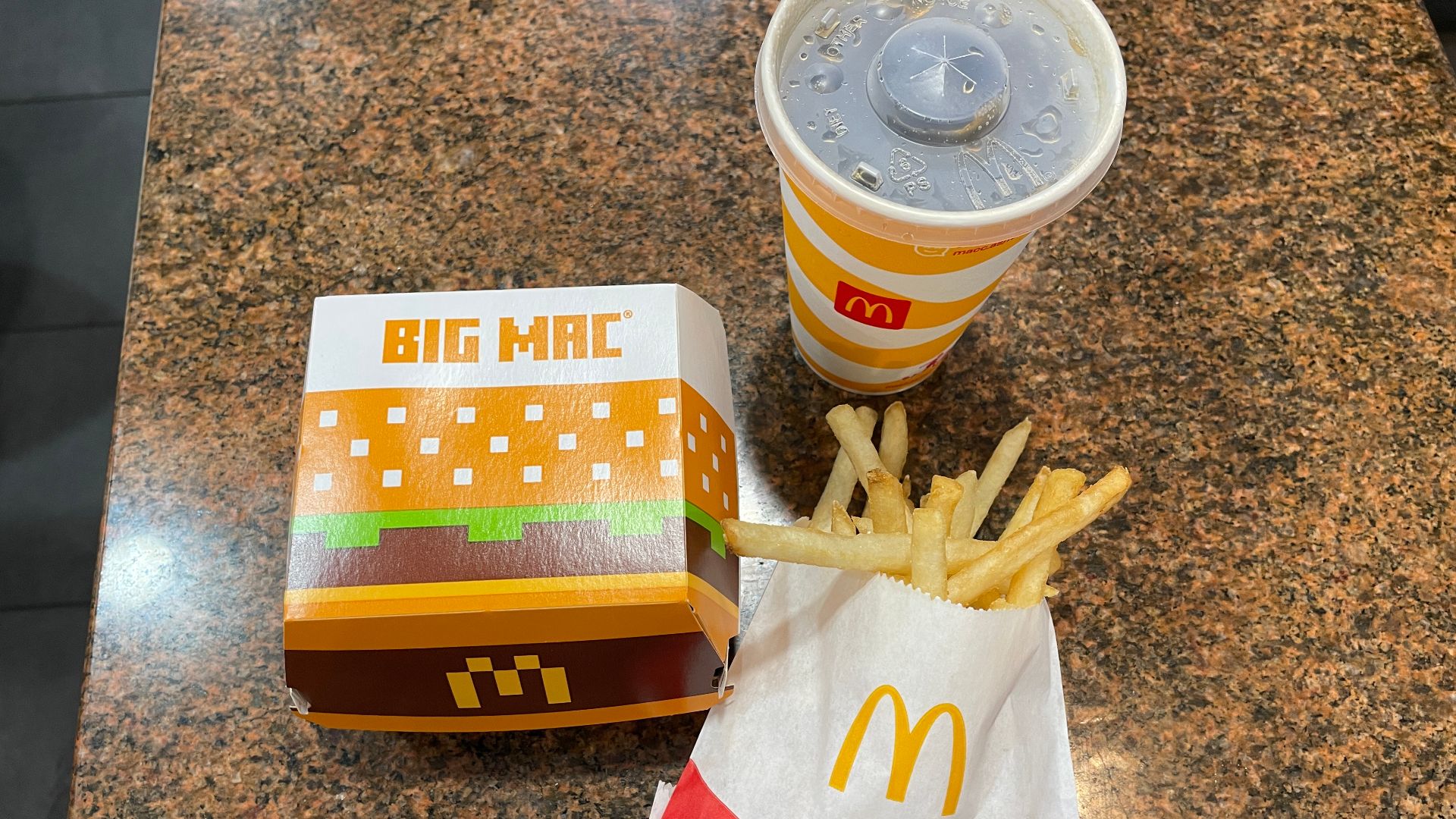
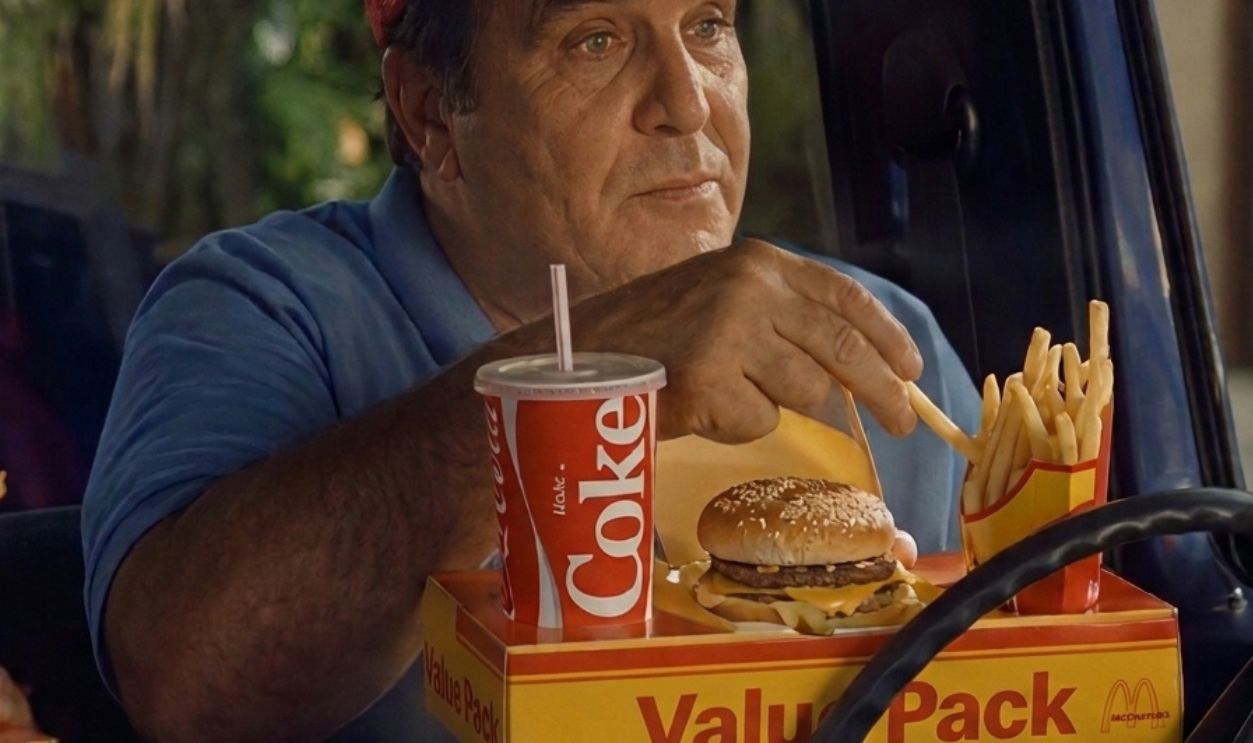
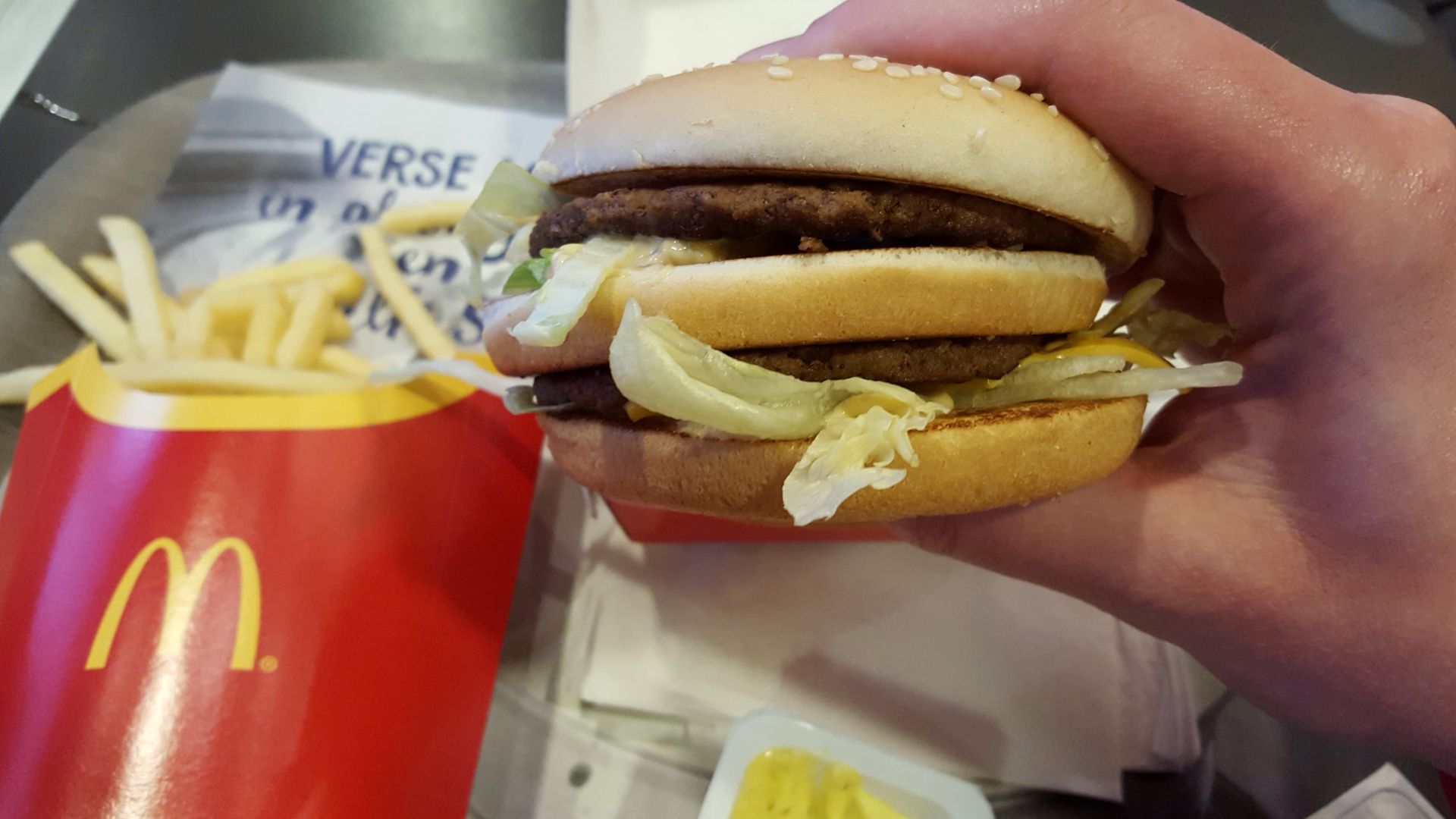
McDonald's experimented with bundled meals during the 1980s, long before its famous Dollar Menu arrived. Its Value Packs combined a main sandwich with fries and a drink for a single advertised price. One historical account describes a $2.59 Value Pack featuring a choice of Big Mac, Quarter Pounder with Cheese, or Filet-O-Fish. These combinations made ordering simpler and helped customers know the cost of a complete meal before reaching the register.
 Young nobleman, Wikimedia Commons
The Big Mac Became Part Of The Bargain
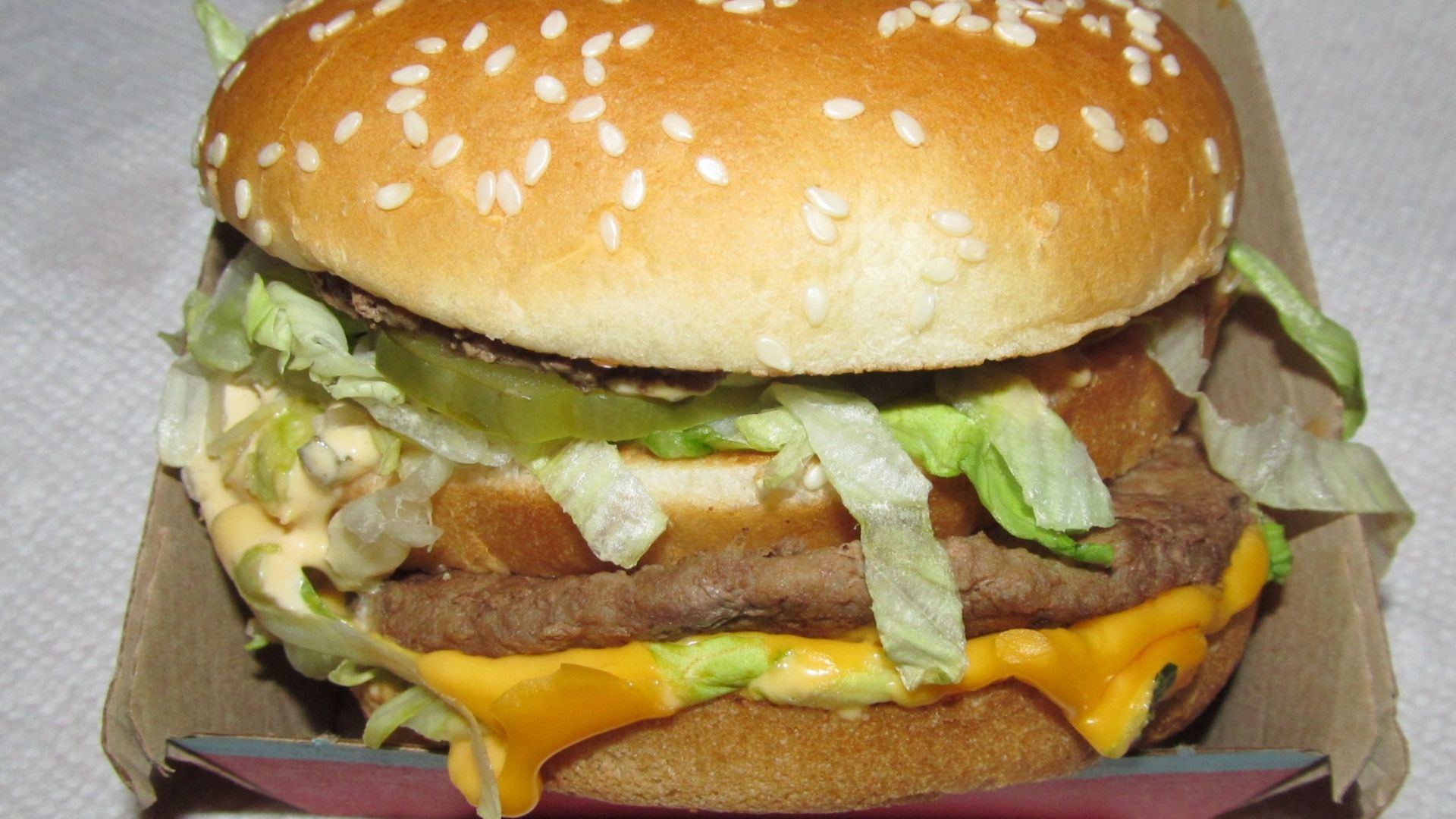
The Big Mac had been a McDonald's staple since 1968, giving the company a recognizable sandwich to feature in later meal promotions. During the 1980s, the burger appeared in Value Pack combinations alongside fries and a drink. Rather than asking customers to assemble every component separately, McDonald's could advertise a complete package. That approach helped establish the bundled-meal format that remains familiar today.
Burger King Had Its Own 99-Cent Surprise
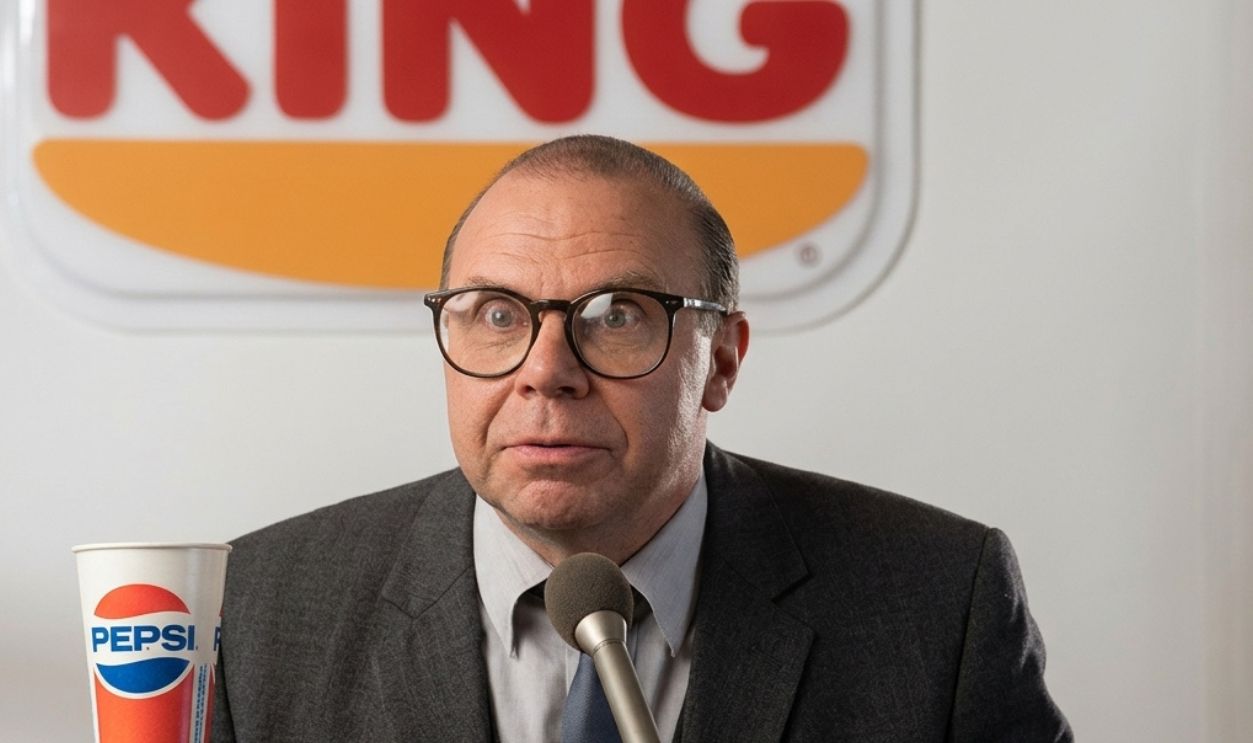
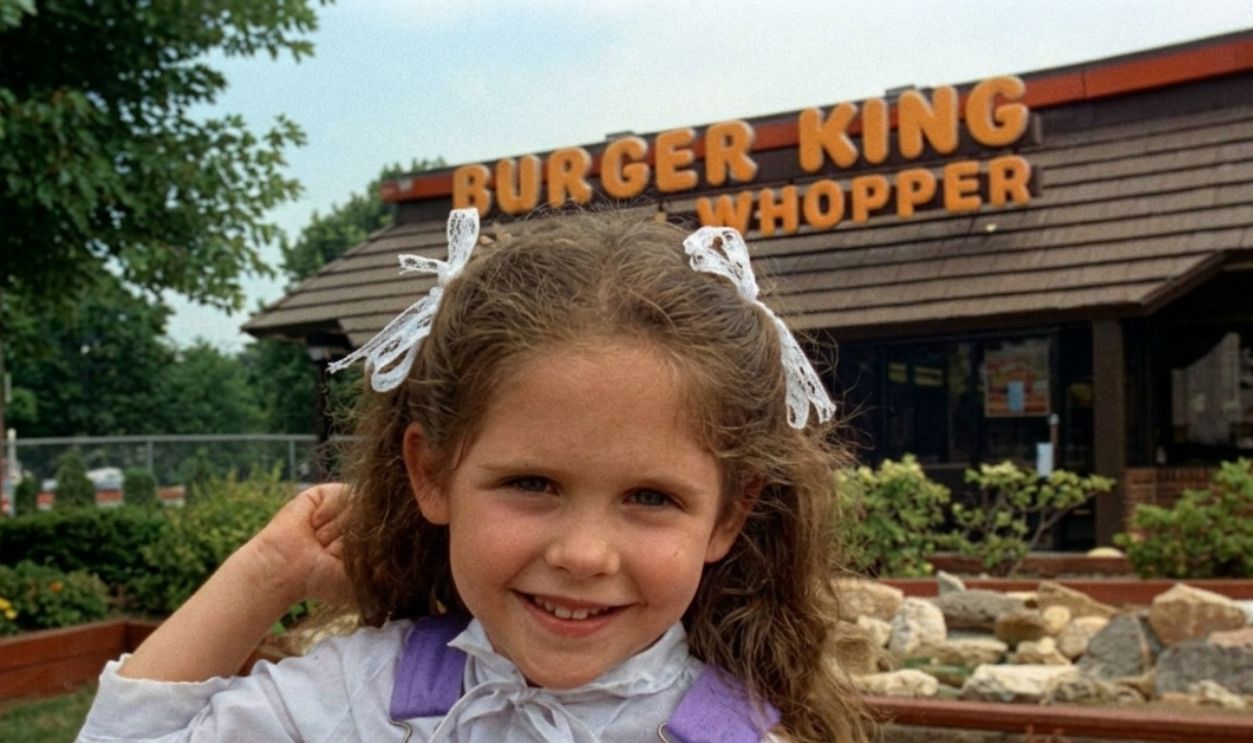
Burger King offered a memorable Whopper promotion during its 1985 advertising campaign built around the fictional character Herb. Customers could buy a Whopper for 99 cents by ordering with the phrase "I'm not Herb." The promotion was part of a much larger marketing effort that included a national search for the mysterious character. Although the campaign ultimately disappointed Burger King, its discounted Whopper demonstrated how aggressively major chains were competing for attention.
 Screenshot from Burger King Where’s Herb? Commercial, Burger King (1985), Enhanced
The Burger Wars Helped Keep Discounts Visible
McDonald's and Burger King spent much of the 1980s competing through advertising, product comparisons, and promotional campaigns. Burger King's 1982 advertisements directly challenged McDonald's, intensifying an already famous rivalry. By 1985, the competition had even produced legal disputes over advertising claims in Britain. For American customers, the rivalry helped make fast food prices and promotions a highly visible part of the restaurant business.
 Screenshot from Burger King Commercial, Burger King (1982), Enhanced
Wendy's Asked Where The Beef Was
In 1984, Wendy's introduced its famous "Where's the Beef?" advertising campaign, emphasizing the size of its hamburgers compared with competing products. The campaign became a cultural phenomenon and strengthened Wendy's position in the burger wars. Its central message was about getting more substantial food for the money, rather than simply finding the lowest sticker price. That emphasis on perceived value helped prepare customers for Wendy's later discounted-menu strategy.
 Screenshot from Wendy's Fluffy Bun TV Commercial, Wendy's International, Inc. (1984)
McDonald's Happy Meal Made Family Dining Simpler
McDonald's introduced the Happy Meal nationally in 1979, just before the decade began. Its combination of children's food and a toy created a recognizable packaged option for families throughout the 1980s. Parents could order a meal designed specifically for younger customers instead of selecting every item individually. Although it was not a 99 cent menu, the Happy Meal helped popularize the idea of selling several products together as one convenient purchase.

Chicken McNuggets Added Something Different
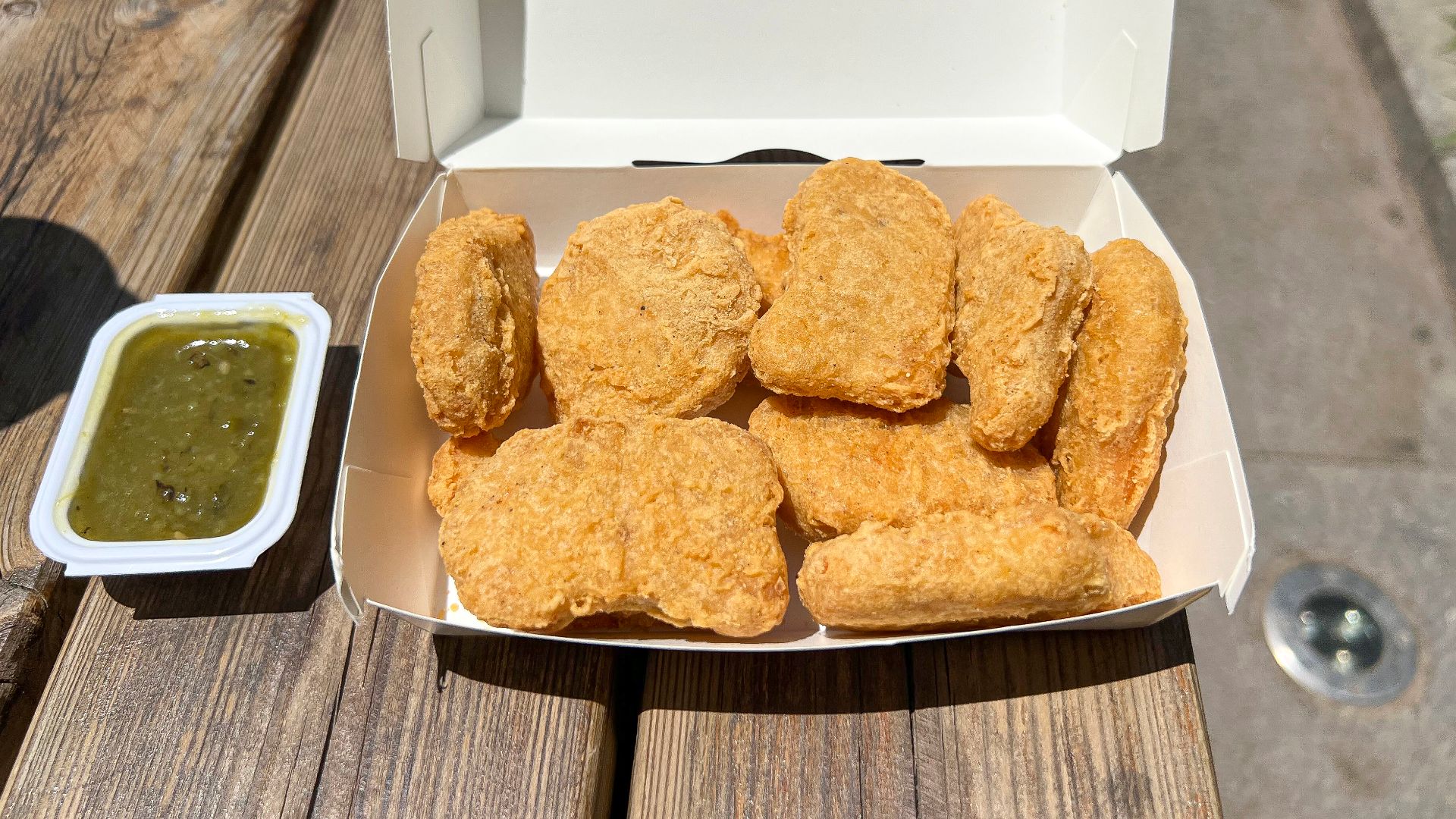
McDonald's introduced Chicken McNuggets across its American restaurants in 1983. Initially available in six-, nine, and 20 piece portions, they expanded the chain's choices beyond traditional hamburgers. Customers could select from dipping sauces including honey, barbecue, sweet and sour, and hot mustard. Nuggets were not originally a dollar-menu invention, but they became part of the increasingly varied fast-food landscape that shaped 1980s dining.
Taco Bell Was Building A Reputation For Low Prices
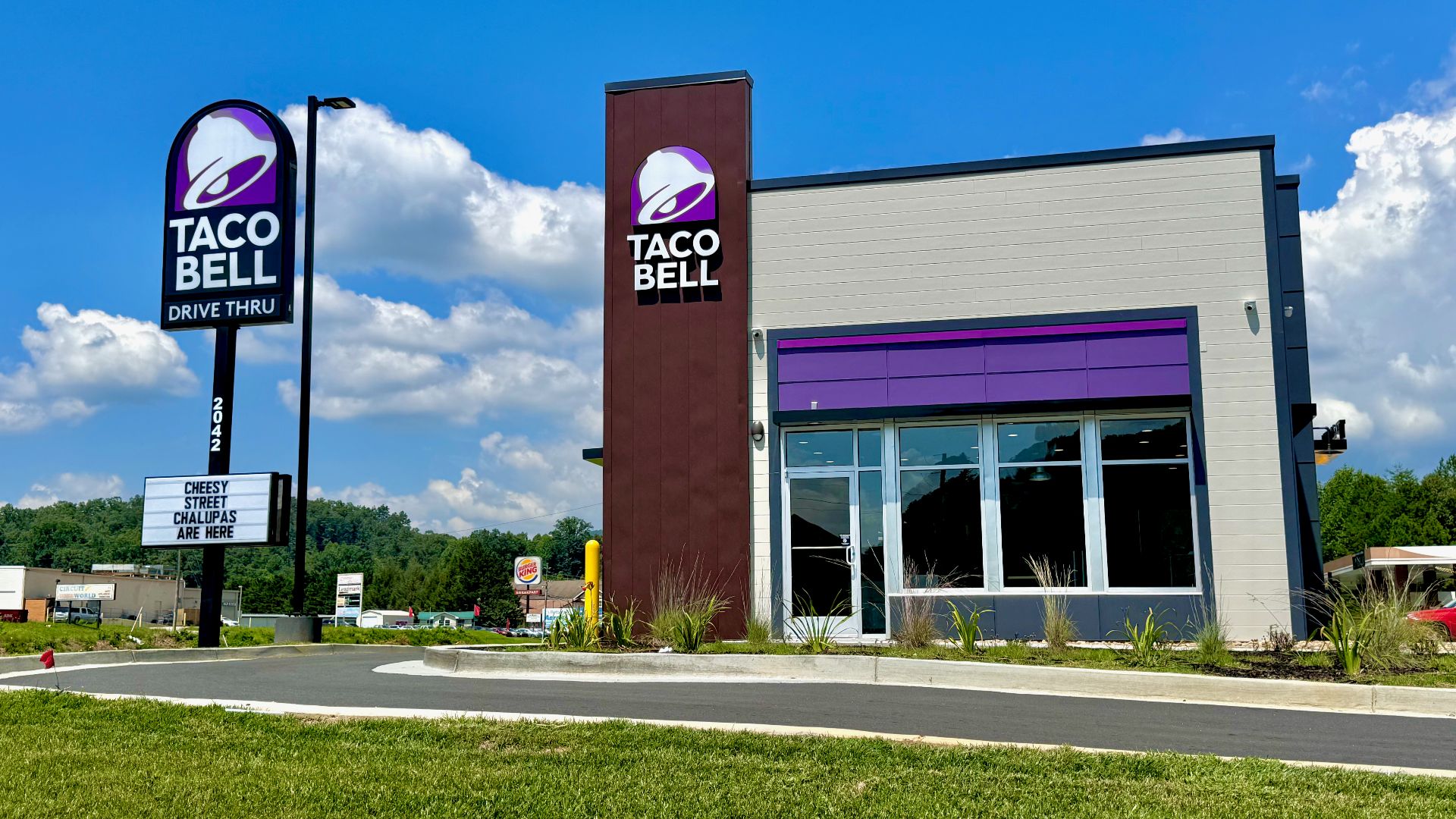
Taco Bell was another important player in the competition for budget conscious customers. Its inexpensive Mexican-inspired menu gave diners alternatives to the hamburgers offered by the biggest chains. By 1990, the company was already building on the success of its 59-cent menu, according to contemporary reporting. That history makes Taco Bell an important part of the late-1980s shift toward clearly advertised low-price food.
 Harrison Keely, Wikimedia Commons
Taco Bell's Famous Prices Arrived Just After The Decade
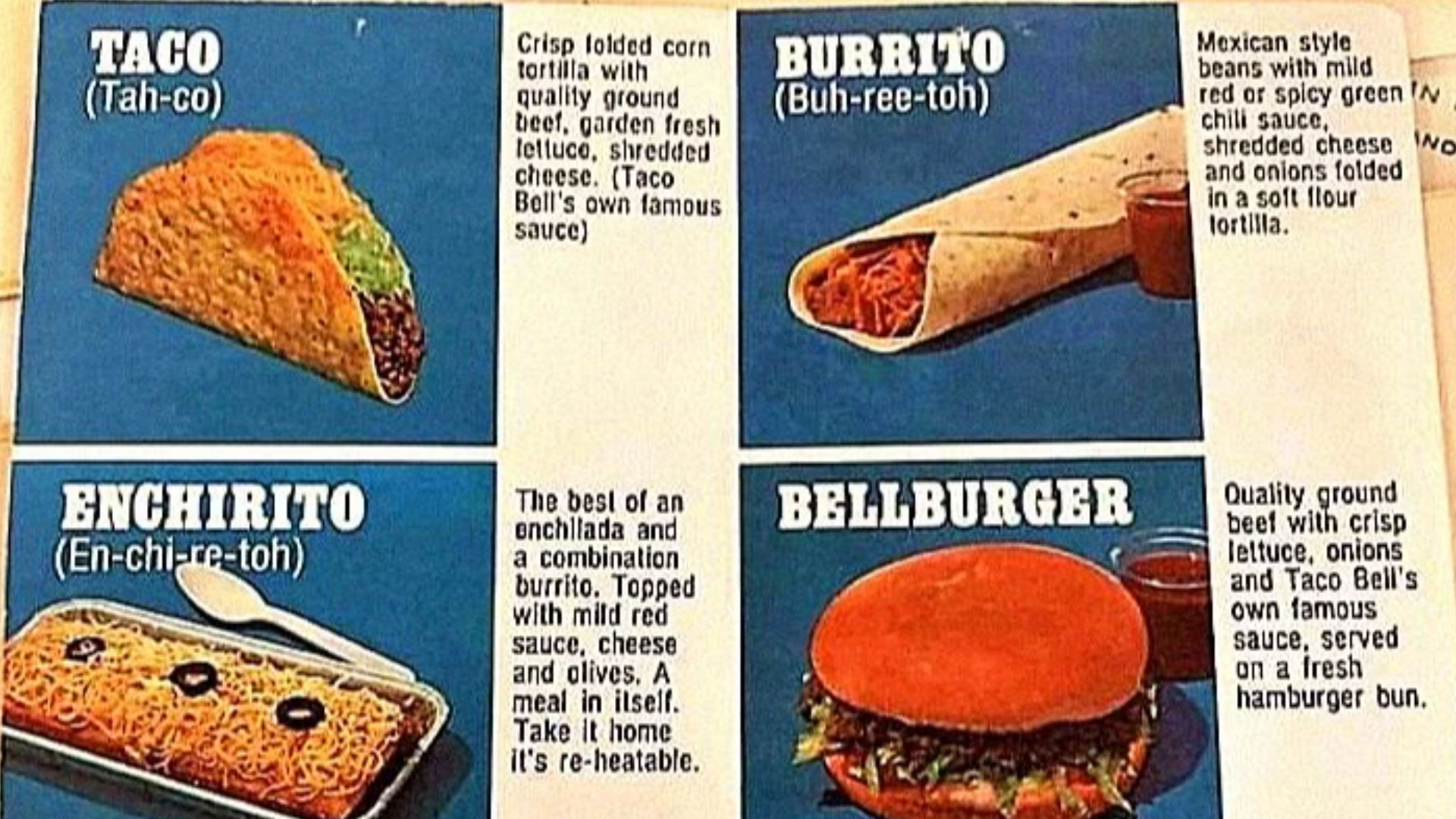
One of the most memorable fast-food bargains associated with this era was Taco Bell's 59-, 79-, and 99-cent pricing structure. However, the company formally unveiled that three tier system in October 1990, not during the 1980s. Most of its major menu items were grouped into those three price categories. The promotion carried the late-1980s emphasis on affordability into the next decade and deserves a place in the story without confusing the dates.
A Full Meal Could Cost Less Than Three Dollars
Wendy's 1989 Super Value Menu made it possible to select three 99 cent items for $2.97 before tax. That could mean combining different foods instead of purchasing a predetermined meal. McDonald's advertised Value Packs around the same period, with one documented example priced at $2.59. Those figures explain why inexpensive fast-food meals became such powerful memories, even though the actual savings depended on the restaurant and the food selected.
 Screenshot from McDonald’s Value Pack Commercial, McDonald’s (1985), Enhanced
The Prices Were Cheap, But So Were Paychecks
Looking at an old menu without considering inflation can make the 1980s seem almost impossibly affordable. A dollar in 1989 had considerably more purchasing power than a dollar today. The Bureau of Labor Statistics measures this difference using the Consumer Price Index, which tracks changes in consumer prices over time. Historical fast-food prices therefore need to be considered alongside the wages and household expenses of their own era.

Eating At Home Wasn't Always Dramatically Cheaper
The comparison between fast food and home cooking is more complicated than old advertisements suggest. USDA research found that Americans spent an average of $12.82 per person per week on food consumed at home in 1980. That works out to approximately $1.83 per person per day, although it includes food across the entire day rather than one meal. A $2.59 fast food combination could therefore look attractive for convenience, but it was not necessarily cheaper than preparing dinner at home.

The Hidden Value Was Not Having To Cook
Price was only one part of the appeal of inexpensive fast food. Customers buying a ready made burger, fries, and drink also avoided preparing ingredients and cleaning up afterward. That convenience becomes particularly relevant when comparing a restaurant purchase with a home-cooked meal. USDA research treats food consumed at home and food purchased away from home as distinct categories, reflecting their different roles in household spending.
 www.snack-nieuws.nl, Wikimedia Commons
Wendy's Salad Bar Offered A Different Experience
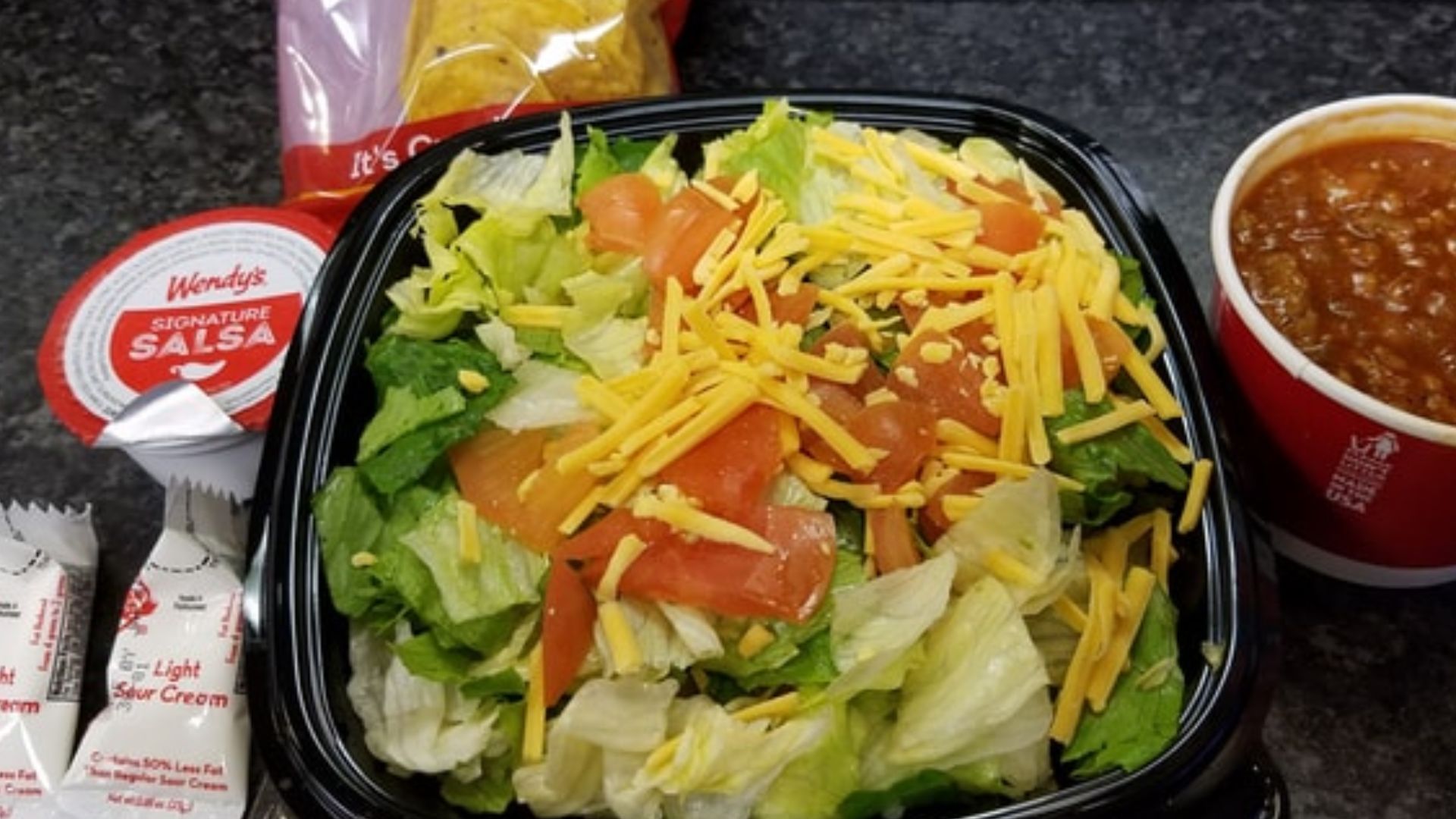
Wendy's introduced its salad bar in November 1979, and the feature remained popular during the 1980s. It gave customers another option beyond the chain's familiar square hamburgers and Frosty desserts. The salad bar was separate from the later 99 cent Super Value Menu, but it contributed to the chain's broader reputation for menu variety. Wendy's eventually phased out its salad bars in 2006 as restaurant operations and customer preferences changed.
 theimpulsivebuy, Wikimedia Commons
Cheap Food Became A Serious Competitive Weapon
The late 1980s move toward value menus was not simply about generosity toward customers. Restaurants were competing for traffic in a crowded market where promotional pricing could attract attention. Wendy's chose a range of inexpensive menu items rather than relying entirely on discounted flagship hamburgers. That approach helped distinguish its offering from the temporary promotions commonly associated with the burger wars.
 Harrison Keely, Wikimedia Commons
Customers Started Expecting Everyday Bargains
One of the biggest changes introduced by Wendy's was the idea that discounted food could be available routinely. Its 1989 Super Value Menu promised qualifying items at 99 cents every day rather than only during a special promotion. That consistency made the menu easier for customers to understand and incorporate into their spending decisions. It also helped establish an expectation that fast food restaurants should maintain a clearly identifiable selection of cheaper items.
The 99-Cent Idea Spread Beyond Wendy's
Wendy's success helped make dedicated value menus an increasingly familiar part of the fast food business. Other chains eventually developed their own permanent or semi-permanent discounted lineups. Burger King's Great Tastes Value Menu arrived in 1998, while McDonald's nationally recognized Dollar Menu followed in 2002. Those later launches show how a strategy that emerged at the end of the 1980s influenced fast-food pricing for decades.
McDonald's Dollar Menu Was Actually A Later Invention
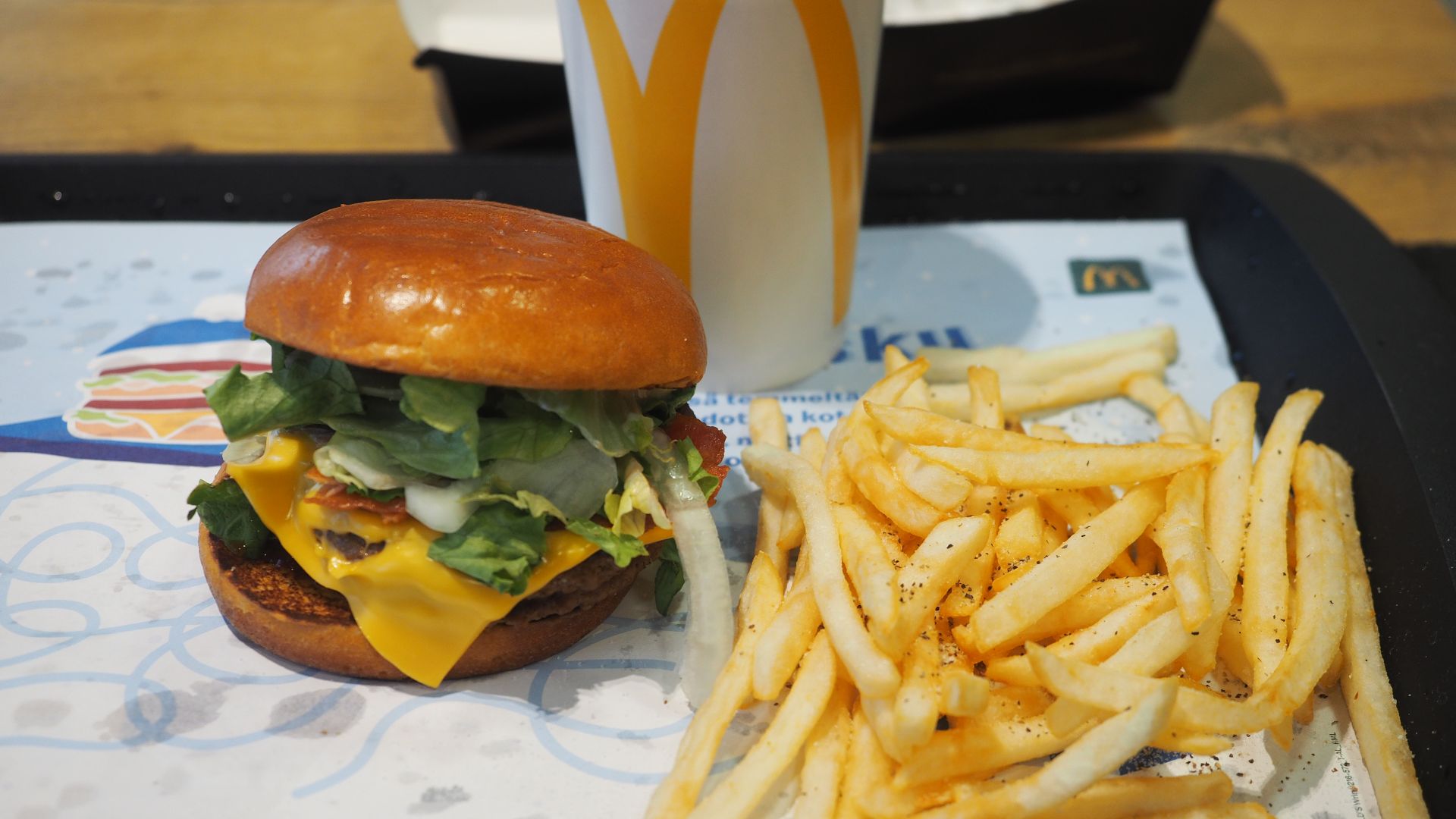
Many people associate McDonald's famous Dollar Menu with the 1980s, but the chronology tells a different story. The chain experimented with meal bundles and promotions during the earlier decade. Its well-known Dollar Menu debuted in 2002, long after Wendy's introduced its 99cent lineup. Remembering that distinction helps separate genuine 1980s bargains from the inexpensive fast-food promotions that followed in the 1990s and 2000s.
Food Prices Didn't Stay Frozen In Time
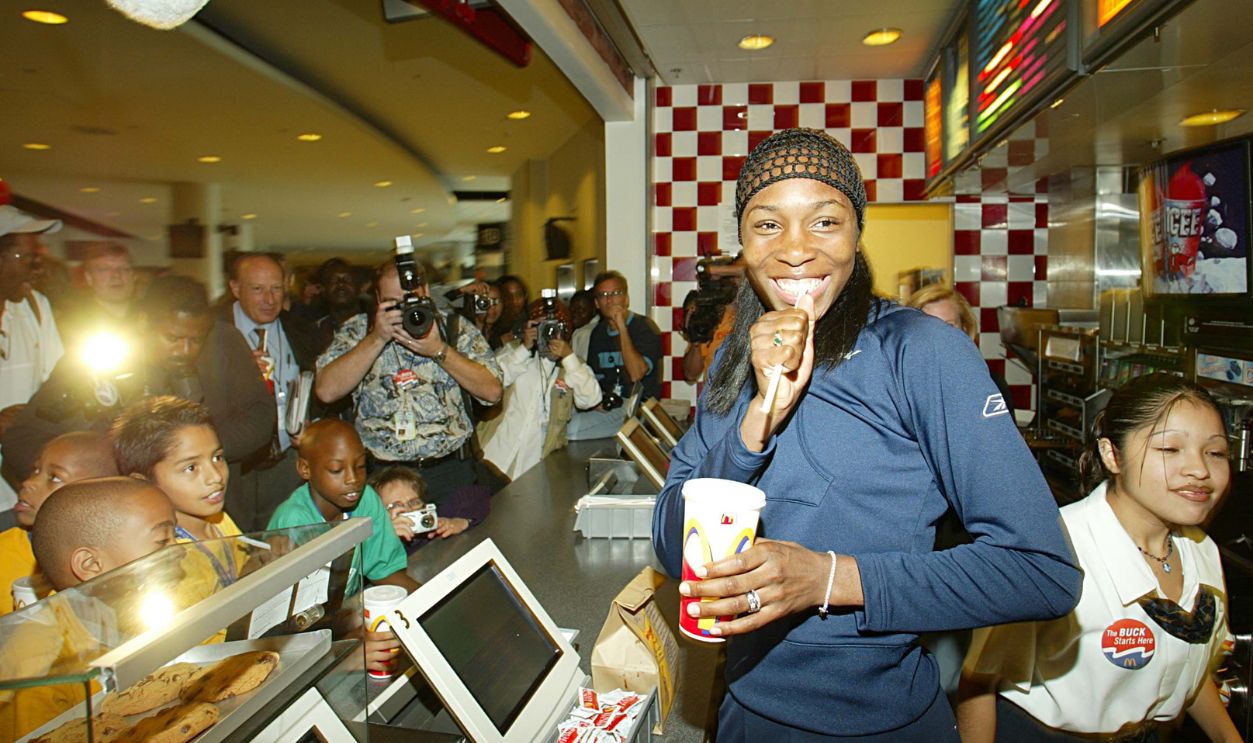
The inexpensive menus of the 1980s were shaped by the economic conditions of their period. USDA research covering 1980 through 1992 found that food prices rose 54.8% for groceries consumed at home and 68.7% for food purchased away from home. That difference illustrates how restaurant prices could change faster than supermarket food prices over an extended period. It also helps explain why comparing a historic fast food receipt with a modern grocery bill requires more than looking at the printed dollar amounts.

The Original Value Menu Left A Lasting Legacy
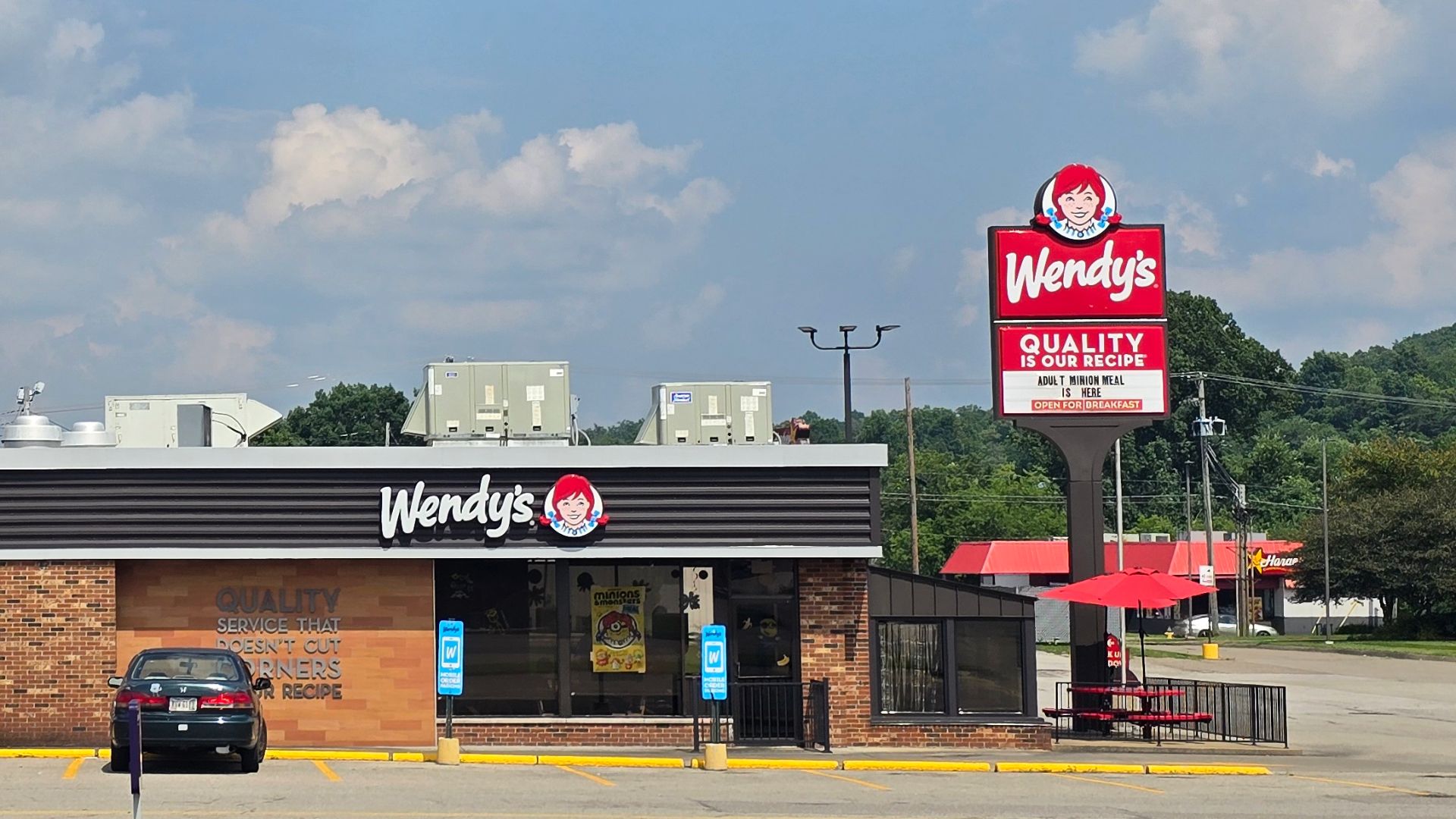
Wendy's original 99-cent menu became a model for a broader fast food strategy built around clearly advertised inexpensive choices. Its success helped establish a format that other major chains would eventually adopt. Over time, value menus evolved to include different prices, portions, and meal combinations. The underlying idea remained recognizable: give customers a straightforward way to order something affordable without searching through an entire menu.
 MoodySadSad, Wikimedia Commons
Why Those Old Menus Still Feel Unbeatable
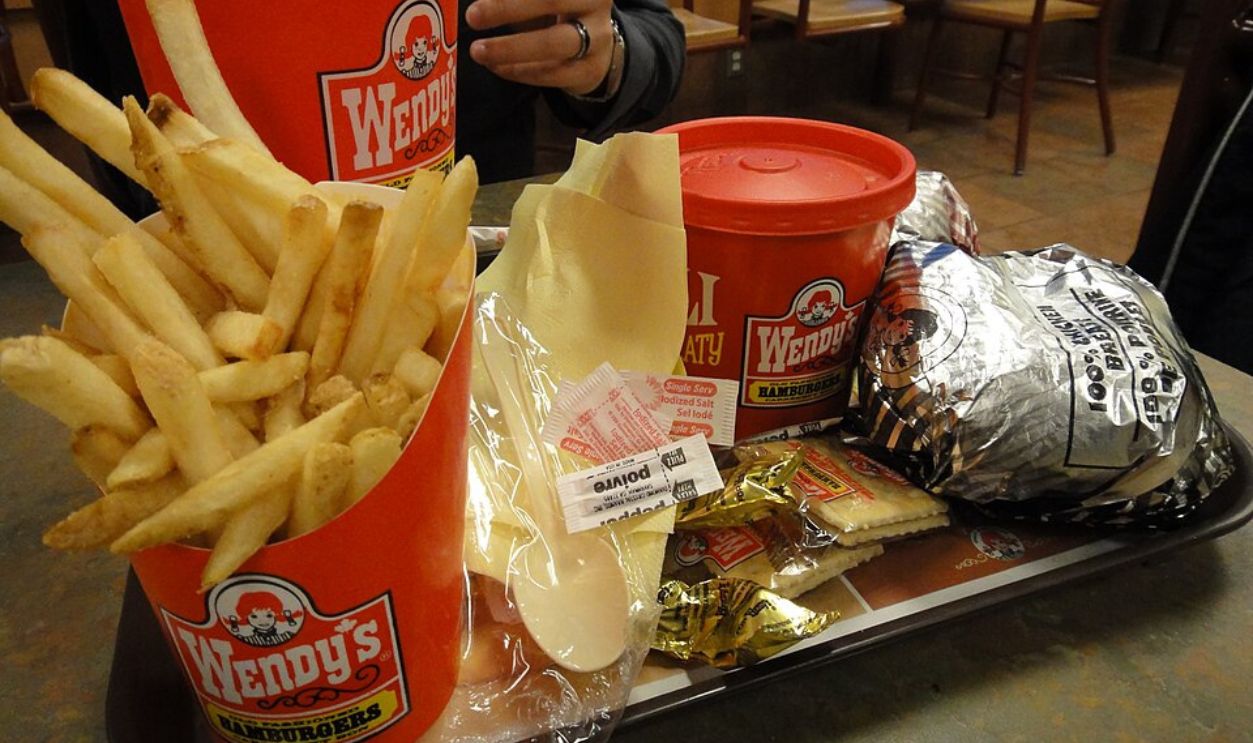
The nostalgia surrounding 1980s fast food is about more than a hamburger costing less than a dollar. Customers remember simple menu boards, familiar sandwiches, and promotions that made a restaurant meal feel accessible. Wendy's 1989 Super Value Menu and McDonald's earlier meal bundles are real examples of that pricing approach. Yet the most accurate comparison acknowledges that wages, grocery costs, and the purchasing power of money were different, even when the deals themselves were genuinely appealing.
 Calgary Reviews from Calgary, Canada, CC BY 2.0, Wikimedia Commons
You May Also Like:
The Everyday Purchases That Come With The Most Added Fees—And How To Avoid Them
Why A Paid-Off House Does Not Always Mean A Comfortable Retirement