
The Price You See Is Not Always The Price You Pay
A $100 purchase can become noticeably more expensive once service charges, delivery costs, optional extras, and other fees appear. Some additional charges pay for legitimate services, while others make comparing prices more difficult. Federal regulators have responded to some of these practices with new disclosure requirements. Knowing where fees tend to appear can help you compare the real cost before committing. Factinate Ltd
Concert Tickets Can Come Loaded With Fees
Live-event tickets have long been a prime example of a purchase where the initial price did not necessarily tell the whole story. The Federal Trade Commission's fee rule, effective May 12, 2025, requires sellers to display the total price including mandatory fees upfront. Taxes, shipping, and genuinely optional extras can still be disclosed separately under the rule. When comparing tickets, focus on the displayed total rather than trying to reconstruct the price from a base ticket amount.

Ticket Resellers Have To Follow The Rule Too
The FTC's rule is not limited to the venue's official ticket office. It covers businesses offering live-event tickets, including third-party platforms and resellers. Mandatory charges that a seller knows and can calculate upfront must be incorporated into the displayed total price. That makes comparing the final prices across legitimate sellers much easier than comparing old-style base prices.
 https://kaboompics.com/, Pexels
Hotel Resort Fees Are Harder To Hide Now
Hotels and other short-term lodging businesses are also covered by the FTC's fee rule. A mandatory resort or destination fee cannot simply appear near the end of checkout after a lower room rate was advertised. Businesses must display the total price including mandatory charges they know about upfront. Travelers should therefore compare that all-in price when deciding whether one property really costs less than another.

Vacation Rentals Follow Similar Rules
The same federal requirements extend to short-term lodging such as vacation rentals. Platforms and other covered sellers must incorporate mandatory, calculable charges into the upfront total rather than using a lower advertised price that excludes them. Taxes and optional services may still appear separately if the rule's disclosure requirements are met. Comparing the total price for the entire stay is the simplest way to evaluate competing rentals.

Airline Extras Can Transform A Cheap Fare
Airline tickets can carry optional charges for services beyond basic transportation, including baggage, advance seat selection, Wi-Fi, meals, upgrades, and lounge access. The Department of Transportation classifies these as ancillary services and maintains rules concerning refunds when a paid service is not provided. As of 2026, airlines must also make ancillary-fee information available in a central place on their websites. Before choosing the cheapest fare, check what you will actually need to add to it.
 Global Residence Index, Unsplash
Baggage Deserves Its Own Calculation
A low airfare can lose its advantage if your trip requires luggage that is not included in the fare. DOT requires airlines and ticket agents to alert consumers that additional baggage fees may apply and direct them to information about those charges. Travelers should therefore compare fares after adding the baggage they realistically expect to bring. If a checked bag is significantly delayed or lost, DOT rules may also entitle the traveler to a refund of the baggage fee.

Seat Selection Can Be Another Expense
Choosing a particular seat can also be an ancillary service carrying an additional charge. Families should pay special attention because airline policies on fee-free adjacent seating are not identical. DOT maintains a Family Seating Dashboard showing which participating U.S. airlines commit to seating a child age 13 or younger next to an accompanying adult at no extra cost, subject to stated conditions. Checking that policy before booking can prevent an unpleasant surprise.

Food Delivery Can Make Dinner Much Pricier
Online food and grocery delivery is another area where consumers can encounter several layers of pricing. In 2026, the FTC sought public comment specifically about online delivery fees, pricing disclosures, variable pricing, and situations in which online item prices may differ from store prices. That means the restaurant subtotal alone may not be the best measure of what delivery costs. Check the final order total before paying and compare it with pickup when saving money matters.

A Delivery Membership Does Not Mean Everything Is Free
Subscriptions can make delivery sound cheaper, but the terms still deserve attention. Membership charges may renew automatically, and individual orders can still involve other costs depending on the service and transaction. The FTC advises consumers to understand how automatic renewal works and how to cancel before signing up for subscriptions. A membership only saves money if its actual benefits exceed what you pay for it.

Free Trials Can Become Paid Subscriptions
A free trial can quietly turn into a recurring expense when the promotional period ends. The FTC warns that many trials automatically begin charging the payment method on file unless the customer cancels in time. Before signing up, check the trial length, the post-trial price, and the cancellation procedure. Setting a calendar reminder before the deadline can prevent an unwanted renewal.

Promotional Prices Can Expire
Subscriptions often use introductory rates that are lower than the normal renewal price. The FTC advises consumers to read renewal notices carefully because an automatic renewal can cost more after a promotion ends. That makes the regular price at least as important as the introductory offer. Put the expiration date on your calendar if you would not keep the service at full price.

Internet Plans Have Their Own Price Labels
Broadband providers must provide standardized consumer labels designed to make plan comparisons easier. FCC requirements call for information including the base monthly price, introductory rates, recurring provider fees, and certain one-time charges. Providers also have to identify the price that applies after an introductory period when one exists. Read the broadband label instead of relying only on the large promotional number in an advertisement.

Equipment Can Increase The Internet Bill
The FCC's broadband-label rules also require disclosure of applicable recurring provider charges such as equipment rental or leasing fees. Those charges can change the economics of two plans with similar advertised monthly rates. When comparing providers, look at equipment requirements along with the service price. If equipment choices are available, determine whether buying compatible equipment is permitted and makes financial sense before committing.

Car Dealers Can Offer Thousands In Extras
Buying a vehicle creates opportunities for optional products to be added after you have negotiated the car itself. The FTC lists examples including gap products, VIN etching, rustproofing, extended warranties, and service contracts. On used cars, the agency warns that add-ons can sometimes cost thousands of dollars. Ask for the price of every proposed extra separately before signing anything.

You Can Say No To Dealer Add-Ons
Many dealership add-ons are optional, despite how they may be presented during a lengthy sales process. The FTC explicitly advises consumers that they can decline add-ons and should make sure the final contract contains only products they actually agreed to purchase. Some products can also be purchased elsewhere. If you do want an add-on, compare its price and coverage before rolling it into a vehicle loan.

Financing An Add-On Makes It Cost Even More
Putting an optional product into an auto loan means you are financing that product along with the vehicle. The FTC advises buyers to ask what an add-on will cost over the life of the loan, not merely what it adds to a monthly payment. A seemingly small monthly increase can disguise a much larger total commitment. Negotiate the vehicle price, financing, and optional products as separate decisions.

Mortgages Come With A Long Fee List
Buying a home involves closing costs in addition to the down payment. The Consumer Financial Protection Bureau lists common expenses such as appraisal charges, title insurance, government taxes, prepaid property taxes, homeowners insurance, and interest. Mortgage loans may also include origination charges and other lender costs. These amounts appear on standardized mortgage disclosures, giving buyers an opportunity to inspect them before closing.

Your Loan Estimate Is A Shopping Tool
After you apply for most mortgages, the lender must provide a Loan Estimate within three business days. It shows information including the interest rate, monthly payment, estimated closing costs, taxes, insurance, and certain loan features. The CFPB recommends using Loan Estimates to compare offers from different lenders. Comparing origination charges and other costs can reveal differences that the advertised interest rate alone misses.

Some Mortgage Services Can Be Shopped Around
Not every closing-related service must necessarily come from the lender's preferred company. The Loan Estimate identifies certain services for which borrowers can shop, and the lender should provide a list of approved providers. Comparing those services can potentially reduce closing expenses. Ask questions whenever a charge on the estimate is unfamiliar rather than waiting until closing day.

Lender Credits Are Not Free Money
A lender may offer a credit that reduces what you need to pay upfront. The CFPB warns that the tradeoff can be a higher interest rate, meaning the credit is not necessarily a free discount. Seller credits can involve tradeoffs as well, depending on how the purchase is structured. Compare both the immediate cash requirement and the longer-term borrowing cost before choosing an offer.

Overdraft Fees Can Turn Small Purchases Into Expensive Ones
Spending more than the available balance in a checking account can trigger an overdraft when the financial institution covers the transaction. The CFPB says many institutions charge $30 or more per overdraft, and multiple fees can sometimes occur in one day. Consumers can opt out of overdraft coverage for one-time debit-card purchases and ATM withdrawals. Low-balance alerts can also help prevent accidental overdrafts.
Your Bank May Offer A Cheaper Alternative
Linking checking to savings is one possible way to cover a temporary shortfall. The CFPB notes that a bank may charge a transfer fee, but it can be lower than a standard overdraft charge. Some institutions also offer accounts designed not to permit overdrafts at all. Comparing account policies can be especially valuable for anyone who regularly gets hit with overdraft fees.

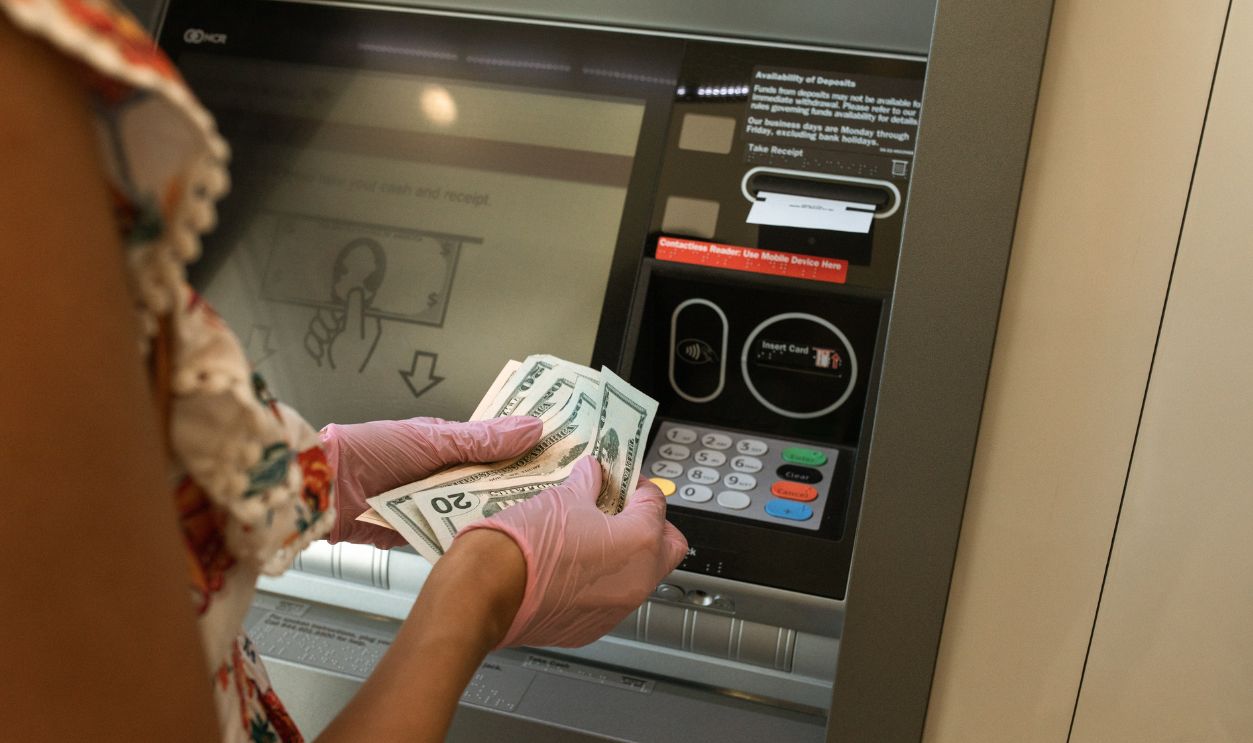
An Out-Of-Network ATM Can Charge You Twice
Getting cash from the wrong ATM can create more than one fee. The CFPB says the ATM operator and your own bank or credit union may both impose charges when you use an out-of-network machine. Using your financial institution's own network generally avoids these costs. Some accounts also reimburse ATM fees, so check your account's rules before paying for access to your own money.
 Alexandros Giannakakis, Unsplash
Credit Card Cash Advances Are Particularly Costly
Using a credit card to withdraw cash is very different from using a debit card. The CFPB says cash advances can carry a transaction fee, ATM fees, and an interest rate that is commonly higher than the rate on purchases. Interest also generally begins accruing immediately rather than after a normal purchase grace period. Checking alternatives before taking the advance can save a surprisingly large amount.
Late Payments Can Add Another Card Fee
Credit-card issuers can charge a late fee when a required payment arrives after the deadline, subject to applicable legal limits. The CFPB recommends making payments early enough to ensure they are received by the due date. Automatic payments or reminders can reduce the chance of forgetting. If you are charged after an unusual one-time mistake, the CFPB also suggests contacting the issuer and asking whether it will waive the fee.

Buy Now, Pay Later Is Not Always Fee-Free
Many buy now, pay later plans advertise interest-free installment payments, but that does not necessarily mean there are no possible charges. The CFPB says many BNPL providers impose late fees when payments are missed. Automatic repayment can also trigger an overdraft or insufficient-funds fee at your bank if the account lacks enough money. Review the lender's fee policy and payment dates before dividing a purchase into installments.

The Best Defense Is Comparing The Real Total
Added fees are easiest to control when you identify them before making the purchase. For tickets and short-term lodging, federal rules now make mandatory-fee comparison substantially easier, while disclosures for products such as broadband and mortgages can reveal costs beyond the headline price. Optional extras on cars, flights, subscriptions, and financial products still require careful choices. Whether you are buying dinner or a house, the number that matters most is what the transaction will actually cost you.

You May Also Like: