
Owning The House Is Only Part Of The Equation
Paying off a mortgage before retirement can remove one of the biggest monthly bills a household has. That is a major financial advantage, but it does not make the rest of retirement free. A comfortable retirement still depends on income, savings, health costs, taxes, home expenses, and how long those resources need to last.

The Mortgage Payment Disappears, Not Housing Costs
A mortgage-free homeowner still spends money simply to keep the property. Property taxes, homeowners insurance, utilities, repairs, maintenance, and household services continue after the final loan payment. Bureau of Labor Statistics data shows that homeowners without mortgages still have substantial annual expenditures, including housing-related costs.

Property Taxes Never Got The Memo
Paying off your lender does not eliminate the property tax bill from your local government. Those taxes can rise as assessments, tax rates, or property values change. Retirees therefore need enough dependable cash flow to cover a bill that may continue for as long as they own the home.

Insurance Can Become A Bigger Expense
Homeowners insurance is another expense that survives the mortgage. Premiums can change over time, and a retired homeowner generally cannot simply stop insuring a valuable property without accepting enormous financial risk. Even federal reverse mortgage rules require participating homeowners to keep property taxes and homeowners insurance current.

The Roof Does Not Retire When You Do
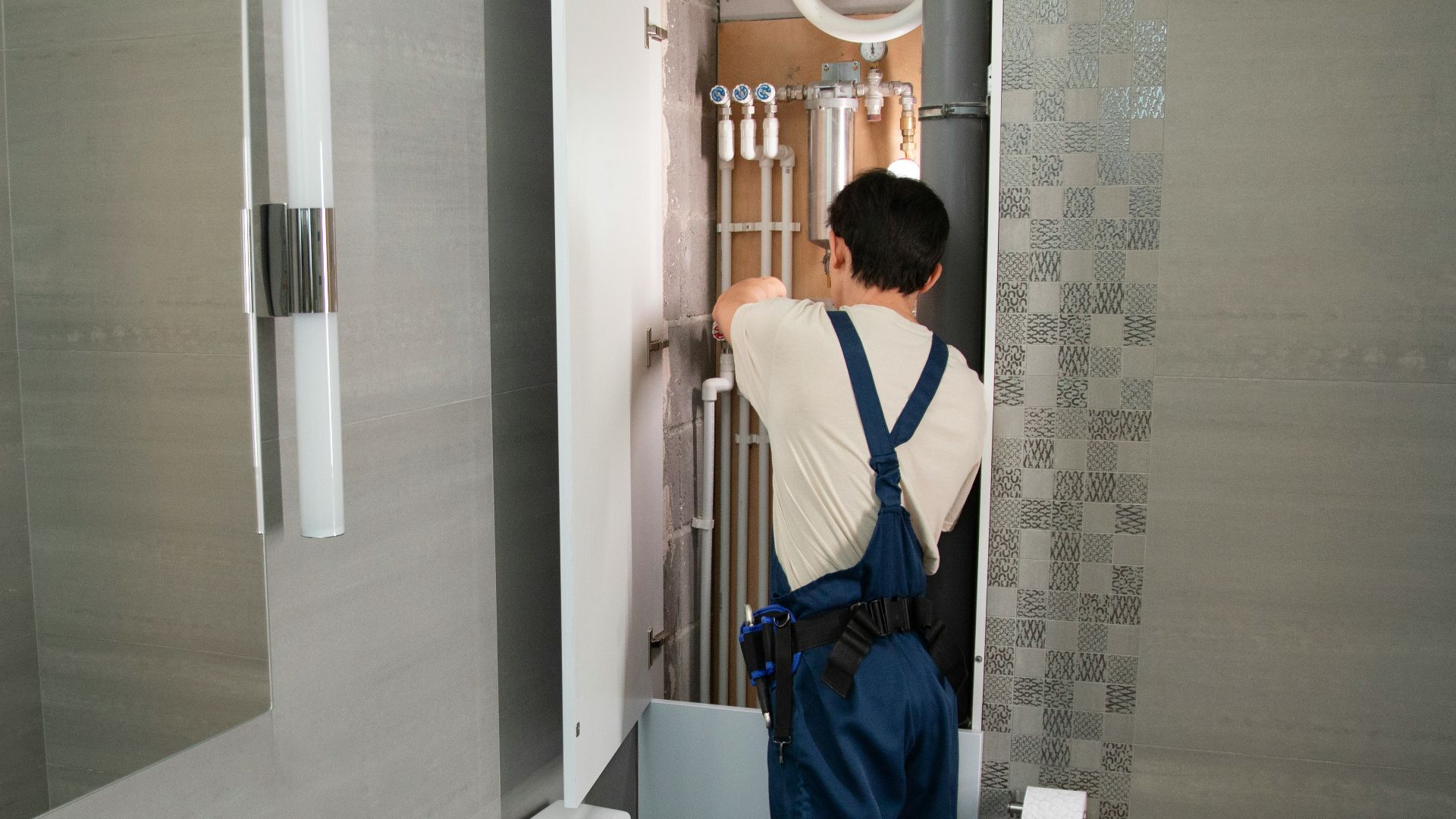
Houses contain expensive components that eventually wear out. Roofs, heating and cooling equipment, plumbing, electrical systems, windows, and appliances can all require repair or replacement. A paid-off house may eliminate monthly principal and interest, but it does not eliminate the possibility of a five-figure home project.
Maintenance Becomes Harder To Ignore
Small maintenance jobs can be postponed while someone is working and earning a full salary. That strategy becomes more dangerous in retirement because deferred repairs can eventually become larger expenses. Homeowners should therefore treat ongoing maintenance as part of the retirement budget rather than as an occasional surprise.

A Large House Can Stay Expensive
The house that worked perfectly while raising children may be costly to operate after the children leave. More square footage can mean higher utility bills, more rooms to maintain, larger roofs and yards, and more furniture and equipment to replace. Owning that space outright does not make those costs disappear.

Housing Still Dominates Many Older Budgets
Housing remains one of the largest spending categories for older Americans. Bureau of Labor Statistics research has found that housing continues to take a significant share of spending even among older households, despite higher rates of mortgage-free homeownership. That is an important reminder that a mortgage and the total cost of housing are not the same thing.

Home Equity Is Not The Same As Income
Someone can own a $500,000 house outright and still have trouble paying a $500 monthly bill. The reason is simple: home equity is wealth, but it is not automatically spendable cash. Unless the homeowner sells, borrows against the property, or uses another equity strategy, most of that wealth remains locked inside the house.

Retirement Runs On Cash Flow
Groceries, electricity, insurance premiums, medical bills, and property taxes must generally be paid with available income or savings. A valuable house cannot directly pay those bills simply because its market value increased. That makes liquid savings and reliable retirement income crucial even for households with significant home equity.

Social Security May Not Cover Everything
Social Security provides an important foundation for millions of retirees, but individual benefits vary widely. The Social Security Administration reported an average retired-worker benefit of roughly $2,071 per month in early 2026. A paid-off home can make that income stretch further, but the benefit still has to compete with food, utilities, transportation, insurance, health care, taxes, and other expenses.

Claiming Age Changes The Math
The age at which someone begins Social Security can materially affect the monthly benefit. The Social Security Administration allows retirement benefits to begin as early as age 62, but starting before full retirement age reduces the monthly amount. Delaying benefits can increase the payment through age 70, so housing status is only one part of a larger retirement-income strategy.

Medicare Is Not Free Health Care
Medicare can dramatically reduce health costs for retirees, but it does not eliminate them. In 2026, the standard Medicare Part B premium is $202.90 per month, and beneficiaries can also face deductibles, copayments, coinsurance, drug costs, and supplemental insurance expenses. Original Medicare also has no annual out-of-pocket maximum unless someone has additional coverage.

Medical Costs Can Last For Decades
Health spending becomes especially important because retirement may last many years. Fidelity estimated in 2026 that a 65-year-old retiring that year could expect to spend an average of about $185,500 on health care and medical expenses throughout retirement. That estimate demonstrates why having no mortgage should not be confused with having no major future expenses.

Long-Term Care Creates Another Risk
Medicare does not function as comprehensive long-term custodial care insurance. Older adults may eventually need help at home, assisted living, or nursing care, all of which can be costly. CareScout's national cost research continues to show that long-term care represents a potentially significant financial burden for families.

Transportation Does Not Vanish Either
Retirement often reduces commuting, but most households still need transportation. Cars require insurance, fuel, maintenance, repairs, registration, and eventual replacement. Bureau of Labor Statistics spending data shows that transportation remains a meaningful expense for households age 65 and older.

Inflation Keeps Moving The Goalposts
A retirement budget that feels comfortable in the first year may become tighter later if prices rise. Food, utilities, insurance, repairs, and medical care can all cost more over time. A fixed mortgage payment disappears after payoff, but many of the expenses that replace it are not fixed at all.

Retirement Savings Need To Last
The biggest retirement question is not simply how much someone owns. It is whether savings and income can reliably fund expenses for an unknown number of years. A mortgage-free house helps reduce the amount required each month, but it does not determine whether an investment portfolio will last.

Taxes Can Follow You Into Retirement
Leaving the workforce does not automatically end income taxes. Traditional IRA and many workplace retirement-plan withdrawals are generally included in taxable income, while a portion of Social Security benefits may also be taxable depending on total income. A homeowner can therefore have no mortgage payment and still face a meaningful annual tax bill.

Required Withdrawals Can Change Your Income
Federal rules generally require distributions from traditional IRAs and many retirement accounts beginning at age 73. Those required minimum distributions can increase taxable income even when a retiree does not need all of the money for immediate spending. Tax planning therefore remains relevant long after the house has been paid off.

The House Can Become Too Much Work
Financial cost is not the only issue with staying in a longtime home. Yard work, snow removal, stairs, cleaning, and routine repairs may become more difficult with age. Paying other people to handle those jobs can add new recurring expenses to a retirement budget.

Aging In Place May Require Renovations
Remaining at home can also require changes to make the property safer or easier to navigate. Bathroom modifications, ramps, railings, improved lighting, or other accessibility work may become useful later in life. Those projects can be worthwhile, but they require money that needs to come from somewhere other than the vanished mortgage payment.
Downsizing Does Not Guarantee A Windfall
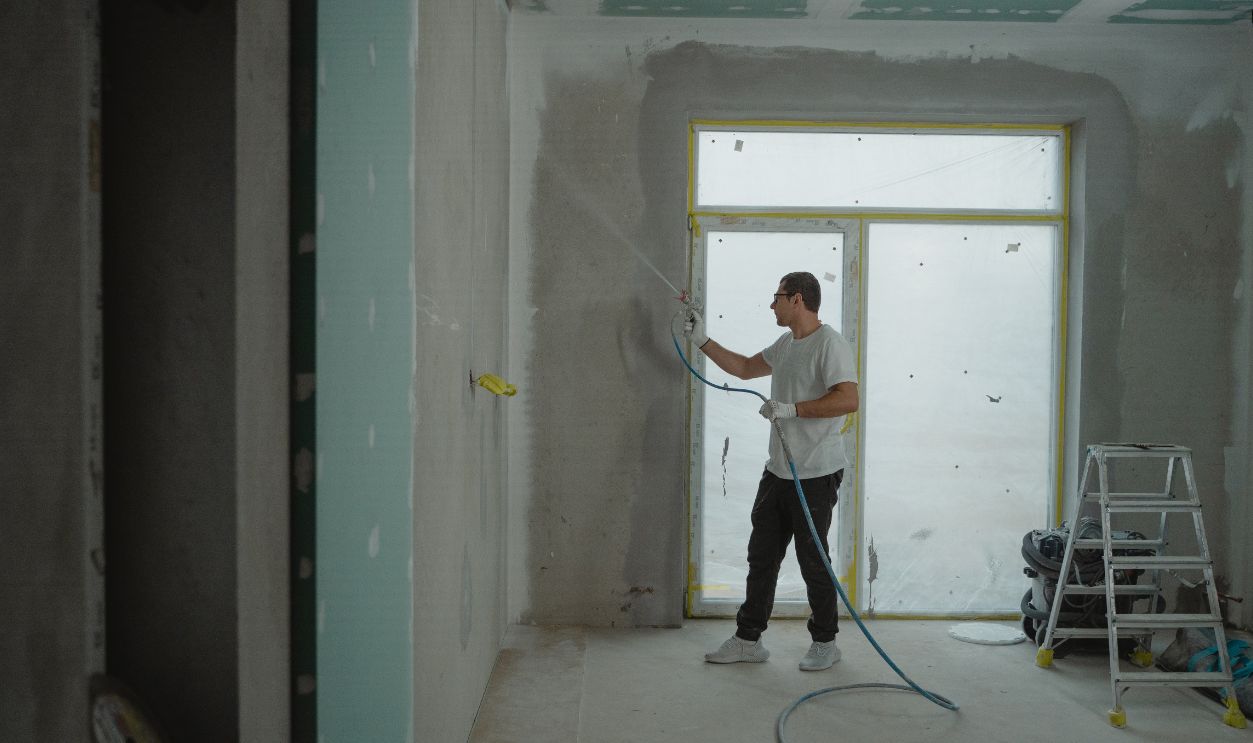
Selling a large paid-off house and buying something smaller can release equity, but the calculation is not always simple. A replacement property may be expensive, while moving expenses, transaction costs, taxes, renovations, condominium fees, and higher local costs can reduce the expected savings. Downsizing works best when the full cost of the new lifestyle is considered.

A Reverse Mortgage Can Unlock Equity
Homeowners age 62 or older may qualify for a Home Equity Conversion Mortgage, the federally insured form of reverse mortgage. It allows eligible owners to borrow against home equity without making ordinary monthly mortgage payments while they continue living in the property. The loan balance generally grows as interest and fees accumulate.

Reverse Mortgages Still Have Obligations
A reverse mortgage does not make housing expenses disappear. The Consumer Financial Protection Bureau says borrowers must continue paying property taxes and homeowners insurance, keep the property as their principal residence, and maintain it properly. Failure to meet certain obligations can put the loan and ultimately the home at risk.

Selling The House Is Another Source Of Liquidity
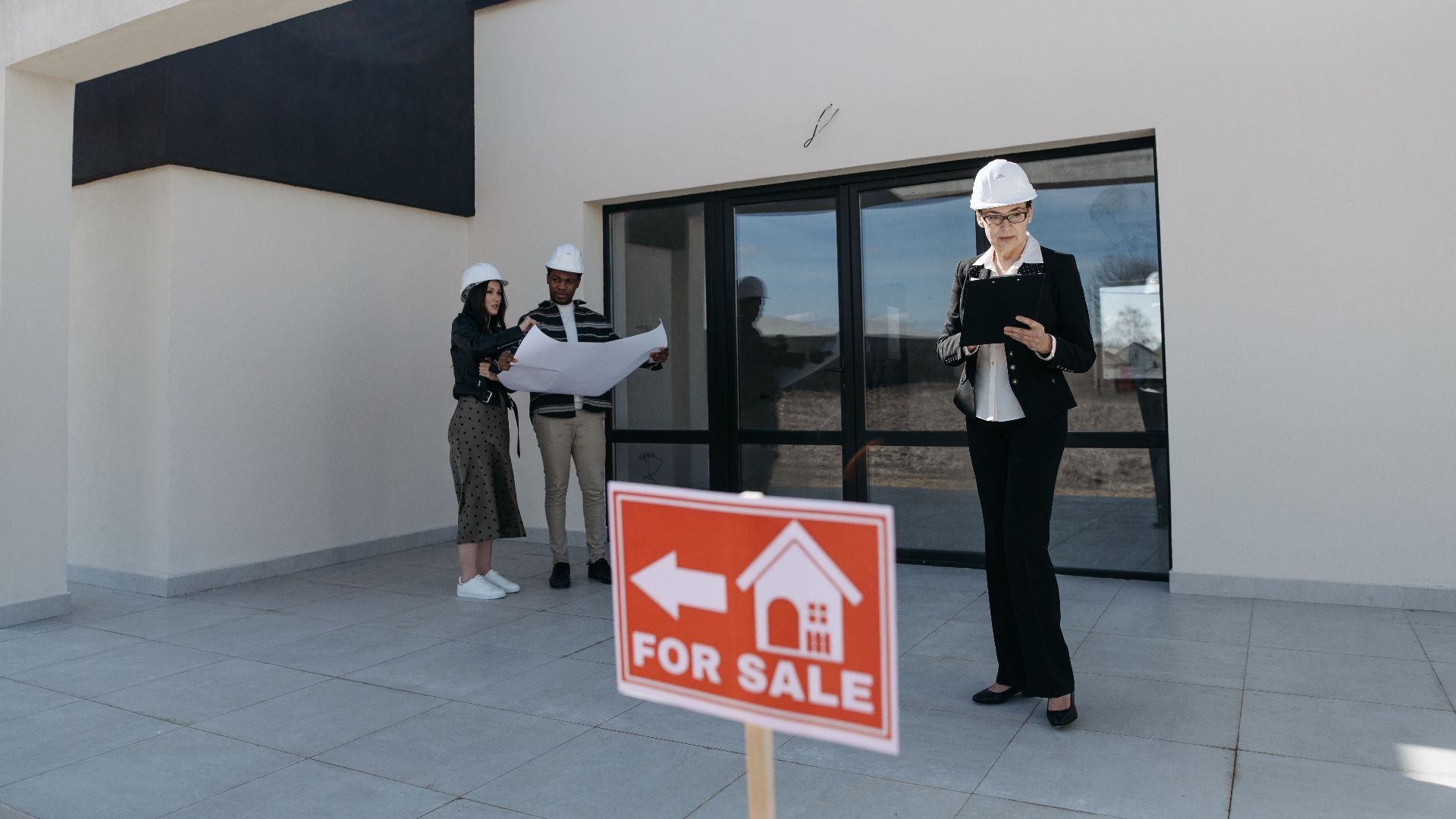
A homeowner can also turn equity into usable money by selling the property. That can create a large pool of cash, particularly for someone who bought decades earlier and has substantial appreciation. The tradeoff is that the retiree still needs somewhere to live, and buying or renting the next home will consume part of the proceeds.
An Emergency Fund Still Matters
Mortgage-free retirees can encounter the same unexpected expenses as everyone else. A furnace can fail, a vehicle can break down, or an uninsured medical or dental expense can appear suddenly. Keeping liquid reserves helps prevent every surprise from forcing a large retirement-account withdrawal or new debt.

The Best Retirement Plans Count Everything
A realistic retirement budget should include more than food and a mortgage payment. Property taxes, insurance, utilities, maintenance, transportation, health care, taxes, travel, hobbies, emergencies, and possible care needs all deserve consideration. The absence of a mortgage makes that budget easier, but it cannot replace the budget itself.

A Paid-Off House Is A Strong Start, Not The Finish Line
Owning a home free and clear can provide security, lower monthly expenses, and valuable equity. Yet comfortable retirement depends on whether income and accessible savings can support the life a retiree actually expects to live. The strongest position is usually a paid-off house combined with adequate liquid savings, manageable expenses, dependable income, and a plan for health and housing costs later in life.

You May Also Like: