
Why A Good Income Doesn't Feel So Good Anymore
Two decent salaries used to sound like a recipe for a comfortable middle-class life. Today, plenty of families earning what looks like good money are wondering where it all went by the end of the month. The problem often isn't income alone. It's how many expensive obligations are competing for it.
The Salary Number Is Misleading
A household earning $100,000 or $150,000 doesn't actually have that amount available to spend. Taxes, payroll deductions, health insurance and retirement contributions take their share first. In 2025, median U.S. household income was $87,460 before taxes, but median post-tax household income was $76,060.

Two Paychecks Can Mean Two Sets Of Expenses
Having two earners increases household income, but working isn't free. A second job may require another car, commuting costs, professional clothing, lunches, childcare and other expenses. Sometimes that second salary looks considerably less impressive after calculating everything required to keep both adults working.

Housing Gets First Crack At The Money
Housing remains the biggest expense in the typical household budget. Americans spent an average of $26,266 on housing in 2024, representing 33.4% of total household spending. Before groceries, cars or vacations enter the picture, roughly one dollar in three may already have somewhere to go.

The Housing Market Changed The Equation
Families who bought homes years ago at low prices and low mortgage rates may be doing reasonably well. Families entering the market more recently face a different calculation. BLS data shows higher home prices, rents and elevated mortgage rates have continued putting upward pressure on housing spending.

Childcare Can Feel Like Another Mortgage
For families with young children, childcare can completely change what "middle class" means. The Federal Reserve found that among families paying for both childcare and housing, most spent at least half as much on childcare as they did on housing. Two incomes suddenly don't look nearly as large.
 Airman 1st Class Hunter Brady, Wikimedia Commons
Transportation Takes Another Huge Bite
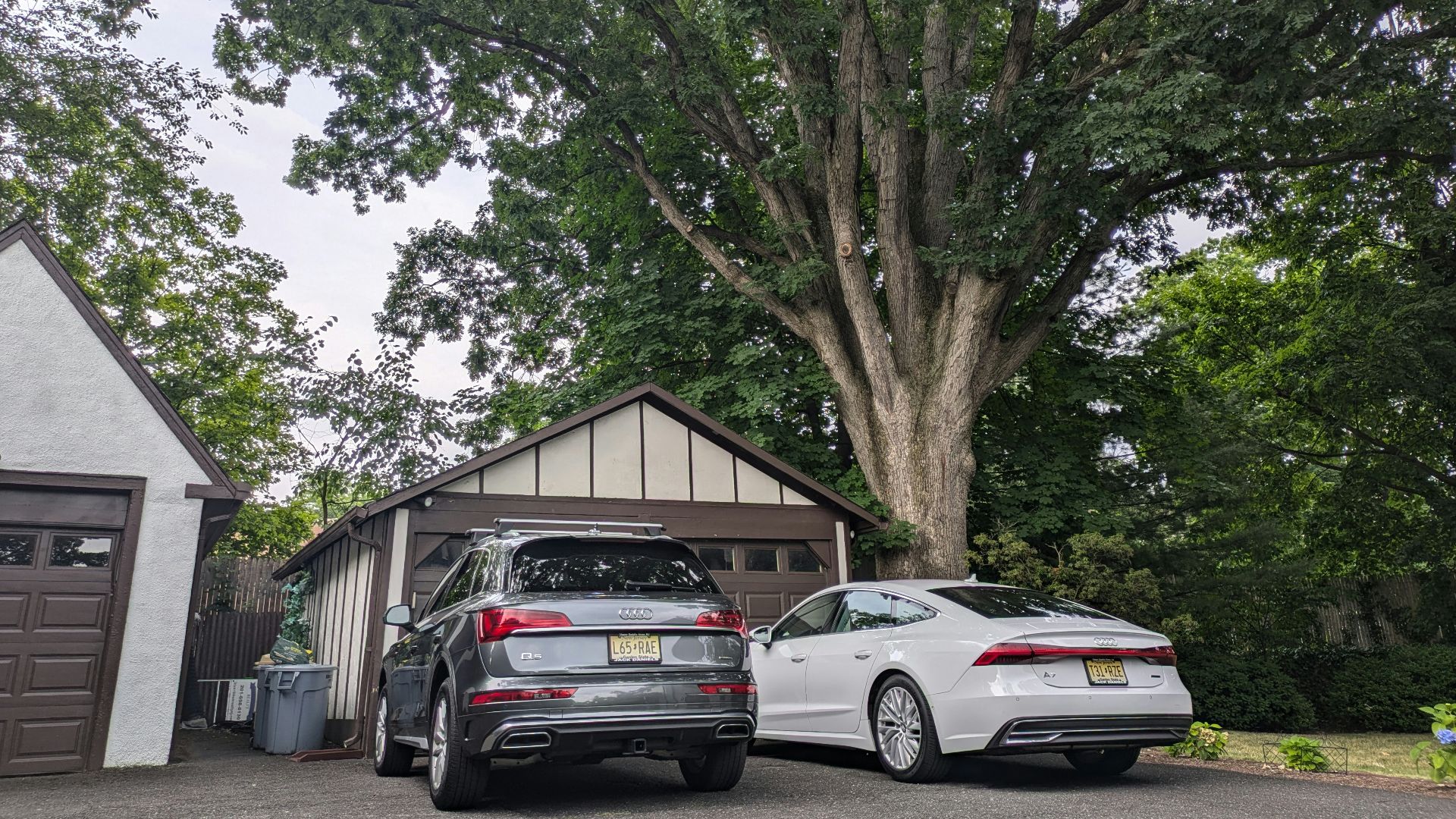
Then comes the family fleet. Car payments, gasoline, maintenance, registration, parking and insurance add up quickly, especially when both adults commute. Transportation represented another 17% of average consumer spending in 2024. Combined with housing, those two categories consumed just over half of average household expenditures.
Insurance Is Everywhere
Middle-class families tend to own things that need insuring. There's homeowners or renters insurance, auto coverage, health insurance and perhaps life or disability policies. Individually, none may seem devastating. Collectively, they're a series of automatic withdrawals that quietly shrink a seemingly comfortable paycheck before the family spends anything fun.

Grocery Bills Never Really Went Back
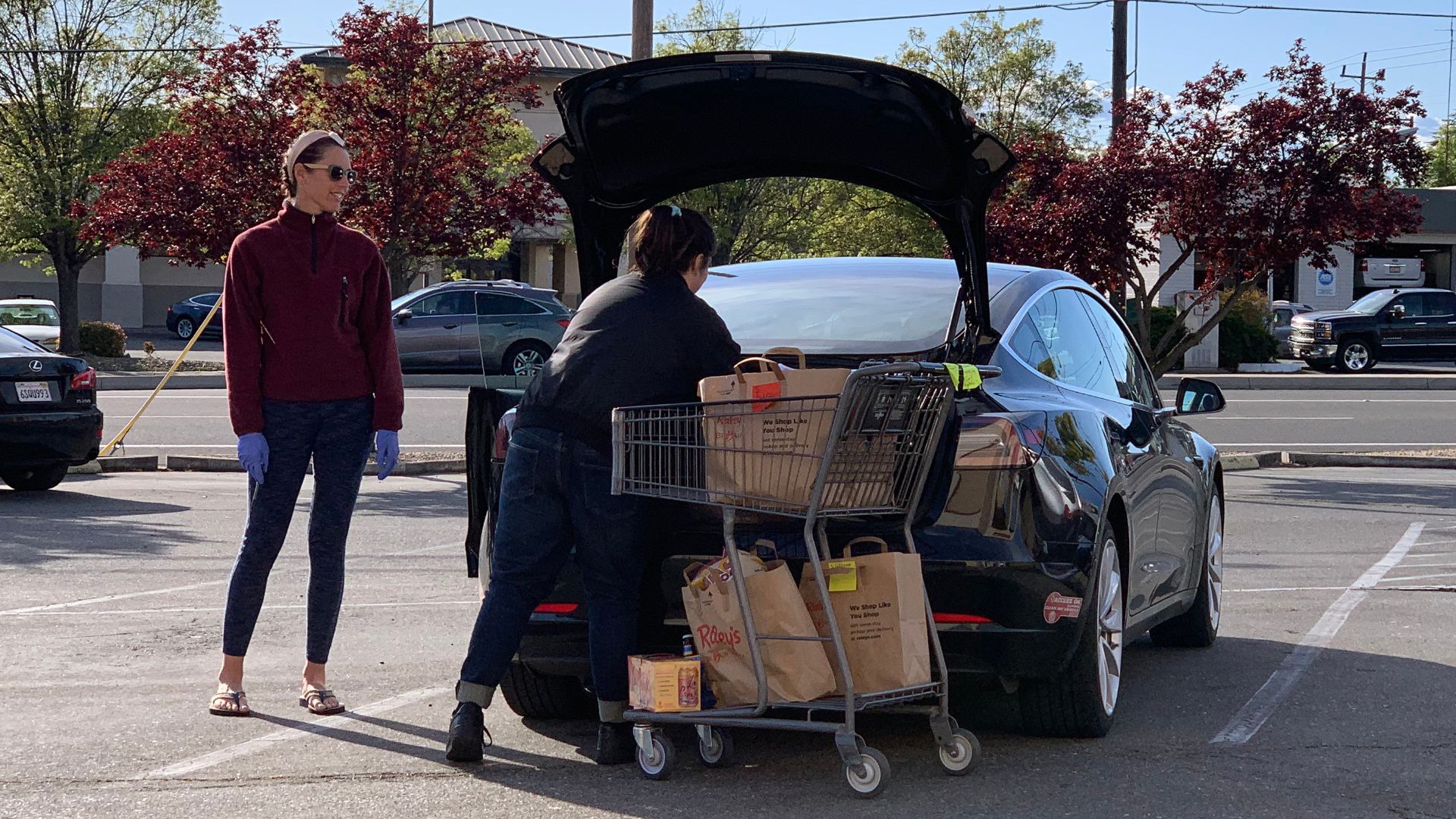
Inflation doesn't have to remain high for families to feel its effects. Once everyday prices rise substantially, slower inflation simply means those prices are increasing more slowly. Food spending rose again in 2024 after much steeper increases in 2022 and 2023, leaving families shopping from a permanently higher starting point.
 Hryshchyshen Serhii, Shutterstock
Healthcare Doesn't Need A Crisis To Be Expensive
Even insured families can face premiums, deductibles, prescriptions, dental bills, glasses and services their plan doesn't completely cover. The Federal Reserve reported that 26% of adults skipped medical expenses because of cost in 2025. A good income doesn't necessarily make healthcare feel inexpensive.

Taxes Notice That Second Income Too
Adding another salary doesn't mean every extra dollar reaches the checking account. Federal and state income taxes and payroll taxes reduce the gain, while some tax benefits phase out as income increases. Families naturally think in terms of gross salary, even though their lifestyle has to operate on net income.

Workplace Benefits Still Cost Money
A good job may offer excellent benefits, but employees often pay part of the bill. Health coverage, dental plans, retirement contributions and other deductions can remove hundreds or even thousands from monthly gross income. Those benefits are valuable, but they help explain the difference between an impressive salary and an ordinary checking account.

Student Loans Came Along For The Ride
Middle-class adulthood increasingly arrives with old bills attached. Student debt can compete directly with saving for a house, raising children and investing for retirement. Two professionals may earn strong salaries while simultaneously paying for degrees they completed years ago. Yesterday's investment in earning power becomes today's monthly obligation.

Credit Cards Fill The Small Gaps
Families don't always take on debt because they're wildly overspending. Sometimes a $1,500 repair lands during an already expensive month. The credit card fills the gap, interest starts accumulating, and suddenly future paychecks are paying for past problems. Enough small gaps can turn into one large monthly payment.

Lifestyle Creep Is Real—But It's Not The Whole Story
Yes, households sometimes spend more as they earn more. Bigger homes, newer vehicles and pricier vacations can certainly cause trouble. But blaming every squeezed middle-class household on fancy coffee misses the bigger picture. Housing, childcare, transportation and insurance can overwhelm a budget before luxury spending even enters the conversation.
 Robert Couse-Baker, Wikimedia Commons
Fixed Costs Leave Families With Little Room
The problem isn't simply how much a household spends. It's how much spending can actually be changed next month. A mortgage, daycare contract, car payment, insurance premium and student loan bill don't disappear because someone decides to "tighten the belt." High fixed costs make an otherwise healthy income surprisingly fragile.
 Yuganov Konstantin, Shutterstock
Emergencies Don't Care About Your Salary
A broken transmission, leaking roof or emergency-room visit can derail even a carefully planned budget. In 2025, 59% of adults reported at least one major unexpected expense during the previous year, with vehicle repairs or replacement the most common. Financial shocks aren't especially unusual anymore.

Retirement Saving Competes With Today
Middle-class workers know they should save for retirement, which creates an unusual problem: doing the responsible thing makes today's budget feel tighter. Money going into a 401(k) hasn't disappeared, but families can't use it for groceries. Only 35% of non-retirees told the Fed their retirement saving was on track in 2025.

Then There's The Kids' Future
Parents aren't only paying today's bills. Many are trying to save for college, activities and eventually helping children get started as adults. Add those goals to retirement saving, mortgage payments and childcare, and a household can earn considerably more than average while feeling like every dollar already belongs to somebody else.

Owning A Home Creates Surprise Expenses
Homeownership eliminates the landlord, but it also eliminates the person you call when the furnace quits. Property taxes, maintenance, appliances, roofing and repairs arrive irregularly but inevitably. The Federal Reserve found that 22% of adults experienced a major unexpected home or appliance expense during 2025.

Raises Don't Always Feel Like Raises
A promotion sounds wonderful until other costs move upward too. Childcare may increase, insurance premiums change and property taxes rise. Families can also upgrade their lifestyle before realizing how little of the raise remains after taxes. A $10,000 salary increase rarely creates $10,000 of additional spending money.

The Middle Can Miss Out On Help
Middle-income households sometimes occupy an awkward financial zone. They earn too much to qualify for certain income-based assistance programs but not enough to shrug off major expenses. That can produce a strange situation where a family looks prosperous statistically while feeling almost entirely dependent on its next paycheck.

Where You Live Changes Everything
A six-figure household income means very different things in different parts of America. Housing, taxes, childcare and commuting costs vary enormously by location. Comparing income with a national average can therefore be misleading. What matters isn't whether your salary sounds impressive, but what that salary can buy where you actually live.

Even High Earners Need Cash Flow
Net worth and income aren't the same thing as liquidity. A family may own a house, contribute heavily to retirement accounts and have strong salaries while keeping surprisingly little cash available. That's why someone can appear financially successful yet still get nervous when the refrigerator and transmission fail during the same week.

The Missing Ingredient Is Margin
A comfortable budget isn't one where every dollar has been perfectly allocated. It's one with breathing room. The Federal Reserve found that only 63% of adults could handle a hypothetical $400 emergency entirely with cash, savings or a credit card paid off immediately. Margin remains surprisingly scarce.
Families Can Fight Back
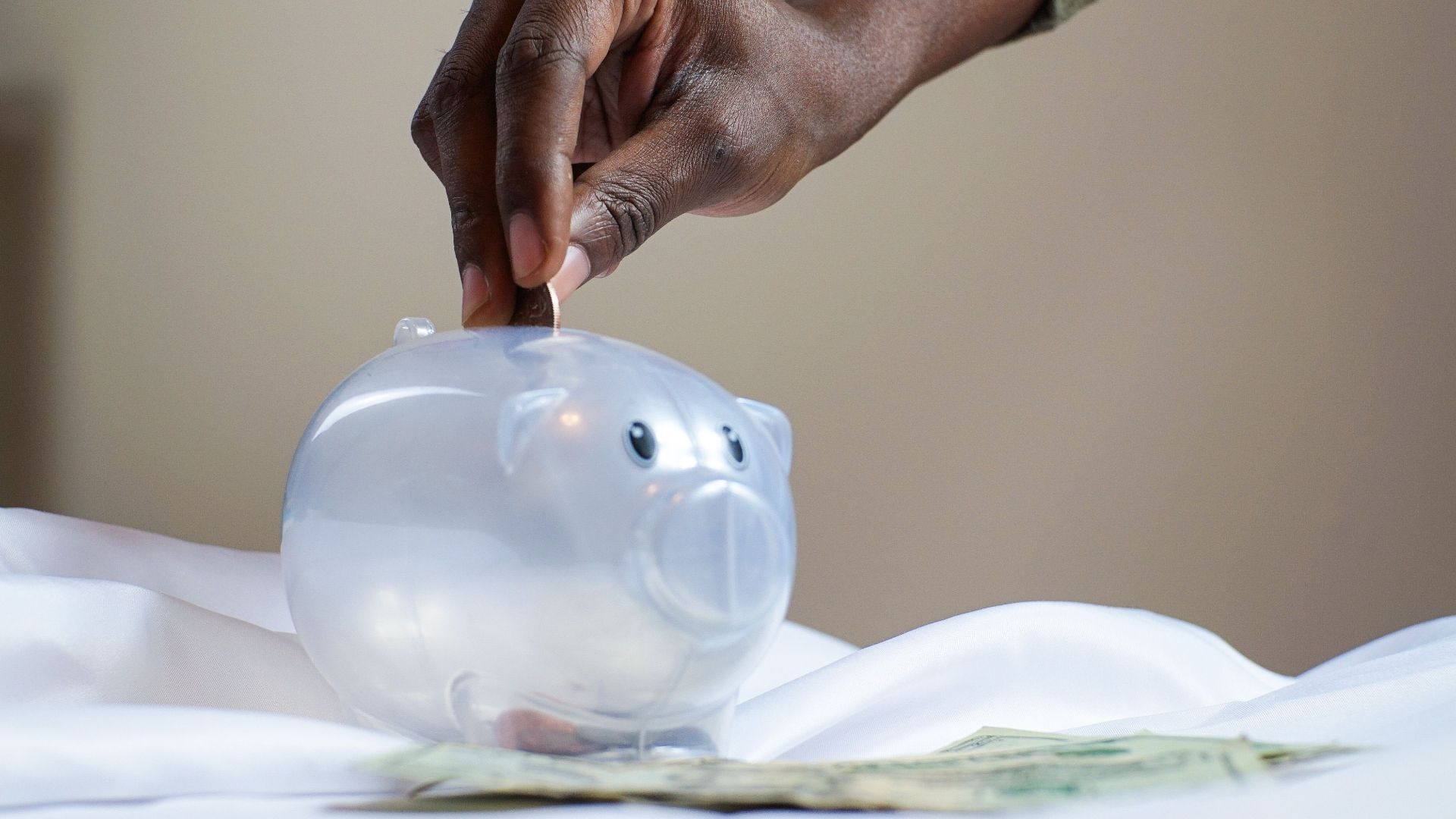
The first step is examining fixed costs instead of endlessly trimming small pleasures. Housing, vehicles, insurance, childcare and debt deserve the closest attention because they can move the budget by hundreds of dollars. Building an emergency fund and deliberately leaving monthly breathing room can matter more than achieving the perfect spreadsheet.

The Numbers Aren't Telling The Whole Story
Middle-class families aren't imagining the squeeze. Income has risen, with real median household income reaching a record $87,460 in 2025, but households are simultaneously supporting expensive homes, transportation, childcare, insurance and future savings. A good salary still matters. It just doesn't stretch as effortlessly as the headline number suggests.

You May Also Like:
I've retired and gone back to work three times. Why am I “failing” at retirement... my money or me?
I managed to lower my car payments but now I’m stuck paying for 8 years. Did I make a mistake?