The Dinner That Changed Everything
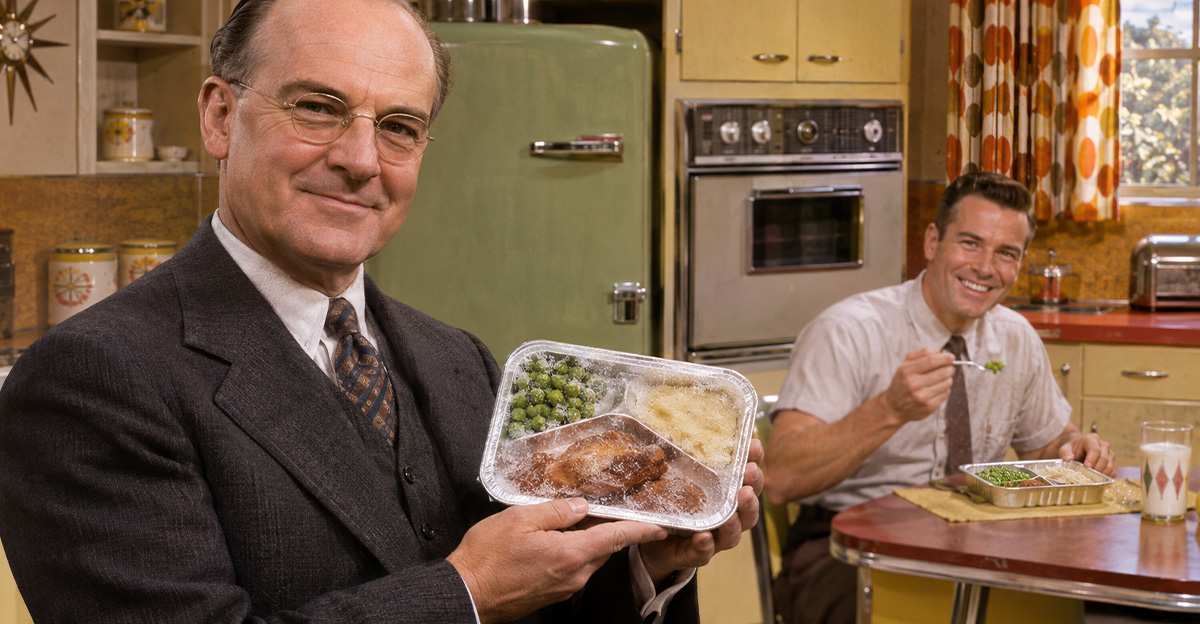
Remember those aluminum trays filled with turkey, mashed potatoes, and vegetables? Frozen dinners were once a strange new idea. Today, they're part of a multibillion-dollar business. But their success wasn't just about convenience. It took clever inventors, changing family habits, and one unforgettable marketing idea.
Before Frozen Dinners Existed
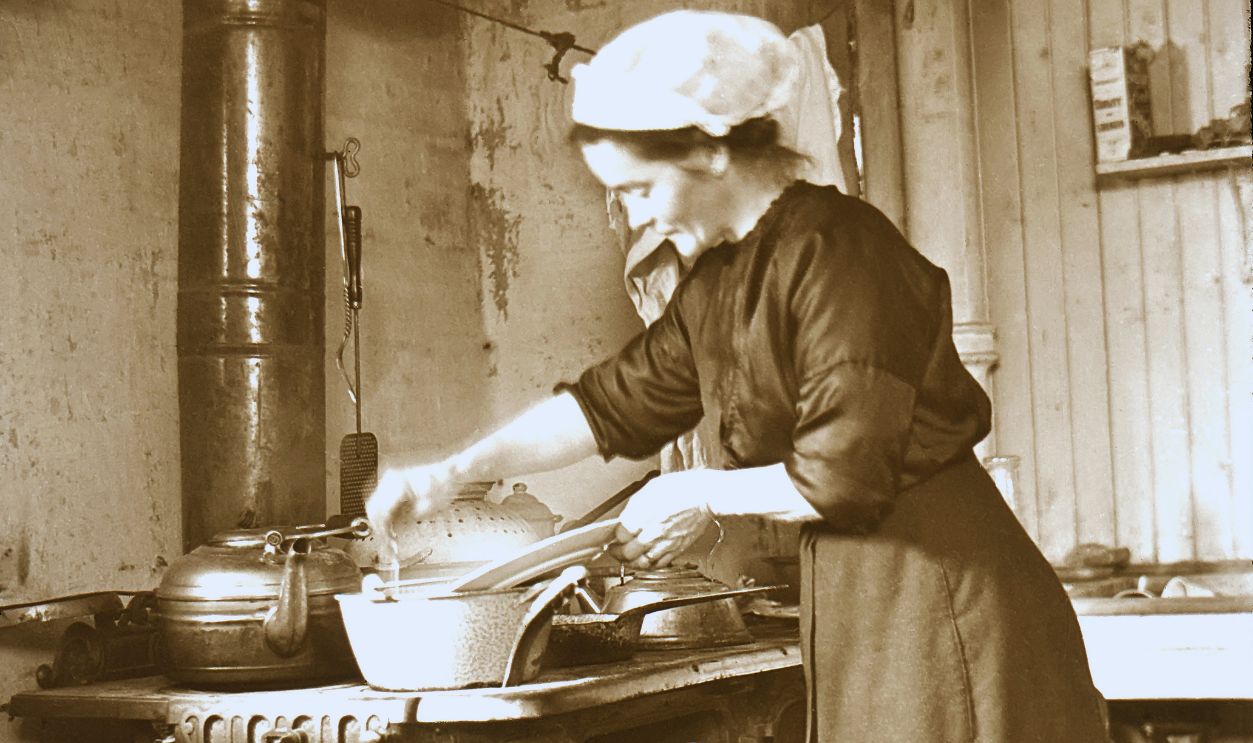
Before modern frozen meals, preparing dinner usually meant cooking from scratch or relying on canned foods. Freezing food wasn't new, but early commercial methods often damaged its flavor and texture. Something had to change before Americans would happily buy complete meals from a freezer.
 Design Pics Editorial, Getty Images
The Man Who Started A Revolution
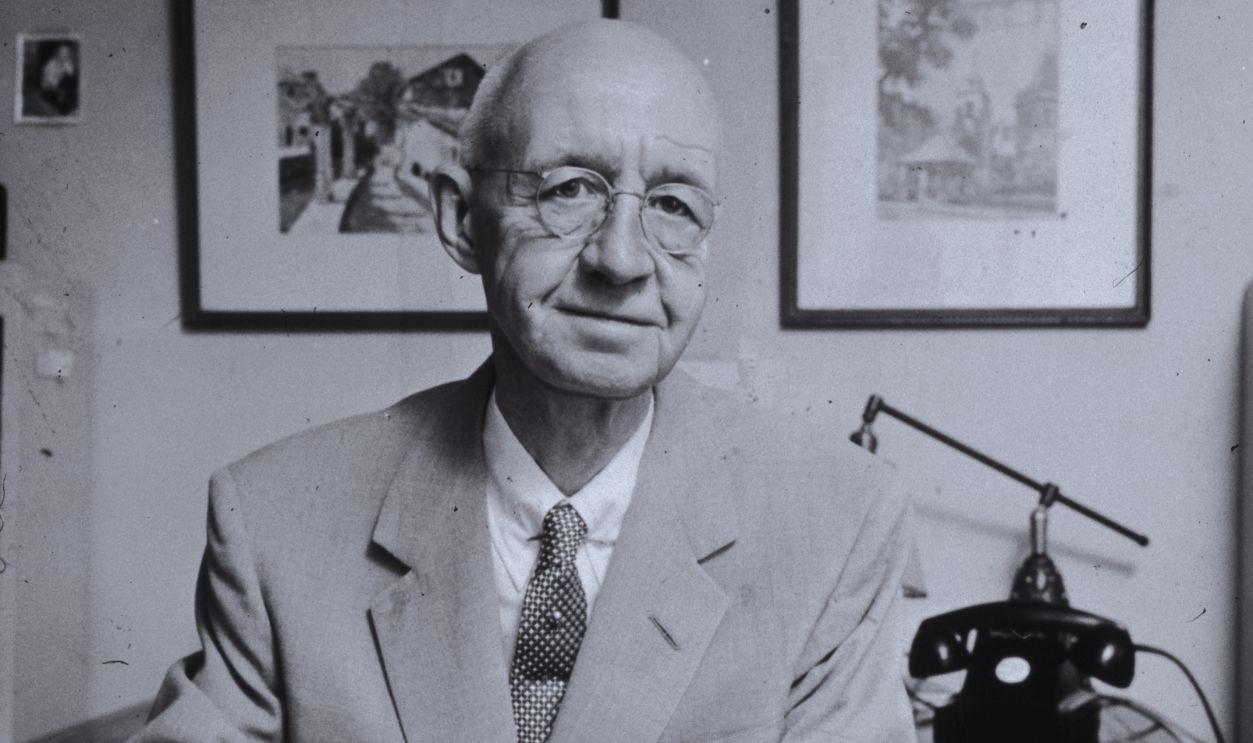
In the 1920s, Clarence Birdseye helped transform frozen food. While living in Labrador, Canada, he learned from Inuit fishing practices and noticed how quickly fish froze in extremely cold conditions. When thawed, the fish still tasted remarkably fresh. Birdseye recognized an enormous business opportunity.
The Secret Was Freezing Faster
Birdseye discovered that freezing food quickly helped preserve its texture and flavor. Slow freezing created large ice crystals that damaged food. His quick-freezing technology made frozen products much more appealing, laying the groundwork for an entirely new section of the American grocery store.
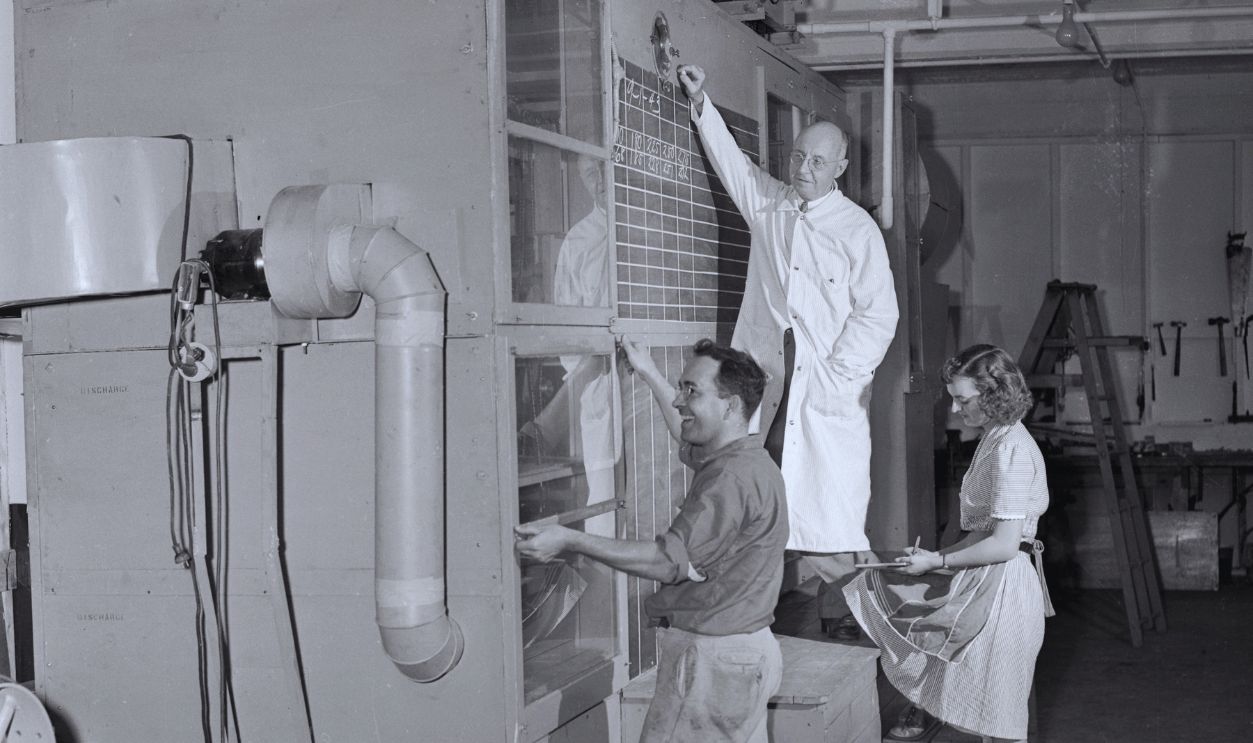
Frozen Food Reaches Grocery Stores
In 1930, Birdseye's frozen foods reached retail customers in Springfield, Massachusetts. Shoppers could purchase products such as frozen vegetables, fruit, and fish. However, there was one enormous problem: many American households didn't own suitable freezers, and grocery stores needed expensive refrigeration equipment.
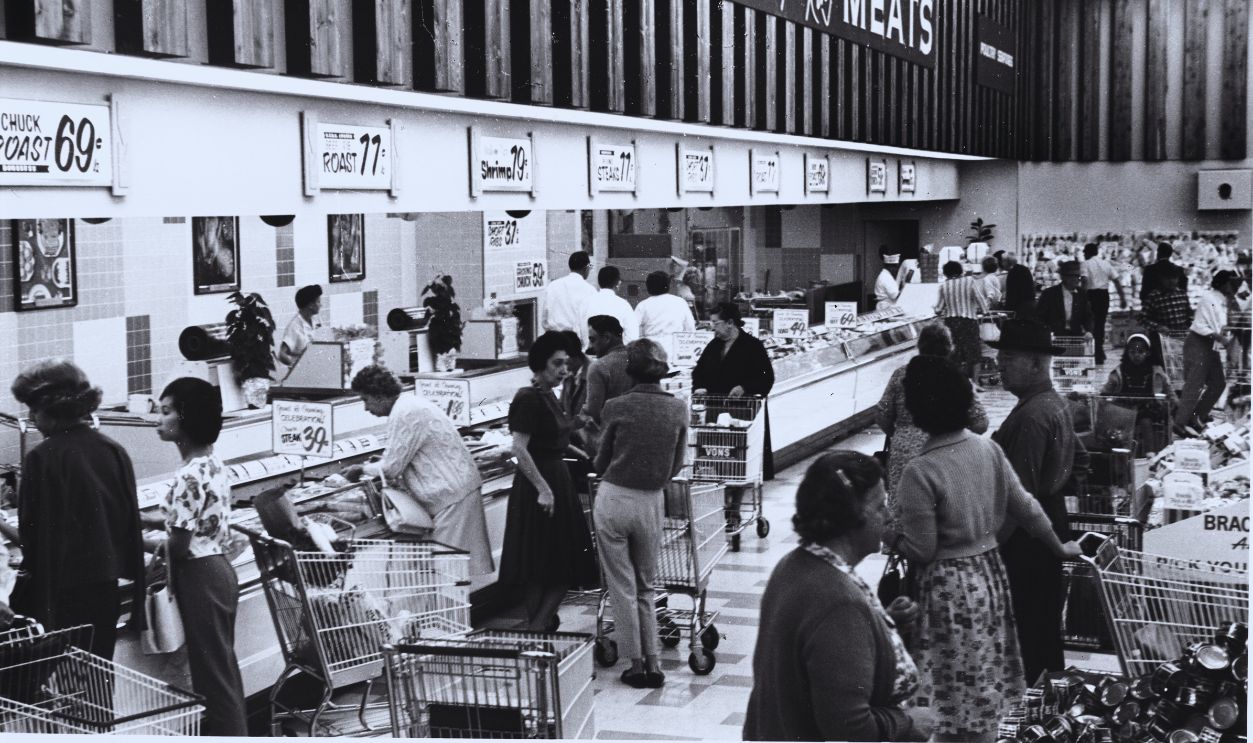 University of Southern California, Getty Images
The Great Depression Slows Everything Down
During the 1930s, frozen foods faced another challenge. The Great Depression left many families watching every penny. Frozen products were often more expensive than familiar alternatives, while refrigerators with adequate freezer space remained uncommon. The technology existed, but the market wasn't quite ready.
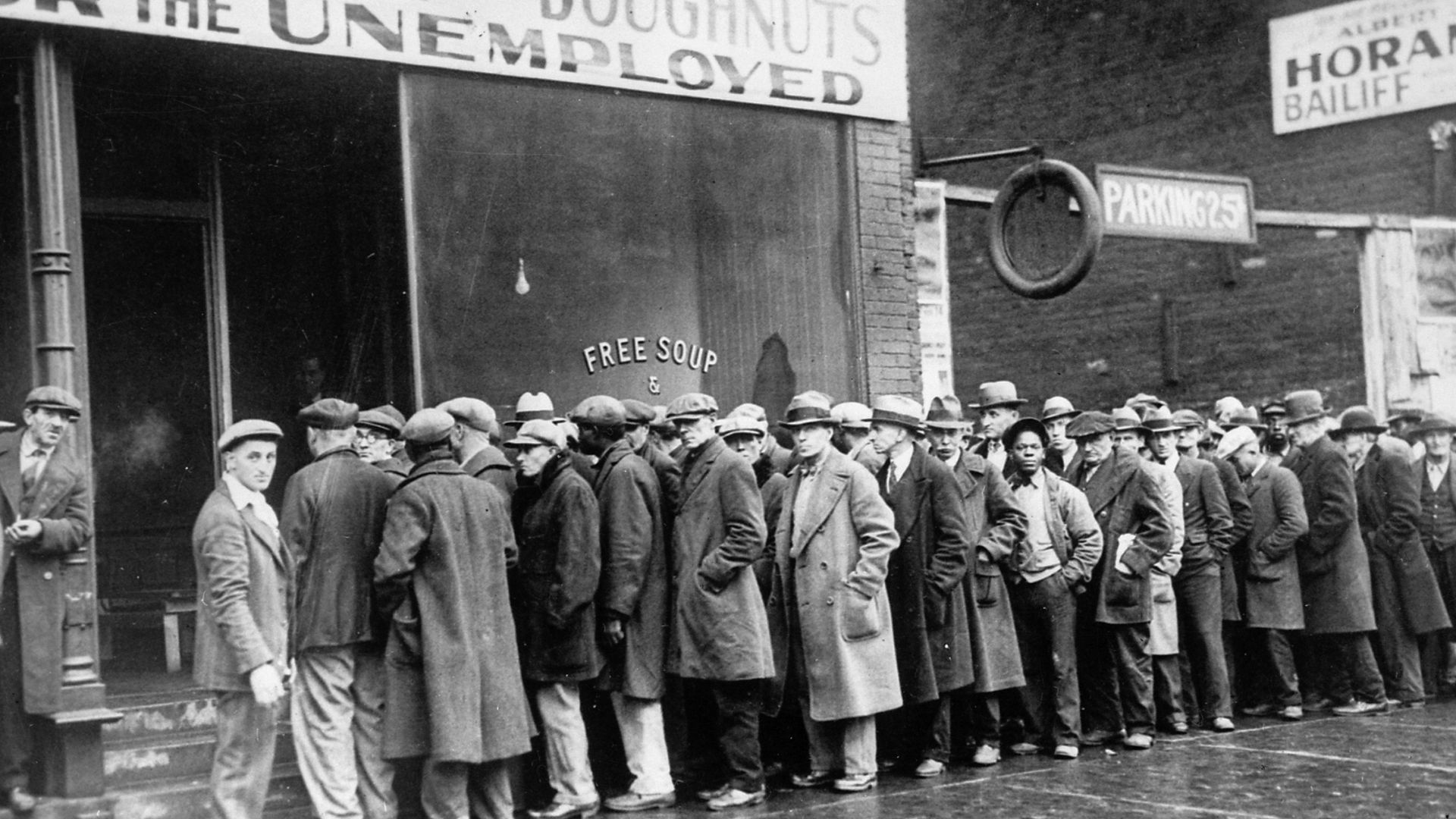 Unknown authorUnknown author or not provided, Wikimedia Commons
World War II Changes Shopping Habits
World War II helped Americans become more familiar with frozen foods. Canned goods were needed for military supplies, encouraging greater use of frozen alternatives at home. After the war, expanding supermarkets and improved household refrigeration created even better conditions for the industry's growth.
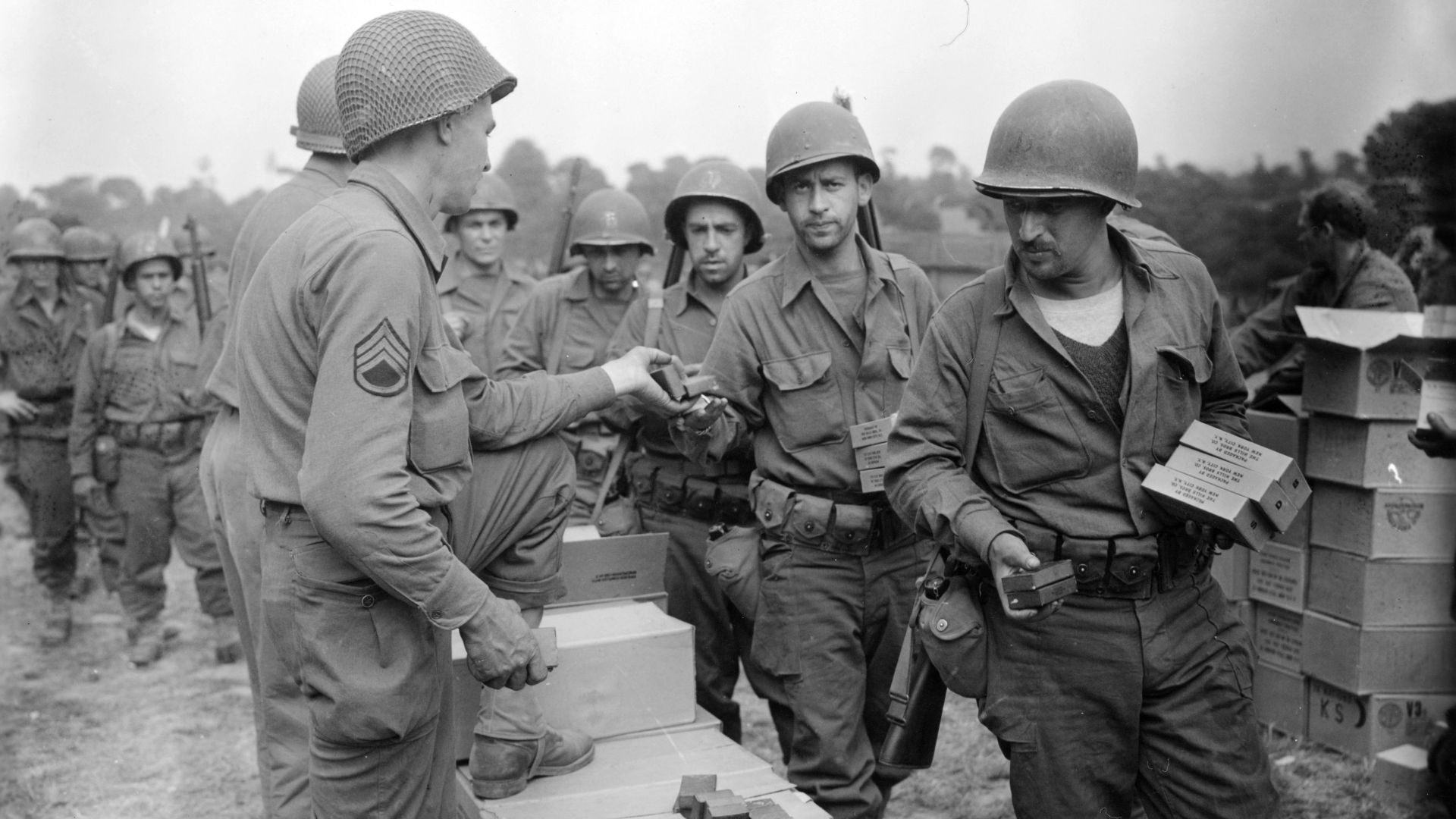 Signal Corps Archive from United States, Wikimedia Commons
The First Frozen Dinners Weren't For Families
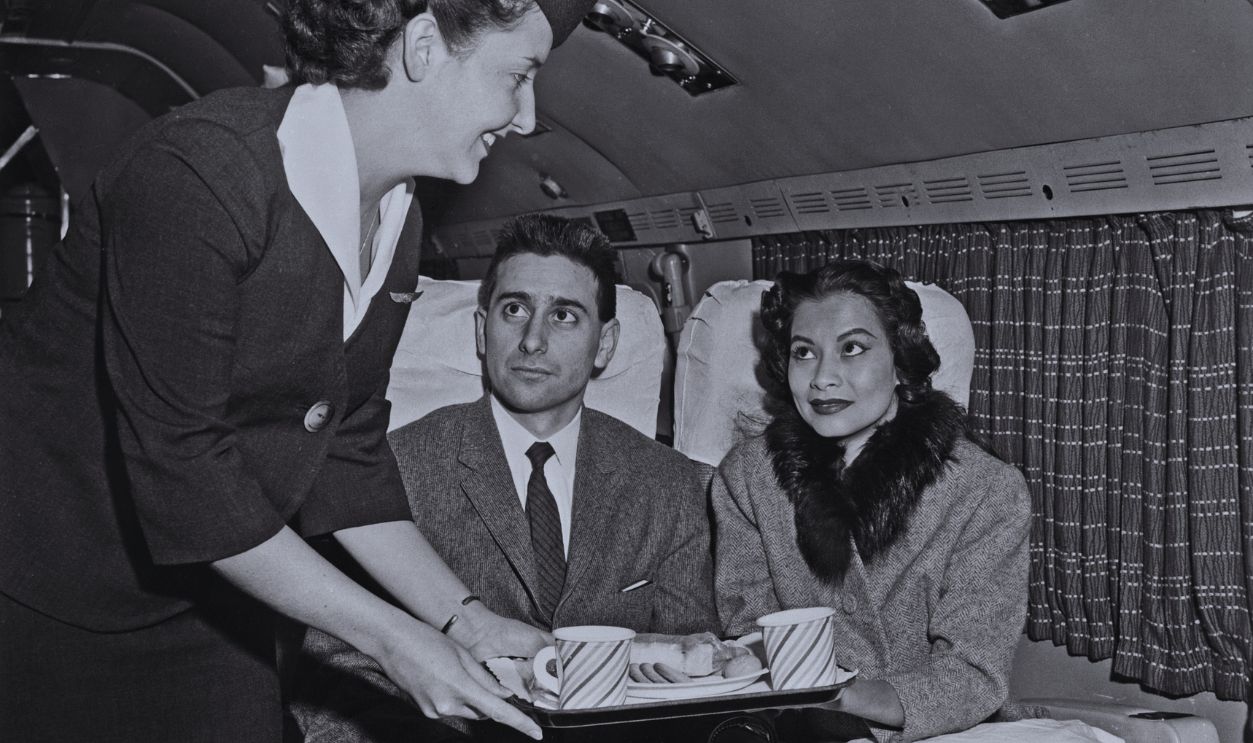
The idea of a complete frozen dinner appeared before Swanson's famous version. During the 1940s, Maxson Food Systems supplied frozen meals to airlines. These meals, called Strato-Plates, included separate portions of food. Plans to bring them into supermarkets never materialized.
 Michael Ochs Archives, Getty Images
Other Companies Tried Their Luck
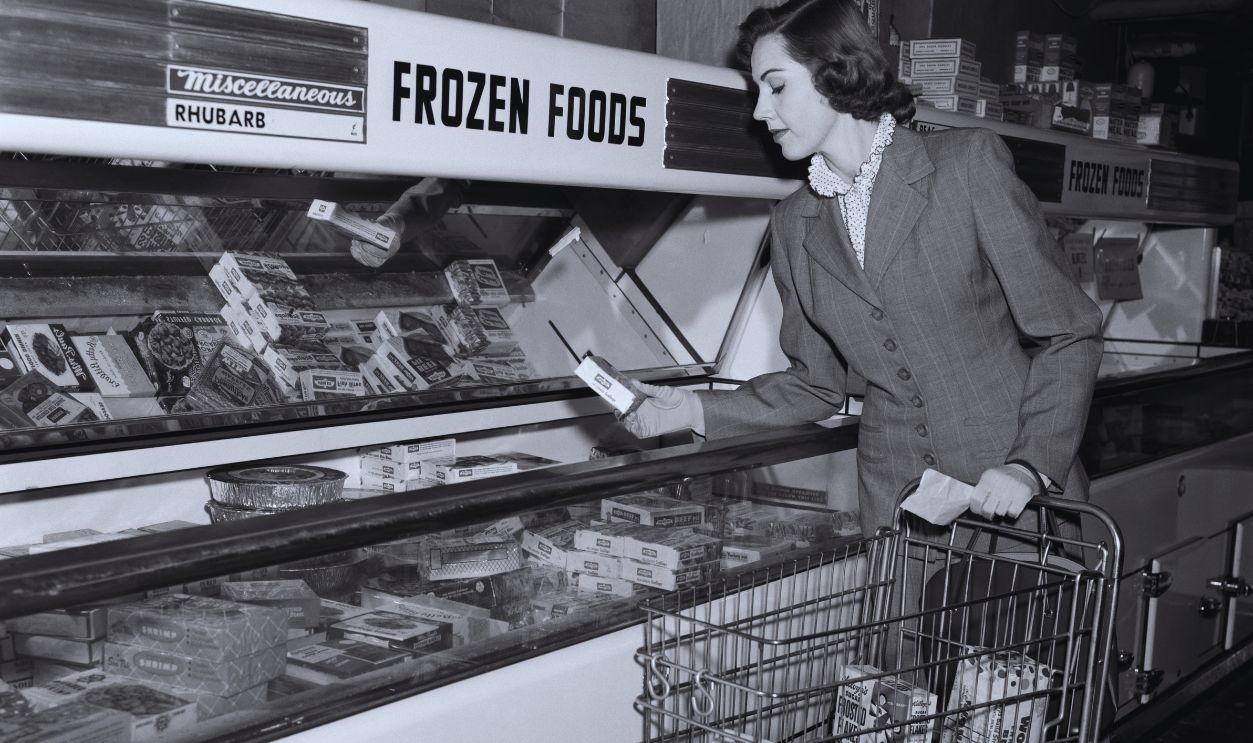
In 1949, brothers Albert and Meyer Bernstein began selling frozen dinners around Pittsburgh under the One-Eyed Eskimo name. Their company produced more than 400,000 meals by 1950. The concept clearly had customers, but it still hadn't become a nationwide sensation.
Swanson Enters The Picture
C.A. Swanson & Sons was already an established food business when it entered the frozen-dinner market. The Omaha company had experience selling poultry, a recognizable brand, and access to food distribution networks. Those advantages helped it turn an existing idea into something much bigger.
 1950sUnlimited, Wikimedia Commons
The Famous Thanksgiving Turkey Story
According to a popular account, Swanson found itself with approximately 260 tons of unsold turkey after Thanksgiving in 1953. Salesman Gerry Thomas supposedly suggested turning it into frozen dinners. Historians dispute parts of this story, but the turkey tale became part of frozen-food folklore.
Who Really Invented The TV Dinner?
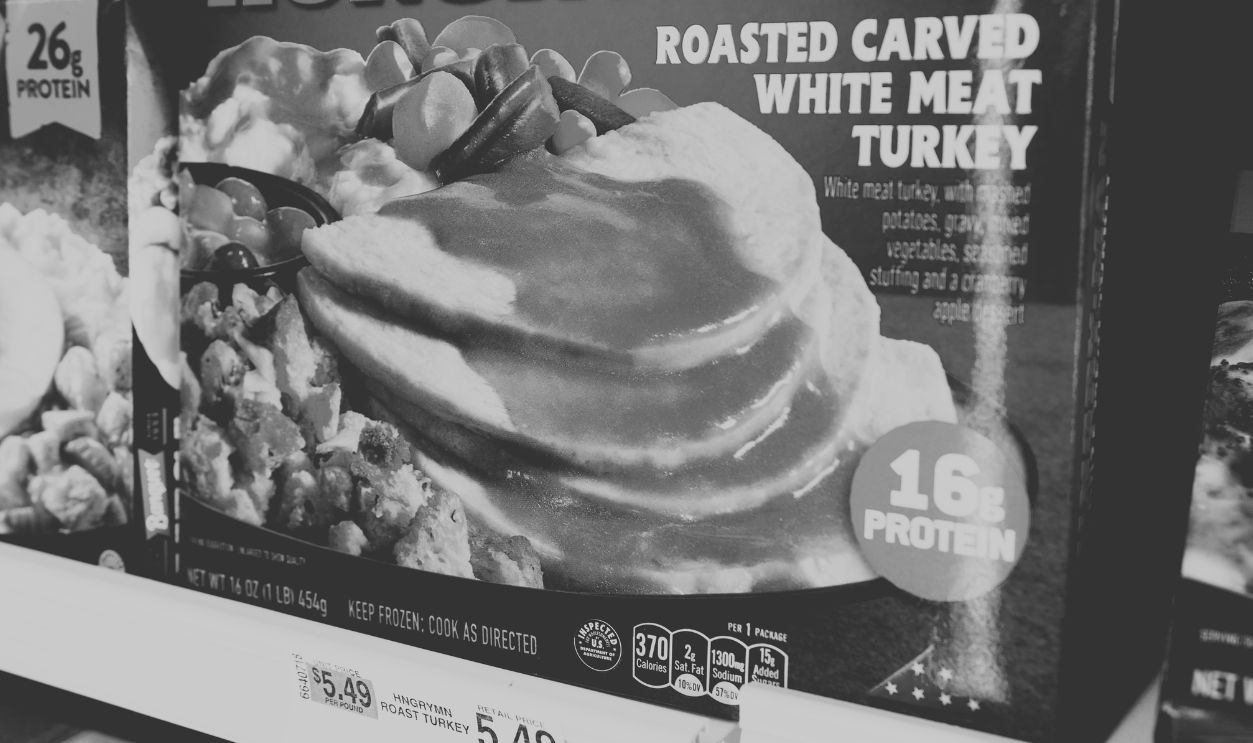
Gerry Thomas often receives credit, but the story isn't that simple. Swanson employee Betty Cronin credited company executives with developing the concept, while other staff helped perfect it. Several businesses had already sold frozen meals. Swanson's real breakthrough was making them a national phenomenon.
A Dinner That Looked Like Television
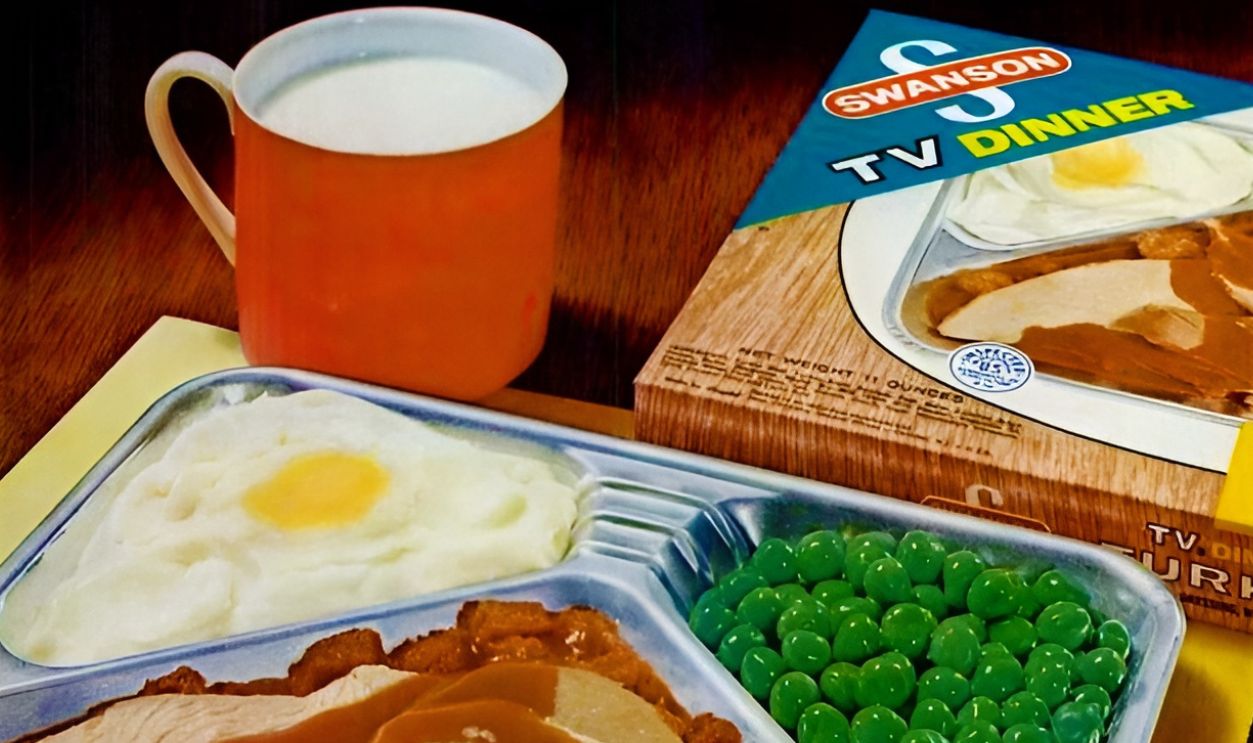
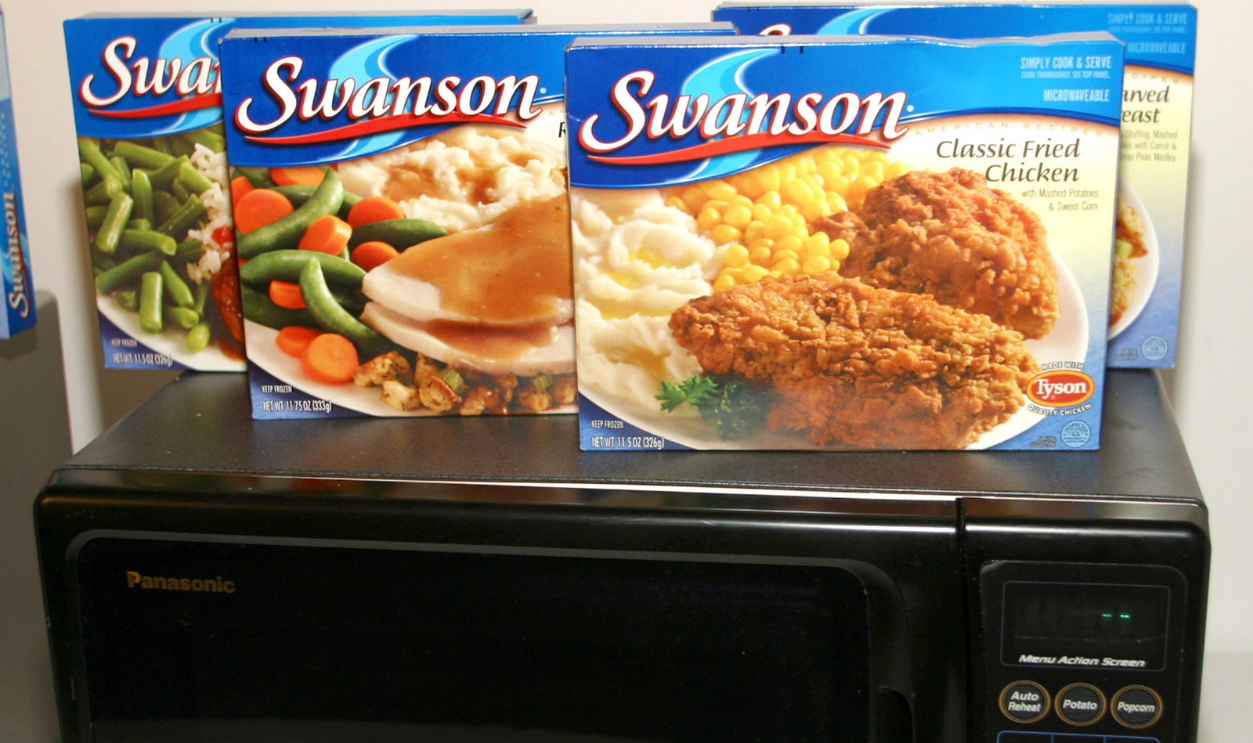
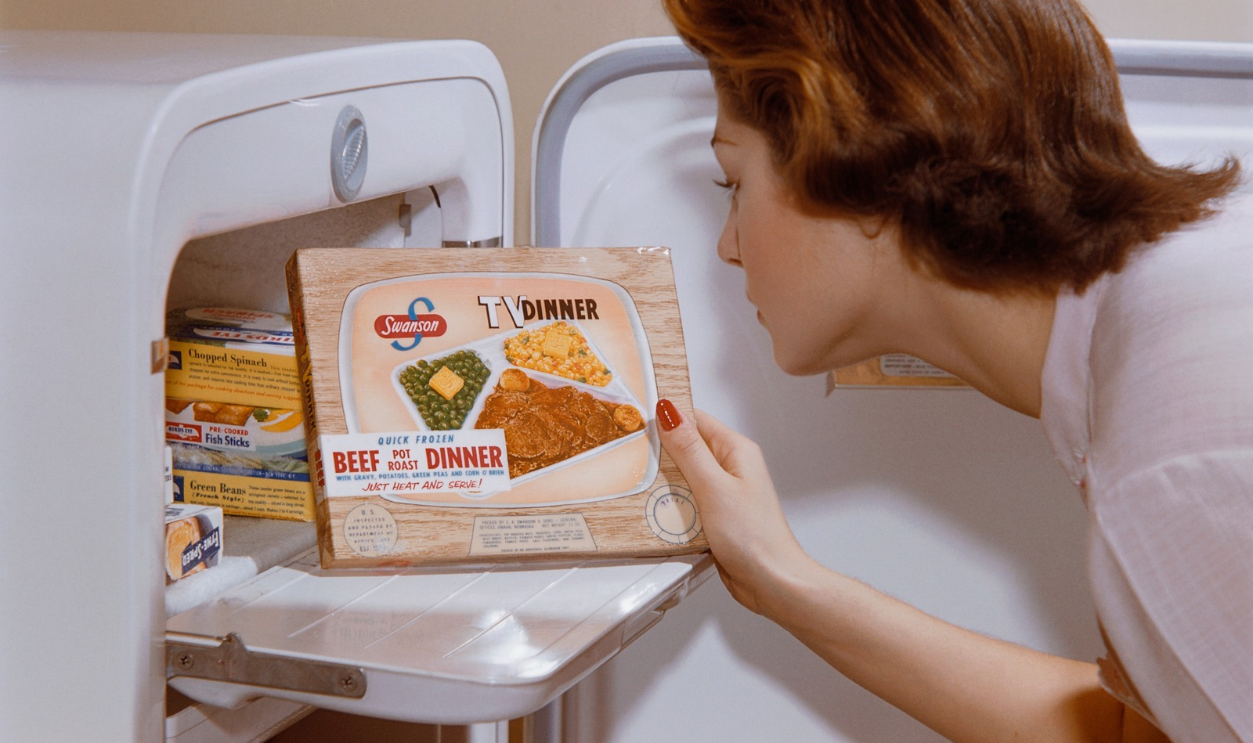
Swanson marketed its meals as TV Dinners, packaging them in colorful boxes designed to resemble television sets. The name connected an ordinary household chore with America's exciting new entertainment craze. Suddenly, eating a frozen meal wasn't simply convenient. It felt wonderfully modern.
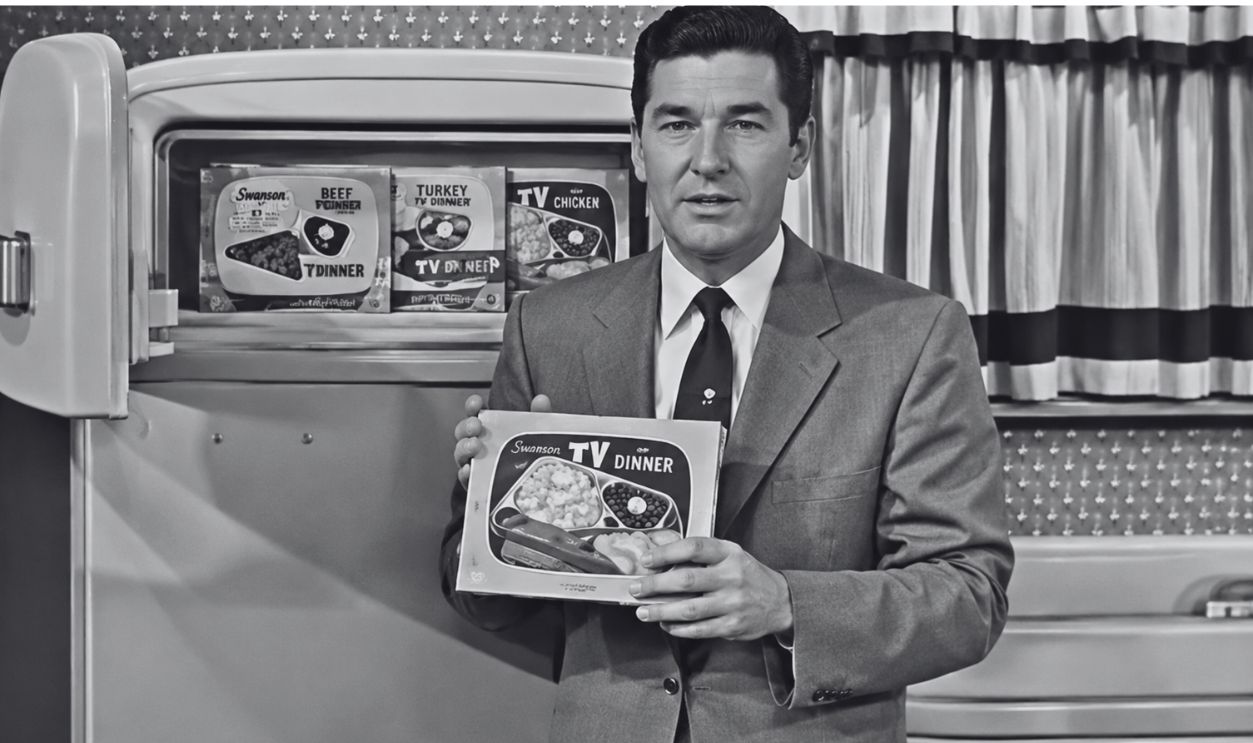 Screenshot from Swanson TV Dinner Commercial, C.A. Swanson & Sons (1963)
What Was Inside The Original Tray?
Swanson's early TV Dinner featured turkey with gravy and cornbread dressing, sweet potatoes, and peas. Everything came in a three-compartment aluminum tray. Families could heat the entire dinner in the oven without transferring the food to separate dishes. Even cleanup became easier.
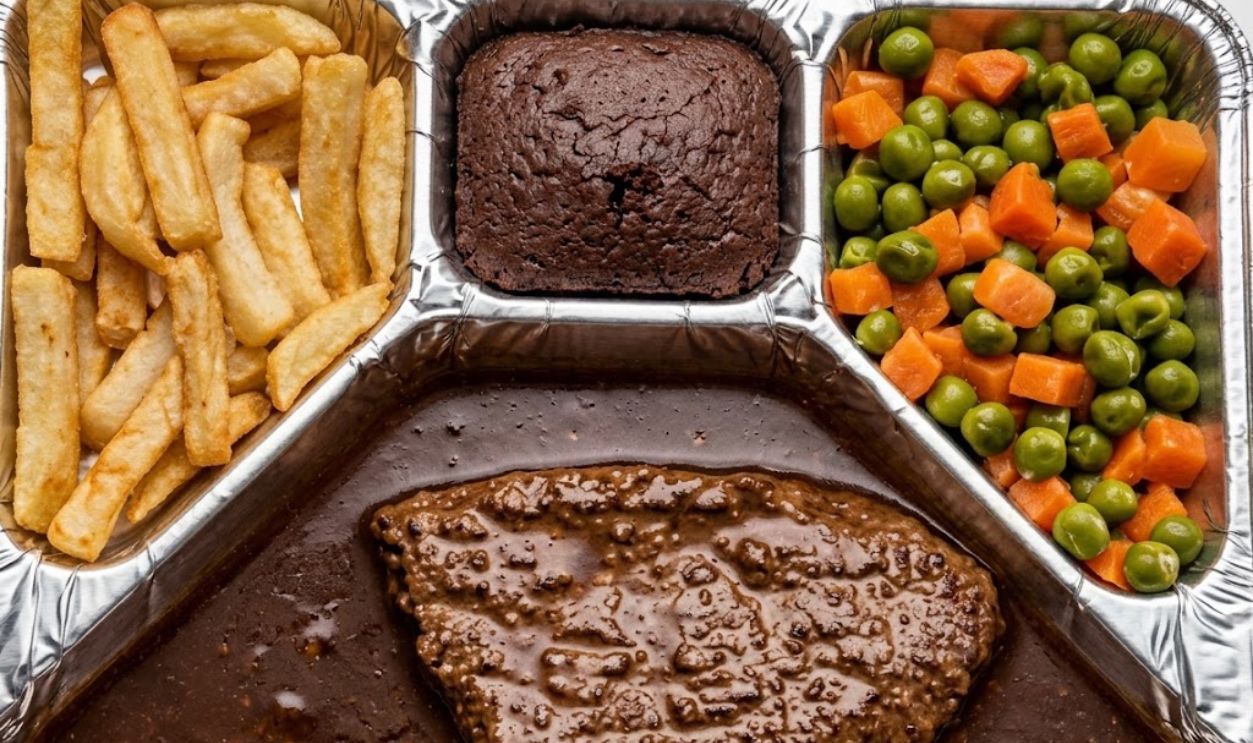 Screenshot from Swanson’s Salisbury Steak Dinner, Swanson (1960s), Modified
The 98-Cent Dinner Becomes A Hit
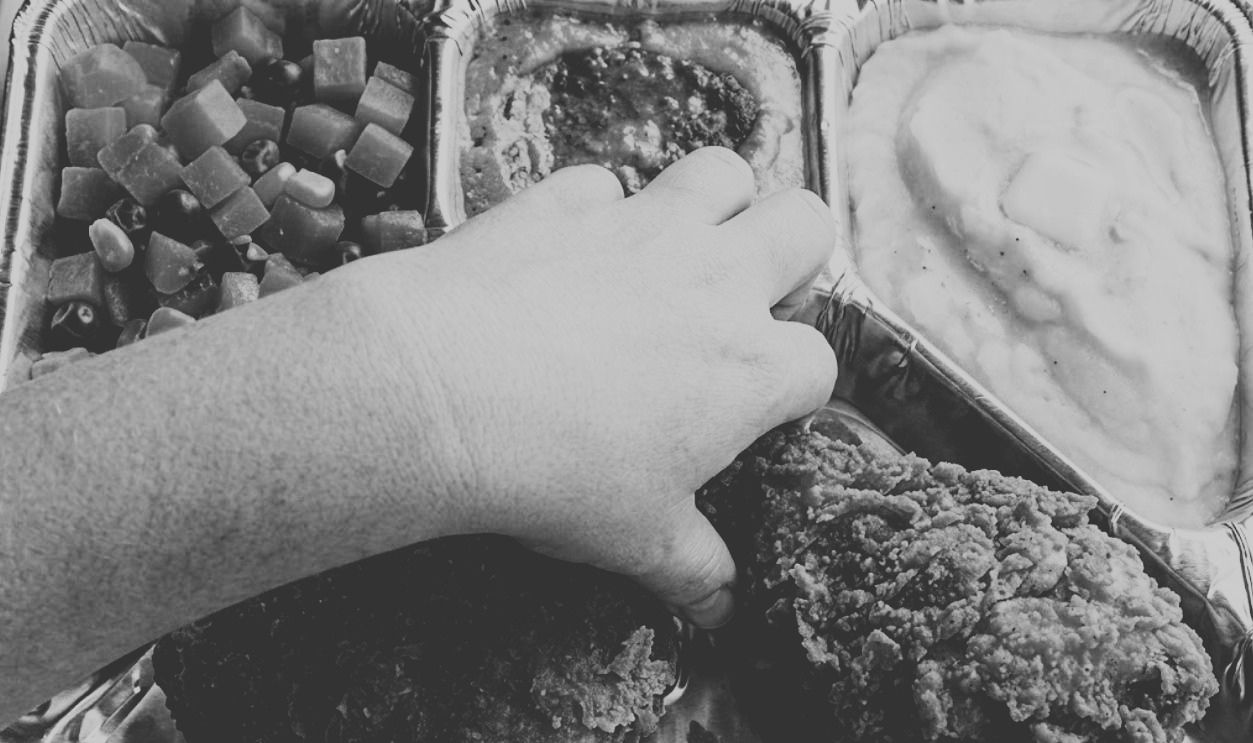
At approximately 98 cents per meal, Swanson's TV Dinner offered convenience at a price many middle-class households could afford. The company sold around 10 million dinners during 1954, its first full year of nationwide success. A product once considered unusual had become a commercial sensation.
 Screenshot from Swanson’s Polynesian Style Dinner, Campbell Soup Company (1970s), Enhanced
Television Helped Sell Dinner
Swanson couldn't have chosen a better moment. In 1950, only about 9% of American households owned televisions. By 1960, nearly 90% had one. Families were discovering programs like I Love Lucy and Gunsmoke, and frozen dinners made watching television during supper much easier.
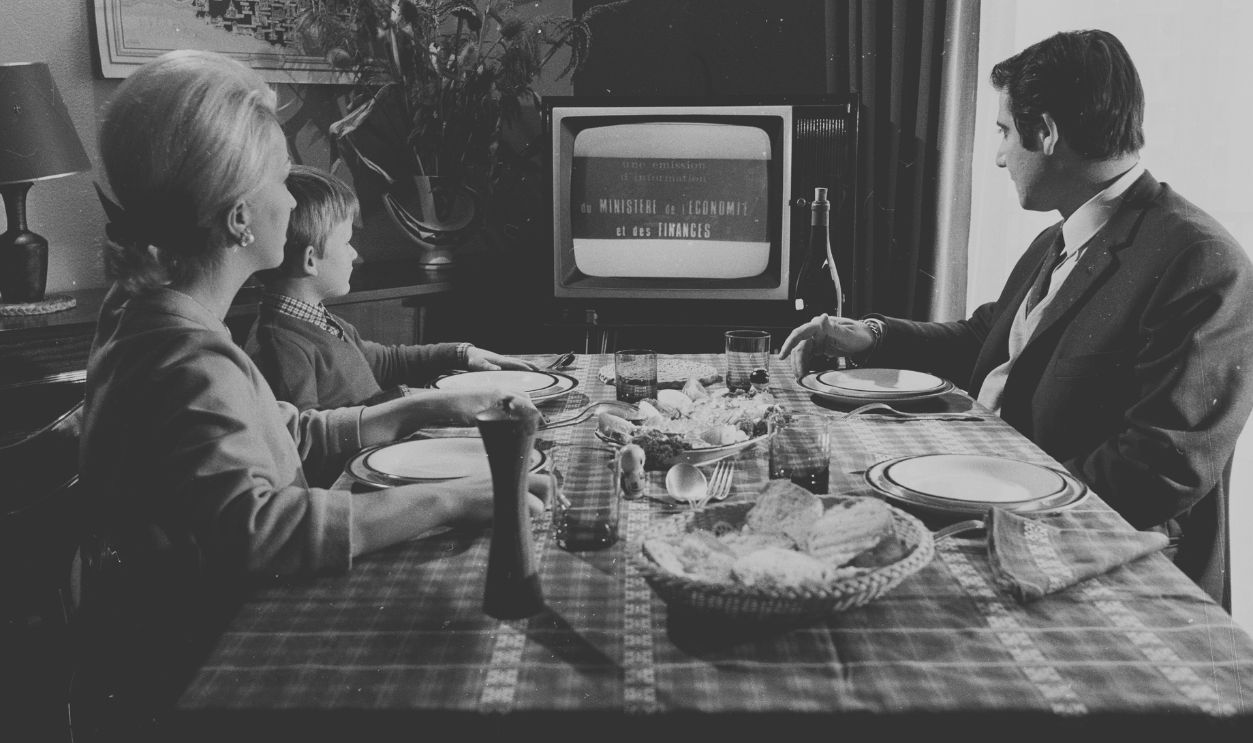
The TV Tray Becomes A Household Staple
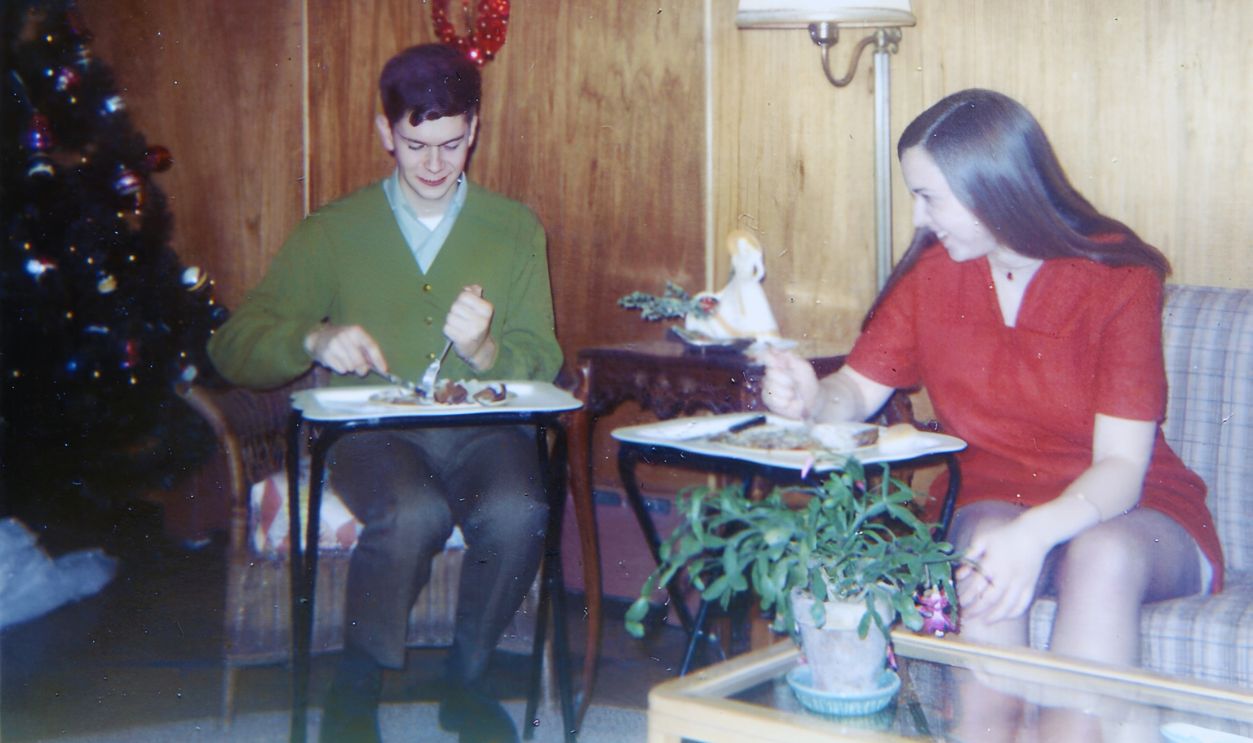
Remember folding TV trays? They became popular companions to frozen dinners during the 1950s and 1960s. Instead of gathering around the dining table, families could enjoy supper in the living room. The food industry wasn't just selling meals. It was changing how Americans ate.
 Gary Hoover, Wikimedia Commons
Competitors Want Their Share
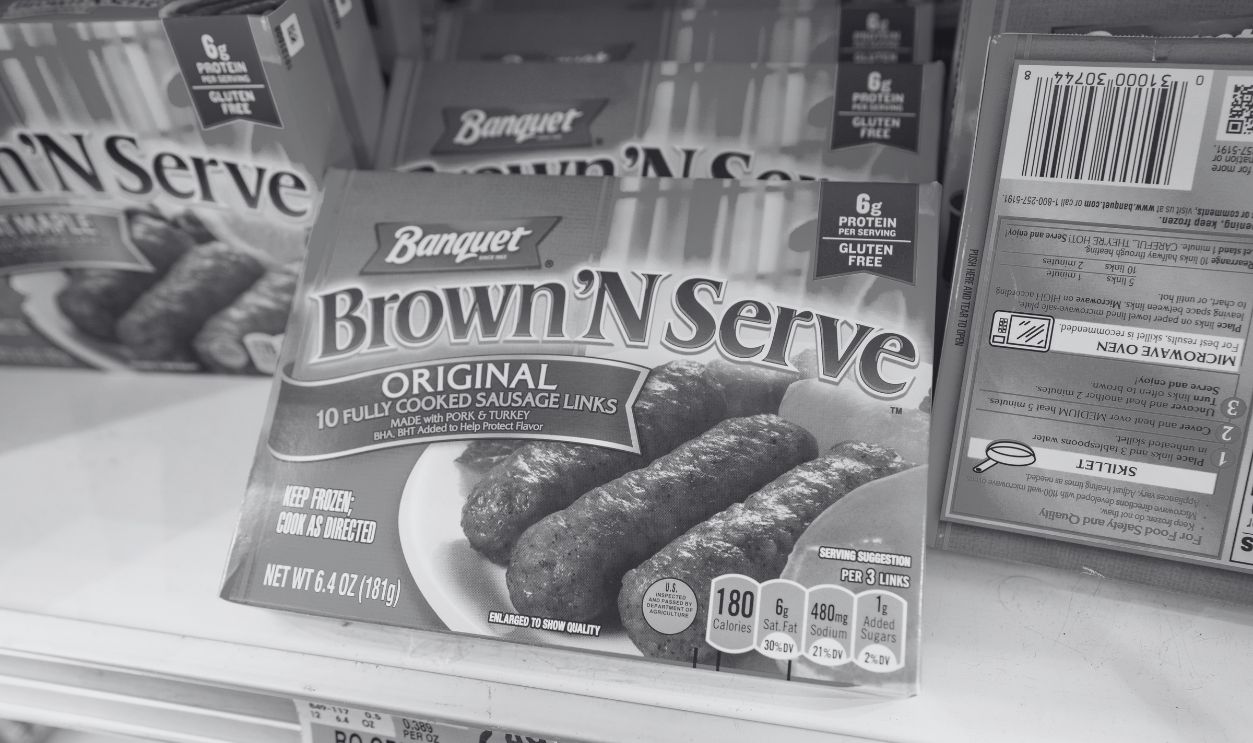
Swanson's success attracted competition. Banquet, Morton, and other food companies introduced their own frozen dinners. Competition brought more choices, advertising, and pricing pressure. Supermarkets now had good reasons to devote more valuable freezer space to prepared meals rather than just frozen vegetables.
Dessert Makes Dinner Even Better
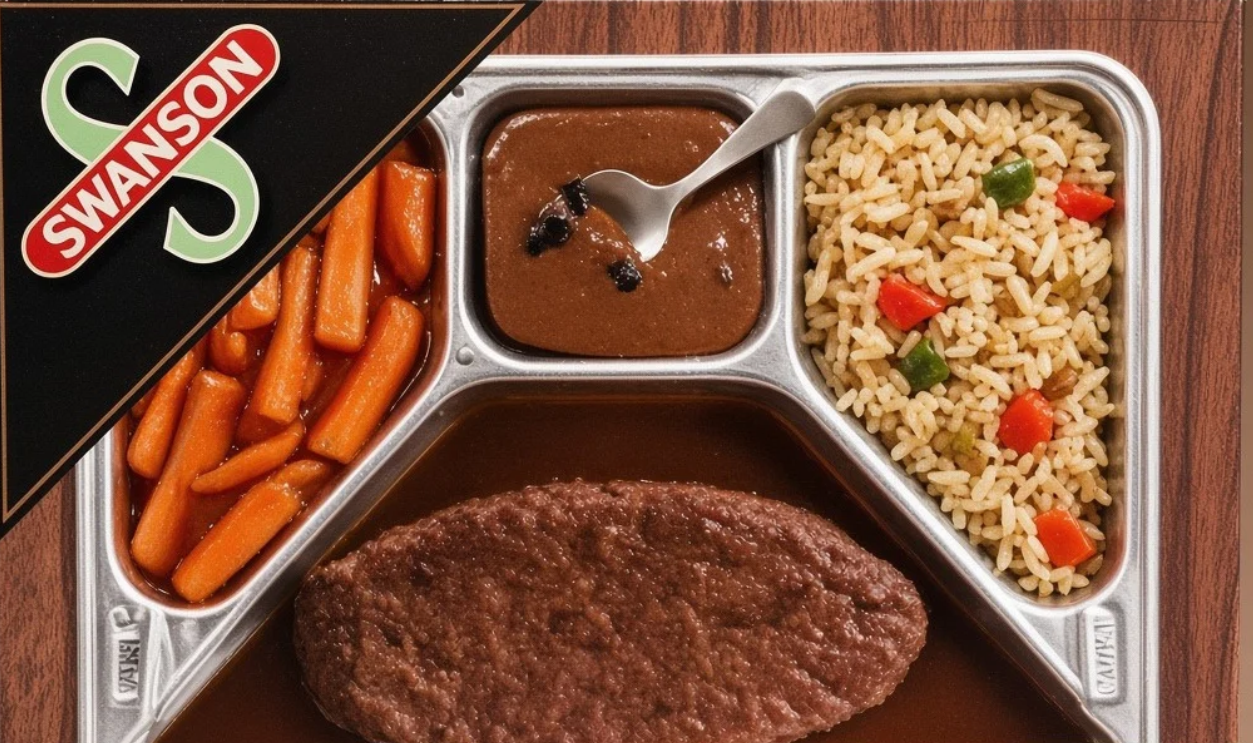
In 1960, Swanson added a fourth compartment to its TV Dinner tray for dessert. It was a small change with considerable appeal. Brownies, fruit desserts, and other sweet treats helped make frozen dinners feel more complete, especially for children who loved having everything together.
Frozen Food Becomes Big Business
By the middle of the 1960s, frozen food was already a major American industry. A 1965 industry report valued frozen-food production at approximately $5.2 billion, with frozen dinners accounting for an estimated $280 million in sales. The once-unusual convenience food had become serious business.
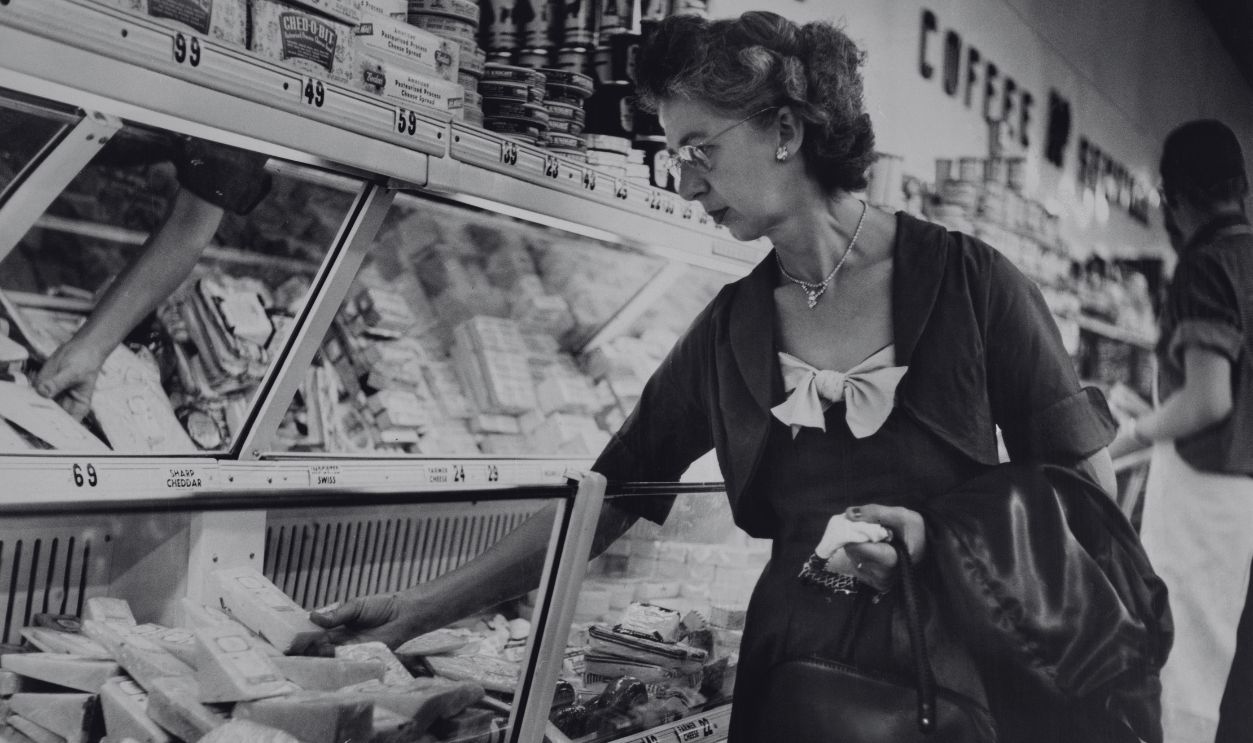
Americans Wanted More Variety
As tastes changed, manufacturers expanded beyond turkey and Salisbury steak. Frozen Italian, Chinese-inspired, and Mexican-style dishes became increasingly popular during the 1960s. Companies recognized that customers wanted restaurant-style variety without restaurant prices or the trouble of preparing unfamiliar recipes themselves.
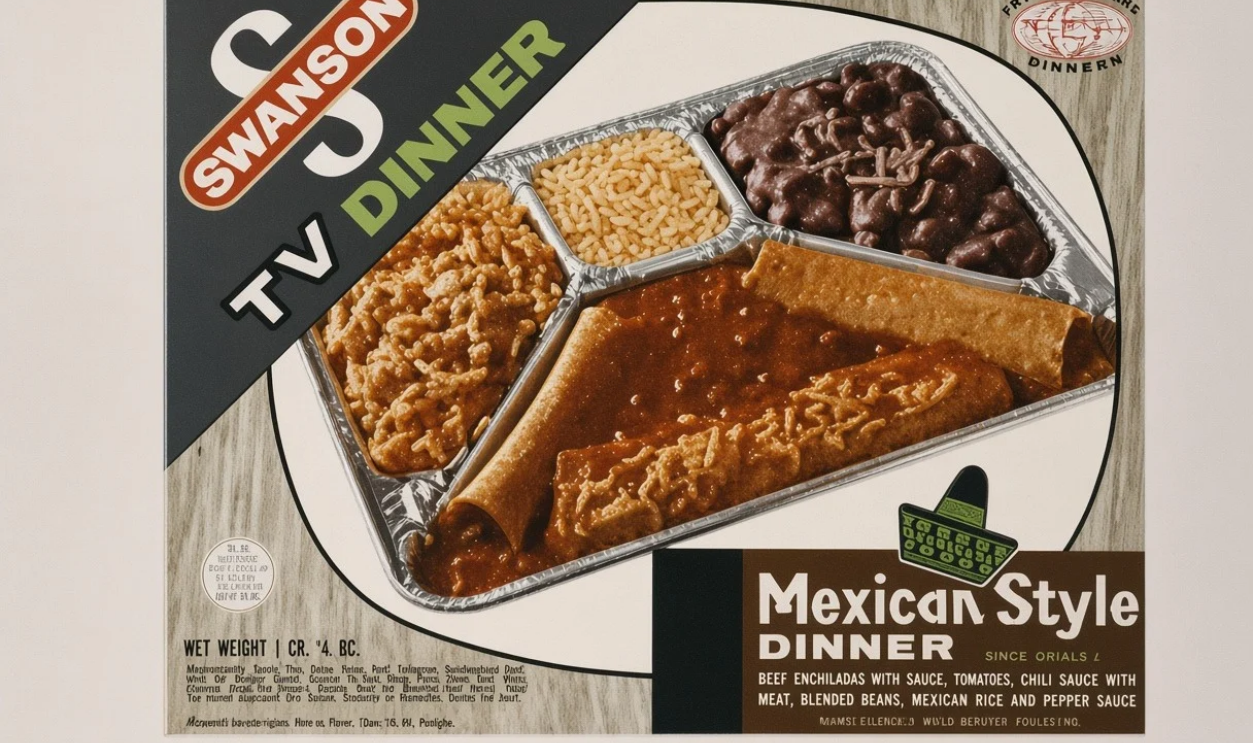 Screenshot from Swanson International Mexican-Style TV Dinner Commercial, C.A. Swanson & Sons (1970)
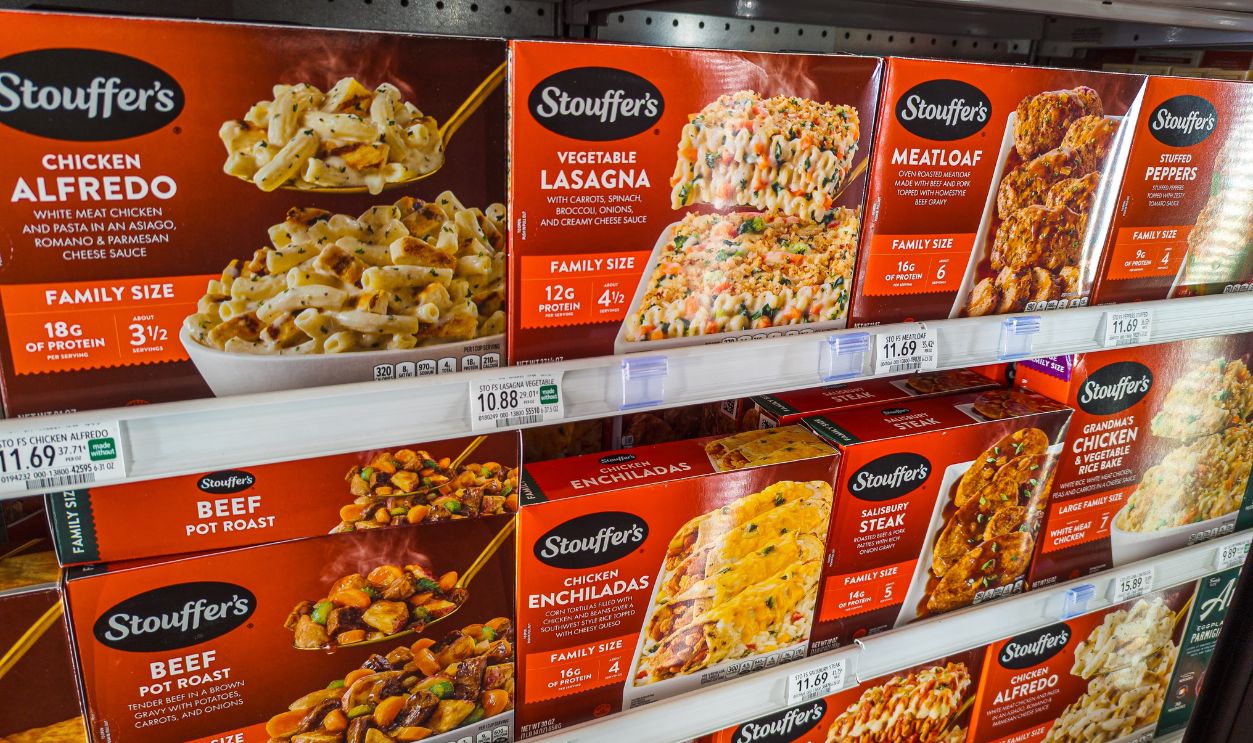
Stouffer's Brings Restaurant Food Home
Stouffer's entered the frozen-entrée business in 1954, building on its restaurant experience. Dishes such as lasagna and macaroni and cheese helped establish another style of convenient frozen cooking. Nestlé acquired Stouffer's in 1973, demonstrating the growing value of established frozen-food brands.
Bigger Appetites Mean Bigger Portions
The 1970s brought greater competition and more choices for hungry consumers. Brands promoted generous portions, hearty meat dishes, and complete dinners. Frozen meals were no longer just a novelty for television watchers. They were becoming everyday options for workers, families, and people living alone.
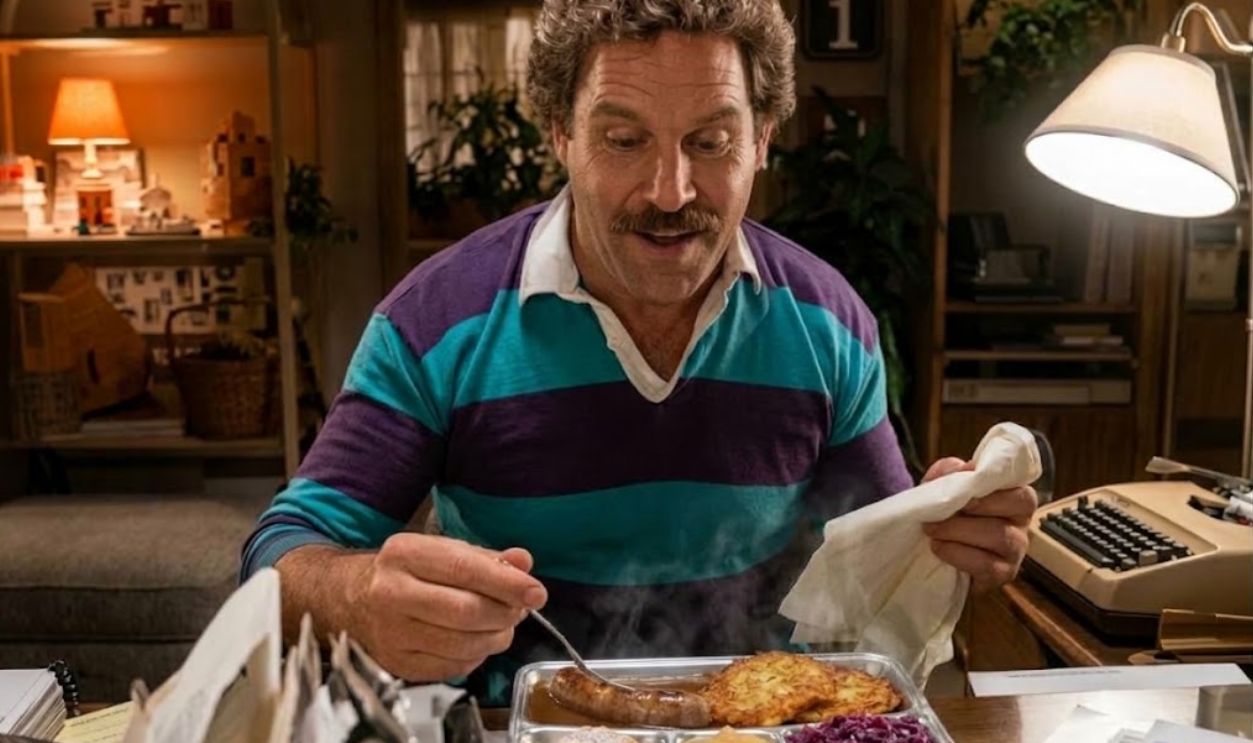 Screenshot from Swanson's German Style Dinner, Swanson (1967), Enhanced
The Microwave Changes Everything
Microwave ovens transformed the frozen-dinner business during the 1980s. Manufacturers increasingly replaced aluminum containers with microwave-compatible trays. Meals that once required lengthy oven heating could be ready in minutes. Convenience had become even more convenient, opening another chapter of industry growth.
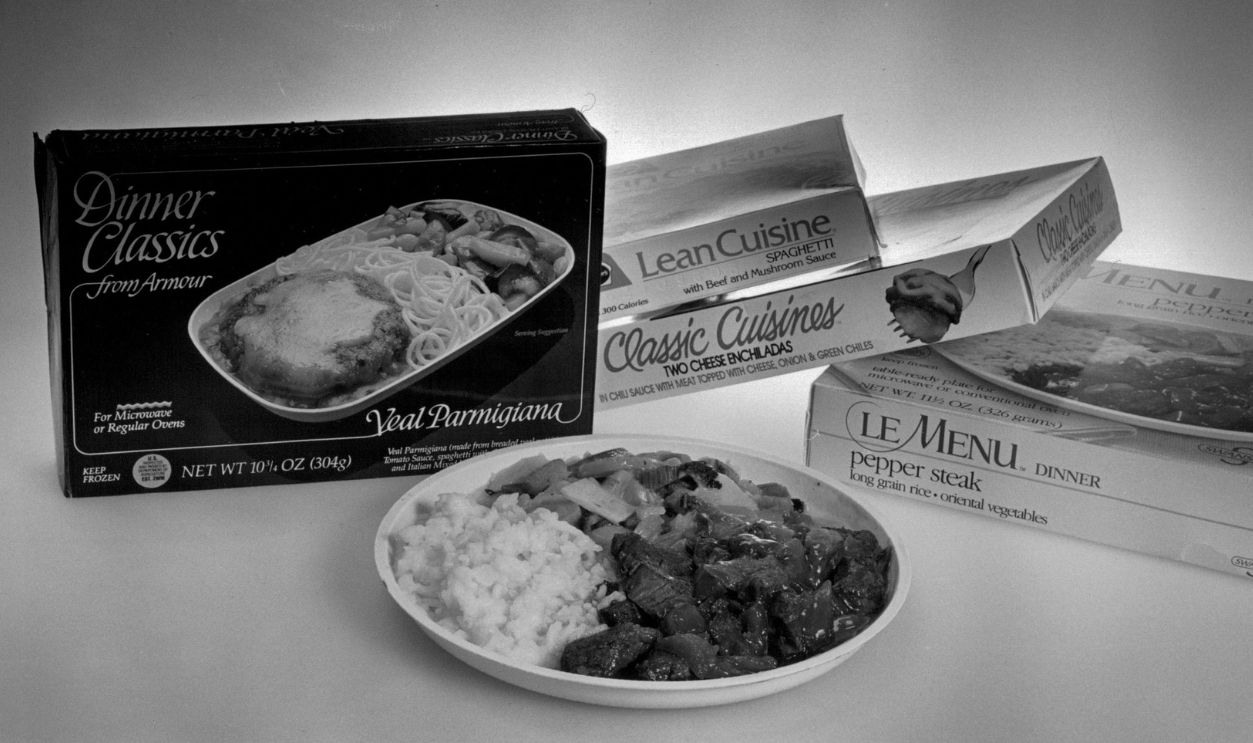
Frozen Meals Get A Healthier Makeover
In 1981, Stouffer's introduced Lean Cuisine, offering calorie-controlled frozen entrées. Its success encouraged competitors to launch products aimed at health-conscious shoppers. Frozen meals could now be marketed not only as quick and affordable, but also as a convenient way to manage portions.
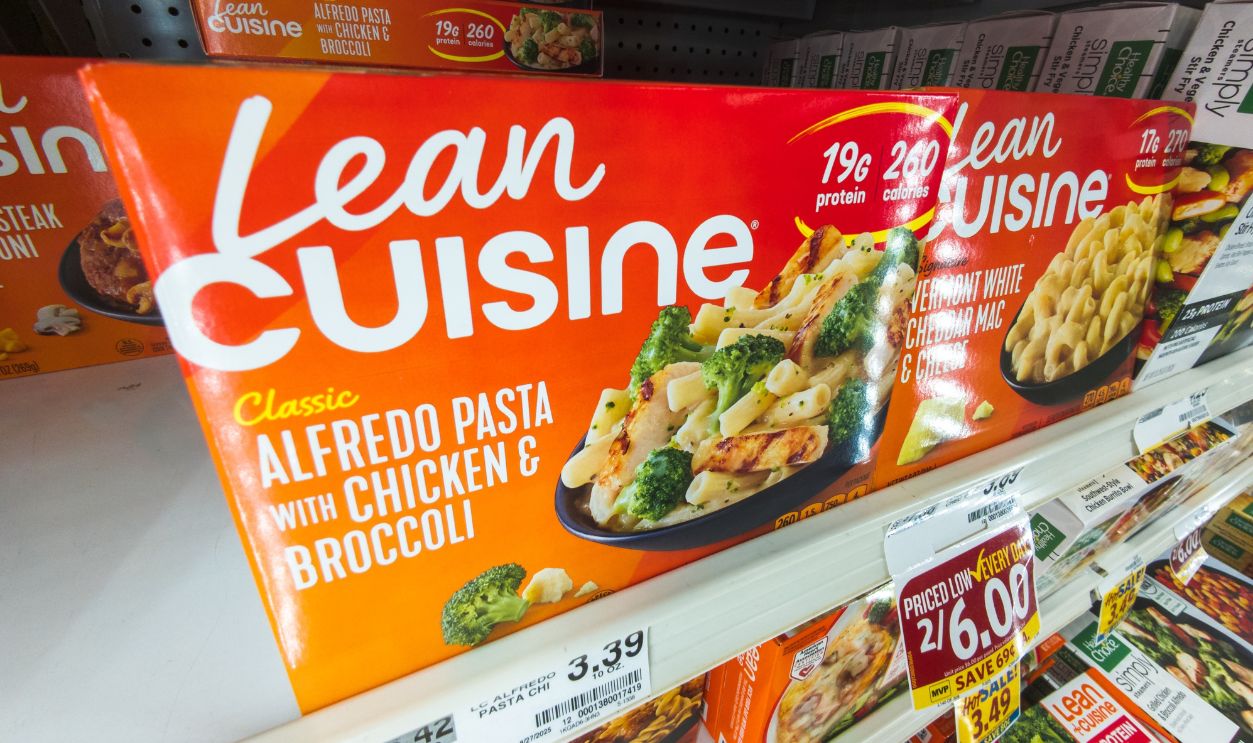
The Freezer Aisle Becomes A Gold Mine
By the 1990s and beyond, frozen meals had become a permanent supermarket category. Single-serving dinners, family-sized entrées, diet meals, and international dishes competed for customers. Improvements in packaging, distribution, and food technology helped manufacturers reach shoppers with increasingly different tastes and budgets.
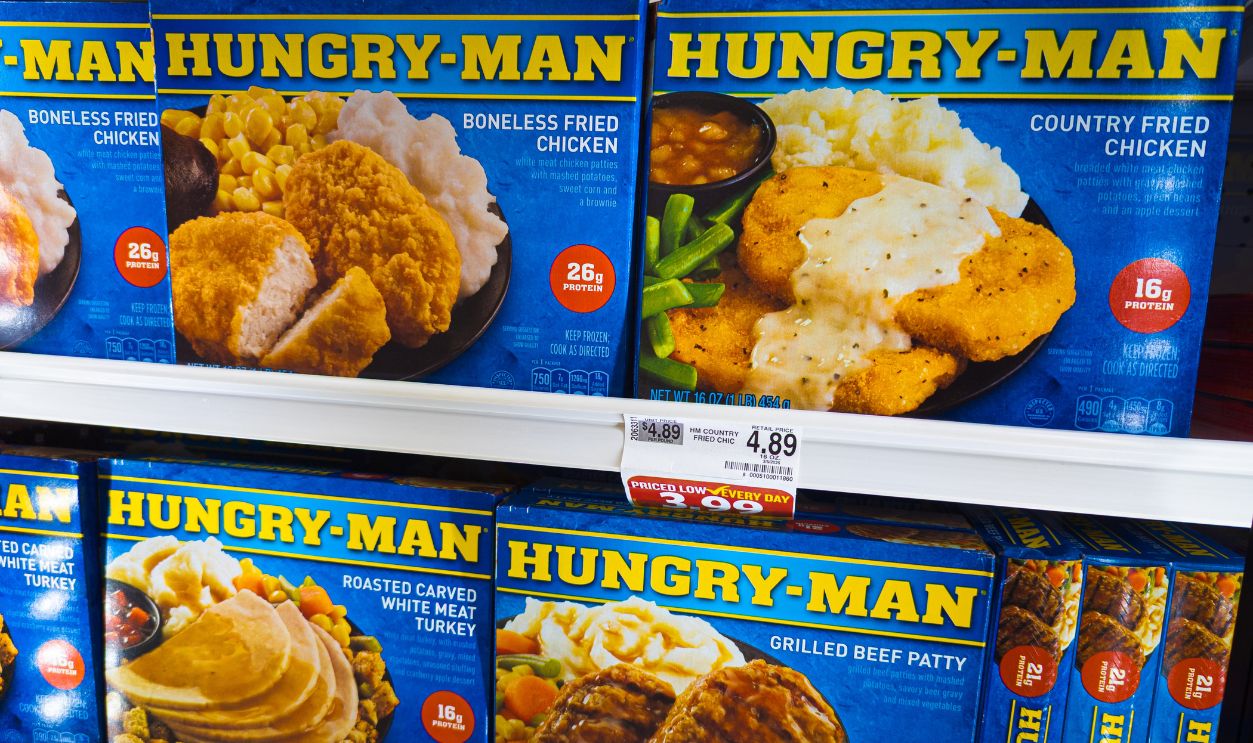
From Novelty To Multibillion-Dollar Empire
The numbers tell the story. According to Circana data reported in 2025, frozen dinners and entrées generated $13.8 billion in U.S. sales during the preceding 52 weeks. What began as an unusual convenience now serves millions of households. Clarence Birdseye probably never imagined just how far his idea would go.
You May Also Like:
Once-Dominant Brands That Couldn’t Survive A Cheaper Competitor. How Many Do You Remember?