Family Size Is Not A Price Guarantee
“Family size” describes a package, but the wording alone does not establish that it is the best value. A larger package can cost less per ounce, the same per ounce, or even more than a smaller one. The only reliable approach is to compare equivalent products using consistent units.

Start With The Unit Price
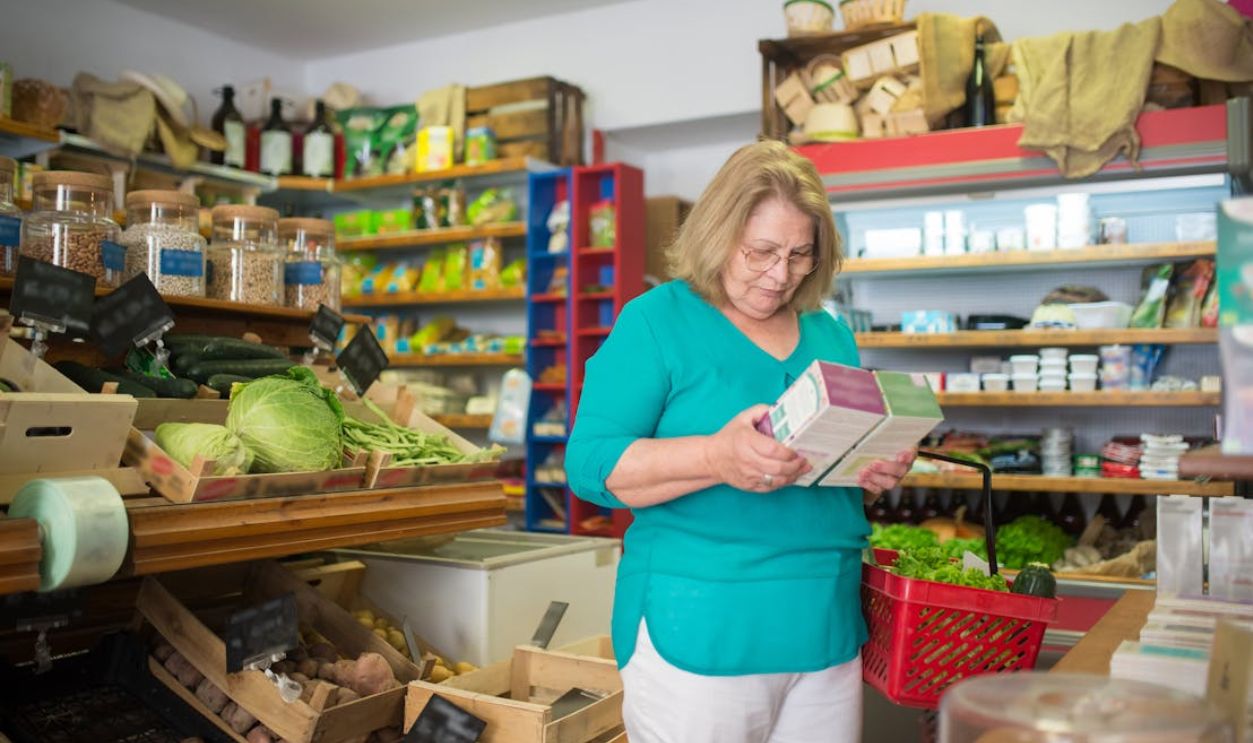
The unit price shows the cost per ounce, pound, gram, liter, or individual item. It is usually printed on the shelf label near the product’s total price, and some online stores display it too. The package with the lower comparable unit price gives you more product for each dollar.

Calculate It Yourself When Necessary
If the unit price is missing, divide the package price by the quantity inside. A $6 package containing 24 ounces costs $0.25 per ounce because $6 divided by 24 equals $0.25. Your phone’s calculator can settle the question in seconds.

Make The Units Match First
A comparison only works when both prices use the same measurement. Do not compare a price per pound with a price per ounce until you convert one of them. Since one pound contains 16 ounces, you can divide the per-pound price by 16 to find the price per ounce.

Treat Shelf Labels As A Starting Point
Shelf labels make comparison shopping faster, but confirm that each label matches the correct product and size. Displays can contain several flavors, package counts, or sale tags placed close together. Checking the package’s net quantity protects you from comparing the wrong figures.

See How The Math Changes The Answer
Suppose an 18-ounce box costs $5.40 and a 32-ounce family box costs $8.40. The smaller box costs $0.30 per ounce, while the family box costs about $0.26 per ounce. In this example, the family box saves roughly four cents per ounce if you use everything.

Recalculate Every Sale Price
A discount can reverse the regular-price comparison. If that 18-ounce box falls to $4.50, its unit price becomes $0.25 per ounce, making it cheaper than the $8.40 family box. Use the price you will actually pay rather than the crossed-out regular price.
Examine Multibuy Offers Carefully
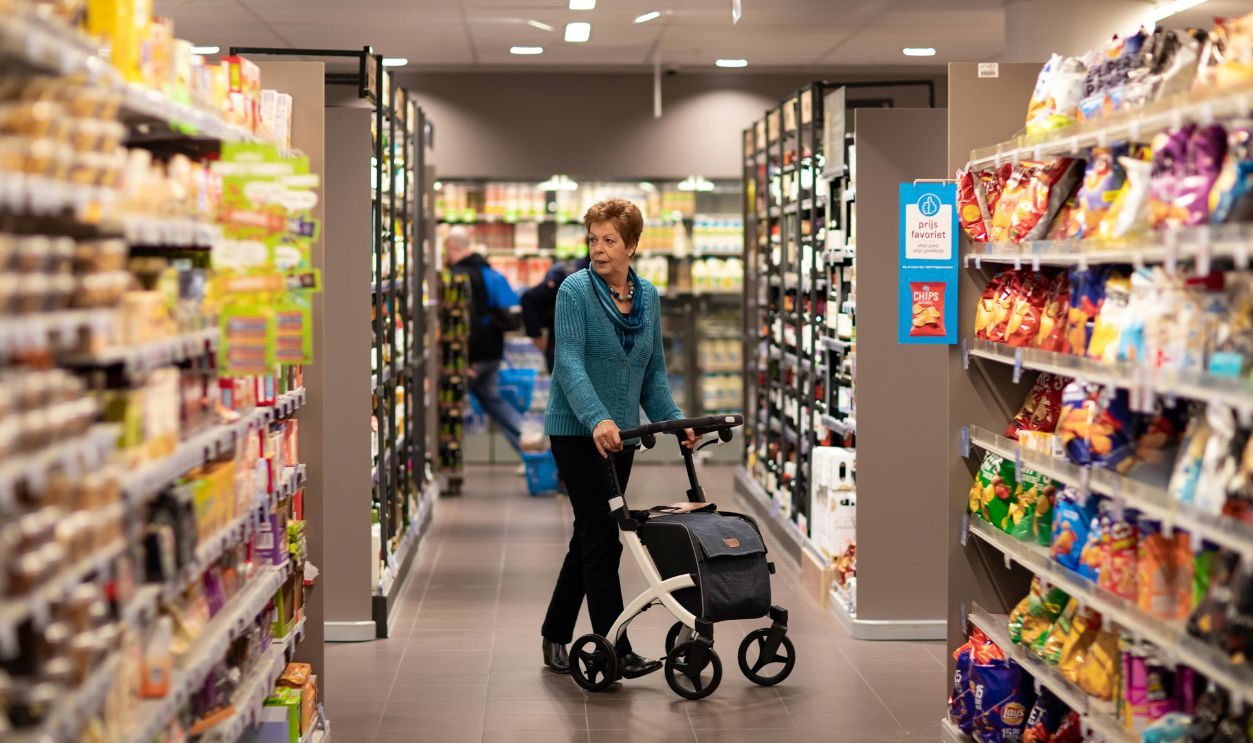
Promotions such as “two for $7” require another quick calculation. Divide the promotional total by the combined quantity, then compare that result with the family package’s unit price. Also check whether the store requires you to buy both items to receive the advertised rate.
Apply Coupons Before Comparing
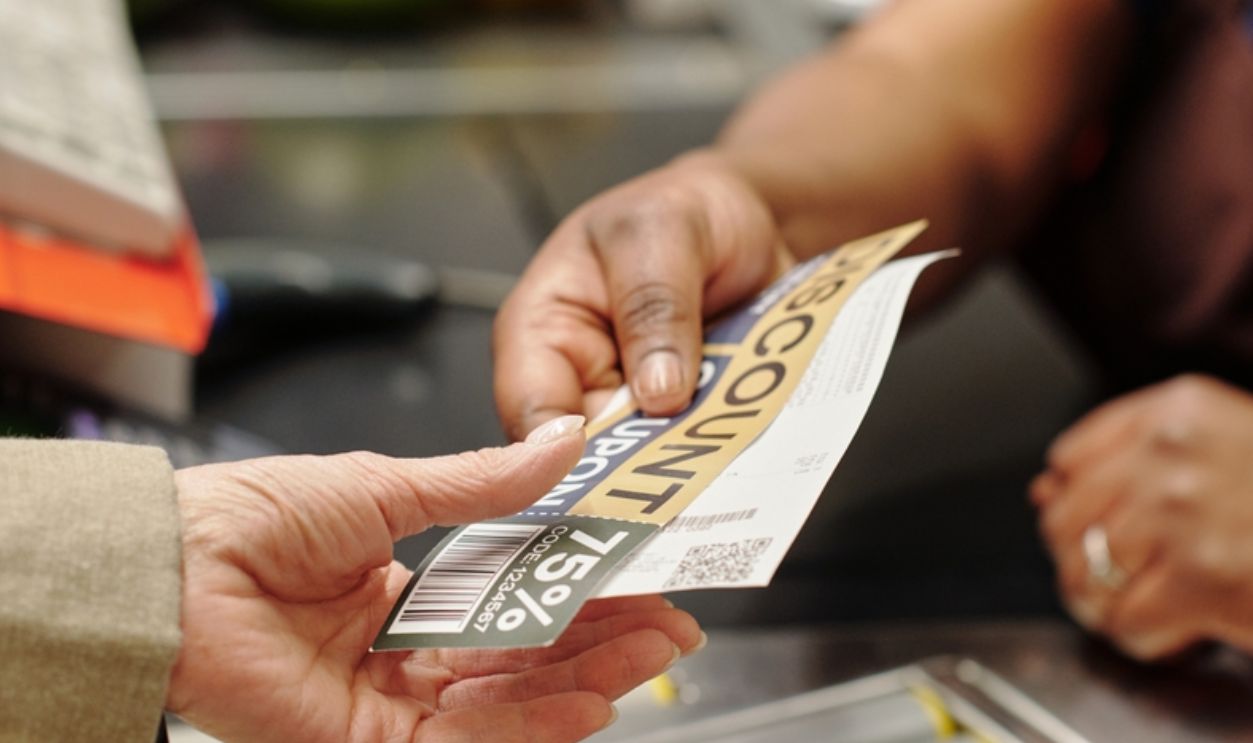
A coupon changes the effective price of the eligible package. Subtract the coupon from the price first, then divide the discounted amount by the package quantity. Verify the coupon’s size requirements, purchase minimums, expiration date, and redemption conditions before counting the savings.
Include Loyalty Requirements
Some advertised grocery prices are available only to loyalty program members or shoppers who activate a digital offer. Confirm that the discount appears in your account and applies to the exact size you selected. Otherwise, compare packages using the higher price you will actually pay.

Look Beyond One Brand
The family package may beat the smaller package from the same manufacturer while still costing more than a store-brand alternative. Compare equivalent products across brands using the same unit. A familiar label should not prevent you from checking the rest of the shelf.
 Vladyslav Starozhylov, Shutterstock
Compare Products That Meet The Same Need
Unit prices are most useful when the products are reasonably comparable. A concentrated product, a ready-to-eat version, and a product requiring added ingredients may deliver different usable amounts. Consider preparation requirements and what your household will actually eat before declaring one option cheaper.

Read The Net Quantity
Packages must disclose how much product they contain, and that quantity may appear in customary and metric measurements. Use the net weight, volume, or count rather than judging by the container’s height or width. Similar-looking packages can contain different amounts, particularly after a manufacturer changes a product’s size.
 Boxed Water Is Better, Unsplash
Watch For Shrinking Packages
Shrinkflation occurs when a product’s contents decrease while its price stays the same or changes less noticeably. The Federal Trade Commission recommends checking net quantity and unit price because familiar packaging can make reductions difficult to spot. Comparing the current label with an older receipt or package can reveal the change.

Do Not Confuse Servings With Value
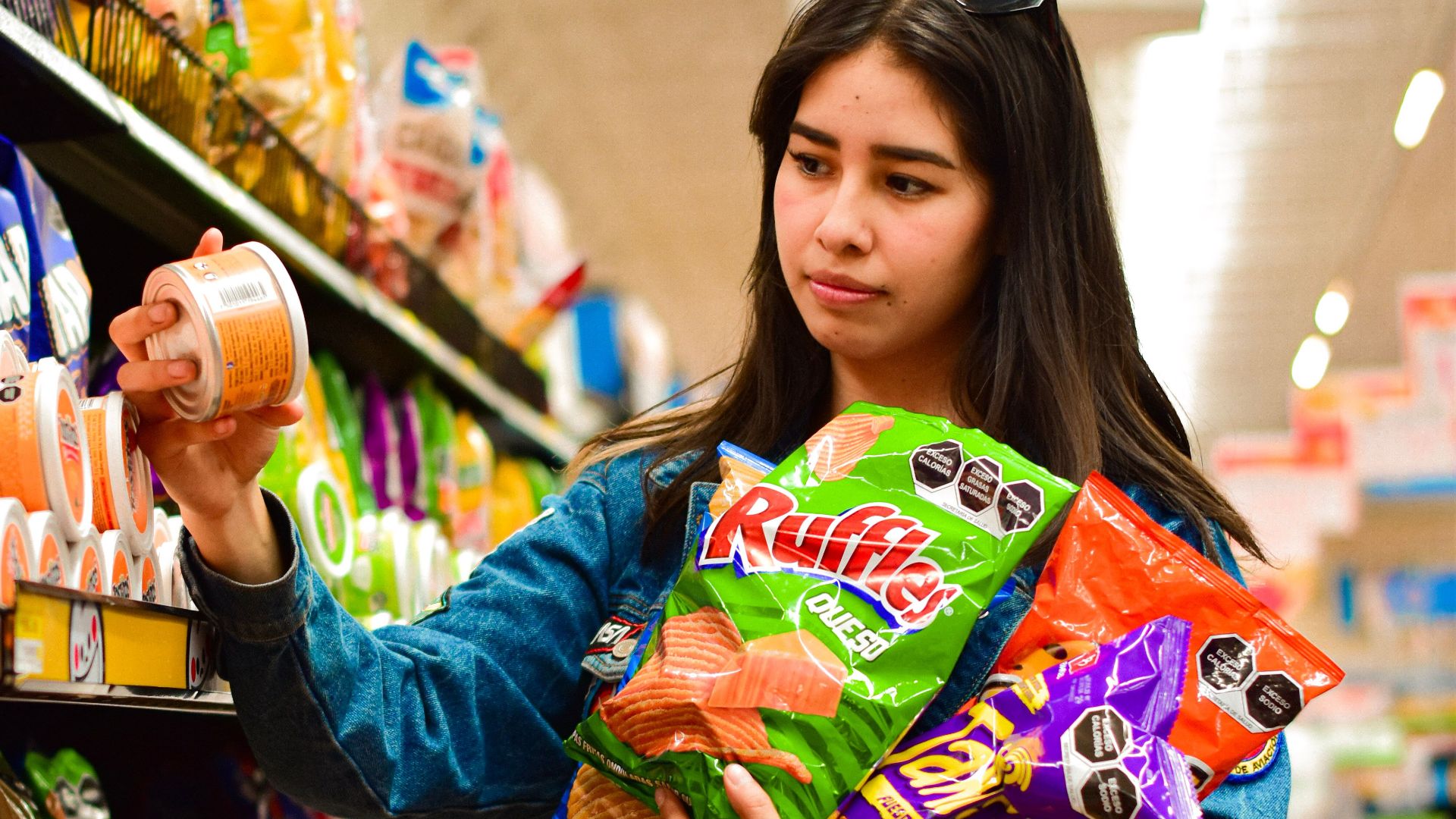
The Nutrition Facts label lists a serving size and the number of servings per container. FDA rules base serving sizes on amounts people typically consume, not on how much they should consume. Servings can help with meal planning, but price per serving is only meaningful when the products use comparable serving sizes.
Use Your Household’s Real Portions
Your family may eat more or less than the serving shown on the label. Estimate how many breakfasts, lunches, snacks, or recipes the package actually provides in your home. Dividing the price by that realistic number produces a useful cost per meal or use.

Food Waste Can Erase The Discount
A low unit price does not save money when part of the package ends up in the trash. The Environmental Protection Agency advises that large-quantity promotions save money only when the food is used before it spoils. Your expected consumption therefore belongs in the calculation.

Calculate The Cost Of What You Use
Imagine paying $8.40 for 32 ounces but consuming only 24 ounces. The effective cost becomes $0.35 for each ounce eaten, rather than the advertised unit price of about $0.26. That is worse than paying $0.30 per ounce for an 18-ounce package that you finish completely.

Find The Break-Even Quantity
You can calculate how much of a family package must be used for it to beat a smaller option. Divide the family package’s total price by the smaller package’s unit price. In the earlier example, $8.40 divided by $0.30 equals 28 ounces, so you must use more than 28 of the 32 ounces to come out ahead.

Be Cautious With Perishable Foods
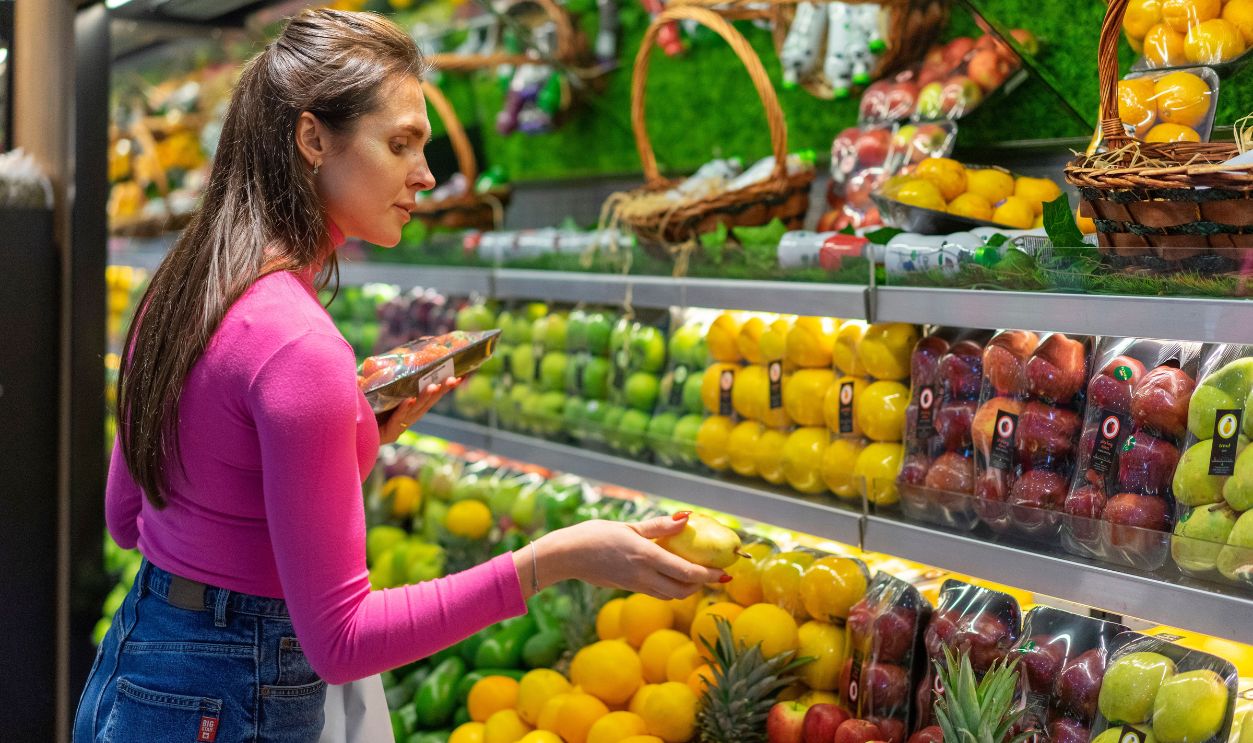
Produce, dairy, meat, and other short-lived foods deserve a stricter test than pasta or canned goods. FDA guidance warns that bulk purchases of perishables can create waste when they exceed a household’s needs. Check your meal plan and safe storage window before choosing the larger package.
Check Storage Guidance Before Buying
Refrigerated foods have different safe storage periods, so there is no single deadline for every family-size package. Check the product’s recommended storage window when you are unsure whether your household can finish it safely.

Use The Freezer Strategically
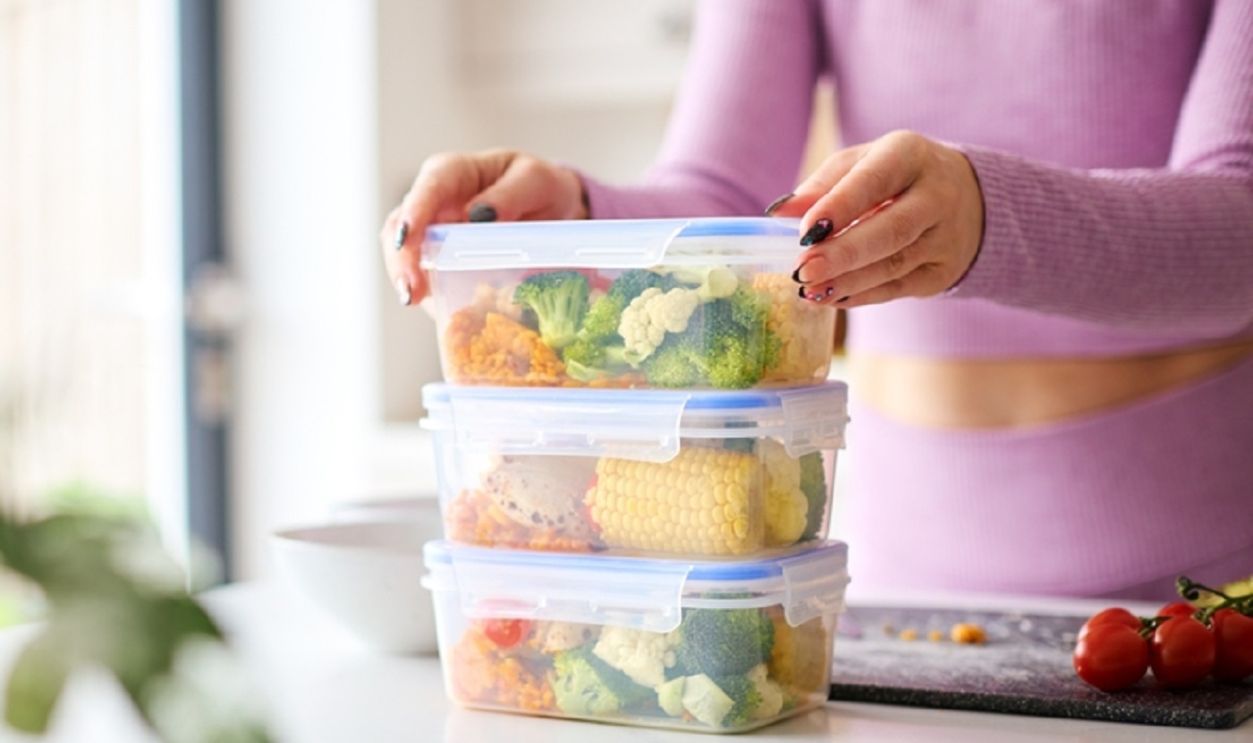
Freezing can make a larger purchase practical when the food freezes well and you have enough space. Divide meat, bread, fruit, or cooked food into useful portions, then seal and date each package. Keep the freezer at 0 degrees Fahrenheit or below.
 Monkey Business Images, Shutterstock
Give Pantry Goods A Reality Check
Shelf-stable foods reduce the immediate spoilage risk, but they can still become forgotten, stale, or unwanted. Check the pantry before buying and consider how frequently you use the item. EPA guidance recommends planning meals, listing quantities, and avoiding purchases of food already at home.

Protect This Month’s Cash Flow
A family package can have the lowest unit price while requiring more money at checkout. That distinction matters when grocery money must also cover other necessities before the next payday. Paying slightly more per ounce for the quantity you need can be the better financial decision if the larger purchase strains your budget.

Count Storage As A Practical Cost
Oversized packages need enough pantry, refrigerator, or freezer space to be stored safely. An overpacked refrigerator can restrict the circulation of cold air. Do not buy a package that you cannot store properly simply because its shelf label shows a lower unit price.

Keep A Small Price Record
Record the unit prices of several staples you buy regularly, either in your phone or on a shopping list. This gives you a personal benchmark for evaluating family packages, sales, and changing package sizes. Save the product size along with the price because the same-looking package may not always contain the same quantity.

Use A Four-Part Final Test
First, compare the price per identical unit after all discounts. Next, estimate how much your household will realistically consume and confirm that it can be stored safely. If the larger package has the lower effective cost, fits your budget, and will be used, then the family size truly saves money.

You May Also Like:
Our house needs a new roof, but we don't have the cash. Should we finance it or keep saving?