The Receipt Does Not Lie
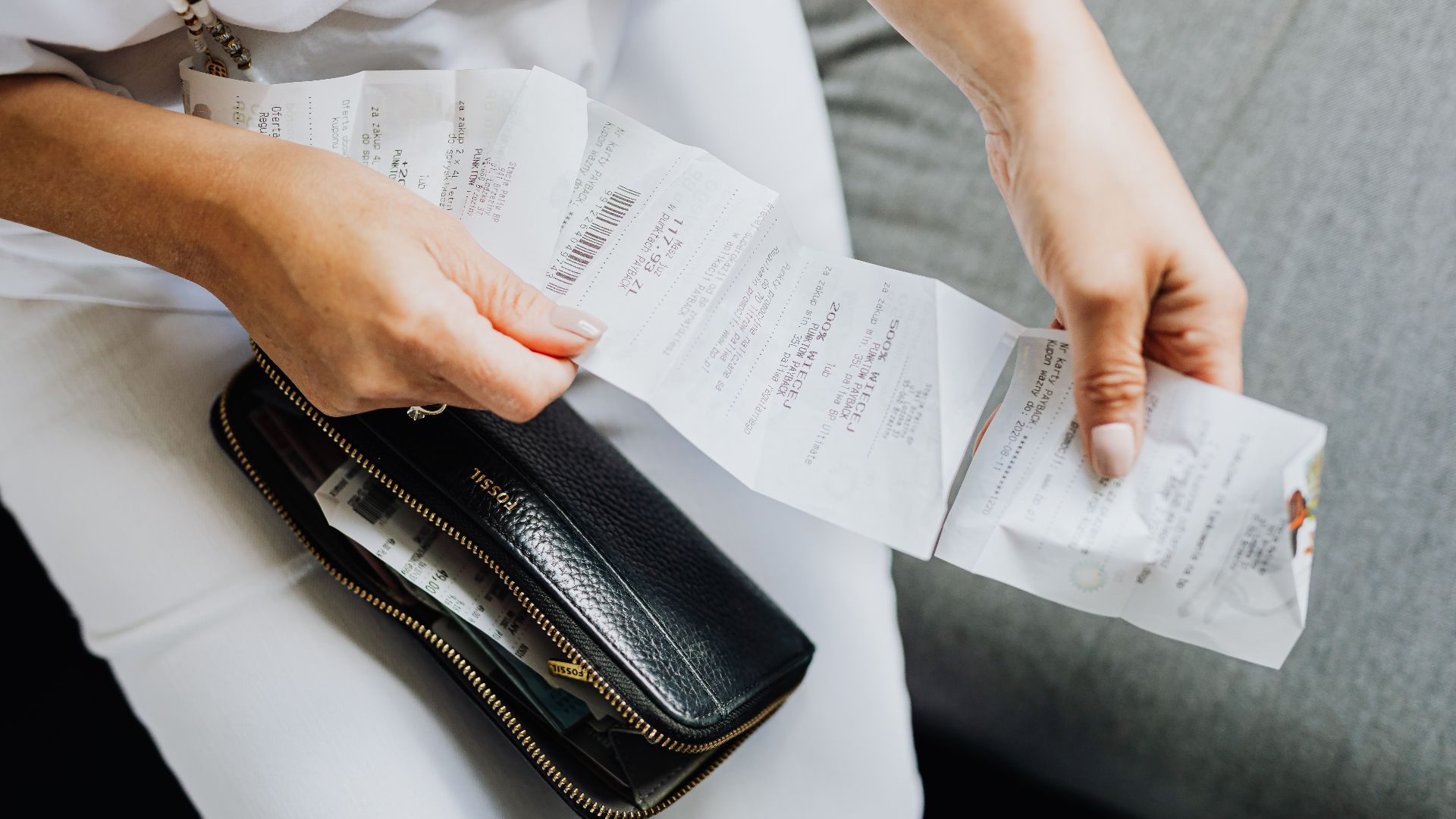
You walk into the grocery store for a few basics and somehow leave with two bags, no exciting snacks and a receipt long enough to qualify as light reading.
Ten years does not feel like ancient history. Yet the prices people remember from 2016 now sound suspiciously like stories their grandparents told them. So, is your memory accurate—or has nostalgia quietly marked everything half-price?
Ten Years Can Play Tricks On You
People remember sale prices, forget what they used to earn and rarely purchase the exact same basket every week. Packages also change sizes, brands disappear and shopping habits shift. This could easily be nostalgia doing some creative accounting. Except the government kept the receipts.
Your Memory Is Right
A typical grocery basket really does cost considerably more than it did 10 years ago. The government’s food-at-home index rose from 238.430 in June 2016 to 321.631 in June 2026—an increase of almost 35%.
Your $100 Cart Now Costs About $135
A collection of groceries that cost $100 in June 2016 would cost approximately $135 today, assuming it followed the average grocery basket. A $150 trip would now land just over $202. You are essentially paying for another bag of groceries without receiving the bag—and there is another reason the difference feels so dramatic.
2016 Was An Especially Good Year To Shop
Grocery prices were not merely lower in June 2016—they were falling. Food-at-home prices were 1.3% lower than one year earlier, while prices for meat, poultry, fish and eggs had dropped 5%. Shoppers were catching the end of a period that now looks unusually affordable.
Then The Calm Ended
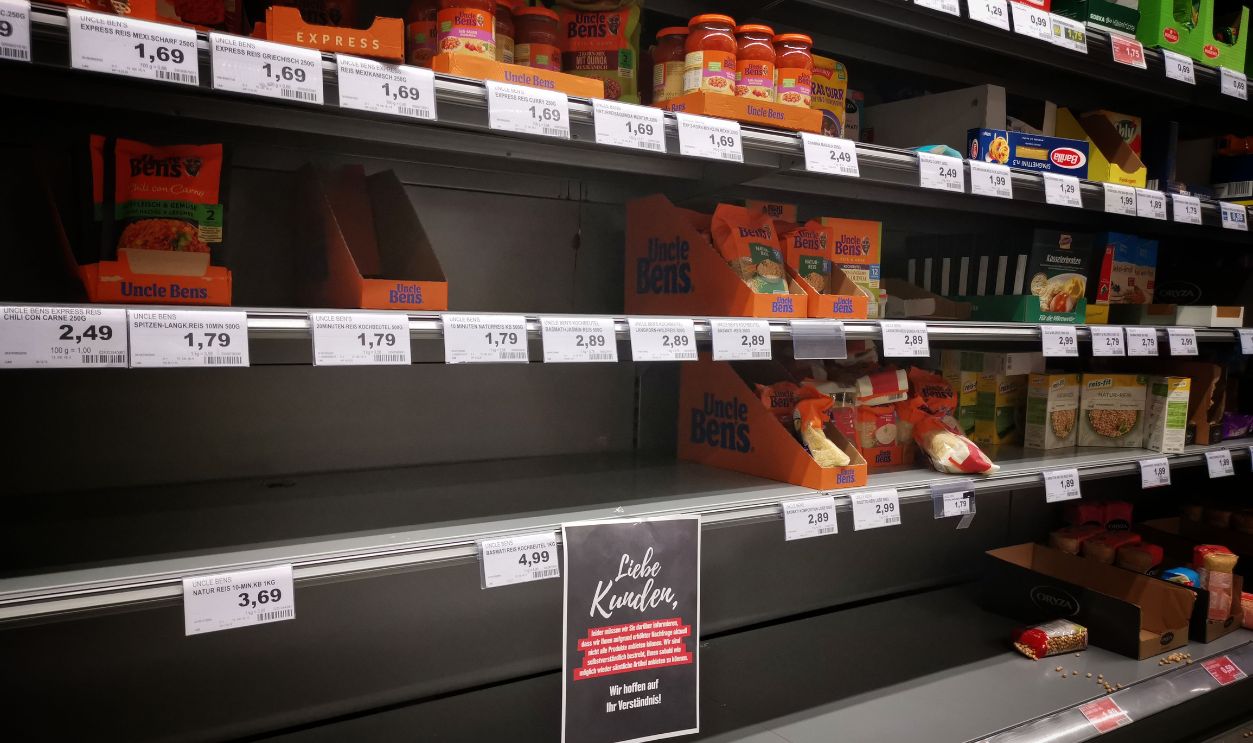
Food-at-home prices rose 3.5% in 2020 as the pandemic disrupted production, transportation, restaurants and normal shopping patterns. That increase felt painful at the time. Compared with what arrived two years later, however, it now looks almost quaint.
2022 Delivered The Biggest Blow
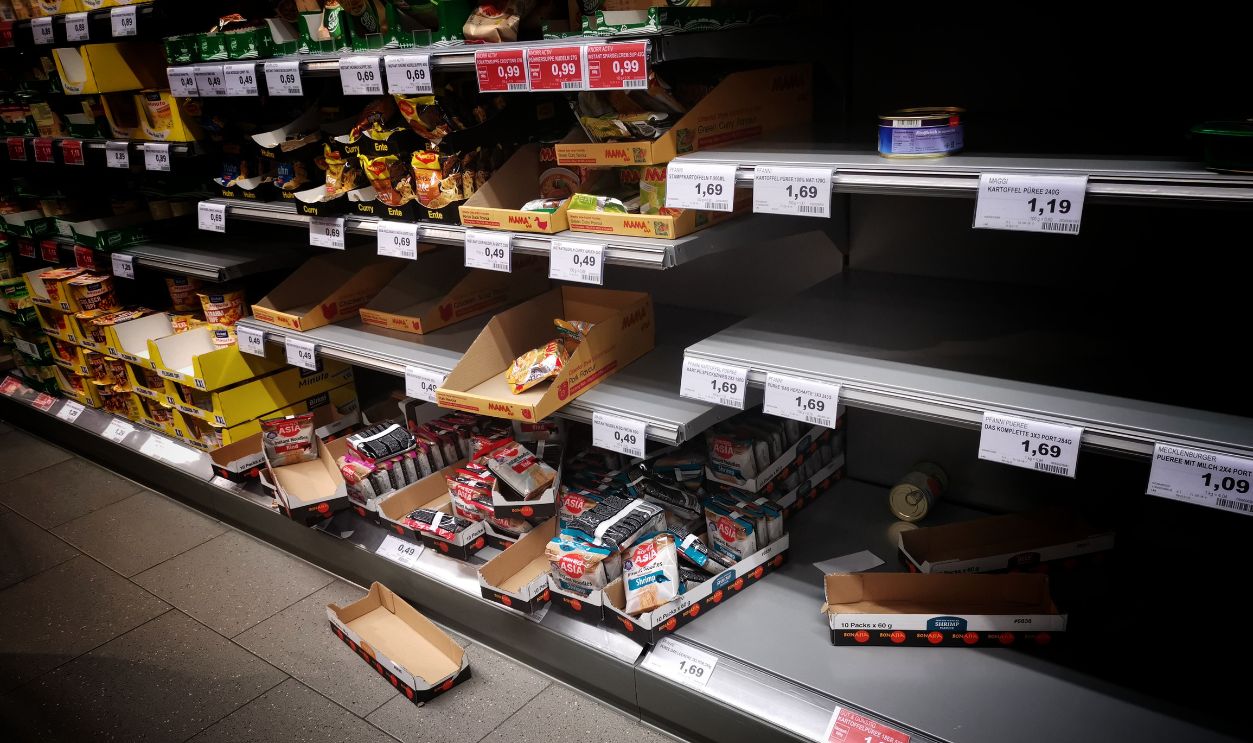
Food-at-home prices jumped 11.4% in 2022—the largest annual increase in decades. Broad inflation, higher energy costs, the Russia-Ukraine conflict and an avian influenza outbreak all contributed. Nearly every pressure seemed to arrive at once, and there was no affordable aisle left to hide in.
Slower Inflation Did Not Undo Anything
Grocery inflation slowed to 5% in 2023, 1.2% in 2024 and 2.3% in 2025. But slower inflation does not mean prices returned to normal. It means the same expensive groceries continued becoming more expensive—just at a speed that caused slightly fewer heart palpitations. And some staples rose far more than the average.
Ground Beef Went From $3.73 To $6.83
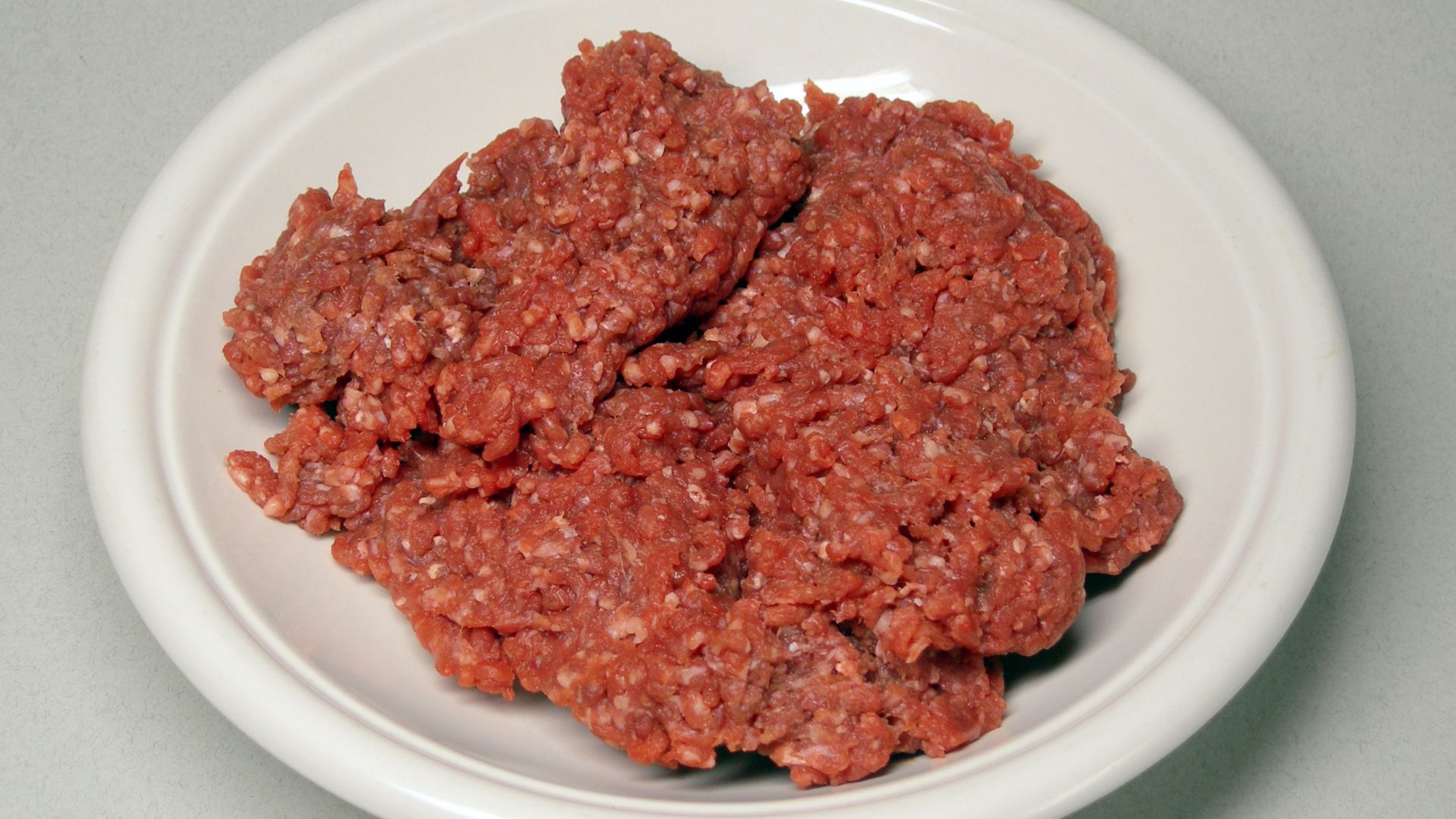
A pound of regular ground beef averaged approximately $3.73 in June 2016. By June 2026, it averaged $6.83—an increase of more than 80%. The humble weeknight hamburger is now carrying itself like a special-occasion meal.
The Cattle Supply Is Not Helping
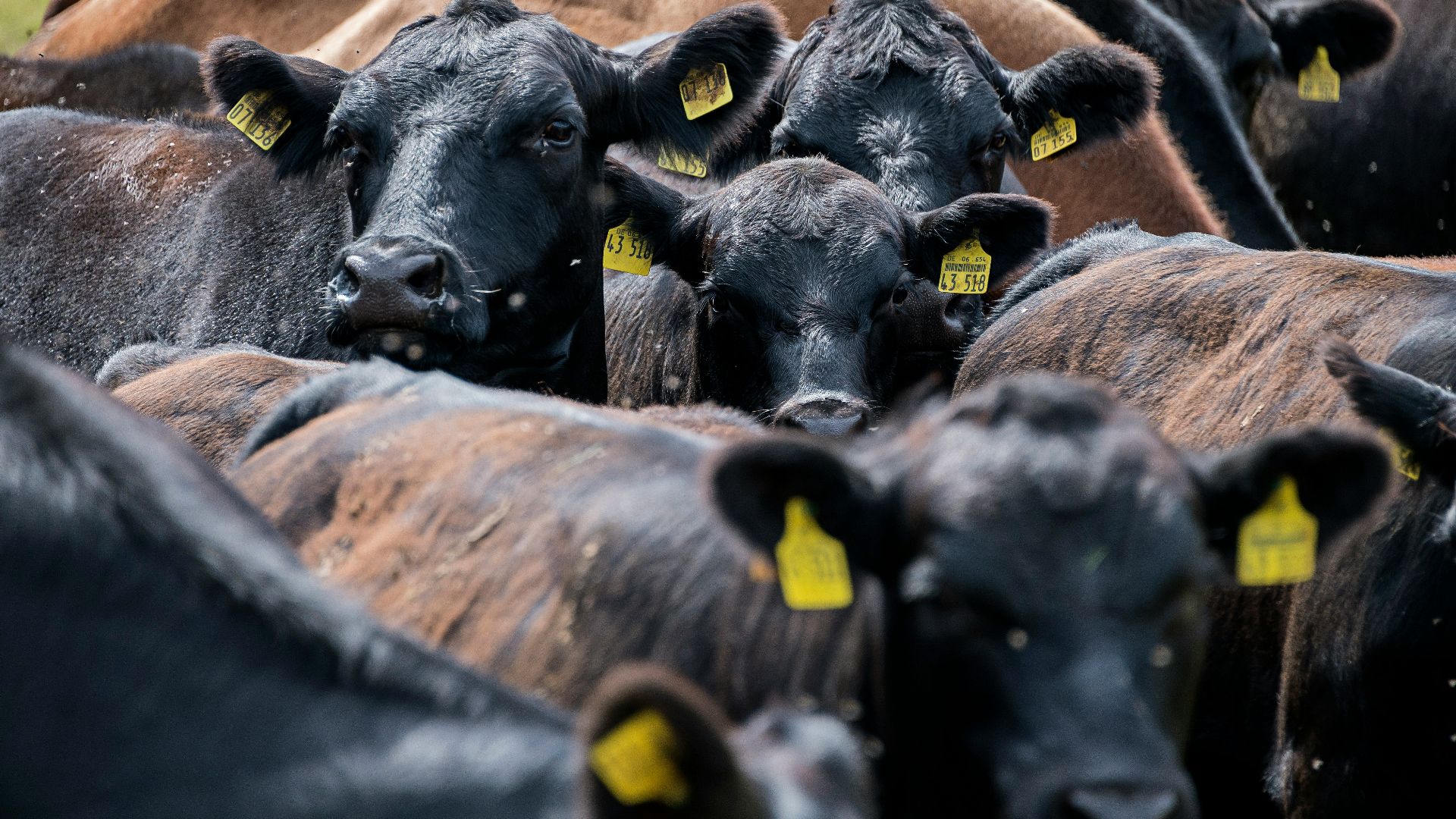
The United States had 86.2 million cattle and calves at the beginning of 2026, including 27.6 million beef cows—down another 1% from the previous year. The national herd remains around levels last seen in the early 1950s, tightening beef supplies while demand remains strong.
Coffee More Than Doubled
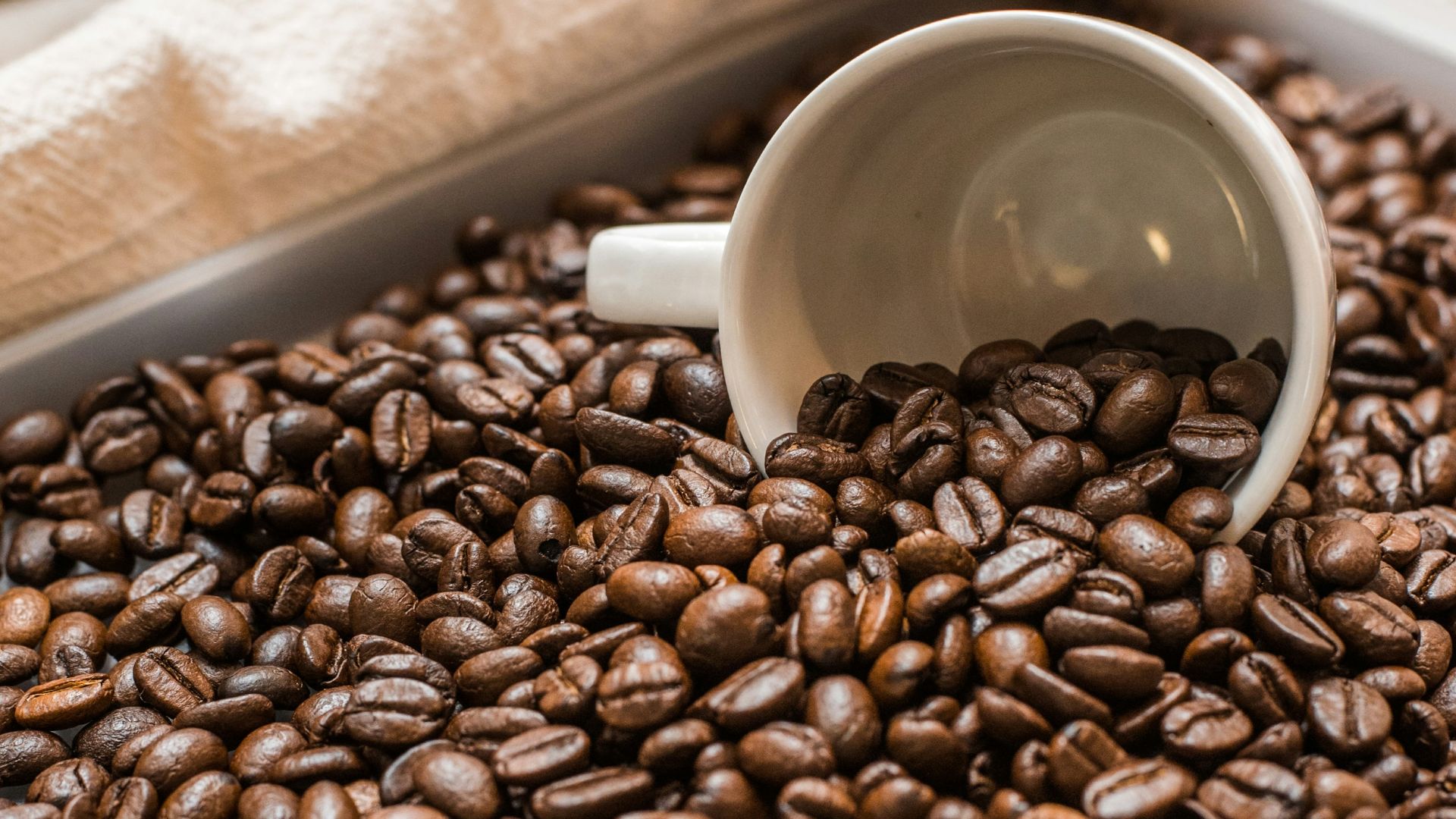
A pound of ground roast coffee averaged approximately $4.48 in June 2016. Ten years later, it averaged $9.46. Making coffee at home is still cheaper than visiting a café, but the kitchen counter is no longer making a particularly convincing argument.
Bread Rose From $1.33 To $1.81
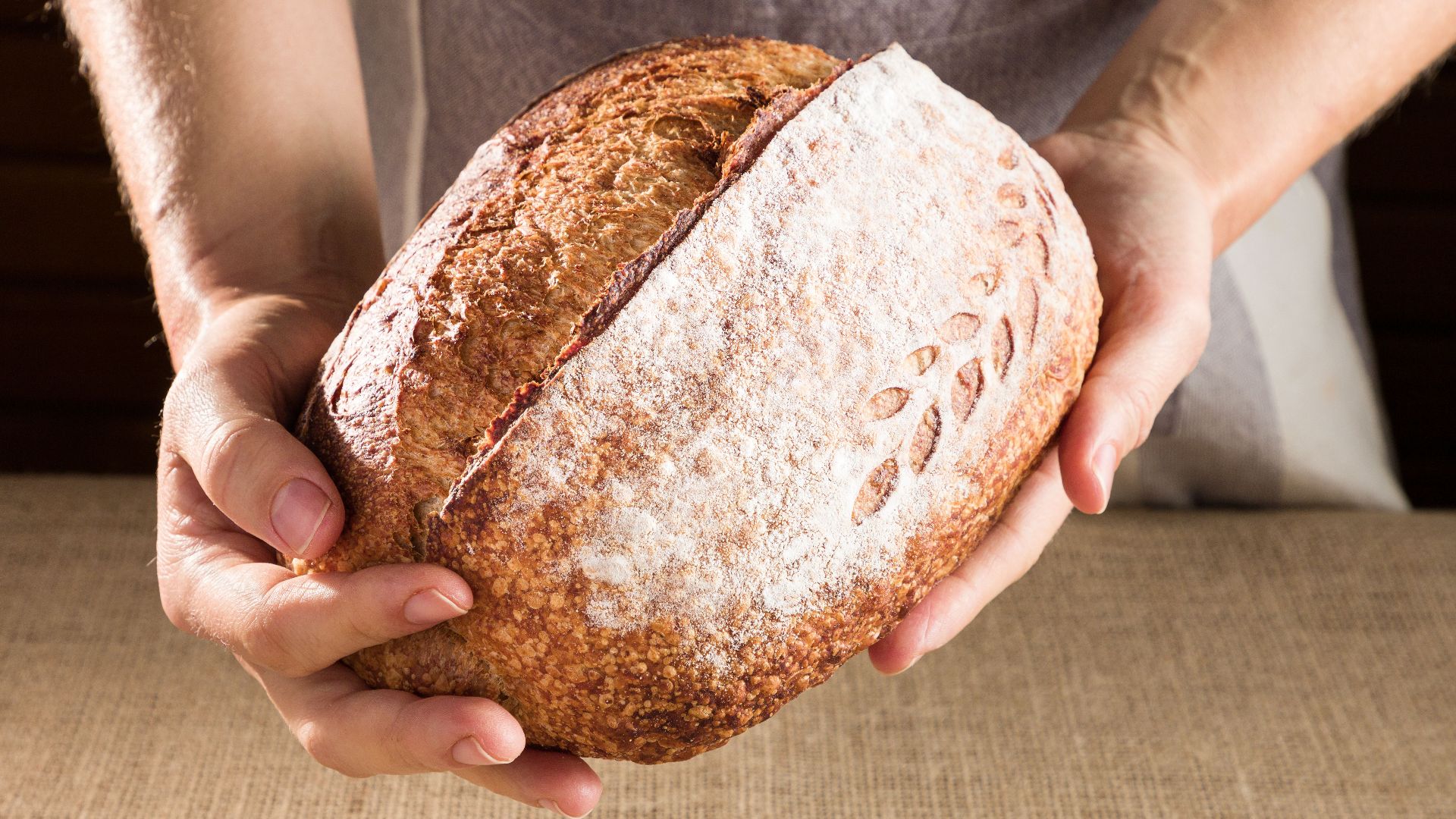
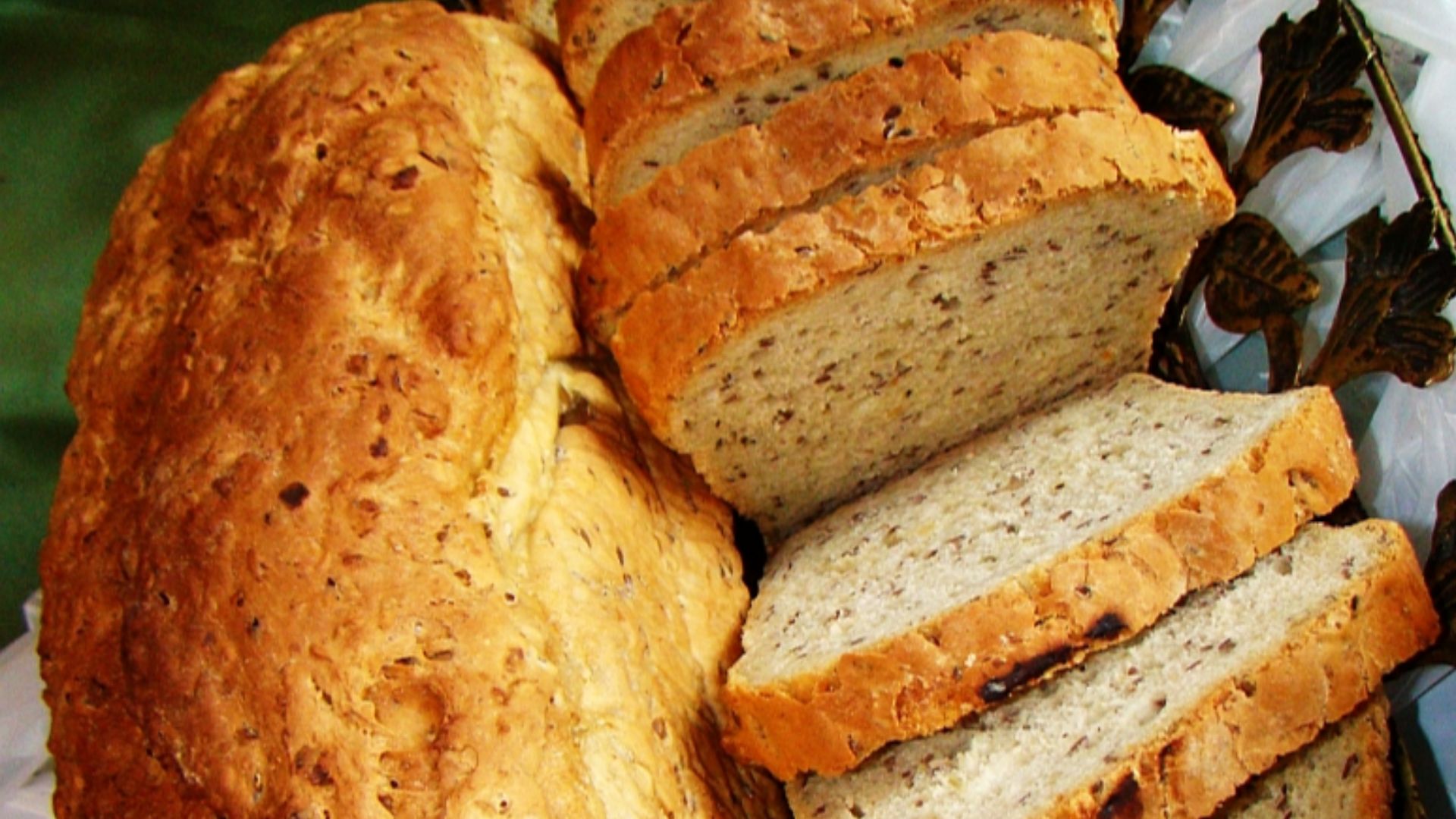
The average price of a pound of white bread increased from approximately $1.33 in June 2016 to $1.81 in June 2026. That is not the most shocking increase in the store, but bread has apparently decided it no longer wants to be called a cheap staple.
 FRANCIANO PUHALES [FF8], Pexels
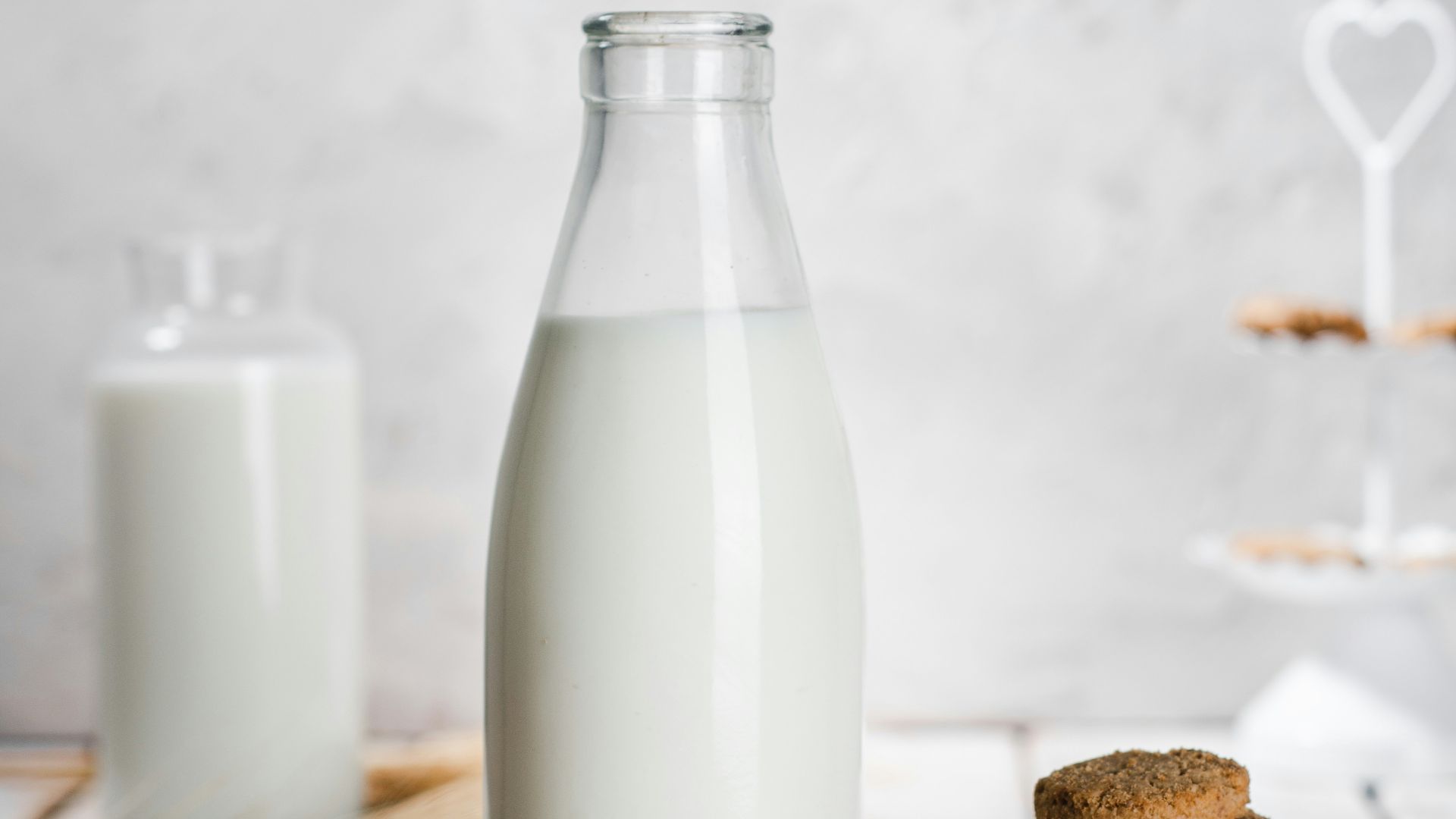
Milk Climbed From $3.12 To $4.32
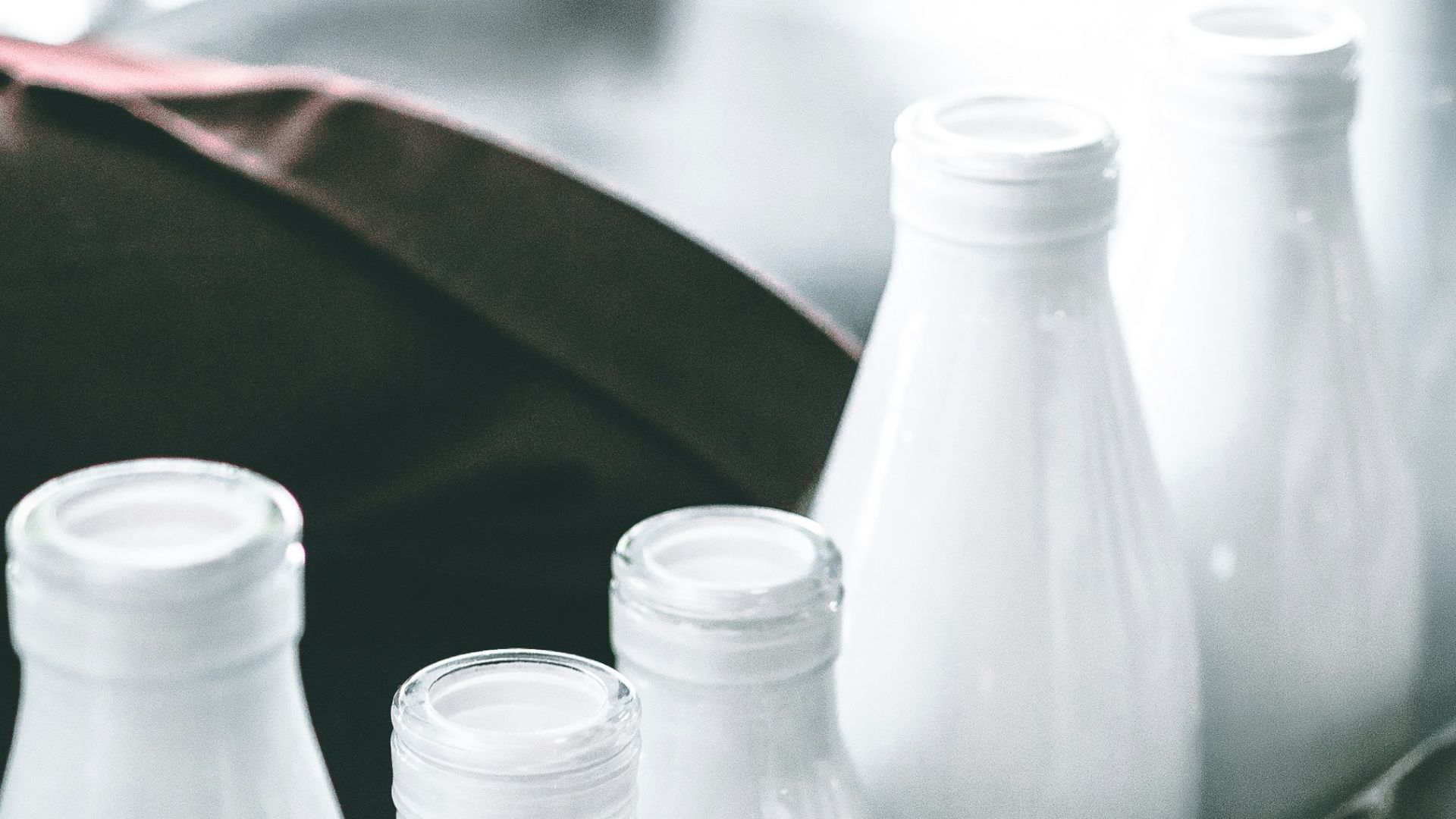
A gallon of whole milk averaged approximately $3.12 in June 2016. Ten years later, it averaged $4.32—an increase of almost 39%. Milk did not create the same headlines as beef or eggs. It simply slipped another dollar onto the receipt while nobody was looking.
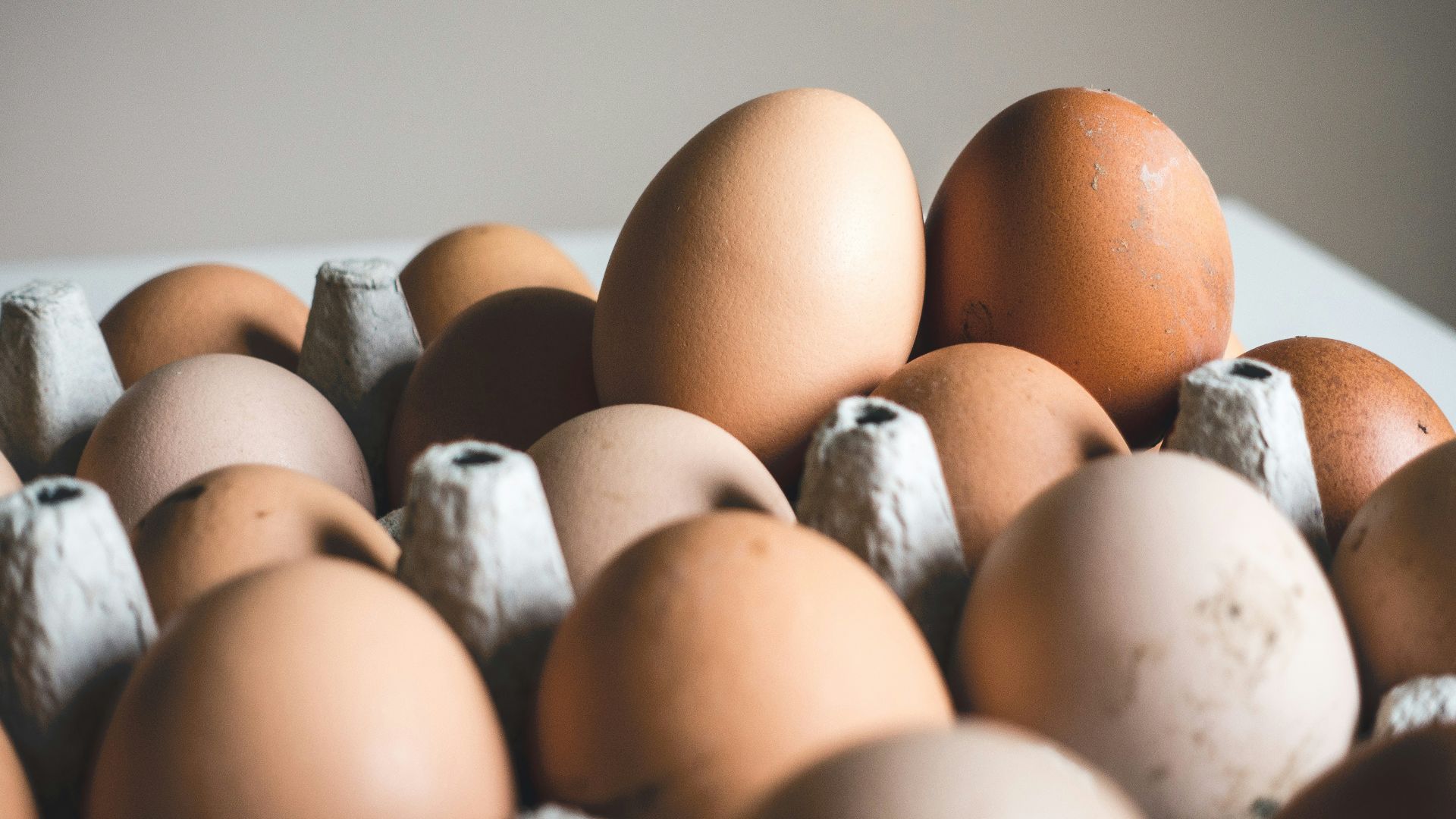
Eggs Have Been All Over The Place
A dozen large Grade A eggs averaged $1.49 in June 2016 and $2.14 in June 2026. That comparison hides a wild decade, including a climb above $6 in early 2025 before prices finally began falling again. Omelets briefly required the kind of financial planning normally reserved for vacations.
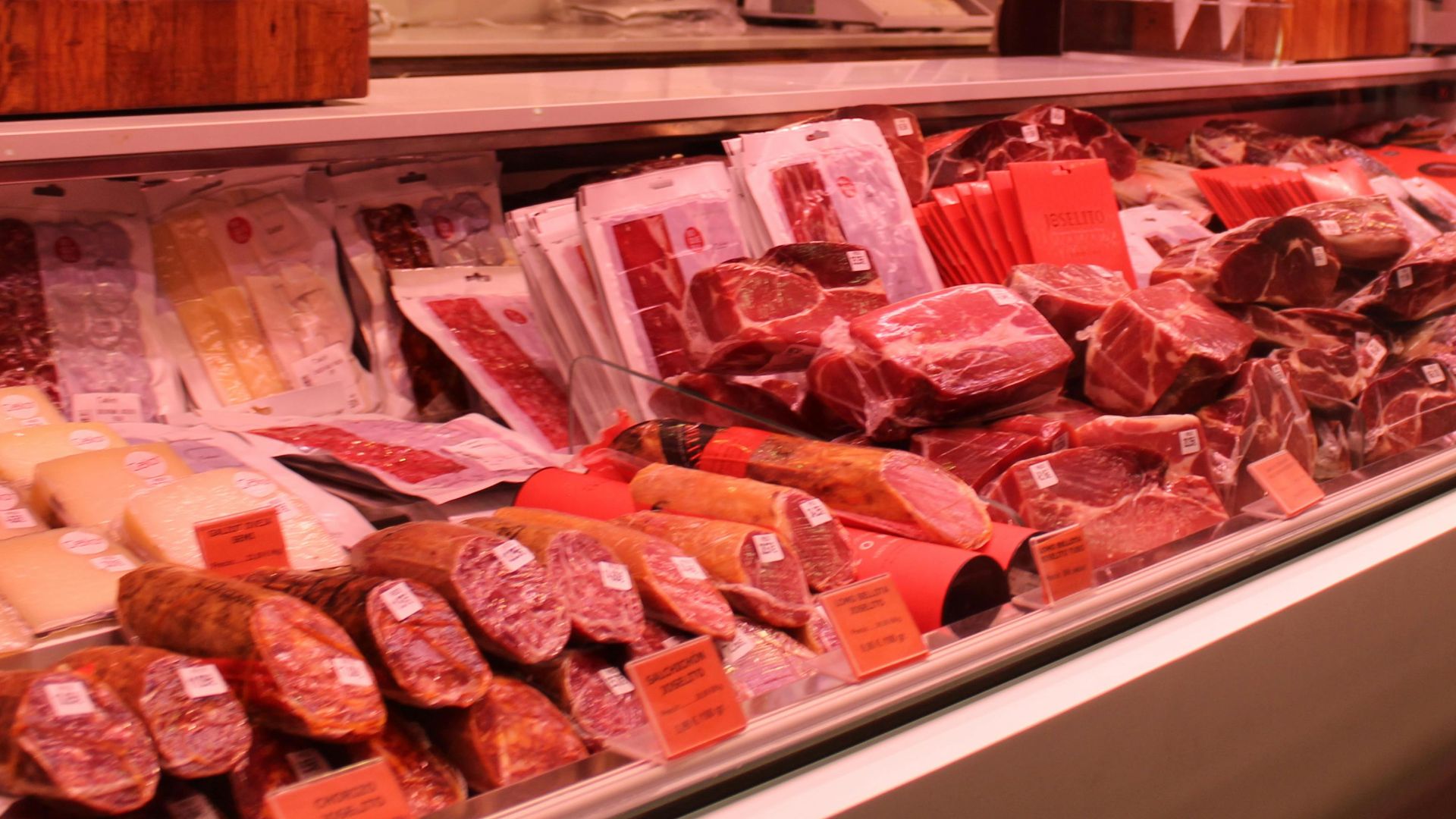
The Entire Meat Aisle Took A Bigger Bite
The broader index covering meat, poultry, fish and eggs increased from 248.016 in June 2016 to 350.974 in June 2026. That works out to an increase of approximately 42%—noticeably more than the 35% increase for groceries overall. But the meat aisle was not the only section quietly wrecking the budget.
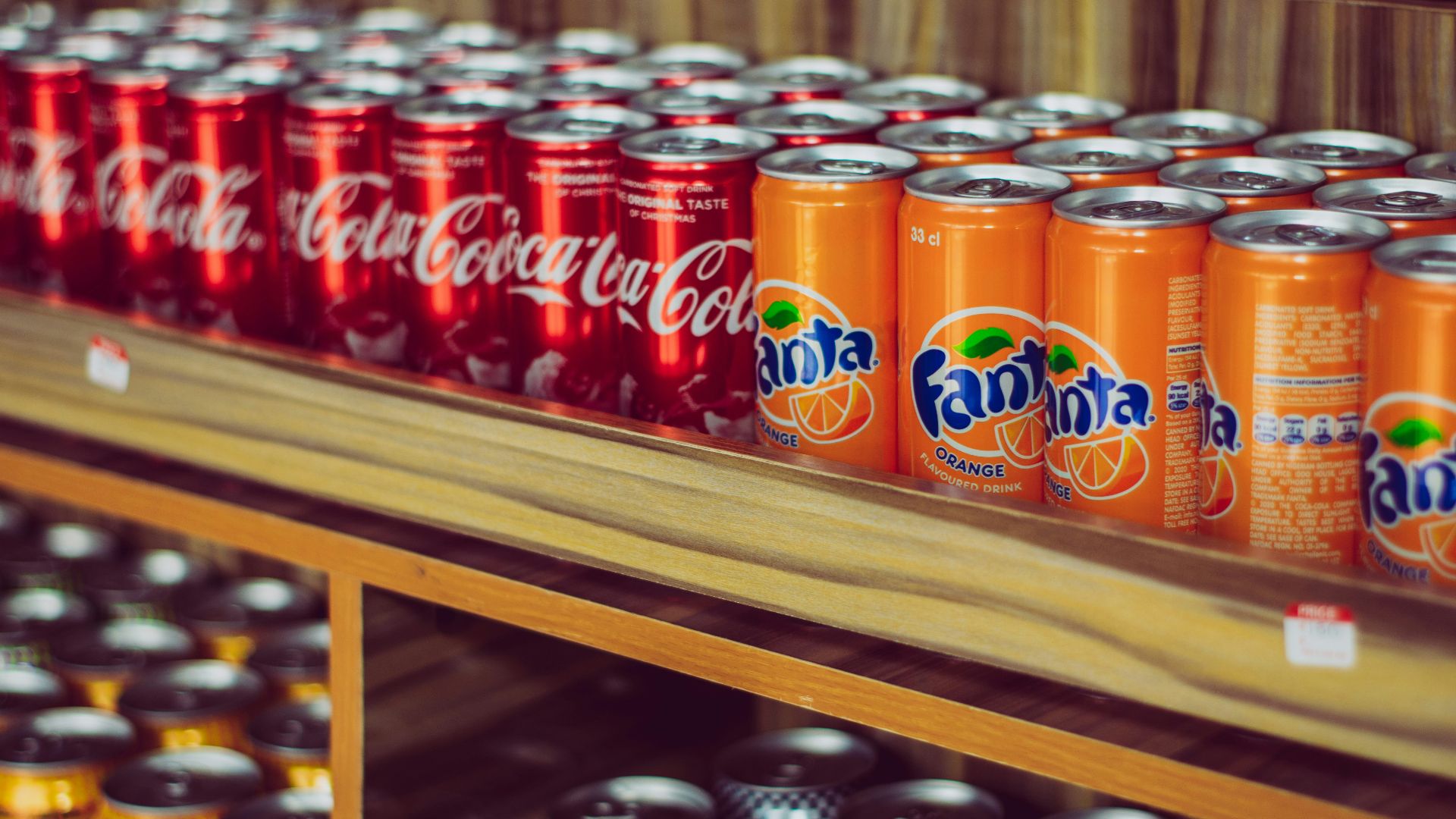
Your Drinks Became Surprisingly Expensive
The index covering coffee, tea, juice, soda and other nonalcoholic beverages rose approximately 42% over the decade. Drinks may not take up much space in the cart, but they have become frighteningly efficient at taking up space on the receipt.
Dairy Rose Less—But Still Plenty
The dairy index increased approximately 26% between June 2016 and June 2026. That was considerably less than the jump for meat or beverages, although “only one-quarter more expensive” is a fairly depressing definition of good news.
Produce Rose By About The Same Amount
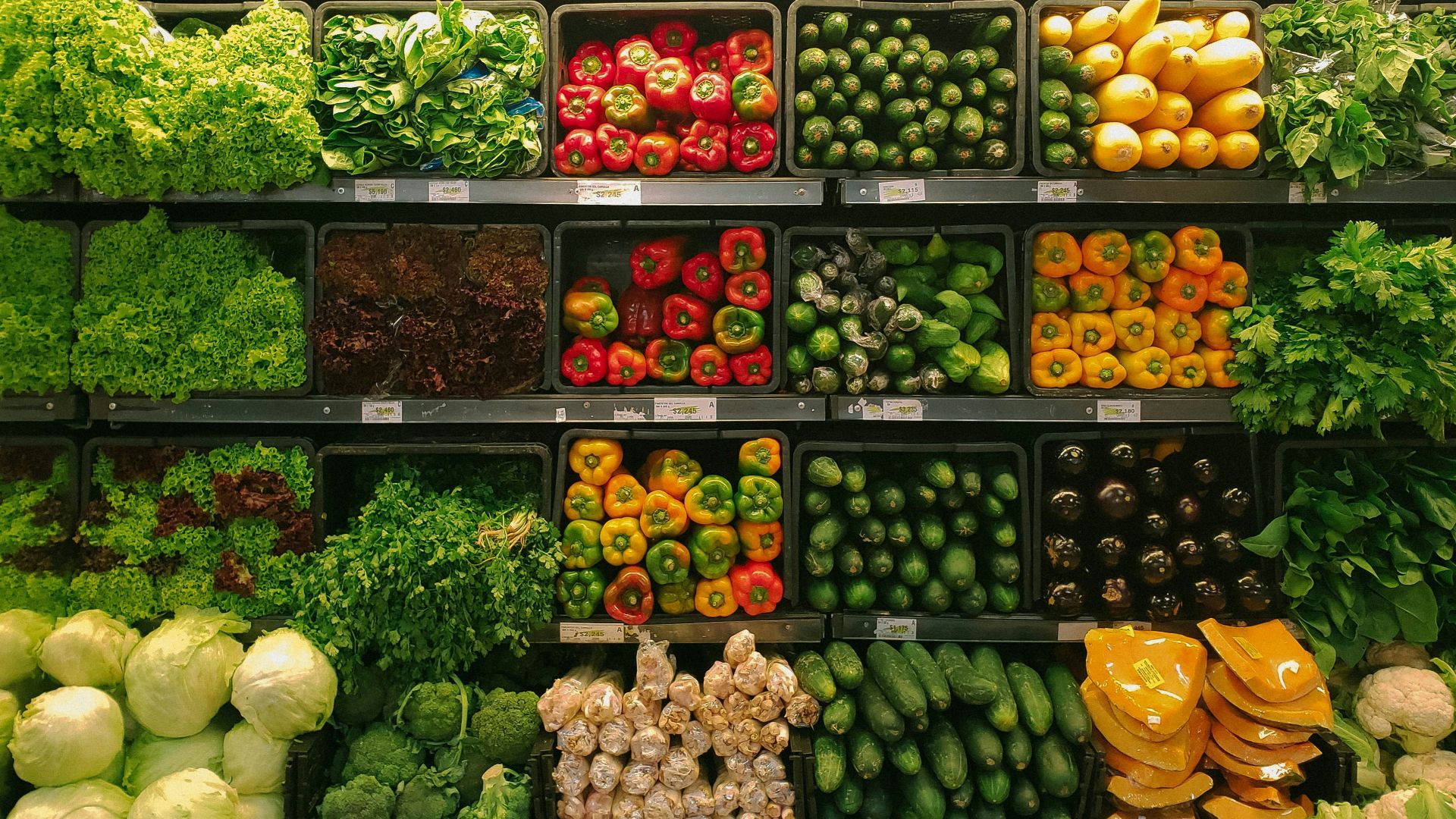
Fruit and vegetable prices also increased approximately 26% over the decade. However, broad categories can hide some brutal individual jumps. In June 2026 alone, fresh lettuce cost 32.1% more than it had one year earlier, while tomato prices were up 19.5%. Apparently, even the salad is coming for your wallet.
Eating Out Became Even More Expensive
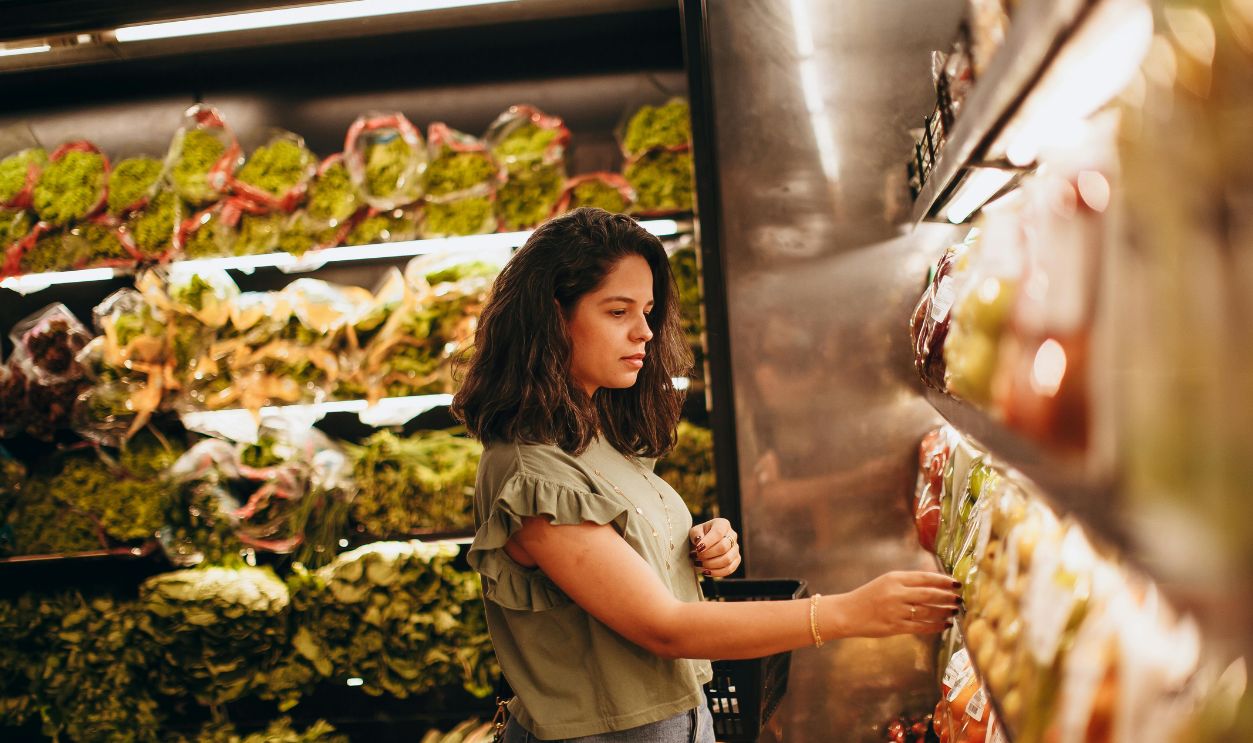
Restaurant and takeout prices increased approximately 51% between June 2016 and June 2026—far more than grocery prices. Cooking at home therefore remains the cheaper option. It just no longer feels particularly cheap while the cashier is asking whether you want your receipt.

Your Personal Increase May Be Much Higher
The 35% figure represents an average basket, not every shopper’s cart. Someone who regularly buys beef, coffee and certain fresh vegetables may have experienced a much larger increase. Someone purchasing more poultry, dairy and store-brand pantry foods may have fared better—but “better” is doing some heavy lifting there.
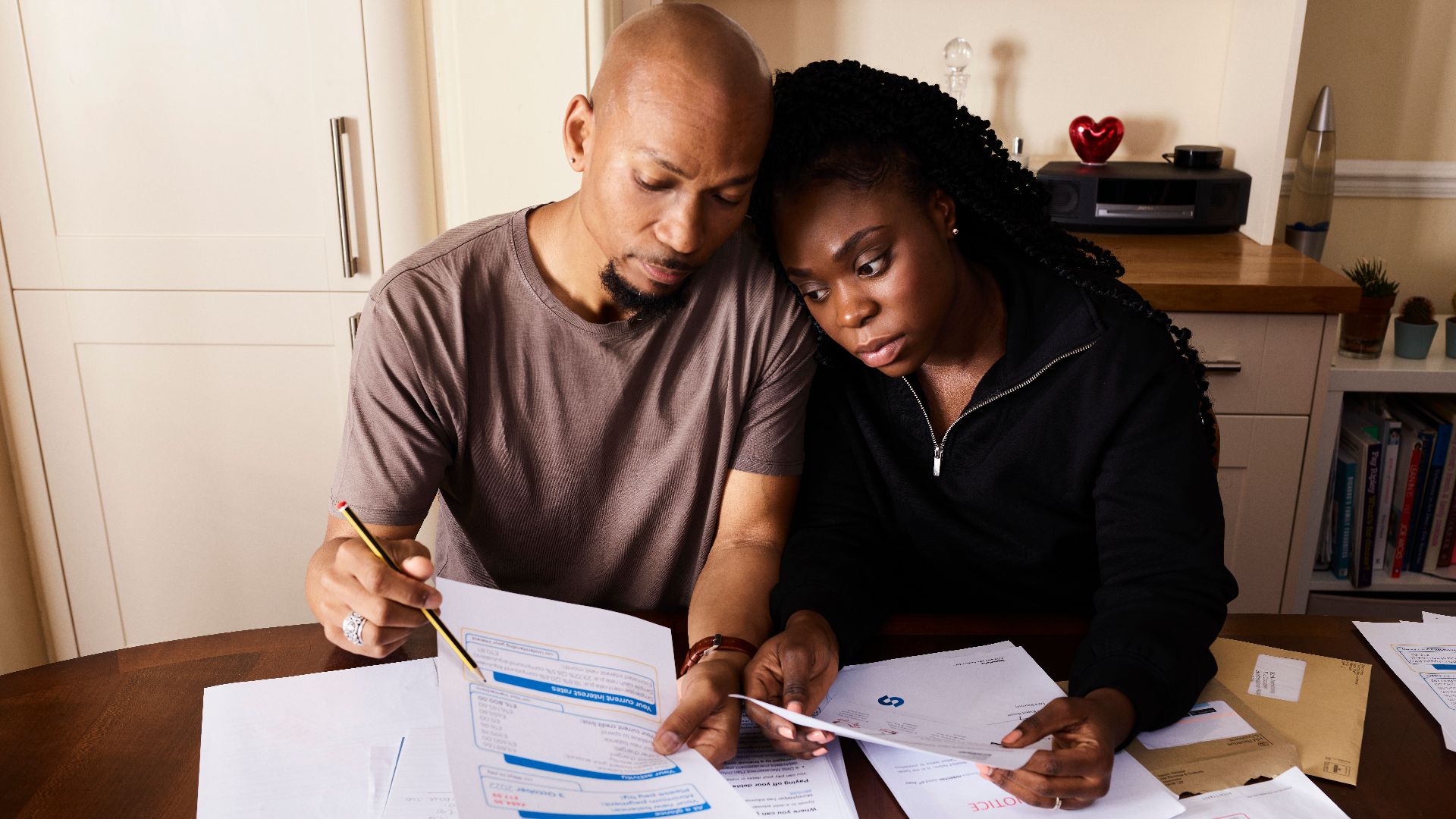
Paychecks Increased Too
Median weekly earnings for full-time wage and salary workers rose from $824 in the second quarter of 2016 to $1,251 in the second quarter of 2026—an increase of almost 52% in nominal dollars. That outpaced the overall rise in grocery prices on paper, which sounds reassuring until the word median enters the conversation.
That Does Not Mean Everyone Feels Richer
The earnings figure covers full-time workers and represents the person in the middle, not every household or the raises received by the same group of workers. It excludes self-employed workers and does not describe many retirees or part-time employees. It also says nothing about housing, insurance, utilities and every other bill competing for the same paycheck.
 Vodafone x Rankin everyone.connected, Pexels
Grocery Inflation Is Hard To Ignore
Most people do not check their home’s value or insurance premium every Tuesday. They do see the prices of milk, coffee, bread and ground beef repeatedly—often on the exact same shelves where they remember paying much less. Every shopping trip becomes another reminder.
Shoppers Have Changed How They Buy Food
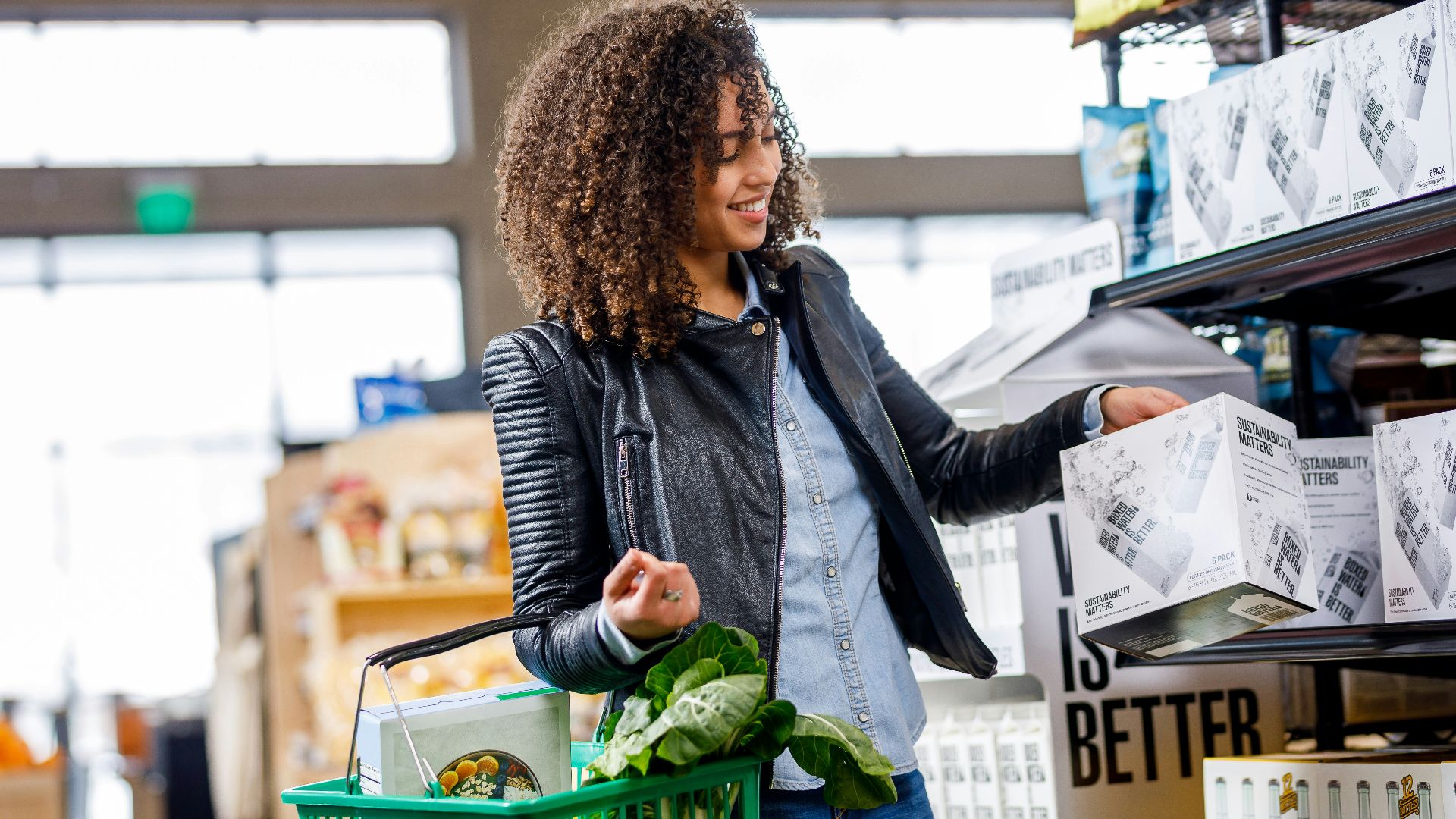
When food prices rise, households may buy less, choose lower-cost alternatives or cook at home more. USDA data also found that after the enormous 2022 increases, consumers reduced the share of their grocery spending going toward most animal-based proteins—some of the most expensive foods in the cart.
 Boxed Water Is Better, Unsplash
Prices Are Still Rising In 2026
Food-at-home prices were 2.7% higher in June 2026 than one year earlier. USDA currently expects grocery prices to rise an average of 2.7% for the full year—slightly faster than their 20-year historical average. Relief still means “rising more slowly,” not “getting cheaper.”
So, How Much Cheaper Was 2016?
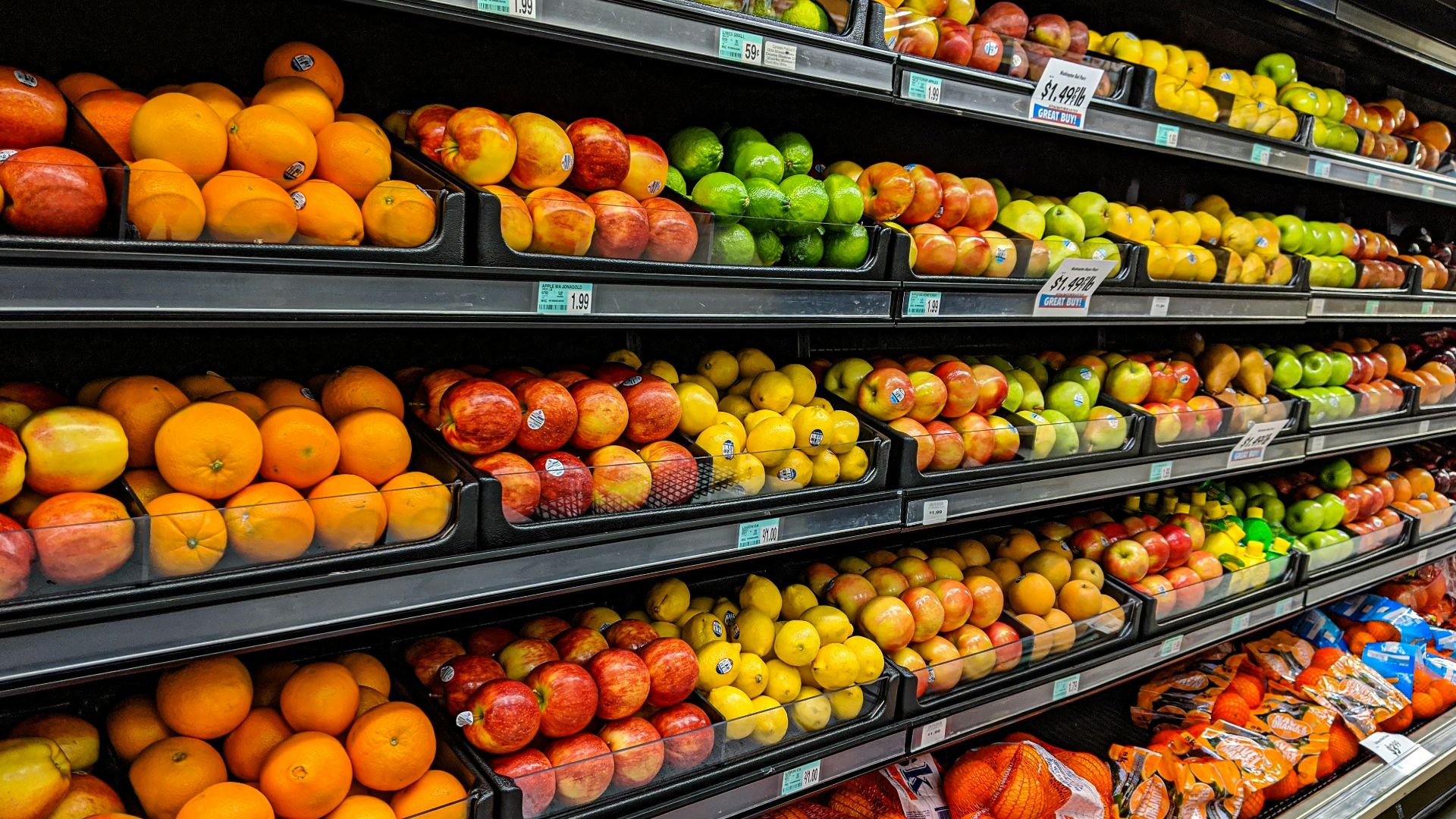
Looked at from today, groceries cost almost 35% more than they did in June 2016. Looked at from the other direction, the same grocery trip was approximately 26% cheaper back then. Both figures are correct—they simply approach the difference from opposite sides.
Your Memory Is Fine
You are not imagining some magical past when groceries cost pennies and every cashier handed you a free turkey. But a trip to the grocery store genuinely was much cheaper 10 years ago. The same cart now requires roughly one-third more money—and considerably more emotional preparation.
You Might Also Like:
Places You Can Buy A Waterfront Home That Are Actually Affordable
Grocery Store Items From The 1970s That No One Remembers—Seriously, Do You Remember Even 5 Of These?