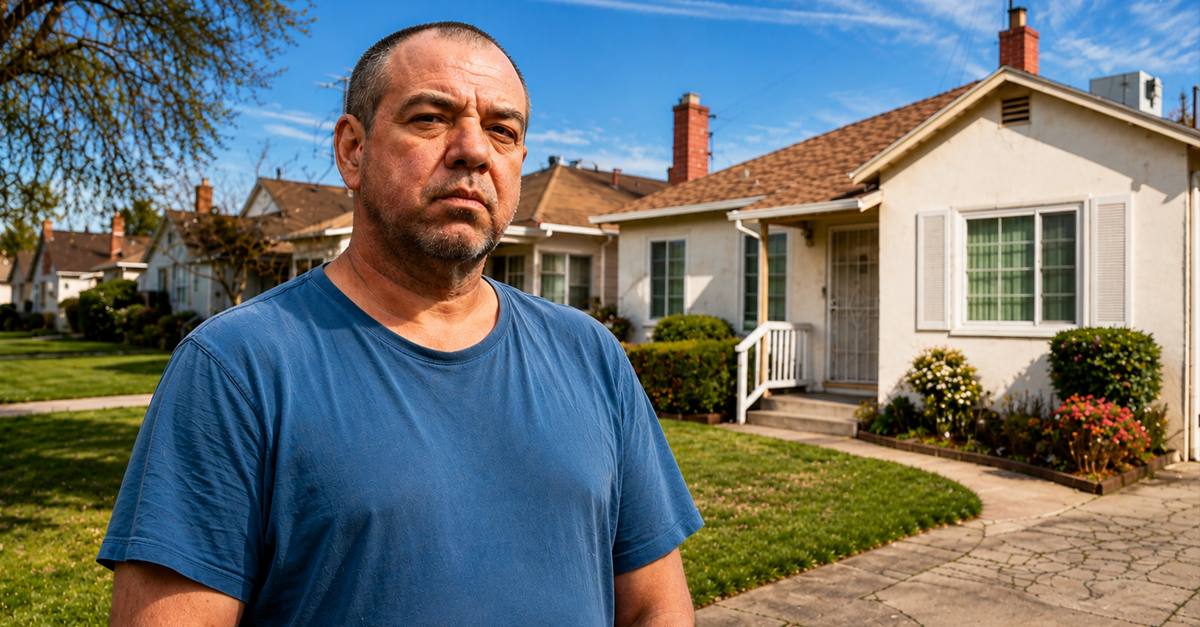
A Roof Problem Rarely Arrives At A Convenient Time
A new roof can cost thousands of dollars, and most families do not have that much cash sitting in a checking account. The decision becomes even harder when the roof is still functioning but showing signs of age. Before borrowing or waiting, you need to determine how much time the roof actually has left.
Start With The Roof, Not The Loan
Do not choose a financing method until a qualified roofer has inspected the property. Missing shingles, damaged flashing, sagging areas, and active leaks can indicate very different levels of urgency. A professional assessment may reveal that you need a full replacement, a smaller repair, or simply closer monitoring.
Find Out Whether The Roof Can Wait
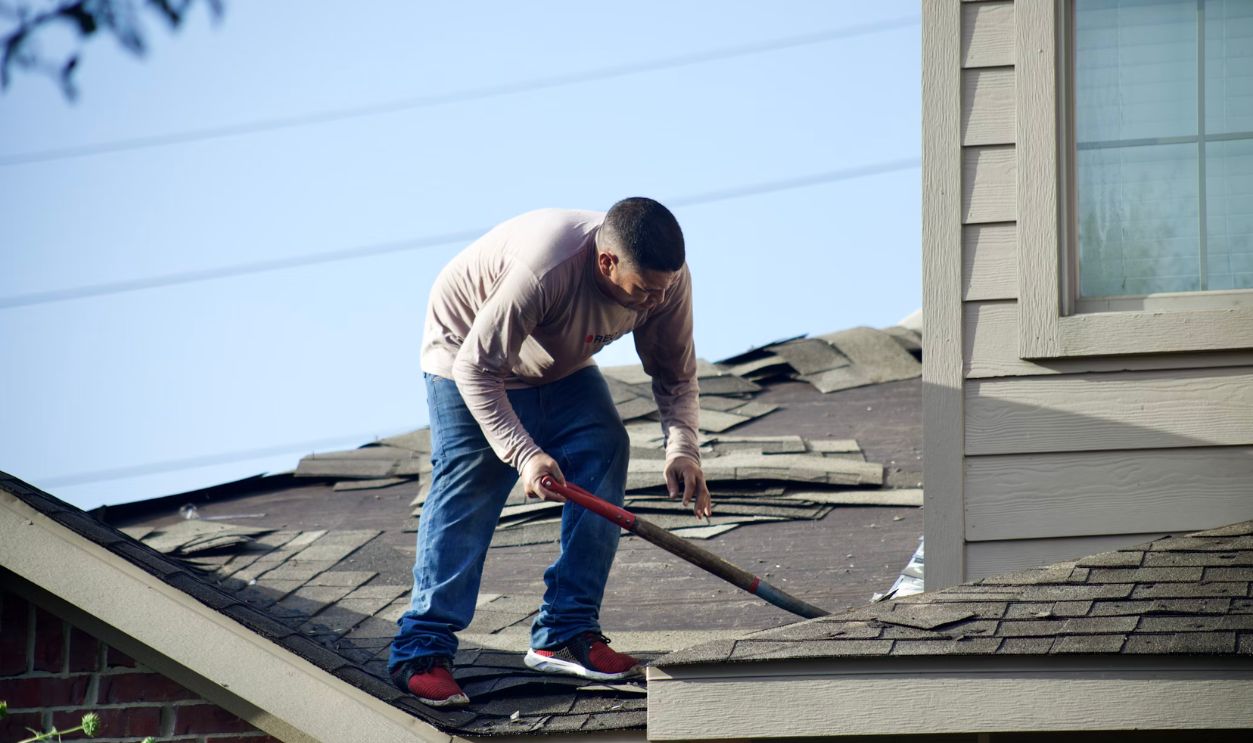
A roof with an active leak or structural damage usually deserves immediate attention. Delaying necessary work can allow water to damage insulation, ceilings, drywall, electrical components, and framing. If the problem is mostly cosmetic or limited to a few shingles, you may have enough time to save.
Get At Least Three Detailed Estimates
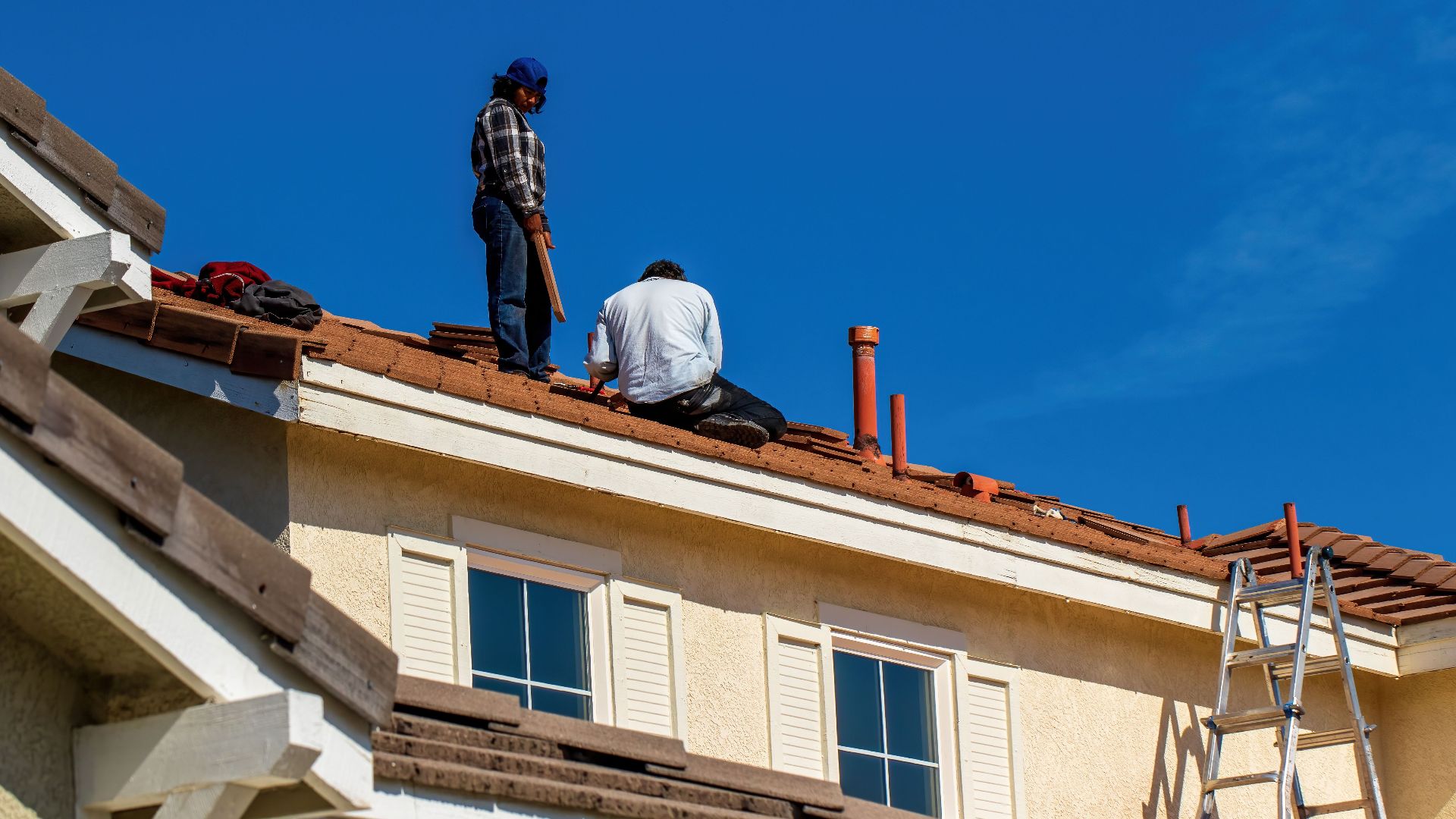
Roofing quotes can vary significantly depending on materials, labor, disposal costs, ventilation, flashing, and the condition of the underlying deck. Ask each contractor to provide an itemized written estimate using the same basic specifications. Comparing similar proposals makes it easier to identify missing costs and unusually high bids.

Make Sure The Quote Covers Everything
The lowest estimate is not always the least expensive option. Ask whether the price includes permits, removal of the old roof, replacement of damaged decking, cleanup, warranties, and possible change orders. A vague quote can become much more expensive once work begins.
Check The Contractor Carefully
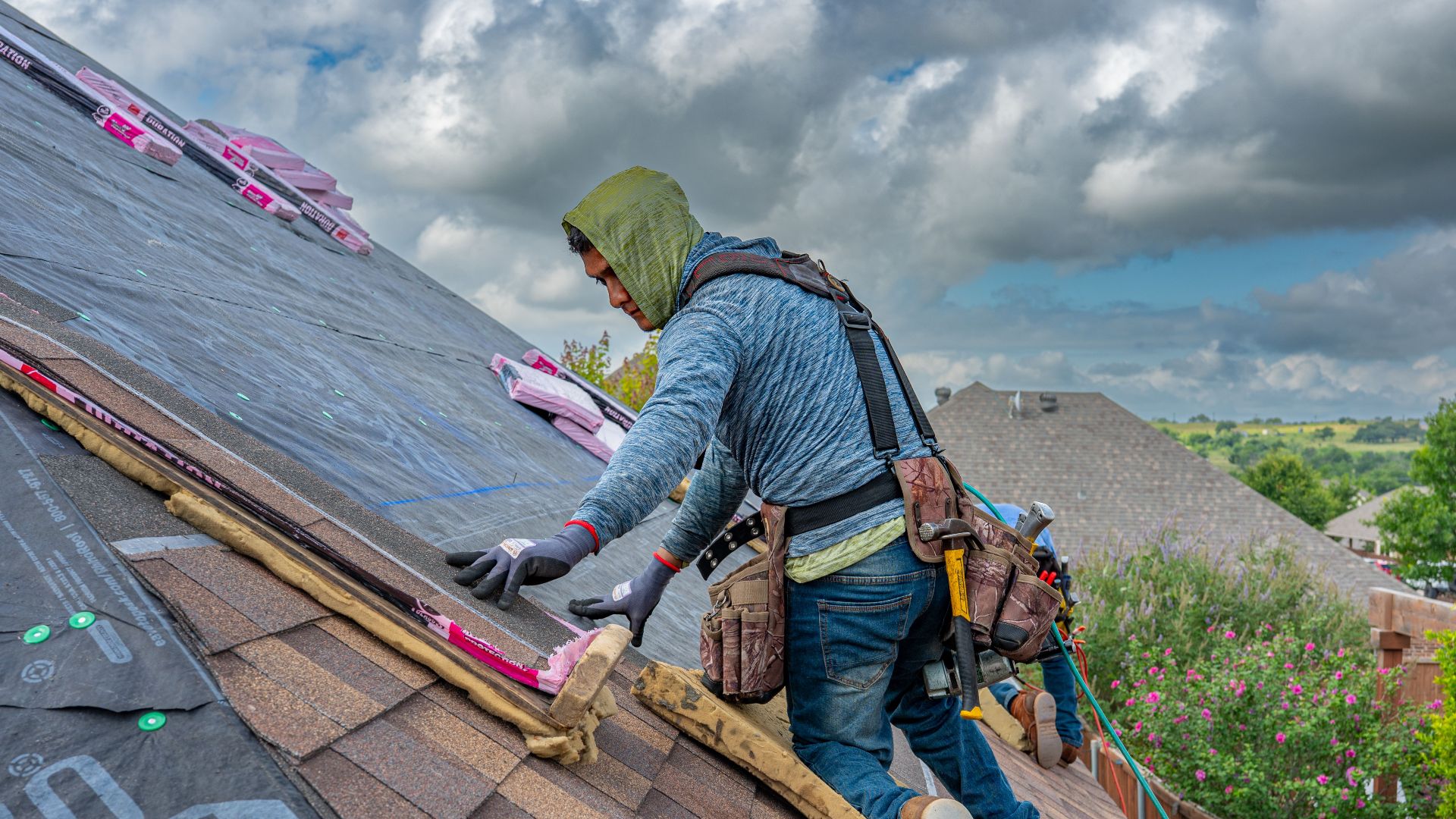
Verify that the roofer holds any licence required in your state or municipality and carries appropriate insurance. Ask for recent references and check whether complaints have been filed with consumer protection agencies. Avoid contractors who demand full payment upfront or pressure you to sign immediately.

Look For Insurance Coverage First
Homeowners insurance may cover roof damage caused by a sudden event such as wind, hail, fire, or a fallen tree. It generally does not pay for deterioration caused by age, neglect, or ordinary wear and tear. Review your policy and contact the insurer before signing a roofing contract if a recent covered event may be responsible.

Document Any Sudden Damage
Take clear photographs and videos of damaged shingles, interior leaks, fallen branches, and affected belongings. Keep receipts for temporary measures taken to prevent additional damage. Your policy may require you to protect the property from further loss while the claim is being evaluated.

Do Not File A Claim Automatically
A claim may not make sense if the estimated covered damage is only slightly higher than your deductible. Insurers can also consider claims history when making future pricing or renewal decisions, subject to state law. Ask the insurer about coverage and your deductible before deciding whether to proceed with a formal claim.

Search For Local Assistance Programs
Some cities, counties, states, utilities, and nonprofit organizations offer grants or low-interest rehabilitation loans to qualifying homeowners. Programs frequently target lower-income households, older adults, veterans, rural residents, or homes with serious health and safety problems. Availability and eligibility rules vary widely, so contact local housing agencies before using commercial credit.

Calculate Your Real Cash Position
Add up the money you could safely contribute without draining accounts needed for routine bills. Keep retirement savings, tax money, and funds reserved for known obligations separate from the roof budget. The fact that cash is technically available does not mean it is financially safe to spend.

Protect A Basic Emergency Fund
Using every dollar of savings for a roof can leave you unable to handle a medical bill, vehicle repair, or temporary loss of income. Many financial planners suggest eventually building emergency savings equal to several months of essential expenses, although that goal is not realistic for every household. At minimum, try to retain a smaller cash cushion after the roofing payment.

Consider A Cash And Loan Combination
The choice does not have to be entirely cash or entirely debt. Paying part of the bill from savings can reduce the amount borrowed while preserving some emergency reserves. A smaller loan also produces lower monthly payments and less total interest.

Understand A Home Equity Loan
A home equity loan generally provides a lump sum with a fixed interest rate and scheduled monthly payments. Because the debt is secured by your home, rates may be lower than those on unsecured personal loans. The serious downside is that failure to repay can put the property at risk.

Understand A Home Equity Line Of Credit
A home equity line of credit, or HELOC, allows you to borrow against an approved limit as needed. Many HELOCs have variable rates, meaning both the interest cost and monthly payment can change. The flexibility can help when the final roofing cost is uncertain, but it can also make long-term budgeting more difficult.

Watch For The HELOC Payment Shift
Some HELOCs allow interest-only or reduced payments during an initial draw period. Payments can rise substantially when the repayment period begins and principal must be repaid. Ask the lender to show what payments could look like after the draw period and if interest rates increase.

Compare Home Equity Fees
A secured loan may involve appraisal charges, origination fees, title expenses, annual fees, or early-closure penalties. These costs can weaken the advantage of a lower interest rate, especially for a relatively small project. Compare the annual percentage rate, upfront charges, monthly payment, and total repayment amount.

Consider An Unsecured Personal Loan
A personal loan does not normally require you to pledge the house as collateral. Approval can also be faster than with some home equity products, making it useful when work cannot wait. However, unsecured loans often carry higher rates and shorter repayment periods, which can create a larger monthly payment.

Be Careful With Contractor Financing
Contractor financing may be convenient, but convenience does not guarantee a competitive deal. The contractor may receive compensation from the lender, and promotional terms can hide higher rates, fees, or strict repayment conditions. Compare the offer with loans from banks, credit unions, and online lenders before signing.

Read Zero-Interest Offers Closely
Some financing plans advertise no interest if the balance is repaid within a promotional period. Certain agreements can charge deferred interest from the original purchase date if even a small balance remains when the promotion ends. Confirm whether the offer truly has a zero percent annual percentage rate or uses deferred interest.

Avoid Carrying The Cost On Credit Cards
A credit card can help with a small deposit or temporary expense, but it is usually a costly way to finance an entire roof. High interest can cause the balance to grow quickly if it cannot be repaid within the billing cycle. A promotional card may work only when the payoff plan is realistic and completed before the offer expires.

Think Twice About Refinancing The Mortgage
A cash-out refinance replaces your existing mortgage with a larger loan and gives you some of the difference in cash. This can be expensive if your current mortgage has a much lower rate than the new loan. Closing costs and a longer repayment timeline may cause a roof to cost far more than its original price.

Do Not Assume Interest Is Deductible
Interest on qualifying home equity debt may be deductible when the borrowed money is used to buy, build, or substantially improve the home securing the loan. The homeowner generally must itemize deductions and satisfy other federal tax requirements. A roof replacement may qualify in some situations, but a tax professional should review your specific circumstances.
Test The Payment Against Your Budget
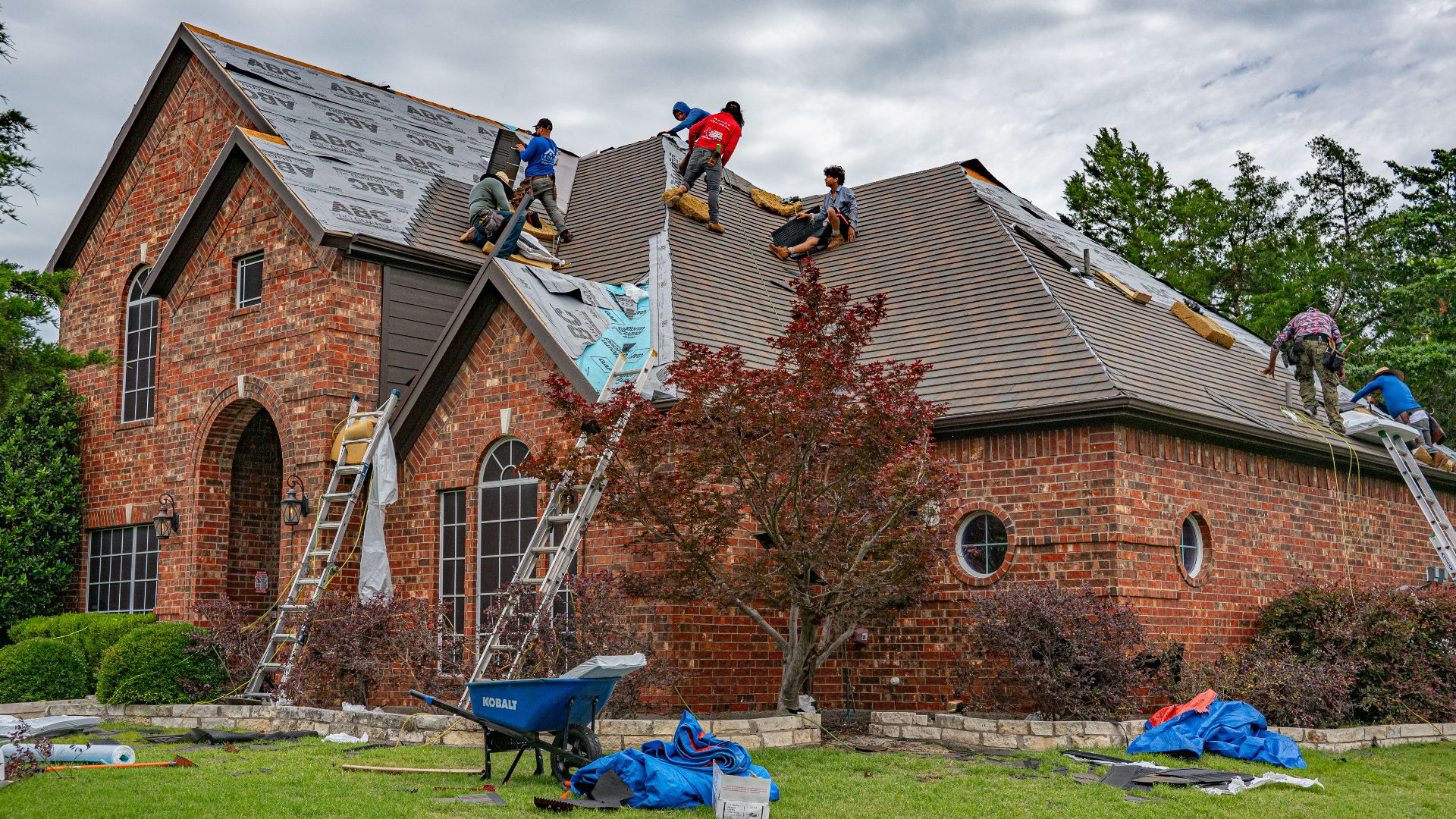
Do not judge a loan only by whether the lender approves it. Add the proposed payment to your existing mortgage, utilities, insurance, taxes, transportation costs, minimum debt payments, and essential household spending. The roof financing should still leave room for savings and irregular expenses.

Compare The Cost Of Waiting
Waiting can be sensible when the roof remains serviceable and you can save quickly. It becomes risky when continued deterioration could lead to interior water damage, mold remediation, damaged decking, or emergency repairs. Compare the interest cost of financing now with the possible cost of a larger problem later.

Set A Clear Decision Rule
Finance the work when a credible inspection shows that replacement cannot safely wait and you lack enough cash after preserving a reasonable emergency reserve. Keep saving when the roof remains sound, repairs can extend its life, and you can reach the needed amount within a realistic period. Use partial financing when paying completely in cash would leave your household financially exposed.
Choose The Option That Protects The House And Budget
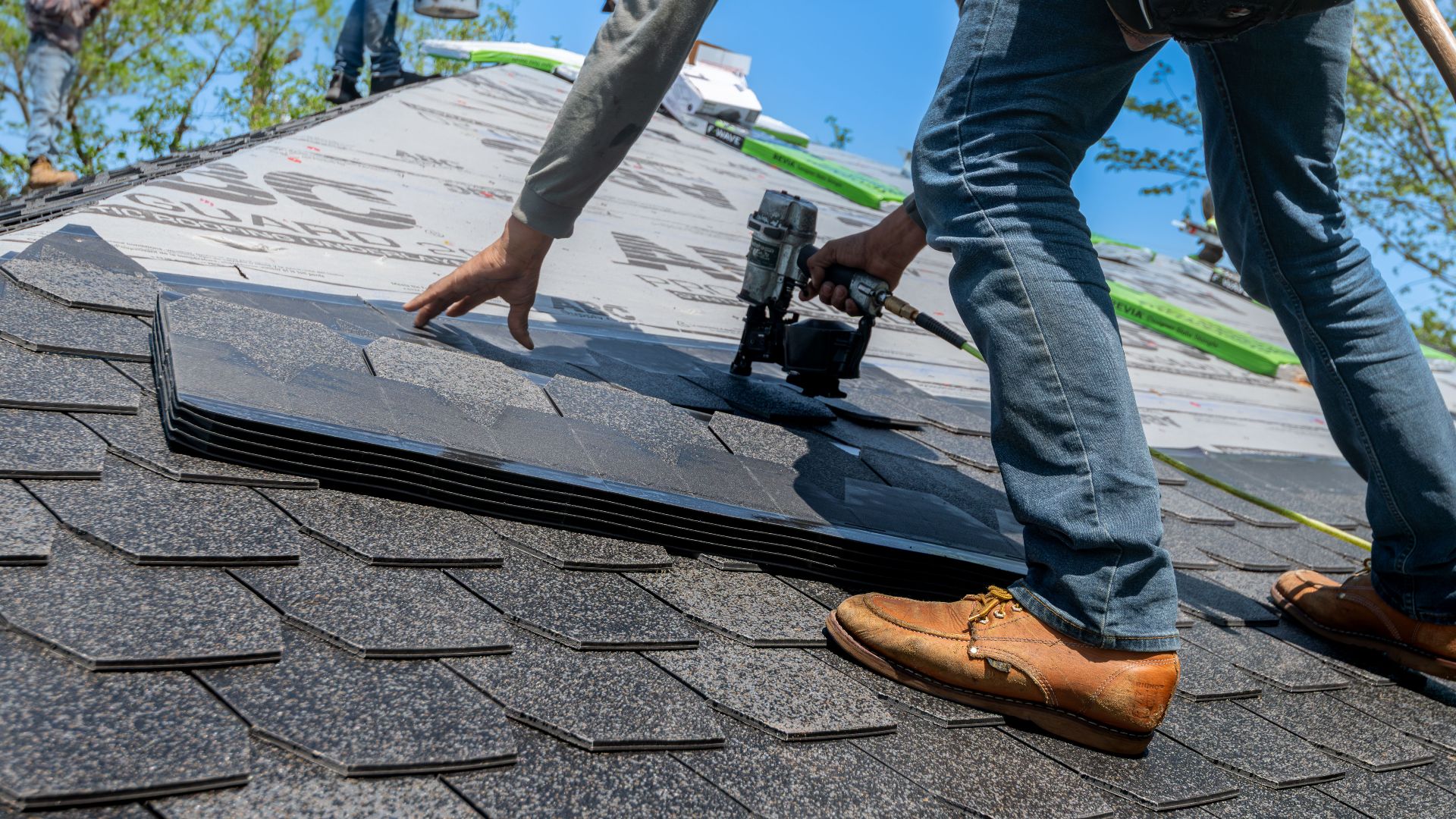
For many homeowners, the best answer is a competitive fixed-rate loan combined with a manageable cash contribution. Others may be able to delay the project briefly while saving aggressively and monitoring the roof. The right choice prevents avoidable property damage without creating a payment that destabilizes the rest of your finances.

You May Also Like: