When “Act Fast” Feels Less Like A Deal And More Like A Trap
Apartment hunting can feel like the Hunger Games with Zillow screenshots. You finally find a place that looks perfect, the landlord responds quickly, and then the pressure starts: “Other applicants are interested. If you want it, you need to pay a deposit to hold the unit”. You don’t want to lose the apartment, but this is also exactly how rental scams work. Scammers thrive on urgency, emotion, and the fear of missing out. The good news is you can protect yourself without losing every decent listing, as long as you know what to look for and how to slow the situation down.
Why Scammers Love Competitive Rental Markets
In hot rental markets, landlords really do get flooded with applications. That makes it easy for scammers to hide in plain sight. When people are desperate, they’re more likely to skip steps, ignore red flags, and send money quickly. Scammers know this, and they design their messages to sound like a rushed but normal landlord.
The Biggest Rule: No Money Before You Verify The Unit
If you remember one thing, make it this: do not send money to “hold” a unit you haven’t verified is real. That includes deposits, application fees, and “first month to reserve it”. Legit landlords may ask for an application fee, but they will also provide a verifiable process and documentation. Scammers want money before proof.
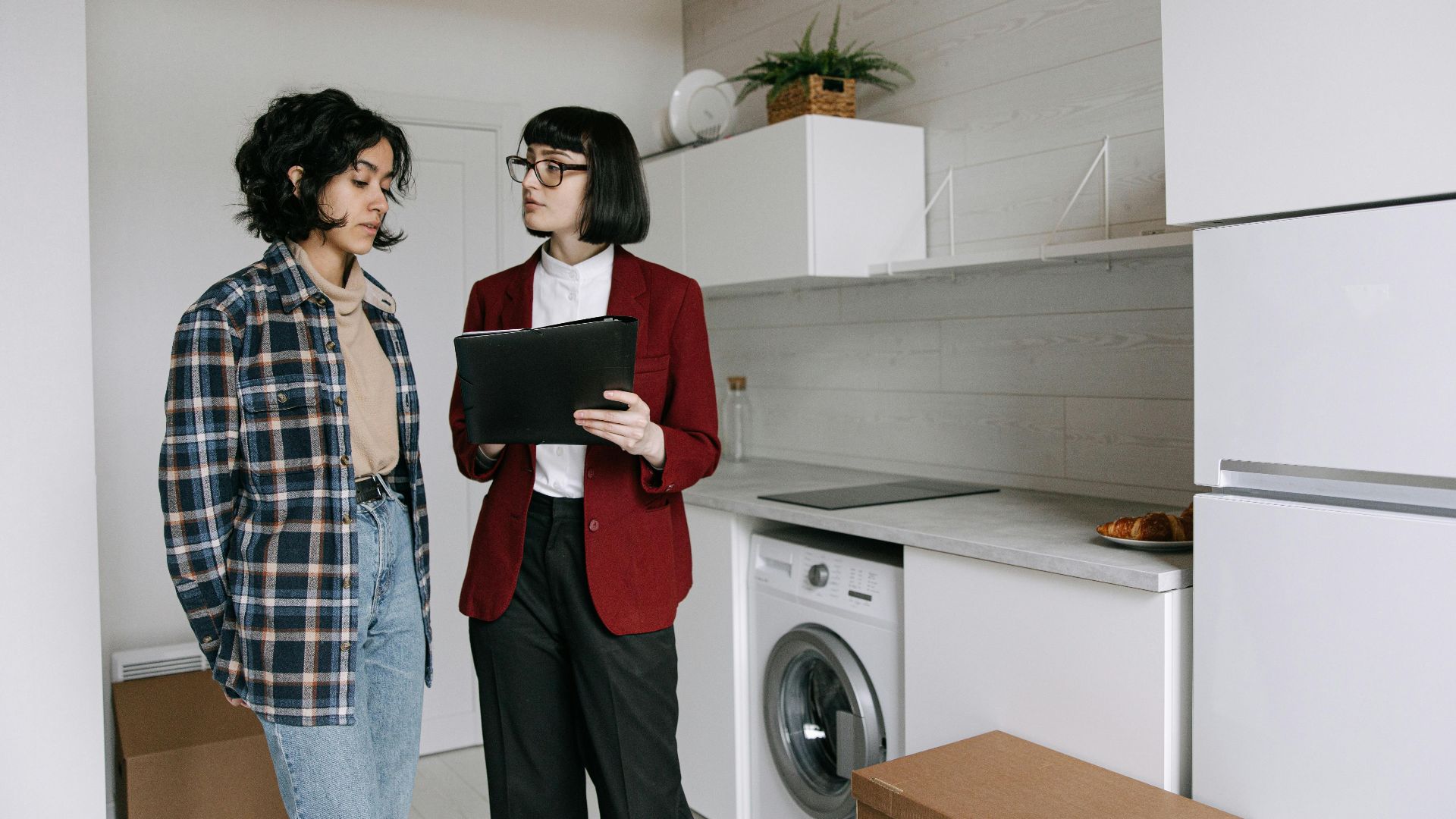
 Karolina Grabowska www.kaboompics.com, Pexels
Urgency Is Not Proof The Apartment Is Real
A legitimate landlord can have other applicants. That can be true. But urgency is not evidence. Scammers use urgency because it shuts down your logical brain. They want you to act before you ask questions like “Can I tour it?” or “Why is the rent so low?” or “Why can’t we meet in person?”
What A Real Holding Fee Looks Like
Some legitimate rentals do use holding deposits. The difference is that real holding fees are documented in writing, include clear terms, and are tied to a real lease process. They usually come with receipts, the landlord’s full legal name, and a paper trail. A “send $500 on Cash App to hold it” message is not that.

The Classic Scam Script You’re Probably Hearing
If the landlord is pushing you to send money immediately, refuses a showing, says they are out of town, or claims the keys will be mailed after payment, that is the rental scam starter pack. It may sound polite and professional, but the structure is always the same: pressure plus distance plus payment first.

Always Verify Ownership Or Management
Before sending anything, confirm who owns or manages the property. Many counties have online property records where you can look up the owner by address. If the name of the “landlord” doesn’t match the owner or a known property management company, ask why. Scammers often invent names that cannot be verified.

Touring The Unit Is A Non-Negotiable Safety Step
If you cannot tour the unit, you should assume risk is high. Virtual tours can be fine, but a landlord refusing any form of showing is suspicious. Scammers often steal photos from real listings and claim the unit is available when it isn’t.
If They Say “You Can Tour After You Pay,” Run
This is one of the clearest scam indicators. A legitimate landlord might require an application before holding the unit, but they don’t require a deposit just to let you see it. Scammers use payment as the gate because they know once you pay, the conversation ends.

Be Suspicious Of Deals That Feel Too Good
If the unit looks amazing and is priced way below market, pause. Scammers intentionally price units to feel like an opportunity you can’t miss. They want you to think, “If I don’t send the money right now, someone else will".
How To Spot Stolen Listing Photos
Do a reverse image search of the listing photos. If the same images appear on different websites with different addresses or rental prices, that’s a huge red flag. You can also search the address and see if the same photos appear in an older listing.

Pay Attention To Communication Style
Scammers often communicate in weird ways that feel slightly off. Messages may be overly formal, strangely generic, or full of grammar mistakes. They may avoid phone calls or insist on texting only. A real landlord usually can answer detailed questions quickly and clearly.

Never Send Money Through Unprotected Payment Methods
If someone insists on payment through Zelle, Cash App, Venmo, gift cards, crypto, or wire transfers, be careful. These are difficult to reverse. A legitimate landlord may accept electronic payment, but they won’t refuse safer options or refuse to provide documentation.

The Safest Payment Methods When You’re Ready
If you do move forward, the safest options usually involve a check, credit card (for application fees), or payment through a legitimate rental portal. You want a receipt, a clear transaction record, and ideally a payment method that offers dispute protection.

Ask For Paperwork Before You Pay
Before any money changes hands, ask for the lease, rental criteria, and a written explanation of fees. Real landlords have policies. Scammers have excuses. If they dodge paperwork or say “we’ll handle that after you send the deposit,” that’s a major warning sign.

Verify The Person You’re Talking To
If it’s a property manager, ask for the company name and look up the company independently, not through links they send you. Call the company using the phone number from their official website. Scammers often create fake websites or impersonate real companies.

Trust Your Discomfort
If you feel pressured, rushed, or uneasy, that feeling matters. Scams work because they exploit people’s fear of missing out. You don’t need to prove it’s a scam to slow things down. If they are legit, they’ll still be legit tomorrow.

How To Slow The Conversation Without Losing The Unit
You can respond calmly and professionally: “I’m very interested. I’m happy to proceed after a tour and once I’ve reviewed the lease terms in writing". This puts you in control without accusing anyone of fraud. A legitimate landlord will respect this. A scammer will get angry or disappear.

What To Do If You Already Sent Money
If you already paid and suspect a scam, act fast. Contact your bank or payment platform immediately, report the transaction, and try to cancel or dispute it. File a police report if needed, and report the listing to the site where you found it. The sooner you act, the better your odds.
Reporting Scams Helps More Than You Think
Reporting rental scams to the platform, local consumer protection office, and the FTC can prevent others from being victimized. Even if you don’t recover the money, reporting can get listings taken down and stop the scammer from using the same trick again.

Final Thoughts: Real Landlords Want Good Tenants, Scammers Want Fast Money
Competition for rentals is real, but pressure to send money immediately is a major warning sign. The safest approach is to slow the process down, verify ownership, insist on a tour, and avoid payment methods that can’t be reversed. If someone truly has a great unit and a legitimate process, they won’t need to bully you into paying before you’ve even confirmed the apartment exists.

You May Also Like: