The Day The Enrollment Forms Blew My Mind
The kids transferring schools should’ve been simple. New backpacks, new routines, a fresh start in my neighborhood with minimal drama. Instead, one tiny checkbox on a school health form sent me spiraling. Immunization records—missing. After years of co-parenting from a distance, I was about to learn something huge about my kids, my ex-wife, and the quiet ways big decisions can disappear.

The Transfer That Changed Everything
This move was supposed to be a win. My kids were finally closer, living in my area after being raised primarily by their mom for years. I imagined bike rides, weeknight dinners, and boring stability. I did not imagine sitting in a school office realizing I didn’t fully know their medical history or recent healthcare choices.

Life In Two Zip Codes
Divorce splits more than houses. It splits contexts, routines, and social bubbles. While I built one life, my ex built another. Different friends, different norms, different influences shaping daily decisions. Over time, those parallel worlds start to feel permanent—and increasingly invisible to each other.

The Assumptions I Didn’t Know I Was Making
I assumed certain things were just… handled. Doctor visits. Paperwork. The boring adult stuff parents are supposed to manage quietly. I never asked detailed questions because I didn’t think I had to. Turns out, assumptions are just unanswered questions wearing confidence and laziness.

When The Nurse Asked The Question
“So, are they up to date?” the school nurse asked casually, barely looking up. I nodded automatically, the way parents do when they think the answer is obvious. Then she looked at her screen. Then she looked back at me. Then everything slowed down in a deeply uncomfortable way.

A Silence Louder Than The School Bell
There’s a special kind of silence when you realize you’re out of the loop on your own kids. Not dramatic. Not loud. Just heavy. The kind that makes you replay the last decade in your head, searching desperately for the moment you missed or ignored.

What I Thought We’d Agreed On Years Ago
Back when we were married, vaccines weren’t controversial in our house. Or so I thought. We never had a dramatic debate or tense dinner-table argument. No ultimatums. Which made the discovery feel less like betrayal and more like waking up in the wrong movie halfway through.

Co-Parenting By Text Message
When you’re co-parenting from afar, communication gets efficient—but shallow. Logistics replace values. “Pickup at 6” crowds out “How are we handling long-term decisions?” The important conversations get postponed, deprioritized, and eventually expire without anyone noticing they mattered.

How Decisions Drift When You’re Not Watching
No single moment caused this. It was a slow drift. One skipped appointment. One alternative recommendation. One belief reinforced by another adult echo chamber. Big outcomes often come from tiny, unmonitored steps that feel harmless in isolation.

The Wellness Bubble I Wasn’t Invited Into
Somewhere along the line, my ex found a community that spoke her language—about health, fear, and control. I wasn’t part of that world, so I didn’t see the signs. Not being invited doesn’t mean it’s not happening. It just means you’re late to the reveal.

Crunchy Blogs, Facebook Groups, And Rabbit Holes
I learned more in one awkward phone call than I had in years. Online communities can be powerful, especially when they offer certainty in a scary world. Once you’re in, opposing views don’t just feel wrong—they feel dangerous, even irresponsible.

Trust, Or The Lack Of It
Trust erodes quietly after divorce. You stop comparing notes. You stop checking in. You assume the other parent is “handling it,” while secretly hoping they won’t mess it up. That’s not trust—it’s avoidance with good branding and low emotional energy.

The Paper Trail That Didn’t Exist
I asked for records. There weren’t any. No folder. No emails. No dates. Just a vague sense that things were “fine.” Bureaucracy suddenly felt very personal, and the absence of documentation felt like a judgment on all of us.
 Fractal Pictures, Shutterstock
My Kids’ Totally Normal Reaction
The kids? Completely unfazed. To them, this was adult noise. They were worried about friends, schedules, teachers, and whether their new school had decent lunches. The contrast between my panic and their calm was humbling and slightly embarrassing.

The Awkward Conversation With Their Mom
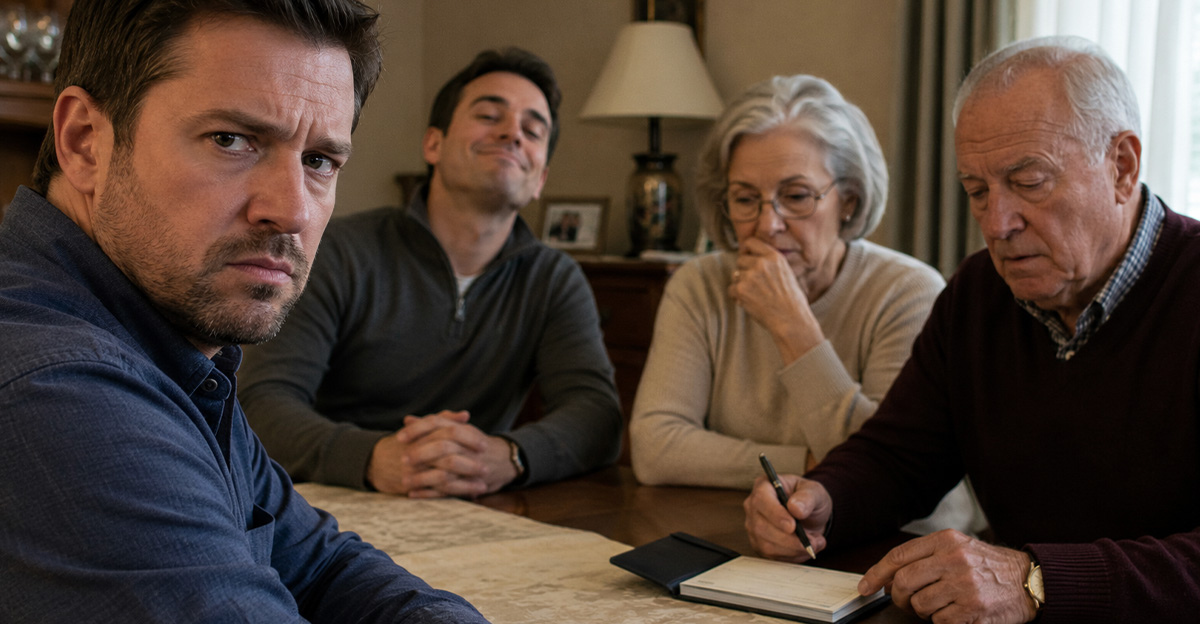
There’s no easy way to say, “We need to talk about this.” Old resentments show up fast. So does defensiveness. What surprised me wasn’t the disagreement—it was how differently we remembered the same years, conversations, and intentions.

Blame, Fear, And Old Marital Ghosts
Every unresolved argument from our marriage tried to crash the conversation. But this wasn’t about winning an old fight. It was about understanding how fear can quietly steer decisions when no one’s comparing maps or asking uncomfortable questions.

The Difference Between Intent And Impact
My ex wasn’t trying to hurt anyone. She was trying to protect. Intent matters—but impact matters more. Especially when schools, systems, and other adults suddenly enter the picture and demand answers instead of explanations.

School Policies Meet Family Reality
Institutions don’t care about your backstory. They care about forms, deadlines, and compliance. Watching our messy family dynamics collide with a neat checklist was surreal—and clarifying. Systems don’t bend for feelings, only for completed paperwork.

Calling The Pediatrician Felt Like Calling A Therapist
That first phone call wasn’t about medicine. It was about grounding. About getting facts without judgment. About someone calm enough to say, “Let’s slow this down and look at the whole picture without panic.”

When Legal Agreements Get Vague
Our custody agreement talked about education and healthcare—in theory. In practice, it left plenty of gray area. Divorce paperwork ages quickly when real life starts stress-testing it with situations no one anticipated at mediation.

The Emotional Whiplash Of Playing Catch-Up
I went from clueless to hyper-aware overnight. Research tabs. Phone calls. Meetings. It felt like trying to make up for ten years in ten days, which is exactly as exhausting, guilt-inducing, and mentally chaotic as it sounds.

What This Taught Me About Shared Responsibility
Being the “less involved” parent doesn’t mean being less responsible. Distance doesn’t cancel accountability. If anything, it requires more intentional check-ins, more curiosity, and fewer assumptions disguised as trust.

Letting Go Of The Need To Win
This wasn’t about proving who was right. It was about building a path forward without blowing up what little co-parenting peace we had left. Pride is expensive. Kids pay the bill every single time.

Putting The Kids Back At The Center
Once we stopped arguing our positions and started talking about the kids’ actual experience, everything shifted. Not magically—but meaningfully. The temperature dropped. Listening replaced posturing. Solutions became possible instead of theoretical.

Building A New Baseline Together
We didn’t rewrite history. We wrote a new agreement—clearer, louder, harder to ignore. One that acknowledged how easily things can slide when no one’s double-checking or asking follow-up questions out loud.

What I’d Tell Other Divorced Parents
Ask the boring questions. Revisit old assumptions. Don’t confuse silence with agreement. And never assume that “handled” means “handled the way you think,” especially when time and distance are involved.

The Plot Twist I Didn’t Expect
I thought this story would end with anger. It didn’t. It ended with awareness. Divorce didn’t cause this—it revealed it. And while I can’t change how it happened, I can change how closely I pay attention from here on out.

You May Also Like: