
The Situation You’re In
Your landlord recently passed away, and now his relatives have stepped in to manage the property. They’re suddenly demanding that you pay a large property tax bill, even though you’re only currently renting a basement suite. You feel pressured, unsure of your rights, and worried about potential retaliation if you refuse their request.
 Jose Calsina, Shutterstock; Factinate
Property Taxes Aren’t On Tenants
In almost all cases, property taxes are the legal responsibility of the property owner, not the tenant. Unless your lease specifically states otherwise, landlords can’t pass their property tax obligations on to renters, especially when the tax applies to the entire property and not the tenant’s individual unit.

Death Doesn’t Change Lease Terms
Your landlord’s death in no way voids or modifies your lease. The estate or heirs legally step into the role of landlord and as such, must honor the existing agreements. They can’t start trying to unilaterally introduce new financial obligations that were never part of the original rental contract.
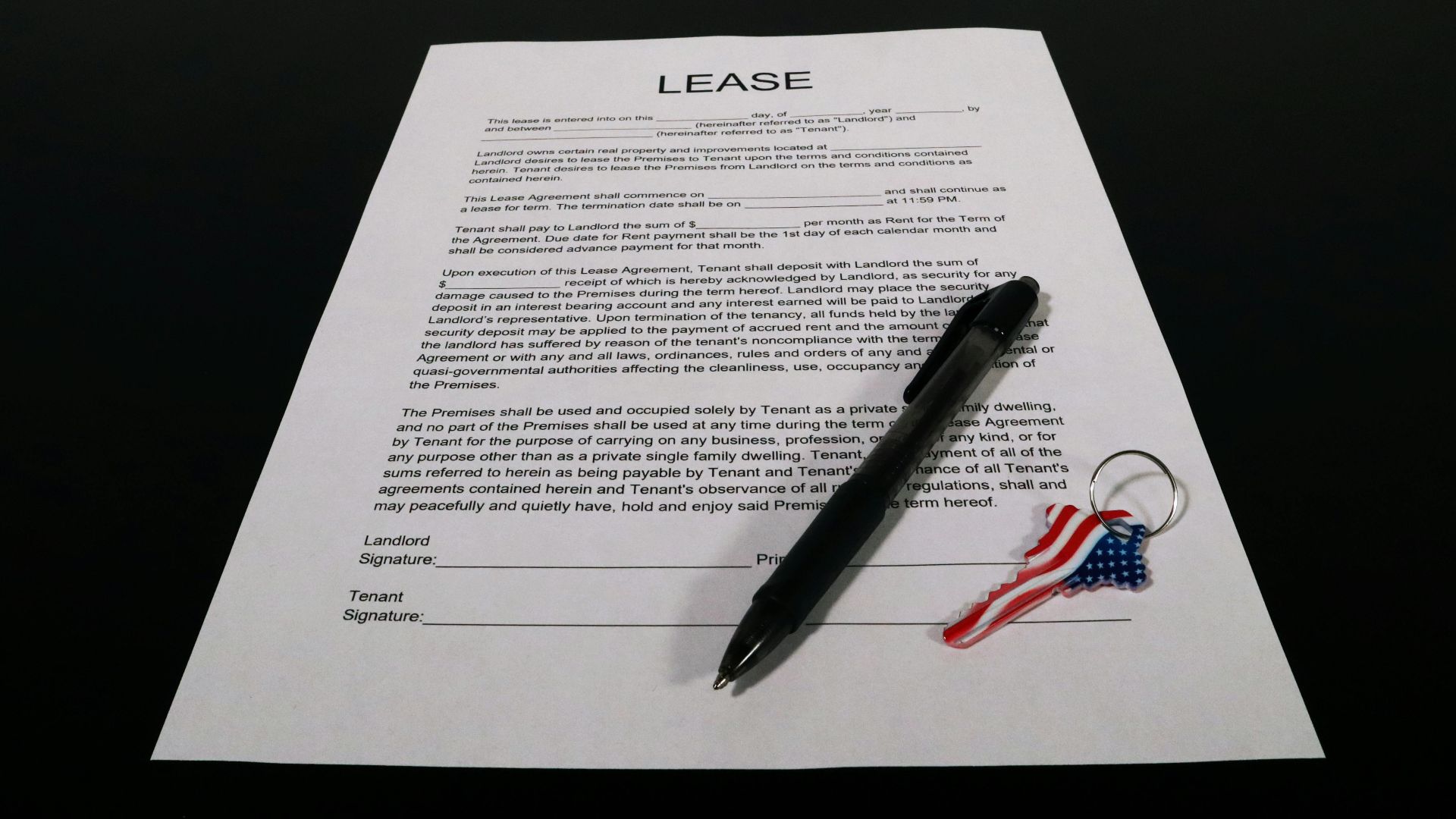
This Demand Is A Red Flag
Asking a tenant to pay property tax could be taken as a signal of confusion or financial distress within the estate. It could also be an improper attempt to shift costs quickly. But no matter what their motivation is, their request goes way beyond the typical landlord tenant boundaries.

Check Your Lease Carefully
You should review your lease line by line while paying close attention to sections on utilities, additional fees, and taxes. In residential rentals, any kind of property tax clause is rare. If no language assigns tax responsibility to you, you have excellent grounds with which to refuse the demand.
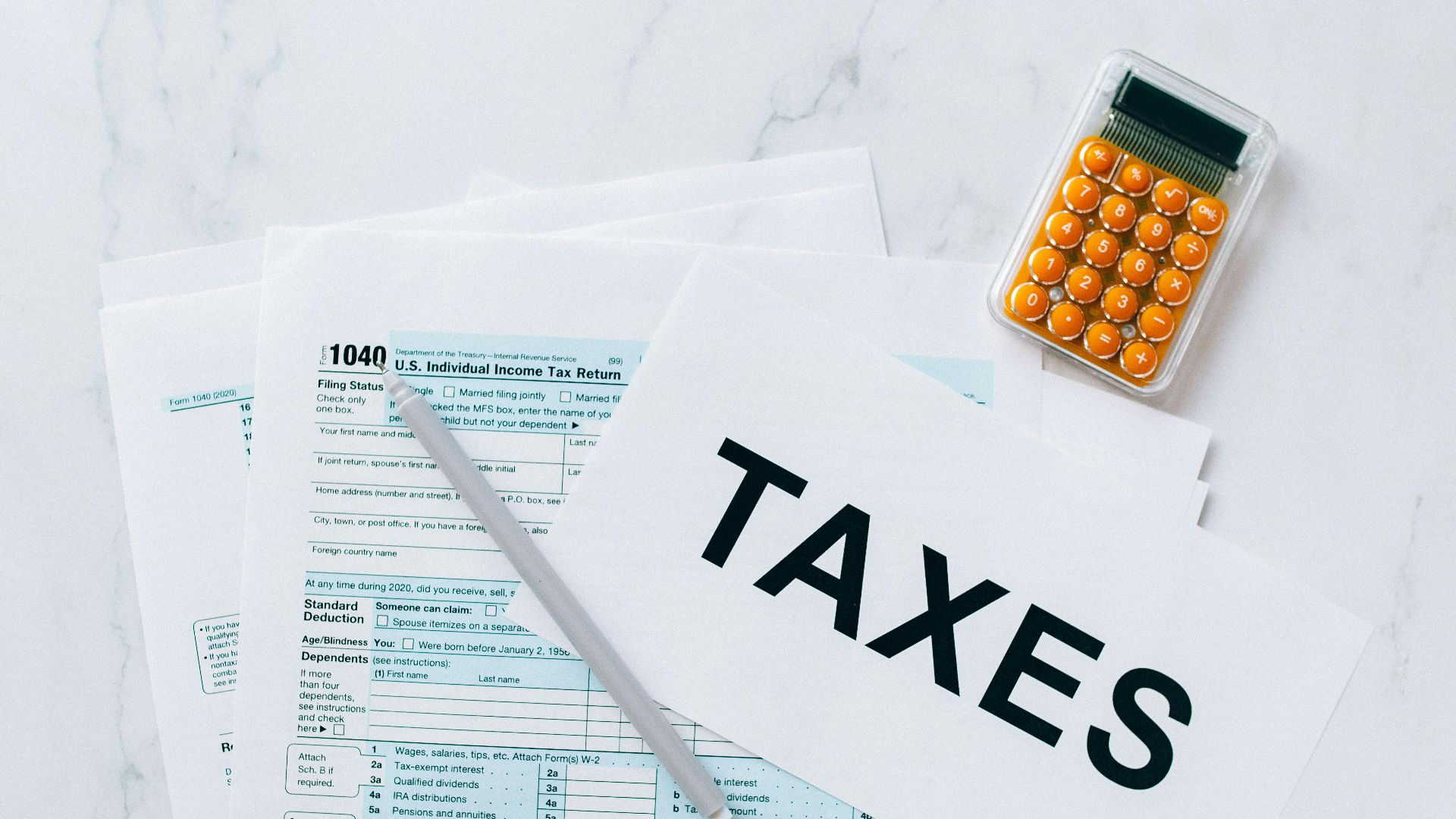
Basement Suite Tenants Have Specific Protections
Tenants renting a portion of a home are usually treated the same as other residential renters under the tenant protection laws of most jurisdictions. You’re responsible only for rent and agreed costs, not ownership expenses like taxes, insurance, or major repairs.

You Don’t Owe Back Taxes
Even if the property tax bill is overdue, that debt is for the property owner or estate to repay. Tax authorities place liens on properties, not on tenants. You cannot be held personally responsible for unpaid property taxes on a home you don’t even own.

Don’t Pay A Cent
Under no circumstances should you offer to pay any portion of the tax bill just to keep the peace. Partial payment can muddy the waters of this issue and could potentially be misinterpreted as you accepting responsibility in principle. Once you agree to pay any part of this bill, it can be harder to argue that the demand was improper.

Respond In Writing
If you decide to respond, do so in writing and keep everything restricted to factual information. State that you are a tenant, reference your lease agreement, and clarify that property taxes are not your obligation. Avoid using any emotional or accusatory language. Written communication generates a record if the dispute escalates.

The Estate Pays All Obligations
When someone dies, the deceased person’s estate is legally responsible for all their outstanding debts, including property taxes. Heirs can’t bypass probate or estate administration rules by transferring financial obligations onto tenants.

Don’t Let Them Threaten Eviction
In most jurisdictions, refusal to pay an unlawful charge isn’t valid grounds for eviction. If the landlord’s family members go so far as to threaten eviction over property taxes, it stands a good chance of being in violation of tenant protection laws.

Keep Paying Your Rent On Time
Keep paying rent exactly as required by your lease. Staying current strengthens your legal position and demonstrates that you’re acting in good faith. Don’t withhold rent unless you’re advised to do so by a tenant legal authority in your area.
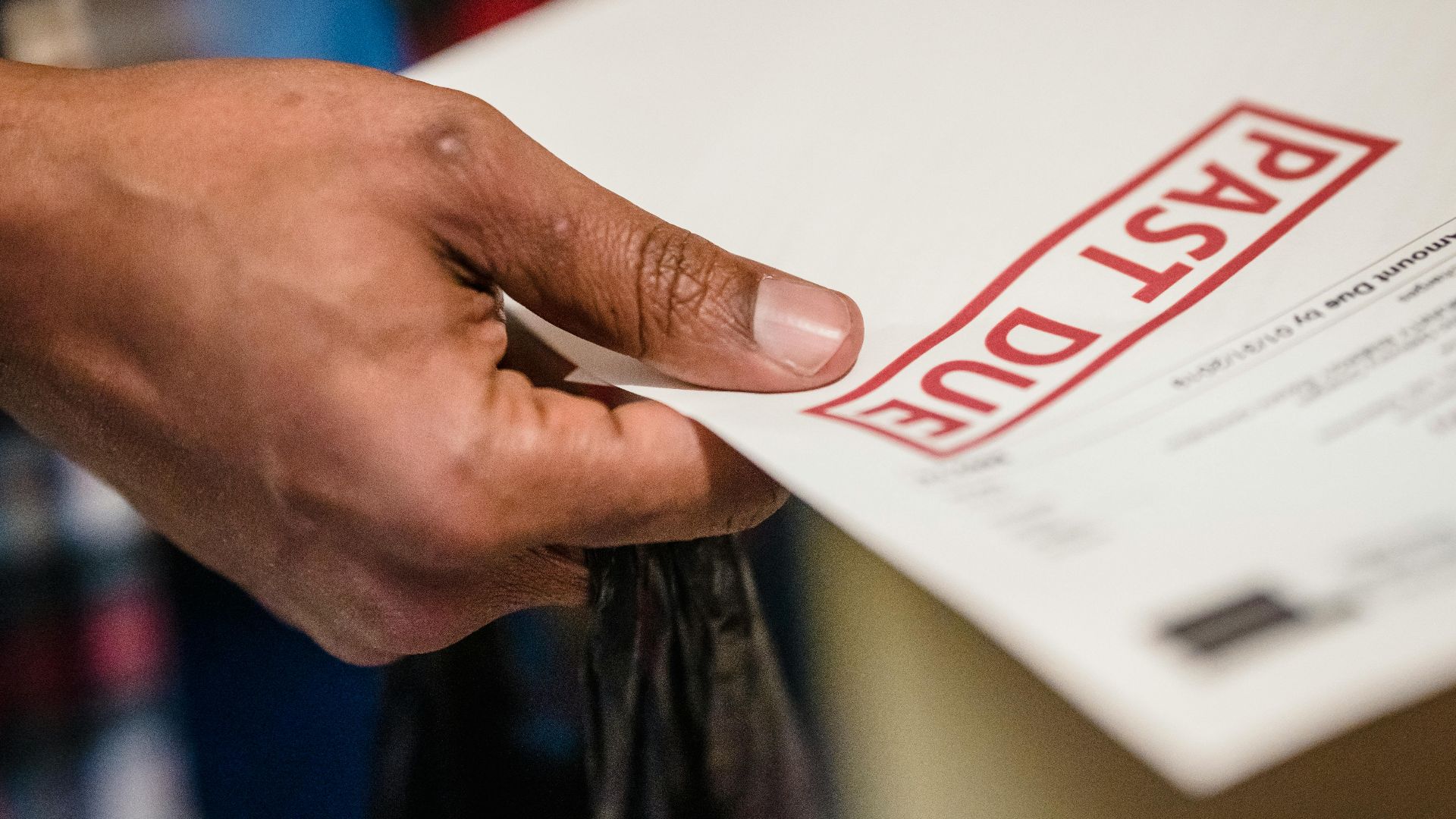
Document Everything
It’s important to have as much information about this in writing as possible. Save emails, letters, text messages, and any written demand for payment. Documentation is crucial if you end up needing to defend yourself; or if you want to prove harassment or unlawful demands.

When To Seek Help
If the pressure continues or threats start ramping up, contact a local tenant advocacy group or landlord tenant board. These organizations can quickly clarify your rights and will often intervene without you even needing to find a lawyer.

Legal Advice May Be Worth It
On the other hand, a brief consultation with a tenant rights attorney or legal clinic can give you reassurance and a clear response strategy. A lot of these kinds of legal services offer low cost or free consultations for housing disputes.

Don’t Give In To Emotional Pressure
Relatives of a deceased landlord may be stressed or grieving, but their emotions don’t in any way change your legal obligations. Financial sympathy doesn’t provide grounds for legal responsibility.

This Isn’t Your Financial Problem
You didn’t inherit the property, and you aren’t a stakeholder in the estate. You’re simply a renter who has nothing more to do with this situation than having to pay your monthly rent. The financial complexity of settling the estate is absolutely not your burden to carry.

Know When To Stand Firm
Saying no might feel uncomfortable, but it often becomes necessary when people refuse to listen. But you aren’t refusing cooperation. You’re simply declining an improper demand that falls outside your role as a tenant.

If The Situation Deteriorates
If the estate begins to mismanage the property or stops meeting its landlord obligations, document those issues as well. You may eventually need to involve housing authorities or consider alternative housing if conditions worsen.

Before You Leap Into Action
In closing, we reiterate: you don’t owe property taxes on a home you don’t own. Your lease governs your responsibilities, and a landlord’s death does nothing to change that. Stay firm, document everything, keep paying your rent, avoid confrontation, and seek tenant support if pressure continues.

You May Also Like: