Remember When A Dollar Went A Long Way?
If you grew up in the 1960s, you probably remember going to the five-and-dime with a dollar in your pocket and feeling rich. These stores had just about everything, from candy and toys to clothes and kitchen supplies. Some even had lunch counters! How many of these old favorites do you remember?
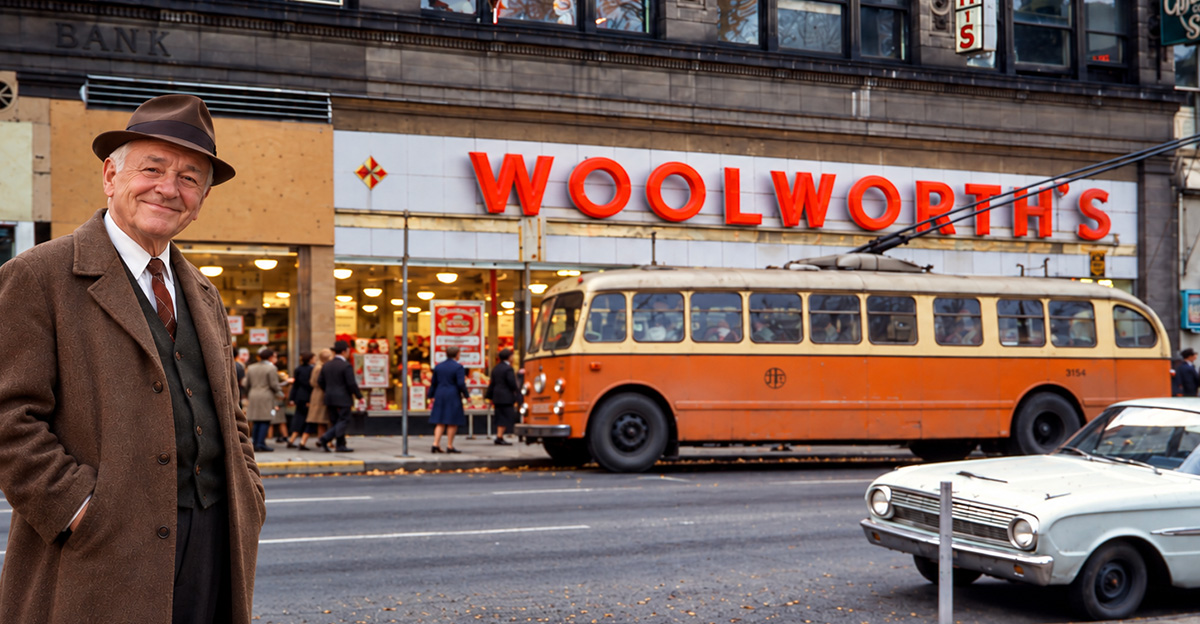
F.W. Woolworth: Everybody's Favorite Five-And-Dime
Who doesn't remember Woolworth's? You could buy almost anything here, from school supplies and toys to candy and household goods. But for many people, the best part was the lunch counter. A hamburger and a milkshake could make your whole afternoon. Sadly, Woolworth's closed its last American variety stores in 1997.
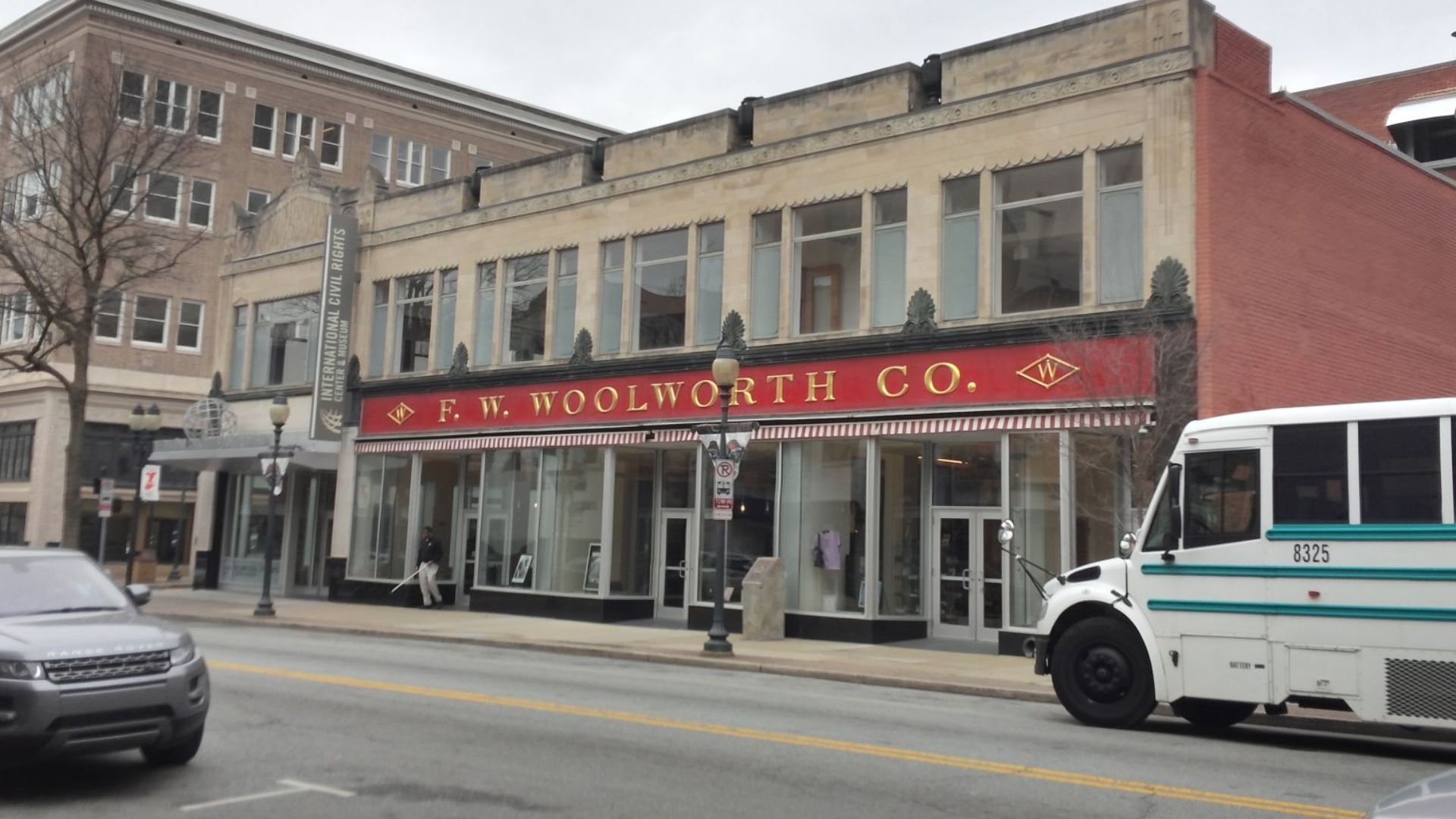 Upstateherd, Wikimedia Commons
S.S. Kresge: Before There Was Kmart
Long before Kmart became a household name, there was S.S. Kresge. These stores were full of affordable clothes, toys, sewing supplies, and other everyday items. Parents loved the prices, and kids loved the toy aisles. Kresge opened its first Kmart in 1962, slowly moving away from its five-and-dime roots.
![Title: S.S. Kresge Store, 6th St., Washington, D.C.] bldg
Abstract/medium: 1 negative : glass ; 8 x 10 in. or smaller](https://www.factinate.com/storage/app/media/moneymade/2026/10/20/1792495719130c79a3b89104d6c8c90a177ba5001fad664f27.jpg) National Photo Company Collection, Wikimedia Commons
S.H. Kress: The Five-And-Dime That Looked Fancy
Remember how beautiful some Kress stores were? Many had grand entrances, fancy decorations, and impressive Art Deco buildings. You might have thought you were walking into an expensive department store. But inside, everything was affordable. From clothing to candy, Kress made shopping feel special without costing a fortune.
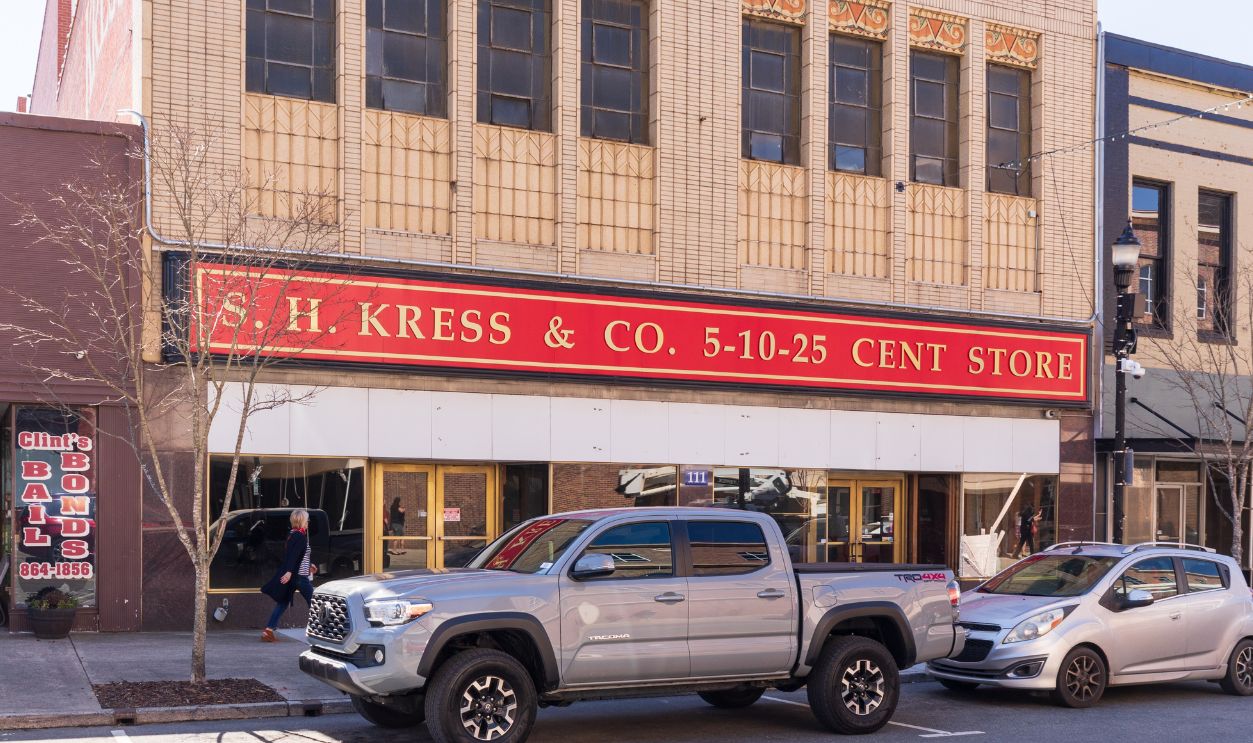 J. Michael Jones, Shutterstock
McCrory's: A Little Bit Of Everything
McCrory's was one of those stores where you went in for one thing and came out with five. There were toys, candy, clothes, sewing supplies, and all kinds of household items. Some stores even had lunch counters. McCrory's remained a familiar name for decades before finally closing in 2002.
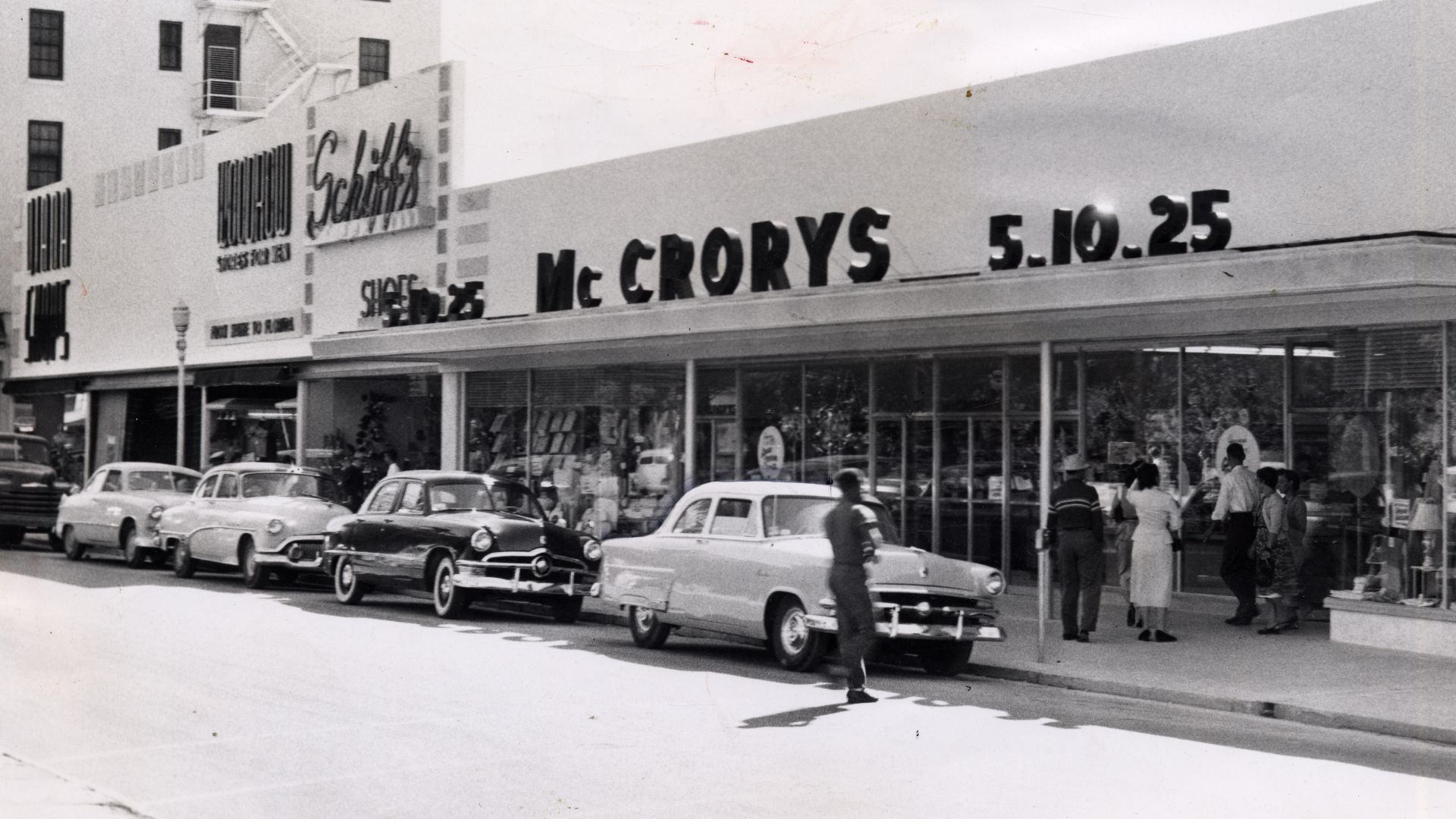 Florida Keys--Public Libraries, Wikimedia Commons
J.J. Newberry: Where Bargain Hunting Was Fun
If you remember Newberry's, you probably remember wandering through aisles packed with bargains. You could find everything from kitchen gadgets and stationery to toys and candy. It was especially popular in smaller towns and downtown shopping areas. McCrory bought the chain in 1972, but many stores kept the Newberry name.
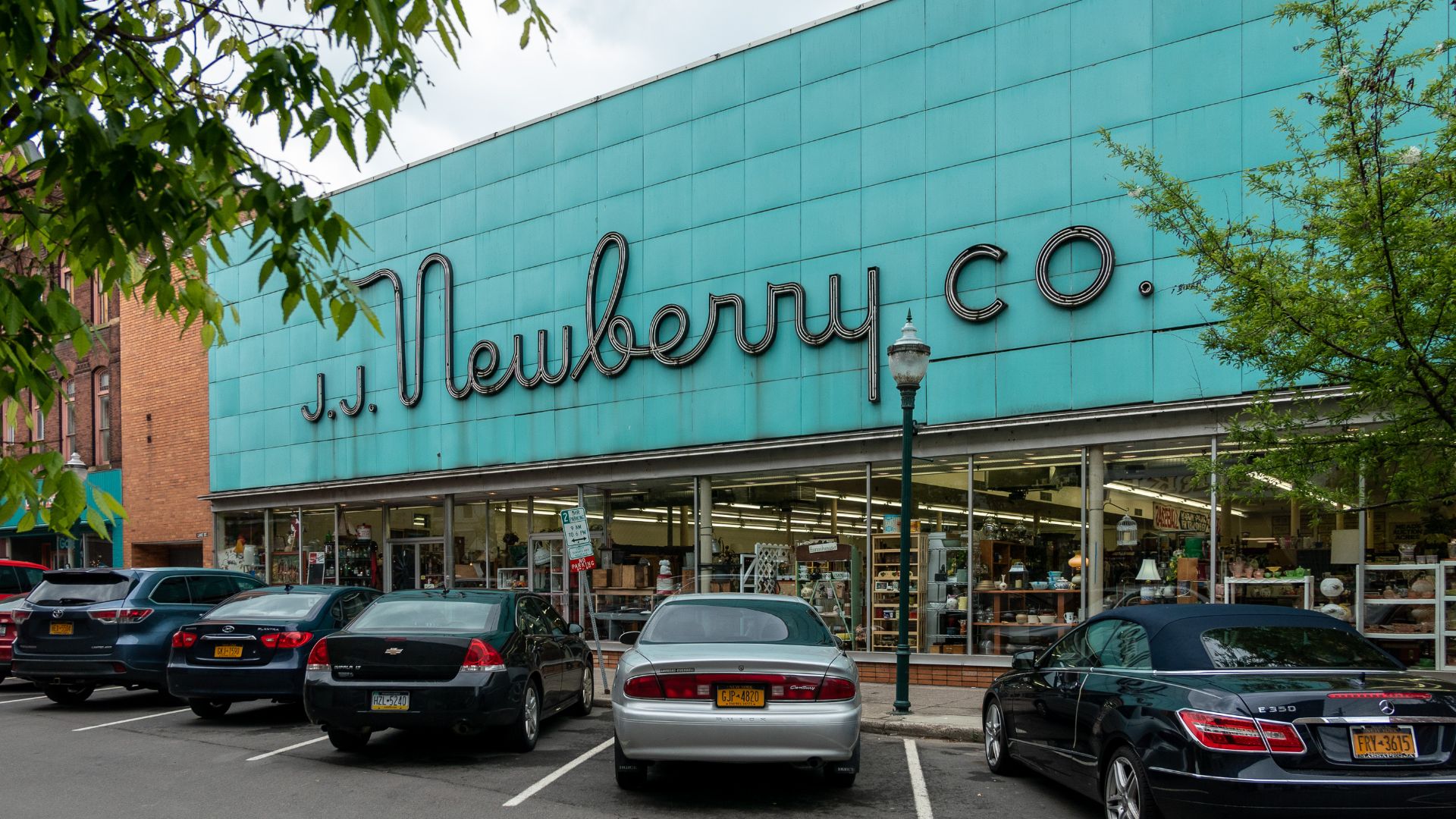 Kenneth C. Zirkel, Wikimedia Commons
G.C. Murphy: A Saturday Shopping Tradition
For many families, especially in Pennsylvania and nearby states, a trip to G.C. Murphy was part of the weekend routine. You could pick up school supplies, clothes, candy, and household basics without spending too much. And there was always something in the toy section that caught a child's eye.
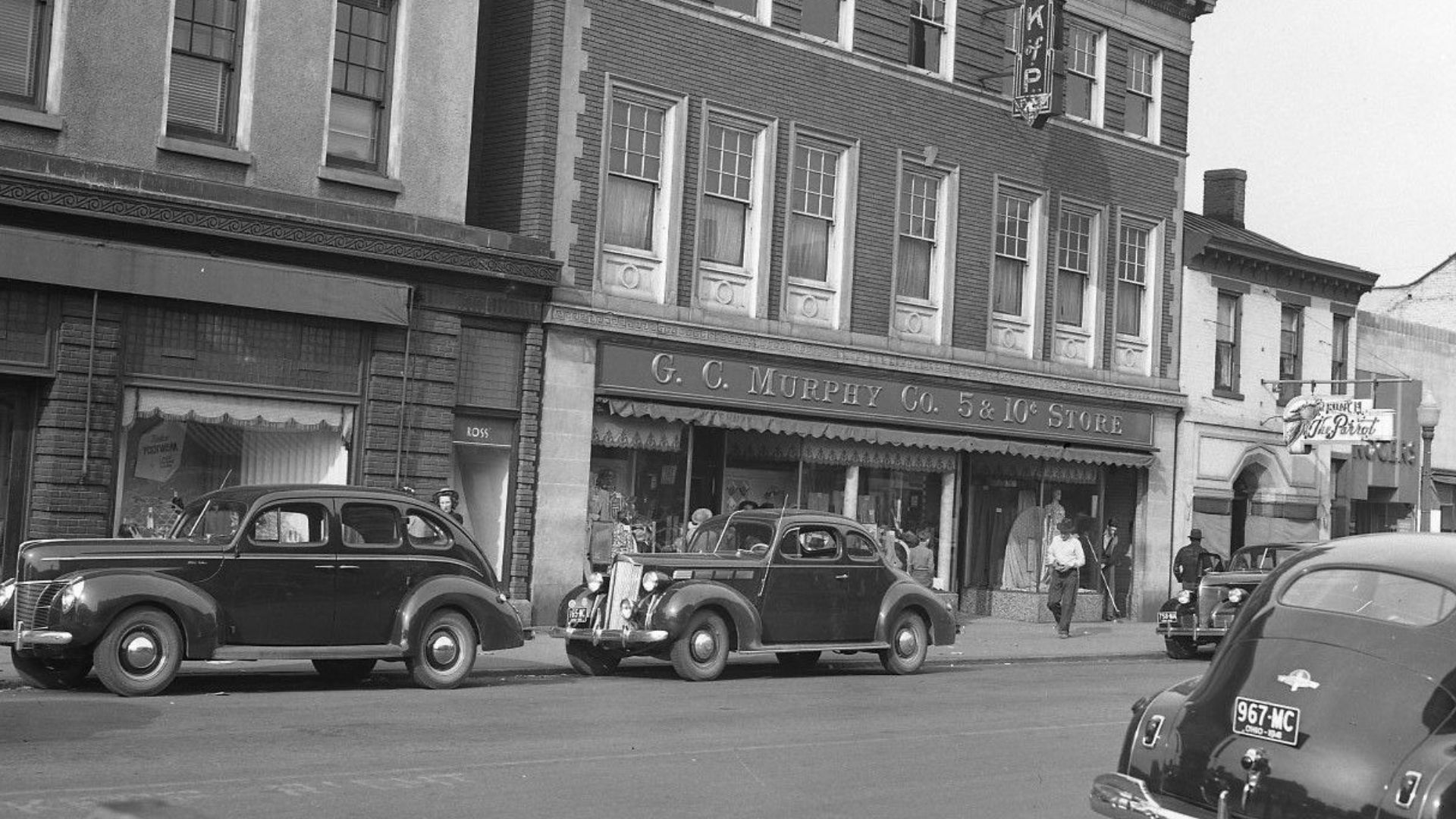 Midpointe Library System, Wikimedia Commons
W.T. Grant: Bigger Than Your Average Dime Store
W.T. Grant started as a small variety-store business, but by the 1960s, many locations looked more like department stores. You could buy clothes, household supplies, and plenty of other things under one roof. Unfortunately, the company ran into serious financial trouble and shut down in 1976. Remember shopping there?
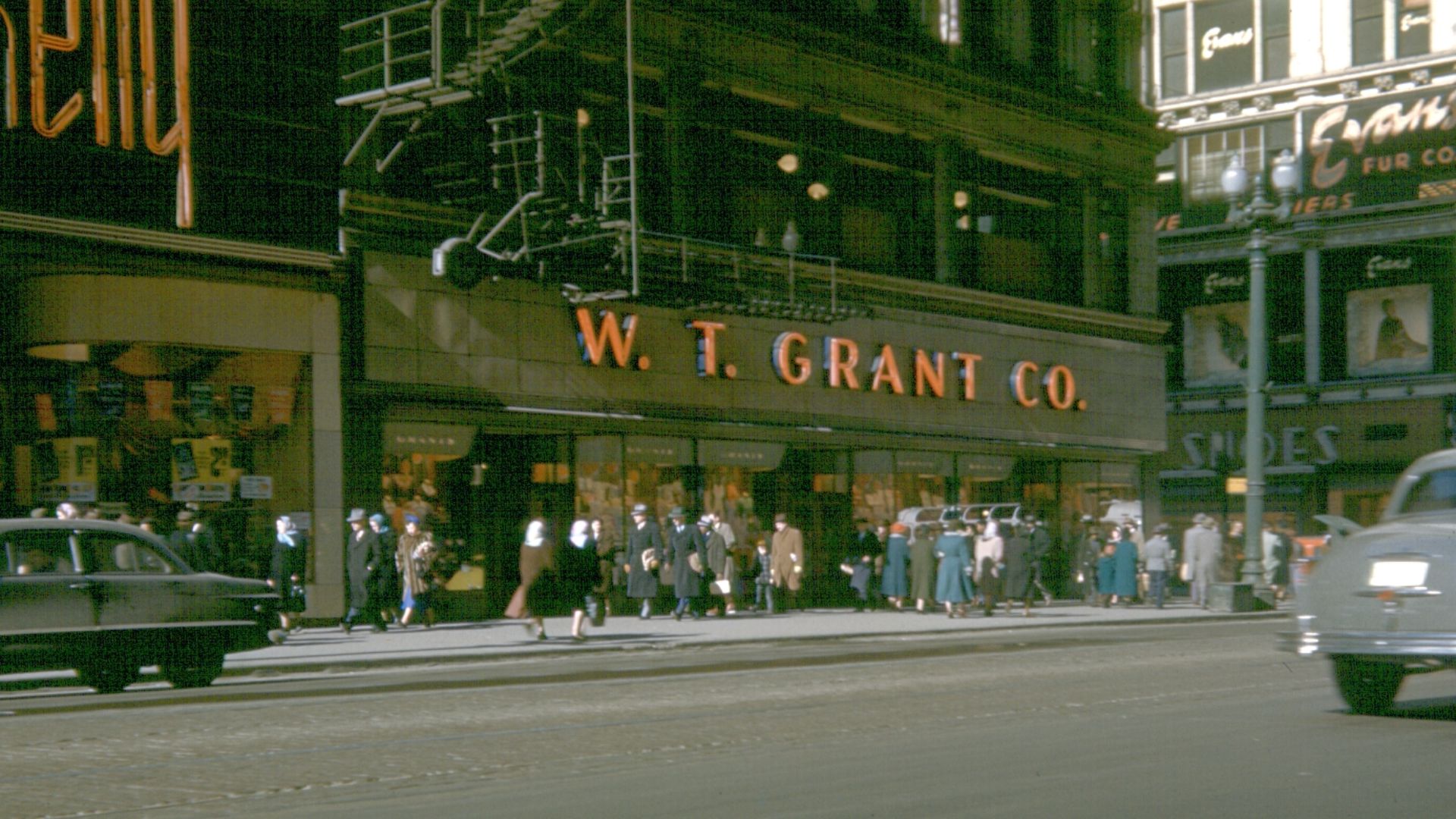 Joe+Jeanette Archie, Wikimedia Commons
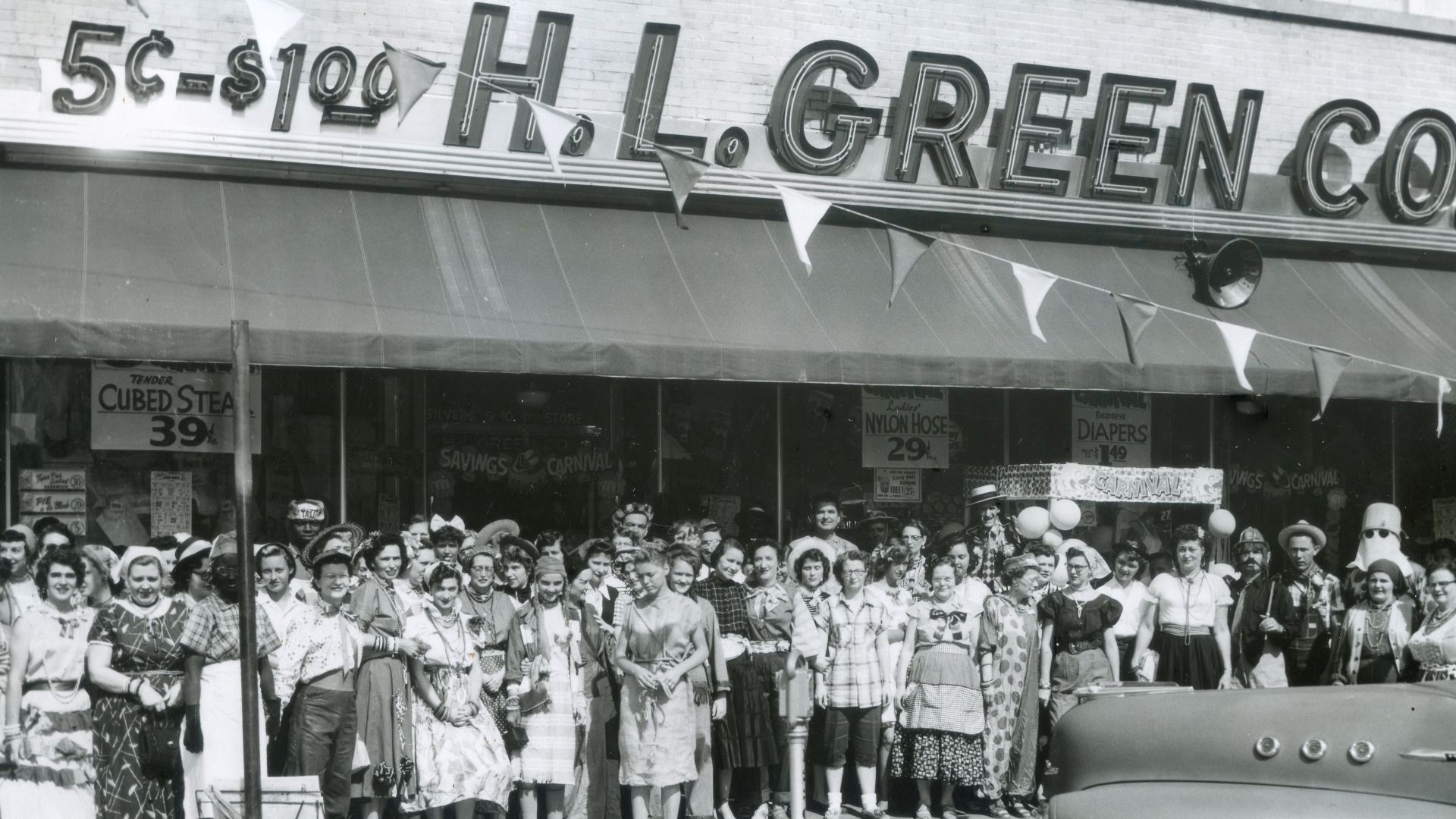
H.L. Green: The Store On Main Street
If your hometown had an H.L. Green, you probably stopped there more times than you can count. These stores sold toys, clothes, kitchen supplies, and all sorts of inexpensive everyday items. They were especially handy when you needed something quickly. Eventually, H.L. Green became part of the McCrory chain.
 Phillip Pessar, Wikimedia Commons
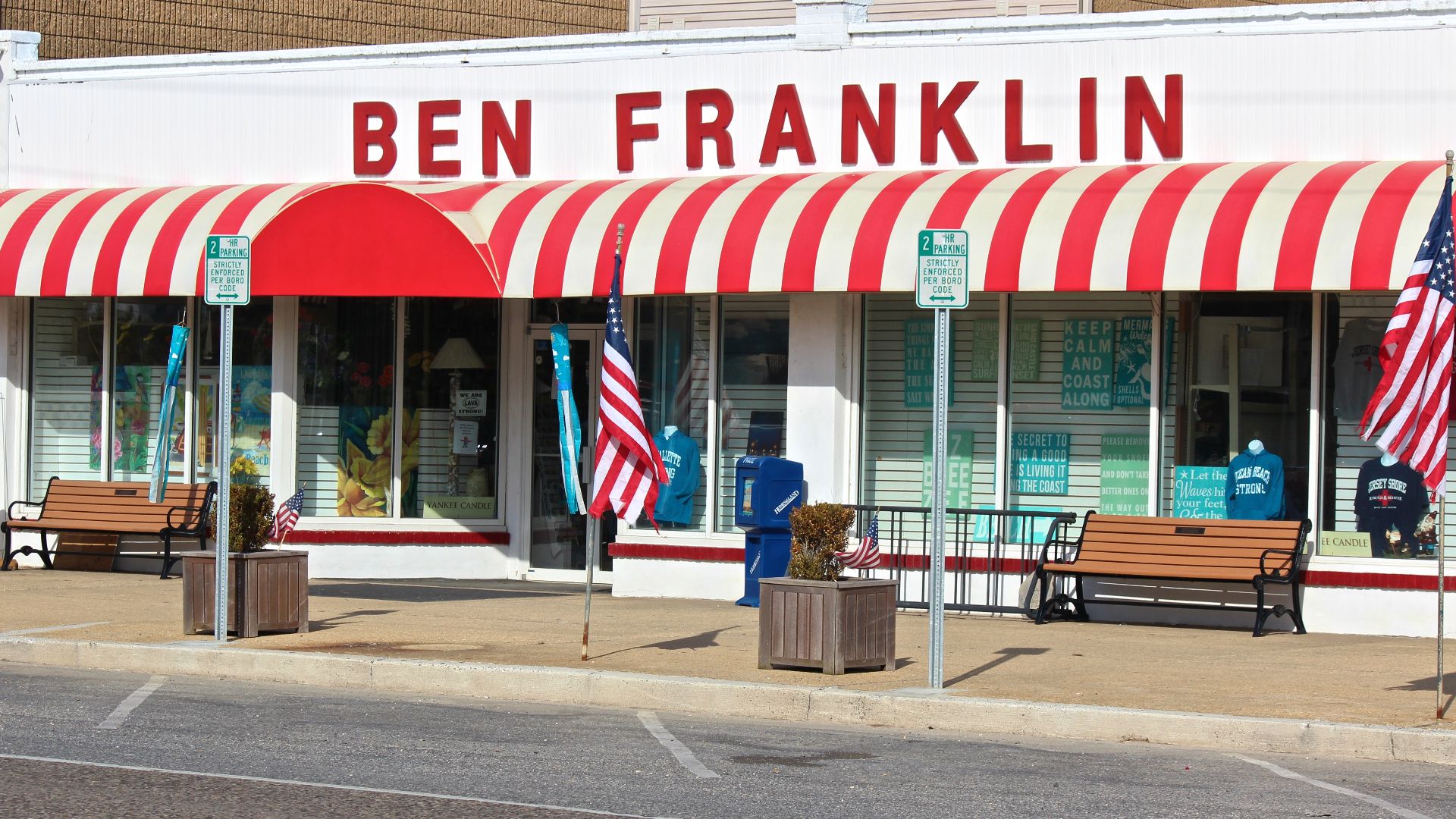
Ben Franklin: Small-Town Shopping At Its Best
Ben Franklin stores were a familiar sight in small towns across America. Many were run by local owners, so shopping there felt more personal. They were great places to buy sewing supplies, craft materials, toys, and gifts. Believe it or not, a few independently owned Ben Franklin stores are still around.
 Hypnotica Studios Infinite from Toms River, New Jersey, USA, Wikimedia Commons
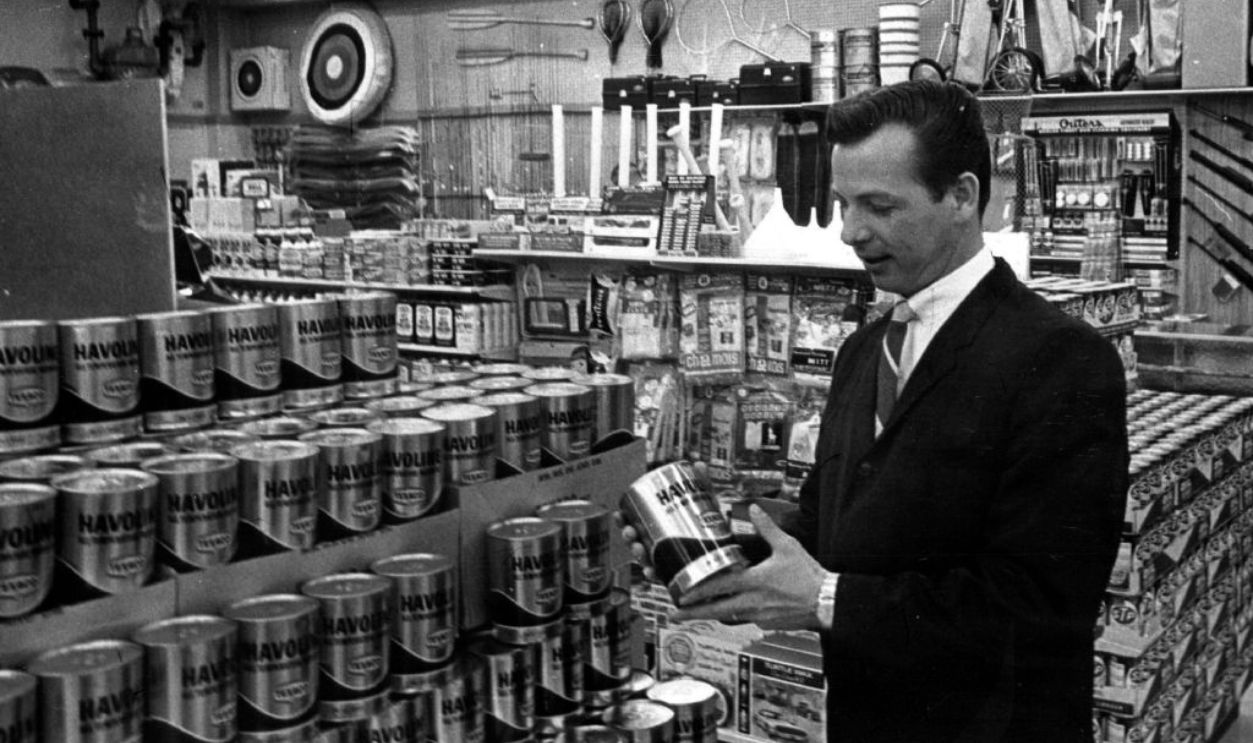
TG&Y: A Southern Favorite
If you grew up in Texas, Oklahoma, or another Southern state, there's a good chance you remember TG&Y. These stores had everything from school supplies and toys to clothes and kitchen gadgets. Families loved the low prices and convenience. At one point, TG&Y had hundreds of stores across the country.
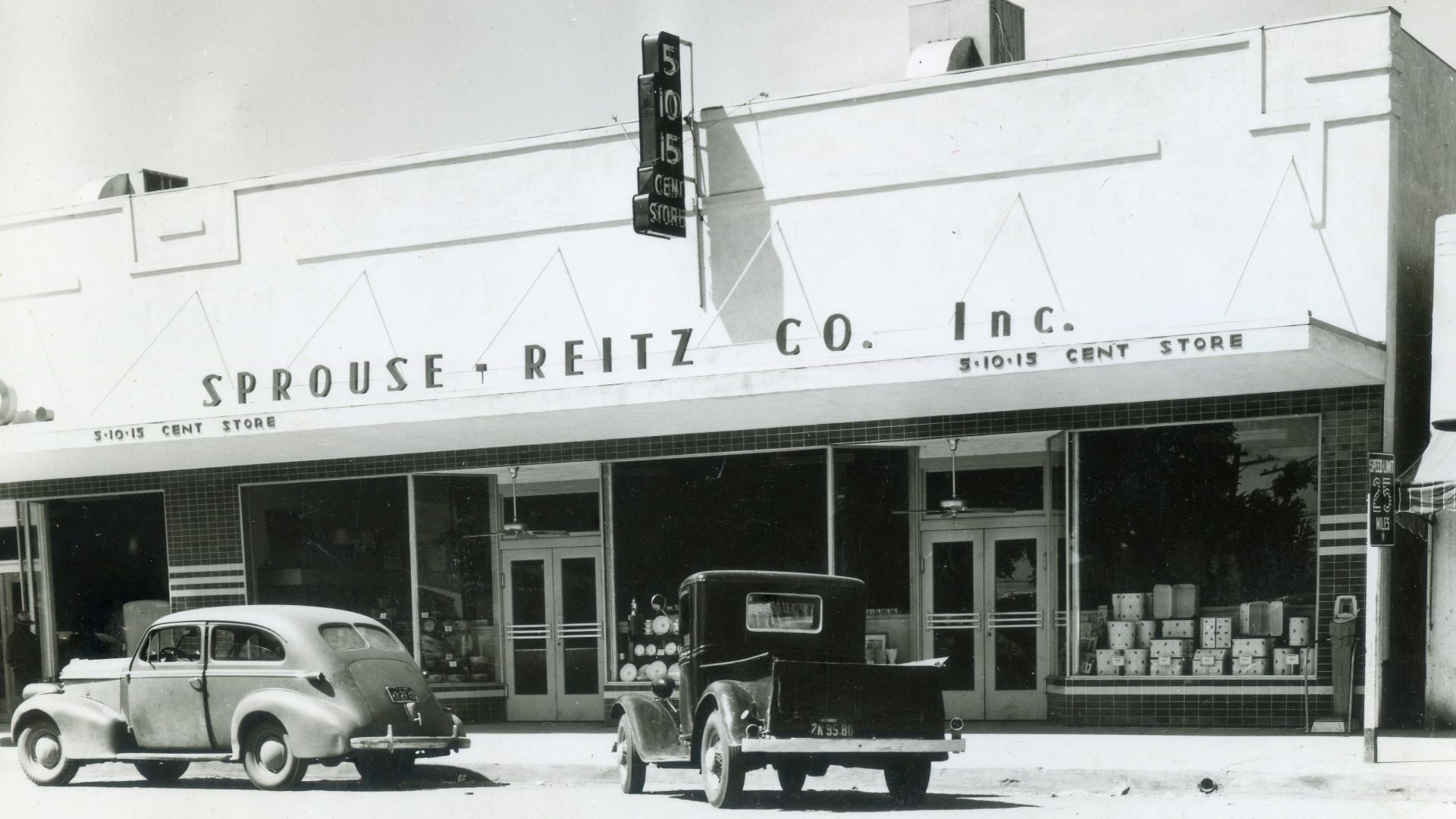
Sprouse-Reitz: The Store Western Families Loved
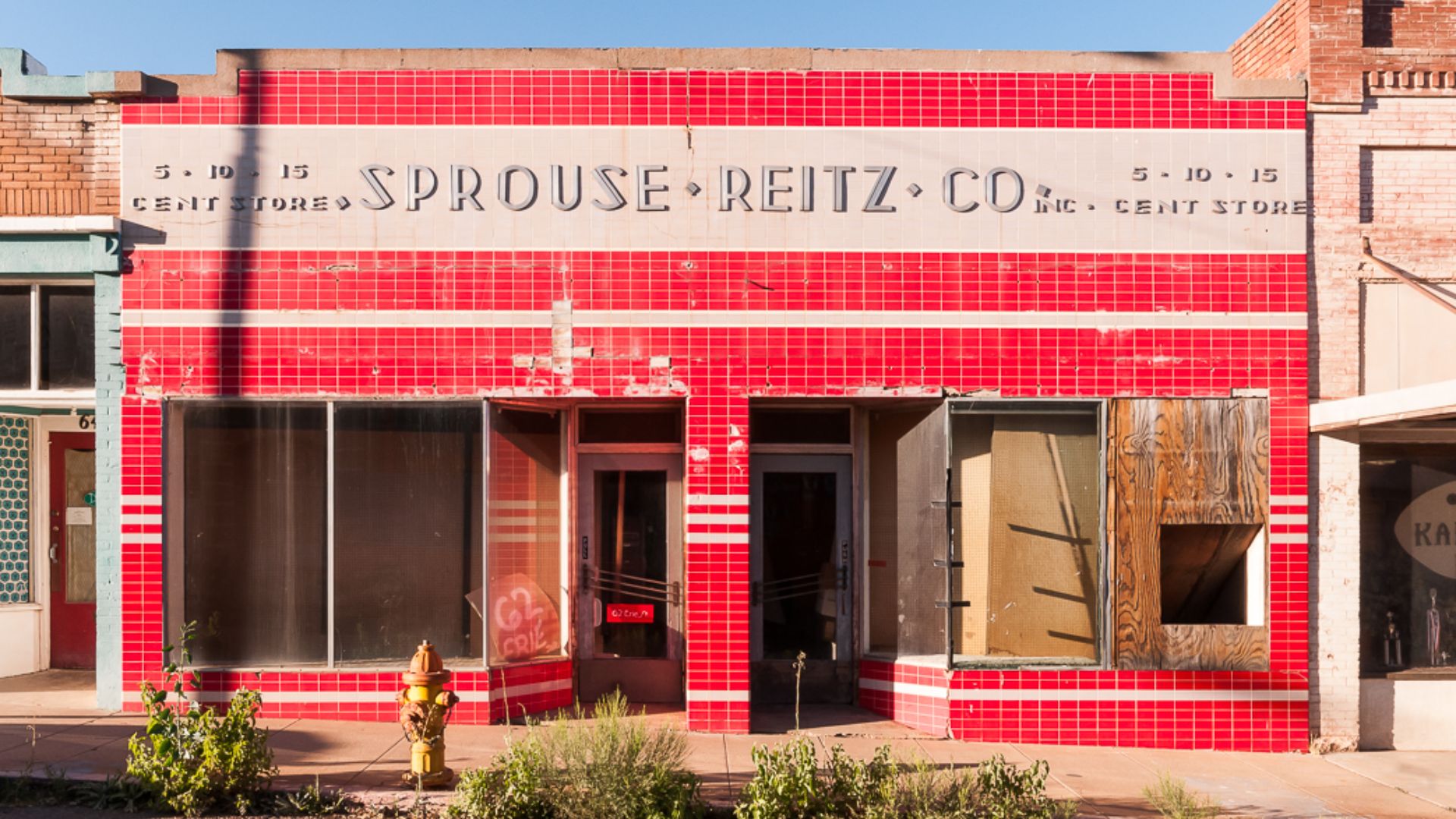
Sprouse-Reitz was especially popular in the western United States. It was the kind of store where you could buy candy, toys, school supplies, and household goods without emptying your wallet. The chain once had nearly 400 stores across 11 states. Unfortunately, Sprouse-Reitz disappeared in 1994 as bigger discount stores took over.
 Phillip Pessar from Miami, USA, Wikimedia Commons
Neisner's: The Store That Had Everything
Neisner's was a popular stop for families in the Midwest and Northeast. Its shelves were filled with clothes, toys, candy, and other everyday items. You didn't need much money to find something worth bringing home. The company later tried opening larger stores, but financial problems caught up with it in 1977.
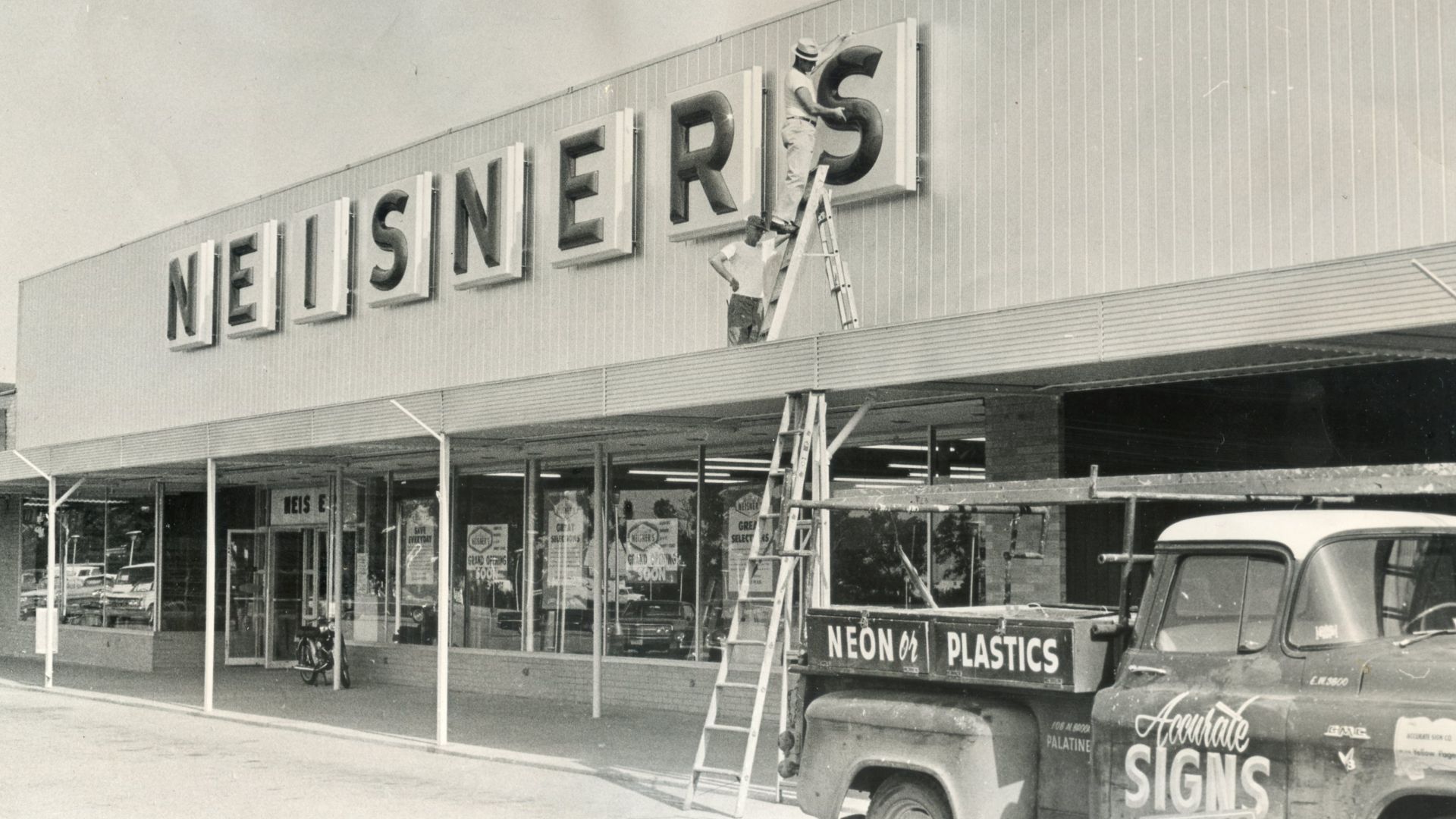 Phillip Pessar, Wikimedia Commons
McLellan's: Another Name You Might Remember
McLellan's was once a common sight in American downtowns. Like other five-and-dimes, it carried inexpensive clothing, toys, candy, and household supplies. It was perfect for picking up a few things without making a big shopping trip. The chain eventually became part of McCrory, and the McLellan name slowly disappeared.
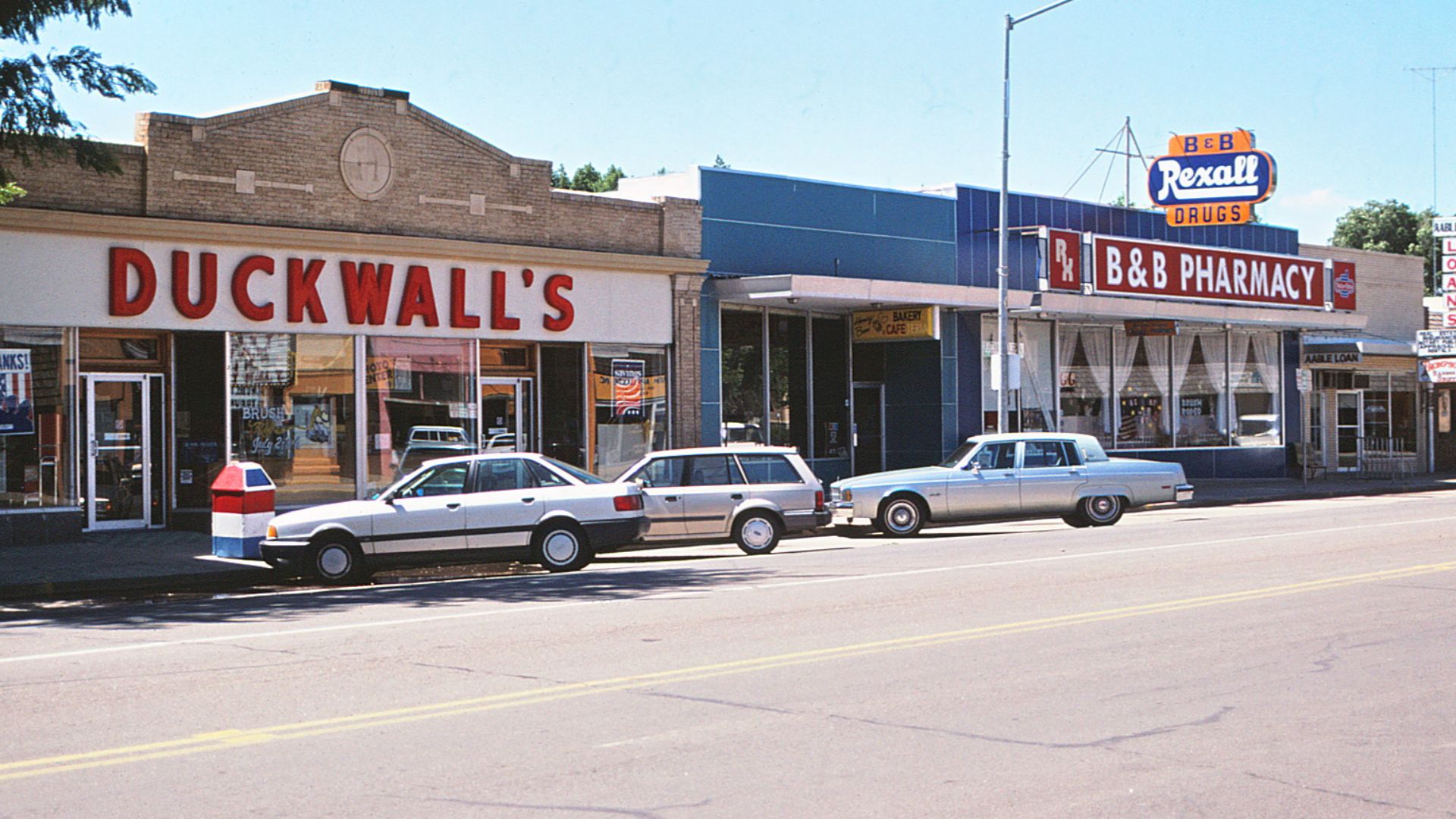
Duckwall's: A Favorite In Small-Town America
For people living in smaller Midwestern and Plains communities, Duckwall's was a handy place to shop. It sold everything from toys and clothes to kitchen supplies and everyday necessities. You didn't have to travel to a big city to find what you needed. The business later became connected with ALCO stores.
 L.T. Hanlon, Wikimedia Commons
Morgan & Lindsey: A Southern Shopping Tradition
Morgan & Lindsey was especially well-known in Louisiana and other parts of the South. Families stopped by for affordable toys, gifts, candy, and household supplies. In smaller towns, these stores were often among the most convenient places to shop. For anyone who grew up near one, the name brings back memories.
 Muhamad Guruh Budi Hartono, Pexels
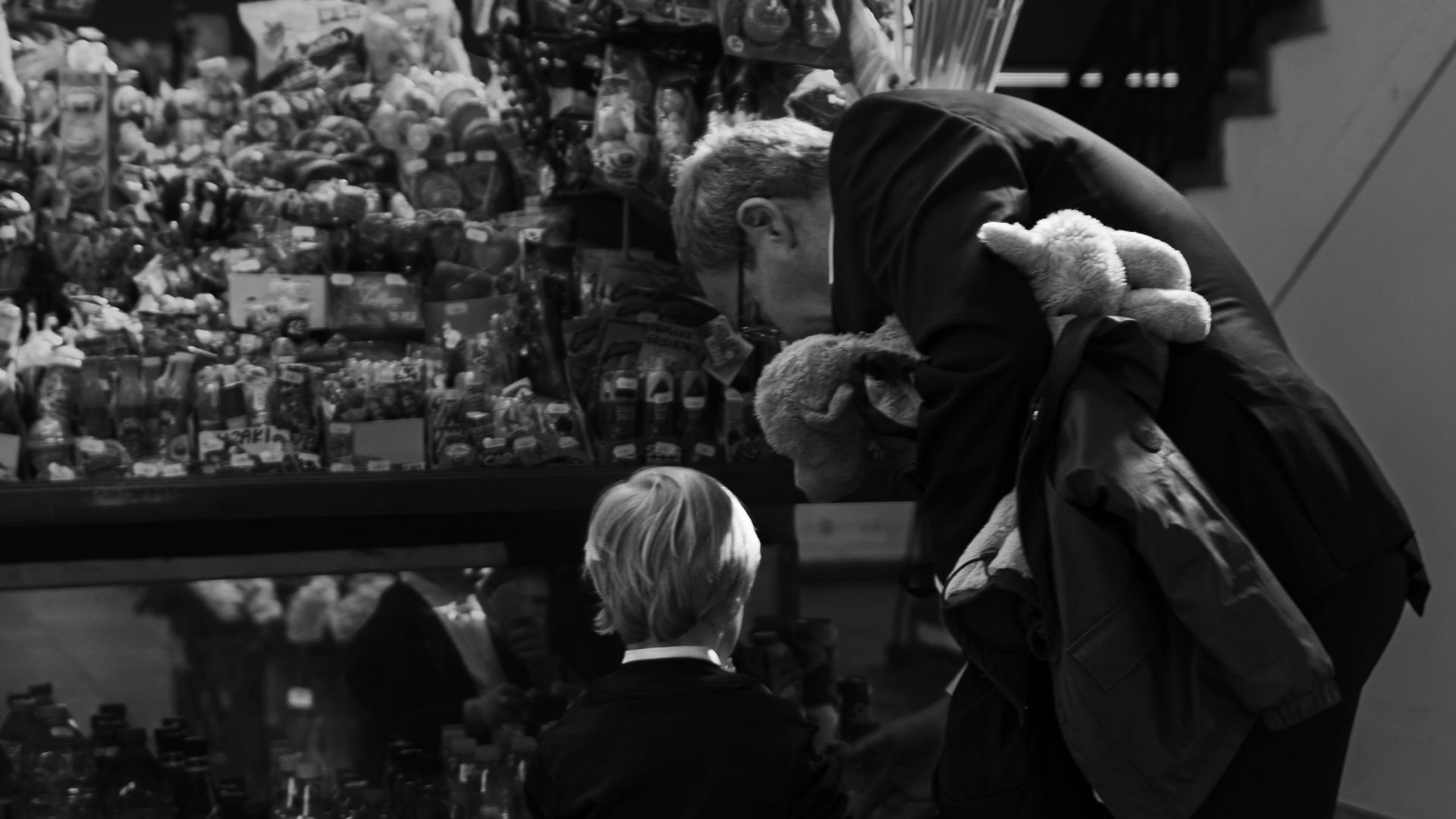
John's Bargain Stores: You Never Knew What You'd Find
John's Bargain Stores were popular with bargain hunters in the Northeast. These stores sold discounted merchandise, so the selection could change from one visit to the next. That was half the fun! You might go in looking for something practical and leave with a bargain you hadn't expected to find.
 Alexander Gatsenko, Shutterstock
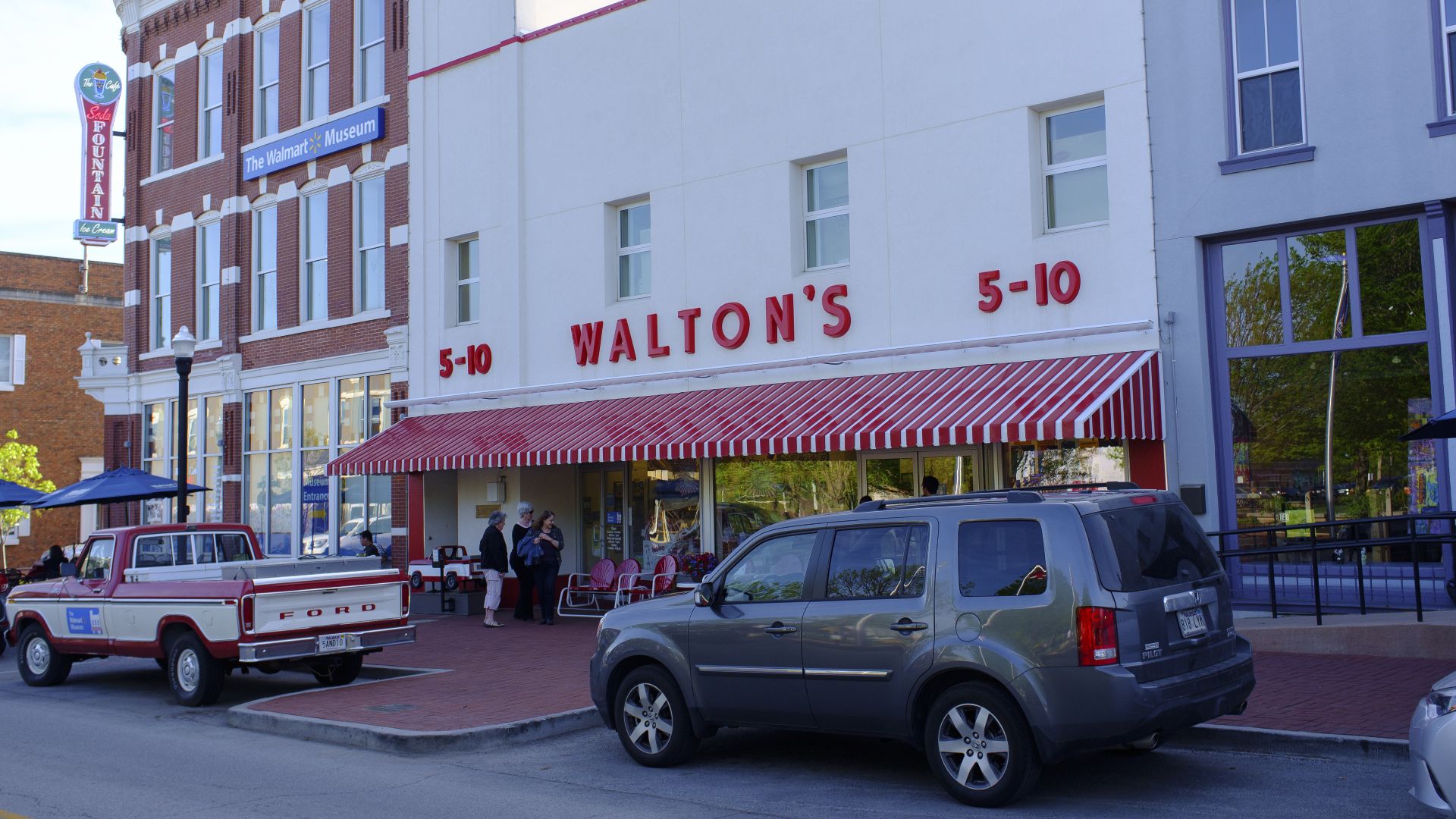
Walton's Five And Dime: Where Walmart Began
Here's one with a famous connection. In 1950, Sam Walton opened Walton's 5&10 in Bentonville, Arkansas. It was an ordinary variety store, but Walton eventually used his retail experience to build Walmart. The original building is now home to the Walmart Museum. Not bad for a little five-and-dime!
M.H. Lamston: A New York Neighborhood Favorite
If you grew up around New York City, you might remember M.H. Lamston. These neighborhood stores sold inexpensive clothing, gifts, household supplies, and everyday necessities. They were convenient places to stop when you needed a few things. For many New Yorkers, Lamston was simply part of the local shopping scene.
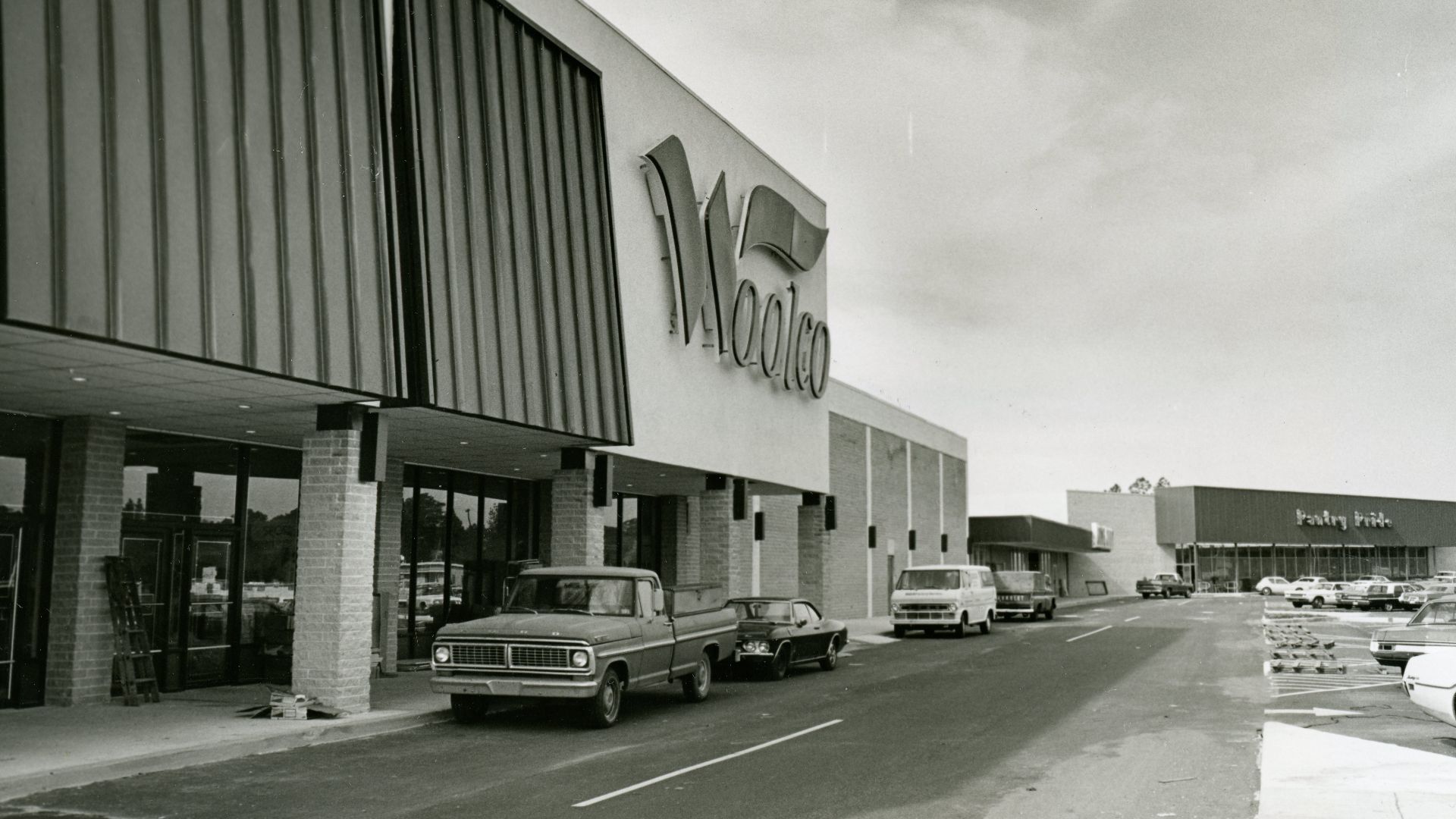
Woolco: Woolworth's Bigger Cousin
In 1962, Woolworth decided to try something new and opened Woolco. These stores were much bigger than traditional five-and-dimes, with more clothing, household goods, and other merchandise. They were designed to compete with growing discount chains. Woolco eventually disappeared from the United States, but it was a familiar name for years.
 Phillip Pessar, Wikimedia Commons
Jupiter Stores: Kresge's Other Discount Chain
Most people remember Kresge and Kmart, but what about Jupiter? This smaller discount chain was also part of the Kresge family. Jupiter stores focused on low prices and practical everyday items. They never became as famous as Kmart, but some shoppers still remember them. The last locations were sold in the 1980s.
Remember Those Five-And-Dime Lunch Counters?
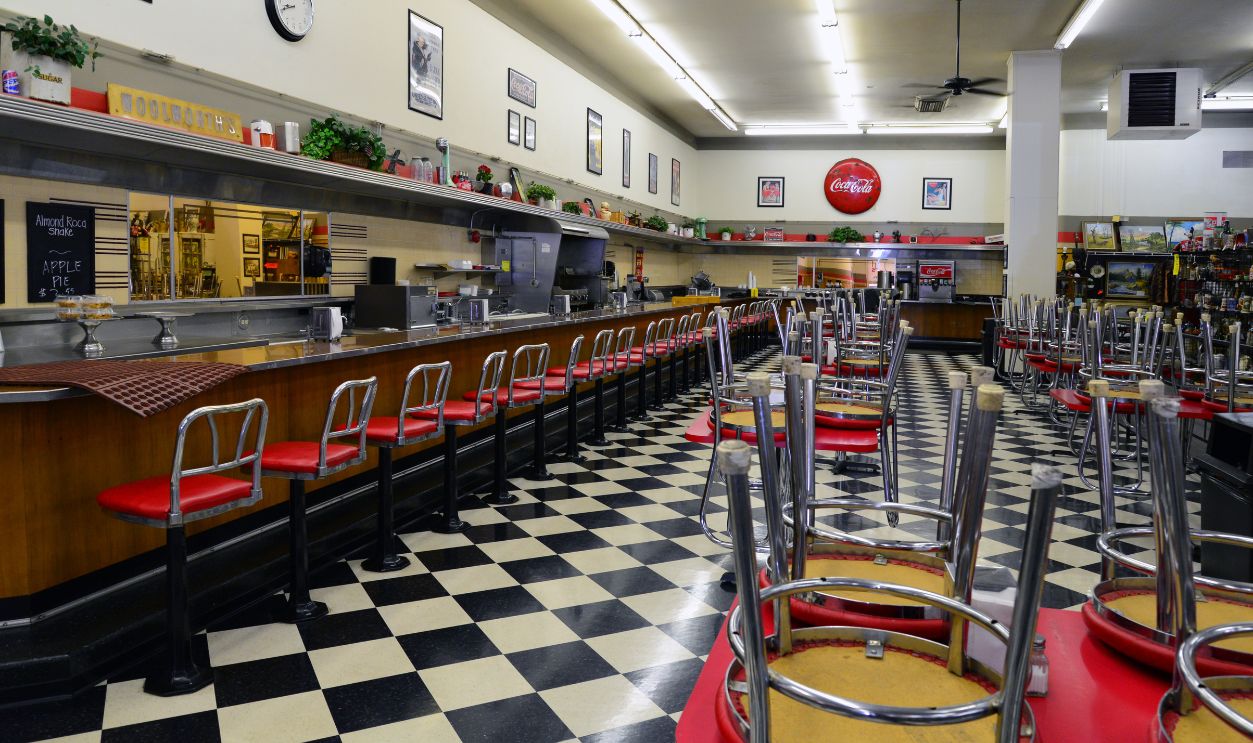
For many shoppers, the lunch counter was the best part of visiting Woolworth's or another five-and-dime. You could sit down for a sandwich, a slice of pie, or a milkshake. Woolworth's counters also made history in 1960, when four Black students challenged segregation at a Greensboro, North Carolina, location.
 Richard Thornton, Shutterstock
The Penny Candy Was Worth The Trip
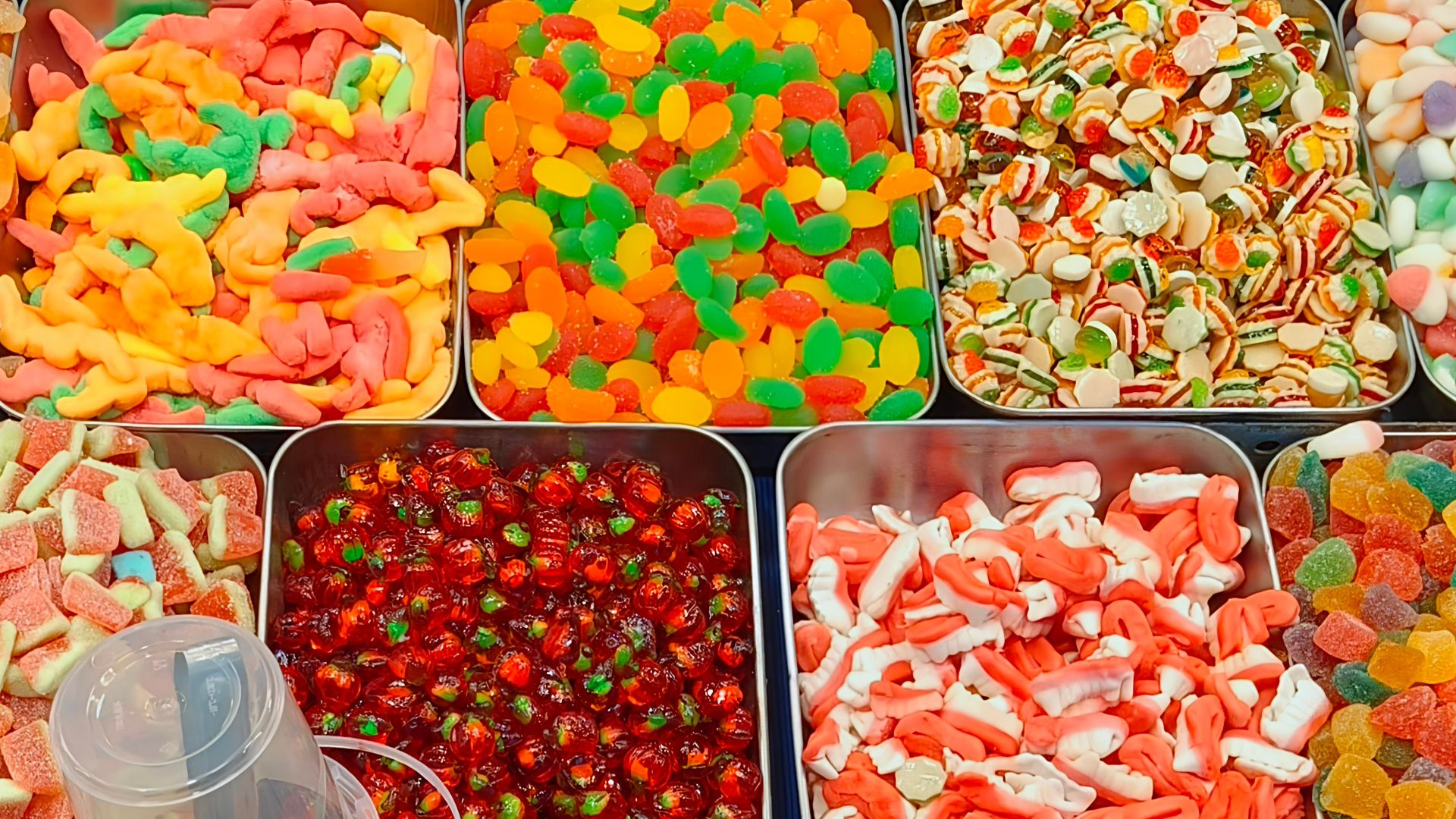
Remember standing in front of the candy counter, trying to decide what to buy? Gumdrops, licorice, bubble gum, and all kinds of sweets were waiting for you. With a little allowance money, you could sometimes fill a small bag. Choosing your candy was almost as much fun as eating it.
The Toy Aisles Were A Kid's Dream
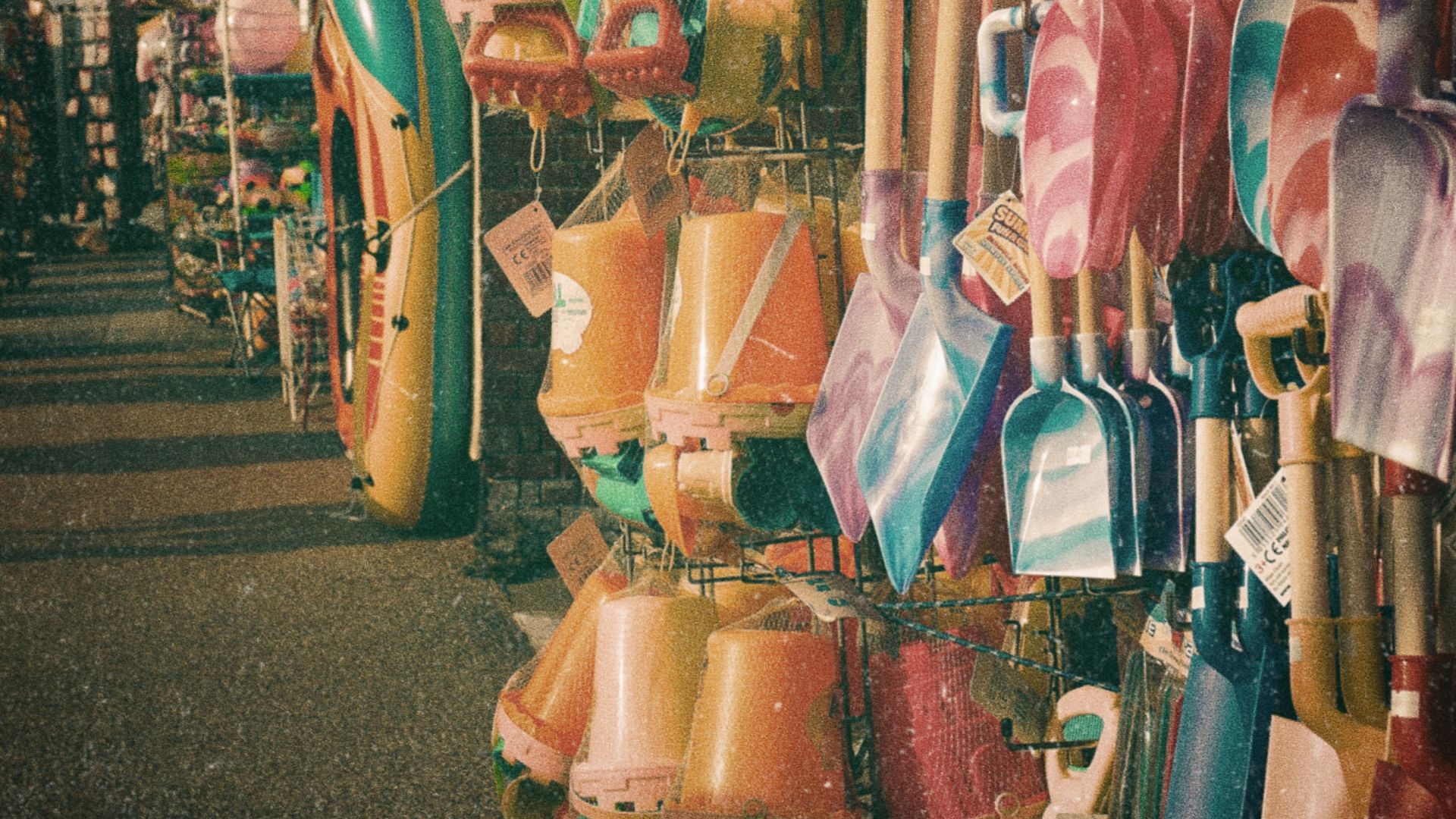
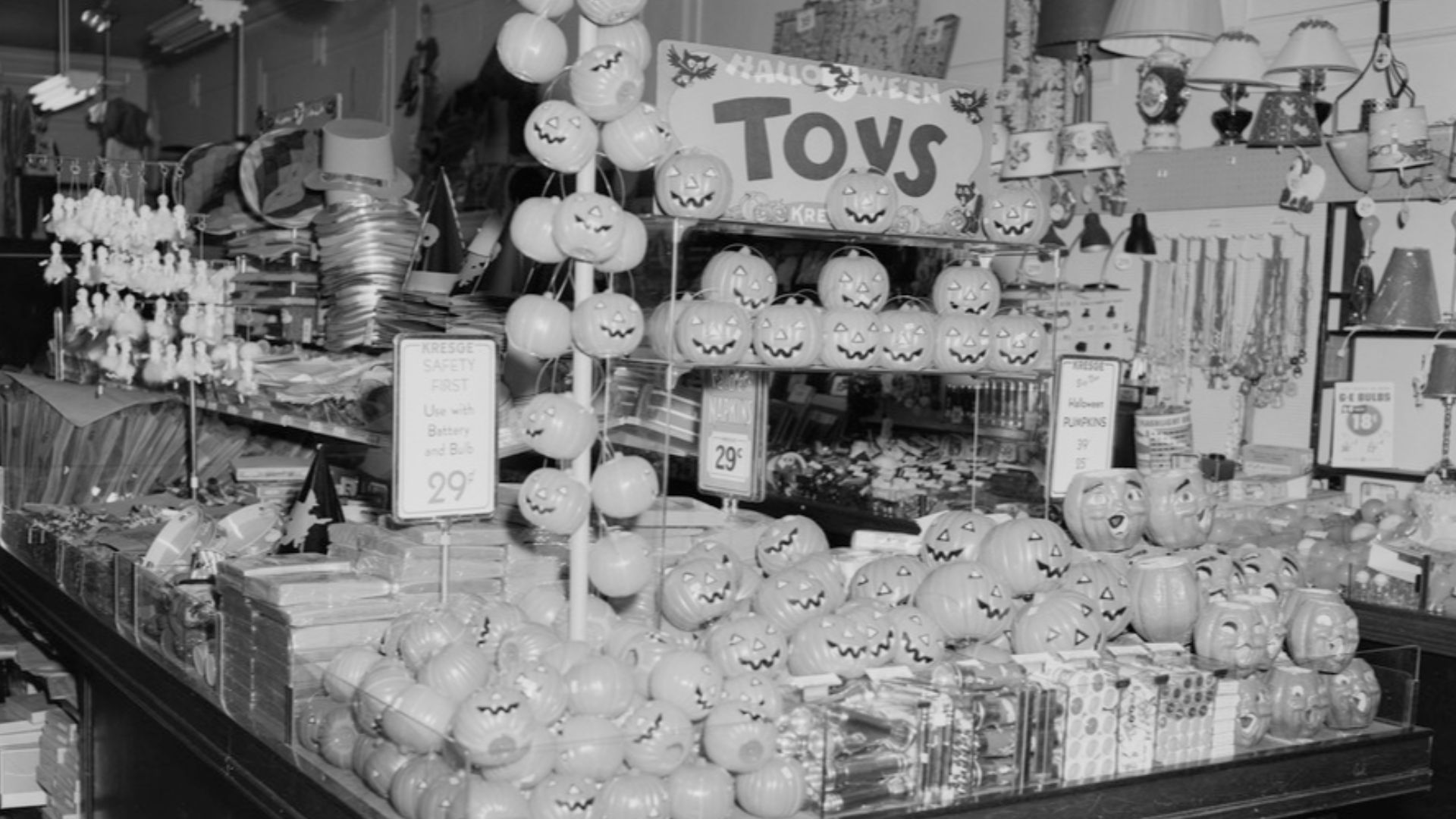
Before online shopping and giant toy stores, the five-and-dime was a great place to spend your allowance. There were toy cars, dolls, plastic soldiers, coloring books, and plenty of other cheap toys. You didn't need to wait for Christmas or your birthday. Sometimes, a few coins were enough.
 Abdalian, Leon H., 1884-1967, Wikimedia Commons
The Sewing Counters Saved Families Money
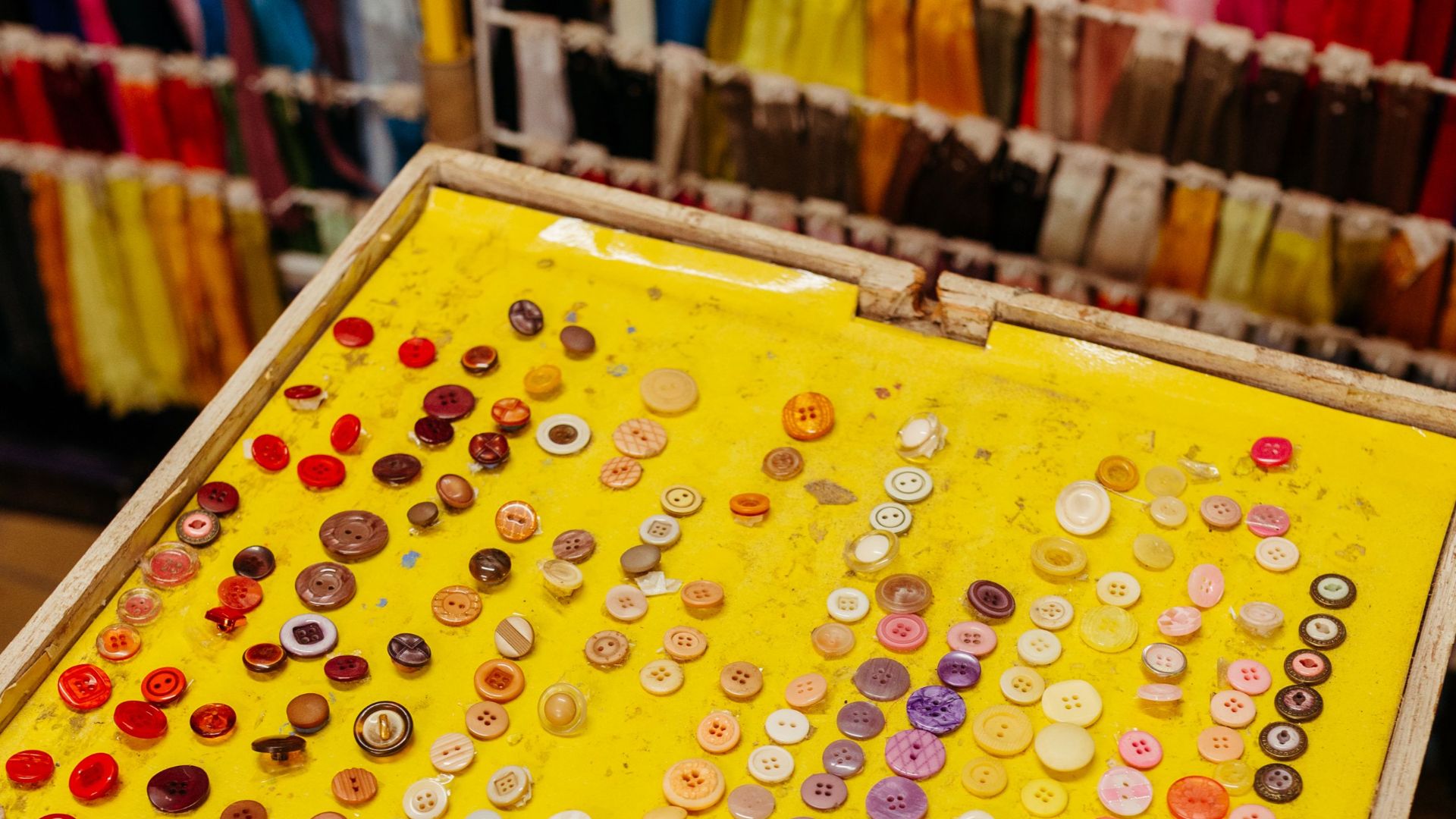
Back in the 1960s, many families repaired clothes instead of throwing them away. Five-and-dime stores made that easy by selling thread, buttons, needles, ribbons, and other sewing supplies. If a shirt lost a button or a dress needed fixing, a quick trip to the store could save some money.
So, What Happened To All These Stores?
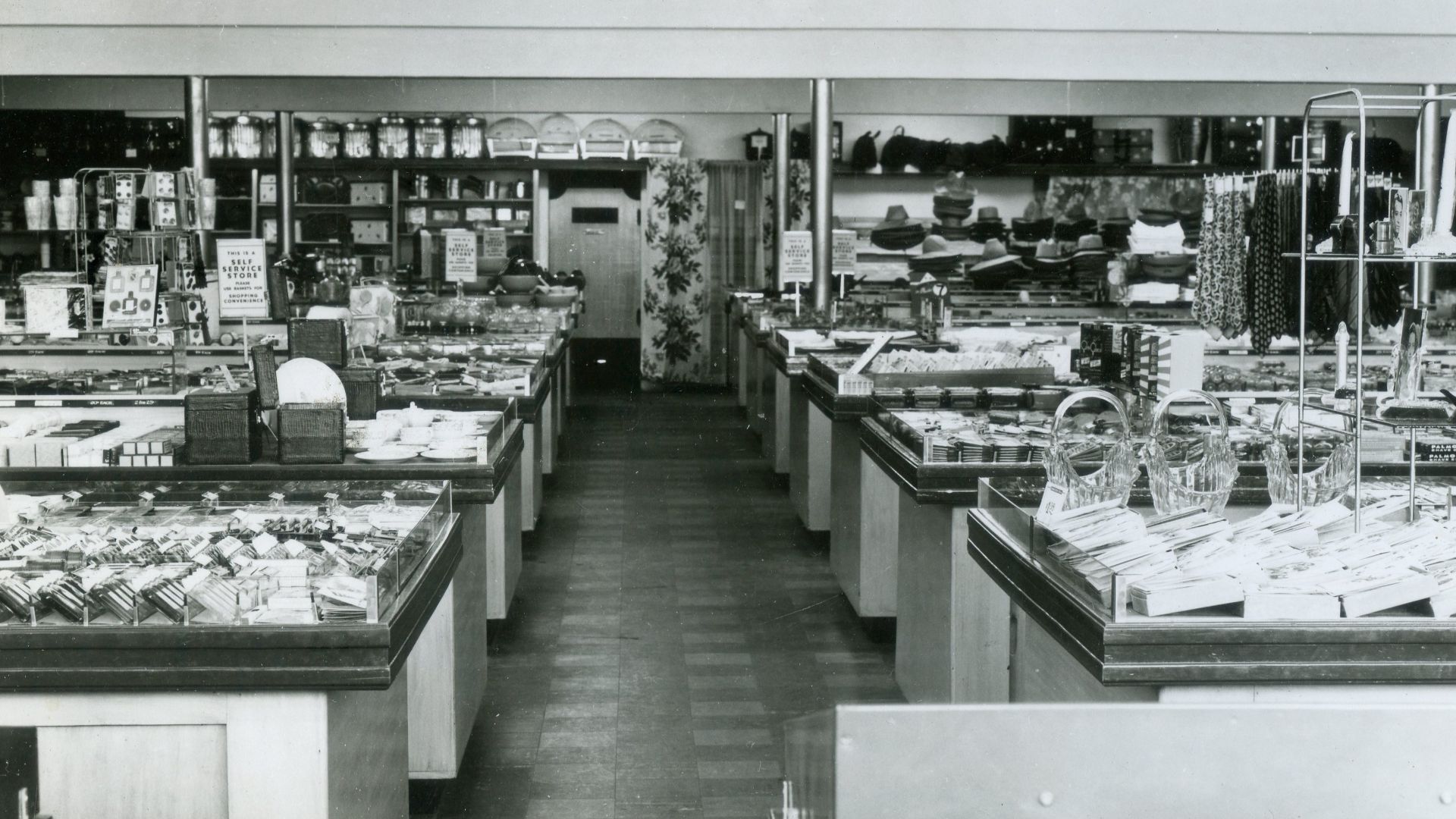
By the 1970s and 1980s, big discount retailers were taking over. Stores like Kmart and Walmart offered more products, bigger parking lots, and competitive prices. Meanwhile, shoppers were moving away from downtown shopping streets and toward suburban malls. One by one, many beloved five-and-dimes simply couldn't keep up.
 Phillip Pessar from Miami, USA, Wikimedia Commons
Those Old Five-And-Dimes Were Something Special
Shopping today might be quicker, but it's hard to beat the memories of those old five-and-dime stores. You could spend an afternoon browsing, enjoy a milkshake, and still bring home a few bargains. For many Baby Boomers, they were a big part of growing up. Which one do you miss most?
You May Also Like:
We have $2M saved for retirement but want to buy a second home. Is that financially wise?
Restaurants From The 1990s That People Loved—But No One Born After 2000 Even Knows They Existed