
A Dream Home Or A Retirement Nightmare?
You've worked hard, saved carefully, and finally built a $2 million retirement nest egg. Now you're dreaming about a second home somewhere sunny, perhaps near the beach or overlooking a quiet lake. Sounds wonderful, doesn't it? But before calling a real estate agent, there's an important question worth asking.
Two Million Dollars Isn't What It Used To Be
Let's be clear: $2 million is a terrific retirement achievement. However, that money might need to support you for another 20 or 30 years. Between inflation, healthcare, and everyday living expenses, even a healthy retirement account can shrink surprisingly quickly. Adding another property changes the equation.

First, Figure Out What Retirement Actually Costs
Before shopping for a vacation home, take a good look at your current retirement budget. How much do you spend each month? What income comes from Social Security, pensions, or investments? The important number isn't how much you've saved. It's how much money you'll need to keep your lifestyle comfortable.

The Four Percent Rule Still Matters
You've probably heard about the 4% retirement rule. Under this guideline, $2 million could support roughly $80,000 in initial annual withdrawals, adjusted for inflation afterward. It's a planning shortcut, not a guarantee. Recent retirement research suggests a slightly lower starting percentage may be appropriate for some retirees.

What Happens If You Spend $500,000?
Suppose you buy a $500,000 vacation property using retirement savings. Suddenly, your investment portfolio drops from $2 million to $1.5 million. Using the 4% guideline, your initial annual withdrawal figure falls from $80,000 to $60,000. That's a $20,000 difference every year, before considering the property's ongoing expenses.

Your Second Home Won't Pay The Grocery Bill
There's an important difference between having wealth and having money available to spend. A vacation property might increase your net worth if its value rises, but it won't automatically produce retirement income. Unless you rent it out or eventually sell, that money is effectively tied up in the house.

The Purchase Price Is Only The Beginning
Imagine finding a beautiful $400,000 cottage beside a lake. Perfect, right? Unfortunately, the purchase price is just the opening act. Closing costs, inspections, furniture, and immediate repairs can add thousands. Even if you pay cash, owning another home creates bills that continue long after you've unpacked the last box.

Property Taxes Never Take A Vacation
Your second home comes with another property tax bill, and that bill could increase over time. Depending on the location, you might also face different tax treatment than a permanent resident. That peaceful waterfront property may suddenly look less relaxing when two sets of property taxes arrive.

Insurance Could Deliver A Nasty Surprise
Vacation homes aren't always cheap to insure. Properties near coastlines, forests, or flood-prone areas can face particularly expensive coverage. Some insurers also have special requirements for homes left empty for extended periods. Get actual insurance quotes before making an offer, rather than assuming the costs will resemble your primary residence.

Two Homes Mean Twice The Maintenance
Remember how much work your first house requires? Now imagine doing it twice. Roof repairs, plumbing problems, landscaping, pest control, and appliance replacements don't disappear because you're away. A second property needs regular attention, even when you're enjoying retirement somewhere else. Budget for upkeep every single year.
Don't Forget The Monthly Bills
Even an empty house can generate electricity, water, heating, internet, and security bills. There might also be condominium fees or homeowners association dues. Add these expenses to your primary home's bills, and the annual total can become substantial. Paying cash for a property doesn't mean living there is free.

Try Putting A Number On Everything
Consider an illustrative $500,000 vacation home with annual property taxes of $6,000, insurance of $3,000, maintenance of $5,000, and utilities and other expenses totaling $4,000. That's $18,000 annually, before mortgage payments, major surprises, or travel expenses. Over ten years, those bills could consume $180,000, even without increases.
 Jacob Wackerhausen, Getty Images
Paying Cash Isn't Always The Best Answer
With $2 million saved, buying outright might seem like the sensible choice. No mortgage, no monthly loan payment, no fuss. But withdrawing hundreds of thousands from investments could significantly reduce your future income. If the money comes from tax-deferred retirement accounts, you might also face a hefty income tax bill.

A Mortgage Has Its Own Problems
Financing the second property preserves more of your investments, but creates another monthly obligation. That's especially important if most of your income comes from fixed retirement payments. A mortgage could become uncomfortable during a market downturn. Compare total borrowing costs against the benefits of keeping your money invested.

Taxes Could Complicate The Purchase
Here's something retirees sometimes overlook: taking a large withdrawal from a traditional IRA or 401(k) can create a substantial tax bill. It might also affect Medicare premiums and the taxation of Social Security benefits. Before funding your dream getaway, speak with a tax professional about where that money should come from.

Could Renting It Out Help?
Some retirees plan to rent their vacation property when they're not using it. That can certainly help cover expenses, particularly in popular tourist destinations. However, rental income isn't guaranteed. Vacancies, cleaning costs, property management fees, and unexpected damage can quickly eat into your profits. Don't count on perfect occupancy.

Uncle Sam Has Rules About Vacation Rentals
Renting your second home also introduces tax complications. The IRS has specific rules governing personal use, rental income, and deductible expenses. How many days you use the property yourself can affect its tax treatment. Keep detailed records, because calling something a vacation home doesn't automatically make its expenses deductible.

What About Healthcare Costs?
It's tempting to picture retirement as endless golf games and sunny afternoons. Unfortunately, healthcare often becomes more expensive as we age. Medicare doesn't cover every possible expense, and long-term care can be particularly costly. Before purchasing another property, make sure your retirement plan leaves room for future medical needs.

Your Emergency Fund Needs Some Muscle
With two properties, there's twice the opportunity for something expensive to go wrong. A broken furnace, leaking roof, or unexpected family emergency could require thousands immediately. Keep enough accessible savings to cover surprises without selling investments during a market downturn. A healthy emergency fund is especially important when retired.

Think About Your Family's Future
Perhaps you'd like to leave your children a comfortable inheritance. A second property might become a treasured family gathering place, but it could also create complications. Children may disagree about keeping, selling, or maintaining it. Consider whether your family actually wants the responsibility before treating the vacation home as a legacy.

Location Makes An Enormous Difference
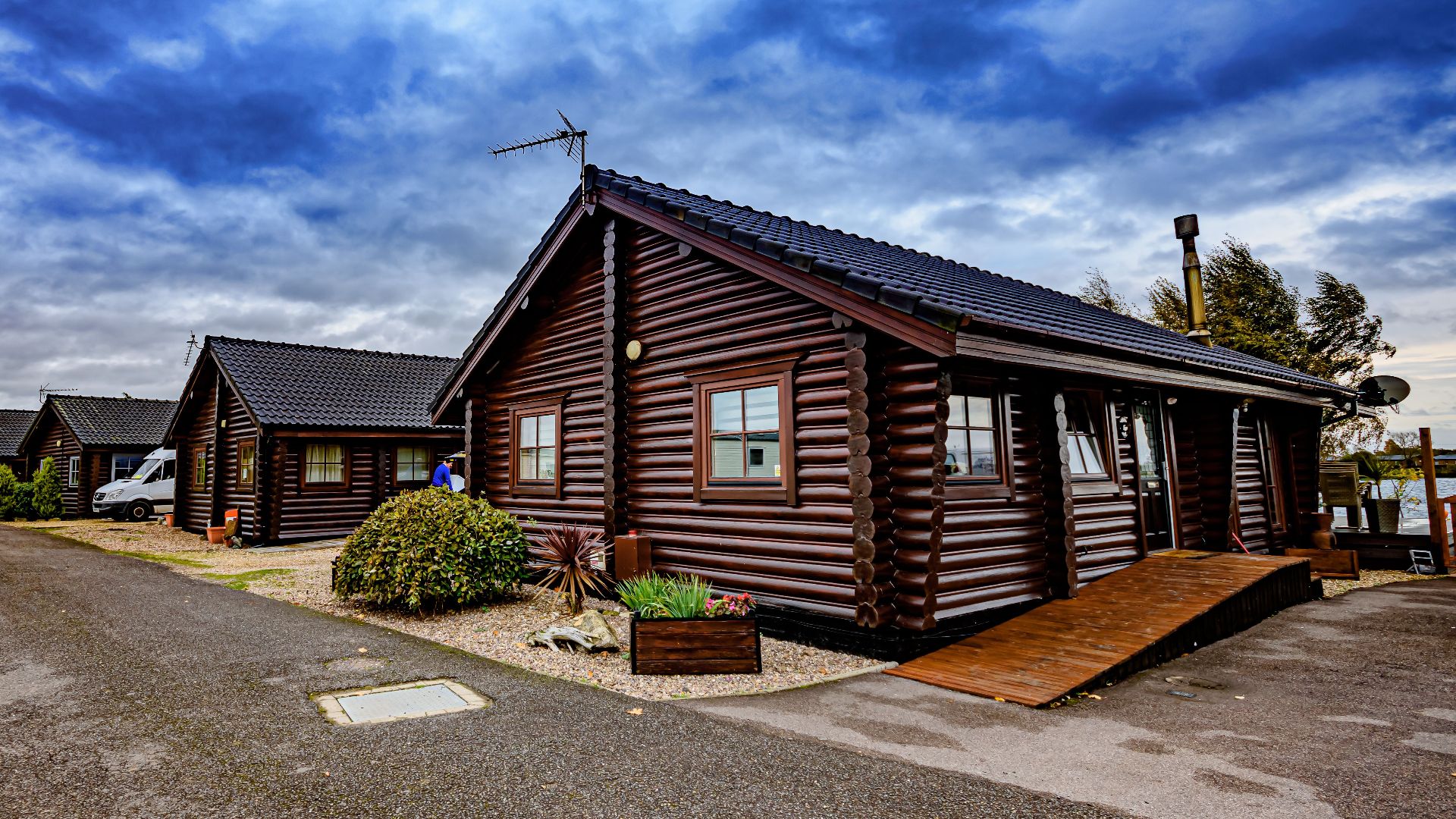
A modest cabin in an affordable rural community is financially different from a beachfront condominium in Florida. Property taxes, insurance, association fees, and maintenance costs vary widely. So does resale demand. Compare several locations carefully rather than falling in love with the first beautiful property you see.
How Often Will You Actually Visit?
This might be the most important question of all. Will you spend four months annually at your second home, or just a few long weekends? A property that's rarely used becomes an expensive luxury. Divide its annual ownership costs by the number of nights you'll stay there. The result might surprise you.

Renting Could Be A Smarter Alternative
Before buying, consider renting a vacation property for several weeks or months each year. You can enjoy different destinations without paying property taxes, maintenance bills, or insurance premiums. Better still, you can change your plans whenever you like. Renting might deliver most of the enjoyment with considerably less financial responsibility.

Try Before You Buy
If your heart is set on a particular destination, rent there for an extended period first. Visit during different seasons, meet the neighbors, and experience everyday life. That picturesque mountain community might be wonderful in July but difficult in January. It's much cheaper to discover a location isn't right before purchasing property.

Give Your Retirement Plan A Stress Test
Before committing, run the numbers under less-than-perfect conditions. What happens if investments fall 25%, insurance doubles, or one spouse needs expensive care? Can you still afford both properties comfortably? A qualified financial planner can model these scenarios and help establish a purchase budget that doesn't threaten your retirement security.

When Buying A Second Home Makes Sense
A second home can be perfectly reasonable if your retirement income comfortably covers essential expenses, you have ample liquid savings, and the property won't require excessive withdrawals. It helps if you plan to use it regularly. After decades of saving, there's nothing wrong with spending some money enjoying the retirement you've earned.

So, Should You Buy That Second Home?
With $2 million saved, buying a second home is certainly possible, but that doesn't automatically make it wise. The deciding factors are your spending needs, dependable income, purchase price, and remaining savings. If the numbers work even under difficult circumstances, enjoy that dream getaway. Just don't let a second home jeopardize your first priority: a comfortable retirement.

You May Also Like: