
When A Promise Meets Paperwork
Your father always said his car would be yours. Now he’s gone, the keys are sitting on the counter, and his name is still on the title. Does that promise count? Generally, the estate controls a car he still owned at passing. But in the United States, the final answer depends on ownership documents, estate rules, and what happened beforehand. That is not necessarily who ultimately gets it.

Start With The Title
A vehicle title is the primary ownership document in states such as New York. It identifies the owner and can identify a lienholder. Check whose names appear before making assumptions about who inherits the car.
 AI25.Studio AI GENERATIVE, Pexels
Registration Is Different
Registration permits a vehicle to be operated on public roads, but it is not the same thing as proof of ownership. Your father’s registration alone cannot answer every inheritance question. The title deserves closer inspection.
 Natallia Ustsinava, Shutterstock
Gifts Have Three Essential Elements
A valid lifetime gift generally requires intent to give, delivery, and acceptance. Each matters. Saying “you can have it someday” may indicate a future plan rather than a gift completed while he was alive.
The Keys Might Be Evidence
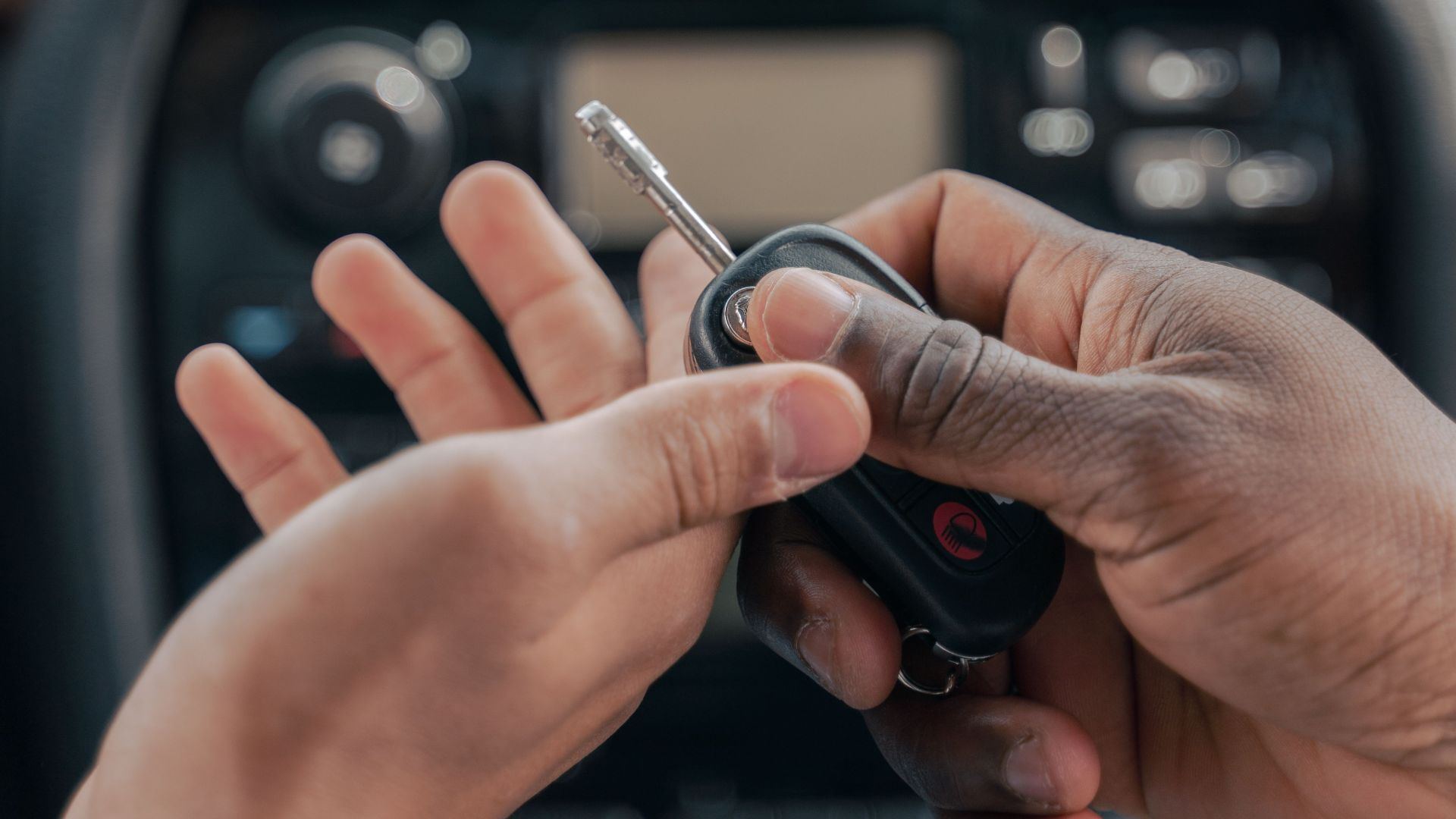
Maybe he handed you the keys and said the vehicle was yours immediately. Delivery can sometimes be physical, symbolic, or constructive. But keys alone do not conclusively establish that a titled vehicle was legally transferred. The timing of that handover can prove especially important.

Did He Sign Over The Title?
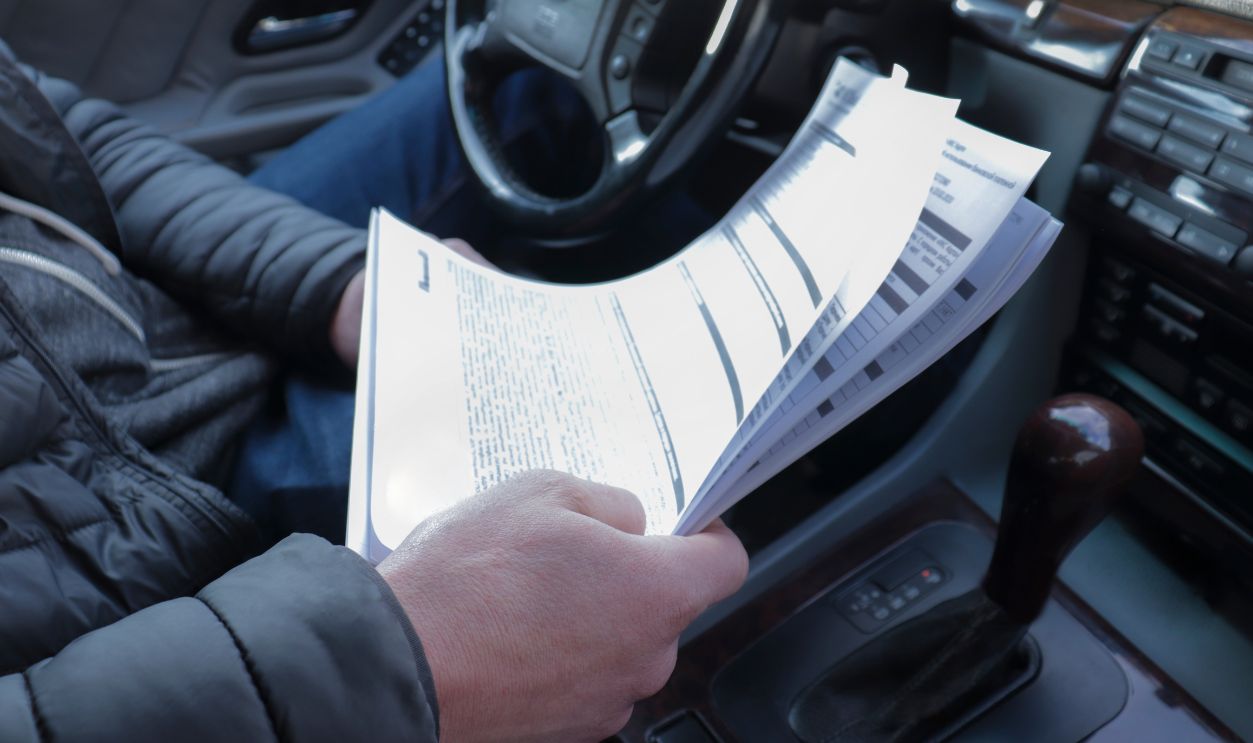
Look for a completed title assignment or other transfer documents dated before his passing. New York, for example, requires the seller’s signature on the title transfer. An unfinished assignment creates a different problem from a completed one.

Text Messages Could Support Your Story
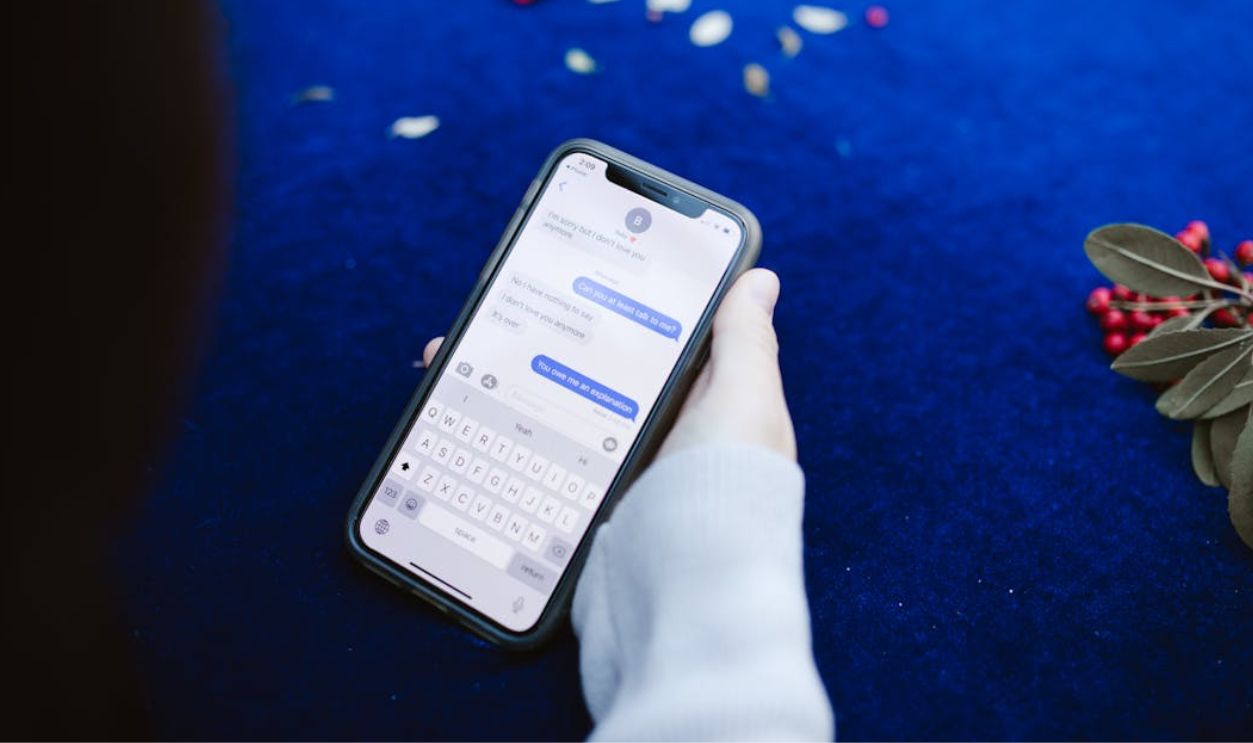
Messages, letters, or witnesses may help clarify whether he intended an immediate gift or a future inheritance. They are evidence to discuss with the estate representative. They do not automatically replace statutory title-transfer or will requirements.
First, Read The Will
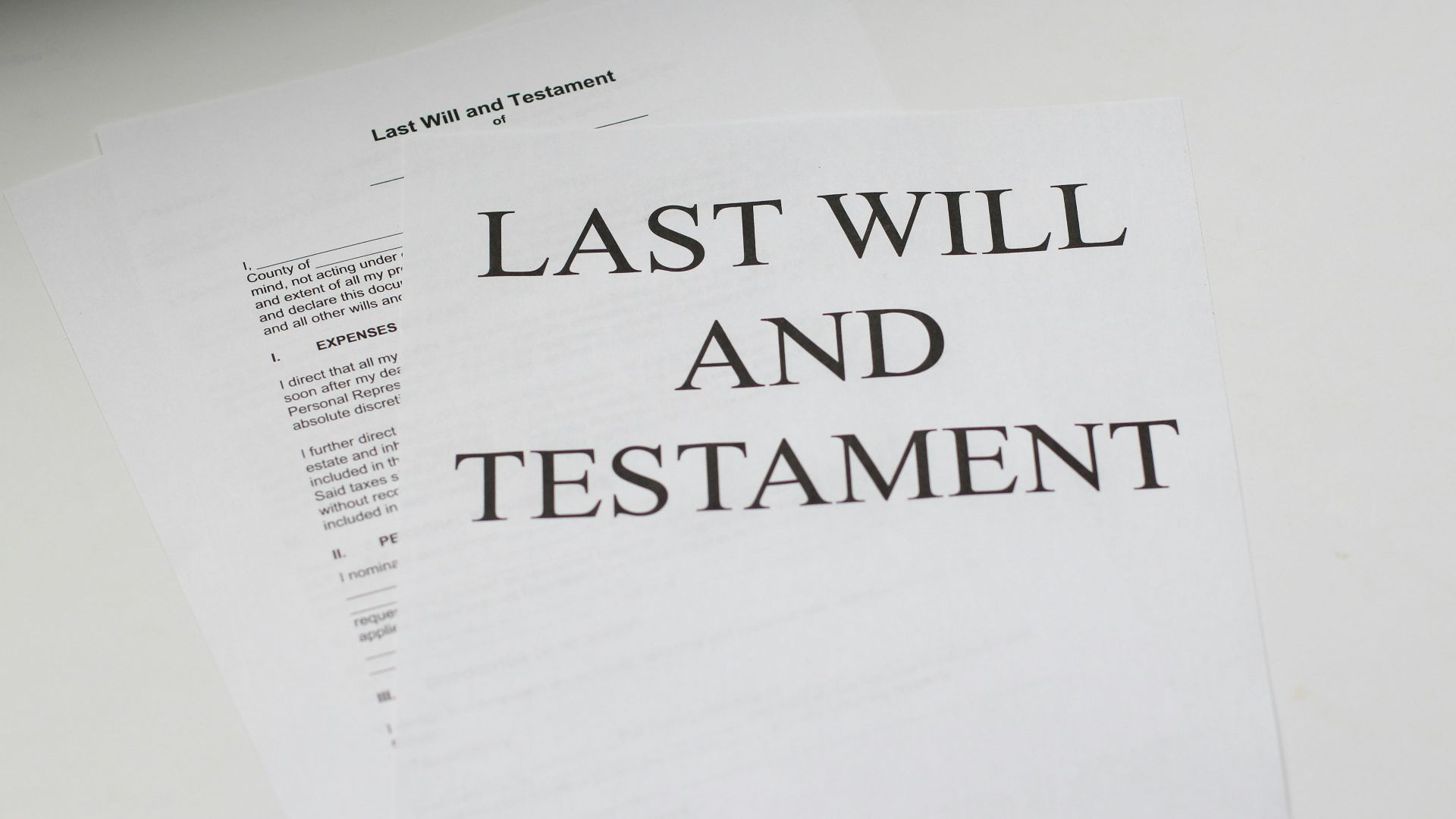
A valid will directs how property in the estate is distributed. If your father left one, review its specific gifts and remaining-property provisions. What it actually says matters more than what relatives remember him saying.

A Bequest Helps
If the will identifies the car and leaves it to you, that is strong evidence of your inheritance rights. Still, a beneficiary must follow the applicable estate and motor-vehicle transfer procedures before receiving a title in their name.
Silence In The Will Matters Too
If the vehicle is not separately named, it may fall under a clause distributing the rest of the estate. That could benefit one person or several. An omission does not automatically convert an earlier conversation into ownership.

A Conflicting Will Complicates Things
Suppose he promised you the car but his valid will leaves it to your sibling. The written estate plan generally governs property he still owned. A genuinely completed earlier gift could raise a separate ownership question.

Without A Will, State Law Takes Over
When someone dies without a valid will, intestacy rules determine who inherits estate property. Spouses and children often have priority, but the precise shares vary. A favorite child does not automatically receive a particular vehicle.

The Executor Controls The Process
An executor or court-appointed administrator gathers assets, handles obligations, and distributes property. New York requires an authorized estate representative to sign certain owner vehicle transfers. Being the child alone may not supply that authority.
The Executor Cannot Simply Play Favorites
Estate representatives must administer property for the people entitled to it, not distribute valuables based only on personal preference. Even an executor who believes your father’s promise must consider the will, creditors, and other beneficiaries.

Power Of Attorney Ends
Perhaps your father once authorized you to handle his financial affairs. A durable power of attorney generally ends when the principal dies. It is not a substitute for an executor’s authority to sign an estate transfer afterward.

A Joint Owner Changes The Picture
Check whether someone else appears on the title and how that ownership is structured. Some survivorship arrangements pass outside probate. Joint names do not always create survivorship rights, so the exact wording and state rules matter.

Check For A Beneficiary
California allows owners to designate a transfer-on-death beneficiary on certain vehicle titles. That beneficiary can apply for ownership after the owner dies. A verbal promise does not create this designation; it must already be properly recorded.

Is It In A Trust?
Not every asset in a passed person’s life enters probate. Property effectively transferred to a trust may be handled by its trustee. Check the ownership record and trust documents before assuming the estate representative controls everything.

Probate Is Not Always Necessary
Some states offer simplified procedures for qualifying vehicles and estates. California provides a vehicle-transfer affidavit under specified conditions. Florida also allows certain heirs to transfer titles without a probate order when statutory requirements are met.

A Surviving Spouse May Have Priority
New York gives a surviving spouse special rights to one vehicle worth no more than $25,000 under specified circumstances. Other states have different rules. Your father’s promise may not override a spouse’s statutory entitlement.
Estate Debts Can Change The Outcome
An estate generally must address enforceable debts before distributing remaining assets. If it lacks enough cash, selling property could become necessary. A promised car is not automatically protected from creditors merely because it carries sentimental value.

Check Whether There Is A Loan
The title may list a lender with a lien on the vehicle. A transfer does not necessarily erase that security interest. Ask the estate representative whether the balance was paid and whether a lien release is available.

Work Out What The Car Is Worth
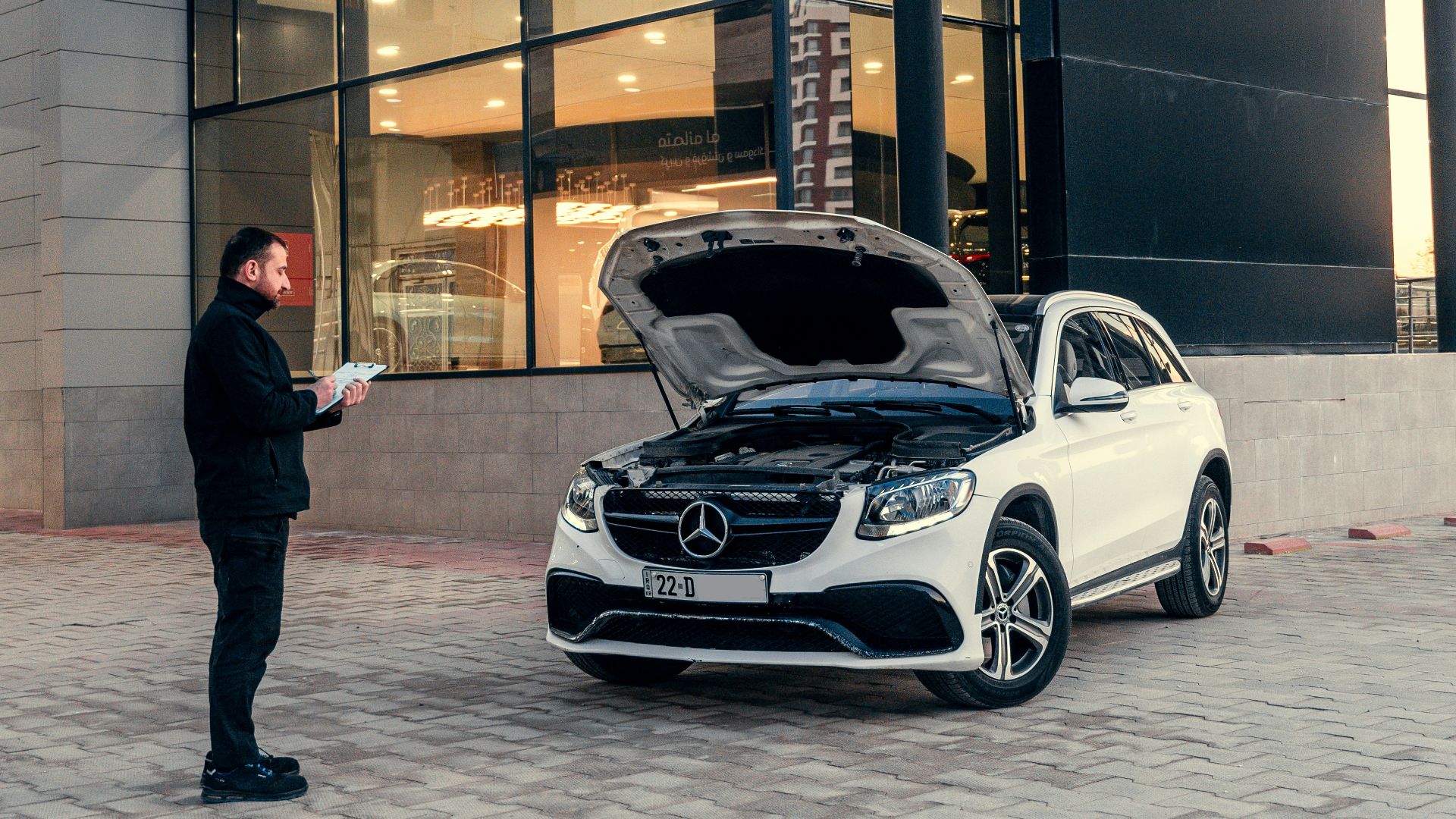
The car’s value can affect estate accounting, distributions, and eligibility for simplified transfer procedures. Record its year, model, condition, and mileage, then seek a defensible valuation. Sentimental value and market value are not necessarily equal.
A Family Agreement May Help
Even if you do not automatically own the car, the people entitled to the estate may agree on a lawful distribution. Florida expressly recognizes certain agreed divisions for title transfers. Put any arrangement through the authorized representative.

Protect The Car While Things Are Settled
Avoid assuming you can drive it simply because you possess the keys. Confirm the vehicle’s registration and insurance status first. Insurers recommend reviewing or updating policies after an owner dies, including automobile coverage.

Gather Documents Before Arguing
Locate the title, certificate, will, vehicle identification number, and any loan paperwork. Missing titles may require replacements, while estate transfers may require court-issued authority. The applicable motor-vehicle agency identifies the exact forms.

If There’s A Dispute
If relatives disagree, ask the executor for a written explanation before anyone sells or retitles the vehicle. A local probate lawyer can assess gift evidence and beneficiary rights. The bottom line: the promise matters, but ownership paperwork usually decides the next step.

You May Also Like:
Sources: 1, 2, 3, 4, 5, 6, 7, 8, 9, 10, 11, 12, 13, 14, 15, 16, 17, 18