When A Family Home Becomes A Financial Disagreement
Family ties make this complicated. When one sibling wants to keep an inherited house and another wants their share of its value, agreeing on a price can become surprisingly difficult, especially when sentimental attachments and financial expectations collide.
The House Is Worth More Than Anyone's Opinion
Your brother might believe the property is worth less because it needs repairs, while you might remember what similar houses sold for nearby. Neither opinion establishes what a buyer would actually pay in the current market. The most productive starting point is to separate personal expectations from a documented estimate of the home's value.

First, Confirm What You Actually Own
Before discussing dollars, establish whether you and your brother already own the property or whether it still belongs to your parents' estate. The deed, will, trust documents, and probate records can determine who has authority to sell or transfer it. Your entitlement might be a percentage of the property itself or a share of the estate's remaining value, and those are not necessarily interchangeable.

Equal Inheritance Does Not Always Mean Equal Equity
Suppose you and your brother each inherit half of a house worth $400,000. That sounds like a $200,000 share apiece, but the calculation changes if the property still carries a mortgage or other financial obligations. The relevant starting point for a buyout is generally the property's net equity, adjusted for any legitimate expenses or ownership arrangements.
 Evgeny Atamanenko, Shutterstock
Get An Independent Appraisal
A professional appraisal offers a more defensible starting point than an estimate supplied by either sibling. Residential appraisers consider the property's characteristics, condition, location, and relevant market evidence. Agreeing in advance to use an independent, qualified appraiser can prevent the valuation process from becoming a contest over whose opinion matters more.
Agree On The Appraiser Together
If your brother hires someone without consulting you, the resulting valuation may become another source of disagreement. Consider jointly selecting an appraiser who has experience with similar properties in the neighborhood. Put the selection process, appraisal cost, and intended valuation date in writing before the inspection takes place.

Recent Sales Tell A More Useful Story
An appraiser typically examines comparable properties that have sold in the surrounding market. Fannie Mae's appraisal standards emphasize similarities in location, size, layout, condition, and other characteristics affecting value. A recently sold house with comparable features usually provides more useful evidence than an unrelated property advertised at an ambitious asking price.

Asking Prices Are Not Selling Prices
Your brother might point to a nearby house listed for $350,000, while you might find another advertised for $450,000. Neither listing proves what buyers are actually willing to pay. Closed sales generally offer stronger evidence, although current listings and pending transactions can help appraisers assess changing market conditions.

Repairs Can Change The Calculation
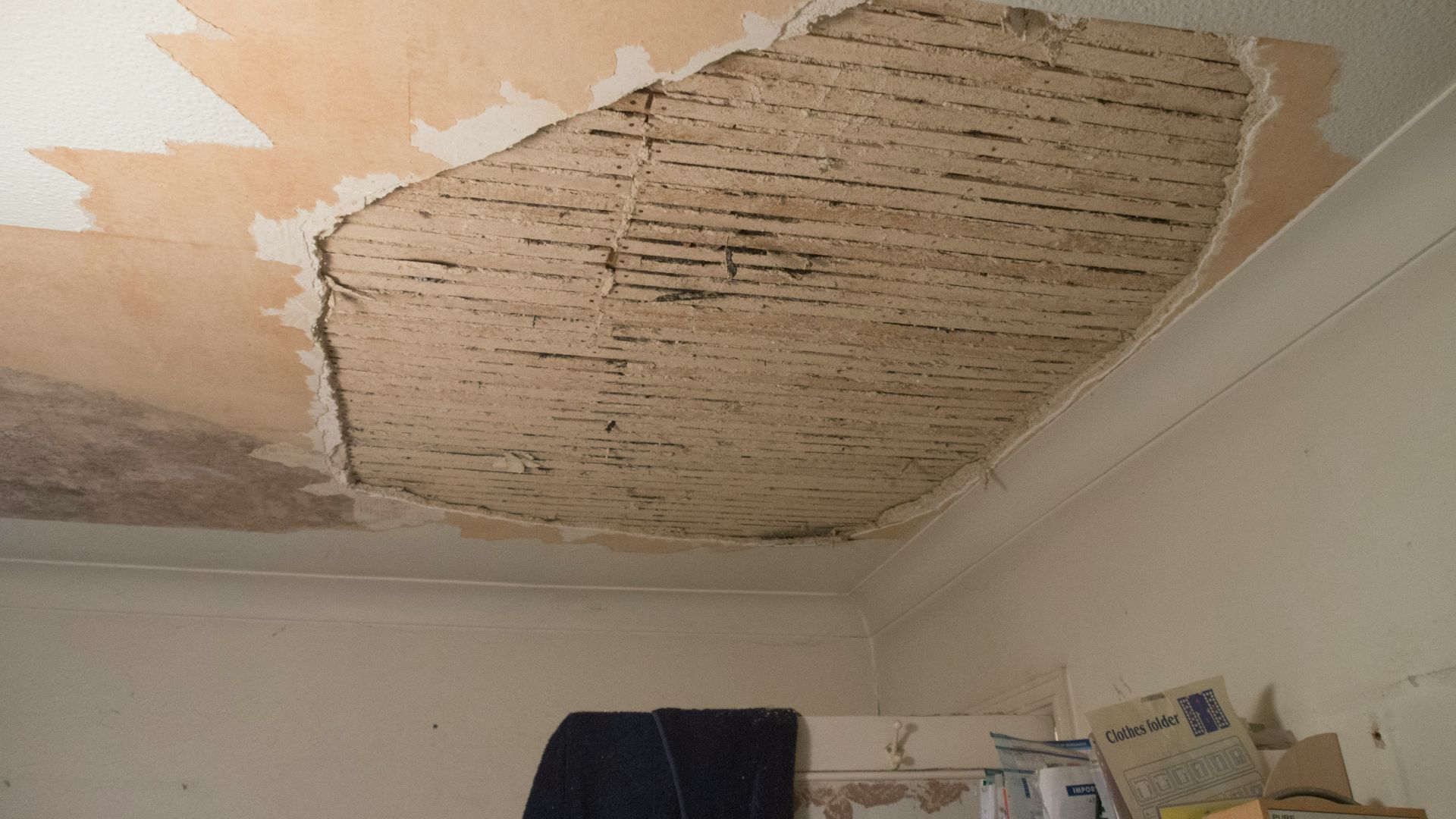
A leaking roof, outdated electrical system, or serious foundation problem can affect what buyers would pay for a house. However, your brother should not simply subtract an exaggerated renovation budget from the property's value. A professional appraisal should already consider the home's current condition, so deducting the same repair costs again could unfairly reduce your share.
Do Not Confuse Renovation Costs With Value
Spending $30,000 on a kitchen does not automatically increase a home's market value by $30,000. Appraisal adjustments are supposed to reflect how buyers respond to differences between properties, not simply what improvements cost. Ask whether proposed deductions reflect actual market evidence rather than a wish list of upgrades.
Check The Mortgage Before Dividing Anything
A buyout generally starts with the agreed property value and subtracts outstanding mortgage debt or other liens that must be accounted for. If a house is worth $400,000 and has a $100,000 mortgage, its equity is $300,000 before other adjustments. For two equal owners, that produces an illustrative starting share of $150,000 each.

The Mortgage Cannot Simply Be Ignored
If both siblings are responsible for an existing mortgage, transferring ownership does not necessarily remove the departing sibling from the loan. The lender's requirements must be addressed separately from the deed transfer. Your buyout agreement should establish how the existing mortgage will be paid off, refinanced, or otherwise handled before closing.

Your Brother May Need Financing
Even when both siblings agree on a price, the brother keeping the house still needs a way to pay. That might involve savings, a new mortgage, or another financing arrangement approved by the relevant parties. Ask for a realistic financing timeline rather than accepting an indefinite promise to pay later.

Do Not Overlook The Estate's Debts
If the property remains inside an unsettled estate, the executor may need to account for creditors, taxes, and administration expenses before distributing assets. The house cannot always be treated as though it is completely separate from the rest of the estate. Confirm whether the proposed buyout is a transfer between individual owners or a transaction being handled by the estate.

Property Taxes And Insurance Still Matter
A house continues generating expenses while the family negotiates. Property taxes, homeowners insurance, utilities, and necessary maintenance may need to be paid during this period. Keep receipts and agree on who bears each cost so those bills do not become another disagreement at closing.

What If Your Brother Has Been Living There?
A sibling who occupies the inherited property may believe that maintaining it entitles them to a discount. Another sibling may argue that exclusive occupancy has provided a valuable benefit. Depending on state law and the ownership arrangement, reimbursement claims, occupancy charges, or other accounting adjustments may become relevant.

Paying Bills Does Not Automatically Buy Equity
Suppose your brother paid the property taxes for a year while you lived elsewhere. That payment may deserve consideration, but it does not automatically change the percentage of the property each sibling owns. Distinguish ownership shares from possible reimbursement claims, and document any adjustment both parties agree to make.

Improvements Deserve Their Own Discussion
Your brother may have spent money replacing windows, repairing plumbing, or renovating rooms after your parents died. Some expenditures may preserve the property's value, while others reflect personal preferences. Before adjusting the buyout, identify who authorized the work, who paid for it, and whether applicable law or an agreement supports reimbursement.
Selling Costs Are Another Negotiation Point
Your brother might argue that a private buyout saves both siblings the cost of hiring a real-estate agent and marketing the property. That can be true, but it does not automatically justify subtracting a full hypothetical sales commission from your share. Agree explicitly whether the valuation represents gross market value or estimated proceeds from an outside sale.

A Private Buyout Can Save Money
Selling to your brother may avoid staging, open houses, extensive marketing, and some transaction costs associated with a conventional sale. Those savings can make a family transaction attractive to both sides. The key is deciding how any genuine savings should be shared instead of letting one sibling capture all the benefit.

Get A Second Opinion If Necessary
An appraisal is a professional opinion of value, not an infallible number. If the report overlooks a significant feature or uses inappropriate comparable properties, request clarification and provide relevant evidence. If disagreement remains substantial, the siblings can agree to commission another independent appraisal.

Two Appraisals May Produce Different Numbers
One appraiser might value a house at $390,000 while another estimates $410,000. Different comparable sales, adjustments, and professional judgments can produce different conclusions. The siblings could agree in advance to use an average, a mutually selected third appraisal, or another clearly defined method for resolving the difference.

Do Not Rely On The Tax Assessment Alone
A property's assessed value is generally intended for property-tax administration, not necessarily for establishing today's sale price. Assessment methods and update schedules vary by jurisdiction. Treat the tax assessment as background information rather than a substitute for a current market appraisal.

The Date Of Valuation Is Important
The value used for inheritance-related tax purposes may differ from the price used for a buyout months or years later. The IRS generally bases inherited property's initial federal income-tax basis on fair market value at the date of death, subject to exceptions. A current buyout negotiation usually needs a current valuation, so do not confuse the two figures.
A Buyout Can Create Tax Consequences
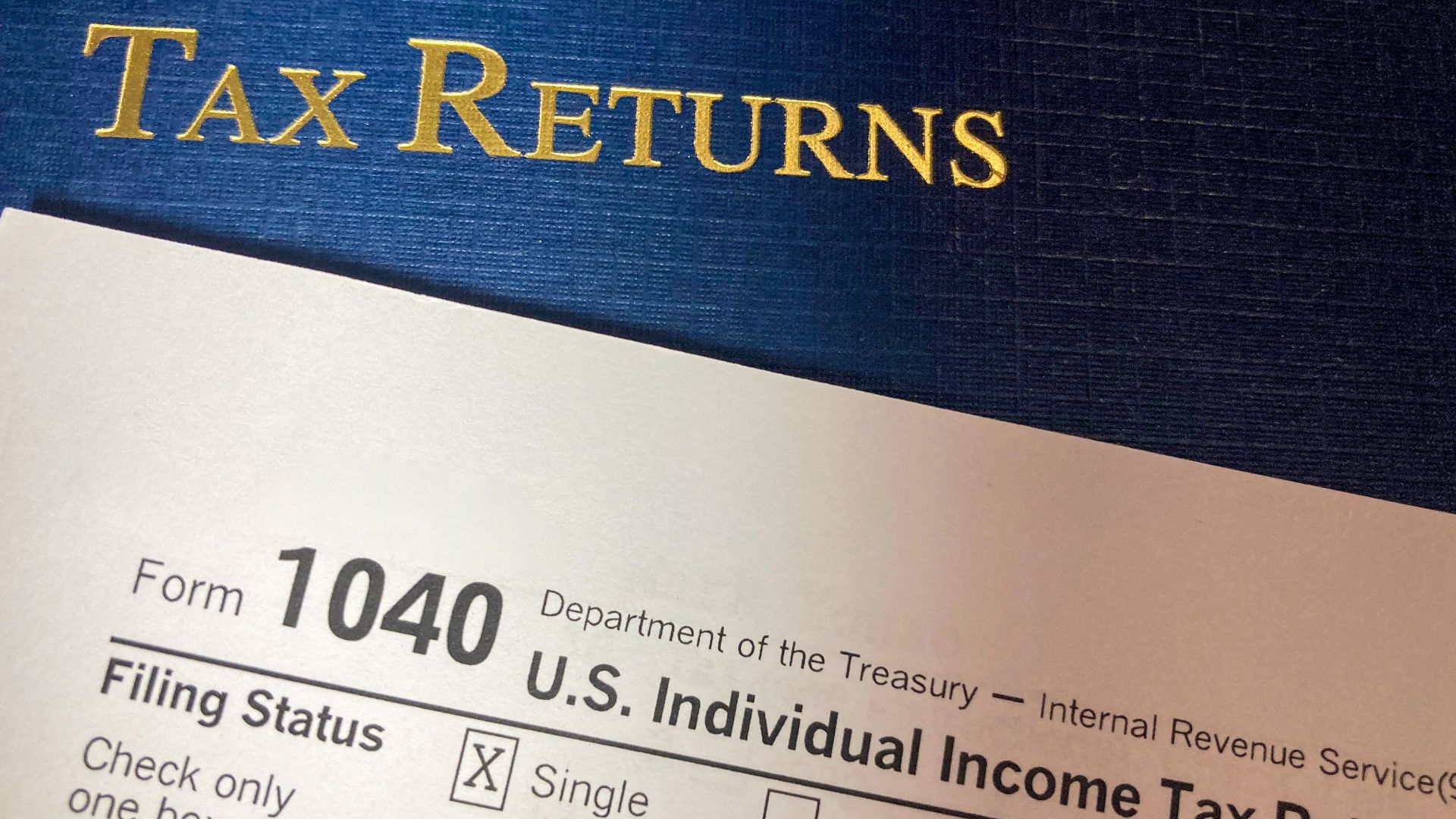
Receiving an inheritance and selling an inherited ownership interest are not necessarily the same tax event. The IRS explains that a sale above the property's adjusted tax basis can generate a taxable capital gain. Before agreeing on the final price, determine your basis and whether any gain, selling expense, or other tax consideration applies.

The Stepped-Up Basis Can Make A Difference
For many inherited properties, federal tax basis is reset to the property's fair market value at the owner's death. That can substantially reduce the taxable gain compared with using what your parents originally paid decades earlier. However, subsequent appreciation and special circumstances can still create tax liability.

Selling Your Share May Require Legal Paperwork
A buyout is not complete simply because your brother transfers money to your bank account. The parties generally need properly prepared and executed ownership-transfer documents, along with appropriate recording and settlement arrangements. A real-estate attorney or title professional can help ensure the ownership transfer and payment occur together.

Put The Entire Agreement In Writing
The written agreement should identify the property, ownership interests, purchase price, payment method, closing date, and treatment of mortgages or liens. It should also address expenses, possession, and what happens if financing falls through. A clear agreement protects both siblings from discovering that they understood the deal differently.

What If Your Brother Refuses A Fair Price?
You do not necessarily have to accept a low offer simply because your brother wants to keep the family home. If the property is already jointly owned, state law may provide a process for ending co-ownership through a partition action. That can sometimes result in a court-supervised sale, although it may be expensive and is generally better treated as a last resort.

A Court Battle Can Shrink Everyone's Share
Litigation can create legal fees, delays, and additional property expenses while the dispute continues. Even if a court ultimately orders a sale, those costs can reduce what the siblings take home. Mediation or a structured appraisal agreement may offer a more economical way to resolve a valuation disagreement.

A Fair Deal Should Work For Both Siblings
Your brother should not have to overpay simply because you are emotionally attached to the house, but you should not have to accept less than a defensible share of its value. Start with independent market evidence, calculate net equity, resolve legitimate expense adjustments, and document the financing and transfer terms. The best family buyout is one where both siblings can explain the numbers without relying on trust alone.

You May Also Like:
Wellness Tips That Save You Money in the Long Run
5 Creative Ways To Save Money With Little Effort