
The Inheritance Was Supposed To Help The Grandkids—Now It Is Causing A Fight
Your parents thought they were leaving their grandchildren a financial head start. Then the parents stepped forward and said, essentially, “They’re our kids, so give us the money". If that immediately makes you nervous, do not ignore the feeling. Before anyone touches the inheritance, find out who legally controls it and what protections already exist.
 Krakenimages.com, Adobe Stock Images
Start With The Estate Documents, Not The Family Argument
Before anyone debates who “should” control the money, find out what the grandparents actually arranged. A will, trust, beneficiary designation, or custodial account may already answer the question. Family opinions do not override properly drafted estate documents, so the paperwork should come before the confrontation.

Being A Parent Does Not Automatically Mean Owning The Money
If money was left specifically to a grandchild, it belongs to the grandchild or is being held for that grandchild’s benefit. A parent may sometimes manage the assets while the child is a minor, but that does not turn the inheritance into household money that can be spent however the parent wishes.

Find Out Whether A Trust Already Exists
A trust can make this situation much easier. If the grandparents created one and named a trustee, that person or institution generally manages the money according to the trust terms. The child’s parent does not simply get to take over because they are the parent, unless the documents actually give them that role.

The Trustee Matters Almost As Much As The Trust
A trust is only as reassuring as the person managing it. Families worried about a parent’s judgment can name an independent relative, trusted friend, professional fiduciary, or financial institution instead. The goal is not to punish anyone. It is to remove temptation and make responsibility unmistakably clear.

Guardian And Trustee Are Two Different Jobs
The person raising a child does not have to be the person controlling the child’s inheritance. Estate plans can deliberately separate those roles. A parent may make day-to-day decisions for the child while a different trustee manages inherited assets. That separation can be extremely valuable when money is a source of concern.

Custodial Accounts Work Differently
Another common arrangement is a custodial account created under state transfers-to-minors laws. An adult custodian manages the property while the beneficiary is young, but the assets belong to the child. The custodian is managing someone else’s property, not receiving a personal financial windfall.

The Money Must Be Used For The Child
A custodian generally has authority to spend custodial assets for the child’s benefit, subject to applicable law and the account terms. That does not mean the money becomes a family checking account. Using a grandchild’s inheritance to cover unrelated adult expenses can create serious legal and family problems.

State Law Controls A Lot Of The Details
Rules for inherited property belonging to minors vary by state. The age when a child takes control, when court involvement is required, and how custodians are appointed can differ. That is why a local estate attorney can be far more useful here than relying on what happened in another family or another state.

An Outright Gift Can Create Unexpected Problems
Leaving money directly to a minor sounds simple, but minors generally cannot take legal control of substantial inherited assets themselves. That can lead to a custodial arrangement or court-supervised management. Estate-planning guidance therefore often recommends deciding in advance who should manage the money rather than leaving the issue unresolved.

Parents Should Not Be Chosen By Default
Grandparents sometimes name the child’s parent as custodian or trustee simply because it feels natural. But money management ability, reliability, family relationships, debt problems, and spending habits all matter. The person who loves the child most is not automatically the person best equipped to manage an inheritance.

Trust Your Concern Enough To Verify It
You do not need to accuse someone of stealing before taking precautions. Maybe your concern comes from unpaid debts, impulsive spending, gambling, repeated borrowing, past financial dishonesty, or simply poor judgment. Those are reasonable reasons to want a structure that does not depend entirely on trust and promises.

Independent Control Can Protect Everyone
Putting an independent trustee between the parent and the money can actually reduce conflict. The parent does not have to defend every request, relatives do not have to police the account, and the child’s inheritance has someone formally responsible for protecting it. Clear roles can prevent years of suspicion.

Consider Requiring More Than One Set Of Eyes
For families planning ahead, a trust can sometimes require co-trustees, independent approval for major distributions, or regular financial reporting. Estate-planning professionals also use trust protectors or outside monitors in certain situations. Oversight makes it harder for one person to quietly misuse the assets.

Good Records Should Be Non-Negotiable
Anyone managing a child’s inherited money should keep detailed records of deposits, investments, withdrawals, and expenses. Statements should be preserved, and major distributions should have a clear reason. Good bookkeeping is not an insult to the person managing the money. It is part of responsible stewardship.

Separate Accounts Protect The Paper Trail
Inherited money should not casually disappear into a parent’s personal checking account. Keeping assets in the proper trust, custodial, or investment account creates a clean record of what belongs to the child. Once money is mixed with ordinary household finances, tracing what happened becomes much harder.

Define What The Money Is Actually For
Grandparents can reduce future arguments by explaining what they want the money to accomplish. Maybe it is meant for education, health care, a first home, long-term investing, or general support. A trust can give the trustee guidance about when distributions are appropriate instead of leaving everyone to guess.

A Trust Can Delay Full Control
Custodial accounts usually end when the beneficiary reaches an age specified under applicable state law, at which point the young person receives control. A properly designed trust can potentially keep assets protected longer and distribute them gradually instead, depending on its terms and applicable law.

18 May Be Too Young For A Large Inheritance
A teenager can be perfectly responsible and still have no experience managing a six-figure investment account. That is one reason families sometimes choose trusts that continue beyond legal adulthood. Money might be released gradually or remain available for approved needs while the beneficiary gains financial experience.

But Do Not Control The Grandkids Forever
Protection can go too far. A trust should not become a way for grandparents to control an adult grandchild from beyond the grave indefinitely. The best plans usually balance protection with independence, giving beneficiaries more responsibility as they mature rather than treating them like children forever.

Education Money Has Its Own Options
If the grandparents’ primary goal is education, a college savings account may sometimes be part of the plan. But it works differently from a general inheritance and comes with its own tax and ownership rules. Families should choose the account based on the actual goal rather than simply putting every dollar in the same place.

If The Grandparents Have Already Passed, Options Narrow
This is the crucial part. Once someone dies, relatives usually cannot rewrite the estate plan simply because they wish it had been structured differently. The executor, trustee, custodian, and beneficiaries generally have to work within the documents and state law. That makes reviewing the existing plan the first priority.
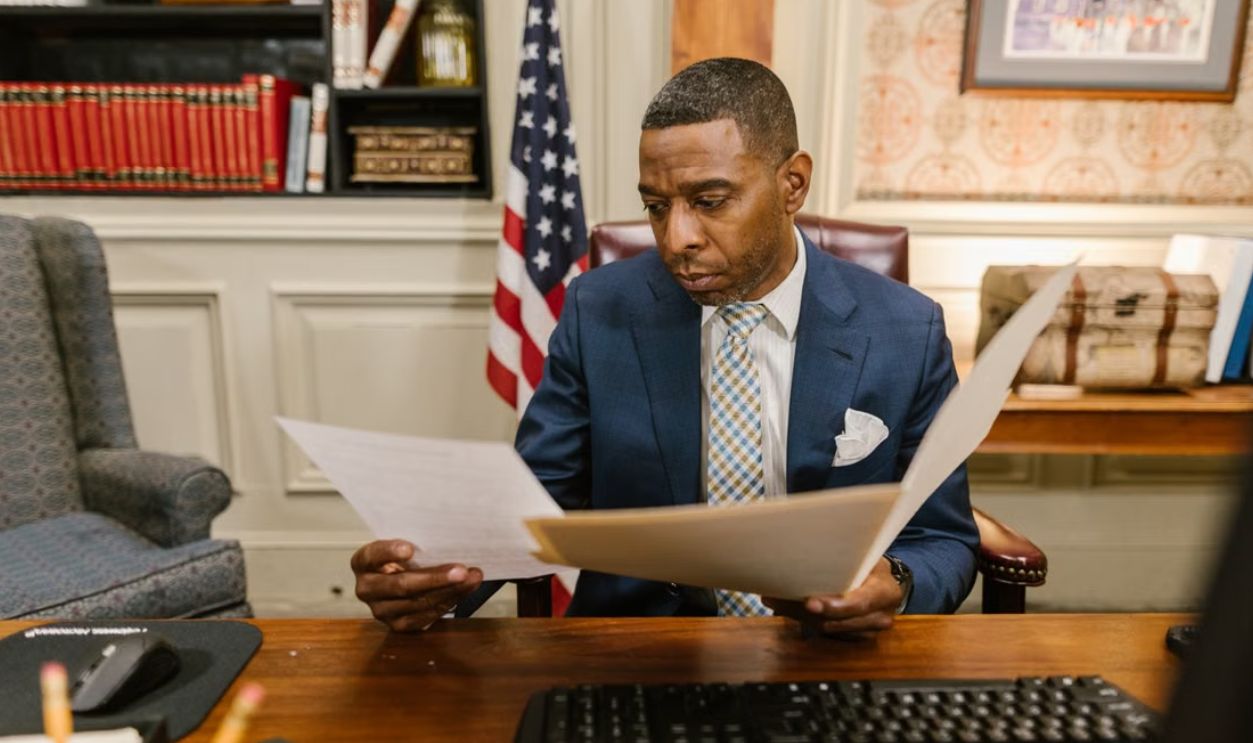
Do Not Hand The Money Over Just To Keep The Peace
Family pressure can be intense after a loss. Someone may say, “I’m their parent, so obviously I should have it". That may sound persuasive, but inheritance administration is not supposed to run on who argues loudest. If you have a fiduciary responsibility, giving up control improperly could create problems for you too.
 https://kaboompics.com/, Pexels
A Court May Become Necessary In Some Cases
If a minor was named outright without an appropriate trust or custodian, court involvement may sometimes be required to appoint someone to manage the assets. That can be slower and more expensive than planning ahead, but formal oversight may be preferable to simply giving substantial money to someone you genuinely do not trust.

Misuse Should Be Taken Seriously
If you believe someone who already controls the funds is using them for themselves, do not rely solely on family confrontation. Gather statements and records and speak with an estate or trust attorney. Trustees, custodians, guardians, and other fiduciaries can have legal duties that go well beyond ordinary family expectations.

Do Not Turn The Grandchild Into The Messenger
Whatever happens, keep the child out of the adult conflict as much as possible. They should not be asked to choose sides or interrogate a parent about money. The adults can deal with attorneys, account statements, and distribution rules while the grandchild is allowed to simply be the beneficiary.

Transparency Can Prevent Suspicion Later
Even when everyone involved is trustworthy, regular account statements and clear explanations can help. Families often fight because nobody knows what happened to the money. A system where another responsible adult receives reports or reviews transactions can protect both the beneficiary and the person managing the assets.

Future Grandparents Should Put Their Concerns In Writing
If someone is still planning an estate and already knows they do not trust the child’s parent with money, they should not leave that concern as an informal family understanding. A carefully drafted estate plan can name the right trustee, specify distribution standards, provide successors, and reduce opportunities for conflict.
 Jacob Wackerhausen, Getty Images
The Best Protection Is Structure, Not Promises
“I promise I’ll save it for them” may be sincere, but a child’s inheritance deserves more protection than a verbal promise. A separate legal structure, independent management, clear distribution rules, and good records make the plan less dependent on anyone’s future behavior.

Protecting The Money Is Really About Protecting The Child
This should not become a battle over which adult deserves control. The grandparents left the money for the grandchildren. That is the guiding principle. The best arrangement is the one that keeps the assets clearly theirs, protects them from misuse, and gives them the benefit their grandparents intended.

You May Also Like:
A Guide To Building Your Emergency Fund
Maximize Your Earnings As A Freelancer
Everyday Things Americans Used To Rent Instead Of Buy—Because Owning Them Cost Too Much