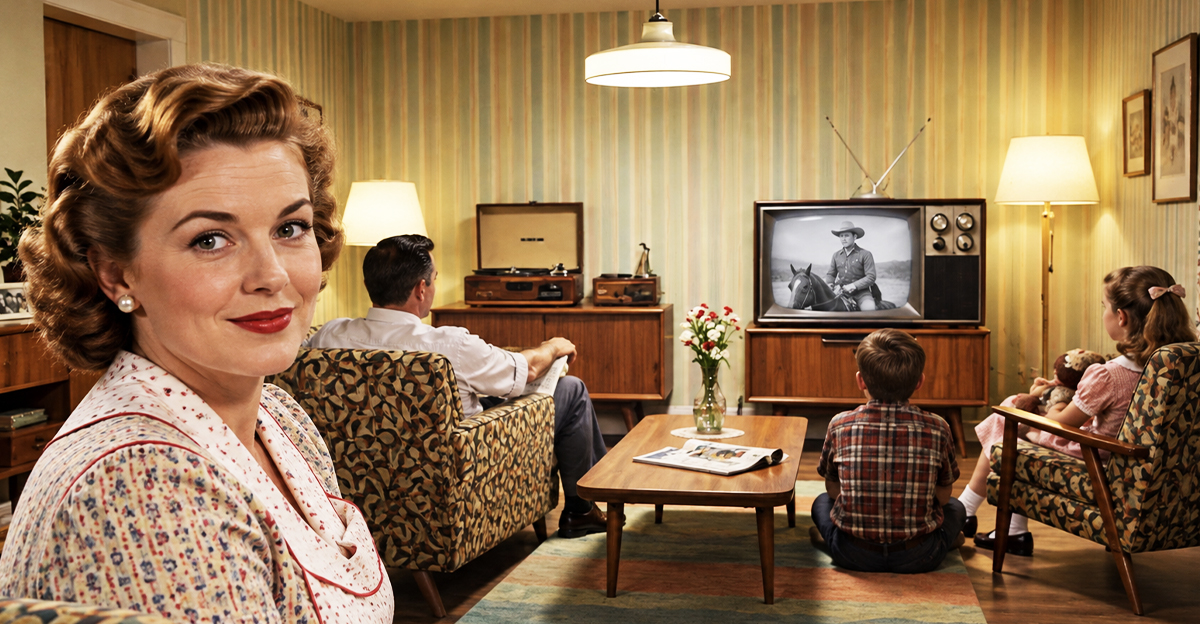
When Renting Was Normal
Subscriptions haven't invented the idea of paying forever for something you don't own. Earlier generations of Americans routinely rented everything from telephones to baby cribs. Sometimes the item was too expensive to buy, sometimes ownership wasn't even offered, and occasionally renting just made a whole lot more sense.
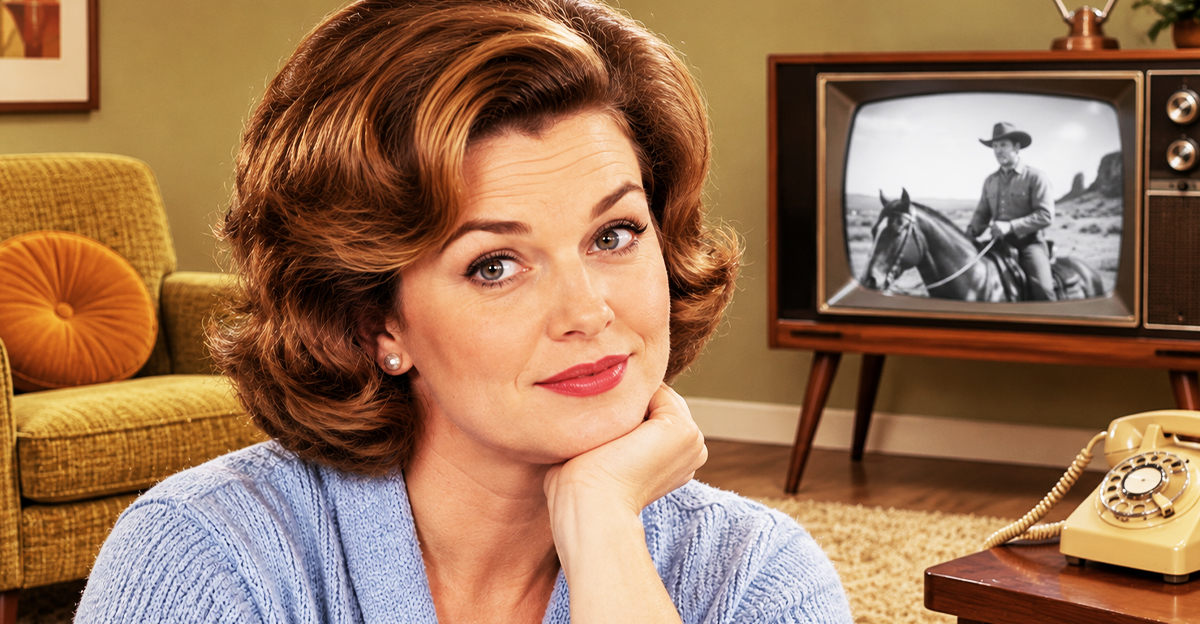
Your Home Telephone
For much of the 20th century, millions of Americans didn't own that heavy telephone sitting in the hallway. Bell System customers generally leased their phones as part of their telephone service. As late as 1983, one estimate said only about 2% of American households owned their telephone equipment.
 Shixart1985, Wikimedia Commons
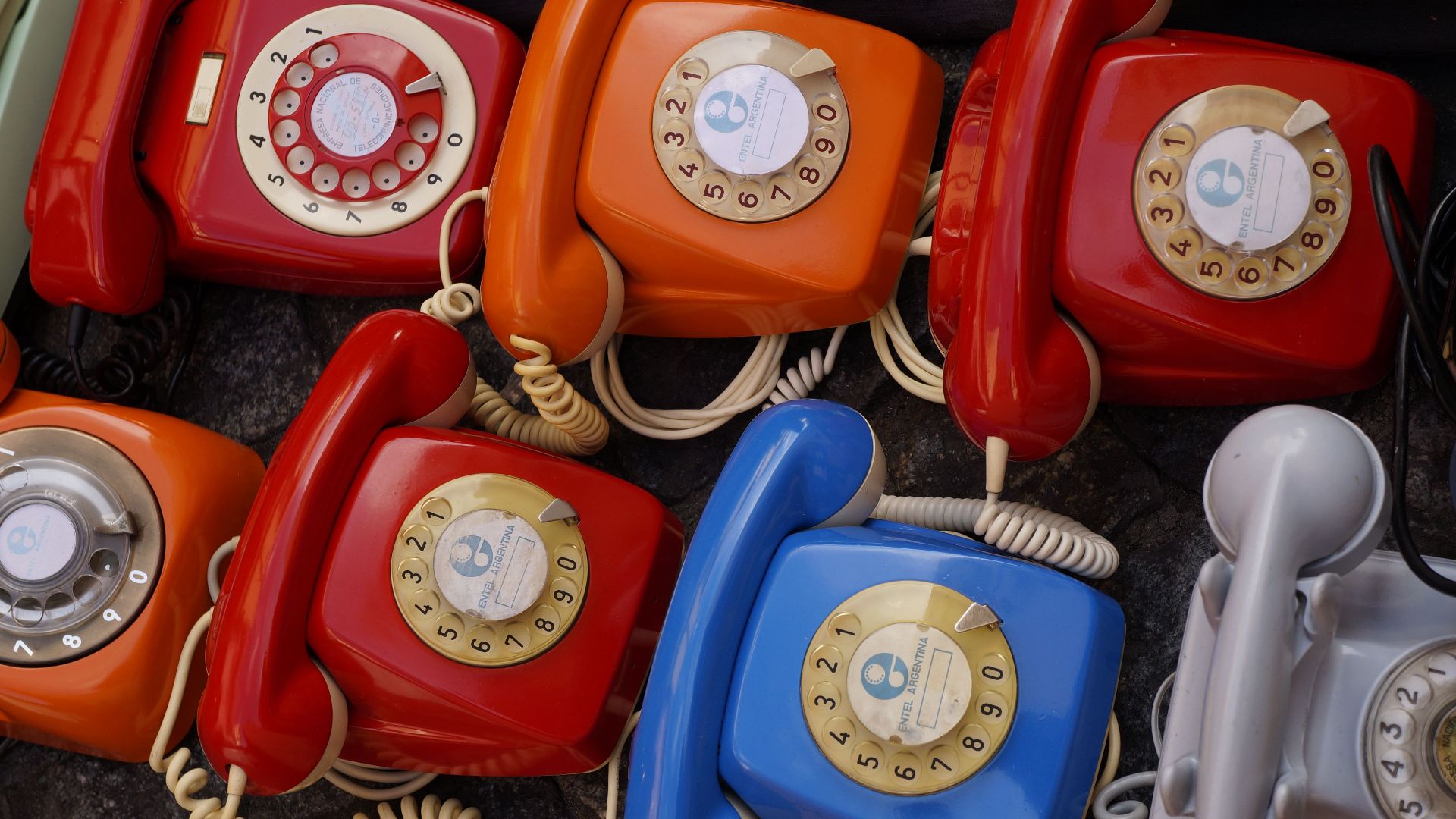
Even Telephone Colors
Want something fancier than the standard telephone? That could cost extra. Bell System customers paid additional charges for certain telephone types and features, including colored sets. Repairs were included in the leasing arrangement, which helps explain why so many seemingly indestructible old Bell telephones remained in service for decades.
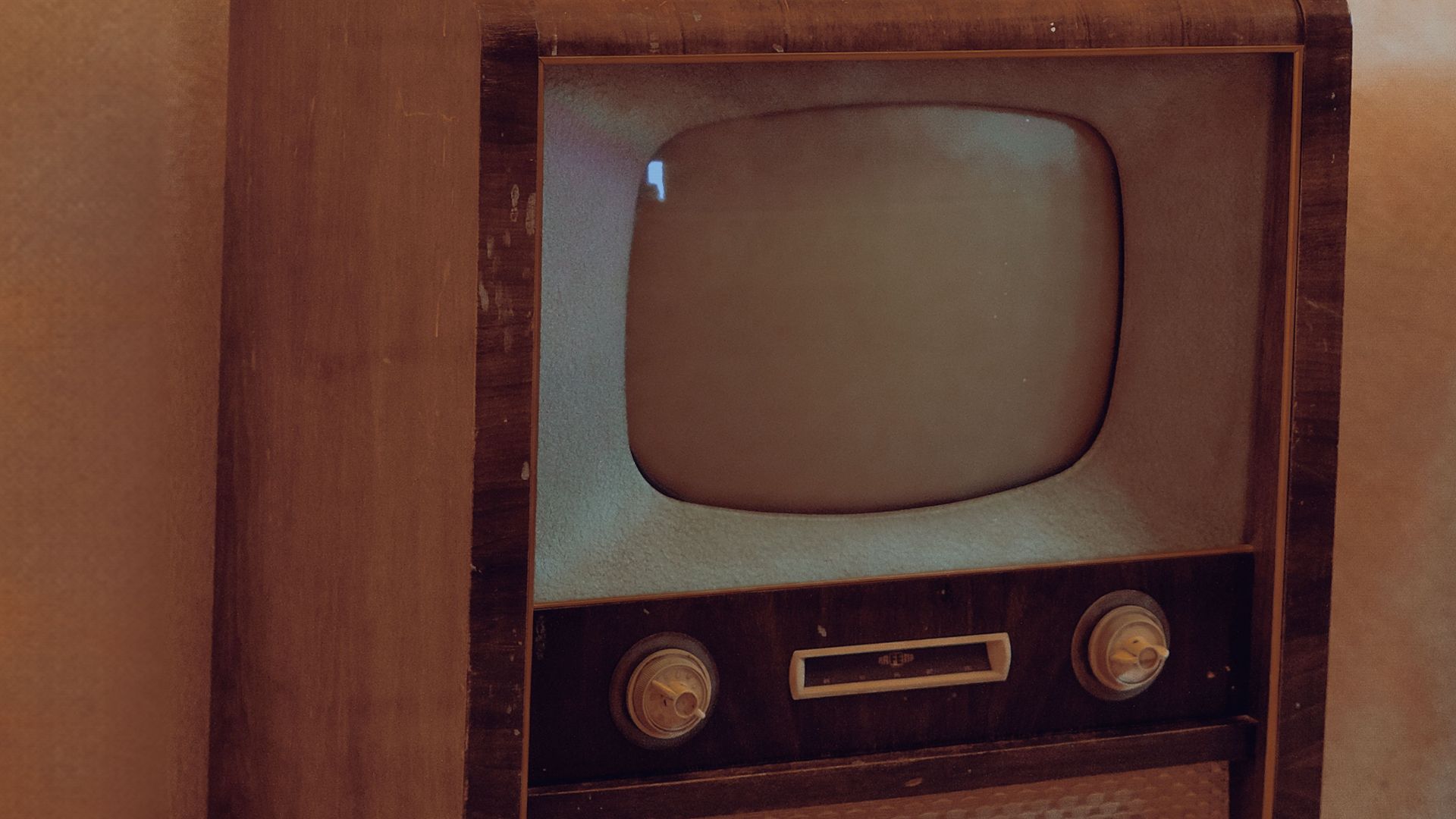
Television Sets
A television could be an enormous household purchase when the technology was new. In 1950, advertised sets ranged from about $190 to $450, but consumers could sometimes rent one for roughly a dollar per day. For families unsure whether this television craze would last, renting wasn't completely irrational.
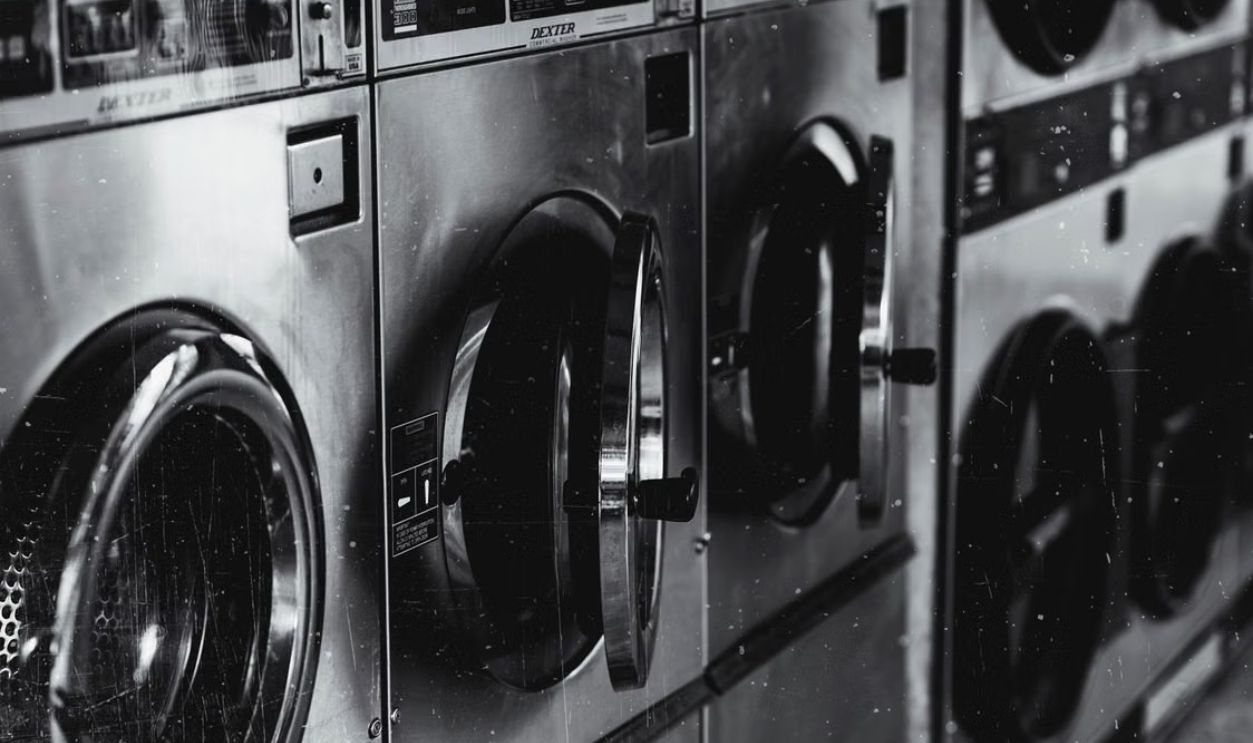
Washing Machines
Postwar rental businesses discovered that Americans would rent considerably more than tools. By the 1950s, rental centers offered major appliances including washing machines. That gave families access to increasingly desirable automatic machines without immediately paying the substantial purchase price, although installment credit was simultaneously making appliance ownership easier.
Refrigerators
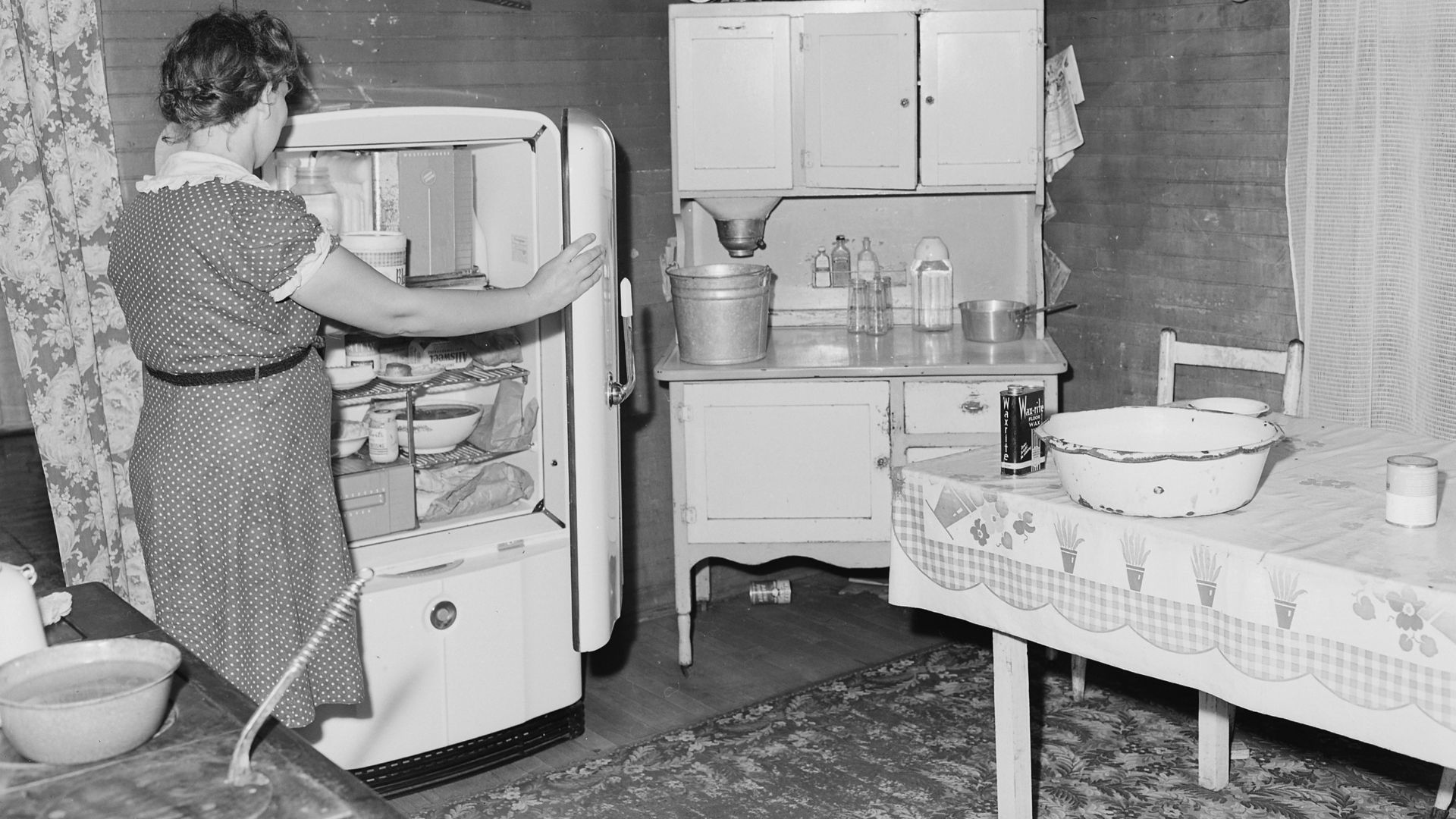
Yes, even the refrigerator could belong to somebody else. Historical accounts of America's equipment-rental industry describe refrigerators among the household appliances available from rental centers. For a family expecting to move, temporarily setting up a home, or unable to afford a major appliance outright, renting offered another option.
 Russell Lee, Wikimedia Commons
Living Room Furniture
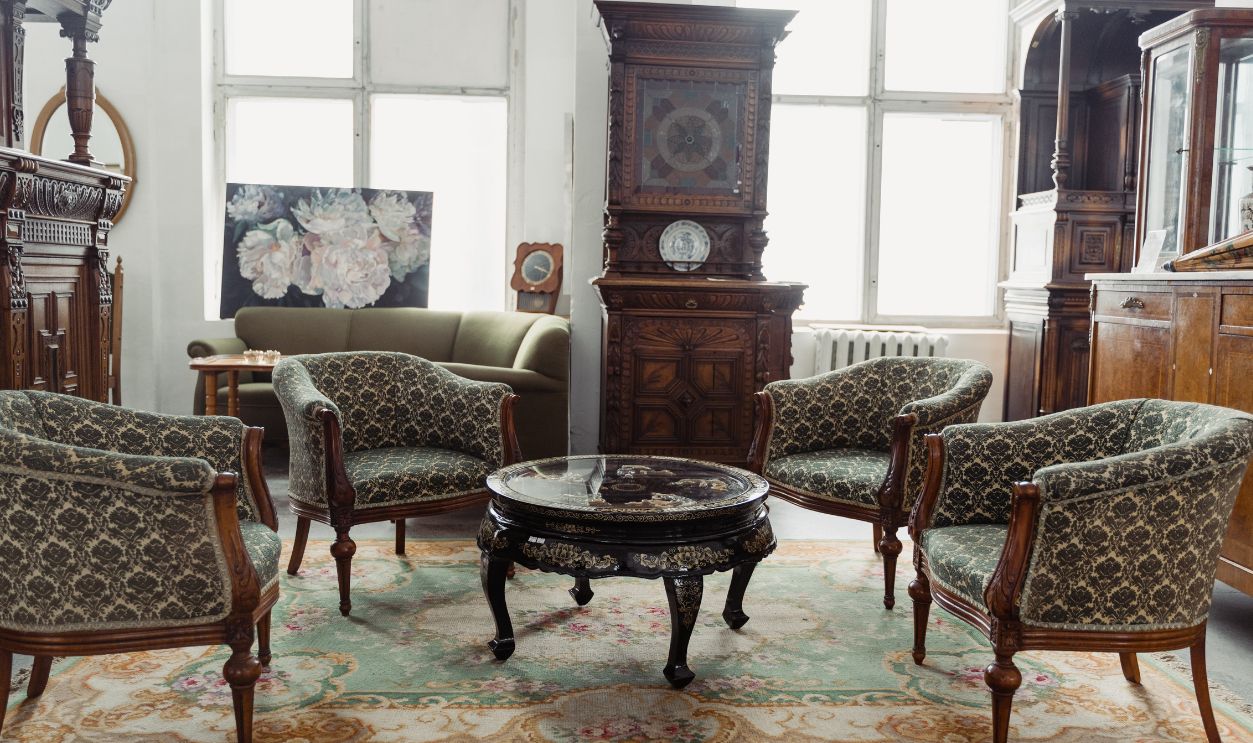
Furniture rental wasn't invented for today's corporate apartments. American rental businesses were already offering furniture by the mid-20th century. Charles Loudermilk began renting surplus chairs in 1955 before building the company that became Aaron's, while the broader rent-to-own business developed substantially in subsequent decades.
Rollaway Beds
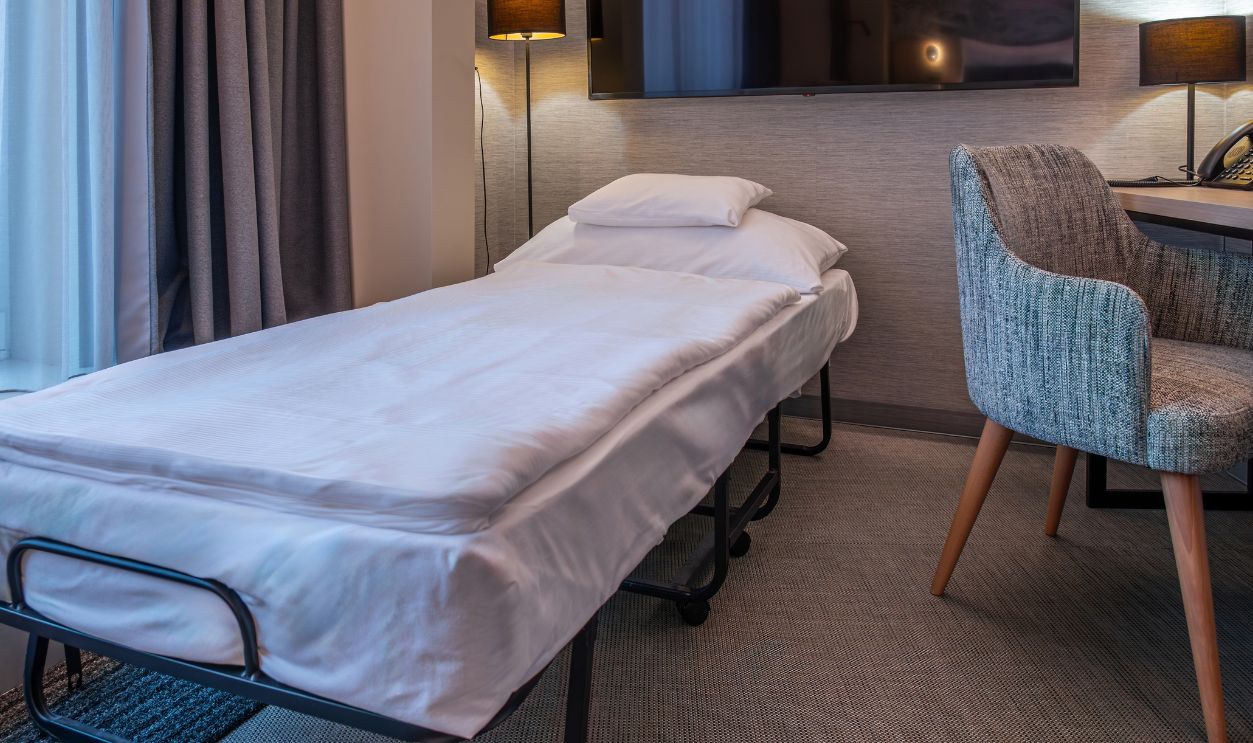
Expecting relatives for the holidays didn't necessarily mean buying another bed and finding somewhere to store it afterward. Rental centers once commonly stocked rollaway beds alongside appliances and furniture. It was the mid-century equivalent of solving a temporary household problem without turning the solution into permanent basement clutter.
 Travel Enthusiast, Shutterstock
Baby Cribs
One particularly surprising rental item was the baby crib. Equipment-rental businesses historically offered cribs and other baby-care products, which actually made financial sense for something needed during a limited stage of childhood. Of course, anyone using older secondhand baby equipment today should ensure it satisfies current federal safety requirements.
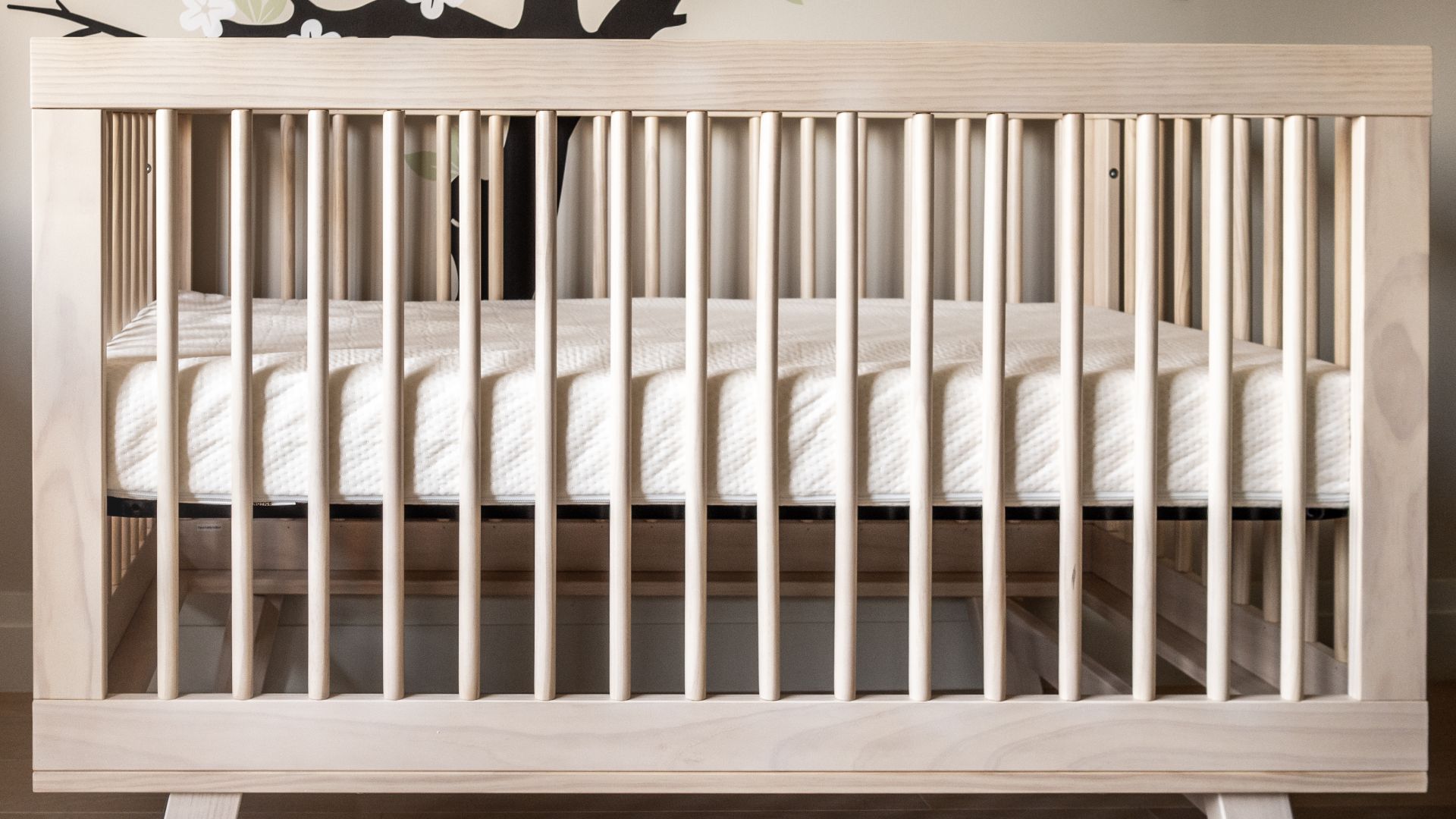 Ajay Suresh from New York, NY, USA, Wikimedia Commons
Cloth Diapers
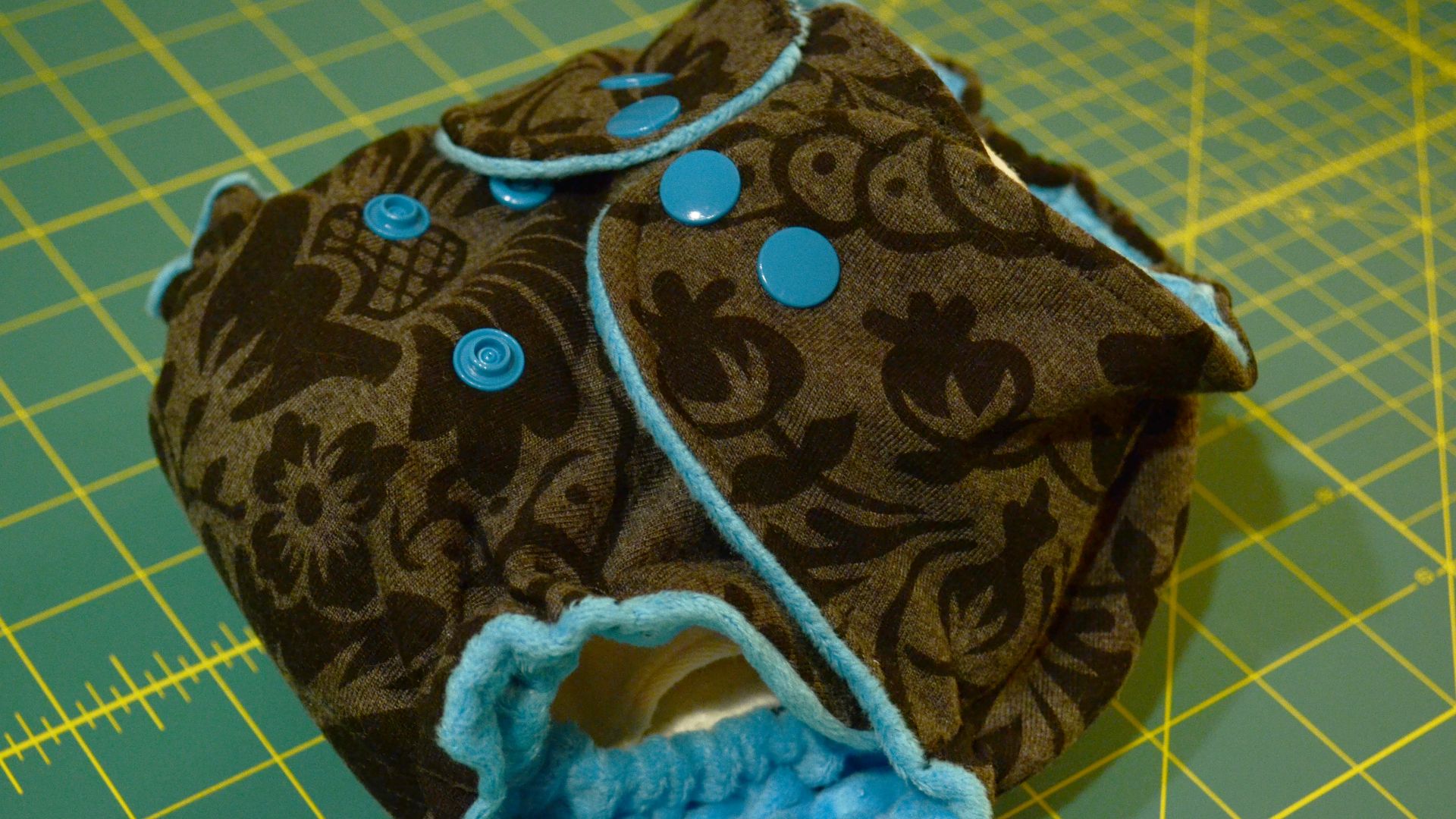
For earlier generations of parents, even diapers could arrive through a service rather than come from a store package. Diaper services expanded particularly during World War II as more mothers entered the workforce. Companies delivered clean cotton diapers and collected the soiled ones for laundering and reuse.
Hospital Equipment
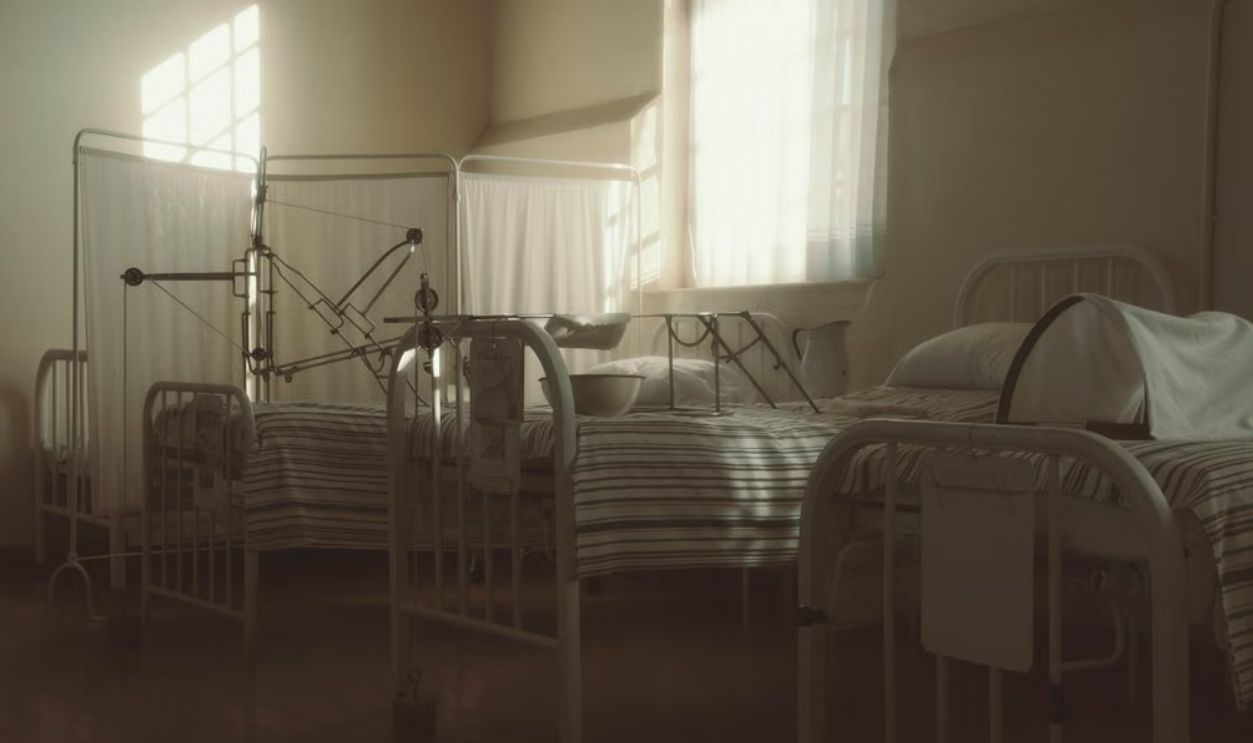
Rental yards weren't exclusively about home improvement. They also supplied what the industry called “sickroom” equipment, allowing families to temporarily obtain home healthcare supplies. That made obvious sense when someone recovering from an illness or operation might need specialized equipment for weeks rather than for the rest of their life.
Camping Equipment
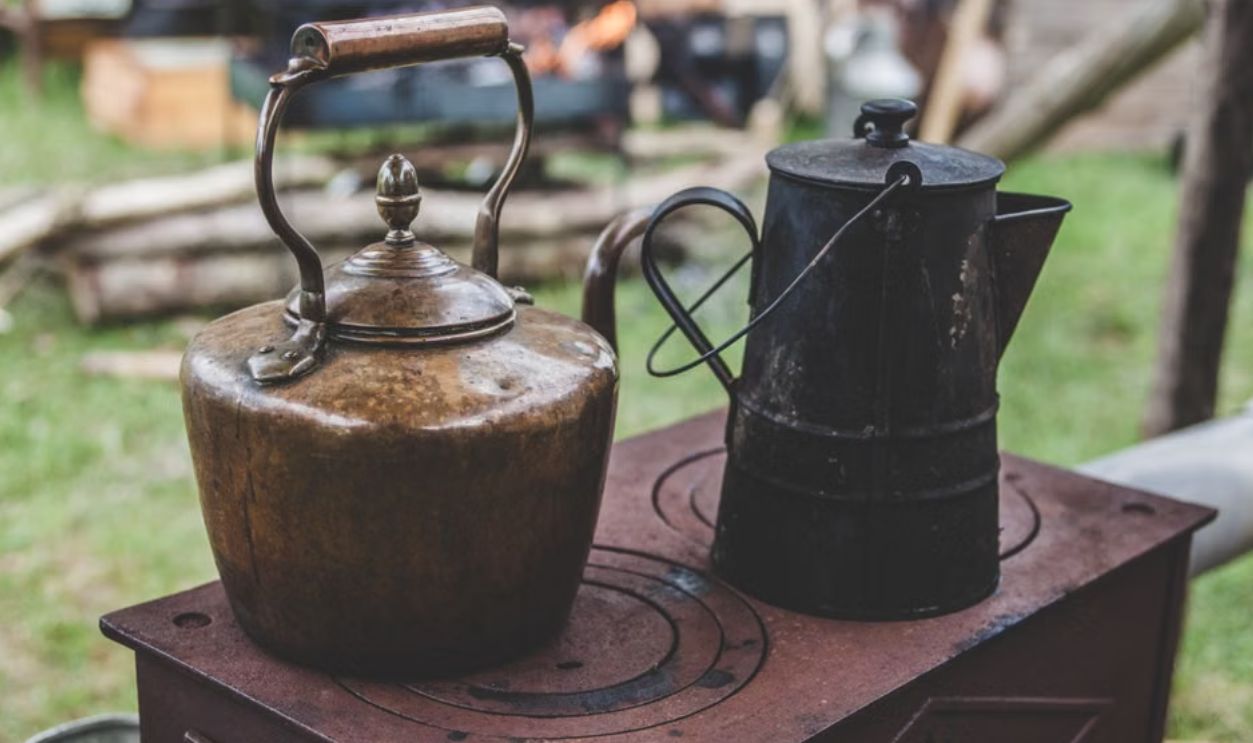
Boomers who remember family camping trips may also remember that not every household owned a garage filled with outdoor gear. Rental centers historically carried camping equipment alongside tools, appliances, and party supplies. Occasional campers could borrow what they needed for the weekend without permanently investing in equipment they rarely used.
Party Supplies
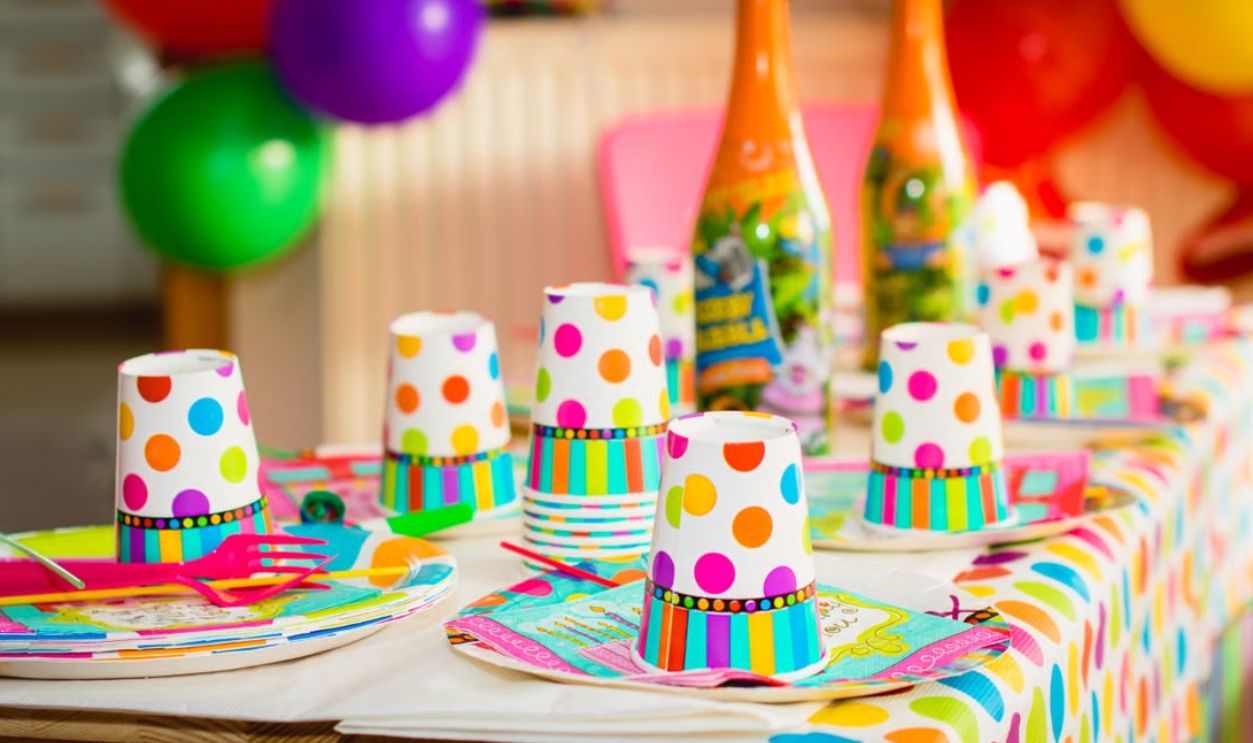
Throwing a large wedding, anniversary, or graduation party created another temporary ownership problem. Rental companies supplied party equipment and what the trade called “soft goods.” The basic idea survives today because buying dozens of matching chairs, tables, linens, serving pieces, and decorations for one Saturday afternoon makes little financial sense.
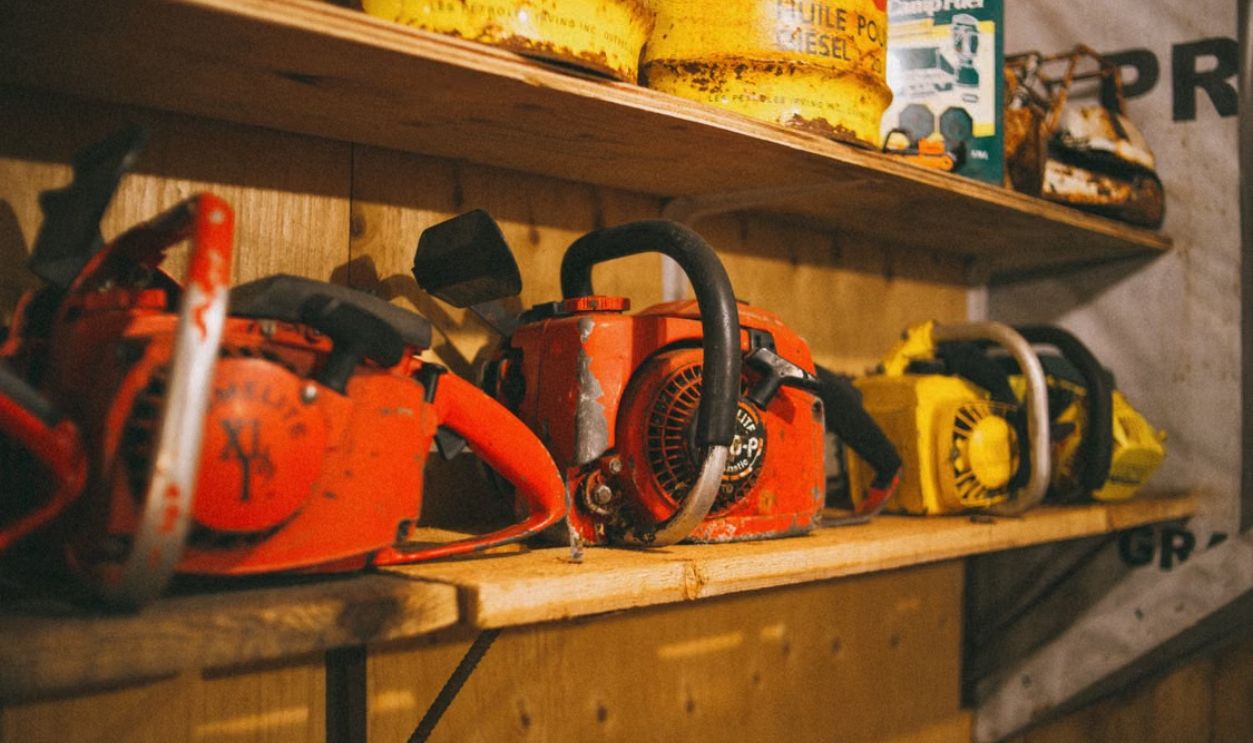
Power Tools
The postwar tool-rental business increasingly targeted homeowners who needed expensive equipment for one project rather than every weekend. By the late 1950s, thousands of American rental businesses were operating. The pitch was simple: almost any tool or piece of equipment could be rented instead of purchased.
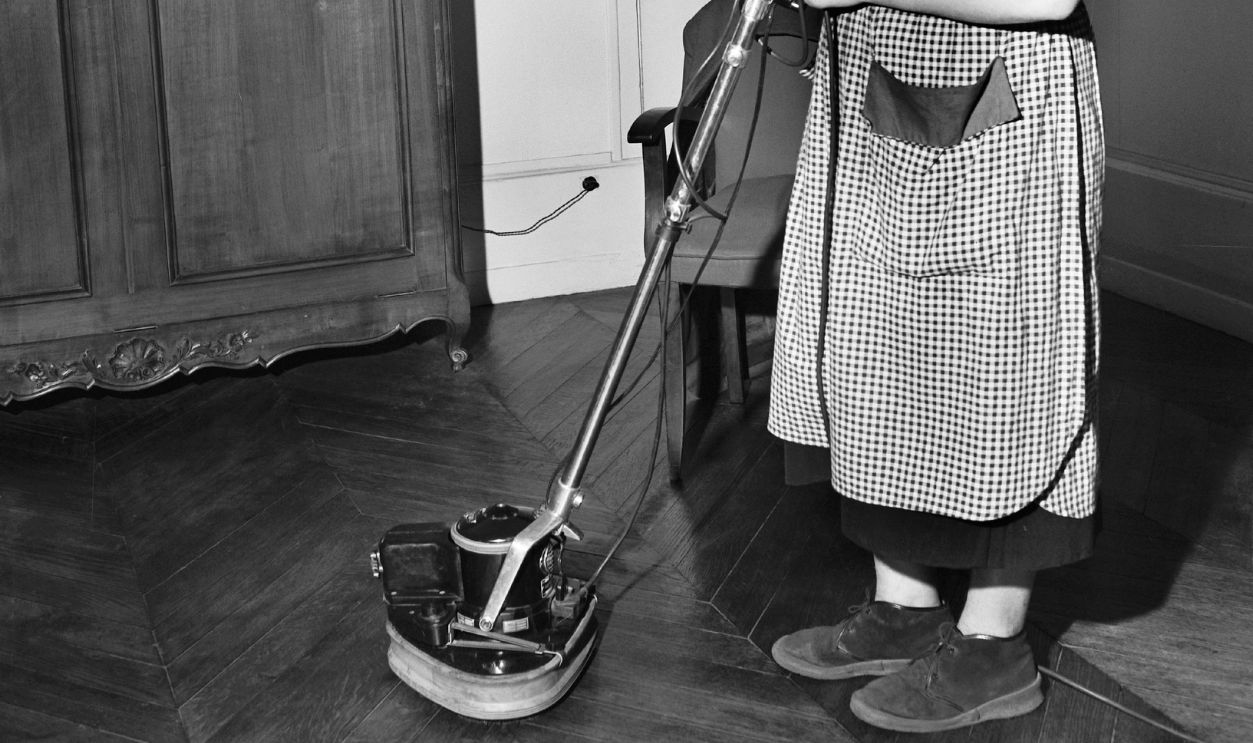
Floor-Care Machines
Long before inexpensive consumer carpet cleaners became readily available, specialized cleaning equipment was exactly the sort of machinery rental businesses could provide. Renting remains common for carpet cleaners and floor-care machines today, preserving the old rental-yard logic: why buy a bulky machine that may spend 360 days each year sitting unused?
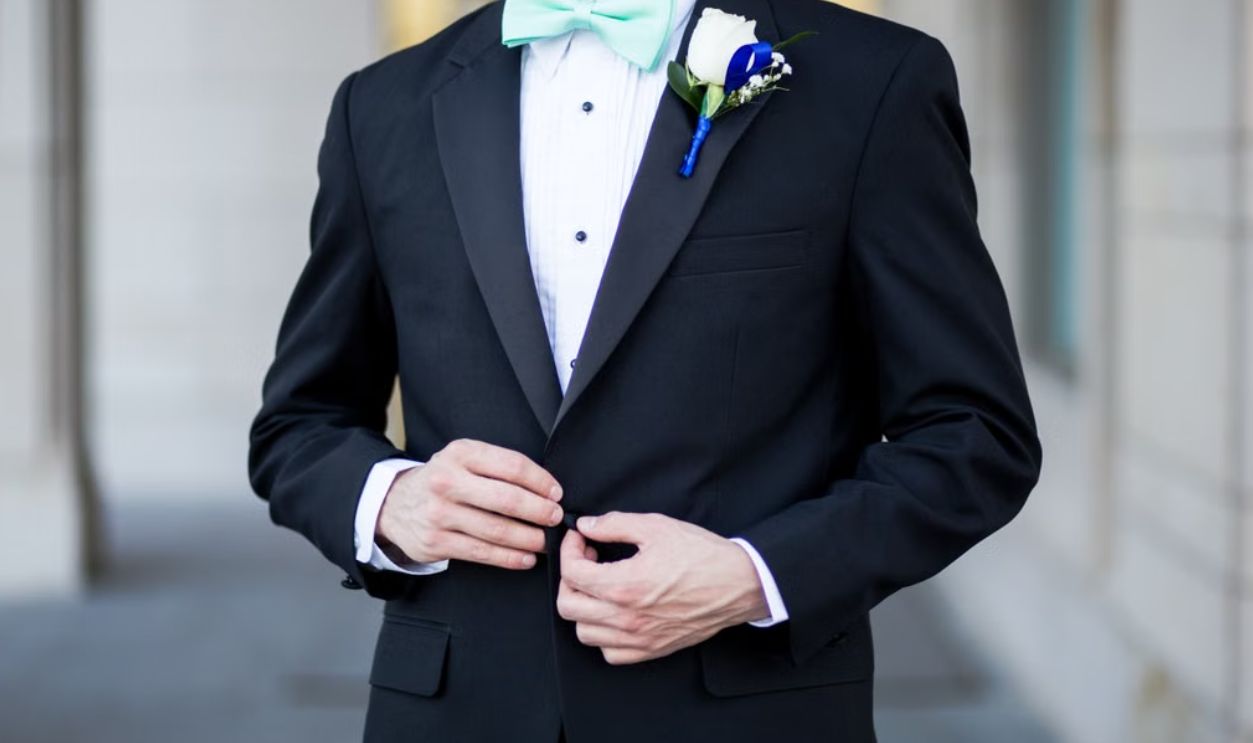
Formal Clothes
Generations of American men have rented tuxedos rather than bought formalwear destined to spend most of its life inside a garment bag. Weddings, proms, and black-tie events made the arrangement practical. The renter received appropriately formal clothing for one occasion without paying to own an outfit he might rarely wear again.
Bowling Shoes
Few rental traditions are more familiar, or more mildly unsettling, than putting your feet into shoes worn by countless strangers. Bowling alleys made shoe rental standard because specialized soles help bowlers slide properly during their approach. Unlike many items on this list, rental shoes remain completely normal at American bowling centers.
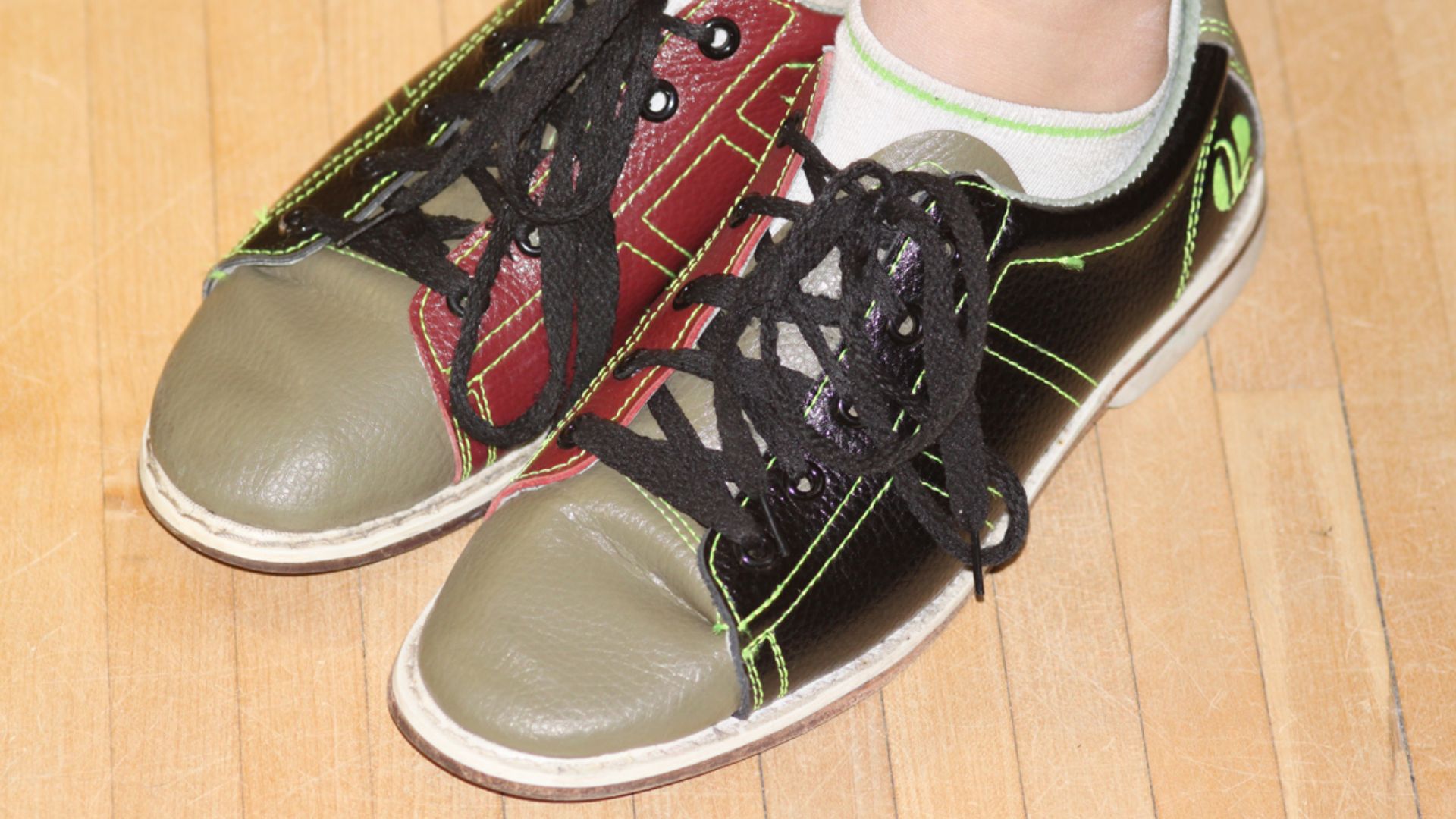 Jenn Durfey from Buffalo, NY, USA, Wikimedia Commons
Ice Skates
The same logic applied at skating rinks. A family didn't need to buy everyone skates to spend an occasional winter afternoon on the ice. Rental counters made skating accessible to casual participants, while serious skaters could still purchase their own equipment. Roller rinks later employed essentially the same business model.

Band Instruments
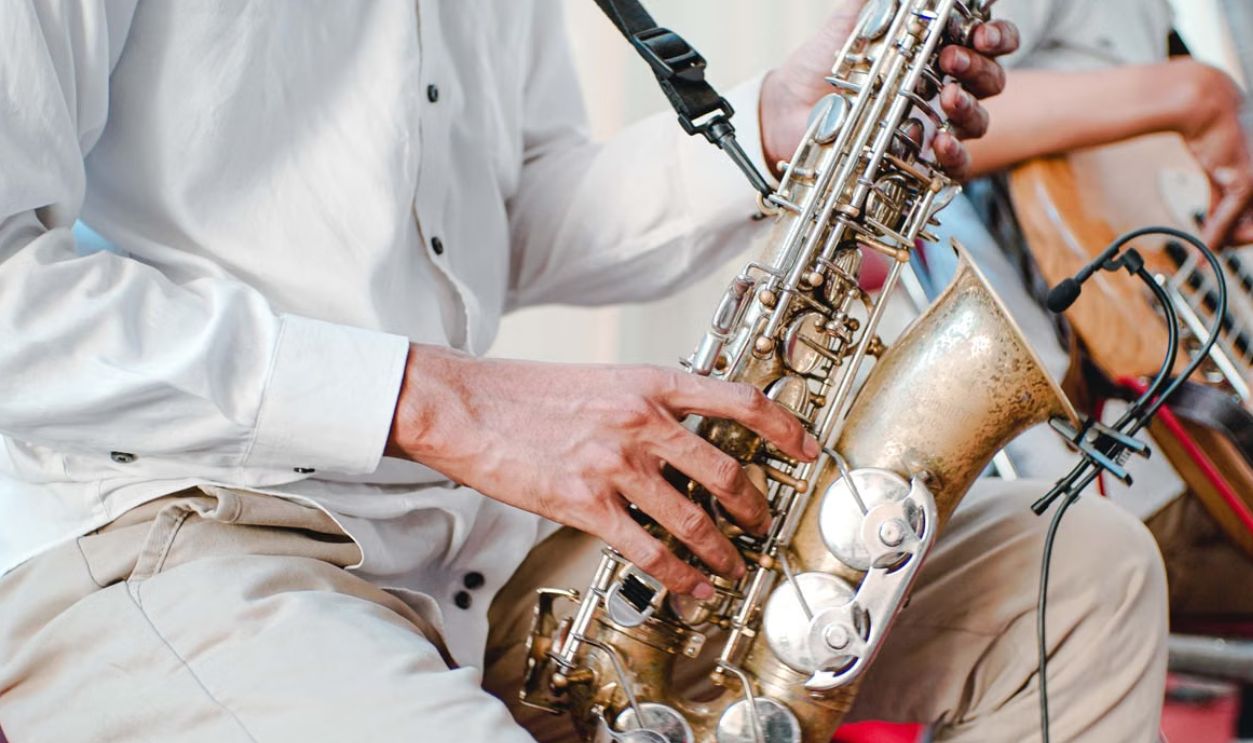
For generations of schoolchildren, joining the band didn't necessarily mean Mom and Dad immediately purchased a trumpet, clarinet, or trombone. Rental programs let beginners try an instrument before the family made a larger investment, an especially useful arrangement when nobody knew whether that sixth-grader would still love the saxophone next semester.
VCR Machines
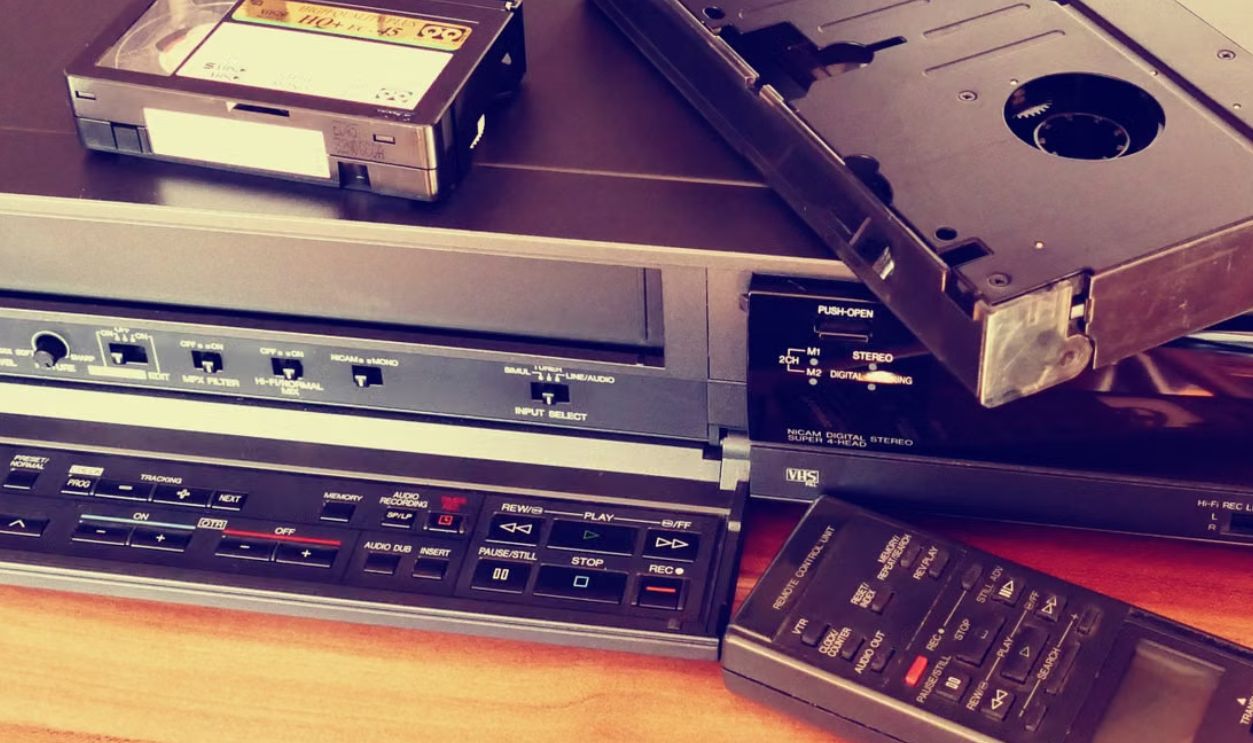
Before VCRs became affordable enough to sit beneath practically every television, some families rented the machine itself for movie night. Early VCRs could cost well over $1,000. By the 1980s, video stores and convenience stores sometimes rented players alongside movies, letting customers temporarily bring the entire technology home.
VHS Movies
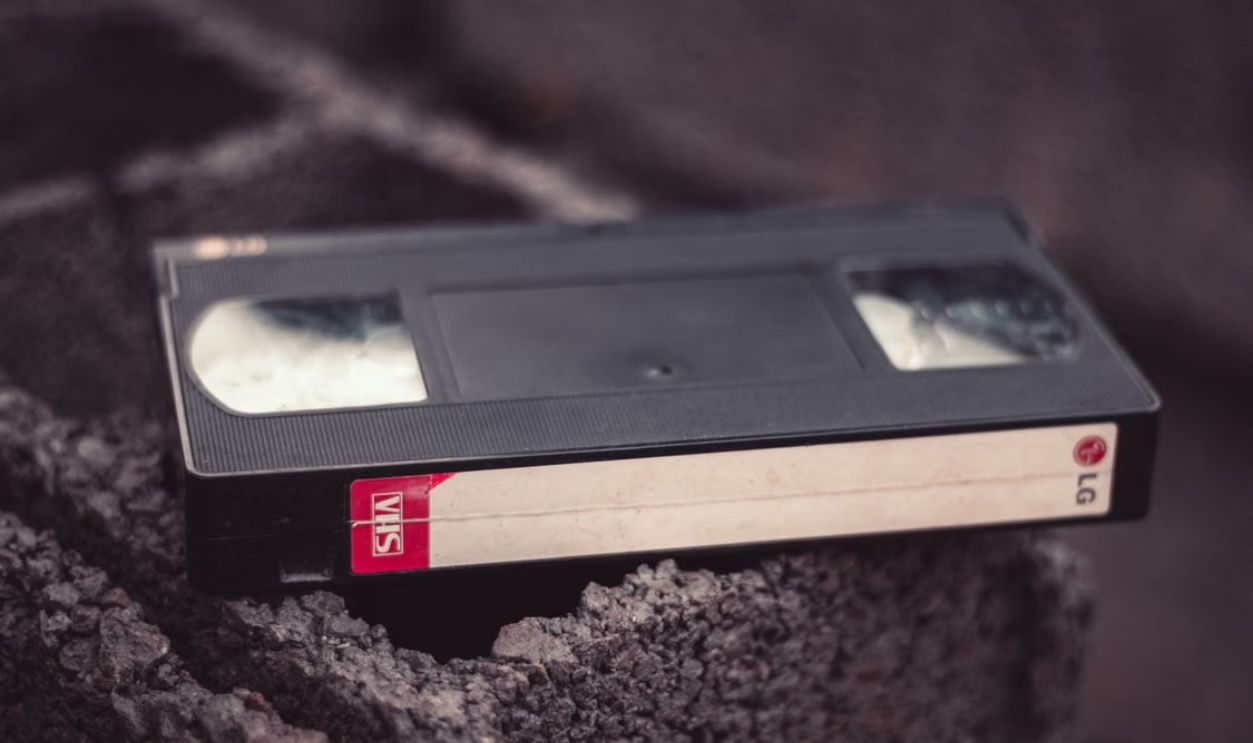
Then came the rental habit an entire generation remembers. Buying prerecorded movies could initially cost $30 to $100 or more, while rentals might cost only a few dollars. By 1981, cassette rentals were reportedly outpacing sales by at least ten to one, helping create the neighborhood video-store phenomenon.
Video Games
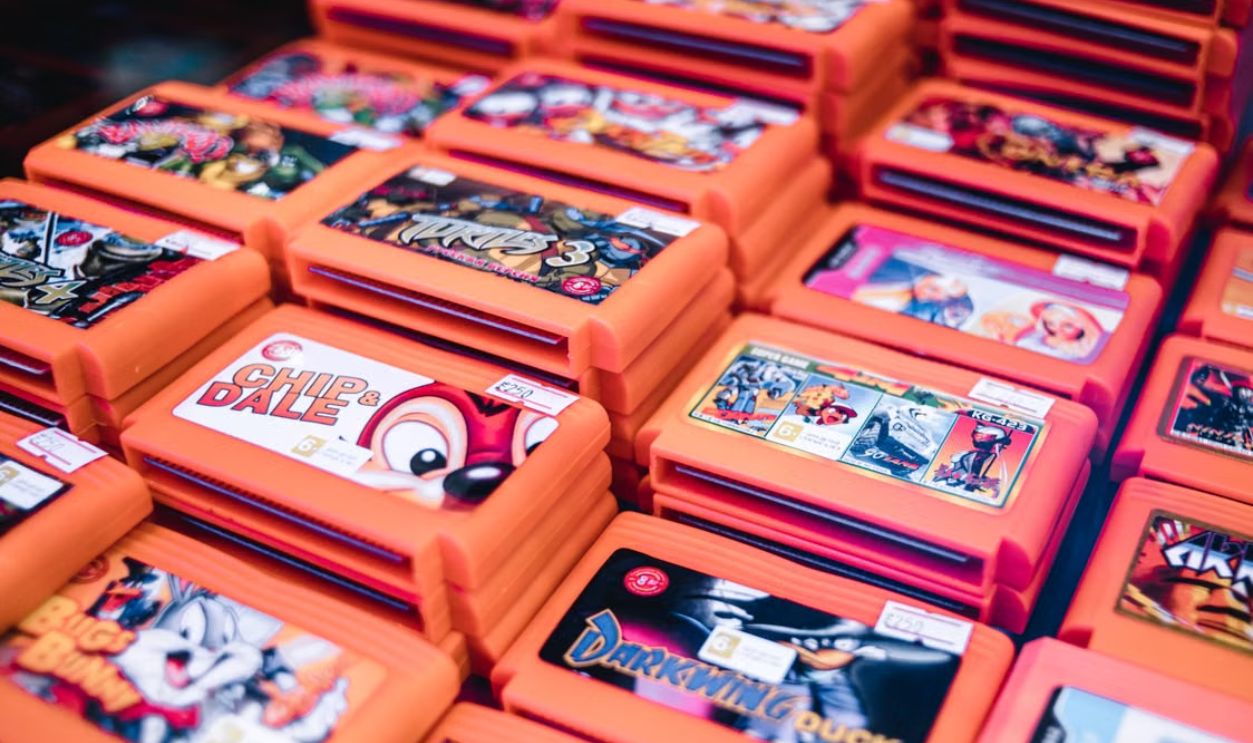
Once video stores had established the habit of borrowing entertainment for a few days, video games were an obvious addition. Families could try cartridges without buying every title their children wanted. For kids of the 1980s and 1990s, choosing a weekend game could become nearly as important as choosing the movie.
Cable Boxes
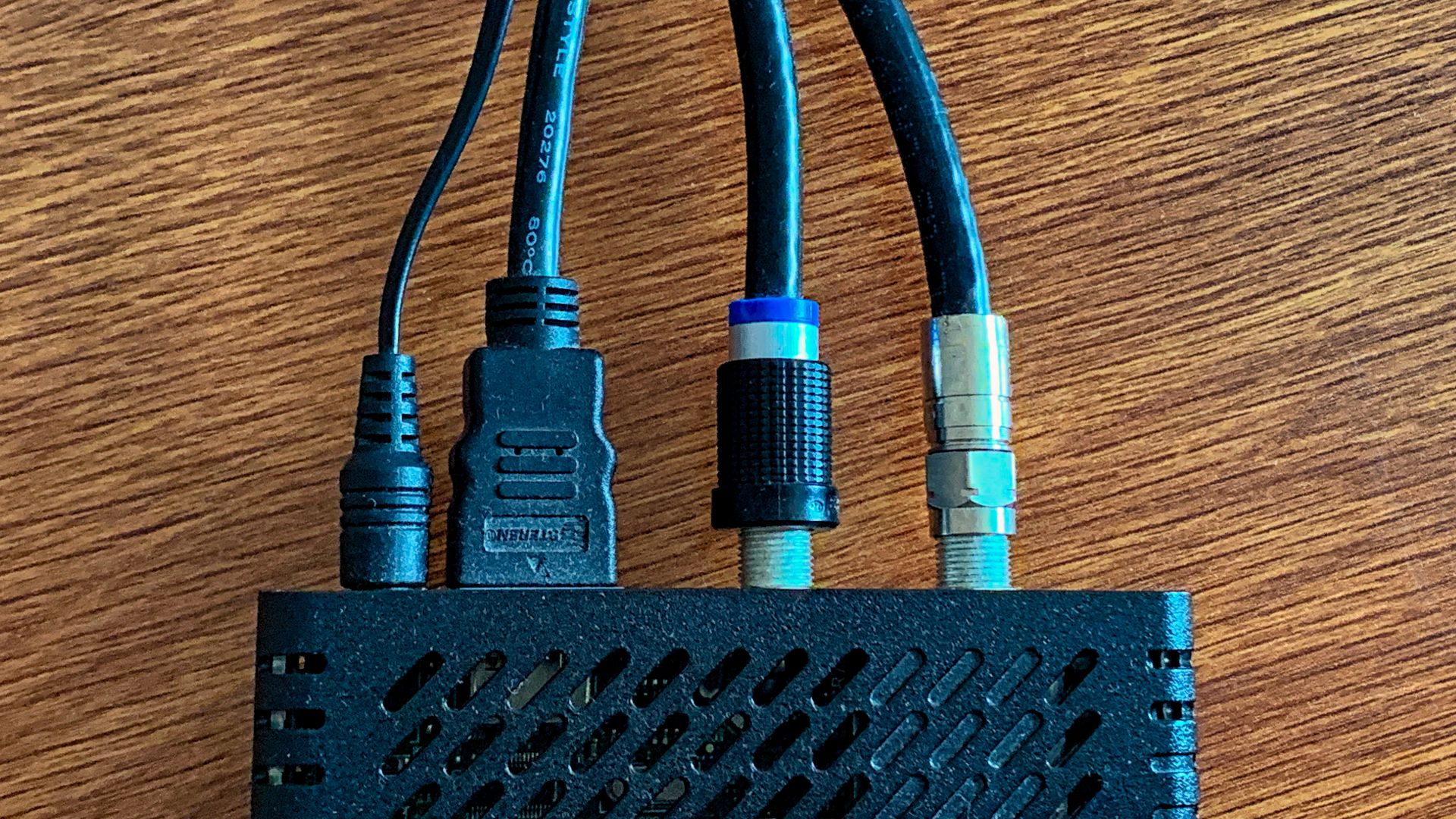
Even households that bought increasingly elaborate televisions often didn't own every box attached to them. Cable providers supplied proprietary equipment as part of the service relationship, continuing the older idea that communications hardware could remain company property. Today's leased cable boxes, modems, and routers make this rental tradition feel surprisingly current.
 Tony Webster from Minneapolis, Minnesota, United States, Wikimedia Commons
Rent-To-Own Electronics
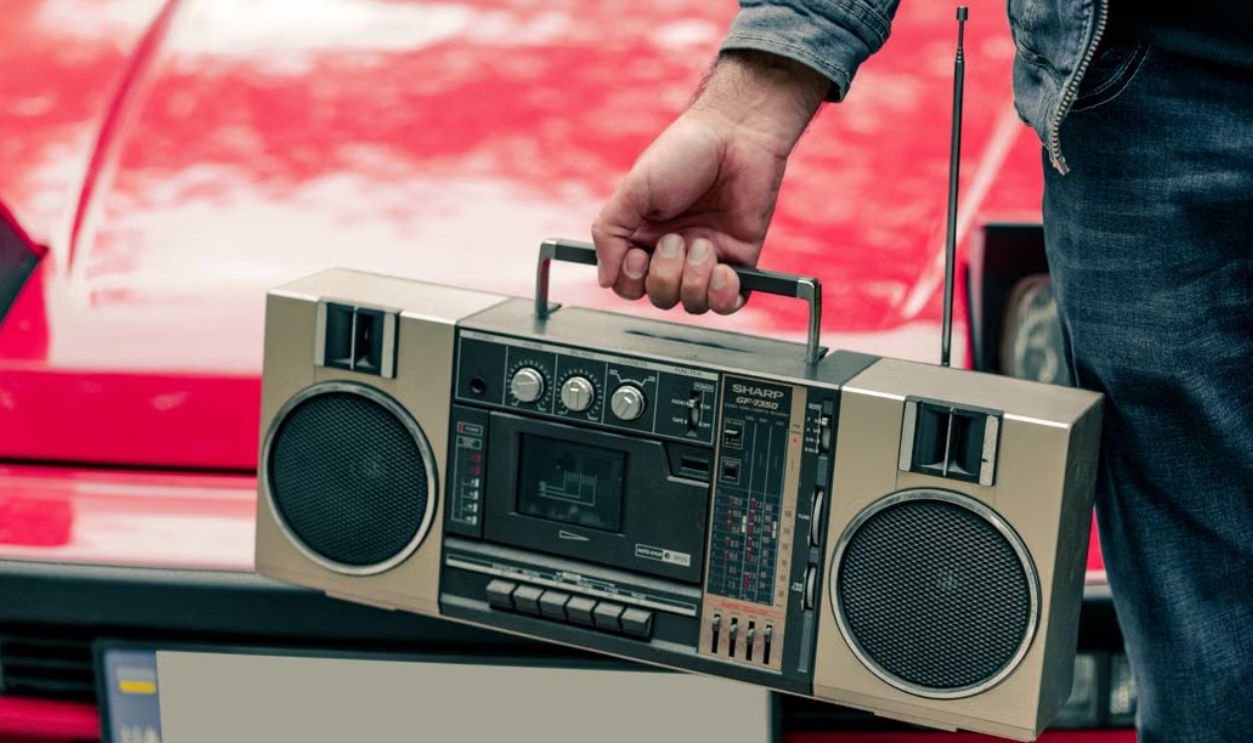
By the 1970s and 1980s, rental-purchase stores expanded the concept. Customers could take home televisions, stereos, appliances, and furniture without making a conventional purchase upfront, renewing the rental while retaining an option to acquire ownership. Convenience came with a warning: total payments could substantially exceed ordinary retail prices.
Renting Never Disappeared
The objects changed, but the calculation didn't. Earlier Americans rented phones, televisions, washing machines, cribs, VCRs, and countless other things because ownership was expensive, unnecessary, or unavailable. Today we lease cars, equipment, electronics, and digital access. Apparently every generation eventually rediscovers the same question: do we really need to own this?
You May Also Like:
Grocery Items From The 1980s That Were Affordable Then, But Feel Expensive Now
Grocery Items From The 2000s That Seemed Cheap Then But Feel Expensive Now
Vintage Items That Could Be In You Attic And Are Worth Big Bucks