Whatever Happened To These 1980s Favorites?
Some of the 1980s' most popular foods disappeared for reasons nobody saw coming. A burger was undone by its packaging, a frozen treat sold millions but struggled to turn a profit, and one candy became the victim of an outrageous rumor.
From supermarket shelves to fast-food menus, these forgotten favorites have some surprisingly strange business stories behind their disappearance.
Jell-O Pudding Pops
Jell-O Pudding Pops became a freezer aisle sensation during the 1980s, reportedly generating approximately $100 million in first-year sales. But manufacturing and distributing frozen desserts was expensive, making the treats less profitable than their popularity suggested. The originals eventually disappeared, and a later Popsicle revival also ended. Even enormous sales couldn't guarantee their survival.
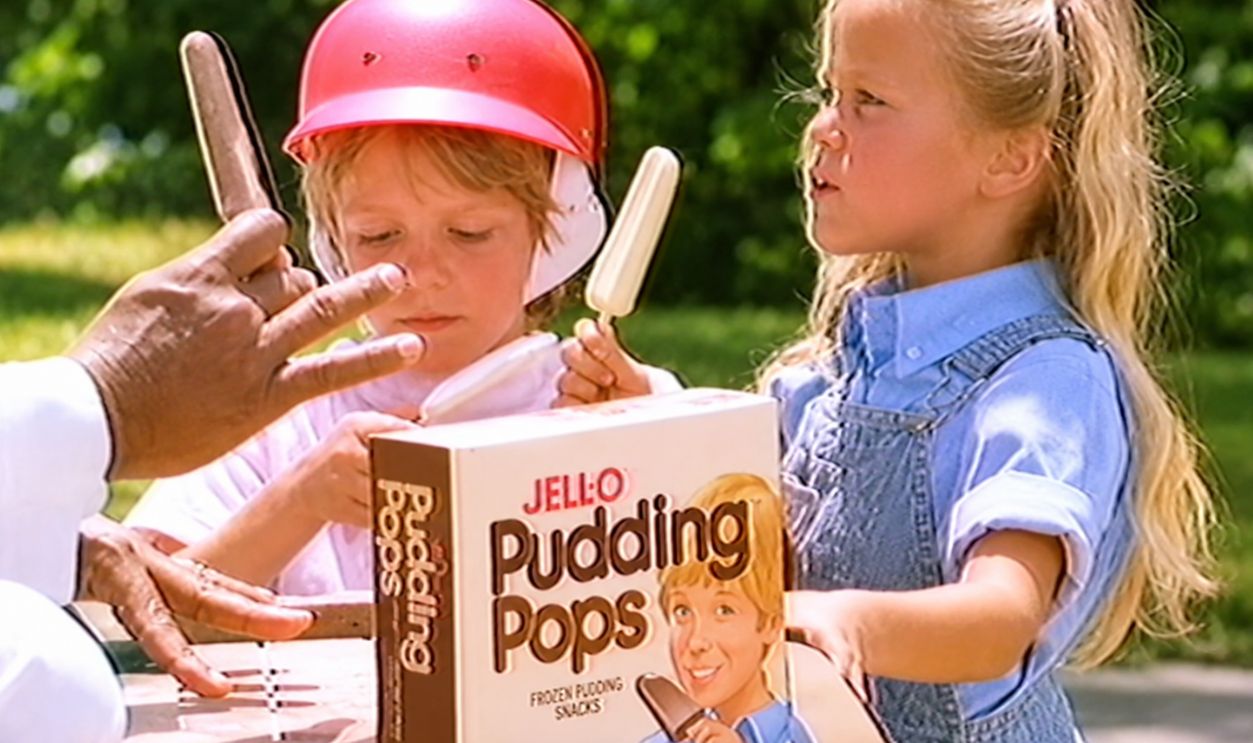 Screenshot from Jell-O Pudding Pops ad, Enhanced
Pop Rocks
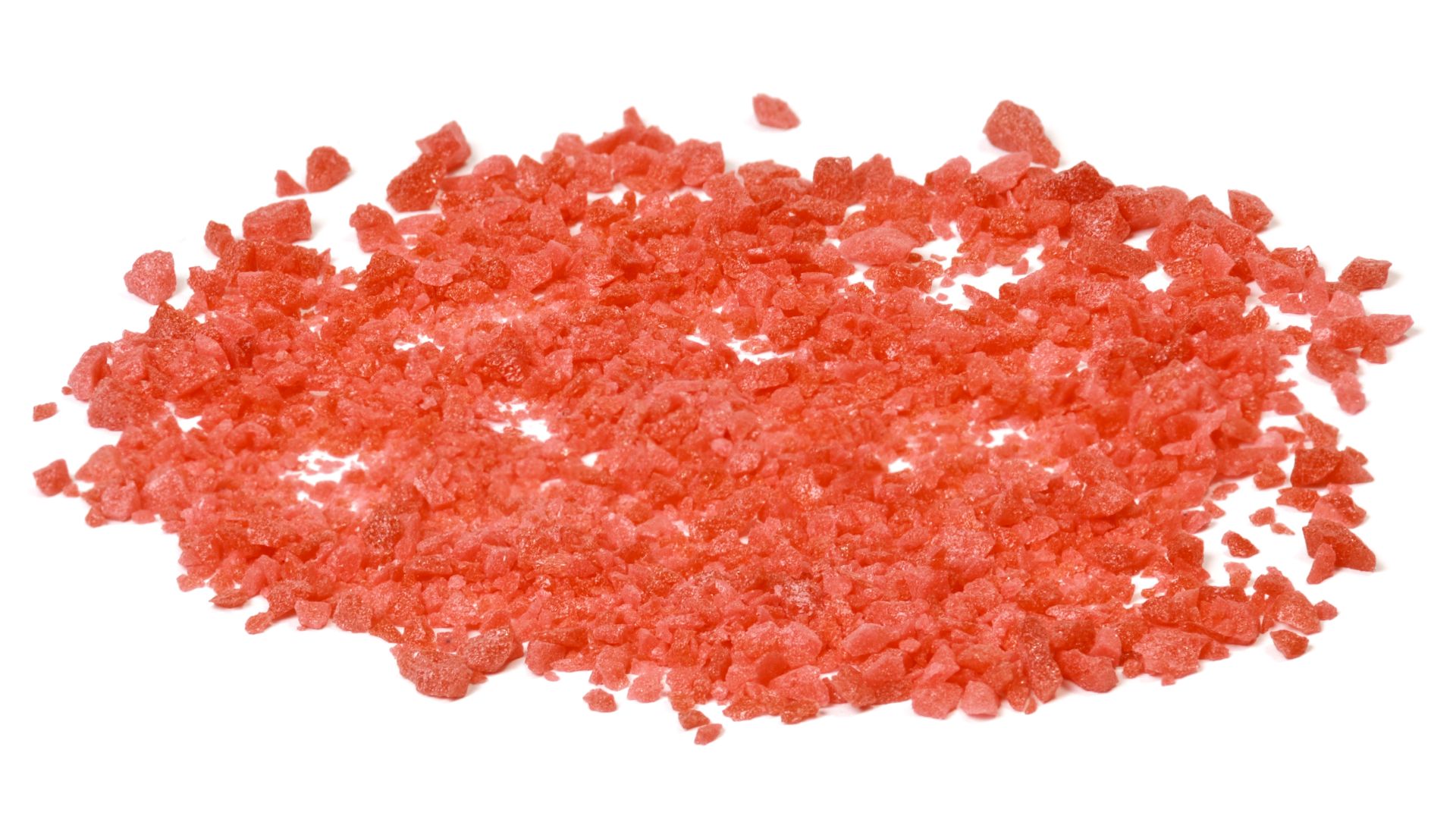
Pop Rocks became famous for their popping sensation, but an outrageous rumor threatened their reputation. Some people falsely believed eating the candy with soda could cause a person's stomach to explode. General Foods responded by contacting schools and publishing advertisements to reassure consumers. The candy was briefly discontinued in the mid-1980s before returning under different ownership.
McDonald's McDLT
Introduced nationally in 1985, the McDLT kept hot hamburger ingredients separate from cool lettuce and tomato in a two-sided foam container. The unusual packaging was central to the sandwich's appeal, but McDonald's began moving away from foam containers in 1990. The McDLT disappeared around the same time, although packaging wasn't necessarily the only consideration. Its clever presentation had become difficult to maintain.
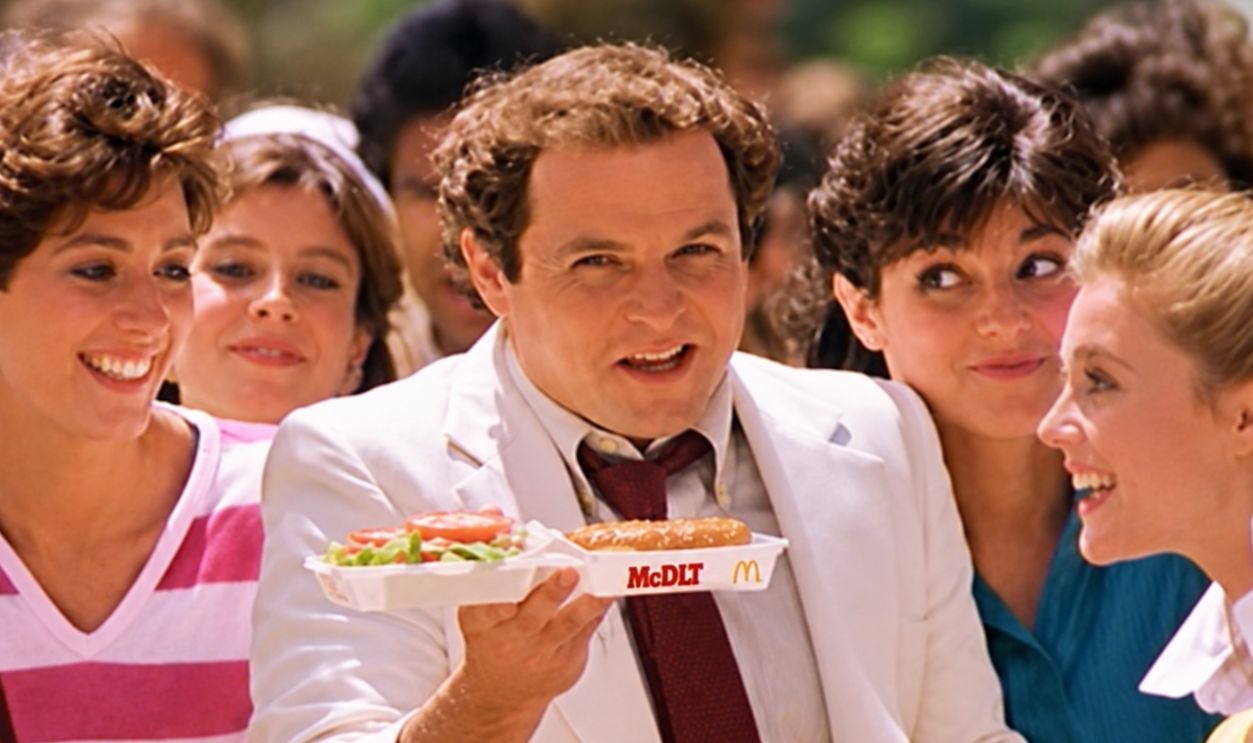 Screenshot from McDonald’s McDLT ad, Enhanced
PB Max
Mars introduced PB Max in the late 1980s, combining peanut butter, oats, a cookie base, and milk chocolate. Despite reportedly generating around $50 million in annual sales, the candy was discontinued in 1994. According to The Emperors of Chocolate, the Mars family's personal dislike of peanut butter may have influenced the decision. However, the exact business reasoning remains uncertain.
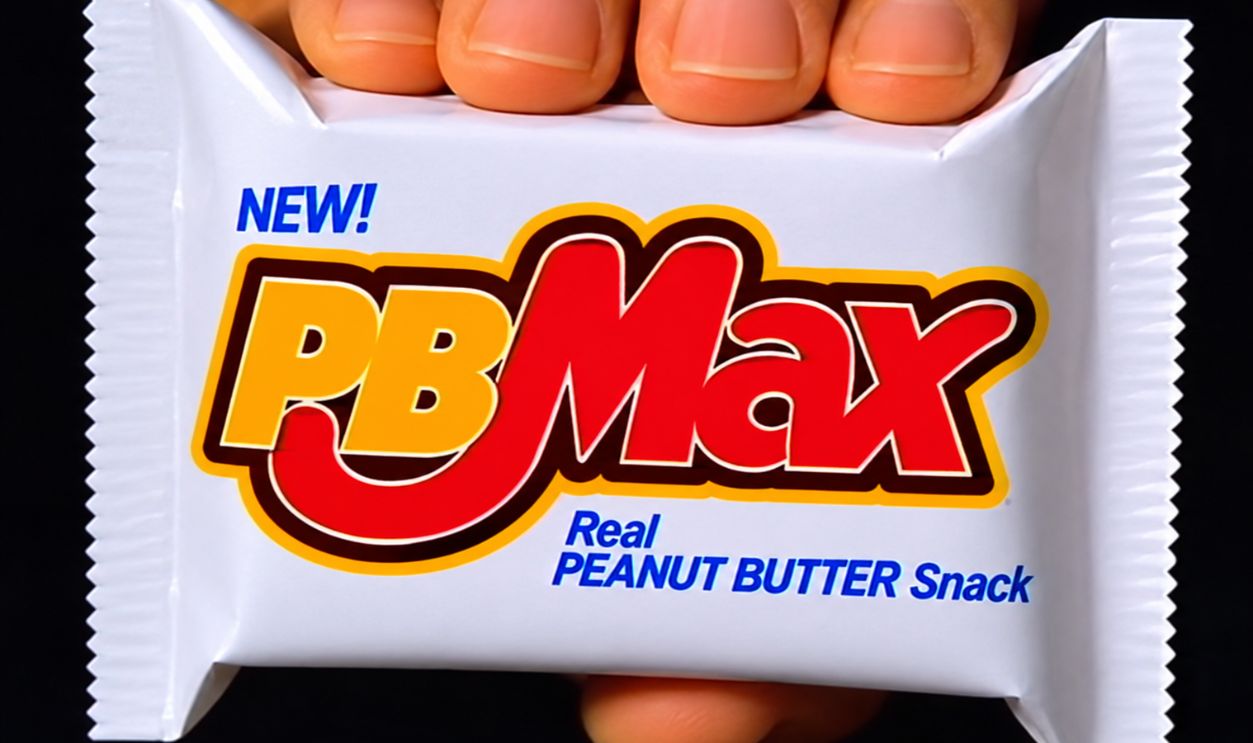 Screenshot from PB Max ad, Enhanced
Burger King Burger Bundles
Burger King introduced Burger Bundles in 1987, offering miniature hamburgers instead of one regular burger. But the tiny patties reportedly caused problems with the chain's automated broilers because they could slip through the cooking equipment. The product was short-lived, and Burger King later experimented with redesigned miniature sandwiches. Even a hamburger's size could create unexpected complications.
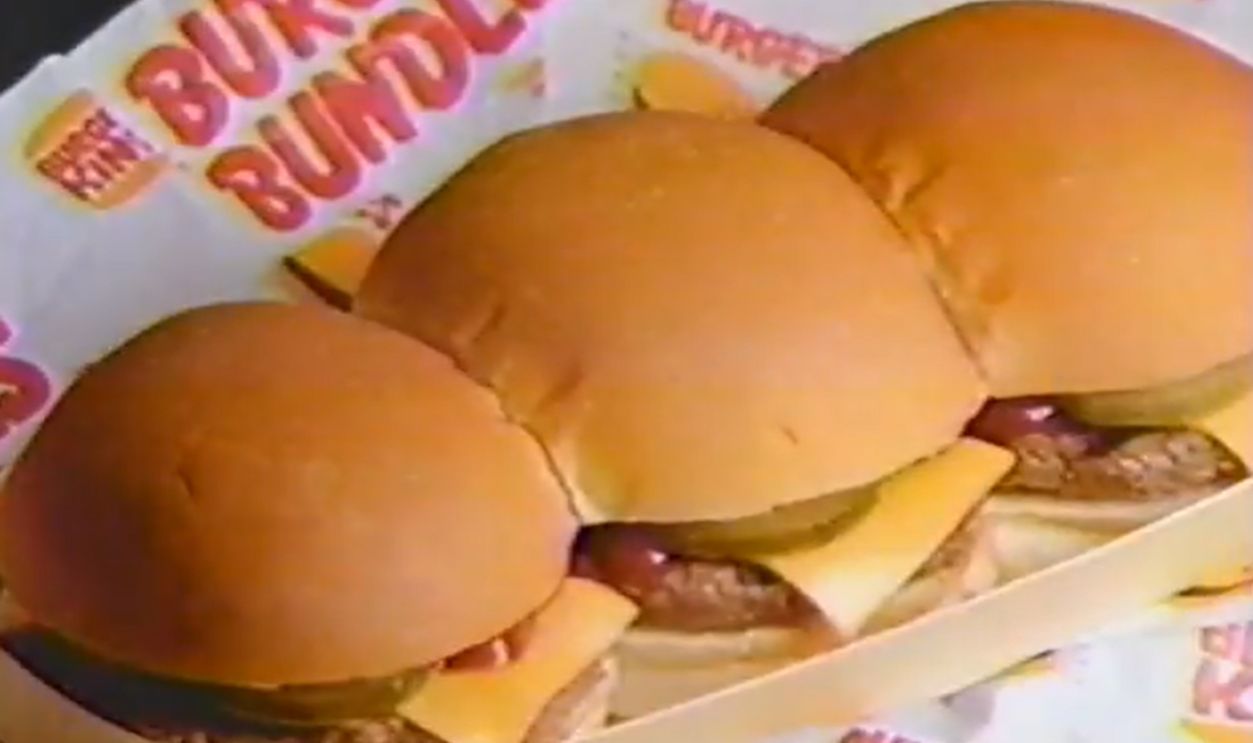 Screenshot from Burger King Burger Bundles ad
New Coke
In April 1985, Coca-Cola introduced a sweeter version of its famous soft drink after extensive consumer testing. Although the new formula performed well in taste tests, many customers strongly preferred the original. Coca-Cola responded by bringing back its traditional recipe as Coca-Cola Classic just 79 days later. The reformulated drink survived under other names, but its intended replacement of the original was over.
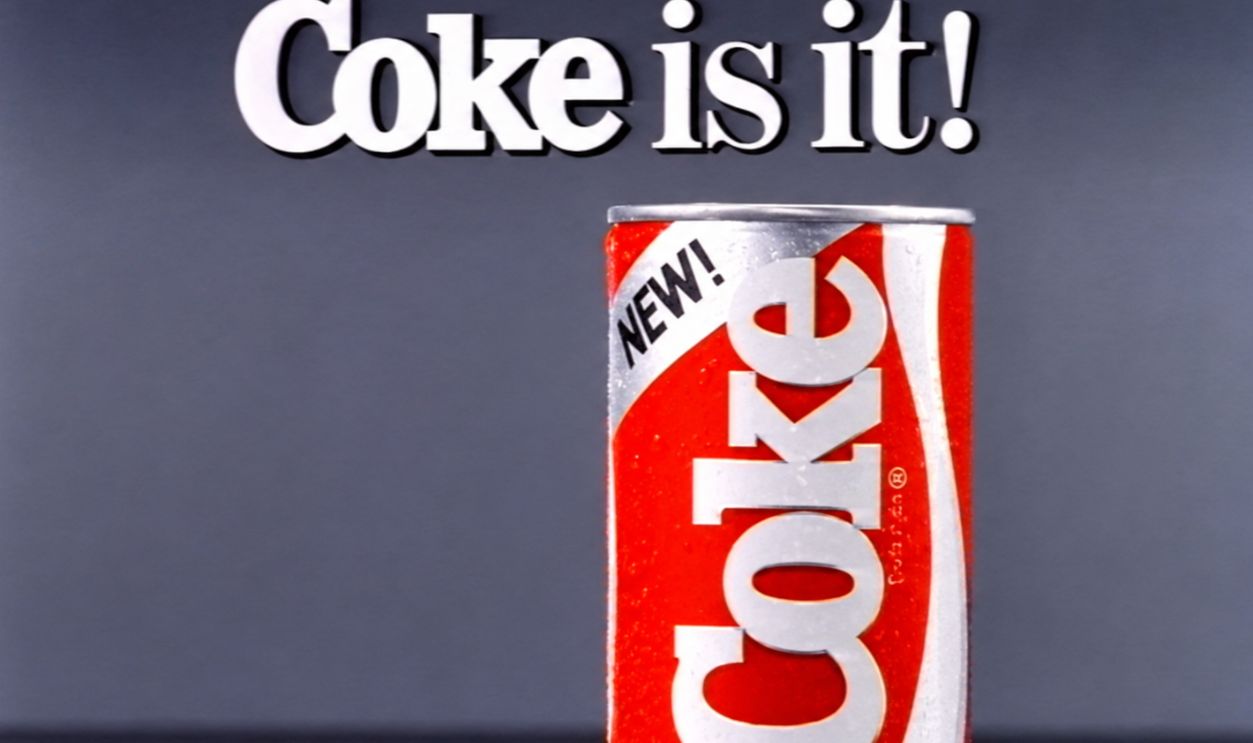 Screenshot from New Coke ad, Enhanced
Life Savers Soda
In 1981, Life Savers introduced fruit-flavored soft drinks inspired by its popular candies. The beverages reportedly performed well during taste tests, but struggled commercially. One prominent branding analysis suggested that customers associated the name with intensely flavored candy rather than refreshing soda. The product disappeared in 1982, demonstrating how a familiar name can create unexpected expectations.
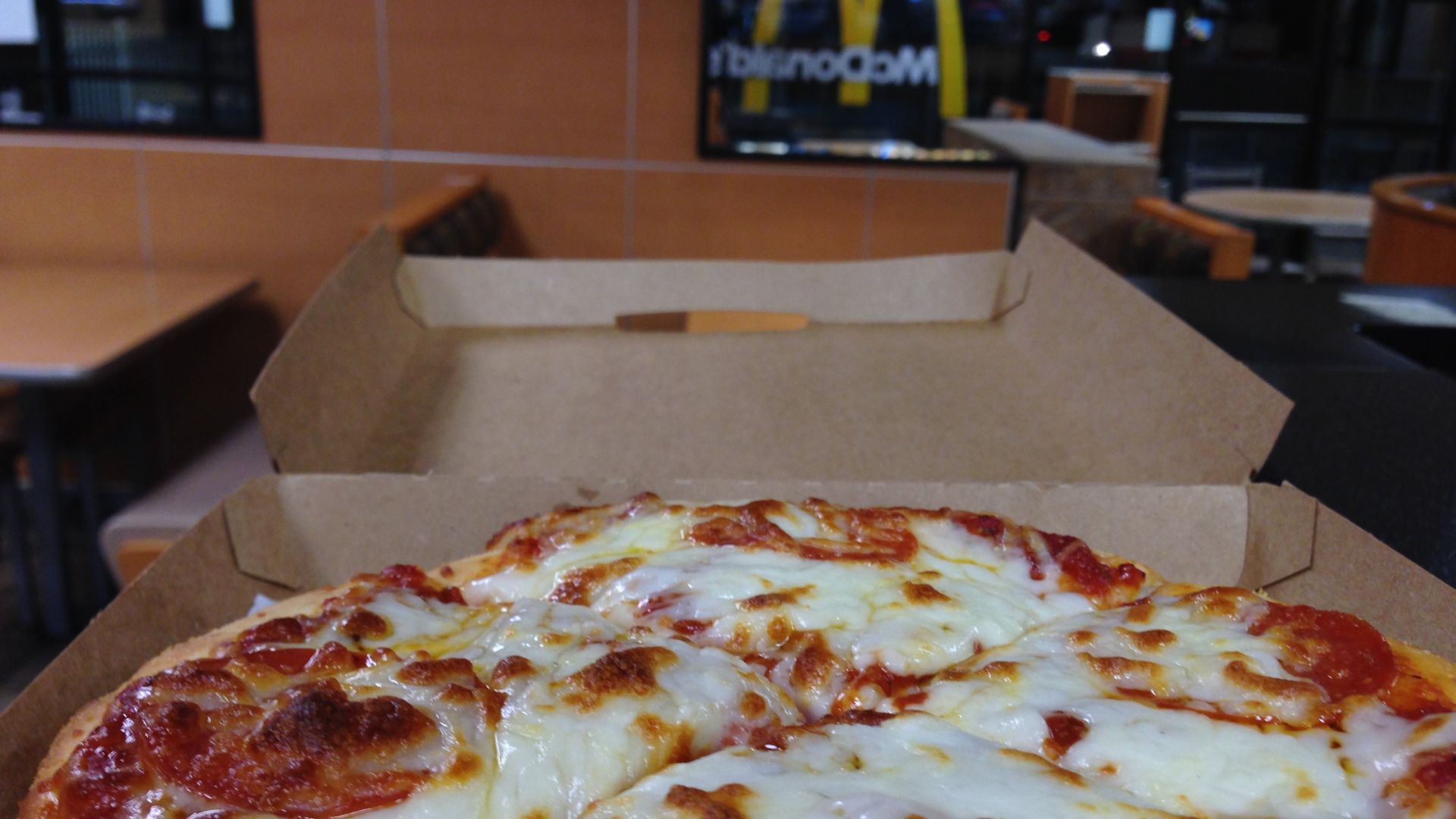
McDonald's Pizza
McDonald's experimented with pizza during the 1980s, hoping to attract customers looking for something beyond burgers. Unfortunately, preparing a pizza took considerably longer than assembling the chain's traditional menu items, sometimes requiring around 11 minutes. The extra preparation time complicated restaurant operations, and pizza gradually disappeared from most locations. A few restaurants continued serving it for years afterward.
Summit Bars
Mars introduced Summit Bars in the late 1970s, combining crispy wafers, peanuts, and milk chocolate. But the candy reportedly melted too easily, creating problems for customers. Mars tried redesigning the bars in 1983, adding 30% more chocolate and changing their shape. The changes failed to revive sales, and Summit disappeared in 1984.
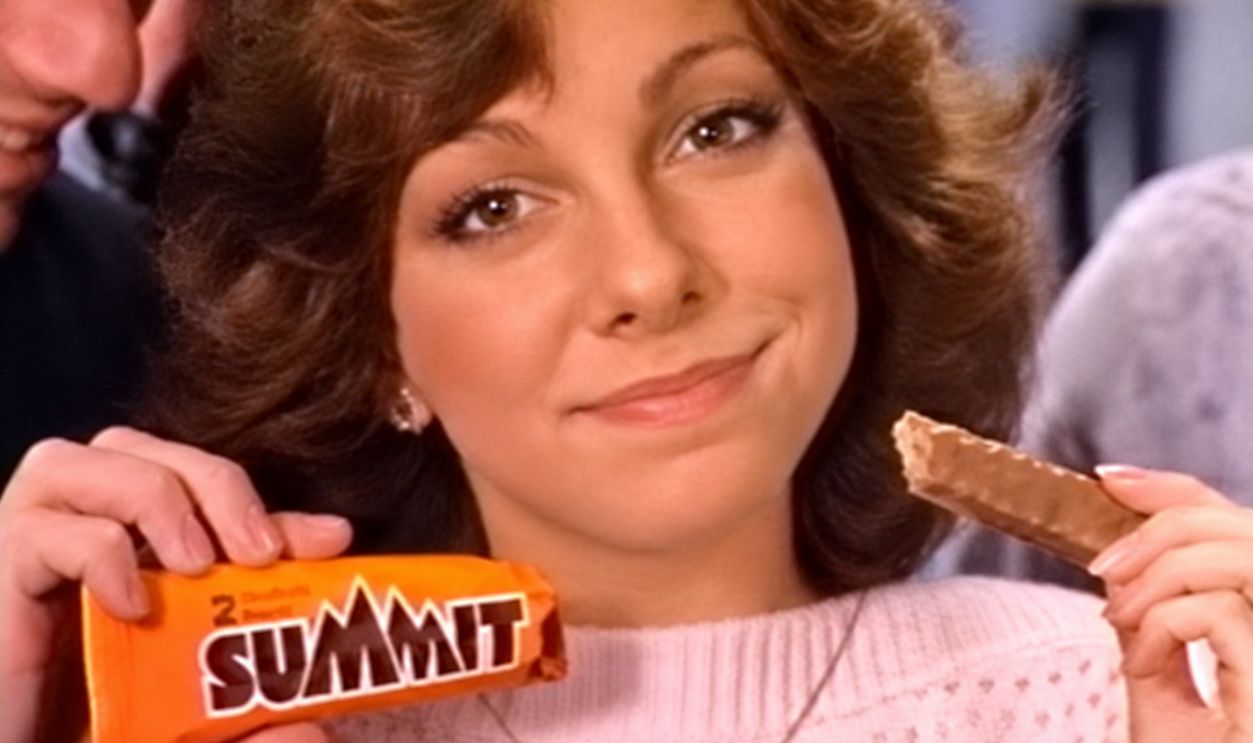 Screenshot from Summit Bars ad, Enhanced
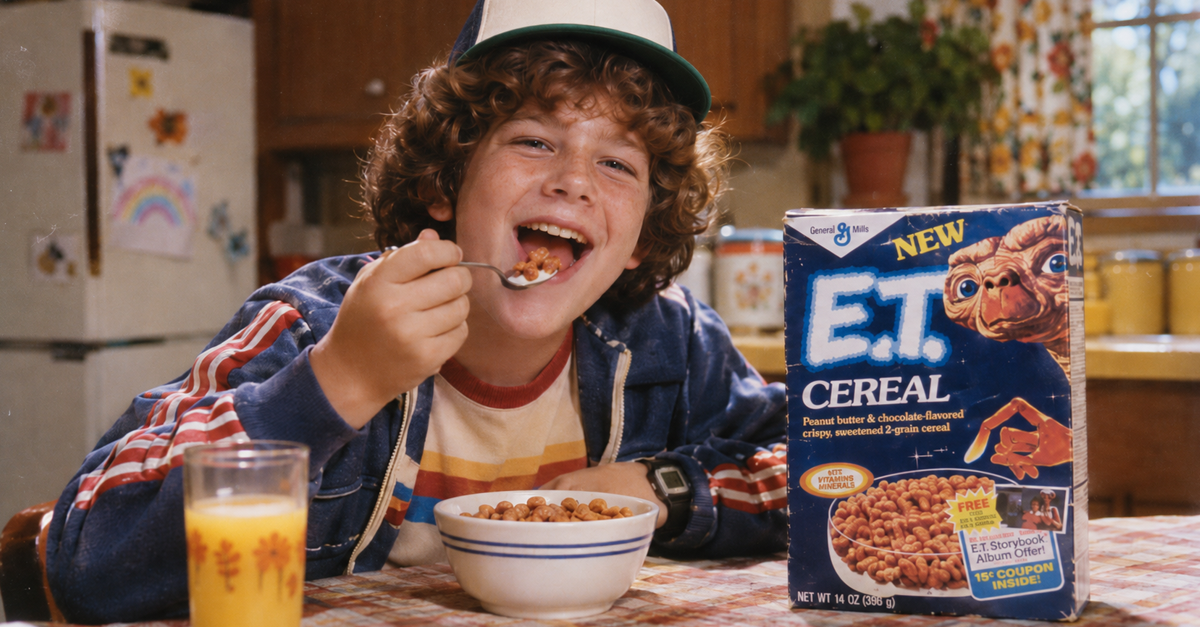
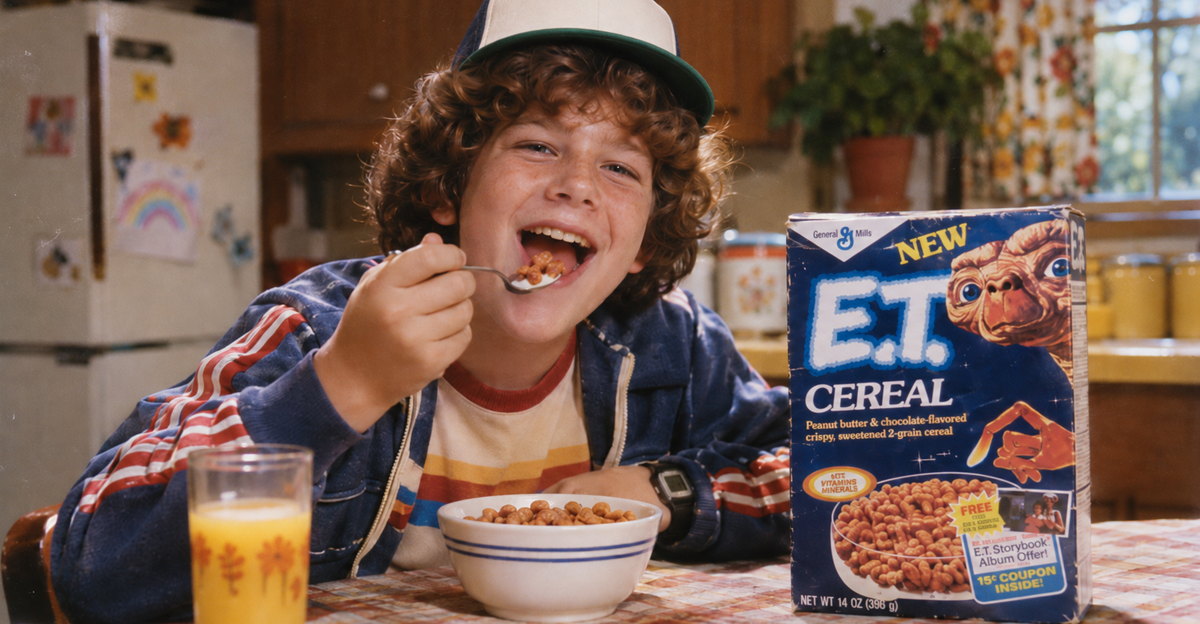
E.T. Cereal
General Mills introduced E.T. Cereal in 1984, hoping to capitalize on the enormous popularity of E.T. the Extra-Terrestrial. The company reportedly anticipated that a potential sequel could help maintain interest in the movie-themed breakfast product. However, the follow-up film never materialized, and the cereal eventually disappeared. The experience highlighted the challenges of building a food product around an entertainment franchise.
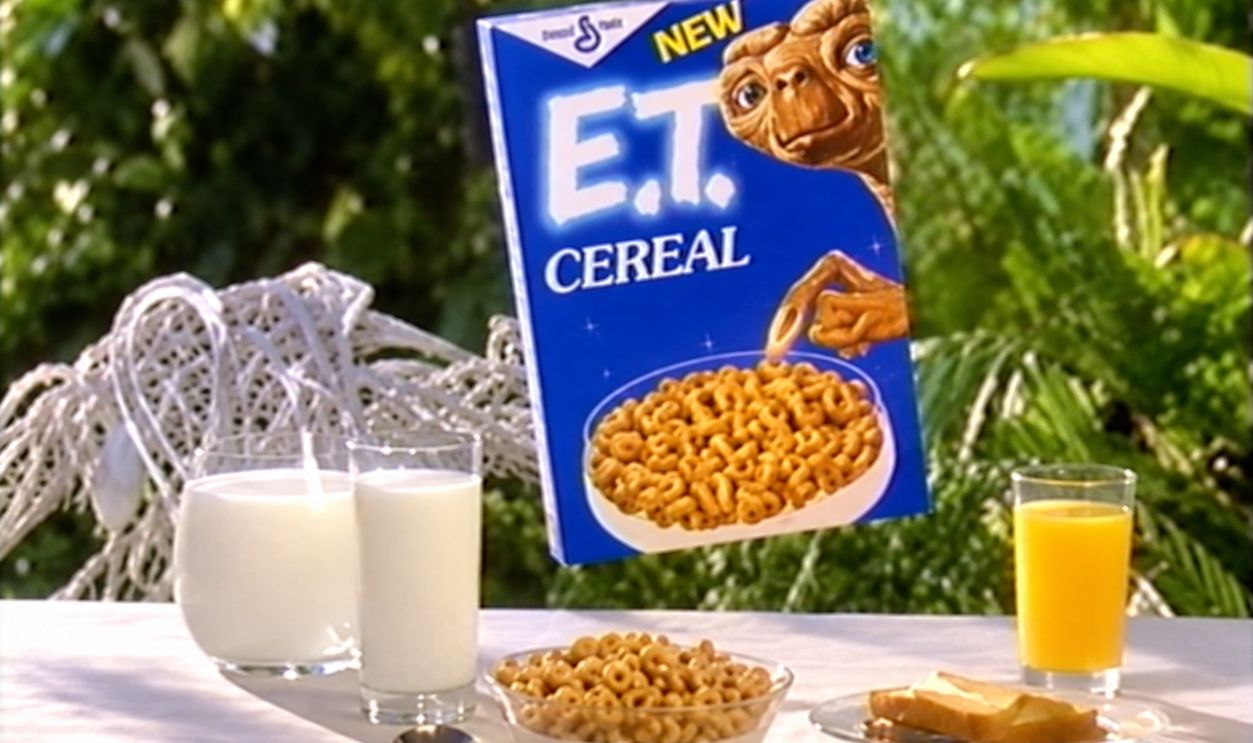 Screenshot from E.T. Cereal ad, Enhanced
Pepsi A.M.
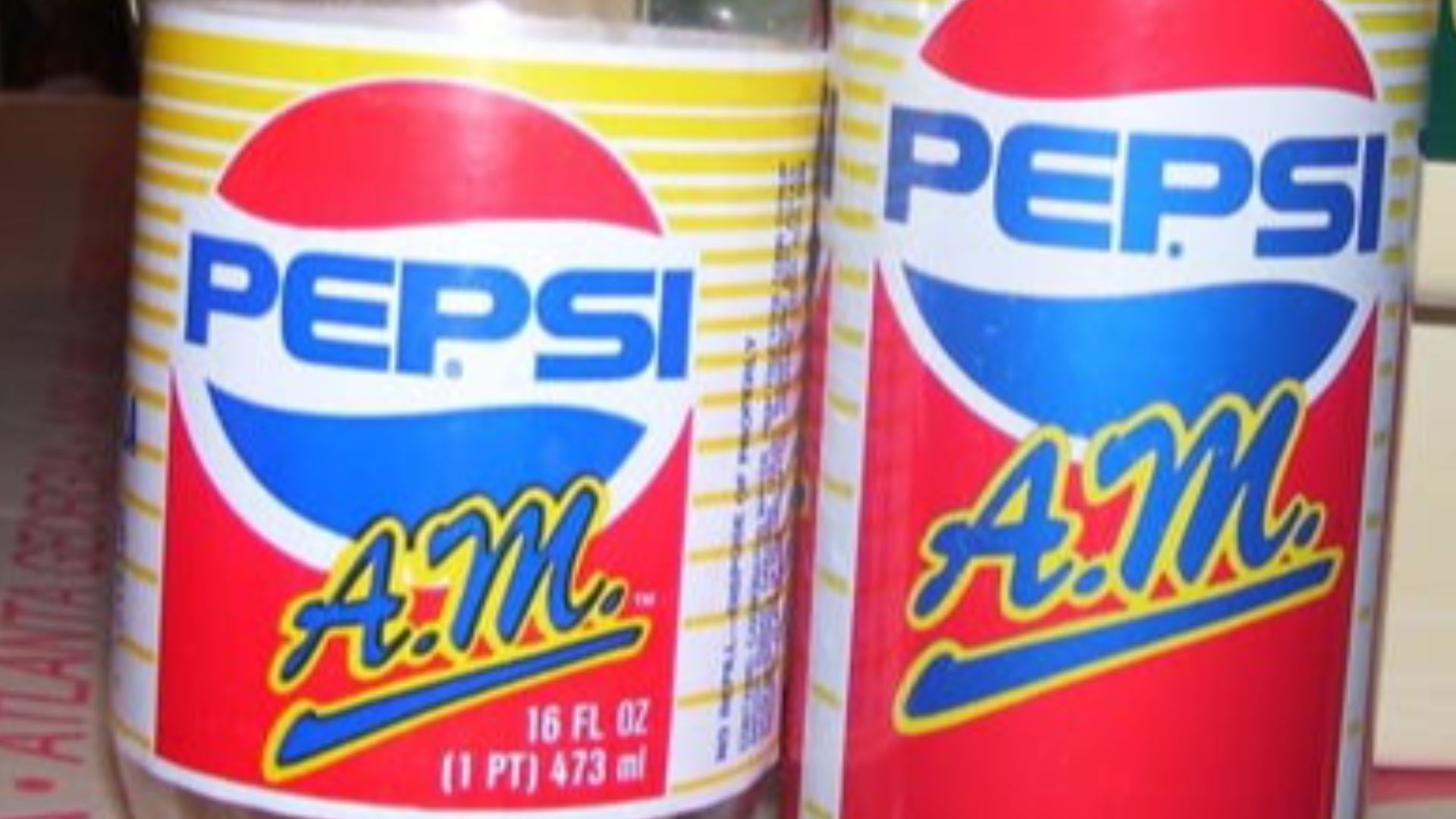
In 1989, Pepsi introduced Pepsi A.M., a breakfast cola with approximately 28% more caffeine than regular Pepsi. But its unusual marketing strategy backfired. Although Americans already drank soda in the morning, few wanted one specifically marketed for breakfast. Disappointing sales ended the experiment in 1990, suggesting Pepsi had created a product customers didn't need.
Frusen Glädjé
Introduced in 1980, Frusen Glädjé became a popular premium ice cream with a Scandinavian-sounding name. After changing ownership, it disappeared in the early 1990s. Years later, an investigation revealed that Kraft believed it had transferred the brand to Unilever in 1993, while Unilever disputed receiving it. Although the disagreement wasn't proven to have caused its disappearance, the ownership mystery made its story especially unusual.
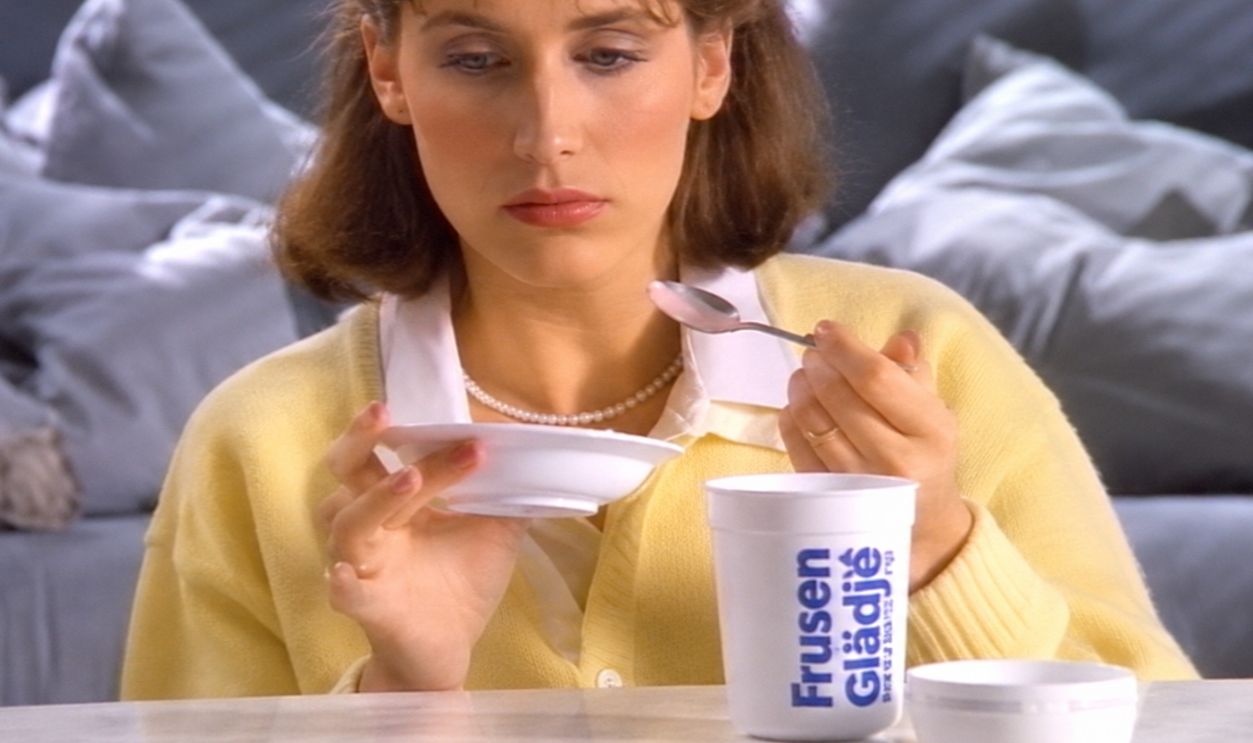 Screenshot from Frusen Gladje ad, Enhanced
Choco Taco
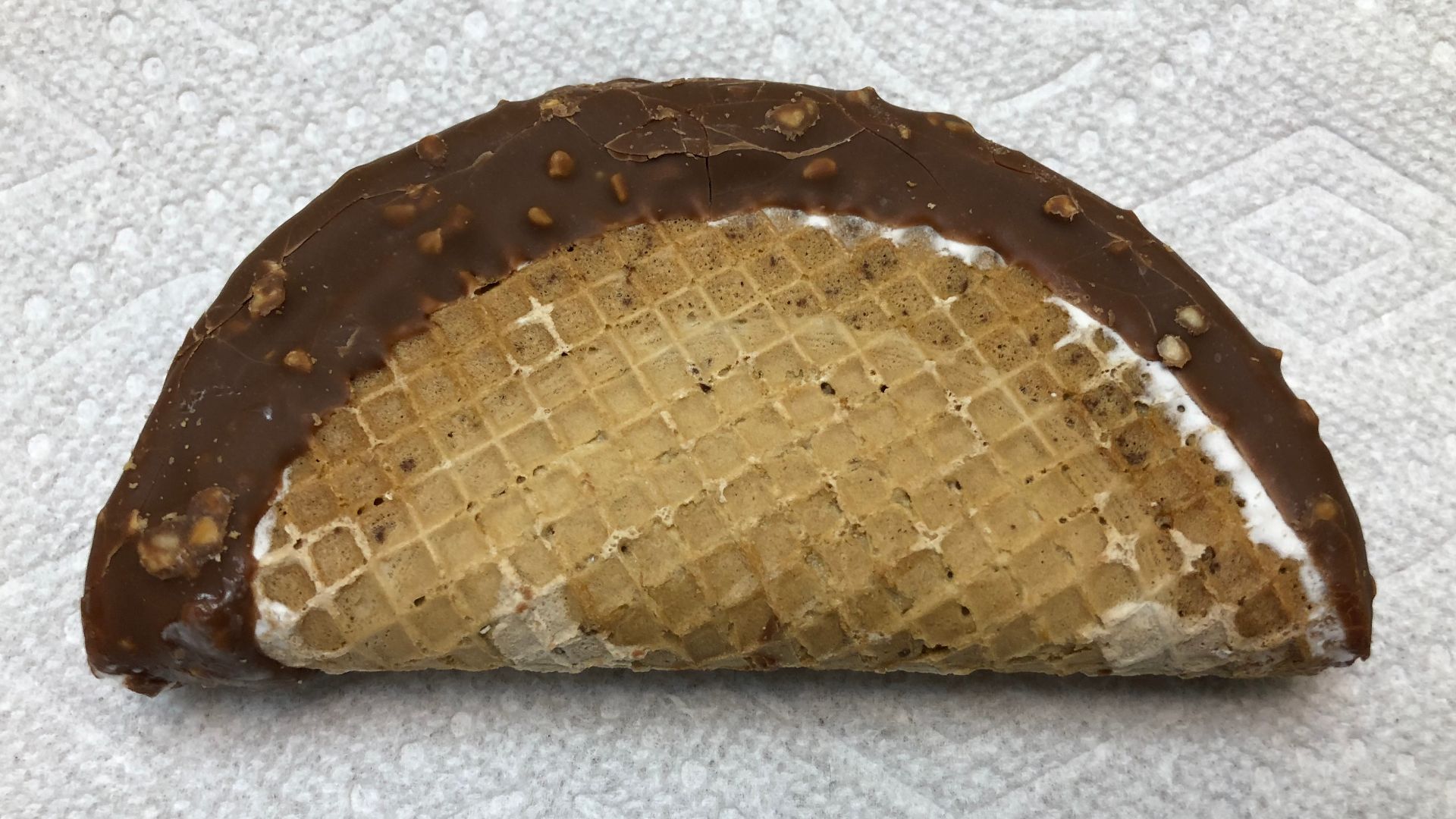
Introduced in 1983, the Choco Taco combined ice cream, fudge, peanuts, and chocolate inside a taco-shaped waffle cone. It became a familiar treat for generations before Klondike discontinued it in 2022. The company explained that unusually high demand for other products required difficult decisions about its manufacturing priorities. The Choco Taco's disappearance wasn't simply a matter of customers losing interest.
McDonald's Onion Nuggets
Before Chicken McNuggets became a fast-food sensation, McDonald's experimented with battered, deep-fried onion pieces in the late 1970s. But inconsistent onion supplies reportedly made quality difficult to control, while sales weren't strong enough to justify keeping them. The idea took an unexpected turn when McDonald's chairman suggested replacing the onions with chicken, helping inspire one of the chain's biggest successes.
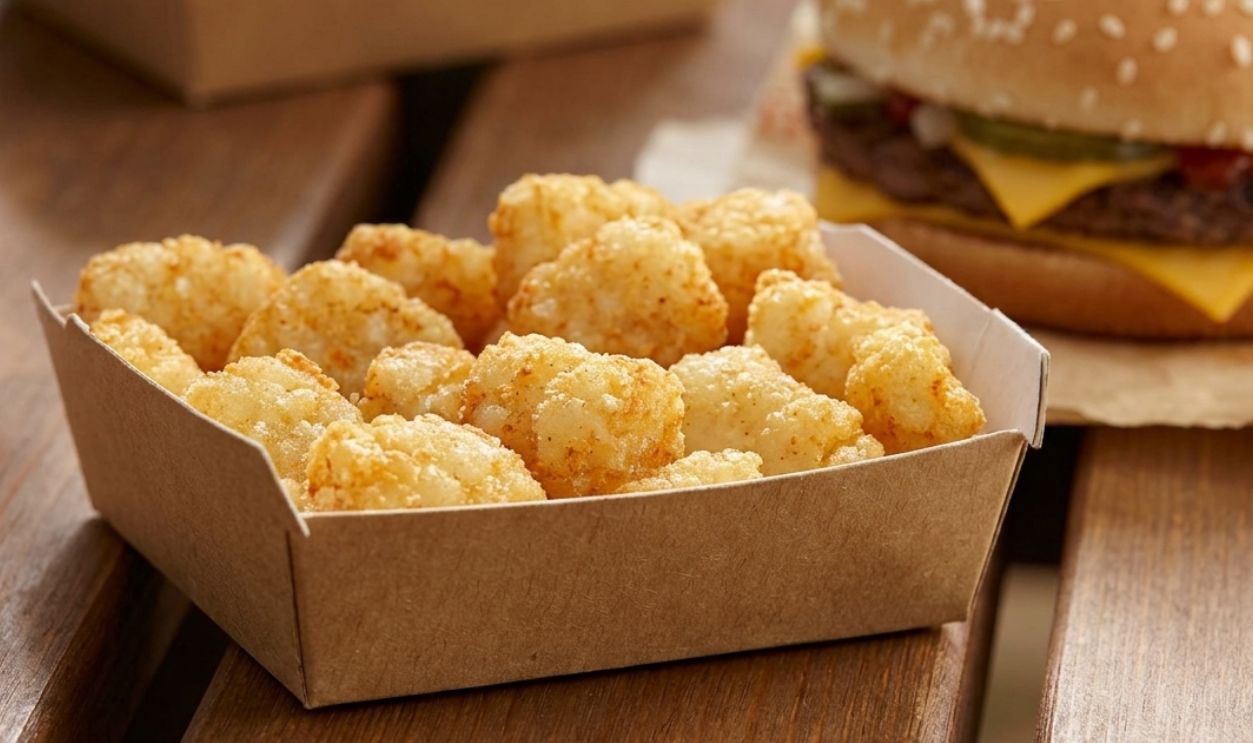 Screenshot from McDonald's Onion Nuggets ad, Enhanced
Chipwich
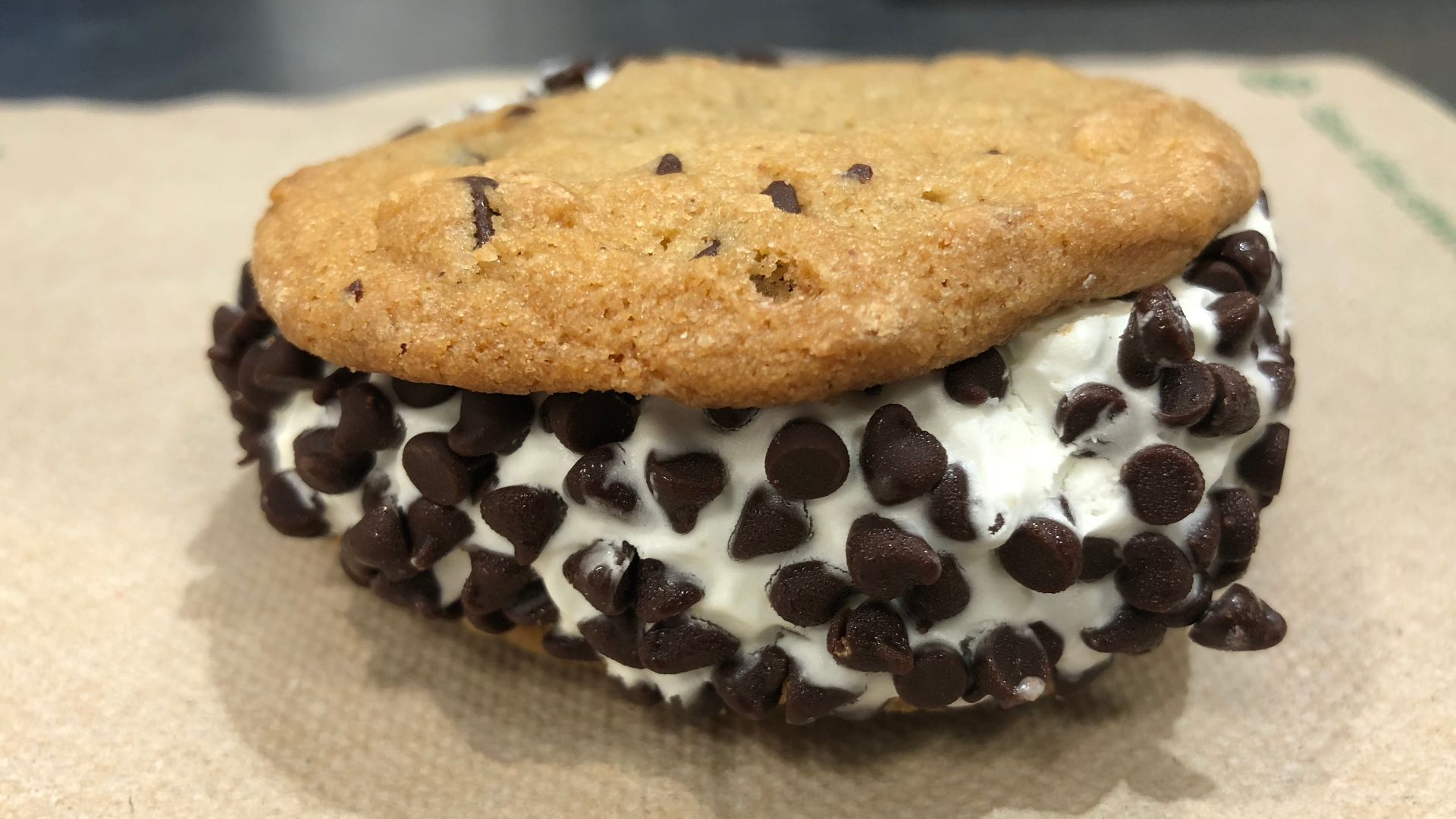
Introduced in 1981, the Chipwich combined vanilla ice cream, chocolate chip cookies, and a coating of chocolate chips. Ironically, its popularity attracted larger competitors, making supermarket distribution harder for the smaller company. In 1984, Chipwich shifted its focus to restaurants, stadiums, and smaller retailers. The original product eventually disappeared before being revived in 2018.
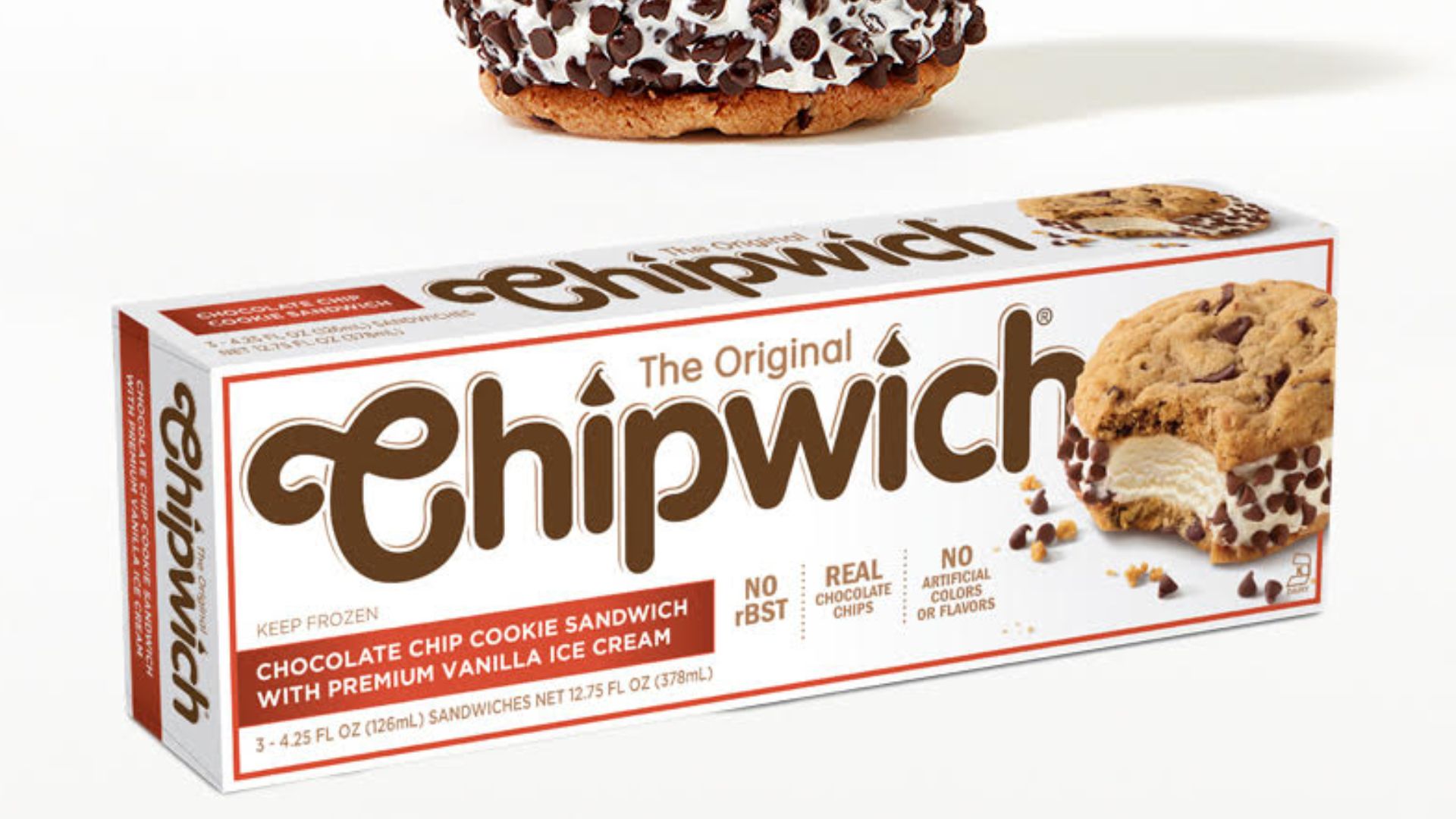 Crave Better Foods, LLC, Wikimedia Commons
Taco Bell Mexican Pizza
Taco Bell introduced the Mexican Pizza in 1985, combining seasoned fillings, tortillas, sauce, and cheese. In 2020, the company discontinued it to simplify operations and reduce packaging waste. Taco Bell said its packaging accounted for more than seven million pounds of paperboard annually in the US. Customer demand helped bring it back permanently in 2022.
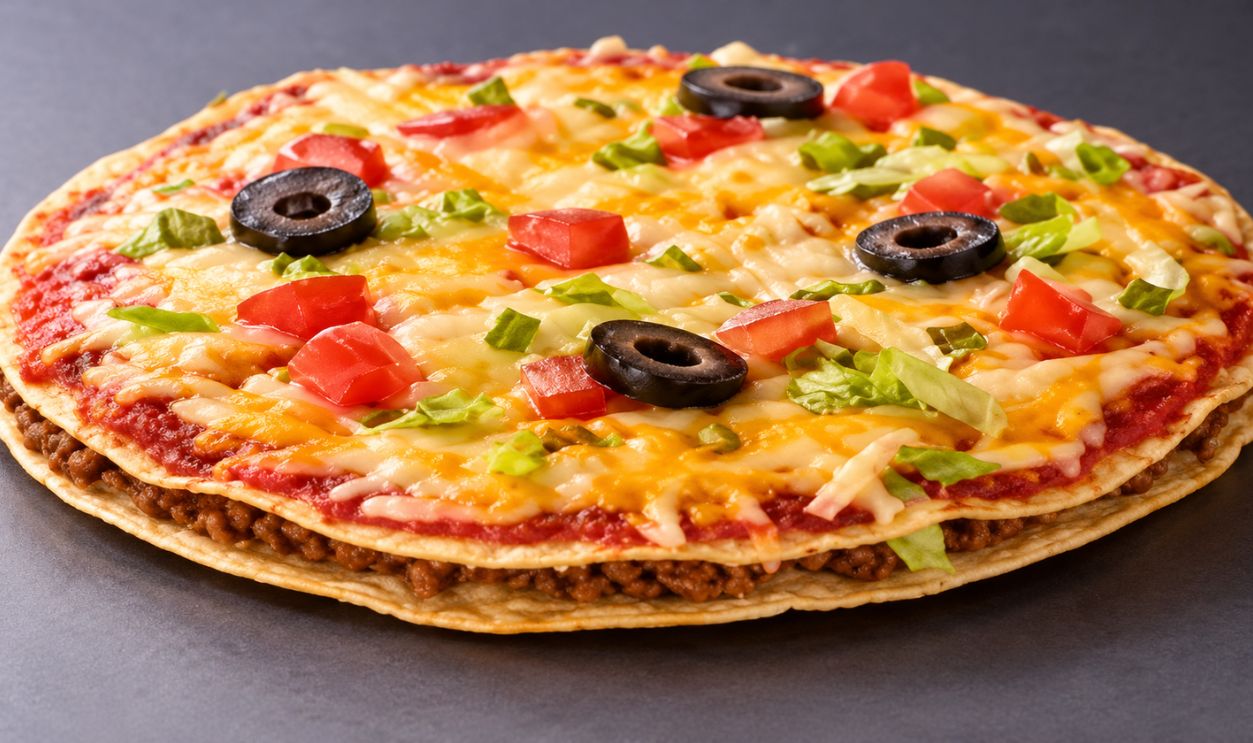 Screenshot from Taco Bell Mexican Pizza ad, Enhanced
Dannon Dannup
Dannon introduced Dannup in 1987, hoping to popularize drinkable yogurt in America as it had in Europe. Customers who tried it responded positively, but convincing enough people to sample the unfamiliar product proved difficult. The drink was discontinued in 1989 after failing to attract sufficient demand. The problem wasn't necessarily taste, but the cost of introducing Americans to a new way of enjoying yogurt.
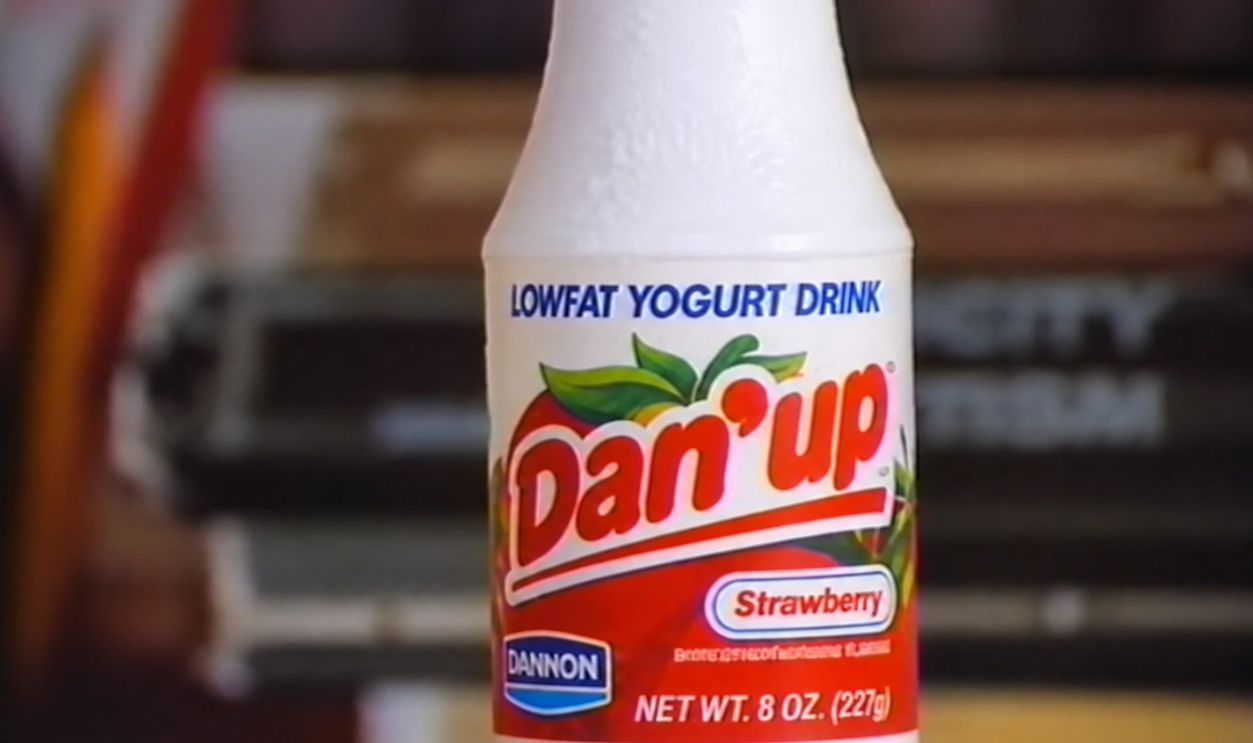 Screenshot from Dannon Dannup ad, Enhanced
Campbell's Fresh Chef
During the 1980s, Campbell's introduced Fresh Chef, a line of convenient refrigerated meals. Unlike traditional canned foods, the products required specialized distribution and constant refrigeration. The venture reportedly cost Campbell more than $20 million before being withdrawn. The company later tested a similar concept on a smaller scale, applying lessons from the experience.
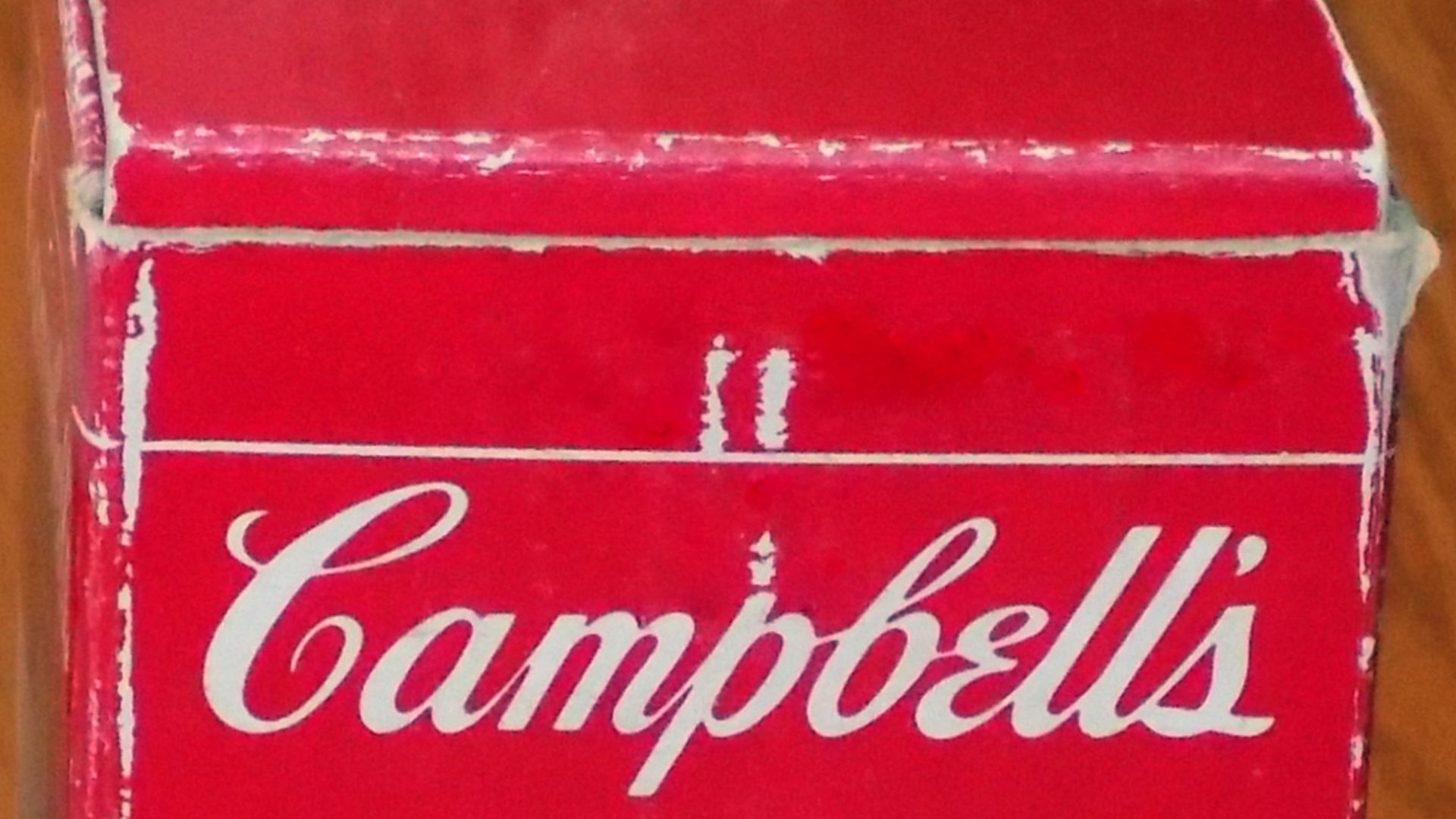 Joe Haupt from USA, Wikimedia Commons
Keebler Magic Middles Cookies
Introduced in 1989, Keebler's Magic Middles featured shortbread cookies filled with rich fudge. Despite becoming a nostalgic favorite, they disappeared during the 1990s. Keebler later attributed the decision to refreshing its product lineup rather than problems with the cookies themselves. The popular treats were apparently dropped to make room for new products.
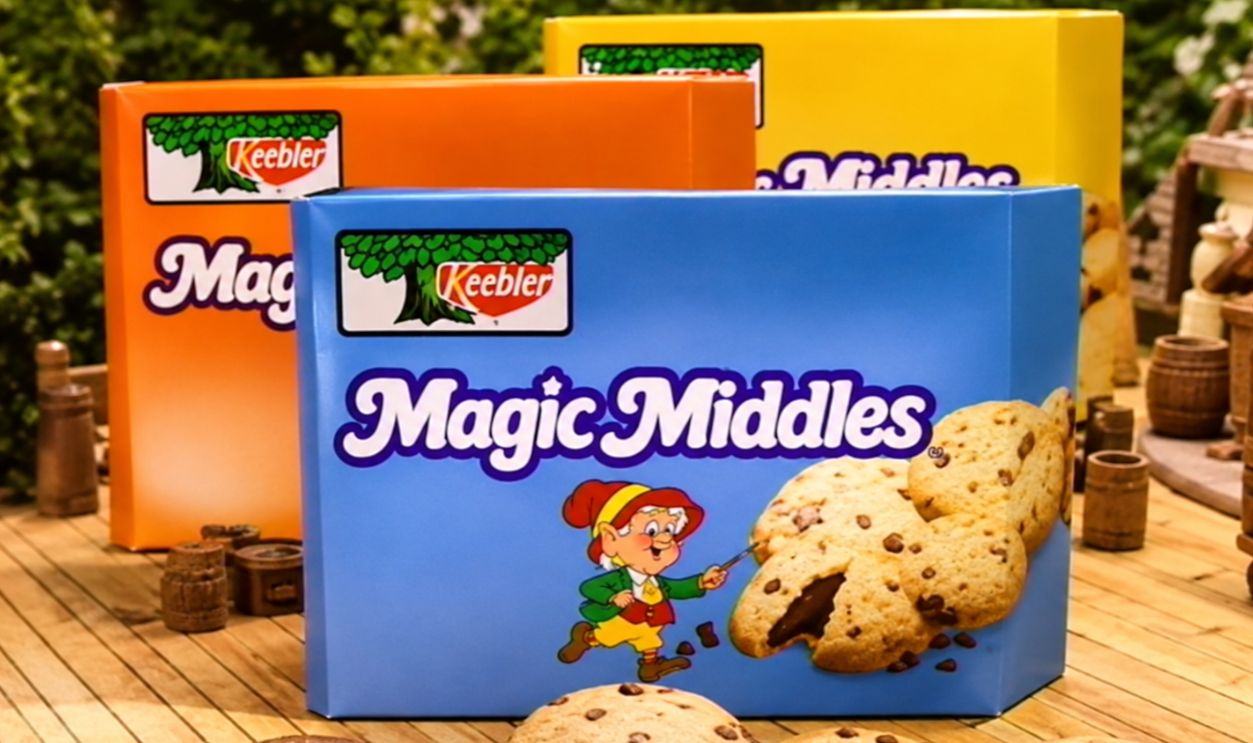 Screenshot from Keebler Magic Middles Cookies ad, Enhanced
Frozen Boboli Pizza Crust
Boboli's prepared pizza crusts offered busy families an easy way to make pizza at home during the 1980s. After General Foods acquired the company, it shifted attention toward selling the crusts fresh rather than frozen. That decision reduced the product's geographic availability because fresh distribution was more complicated. The frozen version disappeared from many supermarkets, even as the Boboli name continued.
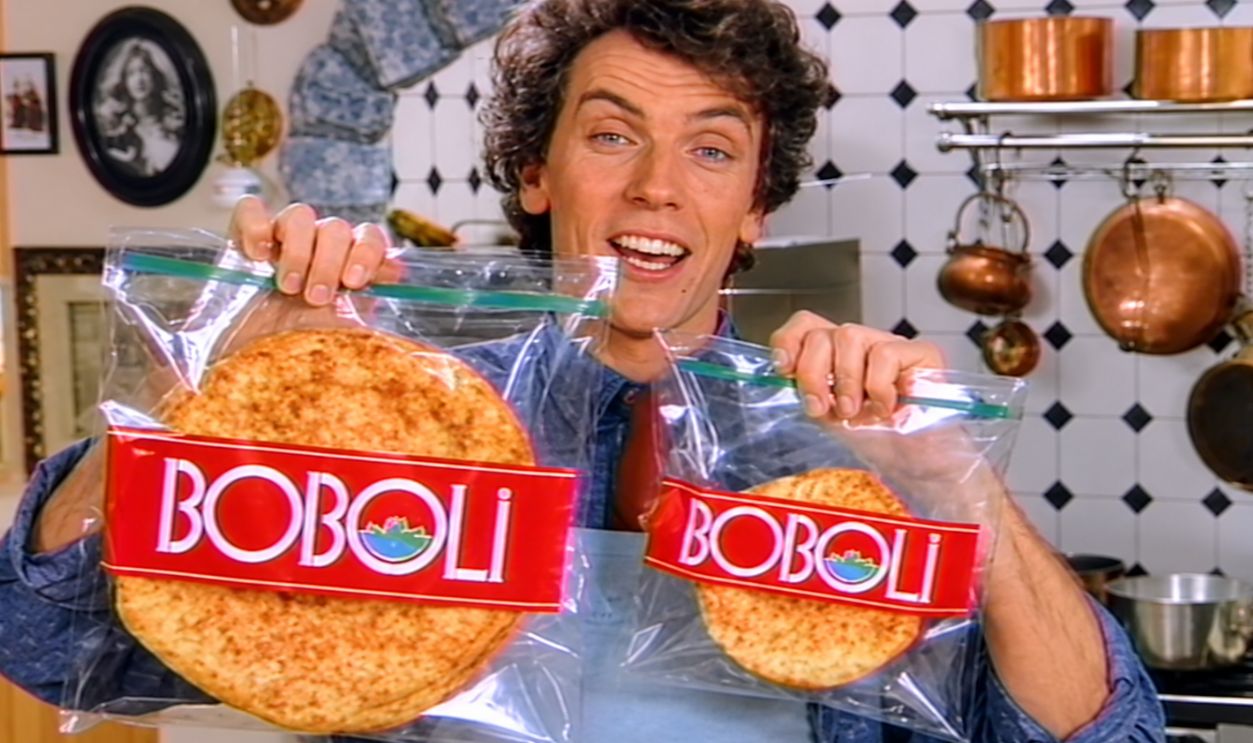 Screenshot from Boboli Pizza Crust ad, Enhanced
Duncan Hines Cookies
In 1983, Procter & Gamble introduced Duncan Hines cookies with crispy exteriors and soft, chewy centers. When competitors launched similar products, the company filed patent lawsuits, eventually securing a $125 million settlement in 1989. Ironically, despite winning in court, Procter & Gamble had already sharply reduced production amid intense competition. The original cookies eventually disappeared, making the legal victory bittersweet.
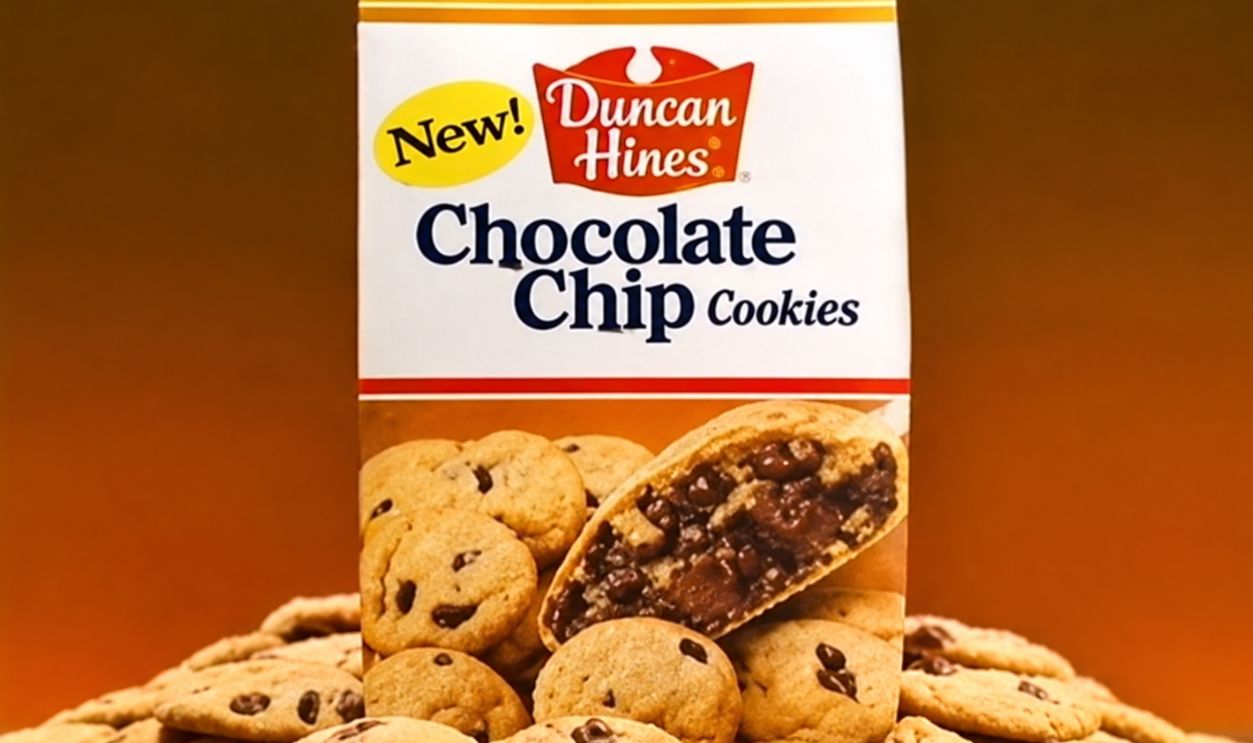 Screenshot from Duncan Hines Cookies ad, Enhanced
Ben & Jerry's Peanut Butter And Jelly
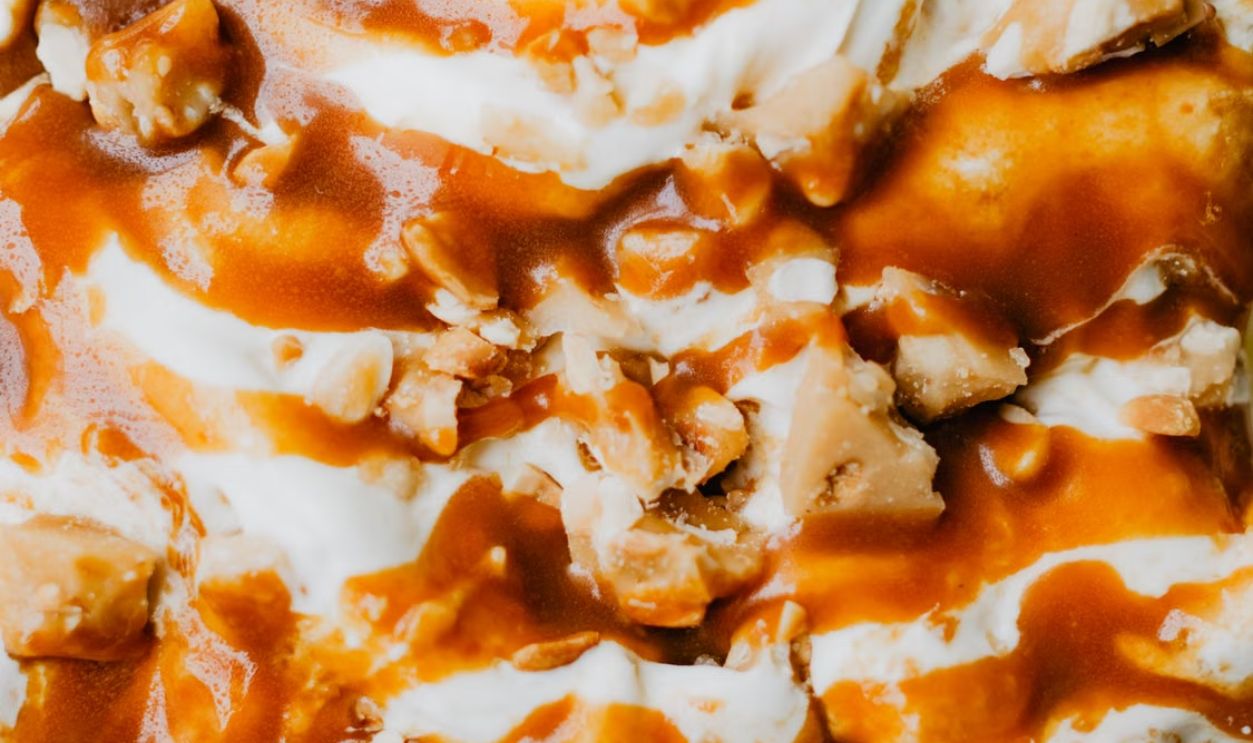
In 1989, Ben & Jerry's introduced a flavor combining peanut butter ice cream, peanut butter pieces, and strawberry jelly. Inspired by the classic sandwich, the unusual combination struggled to attract enough customers. It was discontinued in 1990 and later earned a spot in the company's Flavor Graveyard. Apparently, some beloved food combinations don't translate as well into ice cream.
McDonald's Original Beef-Tallow Fries
For decades, McDonald's cooked its famous french fries using beef tallow, giving them a distinctive flavor. But in 1990, amid growing concerns about saturated fat and a high-profile campaign by activist Phil Sokolof, the company announced it would switch to vegetable oil. The original recipe disappeared even though the fries remained enormously popular. Sometimes a beloved food doesn't need to leave the menu to disappear forever.
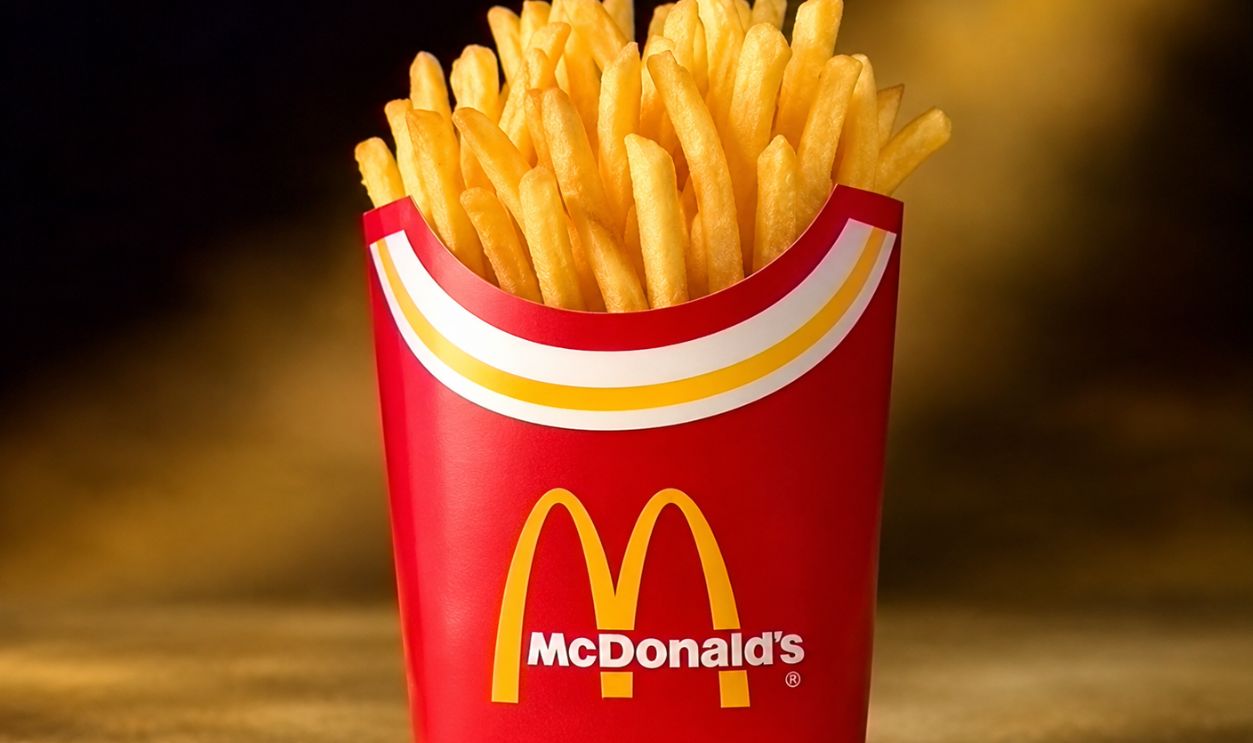 Screenshot from McDonald’s Fries ad, Enhanced
Why These 1980s Favorites Disappeared
Some of these foods were expensive to produce, others faced unusual marketing challenges, and a few simply didn't fit changing business priorities. What's remarkable is how often their disappearance had little to do with whether customers enjoyed eating them. Several eventually returned, proving that nostalgia can be a powerful force in the food business. Which forgotten 1980s favorite would you bring back today?
You May Also Like:
The Real Cost Of A Family Movie Night In The 1980s Compared With Today
Electronics Americans Saved Up For In The 1980s That Are Practically Worthless Today
Common Financial Advice From The 1980s That Will Almost Definitely Backfire In Today’s Economy