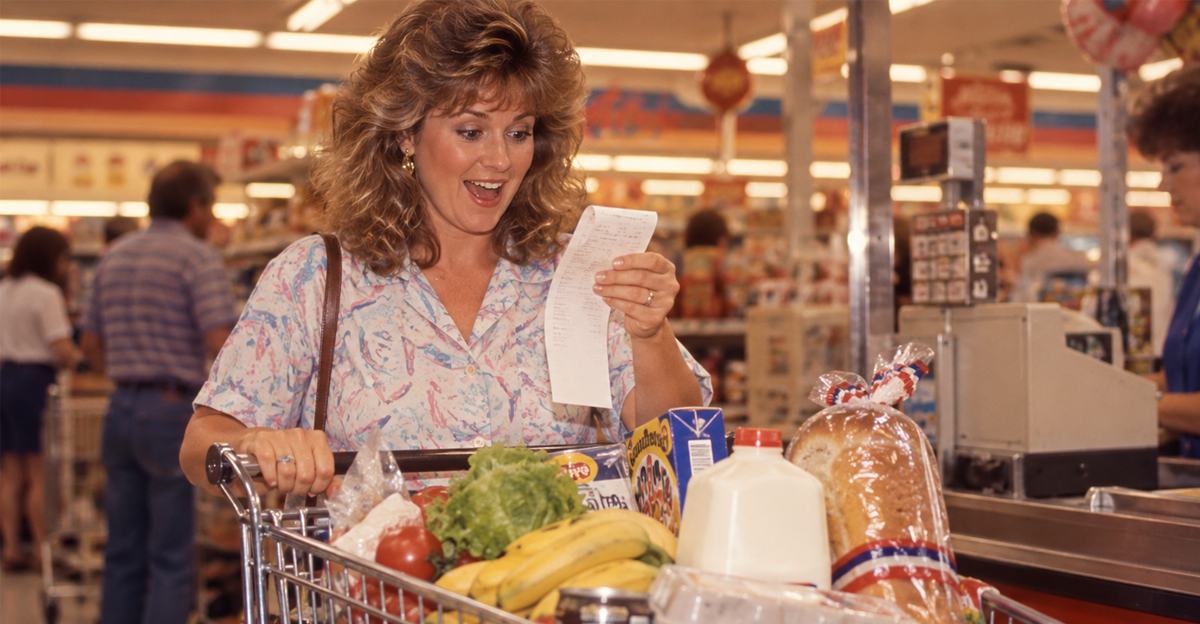
The Grocery Receipt Tells A Strange Story
Walk through a supermarket today and plenty of ordinary foods suddenly feel like little luxuries. Pull up grocery prices from the 1980s, and some of the old numbers look almost unbelievable. Of course, a dollar went much further back then, so these are not perfect apples-to-apples comparisons. Even with that caveat, though, some of those old supermarket prices are startling to see.
White Bread Was A True Cheap Staple
In 1986, the average retail price of white pan bread was about 56 cents per pound. Bread was the kind of basic purchase that could anchor breakfasts, lunches, and quick dinners without demanding much of the grocery budget. Modern shoppers can still find inexpensive loaves, but bread prices have climbed enormously in sticker-price terms since then. Yet bread was hardly the cheapest thing hiding in that old grocery cart.
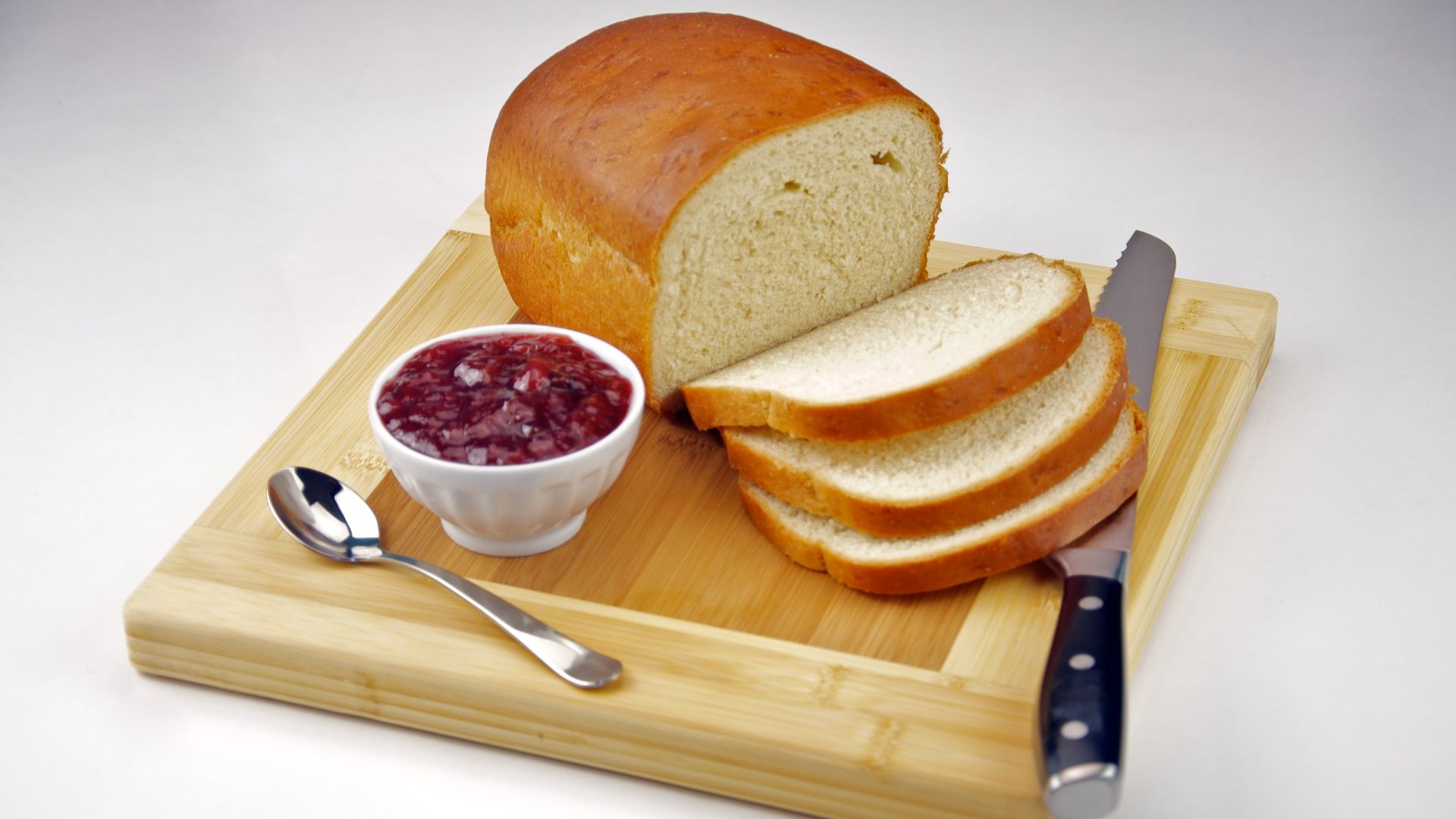 Evan Swigart from Chicago, USA, Wikimedia Commons
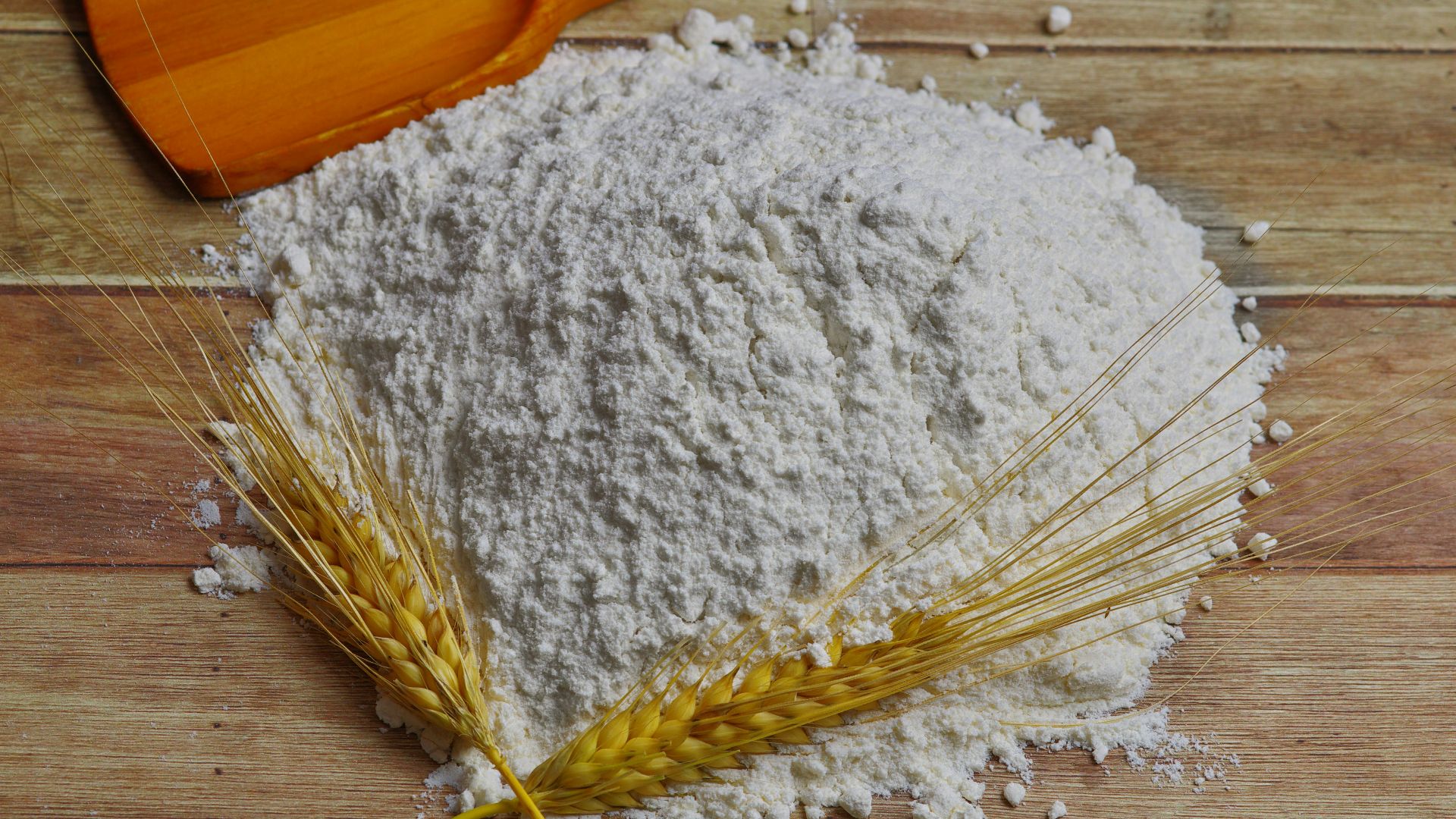
Flour Cost Almost Pocket Change
A pound of white all-purpose flour averaged roughly 21 cents in 1986. That helped make home baking an inexpensive way to turn a few pantry ingredients into bread, biscuits, cakes, and other family staples. Flour remains relatively affordable today, but seeing that old 21-cent figure makes a modern bag look very different. And another pantry workhorse came with an equally nostalgic price tag.
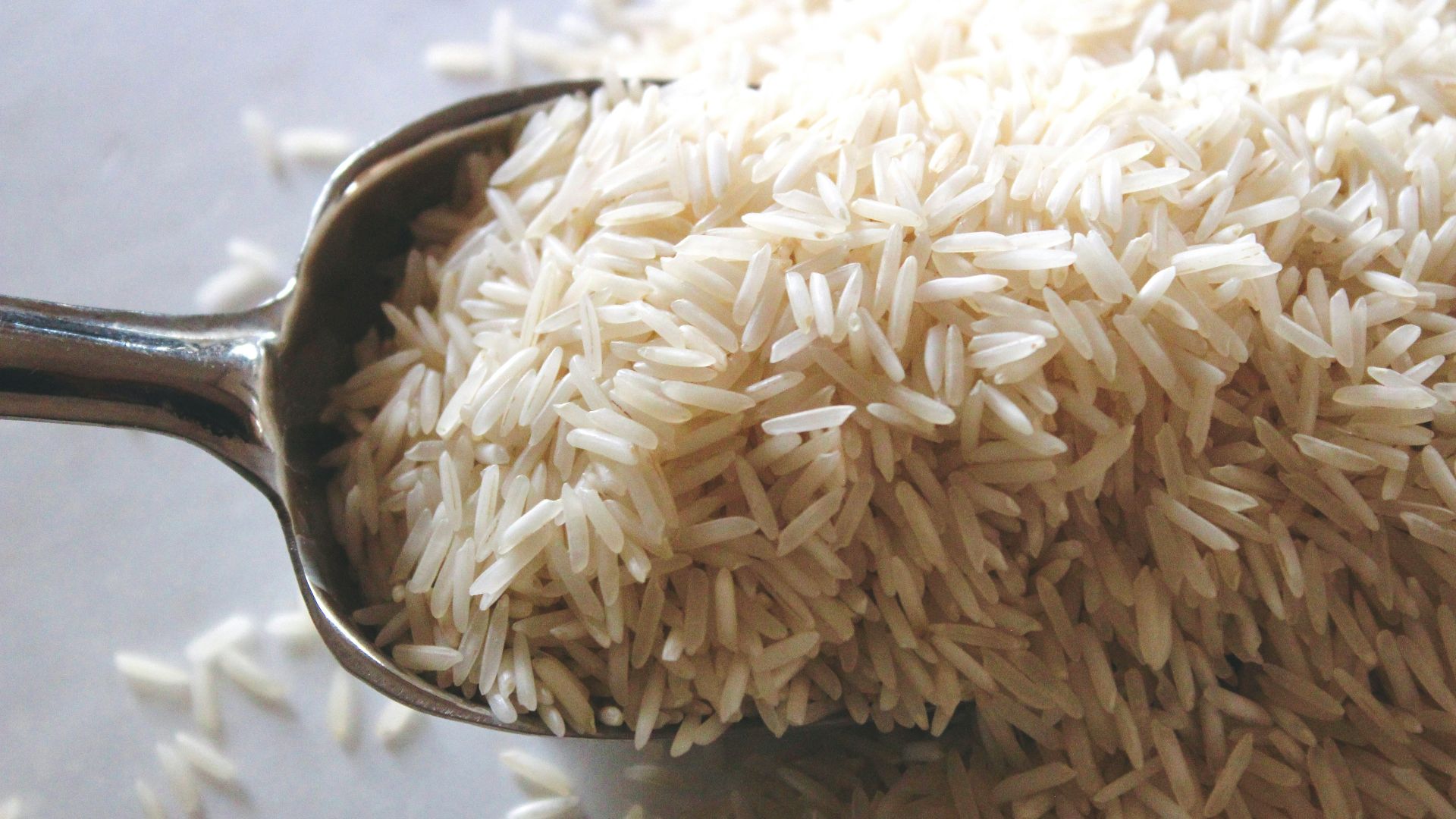
Rice Was Another Budget Workhorse
Long-grain white rice averaged about 45 cents per pound in 1986. It was inexpensive, filling, shelf-stable, and flexible enough to stretch everything from leftover meat to vegetables. Rice is still one of the better budget foods in many supermarkets, making it less painful than some items on this list. Pasta, however, offers an even stronger flash of old-fashioned grocery-store nostalgia.
Pasta Could Feed A Family Cheaply
Spaghetti and macaroni averaged around 74 cents per pound in 1986. Pair a box of noodles with an inexpensive sauce, and dinner could be on the table without taking a huge bite out of the week's food money. Pasta remains a budget favorite today, but those old shelf prices still look awfully inviting. Things get considerably more dramatic once we leave the pantry and reach the meat counter.

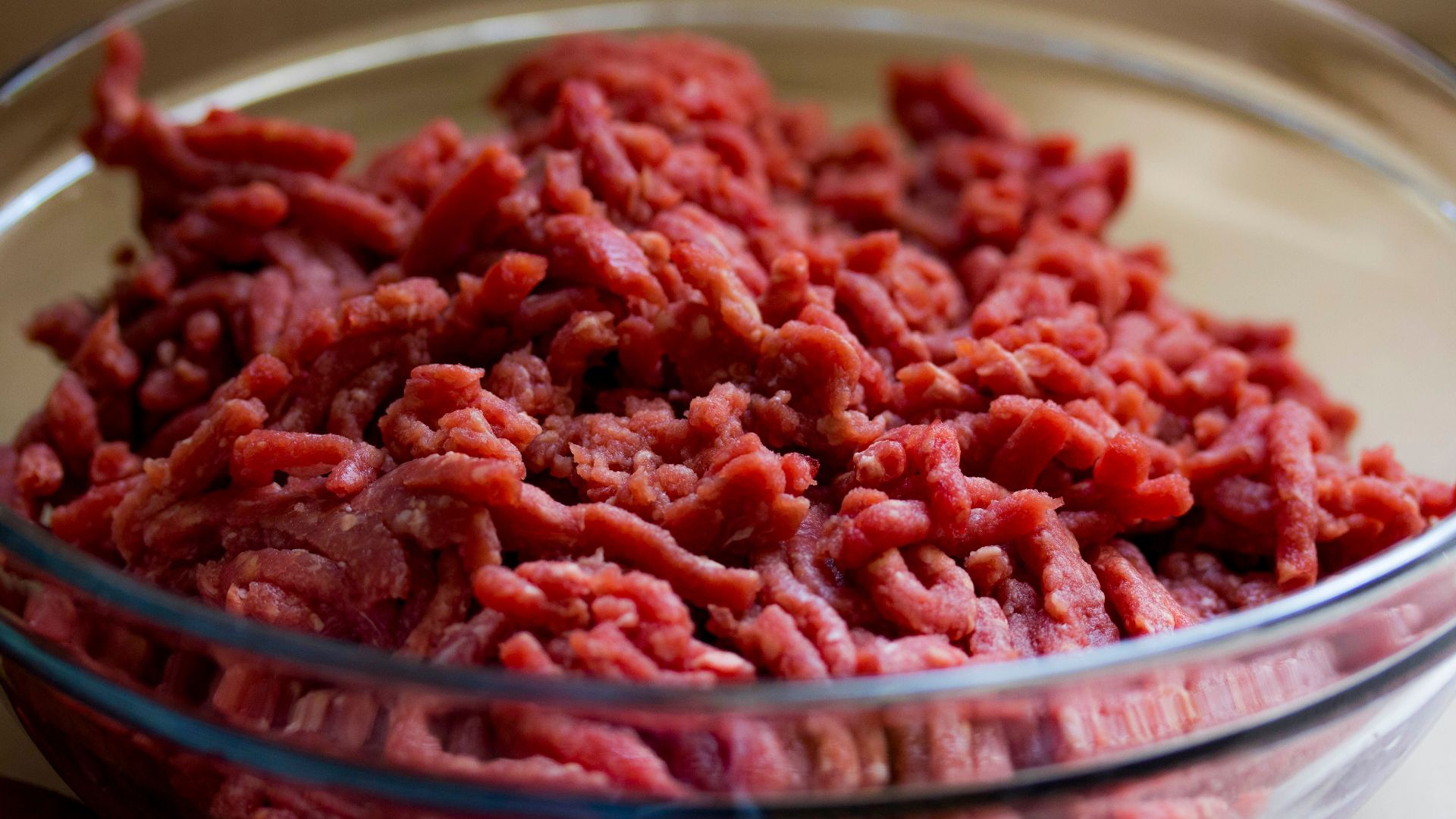
Ground Beef Felt Like Everyday Food
Regular ground beef averaged roughly $1.23 per pound in 1986. Prices like that helped make hamburgers, meatloaf, tacos, and casseroles familiar fixtures of family cooking. Today, beef is one of the foods most likely to produce sticker shock, and ground beef prices were still substantially higher in August 2026 than a year earlier. But ground beef is only the beginning of the modern meat-counter shock.
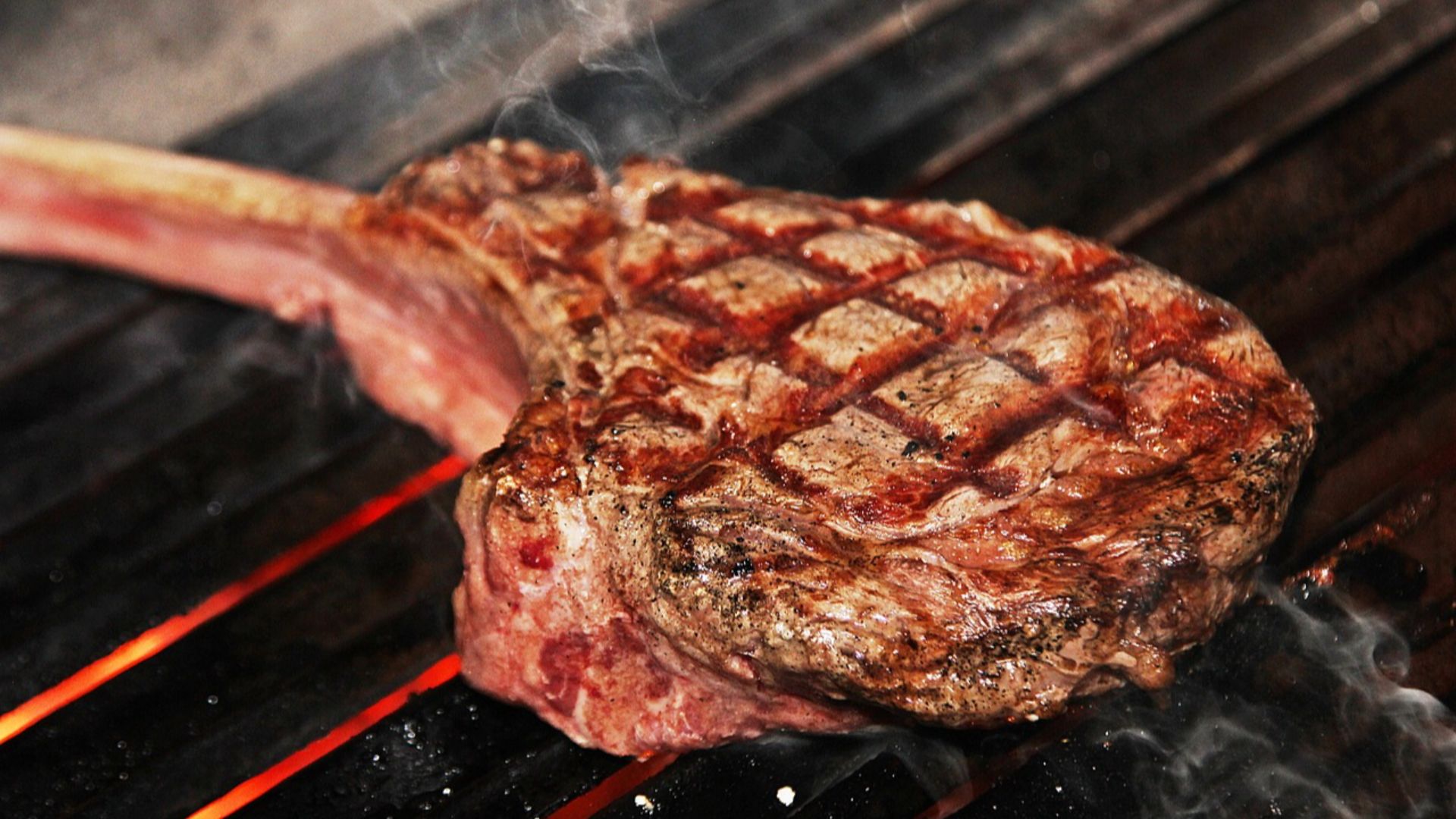
Steak Did Not Always Feel So Fancy
A USDA Choice T-bone steak averaged just under $4 per pound in 1986, while sirloin was around $3 per pound. Those certainly were not throwaway prices for a 1980s household, but the numbers look startling beside many modern steak-counter tags. Beef and veal prices were still rising faster than overall grocery prices in 2026. And the sticker shock does not disappear when you move away from steak.
Bacon Was Easier To Toss In The Cart
Sliced bacon averaged about $2.08 per pound in 1986. Bacon prices bounced around even during that decade, so grocery-price frustration certainly is not a modern invention. Still, seeing an old bacon price beginning with a two can be painful for anyone who has recently stood in front of the refrigerated case. Another familiar pork dinner tells much the same story.
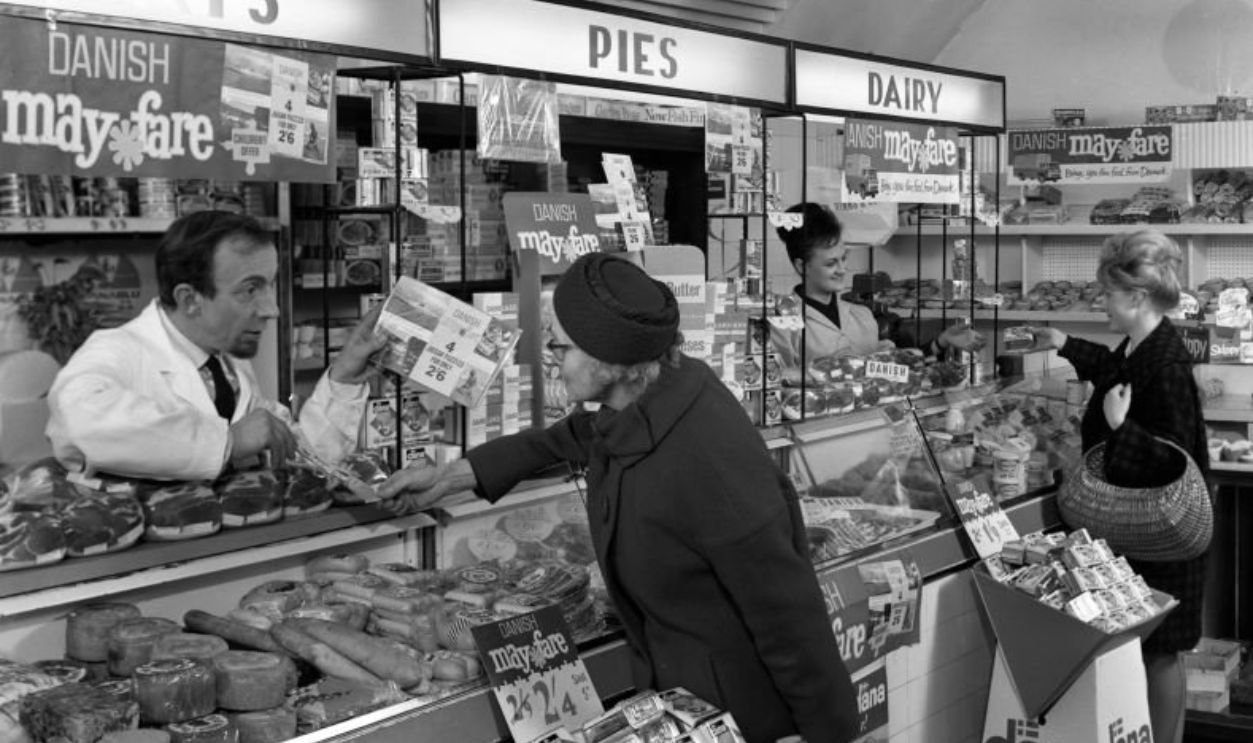
Pork Chops Were A Weeknight Mainstay
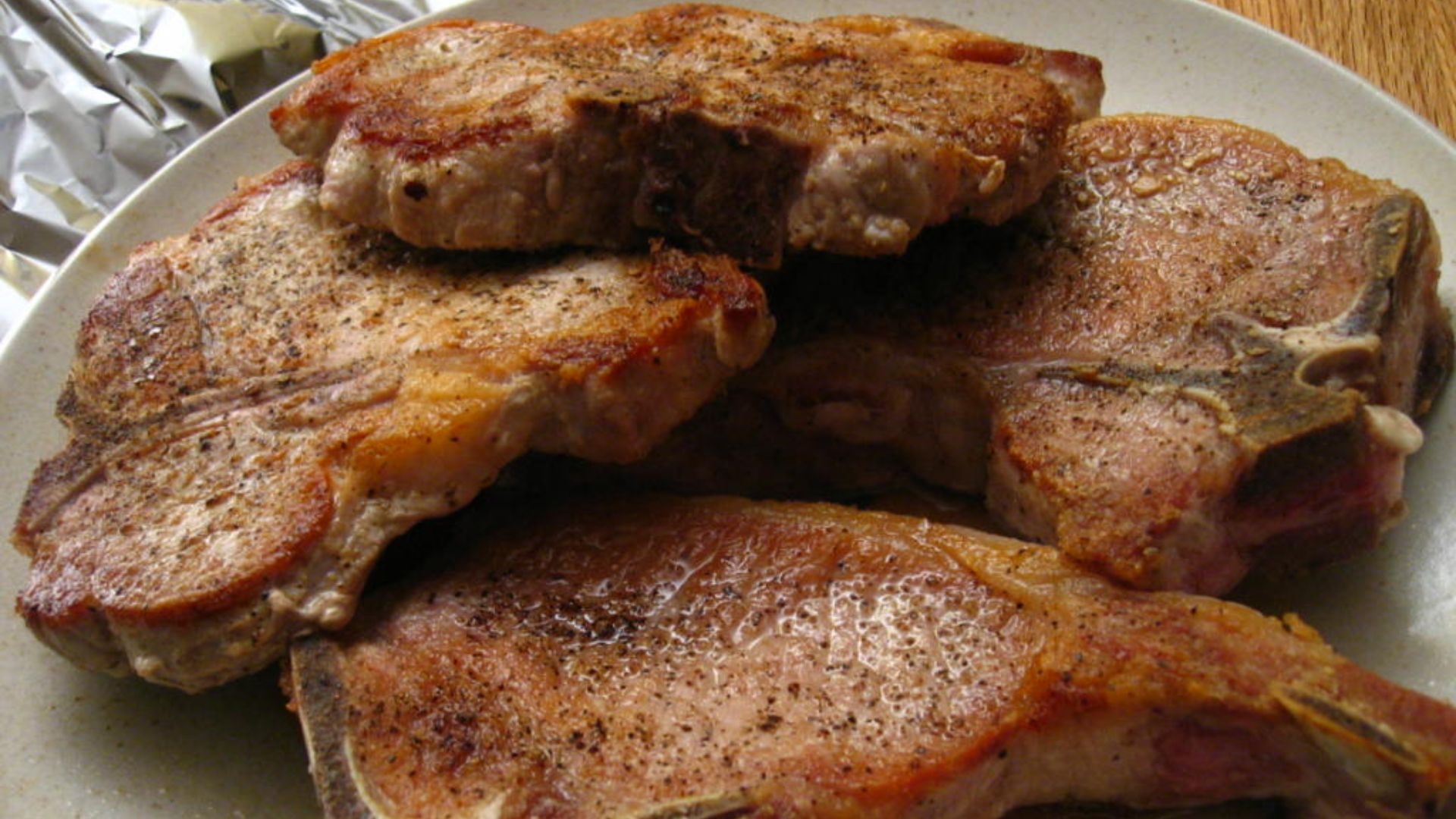
Center-cut bone-in pork chops averaged around $2.59 per pound in 1986. That put them within reach as a straightforward family dinner rather than something resembling a premium steak purchase. Pork can still be cheaper than many beef cuts today, but buying enough chops for several people can add up surprisingly quickly. Chicken, meanwhile, provides an interesting counterpoint.
 penny from Oakland, California, USA, Wikimedia Commons
Whole Chicken Was Hard To Beat
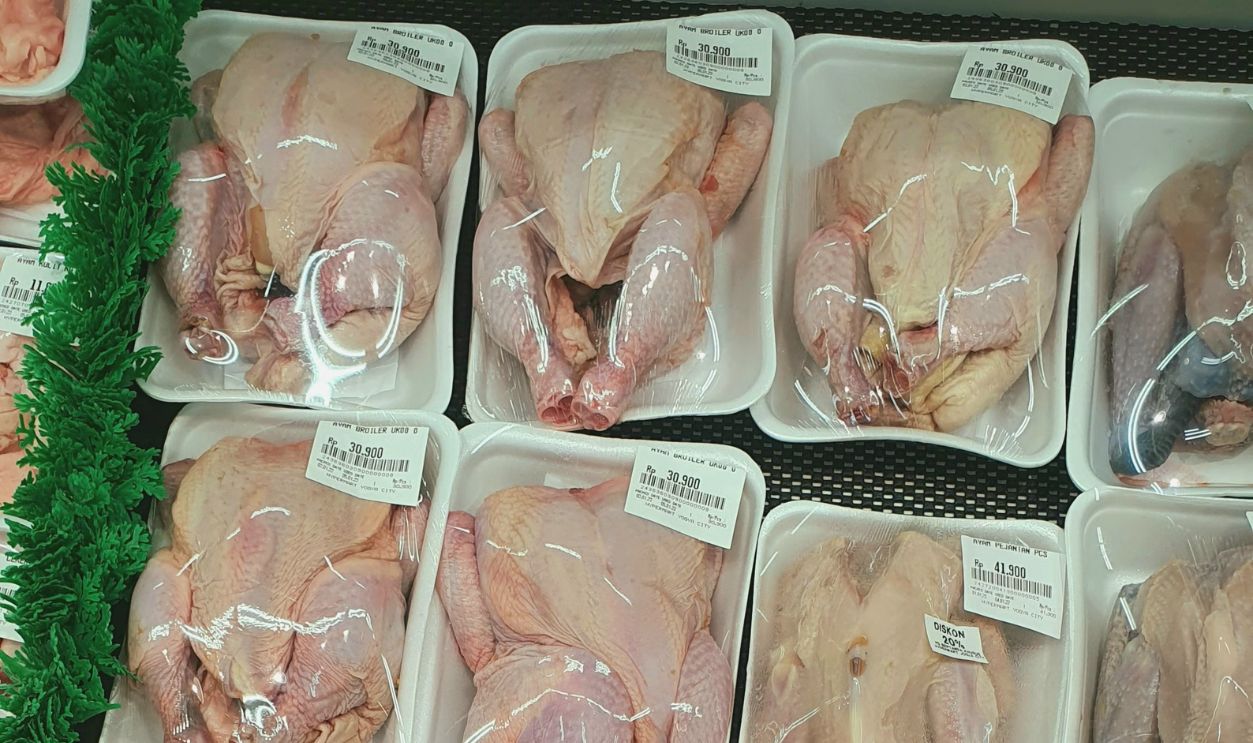
A fresh whole chicken averaged about 84 cents per pound in 1986. Roasting one could produce dinner, leftovers, sandwiches, and even the beginnings of soup from a single purchase. Chicken remains one of America's more economical animal proteins, and BLS data actually showed chicken prices lower in August 2026 than a year earlier. Eggs have followed a much wilder path.
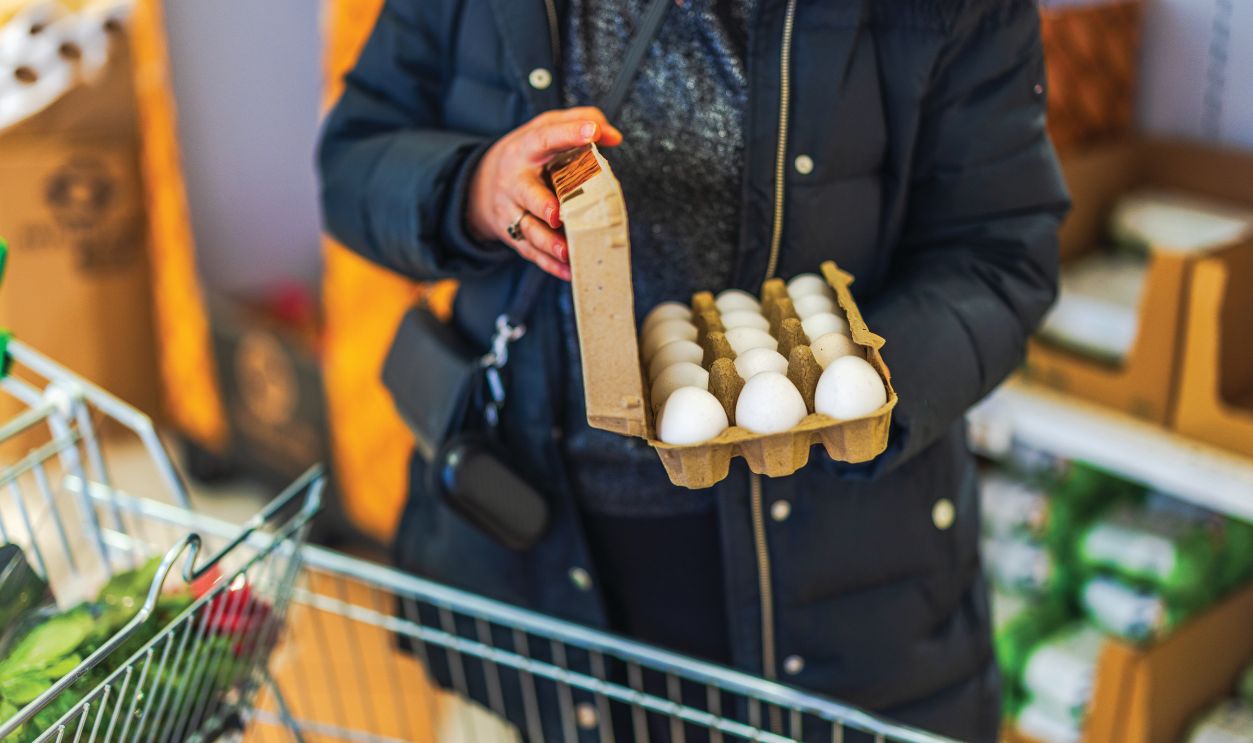
Eggs Could Cost Less Than A Dollar
A dozen large Grade A eggs averaged about 87 cents in 1986. That price helps explain their enduring reputation as an inexpensive answer for breakfast, baking, sandwiches, and quick dinners. Modern egg shoppers have endured dramatic price swings, including steep increases followed by significant declines. Few basic grocery items have demonstrated quite so clearly how quickly an ordinary staple can suddenly become a checkout headache.
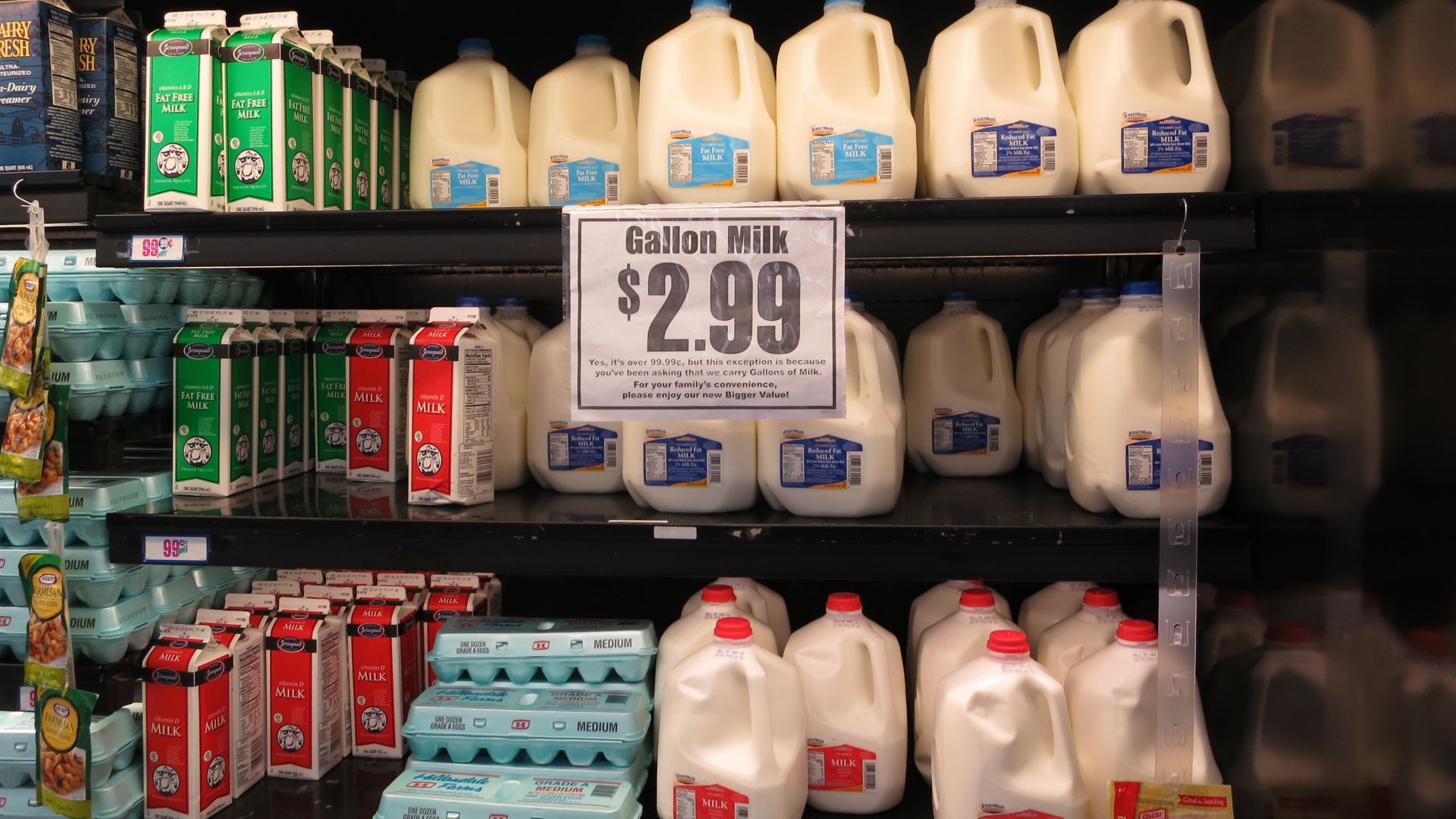
Milk Was A Quiet Budget Regular
A half-gallon of whole milk averaged about $1.11 in 1986. Milk was such a routine refrigerator staple that many households bought it without treating it like much of a decision. By August 2026, milk prices were again higher than they had been a year earlier. But one of its dairy-aisle neighbors was never quite as cheap as nostalgia might suggest.
 Chiara Coetzee, Wikimedia Commons
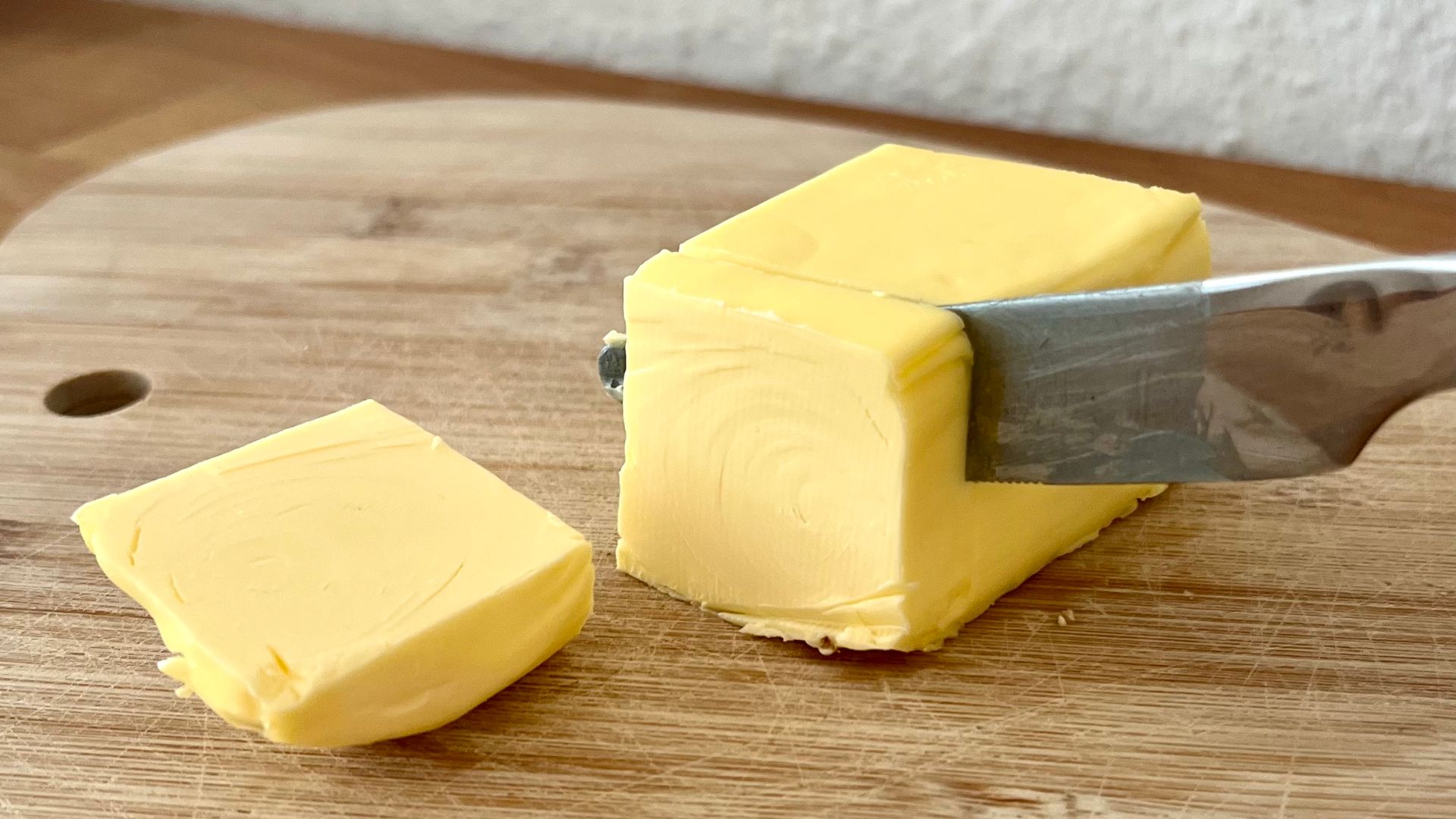
Butter Was Pricey Even Then
A pound of Grade AA stick butter averaged roughly $2.15 in 1986. Compared with flour, potatoes, or bread, butter was already one of the pricier basics in the shopping cart. Even so, that old sticker price can look gentle beside what shoppers often encounter today. Cheese proves that the dairy aisle was not exactly giving everything away.
 Julikalucky, Wikimedia Commons
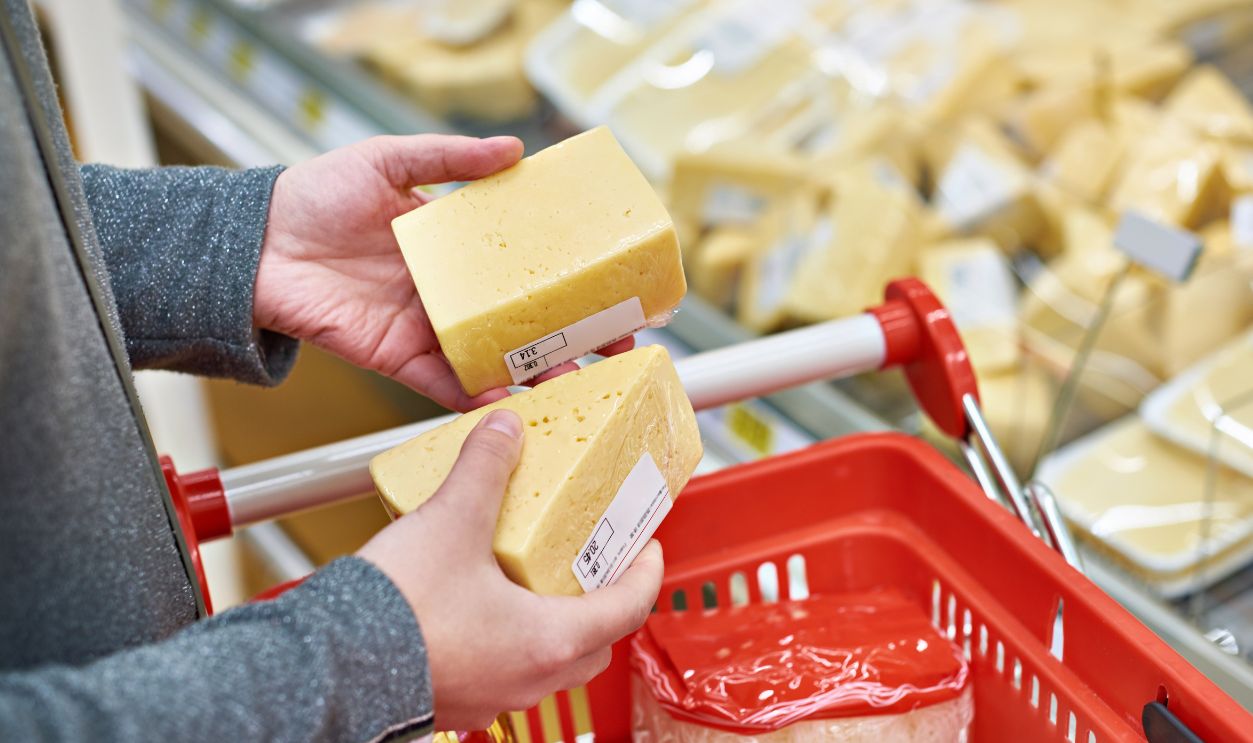
Cheese Wasn't Exactly Cheap
Natural cheddar averaged about $3.05 per pound in 1986, while processed American cheese averaged roughly $2.60. That made cheese noticeably pricier than many pantry staples, even if it remained familiar territory for sandwiches, casseroles, and snacks. Interestingly, cheese was one of the grocery categories costing less in August 2026 than a year earlier. The freezer aisle offers a more nostalgic comparison.
Ice Cream Came In Big Containers
A half-gallon of prepackaged ice cream averaged about $2.36 in 1986. The striking part is not just the price, but seeing a full half-gallon attached to it. Today's freezer aisle can make that combination of size and sticker price feel especially nostalgic. And once you leave frozen desserts for the produce section, the numbers get smaller still.
 Colleen Michaels, Shutterstock
Apples Were Well Under A Dollar A Pound
Red Delicious apples averaged about 77 cents per pound in 1986. They were not the absolute cheapest produce item, but they were affordable enough to become a familiar lunchbox and fruit-bowl staple. Produce prices moved with seasons, weather, and harvests then just as they do today. But one fruit was so inexpensive that even decades of inflation have struggled to make it feel costly.

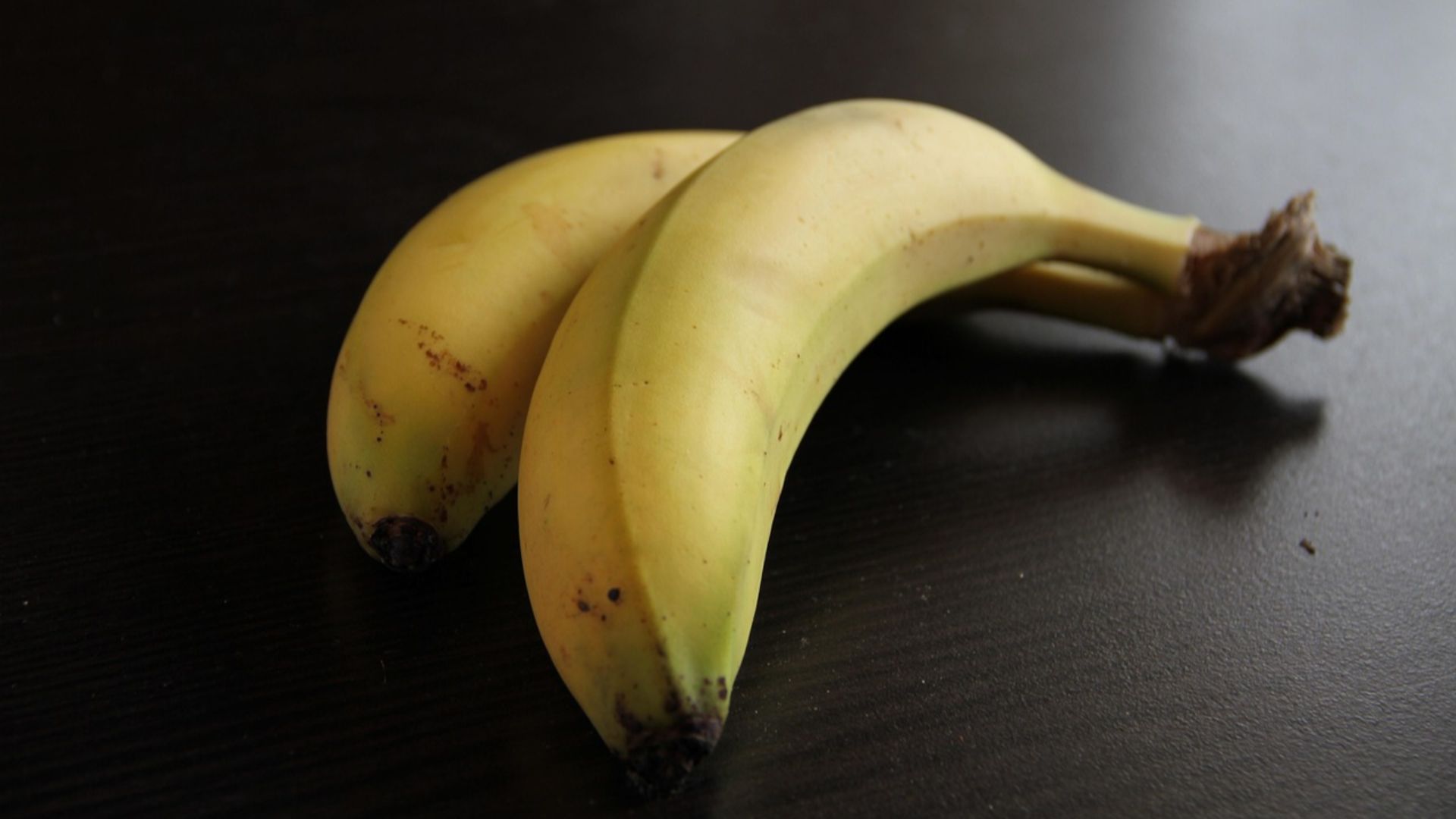
Bananas Somehow Escaped The Worst Of It
Bananas averaged just 38 cents per pound in 1986. Unlike many foods on this list, they remain remarkably inexpensive today compared with most other fresh fruit. That makes bananas the strange exception here rather than another straightforward tale of sticker shock. Oranges have had a much bumpier journey.
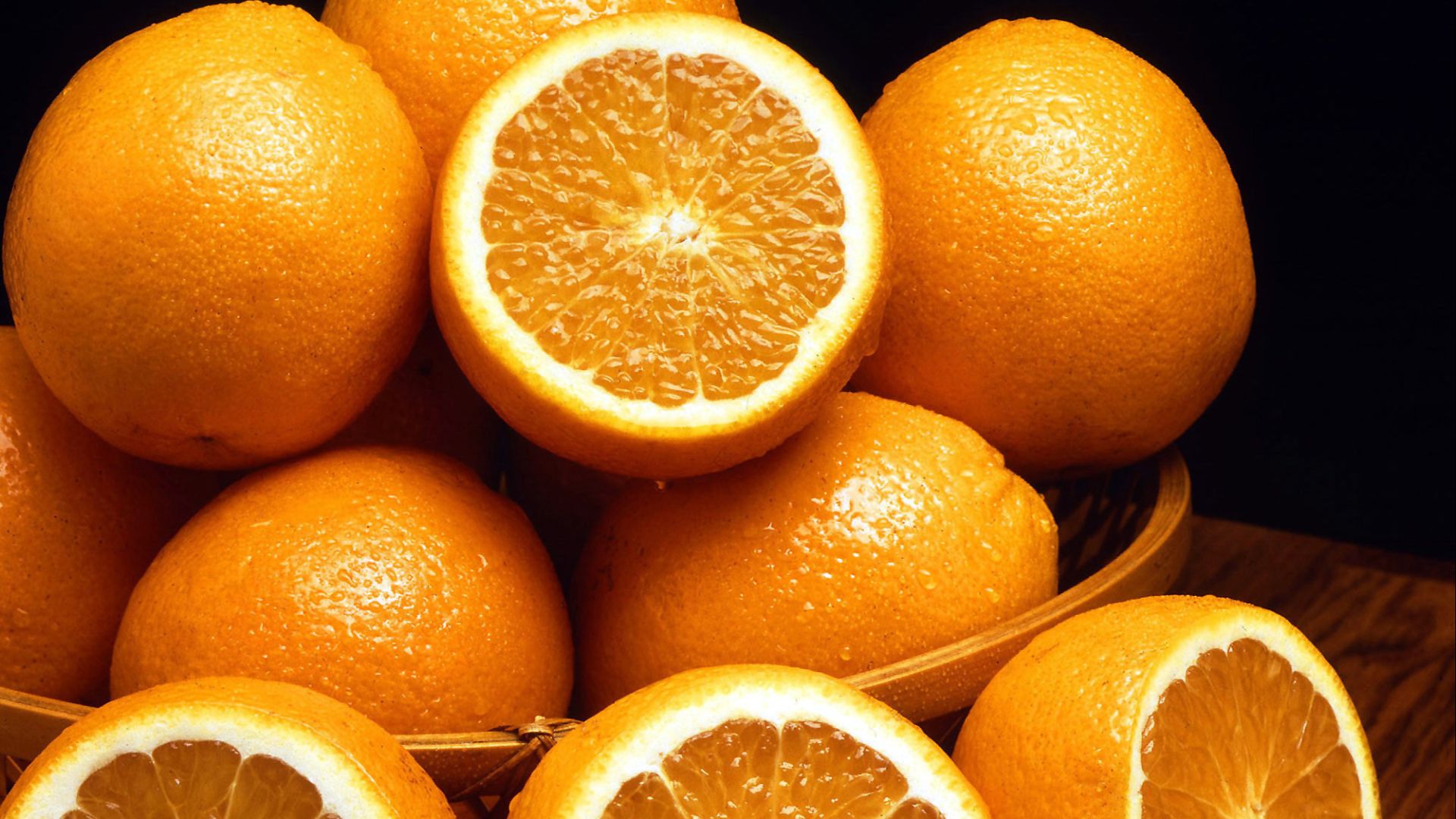
Oranges Cost Less Than Fifty Cents A Pound
Navel oranges averaged approximately 48 cents per pound in 1986. Of course, fruit prices could jump when crops were damaged or supplies tightened, and 1980s shoppers were not immune to those surprises. Weather and supply disruptions sent some produce prices higher later in the decade. Few vegetables, though, started from a price as low as potatoes.
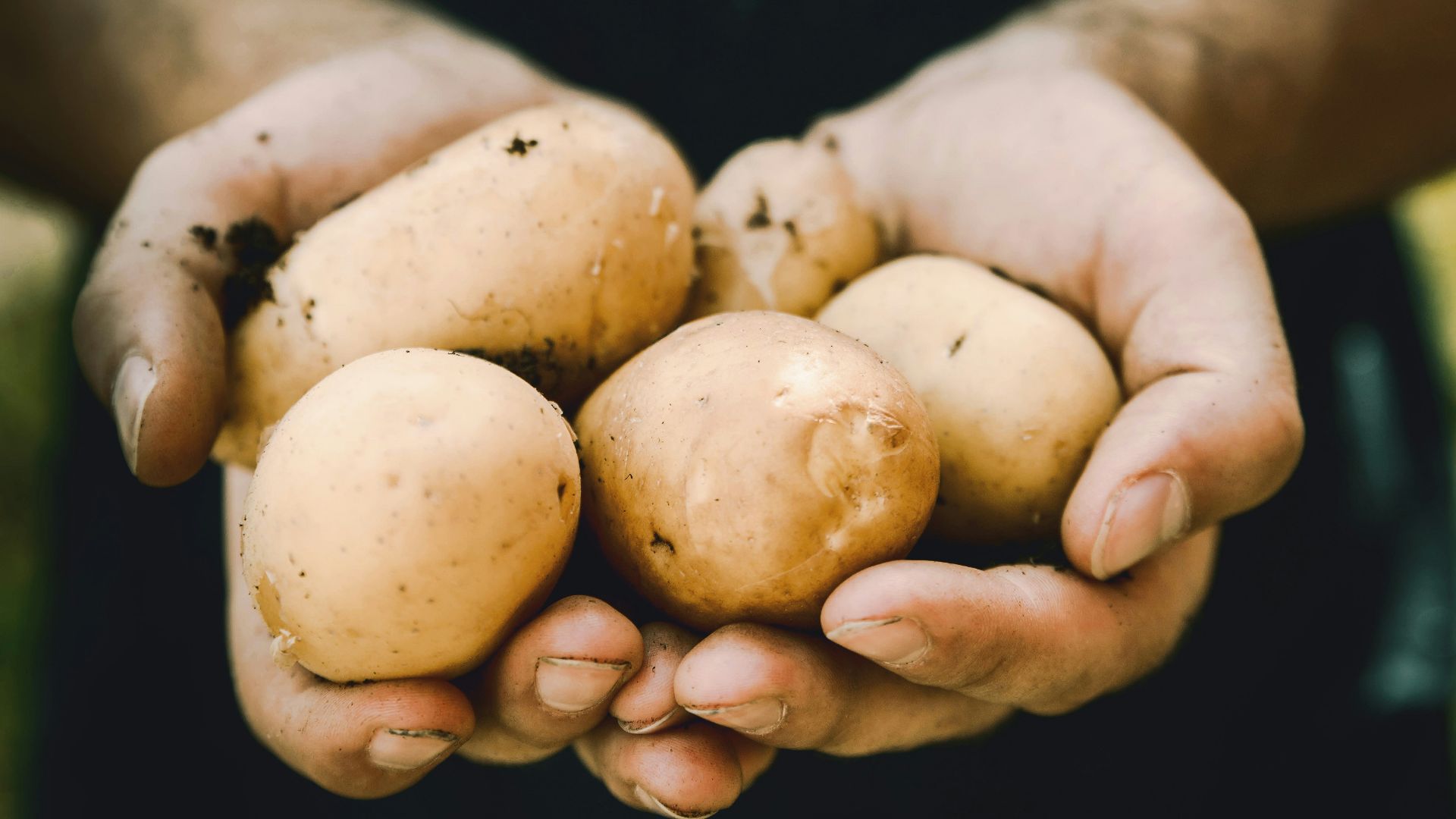
Potatoes Were Almost Shockingly Inexpensive
White potatoes averaged about 24 cents per pound in 1986. At that price, five pounds worked out to only around $1.20, providing the base for baked potatoes, mashed potatoes, fries, soups, and countless other meals. Potatoes remain a classic budget food today, but that old five-pound calculation is hard to ignore. Tomatoes show how different even everyday produce prices once looked.
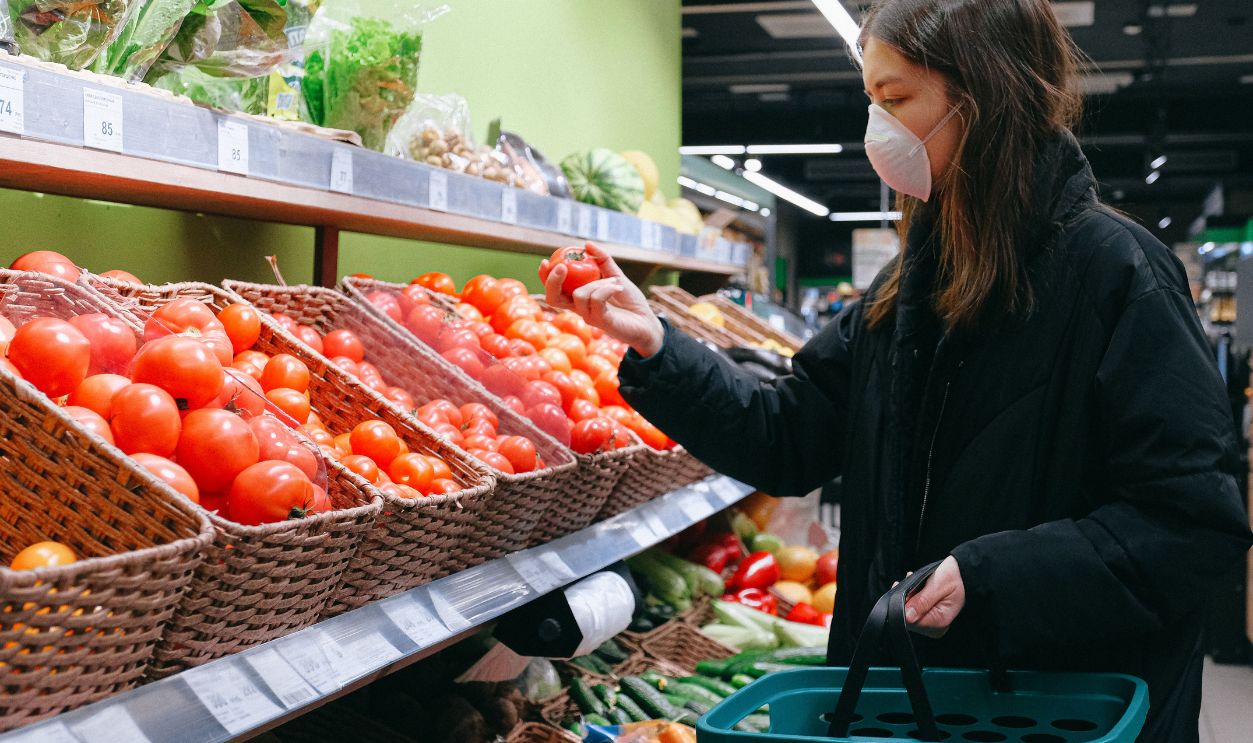
Tomatoes Stayed Below A Dollar
Field-grown tomatoes averaged roughly 82 cents per pound in 1986. Their prices could still jump when freezes, bad growing conditions, or disrupted shipments reduced supplies. In other words, shoppers back then absolutely knew temporary produce sticker shock. They were simply starting from numbers that can look remarkably low to modern eyes.
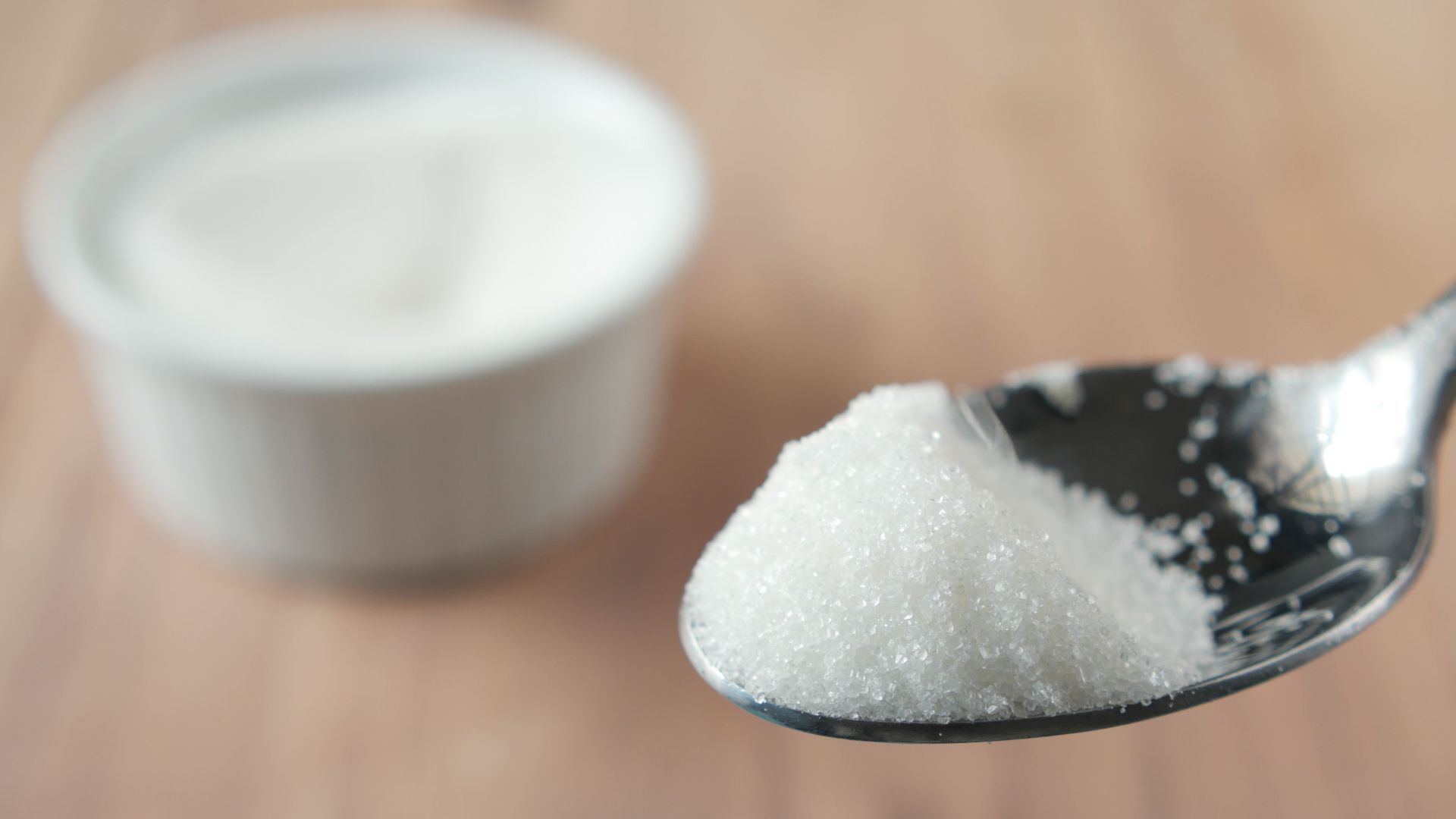
Sugar Cost About Thirty-Five Cents A Pound
White sugar averaged about 35 cents per pound in 1986. At that price, keeping the pantry stocked for baking, desserts, and sweetening coffee was hardly the biggest threat to a grocery budget. Sugar does not command the same attention at checkout as steak or eggs, but its old price is another reminder of just how different those shelf tags looked. And one classic lunch depended on several inexpensive staples coming together.
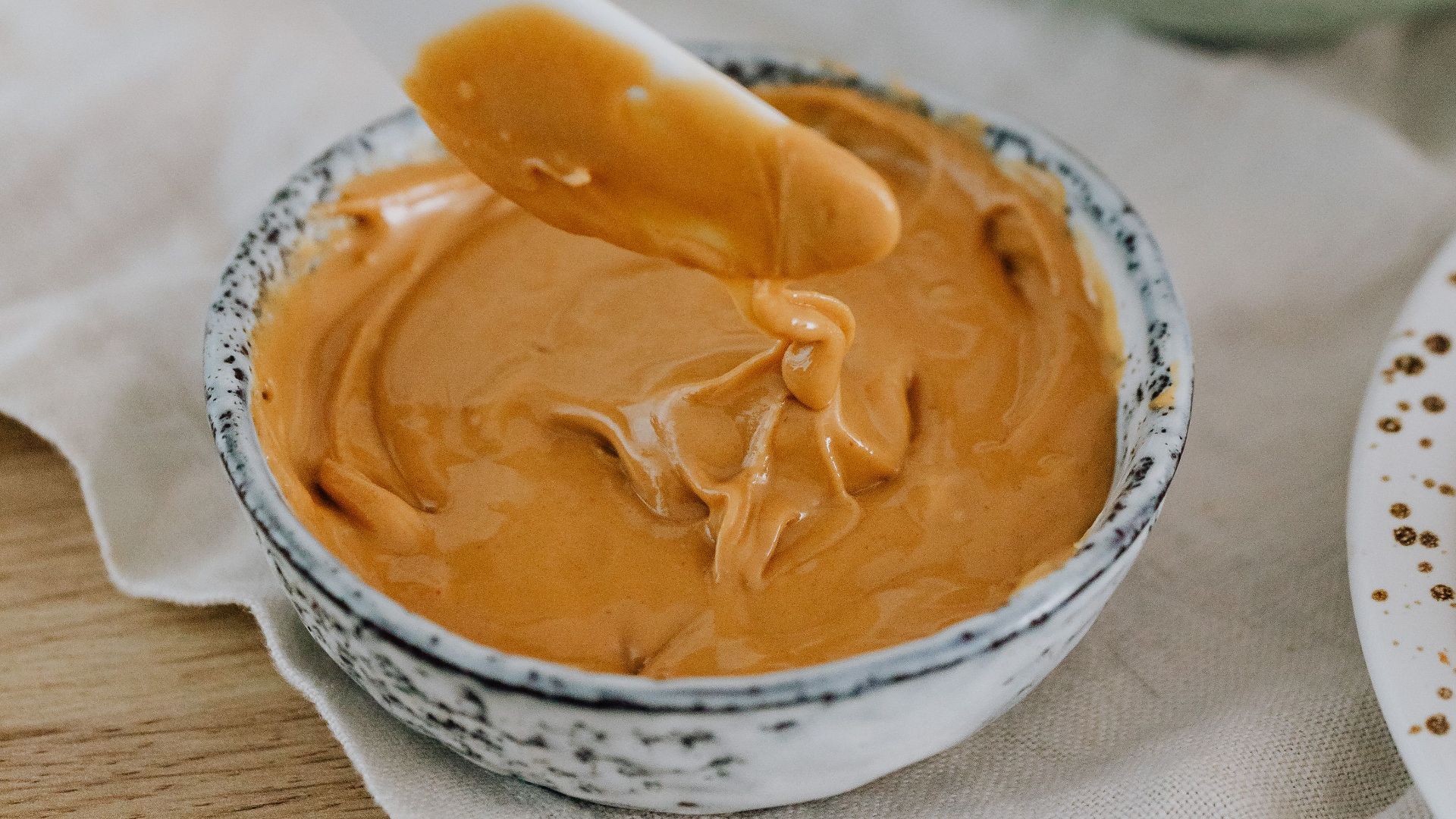
Peanut Butter Stretched A Grocery Budget
Creamy peanut butter averaged about $1.60 per pound in 1986. Combine it with inexpensive bread, and you had the foundation of one of America's classic cheap lunches. Peanut butter remains a dependable pantry staple, but its old sticker price still provides a jolt of nostalgia. Coffee, on the other hand, was already showing shoppers that cheap groceries could never be taken for granted.
 https://kaboompics.com/, Pexels
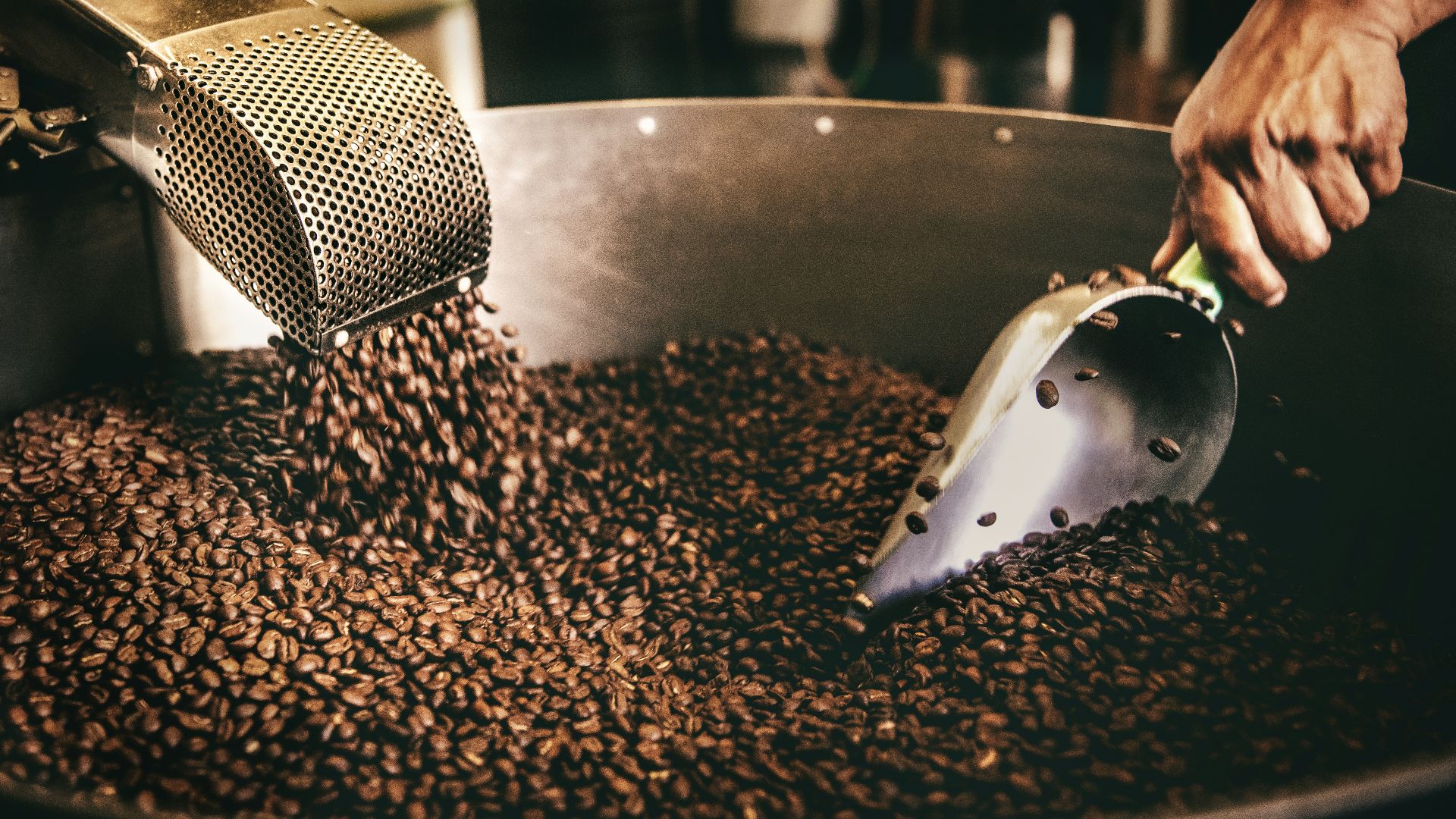
Coffee Could Suddenly Get Expensive
Ground roasted coffee averaged about $3.43 per pound in 1986. USDA researchers noted that coffee prices surged during the period after reduced Brazilian supplies tightened the market. In other words, even shoppers with feathered hair and cassette players knew the pain of an international commodity-price shock. Fortunately, the snack aisle offered some less intimidating numbers.
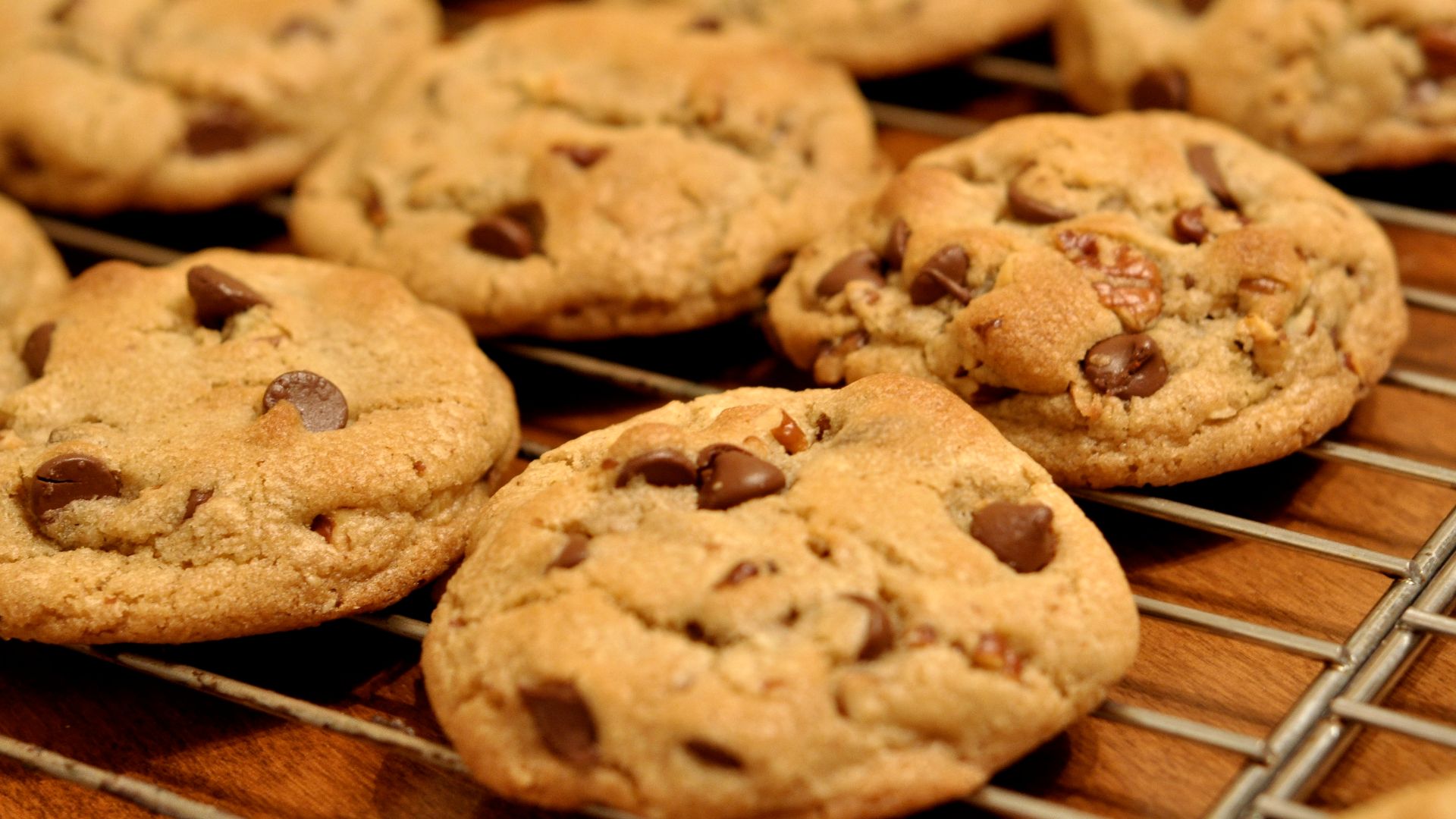
Cookies Were A Modest Splurge
Chocolate chip cookies averaged roughly $1.99 per pound in 1986. They cost considerably more than bread or flour, so tossing cookies into the cart was not exactly the same as buying a bare-bones staple. Still, that old price looks appealing beside plenty of modern packaged snacks, and cookie prices were about 5% higher in August 2026 than a year earlier. The lunch aisle had another familiar budget favorite.
 Kimberly Vardeman from Lubbock, TX, USA, Wikimedia Commons
Tuna Was A Dependable Pantry Meal
Light chunk tuna averaged about $2 per pound in 1986. A few cans in the cupboard meant sandwiches, casseroles, and other quick meals were available without another trip to the store. Tuna still offers that convenience, although processed seafood prices were among the grocery categories rising in 2026. Hot dogs were even more closely associated with inexpensive family cooking.

Hot Dogs Were Everyday Food
Frankfurters averaged about $1.93 per pound in 1986. They fit naturally into cookouts, children's lunches, and quick weeknight dinners without pretending to be anything fancy. By August 2026, frankfurter prices were higher than they had been a year earlier. Even foods with a reputation for being cheap are not immune from steadily changing grocery bills.

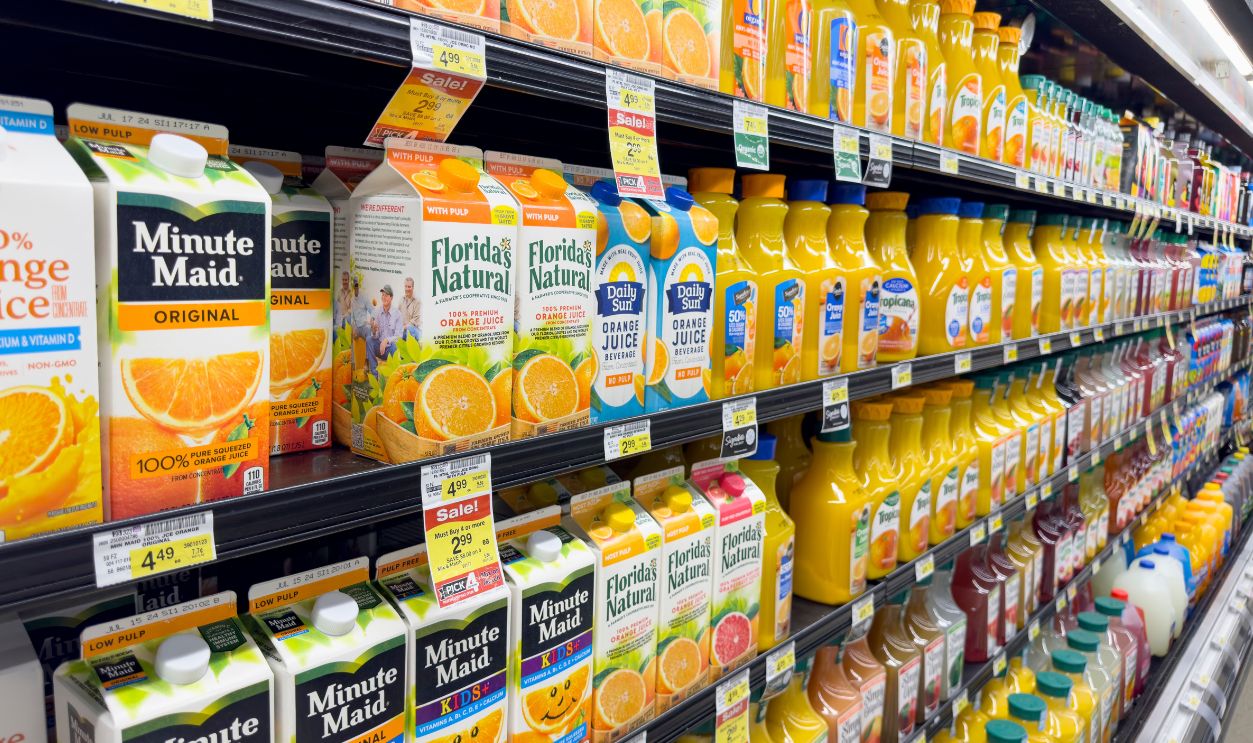
Frozen Orange Juice Was A Budget Fixture
A 16-ounce container of frozen orange juice concentrate averaged about $1.54 in 1986. Concentrate was once an extremely familiar sight in American freezers because families could mix up a pitcher whenever they needed it. Today, the format itself can feel almost as nostalgic as the old price. And that combination of changing prices, package sizes, and shopping habits points toward the real lesson behind this entire grocery cart.
Cheap Then Does Not Mean Richer Then
Those 1980s prices look almost unbelievable partly because a dollar bought considerably more back then. Comparing sticker prices alone therefore makes the difference look bigger than the actual change in purchasing power. Still, grocery prices have climbed enormously in dollar terms, while individual foods have followed very different paths depending on weather, production costs, global supplies, and consumer demand. The 25-cent potato may belong to another era, but the story behind why groceries feel expensive today is more complicated than nostalgia alone.
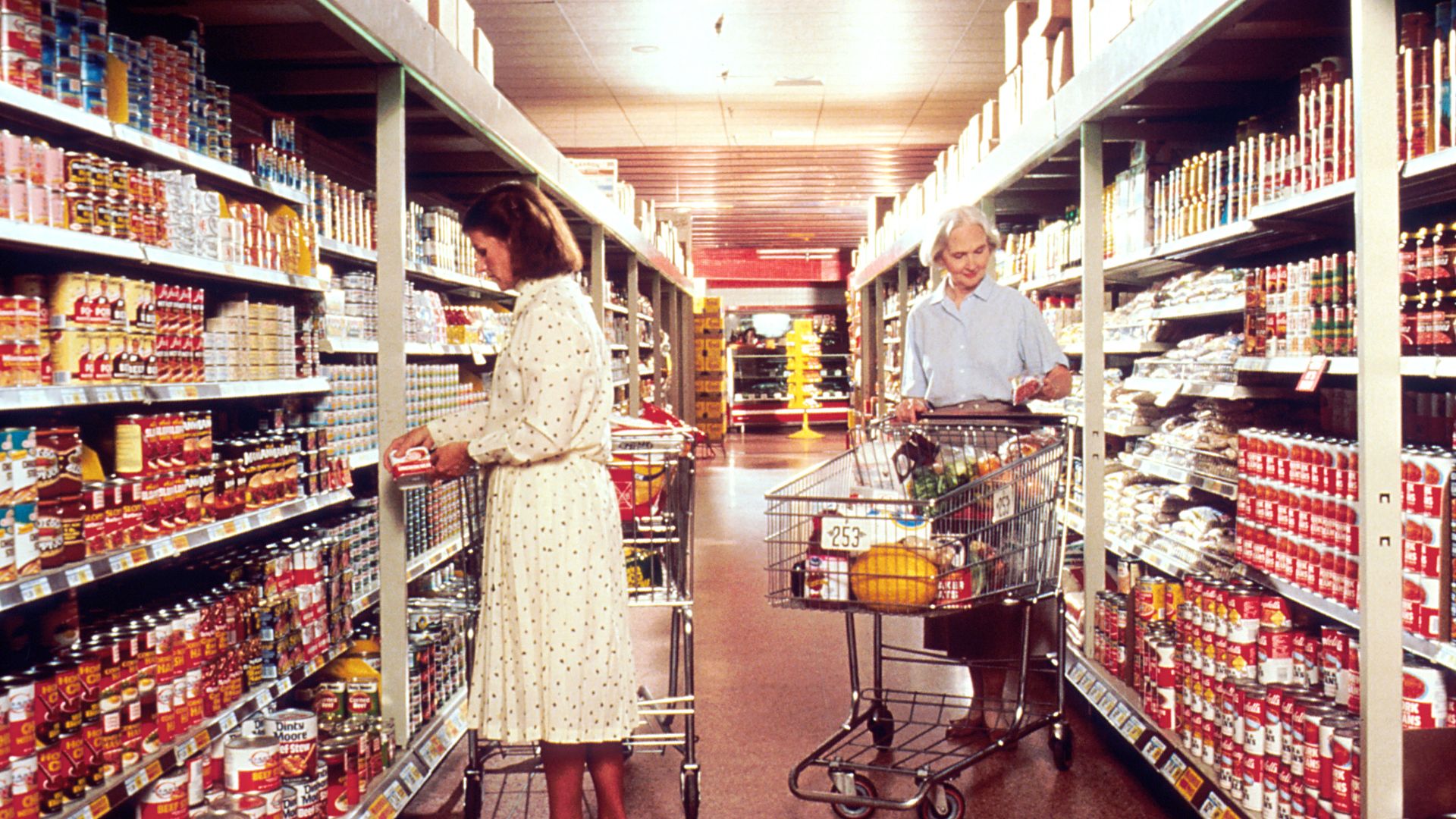 Bill Branson (Photographer), Wikimedia Commons
You May Also Like:
Grocery Store Freebies From The 1970s And 80s That Shoppers Would Love To Get Back
Grocery Items That Cost Less Than $10 In The 2010s—But Today Cost More Than Twice As Much