The Phone Bill Was Once A Family Affair
Remember when the telephone sat in the hallway, everyone shared the same number, and Dad complained about long-distance calls? For Baby Boomers, the family landline was practically another household member. But was it actually cheaper than today's cellphone plans? The answer might surprise you.
One Phone, One Bill, One Household
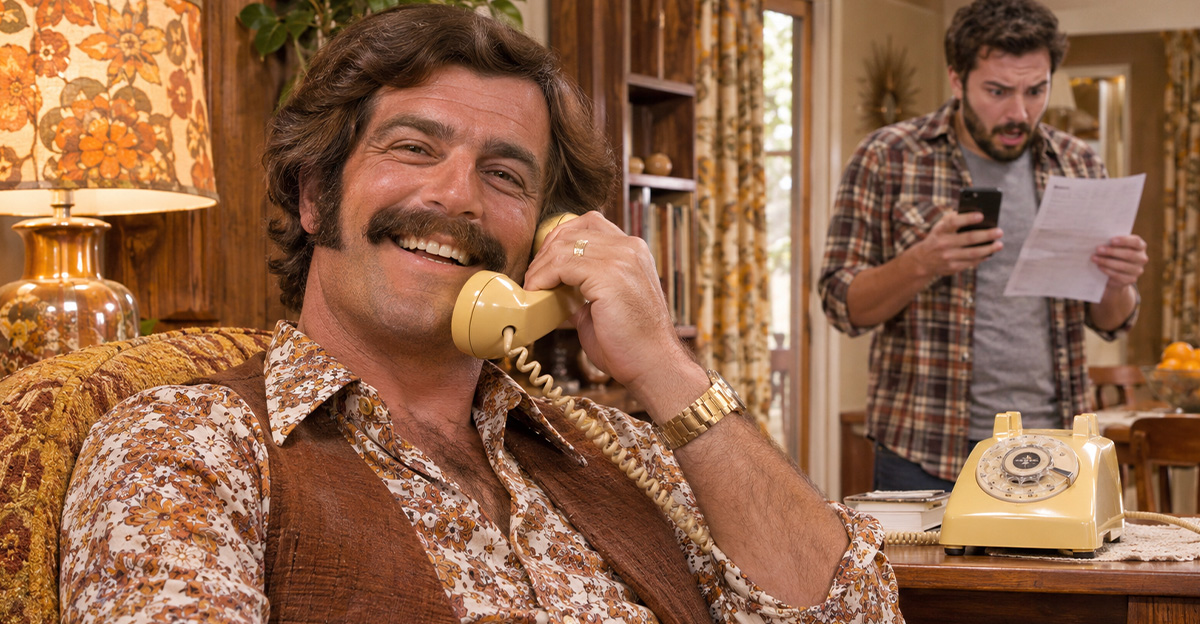
Back in the 1970s, most American households relied on a single telephone line. Whether three people or eight lived under one roof, everyone shared that connection. There were no individual cellphone plans, data allowances, or smartphone payments. Just one monthly bill, although several unexpected charges could appear on it.
The Average Bill In 1970
Here's where things get interesting. According to historical Federal Communications Commission figures, unlimited local telephone service averaged approximately $5.87 per month in January 1970. That sounds wonderfully cheap today, especially compared with a modern smartphone bill. However, that figure didn't include every expense associated with having a telephone.
 https://kaboompics.com/, Pexels
What Families Paid By 1975
By January 1975, the average monthly charge for unlimited local service had climbed to approximately $7.31. That's roughly $88 annually, before equipment rental and long-distance calls. A household with relatives living across the country could easily spend considerably more, especially if family members loved talking.
 https://kaboompics.com/, Pexels
The Price Kept Climbing
By 1979, average unlimited local service had reached approximately $8.19 monthly. It might not sound like a dramatic increase, but Americans were already struggling with inflation. Gasoline, groceries, and household expenses were becoming more expensive, and telephone bills certainly weren't exempt from the squeeze.

Those Prices Need Some Adjusting
Before declaring that Baby Boomers had everything cheaper, there's something worth remembering. A dollar in 1975 bought considerably more than a dollar today. When adjusted for inflation, that $7.31 monthly telephone charge comes to approximately $45 in 2026 money. Suddenly, yesterday's bargain doesn't look quite so spectacular.
The 1970 Bill Wasn't Exactly Cheap Either
That $5.87 monthly charge from 1970 translates to approximately $51 in 2026 dollars. In other words, families were spending the modern equivalent of around fifty bucks every month for basic local telephone service. And remember, they couldn't take their telephone shopping, driving, or on vacation.
You Didn't Always Own The Telephone
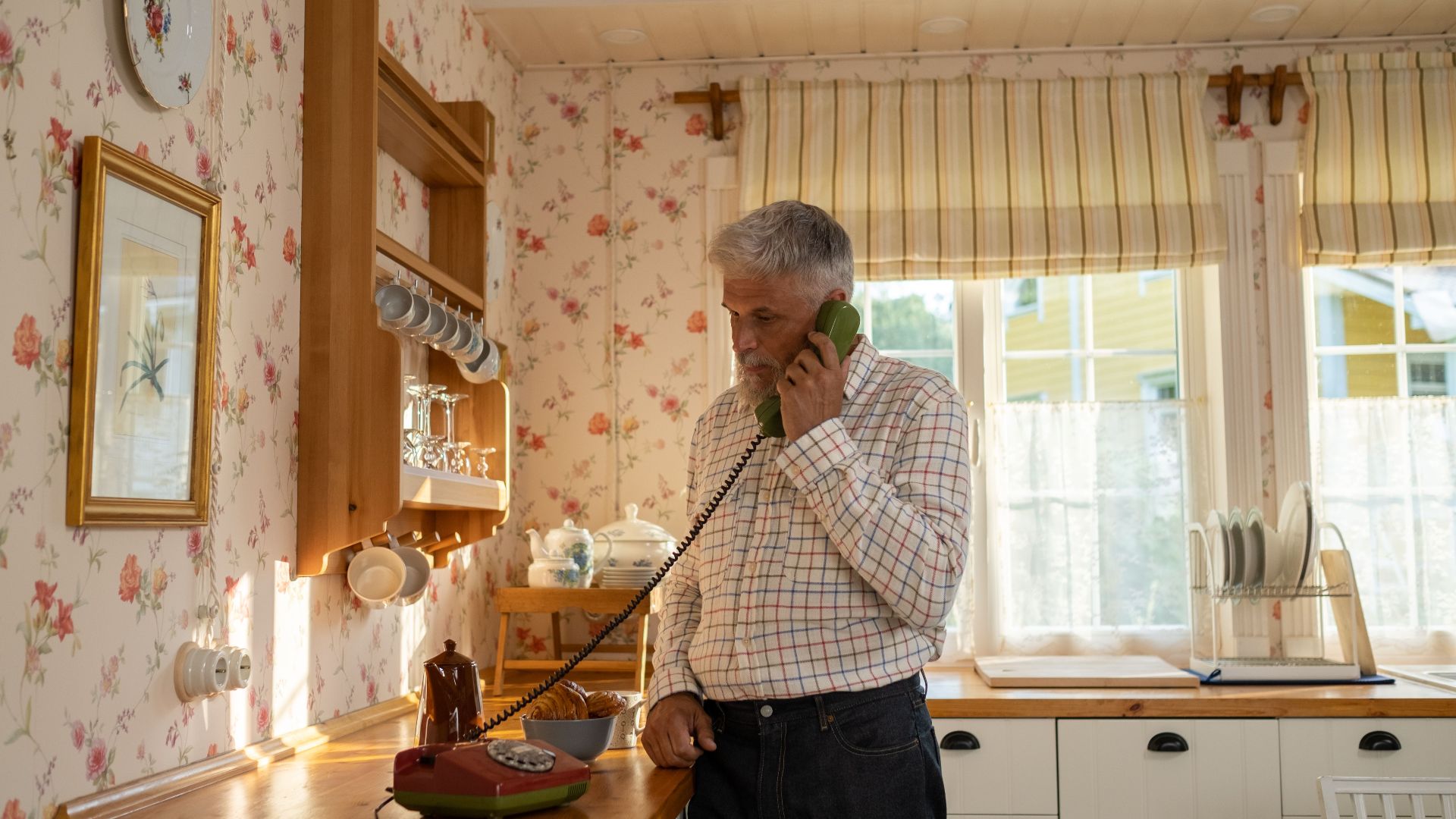
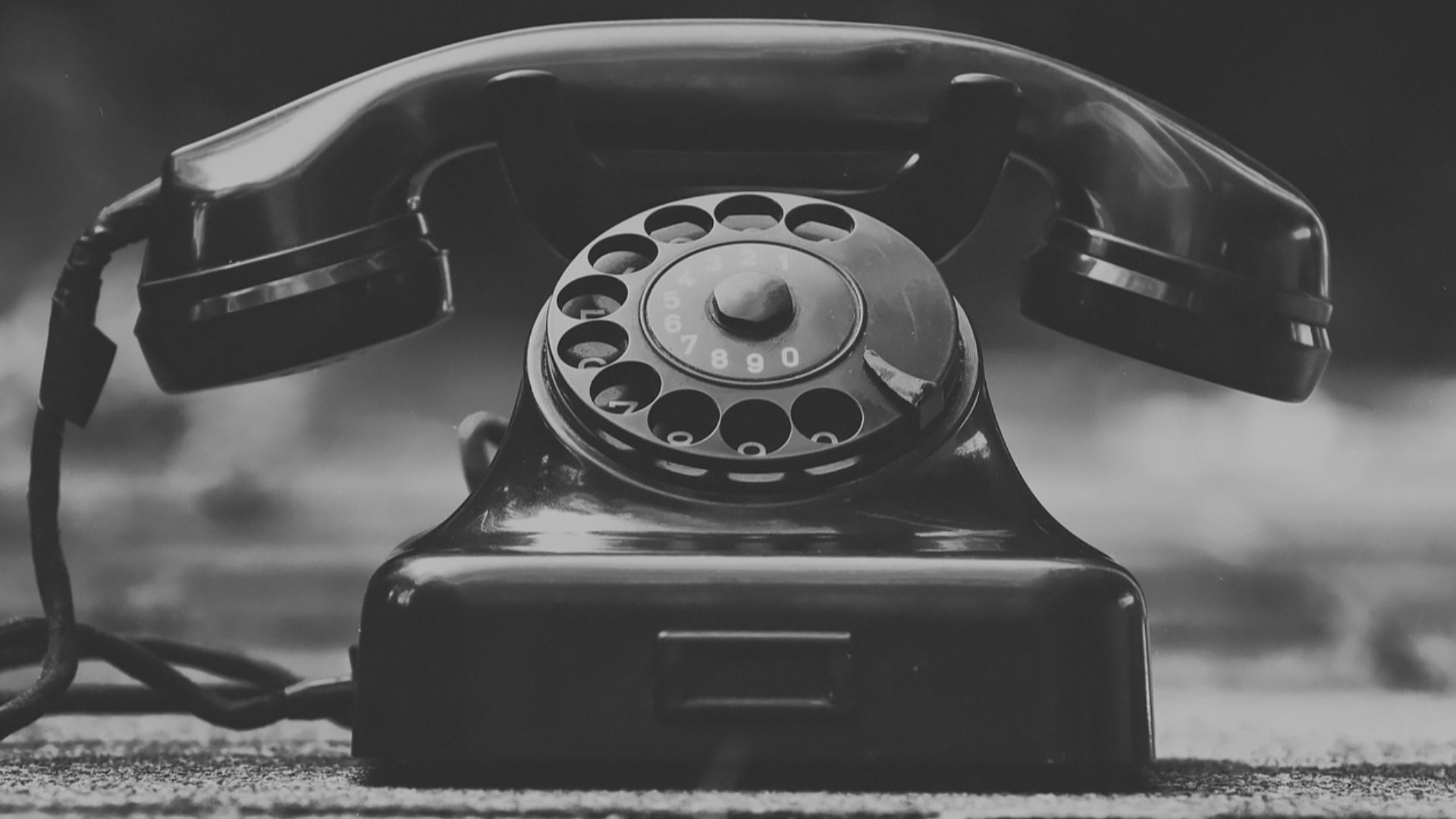
Here's something younger Americans might find ridiculous. Under the old Bell System, customers generally rented their telephones from the telephone company. The monthly service charge wasn't necessarily the entire bill. Equipment rental meant families could keep paying for the same sturdy rotary telephone year after year.
That Extra Extension Cost Money
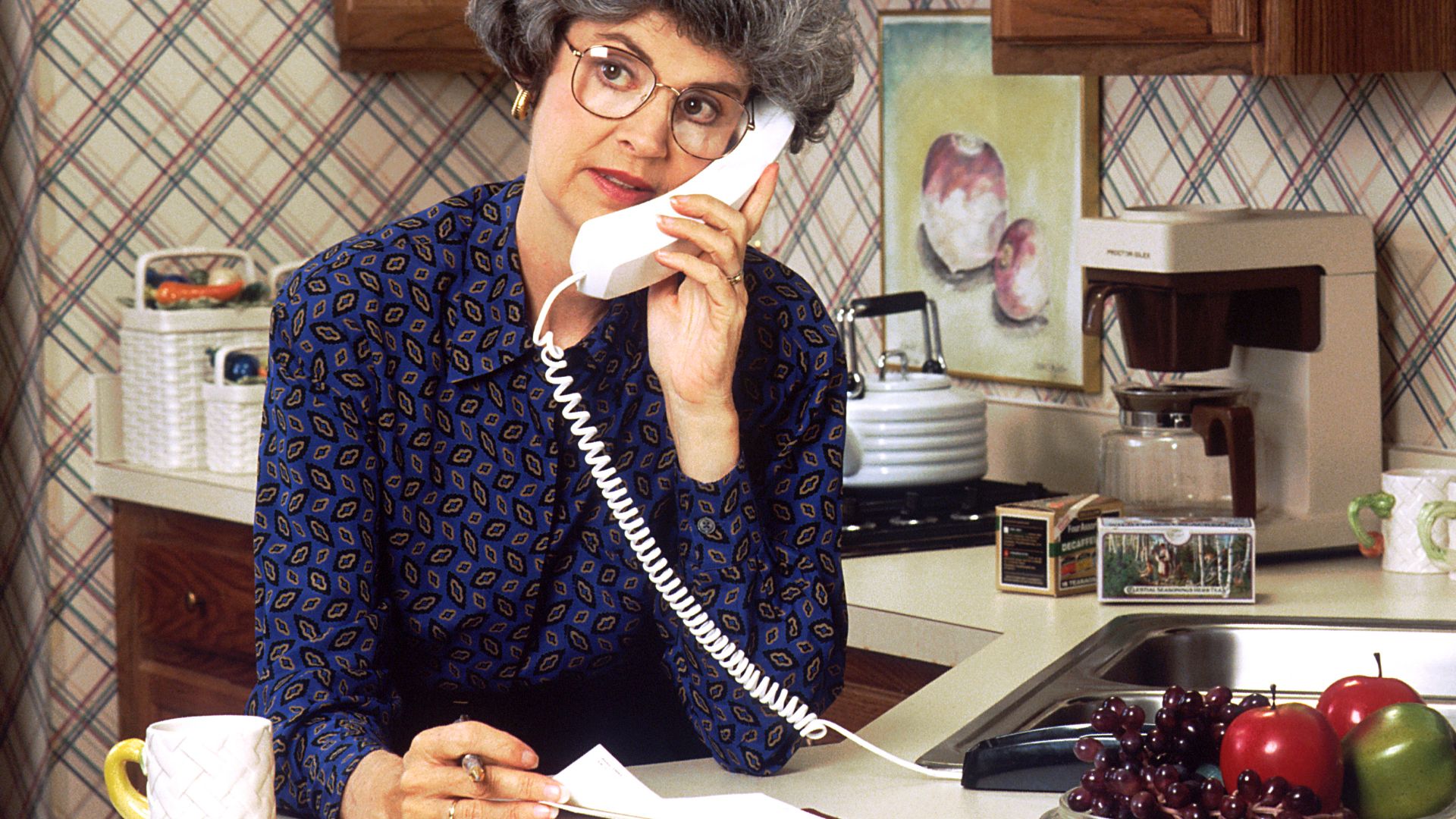
Remember having one telephone in the kitchen and another in the bedroom? That convenience could cost extra. A 1977 Washington Post report described extension-phone charges of approximately $1.14 to $1.35 monthly in the Washington area. Even adding another telephone wasn't always as simple as buying one.
 Bill Branson (Photographer), Wikimedia Commons
Fancy Telephones Meant Extra Charges
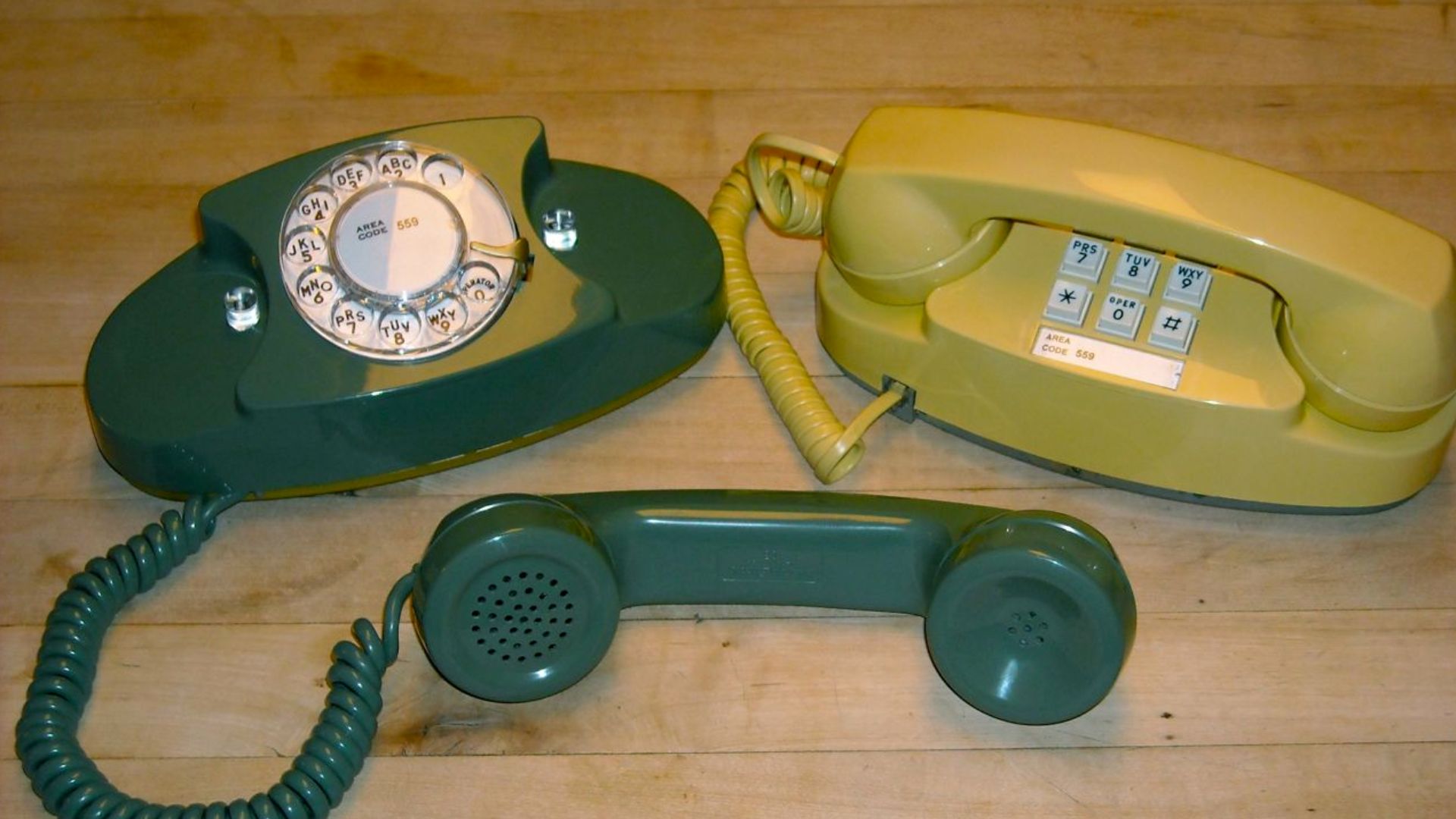
Those colorful Princess telephones and stylish Trimline models certainly looked attractive. However, choosing something fancier than the standard telephone could involve additional rental charges. Families weren't just paying to make calls. They sometimes paid extra to have a telephone that matched the living room furniture.
 User:Mcheath, Wikimedia Commons
Even Push-Button Dialing Was A Luxury
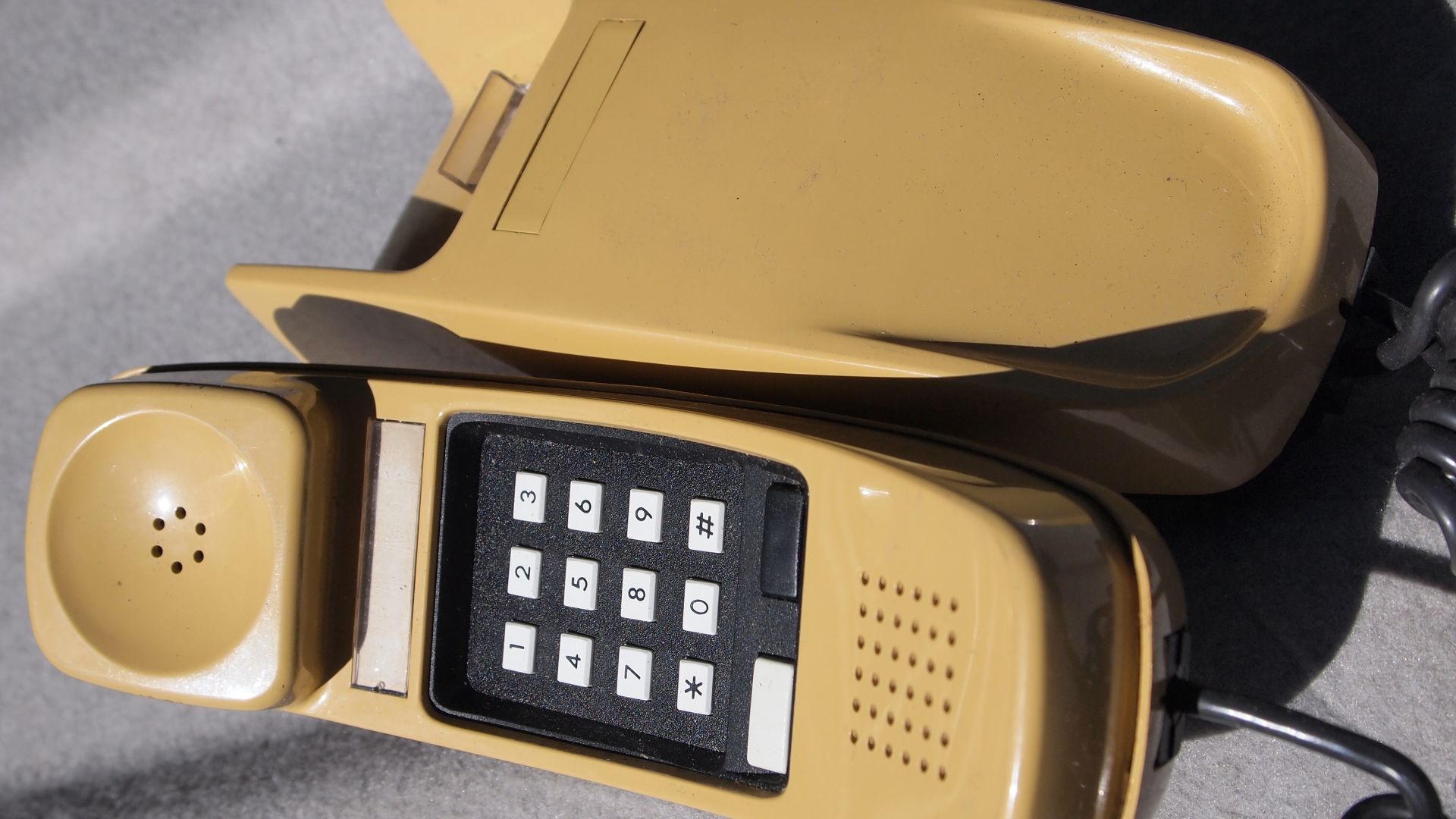
Today, pressing buttons seems perfectly ordinary. During the 1970s, however, Touch-Tone service could involve an additional monthly charge. Plenty of households kept their trusty rotary telephones instead. Why pay extra for buttons when turning a dial worked perfectly well, even if calling took a little longer?
Then Came The Long-Distance Calls
This was where the telephone bill could become genuinely unpleasant. Basic local service didn't generally include calls to distant cities. Long-distance charges depended on factors such as distance, duration, and calling time. A lengthy conversation with relatives several states away could turn an otherwise modest bill into a headache.

Calling Grandma Required Planning
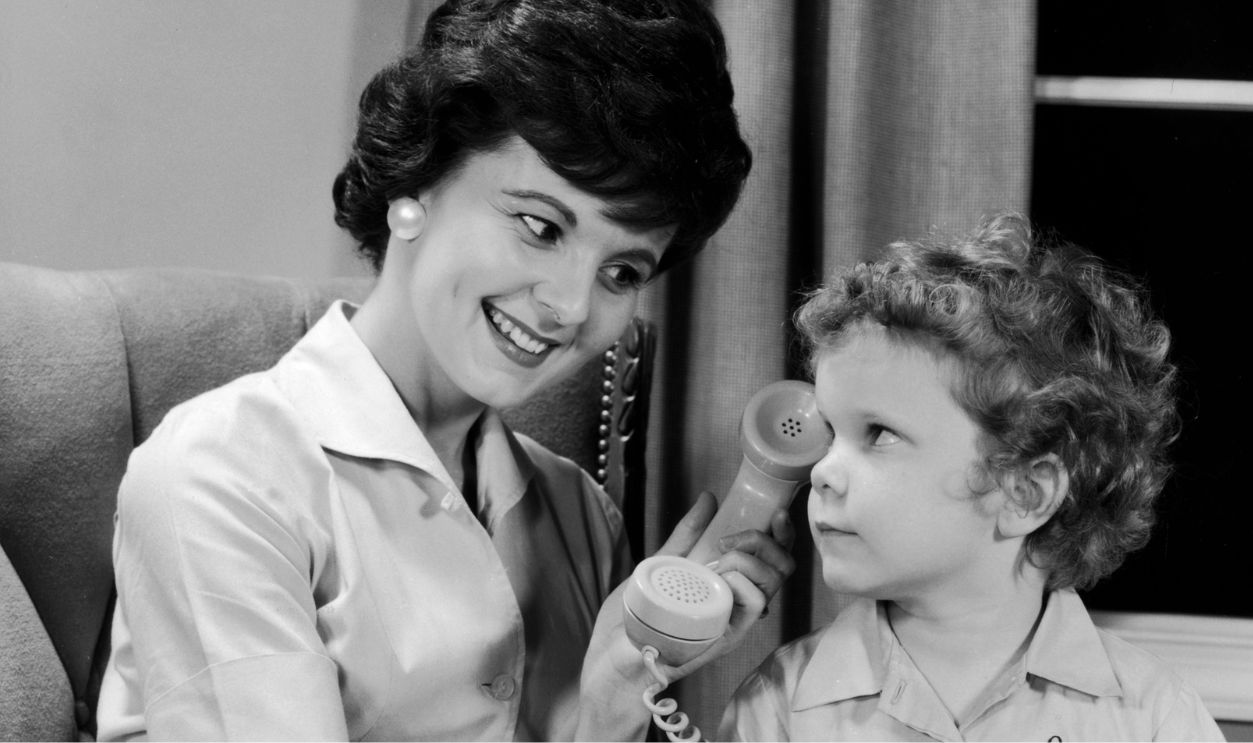
Remember being told to call Grandma after dinner because the rates were cheaper? Long-distance companies offered discounted calling periods, including evenings and weekends. Families learned to schedule conversations accordingly. Nowadays, people can call relatives across America without checking the clock or worrying about every additional minute.
 Harold M. Lambert, Getty Images
Those Three-Minute Conversations
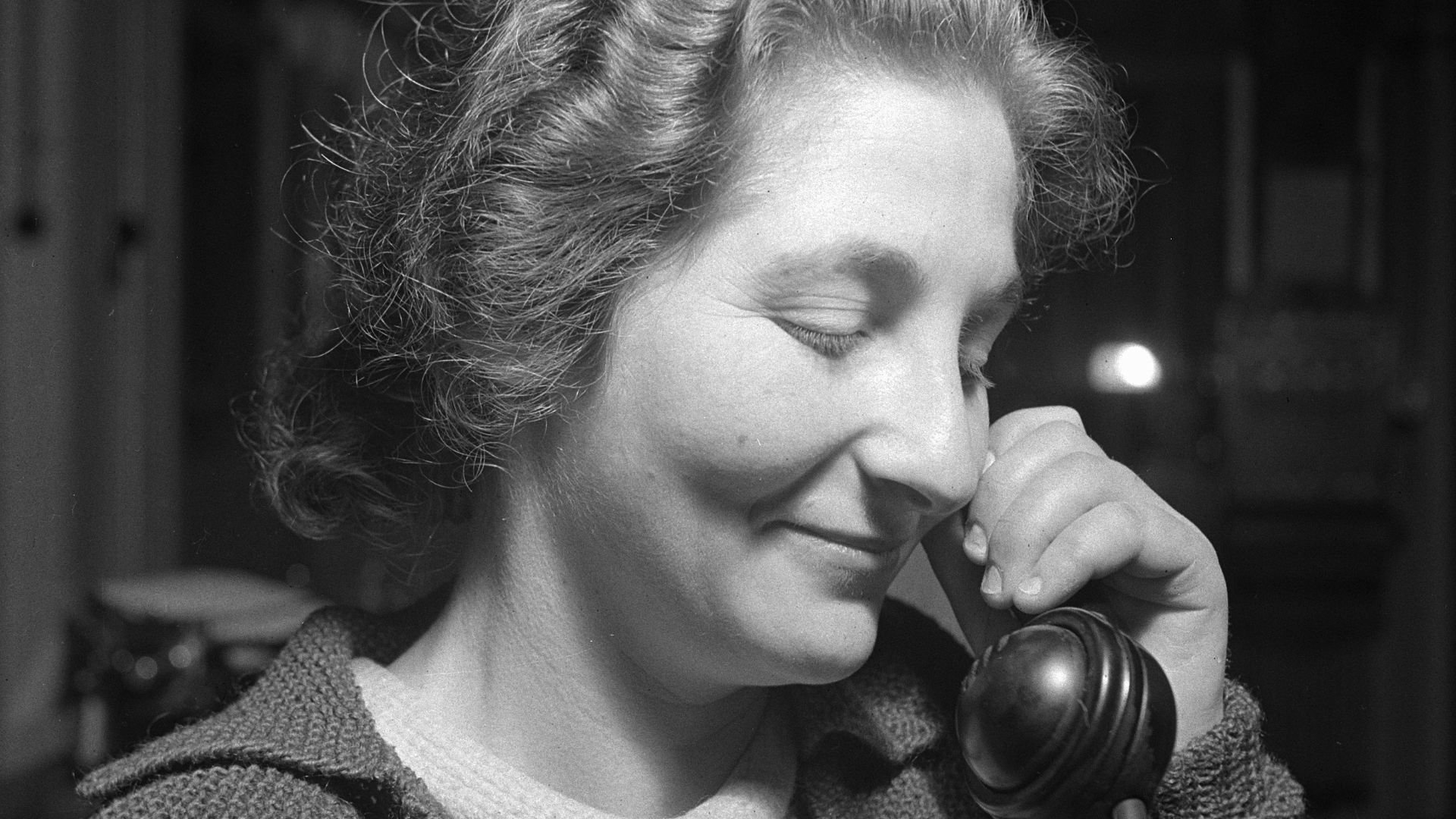
Long-distance telephone calls were often billed using an initial calling period followed by additional time charges. Naturally, some parents became experts at keeping conversations short. A quick hello, a little family news, and goodbye. Nobody wanted to discover that a friendly chat had made the monthly bill noticeably larger.
 Nationaal Archief, Wikimedia Commons
Teenagers Could Cause Trouble
If you grew up during the 1970s, you probably remember somebody shouting, "Get off the phone!" Teenagers could spend ages talking to friends, making the family telephone completely unavailable. Even when local calls were unlimited, arguments over who got to use the telephone were practically guaranteed.

Party Lines Offered A Cheaper Alternative
Some American households still used party lines, particularly in rural communities. Several households shared a telephone connection, often receiving lower rates in exchange for less privacy and convenience. Picking up the receiver could mean discovering that your neighbor was already talking. Imagine explaining that arrangement to a teenager today.
Not Every Family Had A Telephone
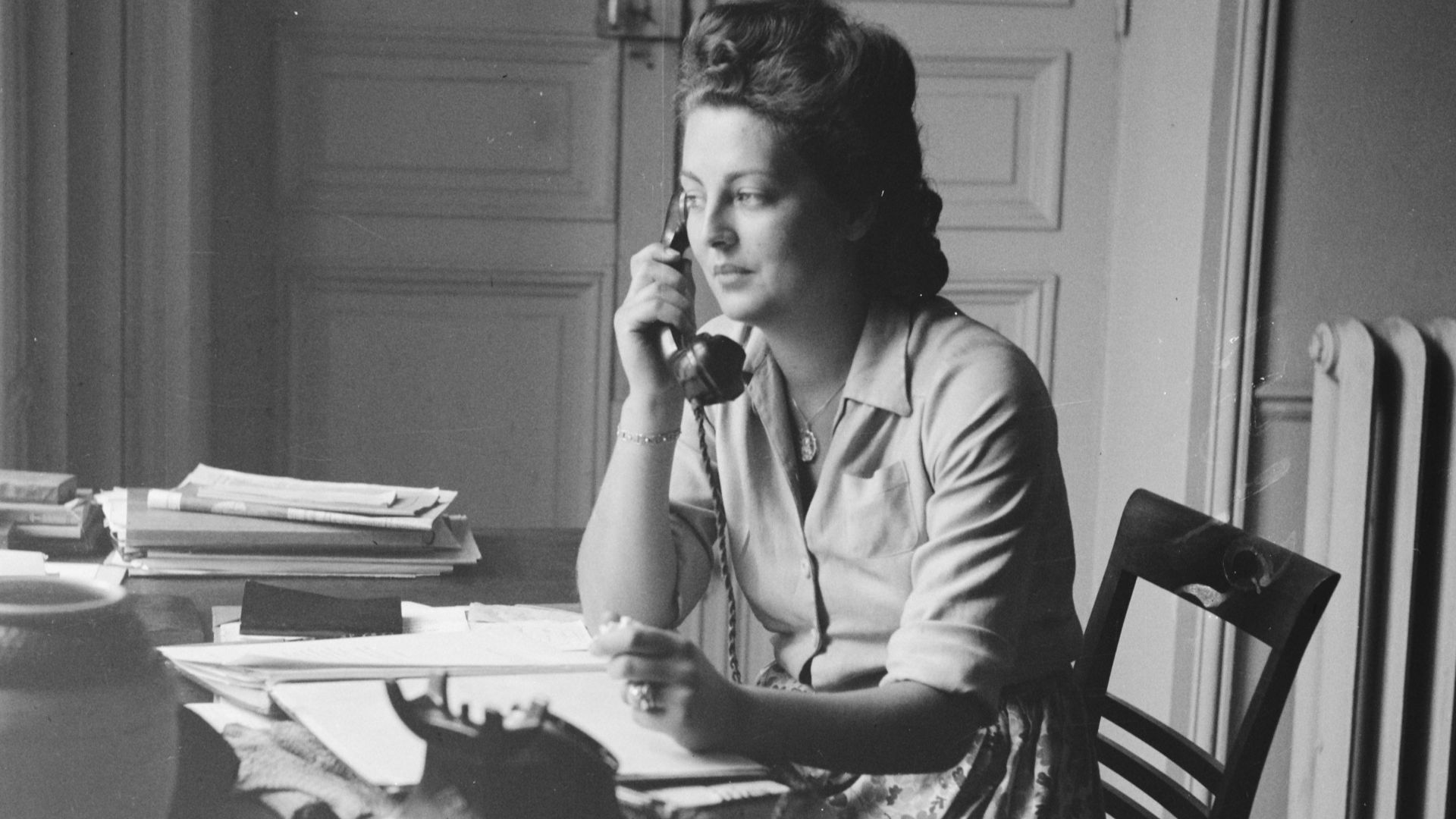
Although telephones were increasingly common, ownership wasn't universal. According to the US Census Bureau, approximately 7% of American homes lacked a telephone in 1980. For some families, the monthly expense remained difficult to justify. Others lived in places where obtaining private telephone service could be challenging.
Modern Phone Plans Tell A Different Story
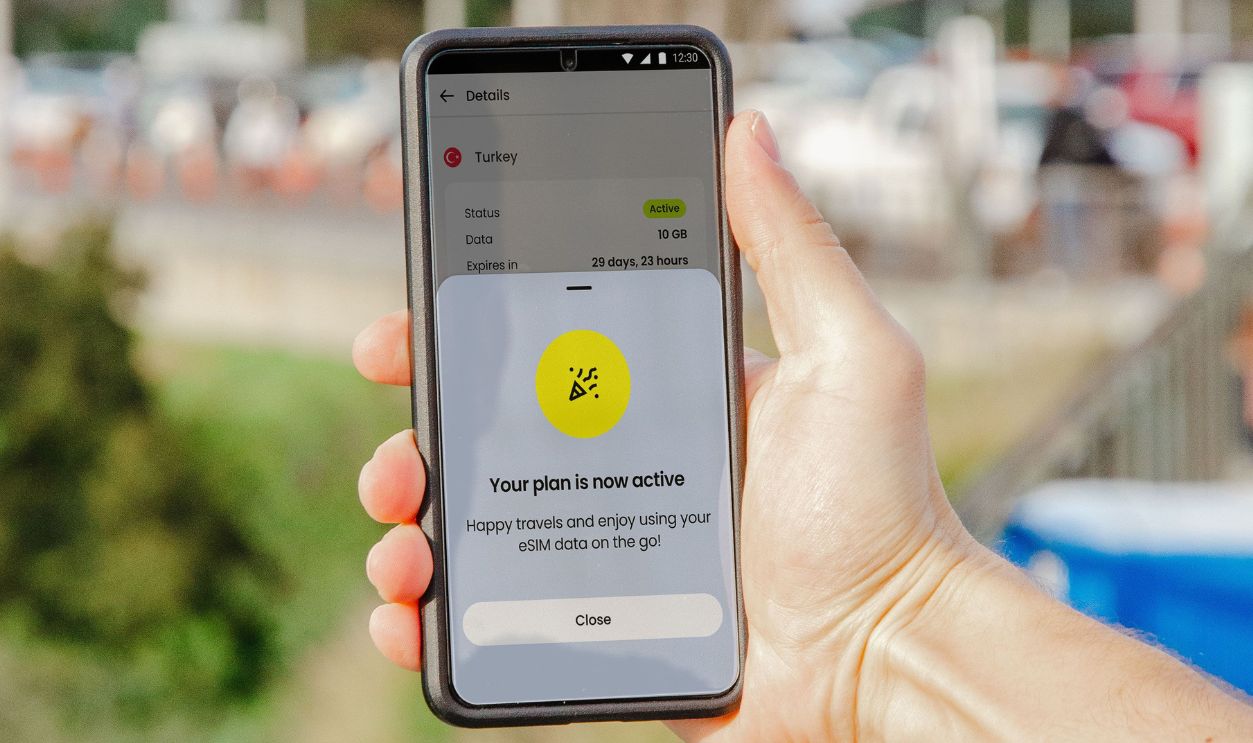
Fast-forward to 2026, and American consumers have considerably more choices. Budget carriers offer unlimited talk, text, and data for surprisingly modest prices. Visible, for example, advertises a $25 monthly unlimited plan, with taxes and fees included. That's less than the inflation-adjusted price of basic 1975 local service.
But Premium Plans Cost More
Of course, not everybody chooses the cheapest carrier. Major networks offer family plans with premium features, expanded data options, and additional benefits. Verizon, for example, advertises four lines of Unlimited Welcome at $27.50 per line monthly with Auto Pay, totaling $110 before applicable taxes and fees.
Four Smartphones Versus One Landline
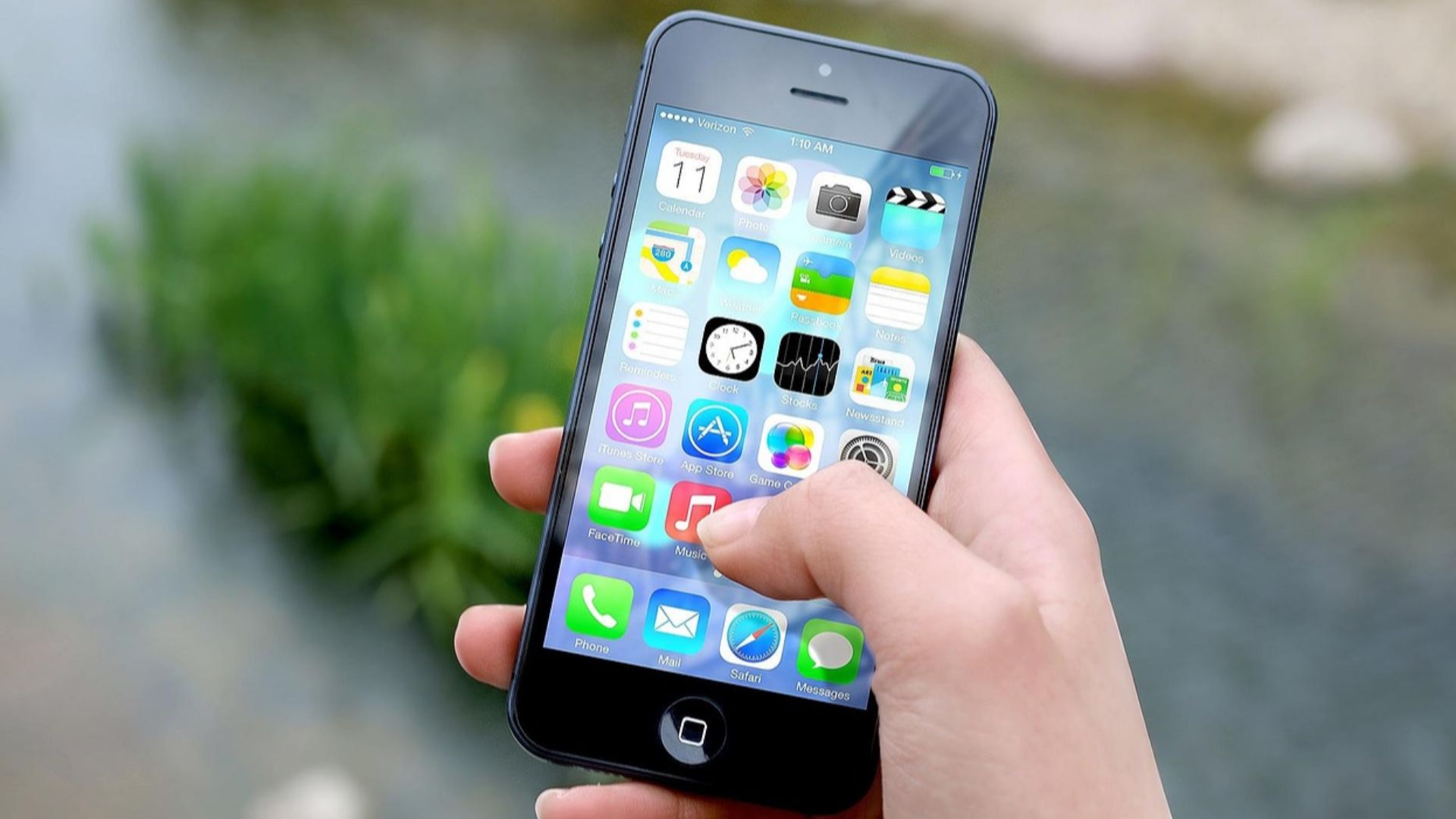
Here's where the comparison gets tricky. A 1970s household could share one telephone connection for around $45 monthly in today's money, before extras. A modern four-line plan might cost $110 monthly. That's considerably more, but every family member receives an independent connection instead of fighting over one telephone.

Today's Plans Include Much More
Remember when making a telephone call was the entire purpose of the telephone? Today's smartphone plans can include unlimited nationwide calling, texting, and internet access. Families can navigate unfamiliar cities, send photographs, and communicate instantly. None of those services existed on an ordinary 1970s household landline.

What About Buying The Phone?
Modern smartphones introduce another expense that deserves attention. Customers may purchase their devices outright or make monthly installment payments. An expensive smartphone can substantially increase the family's total communications budget. In the 1970s, telephone rental was a recurring expense, but smartphones can represent a much larger purchase.

Comparing The Annual Costs
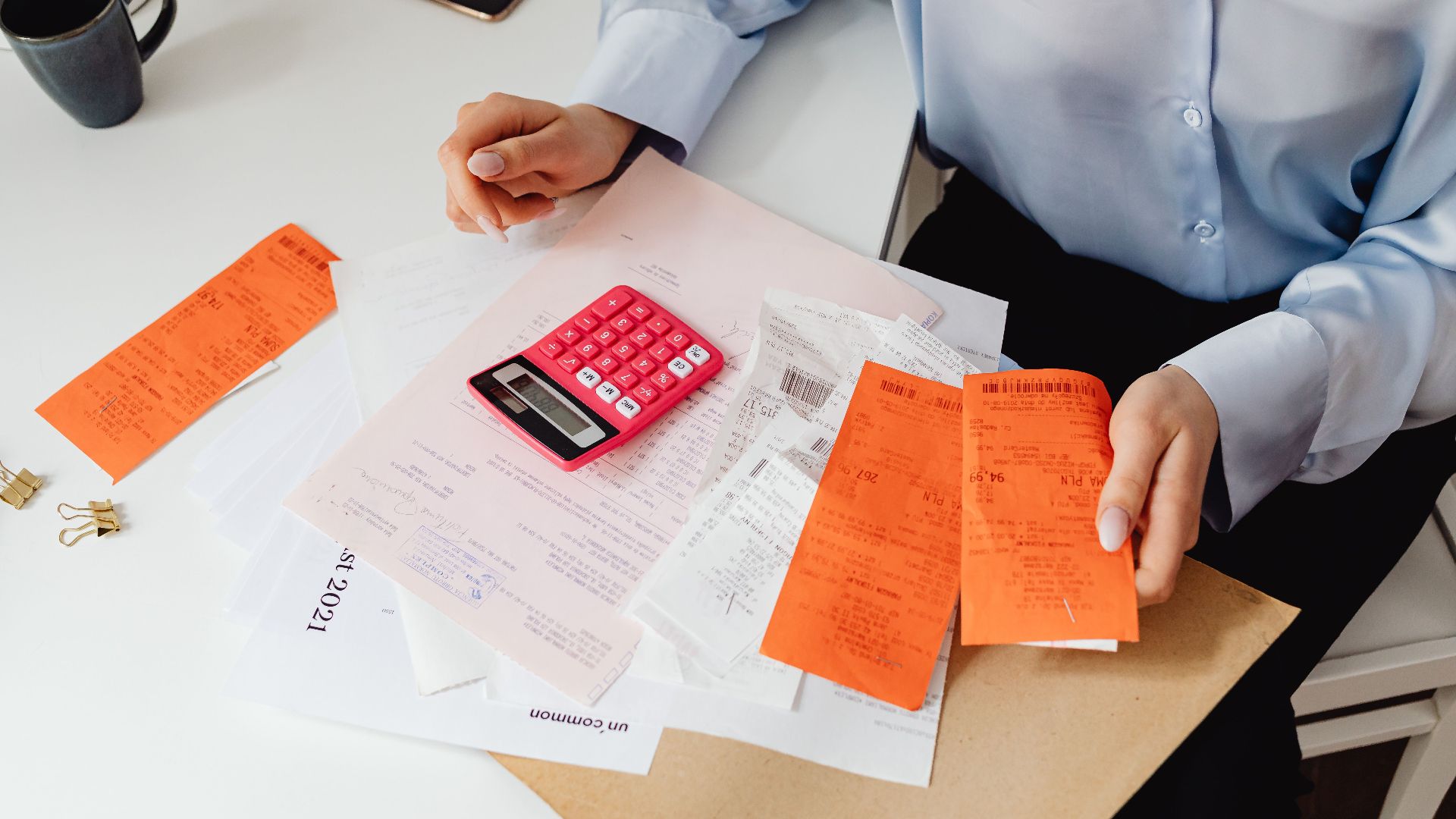
Consider a simple example. Twelve months of average 1975 local service cost approximately $87.72, equivalent to roughly $540 in 2026 dollars. Four modern lines costing $110 monthly total $1,320 annually. That's a significant difference, although comparing one shared line against four personal connections isn't exactly fair.
 https://kaboompics.com/, Pexels
The Cheapest Modern Option Changes Everything
Suppose a household chooses four separate $25 unlimited plans. Its combined monthly service cost would be $100, assuming compatible phones and no additional purchases. That's still more than the inflation-adjusted 1975 local-service average, but the household receives four independent connections with nationwide calling and mobile internet access.

The Hidden Value Of Modern Convenience
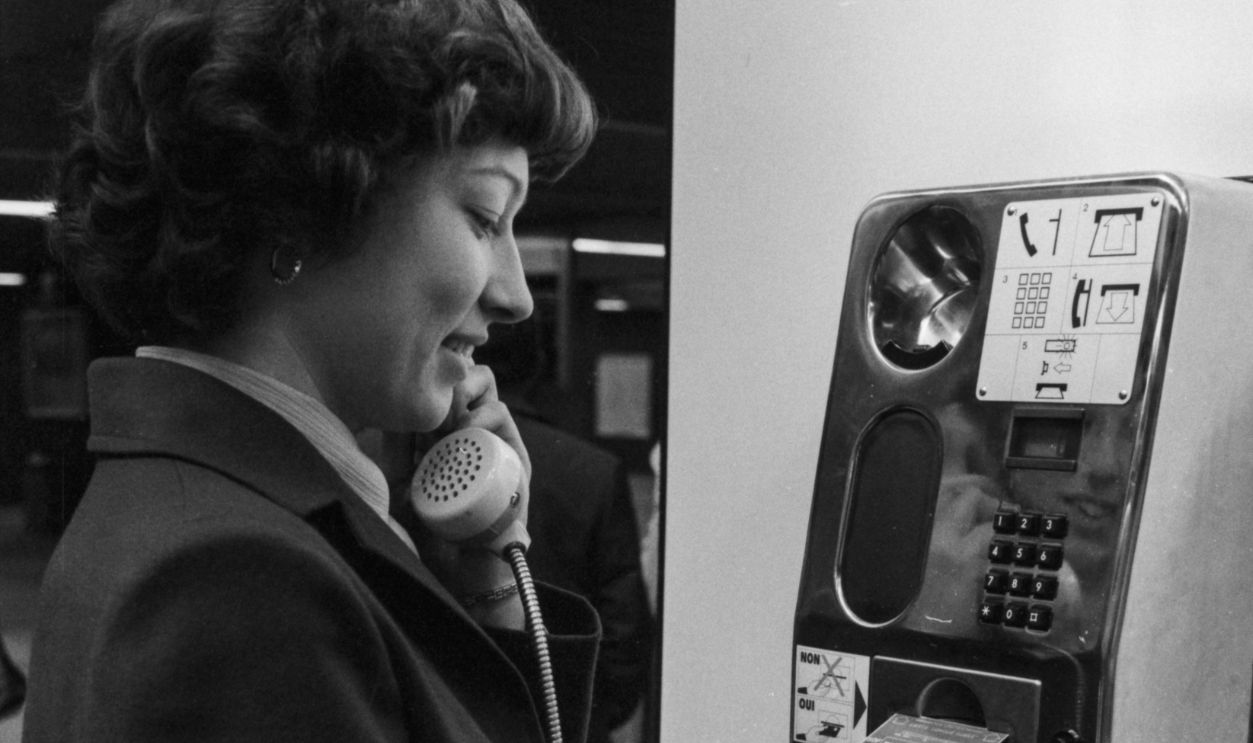
There's another factor worth considering: time. In the 1970s, finding a payphone, waiting for someone to finish a call, or keeping conversations brief was part of everyday life. Today, contacting family members takes seconds. That convenience might be difficult to measure in dollars, but it certainly matters.

So, Were Baby Boomers Getting A Better Deal?
For basic household telephone service, the 1970s could be comparatively affordable. However, equipment charges and long-distance calls complicated the picture. Modern plans cost more when several family members need separate lines, but inexpensive individual plans can actually undercut yesterday's inflation-adjusted basic service prices. That's quite a turnaround.

Would You Trade Your Smartphone For A Rotary Phone?
Looking back, the old family landline certainly had its charms. Everybody knew the household number, calls felt more personal, and nobody worried about screen time. But when you compare prices, features, and convenience, modern telephone service offers impressive value. Would you trade today's smartphone for your old rotary telephone?

You May Also Like:
I Discovered My Employer Has Been Paying Me Too Much For Months. Can They Demand Every Dollar Back?
My Bank Keeps Charging Fees On An Account I Thought I Closed. How Do I Get The Money Back?