

When A Bigger Paycheck Becomes A Bigger Problem
Discovering extra money in your paycheck might feel like an unexpected raise. But what happens when payroll realizes its mistake months later? Your employer may want every dollar returned, and the rules aren't necessarily on their side.
 Nataliya Vaitkevich, Pexels.com
Yes, Employers Can Usually Request Repayment
In the United States, employers generally have grounds to seek repayment of wages issued by mistake. However, recovering that money isn't always straightforward. State regulations can restrict how much employers recover through payroll deductions.

An Honest Mistake Still Counts
You might assume that because payroll caused the problem, you're entitled to keep the money. Unfortunately, that isn't automatically true. An accidental overpayment can create a repayment obligation even when you did nothing wrong.
 https://kaboompics.com/, Pexels
Asking For Money And Taking It Are Different
Here's an important distinction: requesting repayment isn't the same as deducting money from your paycheck. Employers may have grounds to recover an overpayment while still being prohibited from withholding wages without following specific procedures.

Federal Rules Don't Answer Everything
The Fair Labor Standards Act establishes nationwide minimum wage and overtime protections. However, it doesn't comprehensively regulate ordinary wage repayment disputes. State rules and employment agreements often determine what happens when payroll makes an expensive mistake.

Some Overpayments Are Treated Like Advances
Federal wage rules generally permit recovery of genuine wage advances and overpayments, subject to applicable requirements. Texas workforce guidance explains this treatment. But deductions for ordinary employer business losses face different restrictions.

New York Has An Eight-Week Recovery Window
New York restricts payroll recovery to overpayments made during the eight weeks before the employer issues its required notice. That doesn't automatically erase every older repayment claim. It specifically limits recovery under the state's wage-deduction regulations.

New York Also Limits Large Deductions
When an overpayment exceeds the next paycheck's net wages, New York generally caps recovery deductions at 12.5% of gross wages. Deductions also cannot reduce the employee's effective hourly earnings below the state minimum wage.

Employers In New York Must Give Notice
New York requires at least three days' notice for certain smaller recoveries. Larger recoveries require at least three weeks' notice. Employers must disclose the amounts involved, planned deductions, and the employee's opportunity to contest them.
 Rodeo Project Management Software, Unsplash
New York Workers Can Challenge The Numbers
New York requires employers to establish procedures allowing employees to dispute overpayments and repayment terms. Workers can also seek delays. That means a questionable payroll calculation doesn't automatically become an uncontestable debt.

California Takes A Different Approach
California generally prohibits employers from automatically deducting mistaken overpayments from subsequent wages. Employers seeking payroll repayment should obtain a voluntary written agreement. Otherwise, they may need to pursue another permitted recovery method.
 Terry Lucas, Wikimedia Commons
California Employees Can Contest Improper Deductions
California's Labor Commissioner identifies restrictions on deductions that employers sometimes overlook. Workers facing improper paycheck deductions can file wage claims or pursue court action. Having a genuine repayment dispute doesn't eliminate those protections.

Texas Requires Written Authorization
Texas allows certain deductions to recover mistaken wage payments, but employers generally need written employee authorization. The Texas Payday Law makes that requirement important. Simply announcing that future paychecks will be smaller isn't necessarily sufficient.
 Larry D. Moore, Wikimedia Commons
The Agreement's Wording Matters In Texas
Texas workforce guidance recommends clear deduction agreements identifying their purpose and anticipated amounts. An employer may already have obtained authorization through employment paperwork. Reviewing what you actually signed is therefore an important first step.

Washington Gives Employers Just 90 Days
Washington generally permits private employers to deduct accidental, infrequent overpayments only when detected within 90 days. After that deadline, employers cannot use current or future wage adjustments to recover the money under this regulation.
 Burkhard Mücke, Wikimedia Commons
Repeated Payroll Errors Can Complicate Recovery
Washington also requires qualifying mistakes to be infrequent and inadvertent. An error recurring regularly may fail that test. Employers bear responsibility for demonstrating that the mistake meets the state's requirements for payroll recovery. RDNE Stock project, Pexels
Washington Requires Documentation Before Deductions
Washington employers must provide advance written notice explaining the repayment terms. They must also document the overpayment. Payroll adjustments must appear clearly in company records, giving employees an opportunity to examine what happened.

Missing A Deadline Doesn't Always Erase The Debt
Washington's regulations expressly preserve an employer's ability to bring a private court action when appropriate. Therefore, losing permission to deduct wages isn't necessarily the same as losing every possible recovery option.

Your Original Pay Agreement Could Change Everything
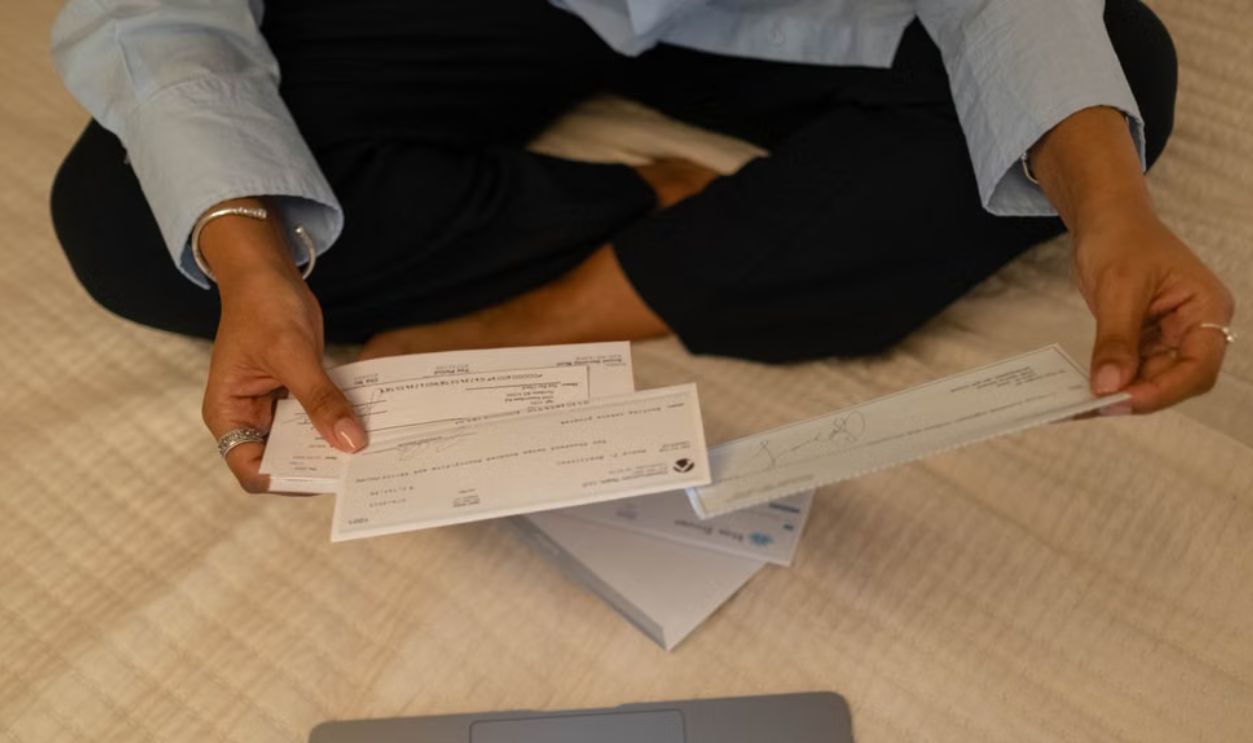
Before accepting an overpayment claim, compare your paychecks with your employment agreement and subsequent compensation notices. A promised raise is different from an accidental payroll increase. Establishing the correct agreed-upon rate is essential.
Bonuses And Commissions Need Special Attention
Not every disputed payment represents a payroll mistake. Bonuses, commissions, and advance compensation can depend on contractual conditions. Check when the payment was earned and whether any agreed repayment conditions actually apply.

Gross Pay And Take-Home Pay Aren't Identical
Suppose payroll reports a $2,000 overpayment, but taxes reduced the amount reaching your account. Repayment calculations need to account for withholding. The appropriate treatment depends partly on when the original wages were paid.

Repaying Money During The Same Year Is Simpler
When mistaken wages are repaid during the same calendar year, employers can generally adjust the relevant year's wage reporting. The IRS provides procedures for correcting payroll taxes, although the employer must process those adjustments properly.

Crossing Into Another Tax Year Changes Things
Repaying last year's wages creates additional complications. IRS instructions generally require prior-year wage repayments to be handled on a gross basis. Employees may need separate tax relief rather than simply receiving an ordinary payroll adjustment.

Your Corrected W-2 Has Special Rules
For prior-year repayments, employers generally correct Social Security and Medicare information using Form W-2c. They do not simply reduce the original W-2's Box 1 wages. That distinction can surprise employees expecting a complete reversal.

The $3,000 Threshold Can Matter
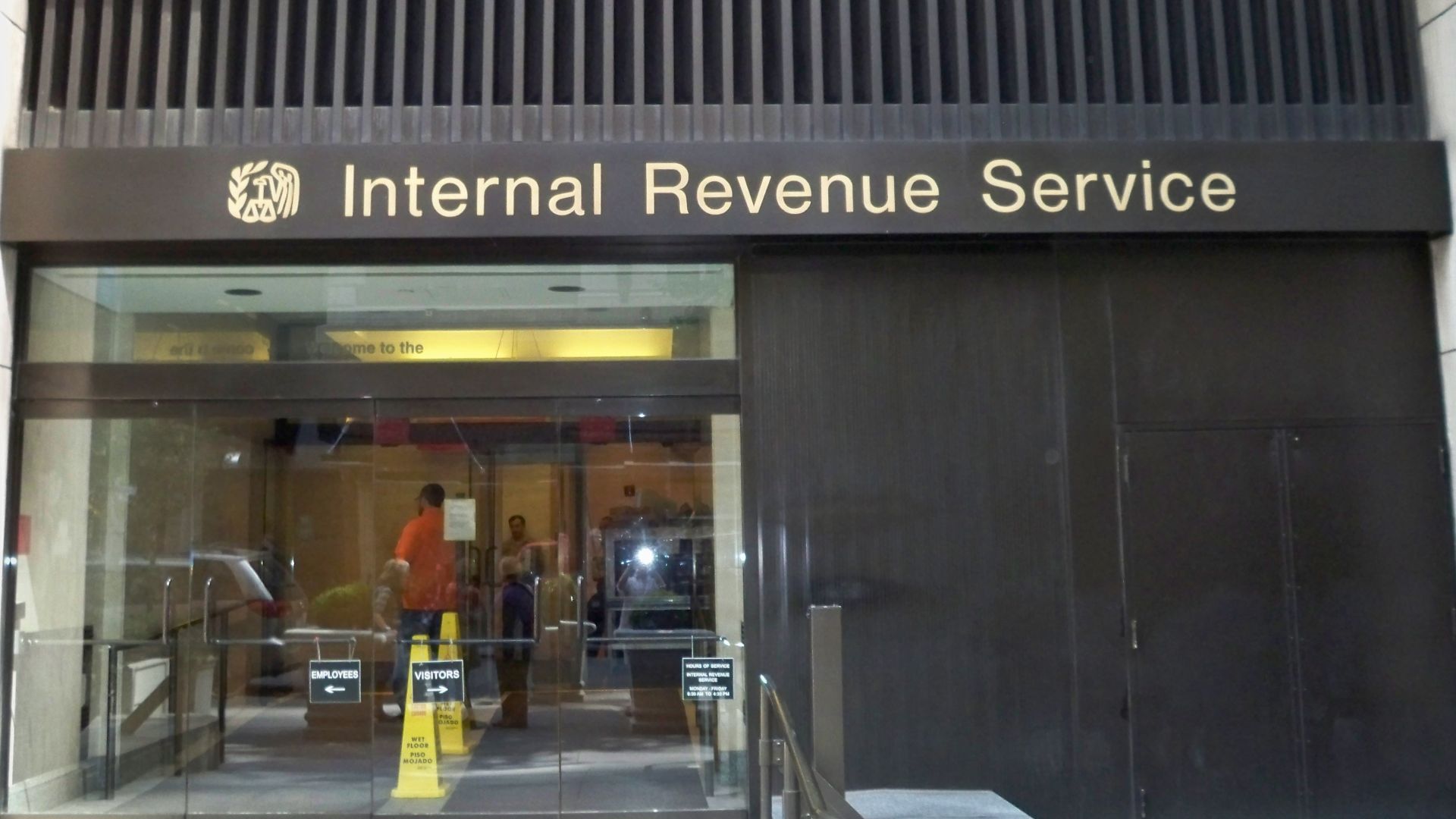
If qualifying prior-year income repayment exceeds $3,000, IRS rules may allow a deduction or tax credit. Eligibility depends on the circumstances. Publication 525 explains the available approaches and how to determine the appropriate treatment.
 MBisanz talk, Wikimedia Commons
Social Security And Medicare Need Attention Too
Employees repaying prior-year wages may be entitled to recover excess Social Security and Medicare taxes. IRS guidance generally directs them to request repayment from their employer first. Additional procedures exist when employers won't provide reimbursement.
 CaptJayRuffins, Wikimedia Commons
Spending The Money Doesn't Automatically Protect You
Perhaps the extra money already went toward rent, bills, or everyday expenses. Unfortunately, spending an overpayment doesn't automatically prevent a valid repayment claim. It can, however, make negotiating affordable repayment terms especially important.

Leaving Your Job Doesn't Necessarily End The Problem
Resigning before repayment won't automatically eliminate a recoverable debt. Employers may still pursue available recovery options. However, deductions from final wages remain subject to applicable state restrictions, which differ considerably across jurisdictions.

Request A Complete Payroll Breakdown
Before agreeing to repayment, request records showing the mistaken rate, affected pay periods, gross overpayments, and tax adjustments. Compare those figures against your own pay statements. Don't assume the employer's initial calculation is correct.

Negotiate Before Agreeing To Repayment
If the overpayment is genuine, consider proposing manageable installments rather than an immediate lump sum. Get any agreement in writing and check your state's rules first. The employer may have a valid claim, but that doesn't necessarily mean it can demand every dollar from your next paycheck.

You May Also Like:
I just found the savings bonds my parents gave me decades ago. Are they still worth anything?