

The Drawer Finally Paid Off
You opened an old envelope and found the savings bonds your parents gave you as a child. The paper may look dated, but don't dismiss it. Treasury savings bonds can retain redemption value long after their interest stops growing.

Start With The Letter On The Bond
Look for the bond's series designation before guessing its worth. Series E, EE, and I bonds follow different historical rules. The letter tells you which Treasury guidance and valuation method apply to your particular find.

The Issue Date Is Your Next Clue
Find the month and year printed on the certificate. That date determines how long the bond has earned interest and whether it has reached final maturity. Your birthday or the day you received the gift isn't necessarily its issue date.

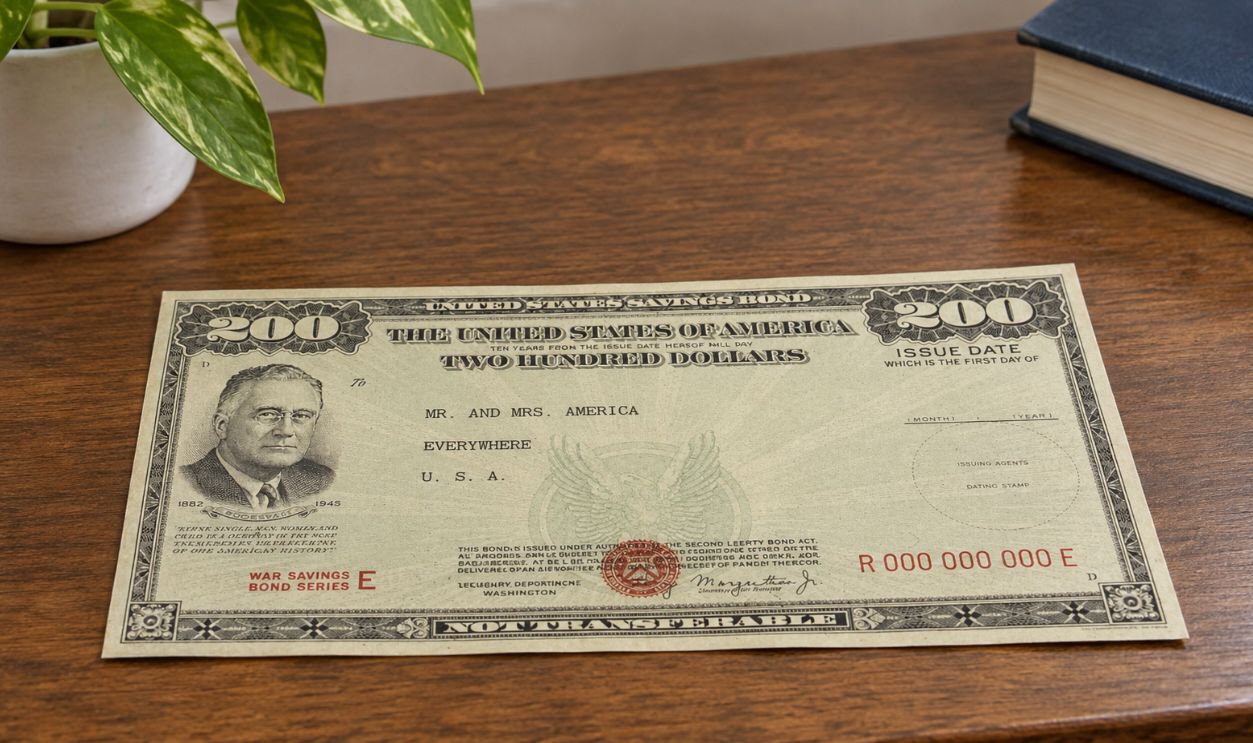
Series E Bonds Are Older Than You Think
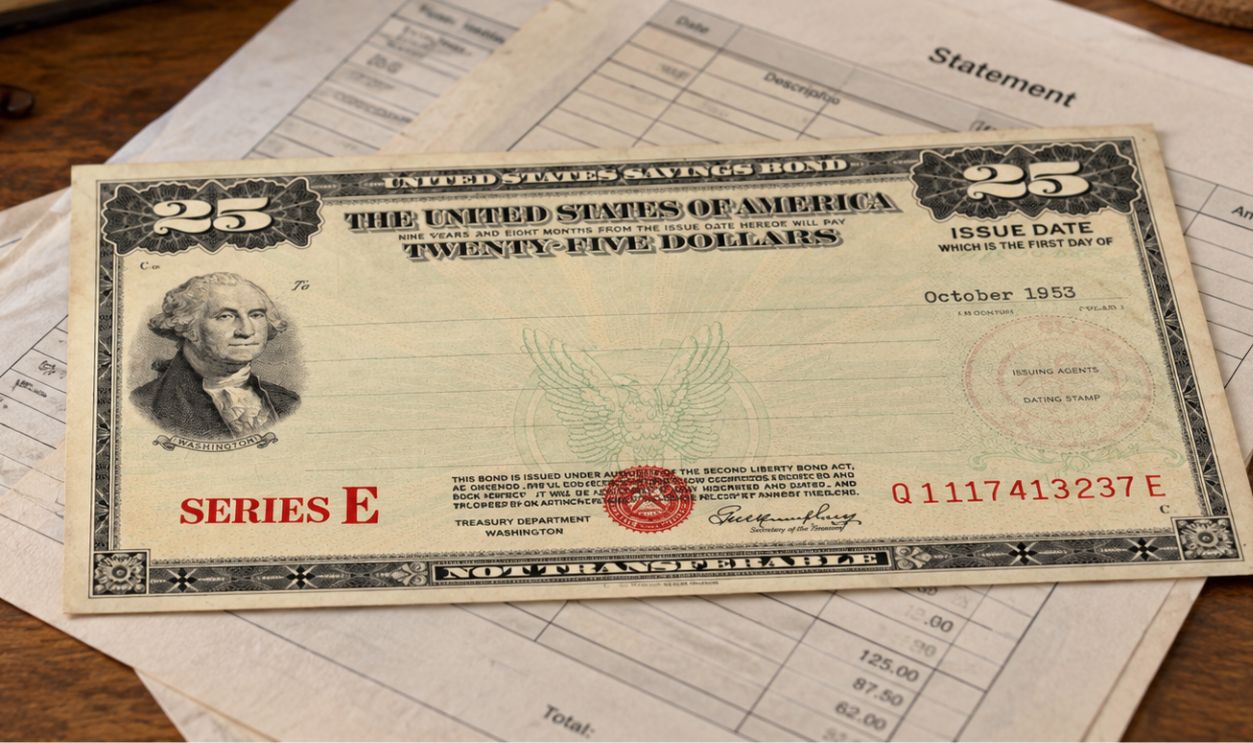
Series E bonds first appeared in 1941 and were replaced by Series EE in 1980. Every Series E bond has stopped earning interest, with the last ones reaching final maturity in 2010. They can still be redeemed.
 National Archives at College Park, Wikimedia Commons, Modified
Series EE Bonds Have A Deadline For Growth
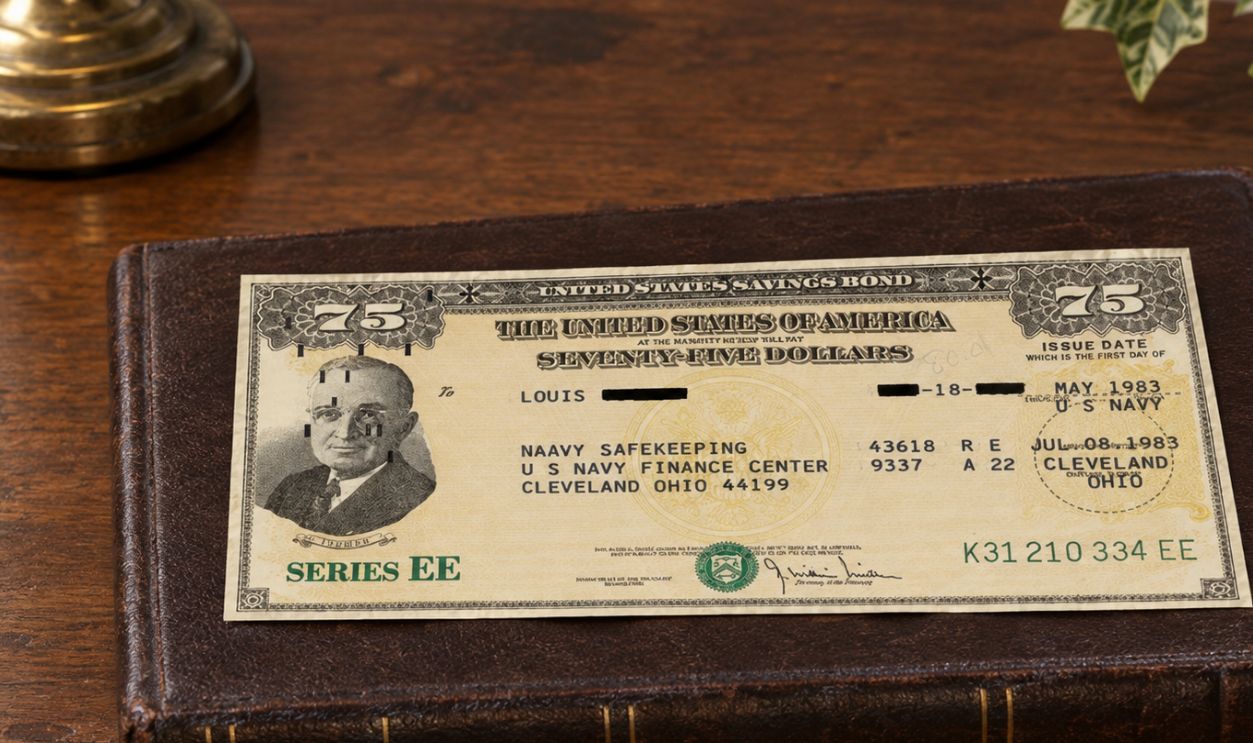
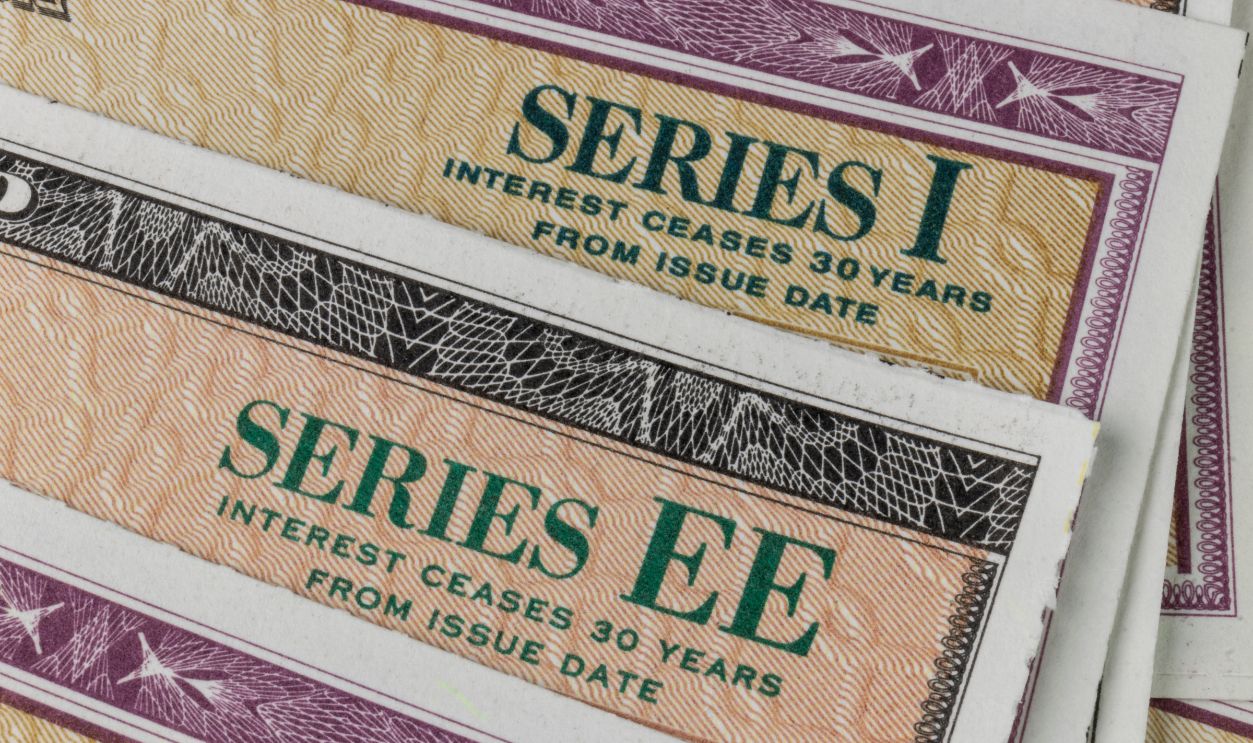
Series EE bonds have been issued since 1980. They can earn interest for up to 30 years, so an EE bond issued in the early 1990s is already finished growing. Its money doesn't vanish when that anniversary arrives.
 U.S. Department of the Treasury, Wikimedia Commons, Modified
Series I Bonds Take A Different Approach
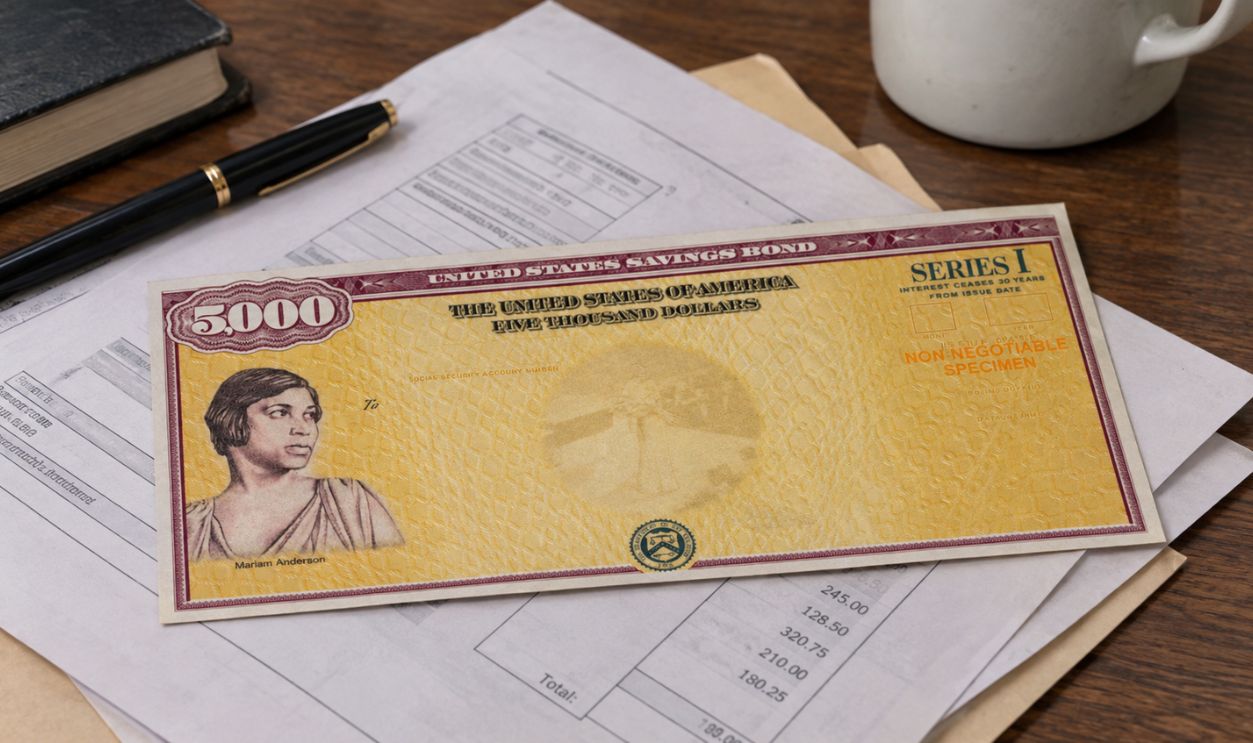
Introduced in 1998, Series I bonds combine a fixed rate with an inflation-related rate that changes every six months. They also earn interest for up to 30 years. Older paper I bonds remain valid despite the move to electronic sales.
 United States Department of the Treasury, Wikimedia Commons, Modified
Face Value Isn't The Same As Cash Value
That impressive number printed on the bond isn't necessarily what you can collect today. The amount payable depends on the series, issue date, and accumulated interest. Treasury's calculator is more reliable than eyeballing the denomination.

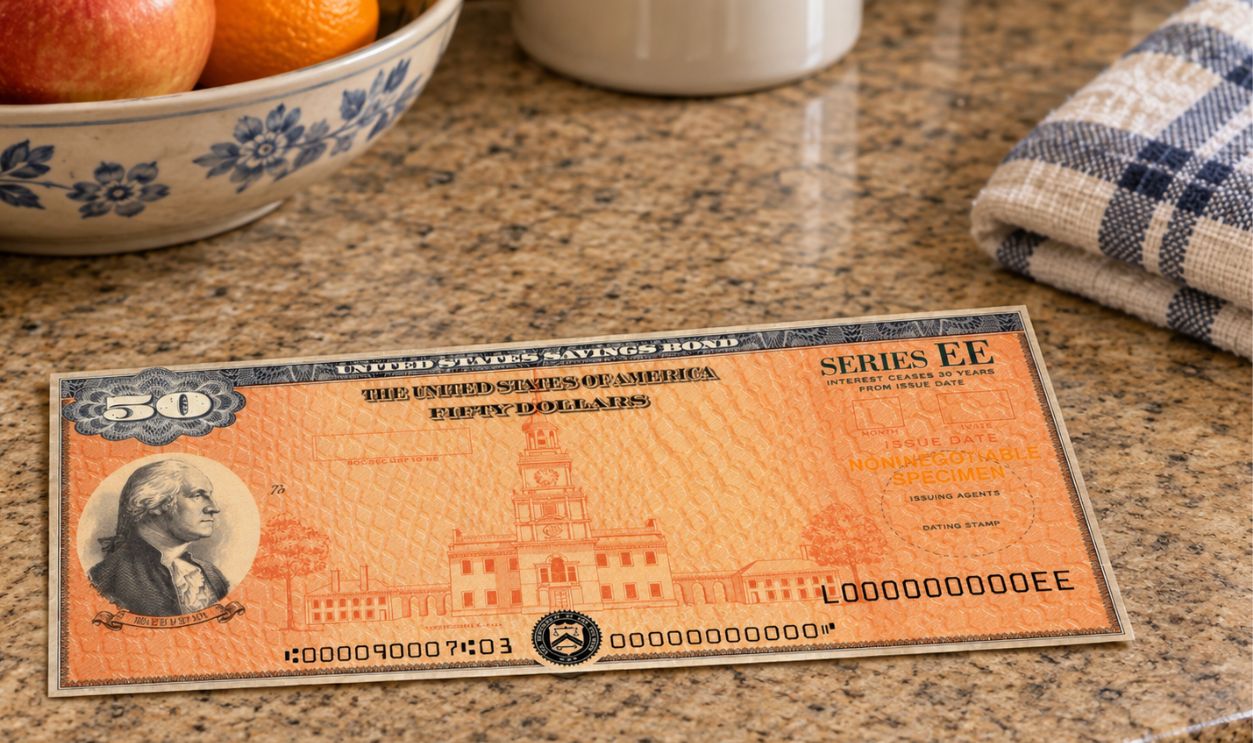
A $50 Bond Might Have Cost Just $25
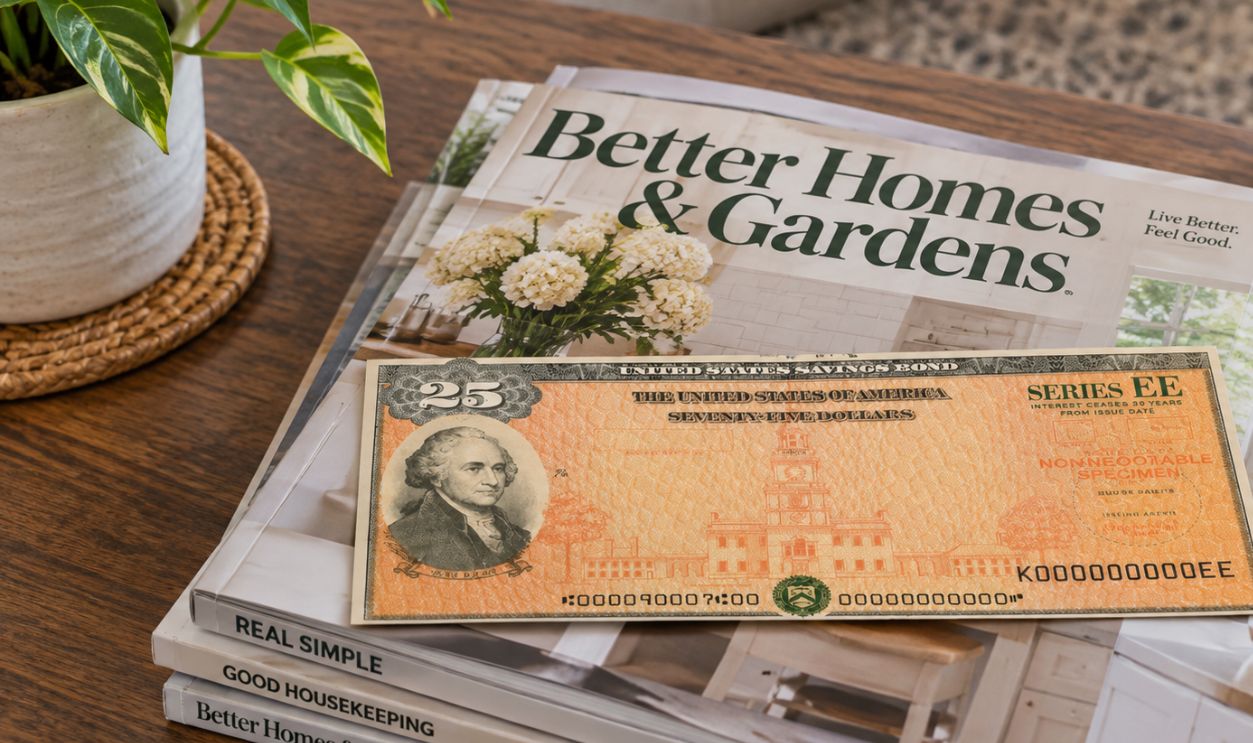
Older paper EE bonds were frequently sold for half their printed denomination. Treasury confirms that a $50 EE bond issued from 1980 through April 1995 originally cost $25. Its redemption value reflects later interest, not merely its original price.
 United States Department of the Treasury, Wikimedia Commons, Modified
There's An Official Calculator For This
TreasuryDirect provides a free calculator specifically for paper Series E, EE, and I bonds, plus Savings Notes. Enter the series, denomination, and issue date. The result shows the bond's redemption value and final maturity date.

You Don't Need Every Number To Check
The calculator doesn't require the bond's serial number to estimate its value. Still, recording that number is useful if you own several certificates. Remember, the calculator cannot establish ownership or guarantee that a particular bond remains unredeemed.

Being Matured Doesn't Make It Worthless
A bond's final maturity marks the end of interest earnings, not the end of your right to payment. Treasury says even very old paper savings bonds can be cashed. Keeping matured bonds untouched simply doesn't produce additional interest.
Check Whose Name Is On The Certificate
Before celebrating, read the registration carefully. The named owner controls who can redeem the bond, not whoever happens to possess the paper. If your parents bought bonds in their own names, the gift's history alone doesn't establish your ownership.

Two Names Can Mean Two Owners
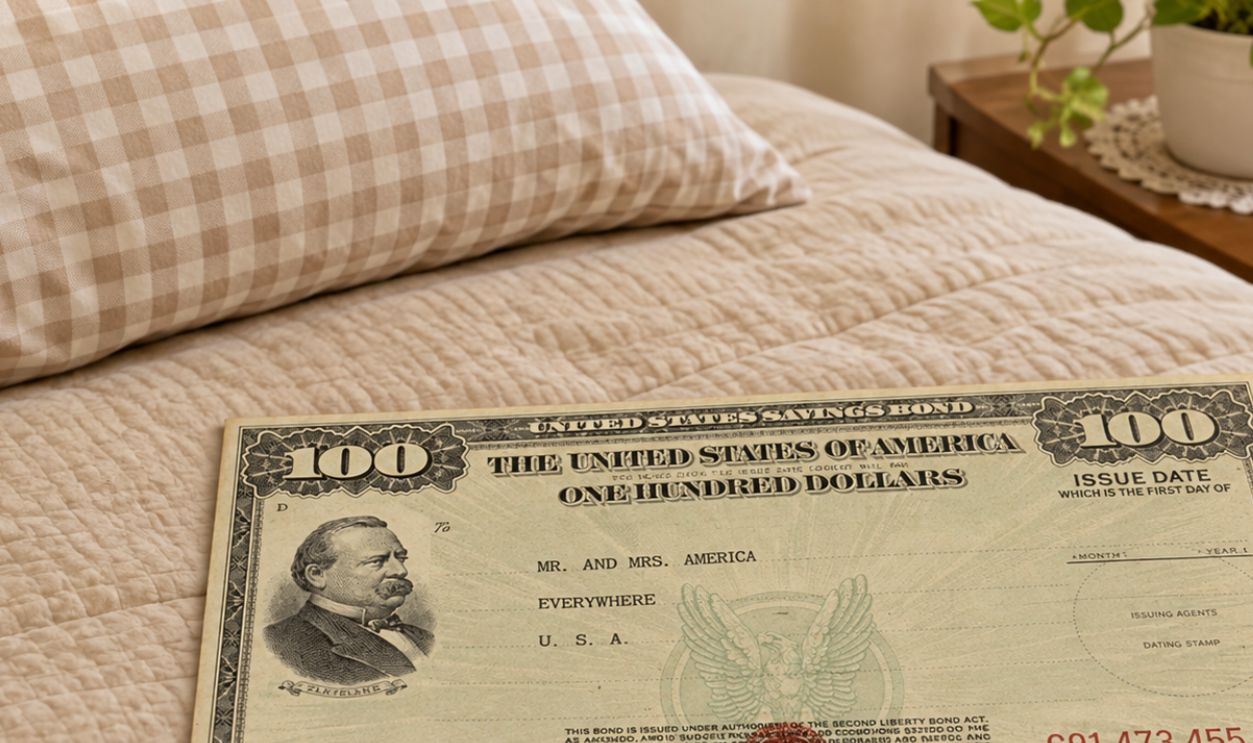
On paper bonds, the word "OR" generally indicates co-ownership. Treasury says either named co-owner can redeem a paper bond without the other's approval. That arrangement differs from a certificate bearing just one owner's name.
 National Archives and Records Administration, Wikimedia Commons
"POD" Doesn't Mean Co-Ownership
A bond marked "POD," or payable on death, names a beneficiary rather than another current owner. The beneficiary generally becomes owner when the original owner dies. Until then, the named owner controls redemption, regardless of who holds the envelope.
 US Government, Wikimedia Commons
Your Childhood Name Isn't A Problem
Maybe the bond displays a former surname, or you've changed your name since childhood. Treasury says a marriage-related name change doesn't require reissuing a paper EE or I bond. Follow its instructions for signing with both names when redeeming.

Call Your Bank Before Showing Up
Some banks redeem paper savings bonds, but not all do. Contact a bank where you hold an account and ask about identification, documentation, and payment limits. A quick call can save an unnecessary trip with decades-old certificates.

One Bank's Refusal Isn't The End
If your branch won't cash the bonds, you haven't lost their value. Treasury offers a direct redemption process. Banks set their own limits and practices, while Treasury accepts eligible bonds submitted according to its instructions.

Treasury Has A Mail-In Option
To cash eligible paper bonds directly through Treasury, complete FS Form 1522 and send it with the certificates. If the total redemption value exceeds $1,000, signature certification is required. Follow the form's current mailing instructions carefully.

Paper Bonds Can't Be Cashed In Pieces
Unlike eligible electronic savings bonds, a paper bond must be redeemed for its entire value. You can't cash half today and save half for next year. If you're managing several certificates, however, you can decide which individual bonds to redeem.
 United States Department of the Treasury, Wikimedia Commons
Electronic Conversion Is Another Choice
You can convert eligible paper EE and I bonds to electronic form through TreasuryDirect instead of immediately redeeming them. Conversion preserves their interest terms and maturity dates. For bonds still earning interest, Treasury says the conversion itself isn't taxable.
 Glenn Carstens-Peters, Unsplash
Even Damaged Bonds May Be Recoverable
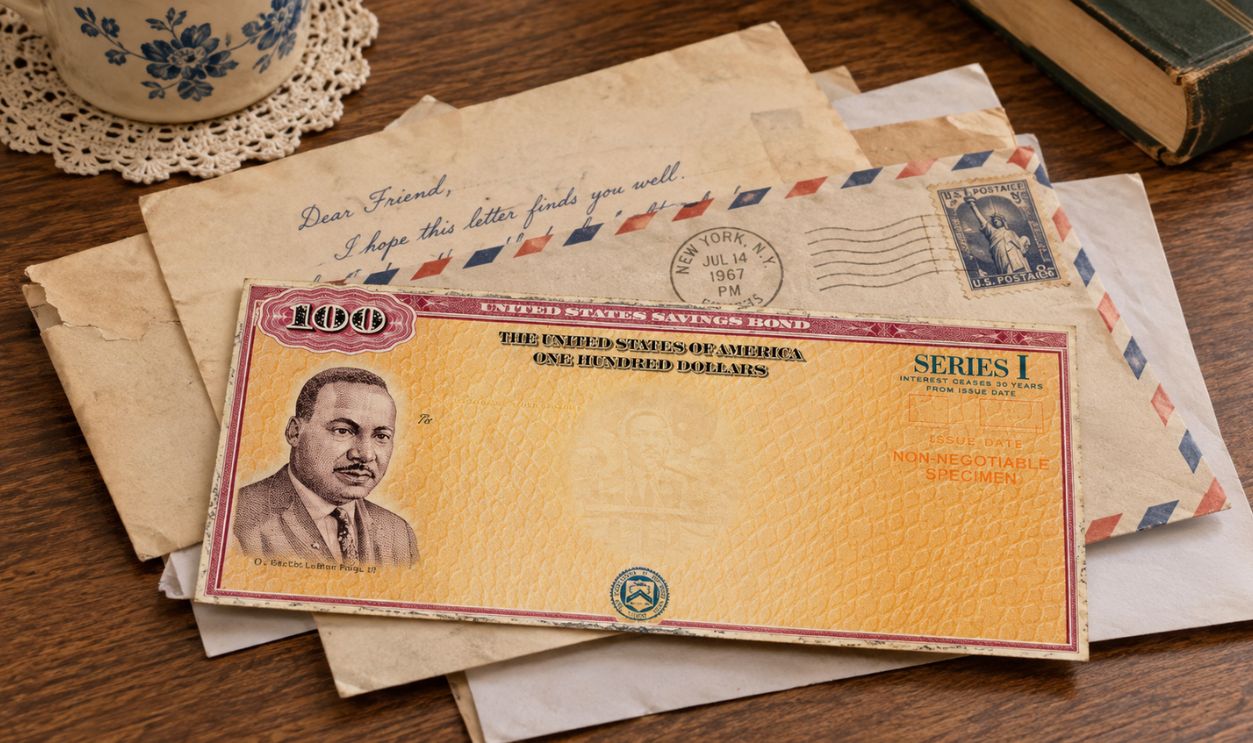
A torn, lost, or destroyed paper savings bond doesn't necessarily mean the money is gone. Treasury offers a claims process using FS Form 1048. Replacement EE and I bonds are issued electronically, or eligible owners can request payment.
 United States Department of the Treasury, Wikimedia Commons, Modified
The Old Treasury Hunt Advice Has Changed
You may encounter instructions to use Treasury Hunt to locate unredeemed bonds. Be careful: Treasury's website says that search tool ended on September 30, 2025. Its current guidance directs people with suspected missing bonds to the savings-bond claims forms.

Uncle Sam May Want A Share
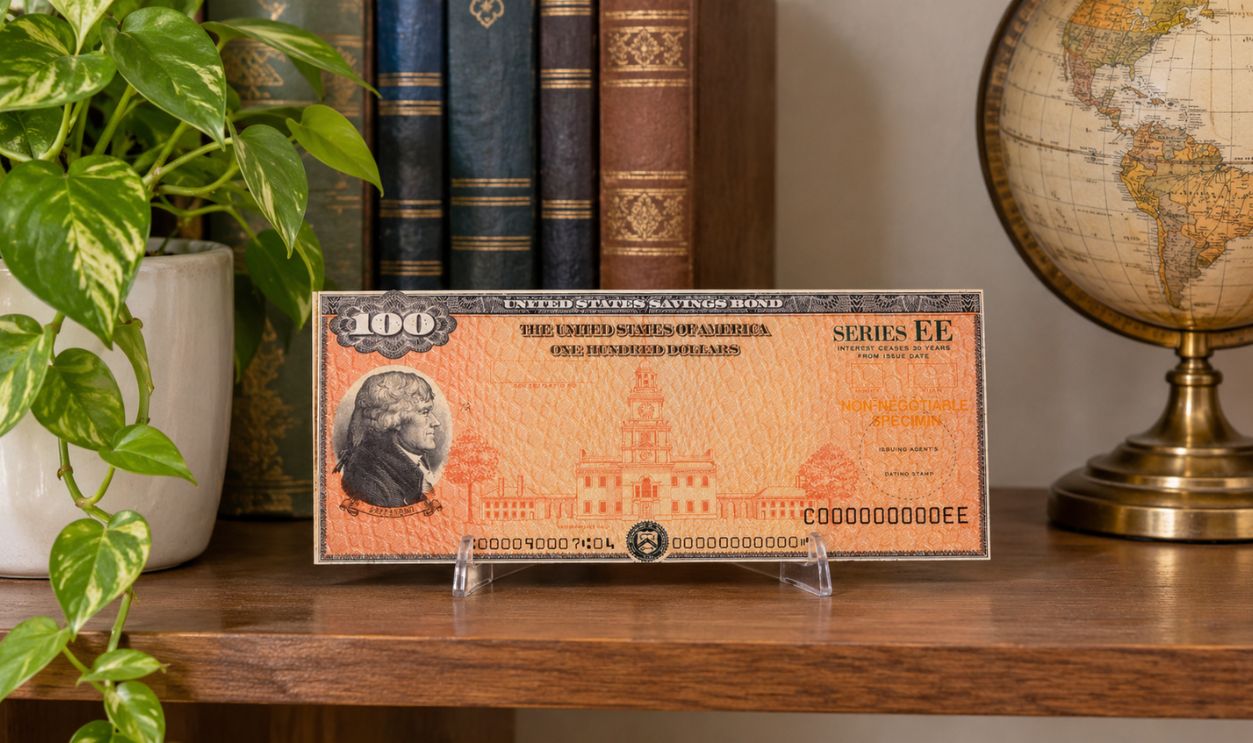
Interest on EE and I savings bonds is generally subject to federal income tax, but not state or local income tax. When a bank or Treasury redeems a bond, it generally provides Form 1099-INT showing the interest for tax reporting.
 United States Department of the Treasury, Wikimedia Commons, Modified
Maturity Matters For The Tax Year Too
The IRS generally allows cash-basis taxpayers to postpone reporting E, EE, and I bond interest until redemption or final maturity, whichever comes first. If your bonds matured years ago, check whether that interest should already have been reported.
 Carol M. Highsmith, Wikimedia Commons
College Expenses Don't Guarantee A Tax Break
Some EE and I bond interest can qualify for an education-related federal tax exclusion. But the original owner must have been at least 24 when the bond was issued. Bonds registered directly to you as a child generally fail that condition.

Check The Value Before Deciding What To Do
Start by inventorying each bond, checking its maturity date, and confirming its owner. Then decide whether it is still growing or ready for redemption. The important discovery isn't the old paper itself; it's what Treasury will actually pay.
You May Also Like: