
When A Family Home Becomes A Family Feud
Your dad added your name to the house deed because he wanted to make inheritance easier. Now your siblings are arguing that you've received more than your fair share. Can they actually challenge the arrangement? The answer depends on how the property was transferred, your dad's intentions, and whether the deed was legally valid.

Start With What The Deed Actually Says
Before worrying about your siblings' objections, get a copy of the recorded deed. Its wording determines whether you own the property outright, share ownership with your father, or hold a particular type of interest. These arrangements have very different consequences.

Being On The Deed Is Different From Being In The Will
A deed establishes ownership rights, while a will generally directs how estate assets are distributed after someone dies. If your father transferred ownership while alive, that transaction may take precedence over what his will says about the house.

If Your Dad Is Still Alive, Things Are Different
If your father is alive, he may still be able to explain his decision or make changes within his remaining ownership rights. However, transferring a genuine ownership interest isn't necessarily reversible just because the family disagrees. Your consent might be required.

Joint Tenancy Could Make You The Sole Owner
If the deed establishes joint tenancy with right of survivorship, your father's interest generally passes automatically to you when he dies. This arrangement is commonly used to avoid probate, although its validity and continued existence depend on applicable state law.

Tenancy In Common Changes The Outcome
If you and your father own the house as tenants in common, his share generally doesn't transfer automatically to you. Instead, his ownership interest becomes part of his estate and passes according to his will or applicable inheritance laws.

Avoiding Probate Doesn't Mean Avoiding Every Dispute
Joint ownership with survivorship rights can keep a house outside ordinary probate administration. However, avoiding probate doesn't make a questionable transfer immune from challenge. Someone with sufficient legal grounds may still seek a court ruling on the deed's validity.

A Will Usually Can't Override Survivorship Rights
Suppose your father's will divides everything equally among his children. That doesn't necessarily mean the house gets divided too. Property passing through a valid survivorship arrangement generally transfers outside the will, even when the resulting distribution looks unequal.

The Rest Of The Estate Is A Separate Matter
Your father's bank accounts, investments, personal belongings, and other property may follow entirely different inheritance arrangements. The house being outside probate doesn't automatically exclude everything else. Each asset's ownership and beneficiary arrangements determine how it transfers.

Fairness Alone Usually Isn't Enough
Parents generally have considerable freedom to decide how they distribute their property, subject to applicable protections and restrictions. A decision favoring one child isn't automatically invalid. Your siblings typically need something more substantial than believing they deserved an equal share.

Your Siblings Need Grounds To Bring A Case
Before challenging the transfer, your siblings must establish that they have a sufficient legal interest to pursue the claim. Courts generally require more than disappointment. Whether they qualify to challenge the deed depends on their rights and the state's rules.

A Forged Signature Could Change Everything
If someone signed your father's name without authorization, the situation becomes far more serious. In New York, courts have ruled that forged deeds cannot validly transfer ownership. Other jurisdictions have their own procedures for investigating and setting aside fraudulent conveyances.
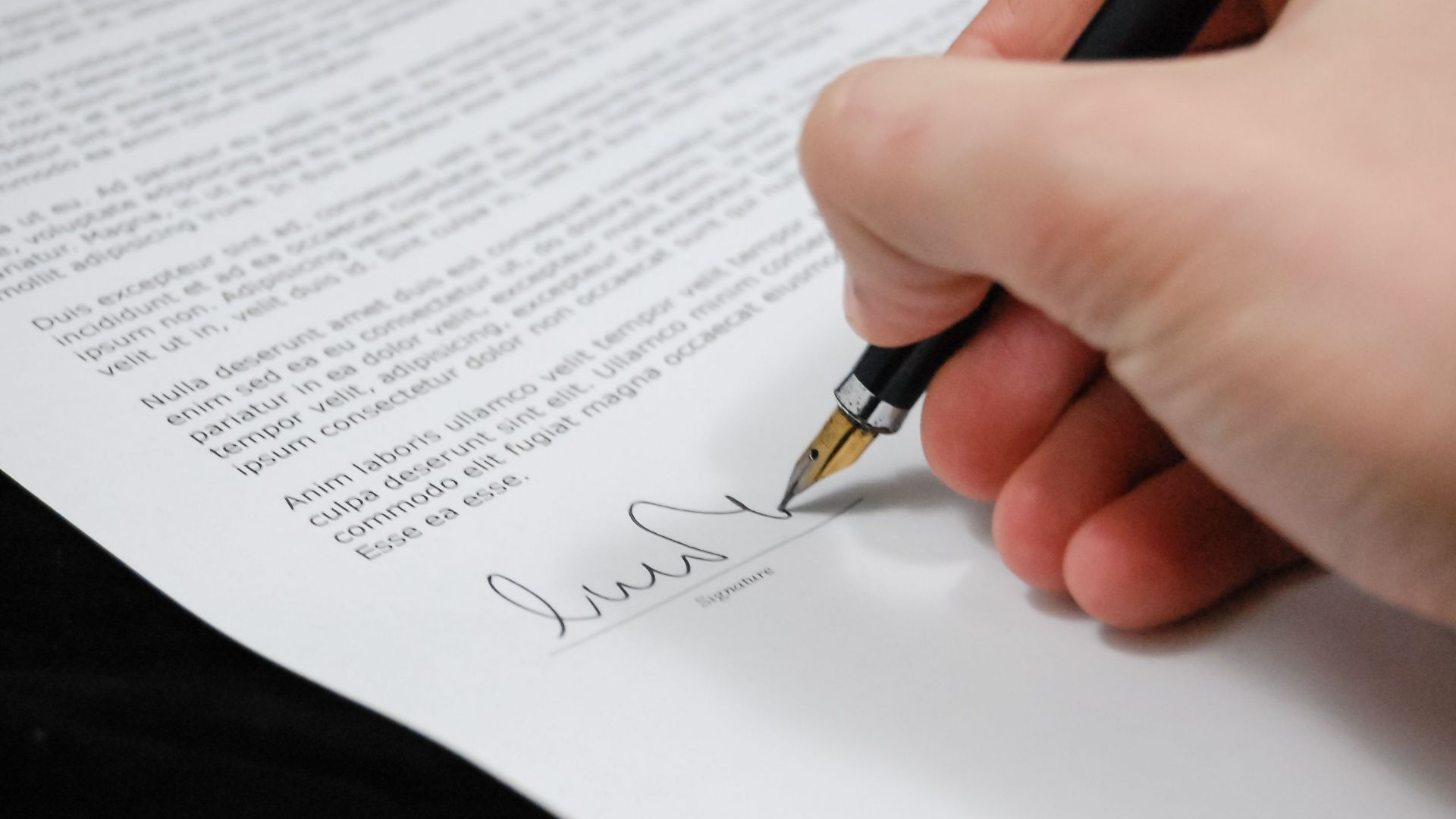
The Transfer Must Meet Legal Requirements
Deeds must satisfy applicable requirements concerning their preparation, execution, and delivery. Recording also helps establish public notice of ownership. If important formalities were missing, your siblings might question whether the transfer was completed correctly.

Your Father's Mental Capacity Matters
A particularly important issue is whether your father understood the transaction when he signed. Courts examining capacity challenges focus on his understanding at that time. Evidence concerning his condition months or years later isn't necessarily enough to invalidate an earlier deed.

A Medical Diagnosis Doesn't Automatically Cancel A Deed
Even an Alzheimer's diagnosis doesn't conclusively establish that someone lacked capacity to transfer property. New York courts have upheld deeds when challengers failed to demonstrate incapacity at signing. The specific facts surrounding the transaction matter considerably.

Undue Influence Is Another Possible Argument
Your siblings could argue that someone pressured your father into adding you to the deed. Undue influence involves improper persuasion that overcomes someone's independent decision-making. Simply benefiting from the transfer doesn't establish that you improperly influenced him.

Power Of Attorney Raises Additional Questions
If you signed paperwork using your father's power of attorney rather than having him execute the deed personally, additional scrutiny may follow. Agents have fiduciary responsibilities, and their authority to transfer property to themselves can be restricted.

The Attorney's Records Could Help Explain Everything
If an independent attorney prepared the deed, their records may become valuable evidence. Notes about your father's instructions, the discussions surrounding the transfer, and who attended meetings could help establish whether the decision genuinely reflected his wishes.

Being His Caregiver Isn't Proof Of Wrongdoing
Perhaps you lived nearby, helped your father manage appointments, or handled household responsibilities. Those circumstances alone don't establish improper influence. Courts examine the actual relationship, the degree of dependence, and evidence of pressure rather than assuming caregiving was manipulative.

A Judge May Have To Determine Ownership
When parties dispute who properly owns real estate, a quiet title action may provide a way to resolve competing ownership claims. The court examines the evidence and determines which interests are valid, potentially removing uncertainty surrounding the property's title.

Waiting Too Long Can Create Problems
Some challenges face statutes of limitations that restrict when proceedings may begin. The deadlines depend on the jurisdiction and type of claim. However, certain challenges involving forged deeds receive different treatment, so the exact grounds matter enormously.

A Dispute Can Make Selling Difficult
Even if you believe you own the house, a pending ownership dispute can complicate a sale. Buyers and lenders generally want clear title. Unresolved claims may require additional investigation or a court decision before a transaction can proceed.

Shared Ownership Can Lead To A Forced Sale
If your father is still alive and you jointly own the property, disagreements between actual co-owners create another concern. Depending on the ownership arrangement, a co-owner may seek partition, potentially resulting in a court-ordered sale if division isn't practical.

Your Own Financial Problems Could Affect The Property
Adding a child as a present co-owner creates risks that parents sometimes overlook. Depending on the circumstances and state protections, creditors or disputes involving that child may affect the property. Probate avoidance doesn't automatically shield the house from those complications.

The Mortgage Still Needs Attention
Owning a house and being responsible for its mortgage aren't necessarily identical. If your father has died, contact the mortgage servicer about the remaining loan and required documentation. Federal rules provide certain protections for qualifying successors who acquire ownership.

There Could Be Unexpected Tax Consequences
Lifetime gifts and inherited property can receive different federal tax treatment. Joint ownership introduces additional considerations involving contributions and estate inclusion. Adding you to the deed might also have created gift-tax reporting obligations for your father, even without immediate tax due.

So, Can Your Siblings Actually Win?
Yes, a properly supported challenge can succeed, but disappointment over unequal inheritance generally isn't enough. If your father knowingly and voluntarily executed a valid deed, your position may be strong. For future planning, transfer-on-death deeds offer another probate-avoidance option in participating states without immediately transferring ownership.

You May Also Like:
My landlord offered a discount if I don't use the heat after 10 PM. Is that enforceable?
My husband says we should stop saving for college because the kids can borrow. Is he right?
Sources: 1, 2, 3, 4, 5, 6, 7, 8, 9, 10, 11, 12, 13, 14, 15, 16, 17, 18, 19, 20, 21, 22