The Rent Discount Catch
A rent discount can sound great, especially when winter utility bills spike. But if your landlord says the deal depends on not using the heat after 10 p.m., that is where the offer can run into housing law. In many places, landlords cannot waive basic habitability duties, even if a tenant agrees in writing.
Why This Matters
Heat is not just another apartment extra like parking or storage. In many states and cities, it is part of the minimum standard for a livable home. So the real issue is usually not private bargaining. It is whether the deal cuts into a landlord’s legal duty to provide safe housing.

Start With The Lease
The first step is simple: read the lease closely. If the lease already includes heat, a landlord usually cannot change that duty in the middle of the term without your agreement. And even if you do agree, a court or housing agency may still refuse to enforce a term that breaks tenant-protection laws.

Habitability Is The Main Legal Problem
The big legal idea here is the implied warranty of habitability. In New York, that rule is written into Real Property Law Section 235-b, which says residential leases come with an automatic promise that the place is fit to live in. That promise usually cannot be signed away if the result is an unsafe or unhealthy apartment.

What New York Law Says
New York’s Real Property Law Section 235-b has been a key tenant protection rule for decades. It requires conditions that are not dangerous, hazardous, or harmful to life, health, or safety. A heat restriction that leaves an apartment too cold at night could clash directly with that standard.

Heat Rules Can Get Very Specific
Some places do not just say landlords must provide heat. They set exact dates, times, and minimum indoor temperatures. New York City is a good example, and its rules take much of the guesswork out of this question.

The New York City Heat Season
In New York City, heat season runs from October 1 through May 31 each year. During that stretch, building owners must keep apartments at certain indoor temperatures when outdoor temperatures drop below set levels. Those rules come from the city’s Housing Maintenance Code, and the city explains them in plain language.
The Daytime Temperature Rule
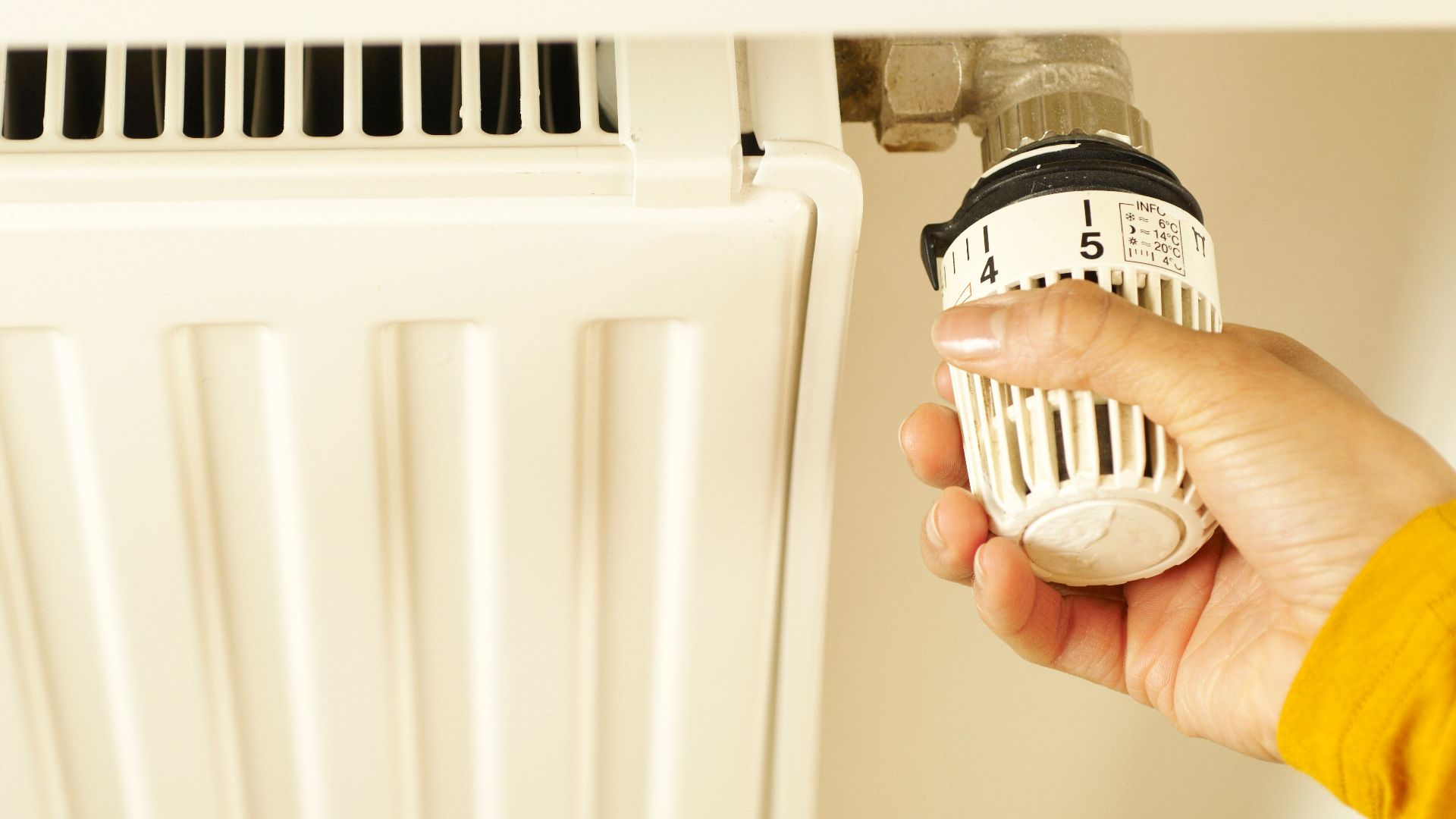
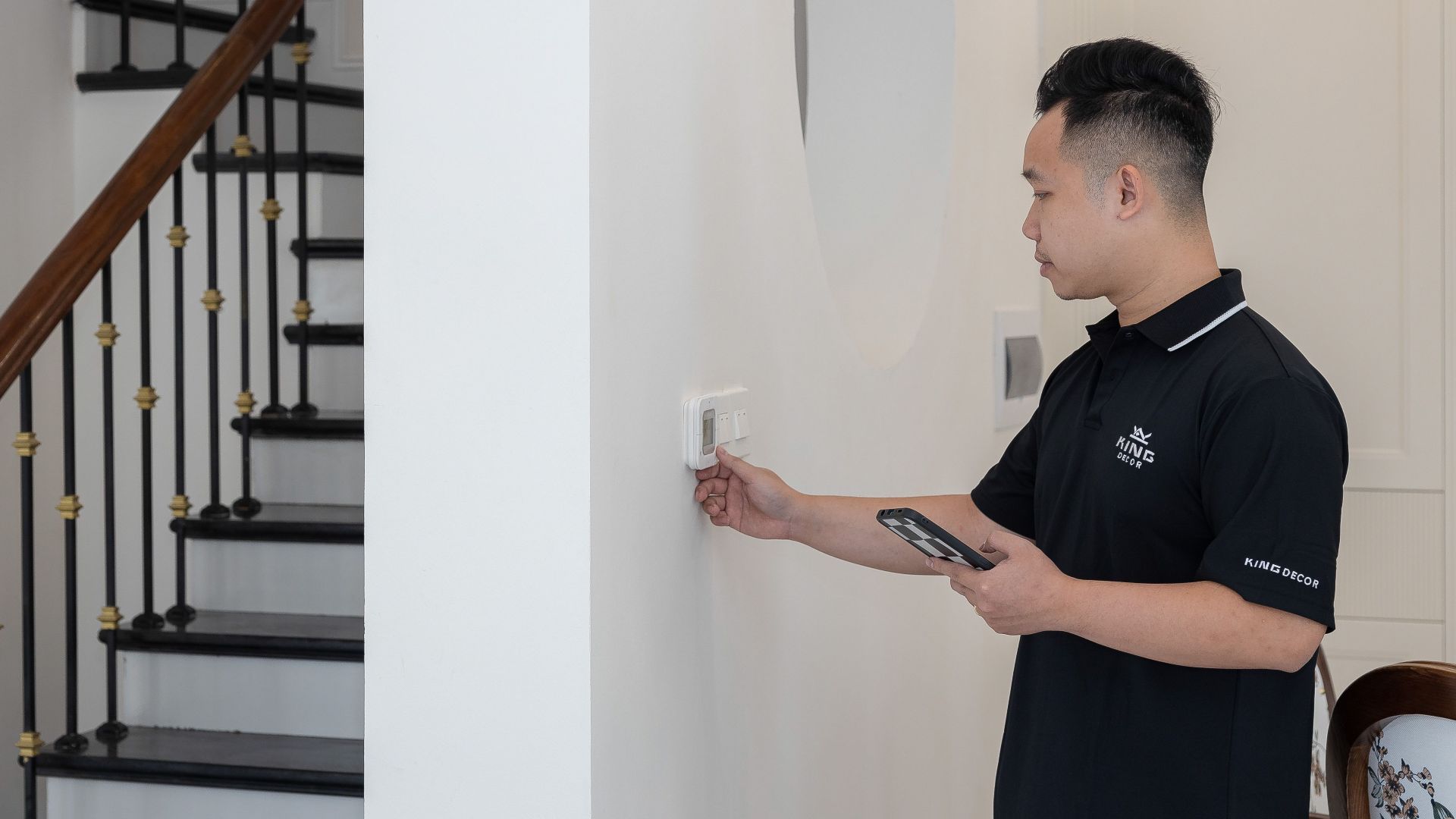
From 6 a.m. to 10 p.m., if the outdoor temperature falls below 55 degrees Fahrenheit, landlords in New York City must keep apartments at least 68 degrees inside. That is a legal minimum during heat season.
The Overnight Rule Is The Big Issue
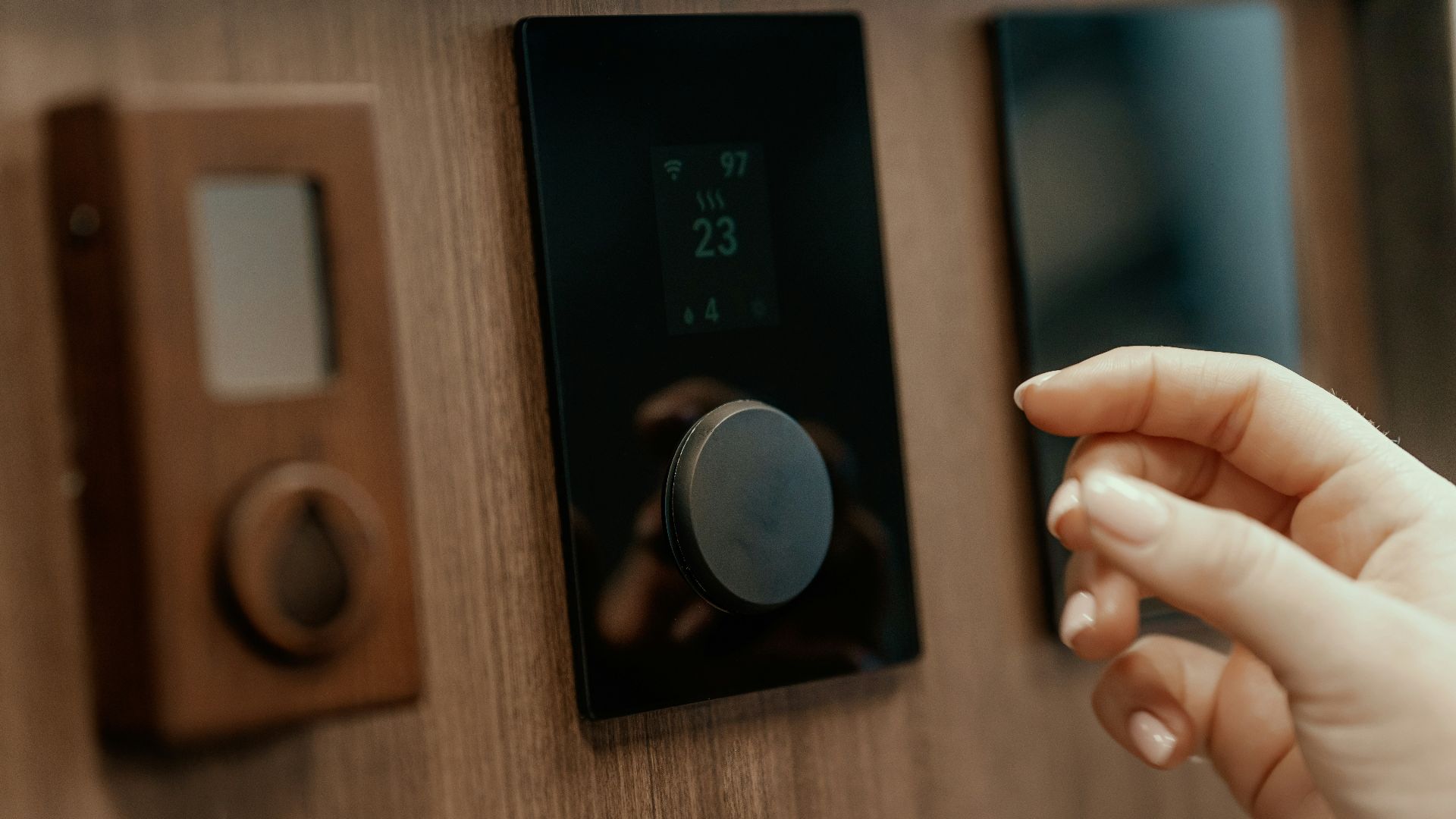
From 10 p.m. to 6 a.m., New York City requires apartments to be at least 62 degrees Fahrenheit indoors, no matter the outdoor temperature. That is a direct problem for any landlord offering a discount if you agree not to use heat after 10 p.m. If the apartment cannot stay at that overnight minimum without cutting off your heat or limiting your access, the deal starts to look legally weak.
A Discount Does Not Cancel The Duty
A landlord may call the deal voluntary, but courts and regulators often look at what actually happens. If the discount pressures a tenant to live with unlawful temperatures, it may not hold up. The law usually cares more about whether the unit stays habitable than about how the deal was packaged.

State Rules Matter Outside New York City Too
If you are not in New York City, do not assume the landlord has the upper hand. Many states and local governments have their own minimum heat rules in housing codes or health laws. The details change from place to place, but the general pattern is the same: landlords usually cannot contract around basic safety rules.

California Takes Habitability Seriously Too
California law also treats habitability as a big deal. The California Department of Consumer Affairs explains that tenants cannot be forced to give up rights tied to habitability. Working heating facilities are part of the state’s list of conditions that generally make a rental unit fit to live in.
 Quintin Soloviev, Wikimedia Commons
What California Counts As A Basic Condition
California Civil Code Section 1941.1 includes heating facilities in good working order as one of the features a residential unit should have to be considered tenantable. That does not mean a tenant can use heat without any limits at all. But it does mean a landlord cannot turn a habitable apartment into a cold one through a side deal that strips out a basic housing condition.
 Centre for Ageing Better, Pexels
Massachusetts Is Another Clear Example
Massachusetts also lays out heating duties with unusual detail. The state sanitary code requires owners to provide heat in every habitable room and bathroom during heating season, with specific minimum temperatures. Rules like that make these disputes much clearer.
 Quintin Soloviev, Wikimedia Commons
The Massachusetts Heating Season
Under Massachusetts regulations, from September 15 through June 15, landlords generally must provide enough heat to keep apartments at least 68 degrees Fahrenheit between 7 a.m. and 11 p.m. and at least 64 degrees at night. A private rent discount would not override that code rule. If the apartment drops below those temperatures, the violation is still the landlord’s problem.

Can A Tenant Ever Agree To Use Less Heat
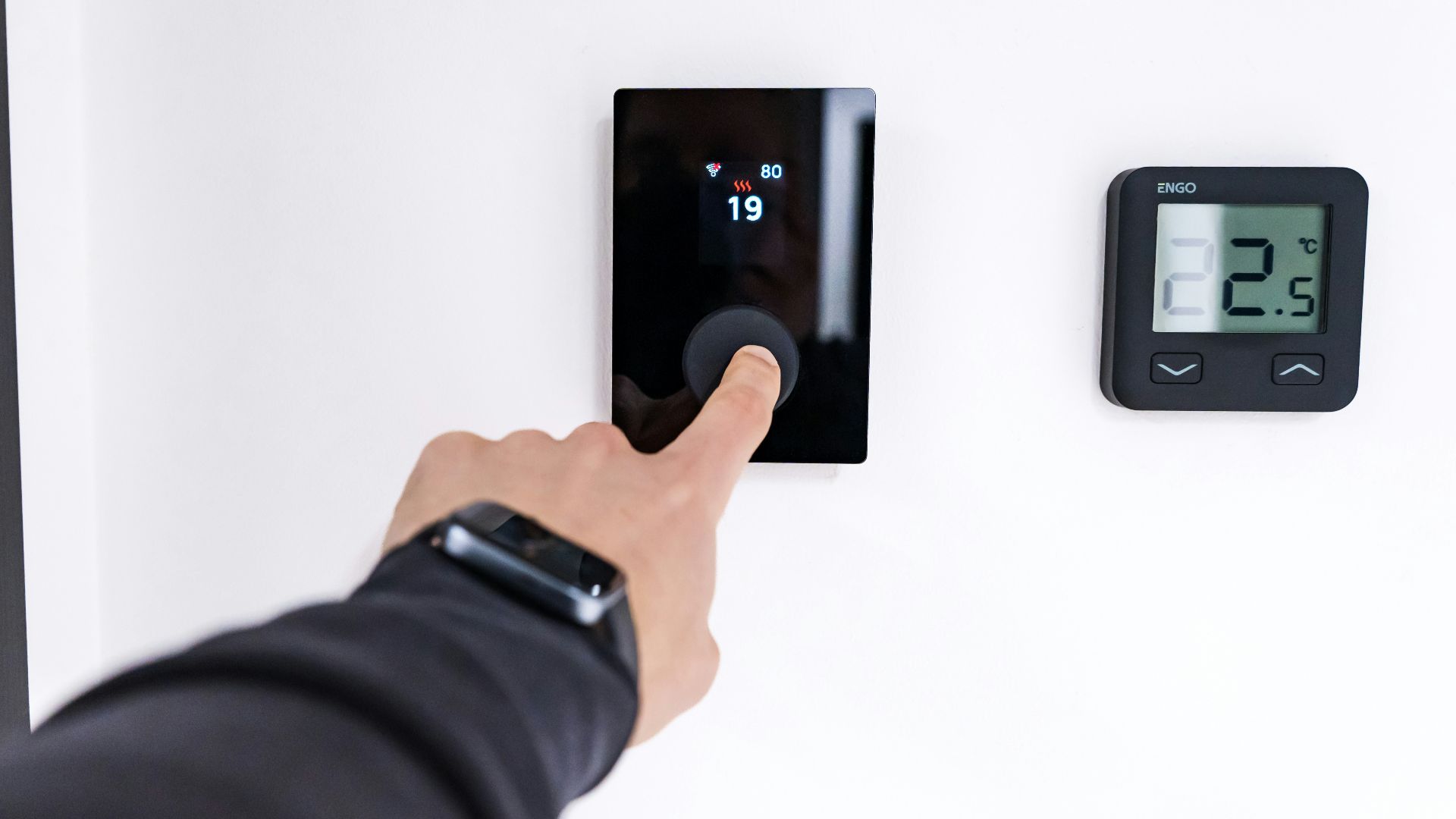
Yes, in a limited everyday way. A tenant can choose to keep the thermostat lower, wear more layers, or try to save energy. What is much harder to enforce is an agreement that punishes a tenant for using heat when it is needed to keep the apartment at legally required temperatures or otherwise safe conditions.

Who Controls The Heat Matters
The details matter a lot if you pay for and control your own heat. If the landlord is just offering lower rent in exchange for your promise to keep your own thermostat down, the question becomes whether the deal is truly voluntary and whether it leads to an unlawful or unsafe unit. If the landlord controls the boiler or blocks your access to heat, that raises much bigger red flags because the landlord is much closer to interfering with a required service.
A Signed Agreement Is Not The End
Some landlords act like a signed agreement settles everything. It does not. Courts often refuse to enforce lease terms that violate statutes, housing codes, or public policy.

Public Policy Carries A Lot Of Weight
Even when a statute does not spell out every possible heat-related trick, public policy often fills in the gap. Housing laws exist in part because tenants usually have less bargaining power and because cold homes can create real health risks. Judges and housing agencies are often skeptical of deals that trade basic safety for a small rent break.

Retaliation Can Become A Separate Issue
If you say no to the deal and later complain about heat problems, the law may protect you from retaliation. Many states bar landlords from punishing tenants for asserting housing rights or reporting code violations. A sudden threat, fee, or refusal to renew after a heat complaint can create a separate legal problem.

Evidence Matters More Than Opinions
If this dispute is starting to build, collect proof early. Save texts, emails, lease addenda, and notices, and keep track of indoor temperatures with time-stamped photos or a thermometer log. If your city or county has a housing inspector, an official inspection can carry far more weight than a landlord saying the apartment feels fine.

Questions To Ask Before You Agree
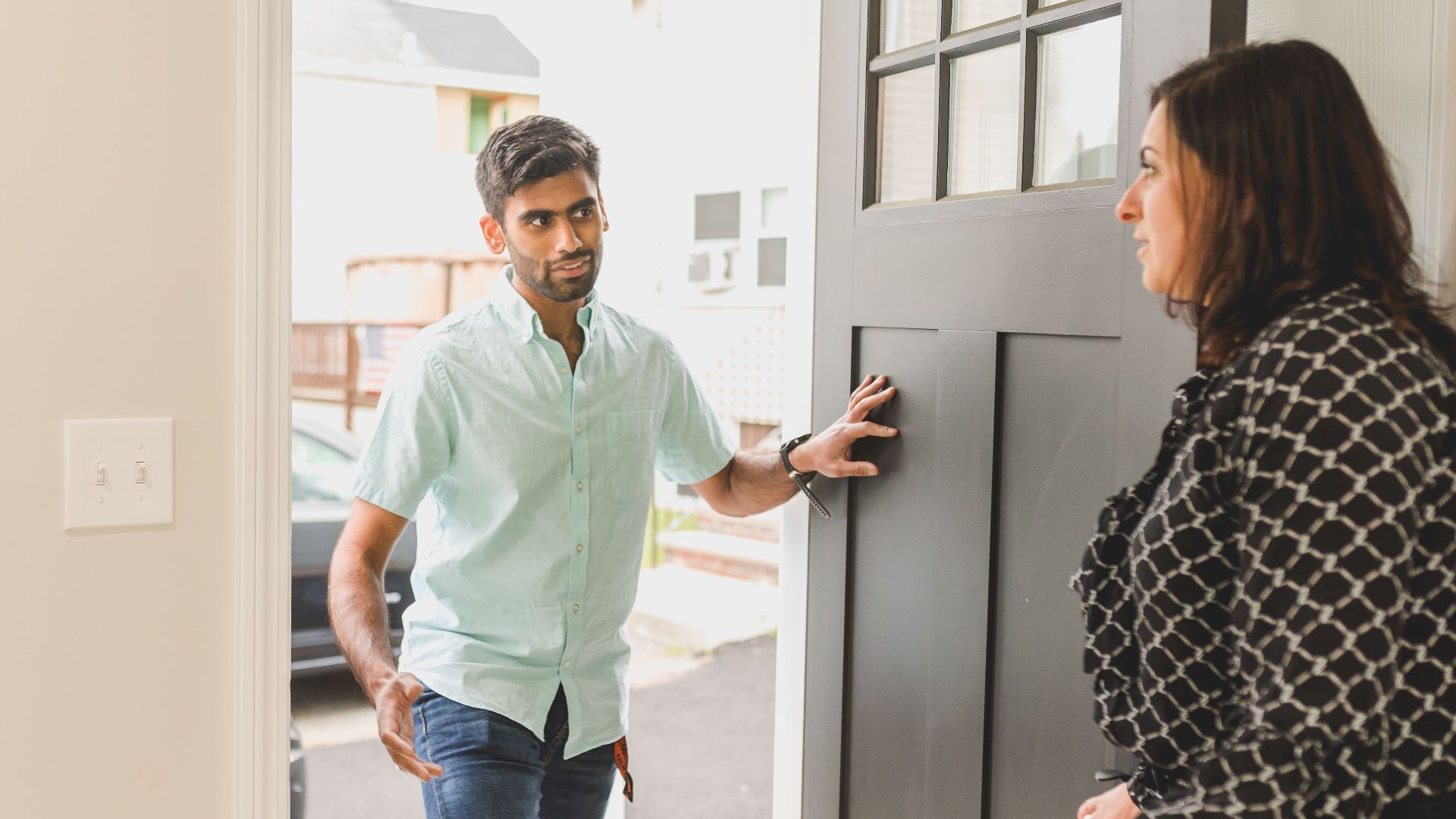
Find out who controls the heat, what the lease says, and whether local law sets minimum indoor temperatures. Ask whether the discount is temporary, whether it will be in writing, and what happens if the apartment gets too cold. If the landlord gets vague when you ask for details, that tells you something too.

What To Do If You Already Signed
Do not assume you are stuck with it. An unlawful lease term may be unenforceable even if you signed it willingly. A local tenants’ rights group, legal aid office, housing agency, or tenant-side landlord-tenant lawyer can help you figure out whether the clause is void under your state or city rules.

Who To Contact In New York City
In New York City, tenants can report heat and hot water problems by calling 311 or using the city’s reporting tools. The city can send inspectors, issue violations, and take enforcement action against owners who fail to meet legal heat requirements. That system exists for a reason: heat complaints are common, and the city treats them seriously during heat season.
 https://kaboompics.com/, Pexels
Health Is Part Of The Picture
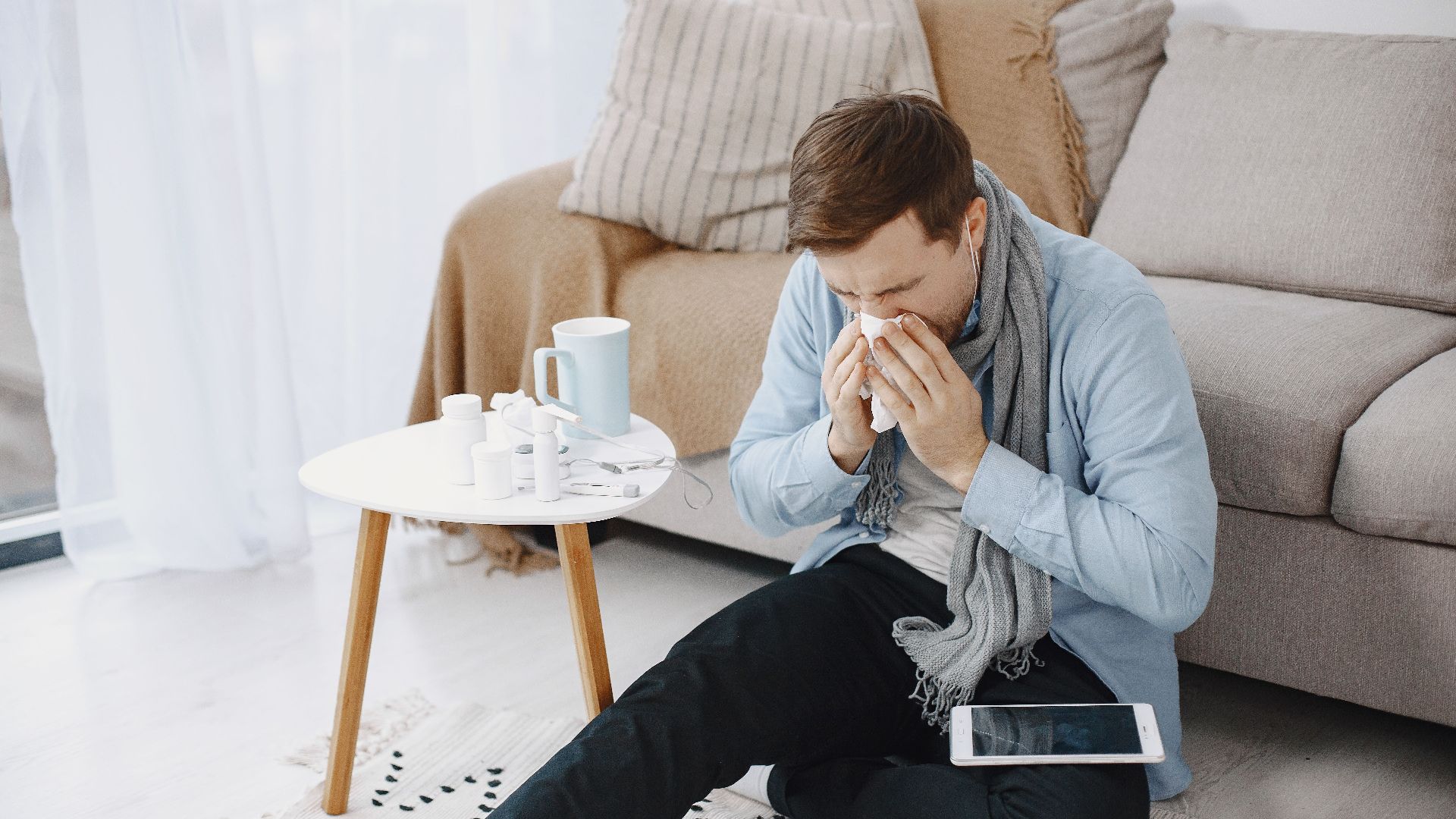
This is not just about comfort or saving a little money. Cold indoor temperatures can hit older adults, infants, and people with certain medical conditions harder than others. That is one reason housing codes usually treat heat as a basic need, not a perk that can be traded away for a small cut in rent.
The Practical Bottom Line
If the deal would leave your apartment below local minimum heat standards or otherwise make it uninhabitable, it is probably not enforceable. If the arrangement is truly voluntary and the unit still meets all legal requirements, the answer gets more fact-specific. But as a practical rule, a landlord usually cannot buy their way out of the duty to provide habitable housing with a late-night heat deal.
Your Safest Next Step
Before you sign anything, check your city or state heat rules and compare them with your lease. If the proposed discount depends on giving up legally required heat, treat it as a warning sign, not a bargain. A little money off the rent is usually not worth a freezing apartment in January.