When Hobbies Were Worth Spending Your Paycheck On
Remember when having a hobby meant spending Saturday afternoon at a specialty store, then coming home with bags of supplies? During the 1980s, Americans happily poured money into everything from model trains to expensive camera equipment. Some of these hobbies are still around, but others would leave today's younger generations scratching their heads.
Building Elaborate Model Train Sets
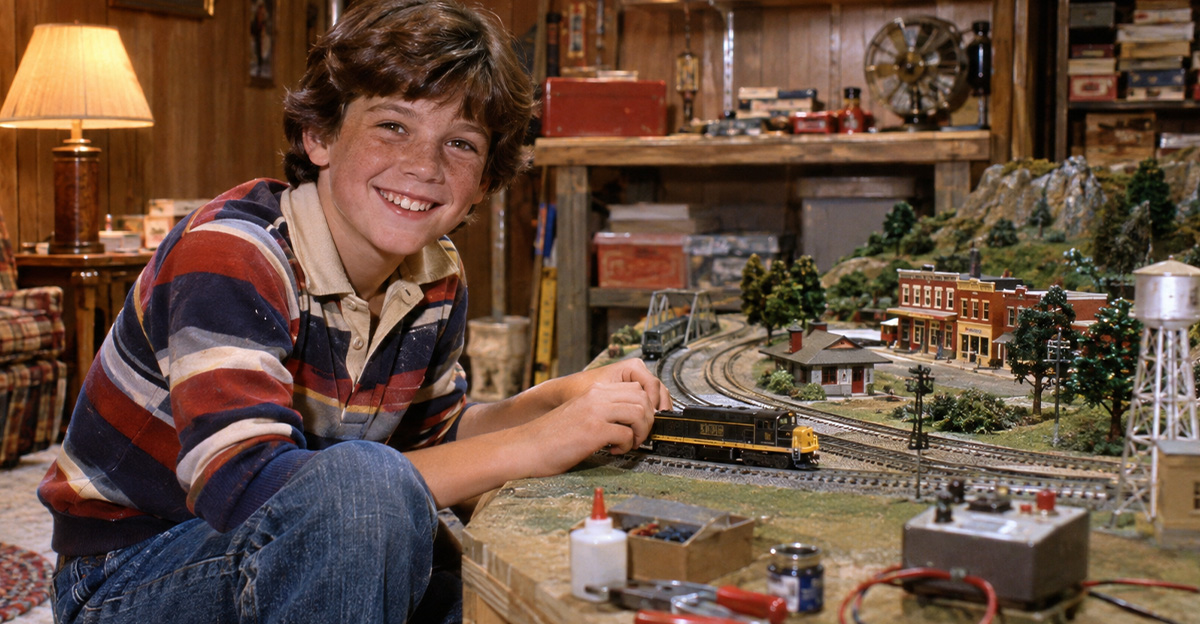
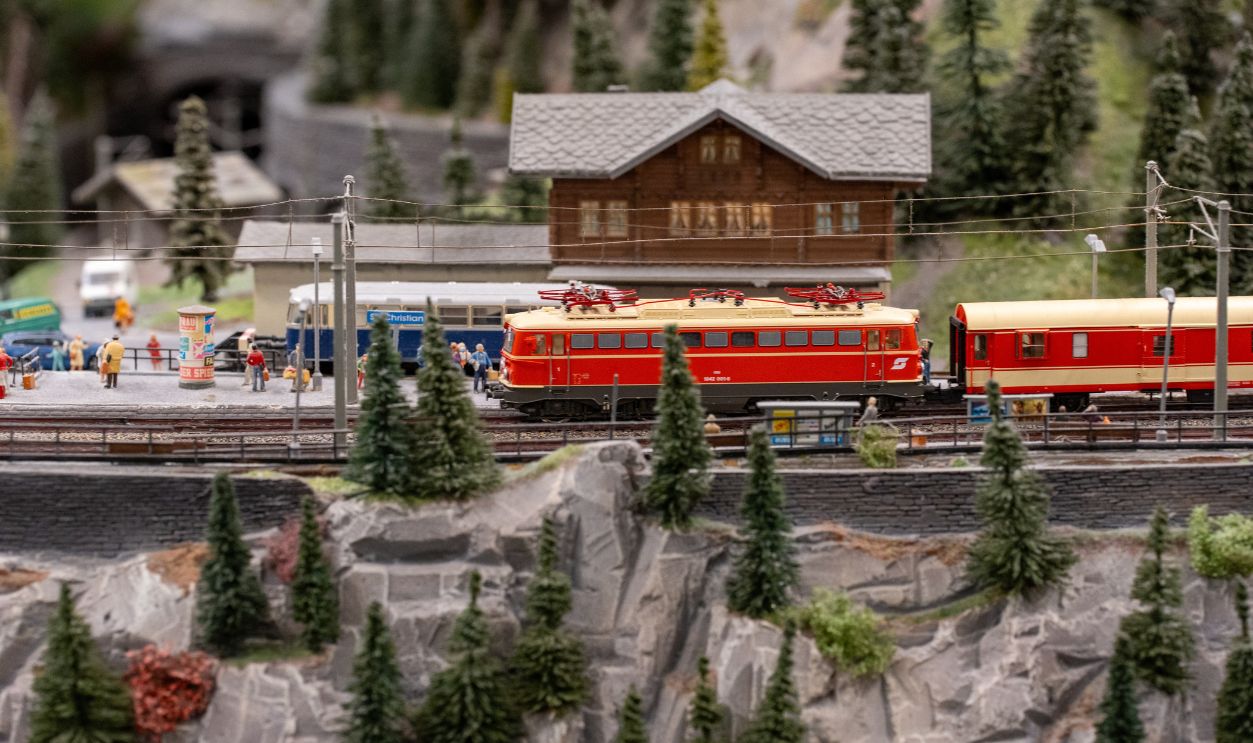
For some Americans, a model railroad wasn't just a hobby. It was practically a second mortgage. Enthusiasts spent hundreds, sometimes thousands, of dollars on locomotives, miniature buildings, tracks, and scenery. Entire basements became tiny railroad empires, complete with working signals, miniature towns, and carefully planned train schedules.
Collecting Baseball Cards Like They Were Gold
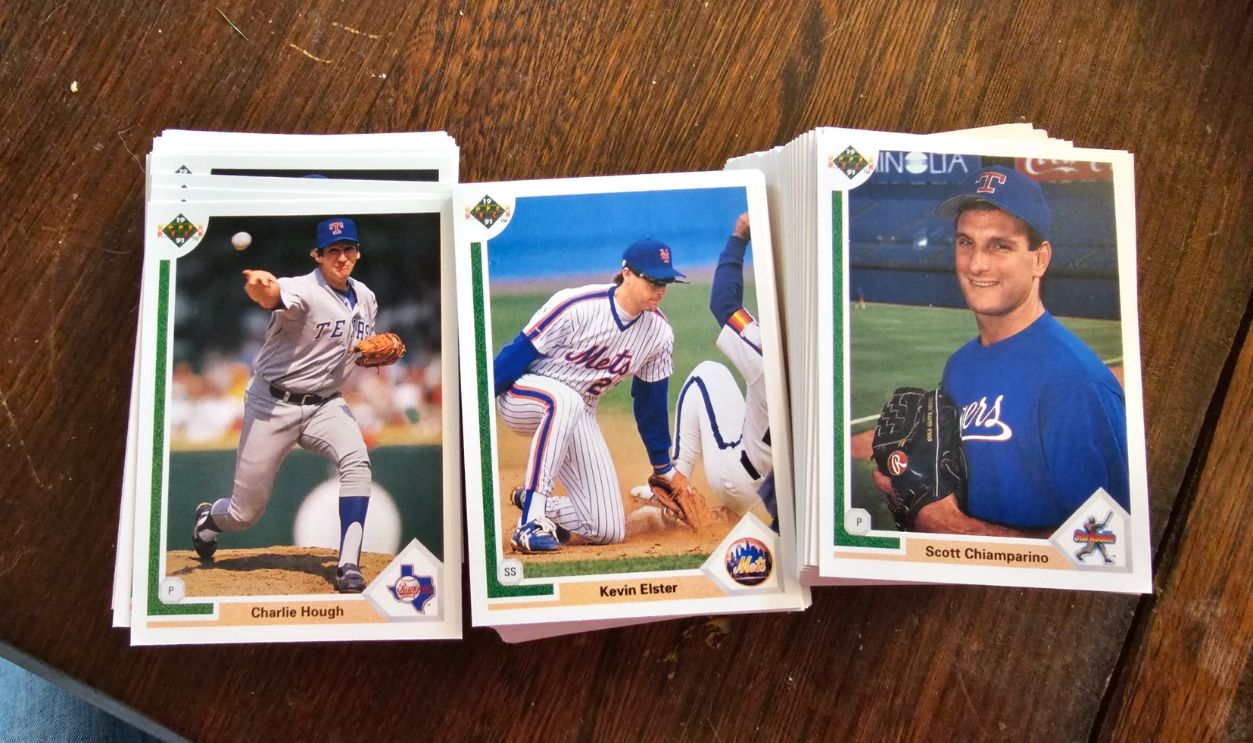
By the late 1980s, baseball cards weren't just for kids trading their favorite players. Adults were spending serious money on unopened packs, complete sets, and rare collectibles. Some even considered their collections retirement investments. Unfortunately, mass production would eventually leave many supposedly valuable cards worth surprisingly little.
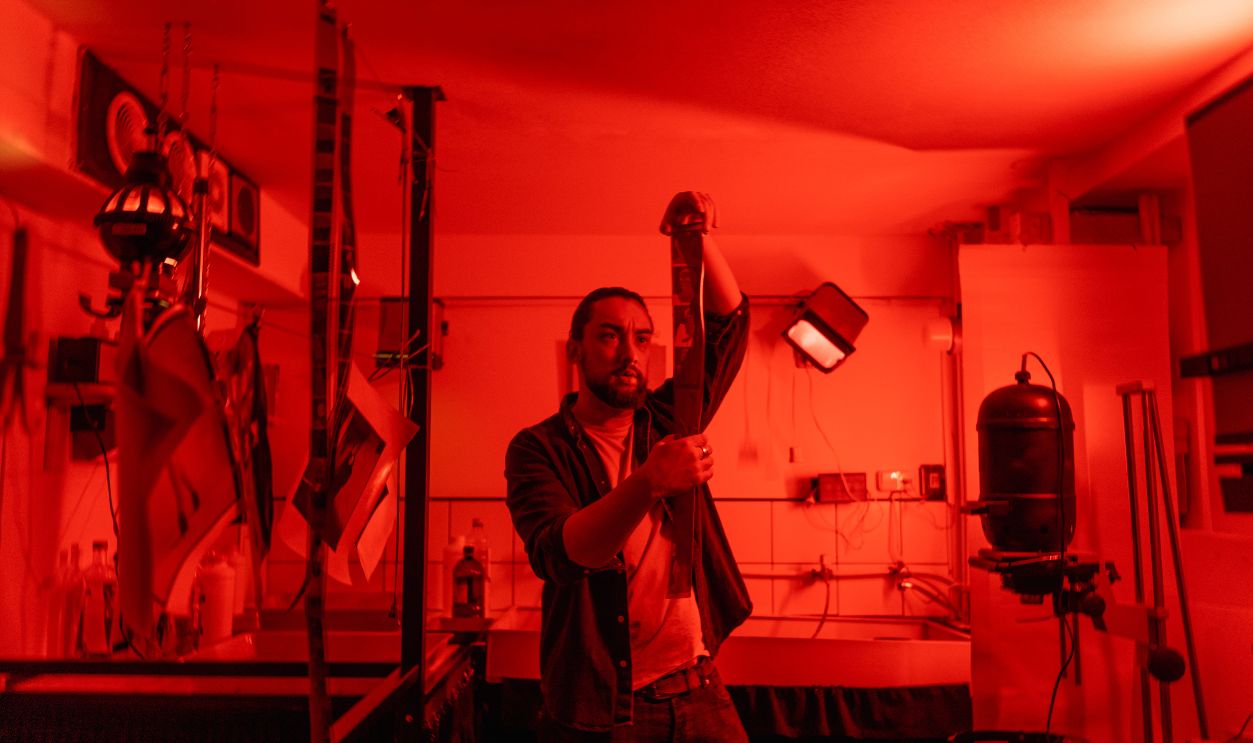
Turning The Basement Into A Darkroom
Before smartphones made everyone a photographer, serious hobbyists built darkrooms at home. Enlargers, developing chemicals, trays, and photographic paper weren't cheap. But watching a black-and-white photograph slowly appear in a chemical bath was something special. Of course, your bathroom might smell like a photography laboratory afterward.
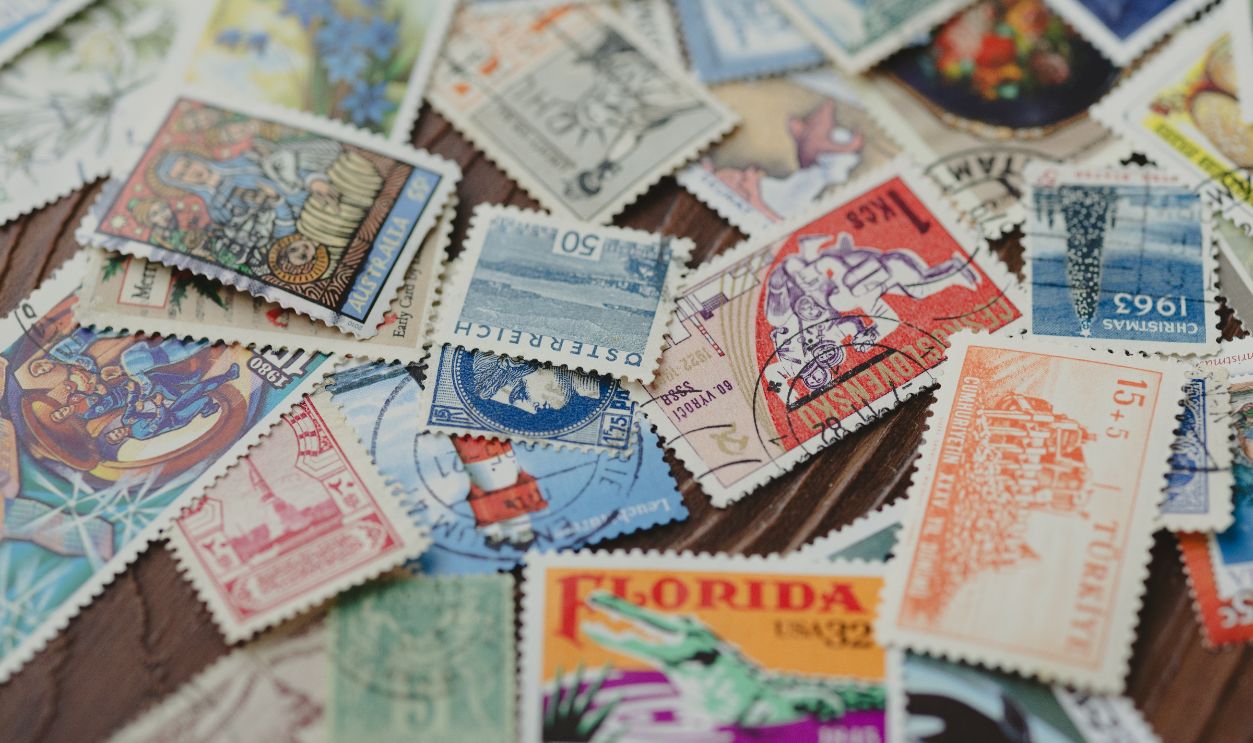
Collecting Stamps From Around The World
Stamp collecting was once a respectable hobby that could swallow entire weekends and plenty of disposable income. Collectors purchased special albums, magnifying glasses, protective mounts, and rare stamps from dealers. Some attended stamp shows looking for that elusive missing piece. Today, younger Americans might wonder why anyone collected postage in the first place.
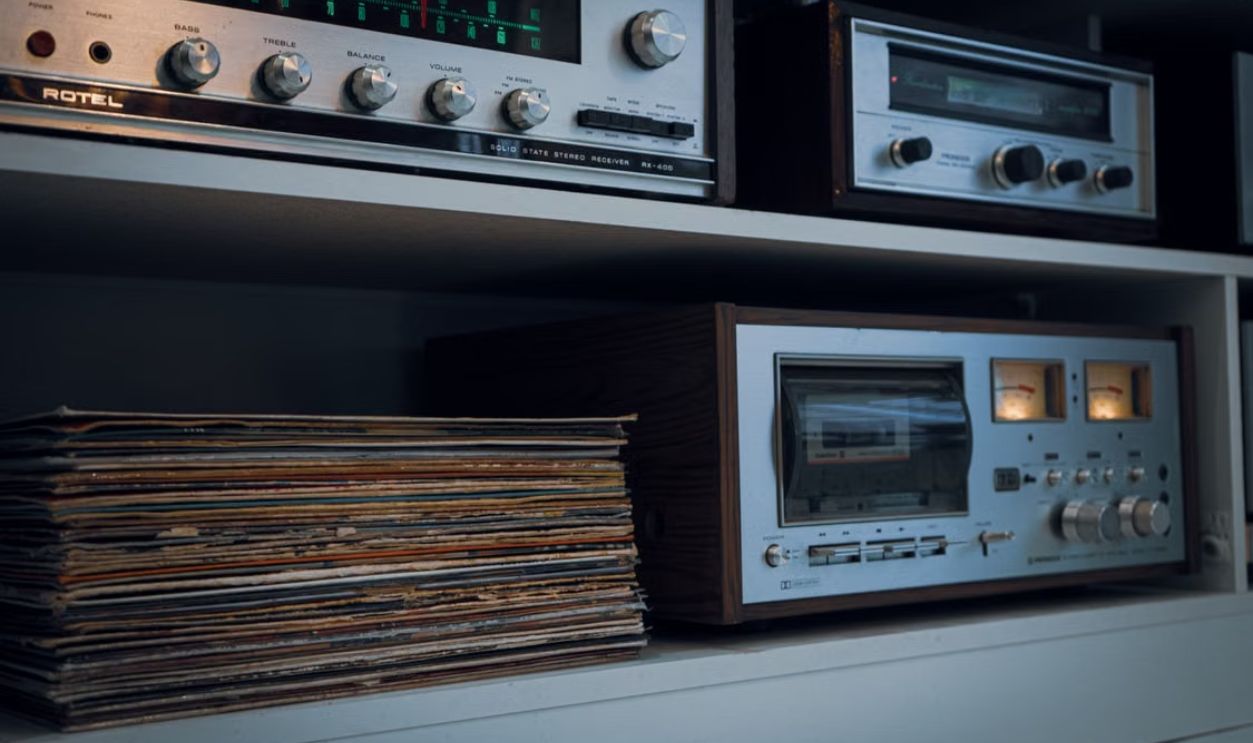
Spending Fortunes On Stereo Equipment
A good stereo system was practically a status symbol in the 1980s. Music enthusiasts spent their savings on massive speakers, turntables, amplifiers, and cassette decks. They argued endlessly about sound quality and proudly showed off their equipment. The idea of listening to everything through a tiny wireless speaker would have seemed ridiculous.
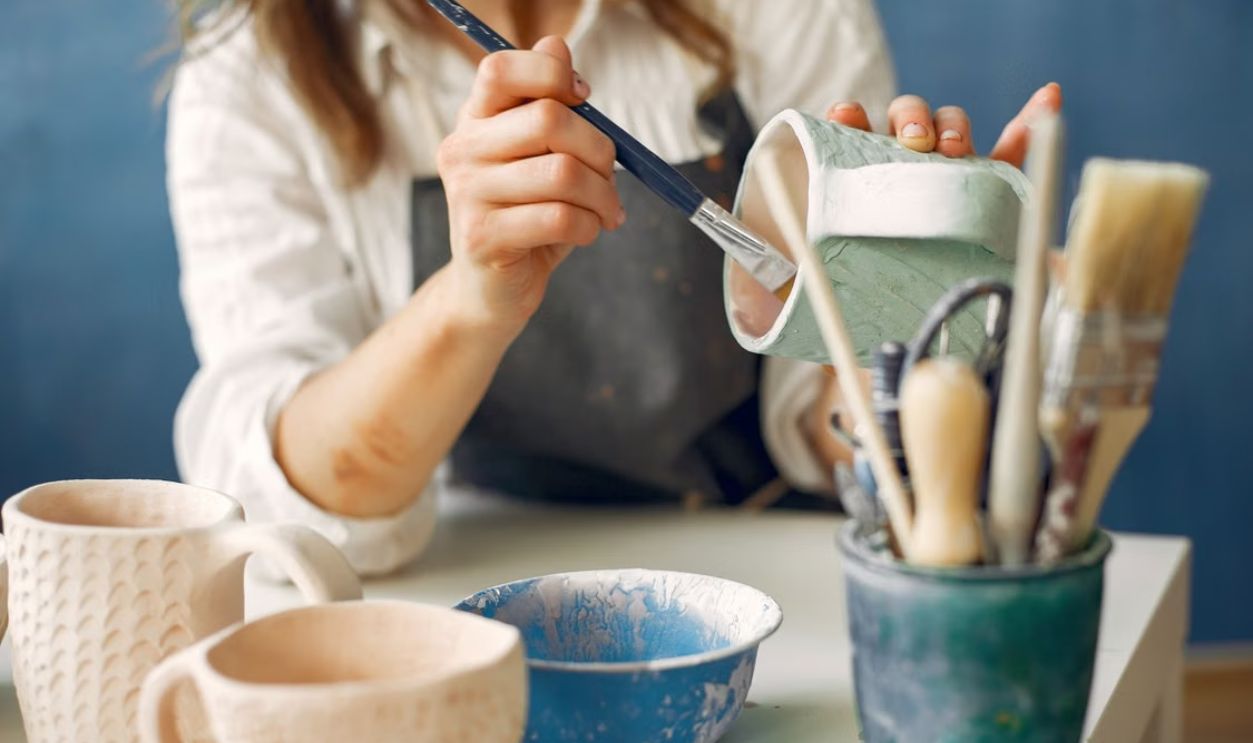
Making Ceramics In Local Pottery Classes
Remember those neighborhood ceramic studios where you could paint a figurine and have it fired in a kiln? Americans spent plenty on unfinished pottery, specialty glazes, brushes, and classes. Ceramic Christmas decorations were particularly popular. Some households accumulated enough homemade ceramic animals to open a small zoo.
Building Radio-Controlled Cars And Airplanes
Radio-controlled hobbies could get expensive surprisingly quickly. Dedicated enthusiasts purchased model airplanes, cars, engines, radio transmitters, batteries, and replacement parts. Clubs gathered at special tracks and flying fields on weekends. Crashing an expensive model airplane after months of construction was a particularly painful way to end a Saturday.

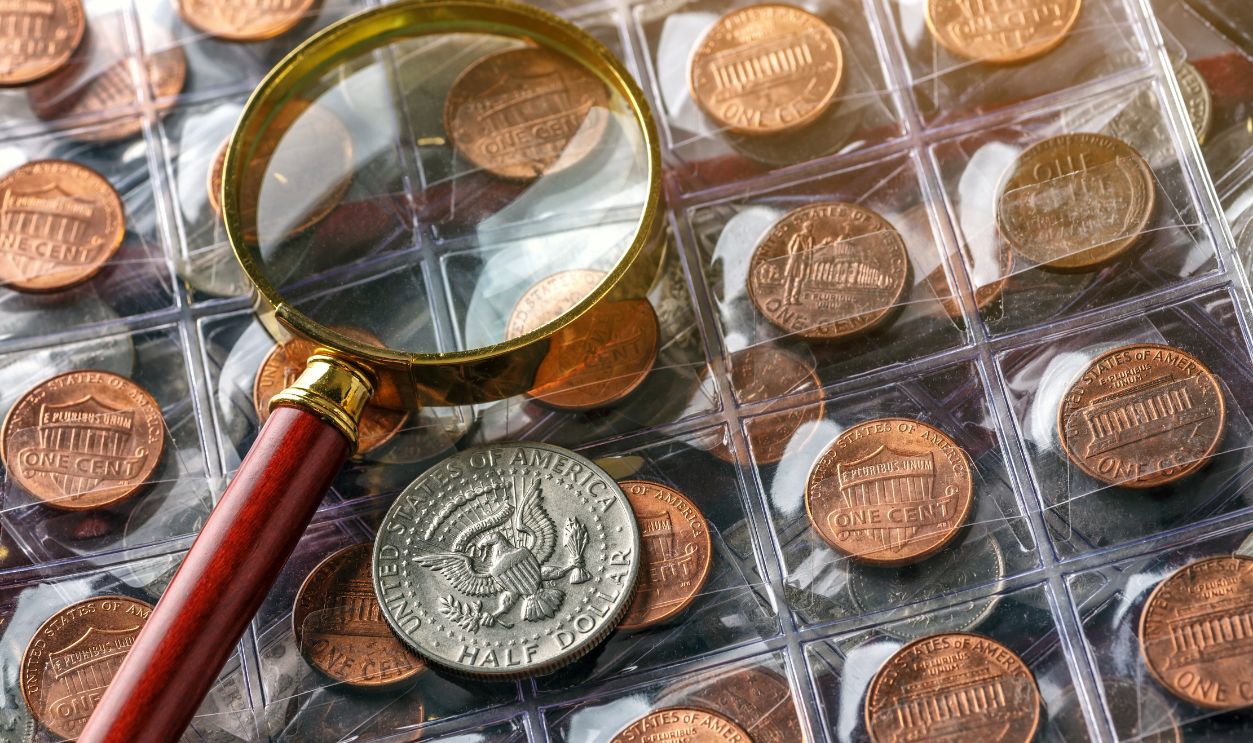
Collecting Expensive Coins
Coin collecting had been popular for generations, but plenty of Americans continued pouring money into it during the 1980s. Collectors hunted silver dollars, old pennies, commemorative coins, and complete mint sets. Coin shops attracted customers hoping to uncover something valuable. Some collectors cared more about the history than potential profits.
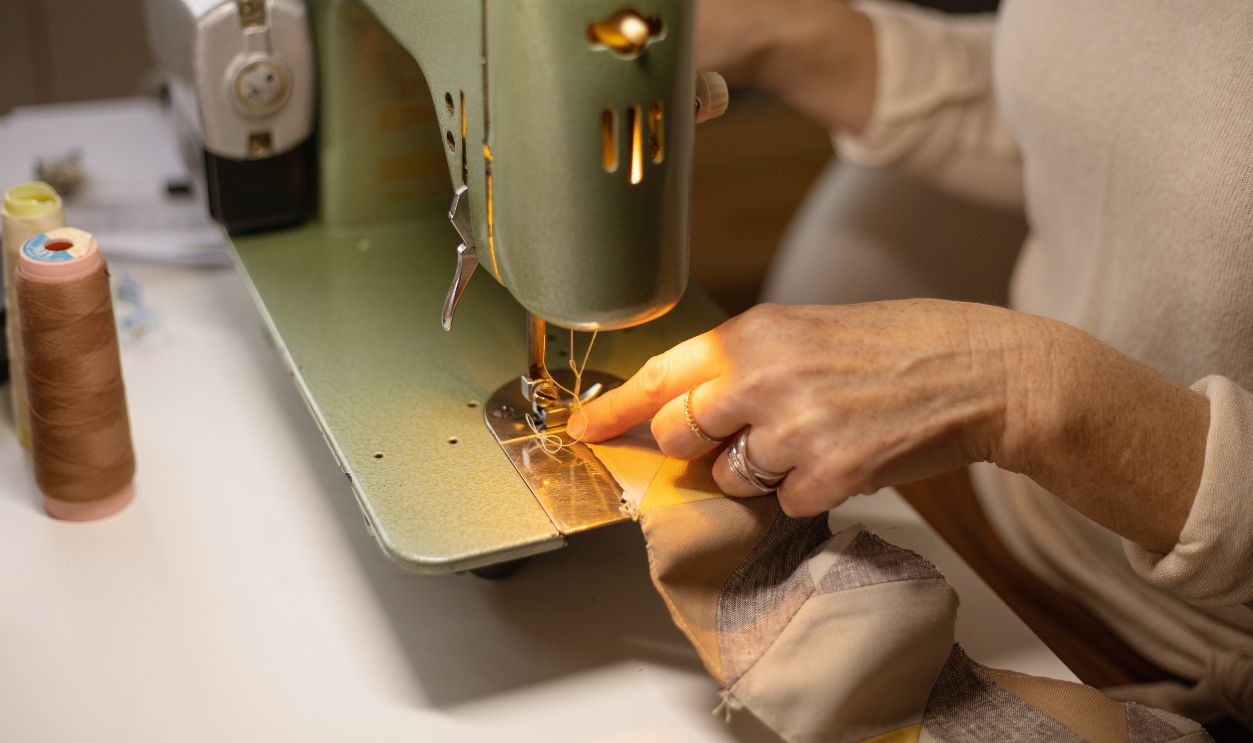
Making Homemade Clothes With Sewing Machines
Sewing wasn't always about saving money. Many Americans spent hundreds on sewing machines, fabric, patterns, and accessories to create their own wardrobes. Fabric stores were weekend destinations, especially when a major sale was advertised. Making an elaborate dress could involve more time and money than simply buying one.
Recording Everything With Expensive Camcorders
When consumer camcorders became increasingly popular during the 1980s, Americans eagerly embraced the chance to document family life. These bulky machines could cost around $1,000 or more, depending on the model. Weddings, vacations, and birthday parties suddenly became productions. Unfortunately, watching the footage afterward often required considerable patience.
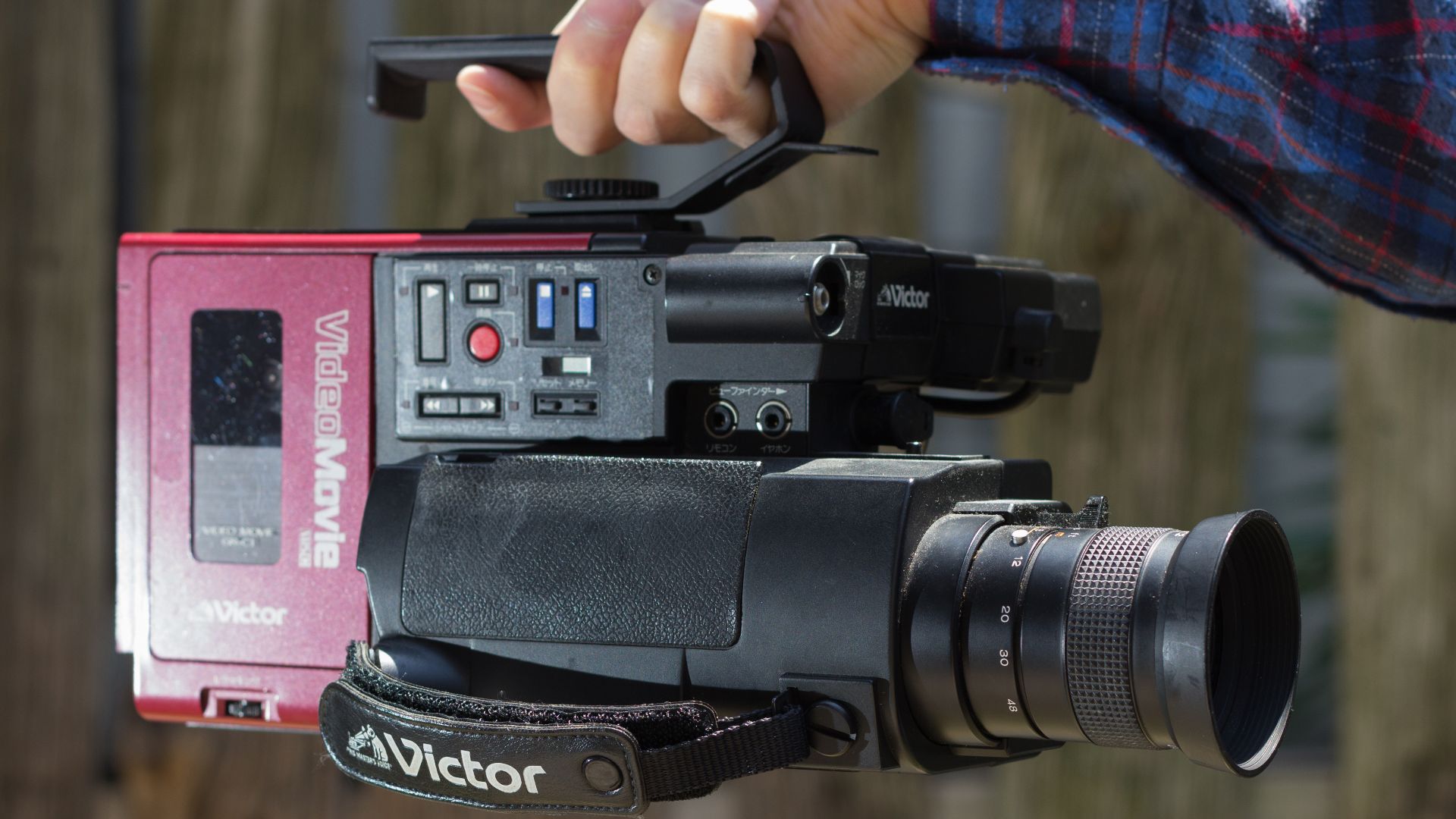 Ignat Gorazd from Tokyo, Japan, Wikimedia Commons
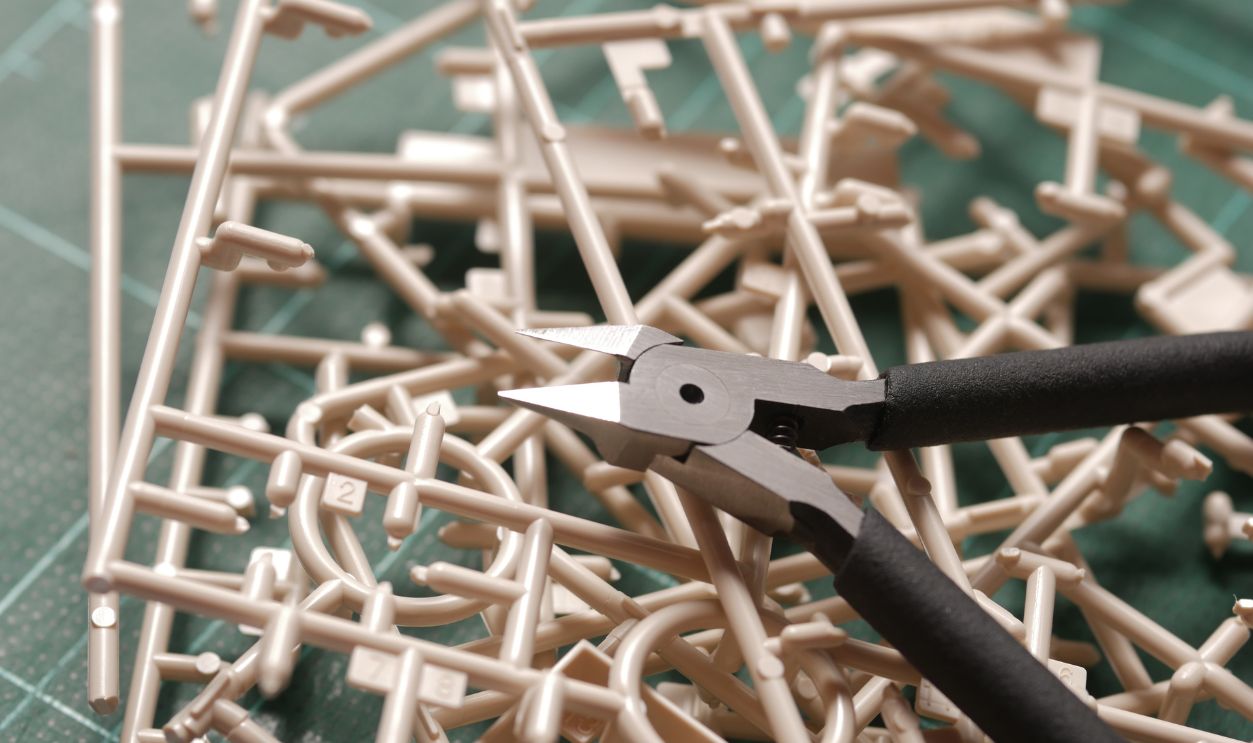
Building Elaborate Plastic Model Kits
Model airplanes, battleships, muscle cars, and military vehicles occupied countless hobbyists throughout the decade. Enthusiasts spent money on detailed kits, special paints, tiny brushes, and airbrush equipment. Building a particularly complicated model could take weeks. One misplaced drop of glue, however, could ruin hours of careful work.
 Chaiwuth Wichitdho, Shutterstock
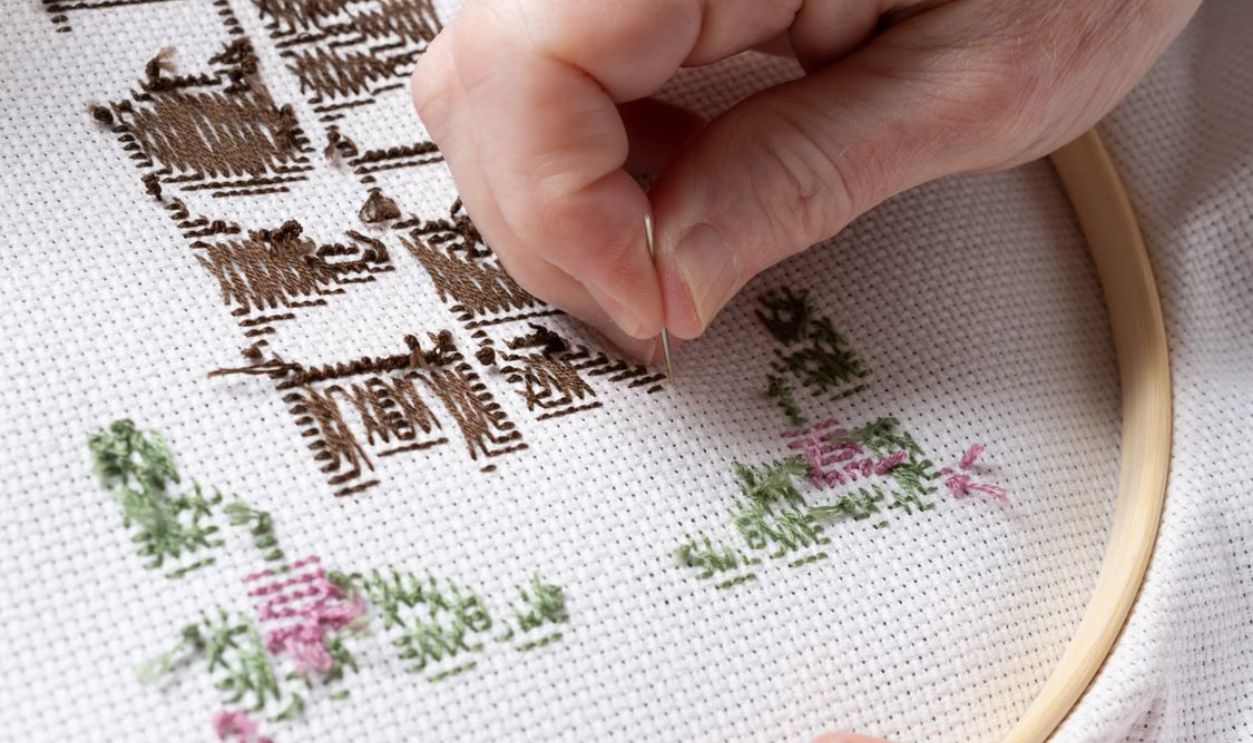
Getting Hooked On Cross-Stitch And Needlepoint
During the 1980s, needlework was serious business. Americans purchased patterns, embroidery floss, specialty fabrics, hoops, and framing supplies. Cross-stitched decorations appeared in kitchens and living rooms across the country. It wasn't unusual to spend months completing something that eventually ended up hanging above the family sofa.
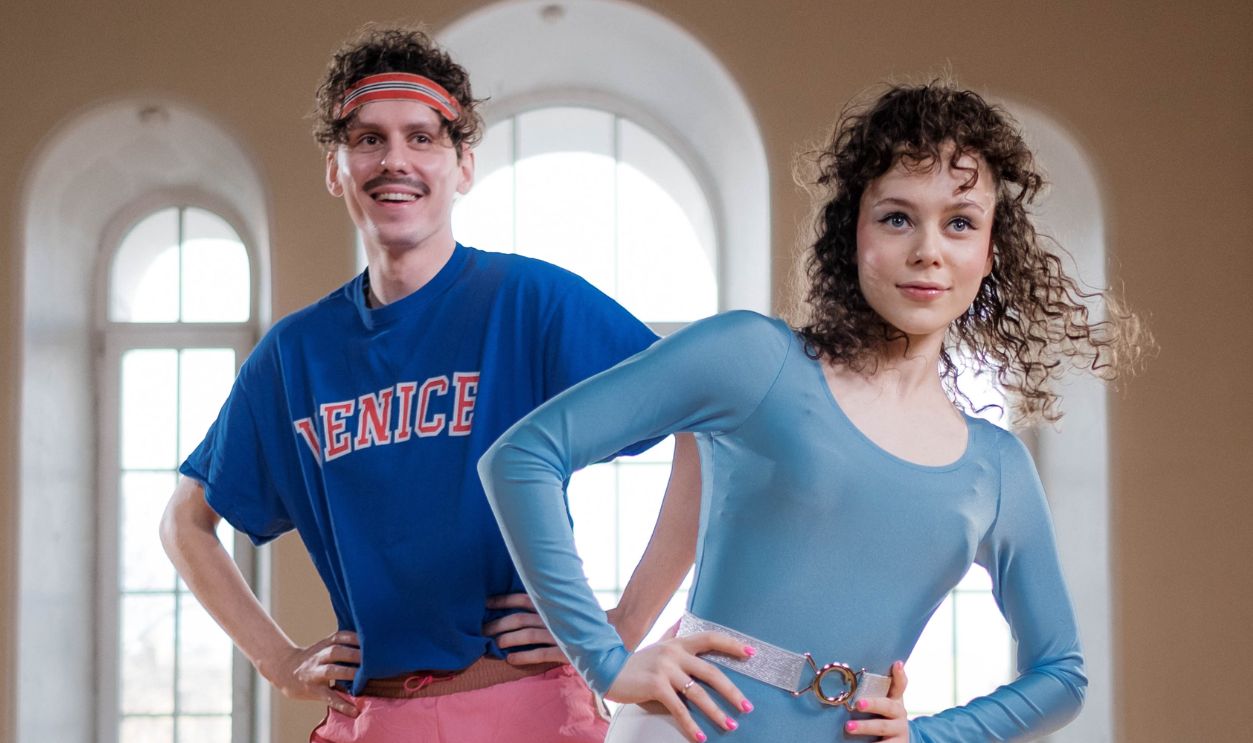
Turning Exercise Into An Expensive Hobby
The aerobics craze transformed fitness into an entire shopping experience. Americans paid for exercise classes, workout videos, colorful leotards, leg warmers, and expensive athletic shoes. Jane Fonda helped turn exercising at home into a cultural phenomenon. Suddenly, getting in shape involved buying an entirely new wardrobe.
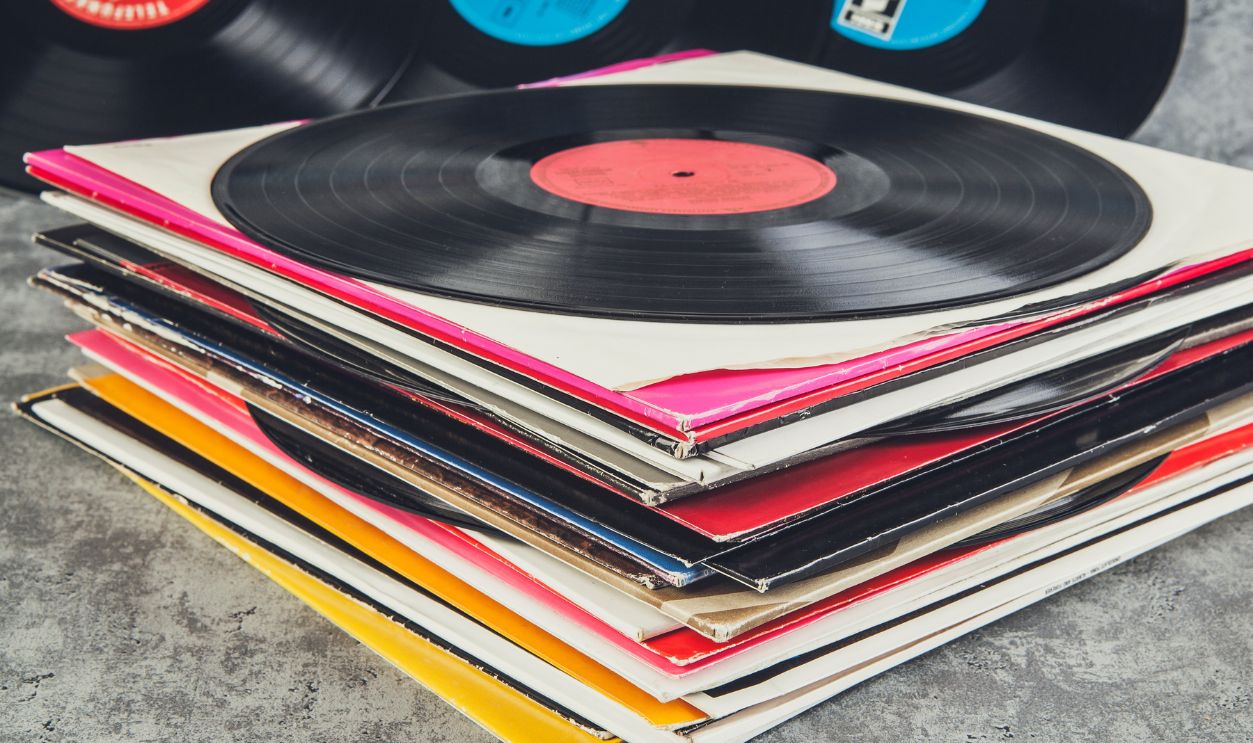
Collecting Vinyl Records By The Hundreds
Before streaming services, music lovers spent serious money building enormous record collections. Dedicated collectors searched independent record stores, flea markets, and garage sales for rare pressings and favorite albums. Special editions were particularly tempting. The real challenge came when moving house and discovering just how much several hundred records weighed.
 Radoslaw Maciejewski, Shutterstock
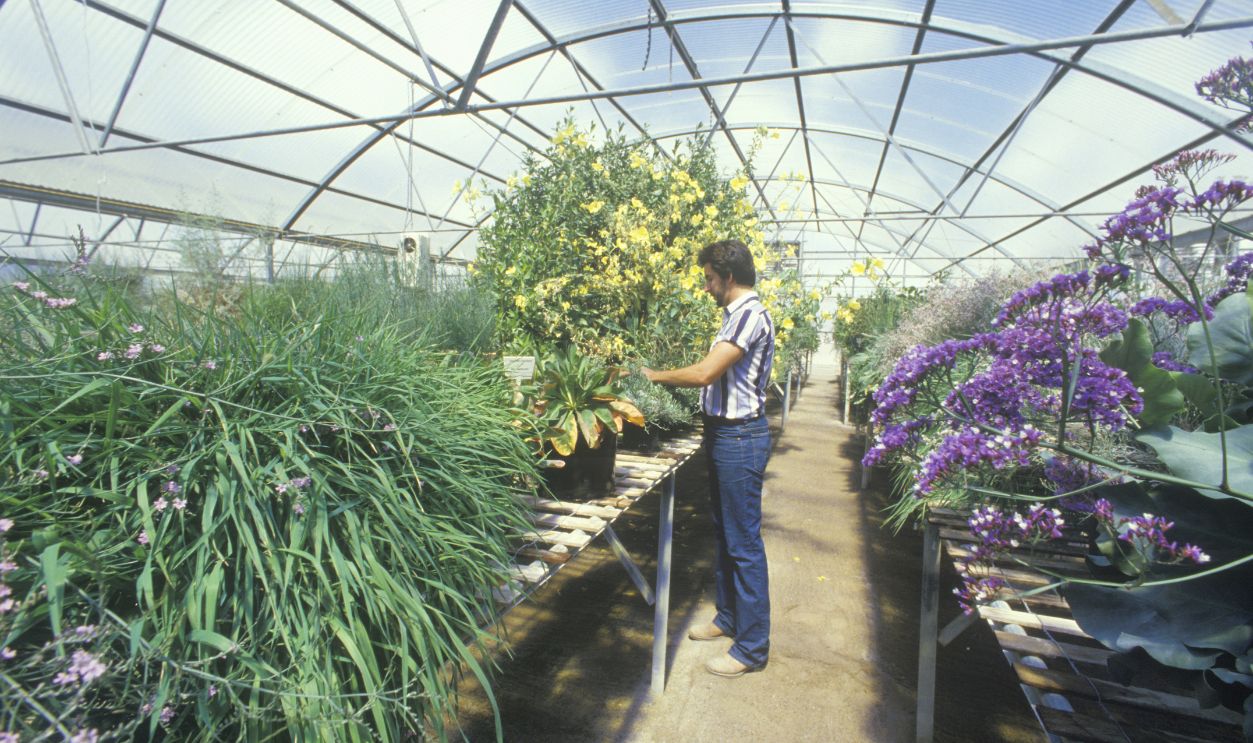
Getting Serious About Home Gardening
Gardening wasn't simply about planting a few tomatoes. Enthusiasts invested in greenhouse equipment, specialty fertilizers, landscaping supplies, and expensive gardening tools. Some homeowners spent entire weekends carefully maintaining elaborate flower beds. Garden catalogs arrived full of tempting purchases, and somehow there was always room for another rosebush.
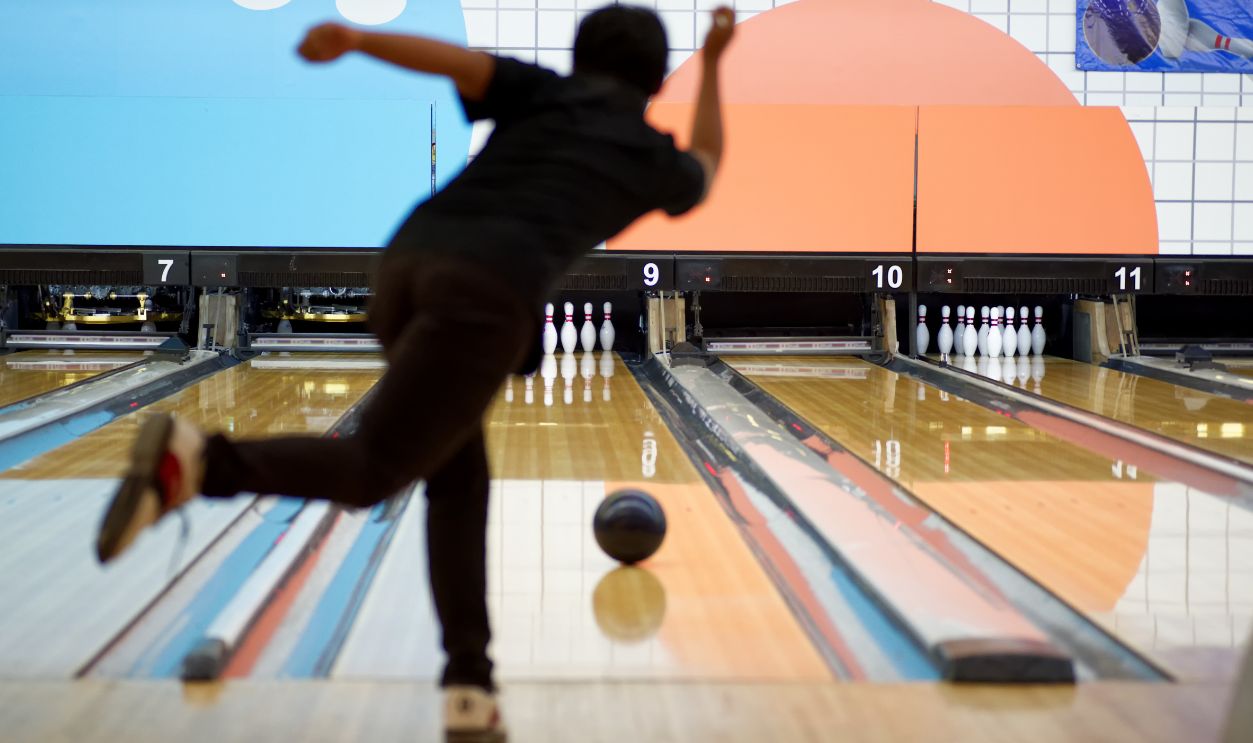
Spending Saturday Nights At The Bowling Alley
Bowling leagues were a major social activity, and devoted bowlers weren't content with renting equipment. They purchased custom bowling balls, personalized shoes, protective bags, and accessories. Weekly league fees added up, too. For many families, bowling night was as important as any other appointment on the calendar.
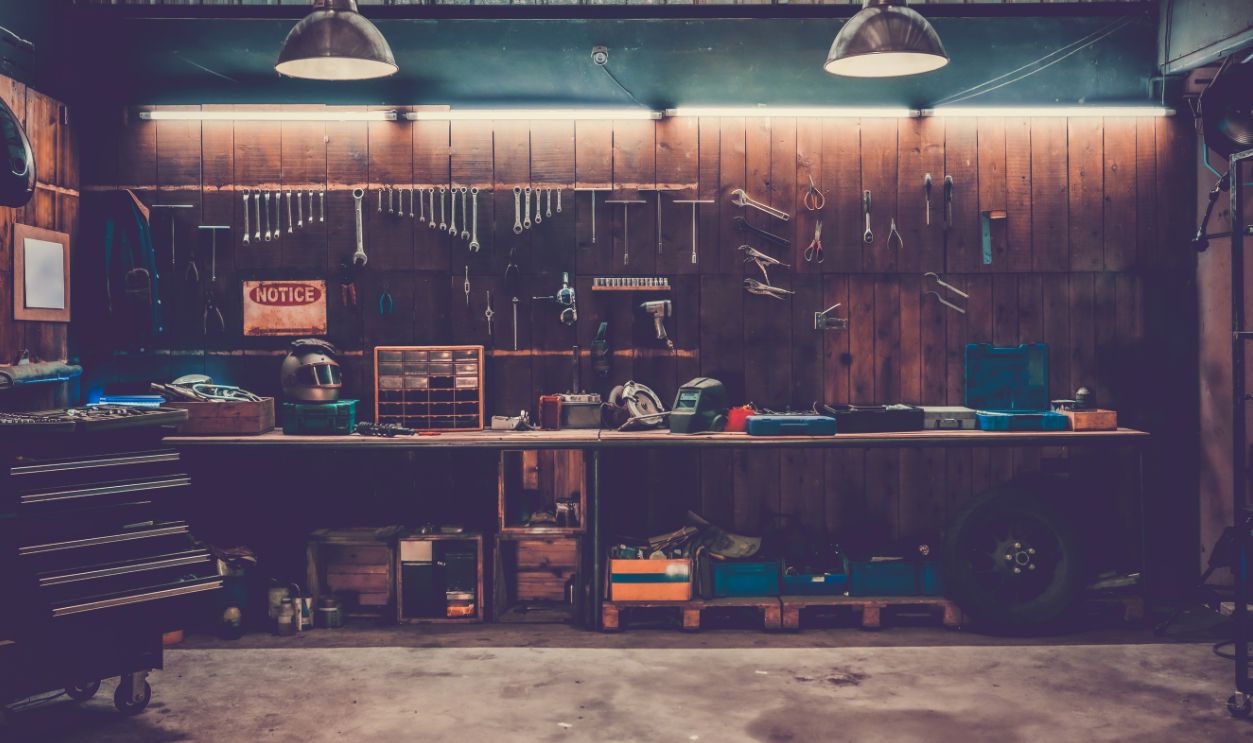
Building A Home Workshop Full Of Tools
Woodworking enthusiasts happily filled garages with table saws, routers, sanders, clamps, and expensive hand tools. Building homemade furniture could become an all-consuming hobby. The finished bookshelf might look wonderful, but there was always the uncomfortable question of whether buying one at the store would have been cheaper.
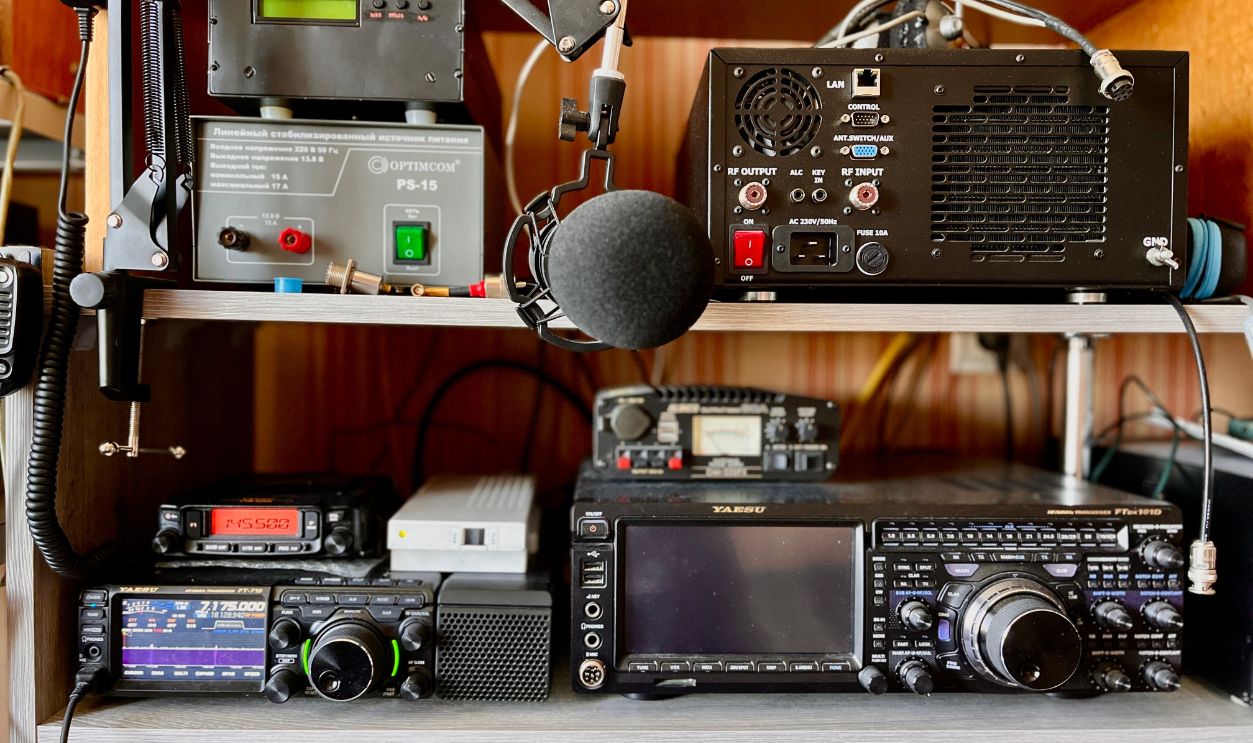
Playing With Amateur Radio Equipment
Long before online chatrooms, amateur radio operators connected with strangers around the world using specialized equipment. Enthusiasts invested in transmitters, receivers, antennas, and accessories. Earning a radio license was part of the experience. Making contact with someone thousands of miles away could feel like a remarkable achievement.
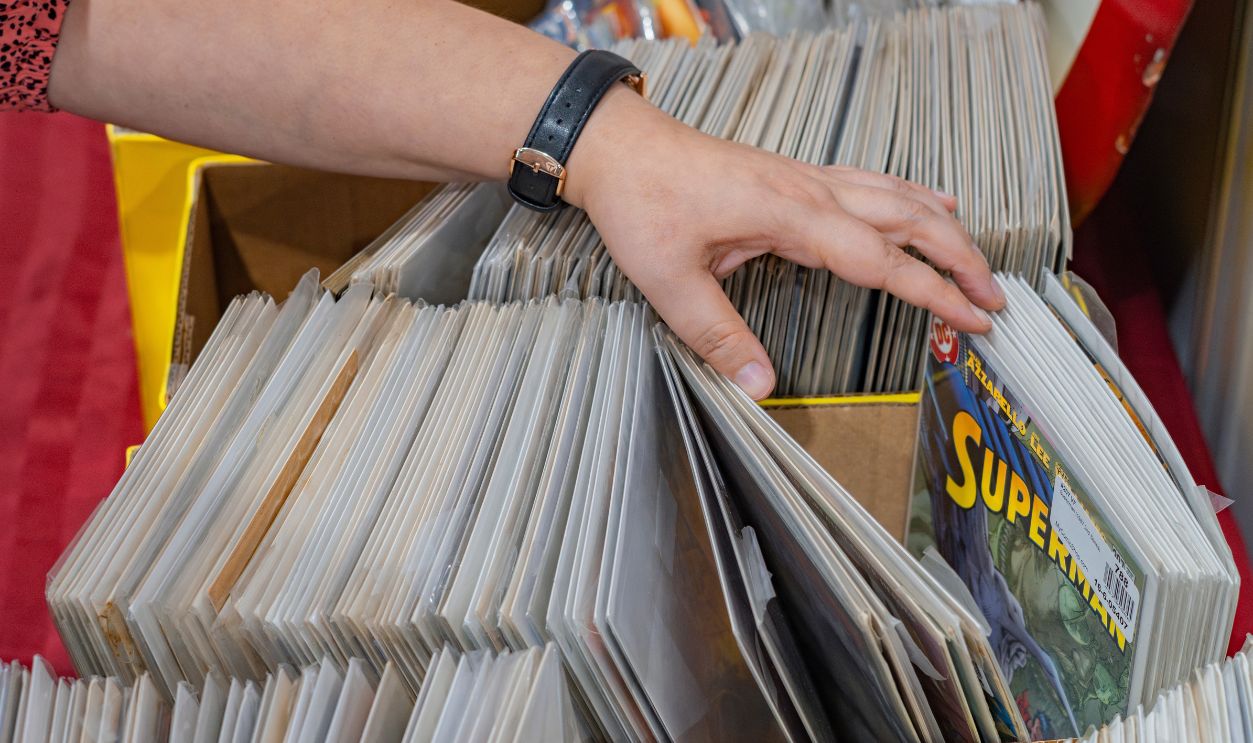
Collecting Comic Books As Investments
Comic book collecting attracted plenty of adult attention during the 1980s. Enthusiasts searched for older issues, first appearances, and comics featuring beloved superheroes. Protective bags, backing boards, and price guides became essential purchases. Some collectors dreamed of uncovering a valuable issue that would eventually pay for their children's college tuition.
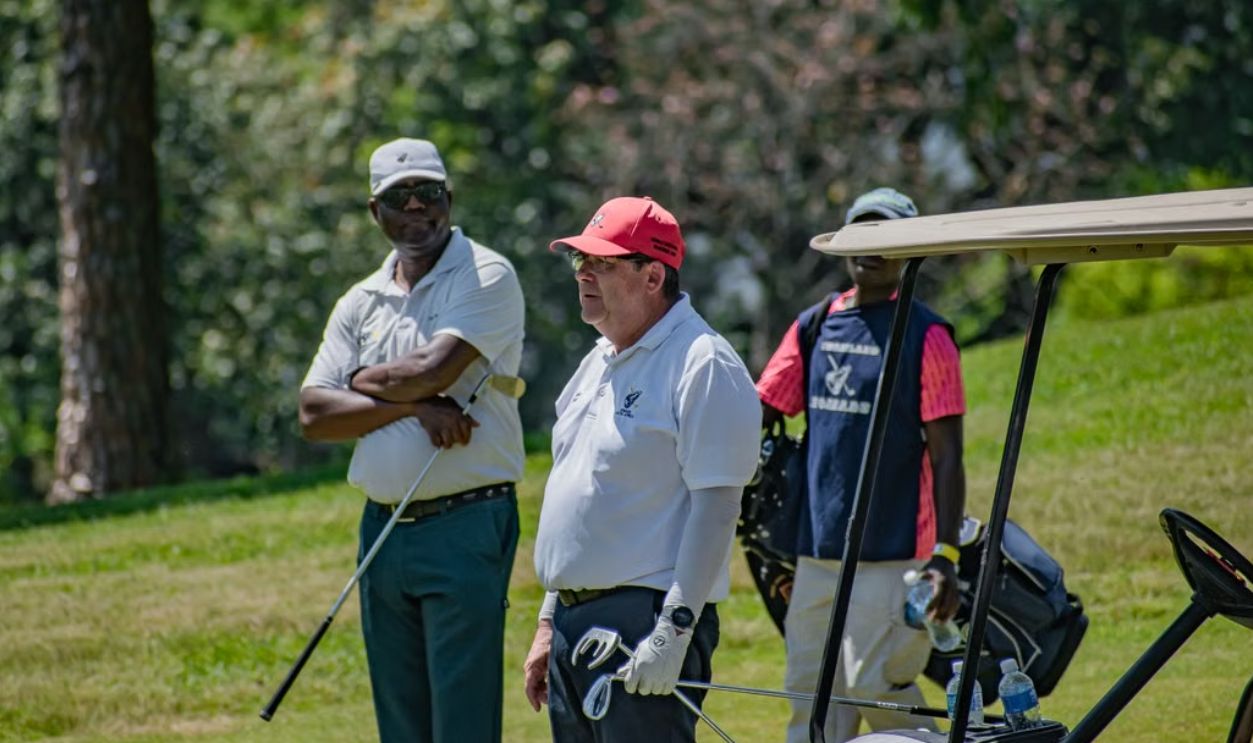
Taking Up Golf And Buying Every Gadget
Golf enthusiasts could spend substantial amounts on clubs, shoes, gloves, bags, lessons, and course fees. New equipment promised to improve everyone's swing, although results weren't always convincing. For many Baby Boomers, spending Saturday morning on the golf course was worth every penny, even after losing several expensive balls.
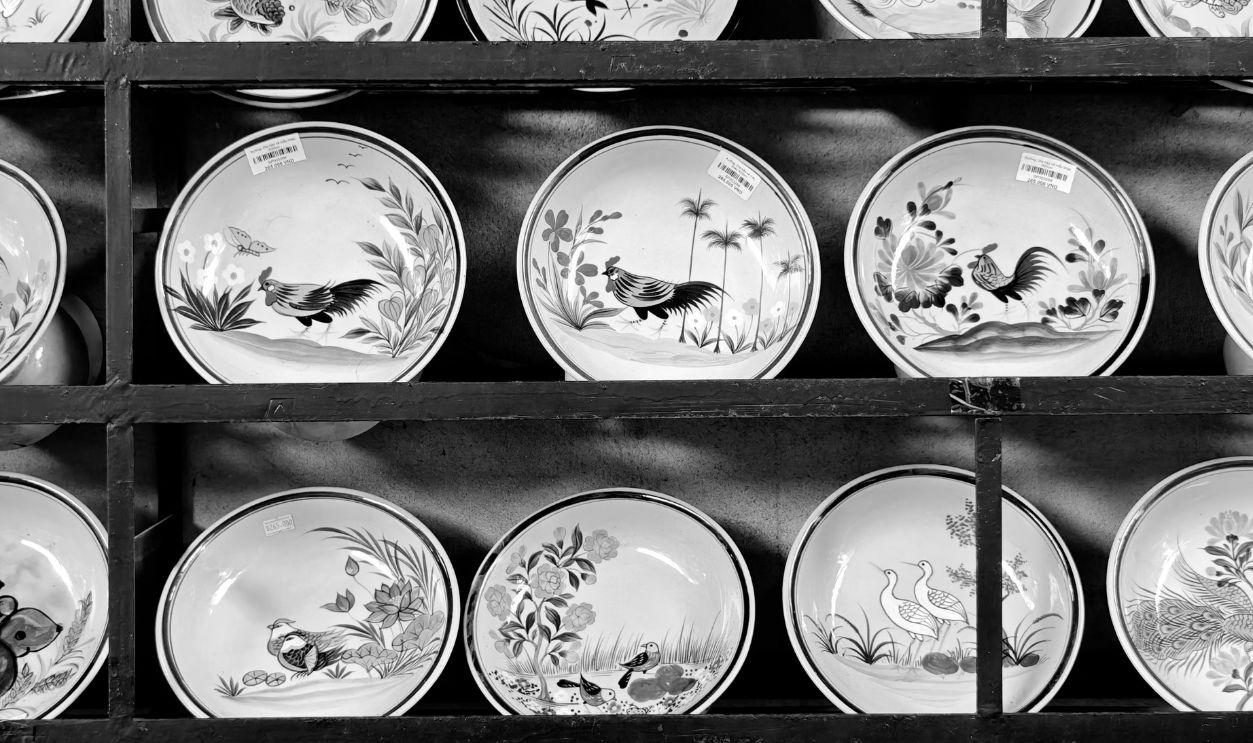
Collecting Decorative Plates
Remember those limited-edition collector plates advertised in magazines and on television? Americans purchased plates featuring everything from wildlife to nostalgic Christmas scenes. Many came with certificates of authenticity and promises of collectibility. Families proudly displayed them in cabinets, although their eventual resale values often disappointed optimistic collectors.
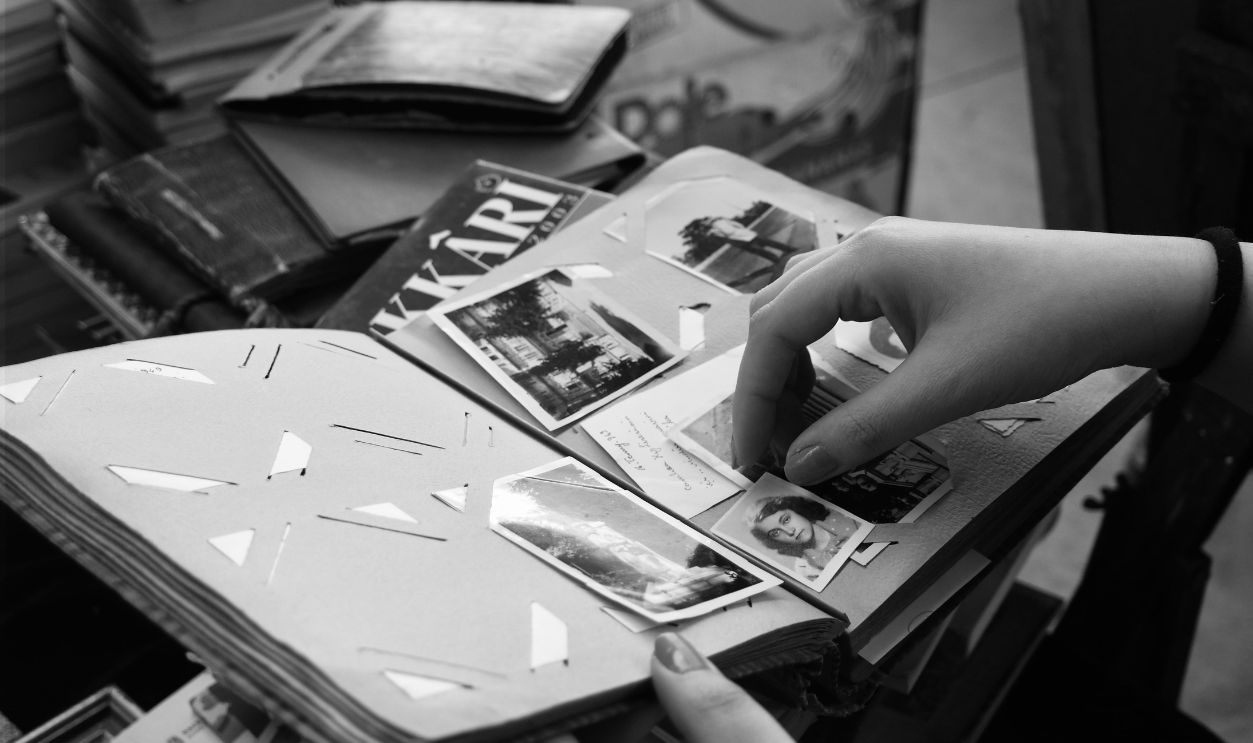
Creating Scrapbooks And Photo Albums
Long before digital photo galleries, preserving family memories required scissors, glue, specialty paper, and lots of patience. Scrapbooking enthusiasts purchased decorative albums, colorful borders, stickers, and other supplies. Family vacations could occupy entire albums. The finished result was something relatives could actually hold rather than scroll through on a phone.
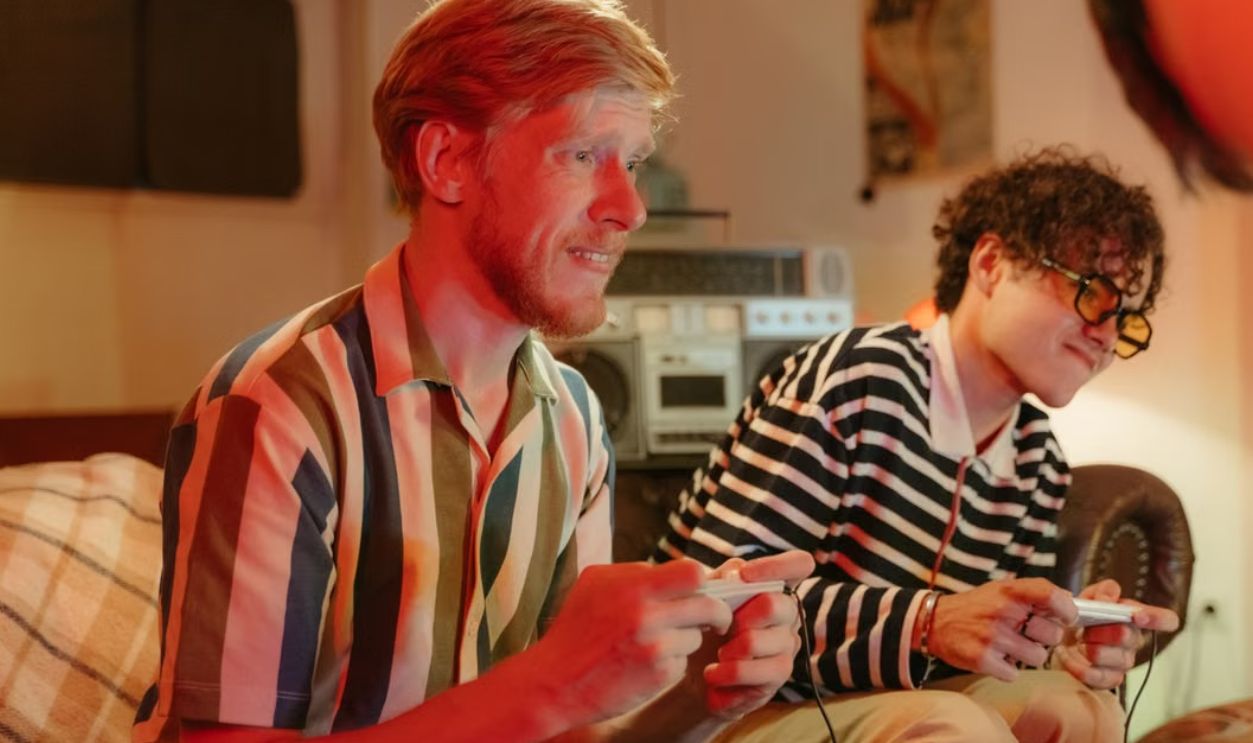
Turning The Family Room Into An Arcade
Home video gaming became a costly obsession for many American households. Between Atari systems, Nintendo consoles, cartridges, controllers, and accessories, expenses piled up quickly. Adults and children alike joined the fun. And before home consoles could reproduce every arcade experience, plenty of quarters still disappeared into machines at local arcades.
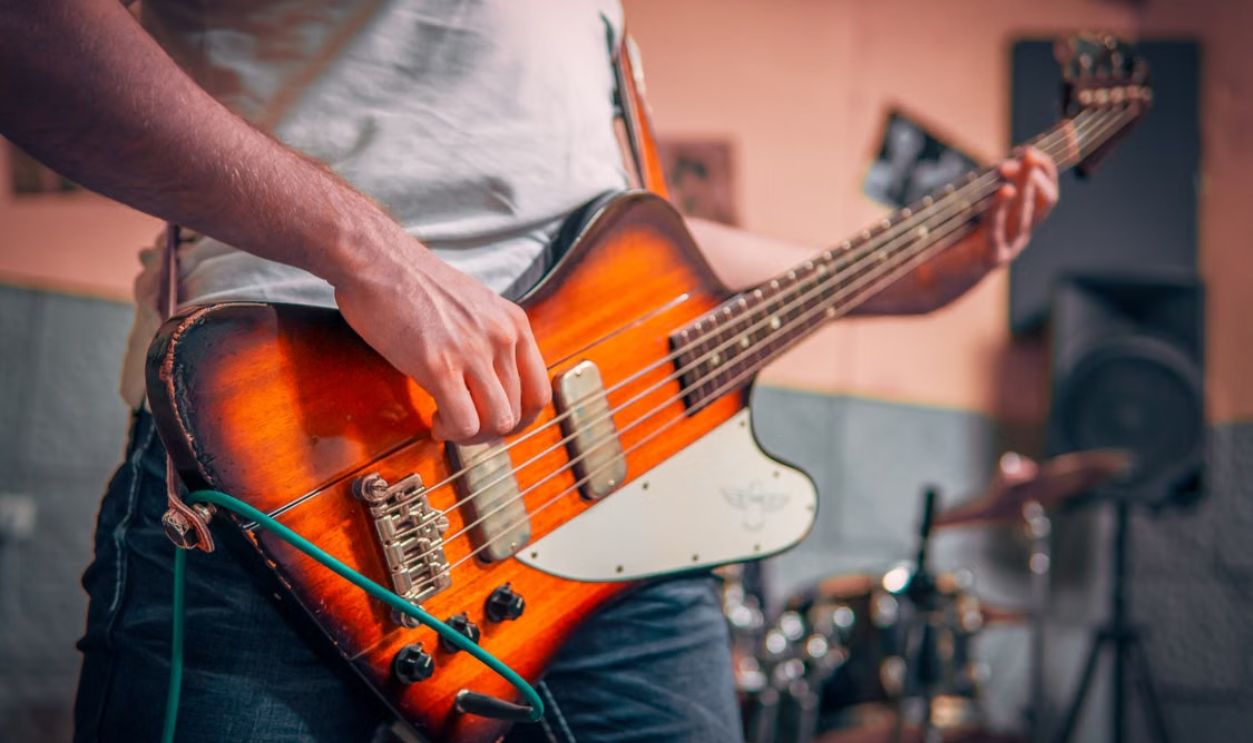
Learning To Play Music With Expensive Instruments
The 1980s inspired countless Americans to pick up electric guitars, keyboards, and drum kits. Music stores sold amplifiers, effects pedals, sheet music, and instructional books to aspiring musicians. Some homeowners created entire rehearsal spaces. Unfortunately, purchasing the equipment didn't automatically turn anyone into Eddie Van Halen.
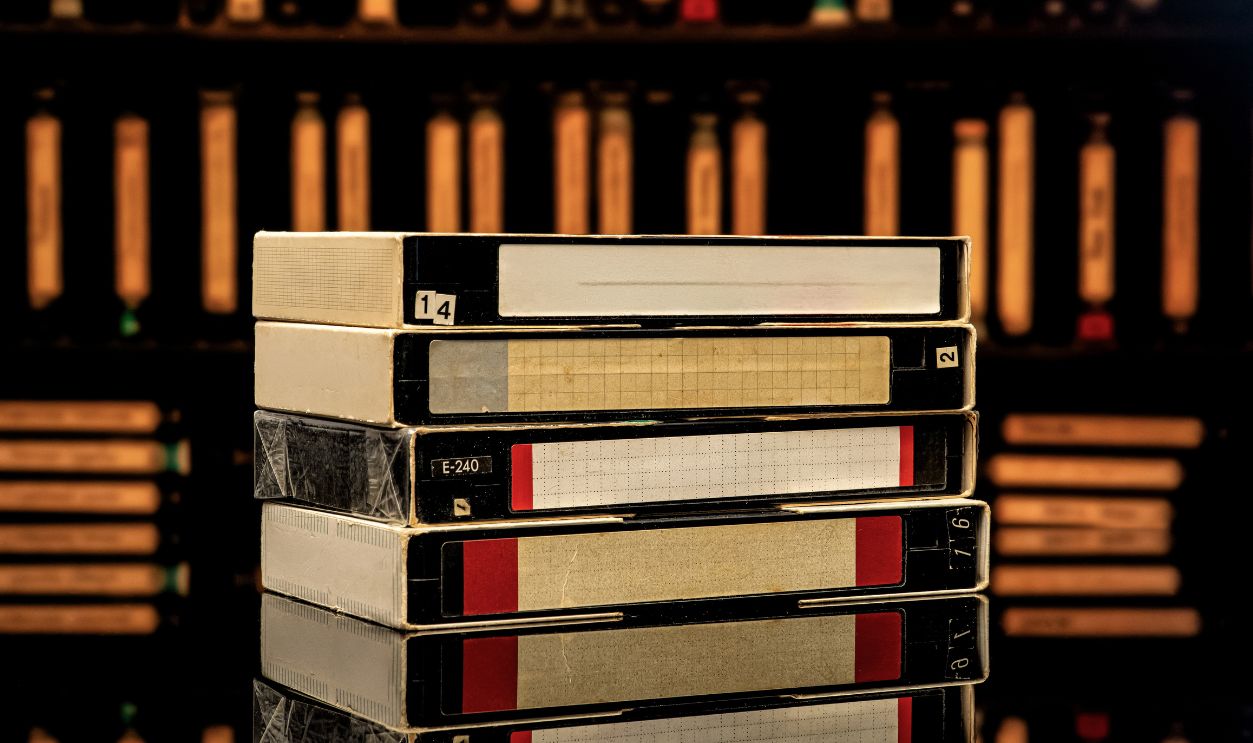
Collecting VHS Movies For A Personal Library
Once VCRs became common, some movie enthusiasts weren't satisfied with renting tapes. They wanted to own their favorites. Purchasing prerecorded VHS movies could be surprisingly expensive, especially earlier in the decade. Dedicated collectors filled shelves with bulky cassette boxes, proudly building libraries that streaming subscribers now carry in their pockets.
When A Hobby Was More Than Just Entertainment
Looking back, Americans certainly knew how to spend money on their favorite pastimes. Some hobbies required expensive equipment, others demanded endless supplies, and a few promised future riches that never arrived. But ask any Baby Boomer about their favorite hobby from the 1980s, and chances are they'll tell you the memories were worth every cent.

You May Also Like:
Sneaky Ways Your Phone Addiction Can Impact Your Wallet
The Real Price Of Checking A Bag On A Family Flight Compared With The Days It Was Free
The Extended Warranty Trap: Why You Might Be Paying Hundreds For Protection You Don't Need