

Your Phone May Be Quietly Spending Your Money
Your phone is not just where you text friends and check the weather anymore. It is a store, restaurant, bank, casino-like game arcade, advertising feed, and subscription hub sitting in your pocket. The more often you reach for it automatically, the more opportunities there are to spend money without really deciding to.

Shopping Is Now Part Of The Scroll
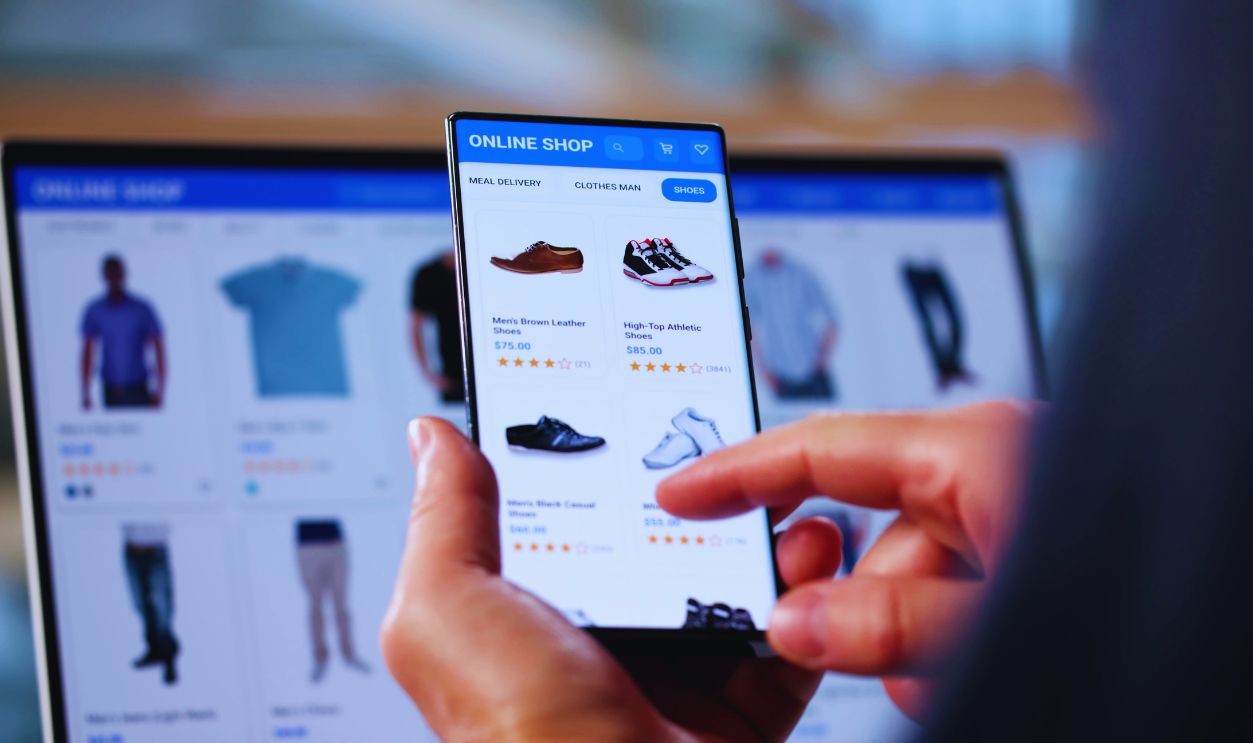
You can open social media because you are bored and end up buying shoes 10 minutes later. Shopping has been woven directly into feeds, videos, livestreams, and recommendations. Research shows smartphones are a major way Americans shop online, making the distance between seeing something and buying it remarkably small.
Influencers Can Turn Entertainment Into Advertising
That funny video may suddenly become a product recommendation. Research on social media shopping has found that many users have bought something after seeing an influencer promote it. The danger is that advertising no longer feels like an obvious commercial break. It feels like advice from someone you chose to follow.

Your Ads Get Better At Tempting You
Search for a couch once and suddenly couches follow you around the internet. Personalized advertising can put products connected to your interests and browsing behavior directly into the moments when you are tired, bored, or emotionally vulnerable. The temptation becomes harder to avoid because it keeps finding you.

One-Tap Checkout Removes The Painful Part
Buying something once required finding your wallet, entering information, and thinking about the total. Saved cards and mobile checkout can reduce that process to a fingerprint or tap. Convenience is wonderful when you planned the purchase. It is much less helpful when those extra few seconds were the only thing stopping an impulse buy.
Boredom Can Become A Shopping Trigger
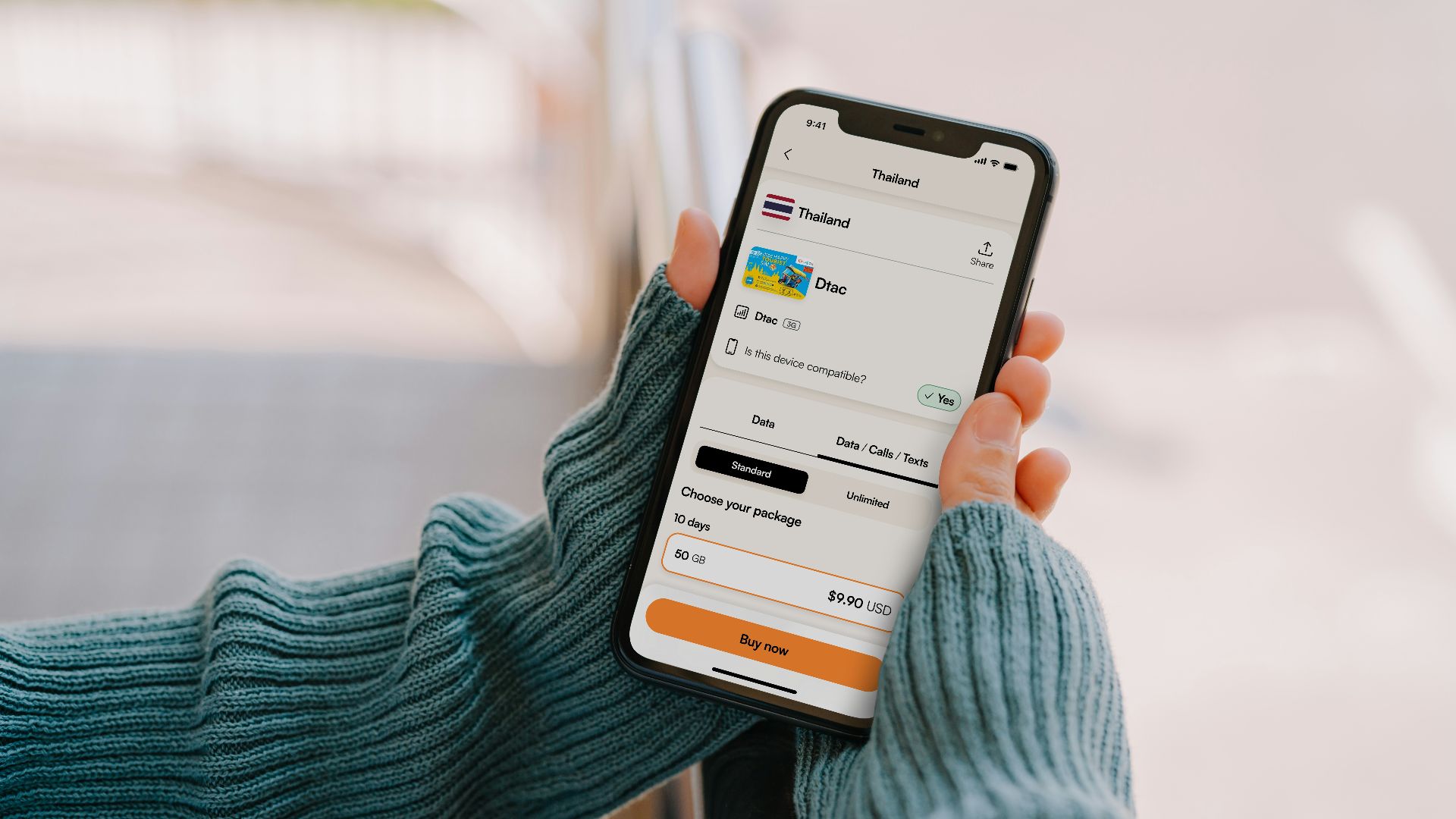
Sometimes there is no product you actually need. You are simply waiting for an appointment, lying in bed, or killing time on the couch. Research on social-commerce behavior has linked boredom with impulse buying. When shopping apps are always available, an empty five minutes can become another package arriving Thursday.

Late-Night Shopping Deserves Its Own Warning
Midnight is not when most people make their clearest financial decisions. You are tired, your defenses are lower, and the phone is inches from your face. A product that seems absolutely necessary at 12:45 a.m. can look ridiculous in daylight. A simple rule against nighttime purchases can prevent surprisingly expensive mistakes.

Flash Sales Create Fake Emergencies
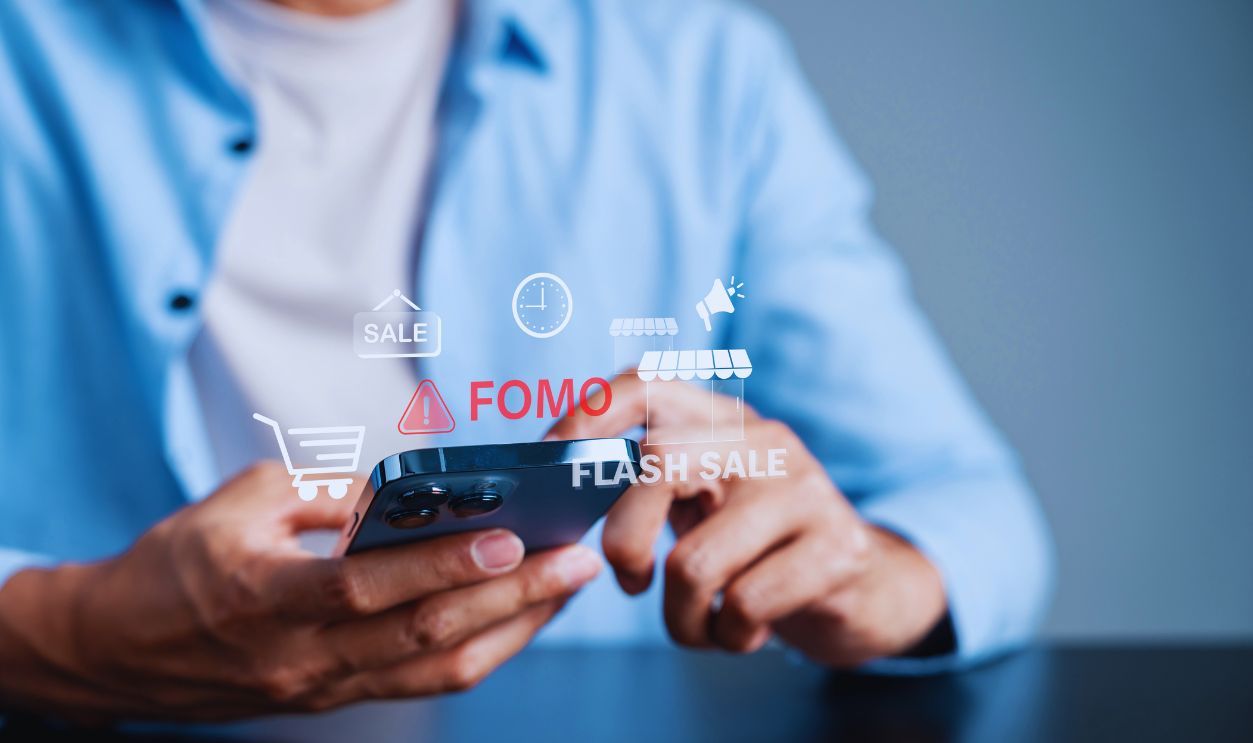
“Only two left". “Sale ends in nine minutes". “Someone else has this in their cart". Digital shopping is full of urgency. Consumer-protection research has documented tactics such as fake countdown timers and misleading limited-time messages. A sweater is rarely an emergency, no matter how dramatically the timer disagrees.
The Discount Can Trick You Into Spending More
A phone notification saying “25% off today only” feels like an opportunity. But saving $25 on a $100 item you never planned to buy still means spending $75. Constant access to promotions can make avoiding a sale feel like losing money, even though keeping the money in your account was always the cheaper option.

Buy-Now-Pay-Later Makes The Price Feel Smaller
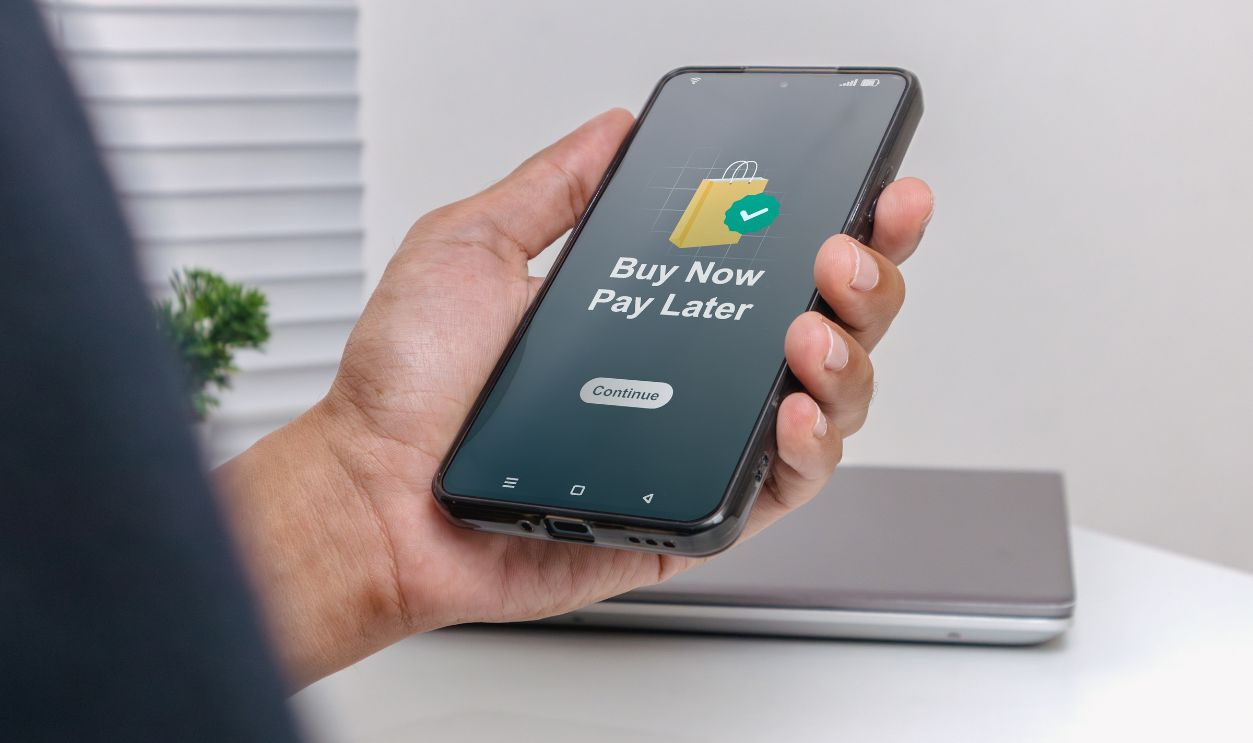
A $200 purchase can feel intimidating. Four smaller payments can feel harmless. Buy-now-pay-later plans are still loans, however, and consumer guidance warns that missed payments can bring fees or other consequences. When every shopping app offers installments, it becomes easy to commit future paychecks without noticing how many plans you have.
Food Delivery Can Turn Impulse Into Dinner
Your phone makes it possible to go from “I feel like tacos” to a driver heading toward your house in minutes. Delivery fees, service fees, tips, and potentially higher menu prices can make that craving considerably more expensive than cooking or pickup. Used occasionally, it is convenient. Used automatically, it becomes a budget category.

In-App Purchases Barely Feel Like Purchases
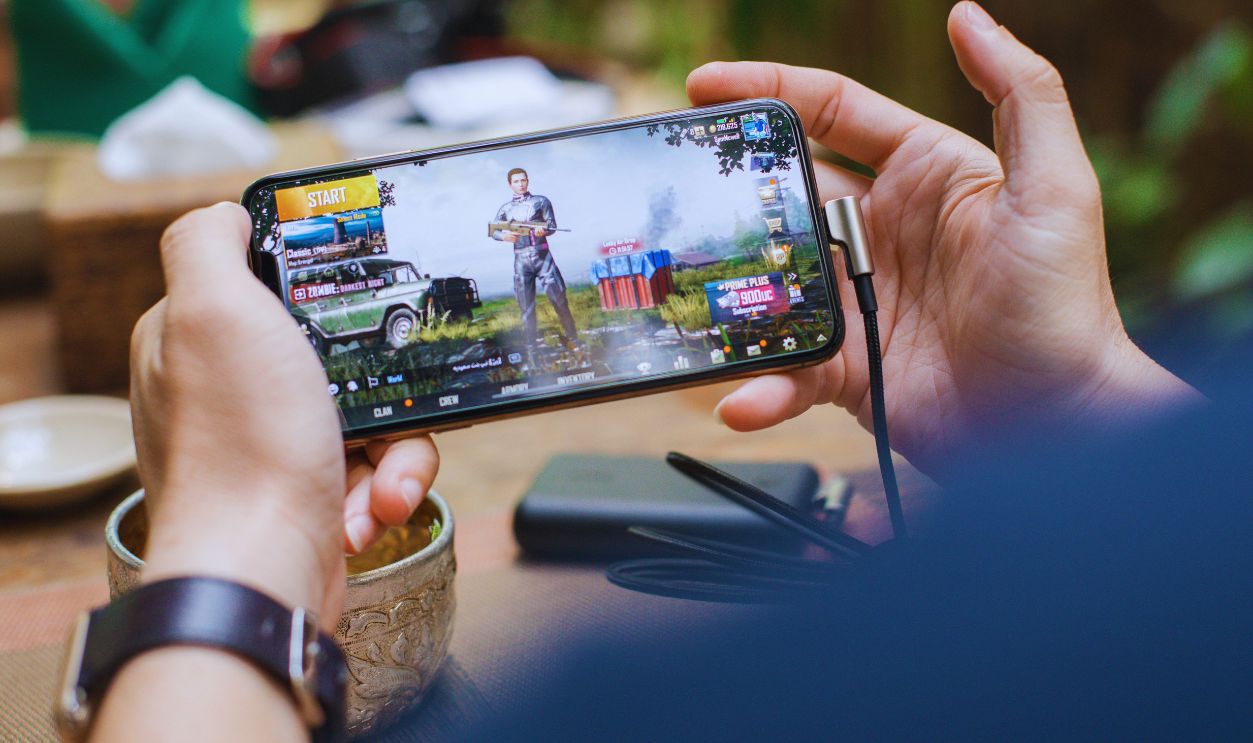
Games and apps often sell upgrades, virtual currency, extra features, special characters, or premium access in tiny increments. Consumer guidance has repeatedly warned about unexpected in-app spending, particularly on family devices. A few dollars at a time can feel insignificant until the monthly statement shows the total.
Kids Can Spend From Your Phone Too
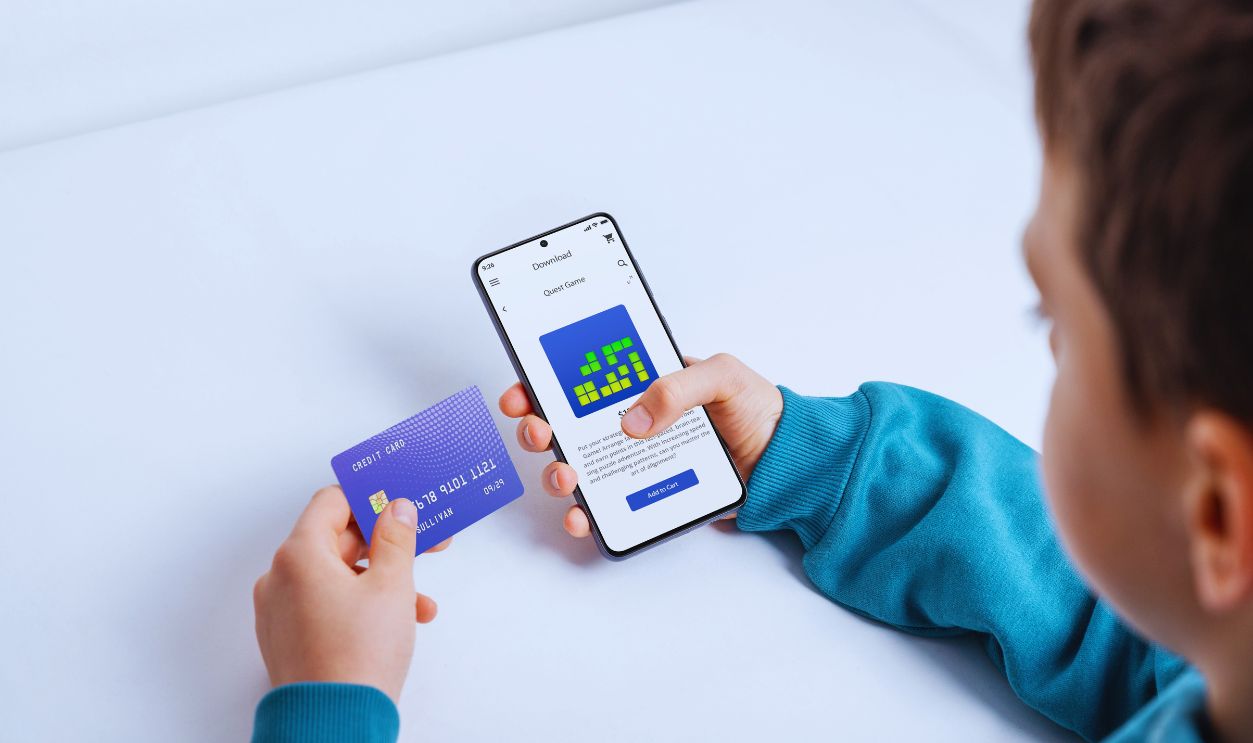
If a child can download apps or make in-game purchases without a password, your phone addiction may not be the only one affecting the household budget. Parental controls can require approval or disable purchases entirely. That small setting can prevent an enthusiastic child from turning virtual coins into a very real credit-card bill.
Free Trials Can Quietly Turn Into Monthly Bills
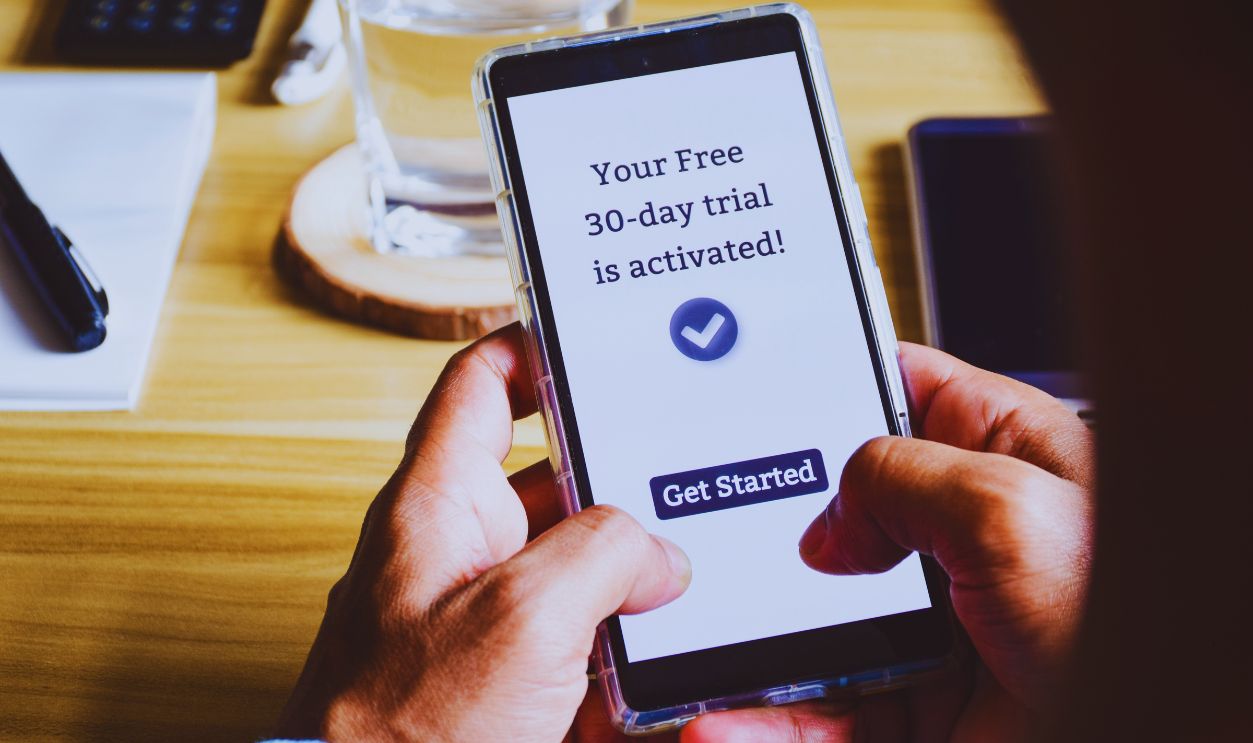
Your phone makes joining a trial effortless. Remembering to cancel three weeks later is another matter. Consumer guidance warns that free trials can roll into recurring payments and that auto-renewals can continue unnoticed. One forgotten subscription is annoying. Six forgotten subscriptions can quietly become a serious monthly expense.
Tiny Subscriptions Hide Better Than Big Bills
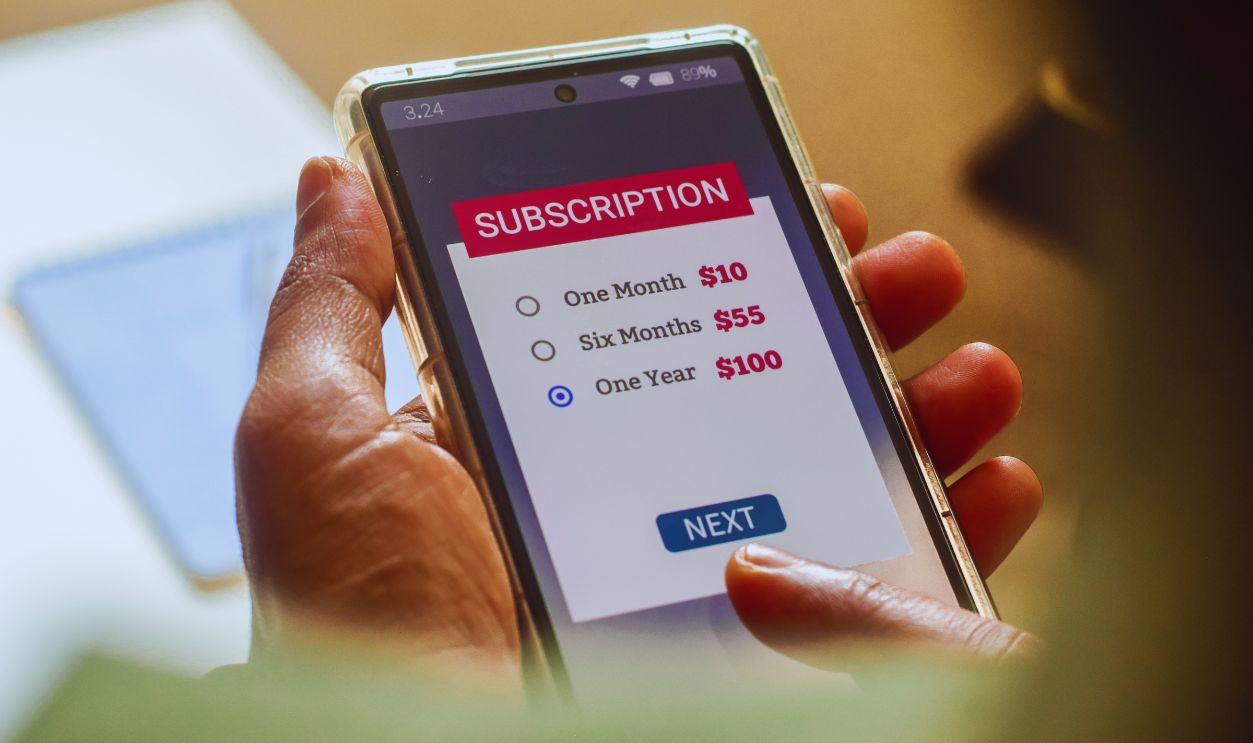
A cheap app barely registers beside rent or groceries. That is exactly why it can survive for years. Cloud storage, editing tools, meditation apps, games, premium features, news, fitness plans, and entertainment services can accumulate gradually. Your phone may contain an entire second budget made up of charges too small to notice individually.
Endless Scrolling Can Expose You To Convincing Scams
The longer you stay on social platforms, the more ads and offers you encounter. Consumer warnings note that fraudulent social-media ads can lead to fake retailers, counterfeit products, items that never arrive, or sites designed to steal information. A professional-looking ad in your feed is not proof the seller has been vetted.

Your Phone Can Make Emotional Spending Too Easy
Boredom, stress, or anxiety can make quick purchases more tempting. The relationship with smartphones is complicated: one experimental study found that smartphone separation increased anxiety and impulsive purchase decisions, even though smartphone-addiction scores themselves were not directly linked to impulsive behavior.

The Phone Upgrade Can Cost More Than The Phone
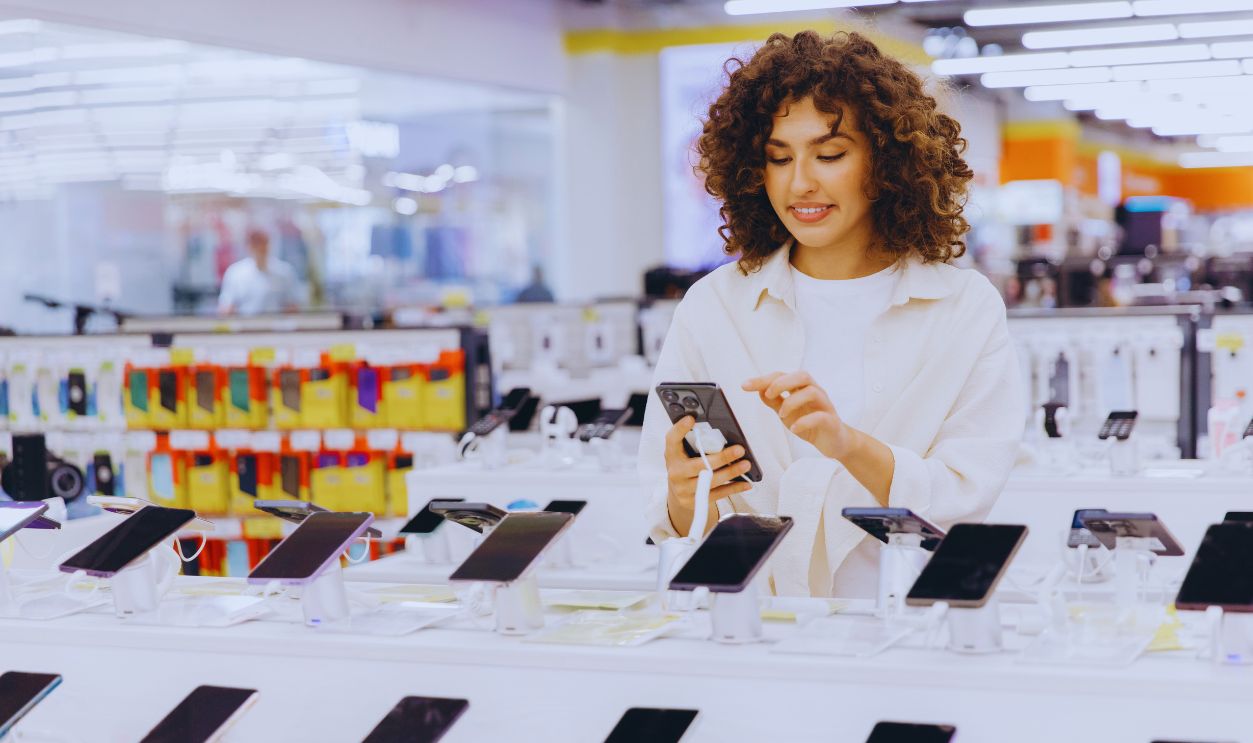
A perfectly functional phone can start feeling old long before it stops working. Research involving university students has linked heavier social-media use, higher smartphone spending, and owning more devices with stronger compulsive buying tendencies. Then add cases, chargers, earbuds, insurance, storage, and other accessories, and the real upgrade cost grows quickly.
 Anatoliy Cherkas, Shutterstock
Distracted Driving Can Become Extremely Expensive
Using a phone behind the wheel creates risks that go far beyond impulse shopping. Nearly every U.S. state prohibits texting while driving, and violations can mean fines. More importantly, distracted driving can cause crashes, injuries, property damage, and insurance consequences. This is one phone habit where the financial cost is the least serious risk.

Saved Payment Information Makes Scams Faster Too
When money can move with a few taps, there is less time to reconsider a suspicious request. Unexpected texts, social messages, fake delivery notices, and phony payment demands are common scam tactics. Before sending money from your phone, stop and verify the request through a contact method you already know is legitimate.

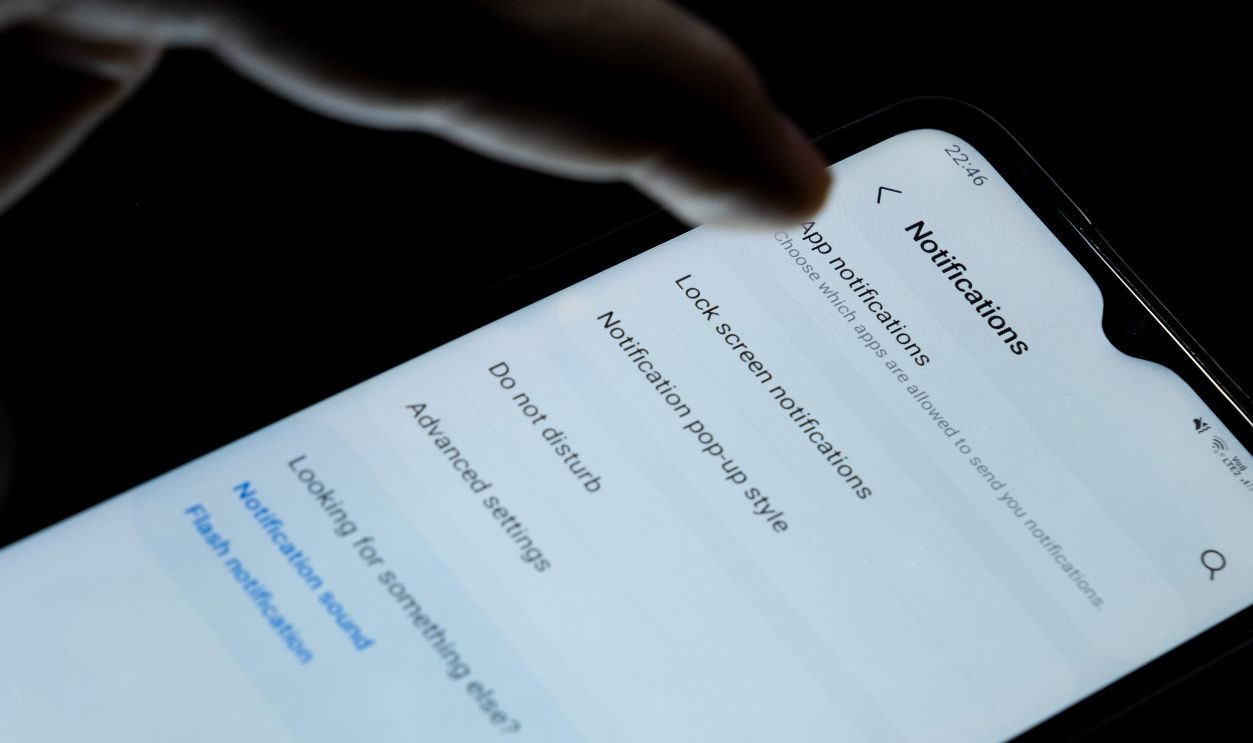
Remove Shopping Notifications First
You do not necessarily need to delete every app. Start by turning off notifications from retailers, delivery services, games, and shopping platforms. If the sale never flashes across your lock screen, you have to deliberately choose to shop instead of letting a company decide when you should start thinking about spending.
Make Checkout Slightly Annoying Again
Delete saved credit-card numbers from the apps where you impulse-buy most often. Requiring yourself to get up, find your wallet, and enter the number sounds inconvenient because it is. That is the point. A little friction creates enough time to ask whether you genuinely want the item or are just responding to the moment.

Try A 24-Hour Cart Rule
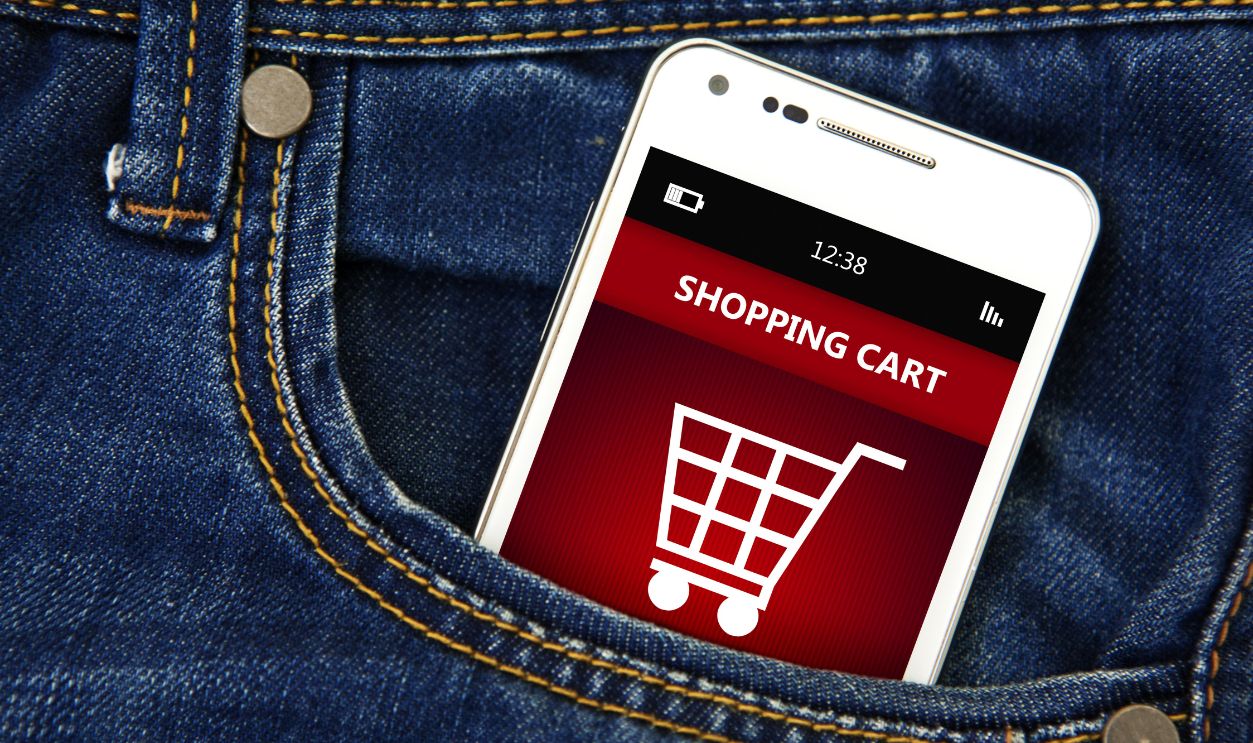
For nonessential purchases, put the item in your cart and leave it there for a day. If you still want it tomorrow and it fits the budget, buy it. You may be surprised how often the urgency disappears. The phone is excellent at creating instant desire. Time is excellent at revealing whether that desire was real.
 Aleksandra Gigowska, Shutterstock
Audit The Phone Instead Of Just The Bank Account
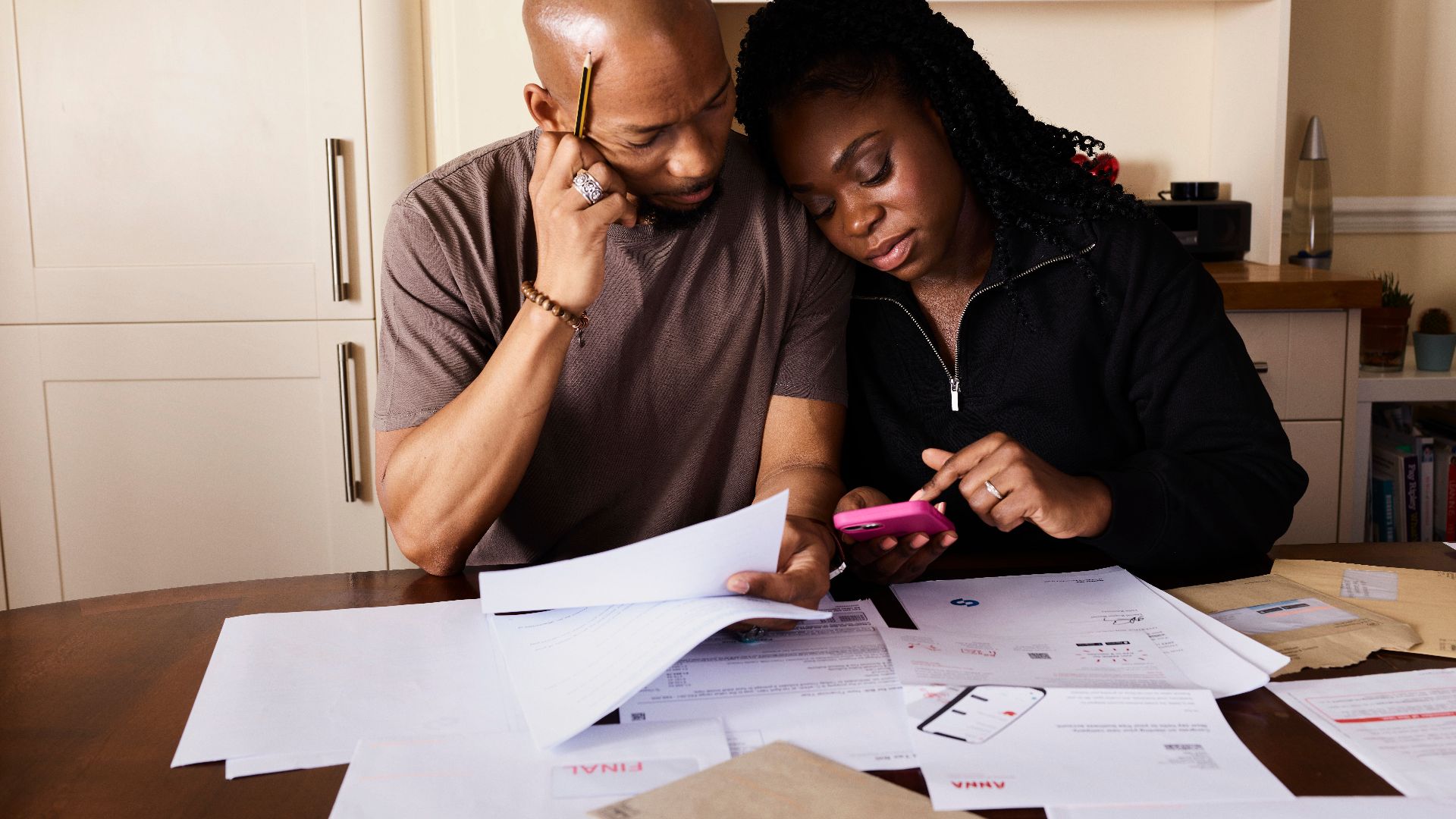
Once a month, open your app-store subscriptions, delivery memberships, shopping apps, buy-now-pay-later accounts, and recurring services. Look at what the phone itself is encouraging you to maintain. The goal is not simply finding fraud. It is noticing how many tiny financial commitments have accumulated around your screen habits.
 Vodafone x Rankin everyone.connected, Pexels
Screen Time Can Become A Money Metric
Your screen-time report normally tells you how many hours you spent on different apps. Try reading it like a financial statement. If you spend hours every week inside shopping, delivery, gaming, or social-media apps, ask what those hours tend to cost you. Sometimes reducing screen time naturally reduces spending without requiring a complicated budget.

Your Phone Is A Tool—Make It Work For Your Budget
Phones can save money too. They can track spending, compare prices, deposit checks, manage investments, find coupons, and remind you about bills. The difference is whether you are using the device deliberately or reacting to whatever appears next. Your wallet does better when you control the phone instead of letting the phone control the next purchase.

You May Also Like:
My employer wants me to cover a customer's unpaid bill. Can a business shift losses to staff?
My landlord offered a discount if I don't use the heat after 10 PM. Is that enforceable?