Taking Pictures Used To Cost Real Money
Remember when taking family photographs meant buying film, loading the camera, and paying someone to develop your pictures? For Baby Boomers growing up in the 1960s and 1970s, photography wasn't free. Every snapshot came with a price, and those little expenses could certainly add up.
You Had To Buy The Film First
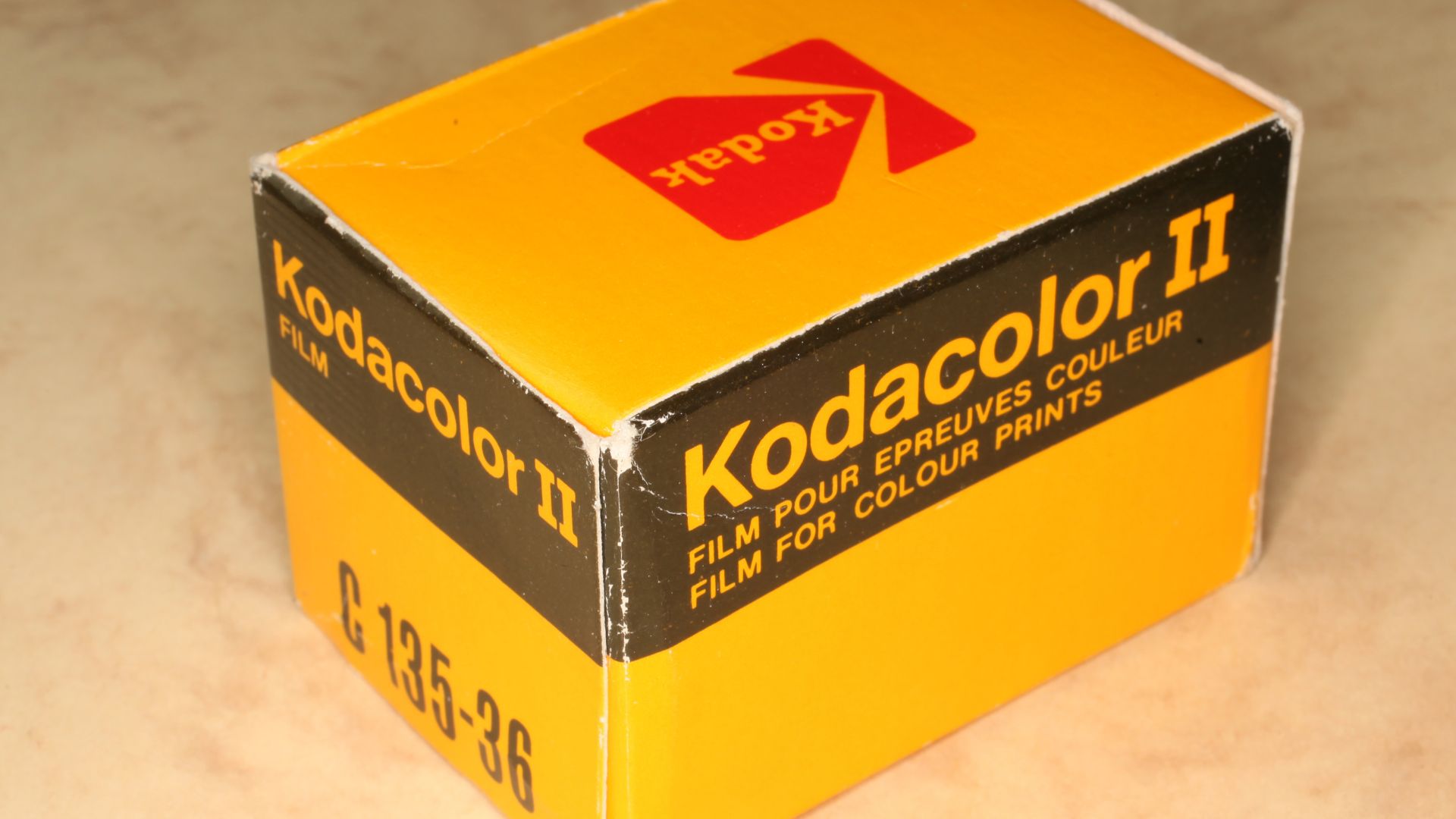
Before taking a single picture, you needed a roll of film. Kodak was the name most families recognized, although other brands were available. Whether you bought a 12-exposure cartridge or a larger roll, photography meant spending money before you even knew whether your pictures would turn out.
A Dollar Went Further Back Then
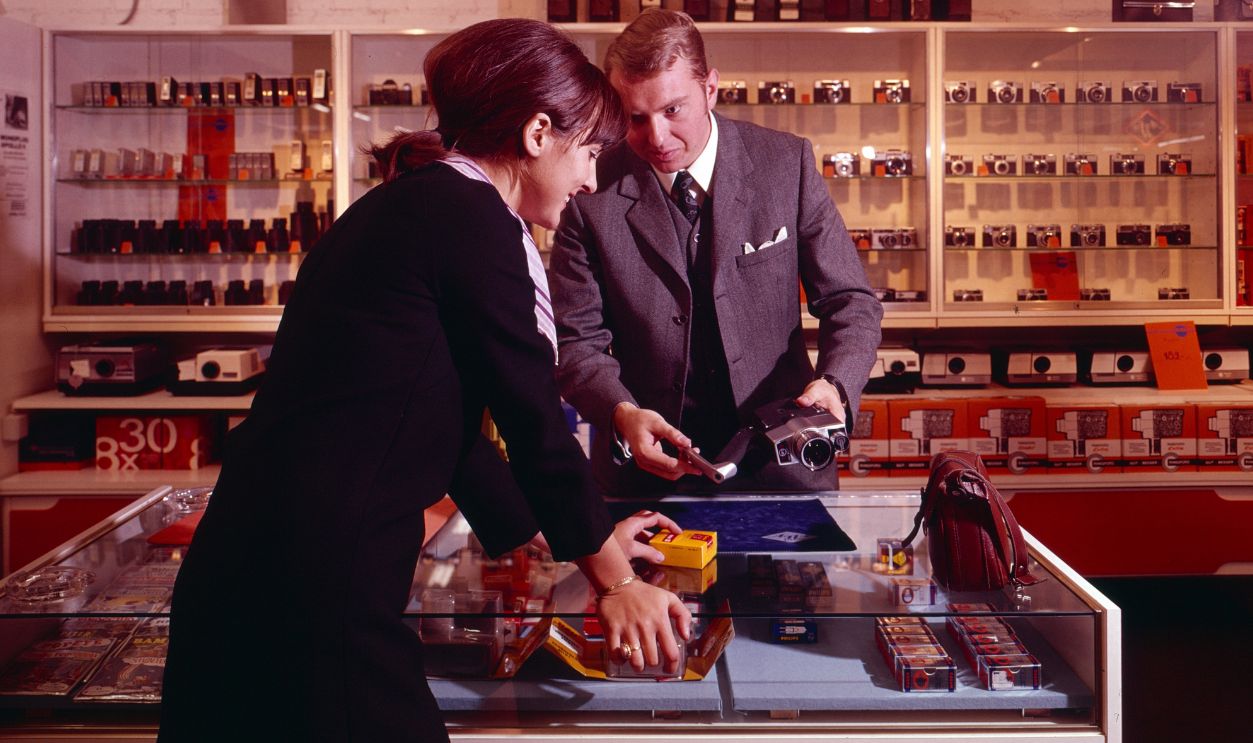
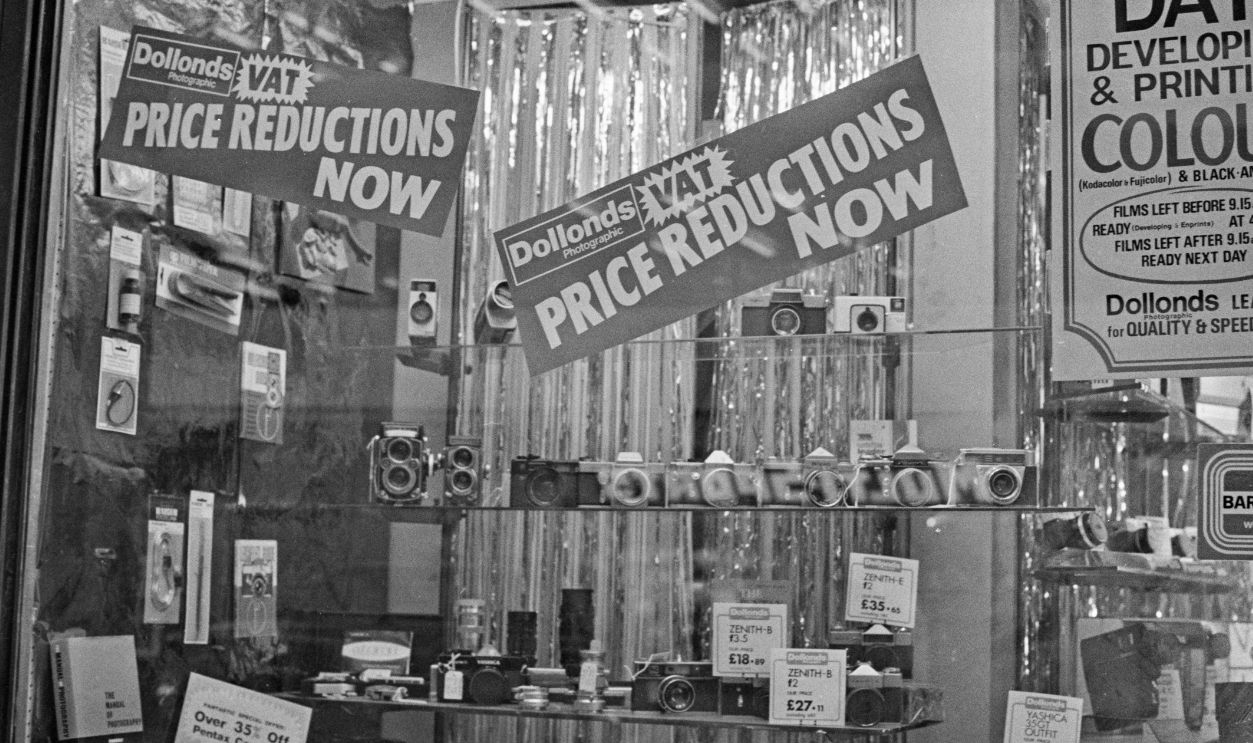
Film prices varied by brand, store, and format. A remarkable Canadian drugstore advertisement from 1976 offered 12-exposure color film for just 97 cents. That sounds like a bargain today, but remember, you still had to pay to turn those exposures into photographs.
 Evening Standard, Getty Images
Then Came The Developing Bill
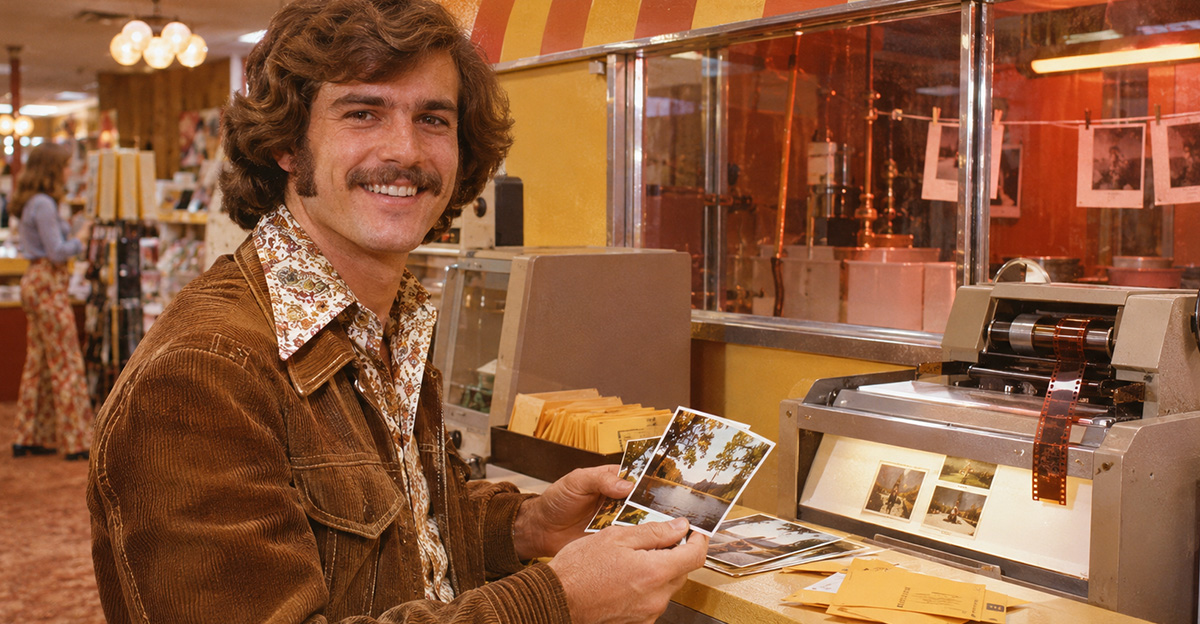
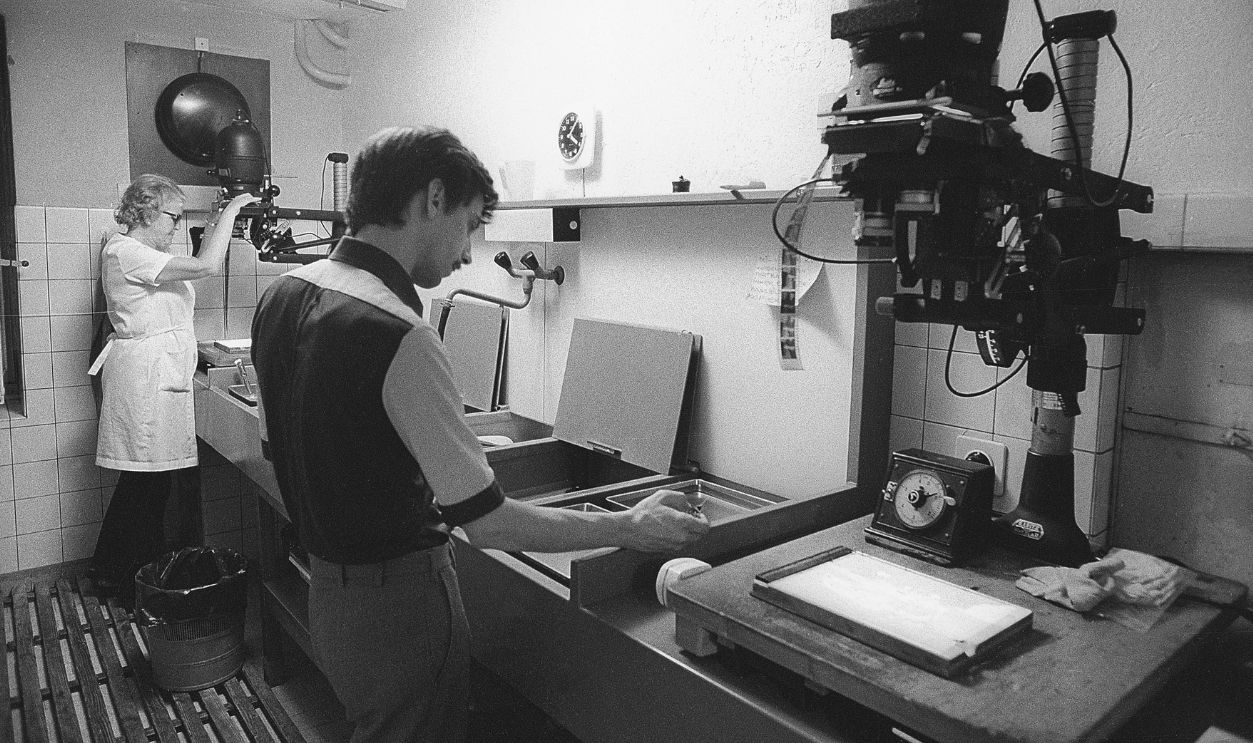
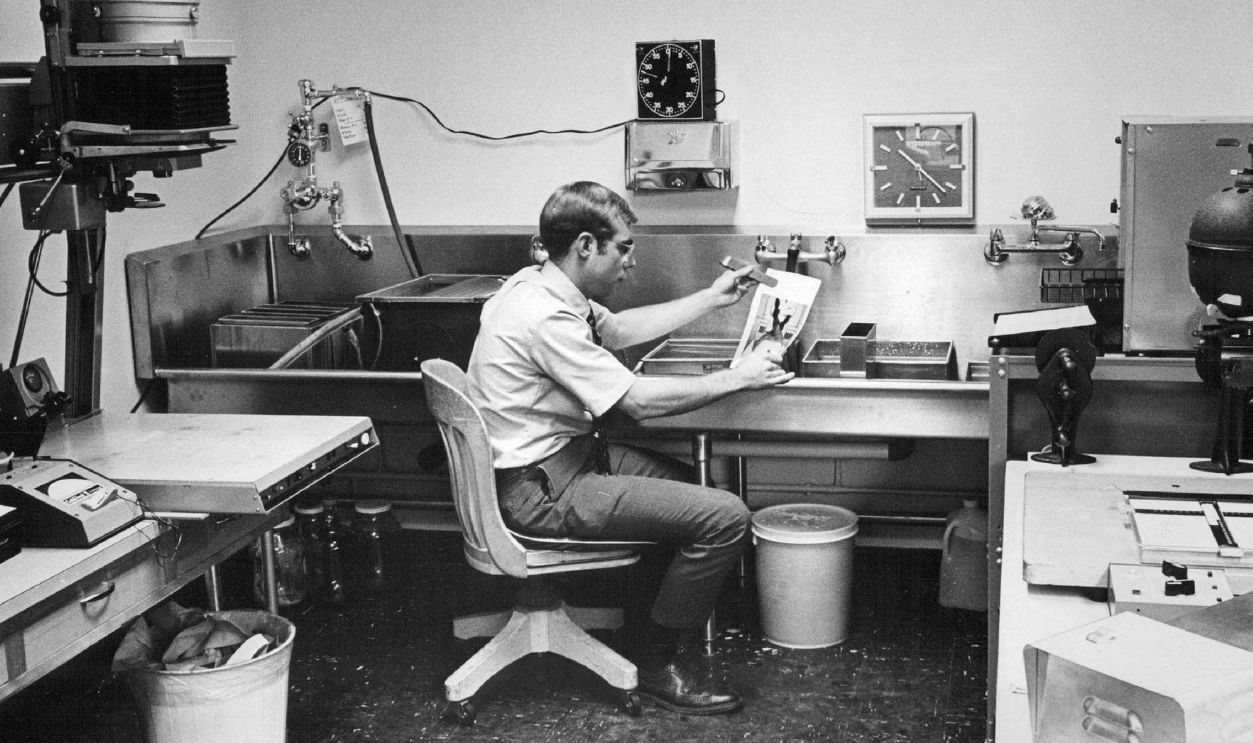
Finishing the roll was only half the job. You needed a photo lab to develop the negatives and make prints. Some businesses charged separately for developing and each picture, while others advertised package deals. Either way, that meant another expense before you could see your vacation memories.
 ullstein bild Dtl., Getty Images
Twelve Pictures For $1.25
Here's a real blast from the past. A December 1972 advertisement in American Home magazine offered developing and 12 jumbo color prints for $1.25 through Skrudland Photo Service. That was a special mail-order price, not a national average, but it shows how affordable a promotional deal could be.
 Harold M. Lambert, Getty Images
More Pictures Meant More Money
That same advertisement offered developing and 20 prints from 126 film for $2.25. A 20-exposure roll of 35mm Kodacolor film cost $2.98 to develop and print. Families who took several rolls during a vacation could easily spend considerably more than they originally planned.
The Family Vacation Wasn't Cheap
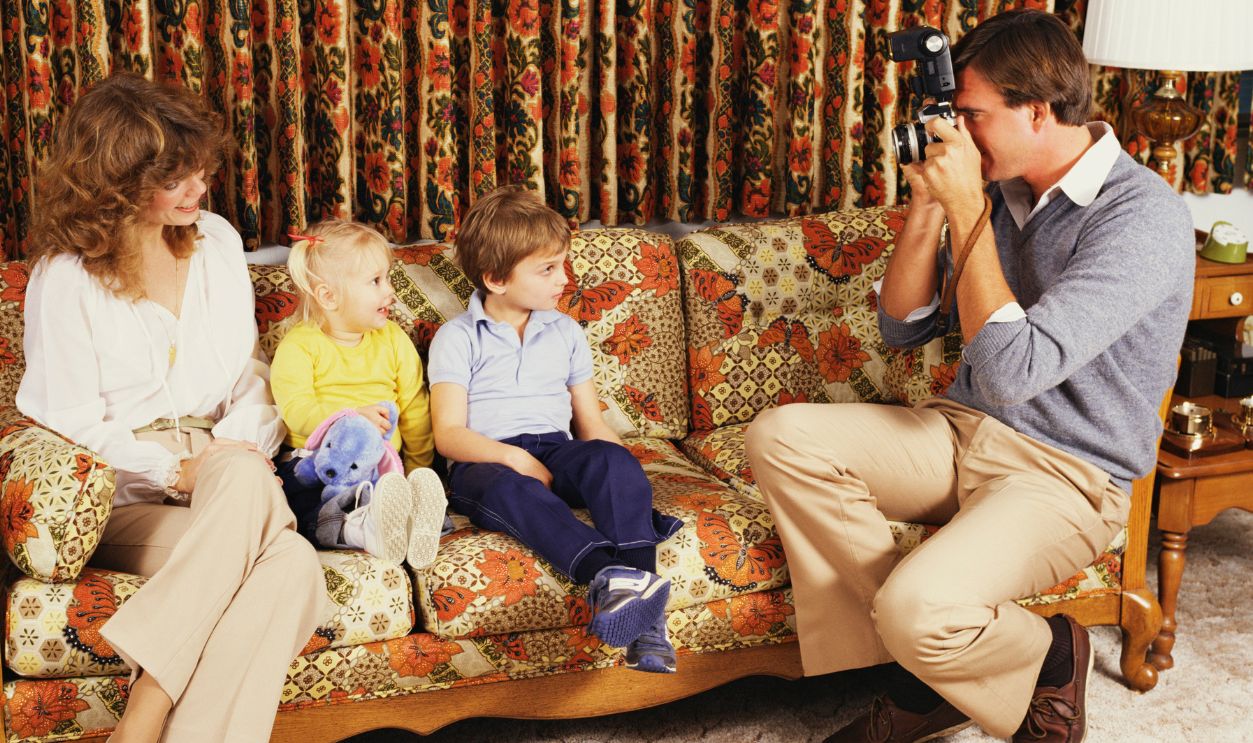
Imagine taking four rolls of 12-exposure film on a family vacation in 1972. At the advertised $1.25 developing price, you'd spend $5 just getting 48 pictures back. That didn't include buying the film, flash supplies, or making extra copies for relatives. Suddenly, those snapshots weren't quite so cheap.
Every Photograph Had To Count
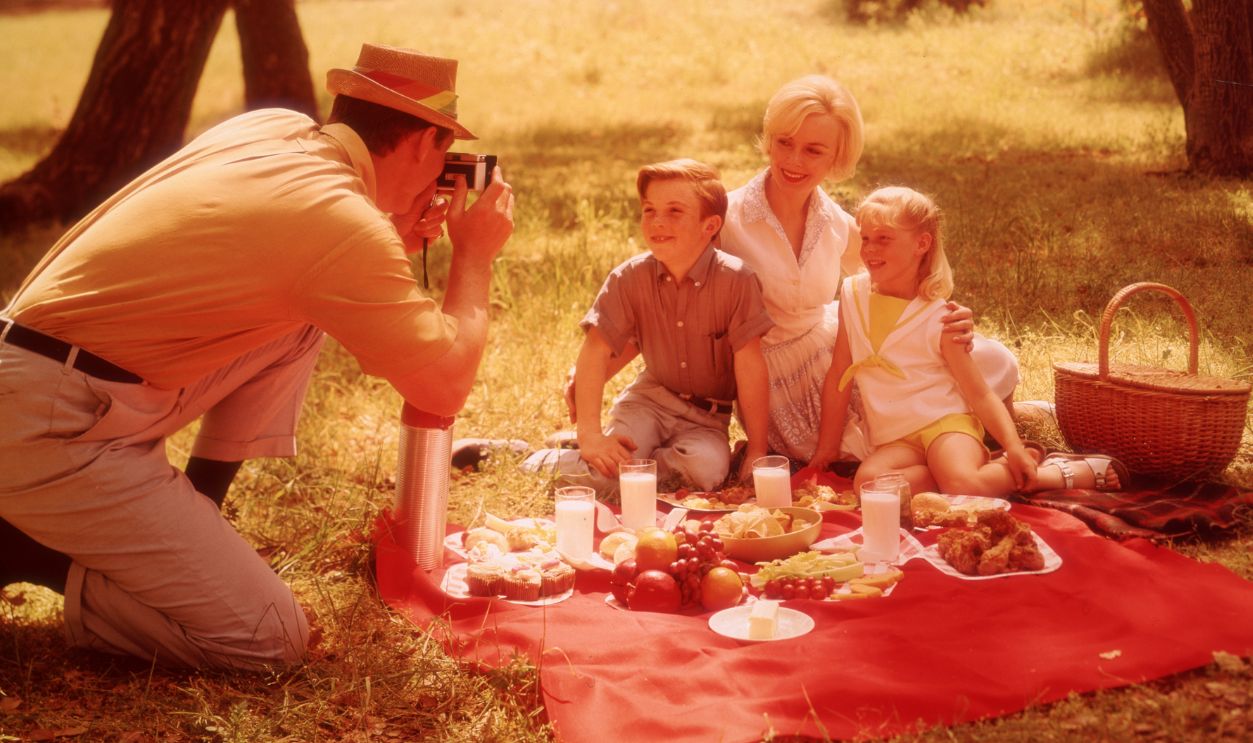
Today, you can take 50 pictures of the same sunset without thinking twice. Back then, parents often reminded children not to waste film. With only 12 or 20 exposures available, every click mattered. Nobody wanted to discover they'd spent money photographing the inside of a camera case.
Kodak Was Everywhere
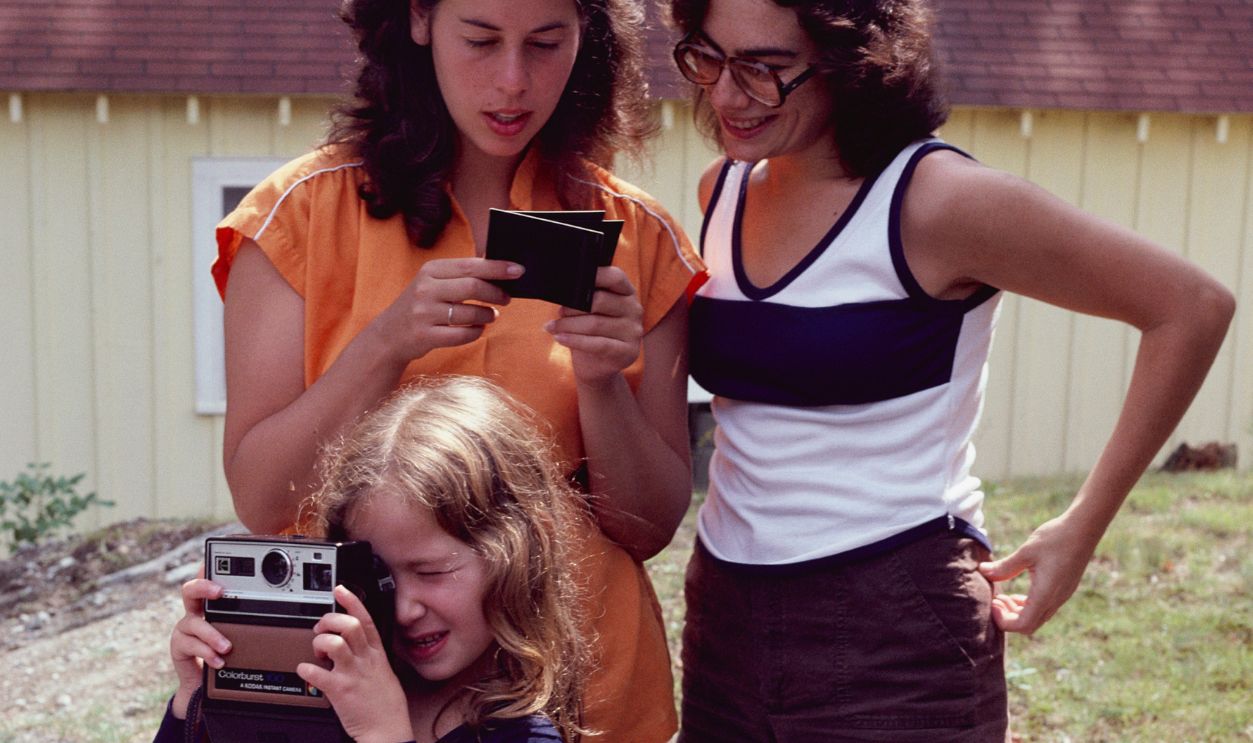
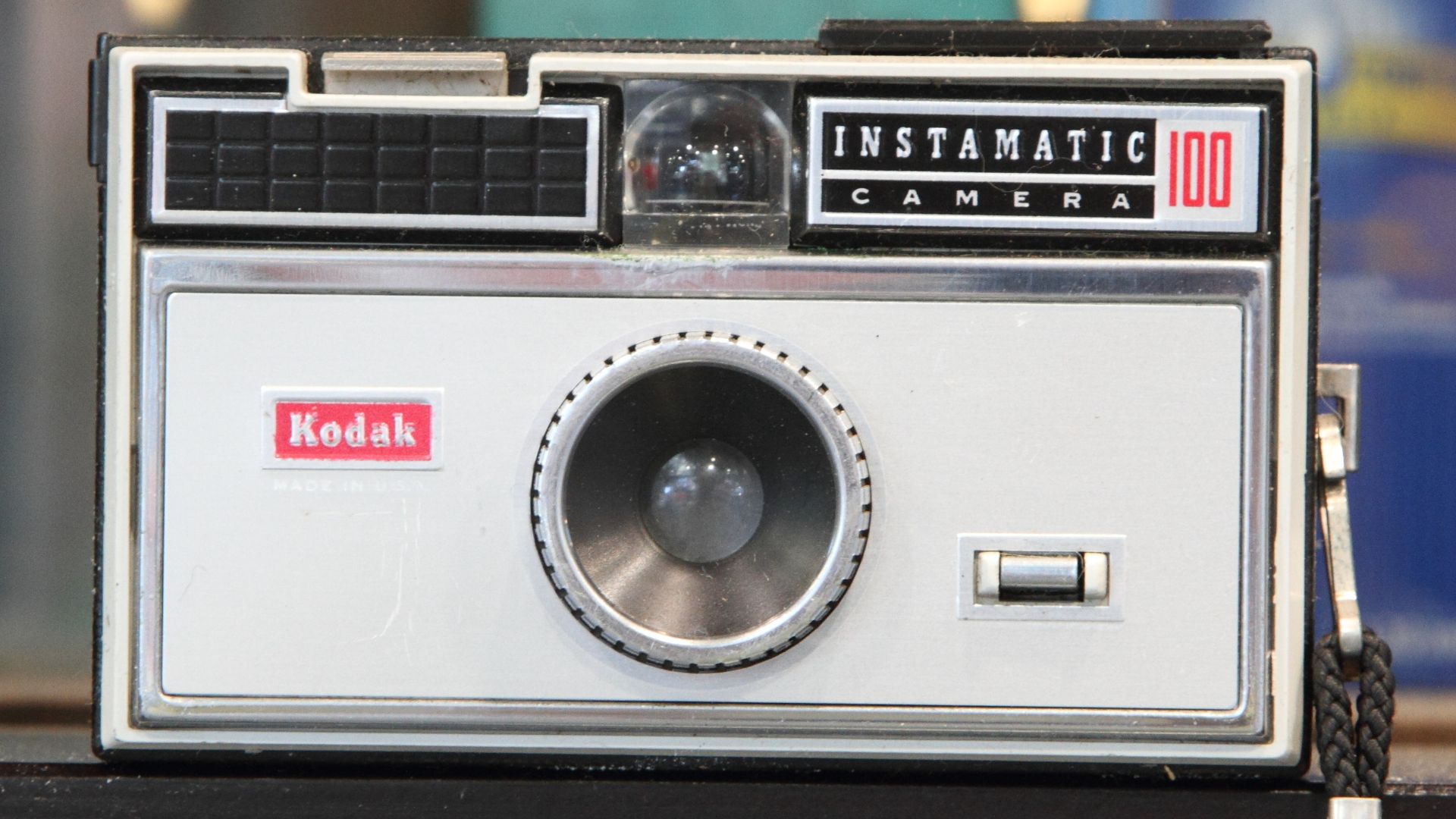
Kodak practically defined family photography during the 1960s. Its Instamatic cameras, introduced in 1963, made photography easier by using convenient film cartridges. By 1970, more than 50 million Instamatic cameras had been produced. Of course, all those cameras helped create enormous demand for film and developing.
 Plumpaquatsch, Wikimedia Commons
The Flash Was Another Expense
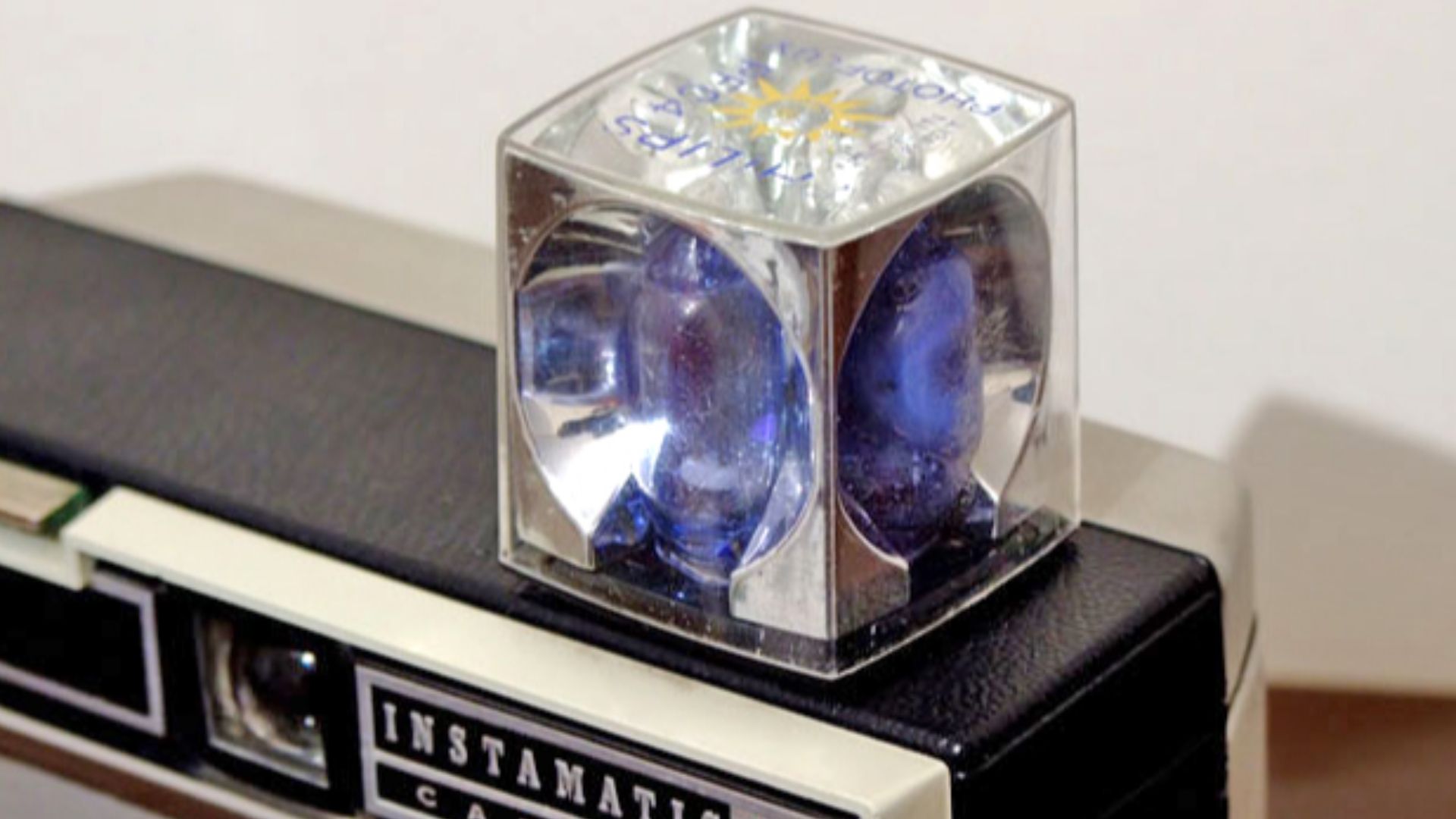
Taking photographs indoors often meant buying flashbulbs, flashcubes, or Magicubes. Some products provided four flashes before needing replacement. That meant birthday parties, Christmas mornings, and family gatherings could use up supplies quickly. The price of the film was only part of the cost of recording those special occasions.
 en:User:Futurebobbers, Wikimedia Commons
Color Pictures Became The Family Favorite
Black-and-white photographs remained popular, but color was increasingly what families wanted. In fact, color had overtaken black-and-white in America's amateur photo-finishing market by 1960. Who wouldn't want to remember the bright decorations at Christmas or the family station wagon in its original color?

Kodak Didn't Always Include Developing
Here's something many families might have forgotten. Kodak once bundled processing with certain color films. Following a 1954 legal settlement, the company began selling color film without included processing in 1955. That helped independent photo-finishing businesses compete for customers who wanted their pictures developed.
 Joost J. Bakker IJmuiden, Wikimedia Commons
Drugstores Became Photo Headquarters
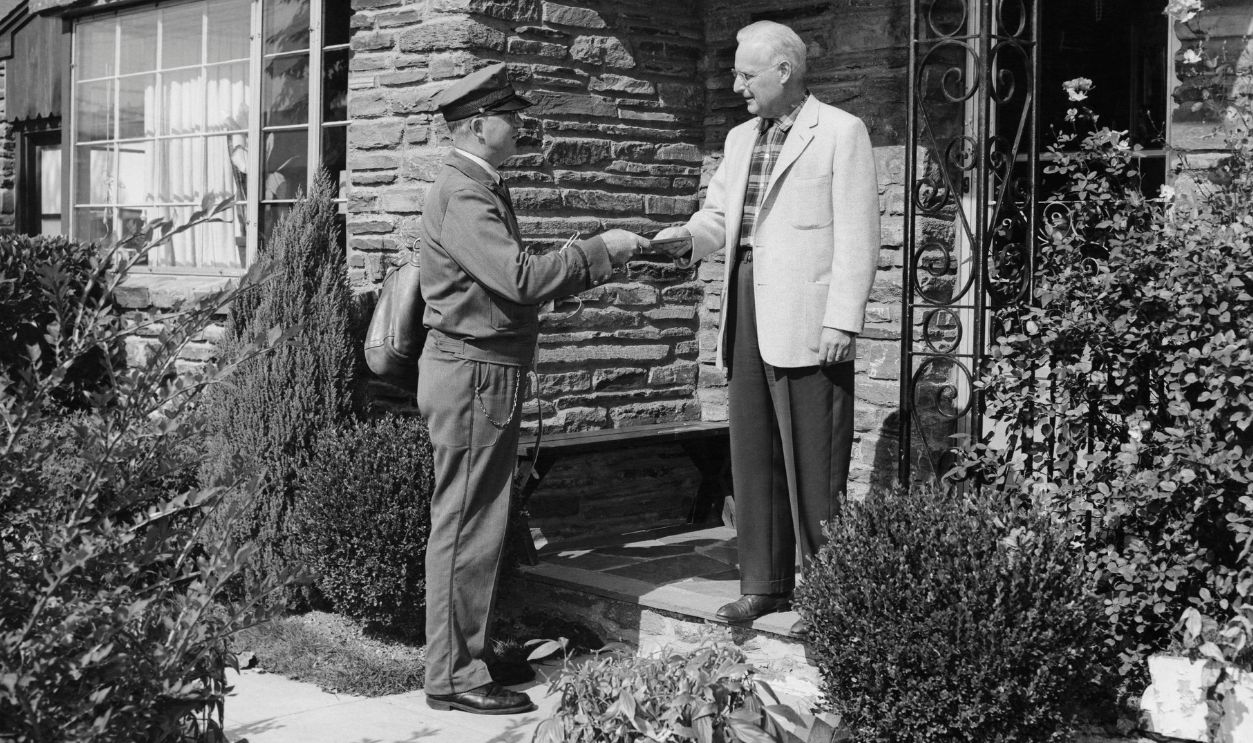
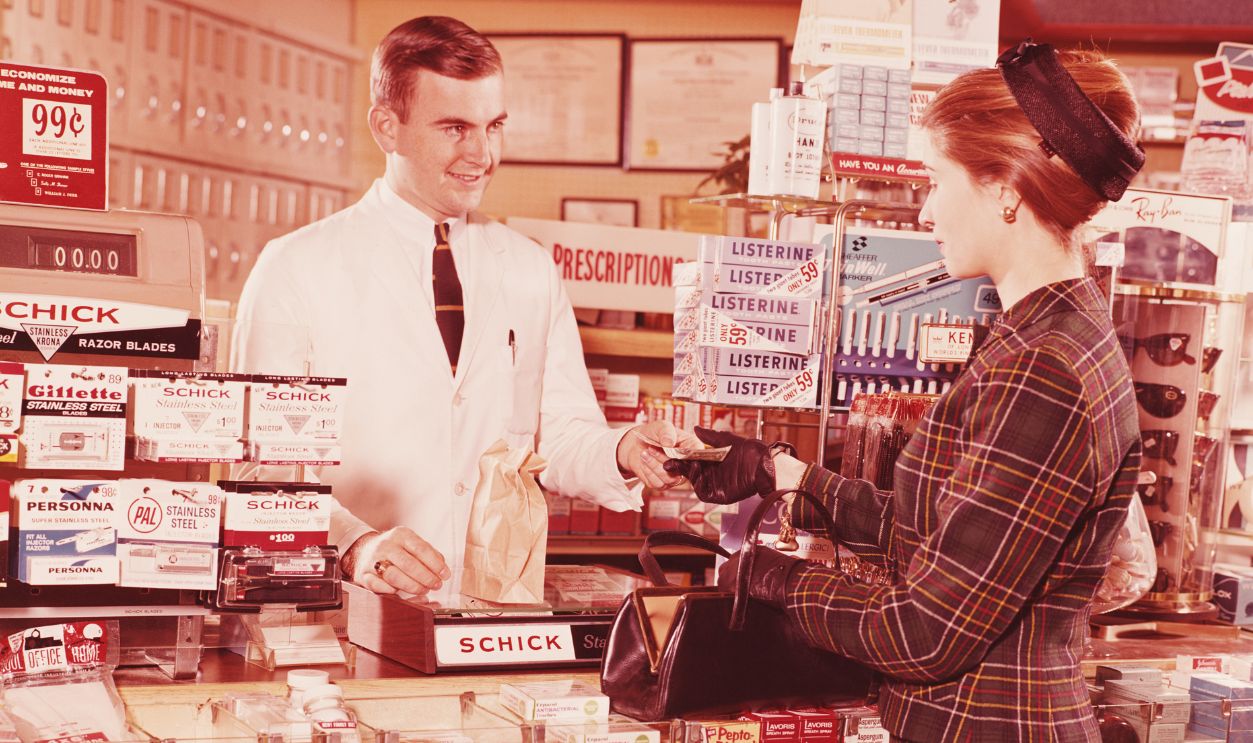
For many families, taking pictures to the neighborhood drugstore became part of the routine. Stores collected exposed film and arranged for laboratories to process it. You'd receive a receipt, then come back later to collect your pictures. It was a familiar errand long before digital photo kiosks existed.
 H. Armstrong Roberts, Getty Images
Remember Those Little Envelopes?
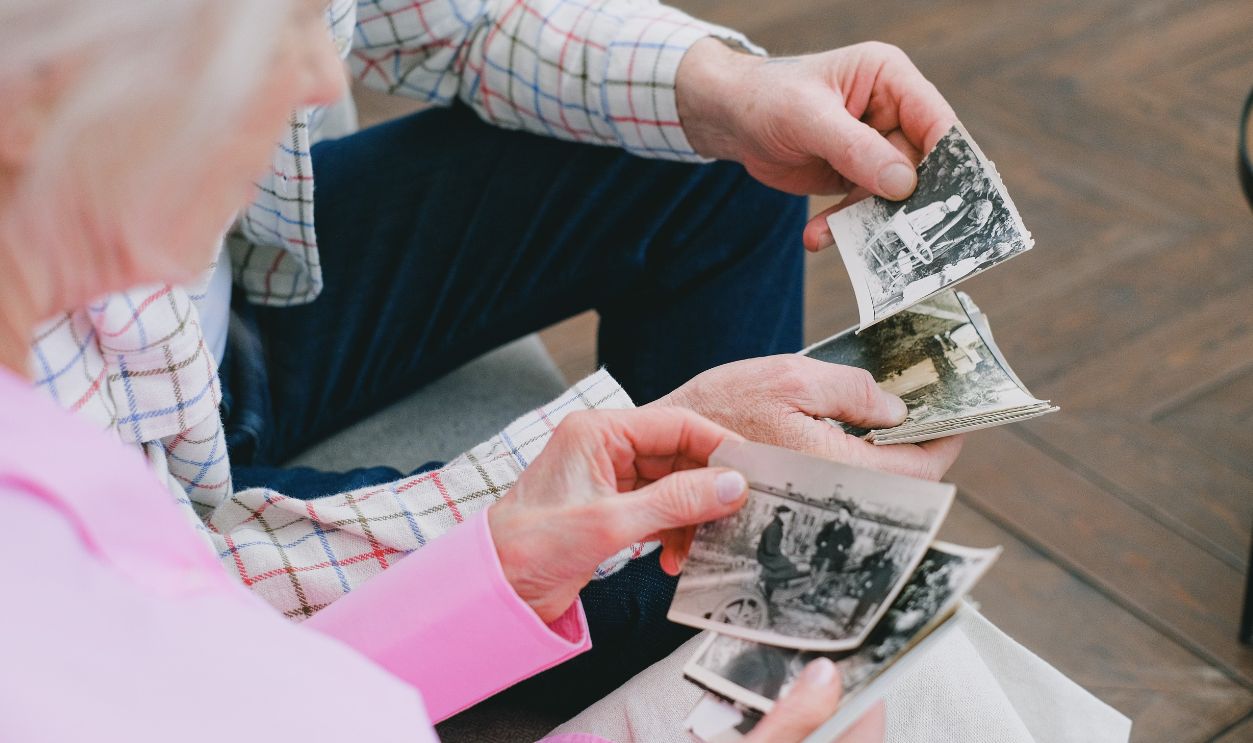
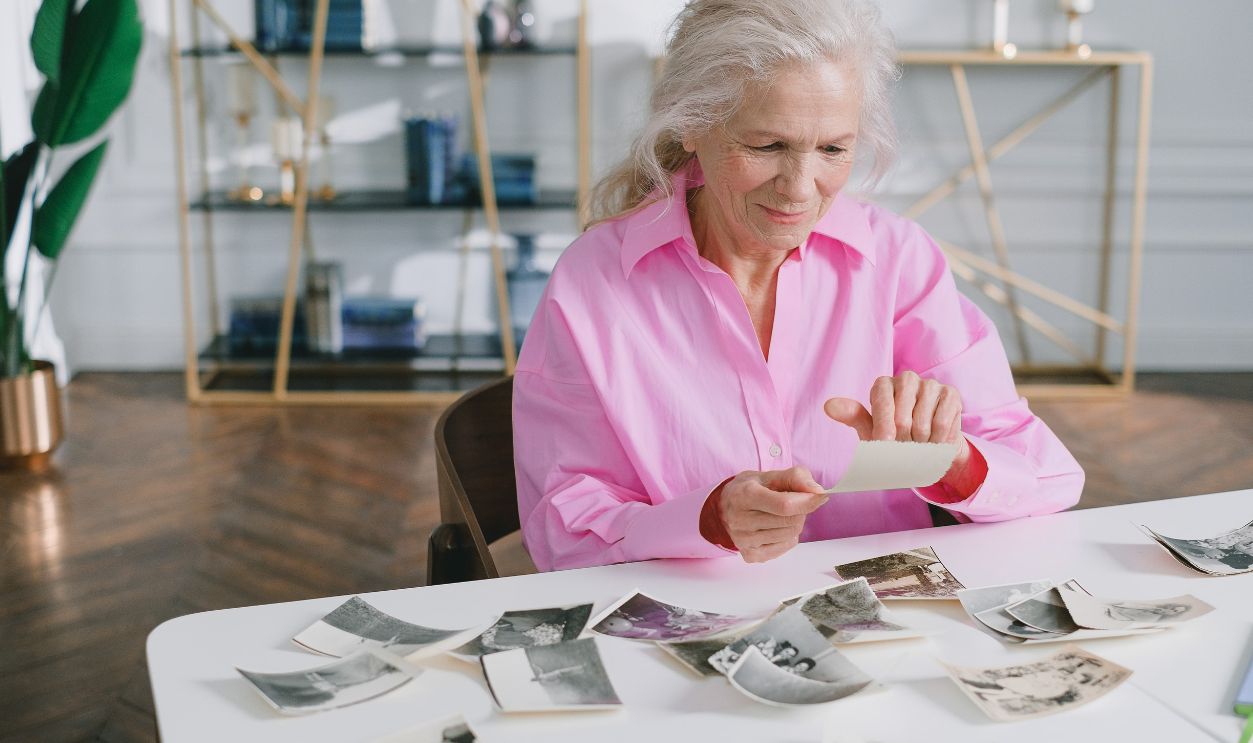
When the photographs finally arrived, they usually came in a paper envelope containing prints and negatives. Families would spread everything across the kitchen table, looking for the best pictures. The negatives were especially important because they allowed you to order another print without taking the photograph again.
 https://kaboompics.com/, Pexels
Waiting Was Part Of The Experience
Unlike today's instant camera-phone previews, developed pictures could take several days to arrive. Mail-order services might take longer. You couldn't check whether everyone had smiled or whether someone's finger covered the lens. Sometimes an entire vacation passed before you discovered which pictures were worth keeping.
Mail-Order Developing Promised Savings
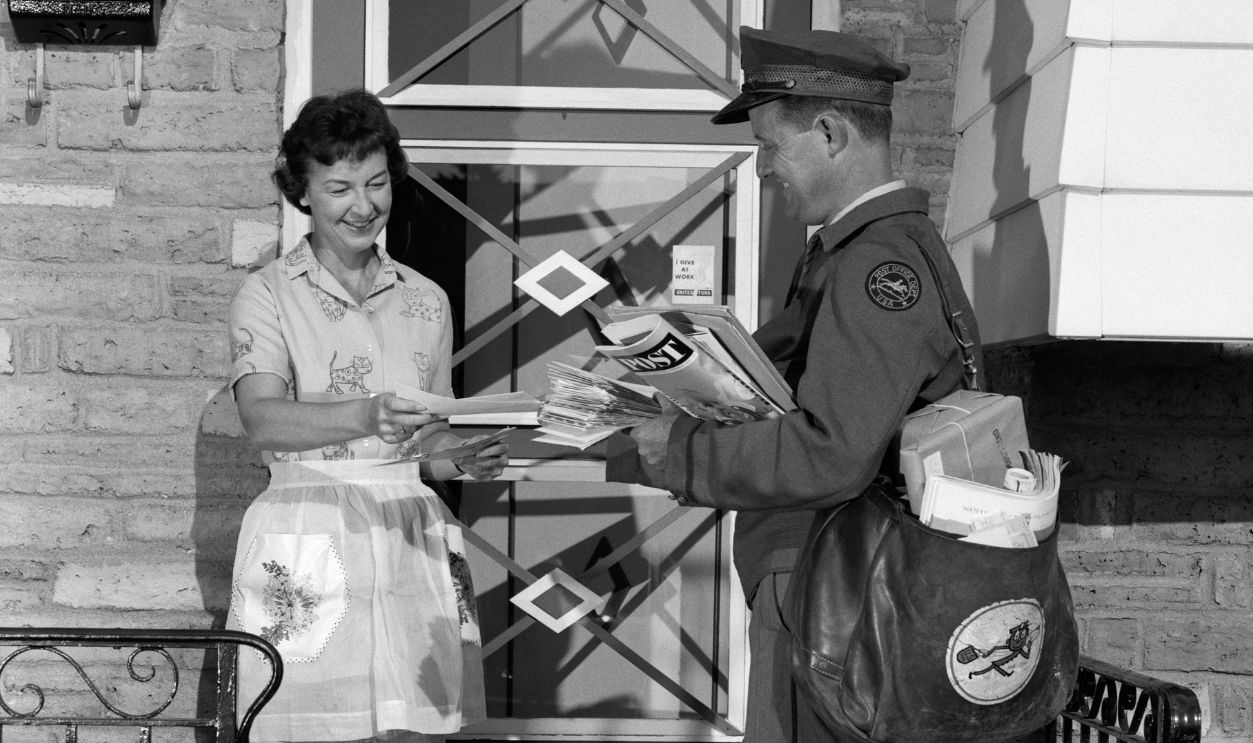
Families didn't necessarily need a nearby photo counter. Mail-order companies advertised inexpensive developing services in magazines and newspapers. You mailed the exposed film to a laboratory and waited for the results. Some businesses even offered replacement film as an incentive to keep customers coming back.
Free Film Wasn't Quite Free
Some photo-processing promotions promised customers another roll of film after they mailed in their exposed pictures. The catch was that developing and printing still cost money. The idea was clever: give families more film, and they'd have another reason to purchase photo-processing services.
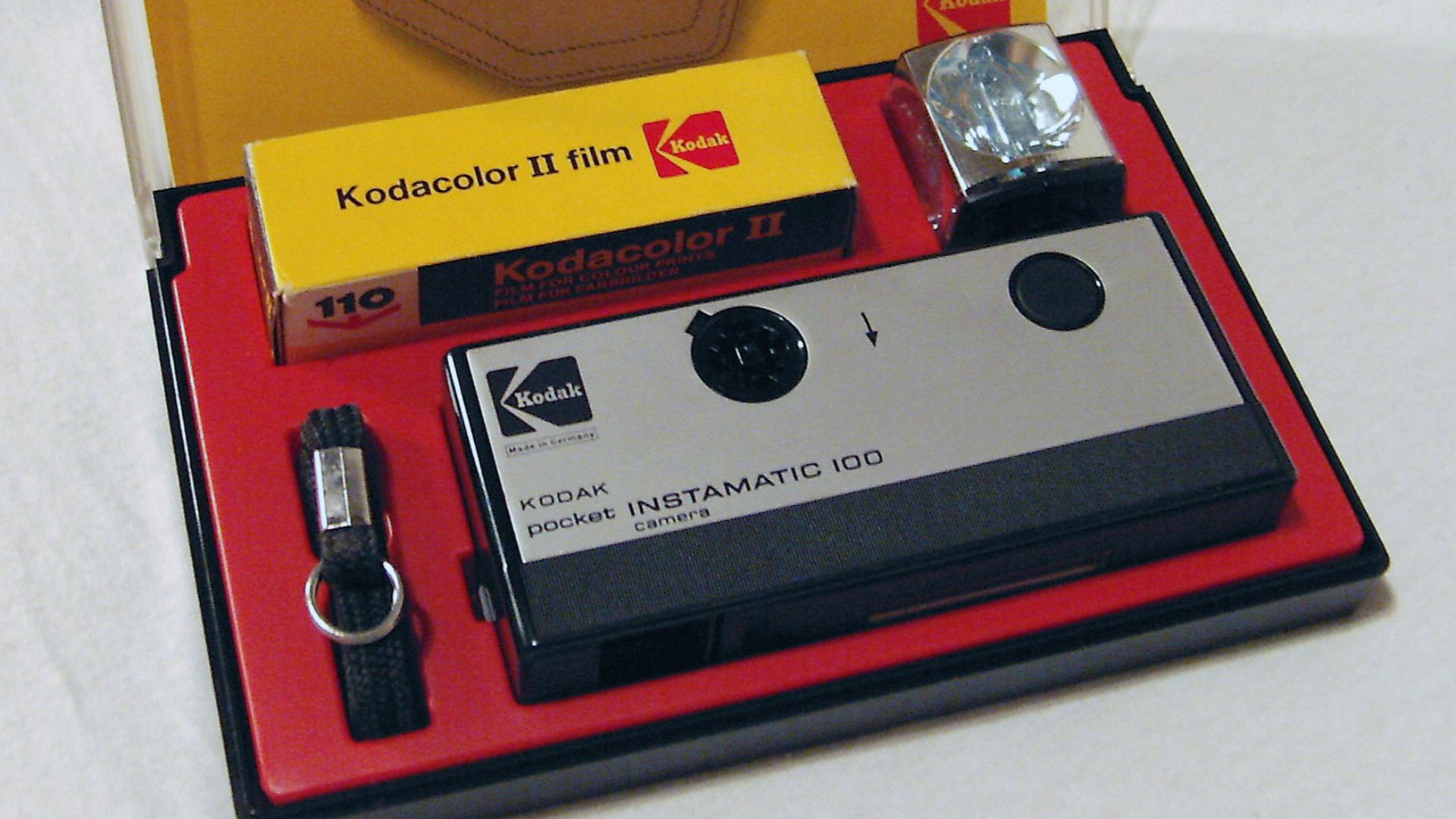
Kodak's Pocket Cameras Changed Things
In 1972, Kodak introduced its Pocket Instamatic cameras using the smaller 110 film format. These cameras slipped easily into a purse or pocket. They made taking photographs more convenient, but families still needed to buy cartridges and pay for developing. Smaller cameras didn't eliminate the ongoing expenses.
 Carsten Corleis, Wikimedia Commons
What About Instant Cameras?
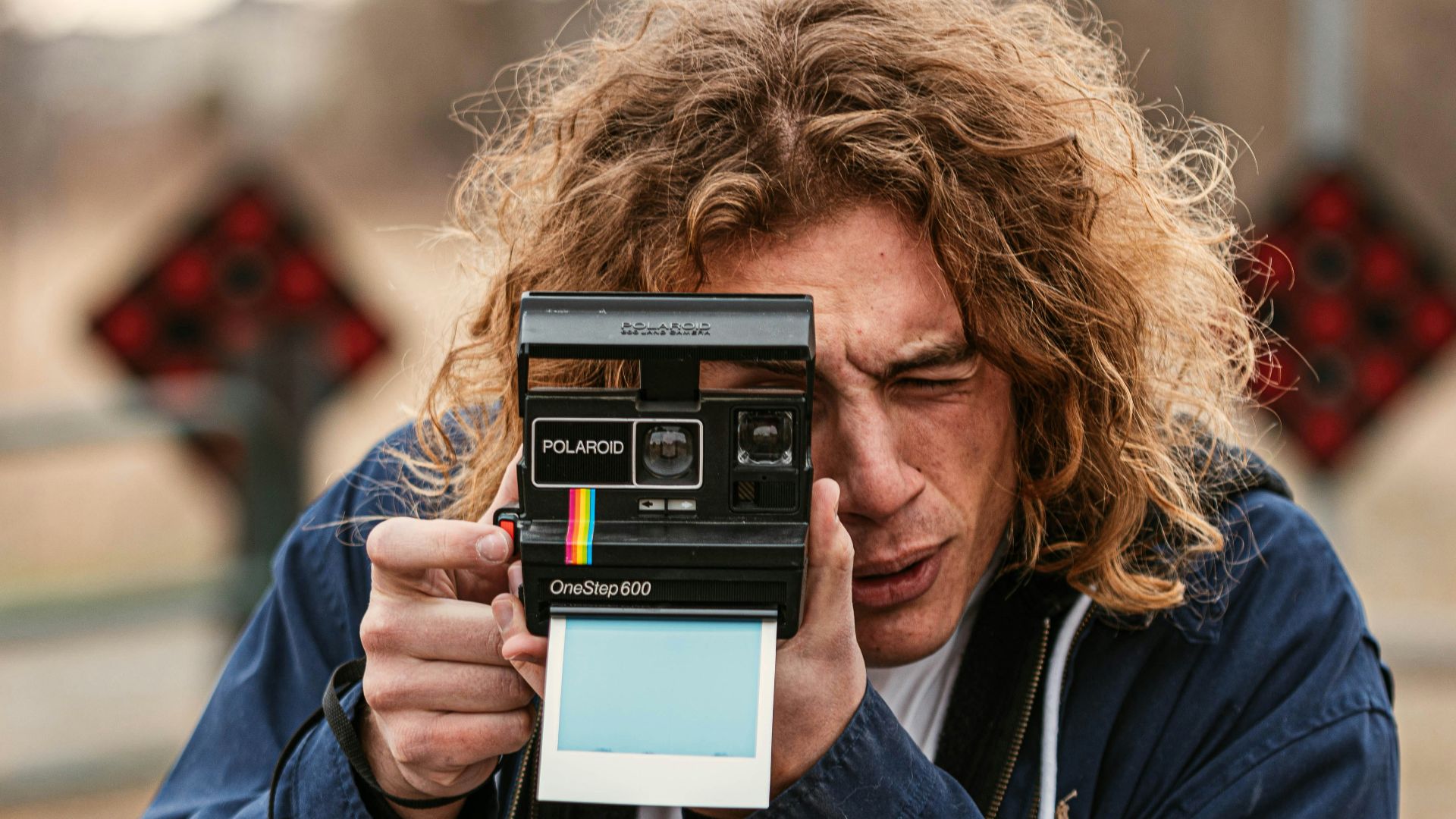
Polaroid offered another possibility: photographs that developed without a trip to the drugstore. The company's popular cameras produced pictures remarkably quickly. But instant-film packs weren't free, either. Families paid for that convenience through the special film they purchased, making each individual photograph a small investment.
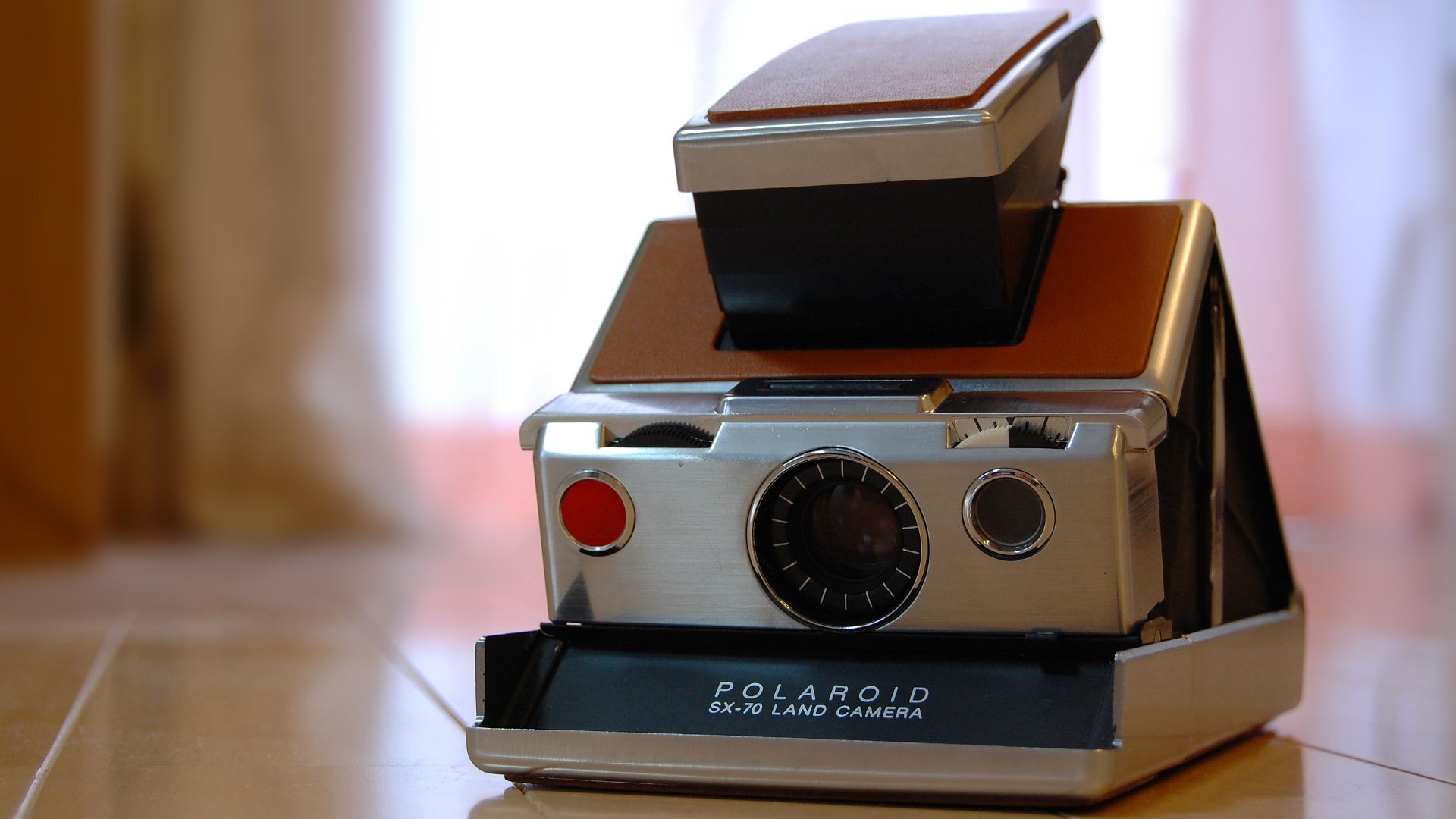
The Polaroid SX-70 Was A Luxury
When the revolutionary Polaroid SX-70 arrived in the early 1970s, it attracted plenty of attention. A 1972 American Home article anticipated a price of around $170 for the camera. That was a substantial purchase, especially when many ordinary Kodak Instamatic models cost considerably less.
 Fabian Reus from Tokyo, Japan, Wikimedia Commons
Extra Copies Added To The Bill
Remember ordering duplicate photographs for grandparents, aunts, and uncles? Those extra prints weren't necessarily included in the original processing price. Kodak's 1973 pricing information listed various color reprints at roughly 31 to 33 cents each. Ordering several copies could add dollars to your photography expenses.
Bigger Pictures Cost More
Sometimes a small snapshot just wasn't enough. Families might order enlargements for graduation portraits, anniversary gifts, or living room picture frames. Larger prints meant additional charges. Those special photographs became treasured decorations, although they weren't something most families ordered after every roll.
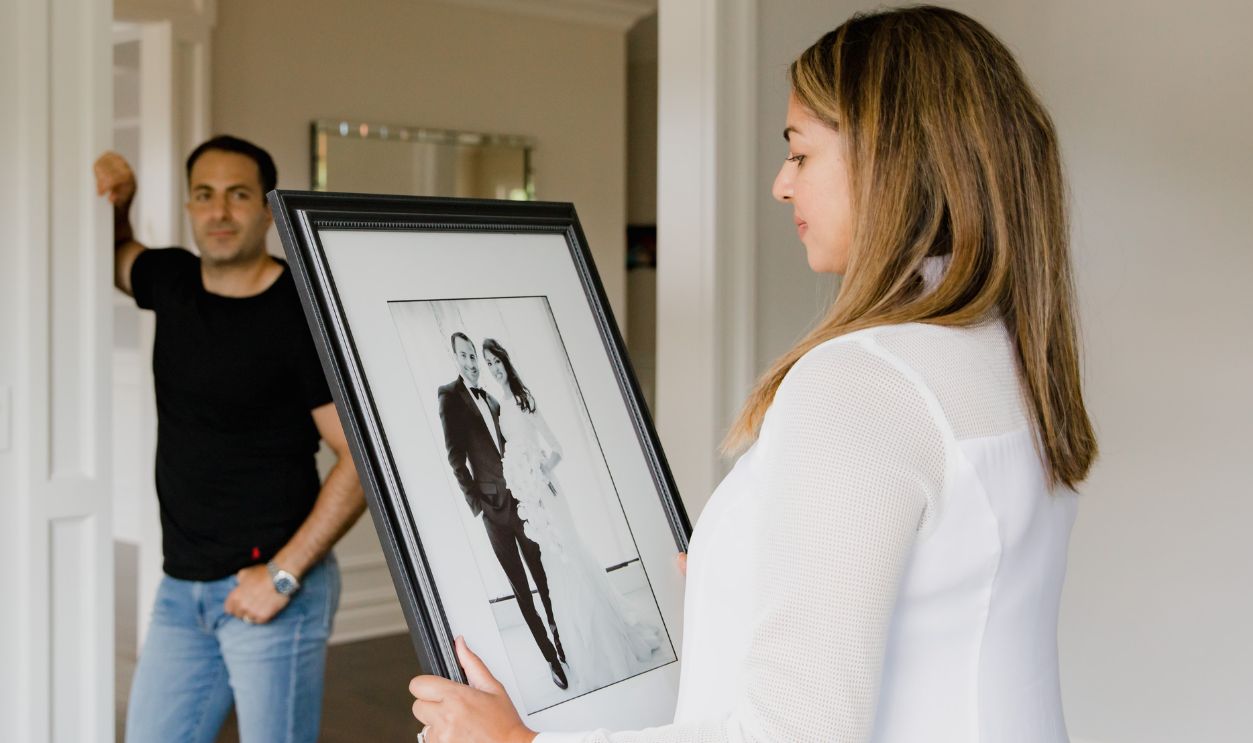
Photo Albums Were Another Purchase
After paying for film, developing, and extra prints, families still needed somewhere to keep everything. Photo albums, mounting corners, and protective pages added another expense. Some households carefully organized their pictures by year, while others accumulated envelopes in drawers and shoeboxes for future sorting.

The Costs Added Up Over A Year
Consider a family using 20 rolls annually, each with 12 exposures. At that advertised 1972 processing price of $1.25, developing and printing alone would cost $25. Add film, flash supplies, extra prints, and albums, and the yearly photography budget would climb even higher.

Then Came Cheaper Photo Processing
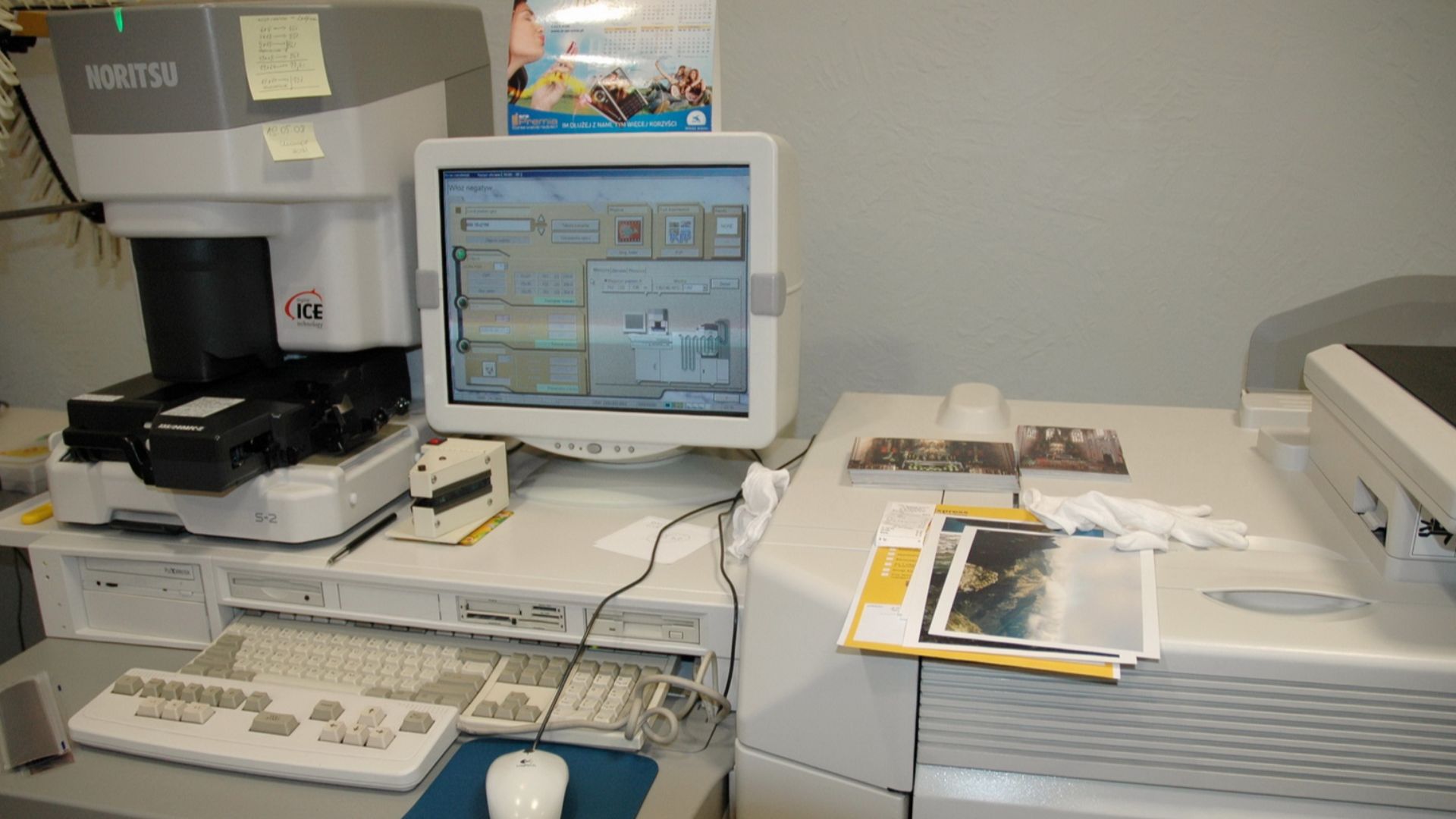
As laboratory technology improved and competition increased, film developing became more efficient and, over time, less expensive in inflation-adjusted terms. Mass-market processing services helped families take more pictures. Still, the basic routine remained unchanged: buy film, use it, pay for processing, and collect your prints.
Digital Photography Changed Everything
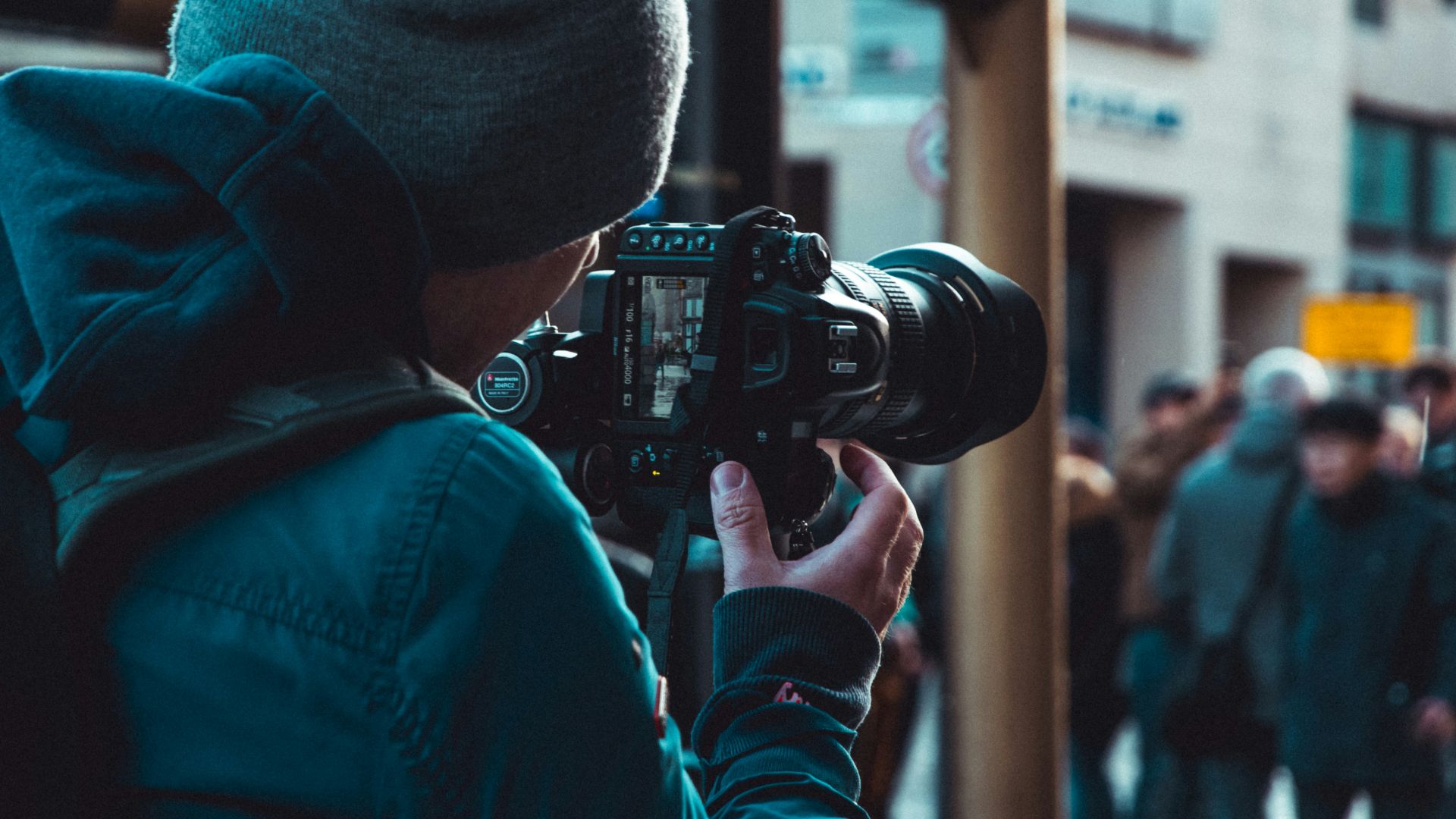
Digital cameras eventually removed the need to purchase film for every batch of pictures. Camera phones made things even easier. Families could take hundreds of photographs, delete the bad ones, and share favorites immediately. The old developing bill largely disappeared, although devices, storage, and printing still carry costs.
Those Old Pictures Were Worth Every Penny
Looking through a family photo album today, it's easy to forget how much effort and money went into creating it. Every faded vacation photograph, birthday snapshot, and Christmas picture required someone to buy film and pay for developing. For many Baby Boomers, those memories are priceless, regardless of what they originally cost.

You May Also Like:
Grocery Store Tricks That Make You Spend More Money Without Realizing It
My Boss Says I Won’t Get My Final Paycheck Until I Return My Work Laptop. Is That Allowed?