When The Extras Were Free
Remember when sitting down at a restaurant meant getting more than just the meal you ordered? Many American diners, steakhouses, and family restaurants once brought out little extras without charging another penny. Today, some of those familiar freebies have become menu items of their own. Others have disappeared entirely. Let's look at what changed.
Bread Before Dinner
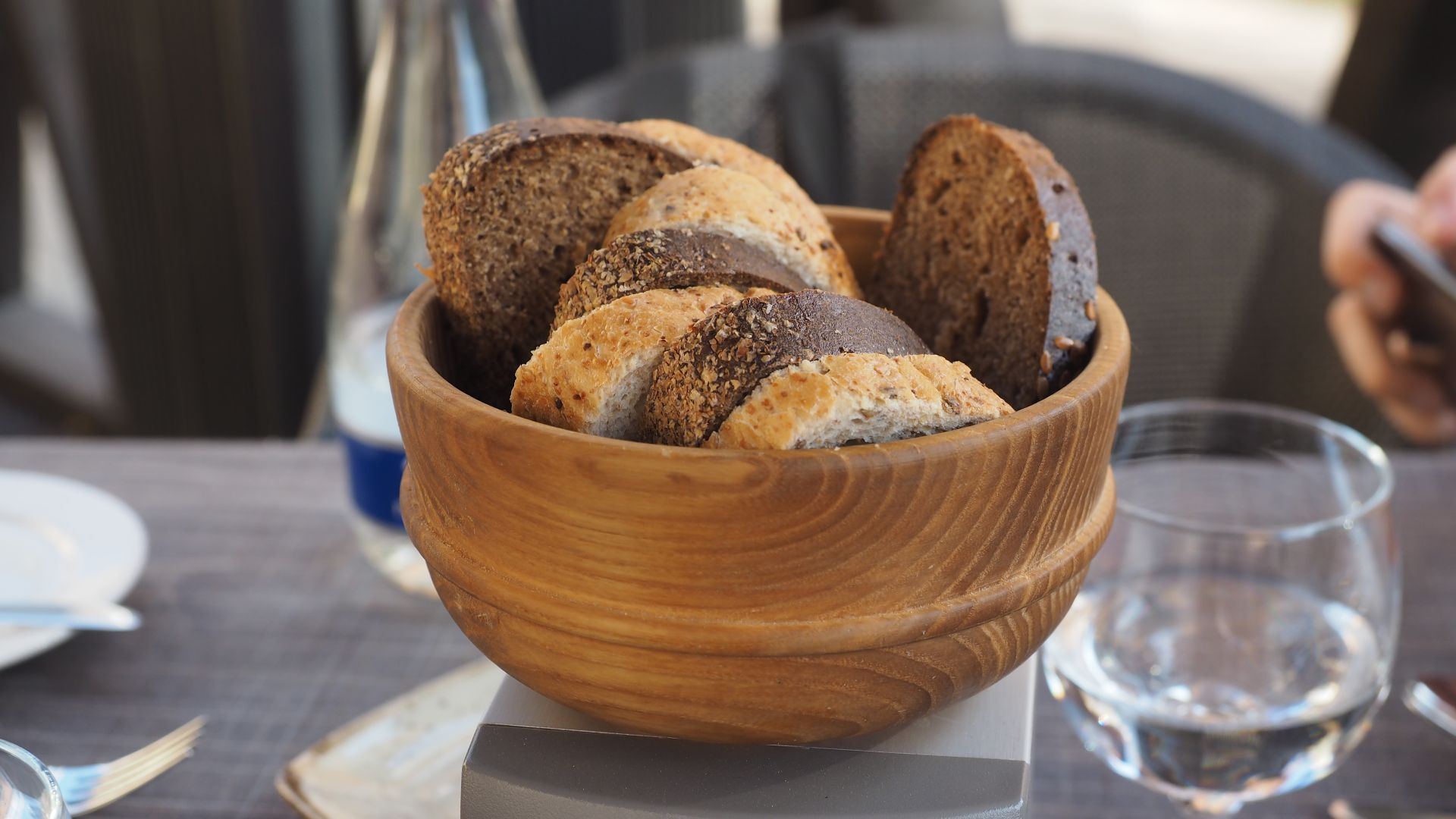
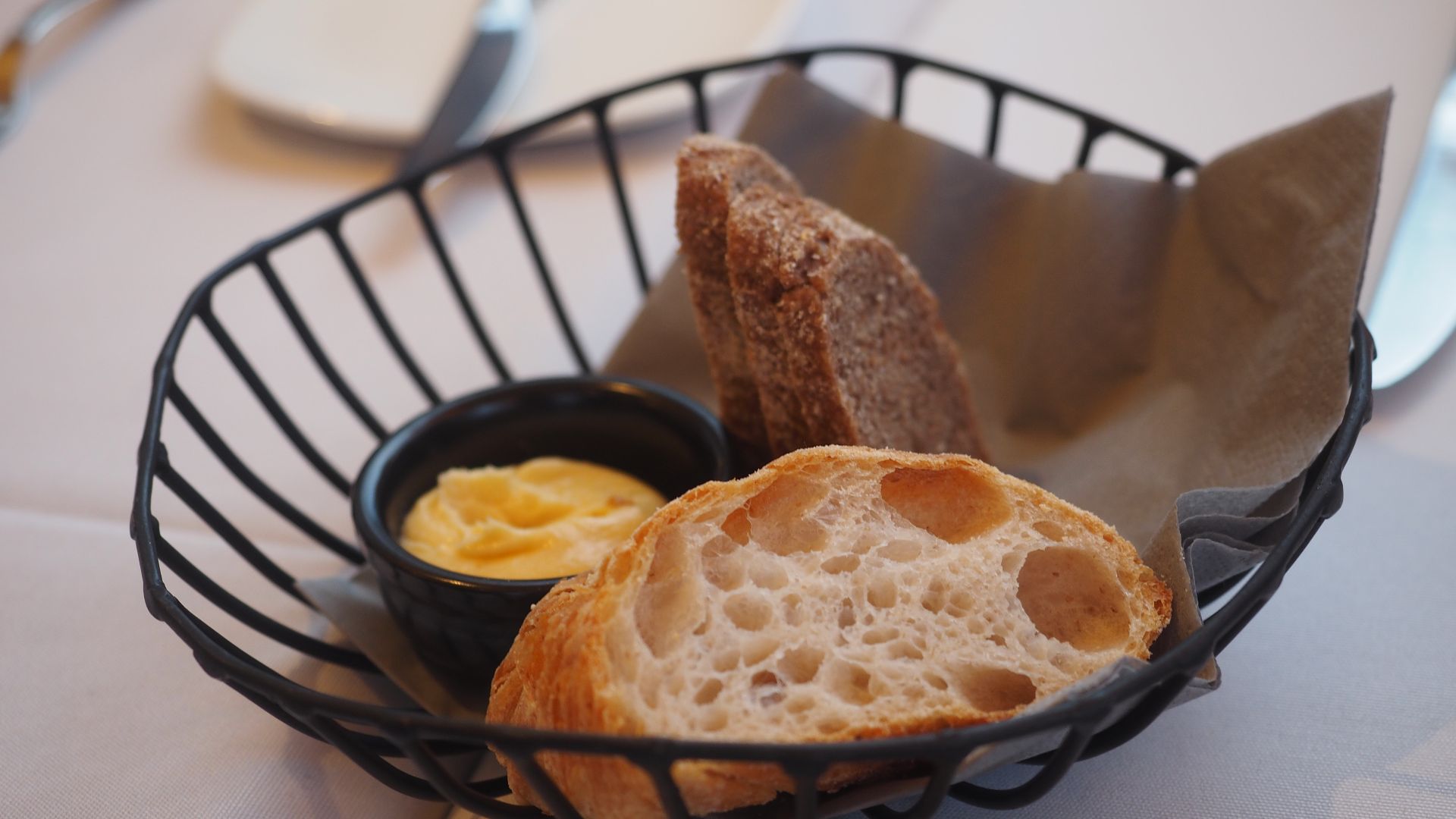
A basket of warm bread or dinner rolls was once practically a ritual at American family restaurants and steakhouses. Servers brought it out before anyone ordered, often with butter on the side. Plenty of restaurants still offer complimentary bread, but others now charge for bread service, particularly when it includes specialty loaves, spreads, or artisan rolls.
Butter On The Table
Little foil-wrapped butter pats were once familiar fixtures at diners and roadside restaurants. Nobody thought twice about using a few with their toast or rolls. Today, butter generally remains included with bread where complimentary bread is served, but some establishments charge separately for extra butter, specialty spreads, or additional servings.
Crackers With Your Soup
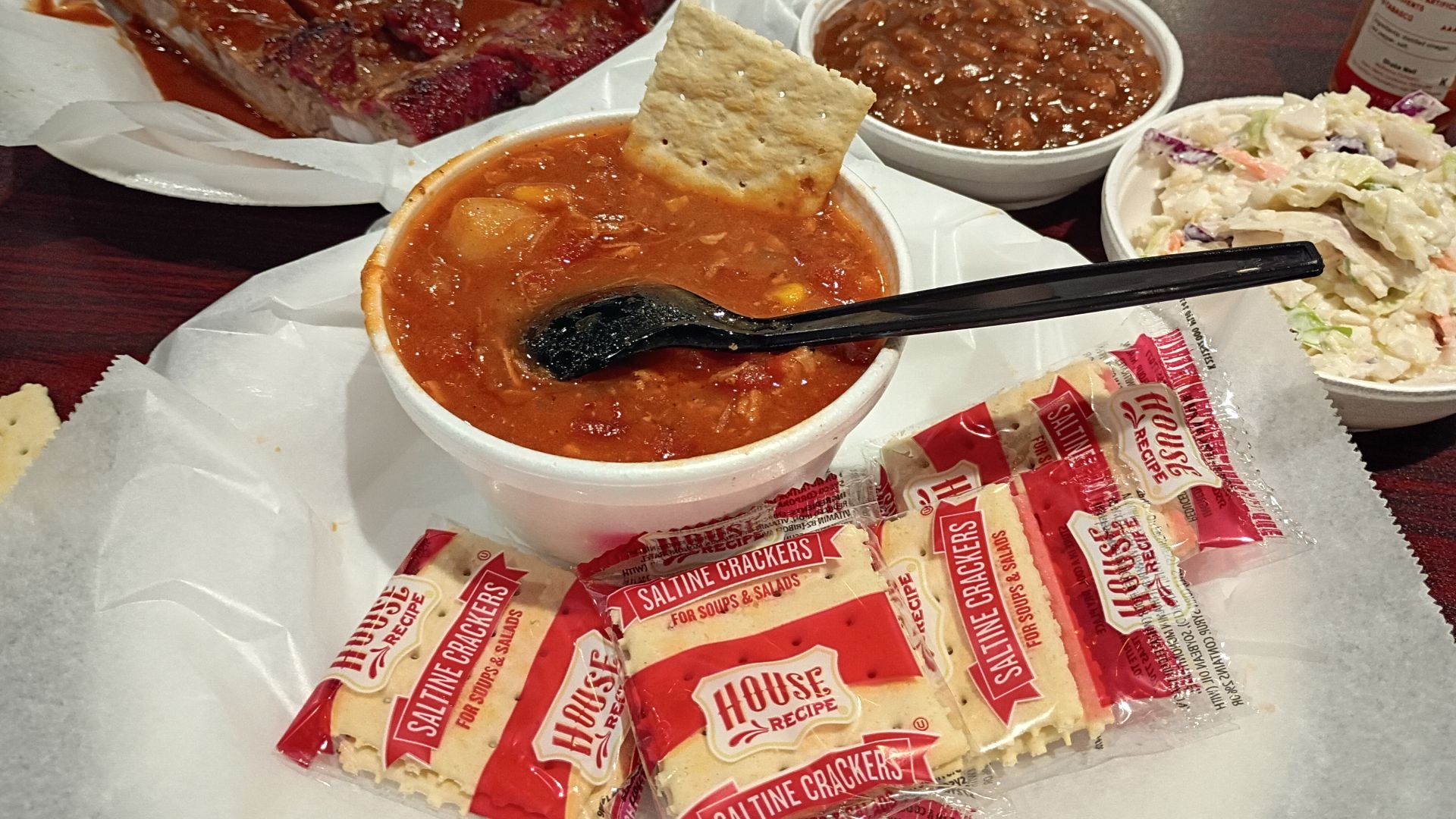
A bowl of soup once arrived with a packet of saltine crackers almost automatically. Whether you ordered chicken noodle, vegetable beef, or clam chowder, those little crackers were part of the experience. Many diners still provide them, but others have eliminated the automatic accompaniment or charge for additional crackers, bread, or other soup extras.
Extra Salad Dressing
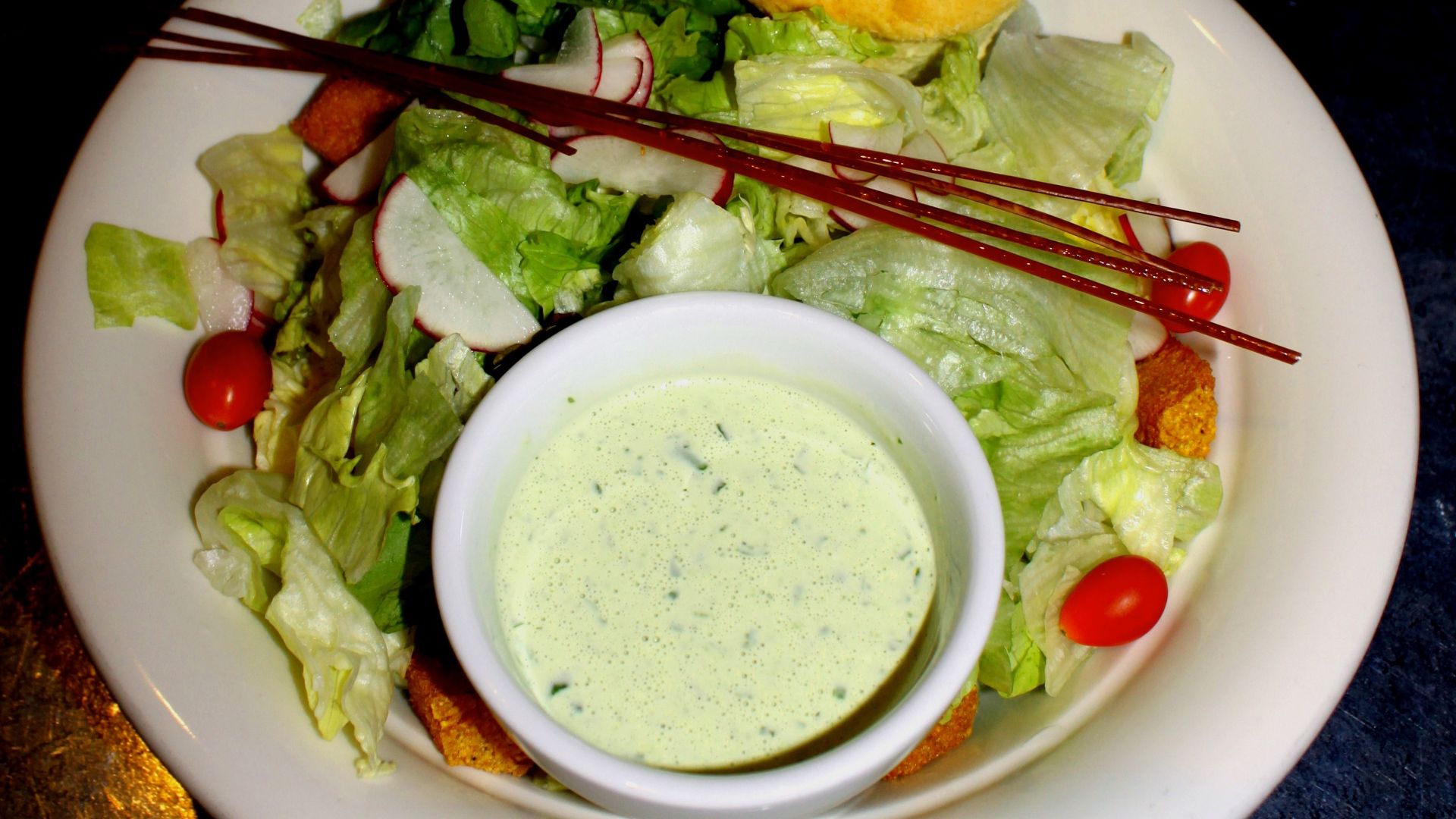
Remember when a server would happily bring another little pitcher of ranch, blue cheese, or Italian dressing? Extra dressing was often treated as a simple courtesy. Today, some restaurants charge for additional portions, especially when they're packaged individually for takeout. A small cup of ranch might add 50 cents or more to your bill.
 Prayitno / Thank you for (12 millions +) view from Los Angeles, USA, Wikimedia Commons
The Relish Tray
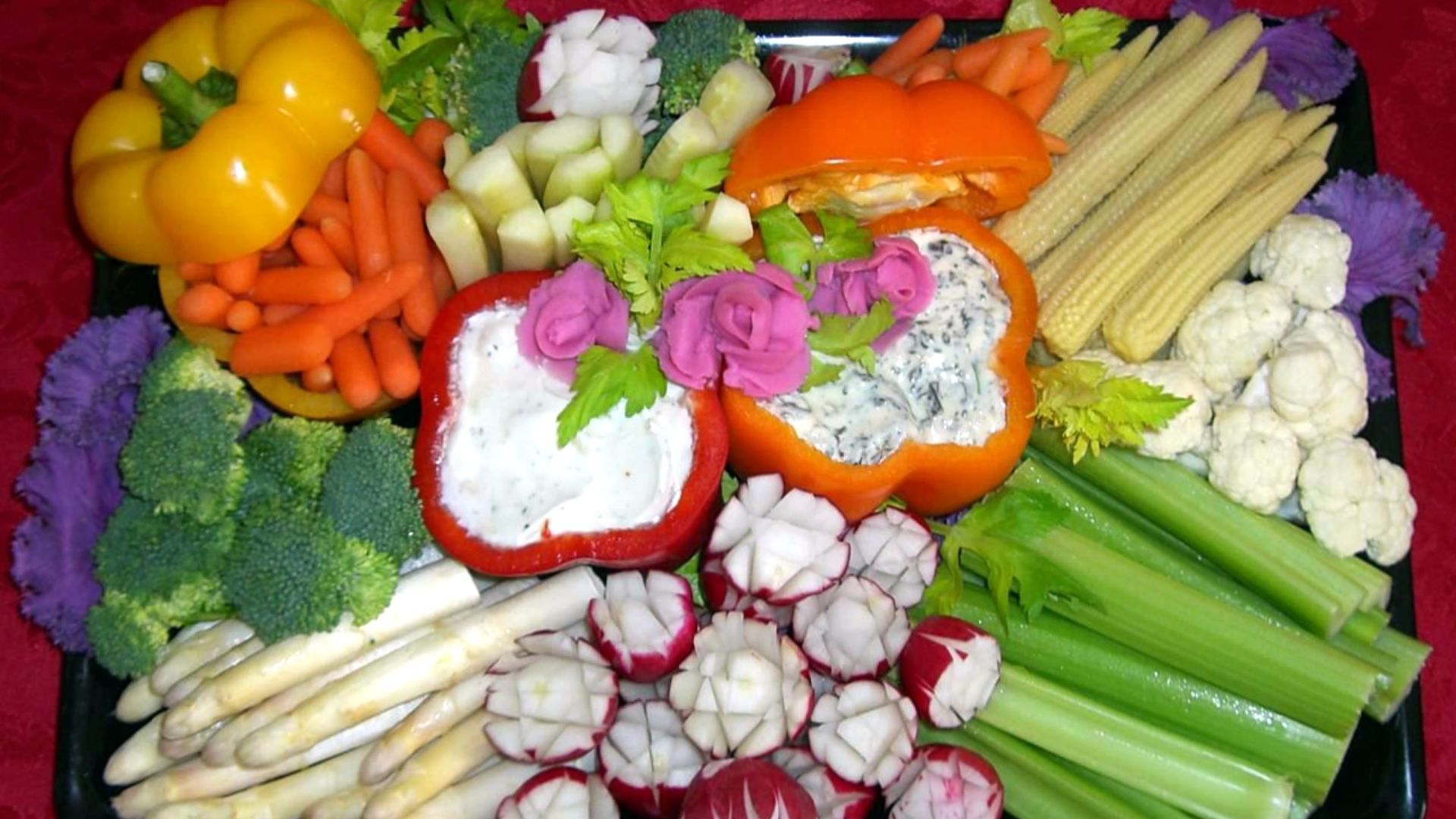
At traditional American steakhouses and supper clubs, a complimentary relish tray was once a familiar way to begin dinner. Celery sticks, carrot sticks, olives, radishes, and pickles arrived before the main course. Although some old-fashioned establishments maintain the tradition, many others have eliminated it or offer similar assortments as paid appetizers.
 Gandydancer, Wikimedia Commons
Pickles On The Side
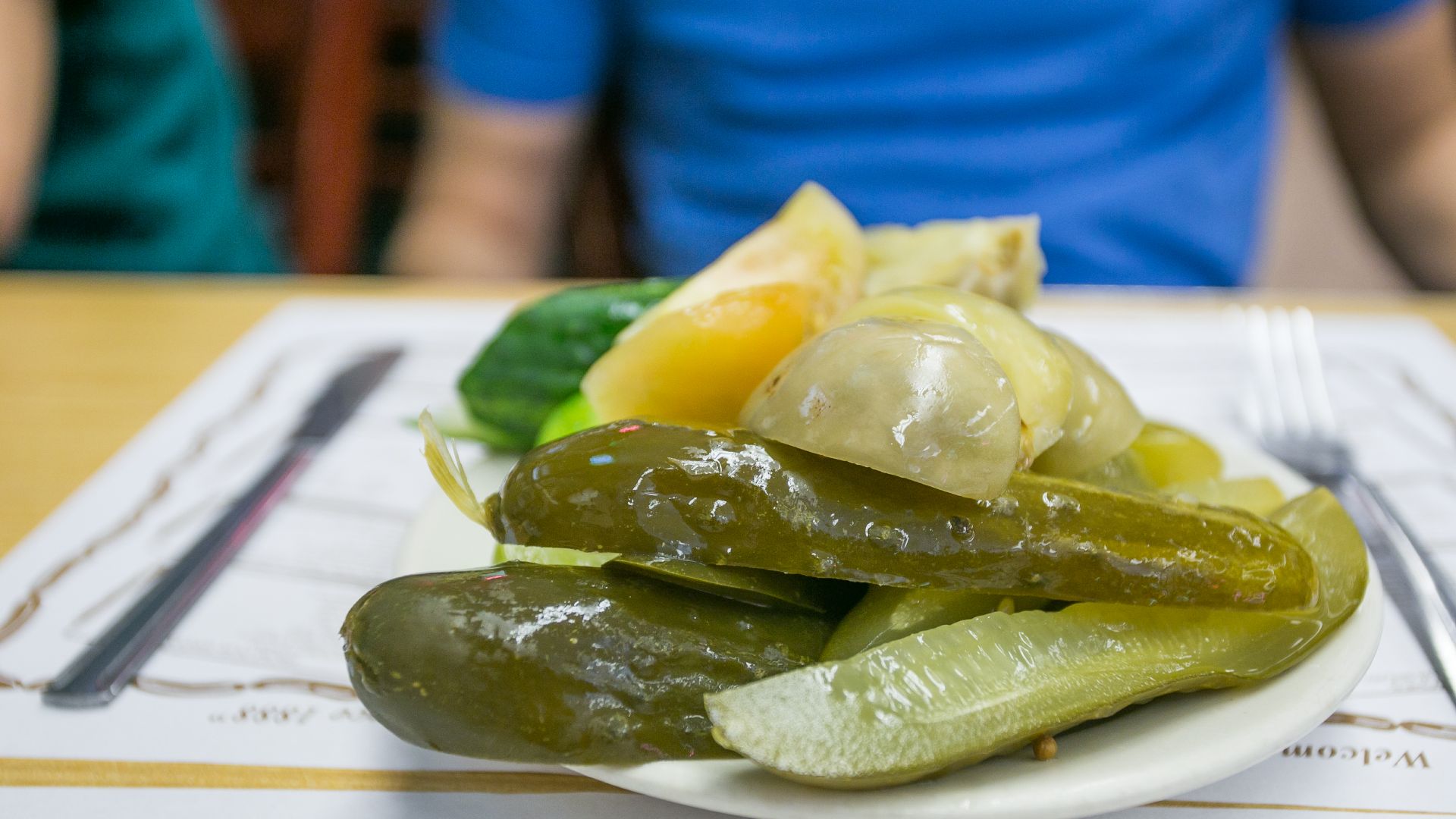
Pickle spears were once an expected accompaniment to sandwiches, hamburgers, and deli plates. They appeared on the plate whether you specifically requested them or not. Plenty of restaurants still include pickles, but specialty pickles, extra servings, and pickle-based sides are increasingly marketed as separate menu items rather than automatic accompaniments.
 City Foodsters, Wikimedia Commons
Coleslaw With Everything
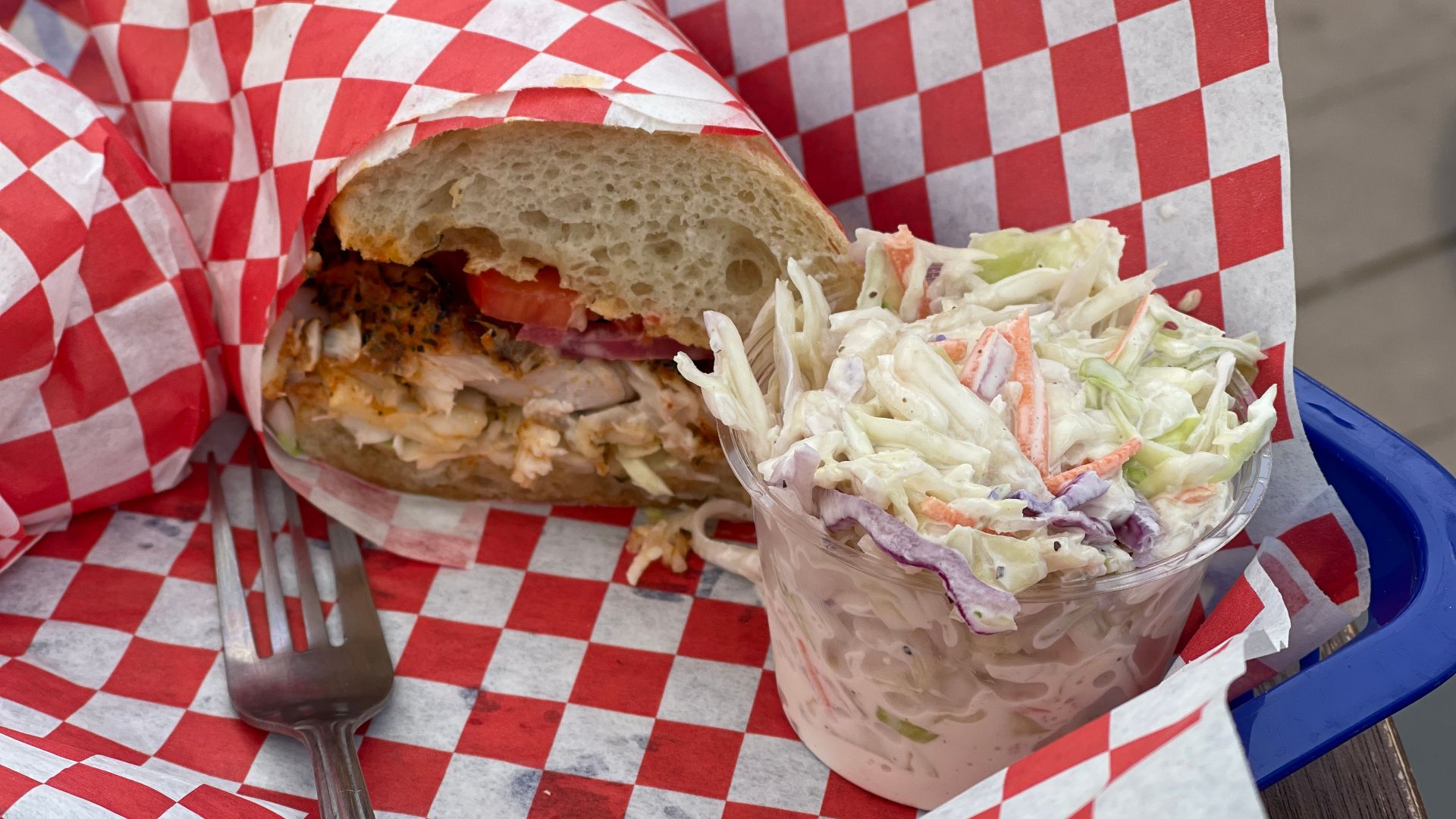
Many old-fashioned diners and seafood restaurants once served a small scoop of coleslaw alongside sandwiches, fried fish, or other lunch specials. It was simply part of the plate. Today, some establishments offer coleslaw as one of several optional sides, while others charge extra for it. The humble cabbage salad has become another opportunity for menu customization.
A Side Salad With Dinner
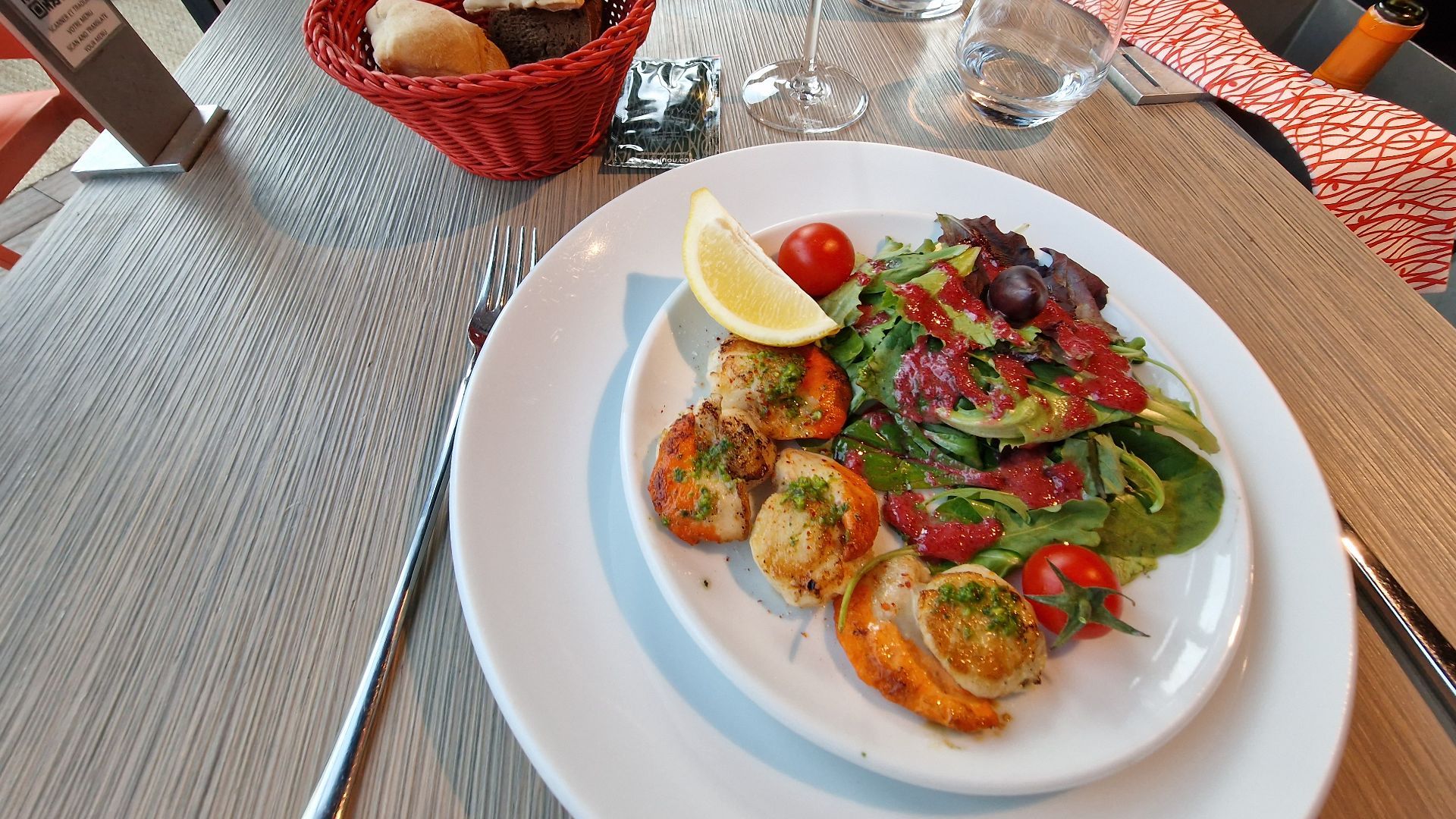
At many family restaurants and steakhouses, a basic tossed salad was included with a dinner entrée. Iceberg lettuce, a tomato wedge, and your choice of dressing were often standard. Today, restaurants frequently offer side salads as separate purchases or charge an upgrade fee to substitute one for another side dish.
 EuroTripPhotos, Wikimedia Commons
Soup Before The Main Course
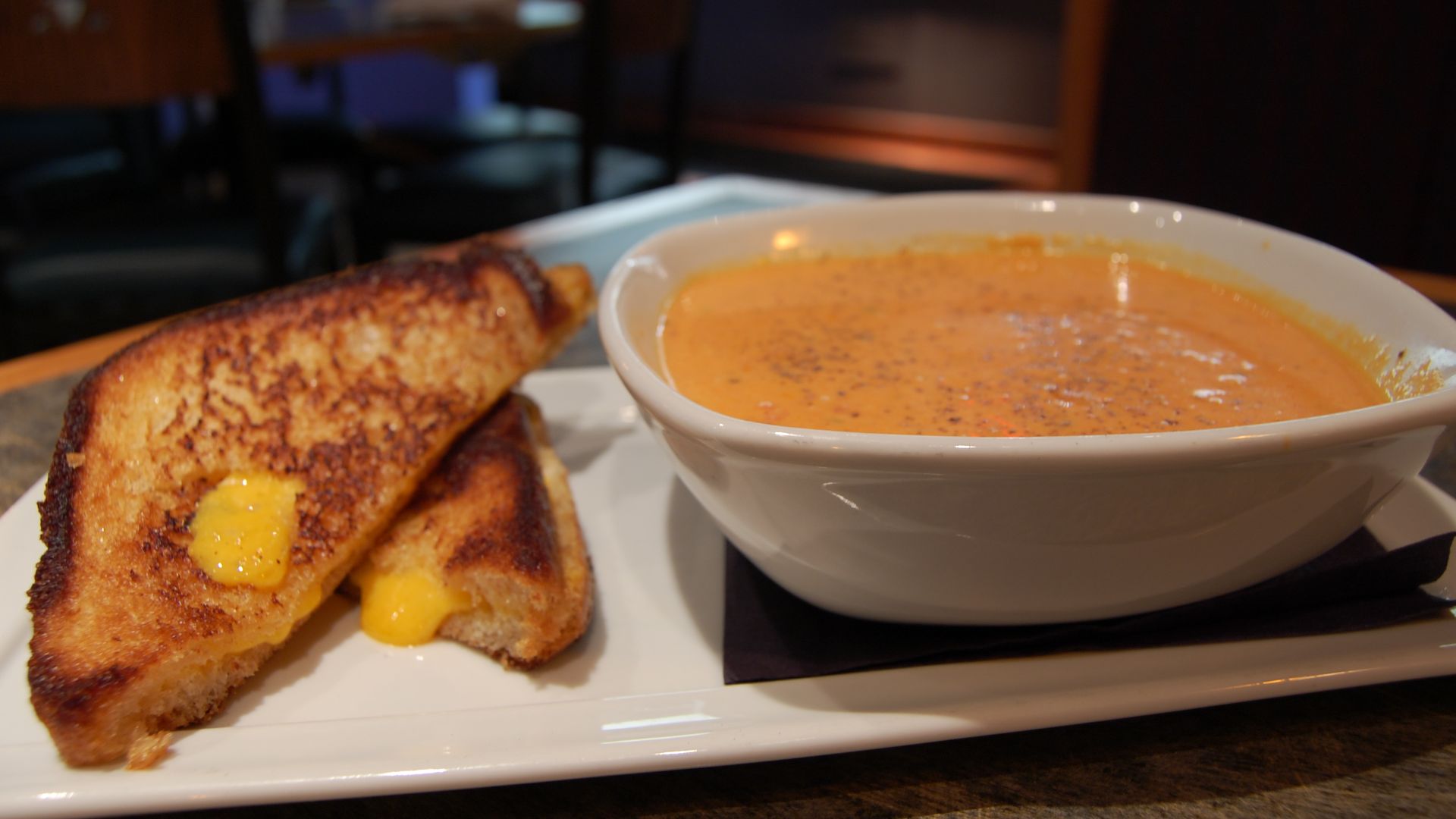
The old-fashioned complete dinner often included a choice of soup or salad before the entrée. Diners could expect several courses for one advertised price. Some restaurants still offer this arrangement, but others have separated the meal into individually priced components, meaning that the soup which once accompanied dinner may now require another purchase.
 stu_spivack, Wikimedia Commons
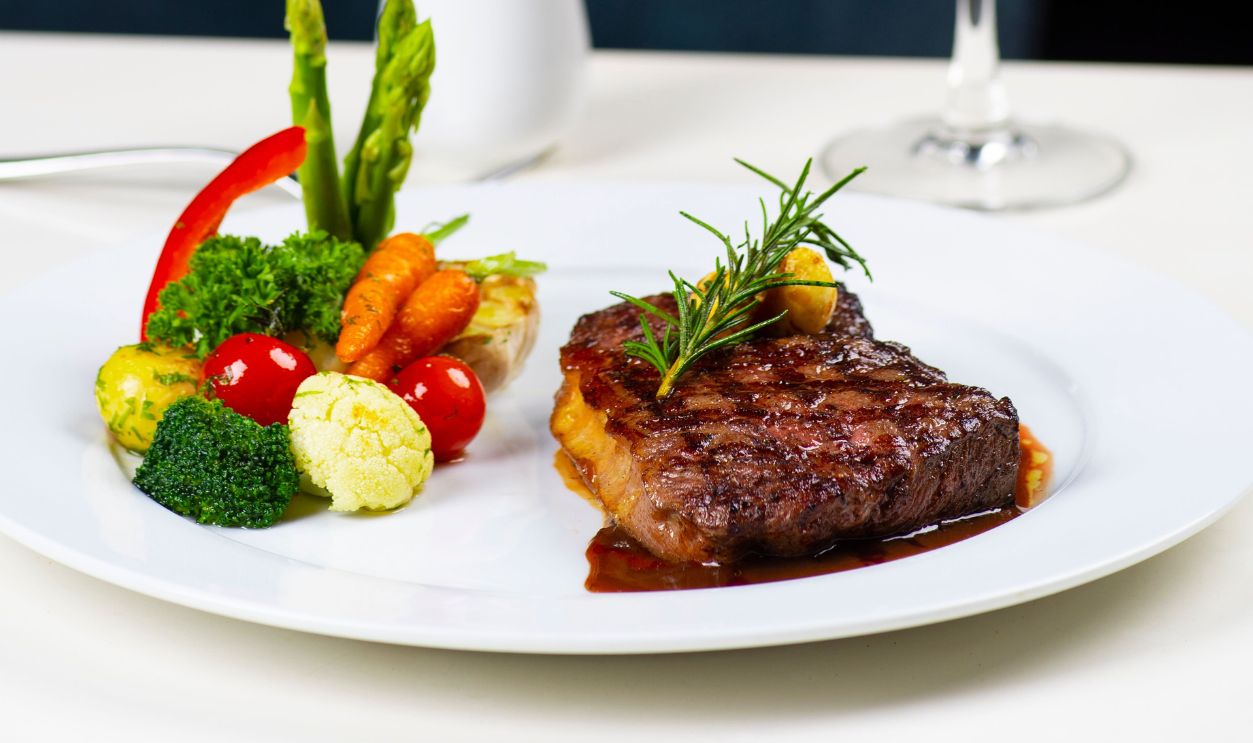
Potatoes With Your Steak
At many traditional steakhouses, ordering a steak meant receiving a baked potato, mashed potatoes, or fries as part of the dinner. Today, some upscale steakhouses sell their steaks à la carte, with potatoes and vegetables priced separately. The practice isn't entirely new, but it can surprise diners who remember when a steak dinner meant a complete plate.

Vegetables With Your Entrée
A scoop of green beans, peas, or glazed carrots once accompanied many family-restaurant dinners automatically. These vegetables weren't necessarily exciting, but they helped make the meal feel complete. Today, some restaurants charge separately for vegetable sides, particularly at establishments where diners build their meals by choosing individual dishes.
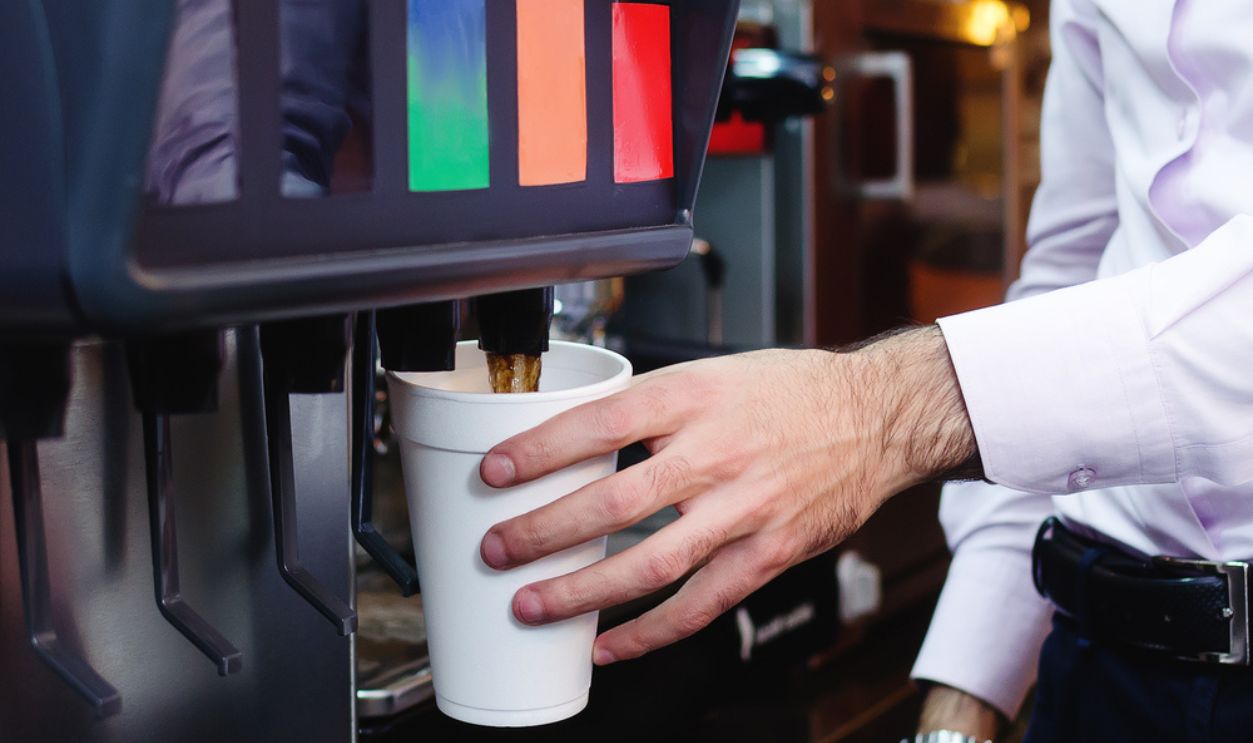
Refills On Soft Drinks
Free refills became a familiar feature of American family dining, particularly as self-service soda fountains spread. Although unlimited fountain-drink refills remain common, some restaurants now restrict them or charge for additional servings. Bottled beverages and specialty sodas are especially likely to be priced individually. The days of assuming every second glass is free aren't universal anymore.
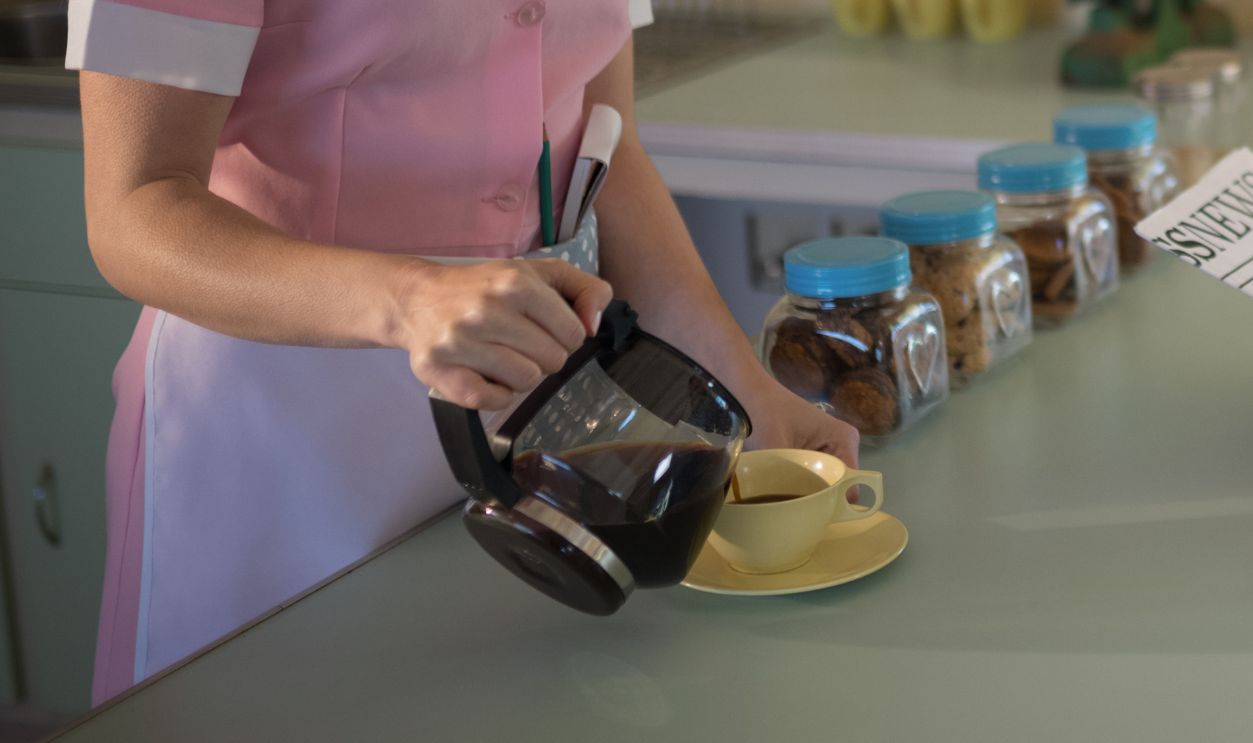
Coffee Refills All Afternoon
In the classic American diner, a waitress circulating with a glass coffee pot was almost part of the furniture. Customers could linger over several cups while discussing the news or finishing breakfast. Free refills are still common at diners, but some cafés and restaurants charge for another cup, especially when serving individually prepared specialty coffee.
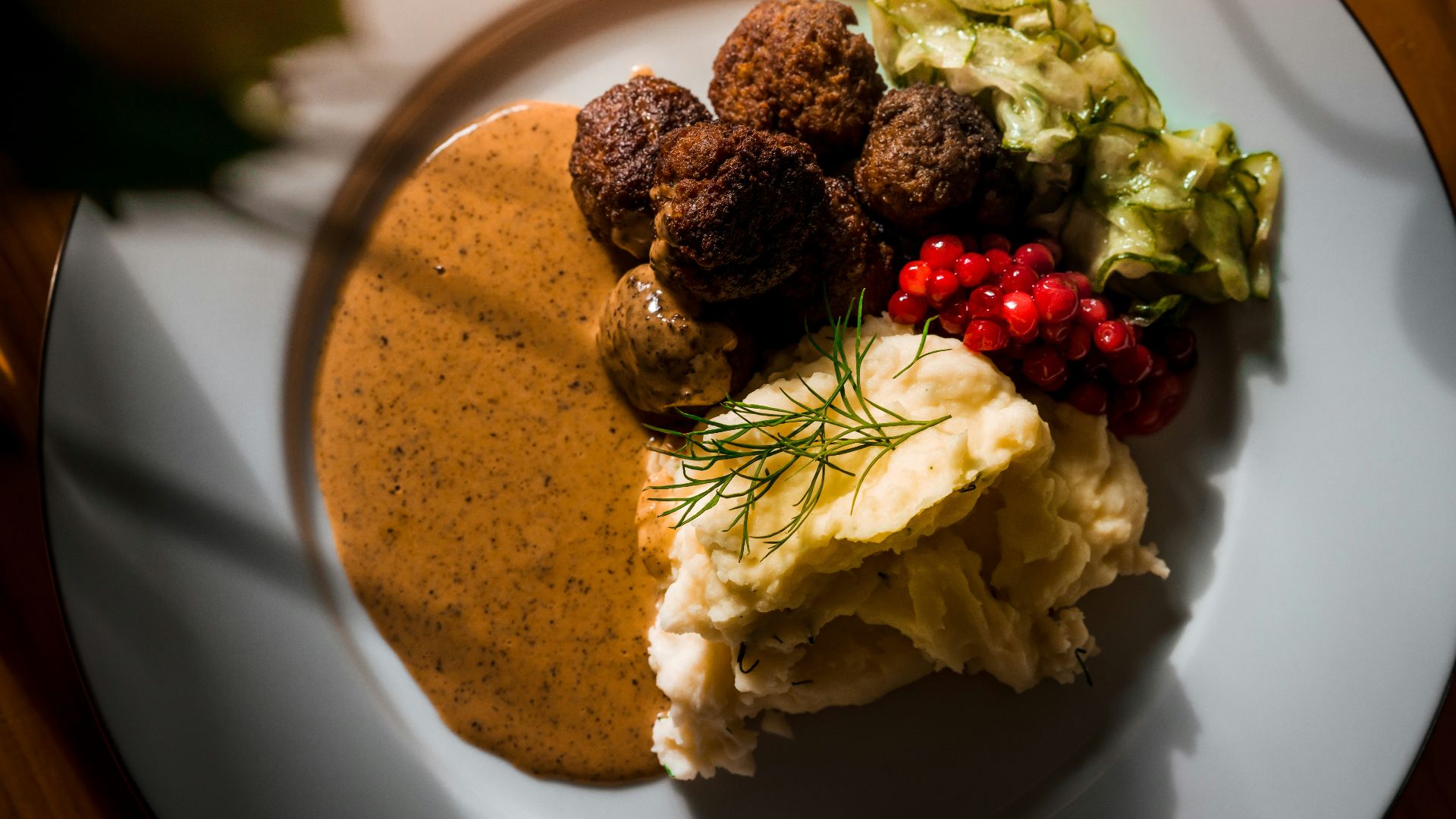
A Second Helping Of Gravy
At many family-style restaurants, asking for a little more gravy on your mashed potatoes wasn't a complicated transaction. The server simply brought some over. Today, extra gravy may appear as a separately priced add-on, particularly at takeout counters and chain restaurants. What once felt like ordinary hospitality can now be measured in small plastic containers.
Extra Sauce For Your Meal
Whether it was barbecue sauce for ribs, tartar sauce for fish, or cocktail sauce for shrimp, many restaurants once provided additional sauce without much discussion. Some still do, especially for dine-in customers. Others now charge for extra portions, particularly with takeout orders. Individually packaged sauces have made it easier to count every serving.
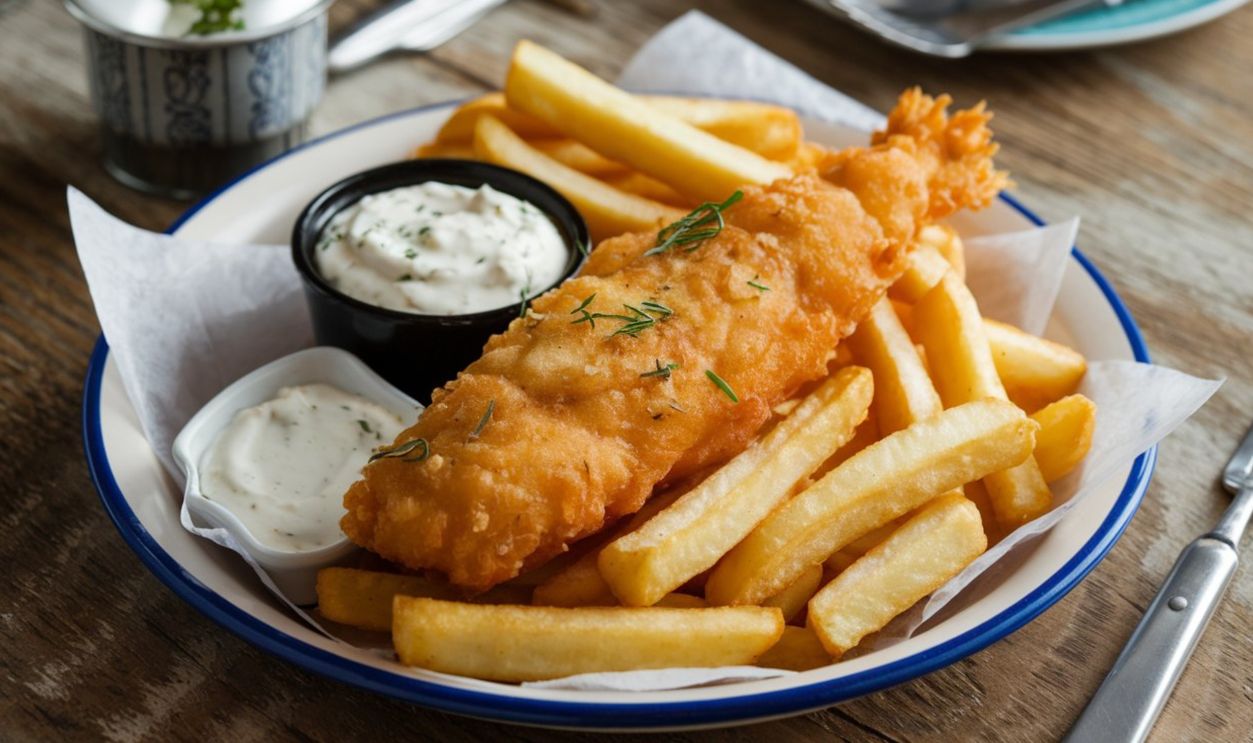
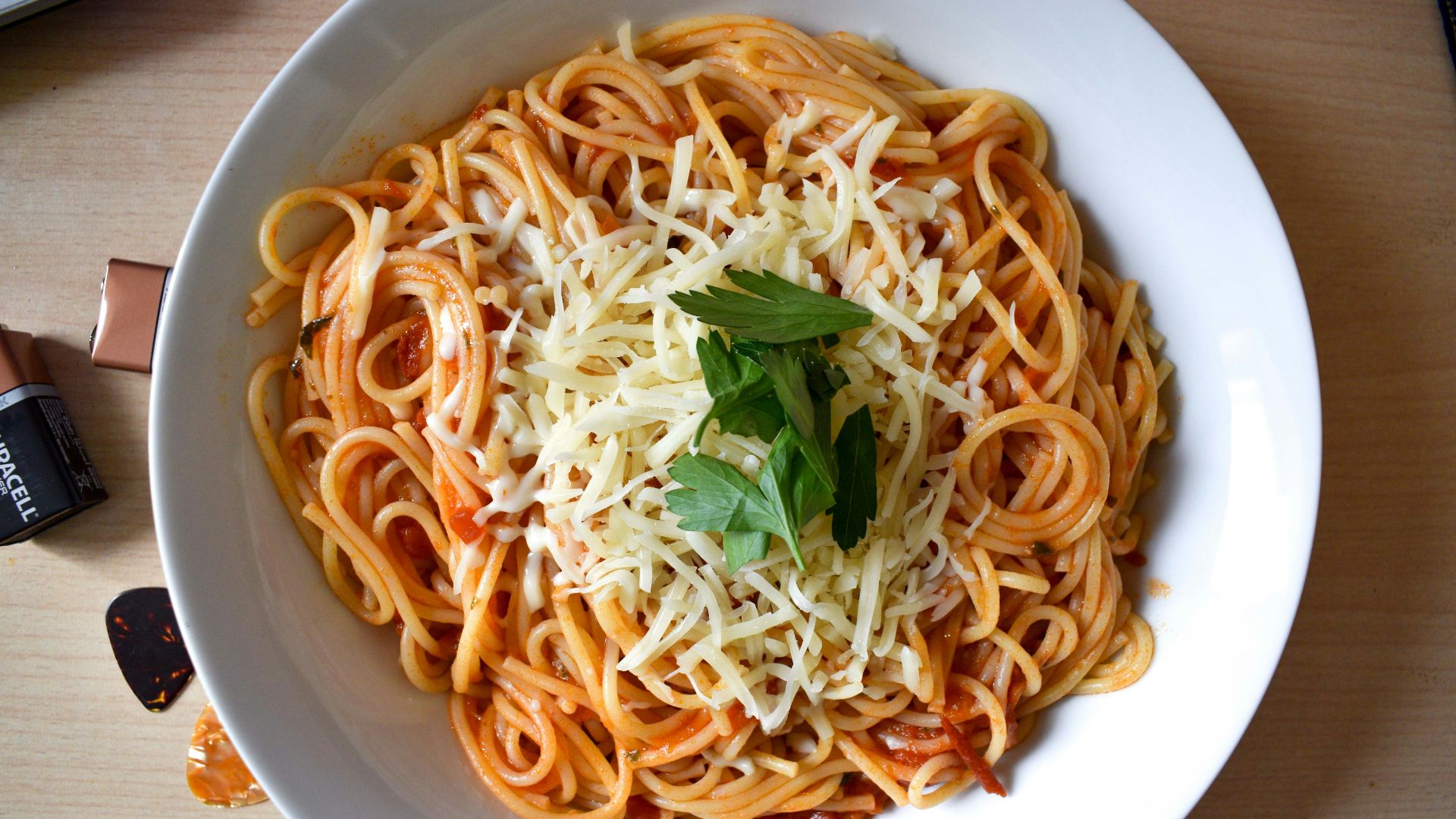
More Cheese On Your Pasta
At Italian-American restaurants, a server carrying a shaker of grated Parmesan was once a familiar sight. Diners could sprinkle a little more over their spaghetti without expecting another charge. Many establishments still provide complimentary grated cheese, but extra portions of freshly grated Parmesan or other premium cheeses may now cost more.
 Mohamed Jamil Latrach, Unsplash
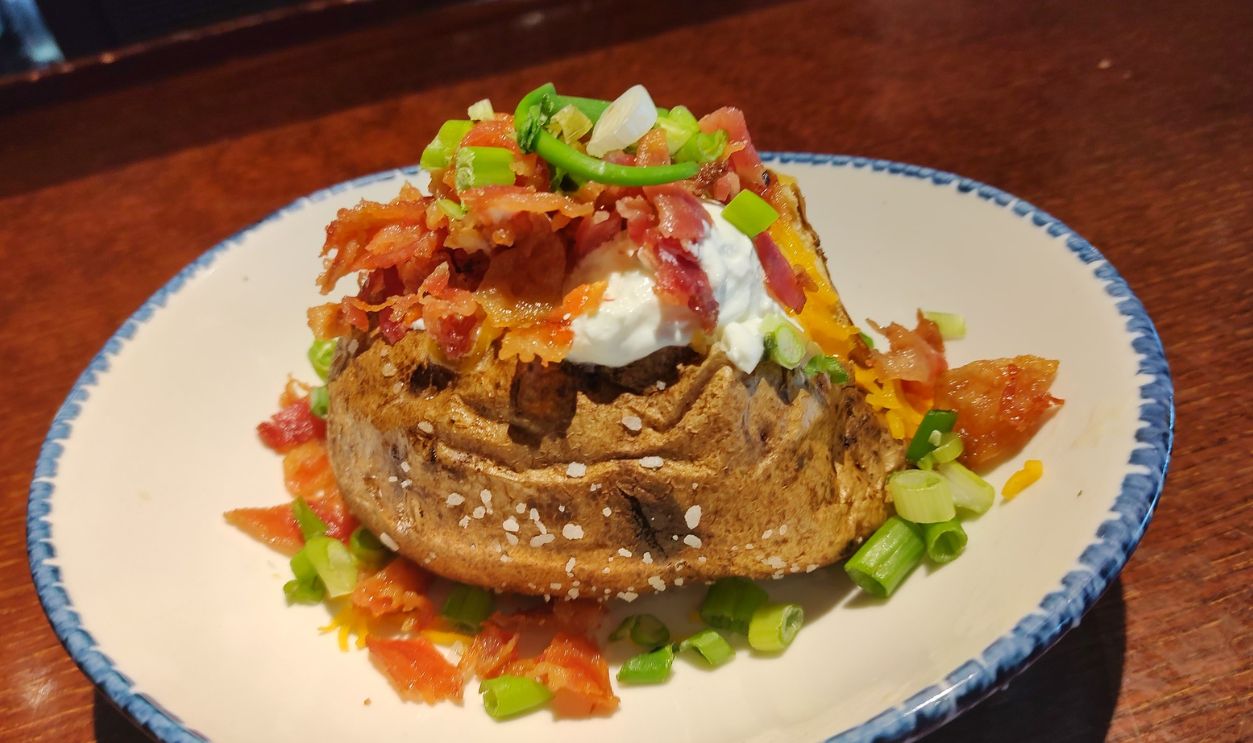
The Loaded Baked Potato
A baked potato with dinner often came with butter and sour cream, while some restaurants also included chives or other simple toppings. Today, menus sometimes distinguish between a plain potato and a loaded version, charging extra for cheese, bacon, sour cream, or additional toppings. A once-humble side dish has become a customizable purchase.
 Red Lobster Lover Joe instagram:redlobsterloverjoe1, Flickr
Birthday Cake From The Kitchen
Many family restaurants once celebrated a customer's birthday with a complimentary slice of cake, ice cream, or another small dessert. Some even gathered employees to sing. Free birthday treats haven't vanished, but they're less predictable. Some restaurants now require loyalty-program membership, while others charge for desserts or special birthday presentations.

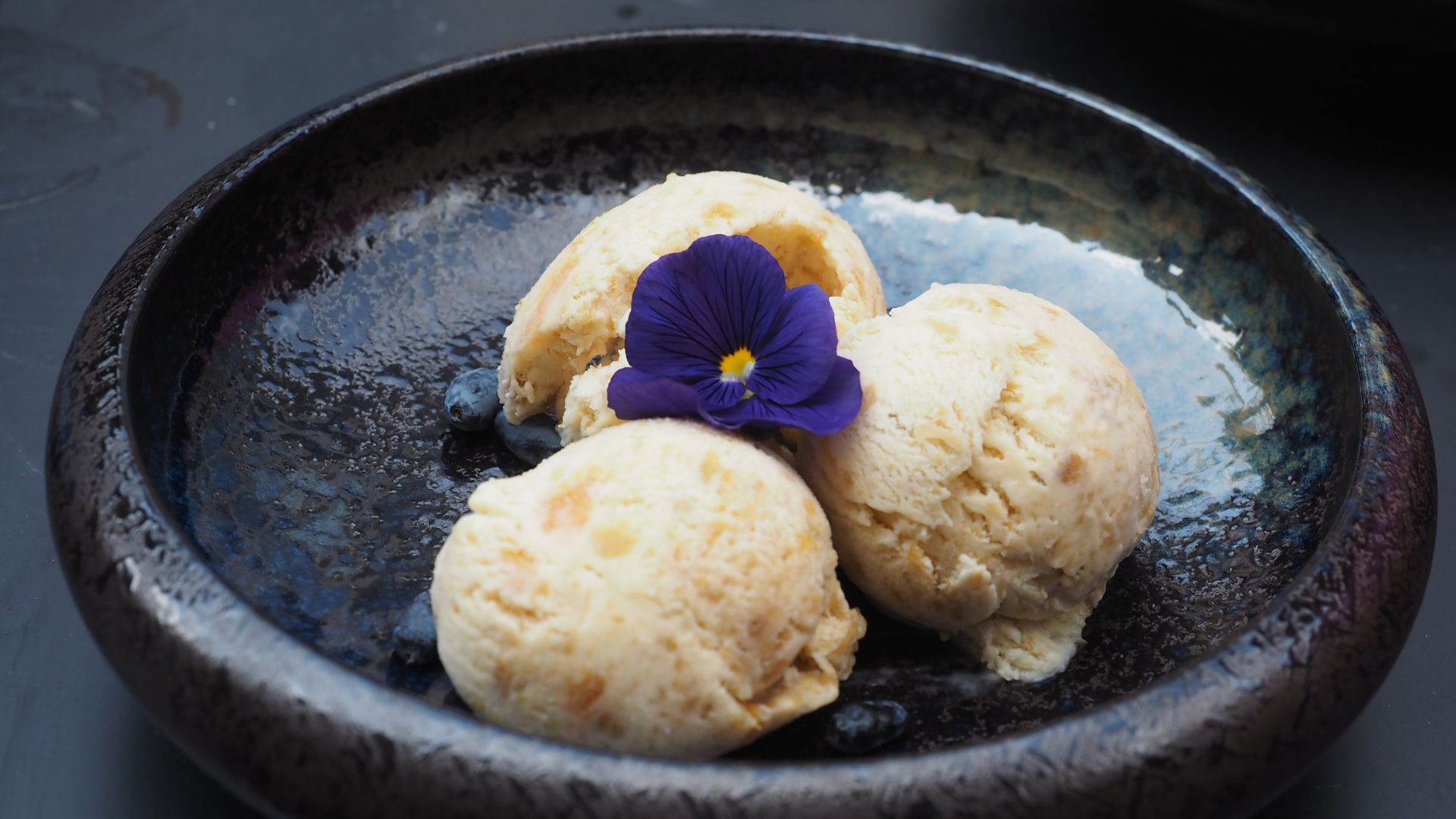
Ice Cream With Dinner
Children's meals and certain complete dinners sometimes included a small dish of ice cream, sherbet, or pudding. It was an inexpensive way to make dining out feel special. Today, dessert is frequently a separate purchase, although many family-oriented chains still include a treat with selected children's meals. The complimentary scoop is no longer something diners can automatically expect.
Breadsticks At Italian Restaurants
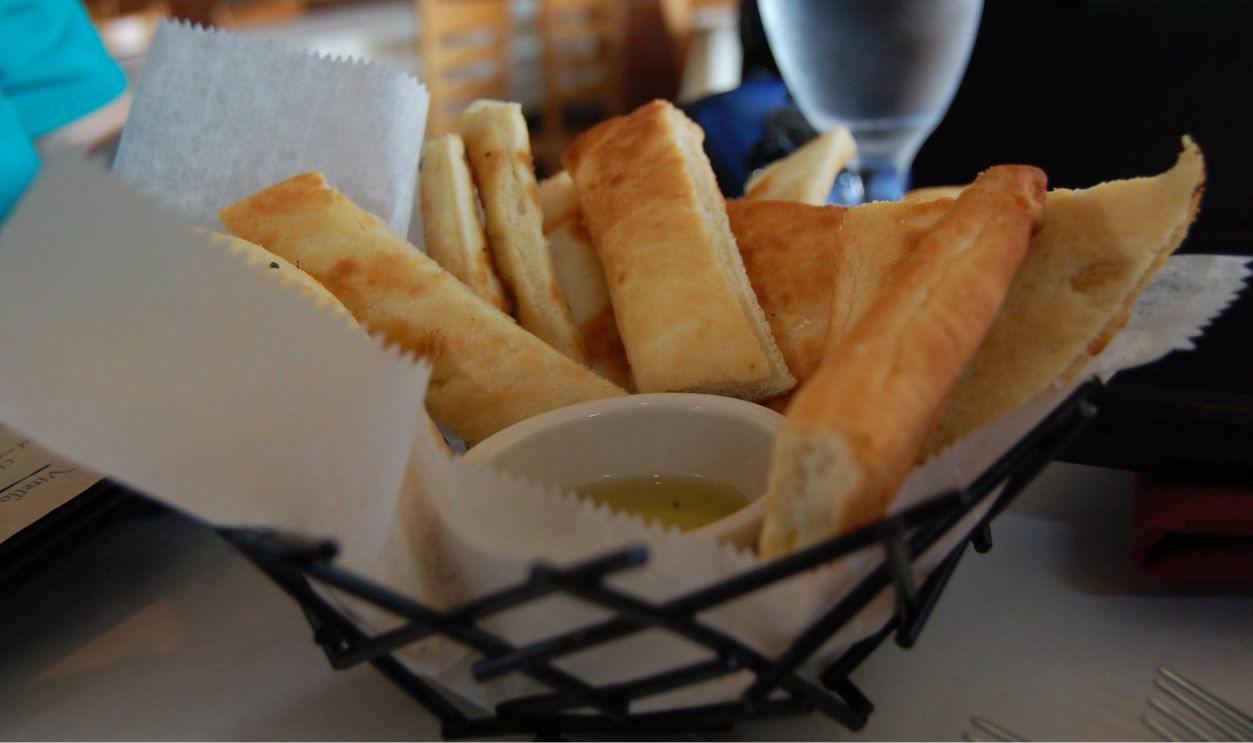
Italian-American restaurants often welcomed customers with baskets of breadsticks or garlic bread, sometimes replenishing them throughout the meal. Many still maintain the tradition, but others have turned garlic bread, cheesy breadsticks, and specialty focaccia into paid appetizers. The basic bread basket hasn't disappeared everywhere, but its more elaborate relatives increasingly come with their own prices.
Chips And Salsa
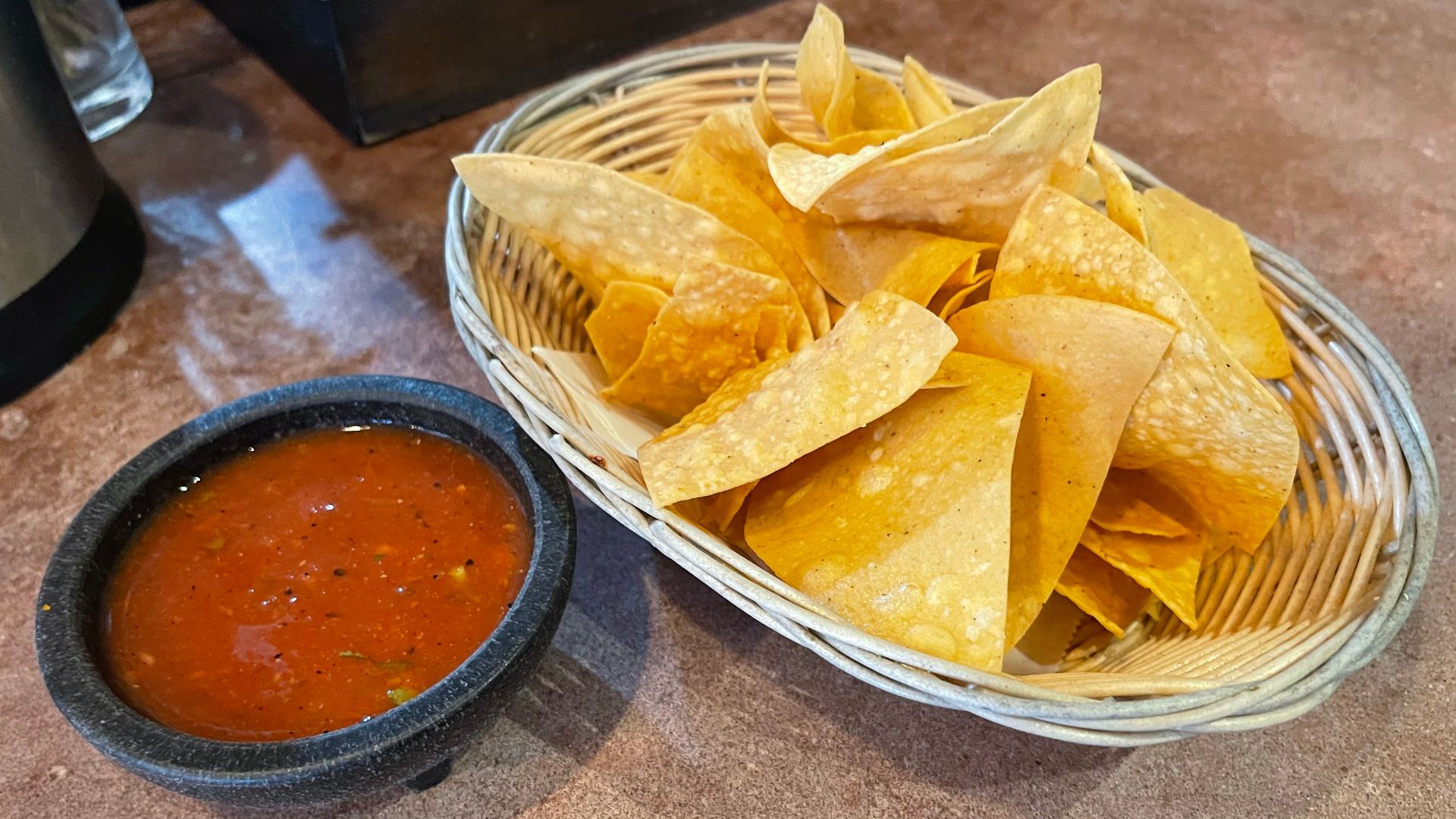
As Mexican and Tex-Mex restaurants grew in popularity, complimentary tortilla chips and salsa became a beloved American dining tradition. The custom wasn't universal, but eventually became widespread. Today, many restaurants still provide free chips and salsa, while others charge for refills, additional dips, or the entire basket.
The Complete Dinner Disappears
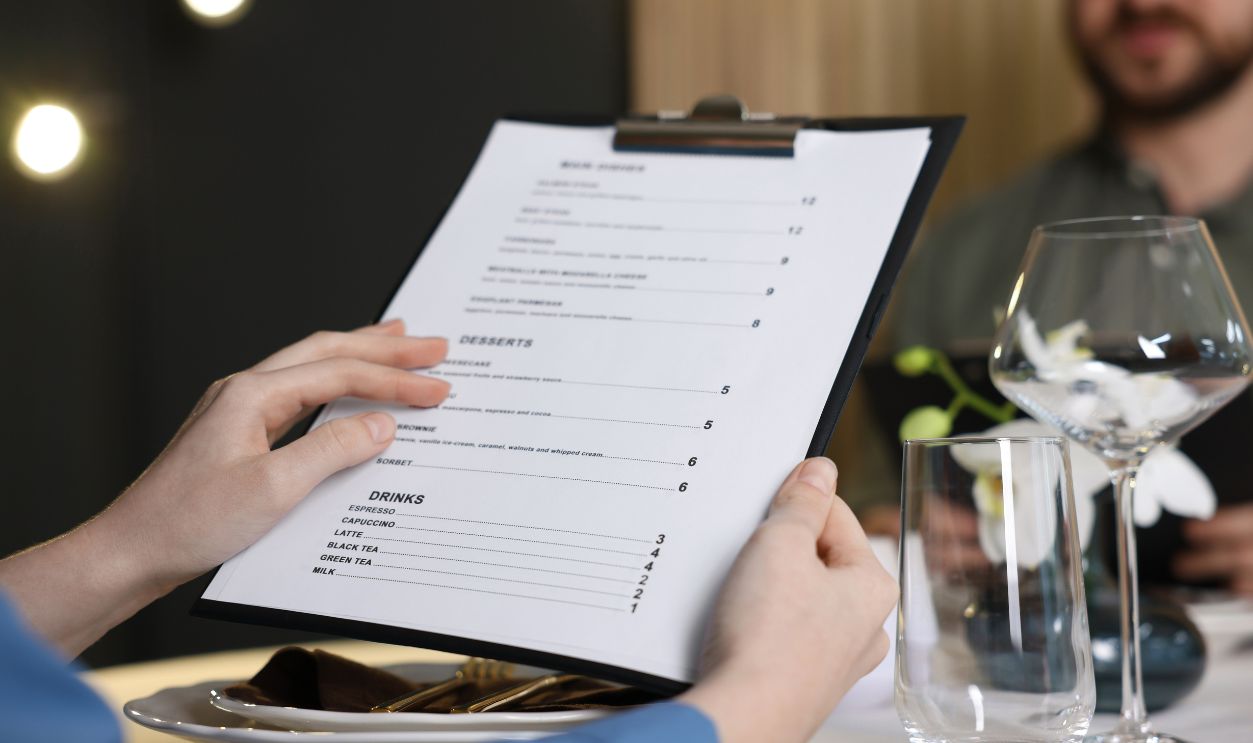
One reason these extras feel less common is that the traditional complete dinner has changed. Many restaurants once advertised a single price covering soup, salad, an entrée, vegetables, and sometimes dessert. Modern menus often emphasize individual dishes and optional upgrades. The result gives customers more flexibility, but it can also make the final bill considerably higher than the advertised entrée price.
Restaurants Face Higher Costs
Restaurants operate on notoriously narrow profit margins, and expenses for ingredients, labor, utilities, insurance, and rent can quickly accumulate. Even something as simple as complimentary bread requires purchasing, preparing, serving, and sometimes discarding food. Charging for extras allows restaurants to recover some of those costs rather than including them in every customer's meal price. It also reduces the expense of providing items that some diners never touch.

The Price Of Hospitality
Not every restaurant has abandoned complimentary extras. Diners still refill coffee, steakhouses still serve bread, and plenty of Mexican restaurants still bring out chips and salsa without charging. But the dining experience has undeniably evolved, with more restaurants itemizing services and accompaniments that were once bundled into the meal. For customers who remember those complimentary extras, the biggest difference may be that hospitality increasingly comes with a price tag.
You May Also Like:
Fast-Food Freebies Kids Loved In The 1970s—Before Every Toy Became A Collectible
Restaurants From The 1980s That American Families Couldn't Get Enough Of—Then They Vanished
The Restaurant Fees That Make The Final Bill Look Nothing Like The Menu Price