When Dinner Came With Something Extra
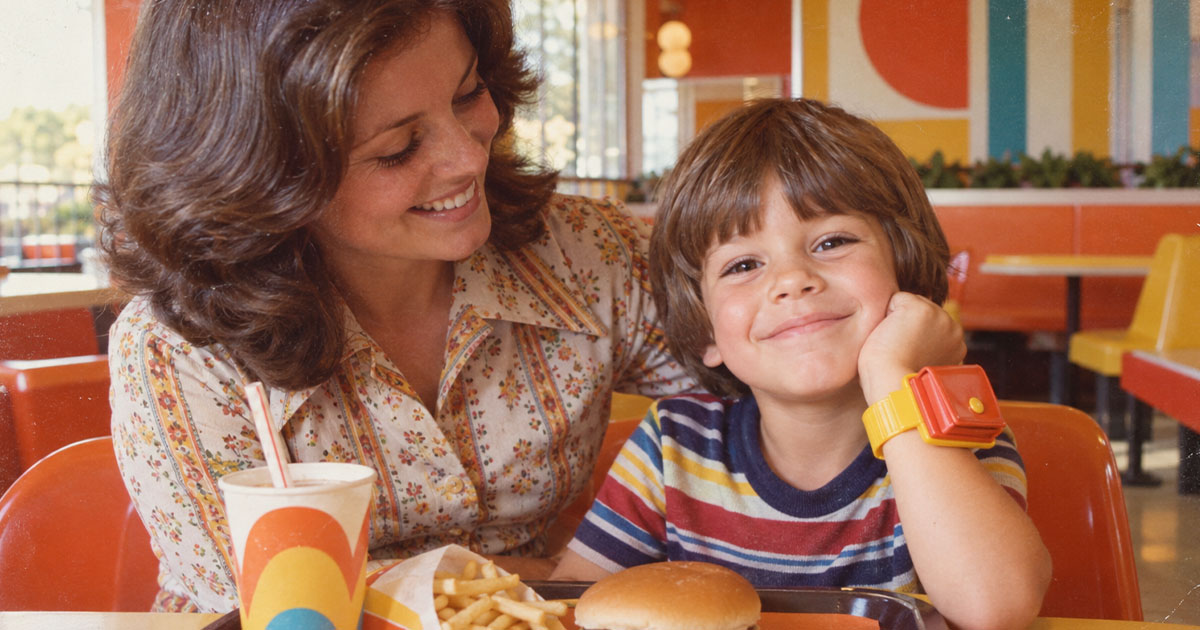
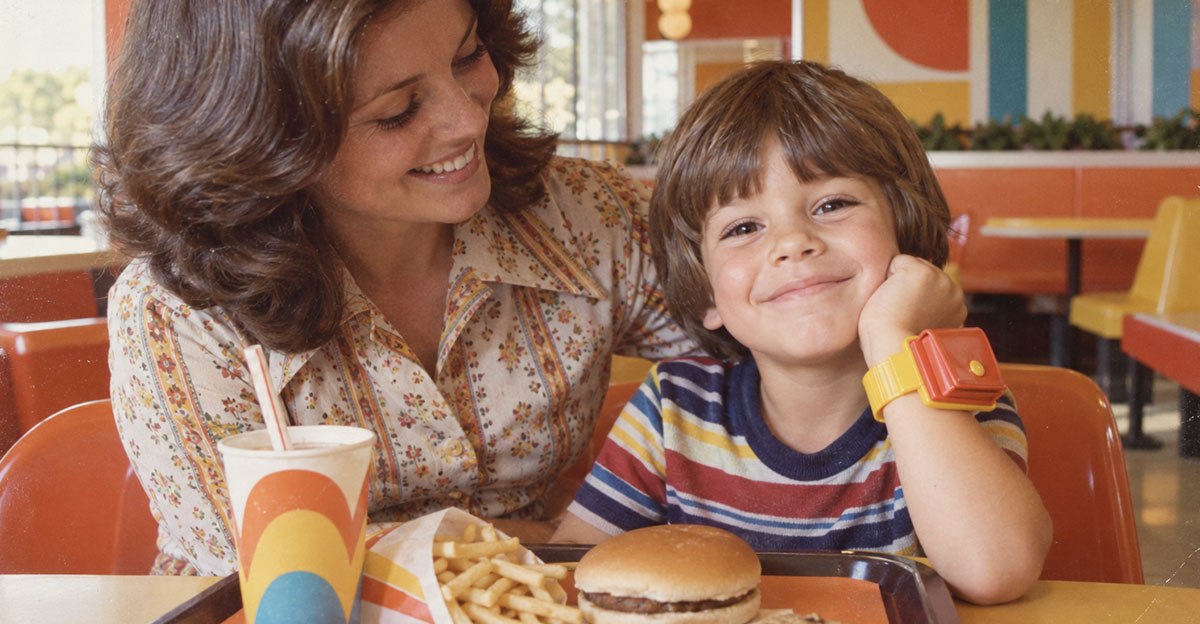
Before elaborate electronic toys and branded apps, fast-food restaurants won over children with paper crowns, puppets, puzzles and tiny plastic treasures. Most cost parents nothing beyond the meal, although surviving examples can now attract serious attention from collectors.
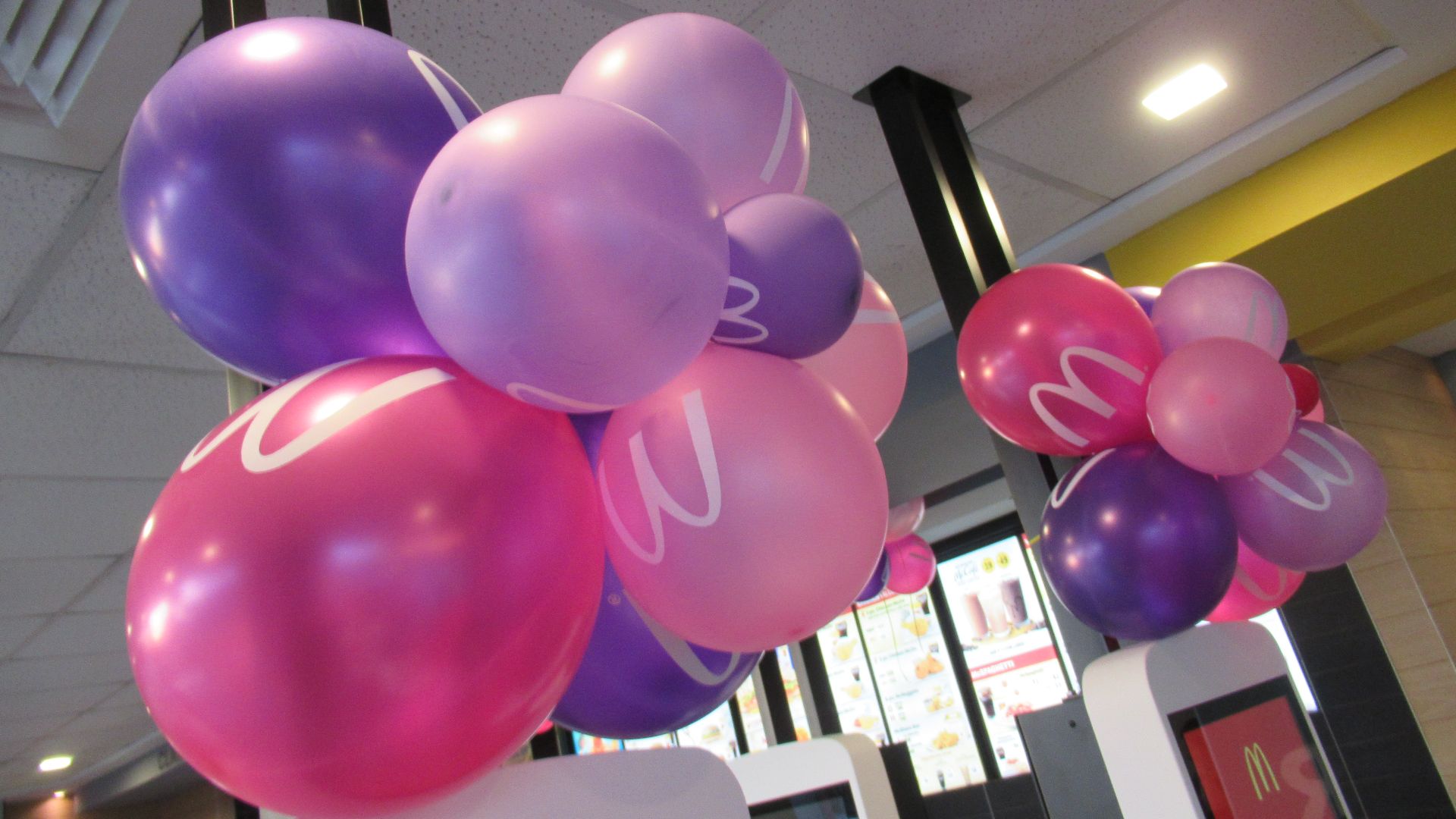
#25 Restaurant Balloons
Restaurants commonly handed children colorful balloons during grand openings, birthdays and character appearances. McDonald’s used balloons extensively during the decade, including a major 1977 fundraiser. They were inexpensive advertising for the restaurant and completely free entertainment for a child.
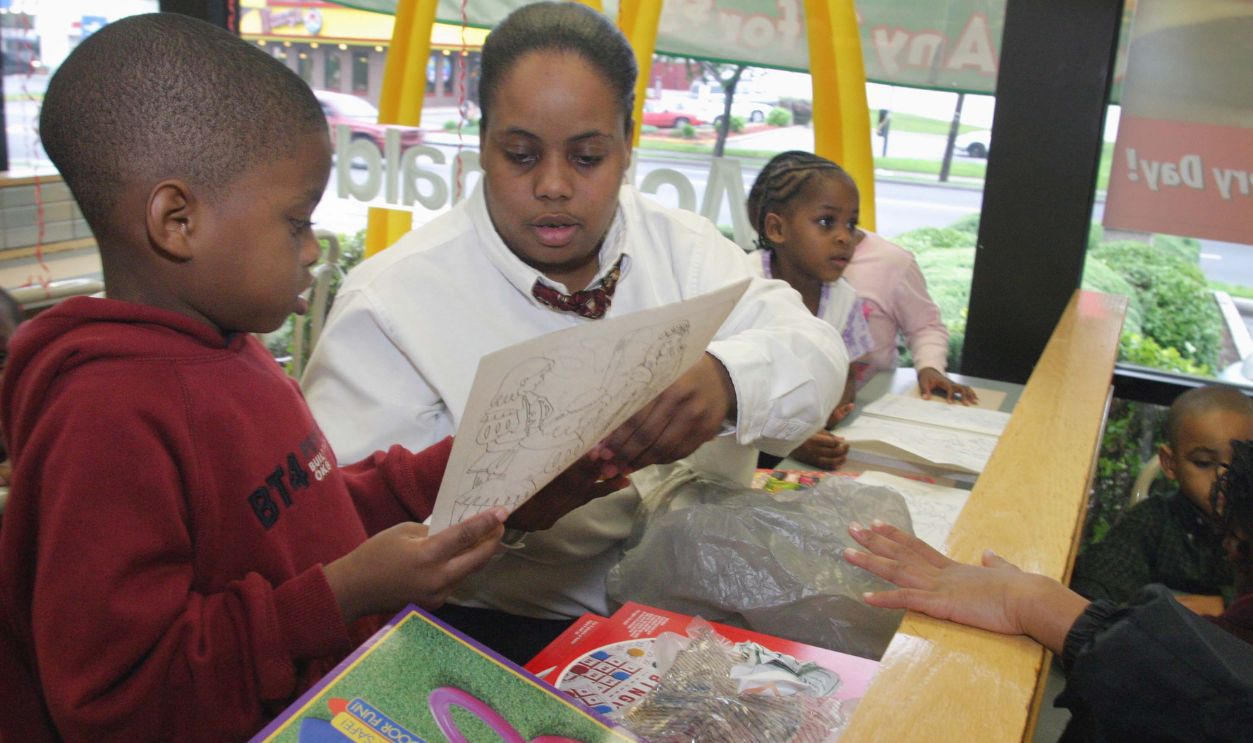
#24 Paper Activity Menus
Before toys became standard, children often received paper menus filled with mazes, riddles and pictures to color. These kept small hands occupied while the food arrived and saved parents from spending extra money on entertainment during dinner.
 The Washington Post, Getty Images
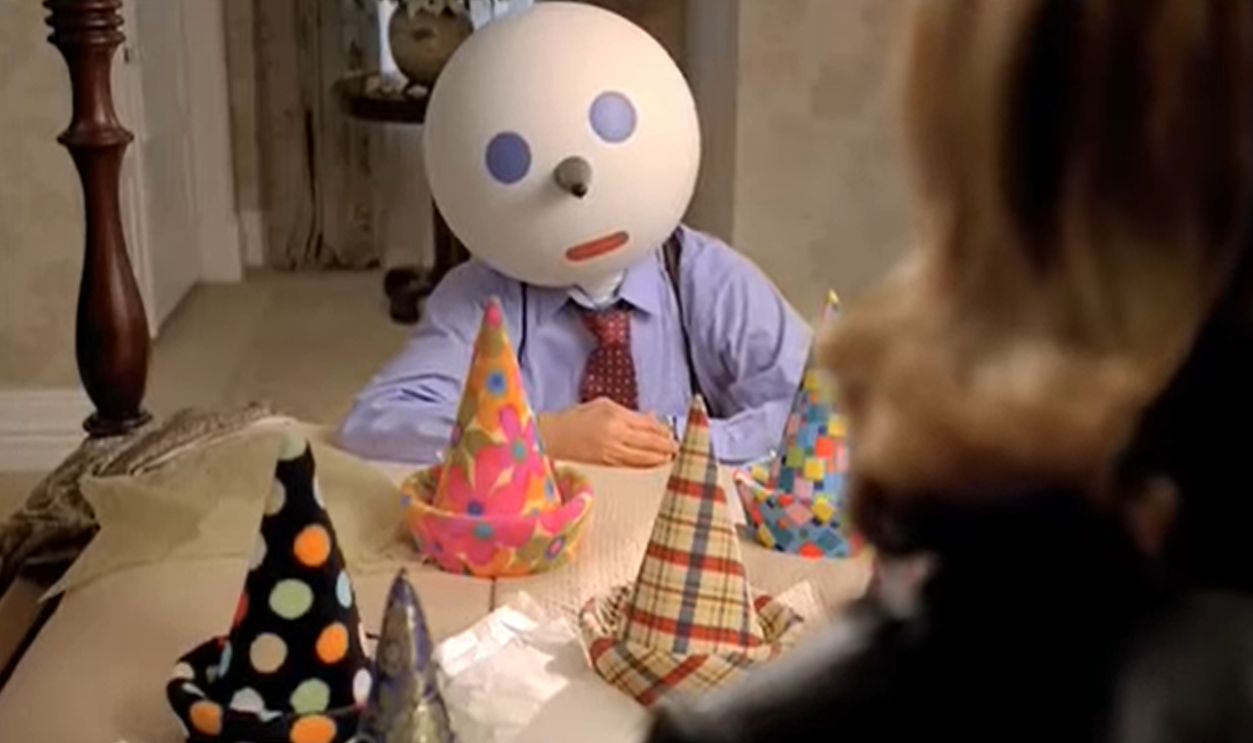
#23 Jack in the Box Paper Hats
Young customers could leave Jack in the Box wearing lightweight paper restaurant hats. They were hardly durable collectibles, but children treated them like genuine uniforms. Most eventually crumpled in the car, which makes surviving examples unusually nostalgic today.
 Screenshot from Jack in the Box Commercial, Jack in the Box (1980s–1990)
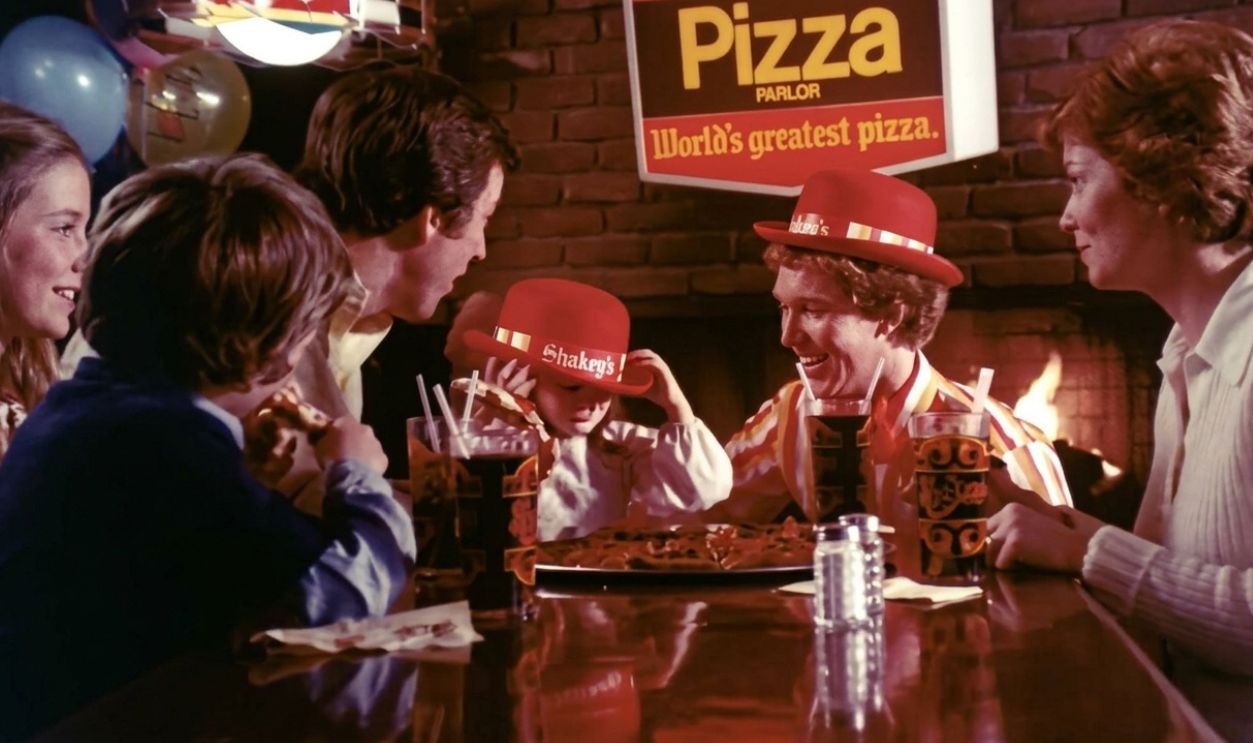
#22 Shakey’s Pizza-Parlor Hats
A 1971 Shakey’s advertisement promoted free hats for young customers. The giveaway turned children into tiny walking advertisements while adding excitement to an affordable family meal. The hat cost nothing, but wearing it home made dinner feel like an occasion.
 Screenshot from Shakey's Pizza Commercial, Shakey's Pizza (1970s–1980s), Enhanced
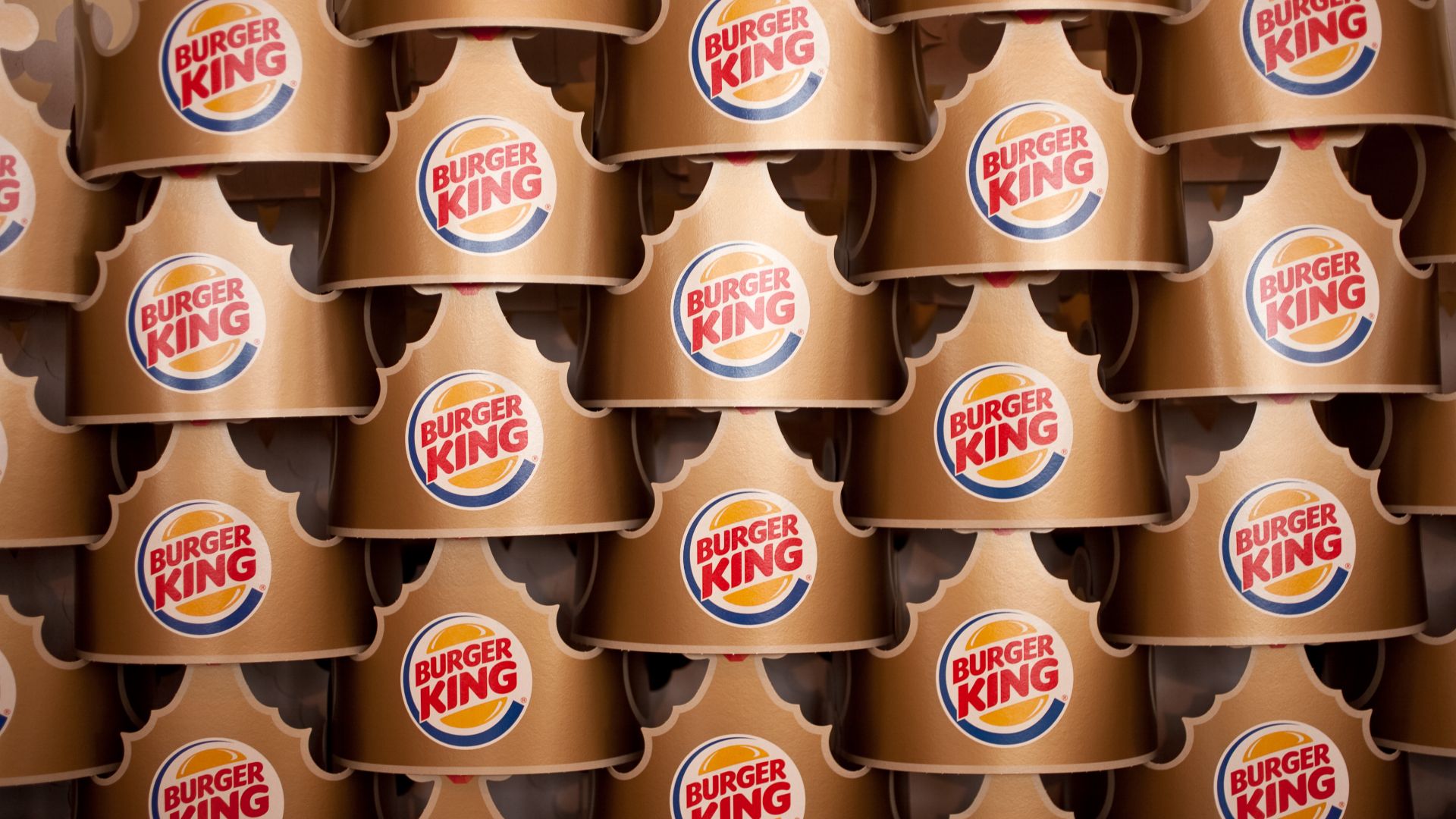
#21 Burger King Paper Crowns
Burger King’s adjustable paper crowns allowed children to become royalty before finishing their fries. The crowns were inexpensive for the restaurant, memorable for families and far more likely than a plastic toy to be worn during the entire ride home.
 Håkan Dahlström from Malmö, Sweden, Wikimedia Commons
#20 Hardee’s Gilbert Giddyup Flying Saucer
Hardee’s introduced Gilbert Giddyup’s Flying Saucer in the early 1970s. The small plastic flying disc came with a drink purchase or appeared at character events. It offered considerably more backyard entertainment than anyone expected from a beverage promotion.
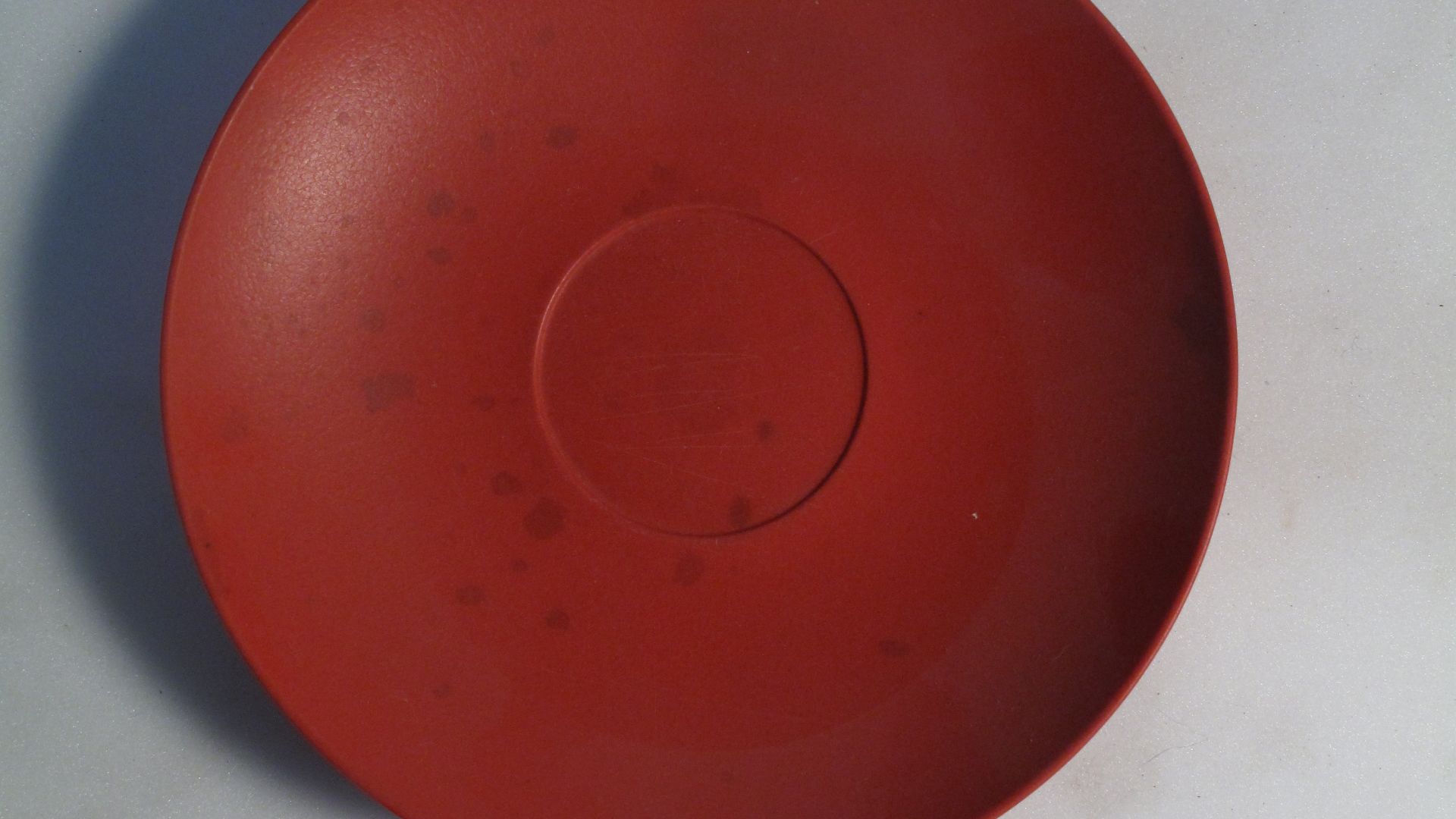
#19 McDonald’s Happy Lid Flying Disc
McDonald’s Happy Lid began as a functional drink lid with a straw opening, but children could reuse it as a miniature flying disc. Introduced in 1971, it gave families packaging, a toy and an opportunity to lose something on the roof.
#18 Ronald McDonald Parachute Toys
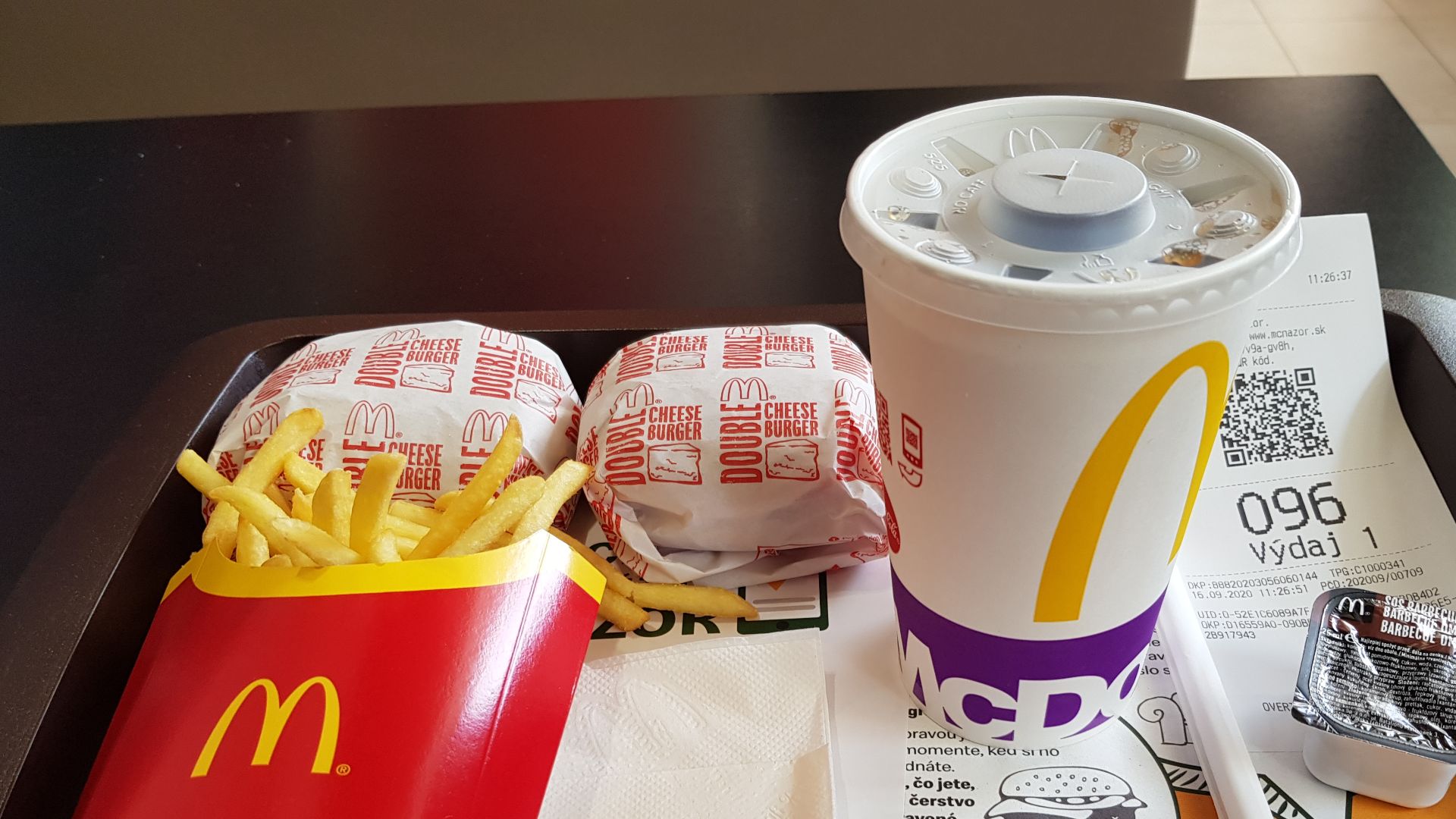
McDonald’s distributed lightweight Ronald McDonald parachute toys during the early 1970s. Children launched them into the air and watched the little figure float downward. The simple giveaway required no batteries, although rescuing it from a tree could become expensive.
#17 McDonaldland Character Puppets
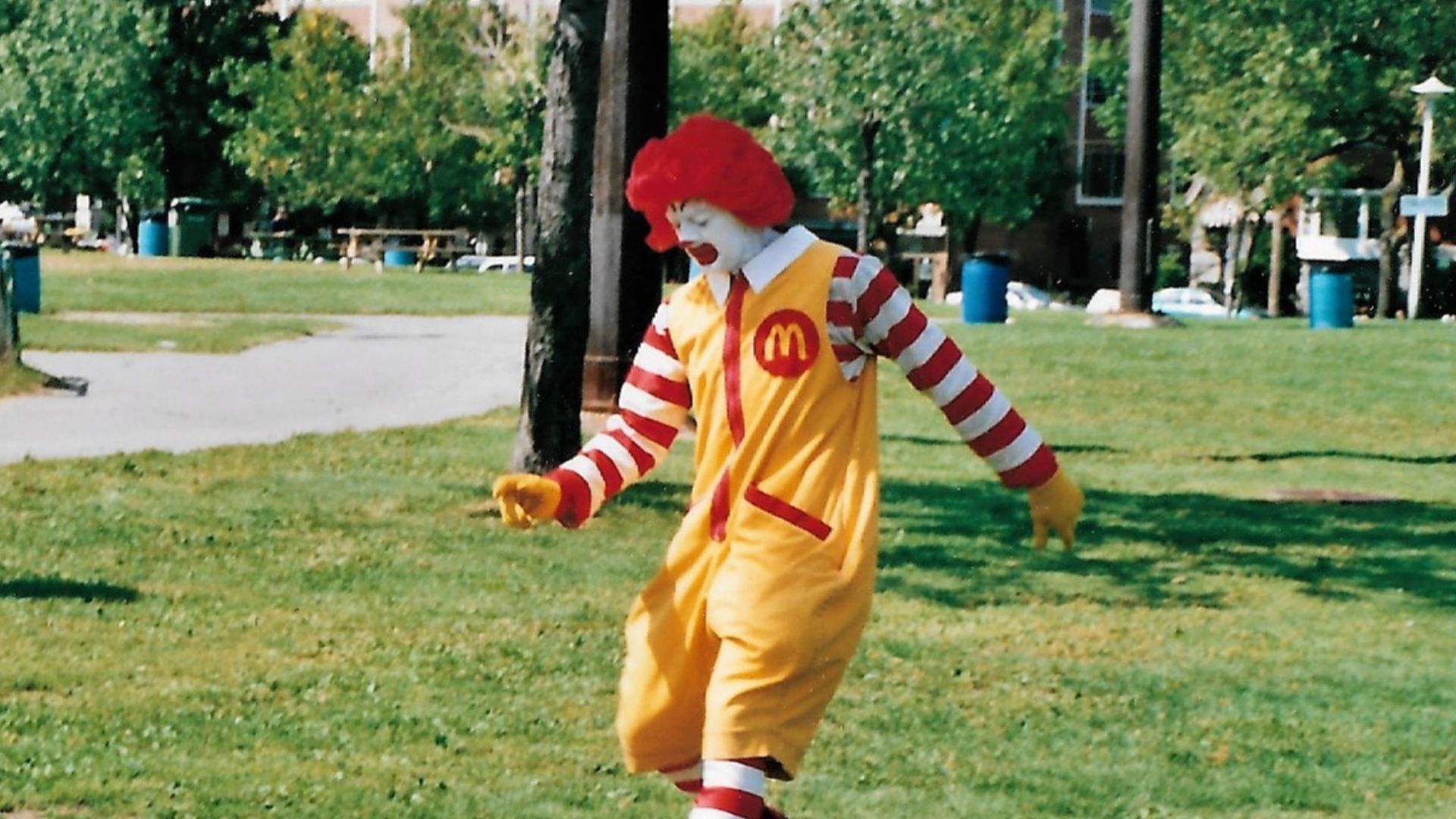
Plastic bag-style puppets featuring McDonaldland characters were offered through McDonald’s “Treat of the Week” promotions. A different character could appear each week, encouraging repeat visits. Completing the set required more family meals, which was exactly the marketing strategy.
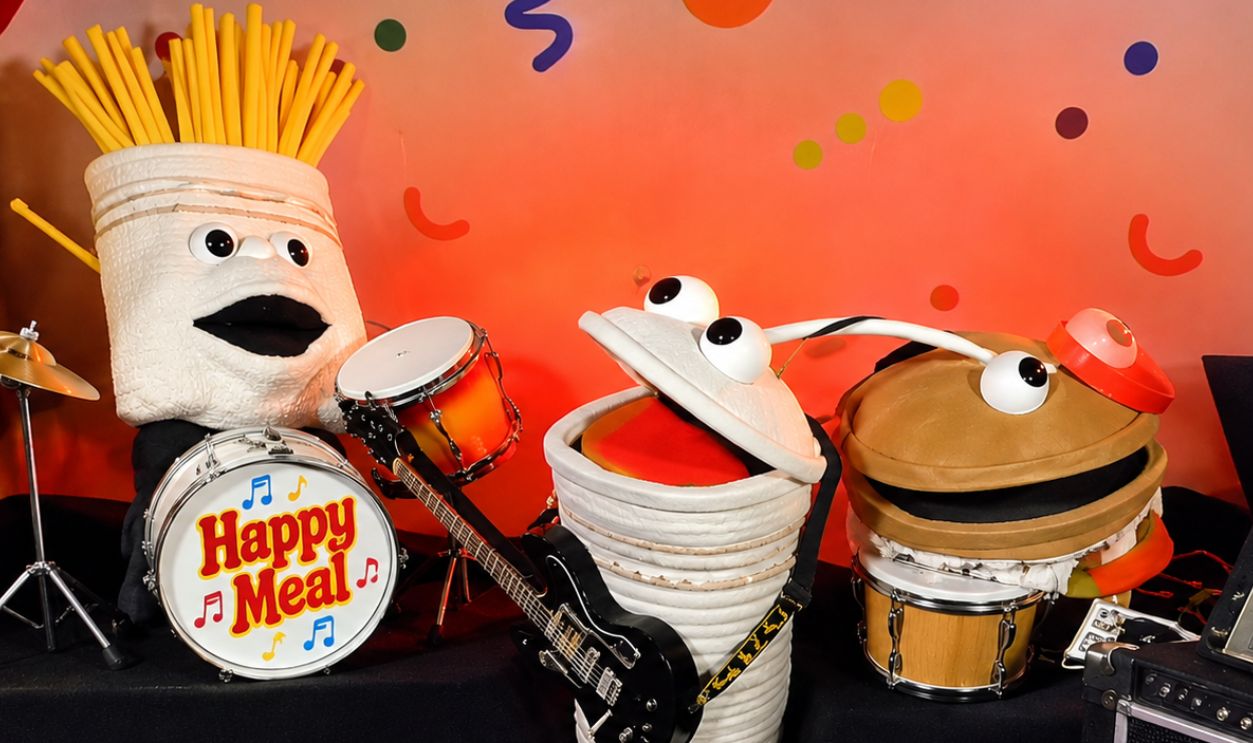 Screenshot from McDonaldland Band Happy Meal Toy Commercial, McDonald's (1987), Enhanced
#16 Burger King Character Puppets
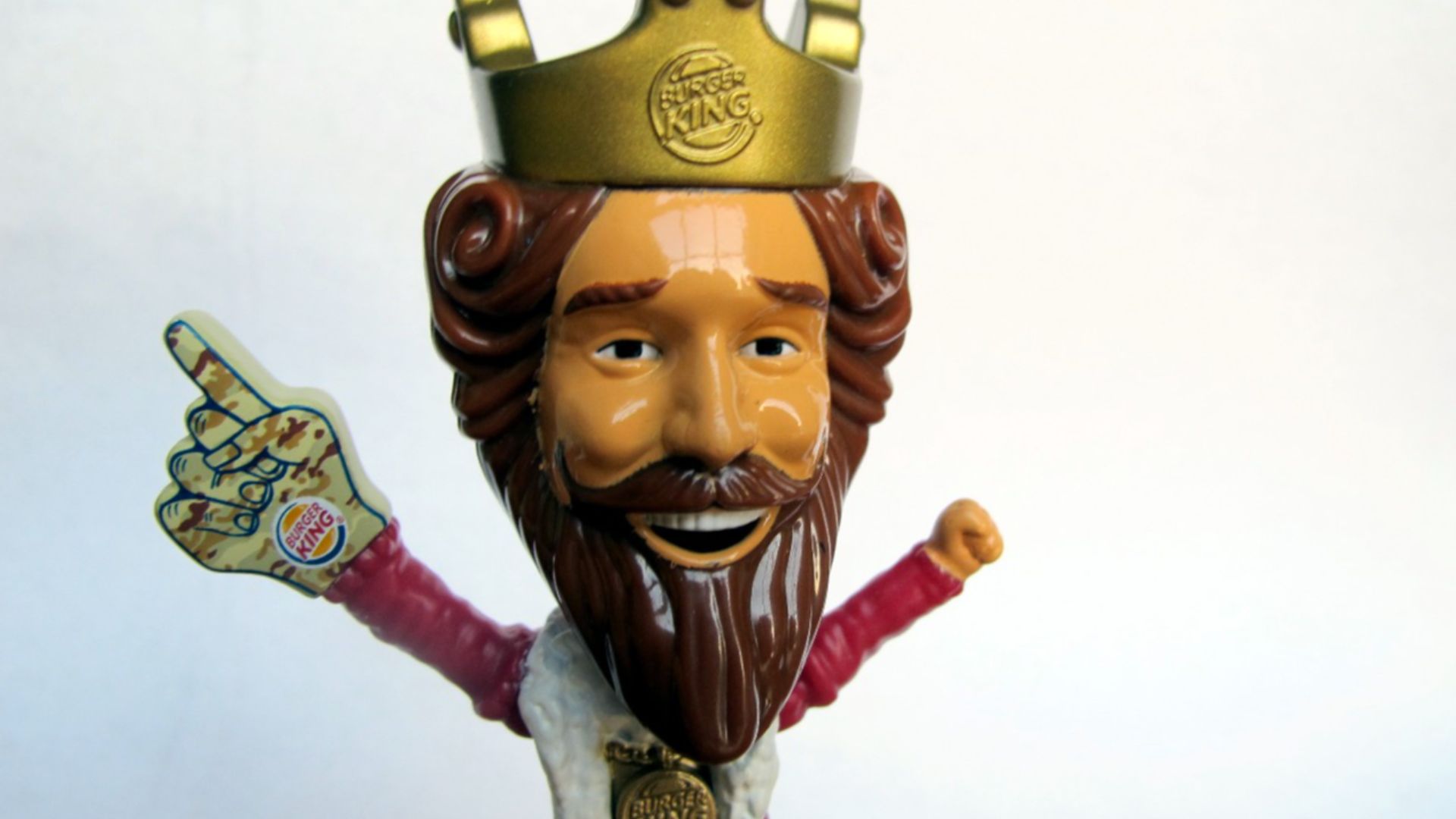
Burger King also distributed character puppets during the 1970s. These inexpensive premiums gave children something they could actually play with after the meal. Restaurants gained repeat business, while parents received a temporary puppet show whether they requested one or not.
 frankieleon, Wikimedia Commons
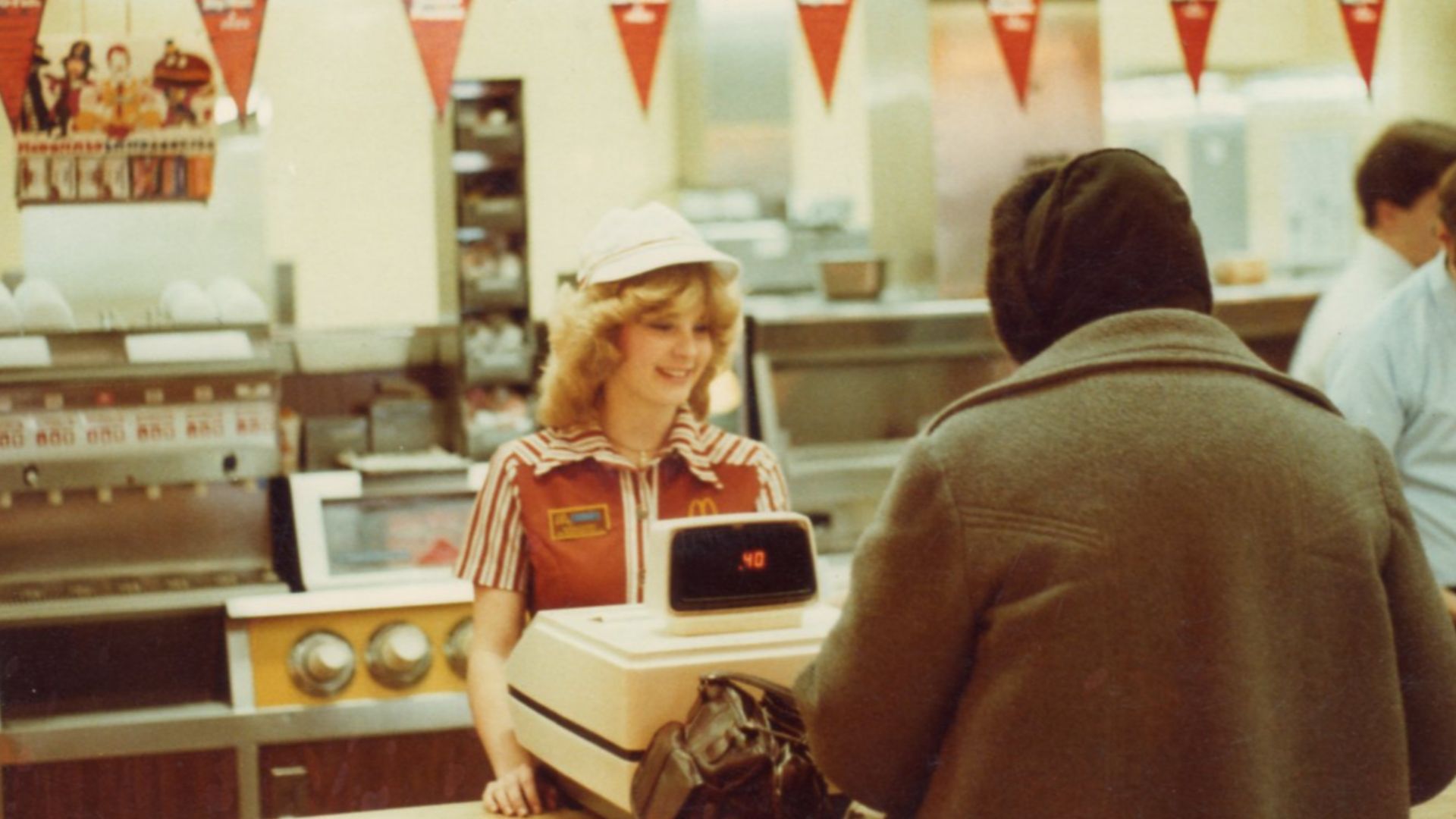
#15 Promotional Rings
Regional McDonald’s test meals included colorful plastic rings, including character-themed designs. They cost little to manufacture but felt like miniature jewelry to children. Rings were also wonderfully easy to lose, creating a strong incentive to return for another meal.
 Ethan from Scottsdale, Wikimedia Commons
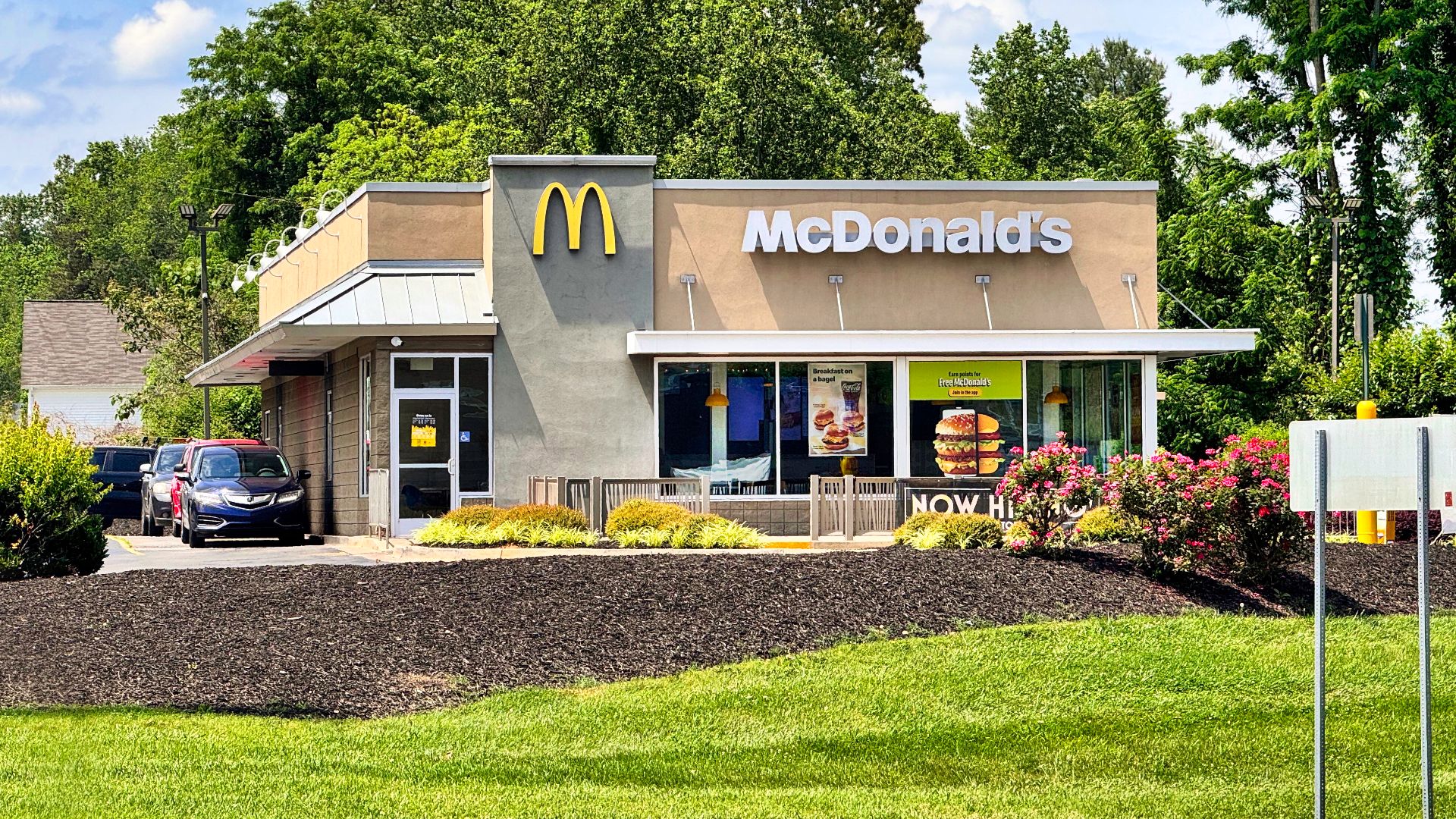
#14 Pencil Toppers
Soft-rubber character pencil toppers appeared in McDonald’s regional meal tests during 1978. They turned an ordinary school pencil into a small collectible. Unlike many meal toys, they served a practical purpose, assuming the child still remembered to bring a pencil.
 Harrison Keely, Wikimedia Commons
#13 Press-On Patches
Some 1978 McDonald’s test promotions offered press-on character patches. Children could decorate clothing or fabric without buying a separate accessory. The patch was free with the qualifying meal, although parents occasionally sacrificed a perfectly respectable shirt to the experiment.
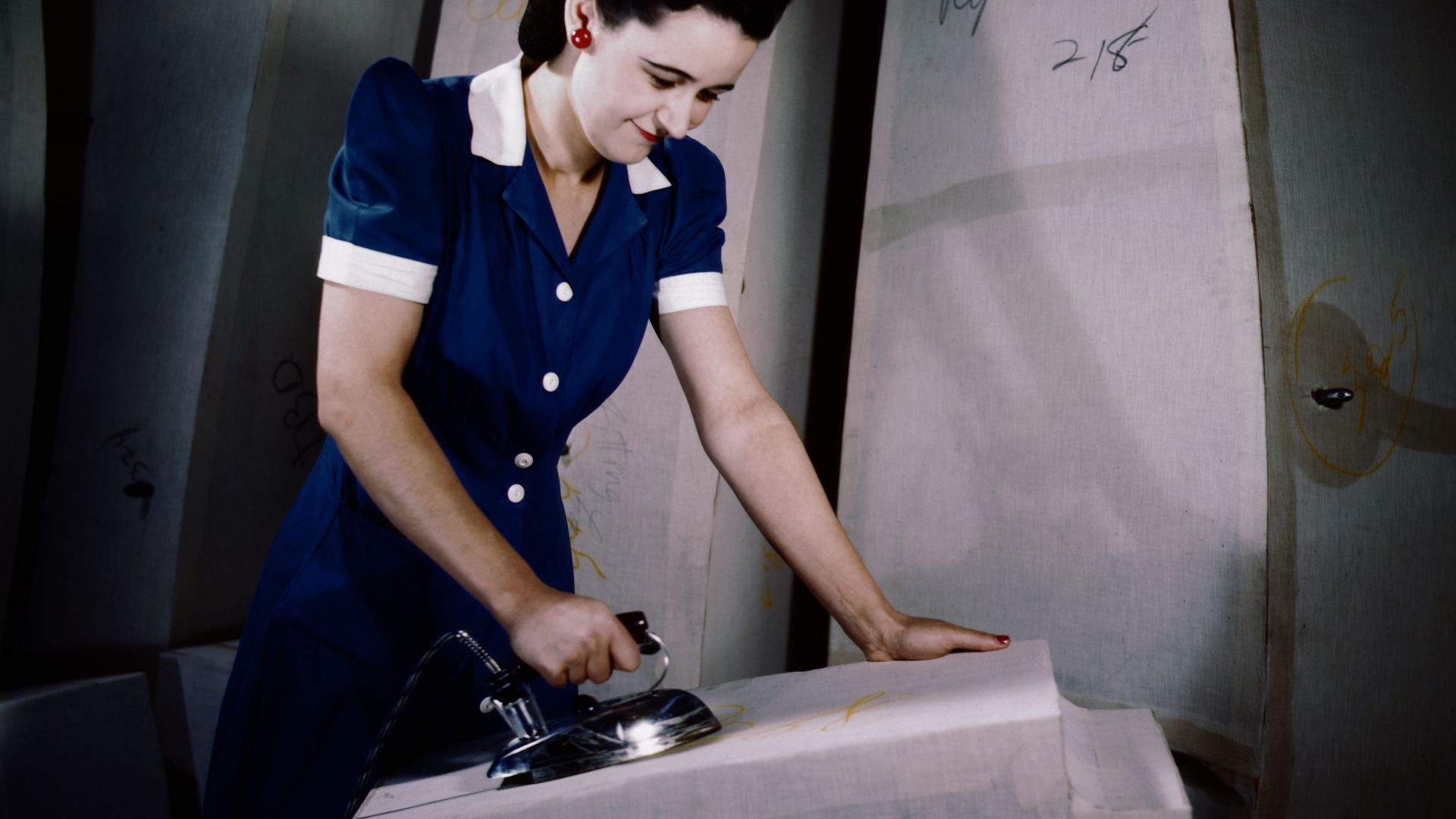
#12 Iron-On Transfers
Fast-food restaurants distributed iron-on designs that could be applied to T-shirts with help from an adult. These promotions turned plain clothing into branded merchandise. Families supplied the shirt and labor, while the restaurant supplied the free image and instructions.
 Alfred T. Palmer, Wikimedia Commons
#11 Ronald McDonald Magic Pads
Regional McDonald’s meal tests included “Magic Pad” activity books featuring Ronald McDonald and his friends. The pads provided portable amusement after the food disappeared. For parents, they extended the value of a modest restaurant purchase well beyond the dining-room table.
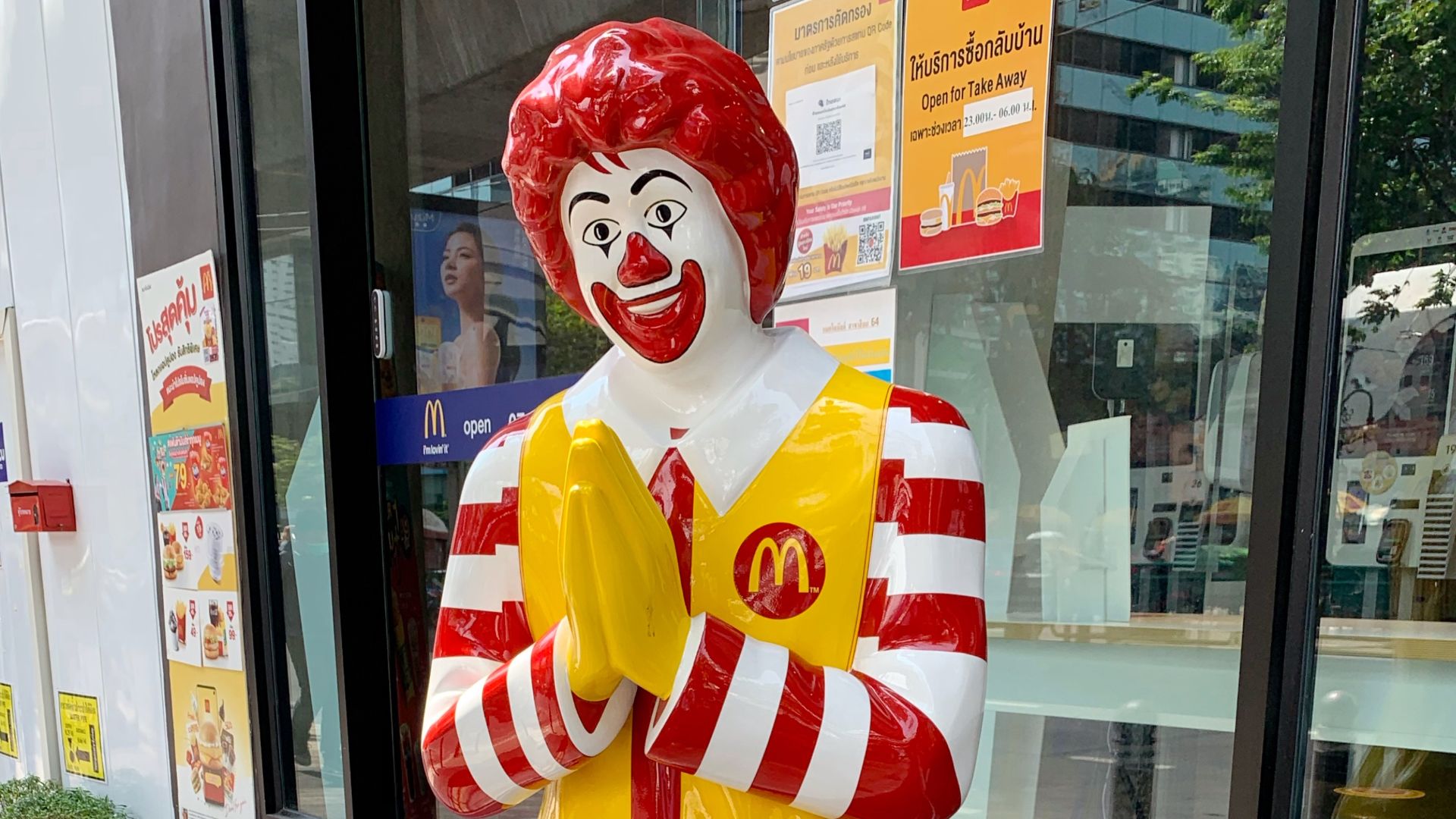
#10 Comic Books and Children’s Magazines
Restaurants including McDonald’s, Red Barn and Pioneer Chicken distributed promotional comics during the 1970s. McDonaldland Fun Times appeared in 1979 as a free children’s publication. These giveaways mixed stories, activities and advertising in one highly portable package.
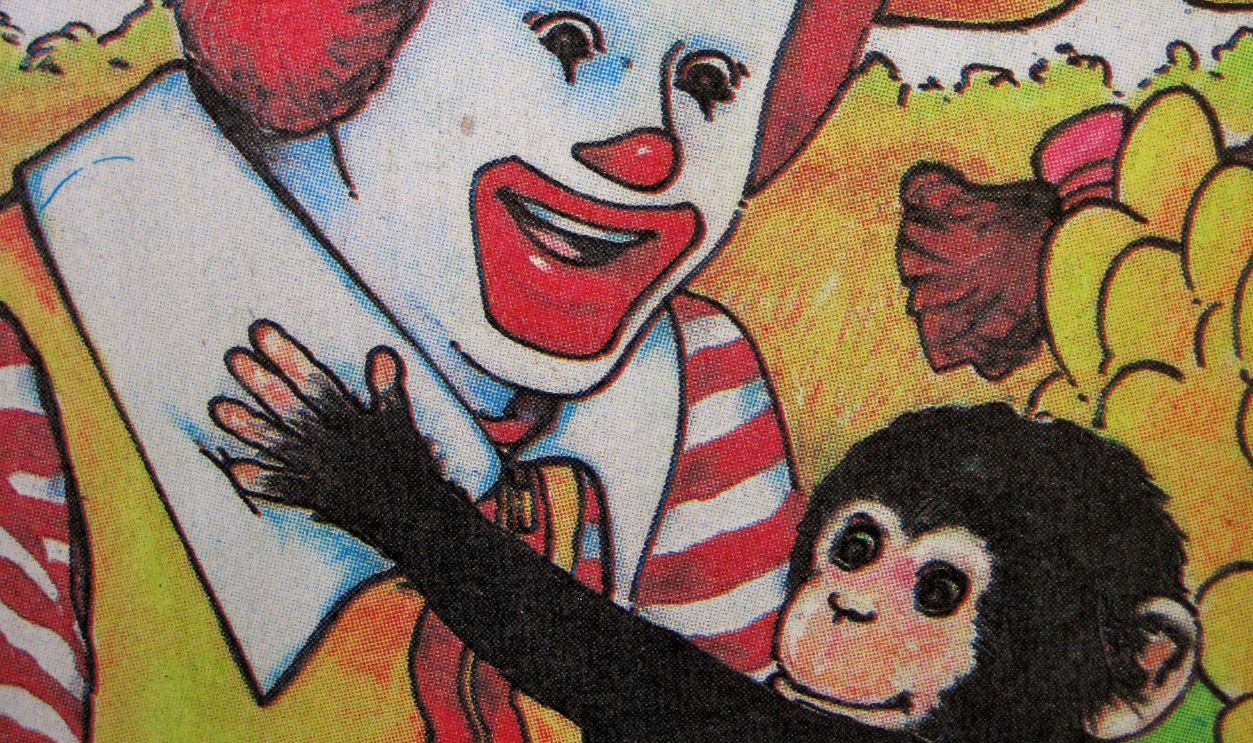
#9 Jigsaw Puzzles
Small puzzles appeared in regional McDonald’s meal tests before the national Happy Meal arrived. The pieces provided a little more challenge than a basic plastic figure. They also provided parents with the financial thrill of searching beneath restaurant seats for one missing corner.
#8 Spinning Tops
A simple spinning top was among the small premiums tested by McDonald’s during the late 1970s. It contained no electronics and required no instructions. A flat restaurant table was all children needed to turn the free toy into a family competition.
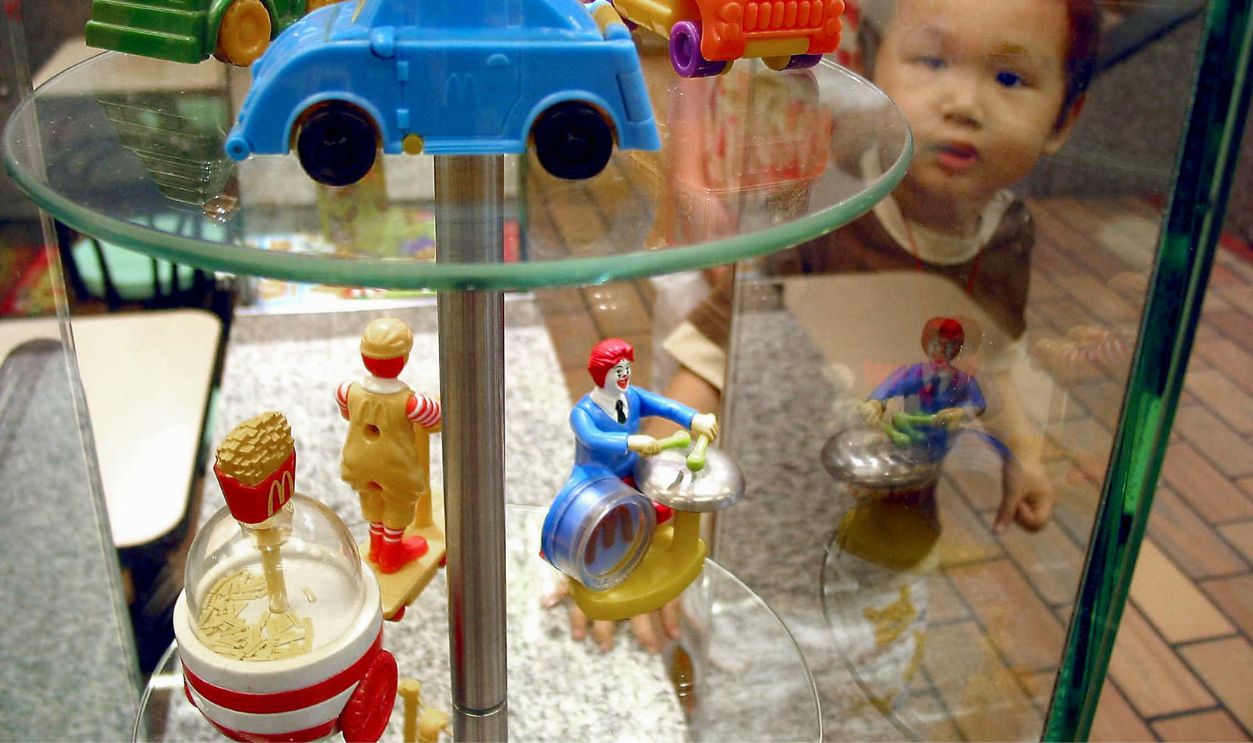
#7 Burger Chef Vinyl Records
Burger Chef sometimes placed small vinyl records inside its Funmeals. The records offered stories or entertainment that children could replay at home. Including recorded media with a kids’ meal was remarkably ambitious, especially when the meal itself remained relatively inexpensive.
#6 Major League Baseball Player Discs
Burger Chef’s 1977 Triple Play Funmeal promotion featured trays containing punch-out baseball-player discs. Twenty-four Major League teams were represented, with nine discs per team tray. Collecting favorites encouraged repeat visits without charging separately for each cardboard player.
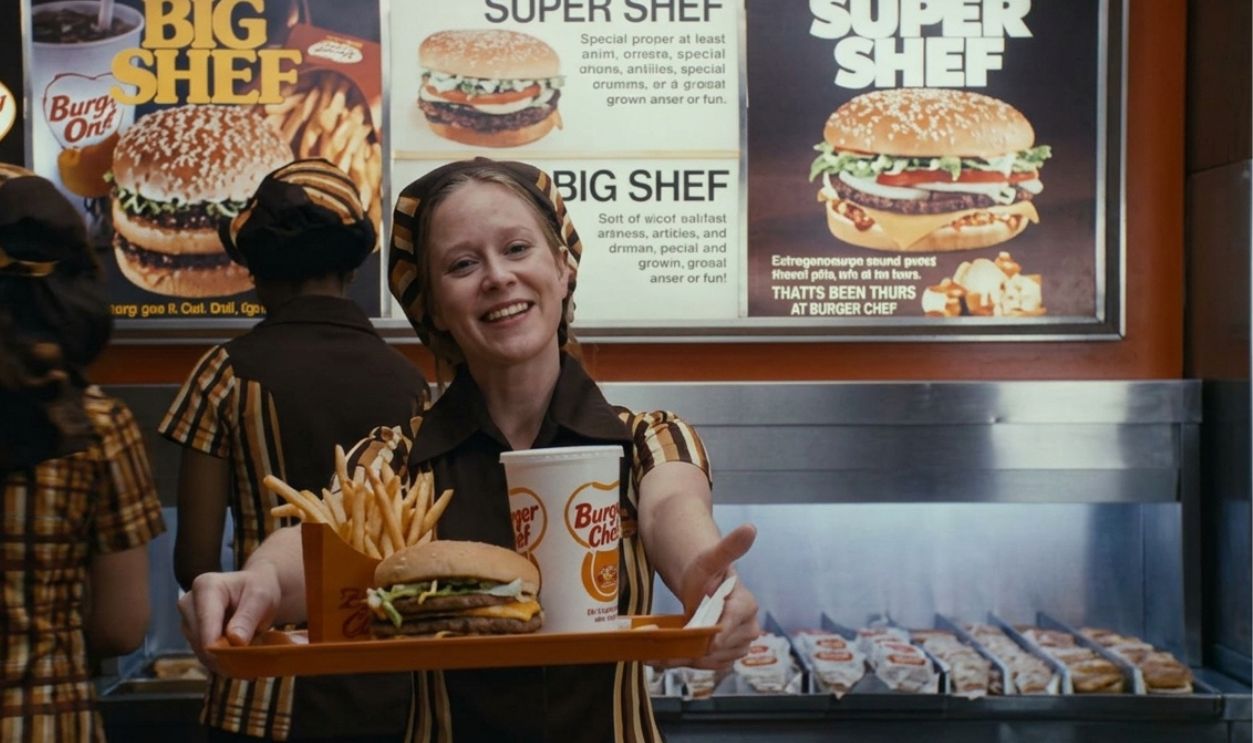 Screenshot from Burger Chef Commercial, Burger Chef (1977), Enhanced
#5 Star Wars Punch-Out Toys
Burger Chef secured a major movie tie-in for its 1978 Star Wars Funmeals. Seven different trays featured activities and punch-out creations, including spacecraft. Children received both lunch and licensed movie merchandise before such partnerships became routine across the fast-food industry.
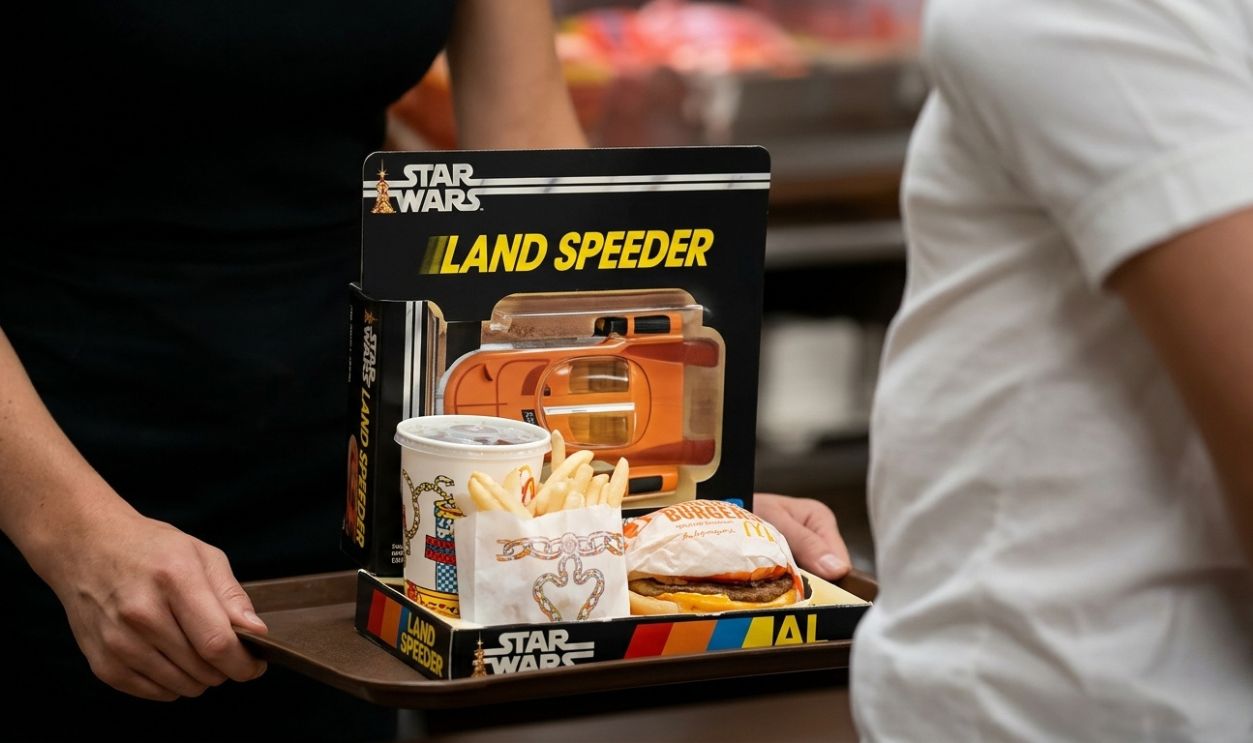 Screenshot from Burger Chef Star Wars Fun Meals Commercial, Burger Chef (1978), Enhanced
#4 Funmeal Boxes With Games and Cutouts
Burger Chef’s 1973 Funmeal arrived in packaging covered with comics, riddles, mazes and punch-out activities. The box itself became part of the entertainment. Parents paid for the food, but the restaurant made certain children had something extra to bring home.
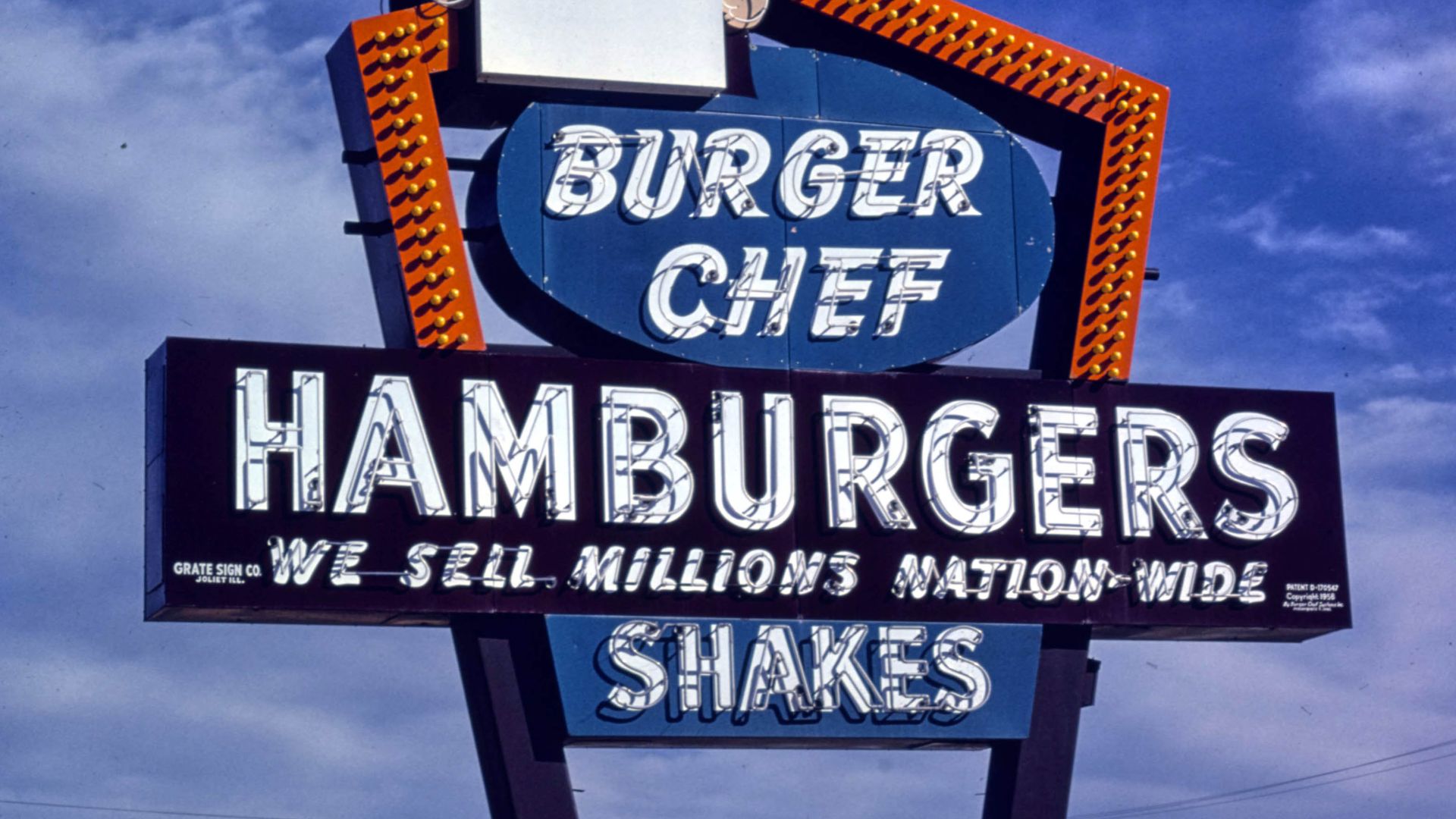 John Margolies, Wikimedia Commons
#3 McDonaldland Character Erasers
The first national McDonald’s Happy Meal in 1979 offered character-shaped erasers among its premiums. They were small, useful and inexpensive, although many children considered actually erasing with one unthinkable. Preserving the character mattered more than correcting the homework.

#2 McDoodler Stencil Rulers
The 1979 Circus Wagon Happy Meal could contain a McDoodler ruler with built-in stencil shapes. It combined a drawing tool, school supply and toy in one item. The entire hamburger meal and surprise originally sold for approximately $1.
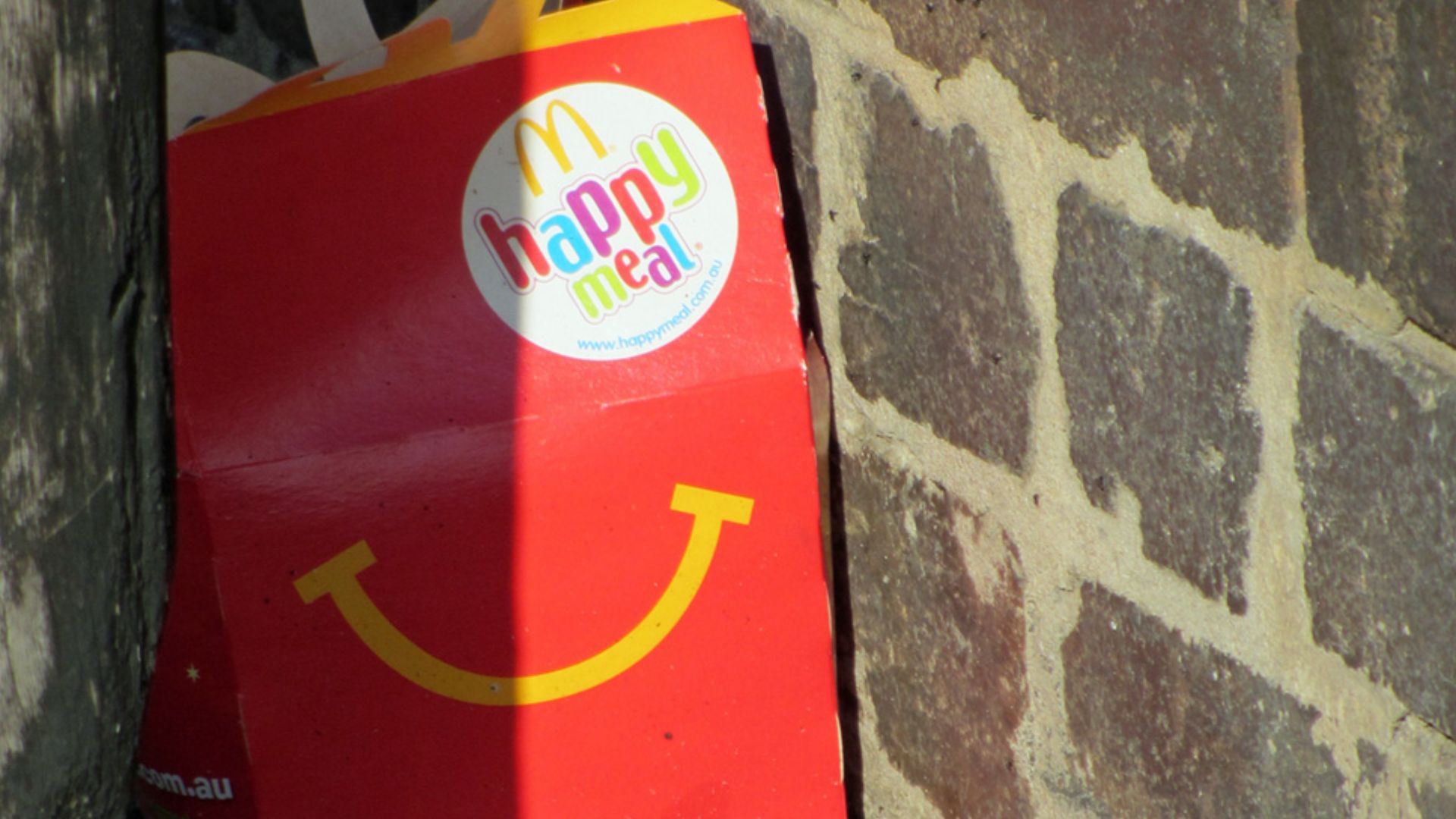 Newtown grafitti from Sydney, Australia, Wikimedia Commons
#1 The McWrist Wallet
Tested regionally before the national Happy Meal launch, the plastic McWrist wallet strapped around a child’s wrist and carried small belongings. It was practical, strange and unmistakably 1970s. Best of all, children finally had somewhere to store their remaining arcade quarters.
Freebies That Were Never Completely Free
Restaurants treated these giveaways as marketing costs, knowing that children could influence where families ate. Parents may not have paid separately for the premium, but collecting an entire series often required several return visits. The toys were free; the next five meals were not.
You May Also Like: Grocery Items That Were So Cheap In The 1980s, You Didn't Even Think Twice About Buying Them