Vegas Legends That Lost It All
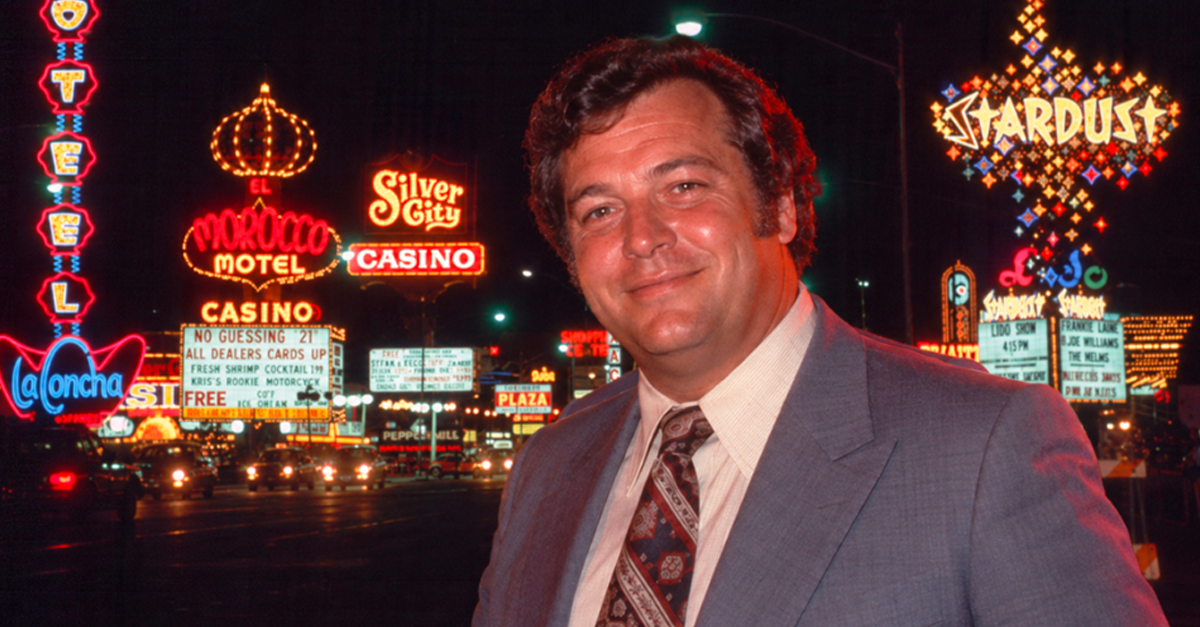
They were once the kings of Las Vegas, raking in millions, hosting stars like Frank Sinatra and Elvis Presley, and attracting gamblers from around the world. But even the most legendary casinos weren't safe from financial troubles, billionaire developers, and the wrecking ball. Some vanished overnight, while others were replaced by resorts costing billions.
Here's what happened to the famous casinos that disappeared from the Strip.
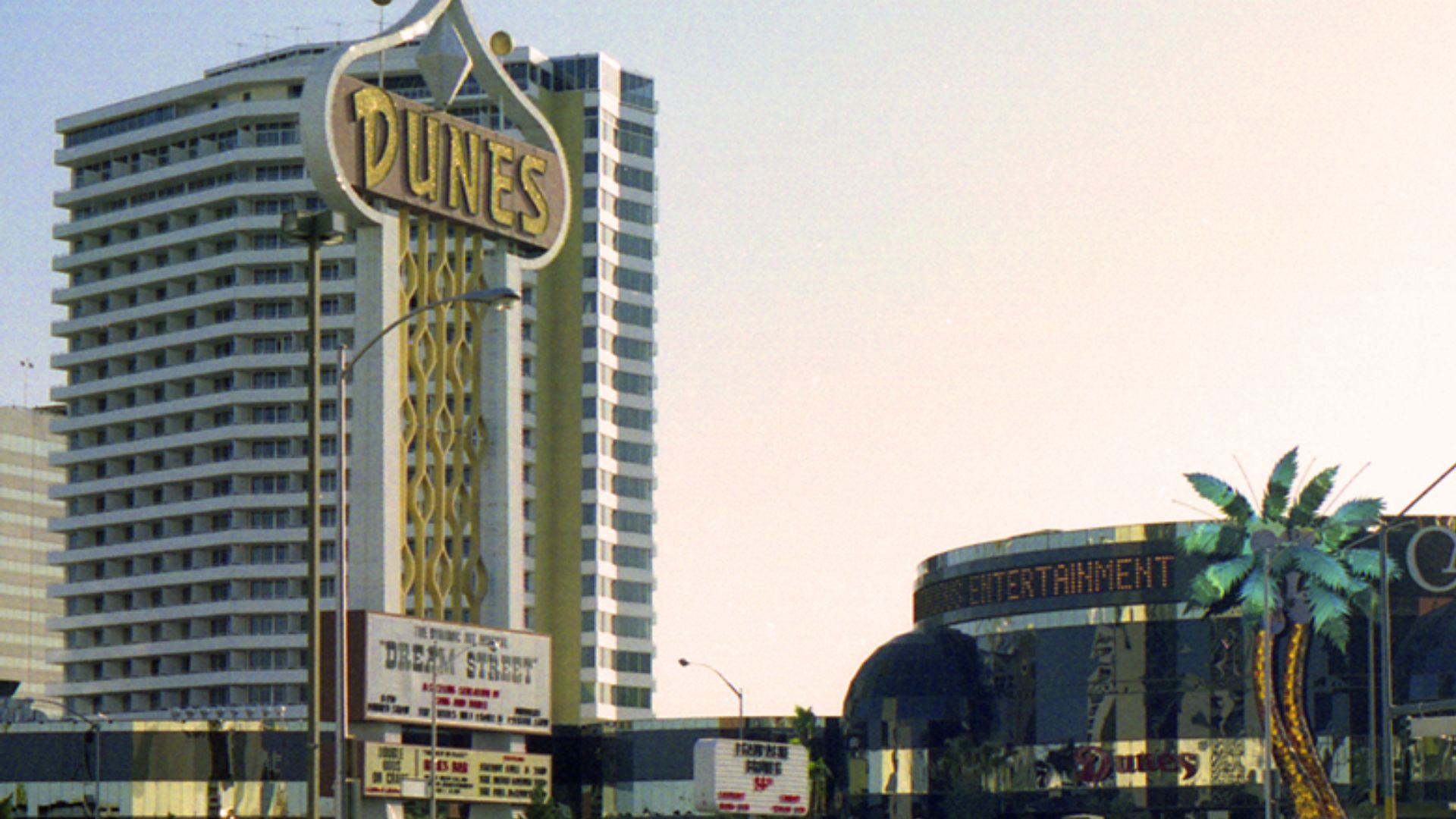
The Dunes Was Built To Impress
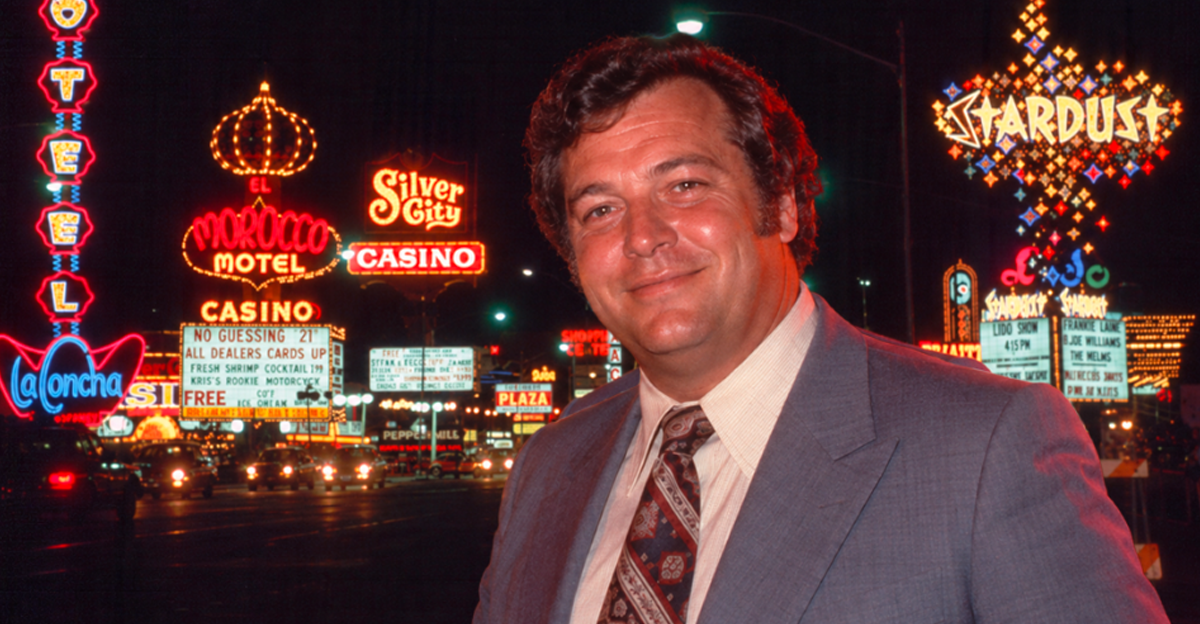
When the Dunes opened in 1955, its developers had spent $3.5 million creating an extravagant Arabian-themed resort. A giant sultan statue towered over the building, while glamorous entertainers performed for wealthy visitors. Its spectacular Casino de Paris production, introduced in 1963, helped make the Dunes a Las Vegas institution.
 David Lofink, Wikimedia Commons
The Dunes Went Out With A Bang
Despite its glamorous reputation, the Dunes struggled with financial problems and changing ownership throughout the 1980s. Steve Wynn purchased the property in 1992, intending to replace it with something far grander. The Dunes was imploded in October 1993, clearing the way for the $1.6 billion Bellagio, which opened five years later.
 Larry D. Moore, Wikimedia Commons
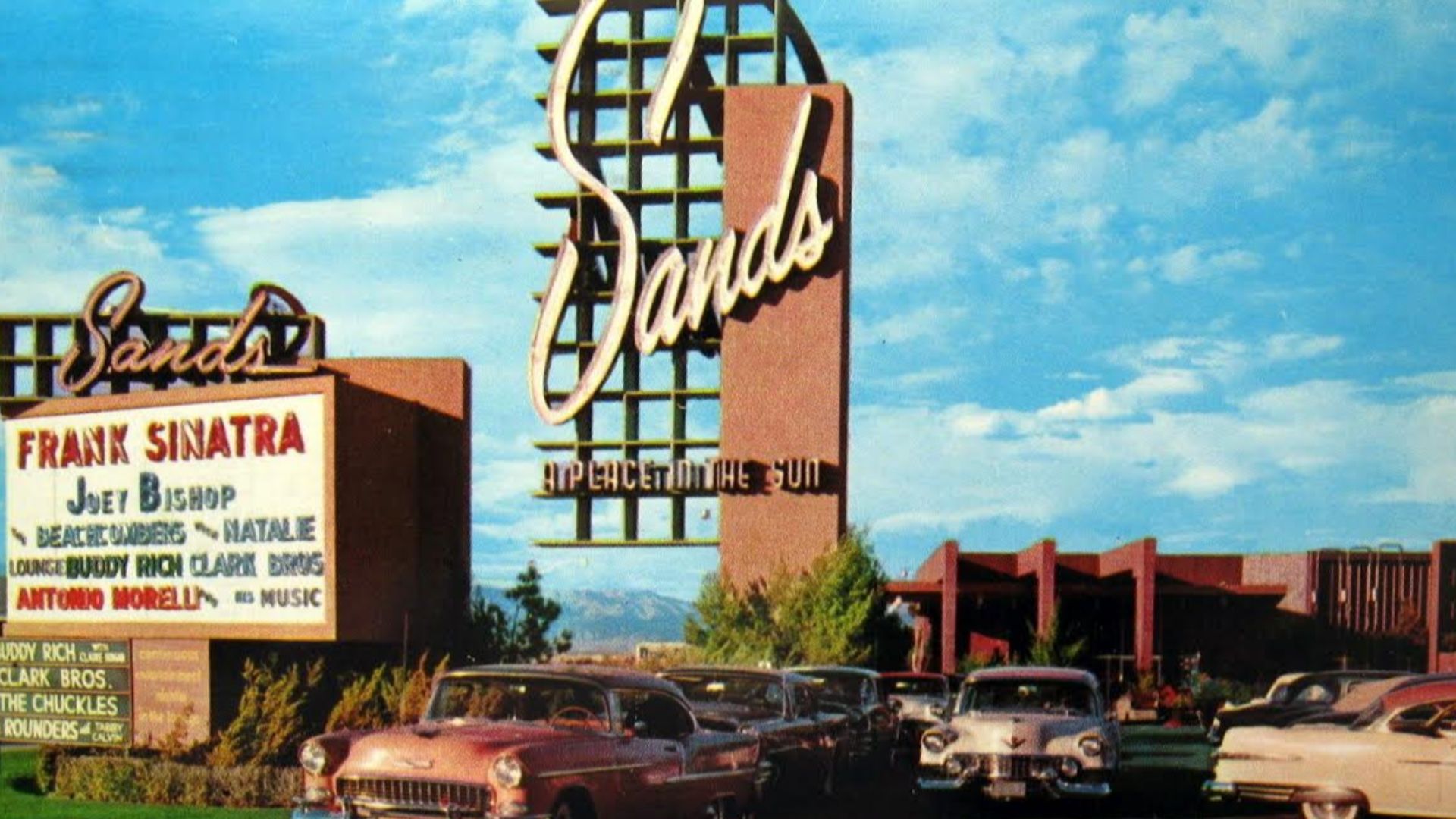
The Sands Was The Rat Pack's Playground
Opened in 1952, the Sands became synonymous with Frank Sinatra, Dean Martin, and Sammy Davis Jr. Its legendary Copa Room hosted some of the biggest entertainers in show business, drawing wealthy gamblers to the casino downstairs. The resort helped establish Las Vegas as America's entertainment capital.
 Desert Supply Company, Las Vegas, Wikimedia Commons
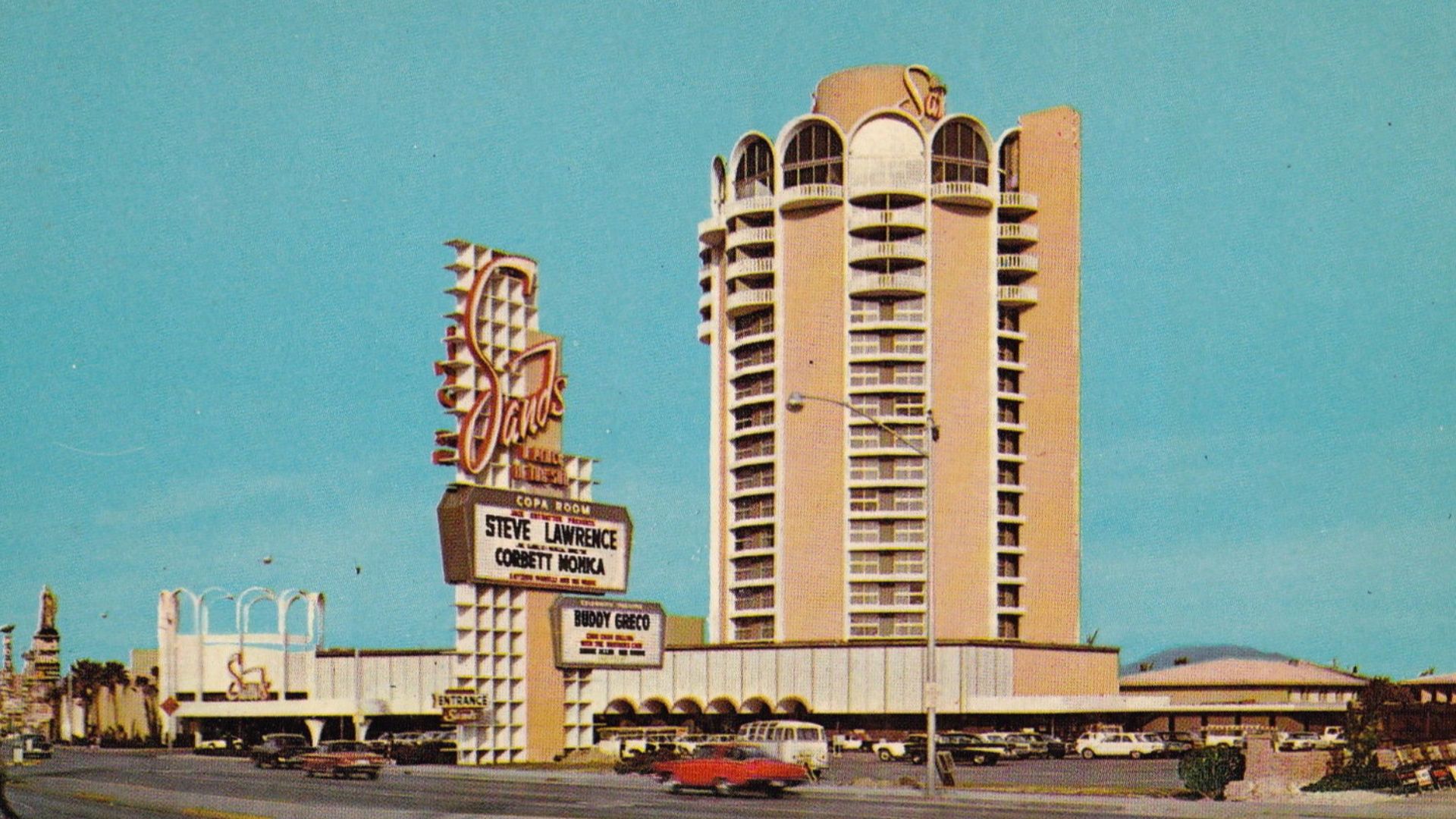
The Sands Couldn't Keep Up
Howard Hughes purchased the Sands in 1967, but its celebrity connections couldn't guarantee its future. Sheldon Adelson acquired the property in 1988 and eventually decided that replacing it made more financial sense than preserving it. The Sands was demolished in 1996, making room for the $1.5 billion Venetian, which opened in 1999.
 Desert Supply/Curt Teich, Wikimedia Commons
The Stardust Was A Gambling Giant
When the Stardust opened in 1958, it featured an enormous casino and one of the Strip's most recognizable neon signs. The resort became famous for affordable accommodations, elaborate stage productions, and its connections to organized crime. For decades, it attracted visitors looking for the classic Las Vegas experience.
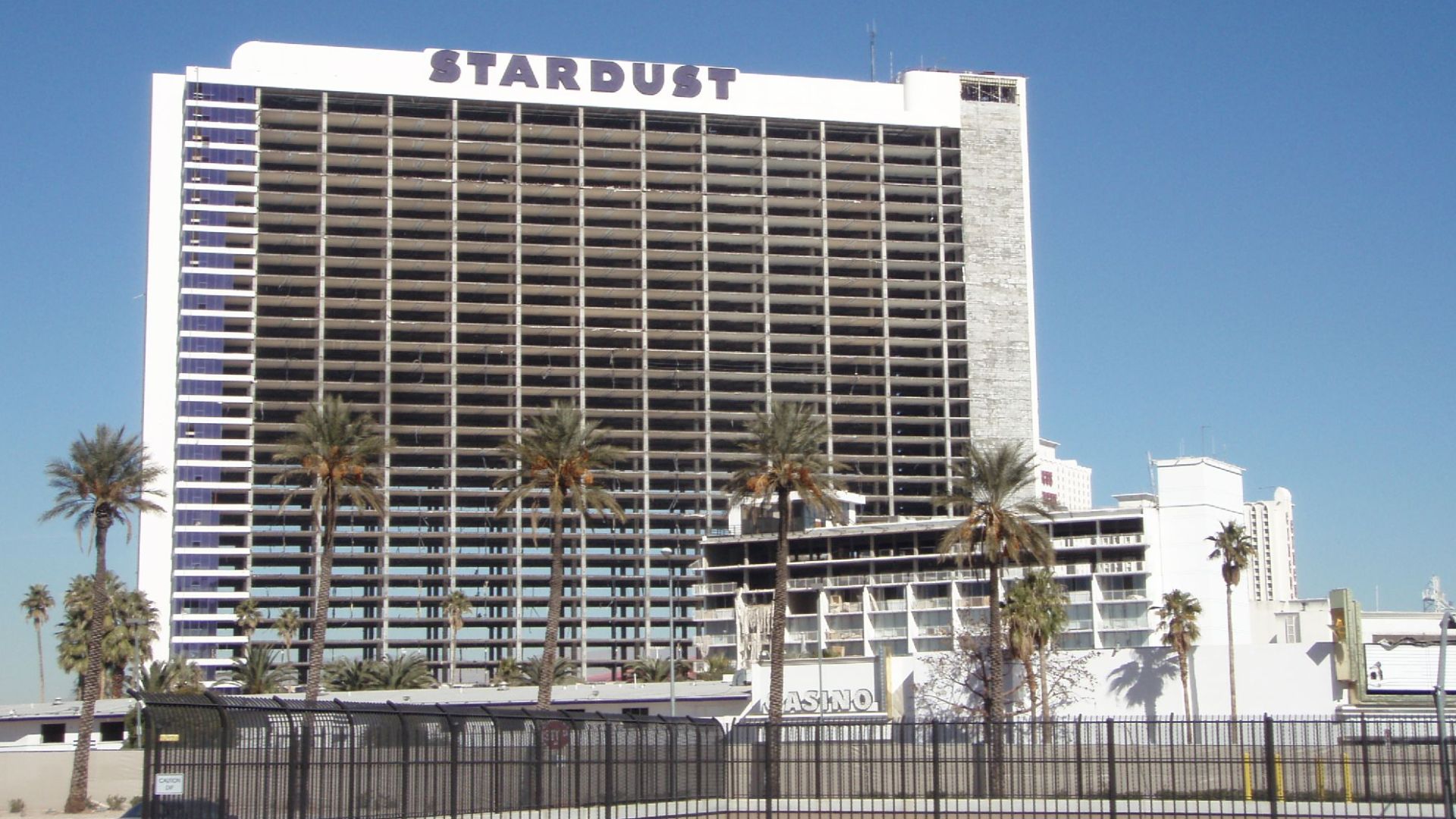
The Stardust's Replacement Was A Financial Disaster
Boyd Gaming closed the Stardust in 2006 and demolished it in March 2007 to build a $4 billion-plus resort called Echelon. But the financial crisis struck, and construction was suspended in 2008 after developers encountered financing problems. The unfinished project was abandoned, and Resorts World eventually opened on the site in 2021.
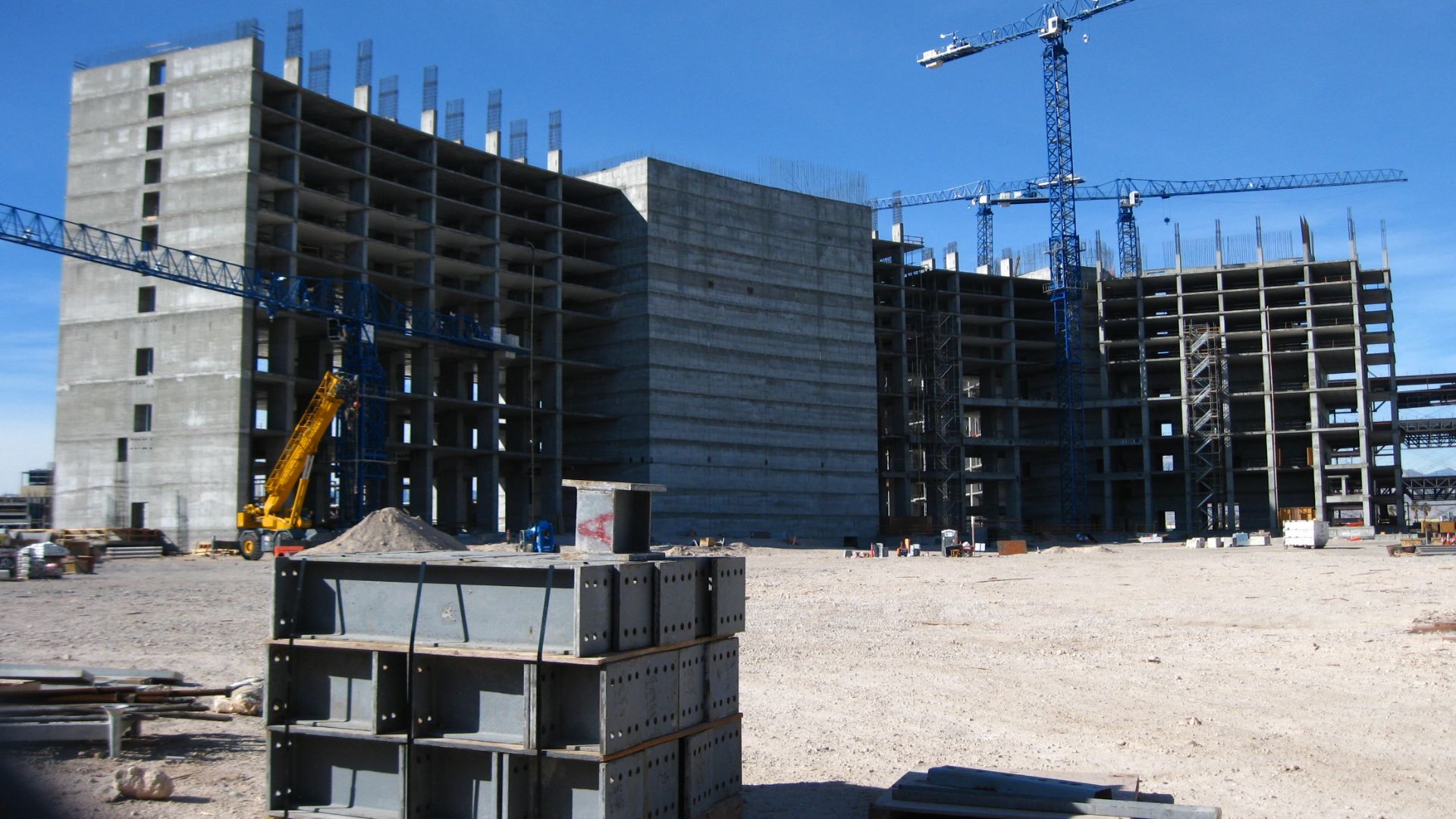
The Desert Inn Attracted Millionaires
Opened in 1950, the Desert Inn quickly became one of the Strip's most prestigious resorts. Its elegant accommodations, championship golf course, and celebrity entertainment attracted wealthy visitors, including Howard Hughes, who purchased the property in 1967. For decades, it represented the luxurious side of old Las Vegas.
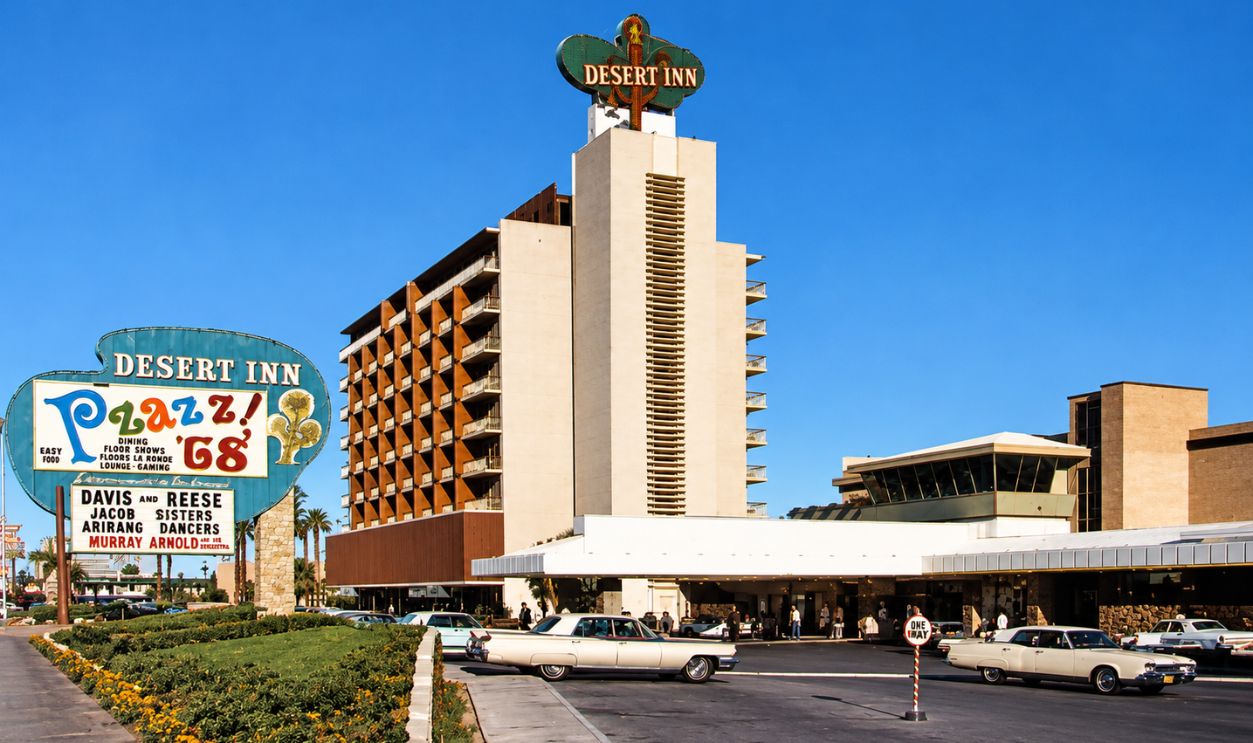 Piasticchrome, Boston, MA-photo by Las Vegas News Agency, Las Vegas., Wikimedia Commons, Enhanced
The Desert Inn Was Sold For $270 Million
Steve Wynn acquired the Desert Inn for approximately $270 million in 2000, recognizing the enormous development potential of its land. The casino closed that August, and its buildings were subsequently demolished to make way for a much larger resort. Wynn Las Vegas opened in 2005, turning the former Desert Inn property into another luxury destination.
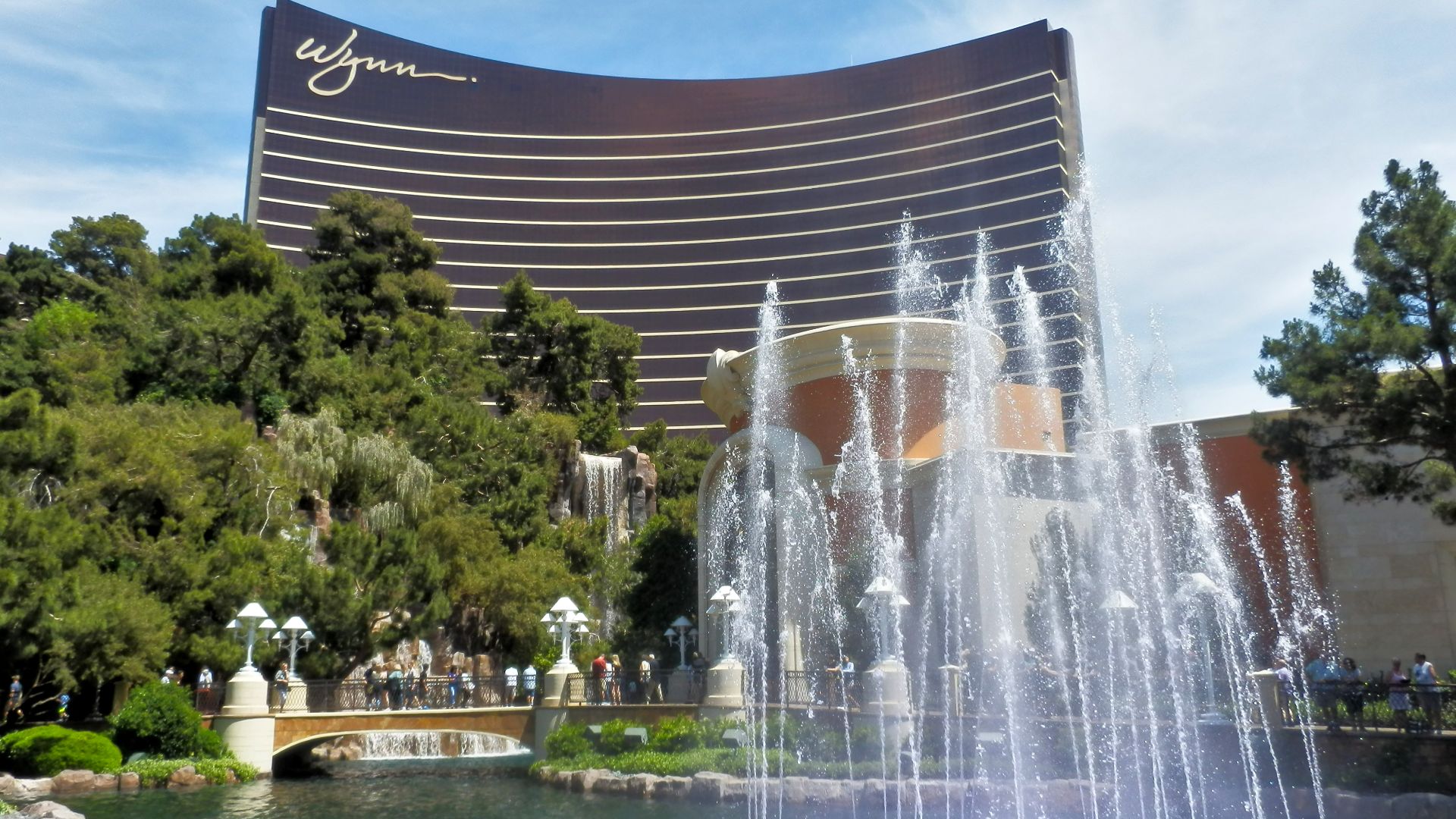 Alexander Migl, Wikimedia Commons
The Riviera Helped Define Classic Vegas
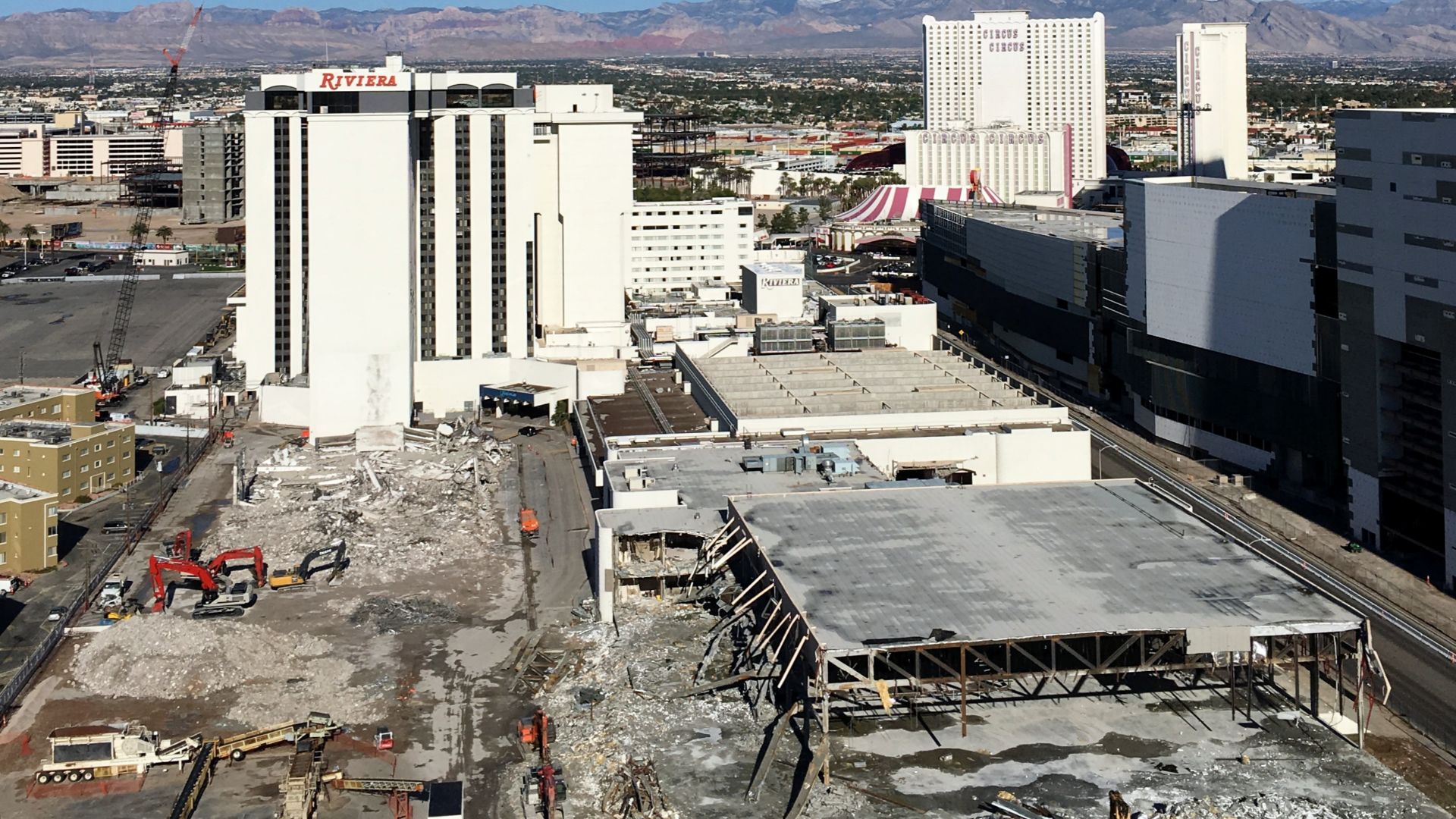
When the Riviera opened in 1955, its modern architecture stood out among the Strip's smaller, low-rise resorts. Liberace headlined its opening, and the casino became famous for glamorous entertainment and appearances in films including Casino and Ocean's 11. But behind the glitz, the Riviera was already facing serious financial trouble.
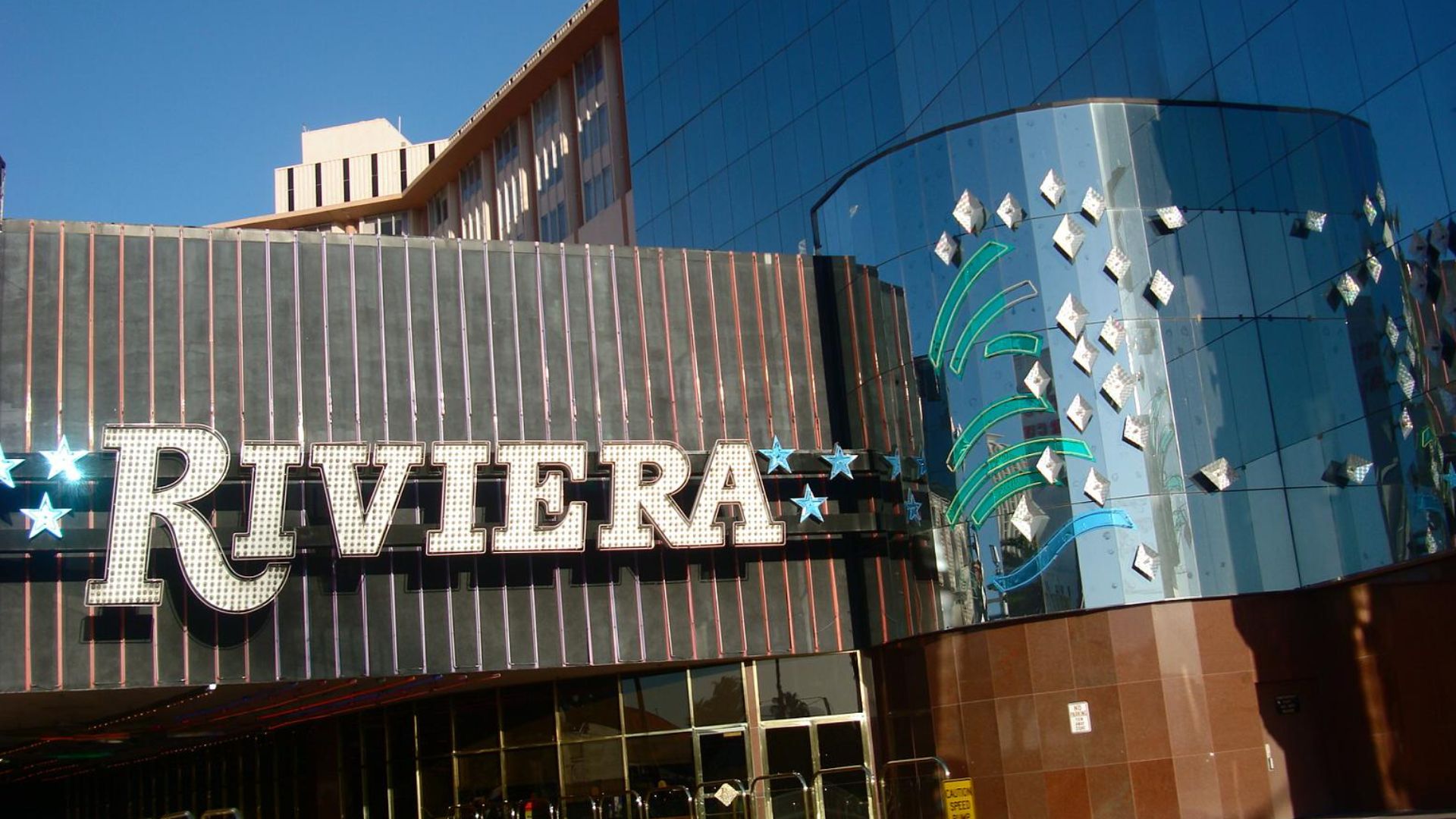 Austin Nguyen, Wikimedia Commons
The Riviera Survived Bankruptcy
The Riviera entered bankruptcy just months after opening, but remarkably, it survived for another 60 years. Financial troubles continued, including two more bankruptcy filings in 1991 and 2010, as the aging resort struggled to compete with newer casinos. In 2015, the Las Vegas Convention and Visitors Authority purchased it for $182.5 million, and its towers were demolished the following year.
The New Frontier Was A Vegas Original
The New Frontier traced its history to the Last Frontier, which opened in 1942 as one of the Strip's earliest resorts. Its Western theme, entertainment, and gambling helped establish the area's identity long before the megaresorts arrived. But in 1991, a labor dispute sparked a strike that lasted more than six years, while the property's increasingly valuable land attracted developers.
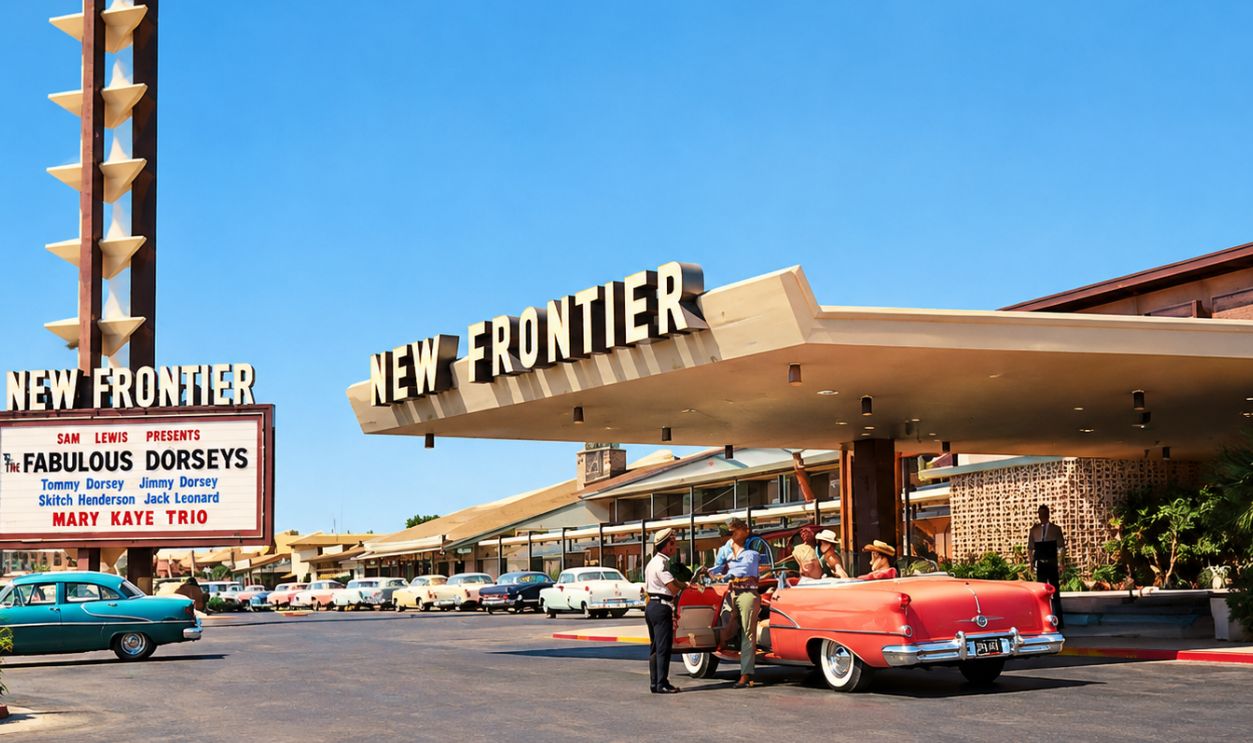 Nextrecord Archives, Getty Images, Enhanced
The New Frontier Made Its Owner A Fortune
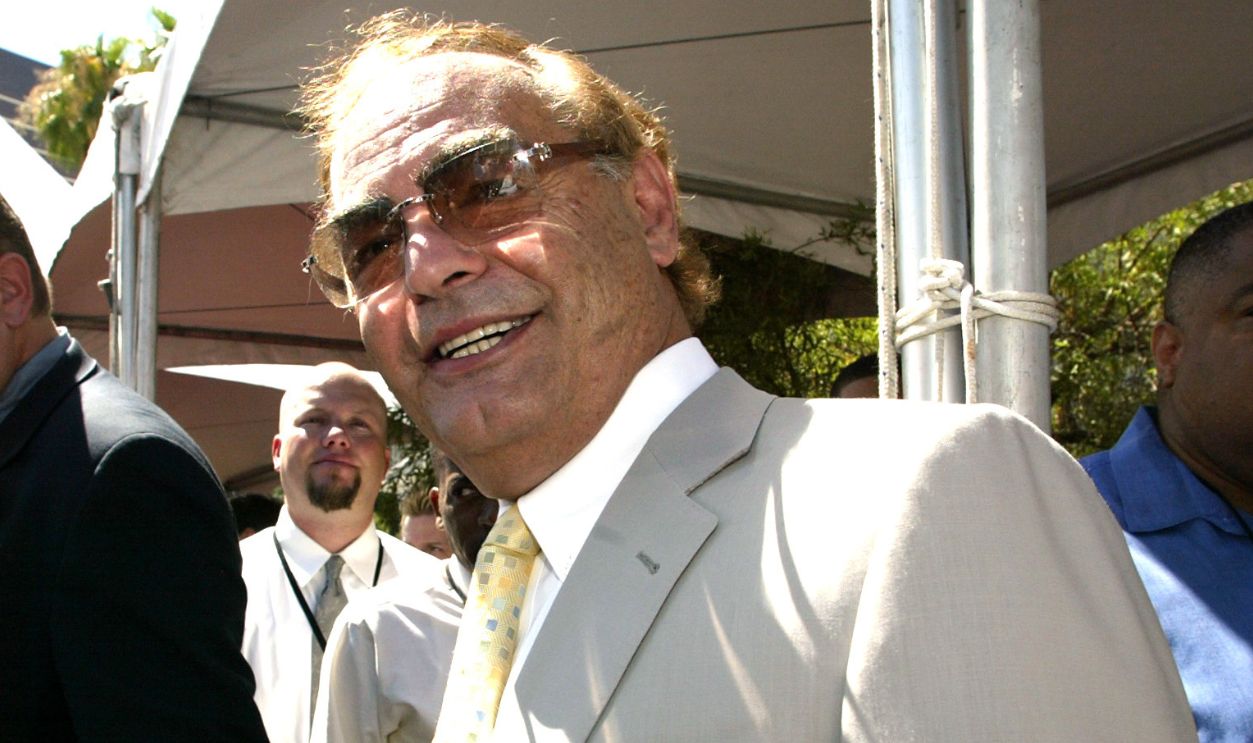
Businessman Phil Ruffin acquired the New Frontier for $165 million in 1998 and sold it for an astonishing $1.2 billion in 2007. The casino closed that July and was demolished in November to make way for a proposed luxury development. The financial crisis derailed those plans, leaving the valuable property undeveloped for years.
The Tropicana Was Once The Height Of Luxury
When the Tropicana opened in 1957, its $15 million price tag made it one of Las Vegas's most extravagant resorts. Nicknamed the "Tiffany of the Strip," it featured tropical gardens, luxurious accommodations, and the famous Folies Bergere stage production. Over the decades, the casino welcomed stars including Frank Sinatra, Elizabeth Taylor, and Sammy Davis Jr.
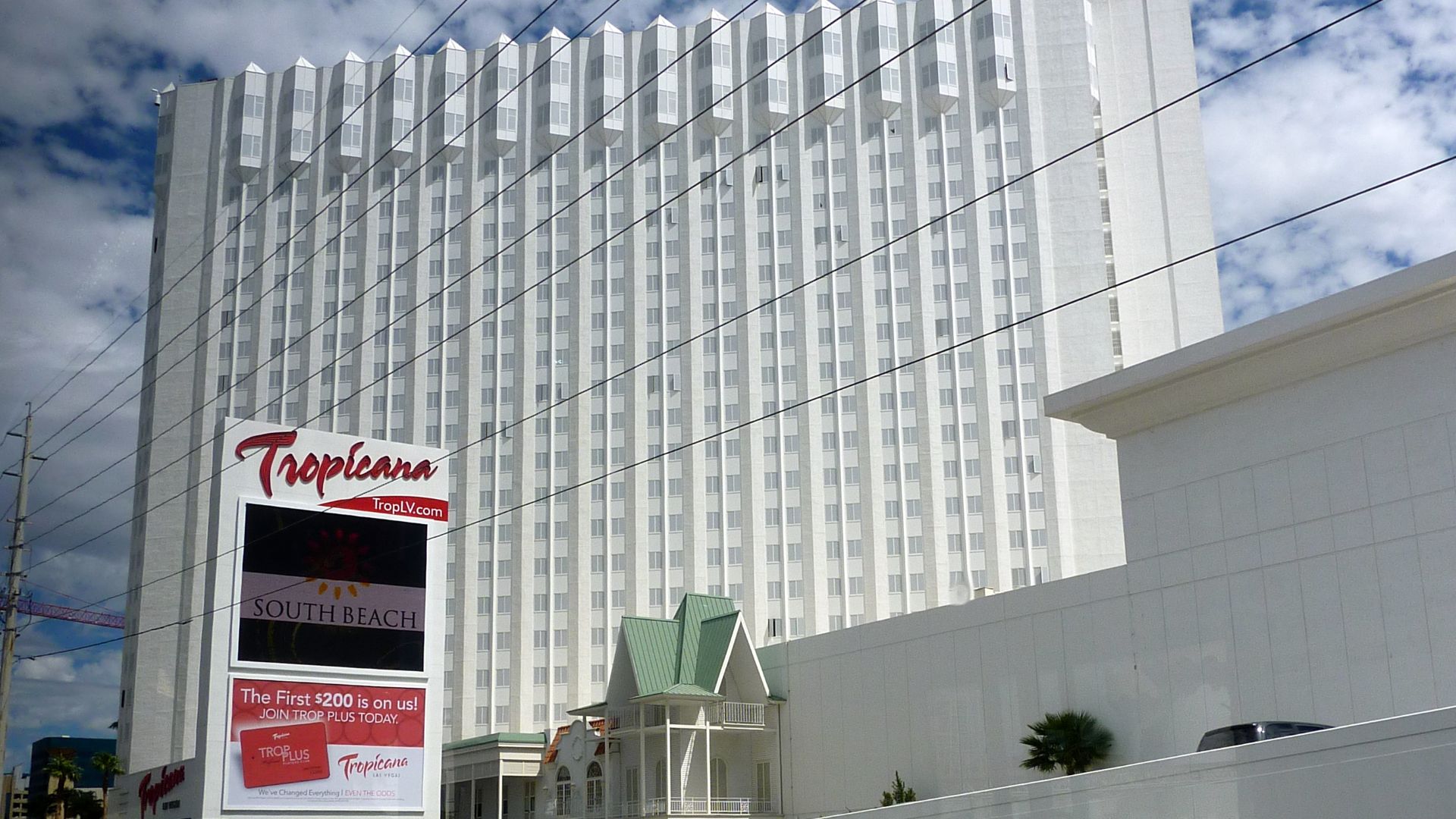 Sean MacEntee from Monaghan, Ireland, Wikimedia Commons
The Tropicana Was Sacrificed For Baseball
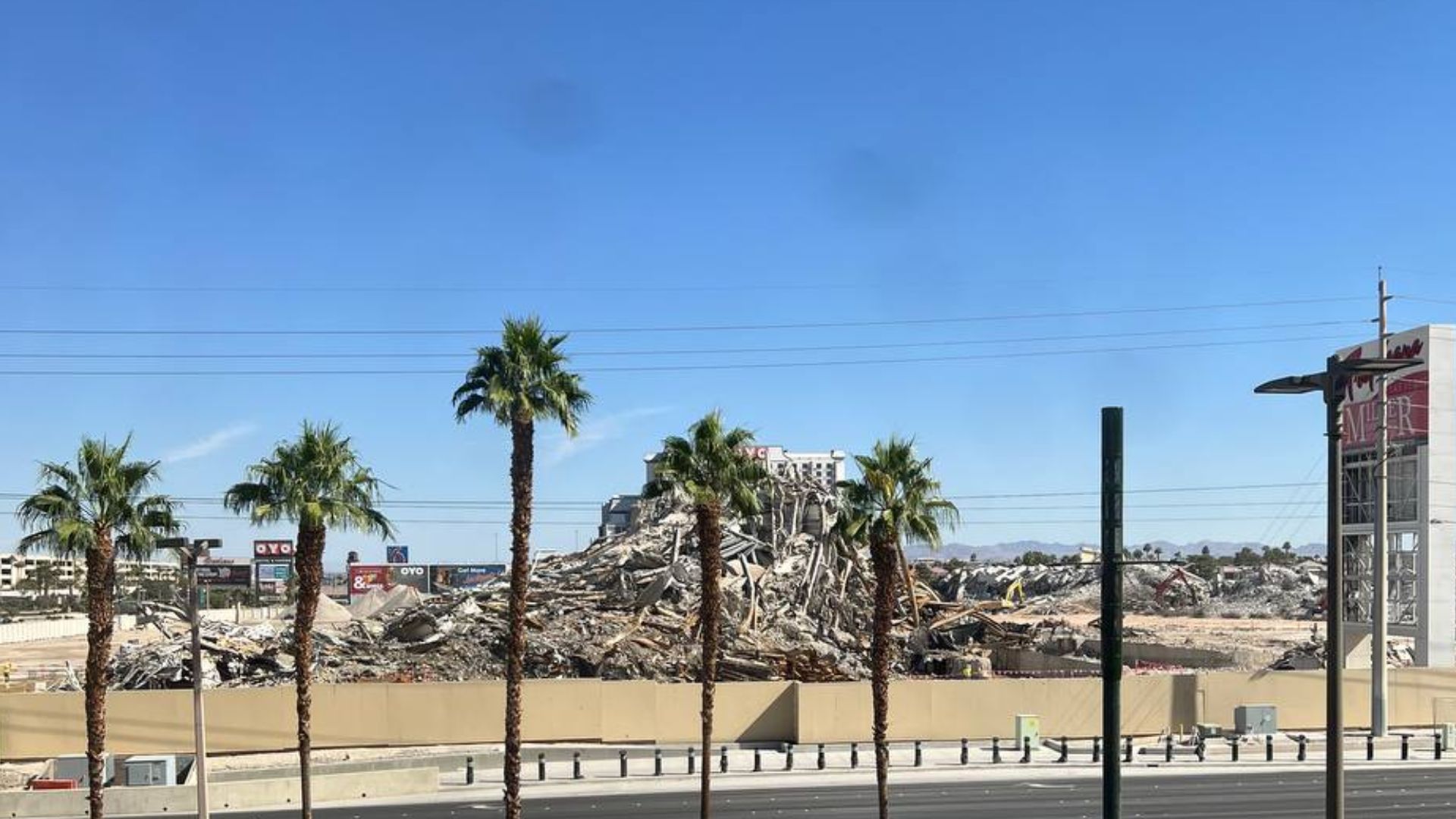
After 67 years, the Tropicana closed on April 2, 2024, as plans moved forward to redevelop the property. Its remaining hotel towers were imploded that October to make room for a planned Major League Baseball stadium and related development. The demolition ended one of the Strip's longest-running casino histories.
 Marshal 10000, Wikimedia Commons
The Mirage Changed Las Vegas Forever
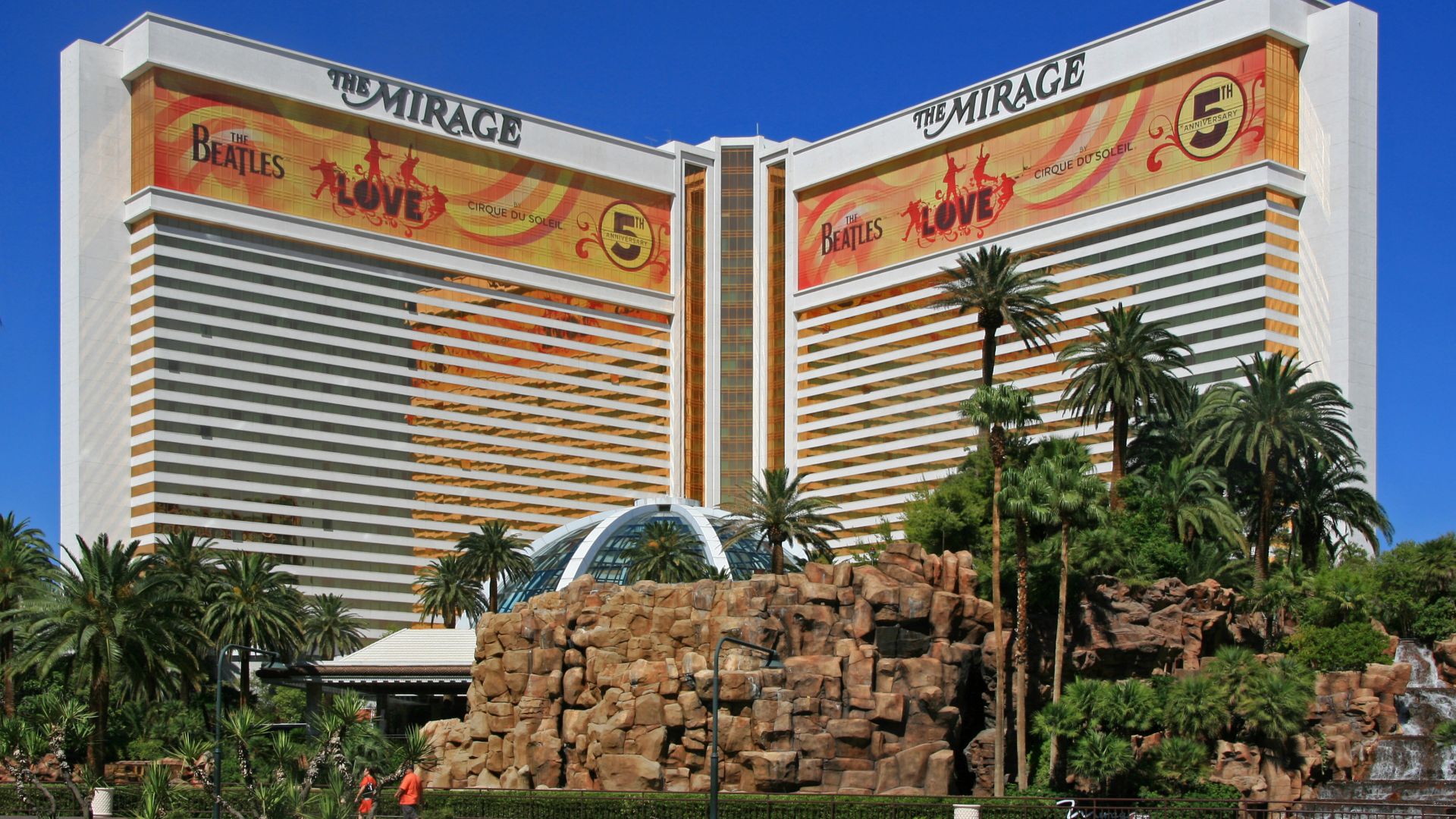
When Steve Wynn opened the Mirage in 1989, the $630 million resort introduced a new era of spectacular casino development. Its erupting volcano, tropical attractions, and famous Siegfried and Roy performances helped draw enormous crowds. The Mirage's success encouraged other developers to build increasingly elaborate megaresorts throughout the 1990s.
 Clément Bardot, Wikimedia Commons
The Mirage Was Sold For Nearly $1.1 Billion
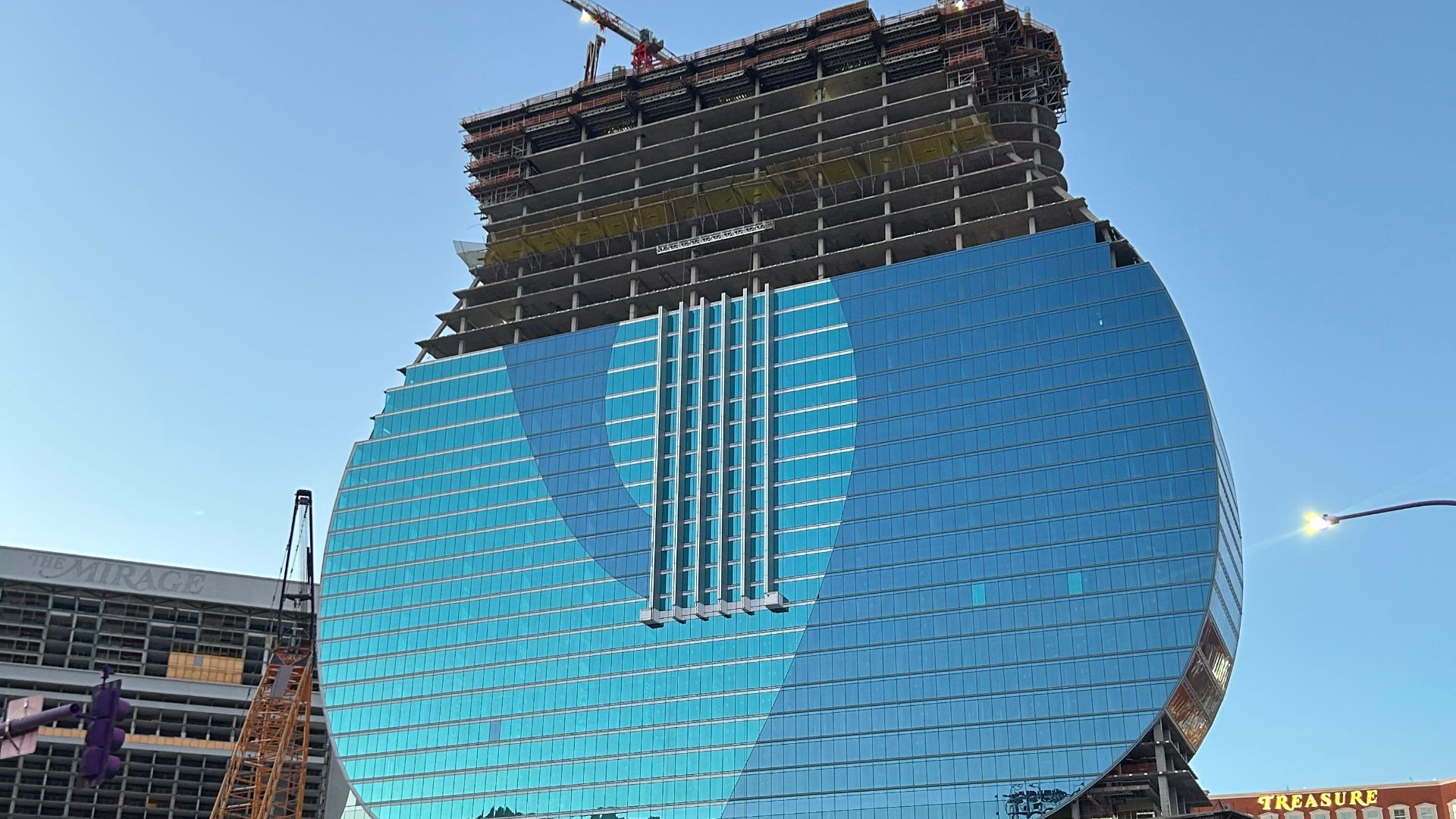
Hard Rock International acquired the Mirage's operations from MGM Resorts in 2022 for nearly $1.1 billion. Despite its historic status, the property closed in July 2024 for an extensive redevelopment into Hard Rock Las Vegas. Plans included replacing its famous volcano with a towering guitar-shaped hotel, ending one of the Strip's most recognizable attractions.
The Hacienda Had A Different Kind Of Appeal
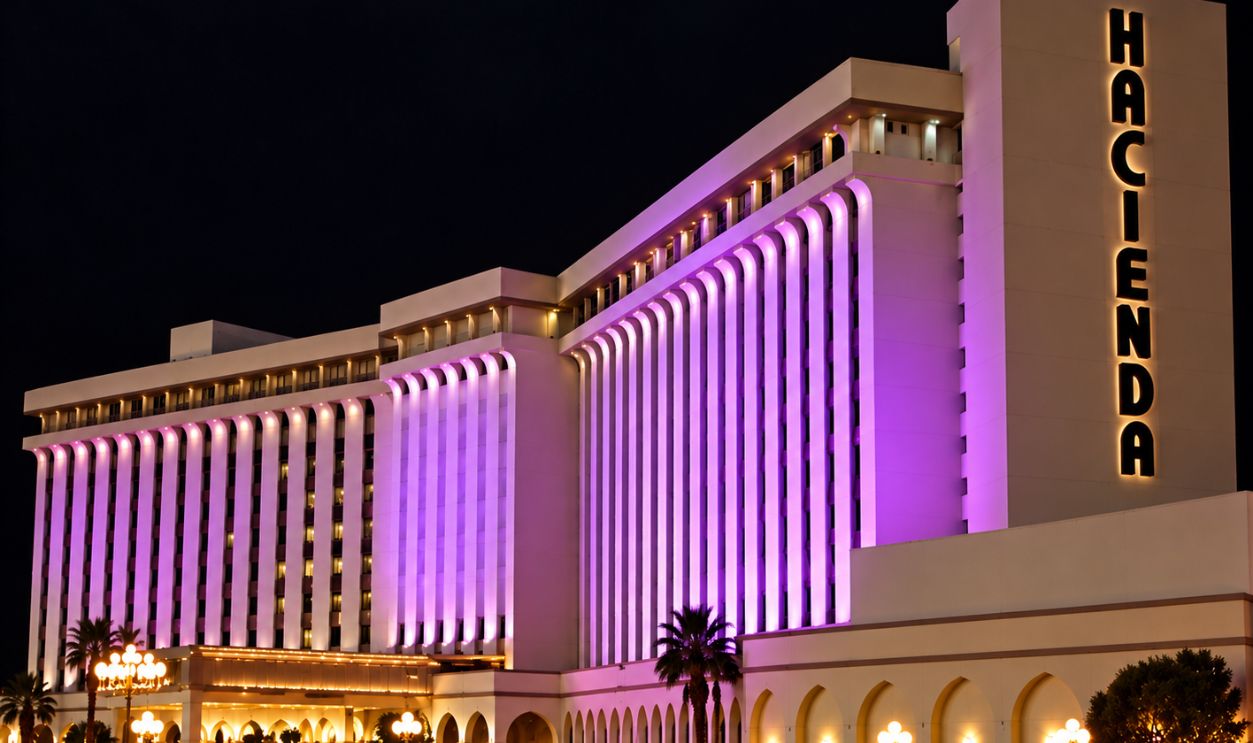
The Hacienda opened in 1956, offering visitors a more relaxed alternative to the Strip's glamorous gambling palaces. What began as a modest motor lodge eventually grew into a 1,200-room resort with family attractions and casino entertainment. Its enormous horse-and-rider neon sign became one of the most recognizable landmarks at the southern end of the Strip.
 billisa (Heir), Wikimedia Commons, Enhanced
The Hacienda's Demolition Became A Celebration
As larger resorts transformed Las Vegas, the Hacienda's facilities became increasingly outdated. The property was imploded on New Year's Eve in 1996, accompanied by fireworks and thousands of spectators. Mandalay Bay opened on the site in 1999, while the Hacienda's famous neon sign was preserved by the Neon Museum.
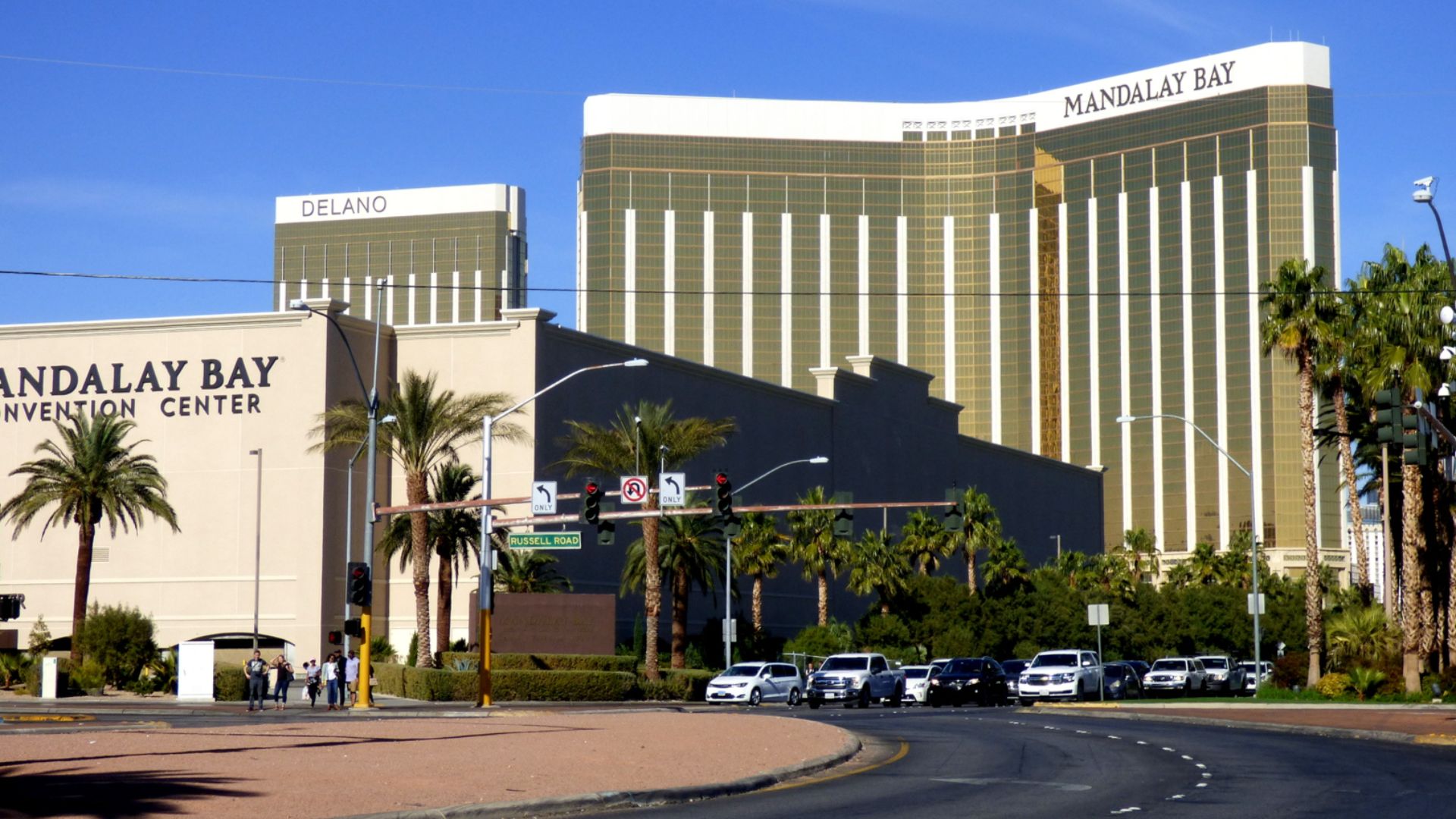 Zyrckonicks, Wikimedia Commons
The Thunderbird Was An Early Strip Favorite
When the Thunderbird opened in September 1948, Nat King Cole was among its opening entertainers. The resort featured distinctive architecture, a bowling alley, and an impressive entrance designed to welcome arriving motorists. Although it never matched the Sands for celebrity glamour, the Thunderbird became an important part of early Strip history.
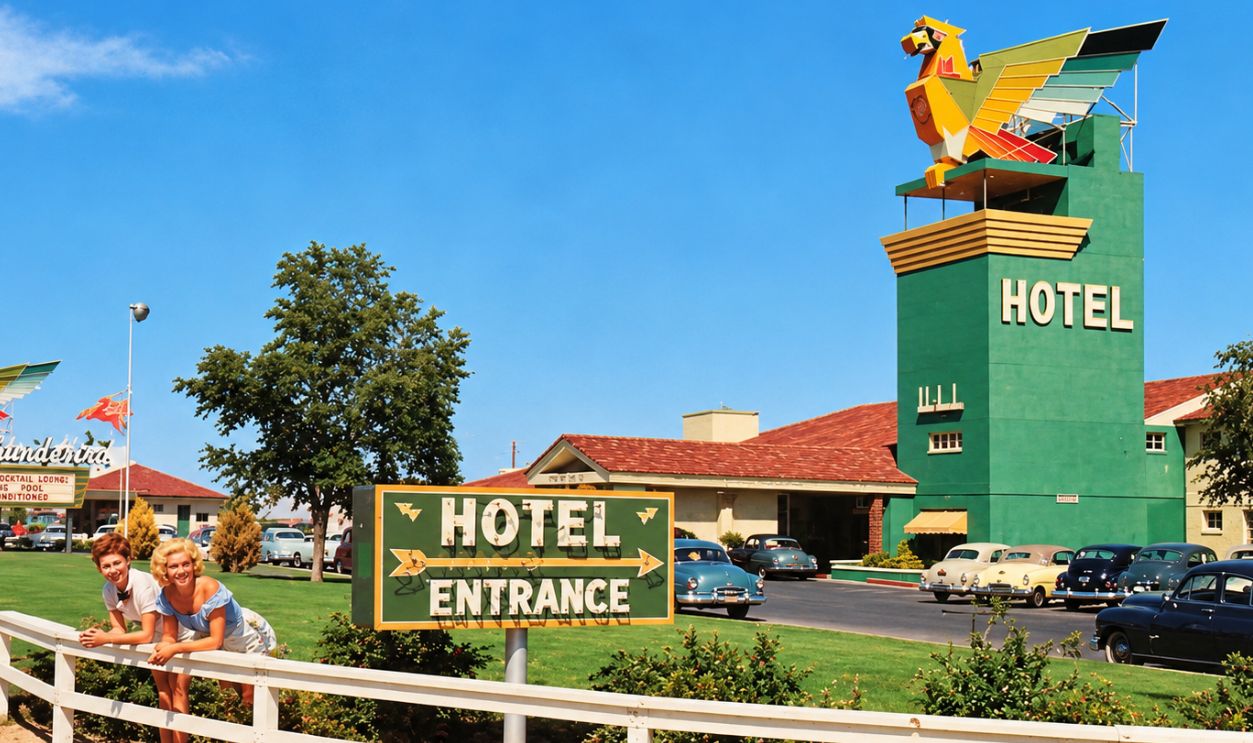 Nextrecord Archives, Getty Images, Enhanced
The Thunderbird Couldn't Survive Another Reinvention
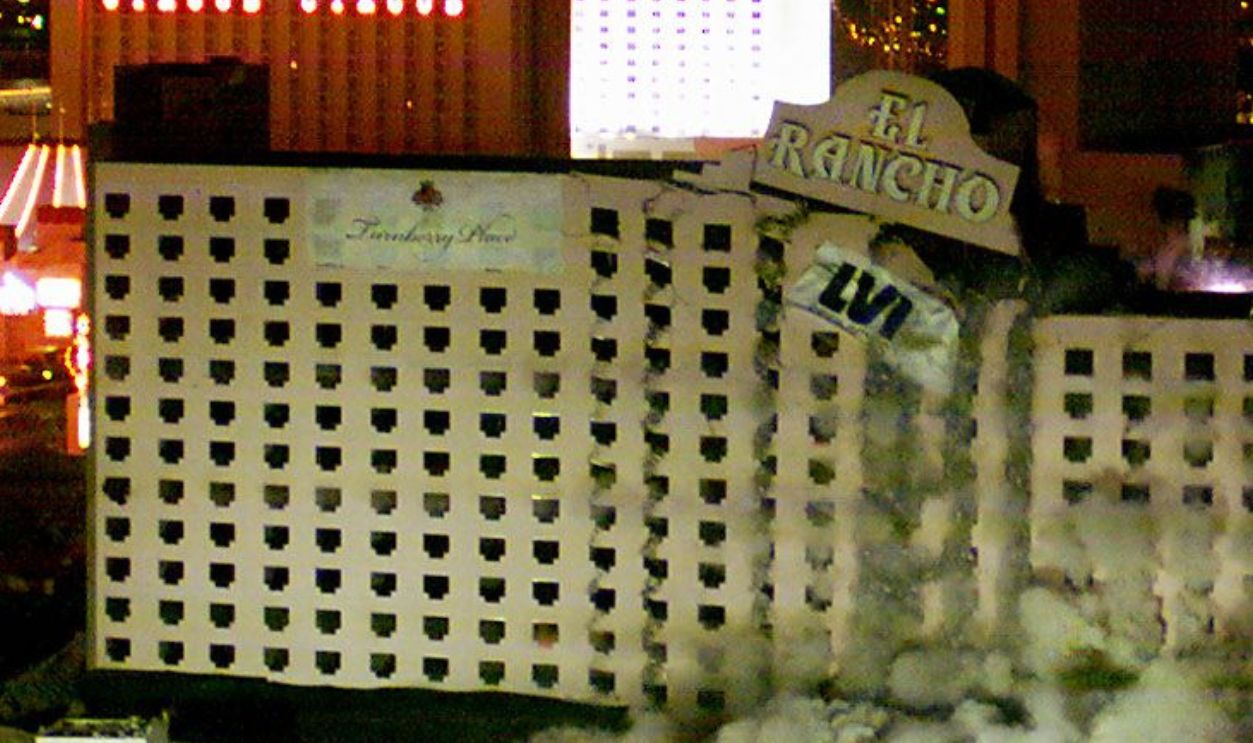
The Thunderbird underwent several identity changes, becoming the Silverbird in 1977 and the El Rancho Hotel and Casino in 1982. Struggling with mounting financial losses and competition from newer megaresorts, it closed in 1992 and sat abandoned for years. It was finally demolished in 2000, and Fontainebleau Las Vegas eventually opened on the site in 2023.
The Boardwalk Brought Coney Island To Vegas
The Boardwalk stood out for its amusement-park-inspired design, complete with a fake wooden roller coaster and parachute-drop attraction. Its owners invested approximately $80 million during the 1990s in a hotel tower, casino expansion, and carnival-themed exterior. The unusual resort offered a playful alternative to the increasingly upscale casinos surrounding it.
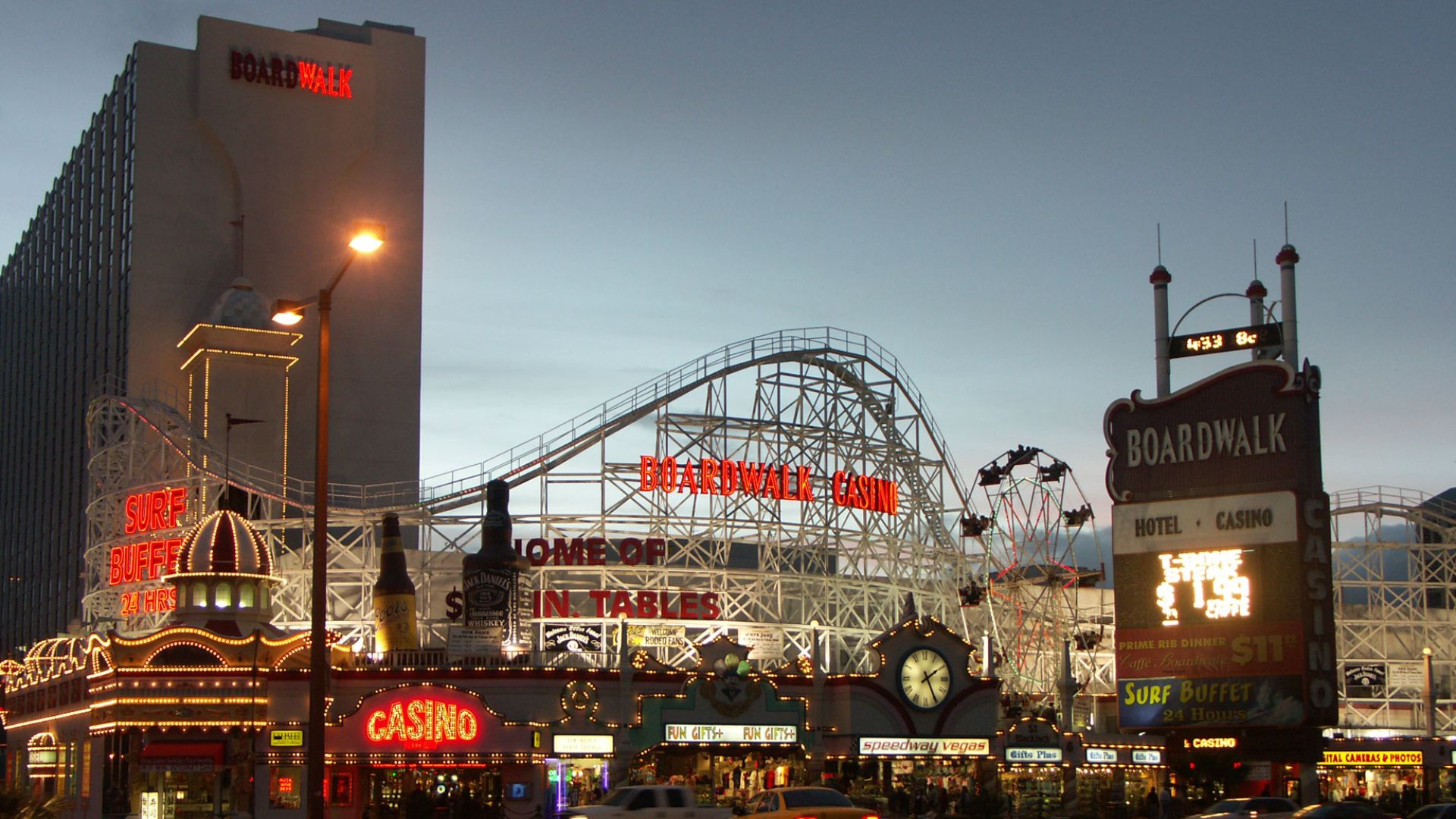 Didier B (Sam67fr), Wikimedia Commons
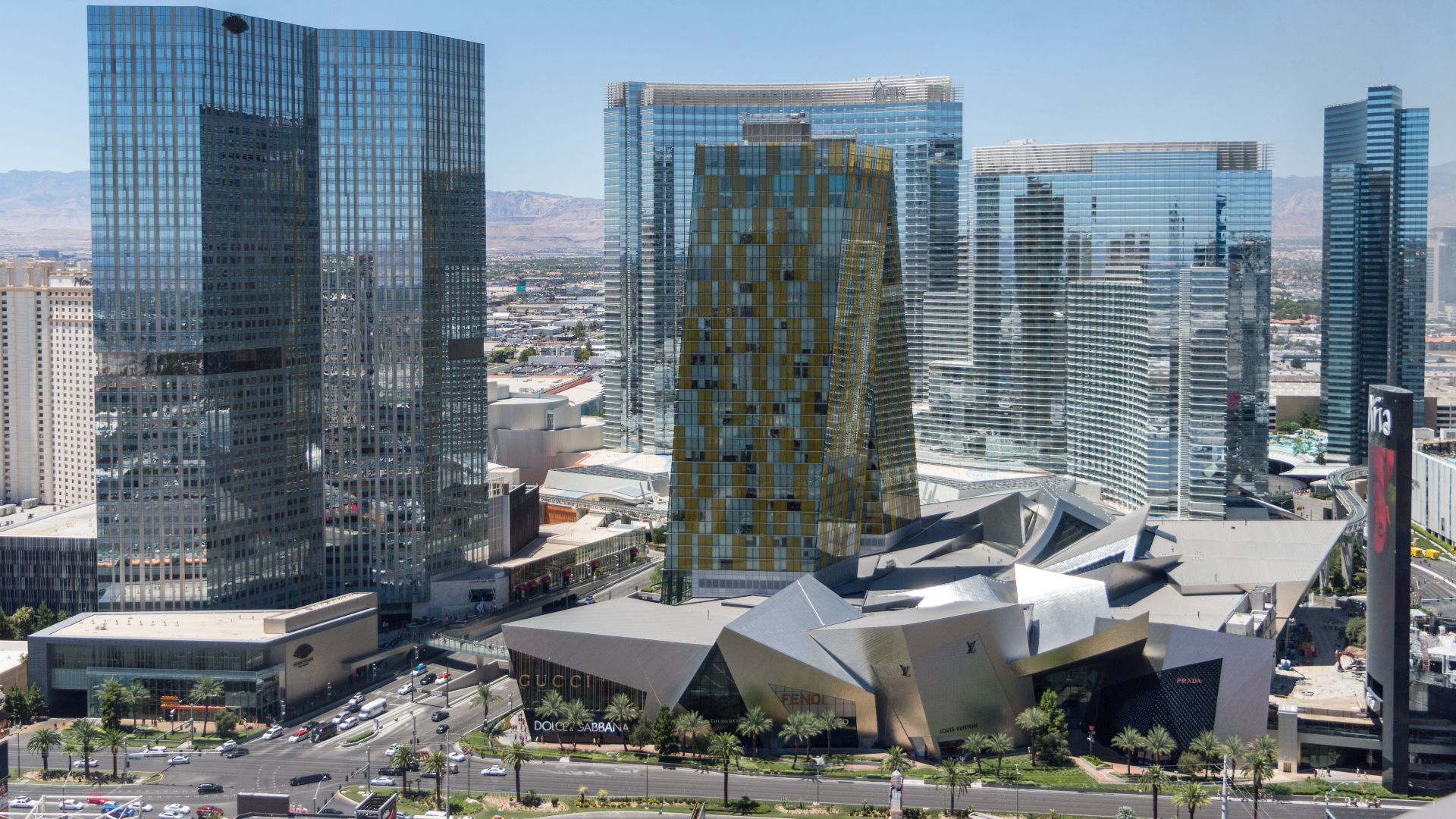
The Boardwalk Made Way For A $7 Billion Project
Despite its renovations, the Boardwalk couldn't compete with the scale of its neighboring resorts. MGM Mirage closed the property in January 2006 and demolished its main tower that May. The land became part of the roughly $7 billion CityCenter development, which opened in 2009 with luxury hotels, residences, and shopping.
 Tristan Surtel, Wikimedia Commons
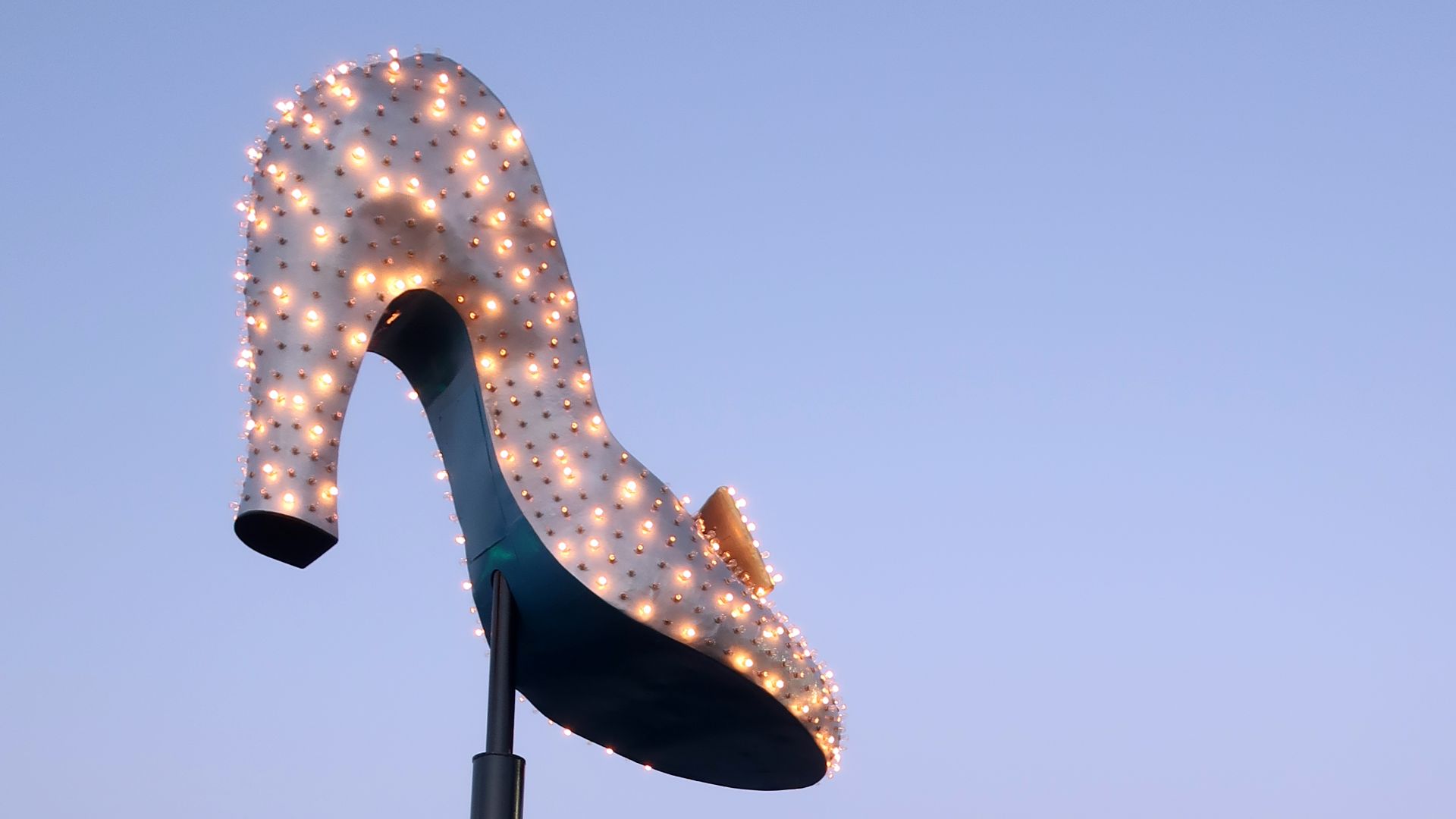
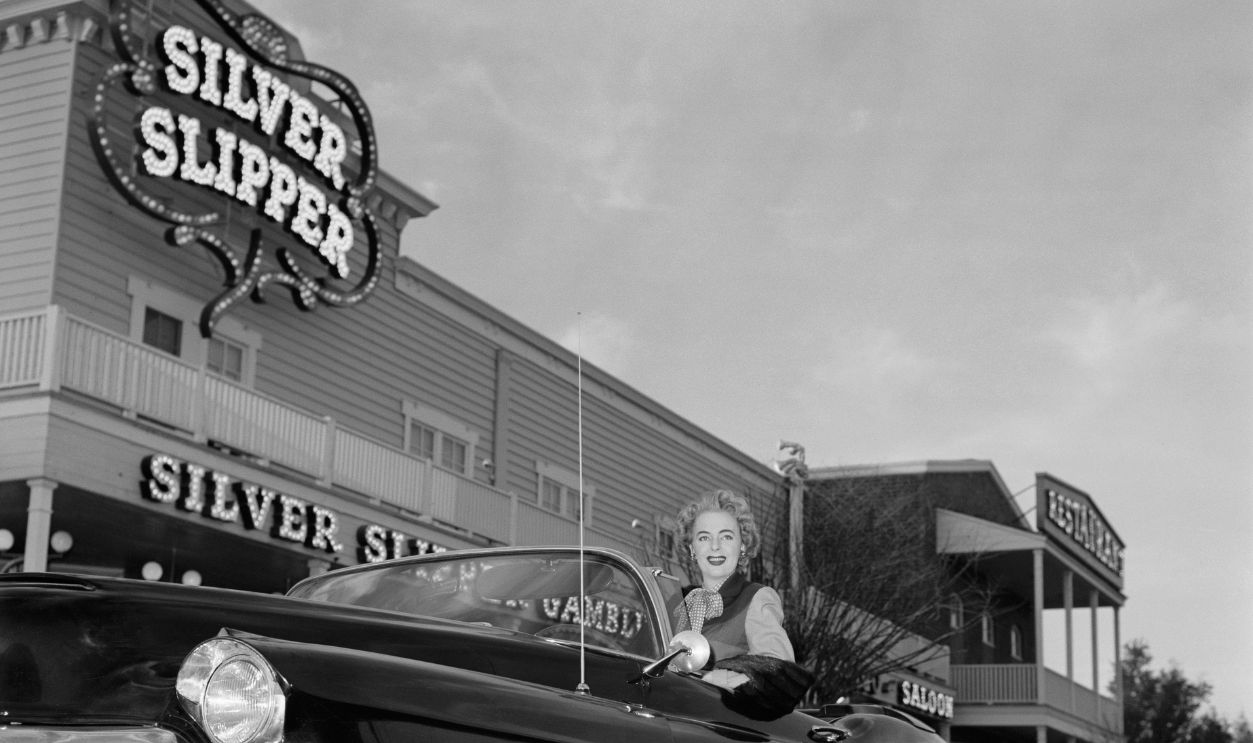
The Silver Slipper Had A Famous Neon Landmark
The Silver Slipper became one of Las Vegas's most recognizable casinos thanks to an enormous rotating slipper above its entrance. Originally associated with the Last Frontier property, the casino attracted visitors with gambling, entertainment, and its unusual roadside attraction. Howard Hughes purchased the Silver Slipper in 1968 as part of his growing collection of Las Vegas properties.
 Daniel Lobo, Wikimedia Commons
The Silver Slipper Eventually Lost Its Shine
In 1988, Margaret Elardi purchased the Silver Slipper for $70 million, intending to redevelop the valuable property. She closed the casino that November and demolished it to create additional parking for the neighboring Frontier, which she also owned. Plans for a new resort never materialized, but the Silver Slipper's famous neon sign survived and is now preserved by the Neon Museum.
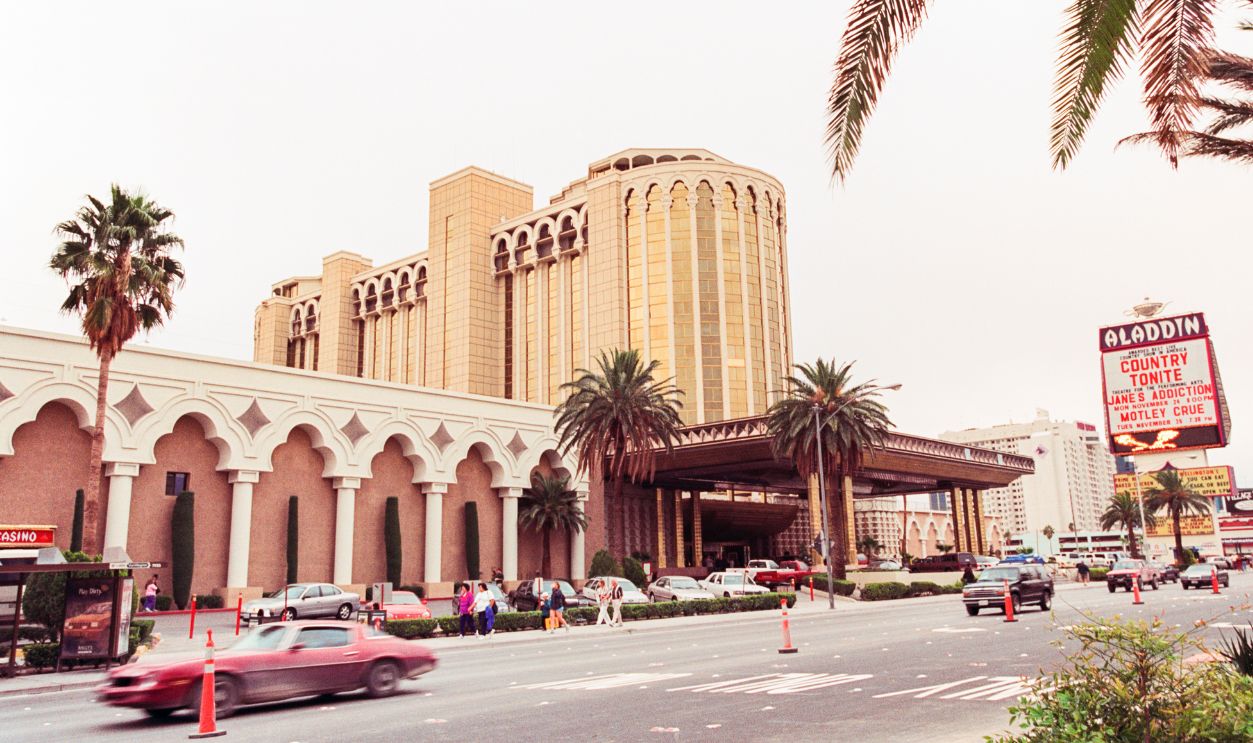
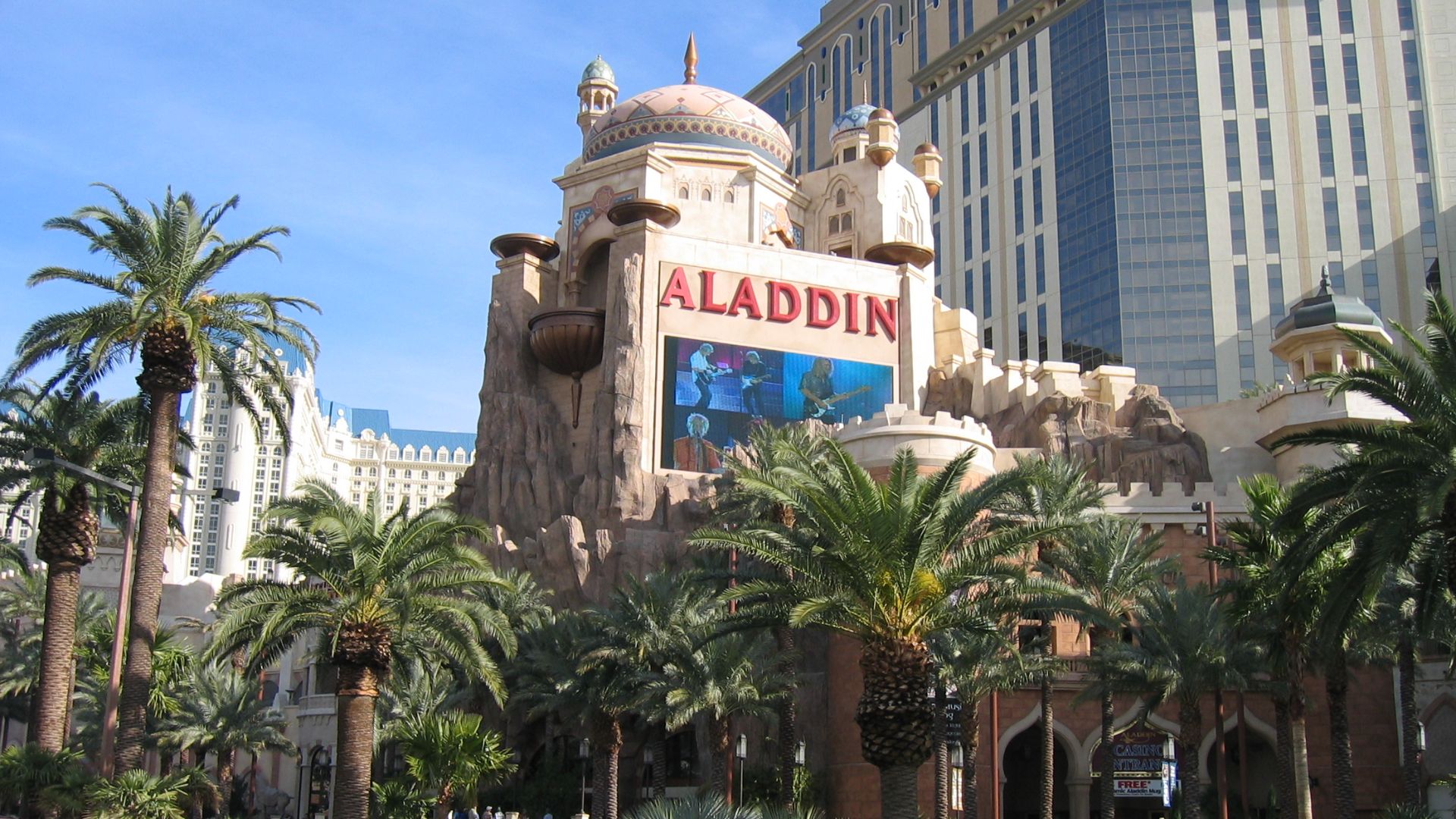
The Aladdin Promised A Magical Vegas Experience
The Aladdin opened in April 1966, replacing an earlier hotel with an elaborate Arabian-themed casino resort. Its entertainment included major stage productions, and Elvis Presley married Priscilla Beaulieu at the hotel in 1967. Despite its memorable history, the property experienced ownership changes and financial difficulties over the following decades.
 EVAN HURD PHOTOGRAPHY, Getty Images
The Aladdin's Reinvention Ended In Bankruptcy
The original Aladdin closed in November 1997 and was demolished in April 1998 to make room for a completely rebuilt resort. The new Aladdin opened in August 2000, but financial problems forced it into Chapter 11 bankruptcy protection in September 2001. The property was sold in 2003 and eventually reopened under the Planet Hollywood name in 2007.
El Rancho Vegas Helped Start The Strip
El Rancho Vegas opened on April 3, 1941, becoming the first major resort on what would become the Las Vegas Strip. Its casino, restaurants, entertainment venues, and bungalow accommodations established a formula later resorts would follow. Owner Beldon Katleman expanded the property in the late 1940s, adding 220 rooms and enlarging the casino.
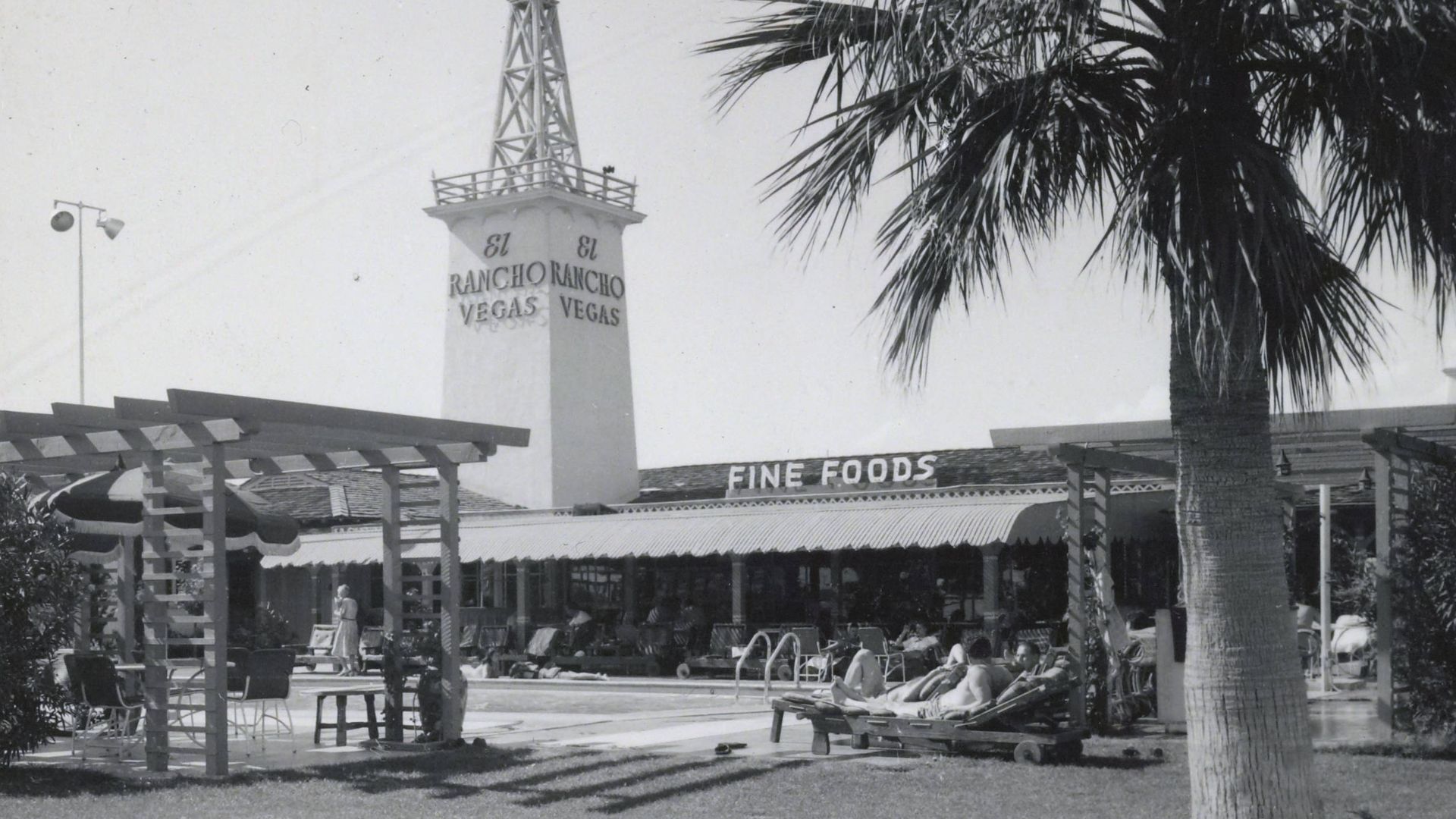 Frasher Foto, Wikimedia Commons
A Fire Destroyed The Original Vegas Resort
On June 17, 1960, a devastating fire destroyed El Rancho Vegas's main building, forcing the resort to close permanently. Although Katleman initially promised to rebuild, the property was eventually sold, and Howard Hughes later purchased the vacant site without developing it. A Hilton timeshare tower was finally built on the land in 2004, long after the legendary casino had disappeared.
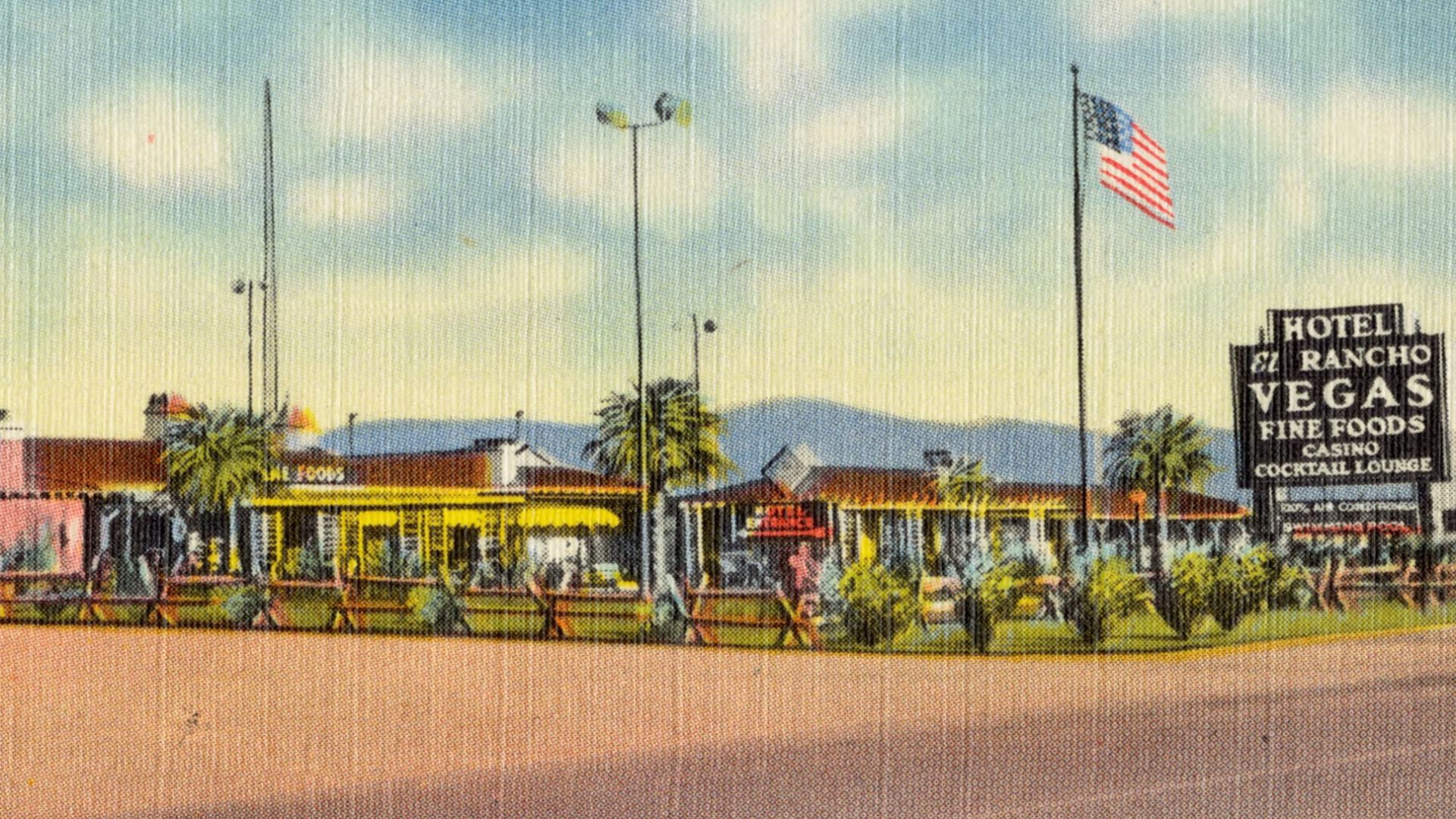 Pub. by Smith & Chandler, Las Vegas, Nevada., Wikimedia Commons
Even Vegas Legends Aren't Forever
These legendary casinos once brought in millions, attracted the world's biggest stars, and helped turn Las Vegas into a global entertainment destination. But financial troubles, changing tastes, and billion-dollar redevelopment plans eventually brought them down. Their buildings may be gone, but their stories remain a reminder that in Las Vegas, even the biggest winners don't stay on top forever.
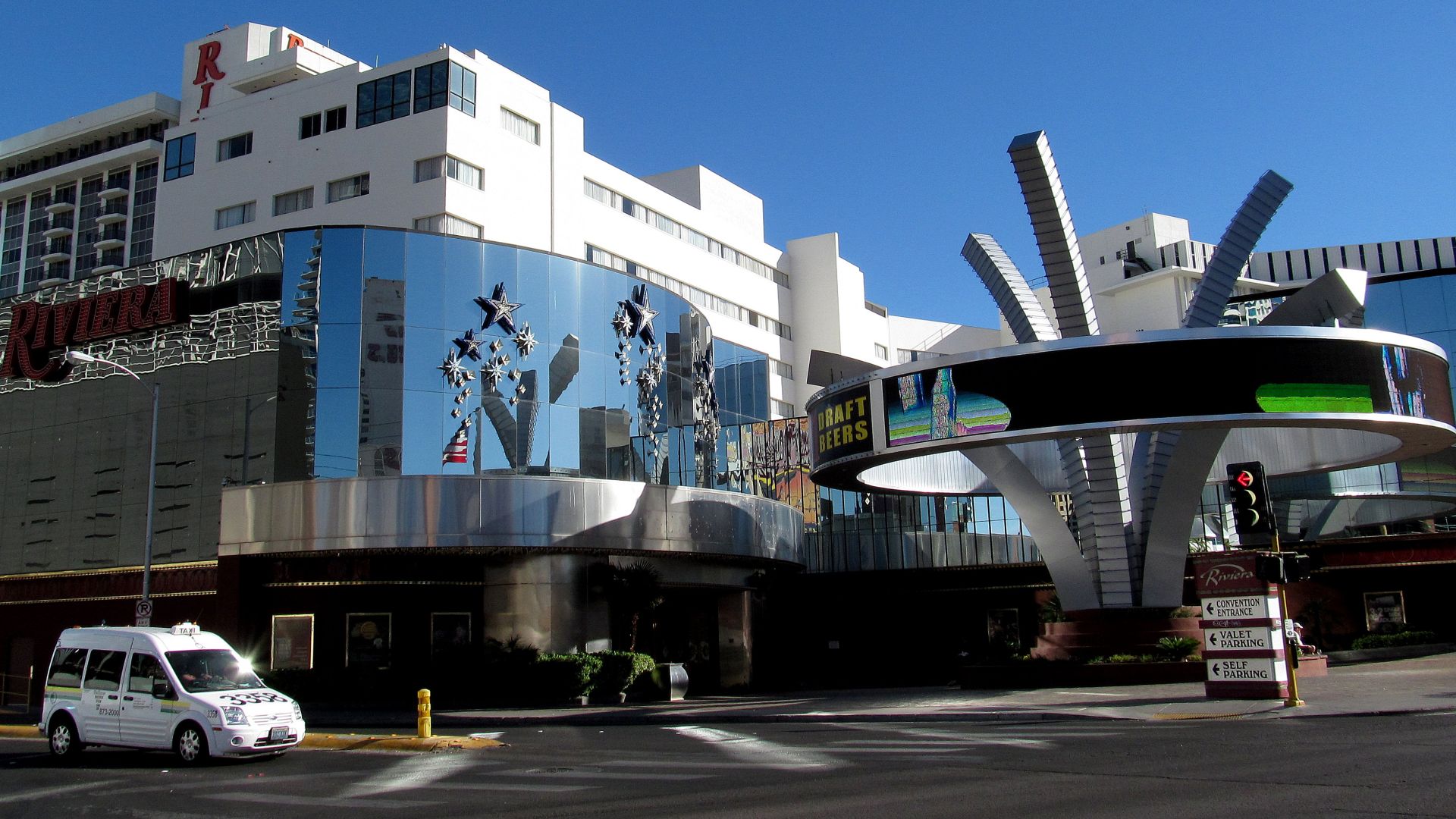 Scott Thompson, Wikimedia Commons
You May Also Like:
Why Casino Buffets Were Once Ridiculously Cheap—And Why So Many Of Them Disappeared
Companies That Were Worth Billions In The 1990s—Then Everything Fell Apart