When Pizza Night Was an Affordable Event
Pizza parlors once offered live music, unusual toppings and enough atmosphere to make dinner feel like entertainment. Best of all, families could enjoy the entire evening without worrying that the final bill might wreck the household budget.
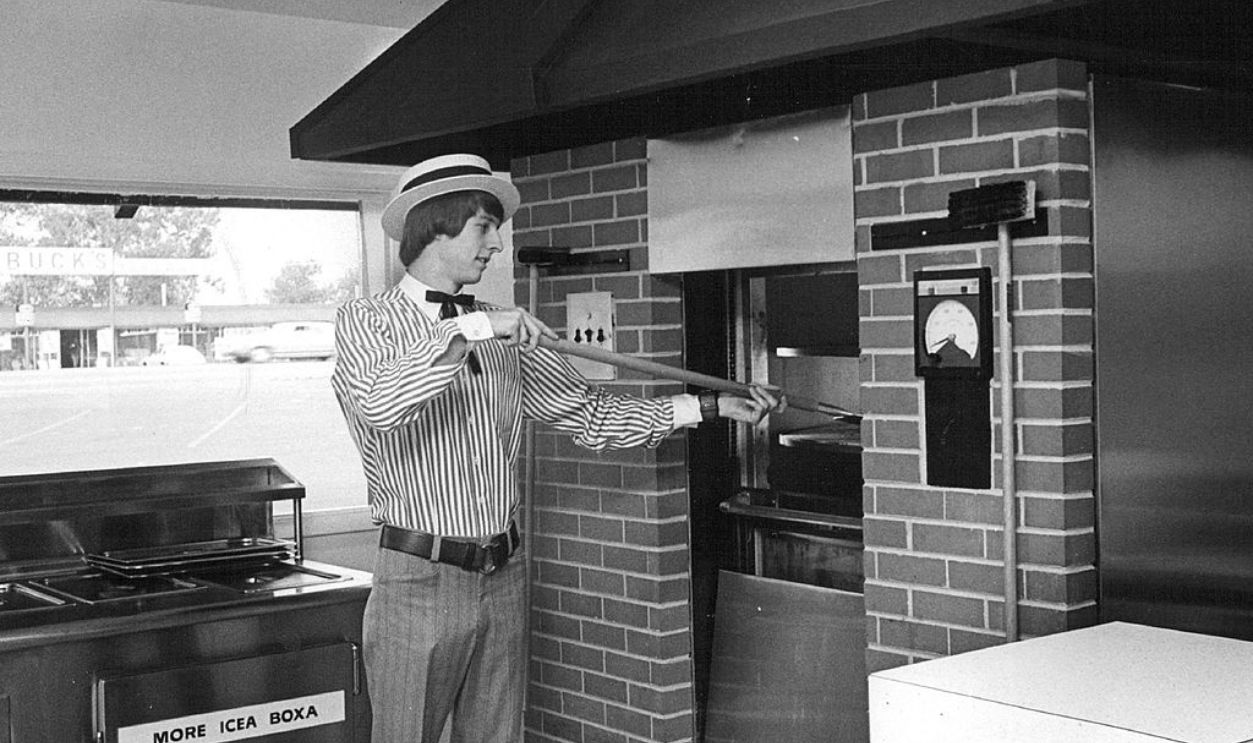
#25. The Fake Old-English Pub Décor
Chains such as Shakey’s decorated restaurants with heavy wooden beams, dark paneling and old-fashioned pub details. The theatrical surroundings made an inexpensive pizza feel like a special night out, even when the family was spending only a few dollars.
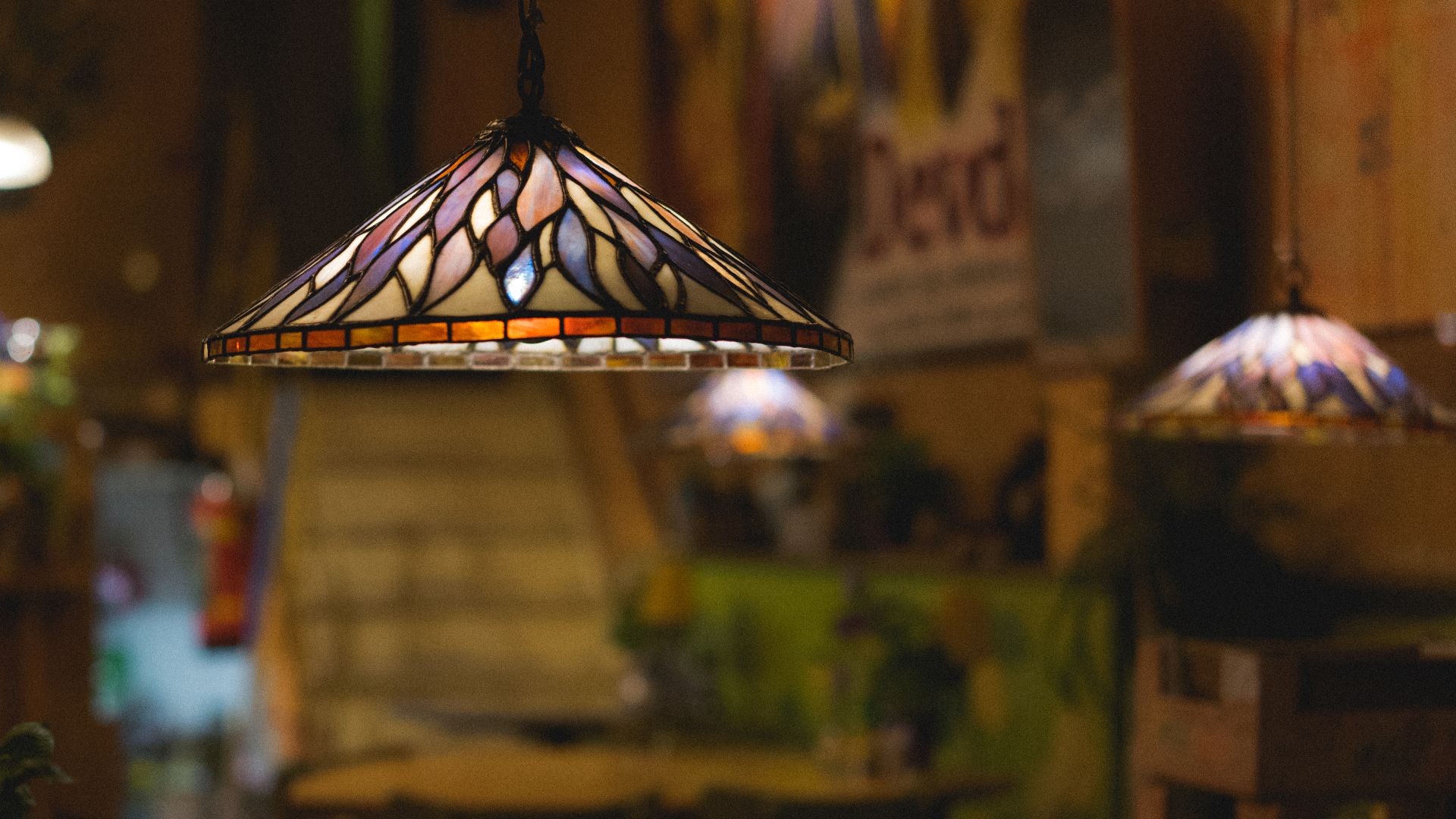
#24. Stained-Glass Lamps and Windows
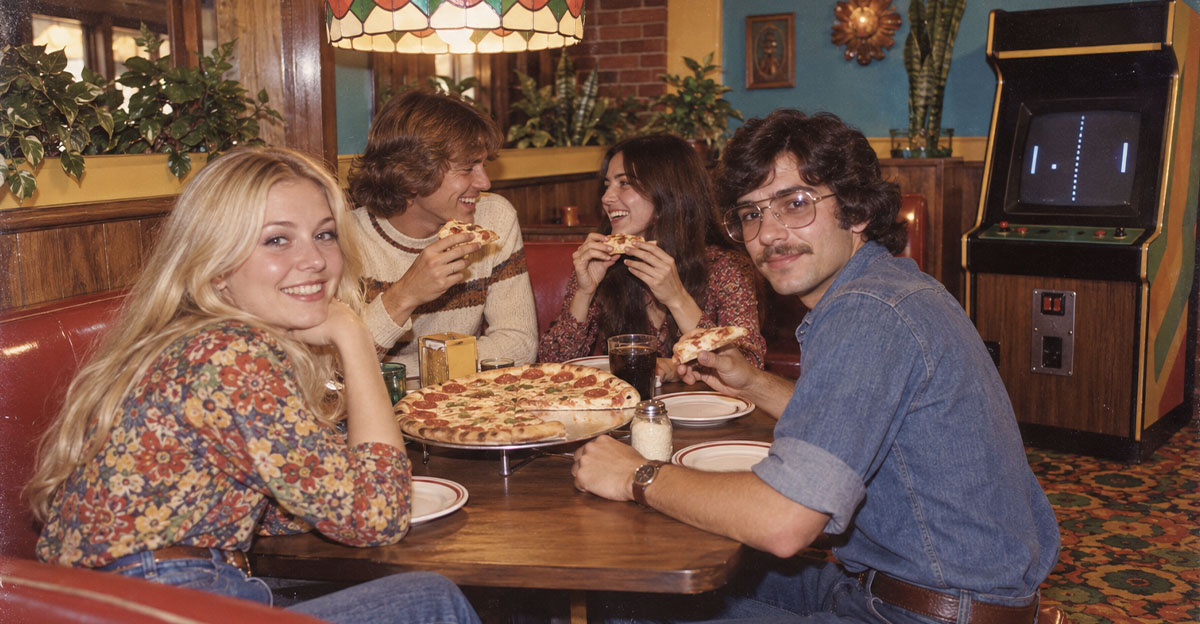
Tiffany-style lamps and colorful stained-glass windows gave many pizza parlors a warm glow. Customers were not paying for minimalist design or trendy furniture. The dramatic décor was included with dinner, creating atmosphere without an entertainment surcharge.
 Ehud Neuhaus paramir, Wikimedia Commons
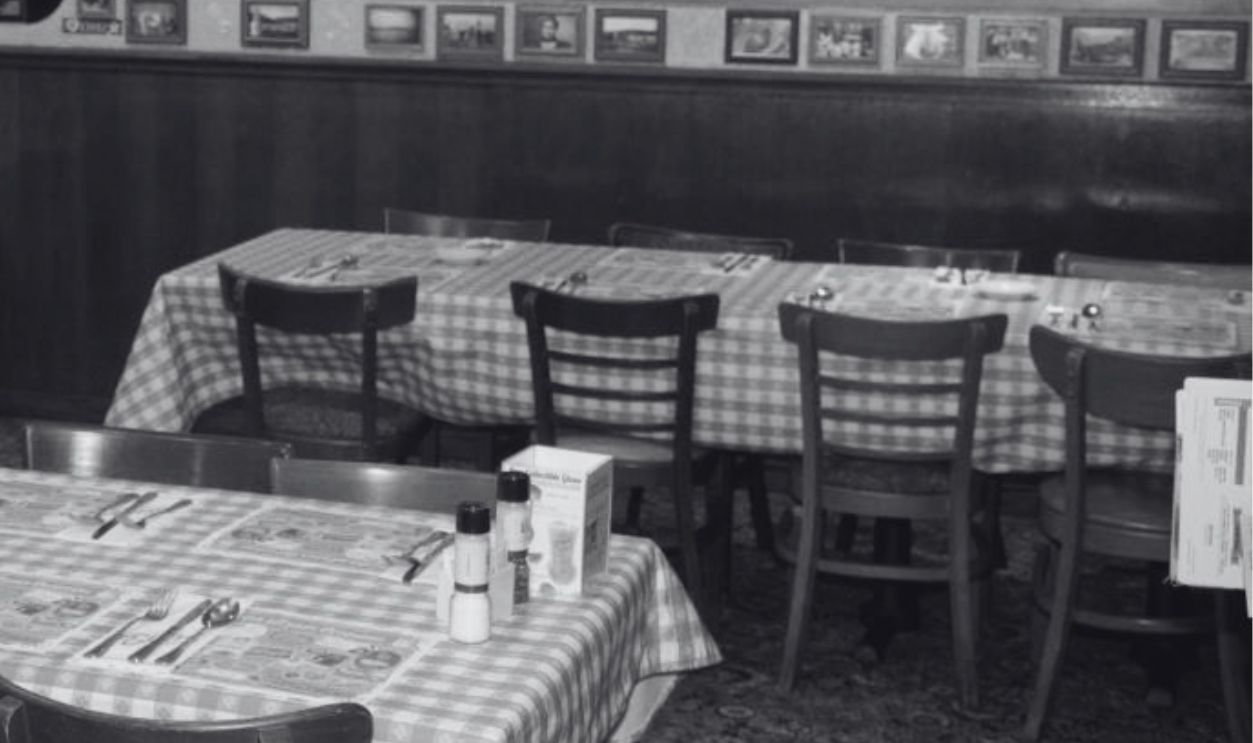
#23. Long Communal Tables
Some early pizza parlors used long wooden tables and sturdy stools instead of private booths. Families, teenagers and strangers sometimes sat surprisingly close together. The arrangement saved restaurant space while making pizza night feel like one large neighborhood gathering.
#22. Watching the Pizza Being Made
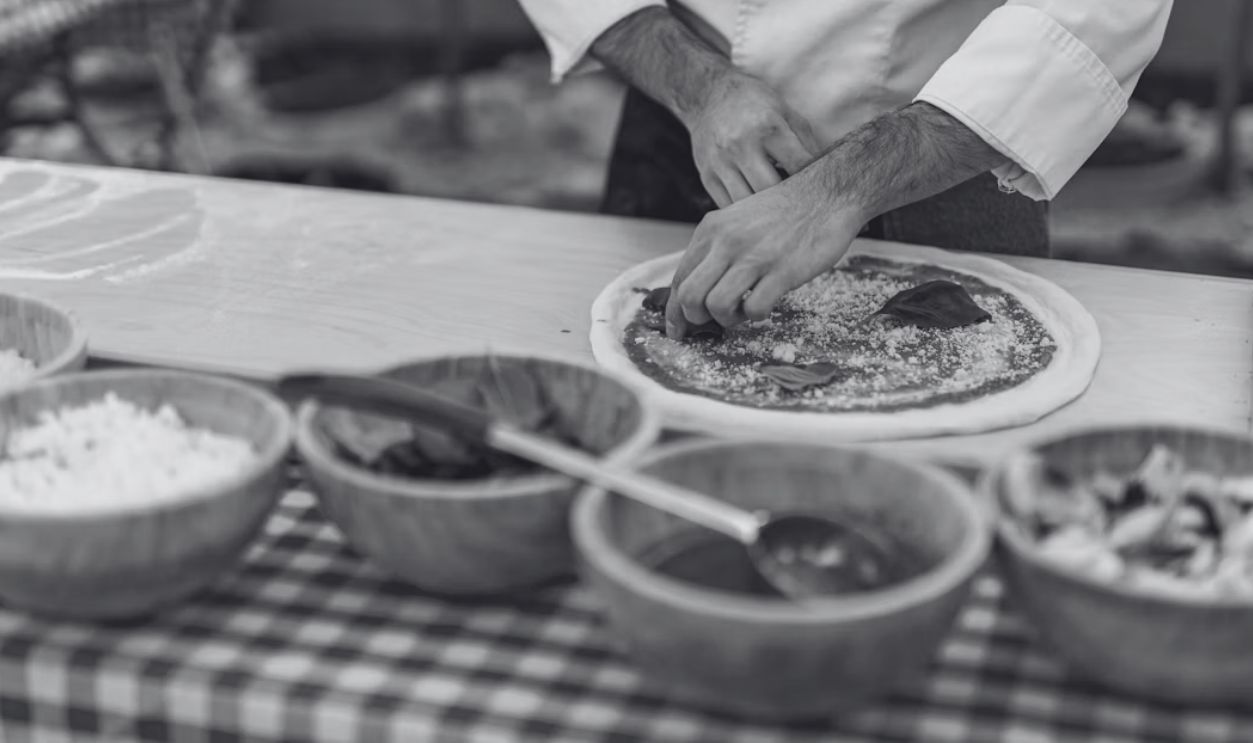
Large kitchen windows allowed customers to watch employees stretch dough, scatter toppings and slide pizzas into blazing ovens. It provided free entertainment while everyone waited, and parents did not need to spend extra money keeping restless children occupied.
#21. The Dough-Tossing Show
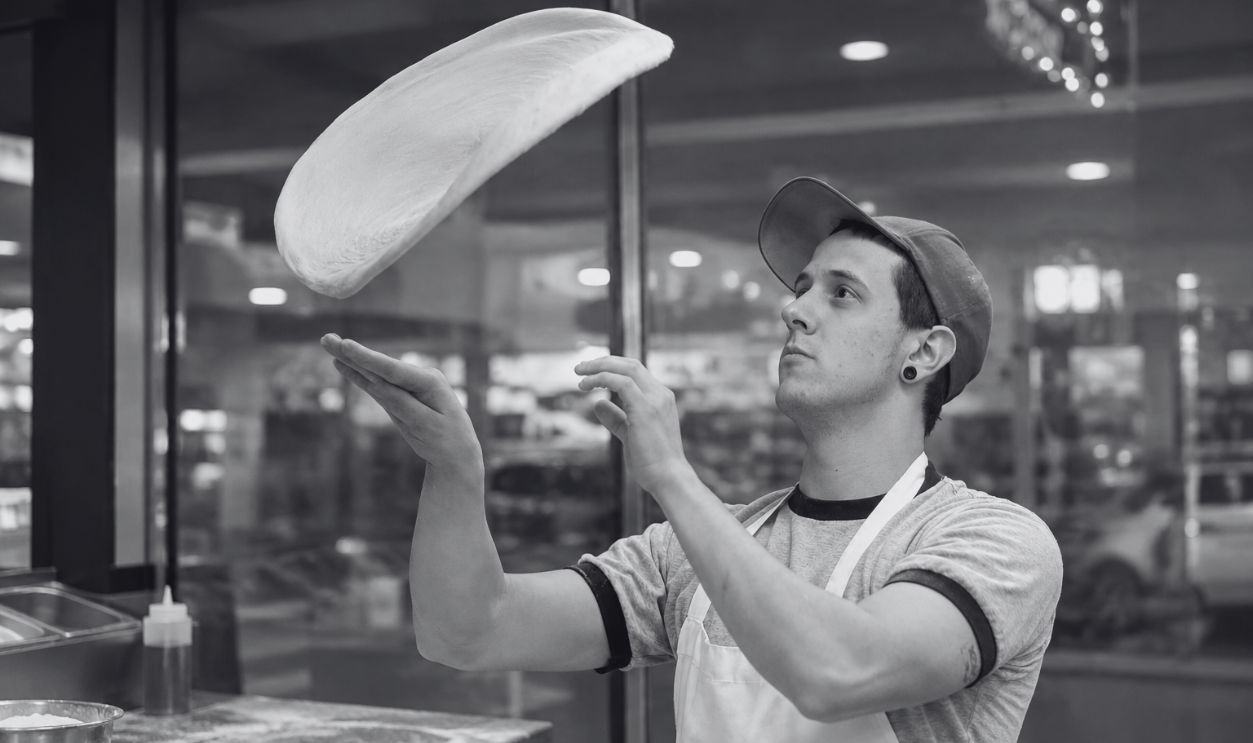
Seeing a cook send a round of dough spinning into the air was practically part of the meal. It turned basic food preparation into a small performance, reminding customers that their pizza was being assembled rather than removed from a freezer.
 Jeff Kubina from Columbia, Maryland, Wikimedia Commons, Modified
#20. Live Banjo and Piano Music
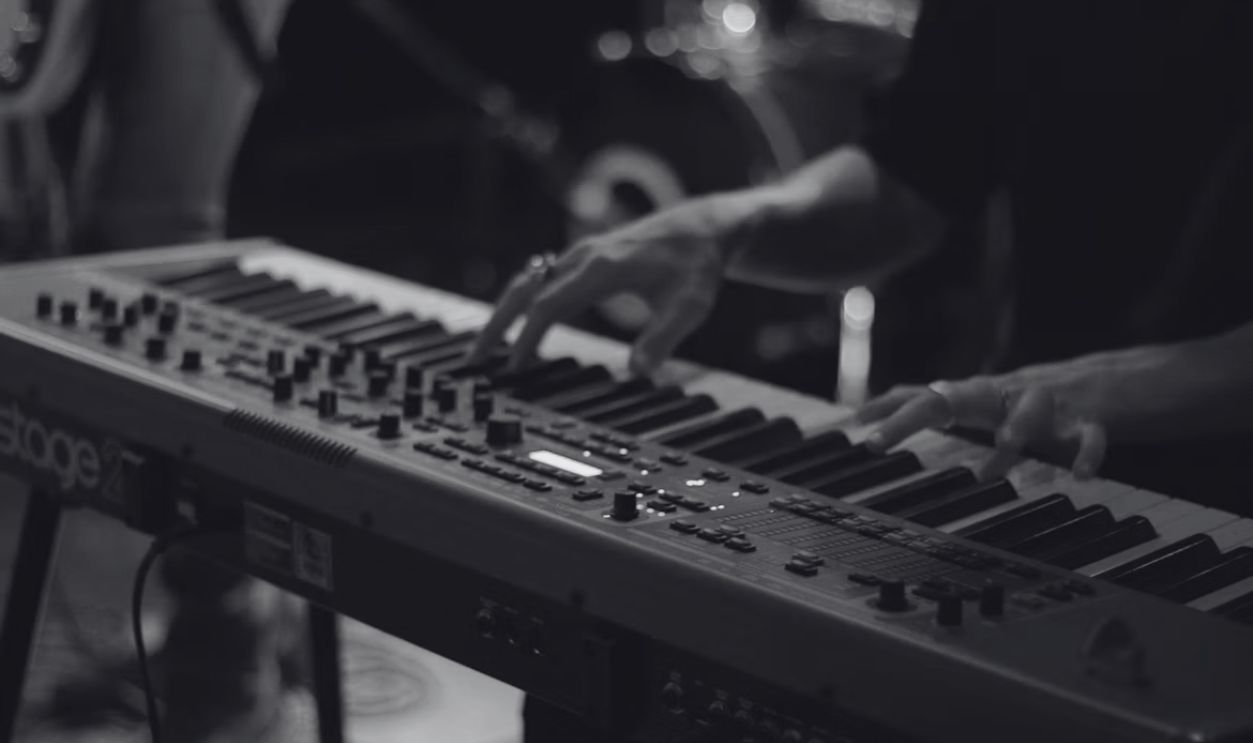
Shakey’s became famous for live banjo and piano performances. Instead of paying separately for a show, customers received music with their pizza. The musicians gave an ordinary restaurant the energy of a neighborhood party without requiring concert tickets.
#19. The Player Piano
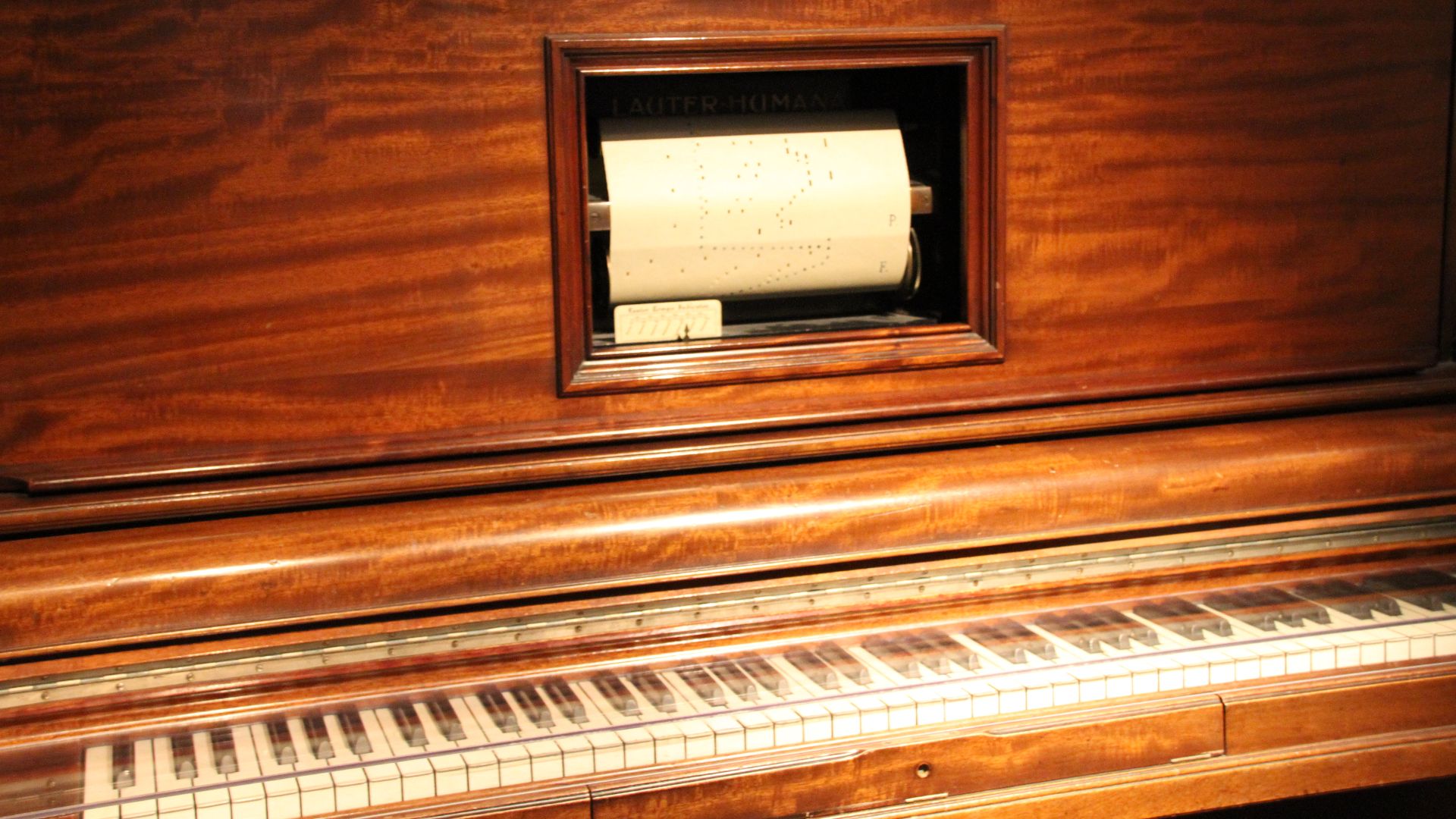
When live musicians were unavailable, the player piano kept the old-time atmosphere going. Children watched the keys seemingly move by themselves while adults finished eating. It was memorable entertainment powered by a paper roll rather than an expensive digital system.
#18. Singing Along at the Table
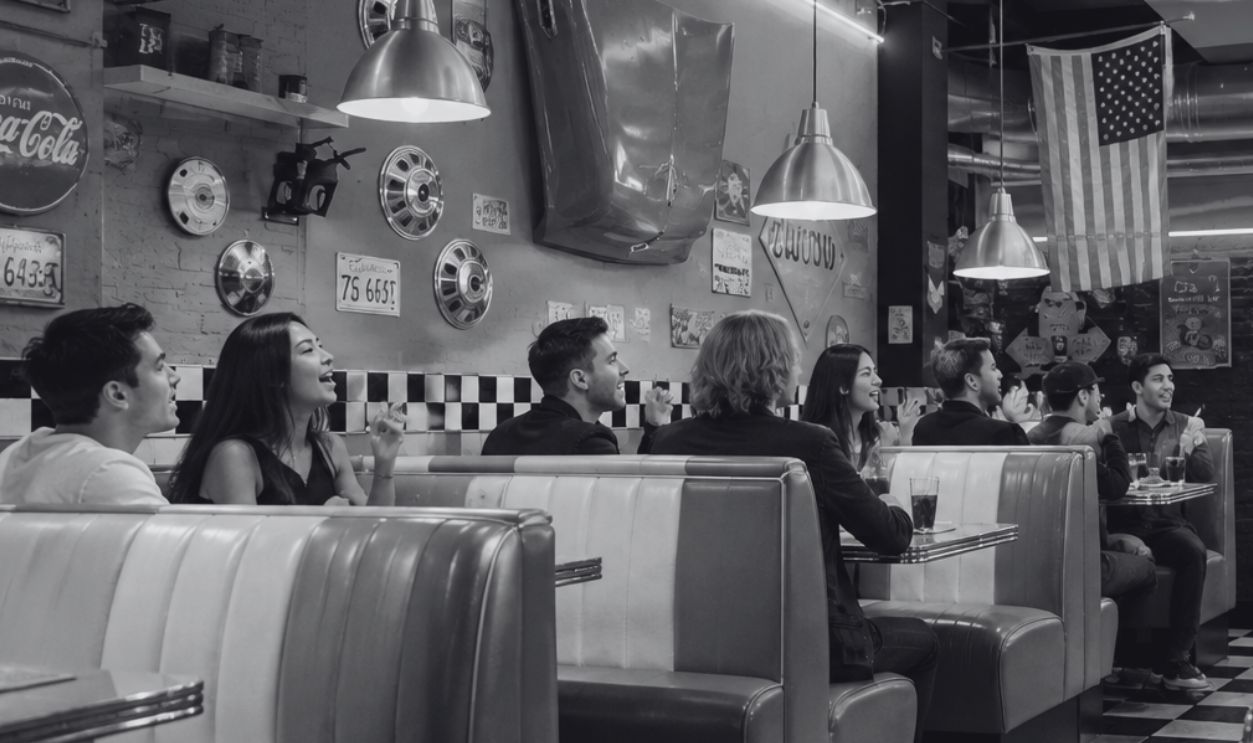
Some early Shakey’s menus reportedly printed lyrics to familiar barbershop songs so customers could sing with the musicians. It cost nothing to join in, although quieter diners may have considered silence a luxury worth paying for.
 Lorenzo Nafissi, Unsplash, Modified
#17. Silent Comedies With Dinner
Pizza parlors sometimes projected silent films featuring performers such as Charlie Chaplin, Laurel and Hardy or Buster Keaton. The movies entertained children and adults simultaneously, turning one affordable dinner bill into pizza night and movie night combined.
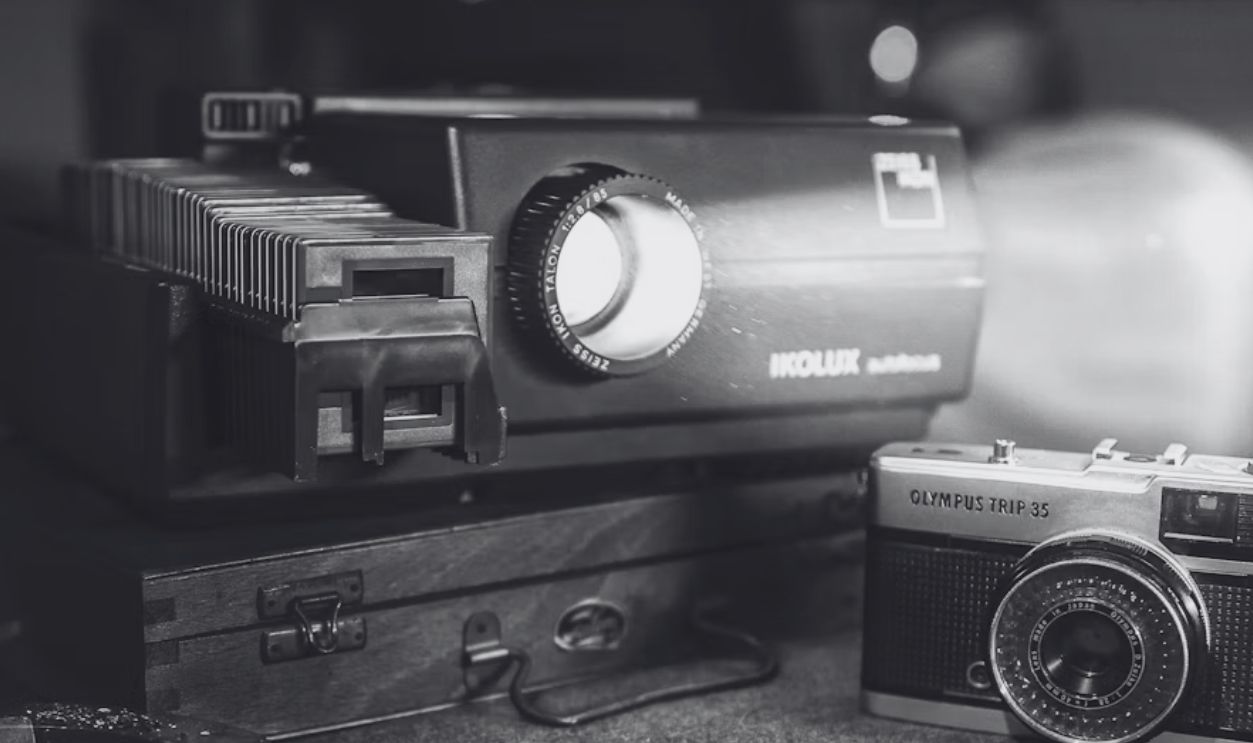
#16. The Mighty Pizza-Parlor Organ
During the 1970s, more than 100 American pizzerias reportedly featured live pipe-organ music. These enormous instruments transformed dinner into family theater. Customers could hear movie themes and popular songs without buying separate admission to a performance.
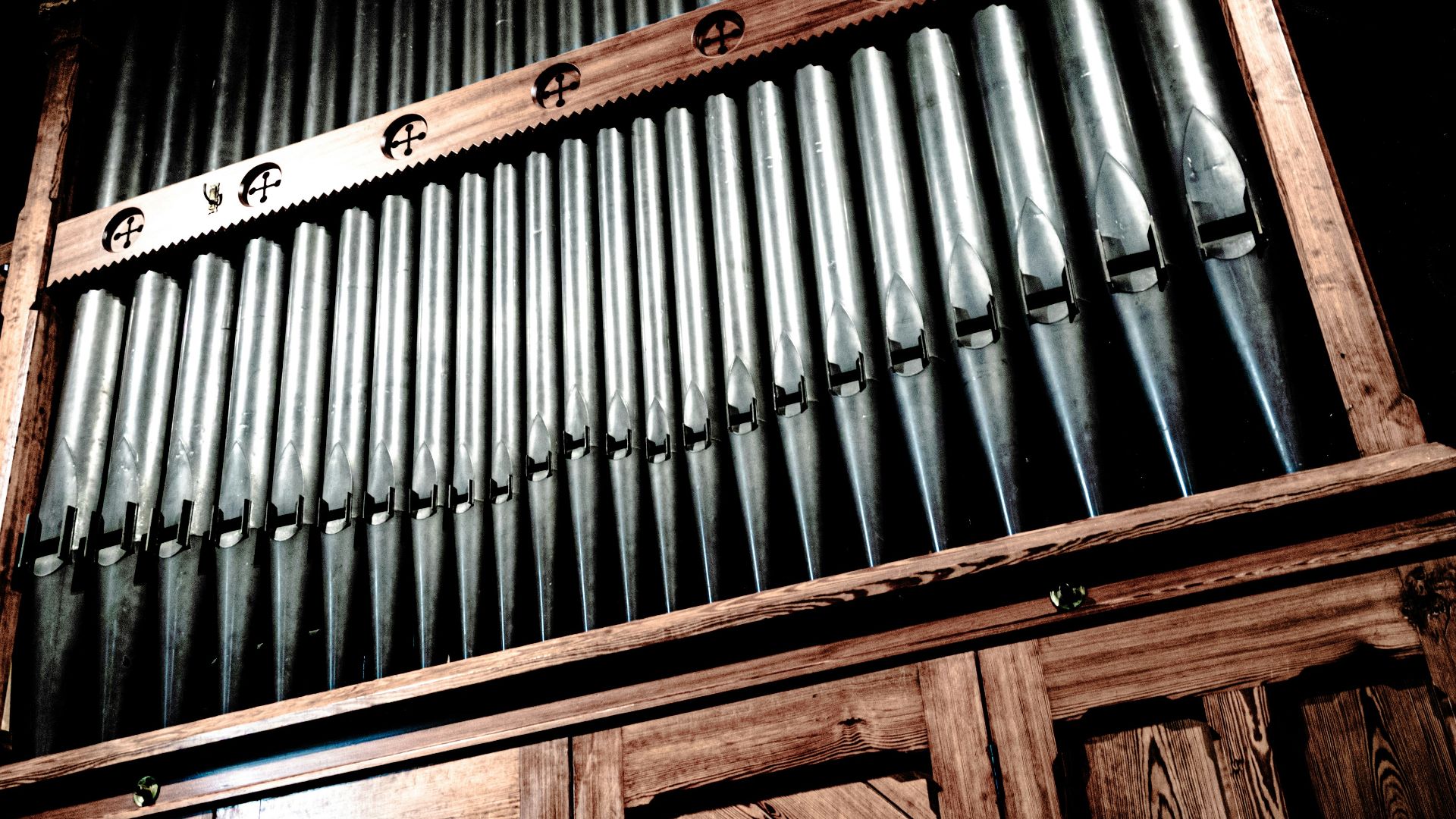
#15. Choosing Songs on the Jukebox
A few coins could control the restaurant soundtrack, at least temporarily. Jukeboxes gave teenagers an affordable way to hear favorite records while sharing a pizza. The biggest financial risk was choosing a song everyone else hated.
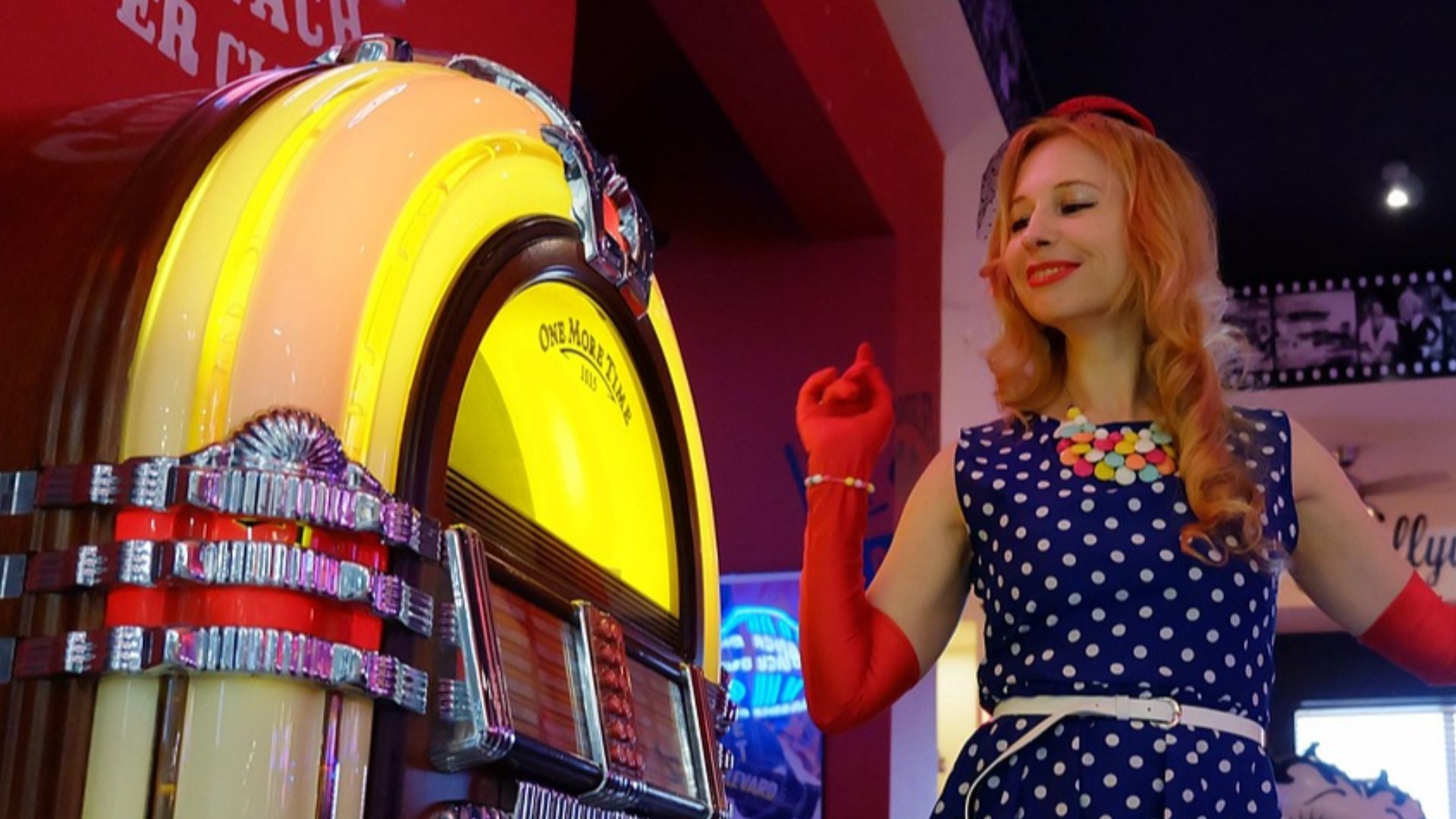
#14. Early Arcade Games That Cost a Quarter
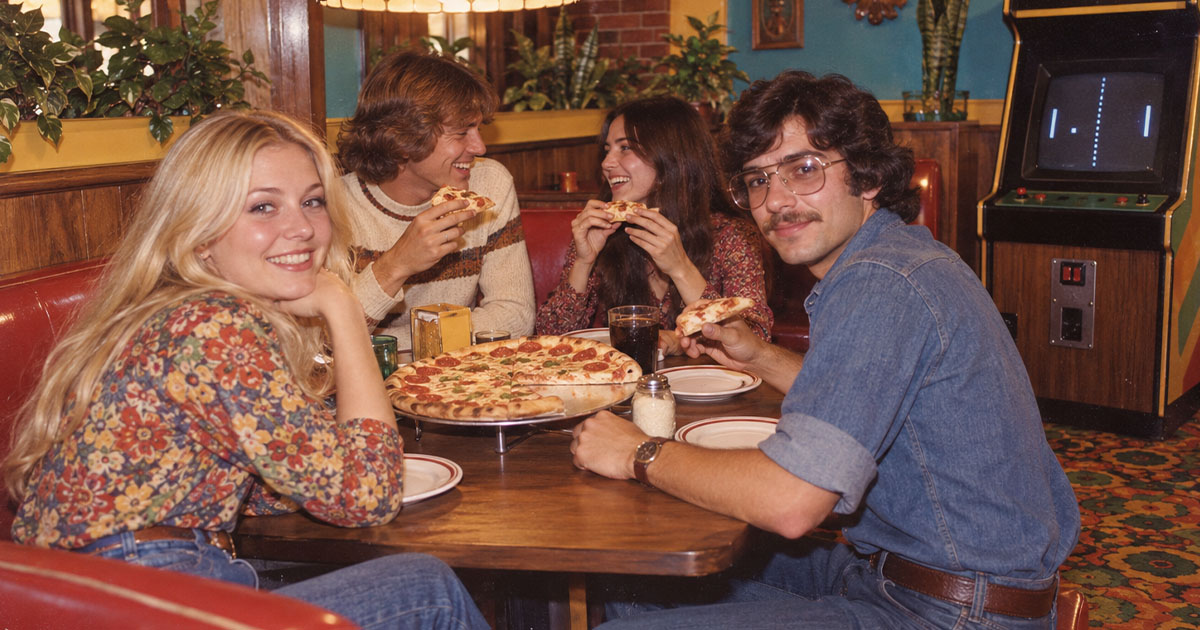
Video games began appearing in pizzerias during the 1970s, including Pong. A handful of quarters could provide plenty of entertainment. Modern arcade systems may offer more excitement, but they can empty a prepaid game card surprisingly quickly.
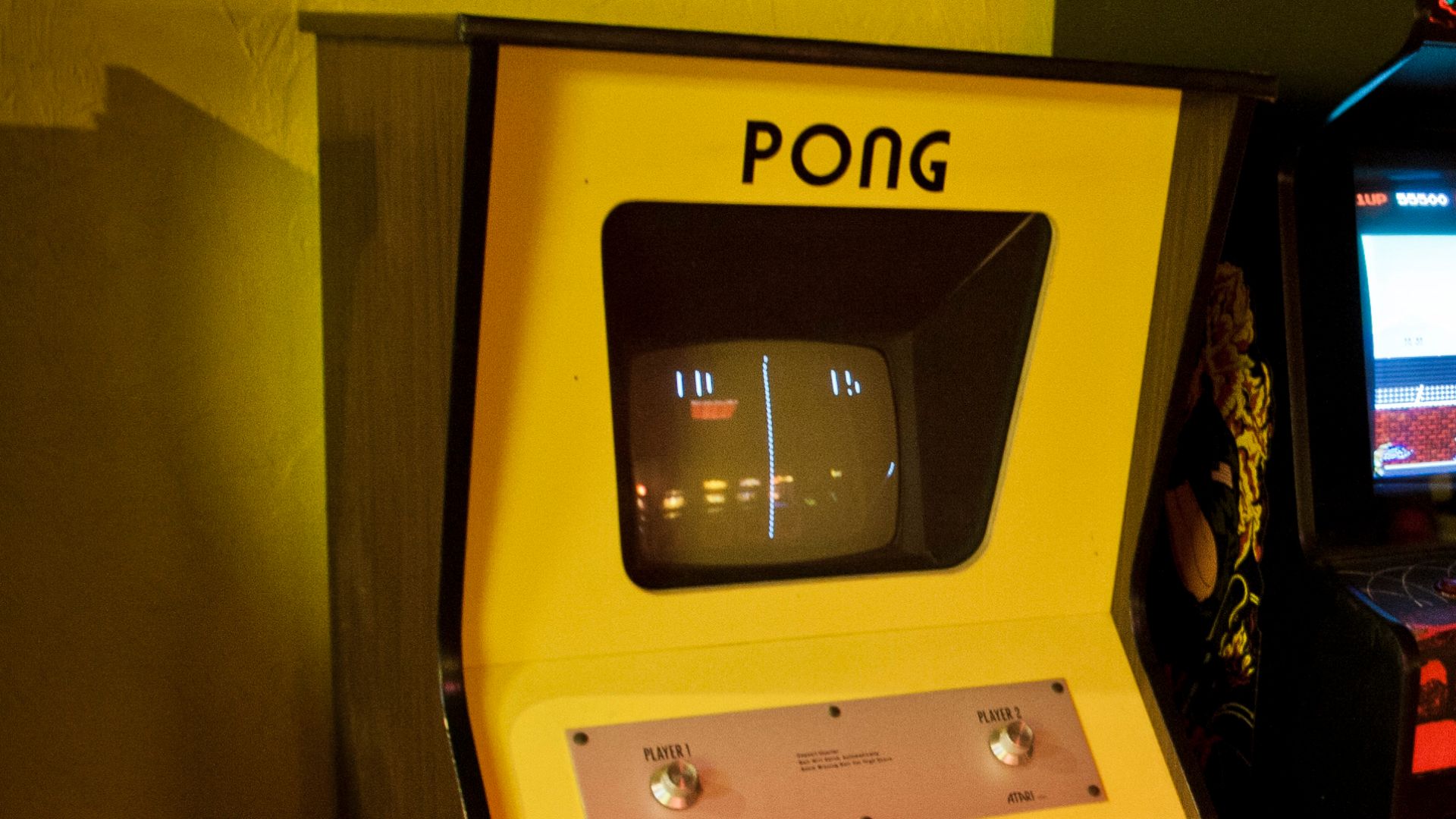
#13. Pizza Names With Personality
Menus featured creations with names such as Idiot’s Delight, Big Ed Special and Public House Special. These sounded like local legends rather than products created by a marketing department. Customers also knew exactly what each named combination would cost.
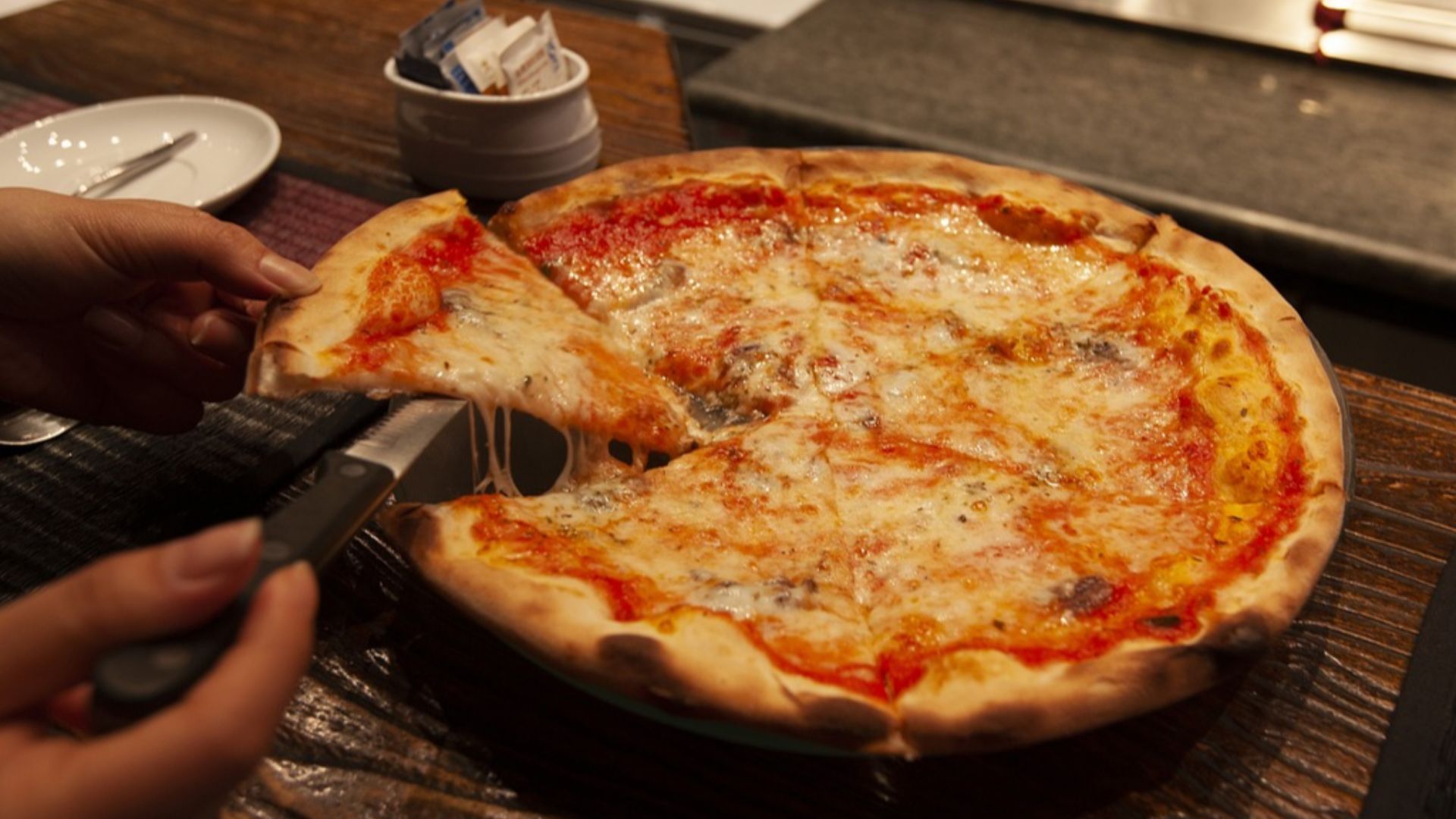
#12. Toppings That Took Real Chances
Smoked oysters, sardines, shrimp, linguica and stuffed Spanish olives all appeared on period pizza menus. Restaurants stocked ingredients that would be considered risky today. Customers could experiment without paying the premium normally attached to a modern “artisan” pizza.
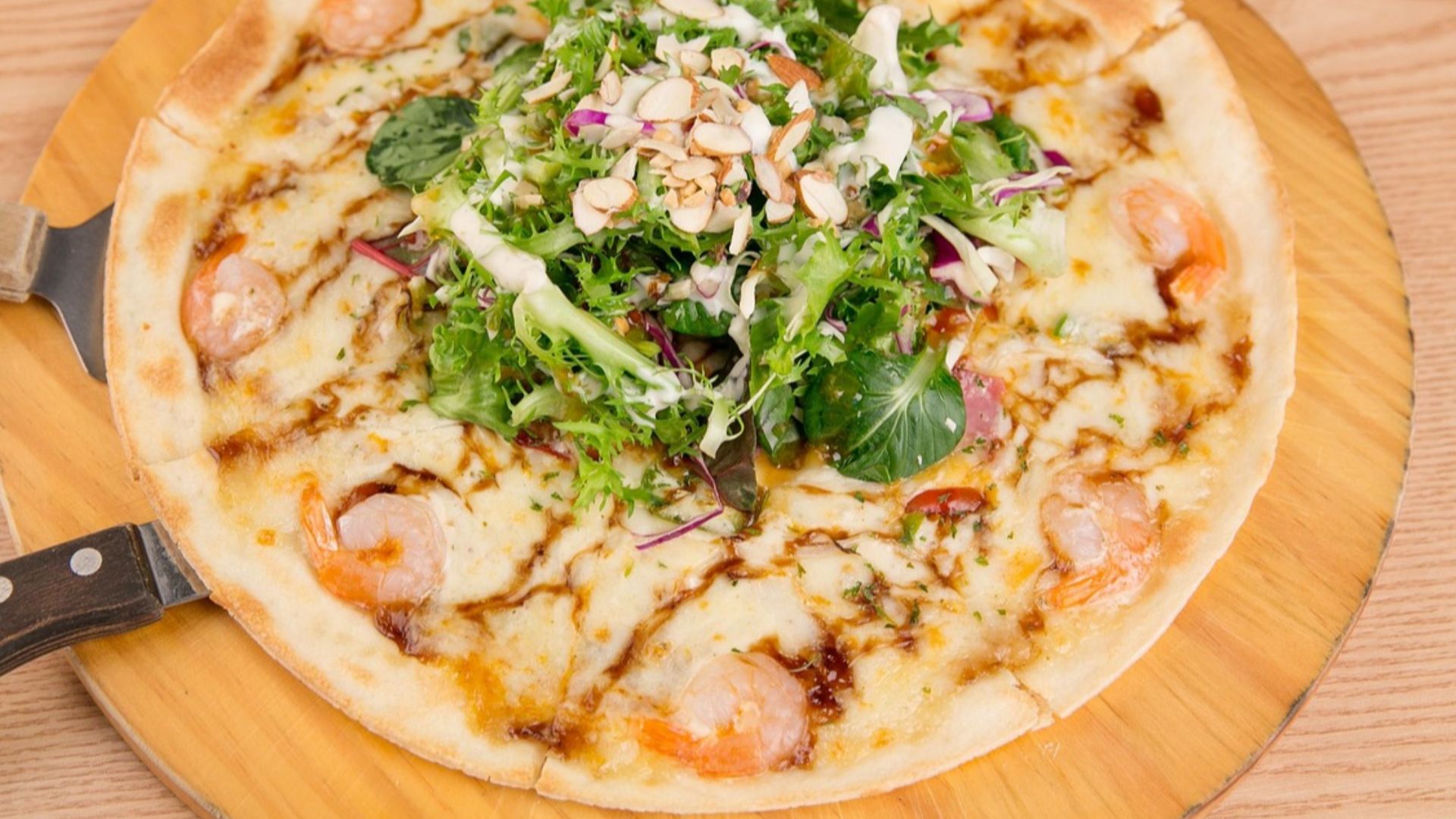
#11. Pasta That Came Bubbling From the Oven
Pizza Hut’s Cavatini and Deep Dish Spaghetti arrived hot in ceramic dishes, often accompanied by garlic bread. In the 1970s, Cavatini reportedly cost around $1.69, while the Supreme version was approximately $1.79. That upgrade barely required financial planning.
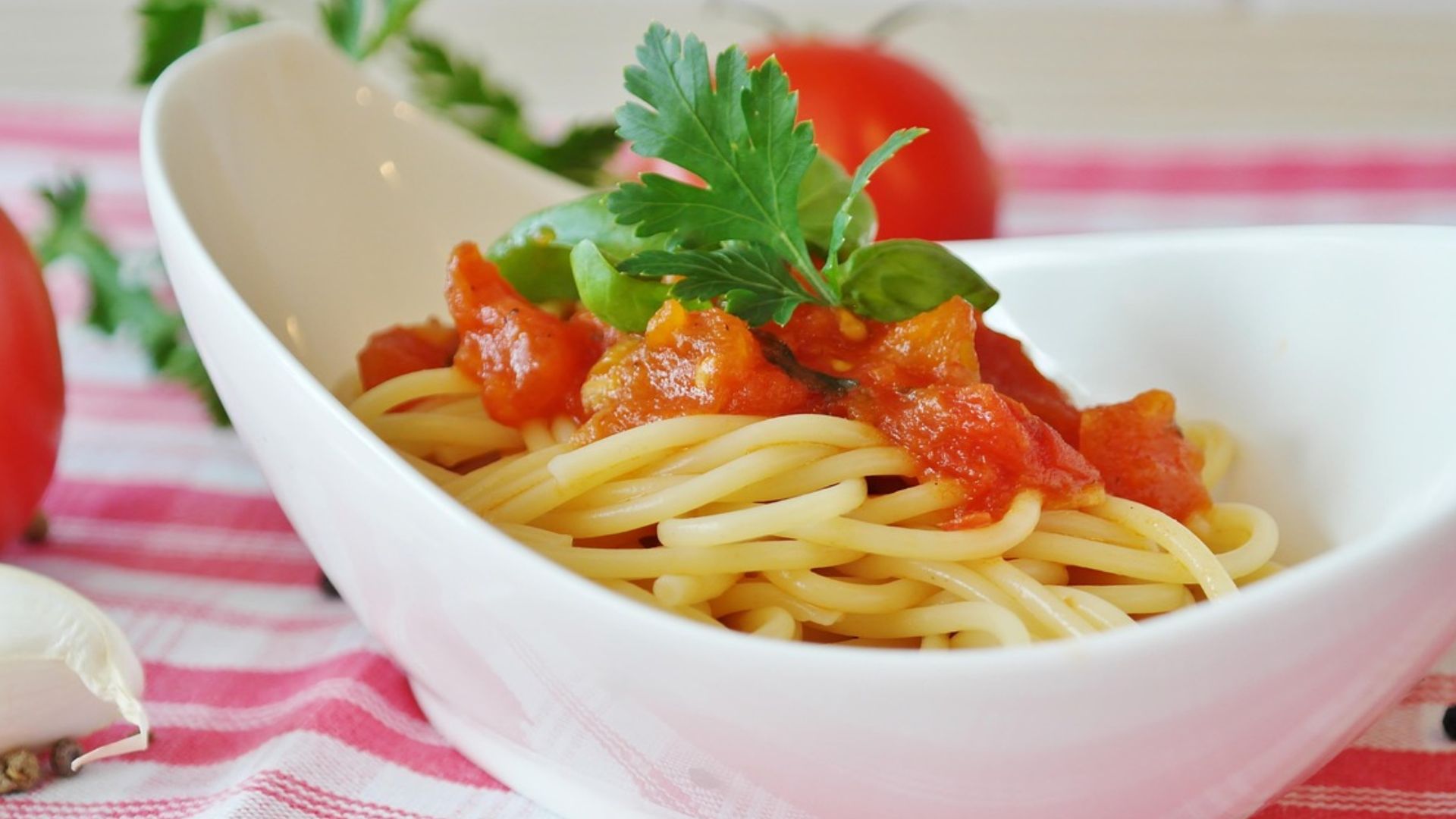
#10. Garlic Bread Included With the Meal
Pizza Hut’s pasta dishes came with garlic bread at no additional charge. Today, extras can quietly inflate a restaurant bill, but the bread was simply part of the entrée. Nobody needed to calculate whether another side was worth the expense.
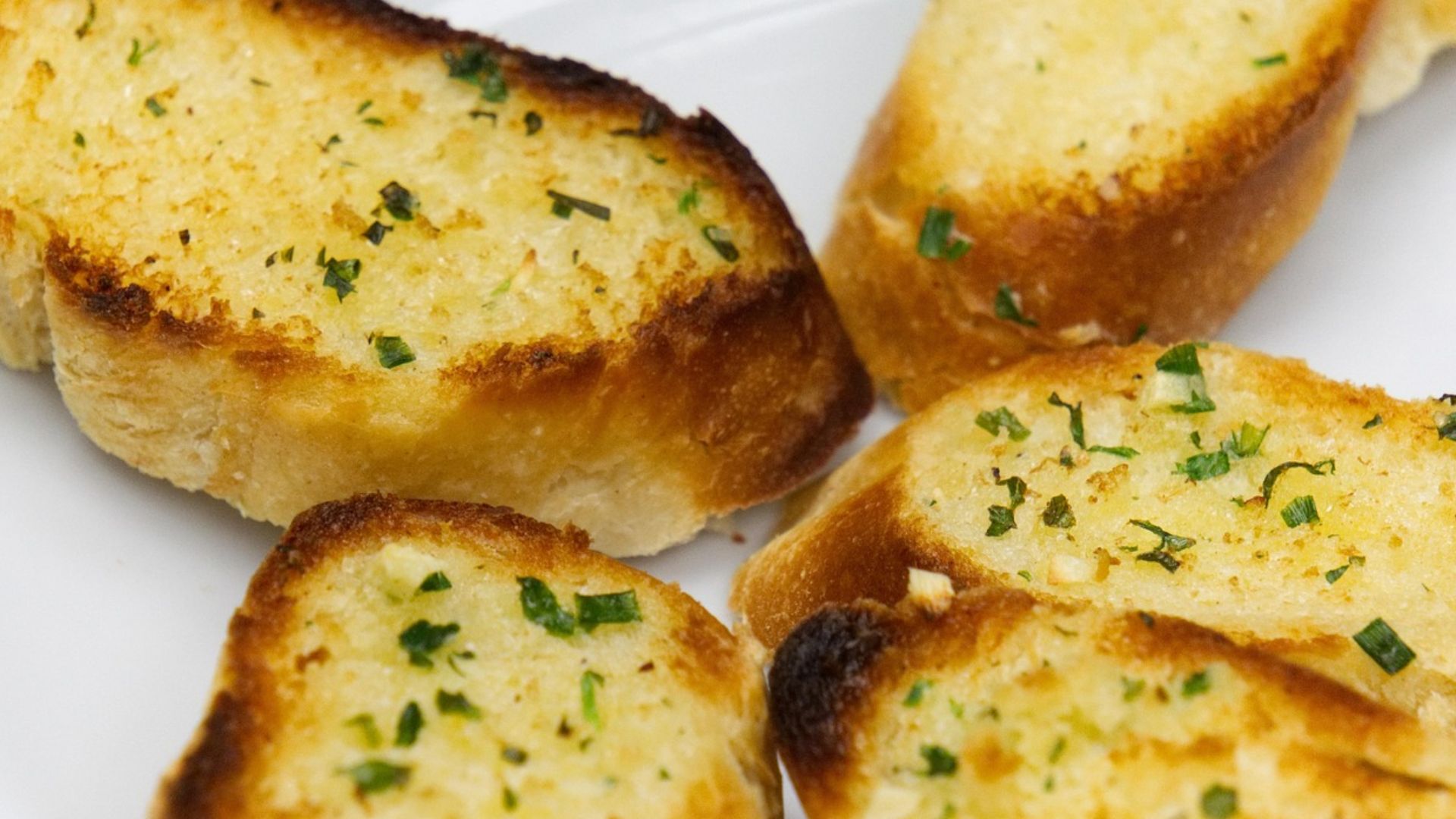
#9. Pizza and Beer by the Pitcher
Adults could order draft beer by the pitcher while the family shared pizza. One 1970s Pizza Hut menu priced a beer pitcher at approximately $2.25. It made the restaurant feel like a public house without carrying modern sports-bar prices.
 Emmanuel Edel, Pexels, Modified
#8. A Pitcher of Soda for the Table
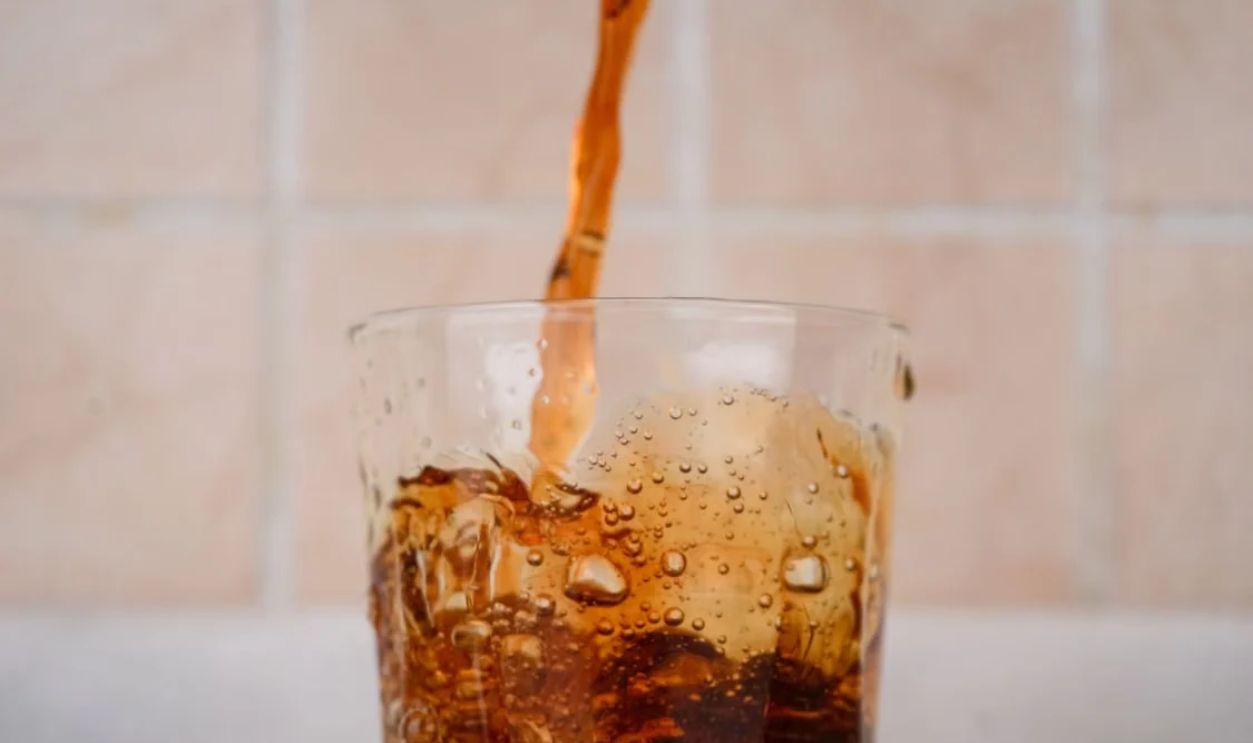
Rather than purchasing a separate drink for every person, families could share a pitcher of soda. A Pizza Hut pitcher reportedly cost around $1.50 during the 1970s. The arrangement was economical, although arguments over the final glass were practically guaranteed.
#7. The Salad Bar
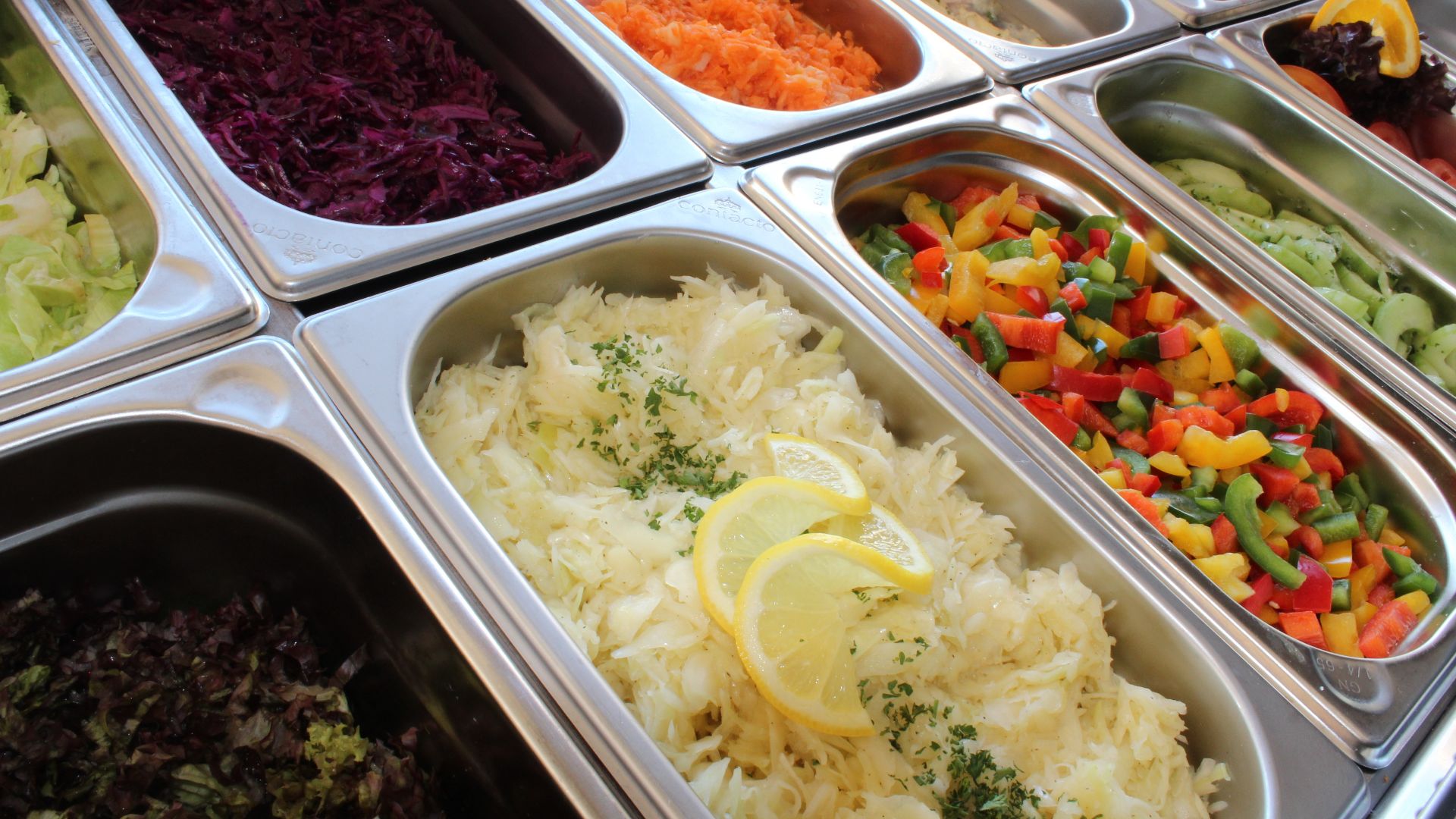
Salad bars added choice and a sense of abundance to pizza night. Diners could build their own plates without requesting endless substitutions. For budget-conscious parents, salad also helped stretch the meal when teenagers treated an extra-large pizza like an appetizer.
#6. The All-You-Could-Eat Lunch Buffet
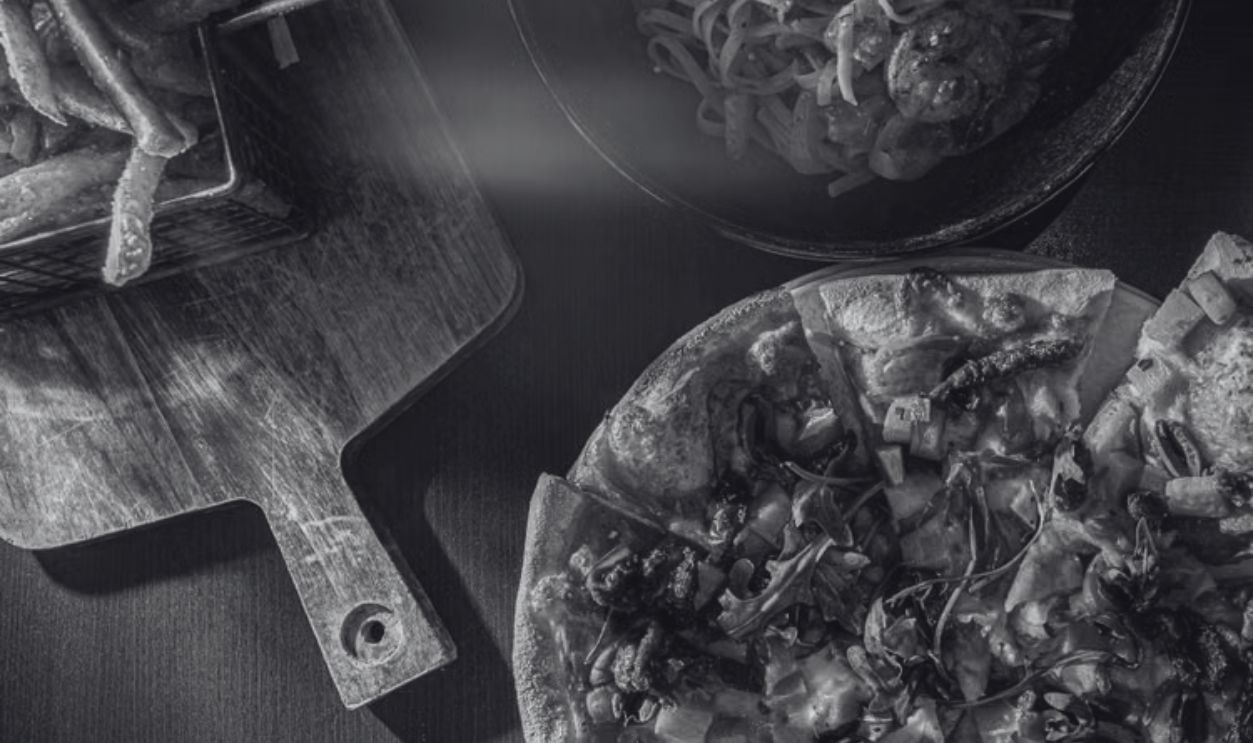
Shakey’s promoted “Bunch of Lunch” buffets featuring pizza, chicken, spaghetti and salad. A 1976 advertisement listed the all-you-could-eat meal at $2.16 plus tax. Anyone arriving with a serious appetite could extract impressive value from that price.
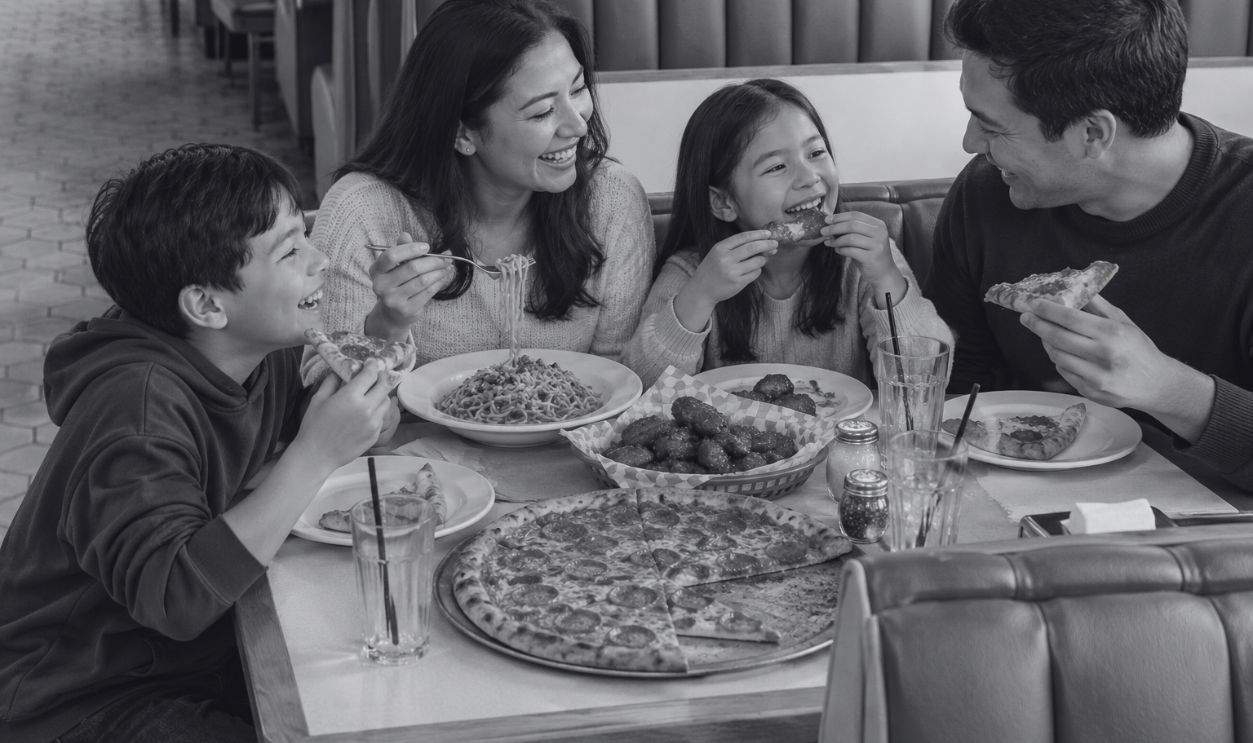
#5. Family-Night Discounts
Many restaurants designated slower evenings as family nights and offered reduced prices or special activities. Parents gained an affordable outing, while restaurants filled empty tables. It was a simple arrangement in which both the business and the household budget benefited.
 cottonbro studio, Pexels, Modified
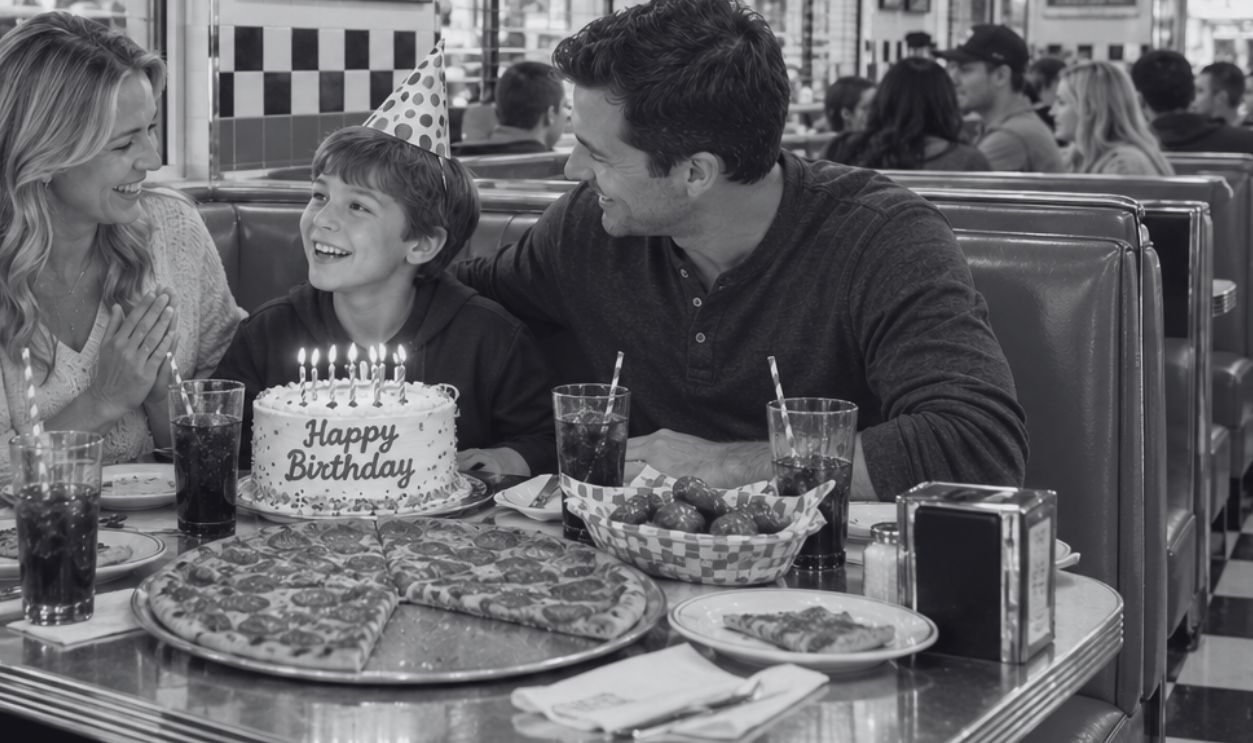
#4. Free Birthday Pizza
At some Shakey’s locations, children under 12 received a complimentary small pizza, a birthday song and party balloons. Parents could create a memorable celebration without purchasing an elaborate package, renting a venue or financing an army of matching decorations.
 Isaac Garcia, Pexels, Modified
#3. The Post-Game Gathering Place
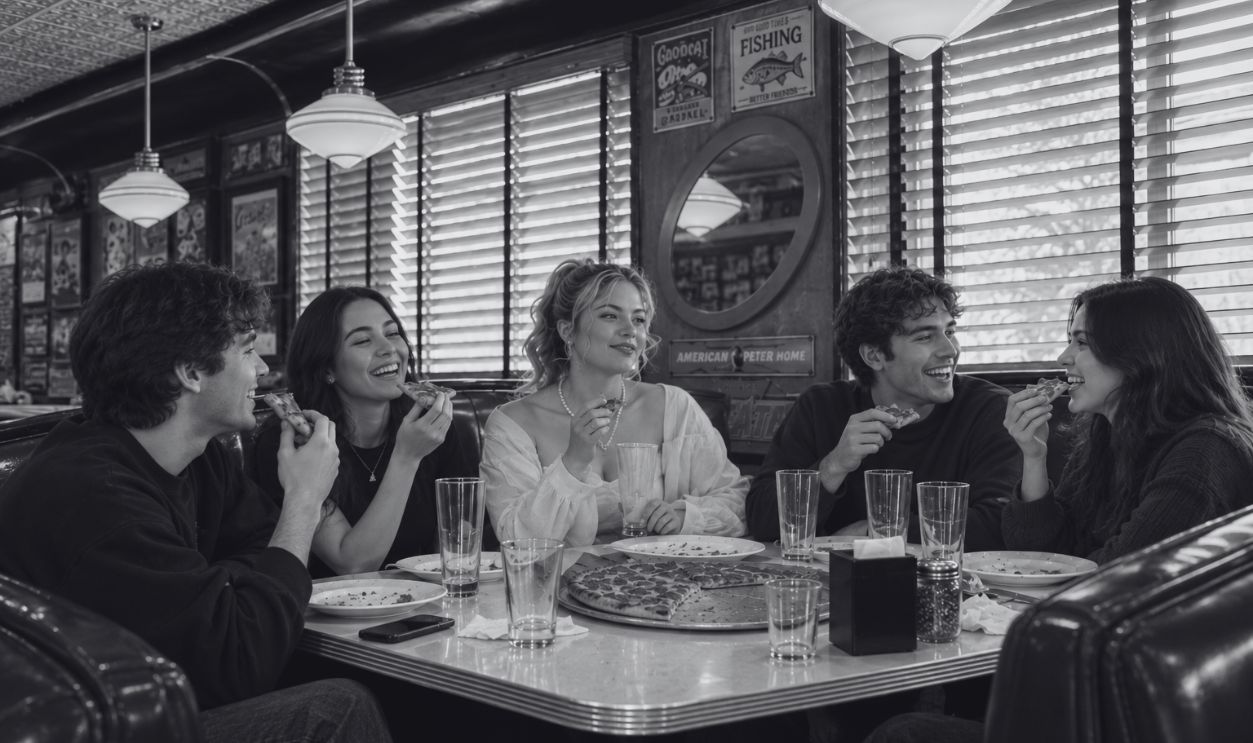
Youth teams regularly visited pizza parlors after games, whether they had won convincingly or lost spectacularly. Several families could combine tables, divide large pizzas and share the expense. Celebrating together did not require reservations or an intimidating bill.
#2. Sitting Down and Staying Awhile
Pizza night was not always designed around delivery tracking or rapid turnover. Families settled into booths, watched entertainment and talked while the pizza baked. One check covered food, atmosphere and time together, which made the evening feel unusually valuable.
#1. Pizza Night That Fit the Family Budget
This may be what people miss most. A 1972 Maine pizzeria sold cheese pizzas for 60 cents and combination pizzas for $1, while a 1974 Shakey’s menu reportedly topped out at $6.10. Pizza night felt special without becoming a financial decision.
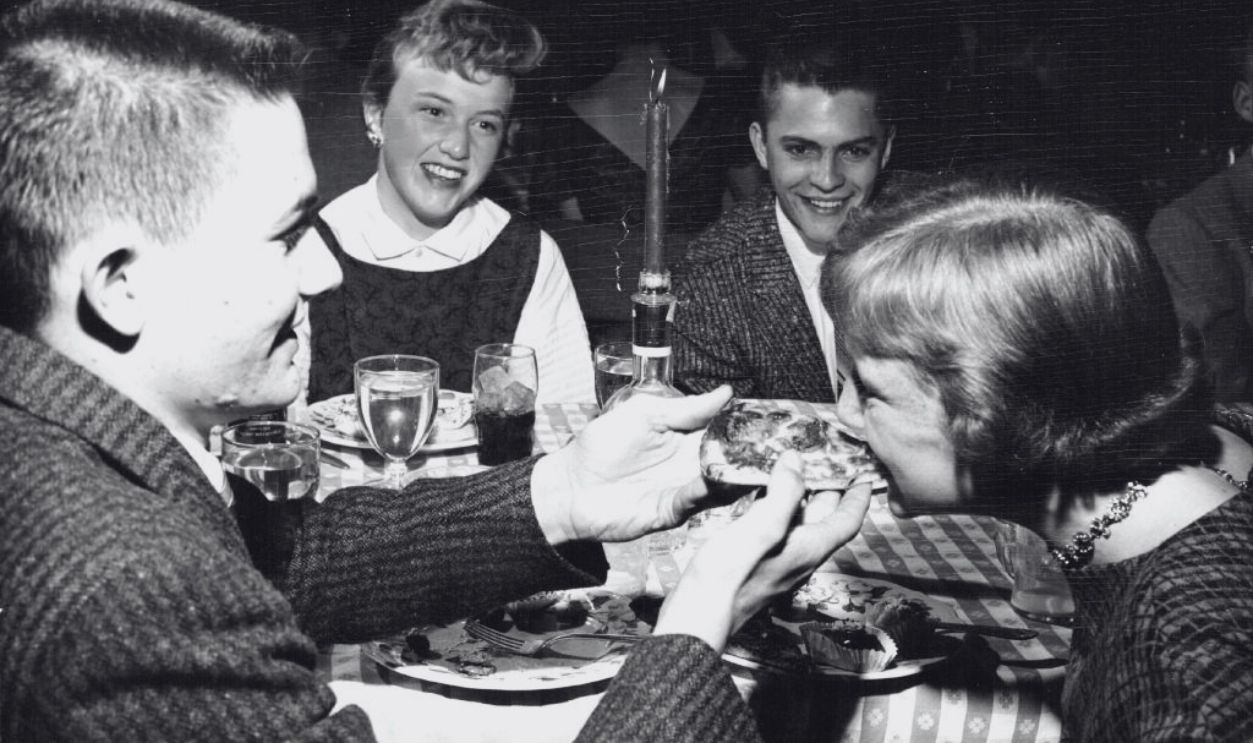
The Experience Was Worth More Than the Check
The old pizza parlor combined dinner, music, movies, games and community under one roof. Prices have naturally risen since then, but what truly disappeared was the feeling that one modest restaurant bill could purchase an entire evening of family entertainment.
You May Also Like: Pizza Chains From The 1980s That Baby Boomers Couldn’t Get Enough Of—But Are Now Hard To Find