
The Menu Price Can Be Only The Beginning
A $25 entrée still sounds like a $25 entrée when you order it. Then the check arrives with service charges, gratuities, card fees, and little extras that were much easier to overlook. By the time everything is added together, the price diners remember seeing on the menu can bear surprisingly little resemblance to what they actually pay.
Mandatory Service Charges
Service fees of 15%, 18%, 20%, or even more have become increasingly common at restaurants. The confusing part is that a service charge isn’t necessarily the same thing as a voluntary tip, and how the money is used can vary. Diners should check the menu and bill carefully before deciding what additional gratuity, if any, they want to leave.
 Nicoleta Ionescu, Shutterstock
Automatic Gratuity For Larger Parties
Restaurants have long added mandatory gratuities to larger groups, commonly beginning with parties of six or eight. The biggest risk is simply not noticing it. A diner who blindly follows the payment terminal’s suggested tip can accidentally leave another 20% on top of an 18% or 20% gratuity already included.

Tip Prompts On Top Of A Service Fee
This is where restaurant billing can become particularly confusing. The check already contains a substantial service charge, yet the card reader still asks whether you’d like to tip 20%, 25%, or 30%. Before tapping a percentage, find out whether the existing charge goes to the server and whether another tip is actually expected.

Employee Wellness Charges
Some restaurants add a separate surcharge described as an employee wellness, healthcare, or benefits fee. It may be only a few percentage points, but on a large dinner it can add noticeably to the total. The surprise comes when diners don’t see the disclosure until the check arrives.

Kitchen Appreciation Fees
Traditional tipping tends to benefit front-of-house workers much more directly than cooks and dishwashers. Some restaurants have responded with kitchen appreciation or back-of-house fees intended to support those employees. Whatever the reasoning, diners may still be surprised when another mandatory percentage appears in addition to tax and gratuity.
Inflation Or Economic Impact Fees
Rather than raising every menu price, some restaurants have experimented with inflation fees, economic-impact charges, or similarly named surcharges. The result can make the menu look cheaper than the final transaction really is. These fees have also attracted consumer complaints when they aren’t prominently disclosed before ordering.

Credit Card Surcharges
Paying with plastic can add another percentage to the meal at some restaurants. Rules surrounding surcharges vary by state and card network, so businesses can’t necessarily impose them however they please. For diners, the practical lesson is simple: look for card-pricing notices before handing over the credit card.
Takeout Service Charges
Ordering pickup can feel like the cheaper alternative because there’s no table service or delivery driver involved. Some restaurants nevertheless apply service charges to takeout orders. A $60 pickup dinner can therefore cost several dollars more before packaging, taxes, or an optional tip enter the picture.

Delivery Fees
“Delivery fee” sounds as though it pays the person carrying dinner to your door, but that isn’t always how it works. A separate driver tip may still be expected. Diners who mentally treat the delivery charge as the gratuity can therefore underestimate the real cost before checkout.

Delivery-App Service Fees
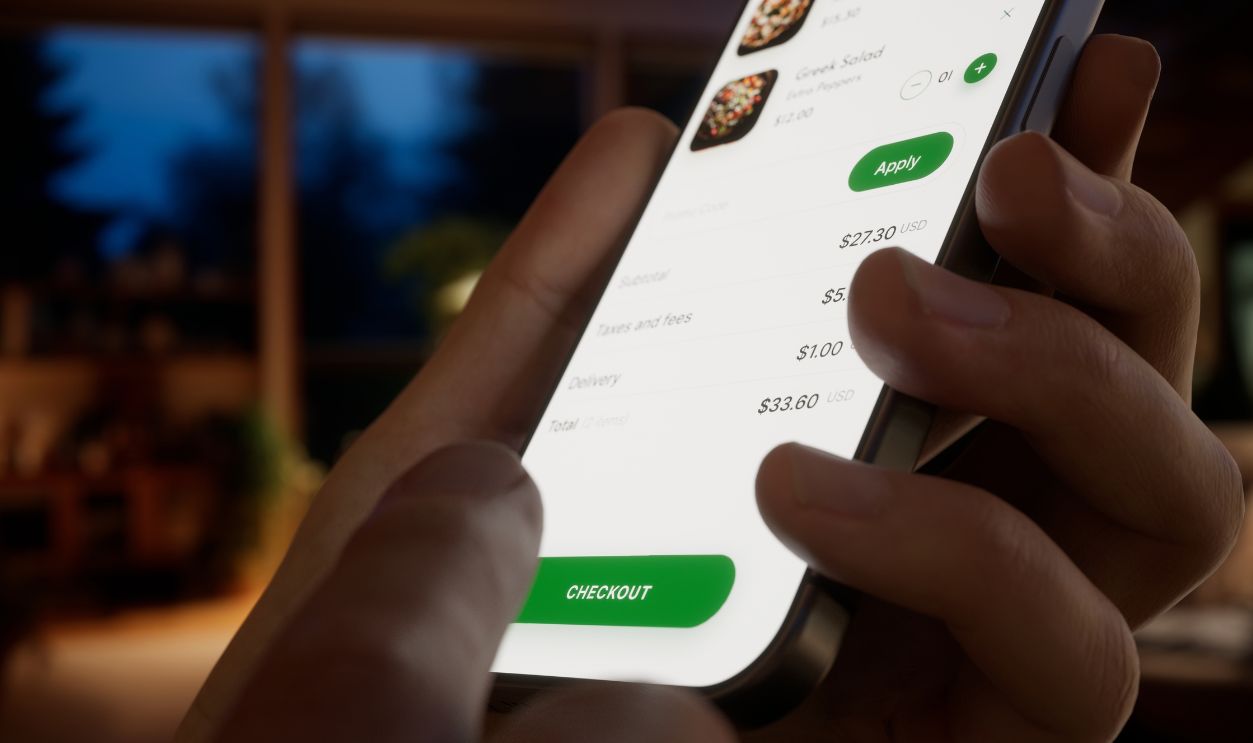
Delivery apps can stack service charges on top of delivery charges, taxes, and tips. Depending on the order, other platform or regulatory fees can appear as well. The FTC began examining online food-delivery fee practices more closely in 2026, including whether consumers are shown total prices and fee purposes clearly enough.
Higher Menu Prices On Delivery Apps
Sometimes the first hidden cost isn’t technically a fee at all. A dish listed for $16 at the restaurant might cost more when ordered through a delivery platform, before delivery and service charges are added. Comparing the app menu with the restaurant’s own menu can reveal how much convenience is actually costing.
Reservation Deposits And Booking Fees
Hard-to-book restaurants increasingly require a deposit or prepaid reservation. Sometimes that money applies completely toward dinner; sometimes part of it represents a separate booking arrangement. Read the reservation terms rather than assuming every dollar paid beforehand will simply disappear from the final restaurant bill.
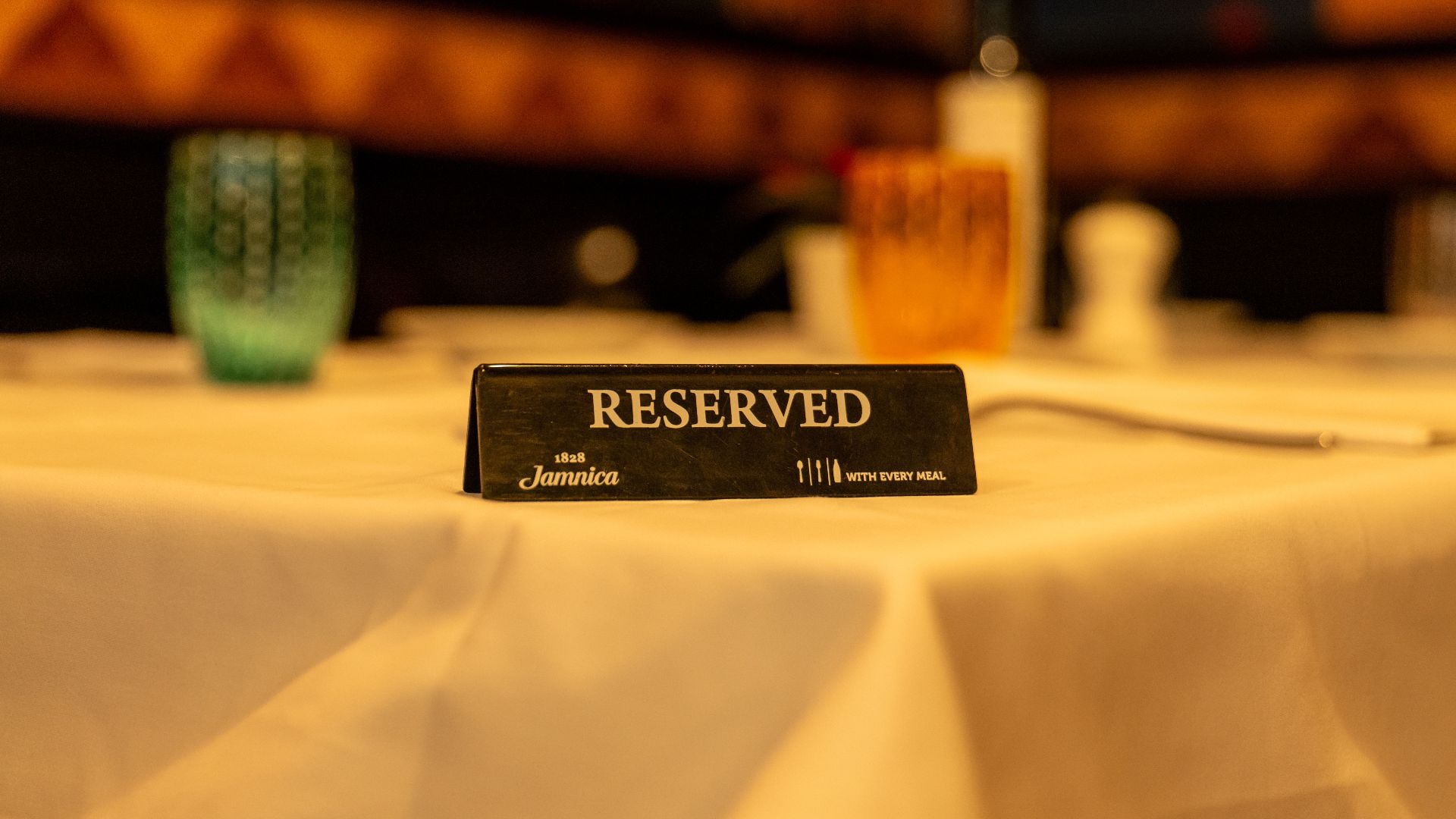
No-Show And Late-Cancellation Charges
Changing dinner plans can now cost real money. Restaurants may charge by the person, keep the deposit, or even bill the full tasting-menu price when a reservation is canceled too late. The stricter the restaurant’s reservation policy, the more important it is to know the deadline before confirming.
Corkage Fees
Bringing a favorite bottle of wine can avoid restaurant wine-list pricing, but corkage can narrow those savings considerably. Upscale restaurants may charge a substantial amount for opening and serving outside wine. Always ask beforehand rather than assuming BYOB means bringing the bottle is free.

Cake-Cutting Fees
A homemade birthday cake can come with a restaurant charge of its own. Cake-cutting fees compensate the restaurant for plates, utensils, serving, cleanup, and the fact that diners aren’t buying dessert. A per-person fee can become surprisingly substantial at a large celebration.
 Nataliya Schmidt, Shutterstock
Substitution Charges
“Would you like salad instead of fries?” can sound like a simple choice rather than an upsell. Yet substitutions for premium sides, gluten-free alternatives, specialty ingredients, or different preparations can add several dollars. Asking whether there’s an upcharge before agreeing can prevent an annoying surprise later.
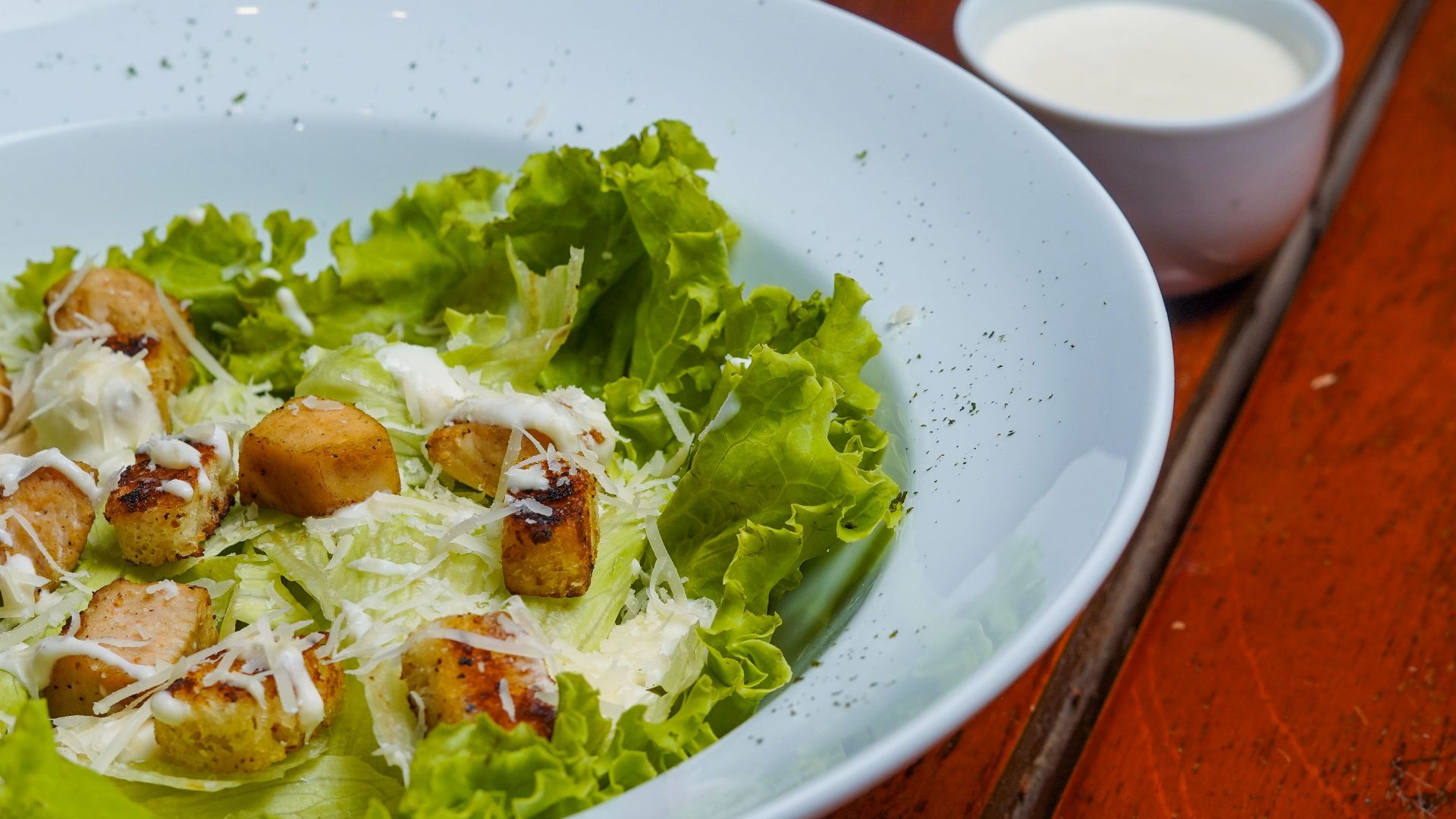
Sauces, Condiments, And Other Small Extras
One extra sauce barely registers. Four people ordering additional dressing, gravy, dips, or condiments can create a much more noticeable addition. Food & Wine has highlighted how seemingly casual server questions and small extras can dramatically increase a restaurant bill when several are stacked together.
Live Music And Entertainment Charges
A restaurant with live jazz, a DJ, comedy, or another performance may add an entertainment fee or cover charge to the dining bill. Diners who booked primarily for dinner can overlook the charge, especially if it applies only on certain evenings.

Holiday And Special-Event Pricing
Valentine’s Day, Mother’s Day, New Year’s Eve, major sporting events, and festival weekends can completely change a restaurant’s normal pricing structure. The regular menu may disappear in favor of a mandatory tasting menu, automatic gratuity, minimum spend, or event surcharge. Checking the special-event terms matters more than relying on prices from an ordinary night.
Prix-Fixe Menus That Exclude Common Extras
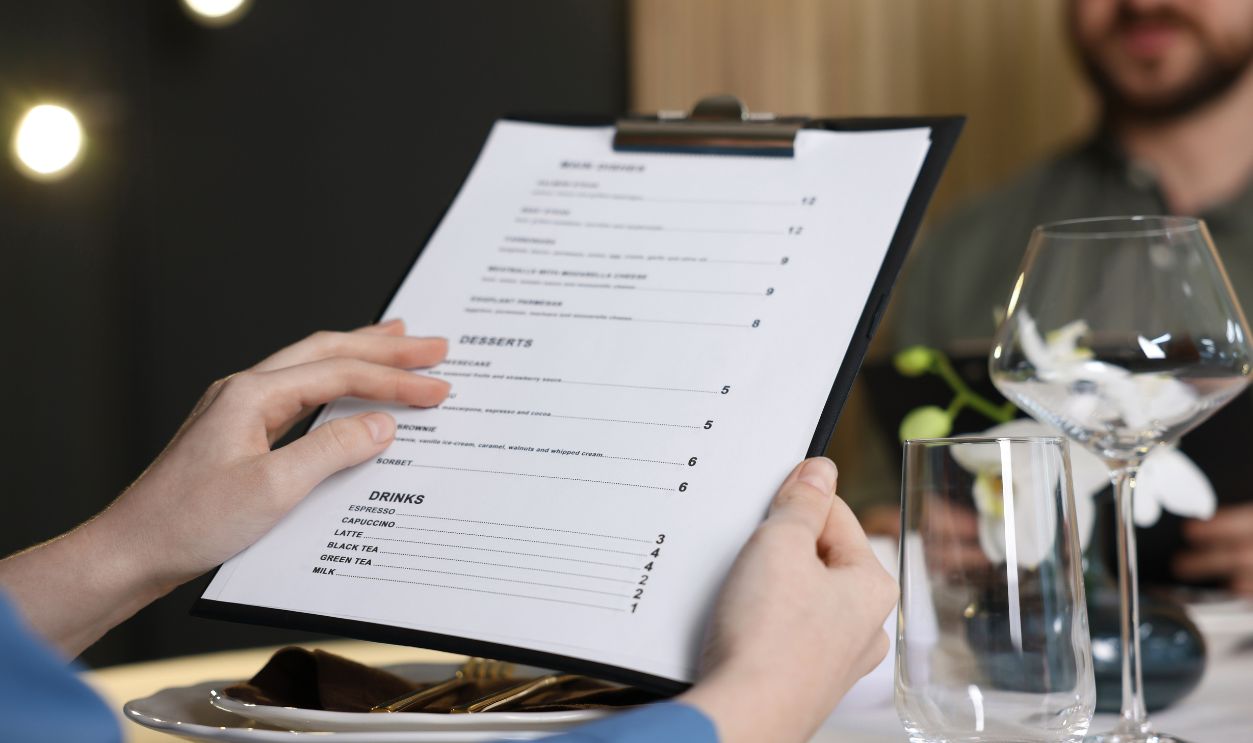
A $65 three-course menu sounds reassuringly predictable until the exclusions start appearing. Drinks, coffee, sides, premium entrée choices, service charges, taxes, and gratuity may all cost extra. A prix-fixe menu fixes the price of what’s explicitly included, not necessarily the entire evening.

Equity Or Fair-Wage Fees
Some restaurants use terms such as equity fee, fair-wage surcharge, or equitable-compensation fee for mandatory charges intended to support a different employee pay structure. The terminology can confuse diners because it isn’t always obvious whether the fee replaces tipping. When the restaurant doesn’t explain it clearly, asking before adding another gratuity is reasonable.

Cash-Discount Pricing
Some establishments present their menu prices as a discounted cash rate, with card users paying more. Economically, that can feel very similar to a credit-card surcharge even when the restaurant describes it differently. What matters to diners is knowing which displayed price they’ll actually be charged.

Takeout Packaging Fees
Takeout can also bring charges for containers, bags, cups, or utensils. Some jurisdictions have their own rules involving disposable packaging, while some restaurants impose their own charges. The amount may be small on one meal but more noticeable on a large family order.

Small-Order Fees
Ordering a small meal through a delivery platform can trigger a penalty for not reaching a minimum subtotal. That means someone ordering $14 worth of food may pay a fee that disappears at $20. Sometimes adding another item can cost little more than paying the small-order charge itself.

Bottle-Service And Table Minimums
Restaurant lounges, rooftops, and nightlife-oriented dining rooms may require a table to spend a certain amount on bottles or food and beverages. The requirement may apply regardless of how little the group actually consumes. What looked like a simple dinner reservation can therefore become a commitment to a much larger tab.
 Monkey Business Images, Shutterstock
Bread And Water That Aren’t Complimentary
Diners in the U.S. often assume bread and water are free unless told otherwise. But bottled water, filtered water, specialty bread baskets, olives, and other table items may carry individual charges. Food & Wine specifically recommends clarifying whether seemingly routine additions are complimentary before automatically saying yes.

Protein And Ingredient Upcharges
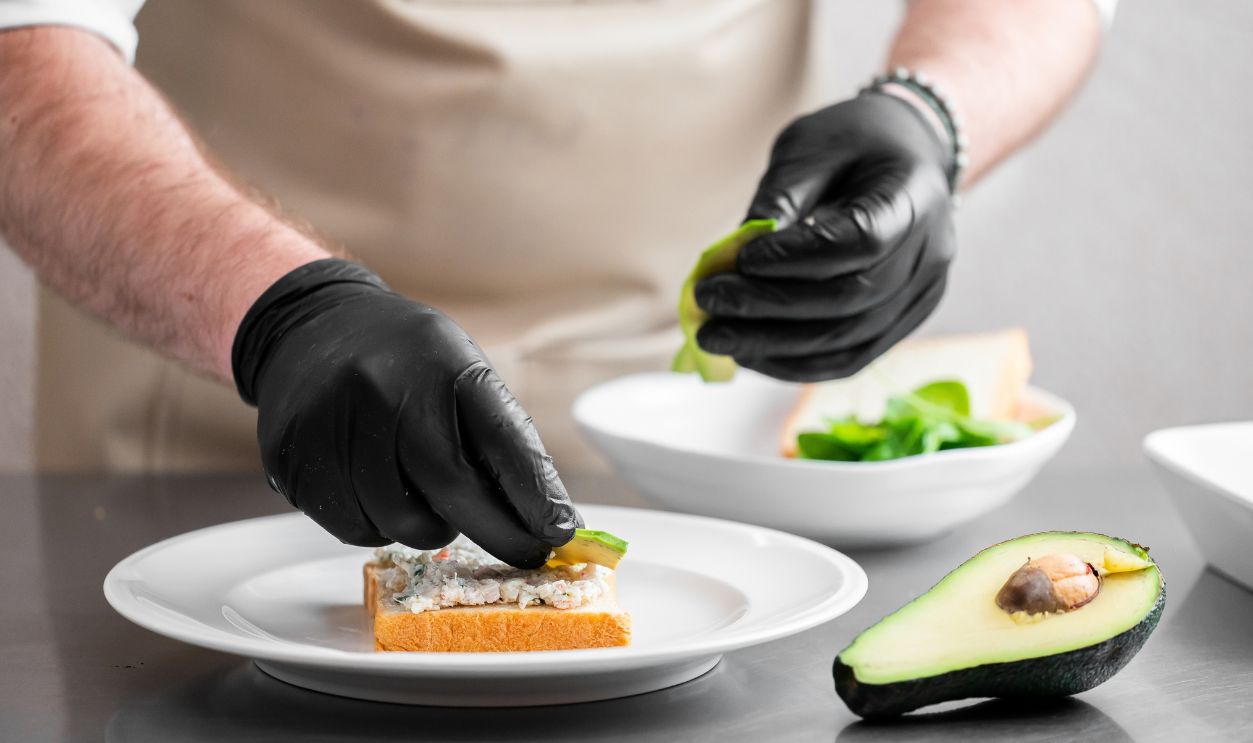
Adding avocado, chicken, shrimp, premium cheese, truffles, or a gluten-free substitute can transform the price of a basic dish. These additions may be clearly listed individually but still easy to mentally overlook when ordering. Several $3 or $5 upgrades can turn an inexpensive meal into something very different.
Sharing And Split-Plate Fees
Two people dividing one entrée may be charged for doing so, particularly when the kitchen divides the food, adds extra sides, or plates two complete presentations. Split-plate fees aren’t universal, which is exactly why they can surprise diners unfamiliar with the restaurant’s policy.
Minimum Charges Per Person
Some establishments require every diner to order or spend a minimum amount. This can appear at tasting-menu restaurants, clubs, lounges, or locations with limited high-demand seating. Someone who planned to join friends for only a drink may discover that sitting at the table carries a larger financial commitment.

Tax On Added Fees
Mandatory restaurant charges can affect the taxable total differently depending on the type of fee and the jurisdiction. That means a 20% surcharge may do more than simply add 20% to the pre-tax meal. Once tax and other percentage-based charges are layered together, estimating the final total in your head becomes much harder.
You May Also Like:
Restaurants From The 1970s That Baby Boomers Loved—But Millennials Have Never Heard Of (Or Eaten At)