A Table For The Whole Family
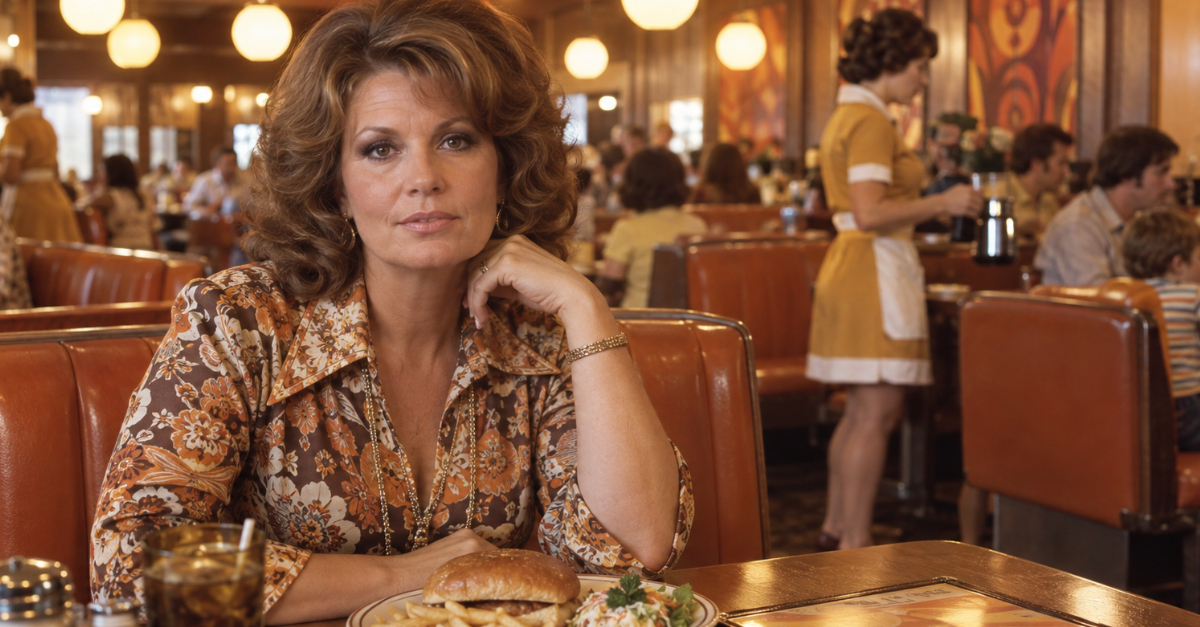
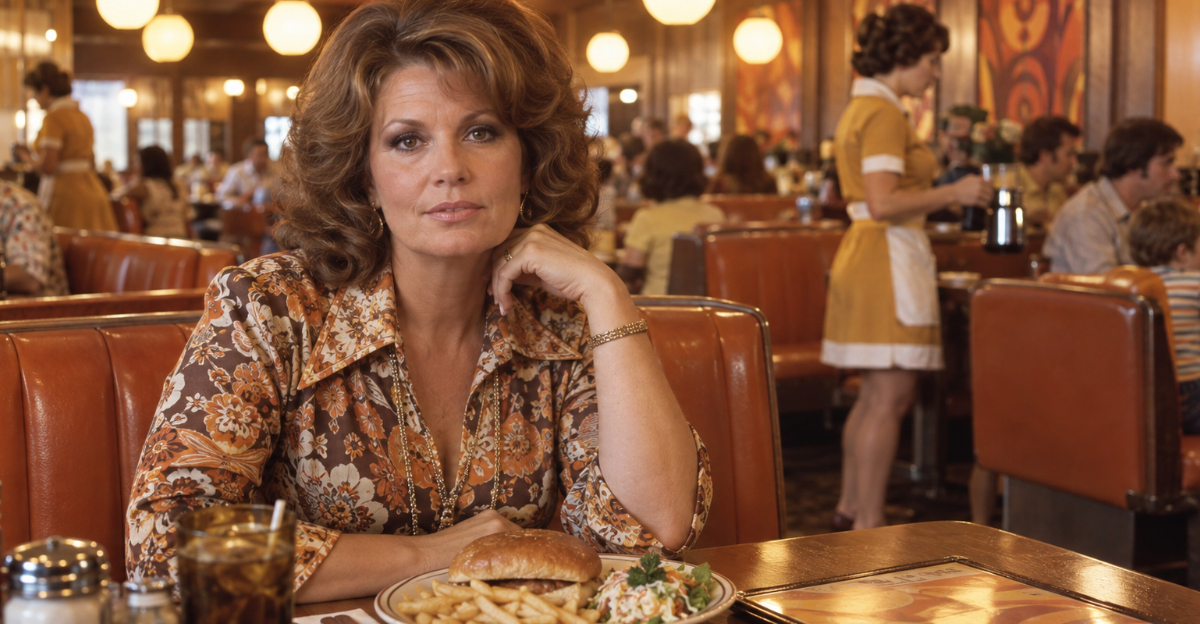
For Baby Boomers in the 70s, these were the restaurants you went to after shopping, on family road trips or when nobody felt like cooking. Some even counted as a fancy night out. Today, mention their names to a Millennial and they won't know what you're talking about. How many do you remember? And also, if you could—which ones would you bring back?
Wetson’s
For families around New York, those orange circles meant burgers, fries and a meal that wouldn’t empty your wallet. Wetson’s grew to roughly 70 locations, with its Big W burger leading the menu. The chain disappeared in 1975 after merging with Nathan’s Famous. Apparently, there wasn’t room for everyone’s burger.
 Shixart1985, Wikimedia Commons
The Luau
Beverly Hills’ Luau served dinner with enough tropical scenery to make you forget you were on Rodeo Drive. Its elaborate Polynesian theme attracted Hollywood celebrities and diners looking for something special. It closed in 1978, taking a little South Seas fantasy out of Southern California.
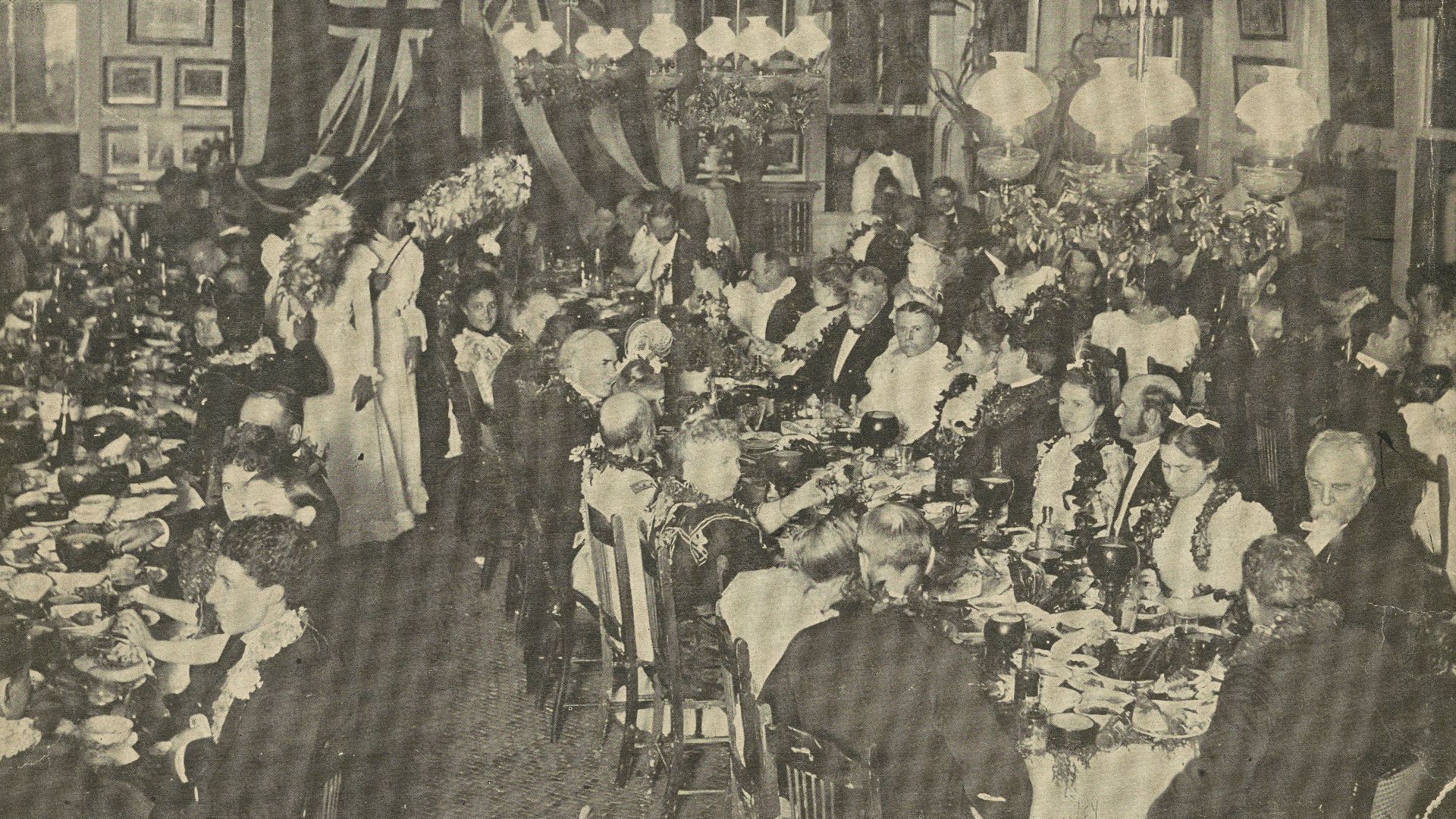 Frank Davey, Wikimedia Commons
Britling Cafeterias
For generations of Southern families, lunch at Britling was practically a tradition, especially after church or during a shopping trip. The cafeteria chain operated downtown and mall locations in Alabama and Tennessee. After struggling through the 70s, its remaining restaurants were closed, sold or converted around 1981.
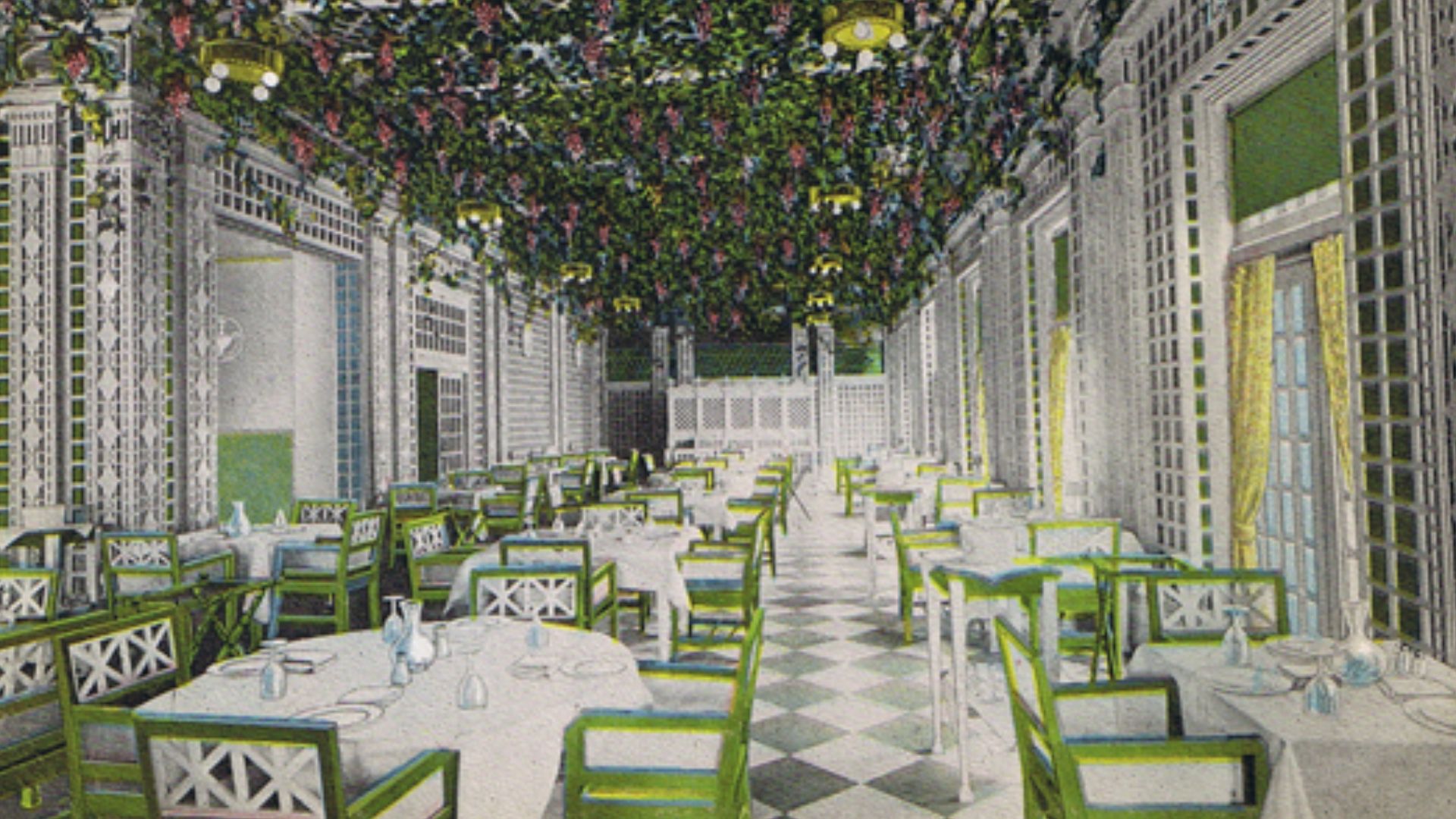 Unknown authorUnknown author, Wikimedia Commons
Here’s Johnny’s
Yes, Johnny Carson had a restaurant chain bearing his name. Here’s Johnny’s served burgers, fried chicken and steaks, with customers originally ordering through telephones at their booths. Unfortunately, the business had a much shorter run than its namesake’s television career. The last location, in Omaha, closed in 1976.
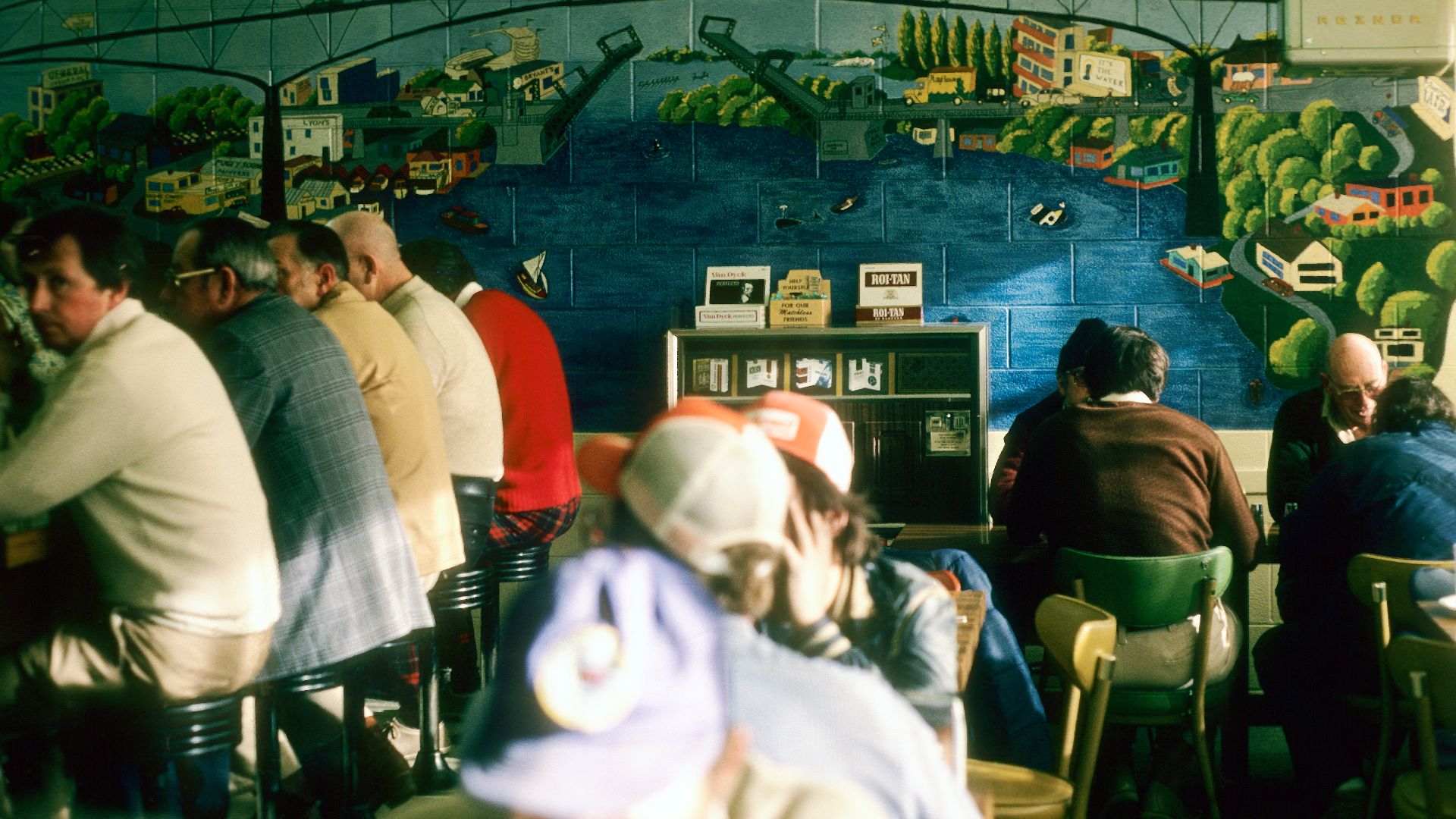 E.S. Atly via Seattle Municipal Archives from Seattle, WA, Wikimedia Commons
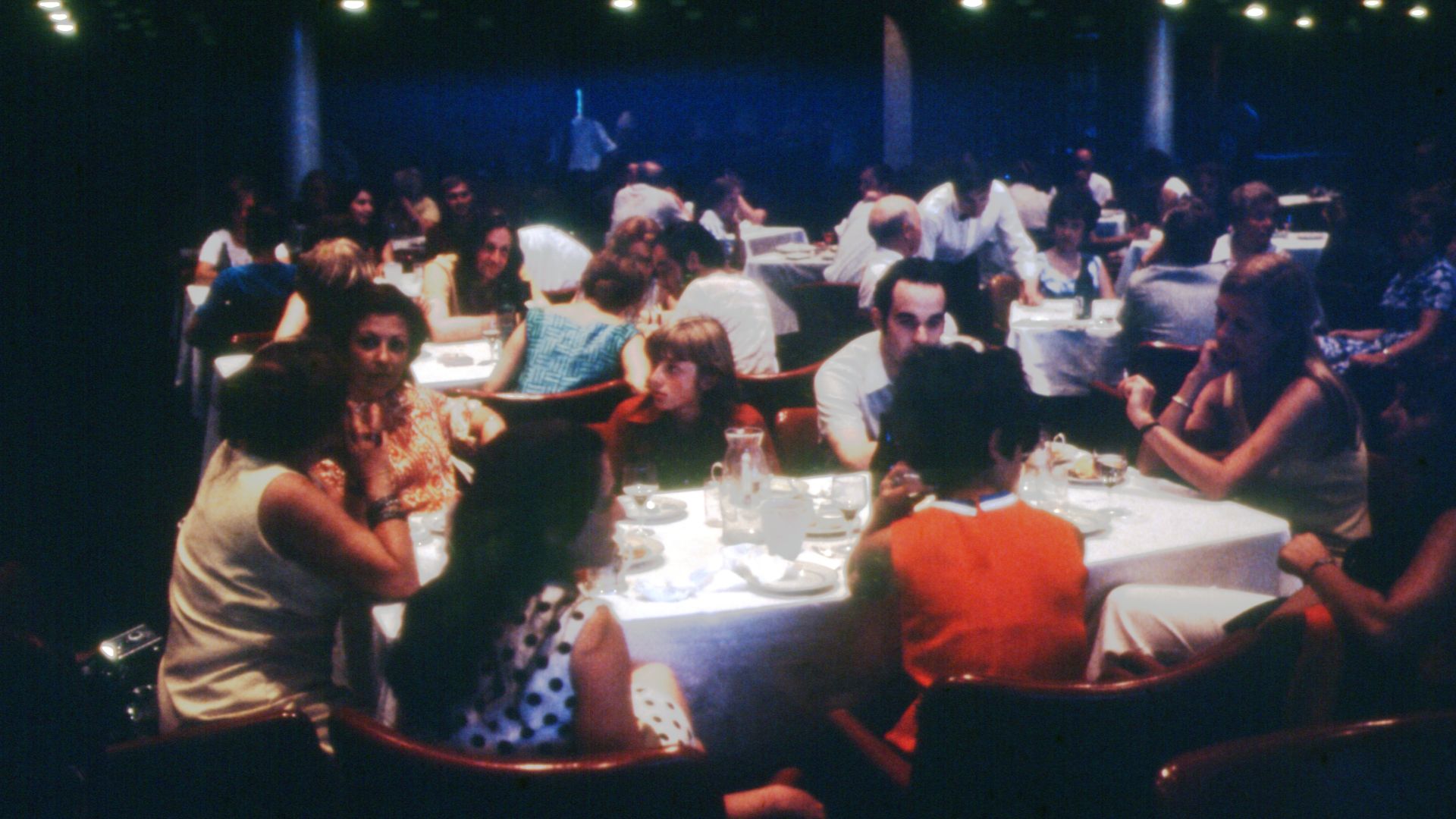
Fritzel’s
Chicago’s Fritzel’s had nearly 100 items on its menu, which probably made ordering the hardest part of dinner. Celebrities, athletes and politicians were regulars at the State Street restaurant. Despite its reputation and famous customers, it closed in June 1972 after business could no longer cover the bills.
 Thomas Taylor Hammond (1920-1993), Wikimedia Commons
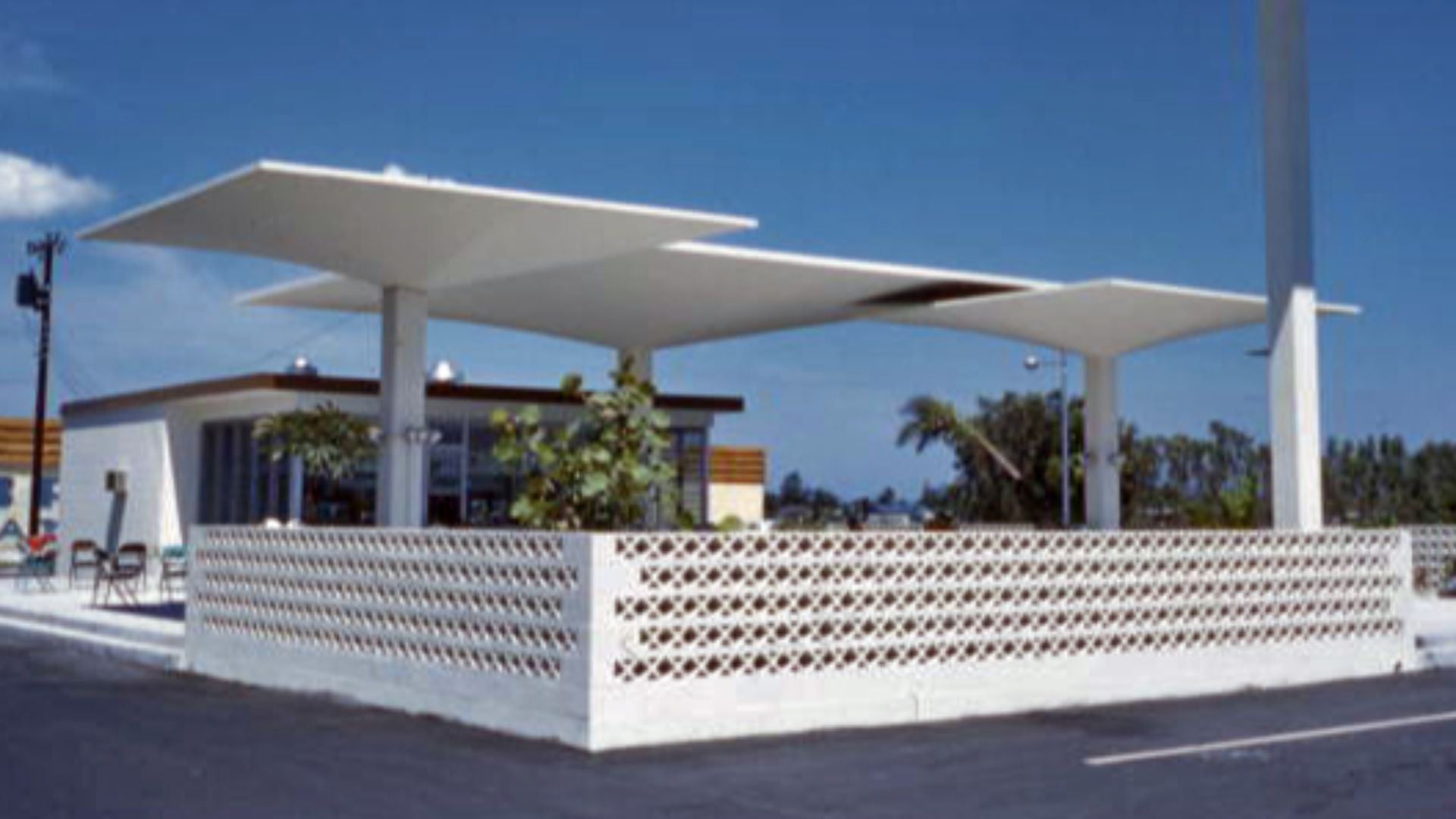
Burger Queen
Before there was Druther’s, there was Burger Queen. The chain served burgers, fried chicken and other fast-food favorites beneath the watchful eye of its Queenie Bee mascot. It had more than 170 locations when the Burger Queen name disappeared during a company-wide rebranding in 1981.
 Florida Memory, Wikimedia Commons
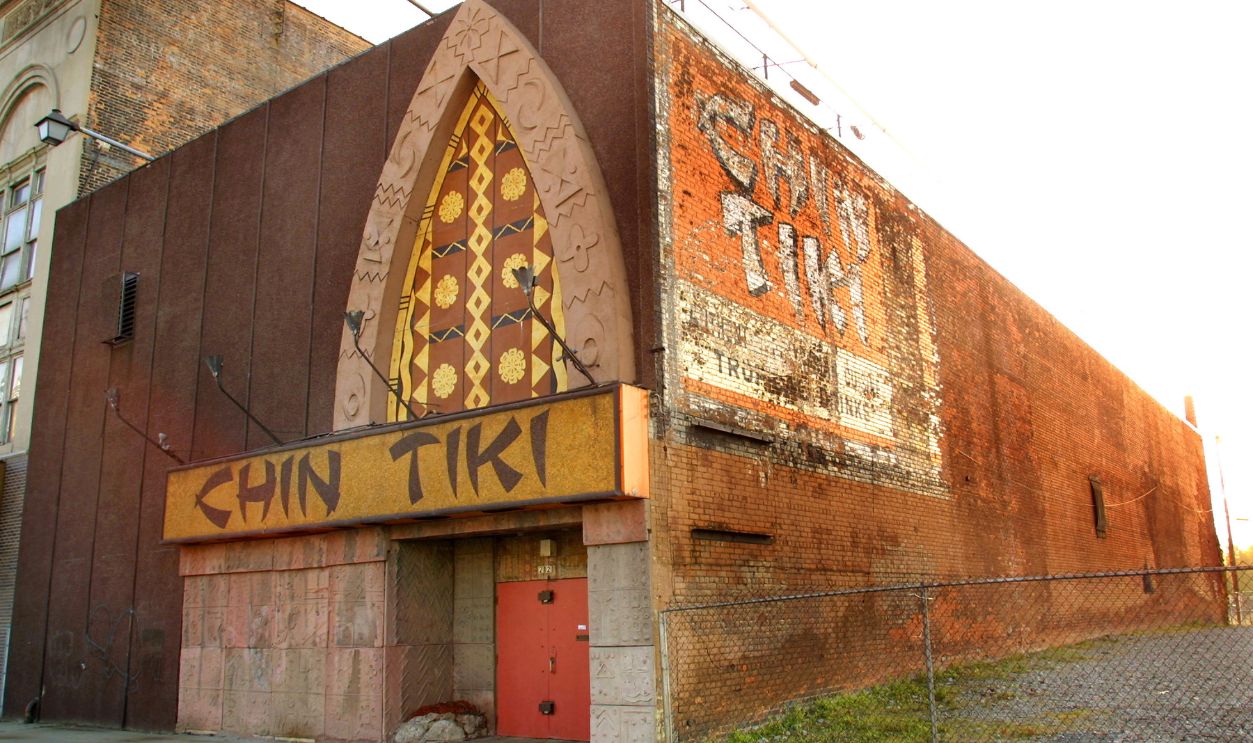
Chin Tiki
Detroit’s Chin Tiki offered towering statues, waterfalls and a bamboo bridge. In other words, considerably more scenery than your average dinner out. Opened in 1966, the Polynesian restaurant and nightclub closed in 1980. For anyone who remembers eating there, the room might be as memorable as the meal.
Charlie’s Cafe Exceptionale
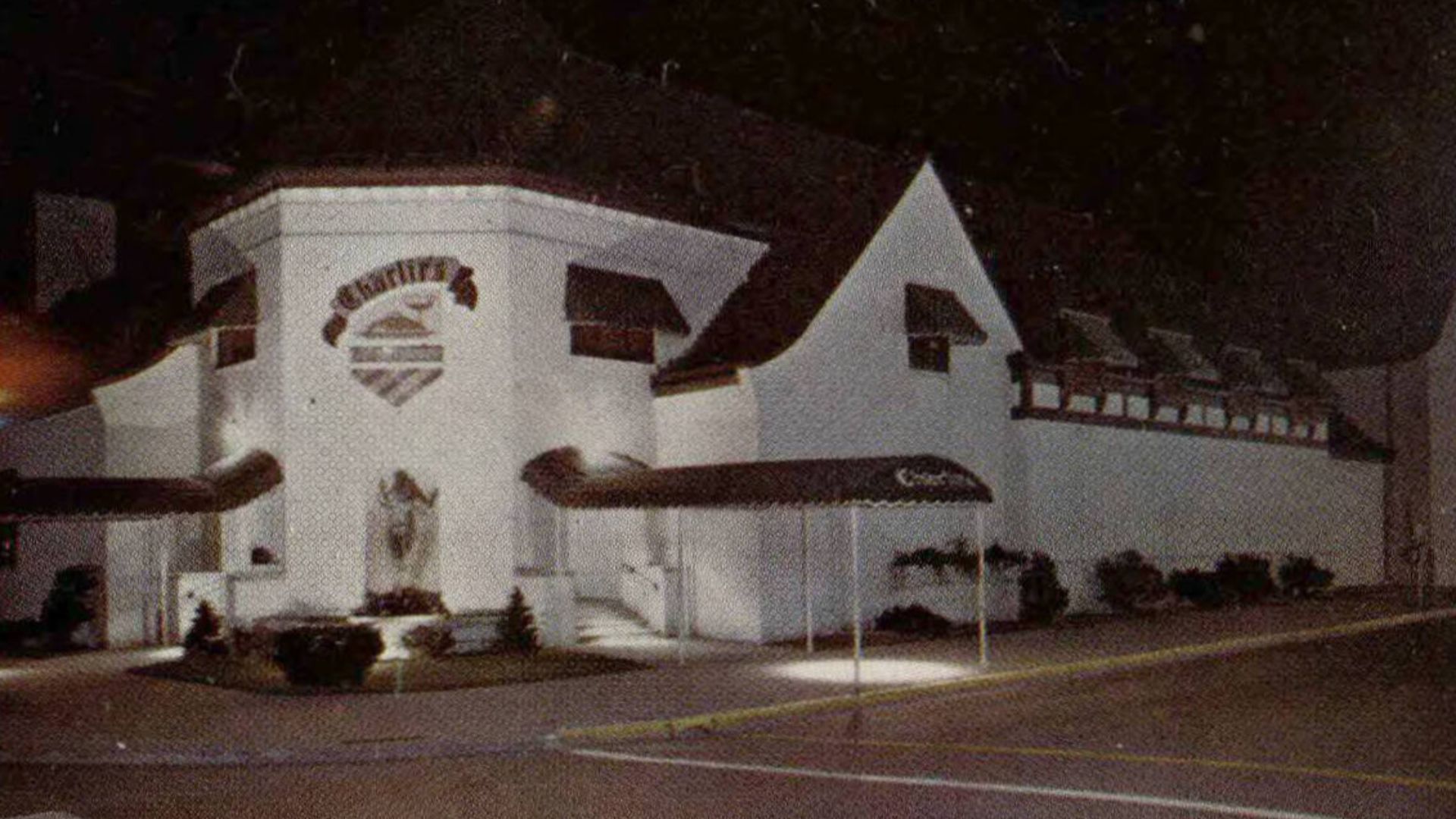
Charlie’s Cafe Exceptionale was one of those Minneapolis restaurants where dinner felt like a genuine event. It became known for steaks, seafood, potato salad and a long list of famous customers. After nearly five decades downtown, Charlie’s served its final meals in July 1982.
 Hennepin County Library, Wikimedia Commons
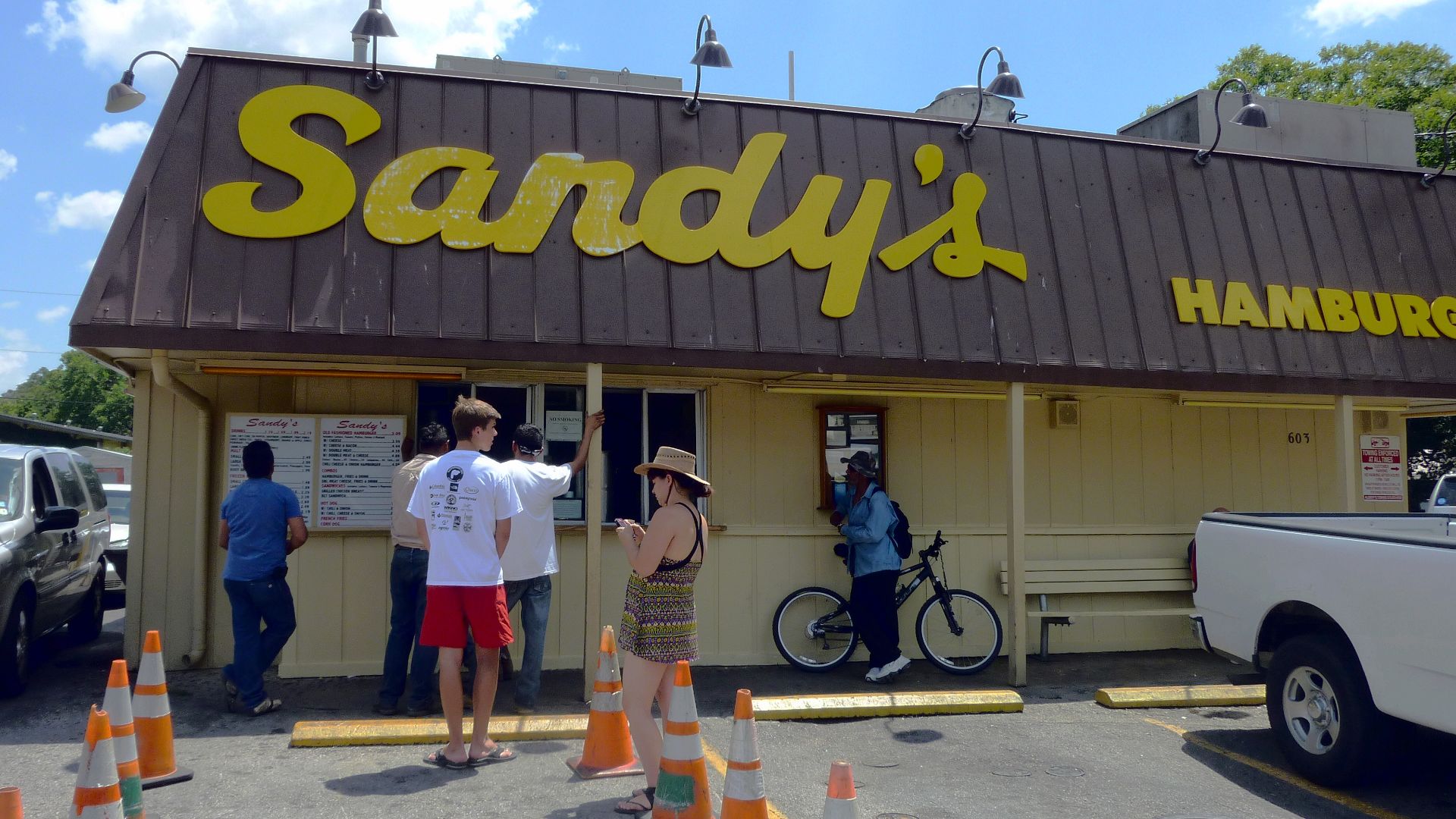
Sandy’s
With its Scottish mascot and Big Scot burger, Sandy’s gave families another place to stop for burgers, fries and shakes. The chain merged with Hardee’s in the early 70s, and restaurants gradually changed names. The last Sandy’s location made the switch in 1979.
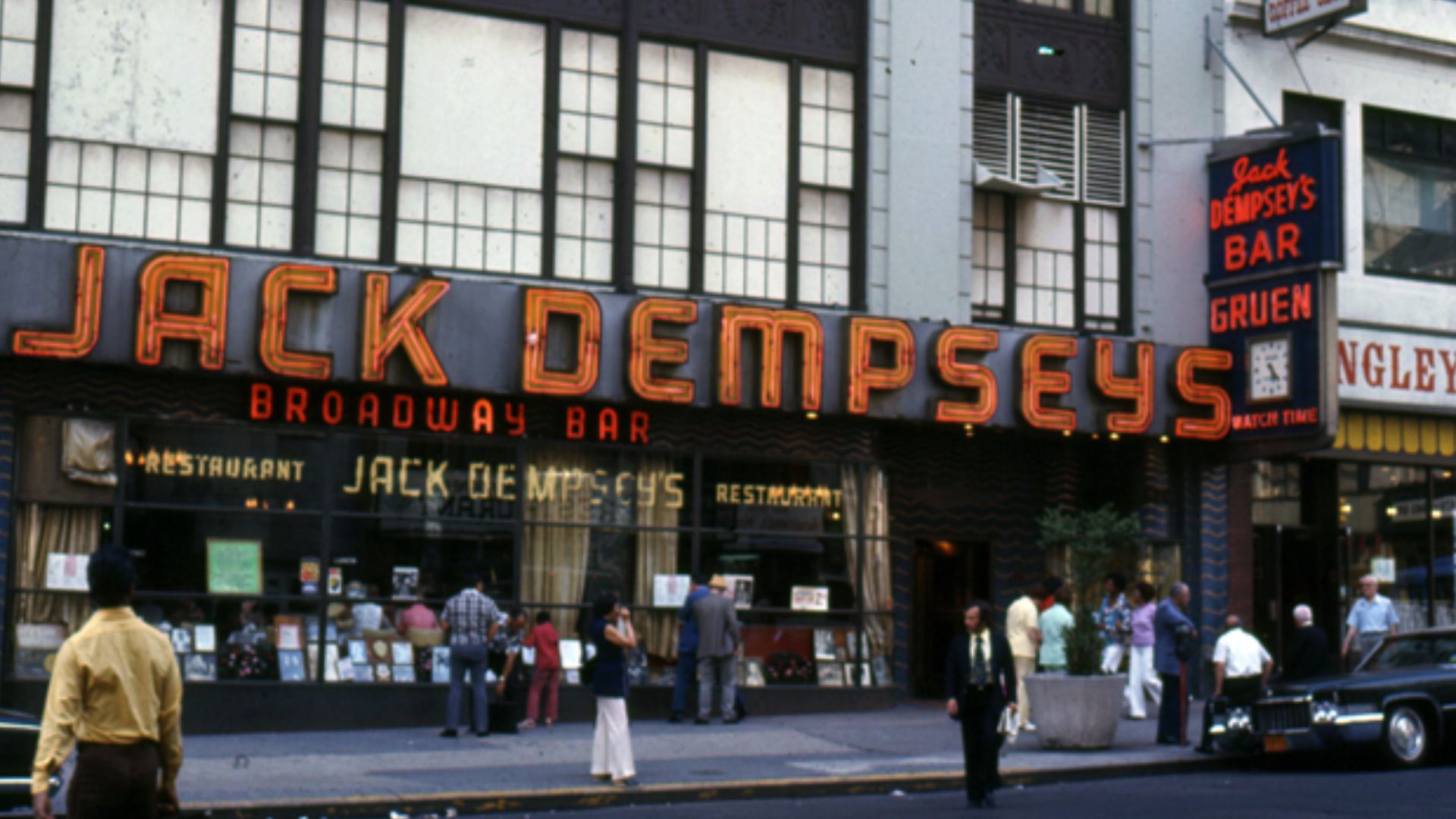
Jack Dempsey’s Broadway Restaurant
Former heavyweight champion Jack Dempsey didn’t merely lend his name to this Times Square institution. He regularly greeted customers, signed autographs and posed for pictures. The restaurant became especially famous for its cheesecake, which was shipped to customers around the world. It closed in 1974.
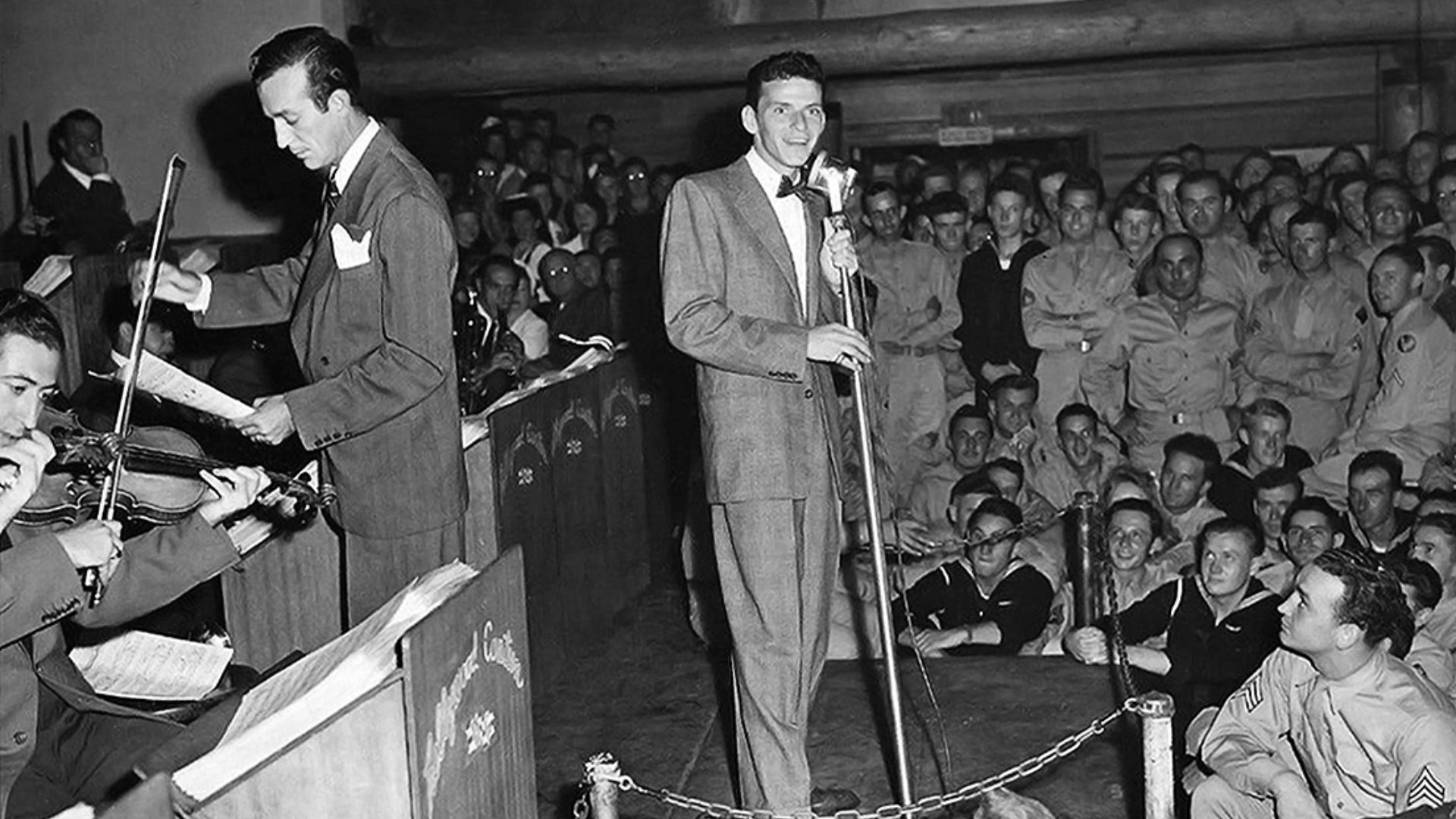
Villa Capri
Hollywood’s Villa Capri was an Italian restaurant with a guest list that included Frank Sinatra, James Dean and Marilyn Monroe. Sinatra was such a regular that it practically became his clubhouse. The restaurant lasted into the early 80s, with its building converted to other uses in 1982.
 Photographer uncredited and unknown. Distributed by the photo department of CBS., Wikimedia Commons
Winky’s
Anyone growing up around Pittsburgh might remember Winky’s and its signature Big Wink burger. At its height in 1977, the chain had 42 restaurants across Pennsylvania, Ohio and West Virginia. A difficult local economy and competition from larger chains pushed Winky’s into bankruptcy in 1982.
Minnie Pearl’s Fried Chicken
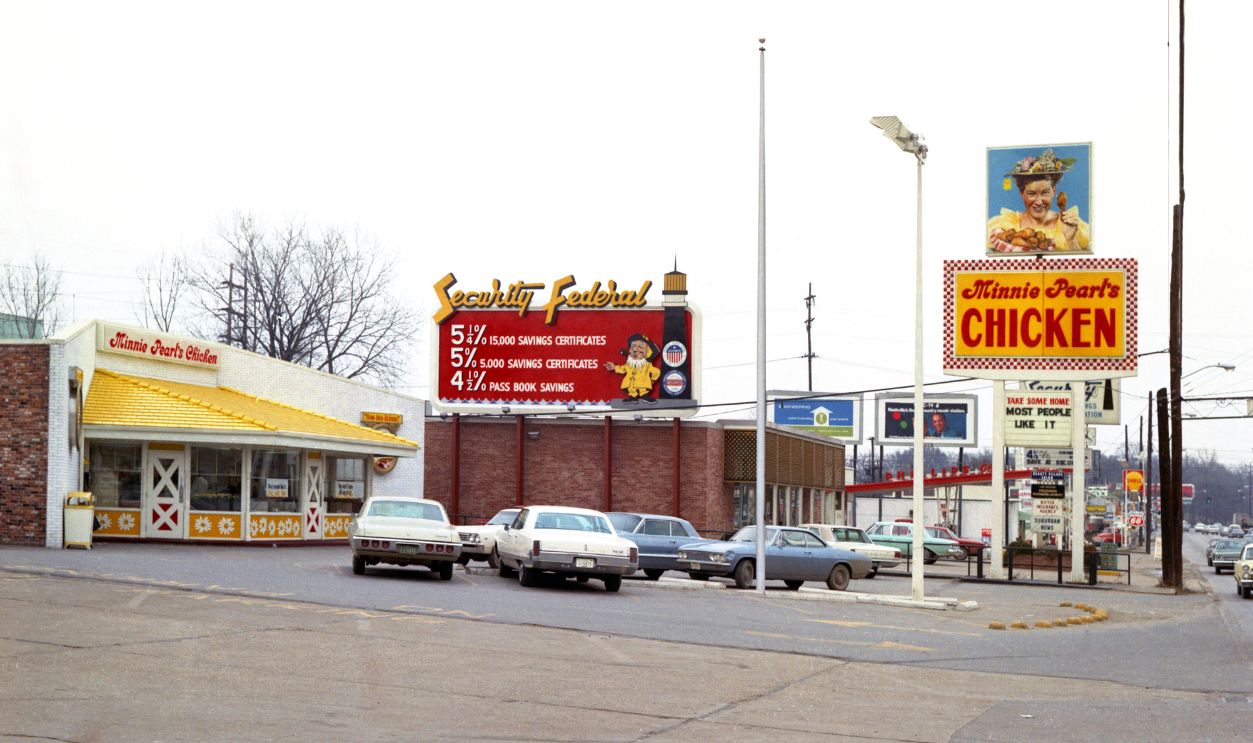
The country comedian’s name appeared on a chain selling fried chicken, mashed potatoes, coleslaw and fried pies. That sounds like a perfectly reasonable excuse to skip cooking. But celebrity recognition couldn’t keep the business going, and the last Minnie Pearl’s Fried Chicken location closed in 1973.
The Forum Of The Twelve Caesars
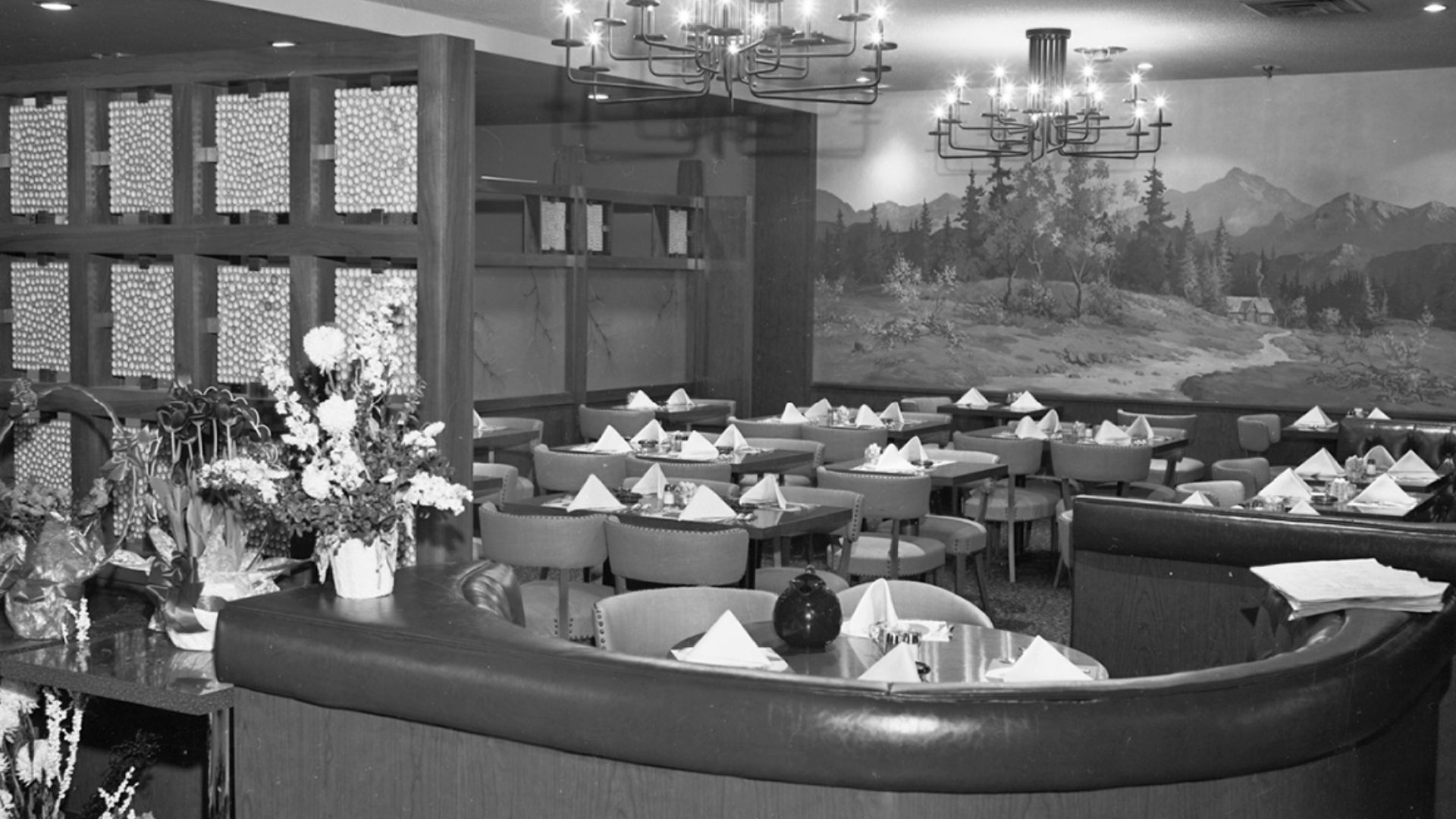
New York’s Forum of the Twelve Caesars took themed dining very seriously. Roman-inspired uniforms, elaborate paintings and wine buckets shaped like centurion helmets made dinner feel like an occasion. Opened in 1957, it closed in 1975. Even an imperial dining room still had to pay the bills.
 Seattle City Light, Wikimedia Commons
Dee’s Drive-In
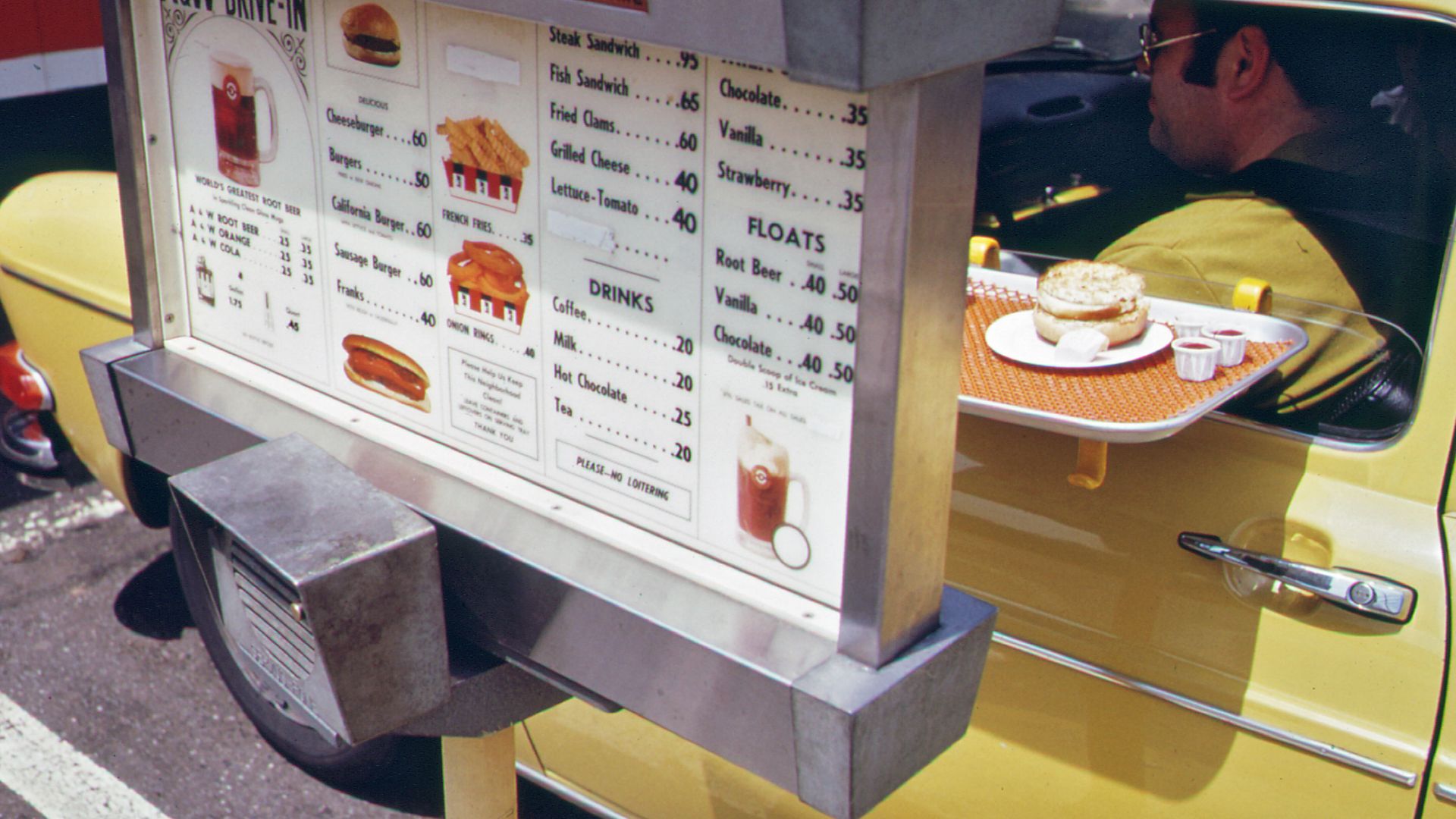
Those giant rocking clown signs made Dee’s Drive-In difficult to miss around Utah. The regional favorite served burgers, fries, shakes and apple turnovers while advertising itself with a catchy jingle. All remaining Dee’s Drive-Ins were sold to Hardee’s during the late 70s, although separate Dee’s Family Restaurants continued operating.
 Environmental Protection Agency.(12/02/1970 - ), Wikimedia Commons
Kungsholm
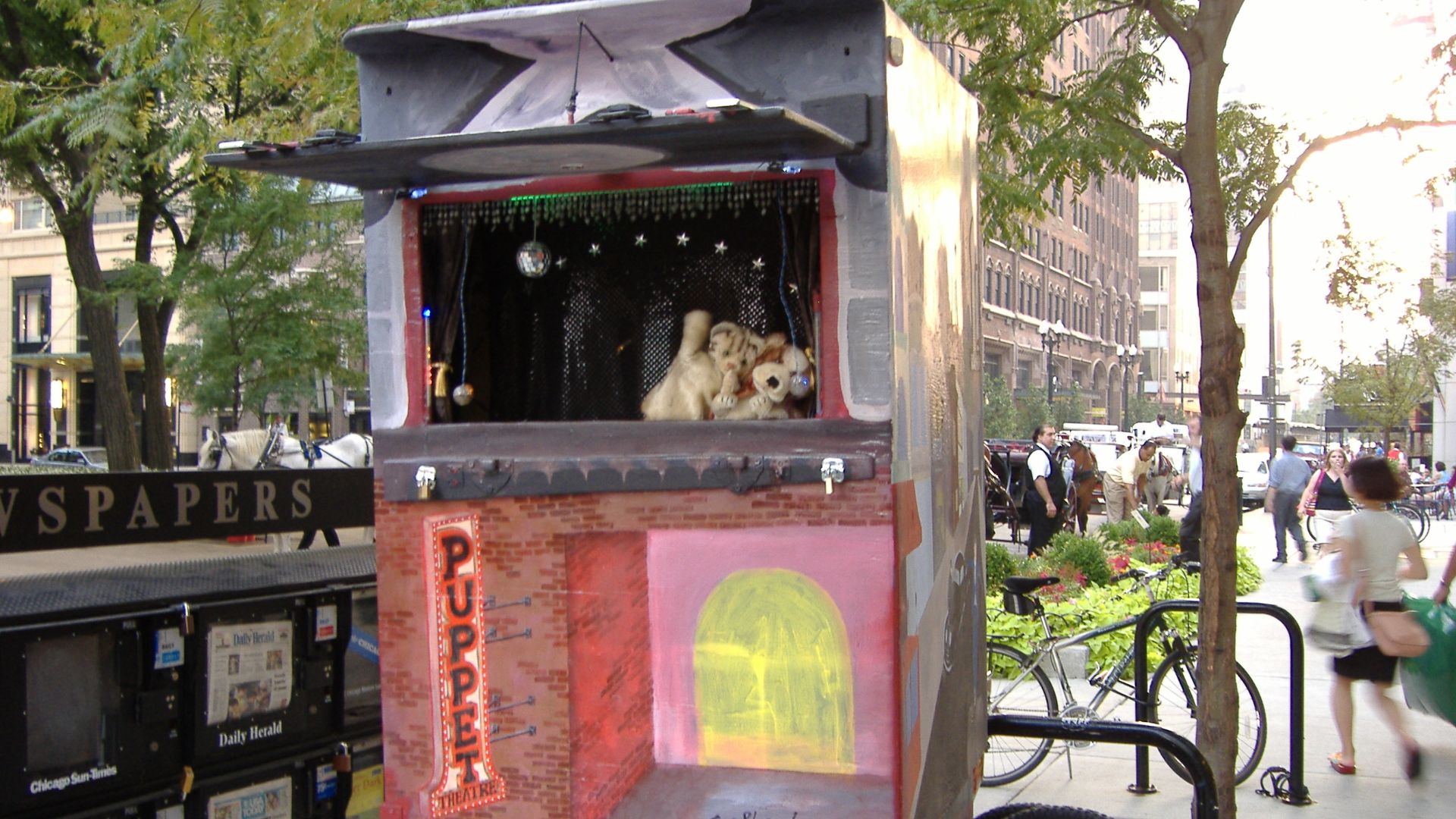
Chicago’s Kungsholm paired a Scandinavian smorgasbord with something you probably weren’t getting at home: a miniature opera performed by puppets. The elaborate productions became an attraction in their own right. Both the restaurant and its unusual entertainment disappeared in 1971. Dinner and a show really did mean something different here.
 Kim Scarborough from Chicago, IL, Wikimedia Commons
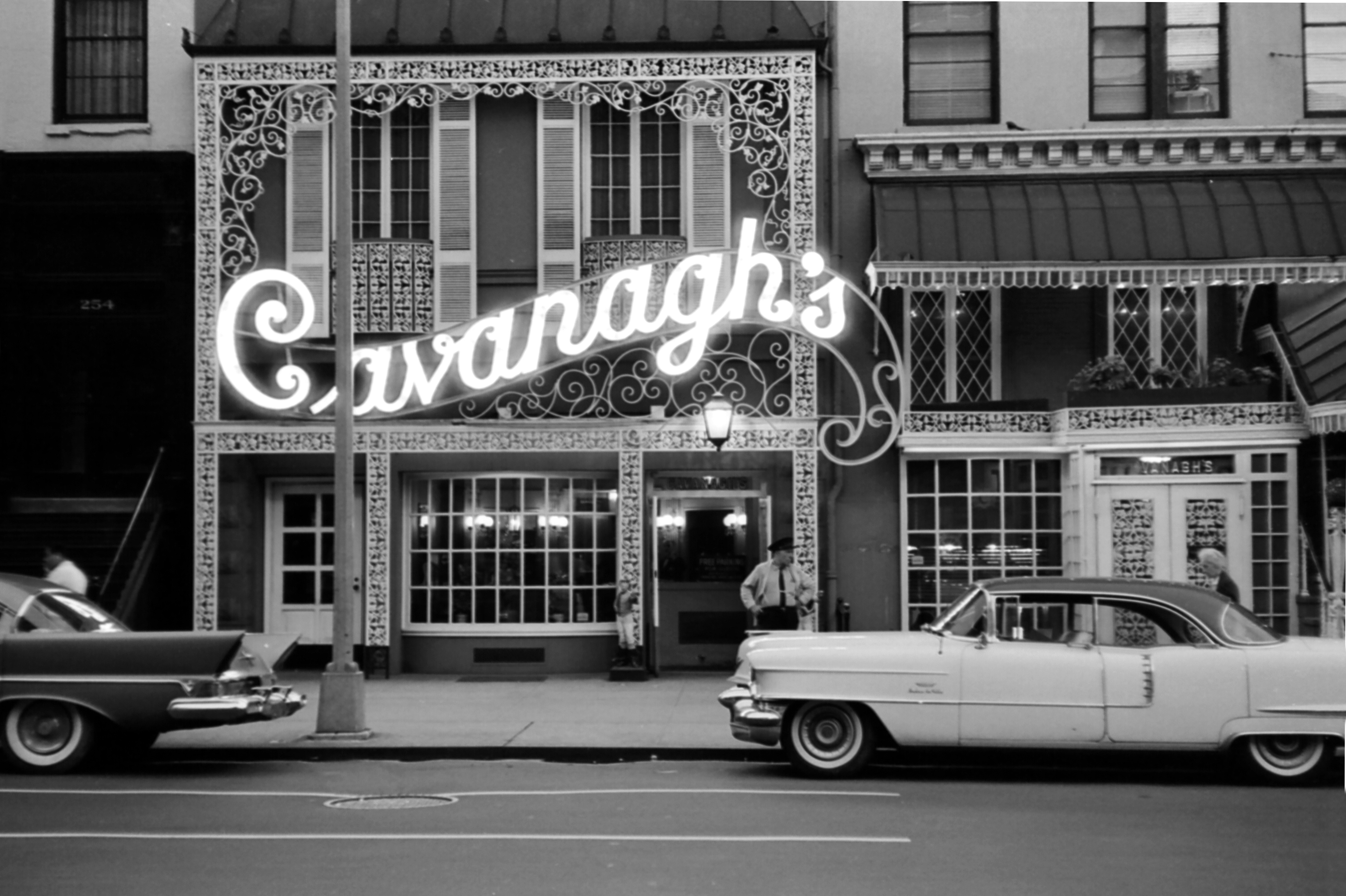
Cavanagh’s
Cavanagh’s was already an old New York institution when the 70s arrived. Its menu included steaks, seafood and dishes that reflected a much earlier style of dining. The restaurant closed in the early part of the decade, ending a history that stretched back to the 19th century.
Quo Vadis
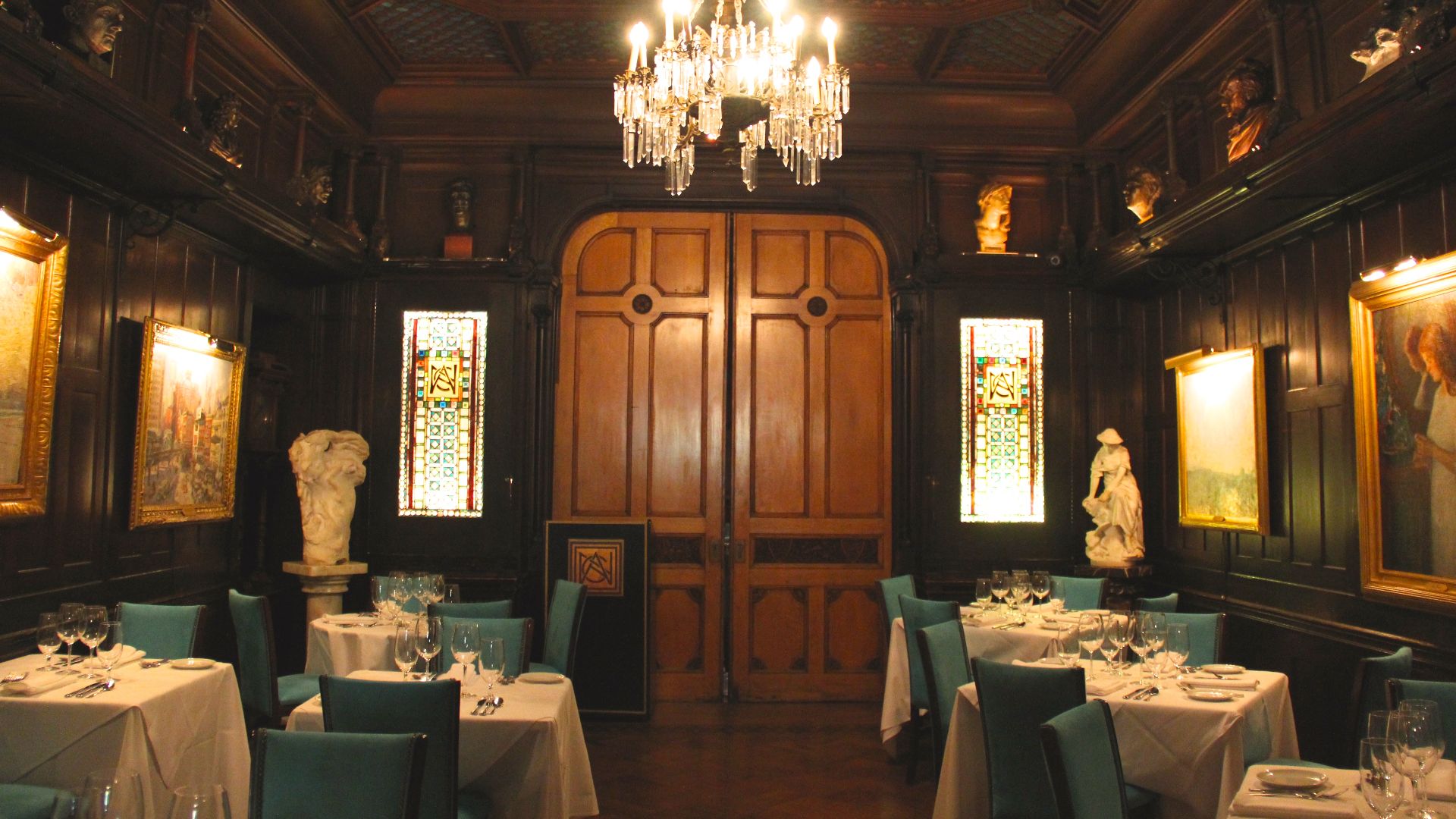
New York’s Quo Vadis was the sort of restaurant where men needed a jacket and tie, and dinner came with plenty of ceremony. French and Italian dishes, velvet walls and attentive service made it a special occasion destination. It finally closed in 1984. Definitely more than a quick bite.
Which One Gets Another Chance?
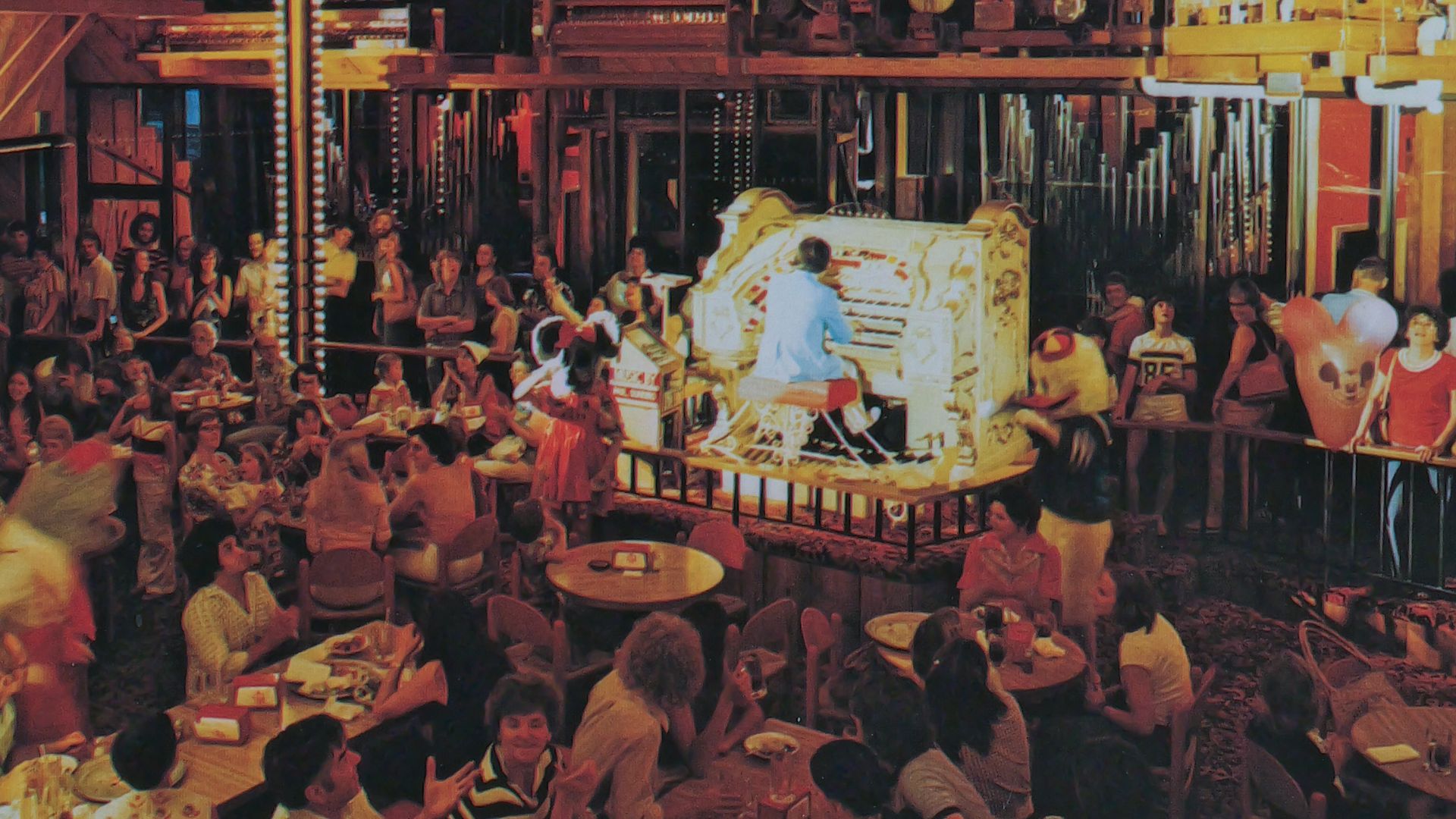
Some were places you visited regularly. Others were the restaurant you remembered from one special trip. Either way, they disappeared before most Millennials could build those same memories. If one reopened tomorrow with the old menu, which one would you try first?
 Dennis Hedberg (Owner, Organ Grinder Restaurants), Wikimedia Commons
You Might Also Like:
Money-Saving Habits From The 20th Century That Still Work Better Than Most Budgeting Apps